Category: South Jersey Real Estate

  • Underground Oil Tanks in South Jersey: What Luxury Buyers and Sellers Need to Know

    Underground Oil Tanks in South Jersey: What Luxury Buyers and Sellers Need to Know

    Few due diligence issues catch South Jersey buyers off guard as often as a buried oil tank. A beautiful home in Haddonfield, Moorestown, or Cherry Hill can be under contract and moving smoothly when a tank sweep turns up a steel cylinder in the side yard that nobody knew about. At the luxury end, where deals are larger and timelines matter, understanding underground storage tanks before you write an offer is one of the highest-value things a buyer can do.

    This is general guidance, not legal or environmental advice. Every property and every tank situation is different, and you should rely on a licensed environmental professional and, where appropriate, an attorney.

    Why oil tanks are a South Jersey issue

    Much of the region’s most desirable housing stock was built between the 1920s and the 1960s, when heating oil was the standard. Homes in Haddonfield, Collingswood, Moorestown, Merchantville, Riverton, and the older sections of Cherry Hill were commonly heated by oil delivered to a tank — sometimes in the basement, sometimes buried in the yard.

    When those homes converted to natural gas, the tanks were handled inconsistently. Some were properly removed with documentation. Some were “abandoned in place,” meaning they were pumped, filled with sand or foam, and left. Many were simply disconnected and forgotten. Steel corrodes. A tank installed in 1948 has had a long time to fail, and if it failed while it still held oil, the product went into the soil.

    New Jersey takes soil contamination seriously, and remediation is regulated. That is why a tank is a financial issue rather than merely a nuisance.

    How to find out whether a property has one

    A standard home inspection does not find buried tanks. You have to look on purpose. The tools available to you:

    • A tank sweep. A specialized contractor uses a metal detector and ground-penetrating equipment to scan the yard. This is inexpensive relative to the stakes and should be ordered on any older South Jersey home during the inspection period.
    • Visual clues. A capped fill pipe or vent pipe protruding from the ground or the exterior wall, a patched section of basement wall where a supply line passed through, or an abandoned oil furnace footprint in the basement.
    • Municipal and fire department records. Some towns hold permits for tank removals or abandonments.
    • Seller disclosure. New Jersey sellers complete a property condition disclosure that asks about underground storage tanks. Read the answer carefully, and read what is not answered.
    • Prior title and environmental records. Sometimes a prior remediation shows up in the paper trail.

    If the property has a decommissioned tank, ask for the closure documentation — the removal permit, the disposal manifest, and, most importantly, any soil sample results taken at the time.

    Finding a tank is not the same as finding a problem

    This distinction matters and gets lost in the anxiety of a live transaction. A tank that has been properly removed with clean soil sampling is a closed chapter. A tank still in the ground is an open question. The relevant question is not “is there a tank” but “did it leak.”

    Soil testing answers that. A contractor pulls samples around and beneath the tank and has them analyzed. Clean results mean you are dealing with a removal cost, which is modest. Contaminated results mean you are dealing with a remediation, which is not.

    What happens if a tank has leaked

    Remediation in New Jersey runs through a framework overseen by the Department of Environmental Protection, and in most residential cases the work is directed by a Licensed Site Remediation Professional. The general path is: delineate how far the contamination extends, remove the affected soil, confirm with post-excavation sampling, and obtain documentation that the case is closed.

    The cost range is wide. A small, contained release under a driveway is a different project from a plume that has reached groundwater or crossed onto a neighboring lot. Two variables drive the number more than anything else: how far the contamination has spread, and how accessible it is. A tank under a mature specimen garden, a hardscaped patio, or an addition foundation is far more expensive to address than one in an open side yard.

    New Jersey has historically operated grant and loan programs to help homeowners with residential tank remediation, though funding and eligibility change over time. If you are facing a remediation, ask your environmental contractor what programs are currently available.

    Negotiating around a tank as a buyer

    You have several workable structures, and the right one depends on how much certainty you need and how much time you have.

    • Seller removes and remediates before closing, delivering a clean closure letter. This is the cleanest outcome and the one to push for when the timeline allows.
    • Escrow holdback. Money is held at settlement to fund the work after closing. The escrow needs to be large enough to cover a realistic worst case, not an optimistic estimate.
    • Price credit. You take the property and the problem in exchange for a reduction. Only sensible when testing has already defined the scope.
    • Walk. If sampling shows a significant release and the seller will not address it, an undefined environmental liability on a seven-figure purchase is a rational reason to terminate within your contingency.

    One practical note: get the testing done early. New Jersey’s attorney review period and inspection window move quickly, and a tank sweep ordered in week three leaves you no leverage.

    If you are the seller

    Sellers of older South Jersey homes are almost always better off getting ahead of this. Order your own tank sweep before you list. If there is a tank, test it. If it is clean, remove it and put the closure documentation in your listing file where every buyer’s agent can see it. If it leaked, you now get to solve the problem on your schedule with your choice of contractor rather than under a thirty-day deadline with a nervous buyer’s attorney negotiating against you.

    At the luxury end this is especially worth doing. Buyers paying premium prices expect clean paperwork, and an unresolved environmental question is exactly the kind of uncertainty that costs you either the buyer or a disproportionate concession.

    Frequently asked questions

    Does a home inspection include checking for a buried oil tank?

    No. A standard home inspection is visual and does not include subsurface scanning. You need to separately order a tank sweep from a contractor who specializes in underground storage tank detection, and you should do it early in your inspection period.

    Is an oil tank that was abandoned in place acceptable?

    It can be, if it was properly decommissioned with a permit and soil sampling showed no contamination. Without that documentation, an abandoned tank is an unknown. Many buyers and lenders prefer full removal with a closure letter, and it is reasonable to ask for it.

    Will an oil tank affect my ability to get a mortgage or insurance?

    It can. Some lenders and insurers are cautious about known underground storage tanks or documented contamination, particularly on jumbo loans. Raise it with your lender and insurance agent as soon as a tank is discovered rather than waiting until you are approaching your commitment deadline.

    If you are buying or selling an older home in Haddonfield, Moorestown, Collingswood, Cherry Hill, or anywhere in South Jersey, I can help you order the right testing at the right time and negotiate from a position of information rather than surprise. Reach out to James Kennedy at 215-267-8479 or jameskennedy@unlockedteam.com.
  • Merchantville, New Jersey: A Town Guide for Luxury Home Buyers

    Merchantville, New Jersey: A Town Guide for Luxury Home Buyers

    Merchantville is one of the smallest municipalities in Camden County and one of the most architecturally distinctive. Barely over half a square mile, the borough was built out largely in the late nineteenth century as a rail suburb for Philadelphia, and much of that housing stock survives: turreted Queen Annes, deep wraparound porches, carriage houses, and slate roofs on lots that would be impossible to assemble today. For luxury buyers who want character and walkability without a large-estate footprint, it deserves a serious look.

    The character of the town

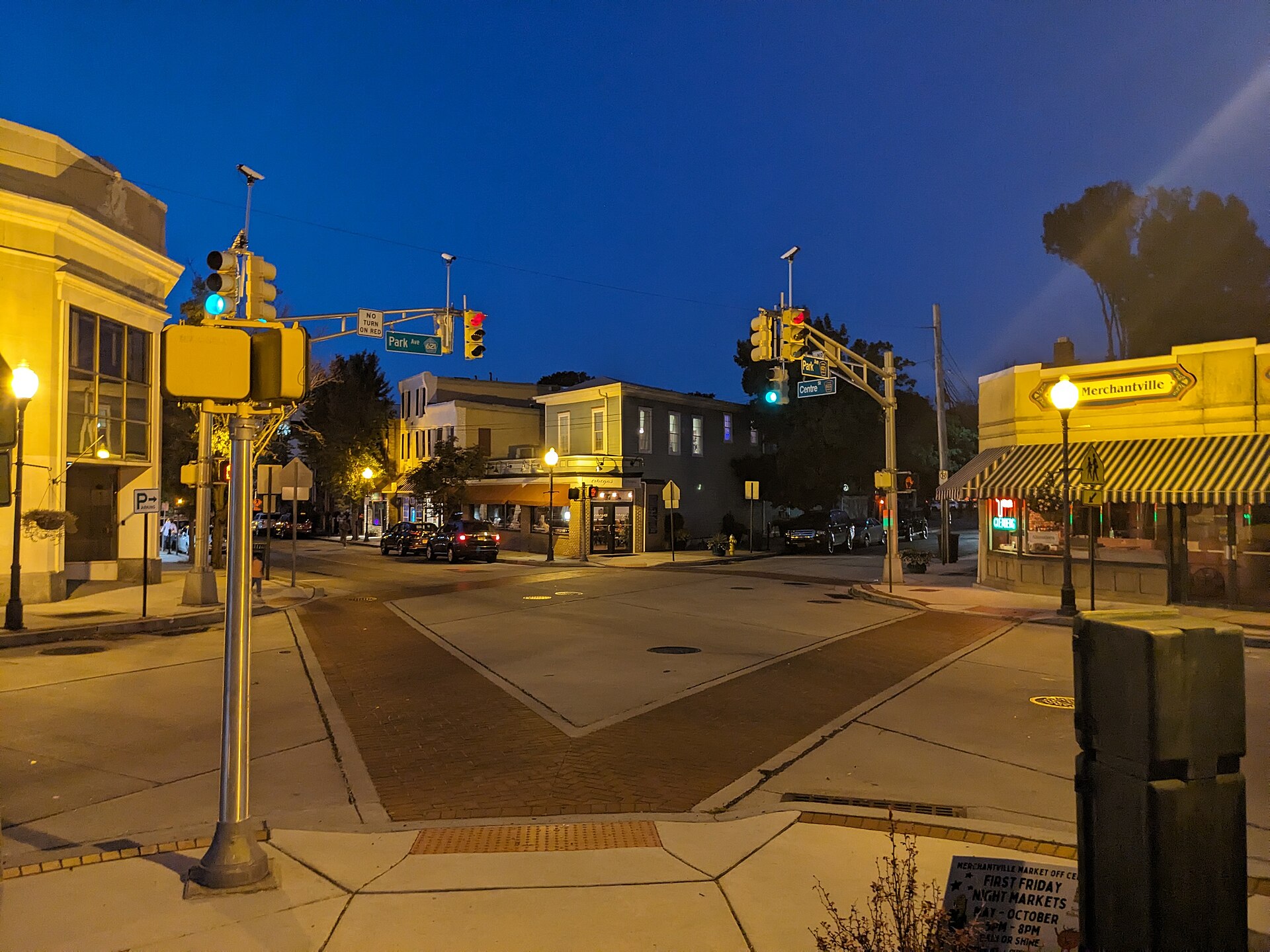
    Merchantville’s appeal is its coherence. Because the borough was developed in a compressed period and never expanded much, the streets read as a continuous Victorian streetscape rather than a patchwork of eras. Homes are close enough together to make sidewalks lively but set back far enough to have front lawns and real porches. The compact downtown gives residents a genuine town center to walk to — coffee, restaurants, a few independent shops, and community events.

    The scale is the key thing to understand. This is not a town of ten-acre estates. It is a town of substantial, ornate, historically significant houses on village lots. Buyers who want privacy behind a gate will be happier in Moorestown, Medford, or Mullica Hill. Buyers who want to walk to dinner from a house with original pocket doors and a third-floor turret room are in the right place.

    What the housing stock looks like

    • Queen Anne and Victorian singles. The signature Merchantville house: asymmetrical massing, turrets or towers, decorative shingle work, wraparound porches, high ceilings, and elaborate interior millwork.
    • Colonial Revival and Foursquare homes. Slightly later, more restrained, often with excellent bones and simpler maintenance profiles.
    • Carriage houses and outbuildings. A number of properties retain original secondary structures, some converted to garages, studios, or guest space.
    • Renovated versus original. Inventory varies dramatically between meticulously restored homes and properties carried lightly for decades. Pricing follows that split closely.

    Location, commuting, and access

    Merchantville sits just east of Pennsauken and north of Cherry Hill, close to Route 38, Route 70, and Route 130, with I-295 and the New Jersey Turnpike a short drive away. The Betsy Ross and Ben Franklin bridges put Center City Philadelphia within a manageable drive outside peak hours. PATCO Speedline stations in nearby Westmont and Haddonfield offer a rail option into Philadelphia for buyers who prefer not to drive, and NJ Transit and the River LINE provide additional regional connections.

    Practically, most Merchantville households run larger errands in Cherry Hill or Collingswood, where the bigger grocery and retail options are, and use the borough’s own downtown for dining, coffee, and community life. Haddonfield’s shopping district is roughly ten minutes away, and Philadelphia’s cultural institutions are close enough for a weeknight.

    What luxury buyers should evaluate

    Buying a high-end Victorian is a different exercise from buying new construction. Focus your diligence here:

    • Roof, gutters, and exterior trim. Elaborate Victorian exteriors have many joints, valleys, and decorative elements, each a potential water entry point. Ask for the roof’s age and material and get a close look at soffits, fascia, and porch framing.
    • Porch structure. Wraparound porches are the most charming and most frequently deteriorated element on these houses. Check columns, decking, and the footings underneath.
    • Mechanical systems. Confirm heating type and age, whether central air exists on all floors, electrical panel capacity, and whether any knob-and-tube wiring remains. Insurance carriers care about the answers.
    • Basement and foundation. Look for seepage history, sump systems, and grading around the house. Older stone or brick foundations need honest assessment, not reassurance.
    • Environmental items. On homes built before 1978, lead-based paint disclosure applies. Buried oil tanks are a known issue across older South Jersey towns; a tank sweep is inexpensive relative to the risk and is worth doing.
    • Permits and prior work. Verify that additions, decks, finished basements, and system replacements were permitted. Unpermitted work becomes your problem at resale.

    Historic considerations

    Merchantville takes its architectural identity seriously, and buyers planning exterior changes should confirm at the borough level what approvals apply to a specific property before committing to a renovation plan. Get that answer in writing during your inspection period. The same applies to questions about lot coverage, setbacks, and accessory structures on these compact village lots.

    How pricing works in a small borough

    Merchantville’s small size means limited annual turnover, and that has real consequences for pricing. There may be only a handful of truly comparable sales at the high end in a given year, so condition, quality of restoration, lot position, and off-street parking can move value more than raw square footage. Automated valuations tend to struggle with houses this idiosyncratic.

    Sellers benefit from marketing that communicates craftsmanship — photography and copy that show the millwork, the stained glass, the tile, and the restoration work rather than treating the house as a generic four-bedroom. Buyers benefit from an agent who can look at two similar-looking Victorians and explain why one is worth meaningfully more. For current inventory and recent comparable sales, reach out directly rather than relying on public estimates.

    Merchantville compared with nearby towns

    • Versus Collingswood: Both are walkable and architecturally rich. Collingswood has a larger and busier restaurant corridor; Merchantville is quieter and smaller in scale.
    • Versus Haddonfield: Haddonfield offers a bigger downtown, a deeper luxury inventory, and direct PATCO access, generally at a higher price point.
    • Versus Moorestown or Medford: Those towns deliver land, privacy, and larger lots. Merchantville delivers walkability, architecture, and a village feel.

    Frequently asked questions

    Is Merchantville a good commuter town for Philadelphia?

    Yes for most schedules. The borough has quick access to Route 38, Route 70, and I-295, with the Betsy Ross and Ben Franklin bridges nearby for a drive into Center City. Buyers who prefer rail typically use PATCO from nearby Westmont or Haddonfield. Commute times vary meaningfully with bridge and highway traffic, so test your route at the hour you would actually travel.

    What kind of luxury homes exist in a town this small?

    The high end of Merchantville consists mainly of large, restored Victorian and Colonial Revival single-family homes — often four or more bedrooms with original architectural detail, updated systems, and sometimes a carriage house or detached garage. It is a market defined by architecture and restoration quality rather than acreage.

    What should I budget for beyond the purchase price?

    Plan for ongoing maintenance appropriate to a historic home: periodic exterior painting, roof and gutter work, porch upkeep, and system modernization over time. Insurance for older homes can also price differently depending on wiring, roof age, and replacement cost. Ask for actual utility and maintenance history from the seller where available, and get contractor estimates during your inspection period rather than after closing.

    Considering Merchantville or another South Jersey town? James Kennedy works with buyers and sellers of high-end homes throughout South Jersey and Philadelphia and can tell you what is actually available, what recently sold, and what a specific property is worth today. Call James at 215-267-8479 or email jameskennedy@unlockedteam.com.

  • Wells, Septic Systems, and Acreage: A Buyer’s Guide to Estate Properties in South Jersey and the Philadelphia Suburbs

    Wells, Septic Systems, and Acreage: A Buyer’s Guide to Estate Properties in South Jersey and the Philadelphia Suburbs

    Once a search moves past the neighborhood grid and into acreage, the mechanics of the house change. Estate properties in Chester County, Bucks County, and the horse-country and farmland pockets of South Jersey frequently run on a private well and an on-site septic system rather than public water and sewer. That is not a defect. It is simply a different set of systems to understand, budget for, and inspect properly before you close.

    Why acreage often means private systems

    Public water and sewer lines follow density. Where lots are measured in acres rather than feet of frontage, extending municipal infrastructure is rarely economical, so homes rely on a drilled well for water and an on-lot septic system for wastewater. Many of the region’s most desirable properties fall into this category: preserved farmland in Gloucester and Salem counties, the wooded parcels around Medford and Shamong, the estate corridors of Chester County, and much of upper Bucks.

    A well-built, well-maintained private system can serve a large household for decades at modest ongoing cost. A neglected one can turn into a serious expense. The difference is almost entirely a matter of what was installed, how it has been maintained, and how carefully the buyer investigated.

    Understanding the well

    A residential well draws from groundwater through a drilled borehole and delivers water through a submersible pump and pressure tank. The things that matter to a buyer are:

    • Yield. How many gallons per minute the well produces under sustained draw. A large home with multiple baths, an irrigation system, and a pool needs meaningfully more capacity than a small one. Ask for a flow test performed under realistic conditions, not a brief spot check.
    • Water quality. Test for bacteria, nitrates, and the contaminants relevant to your area. In parts of Pennsylvania, radon in water and naturally occurring arsenic are worth screening. Where agriculture is or was nearby, nitrate and pesticide screening is prudent.
    • Depth, age, and construction. Older shallow wells are more vulnerable to seasonal fluctuation and surface contamination than modern deep-drilled wells with proper casing and grouting.
    • Treatment equipment. Many estate homes have softeners, neutralizers, ultraviolet systems, or whole-house filtration. Find out what is installed, why it was installed, and what it costs to service.

    Understanding the septic system

    A conventional septic system separates solids in a tank and disperses the liquid effluent through a drain field, where soil does the final treatment. Some properties have alternative or advanced systems: mound systems, sand filters, drip dispersal, or aerobic treatment units. These are typically installed because site conditions demanded them, and they carry higher maintenance obligations.

    What a buyer needs to establish:

    • Size relative to the house. Systems are permitted for a specific number of bedrooms. If a prior owner finished an attic or added a suite without upgrading the system, capacity may not match the house as it exists.
    • Condition of the tank and field. A proper inspection means pumping the tank, inspecting baffles, and evaluating the drain field’s ability to accept flow. A visual check of a lid is not an inspection.
    • Maintenance history. Ask for pumping records. Regular pumping is the single best predictor of a healthy system.
    • Permits and records. County health departments generally hold the original permit and any repair records. Those documents tell you what was approved and when.
    • Replacement area. If the existing field ever fails, is there a viable location and soil profile for a replacement? On a constrained lot, that answer materially affects value.

    New Jersey and Pennsylvania both regulate on-site wastewater at the state and county level, and some municipalities impose their own inspection or pumping requirements at transfer. Confirm local rules early, because they can affect your timeline.

    The rest of the acreage checklist

    Access and easements

    Long private drives, shared lanes, and utility easements are common on estate parcels. Establish in writing who maintains a shared drive, who plows it, and what the recorded agreement says.

    Preserved land and agricultural programs

    Farmland preservation easements and agricultural tax assessment programs are widespread in South Jersey and Chester County. They can meaningfully reduce carrying cost while also restricting what you may build. Read the easement itself, not a summary of it.

    Outbuildings and barns

    Barns, run-in sheds, garages, and guest cottages each carry their own condition, permitting, and insurance questions. Confirm that every structure is permitted and that any apartment or accessory dwelling is legal.

    Wetlands, floodplain, and soils

    Delineated wetlands and floodplain limit where you can build, place a pool, or expand a septic field. Order the mapping before you plan improvements.

    Propane, oil, and generators

    Where natural gas does not reach, heating usually runs on propane or oil. Ask about tank ownership and, for buried oil tanks, about testing and any history of removal.

    How this affects your offer and your timeline

    Estate purchases deserve a longer, more deliberate due-diligence period than a rowhome purchase. Water testing, a real septic inspection, survey work, and easement review all take time and often require independent specialists. Build that into your agreement of sale rather than compressing it. In Pennsylvania, negotiating adequate inspection time in the agreement matters; in New Jersey, the attorney review period is the natural moment to shape those terms.

    None of this should discourage a buyer. Properties like these hold value precisely because their setting cannot be replicated. The point is to buy with full information and to price any needed work into the deal rather than discovering it afterward.

    Frequently asked questions

    Is it harder to finance a home with a well and septic system?

    It is routine, but lenders often require satisfactory water potability results and evidence that the septic system is functional. Loan programs vary in how strict they are, so tell your lender early that the property is on private systems and confirm what documentation they will require.

    How often should a septic system be pumped?

    The commonly recommended interval for a conventional residential system is every few years, adjusted for tank size and household load. Advanced treatment systems typically require more frequent service and sometimes an ongoing maintenance contract. Your county health department and a licensed septic contractor can tell you what applies to a specific system.

    Can I add a pool, an addition, or a guest house on an acreage property?

    Often yes, but the limits come from zoning setbacks, wetlands and floodplain mapping, the location of the septic field and its replacement area, and any conservation or preservation easement on the land. Verify all of these before you make an offer contingent on your renovation plans.

    Whether you are buying or selling at the high end in Philadelphia or South Jersey, James Kennedy can give you current, address-specific guidance rather than generalities. Call James at 215-267-8479 or email jameskennedy@unlockedteam.com to talk through your search, your timing, or what your home would bring in today’s market.

  • Medford, New Jersey: A Town Guide for Luxury Home Buyers

    Medford, New Jersey: A Town Guide for Luxury Home Buyers

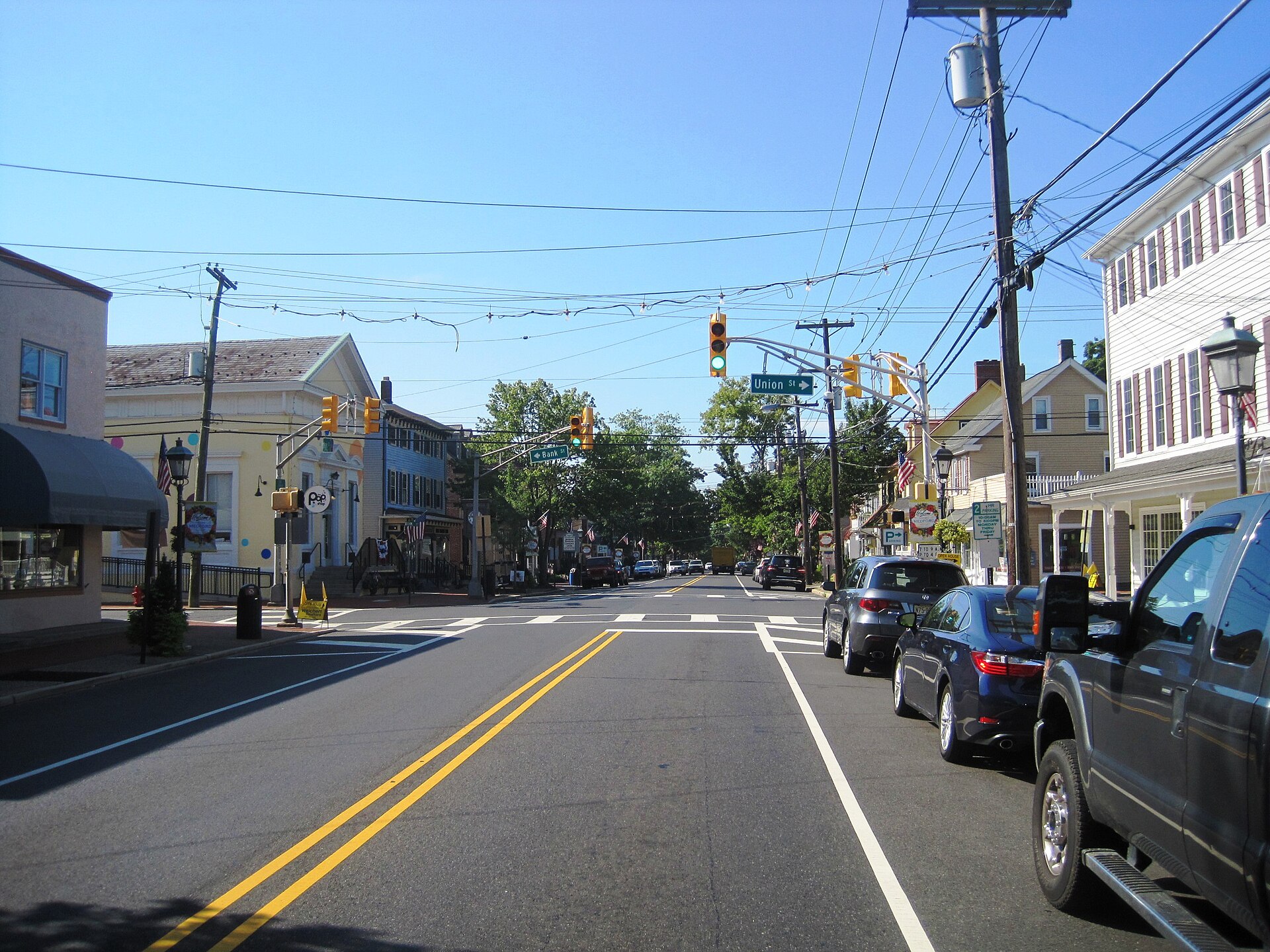
    Medford Township sits in Burlington County at the edge of the New Jersey Pine Barrens, roughly a 40-minute drive from Center City Philadelphia. It’s a different kind of South Jersey luxury market than towns like Haddonfield or Moorestown — Medford’s appeal rests less on a dense, walkable downtown and more on space, privacy, and a wooded, semi-rural setting that’s still within reach of the city.

    A wooded, low-density luxury market

    Medford’s defining physical characteristic is its landscape. Much of the township borders protected Pinelands forest, and residential development here has generally favored larger lots — often an acre or more — with mature tree cover and, in many neighborhoods, private wells and septic systems rather than municipal utilities. For buyers who want a substantial, private homesite without leaving the greater Philadelphia region, that combination is hard to replicate closer to the city or in denser South Jersey suburbs.

    The luxury housing stock in Medford includes custom-built homes on wooded acreage, some architect-designed contemporary homes that take advantage of the wooded settings, and a smaller supply of older farmhouses and historic properties near the town’s original village core. Equestrian and hobby-farm properties also show up here more often than in towns closer to Philadelphia, reflecting the more rural character of the area.

    Medford Village and downtown character

    Unlike the surrounding wooded residential areas, Medford Village itself has a genuine small-town Main Street feel, with independent shops, restaurants, and a historic district that dates back to the town’s early industrial period. It’s smaller in scale than Haddonfield’s or Moorestown’s downtowns, but it gives Medford residents a walkable center for dining and errands even though most of the surrounding housing sits on larger, more spread-out lots.

    Schools

    Medford is served by its own K-8 school system, with high school students typically attending Shawnee High School as part of the Lenape Regional High School District, which also serves several neighboring Burlington County towns. As with any town, confirming the specific schools and district boundaries tied to an individual address is worth doing early, since boundary lines don’t always track neatly with a town’s overall borders.

    Commuting and access

    Medford does not have direct passenger rail access, which is an important difference from PATCO-served towns like Haddonfield or Collingswood. Most residents commute by car, typically via Route 70 or Route 541 toward the Ben Franklin Bridge or Tacony-Palmyra Bridge corridors, or toward the PATCO line in Haddonfield or Cherry Hill’s park-and-ride options. For buyers whose work is fully remote or requires only occasional trips into Philadelphia, this trade-off is easy to accept in exchange for the space and privacy Medford offers; for buyers commuting into Center City five days a week by transit, it’s worth test-driving the actual commute before committing.

    Lifestyle and setting

    Medford’s proximity to the Pine Barrens gives residents easy access to hiking, the Medford Lakes area, and a generally quieter, more nature-oriented lifestyle than towns closer to Philadelphia’s suburbs. Medford Lakes, a distinct community within the township built around a series of small lakes, has its own rustic, cabin-community character that draws buyers looking for something different from typical suburban development. This setting appeals particularly to buyers who value outdoor space, want room for horses or a larger garden, or simply want more separation between themselves and their neighbors.

    How Medford compares to other South Jersey towns

    • Medford vs. Moorestown: Moorestown offers a denser, more classically manicured suburban feel with a stronger downtown retail core; Medford trades that for larger lots and more wooded privacy.
    • Medford vs. Haddonfield: Haddonfield has PATCO rail access and a highly walkable downtown; Medford is a car-dependent town built around space rather than walkability.
    • Medford vs. Mullica Hill: Both offer a more rural feel than the inner-ring South Jersey suburbs, though Mullica Hill sits farther south and leans more toward its historic Main Street and antiquing culture.

    Frequently asked questions

    Does Medford, NJ have train access to Philadelphia?

    No, Medford does not have direct passenger rail service. Most residents commute by car, often connecting to PATCO service in a neighboring town or driving directly across one of the Delaware River bridges.

    What size lots are typical for luxury homes in Medford?

    Many of Medford’s higher-end homes sit on lots of an acre or more, reflecting the township’s wooded, lower-density character relative to inner-ring South Jersey suburbs.

    What school district serves Medford?

    Medford operates its own K-8 school system, with high school students generally attending Shawnee High School through the Lenape Regional High School District.

    If Medford’s blend of space and privacy sounds like the right fit — or if you want to compare it against other South Jersey towns before deciding — James Kennedy can help you evaluate current listings and trade-offs. Reach James at 215-267-8479 or jameskennedy@unlockedteam.com.
    What buyers give up, and what they gain

    The trade-off in Medford is straightforward: buyers accept a longer or less convenient commute and, in many neighborhoods, private well and septic systems instead of municipal water and sewer, in exchange for larger lots, more tree cover, and a quieter day-to-day setting than they’d find closer to Philadelphia or along the PATCO corridor. For some buyers — particularly those who work from home most of the week, or who want room for a pool, a barn, or simply more distance from neighbors — that trade is an easy one. For buyers who need a five-day-a-week transit commute into Center City, it’s worth weighing carefully before committing to the area.

    Private wells and septic systems are common enough in Medford’s more rural sections that they deserve their own line item in due diligence. A well and septic inspection should be a standard part of any offer here, since replacement or remediation costs for either system can run well into five figures and aren’t always obvious from a walkthrough alone.

  • Woolwich Township, New Jersey: A Town Guide for Luxury Home Buyers

    Woolwich Township, New Jersey: A Town Guide for Luxury Home Buyers

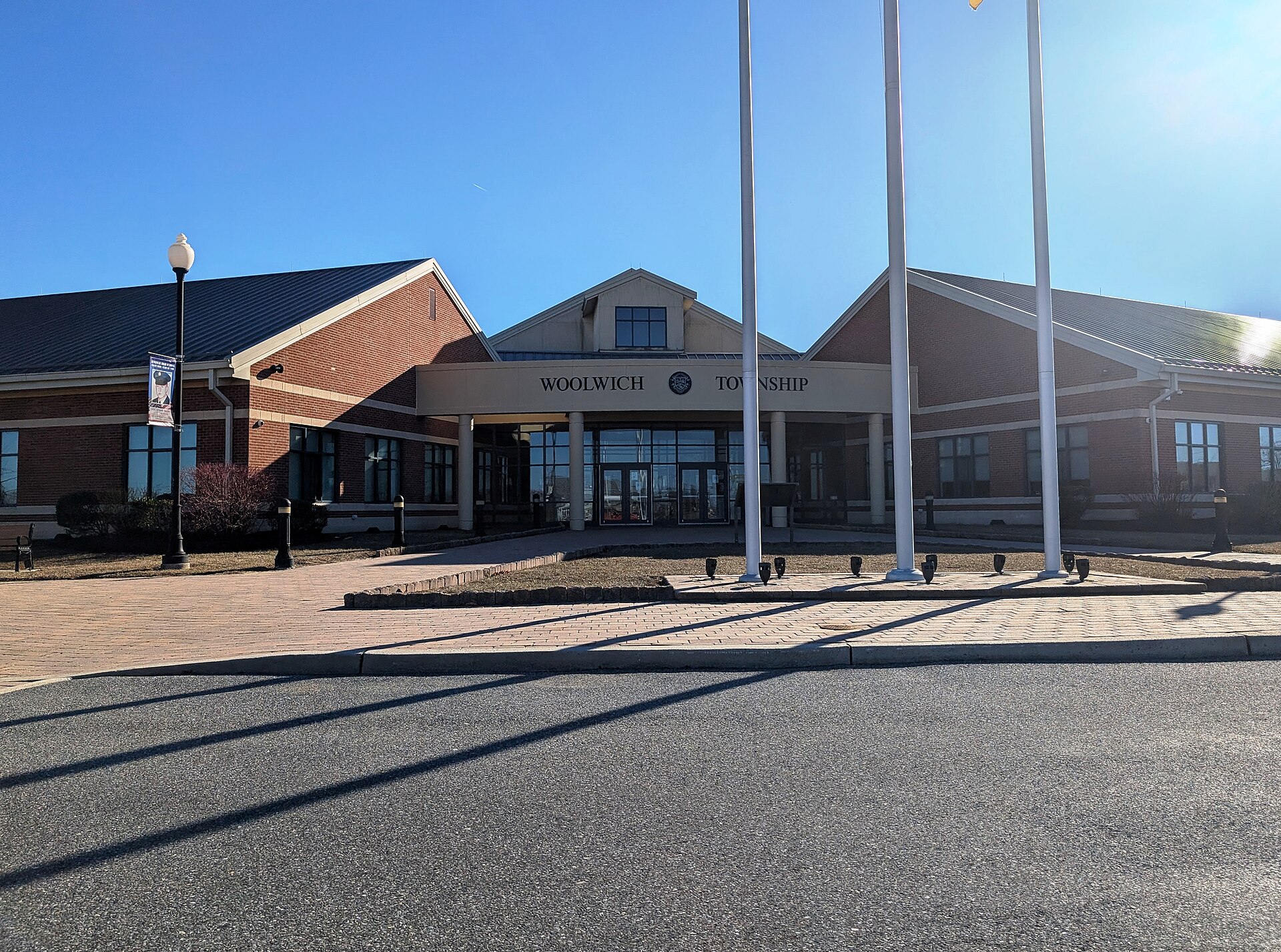
    Woolwich Township, in Gloucester County, has transformed over the past two decades from a largely agricultural community into one of South Jersey’s more active markets for newer, larger homes. For luxury buyers who want more square footage and land per dollar than towns closer to the Ben Franklin or Walt Whitman bridges typically offer, and who don’t mind a longer commute in exchange for that space, Woolwich has become a serious contender.

    A Newer Kind of South Jersey Suburb

    Unlike Haddonfield, Moorestown, or Collingswood — established towns with 19th- and early 20th-century housing stock and walkable downtowns — Woolwich Township’s residential growth is largely a product of the last twenty to twenty-five years. That means buyers here are generally choosing among planned communities and newer subdivisions rather than historic homes, with the advantages and trade-offs that come with that difference: modern systems and layouts, but a less established town center and fewer mature, walkable commercial districts.

    The township sits along the Route 322 and Route 295 corridor in Gloucester County, giving residents relatively direct highway access toward the Commodore Barry Bridge and points into Delaware and Delaware County, as well as toward Philadelphia via I-295 and the bridges further north.

    The Housing Stock

    Luxury buyers in Woolwich Township are typically choosing among:

    • Large new-construction single-family homes in planned communities, often four or more bedrooms with primary suites, finished basements, and three-car garages as standard or common upgrades.
    • Custom-built homes on larger lots outside the main planned communities, for buyers who want more land or a less uniform streetscape.
    • Homes in age-restricted and lifestyle communities, which have become a meaningful part of the township’s newer housing stock and appeal to downsizing buyers who still want modern finishes and low-maintenance living.

    Because so much of the inventory is relatively new, buyers typically spend less on immediate renovation than they might in an older South Jersey town, though it’s still worth a full inspection on any home, new or otherwise.

    Schools and Community

    Woolwich Township is part of the Kingsway Regional School District for middle and high school, along with its own elementary district, and the area’s rapid residential growth has been closely tied to ongoing investment in local schools and community infrastructure. Families considering the area should research current school assignments and capacity directly, since a fast-growing township can see boundaries and facilities evolve more than in a long-established community.

    Who Woolwich Township Fits Best

    Woolwich tends to draw buyers who prioritize home size, lot size, and modern construction over walkable downtown character, and who are comfortable with a car-dependent daily routine in exchange for that space. It’s a strong fit for growing families who want more bedrooms and a larger yard than an older, more established South Jersey town can offer at a comparable price point, and for buyers relocating from other newer-construction markets who are used to planned-community living. Buyers who prioritize a walkable Main Street, a short rail commute to Philadelphia, or historic architecture will likely find more of what they’re looking for in towns like Haddonfield or Collingswood.

    What to Know Before You Buy

    Because Woolwich has grown quickly, buyers should pay attention to homeowners association rules and fees in planned communities, which can vary significantly between developments and affect both monthly costs and what changes an owner can make to their property. Buyers should also confirm current commute times to their specific workplace before assuming a South Jersey location automatically means a short trip to Philadelphia, since Woolwich sits farther from the city than towns like Haddonfield or Collingswood.

    A Township Still Taking Shape

    One thing that sets Woolwich apart from more established South Jersey luxury towns is that its infrastructure and commercial base are still developing alongside its residential growth. Buyers should expect fewer long-established restaurants, boutiques, and civic institutions than in a town like Haddonfield, but also a township actively investing in roads, schools, and community facilities to keep pace with new residents. For some buyers, that growth trajectory is part of the appeal — an opportunity to be part of a community still forming its identity. For others who prioritize an established sense of place, it may be a reason to look elsewhere in South Jersey.

    It’s worth touring the township at different times of day and week before deciding, since a fast-growing area can feel different depending on construction activity, traffic patterns near newer developments, and how far along a specific section of the township is in its build-out.

    Frequently asked questions

    Is Woolwich Township a good option for a Philadelphia commute?

    It’s workable but relies primarily on driving via Route 295 and the regional bridges rather than a direct rail line, so commute times run longer than towns closer to the city like Haddonfield or Collingswood. Buyers with a daily downtown commute should test the actual drive time before deciding.

    Are homes in Woolwich Township mostly new construction?

    A significant share of the township’s luxury housing stock has been built within the last two decades, reflecting its rapid growth, though custom and older homes exist as well, particularly outside the main planned communities. Buyers should clarify a specific property’s age and construction history as part of due diligence.

    What should I know about HOA fees in Woolwich’s planned communities?

    HOA fees and rules vary by development and can affect both your monthly budget and what exterior or structural changes you’re permitted to make. Buyers should review a community’s HOA documents in detail before making an offer, and ask specifically about any planned fee increases or upcoming special assessments.

    If Woolwich Township’s combination of space and newer construction fits your search, James Kennedy can help you compare it against other South Jersey options. Reach James at 215-267-8479 or jameskennedy@unlockedteam.com.
  • Voorhees, New Jersey: A Town Guide for Luxury Home Buyers

    Voorhees, New Jersey: A Town Guide for Luxury Home Buyers

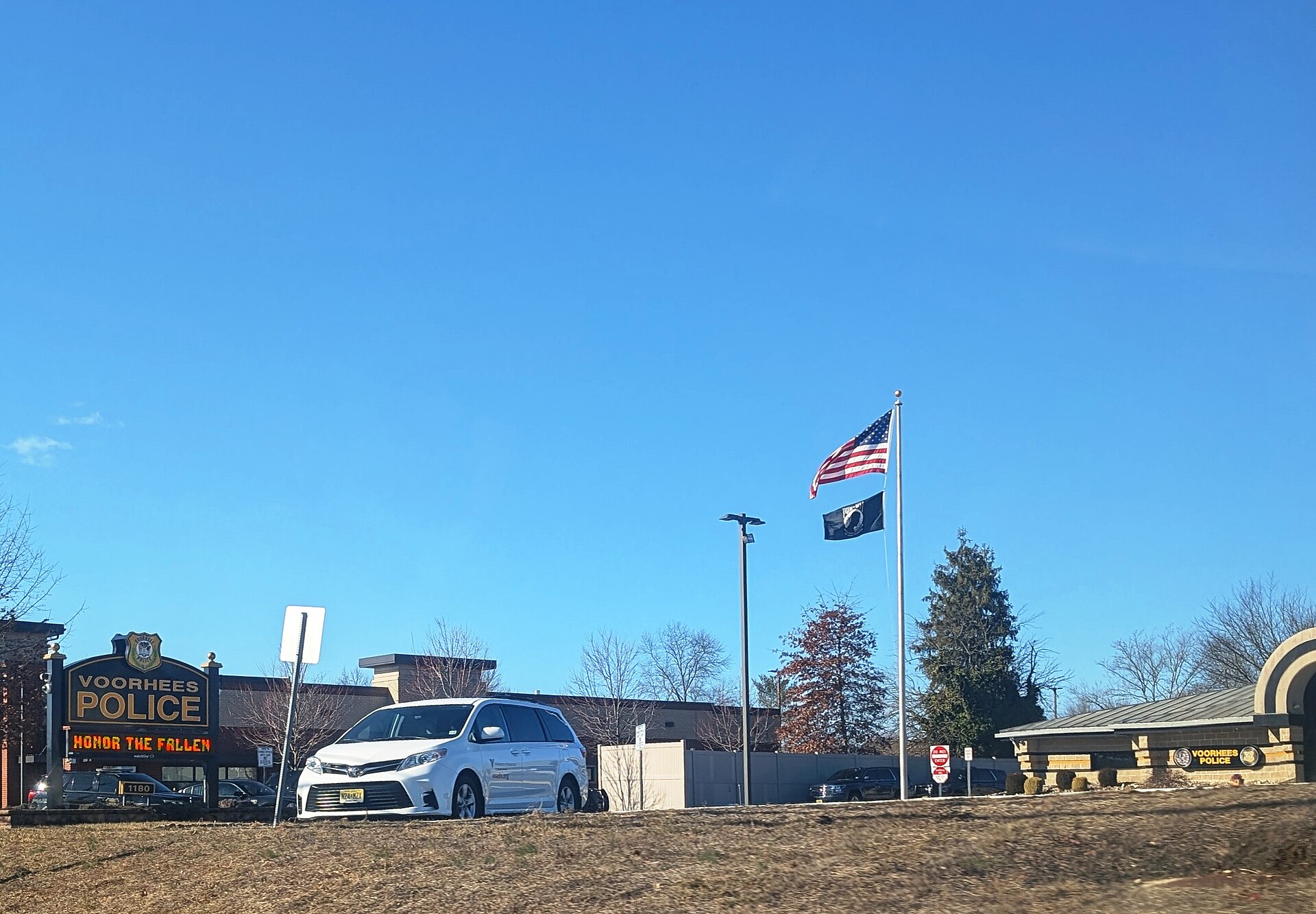
    Voorhees sits in the heart of Camden County, roughly fifteen minutes from the Ben Franklin Bridge and Center City Philadelphia via Route 70 and Route 73. For luxury buyers evaluating South Jersey suburbs, it offers a combination that’s hard to find in one town: strong public schools, extensive parkland, a mature inventory of larger single-family homes, and a level of suburban convenience — shopping, medical care, highway access — that makes day-to-day life easy without sacrificing a residential, tree-lined feel.

    Housing stock and neighborhoods

    Voorhees’s luxury housing stock is concentrated in a handful of established communities built primarily from the 1970s through the 2000s, many organized around private lakes, golf courses, or wooded lots. Homes tend to be larger-format colonials, contemporaries, and custom builds on generous lots, with some of the town’s most desirable pockets offering direct water access or views. Because much of the development happened in planned phases, buyers will find a fair amount of consistency within individual neighborhoods — homes of similar scale and style clustered together — which can make comparing recent sales more straightforward than in towns with a more patchwork building history.

    Newer construction and renovated homes do come to market, particularly as long-term owners sell and buyers update older houses to current finishes and floor plans. Buyers focused on move-in-ready luxury finishes versus those open to renovating an solid but dated home will find meaningfully different price points within the same neighborhoods.

    Schools and family appeal

    Voorhees is served by the Voorhees Township School District for elementary and middle school and Eastern Camden County Regional High School District for high school, and the strength of the local schools is one of the primary draws for families relocating to the area. Buyers moving from Philadelphia or from out of state should confirm current school assignments and any districting nuances for a specific address directly with the district, since boundaries and program details can shift.

    Parks, recreation, and daily life

    The township maintains an extensive parks system, including large multi-use parks with walking and biking trails, sports fields, and lake access, which gives Voorhees a genuinely outdoor-oriented, family-friendly character. The Virtua Voorhees hospital campus and a wide range of medical offices give the town a strong healthcare-employment base, and the Voorhees Town Center and surrounding retail corridors along Route 73 provide day-to-day shopping and dining without a drive into Cherry Hill or Philadelphia.

    Commuting to Philadelphia

    Voorhees’s location just off Route 42 and near the New Jersey Turnpike and Route 295 makes it one of the more commuter-friendly South Jersey towns for buyers who work in Center City or University City. Drive times to the Ben Franklin and Walt Whitman bridges typically run in the 20 to 30 minute range outside of peak congestion, and PATCO’s Lindenwold and Ashland stations, both a short drive from most Voorhees neighborhoods, offer a car-free rail option into Center City.

    How Voorhees compares to nearby towns

    Buyers cross-shopping Voorhees often also consider Cherry Hill, its larger and more commercially developed neighbor, and Marlton or Mount Laurel, which sit further out along the Route 70 corridor. Cherry Hill tends to offer more retail and dining density and a wider range of housing ages and prices; Voorhees generally offers a quieter, more planned-community feel with strong parkland access. Marlton and Mount Laurel push further from Philadelphia but often deliver more land and newer construction per dollar. The right choice comes down to how much weight a buyer puts on commute time versus lot size and price.

    Property taxes and what to budget for

    Like much of New Jersey, Voorhees carries property tax rates that run higher than many buyers relocating from Pennsylvania are used to. It’s an important line item to build into your monthly budget calculations alongside the mortgage payment, since it can meaningfully change the true carrying cost of a home compared to a similarly priced property across the river. Ask for the most recent tax bill on any home you’re seriously considering, since assessments and rates can vary by specific neighborhood within the township.

    Getting a feel for specific streets

    Because Voorhees was largely built out in discrete community phases, it’s worth touring more than one neighborhood before narrowing in. Some communities back directly onto township parkland or lakes and carry a premium for that access; others are set further back from major roads and offer more privacy at a lower price point. Spending an afternoon driving the town, rather than relying only on listing photos, tends to clarify which pocket actually fits your lifestyle.

    Frequently asked questions

    What is the luxury price range for homes in Voorhees?

    Luxury inventory in Voorhees varies significantly by neighborhood, lot, and whether a home has been updated, so rather than quoting a figure that may be out of date, it’s best to review current listings and recent comparable sales directly. James Kennedy can pull current market data for the specific streets and communities you’re considering.

    Is Voorhees a good fit for buyers relocating from Philadelphia?

    Many Philadelphia-area buyers relocate to Voorhees specifically for the combination of larger homes, strong schools, and a commute that remains manageable thanks to Route 42, Route 295, and PATCO rail access. It’s a common landing spot for buyers trading city square footage for suburban space without giving up reasonable access back into the city.

    Are there active-adult or 55-plus communities in Voorhees?

    South Jersey has a number of active-adult communities in the broader Voorhees and Camden County area, and some buyers looking to downsize specifically target these communities for their amenities and lower-maintenance living. Availability changes over time, so it’s worth asking about current options when you start your search.

    Exploring Voorhees or comparing it against other South Jersey towns? James Kennedy specializes in luxury real estate across Philadelphia and South Jersey and can help you evaluate neighborhoods, schools, and current inventory. Reach James at 215-267-8479 or jameskennedy@unlockedteam.com.
  • Mullica Hill, New Jersey: A Town Guide for Luxury Home Buyers

    Mullica Hill, New Jersey: A Town Guide for Luxury Home Buyers

    Mullica Hill, part of Harrison Township in Gloucester County, has become one of South Jersey’s more distinctive luxury markets by combining a well-preserved historic village center with newer, larger homes on generous lots in the surrounding area. For buyers who want more land and a slower pace than closer-in South Jersey suburbs offer, while still being within a reasonable commute of Philadelphia, Mullica Hill has emerged as a strong option.

    What Sets Mullica Hill Apart

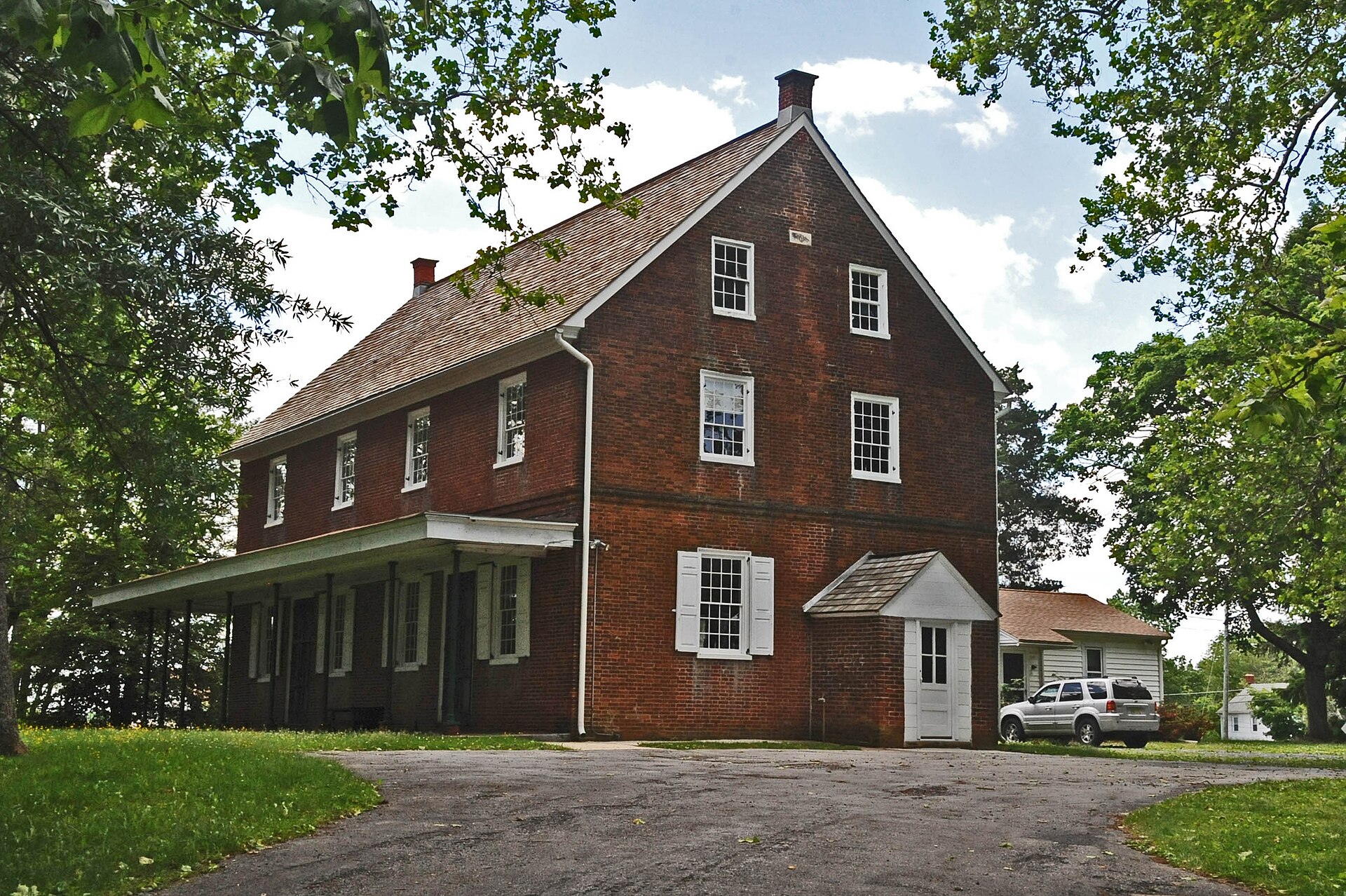
    Mullica Hill’s historic district, centered on Main Street, is known for its 18th- and 19th-century buildings, antique shops, and small-town character, which has been carefully preserved even as the surrounding township has grown. This gives the town an identity distinct from newer-built South Jersey communities: buyers get both a genuine historic village and, just outside it, newer subdivisions with substantially larger lots than are typically available closer to Philadelphia or Camden County. The town has also become known regionally for its antique shopping and seasonal events, which draw visitors from across South Jersey and add to its distinct identity.

    Housing Stock and Lot Sizes

    The luxury segment in Mullica Hill spans two fairly different categories of home. In and around the historic district, buyers will find beautifully maintained older homes, some dating back well over a century, often on smaller in-town lots. Further out, newer-construction homes on one or more acres are common, offering the kind of space, privacy, and often equestrian or agricultural potential that is difficult to find in more built-up parts of South Jersey. Buyers should think carefully about which of these two very different Mullica Hill experiences fits their lifestyle before narrowing a search. Many of the newer developments in the surrounding township feature custom and semi-custom homes built over the past two decades, with floor plans that tend to run larger than comparable homes closer to Philadelphia.

    Commuting Considerations

    Mullica Hill is farther from Philadelphia and from the Ben Franklin and Walt Whitman bridges than towns like Haddonfield or Moorestown, so buyers prioritizing a short commute into Center City should weigh this carefully. In exchange for the longer drive, buyers typically gain meaningfully more land and often lower per-square-foot pricing than comparable homes closer to the city, which is part of the trade-off that draws many buyers to the area. Route 55 provides reasonably direct access toward the bridges and the broader South Jersey highway network, which helps offset the town’s greater distance from the city.

    Schools and Community

    Mullica Hill is served by the Harrison Township School District for elementary grades and Clearview Regional for high school, and the town has a reputation as a strong, family-oriented community. Its calendar of community events, centered around the historic Main Street, gives it a small-town identity that many buyers find appealing relative to more anonymous newer developments elsewhere in South Jersey. The township has also seen continued growth in retail and services along its main corridors, which has added convenience without displacing the historic core’s character.

    What to Consider Before Buying

    Buyers considering a larger, newer-construction home on acreage in Mullica Hill should ask about septic systems and well water where applicable, since not all of the surrounding township is served by public utilities, and this can affect both due diligence and long-term maintenance costs. For homes in the historic district, buyers should ask about any local historic preservation guidelines that could affect future renovations. In both cases, working with an agent familiar with the specific differences between in-town and outlying Mullica Hill properties will help set accurate expectations. It is also worth confirming flood zone status and any deed restrictions tied to agricultural or open-space preservation programs, which are more common in this part of Gloucester County than in more urbanized South Jersey towns.

    Buyers relocating from out of state should also note that Gloucester County retains a more rural, agricultural character in the areas surrounding Mullica Hill than most of Camden County, with working farms and preserved open space bordering many newer residential developments. This mix of suburban convenience and working countryside is a significant part of the town’s appeal for buyers seeking privacy without isolation.

    The Luxury Market in Mullica Hill

    Because Mullica Hill offers meaningfully more land per dollar than towns closer to Philadelphia, it has become increasingly attractive to buyers moving from more expensive, closer-in suburbs who are willing to trade a somewhat longer commute for space. This dynamic has kept demand strong for larger, newer-built homes on acreage, particularly among buyers relocating from Camden County or from Pennsylvania.

    Frequently asked questions

    What county and township is Mullica Hill in?

    Mullica Hill is a community within Harrison Township, Gloucester County, New Jersey. It is not a separate incorporated municipality, so property records and taxes are handled through Harrison Township.

    How far is Mullica Hill from Philadelphia?

    Mullica Hill is roughly 25 to 30 minutes from Center City Philadelphia by car under typical conditions, depending on the specific location within the township and time of day, making it somewhat farther than closer-in South Jersey suburbs like Haddonfield or Collingswood.

    Are larger lots common in Mullica Hill?

    Yes, particularly outside the historic Main Street district. Newer-construction homes on one acre or more are common in the surrounding areas of Harrison Township, offering more space than is typically available in South Jersey communities closer to Philadelphia.

    If you’re considering a home in Mullica Hill or elsewhere in South Jersey, James Kennedy can help you compare in-town and outlying properties and understand current inventory. Reach James at 215-267-8479 or jameskennedy@unlockedteam.com.
  • Understanding Flood Zones and Coastal Insurance: What South Jersey Shore Buyers Need to Know

    Understanding Flood Zones and Coastal Insurance: What South Jersey Shore Buyers Need to Know

    Buying at the Jersey Shore means buying on a barrier island or along a back bay, and that means engaging seriously with water. Flood zones, elevation, and insurance are not fine print at the shore — they shape a property’s carrying costs, its financing, its renovation options, and ultimately its resale value. The good news: none of this is mysterious once you know what to ask. Here is a practical guide for luxury buyers looking at Avalon, Stone Harbor, Ocean City, Sea Isle City, Cape May, Brigantine, Long Beach Island, and the rest of the South Jersey coast.

    Flood zones, in plain English

    FEMA maps coastal communities into flood zones that describe how likely an area is to flood and how water is expected to behave there. At the shore you will most often encounter three broad categories:

    • V zones — velocity zones, typically oceanfront, where waves and moving water are expected during a major storm. These carry the strictest building standards and the highest insurance considerations.
    • A zones (including AE) — areas subject to flooding without significant wave action, common across large portions of the barrier islands and bayfront neighborhoods.
    • X zones — areas of comparatively lower flood risk. Rarer on the islands themselves, more common on the mainland side.

    Nearly every shore property sits in a mapped zone of some kind, and that is normal — tens of thousands of homes trade successfully in A and V zones every year. The point is not to avoid flood zones altogether; it is to understand what the zone means for the specific house you are buying.

    Elevation is the number that matters most

    Two houses on the same street, in the same zone, can face very different insurance realities depending on how high their lowest floor sits relative to the base flood elevation, the height floodwater is expected to reach in a major event. This is documented in an elevation certificate, a surveyor-prepared form that any serious shore buyer should ask for early.

    Elevation explains a great deal about the modern shore market. Newer luxury construction is built high — living space over an open ground level used for parking and storage — precisely because height reduces both risk and insurance cost. Older cottages built at grade can be wonderful, but they carry different insurance math and, importantly, different renovation constraints. Ask the seller for the elevation certificate; if one does not exist, obtaining one during due diligence is money well spent.

    How coastal insurance actually works

    Insuring a shore home typically involves layering several policies, and luxury buyers should budget for all of them:

    • Flood insurance, through the National Flood Insurance Program or, increasingly for high-value homes, private flood carriers that offer higher limits than the federal program. Lenders require flood coverage in mapped high-risk zones.
    • Homeowners insurance, which at the coast often carries a separate — and larger — windstorm or hurricane deductible, frequently expressed as a percentage of the dwelling coverage rather than a flat dollar amount.
    • Excess and umbrella coverage, which matters more at the luxury level, where rebuilding costs and liability exposure exceed standard policy limits.

    Premiums are increasingly priced to each property’s specific risk — elevation, distance to water, construction type, and claims history all matter. Get real quotes on the actual property during your due diligence period rather than relying on rules of thumb. An hour with a coastal insurance broker before you finalize a purchase is one of the highest-value hours in the entire transaction.

    The 50 percent rule: the renovation constraint nobody mentions

    If you are buying an older shore home planning a major renovation, understand the substantial improvement rule. In regulated flood zones, when improvements to a structure exceed roughly half of the structure’s value, municipalities generally require the entire building to be brought into compliance with current flood standards — which can mean elevating the house. This single rule explains why so many buyers of older shore cottages ultimately choose to tear down and build new at proper elevation rather than renovate. Before you buy a dated house with big plans, have a conversation with the local construction office and a builder about what your plans would trigger.

    What this means for value — for buyers and sellers

    The market prices resilience. Elevated newer construction tends to hold value and insure affordably; older at-grade homes trade at discounts that reflect their insurance and renovation math. For buyers, that discount can be an opportunity if you go in with clear eyes and a realistic budget. For sellers, documentation is an asset: an elevation certificate, insurance history, and records of any flood mitigation work make a home easier to sell and easier for a buyer’s lender and insurer to approve.

    Frequently asked questions

    Is flood insurance required when buying a shore home?

    If you finance the purchase and the home sits in a mapped high-risk flood zone, your lender will require flood coverage. Cash buyers are not required to carry it, but going without coverage on a barrier island puts a substantial asset at risk, and most luxury buyers insure regardless.

    What is an elevation certificate and do I need one?

    It is a surveyor-prepared document recording how high a structure sits relative to expected flood levels. It drives insurance pricing and informs renovation decisions, so ask for it early in any shore purchase — and commission one if the seller cannot provide it.

    Do flood zones make shore homes a bad investment?

    No — virtually the entire Jersey Shore market sits in mapped flood zones, and these towns have remained some of the most sought-after real estate in the region. The key is buying with full information: know the zone, know the elevation, and get real insurance quotes before you close.

    Considering a purchase in Avalon, Stone Harbor, Ocean City, or anywhere along the South Jersey coast? James Kennedy guides luxury buyers through every step, including the coastal diligence that protects your investment. Call James at 215-267-8479 or email jameskennedy@unlockedteam.com for current market insight and a private consultation.

  • Riverton, New Jersey: A Town Guide for Luxury Home Buyers

    Riverton, New Jersey: A Town Guide for Luxury Home Buyers

    Riverton is one of South Jersey’s smallest and most architecturally distinctive towns, a compact Delaware riverfront community in Burlington County that was purpose-built in the 1850s as one of the region’s first planned commuter suburbs. Its walkable grid of Victorian and Colonial Revival homes, mature trees, and direct river frontage give it a character unlike anywhere else in the Philadelphia region, and its small size means genuine luxury inventory turns over rarely. For buyers who want history, water access, and true small-town scale, Riverton is worth knowing about even though it rarely shows up on a typical suburban search.

    A town built around its river

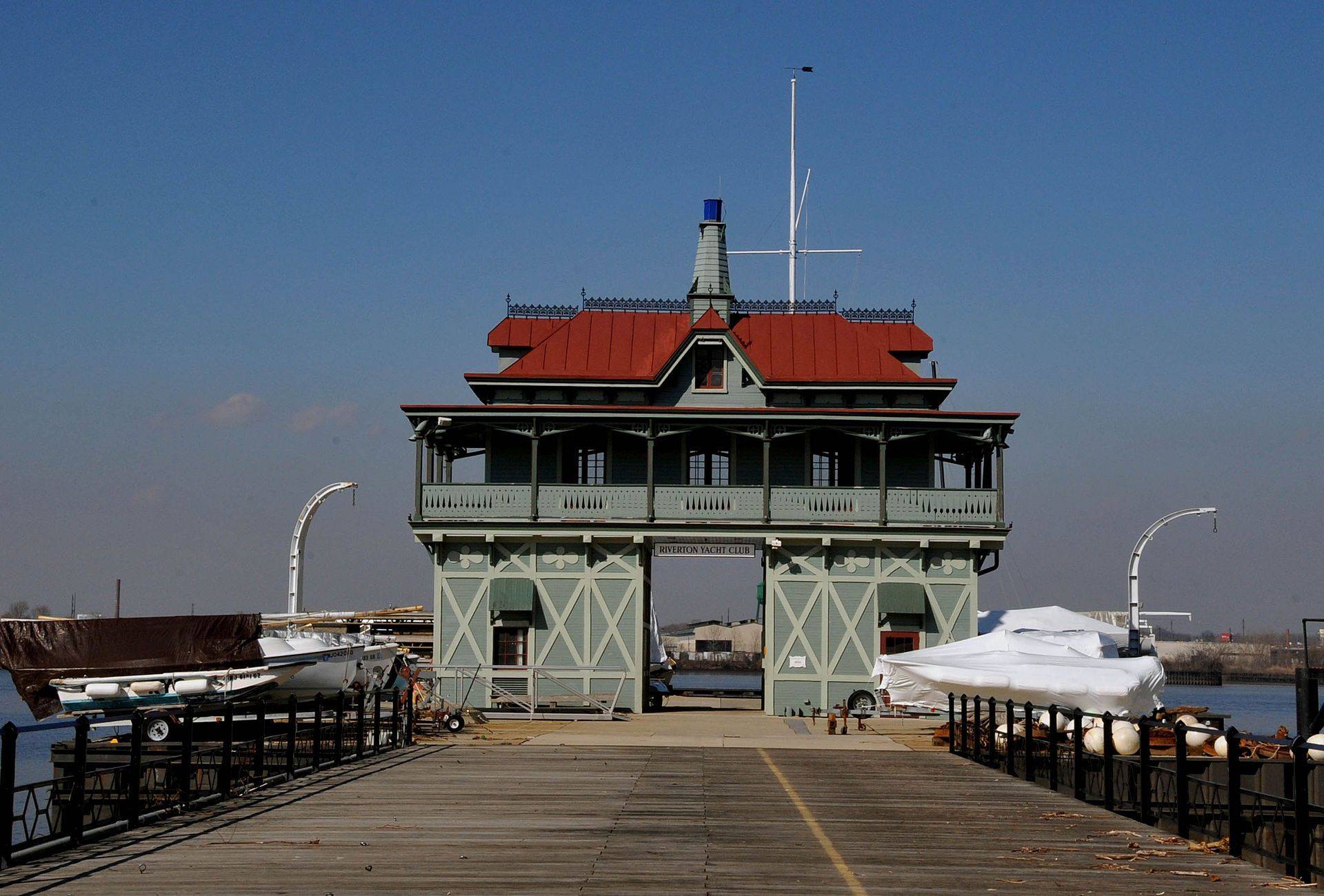
    Riverton’s identity is inseparable from the Delaware River. The town’s riverfront promenade, its yacht club, and its historic ferry landing all reflect a community designed from the outset around water access and river views, well over a century before that kind of amenity became a premium selling point elsewhere. Many of the town’s most desirable properties sit directly along the river or a short walk from it, offering views and water access that are genuinely difficult to replicate in other South Jersey suburbs.

    The town’s historic district encompasses a significant share of its housing stock, meaning many properties come with architectural review considerations for exterior changes. Buyers who value historic character generally see this as a benefit that protects the town’s look and feel, but it is worth understanding the specific rules before planning any major exterior renovation.

    Housing stock and scale

    Because Riverton covers well under a square mile, its total housing inventory is small, and luxury-tier properties, particularly those with river frontage or views, come on the market infrequently. Homes here tend to be large Victorian, Colonial Revival, and Queen Anne–style houses from the town’s original development period, many with wraparound porches, high ceilings, and detailed woodwork. Buyers accustomed to browsing dozens of comparable listings in larger towns should expect a narrower, more patience-driven search in Riverton.

    Commute and daily life

    Riverton offers a genuinely walkable town center, a small but active business district, and access to regional rail service that provides a direct commuting option into Philadelphia without requiring a car for the trip. This combination, historic riverfront charm paired with a viable rail commute, is relatively rare in South Jersey and is a significant part of Riverton’s appeal for buyers who work in the city but want small-town, water-adjacent living.

    The town’s size also means a strong sense of community; residents frequently cite the town’s walkability, its neighborly feel, and local events as reasons they stay for the long term once they arrive.

    What to know before buying in Riverton

    Given the age of Riverton’s housing stock, a thorough inspection matters as much here as in any historic Philadelphia neighborhood, with particular attention to the condition of the roof, electrical and plumbing systems, and any foundation issues related to the property’s proximity to the river. Buyers should also ask specifically about flood zone designation for riverfront and near-riverfront properties, since flood insurance requirements and costs can vary meaningfully within a short distance of the water.

    Comparing Riverton to nearby river towns

    Riverton is often mentioned alongside its immediate neighbors, Palmyra and Riverside, both of which share the same riverfront geography and rail access but offer larger, denser housing stock at a range of price points. Riverton’s smaller footprint and largely intact historic character set it apart from both, appealing specifically to buyers who want a distinctive, walkable, architecturally cohesive town rather than a broader mix of housing styles and eras. Buyers who don’t find what they need in Riverton’s limited inventory sometimes expand their search to these neighboring towns while keeping the same riverfront and rail-commute priorities in mind.

    Working with the town’s historic preservation guidelines

    Because a meaningful share of Riverton’s housing sits within its historic district, buyers planning any exterior work, from replacing windows to adding a rear addition, should factor in the town’s architectural review process from the outset. This isn’t unique to Riverton among older Philadelphia-area towns, but its high concentration of historic properties means the process touches a larger share of potential renovation projects than in a typical suburb. Engaging with the town’s historic commission early, ideally before making an offer contingent on planned changes, tends to produce the smoothest outcomes.

    Frequently asked questions

    Is Riverton, New Jersey a good option for a Philadelphia commute?

    Yes, Riverton offers direct regional rail access into Philadelphia, making it a practical option for commuters who want a walkable, historic, river-adjacent town without giving up a viable transit commute. Actual travel time depends on the specific train schedule and final destination in the city.

    How often do luxury homes come on the market in Riverton?

    Because Riverton is a very small town with limited total housing inventory, luxury and riverfront properties in particular turn over infrequently compared to larger South Jersey suburbs. Buyers interested in Riverton should expect to be patient and may benefit from having an agent monitor the market closely on their behalf.

    Are there restrictions on renovating a historic home in Riverton?

    Much of Riverton falls within a historic district, which can mean architectural review requirements for exterior changes to preserve the town’s character. It’s important to understand these requirements for any specific property before planning a major renovation.

    If Riverton’s riverfront charm and small-town scale appeal to you, James Kennedy can help you understand what’s available and how to move quickly when the right property comes to market. Contact James at 215-267-8479 or jameskennedy@unlockedteam.com.
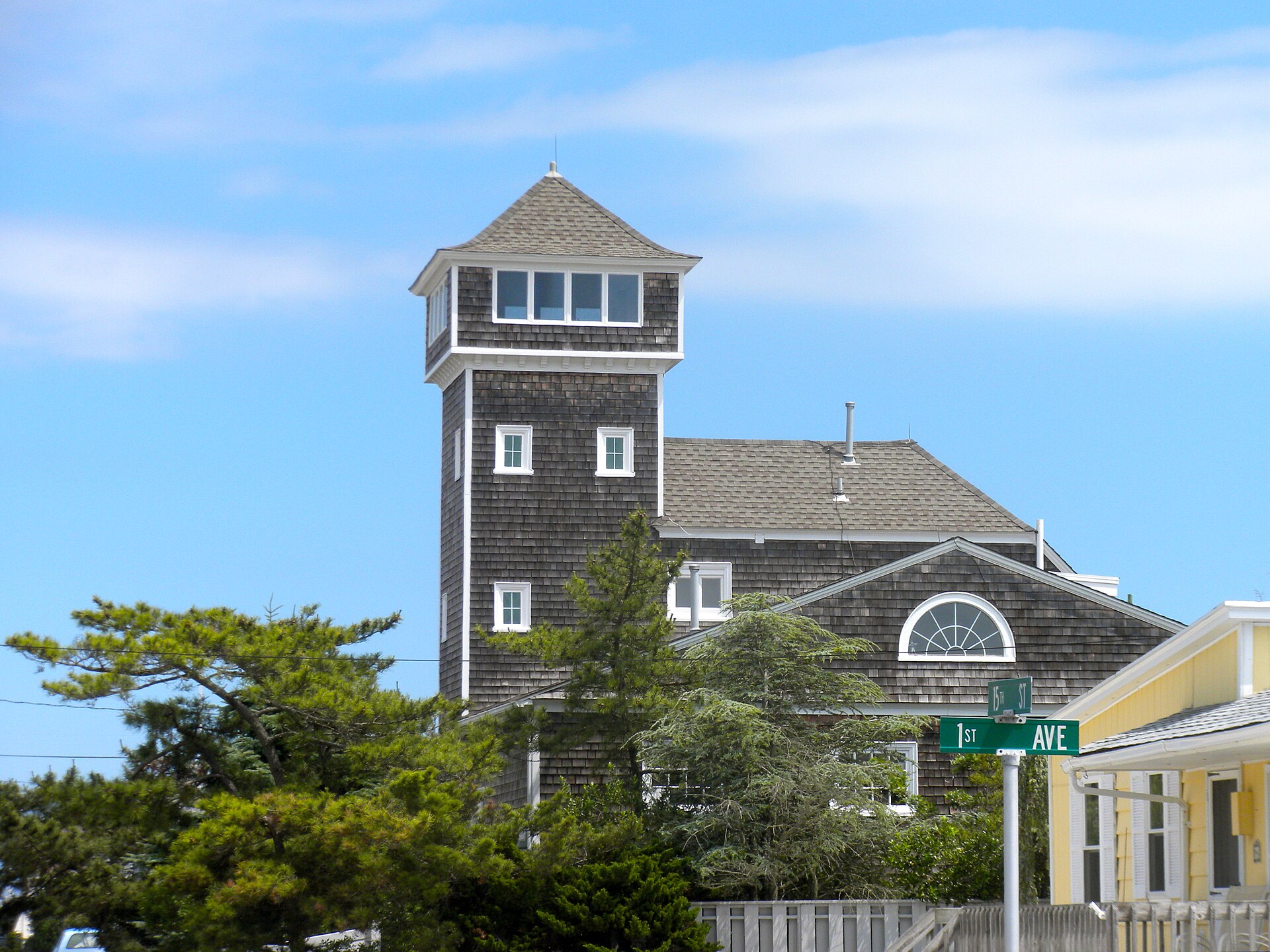
  • Long Beach Island, New Jersey: A Luxury Buyer’s Guide to LBI’s Shore Homes

    Long Beach Island, New Jersey: A Luxury Buyer’s Guide to LBI’s Shore Homes

    Long Beach Island, known locally as LBI, offers a different flavor of Jersey Shore luxury than the more polished addresses further south. Stretching across eighteen miles of barrier island between Barnegat Bay and the Atlantic, LBI is a collection of distinct communities, from the quiet, family-oriented feel of Loveladies and Harvey Cedars to the more active surf-and-restaurant scene of Beach Haven and Ship Bottom. For buyers drawn to a shore home that feels less manicured and more genuinely coastal, LBI is one of the most compelling stretches of the South Jersey coast.

    What makes LBI distinct among Jersey Shore towns

    Unlike Avalon or Stone Harbor, which read as more uniformly upscale from end to end, LBI’s eighteen miles contain real variation in character from one community to the next. Loveladies and North Beach, at the island’s north end, are known for architect-designed contemporary homes on wide, quiet lots and tend to draw buyers seeking privacy and design-forward construction. Beach Haven, toward the south end, retains a more traditional shore-town feel with a walkable downtown, Victorian-era homes, and an active summer social scene. Buyers should think of LBI less as one market and more as several distinct micro-markets strung together along the same stretch of sand.

    Bay side versus ocean side is another major distinction on LBI. Bayfront properties often command a premium for boat access and sunset views over Barnegat Bay, while oceanfront and ocean-block properties command their own premium for direct beach access and surf views. Buyers with boats or a strong interest in bay recreation should weigh bay access as seriously as they weigh beach access.

    Housing stock and what to expect

    LBI’s luxury inventory spans architect-designed contemporary homes, elevated new construction built to current coastal flood standards, and older shore cottages that have either been extensively renovated or are candidates for a teardown and rebuild. Given the island’s exposure to coastal weather, newer or recently renovated homes are often built on pilings with impact-resistant windows and updated drainage, features that matter more here than in most inland luxury markets.

    Because LBI is a barrier island, flood zone designation and elevation requirements are a meaningful part of any purchase decision, affecting everything from insurance costs to the feasibility of future renovations. A knowledgeable local agent and a flood-zone-aware inspector are essential parts of the due diligence process here.

    Rental income potential

    Many LBI buyers view their purchase as a dual-purpose asset: a personal retreat for part of the year and a rental property for the rest. LBI has a well-established seasonal rental market, and certain towns and property types rent more readily and at higher rates than others. If rental income is part of your plan, it’s worth discussing realistic occupancy and rate expectations with a local agent who tracks the rental market directly, rather than relying on general assumptions from other shore markets.

    Seasonality and year-round living

    LBI’s population swells dramatically in summer and quiets considerably in the off-season, which shapes both the lifestyle and the practical realities of ownership. Buyers considering LBI as a full-time residence should visit during the off-season as well as summer to get an honest sense of what year-round life looks like, including which restaurants and services stay open and how the community feels once the summer crowds leave.

    Getting to and from the island

    Access to LBI is limited to a single causeway connecting the island to the mainland, which shapes both daily life and how buyers should think about traffic patterns, particularly during peak summer weekends. Year-round residents generally learn to plan trips off-island around predictable congestion windows, while summer-only owners may not need to think about it at all. It’s a small but real lifestyle factor worth understanding before you commit, especially if you’re considering full-time living rather than seasonal use.

    What buyers should budget for beyond the purchase price

    Coastal ownership on LBI carries carrying costs that go beyond a typical inland property, including flood insurance, wind and hail coverage, and ongoing maintenance driven by salt air and coastal weather exposure. Homes on pilings may also require periodic structural inspections of the elevated foundation. None of this should discourage a serious buyer, but building these costs into your overall budget from the start, rather than discovering them after closing, leads to a much smoother ownership experience.

    Frequently asked questions

    What part of Long Beach Island is best for privacy?

    Loveladies and North Beach, at the island’s northern end, are generally known for larger lots, more architectural privacy, and a quieter atmosphere compared to the busier downtown areas of Beach Haven and Ship Bottom. The right fit depends on how much you value walkable amenities versus seclusion.

    Do LBI homes require flood insurance?

    Most properties on LBI sit within FEMA-designated flood zones given the island’s barrier-island geography, which typically means flood insurance is required by mortgage lenders and strongly recommended even for cash buyers. Costs and requirements vary by specific flood zone and elevation, so it’s important to get a clear estimate for any property you’re considering before finalizing an offer.

    Can I generate rental income from an LBI luxury home?

    Yes, LBI has an active seasonal rental market, and many owners rent their properties for all or part of the summer season. Rental potential varies by location, home size, and amenities, so it’s worth getting a realistic, property-specific estimate rather than assuming a uniform return across the island.

    If LBI’s mix of natural beauty and distinct micro-markets sounds like the shore lifestyle you’re after, James Kennedy can help you navigate the island’s different communities and find the right fit. Reach James at 215-267-8479 or jameskennedy@unlockedteam.com.