
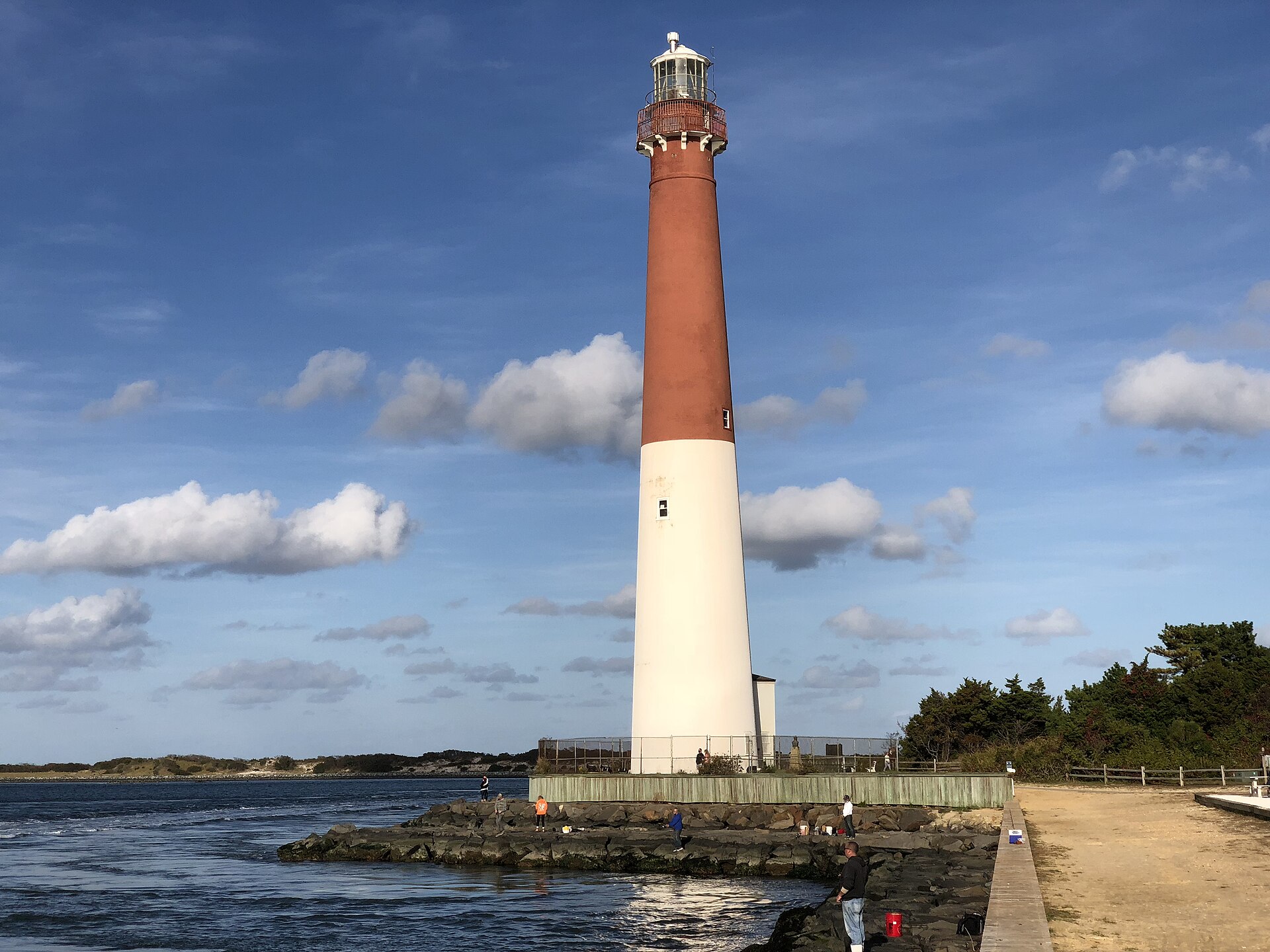
Long Beach Island, known locally as LBI, offers a different flavor of Jersey Shore luxury than the more polished addresses further south. Stretching across eighteen miles of barrier island between Barnegat Bay and the Atlantic, LBI is a collection of distinct communities, from the quiet, family-oriented feel of Loveladies and Harvey Cedars to the more active surf-and-restaurant scene of Beach Haven and Ship Bottom. For buyers drawn to a shore home that feels less manicured and more genuinely coastal, LBI is one of the most compelling stretches of the South Jersey coast.
What makes LBI distinct among Jersey Shore towns
Unlike Avalon or Stone Harbor, which read as more uniformly upscale from end to end, LBI’s eighteen miles contain real variation in character from one community to the next. Loveladies and North Beach, at the island’s north end, are known for architect-designed contemporary homes on wide, quiet lots and tend to draw buyers seeking privacy and design-forward construction. Beach Haven, toward the south end, retains a more traditional shore-town feel with a walkable downtown, Victorian-era homes, and an active summer social scene. Buyers should think of LBI less as one market and more as several distinct micro-markets strung together along the same stretch of sand.
Bay side versus ocean side is another major distinction on LBI. Bayfront properties often command a premium for boat access and sunset views over Barnegat Bay, while oceanfront and ocean-block properties command their own premium for direct beach access and surf views. Buyers with boats or a strong interest in bay recreation should weigh bay access as seriously as they weigh beach access.
Housing stock and what to expect
LBI’s luxury inventory spans architect-designed contemporary homes, elevated new construction built to current coastal flood standards, and older shore cottages that have either been extensively renovated or are candidates for a teardown and rebuild. Given the island’s exposure to coastal weather, newer or recently renovated homes are often built on pilings with impact-resistant windows and updated drainage, features that matter more here than in most inland luxury markets.
Because LBI is a barrier island, flood zone designation and elevation requirements are a meaningful part of any purchase decision, affecting everything from insurance costs to the feasibility of future renovations. A knowledgeable local agent and a flood-zone-aware inspector are essential parts of the due diligence process here.
Rental income potential
Many LBI buyers view their purchase as a dual-purpose asset: a personal retreat for part of the year and a rental property for the rest. LBI has a well-established seasonal rental market, and certain towns and property types rent more readily and at higher rates than others. If rental income is part of your plan, it’s worth discussing realistic occupancy and rate expectations with a local agent who tracks the rental market directly, rather than relying on general assumptions from other shore markets.
Seasonality and year-round living
LBI’s population swells dramatically in summer and quiets considerably in the off-season, which shapes both the lifestyle and the practical realities of ownership. Buyers considering LBI as a full-time residence should visit during the off-season as well as summer to get an honest sense of what year-round life looks like, including which restaurants and services stay open and how the community feels once the summer crowds leave.
Getting to and from the island
Access to LBI is limited to a single causeway connecting the island to the mainland, which shapes both daily life and how buyers should think about traffic patterns, particularly during peak summer weekends. Year-round residents generally learn to plan trips off-island around predictable congestion windows, while summer-only owners may not need to think about it at all. It’s a small but real lifestyle factor worth understanding before you commit, especially if you’re considering full-time living rather than seasonal use.
What buyers should budget for beyond the purchase price
Coastal ownership on LBI carries carrying costs that go beyond a typical inland property, including flood insurance, wind and hail coverage, and ongoing maintenance driven by salt air and coastal weather exposure. Homes on pilings may also require periodic structural inspections of the elevated foundation. None of this should discourage a serious buyer, but building these costs into your overall budget from the start, rather than discovering them after closing, leads to a much smoother ownership experience.
Frequently asked questions
What part of Long Beach Island is best for privacy?
Loveladies and North Beach, at the island’s northern end, are generally known for larger lots, more architectural privacy, and a quieter atmosphere compared to the busier downtown areas of Beach Haven and Ship Bottom. The right fit depends on how much you value walkable amenities versus seclusion.
Do LBI homes require flood insurance?
Most properties on LBI sit within FEMA-designated flood zones given the island’s barrier-island geography, which typically means flood insurance is required by mortgage lenders and strongly recommended even for cash buyers. Costs and requirements vary by specific flood zone and elevation, so it’s important to get a clear estimate for any property you’re considering before finalizing an offer.
Can I generate rental income from an LBI luxury home?
Yes, LBI has an active seasonal rental market, and many owners rent their properties for all or part of the summer season. Rental potential varies by location, home size, and amenities, so it’s worth getting a realistic, property-specific estimate rather than assuming a uniform return across the island.
If LBI’s mix of natural beauty and distinct micro-markets sounds like the shore lifestyle you’re after, James Kennedy can help you navigate the island’s different communities and find the right fit. Reach James at 215-267-8479 or jameskennedy@unlockedteam.com.
Leave a Reply