Category: South Jersey Real Estate

  • Collingswood, New Jersey: A Town Guide for Luxury Home Buyers

    Collingswood, New Jersey: A Town Guide for Luxury Home Buyers

    Collingswood is one of South Jersey’s smallest boroughs by land area, and one of its most in-demand for buyers who want a genuinely walkable town center paired with a direct rail line into Philadelphia. Where much of South Jersey rewards buyers who are comfortable driving everywhere, Collingswood offers something closer to an urban neighborhood experience — dense sidewalks, a lively main street, and a PATCO stop that puts Center City within roughly twenty minutes, no bridge traffic required.

    Haddon Avenue and the Downtown Experience

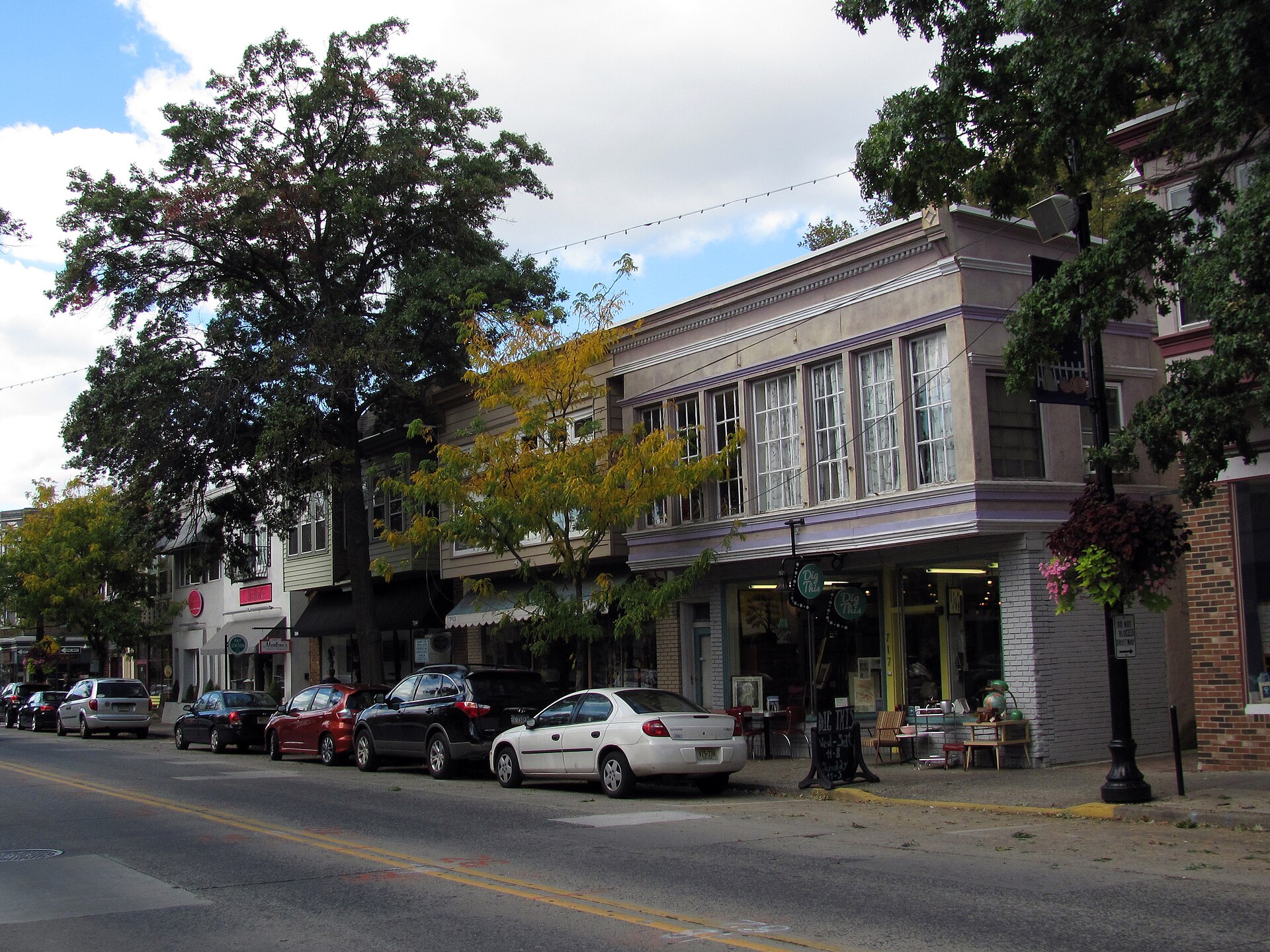
    Collingswood’s Haddon Avenue corridor is the borough’s defining feature — a compact, walkable strip of independent restaurants, cafes, and shops that has made the town a regional dining destination well beyond its own population. The borough’s well-known Saturday farmers market draws visitors from across the region for much of the year. For buyers who value being able to walk to dinner, coffee, or a Saturday market rather than driving to a shopping plaza, Collingswood offers a lifestyle that is genuinely difficult to find elsewhere in South Jersey outside of Haddonfield.

    Housing Stock: Character-Rich and Compact

    Collingswood’s housing is dominated by early twentieth-century Victorians, Colonial Revivals, and craftsman-style homes on relatively small, walkable lots — a very different physical footprint than the larger-lot suburban homes found in townships like Cherry Hill or Marlton. At the upper end of the market, buyers will find fully restored historic homes with period detail preserved alongside modern systems and finishes, as well as a smaller number of newer construction and conversion projects, particularly near the borough’s waterfront-facing edge. Because lots are tight and homes are close together, buyers should pay close attention to lot lines, shared driveways, and any easements before making an offer.

    PATCO Access and the Commute to Philadelphia

    Collingswood’s PATCO station is arguably its single biggest draw for buyers who work in Philadelphia. The line runs directly into Center City in about twenty minutes, avoiding bridge traffic entirely and offering a level of commuting predictability that is hard to match from most other South Jersey suburbs. For buyers deciding between a walkable, transit-oriented South Jersey town and a similar profile in Philadelphia itself, Collingswood is worth serious consideration — it offers many of the lifestyle benefits of an urban neighborhood with New Jersey’s generally lower property tax profile relative to the city’s own tax structure, though buyers should always verify current figures directly rather than relying on general comparisons.

    Community Scale and Character

    Collingswood’s small footprint creates a tight-knit community feel that larger townships cannot replicate — residents tend to know their neighbors, local business owners, and the rhythms of the town’s calendar of markets, festivals, and events. This scale is a genuine selling point for buyers relocating from dense urban neighborhoods who want to keep a similar sense of place and walkability, just with a quieter, more residential edge. It can feel like a trade-off for buyers who prioritize privacy and space above all else, since homes sit close together and street parking is a real consideration in parts of the borough.

    How Collingswood Compares to Nearby Towns

    Collingswood is frequently cross-shopped with Haddonfield, its similarly walkable, PATCO-adjacent neighbor a few miles south. Haddonfield tends to offer larger lots, a more suburban feel once off its own compact downtown, and a different price profile; Collingswood leans denser, more urban in daily feel, and often more accessible on a per-square-foot basis for buyers who want walkability without Haddonfield’s scale of estate-style homes. Buyers weighing the two should spend time in both downtowns on a weekday evening and a Saturday morning to get a real sense of the difference.

    Frequently asked questions

    What makes Collingswood attractive to luxury buyers specifically?

    Its combination of a genuinely walkable downtown, a direct PATCO connection to Philadelphia, and a well-preserved stock of historic homes is relatively rare in South Jersey. Buyers who want an urban-adjacent lifestyle without living in the city itself often find Collingswood hits a sweet spot that larger, more car-dependent townships cannot offer.

    Is Collingswood a good option for a Philadelphia commuter?

    Yes — the PATCO line is one of Collingswood’s strongest selling points, offering a direct, roughly twenty-minute ride into Center City that avoids bridge traffic. Buyers relocating for a Philadelphia-based job should factor in both the PATCO commute and typical parking or drop-off logistics at the station.

    How does Collingswood’s housing stock differ from surrounding suburban towns?

    Collingswood’s homes are generally older, denser, and set on smaller lots than what buyers will find in townships like Cherry Hill or Marlton. The trade-off is architectural character and walkability in exchange for less land and, in some pockets, tighter parking — a fair trade for many buyers but worth weighing carefully against your priorities.

    If Collingswood’s walkable, transit-connected lifestyle appeals to you, James Kennedy can help you compare it against Haddonfield and other South Jersey options and find the right fit. Reach James at 215-267-8479 or jameskennedy@unlockedteam.com.

    Parks, Waterfront, and Green Space

    Beyond its commercial corridor, Collingswood offers residents meaningful green space along the Cooper River, including waterfront paths popular with runners and cyclists, plus a well-used community park system that hosts much of the borough’s outdoor programming. For buyers coming from a dense city block, this mix of walkable retail and nearby waterfront green space can feel like the best of both worlds — an active, urban-feeling main street paired with genuine outdoor access a short walk or bike ride away. It is worth touring these amenities in person, since their proximity to a specific home can vary more than the borough’s small size might suggest.
  • Cherry Hill, New Jersey: A Town Guide for Luxury Home Buyers

    Cherry Hill, New Jersey: A Town Guide for Luxury Home Buyers

    Cherry Hill sits at the geographic and commercial center of South Jersey, roughly fifteen minutes from Center City Philadelphia via the Ben Franklin Bridge or PATCO extensions nearby. For buyers who want more house and land than the city can offer, without giving up easy access to Philadelphia, Cherry Hill has long been one of the region’s most dependable luxury markets. It is a large township with distinct pockets, and understanding those pockets is the key to buying well here.

    A Township of Neighborhoods, Not One Market

    Cherry Hill is not a single housing market — it is a collection of them. Areas like Barclay Farms, Kingston Estates, Woodcrest, Downs Farm, and Erlton each have their own character, lot sizes, and architectural mix. Some sections favor mid-century brick colonials and split-levels on generous, mature lots; others have seen newer custom construction on larger parcels toward the township’s eastern and southern edges. Buyers should treat Cherry Hill less as one market to “get a feel for” and more as several micro-markets worth comparing directly, street by street, before settling on an area.

    Housing Stock and What Sets the Upper End Apart

    Much of Cherry Hill’s housing dates to the postwar suburban boom, which means many homes have been substantially renovated, expanded, or rebuilt over the decades. At the luxury end of the market, buyers will find a mix of thoughtfully updated mid-century homes with expanded kitchens and primary suites, and newer or fully rebuilt custom homes on premium lots — often backing to wooded buffers, ponds, or larger acreage than is typical elsewhere in Camden County. Because renovation quality varies widely from block to block, a careful inspection and a knowledgeable local read on permit history matter more here than in a newer, more uniform subdivision.

    Schools and Family Appeal

    Cherry Hill’s public school system is a significant draw for buyers relocating with families, and school-district boundaries can meaningfully affect which specific streets carry a premium within the township. Buyers should always confirm current school assignments and performance directly rather than relying on general reputation, since boundaries and rankings can shift. For families prioritizing schools, it is worth mapping out a short list of streets first and then evaluating homes within that list, rather than falling in love with a house before checking its assigned schools.

    Lifestyle, Shopping, and Everyday Convenience

    Cherry Hill offers a level of retail and dining density that is unusual for a suburban township — anchored historically by the Cherry Hill Mall and a broad corridor of shopping along Route 70 and Route 38. The ongoing redevelopment of the former Garden State Park site has added newer residential, office, and lifestyle-retail components to the township’s northern end, giving buyers a more walkable, mixed-use option within Cherry Hill itself for those who want some of that energy without a full commit to a downtown-style community. For day-to-day convenience — groceries, medical offices, restaurants — Cherry Hill is hard to beat in South Jersey.

    Commuting to Philadelphia

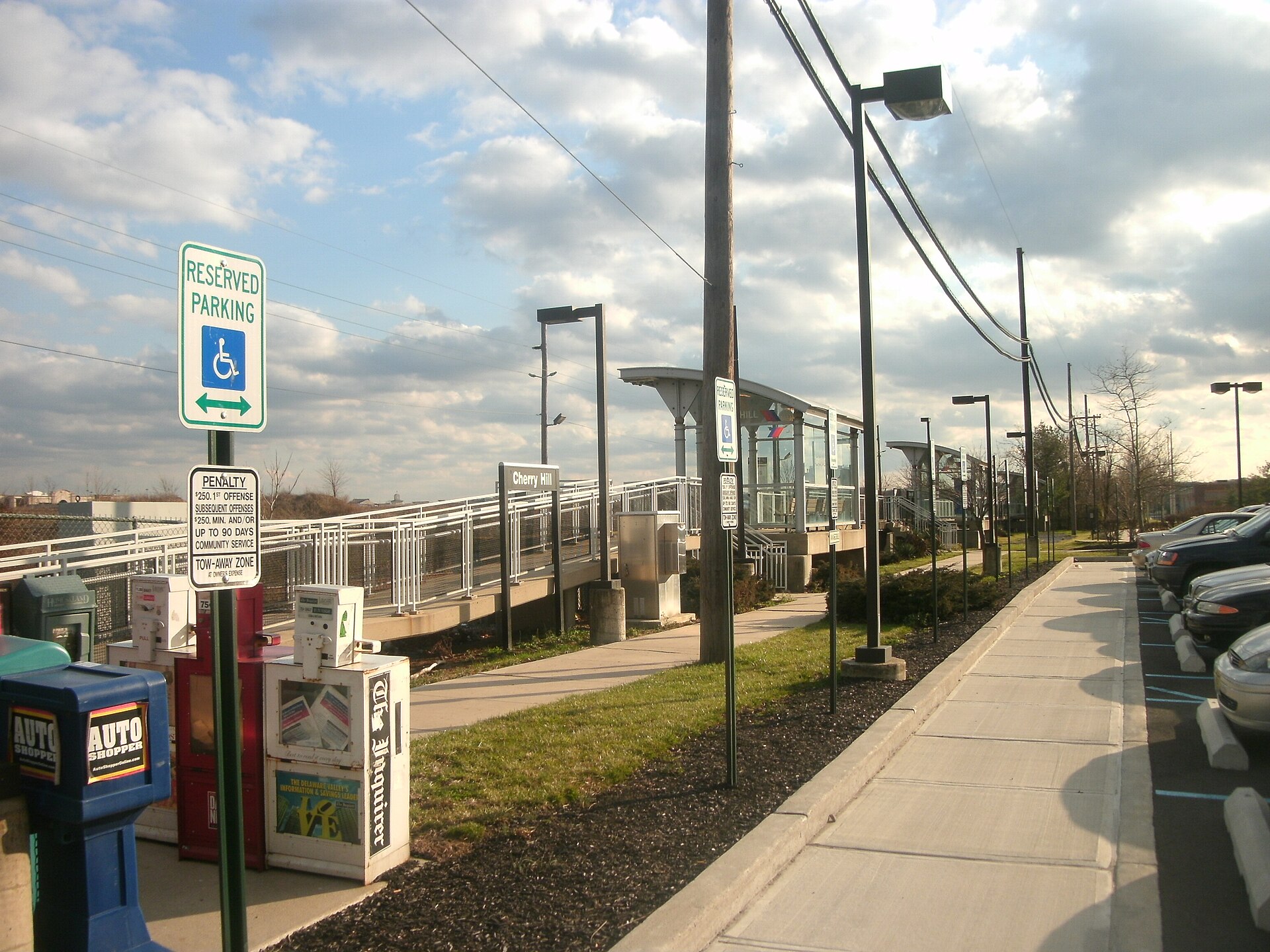
    Cherry Hill’s location just off Route 70 and I-295, with quick access to the Ben Franklin Bridge, makes a Center City commute by car very manageable outside of peak congestion. Buyers who prefer transit have PATCO stations within a short drive in neighboring Camden County towns, offering a reliable, direct rail connection into Philadelphia that avoids bridge traffic entirely. For buyers weighing Cherry Hill against a rail-served downtown like Collingswood or Haddonfield, it is worth test-driving the actual commute — by car and by transit — at the times of day you would realistically use it.

    Who Cherry Hill Suits Best

    Cherry Hill tends to suit buyers who want more square footage and land for the dollar than Philadelphia proper or the most walkable South Jersey downtowns can offer, who value strong everyday amenities and shopping, and who are comfortable with a car-oriented lifestyle balanced by reasonably close highway and bridge access to the city. It is less suited to buyers whose top priority is a walkable, train-served town center — for that profile, a downtown like Haddonfield or Collingswood may be a better fit, and comparing the two directly is worthwhile before deciding.

    Frequently asked questions

    Is Cherry Hill considered a luxury market in South Jersey?

    Yes, particularly in its established neighborhoods with larger lots and updated or custom-built homes. Cherry Hill’s luxury inventory tends to emphasize space, privacy, and land rather than the walkable downtown character found in towns like Haddonfield or Collingswood, so it appeals to a somewhat different type of buyer.

    How far is Cherry Hill from Center City Philadelphia?

    Cherry Hill is roughly fifteen to twenty-five minutes from Center City by car depending on traffic and bridge conditions, with nearby PATCO stations in adjacent towns offering a direct rail alternative. Buyers relocating for a Philadelphia-based job should test the commute at realistic times before finalizing a location decision.

    Do renovation quality and permit history matter when buying in Cherry Hill?

    They matter quite a bit. Because so much of Cherry Hill’s housing stock has been renovated or expanded over multiple decades, the quality and permitting of that work varies significantly from home to home. A thorough inspection and a review of permit history are especially important here, more so than in newer, more uniformly built communities.

    If you are considering Cherry Hill or comparing it against other South Jersey towns, James Kennedy can walk you through the neighborhoods, current inventory, and how each area fits your priorities. Reach James at 215-267-8479 or jameskennedy@unlockedteam.com.

  • Boat Slips, Docks, and Waterfront Access: What to Know Before Buying a South Jersey Shore Home

    Boat Slips, Docks, and Waterfront Access: What to Know Before Buying a South Jersey Shore Home

    For many luxury shore buyers, the ability to keep a boat steps from the back door is as important as the house itself. But waterfront access in South Jersey’s bay and lagoon communities is governed by a patchwork of deeded rights, riparian grants, homeowner association rules, and municipal permitting that is easy to misunderstand until you are deep into a transaction. A little homework before you write an offer can prevent an unpleasant surprise after closing.

    Deeded Dock Rights vs. Association or Municipal Slips

    The first and most important distinction is whether a dock or boat slip is deeded directly to the property, owned through a homeowner or marina association, or leased or permitted through the municipality. A deeded dock, where the right to the slip transfers with the property itself, is generally the most straightforward and valuable arrangement, since it does not depend on continued membership in an association or an annual permit that could theoretically not be renewed. Association-controlled slips are common in some lagoon communities and typically come with their own rules about transferability, waiting lists for additional slips, and annual dues, which are worth reviewing in detail before assuming a slip will simply pass to a new owner.

    Municipal bulkhead permits and any separate riparian grants from the state add another layer, since some waterfront rights in New Jersey are technically owned by the state and granted or licensed to the adjacent property owner. A title search and, where appropriate, a survey should clarify exactly what is being conveyed with the property.

    Bulkhead Condition and Maintenance Responsibility

    Bulkheads — the retaining walls that hold back water and soil along a waterfront lot — are a significant, and sometimes overlooked, maintenance item. Replacing or repairing a failing bulkhead is a substantial expense, and buyers should ask directly about the age and condition of the bulkhead, who is responsible for its maintenance under any applicable association rules, and whether any repair work is anticipated or already required. A visual inspection alone often will not reveal the full condition, so a professional evaluation is worth considering for an older waterfront property.

    Water Depth and Boat Size

    Not all waterfront access accommodates every size or type of boat. Lagoon and back-bay depths vary significantly by location and by tide, and a slip that comfortably fits a smaller boat may not work for a larger vessel, particularly at low tide. Buyers who already own a boat, or know the size they intend to purchase, should confirm actual usable depth at the specific dock rather than relying on general assumptions about the waterway.

    Flood Zone and Insurance Implications

    Waterfront and lagoon properties are almost always in a flood zone, and the specific designation affects both the cost and availability of flood insurance. This is worth investigating early in the due diligence process, alongside any windstorm or named-storm coverage requirements that may apply on top of standard flood insurance. These costs can be meaningful over the life of ownership and are worth building into your overall budget for the property, not treated as an afterthought at closing.

    Questions to Ask Before Making an Offer

    Before writing an offer on a home with dock or boat slip access, it is worth confirming in writing whether the dock is deeded to the property or controlled by an association or municipal permit, what the current condition of the bulkhead and dock structure is, what maintenance obligations and dues apply, whether the slip accommodates the boat size you have in mind, and what the current flood insurance costs look like for the specific property.

    Frequently asked questions

    How can I tell if a dock is deeded to the property?

    A title search will typically reveal whether dock or riparian rights are conveyed directly with the deed. Your agent or attorney can help confirm this before you are far into the transaction, and it is worth raising the question explicitly rather than assuming.

    Are association-controlled boat slips less desirable than deeded slips?

    Not necessarily, but they come with different considerations, including annual dues, transferability rules, and the association’s own governance. Many buyers are perfectly happy with association-controlled slips once they understand exactly how the arrangement works.

    Who typically pays to repair or replace a failing bulkhead?

    Responsibility depends on the specific property, its association rules if any, and sometimes municipal requirements. This should be clarified during due diligence rather than assumed, since bulkhead work can be a significant expense.

    If you are shopping for a South Jersey shore home with boat access and want help sorting through dock rights and waterfront considerations, James Kennedy can guide you through the process. Reach James at 215-267-8479 or jameskennedy@unlockedteam.com.

    Working With an Agent Who Knows the Waterway

    Because dock rights, bulkhead condition, and water depth vary so much block by block and lagoon by lagoon, local knowledge matters more here than in a typical land-locked purchase. An agent who regularly works South Jersey’s bay and lagoon communities can often flag potential issues, or particularly desirable access, well before a formal inspection, which is valuable when good waterfront inventory tends to move quickly.

    It is also worth asking whether the community has any planned dredging, bulkhead replacement, or waterway improvement projects on the horizon, since these can affect both cost and access during construction and are sometimes shared through association meeting minutes rather than disclosed automatically.

  • Stone Harbor, New Jersey: A Luxury Buyer’s Guide to the Jersey Shore’s Most Exclusive Barrier Island

    Stone Harbor, New Jersey: A Luxury Buyer’s Guide to the Jersey Shore’s Most Exclusive Barrier Island

    Stone Harbor has long held a reputation as one of the more understated, architecturally disciplined towns on the South Jersey shore, drawing buyers who want the barrier-island lifestyle without the density and commercial strip of some neighboring shore towns. For buyers weighing a luxury second home along the Jersey Cape, it is worth a closer, standalone look beyond the general shore-town comparisons.

    The Character of Stone Harbor

    Stone Harbor sits on a barrier island shared with Avalon, and the two towns are often mentioned together, but Stone Harbor has its own distinct identity. The town has historically maintained strict zoning and architectural standards, which has helped preserve a more residential, less commercialized feel along much of its beachfront compared with some other shore destinations. Its downtown corridor along 96th Street offers boutiques, restaurants, and services within a walkable footprint, while the residential streets, particularly toward the north end of the island, are known for larger, more private lots.

    The town’s protected wetlands and its bird sanctuary give parts of Stone Harbor a quieter, more natural backdrop than a typical shore town, which has become a real draw for buyers who want beach access without a purely built-up streetscape on every side.

    What the Housing Stock Looks Like

    Stone Harbor’s luxury inventory ranges from classic shingle-style shore homes to newer, architect-designed construction, with the highest concentration of larger homes toward the north end of the island and along the bay side, where lots tend to be deeper and views more expansive. Bayfront and oceanfront properties command the strongest premiums, but buyers willing to be a block or two off the water often find meaningfully more house and land for the price, while still retaining an easy walk or bike ride to the beach.

    Because Stone Harbor is a genuinely small footprint island town, inventory at the true high end is limited at any given time, and well-positioned properties — particularly those with water views or larger lots — tend to draw serious interest quickly once listed.

    Second-Home Ownership Considerations

    Most buyers approach Stone Harbor as a second-home or seasonal purchase rather than a primary residence, and that changes some of the calculus compared with buying in Philadelphia or a year-round suburb. Flood zone status, insurance costs, and floor elevation requirements are worth investigating early in due diligence, since barrier island properties are subject to flood insurance rules that can meaningfully affect ownership costs. Buyers should also ask about any rental restrictions or homeowner association rules if the property is part of a covenant community, since some owners plan to offset costs with seasonal rental income and want to confirm that is permitted before making an offer.

    Stone Harbor vs. Avalon

    Because the two towns share a barrier island, buyers frequently cross-shop Stone Harbor against Avalon. In general, Stone Harbor’s commercial district is smaller and quieter, and its wildlife sanctuary gives certain pockets of town a more natural, less developed feel, while Avalon’s downtown and beachfront tend to have a bit more activity and a slightly different mix of housing stock. Neither is objectively better — the right choice depends on whether a buyer wants Stone Harbor’s slightly more low-key character or Avalon’s marginally busier core.

    Access and Commuting

    Stone Harbor is roughly a two-hour drive from Philadelphia depending on traffic and time of year, making it a realistic weekend and summer-season property for South Jersey and Philadelphia-based buyers. Seasonal traffic on the approach roads and bridges can extend travel time significantly during peak summer weekends, which is worth factoring in for buyers who plan to make frequent short trips rather than extended stays.

    Frequently asked questions

    Is Stone Harbor primarily a summer market, or do people live there year-round?

    Stone Harbor’s population swells dramatically in the summer season, and while there is a year-round community, the overwhelming majority of luxury buyers use their homes as seasonal or second properties rather than full-time residences.

    How does flood insurance affect the cost of owning in Stone Harbor?

    As a barrier island community, flood insurance is a meaningful and often mandatory cost of ownership, and rates vary by flood zone designation, elevation, and construction type. It is worth getting a flood insurance quote during due diligence rather than after the purchase agreement is signed.

    Should I consider Stone Harbor or Avalon if I am cross-shopping both?

    Both are excellent options with slightly different personalities — Stone Harbor tends to feel quieter and more residential in character, while Avalon’s core is a bit more active. Touring both in person, ideally at different times of day, is the best way to determine which fits your lifestyle.

    If you are considering Stone Harbor, Avalon, or another South Jersey shore town for a luxury second home, James Kennedy can help you evaluate current inventory and walk you through the specifics of shore ownership. Reach James at 215-267-8479 or jameskennedy@unlockedteam.com.

    Timing a Purchase in Stone Harbor

    Inventory and buyer activity in Stone Harbor tend to follow a seasonal rhythm, with more listings typically surfacing in the spring ahead of the summer season and renewed interest again in early fall once the crowds thin out. Buyers who can tour off-season, in the quieter months, often get a clearer sense of a property and neighborhood without the seasonal traffic and rental activity that can make summer visits less representative of year-round conditions.

    Buyers relocating from farther away should also budget extra time for the drive during peak weekends between Memorial Day and Labor Day, when shore-bound traffic can add significantly to the typical travel window from Philadelphia.

  • Moorestown, New Jersey: A Town Guide for Luxury Home Buyers

    Moorestown, New Jersey: A Town Guide for Luxury Home Buyers

    Moorestown, in Burlington County, is one of the towns South Jersey luxury buyers ask about most often — and for good reason. It offers a rare combination of a genuinely historic town center, consistently strong schools, and a straightforward commute into Philadelphia, all within a housing stock that ranges from restored colonials to newer estate-style construction.

    The character of the town

    Moorestown was settled by Quakers in the late 1600s, and its Main Street still reflects that history: tree-lined, walkable, and anchored by independent shops and restaurants rather than a strip of chain retail. Away from Main Street, the town spreads into a mix of established neighborhoods with mature trees and larger lots, along with newer developments built to a higher-end spec. Buyers looking for a historic Quaker farmhouse on acreage and buyers looking for a newly built five-bedroom colonial can both find inventory here, which is part of why the town draws such a wide range of luxury buyers.

    Schools and family appeal

    Moorestown’s public school system is one of the primary draws for families relocating from Philadelphia or from out of state, and it’s a significant factor in the town’s home values. Buyers moving specifically for schools should talk with their agent about how school assignment boundaries intersect with specific streets and developments, since this can vary block to block within the township.

    Commuting and access

    Moorestown sits close to Route 38, Route 73, and I-295, giving residents reasonably direct access to the Ben Franklin and Betsy Ross bridges into Philadelphia, as well as to the broader South Jersey highway network. It’s also within a manageable drive of Philadelphia International Airport, which matters for buyers who travel frequently. For buyers who work in Center City, the drive is comparable to many Main Line commutes, though it’s worth test-driving your actual commute at rush hour before finalizing a decision, since bridge traffic can vary significantly by time of day.

    What luxury inventory looks like

    The luxury segment in Moorestown spans several distinct product types: architecturally significant older homes near the historic core, larger custom and semi-custom homes on wooded lots in the town’s newer sections, and a smaller number of estate properties with acreage. Because the town has both a historic center and areas of more recent development, price per square foot and lot size can vary widely depending on which part of Moorestown you’re evaluating — it’s not a town where a single average tells you much.

    How Moorestown compares to nearby towns

    Moorestown is frequently cross-shopped with Cherry Hill, Haddonfield, and Mount Laurel. Compared to Haddonfield, Moorestown tends to offer larger lots and a quieter, less densely packed downtown. Compared to Cherry Hill, it generally trades some retail and dining density for a stronger small-town feel and, in many pockets, larger parcels. The right choice comes down to how much you value walkability to a compact downtown versus more land and a quieter street.

    Neighborhoods within Moorestown

    Moorestown isn’t a single, uniform market. The area immediately around Main Street and the historic core tends to favor older homes on smaller, walkable lots, while sections further from downtown — including newer subdivisions built over the past two to three decades — offer larger homes on bigger parcels with more contemporary layouts. Some of the township’s most prized addresses sit on quiet cul-de-sacs with mature trees and privacy from neighboring homes, while others trade some land for easy walking access to Main Street’s restaurants and shops. Buyers should be specific with their agent about which trade-off matters more, since two homes at a similar price point in different sections of Moorestown can feel like entirely different markets.

    Taxes and township considerations

    Like much of Burlington County, Moorestown’s property taxes reflect the quality of its schools and municipal services, and luxury buyers should factor this into their overall cost of ownership rather than focusing on purchase price alone. It’s worth asking your agent for a clear picture of current tax rates for any specific property you’re considering, since assessments and rates can shift from one reassessment cycle to the next. Buyers relocating from Pennsylvania in particular should build time into their planning to understand how New Jersey’s property tax structure compares to what they’re used to.

    Dining, shopping, and day-to-day life

    Main Street remains the social center of town, with a mix of long-standing family-owned businesses and newer restaurants that draw visitors from surrounding towns as well as residents. Community events, seasonal street fairs, and a walkable core give Moorestown a small-town feel that’s increasingly hard to find within a reasonable drive of a major city. For buyers weighing Moorestown against other South Jersey options, this everyday livability, alongside the schools and commute, is frequently cited as the deciding factor.

    Frequently asked questions

    Is Moorestown a good fit for buyers who work in Philadelphia?

    Yes, many Moorestown residents commute into Center City or University City, typically via car across one of the Delaware River bridges. Commute times are comparable to many western suburbs, though it’s worth timing your own drive during actual rush hour before committing.

    What kind of luxury inventory is available in Moorestown?

    Inventory ranges from historic homes near the Main Street corridor to larger, newer construction on wooded lots in the town’s outer sections, plus a limited number of true estate properties with significant acreage.

    How does Moorestown compare to Haddonfield for a luxury buyer?

    Moorestown tends to offer more land per property and a slightly quieter feel, while Haddonfield offers a more compact, walkable downtown with a dense concentration of shops and restaurants within a few blocks of most homes.

    If Moorestown is on your list, James Kennedy can help you understand current inventory, pricing by section of town, and how it stacks up against other South Jersey options. Reach James at 215-267-8479 or jameskennedy@unlockedteam.com.

  • Brigantine, New Jersey: A Luxury Buyer’s Guide to the Jersey Shore’s Quiet Barrier Island

    Brigantine, New Jersey: A Luxury Buyer’s Guide to the Jersey Shore’s Quiet Barrier Island

    Just north of Atlantic City, separated from the mainland by a short causeway, Brigantine occupies its own barrier island and has cultivated a reputation as one of the Jersey Shore’s more understated luxury markets. It lacks the boardwalk-and-casino energy of its neighbor to the south, and that is precisely the point: Brigantine draws buyers who want wide beaches, a protected natural landscape, and a genuinely residential, year-round community feel, without sacrificing proximity to Atlantic City’s dining, entertainment, and airport access.

    A Different Kind of Shore Town

    Many South Jersey shore towns cluster tightly around a commercial strip or boardwalk. Brigantine is built differently. Much of its northern end is occupied by the Edwin B. Forsythe National Wildlife Refuge, which permanently protects thousands of acres of marsh and dune habitat from development. That protected land does two things for buyers: it guarantees the area will never be overbuilt the way some coastal towns have been, and it gives residents direct access to some of the least crowded beaches and best birdwatching on the entire New Jersey coast.

    The Housing Stock

    Brigantine’s luxury inventory centers on oceanfront and bay-front homes, many of them substantial custom builds constructed or renovated in the last two decades to modern coastal-construction standards. Because the island is a genuine barrier island, elevation, flood zone designation, and construction type are especially important considerations for luxury buyers here, more so than in shore communities set further back from open water. Buyers should expect homes built on pilings, impact-rated windows, and other resilient construction features to be the norm rather than the exception among newer luxury properties.

    Bay Side Versus Ocean Side

    Brigantine offers meaningfully different lifestyles depending on which side of the island a buyer chooses. Oceanfront and ocean-block properties offer direct beach access and unobstructed ocean views, generally commanding the highest prices on the island. Bay-side properties, many with private docks, appeal strongly to boating buyers and often provide calmer water for kayaking, paddleboarding, and small-craft access, along with some of the area’s best sunset views. Buyers who plan to keep a boat should weigh bay-side access carefully, since not every property offers deep-enough water or a usable dock without further investigation.

    How Brigantine Compares to Other South Jersey Shore Towns

    Buyers comparing shore markets often weigh Brigantine against towns like Avalon, Stone Harbor, or Ocean City. Those towns offer more established downtown shopping districts and, in some cases, higher name recognition, but they also come with denser development and, especially in July and August, considerably more traffic and crowding. Brigantine’s trade-off is fewer boutiques and restaurants within its own borders in exchange for more open beach, more preserved land, and a noticeably quieter pace, while still being close enough to Atlantic City to access a full range of dining and entertainment when desired.

    Year-Round Versus Seasonal Living

    Unlike some shore towns that empty out significantly after Labor Day, Brigantine maintains a real year-round population, supported by its own school system and a business district that operates on a more consistent basis than purely seasonal shore towns. That said, the population and traffic still swell considerably in summer months, and buyers considering full-time residency should visit in both peak season and the off-season to get an accurate sense of the town’s rhythm across the year.

    Proximity to Atlantic City

    Brigantine’s location just across the inlet from Atlantic City is one of its most practical advantages. Buyers get a quieter, more residential setting while remaining minutes from Atlantic City’s casinos, restaurants, entertainment, and Atlantic City International Airport, which offers a level of convenience that towns further down the shore cannot match.

    What to Investigate Before Buying

    • Flood zone designation and current flood insurance costs for the specific property
    • Whether the home meets current base flood elevation requirements or would need to be raised
    • Bulkhead condition and dock permitting for bay-front properties
    • Rental history and local short-term rental regulations, if income potential is part of the plan

    Resale and Rental Potential

    Oceanfront and bay-front luxury homes on Brigantine have historically appealed both to full-time residents and to buyers interested in seasonal rental income, given the island’s proximity to Atlantic City’s tourism draw. Buyers weighing a rental strategy should confirm current local ordinances on short-term rentals, HOA or association rules where applicable, and realistic occupancy expectations outside of peak summer months before assuming any specific income figure.

    Frequently asked questions

    Is Brigantine connected to Atlantic City by road?

    Yes. Brigantine is connected to Atlantic City by the Brigantine Boulevard causeway, making the drive between the two just a few minutes under normal conditions.

    Does the wildlife refuge limit where homes can be built on the island?

    The Edwin B. Forsythe National Wildlife Refuge occupies a significant portion of northern Brigantine and is permanently protected from development, which effectively caps how much the island’s footprint can grow. Existing residential areas outside the refuge are unaffected by this restriction.

    Are flood insurance costs a major factor in owning on Brigantine?

    Because Brigantine is a barrier island, flood zone designation and insurance costs are an important part of evaluating any property here, and they can vary meaningfully from one address to another based on elevation and construction. Buyers should get specific flood insurance quotes for any property under serious consideration rather than relying on general assumptions.

    If Brigantine or another Jersey Shore luxury market fits what you are looking for, James Kennedy can walk you through the specifics of the island’s oceanfront and bay-side options. Reach him at 215-267-8479 or jameskennedy@unlockedteam.com.

  • Sea Isle City, New Jersey: A Luxury Buyer’s Guide to the Jersey Shore’s Understated Elegance

    Sea Isle City, New Jersey: A Luxury Buyer’s Guide to the Jersey Shore’s Understated Elegance

    Sea Isle City occupies a distinct place among South Jersey’s barrier island shore towns. It’s less understated than Stone Harbor or Avalon in some pockets, more energetic than the quieter stretches of Cape May County, and it draws a buyer who wants genuine oceanfront or bay-side living with a strong sense of community. For buyers weighing where to put down roots at the shore, Sea Isle deserves a closer look.

    The character of the market

    Sea Isle City’s luxury inventory spans a wide range: direct oceanfront homes and condominiums along the Promenade, bay-front properties on the island’s western side with private docks, and a mix of newer custom construction alongside classic shore homes that have been renovated or rebuilt. Because the island is narrow, location relative to the beach and the bay drives pricing more than almost any other single factor. A home two blocks from the ocean can carry a meaningfully different price than one directly on the beach block, and buyers should think carefully about how much of a premium that proximity is worth for their actual usage pattern.

    Many properties in Sea Isle are used as a mix of primary or secondary residences and income-producing rentals, so buyers should ask pointed questions about a property’s rental history, any homeowners’ association or rental restrictions, and flood insurance costs before making an offer. Flood zone designation in particular can materially affect both insurance premiums and financing, so it’s worth confirming a property’s flood zone early in the process rather than discovering it during underwriting.

    Construction and elevation considerations

    Like much of the Jersey Shore, homes in Sea Isle City are increasingly built or renovated with elevation in mind — many newer and rebuilt homes sit on pilings well above base flood elevation, both for insurance purposes and for resilience against coastal storms. Buyers considering an older, non-elevated home should factor in the cost and feasibility of raising the structure in the future, or budget for the flood insurance premium that comes with a lower elevation certificate.

    Bay-side versus oceanfront living

    Sea Isle’s bay side offers a genuinely different lifestyle than its ocean side: private boat docks, calmer water for kayaking and paddleboarding, and often a bit more value per square foot than direct oceanfront. Buyers who prioritize boating access or a quieter setting sometimes find the bay side suits them better than fighting for oceanfront inventory, while buyers focused purely on beach access and ocean views will naturally gravitate east.

    Rental income and seasonal use

    Because Sea Isle City has a well-established summer rental market, many luxury buyers approach a purchase with an eye toward offsetting carrying costs through rental income during peak season. If that’s part of your plan, ask for documented rental history and understand local short-term rental rules before you buy, since regulations and enforcement can change and affect how much rental flexibility a given property actually offers.

    Frequently asked questions

    How does Sea Isle City compare to Avalon or Stone Harbor?

    Sea Isle tends to have a livelier, more commercial downtown and a broader range of price points, while Avalon and Stone Harbor lean more toward quieter, exclusively residential streets. Some buyers prefer Sea Isle specifically for its more active boardwalk and dining scene; others prefer the more subdued feel found further down the island chain.

    What should I know about flood insurance before buying?

    Flood insurance costs in Sea Isle vary significantly based on a home’s flood zone designation and elevation certificate. Request the current flood zone and, if available, the elevation certificate and recent insurance quotes before finalizing an offer, since this can meaningfully affect your total ownership cost.

    Is Sea Isle City a good option for a primary residence, or mainly a second home market?

    Sea Isle is primarily a second-home and seasonal market, though a smaller number of year-round residents do call it home. Buyers considering full-time living should factor in the more limited off-season amenities and services compared to a year-round South Jersey suburb.

    If Sea Isle City or another Jersey Shore town is on your list, James Kennedy can help you evaluate specific properties, flood zone considerations, and rental potential. Reach James at 215-267-8479 or jameskennedy@unlockedteam.com.

  • Cape May, New Jersey: A Luxury Buyer’s Guide to the Jersey Shore’s Victorian Jewel

    Cape May, New Jersey: A Luxury Buyer’s Guide to the Jersey Shore’s Victorian Jewel

    Cape May holds a different kind of prestige than the newer shore towns to its north. Instead of contemporary construction and open-concept floor plans, the town’s identity is built on more than a thousand preserved Victorian buildings, a National Historic Landmark designation, and a walkable, low-rise streetscape that has resisted the high-density redevelopment seen elsewhere on the coast. For buyers who want a shore home that feels like a place rather than a subdivision, Cape May is one of the most distinctive luxury markets in the region.

    What sets Cape May apart

    Cape May’s historic district is protected by strict design review, which means exterior renovations, additions, and even paint colors on many properties go through a local review process. That constraint is also the point: it is what has kept the gingerbread trim, wraparound porches, and cupolas intact for well over a century. Buyers who want total design freedom on a shore property may find this frustrating; buyers who want the character preserved find it reassuring, because it protects the very quality that supports long-term value.

    The town is also compact. Beaches, restaurants, the promenade, and the historic core are within walking or biking distance of most residential streets, which is a meaningfully different lifestyle than shore towns built around car-dependent strips.

    That walkability also shapes the buyer pool. Cape May tends to attract buyers who want to arrive by car in May and not need one again until Labor Day — a real contrast to shore towns where daily life still runs through parking lots and strip commercial corridors. It’s part of why homes within a short walk of the beach and the historic district’s restaurant row often command a premium that isn’t fully explained by square footage alone.

    The property types to know

    Restored Victorians

    These are the homes most associated with Cape May: three- and four-story wood-frame houses, often converted at some point into bed-and-breakfasts or multi-unit rentals and since returned to single-family use. Condition varies enormously. A “restored” listing can mean anything from a meticulous, permit-documented renovation to cosmetic updates over deferred structural work, so a pre-offer inspection with someone experienced in historic wood-frame construction matters more here than in almost any other segment of the regional market.

    Newer construction within the historic districts

    Infill and replacement construction inside or near the historic core is generally required to reference Victorian massing and detailing, even when the interior is fully modern. These properties can offer easier systems (updated electrical, plumbing, HVAC) while keeping the streetscape’s character.

    West Cape May and the outskirts

    Just outside the core historic district, West Cape May and the surrounding area offer more contemporary and mid-century options, often at a lower price point per square foot, with a short drive or bike ride into town.

    What drives value

    Proximity to the beach and the promenade commands a premium, as does a documented, permitted renovation history on an older home. Off-street parking is scarce and valuable in the historic district, so a driveway or garage adds real value. Because so much of Cape May’s rental economy is seasonal, income potential is also part of many buyers’ underwriting — ask for actual rental history and licensing details rather than an agent’s estimate, and confirm current short-term rental rules with the municipality, since local ordinances can change.

    What to budget for beyond the purchase price

    Older wood-frame construction near saltwater air typically means higher ongoing maintenance than a newer inland home — exterior paint, roofing, and moisture management need regular attention. Flood insurance is a real cost in much of Cape May given its coastal flood zone designations, and it should be quoted and factored into your monthly cost of ownership before you go under contract, not after. If a home has historic district status, budget time as well as money: exterior work may require approval before it can begin.

    Working with the right team

    Cape May transactions often move on a different timeline than a typical suburban Philadelphia sale, particularly around seasonal demand and rental-season handoffs. An agent who understands historic district review, coastal insurance underwriting, and the local short-term rental landscape can save a buyer real money and real stress. James Kennedy works with luxury buyers across the Philadelphia region and the New Jersey shore and can connect you with trusted local resources in Cape May as part of a coordinated search.

    Frequently asked questions

    Do I need special insurance to buy in Cape May?

    Most Cape May properties fall within a coastal flood zone, so flood insurance is typically required by lenders and strongly recommended even for cash buyers. Get a quote early in your search, since it varies significantly by elevation, construction type, and flood zone designation, and can meaningfully affect your monthly carrying cost.

    Can I renovate a historic Cape May home however I want?

    Interior renovations generally have more flexibility, but exterior changes to homes within the historic district typically require review against preservation guidelines. Before making an offer contingent on planned changes, it’s worth a conversation with the local historic preservation office to understand what is and is not likely to be approved.

    Is Cape May a good rental income market?

    Cape May has a long-established, high-demand seasonal rental market, and many owners offset ownership costs with summer rental income. Actual returns depend heavily on the specific property, its condition, parking, proximity to the beach, and current municipal short-term rental rules, so review a seller’s documented rental history rather than relying on general assumptions about the town.

    If you’re considering a luxury purchase in Cape May or anywhere along the South Jersey coast, James Kennedy can help you evaluate the market and coordinate the right local expertise. Reach James at 215-267-8479 or jameskennedy@unlockedteam.com.

  • Ocean City, New Jersey: A Luxury Buyer’s Guide to the Jersey Shore’s Family-Friendly Elegance

    Ocean City, New Jersey: A Luxury Buyer’s Guide to the Jersey Shore’s Family-Friendly Elegance

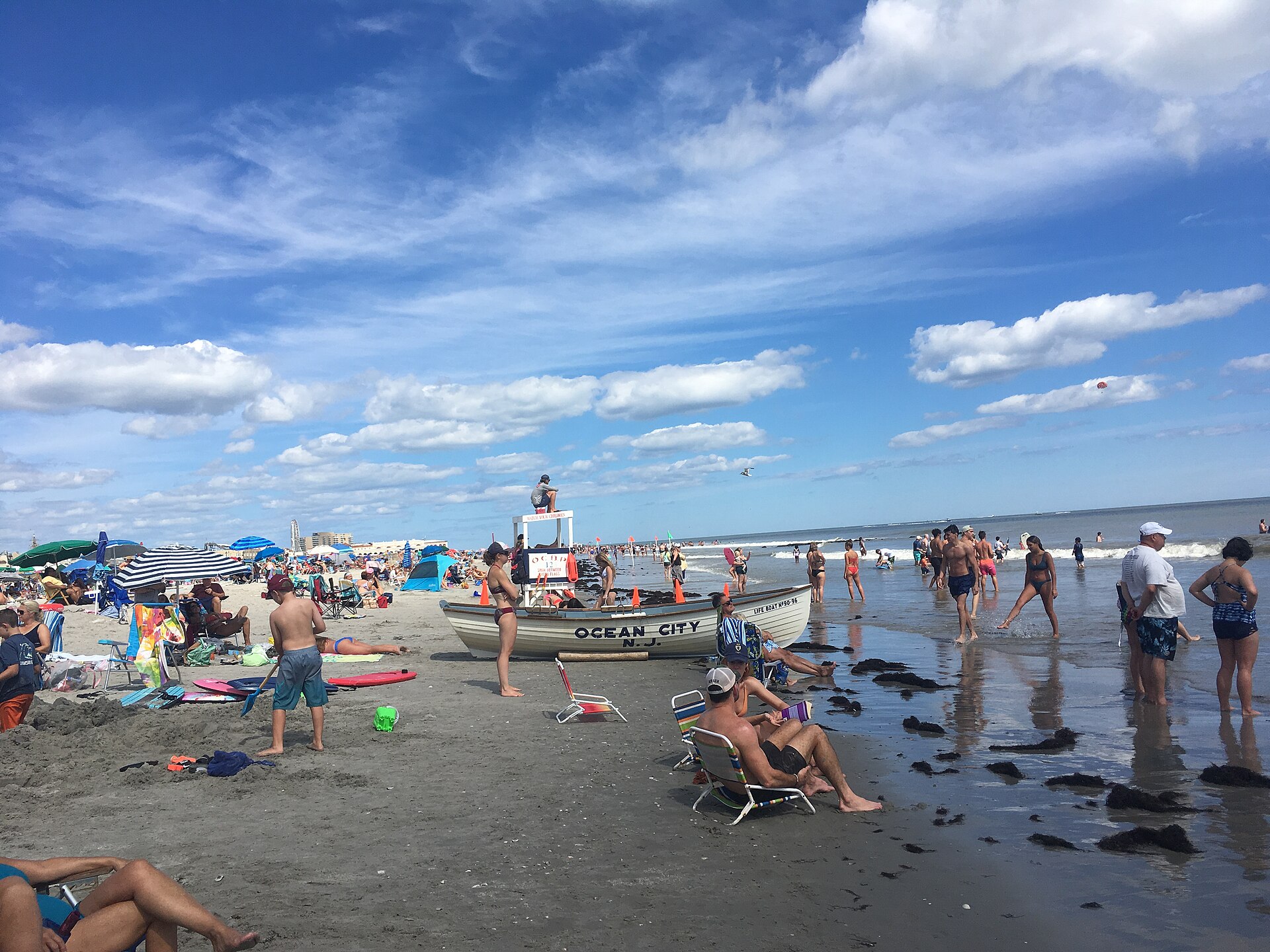
    Ocean City, New Jersey occupies a distinctive place among the Jersey Shore’s luxury markets. Just south of Longport and Margate and north of the Wildwoods, Ocean City has built its reputation on being a dry town with a strong family orientation, a wide boardwalk, and a quieter, more understated character than some of its neighbors. For luxury buyers weighing shore towns, Ocean City offers premium waterfront real estate without the nightlife-driven atmosphere found elsewhere on the coast.

    The Character of the Market

    Ocean City’s luxury inventory clusters around a few distinct settings: bayfront homes with private docks along the back bays, oceanfront and ocean-block properties along the boardwalk corridor, and quieter residential streets in the northern and southern ends of the island that offer larger lots and more privacy than the dense center of town. Because the island is long and narrow, location within Ocean City matters enormously — proximity to the beach, bay access, and distance from the boardwalk’s seasonal foot traffic all factor meaningfully into both price and day-to-day experience.

    Many of the island’s most desirable luxury homes are newer construction or extensively renovated, built to modern flood-elevation standards with elevator access, multiple outdoor living levels, and rooftop decks designed to capture ocean or bay views. Older shore cottages remain in the mix as well, particularly appealing to buyers who want to renovate or eventually rebuild.

    Bayfront vs. Oceanfront

    Bayfront properties typically appeal to boating families, offering direct dock access, calmer water, and often more buildable lot area. Oceanfront and ocean-block homes command a premium for direct beach access and views but come with more exposure to weather and, in many cases, tighter footprints. Buyers should think carefully about how they intend to use the property — boating and watersports favor the bay side, while beach-centric living favors the ocean side.

    Why Buyers Choose Ocean City

    Ocean City’s dry-town status and family-oriented boardwalk culture are frequently cited by buyers as the deciding factor over other shore towns. The absence of alcohol sales creates a noticeably different atmosphere from Atlantic City or even nearby Wildwood, and many multi-generational families have owned property in Ocean City for decades, prioritizing a place where children and grandchildren can safely walk to the boardwalk, beach, and ice cream shops independently.

    At the same time, Ocean City sits close enough to Longport, Margate, and Atlantic City that buyers who want a livelier evening out have options nearby without needing to compromise on where they own property.

    Rental Potential and Investment Considerations

    Ocean City has one of the strongest seasonal rental markets on the Jersey Shore, and many luxury buyers purchase with an eye toward weekly summer rental income to help offset ownership costs. Homes with more bedrooms, elevator access, multiple parking spaces, and proximity to the beach or boardwalk typically command the strongest rental rates. Buyers planning to rent should budget for property management, higher insurance premiums associated with rental use, and the wear that comes with frequent turnover, and should consult a local property manager on realistic rental income before assuming a specific return.

    Flood Zones, Insurance, and Construction Standards

    As with most barrier-island communities, flood zone designation is central to both the buying decision and long-term ownership costs. Most of Ocean City sits in FEMA-designated flood zones that require flood insurance for any mortgaged property, and elevation, construction materials, and mechanical system placement all affect premiums. Newer construction built to current base flood elevation standards generally carries lower insurance costs than older, non-elevated homes, which is an important factor to weigh alongside purchase price when comparing properties.

    Access from Philadelphia and South Jersey

    Ocean City is roughly 90 minutes to two hours from Philadelphia depending on the route and season, making it a realistic weekend and summer-season property for many South Jersey and Philadelphia-based buyers rather than a daily commute destination. The drive down the Atlantic City Expressway and Garden State Parkway is straightforward outside of peak summer traffic windows.

    Frequently asked questions

    Is Ocean City, New Jersey a good long-term investment for luxury buyers?

    Shore real estate in established, high-demand towns like Ocean City has historically held strong buyer interest given limited developable land on the barrier island. As with any real estate decision, buyers should evaluate their own goals — personal use, rental income, or long-term appreciation — and work with a local agent who can speak to current inventory and pricing trends by specific block and flood zone.

    What is the difference between buying in Ocean City versus Avalon or Stone Harbor?

    Ocean City tends to offer a more family-boardwalk-centric atmosphere at a broader range of price points, while Avalon and Stone Harbor are generally positioned as quieter, more exclusively residential luxury markets with fewer commercial amenities directly in the residential zones. Buyers should visit both in-season and off-season to get a true sense of the differing character.

    Do I need flood insurance even if the home is on higher ground within Ocean City?

    Nearly all of Ocean City falls within a mapped flood zone, so flood insurance is typically required by mortgage lenders regardless of a property’s specific elevation, though the elevation and construction details significantly affect the premium. A local insurance agent familiar with barrier-island properties can provide an accurate quote before you finalize an offer.

    If Ocean City or another South Jersey shore town is on your radar, James Kennedy can walk you through current inventory, flood zone considerations, and realistic rental potential. Reach him at 215-267-8479 or jameskennedy@unlockedteam.com.

  • Avalon, New Jersey: A Luxury Buyer’s Guide to the Jersey Shore’s Most Refined Address

    Avalon, New Jersey: A Luxury Buyer’s Guide to the Jersey Shore’s Most Refined Address

    Avalon occupies a particular place in the hierarchy of Jersey Shore towns. It isn’t the liveliest boardwalk destination, and it isn’t trying to be. What Avalon offers instead is a consistently well-maintained beach community with wide, clean beaches, strict zoning, and a housing stock that skews heavily toward well-built, well-kept single-family homes rather than dense multi-family blocks. For luxury buyers looking at the shore, that combination of natural beauty and disciplined town management is a big part of the draw.

    The character of the town

    Avalon runs along a narrow barrier island shared with neighboring Stone Harbor, and the town’s own regulations have shaped its development pattern deliberately. Height limits, setback requirements, and a strong emphasis on dune preservation have kept Avalon from developing the high-rise condo towers found in some other shore markets. The result is a town of predominantly single-family homes, many of them substantial, custom-built properties designed for extended family gatherings and long summer stays.

    The town center along Dune Drive offers shops and restaurants without the density of a full boardwalk commercial strip, which suits buyers who want a quieter, more residential shore experience.

    Understanding Avalon’s micro-markets

    Oceanfront and ocean-block properties

    The most sought-after and expensive homes sit directly on the dunes or within the first block or two of the beach. These properties command the steepest premiums and the least inventory, so buyers who want to be within easy walking distance of the sand should expect a competitive search and be prepared to move quickly when the right property appears.

    Bayfront properties

    Avalon’s back bay offers its own luxury market, appealing to boating families who want direct water access, docks, and sunset views across the bay rather than the ocean. Bayfront homes often offer more buildable lot size for the price than comparable oceanfront parcels.

    Interior streets

    Homes set back from both the ocean and the bay still command strong prices in Avalon given the town’s overall desirability and limited inventory, but they typically offer meaningfully more value per square foot than waterfront property, making them attractive to buyers prioritizing space and a quieter block over immediate water access.

    Seasonal rhythm and rental potential

    Like most barrier-island shore towns, Avalon’s population swells dramatically in summer and quiets considerably in the off-season. Many luxury buyers use their Avalon property as a seasonal residence supplemented by weekly rental income during peak summer months, which can help offset carrying costs. Buyers considering this approach should research the town’s specific rental regulations, since barrier-island municipalities frequently adjust rules around minimum stay lengths, permits, and parking as demand evolves.

    Flood zones and construction considerations

    As with any barrier-island community, flood zone designation, elevation requirements, and windstorm insurance costs are essential parts of due diligence in Avalon. Newer construction is typically built to current FEMA elevation standards, while older homes may require a closer look at flood insurance costs and potential future elevation work. A knowledgeable local inspector and insurance agent should be part of any Avalon purchase team from the outset.

    How Avalon compares to Stone Harbor

    Avalon and Stone Harbor share the same barrier island and much of the same reputation for quality and exclusivity, but the two towns have distinct personalities. Avalon tends to have a slightly more built-up commercial strip along Dune Drive, while Stone Harbor’s downtown and its well-known bird sanctuary give it a somewhat different, more naturalistic feel. Buyers torn between the two are well served by touring both before narrowing their search.

    Frequently asked questions

    What makes Avalon different from other Jersey Shore towns?

    Avalon’s strict zoning and height limits have kept the town almost entirely low-rise and single-family in character, avoiding the dense condo development found in some other shore markets. Combined with wide beaches and a well-funded municipal government, that has helped the town maintain strong long-term desirability.

    Is Avalon primarily a summer market or does it have year-round residents?

    Avalon is predominantly a seasonal community, with population and home prices both heavily influenced by summer demand. A smaller year-round population remains, but most luxury buyers purchase Avalon property as a second home or seasonal rental property rather than a primary residence.

    How should a buyer think about flood risk in Avalon?

    Flood zone designation and elevation requirements should be reviewed carefully for any barrier-island purchase, and buyers should budget for windstorm and flood insurance costs as part of their overall carrying cost analysis, working with an inspector and insurance agent familiar with the specific island.

    If you’re exploring a purchase in Avalon or comparing it to other South Jersey shore towns, James Kennedy can help you evaluate the trade-offs between oceanfront, bayfront, and interior properties. Reach James at 215-267-8479 or jameskennedy@unlockedteam.com.