Category: South Jersey Real Estate

  • Renting Out a Jersey Shore Second Home: What Luxury Buyers Should Know About Short-Term Rental Income

    Renting Out a Jersey Shore Second Home: What Luxury Buyers Should Know About Short-Term Rental Income

    Most buyers looking at a second home in Avalon, Stone Harbor, Sea Isle City, Ocean City, or the Downbeach towns eventually ask the same question: could this property rent when we are not using it? The answer is frequently yes — the South Jersey shore has a deep, well-established summer rental market. But rental income changes the analysis in ways that go well beyond a projected weekly rate. This guide covers what a luxury second-home buyer should understand before assuming a property will carry part of its own cost.

    Start with why you are buying

    The single most important decision comes first: is this primarily a family home that occasionally rents, or primarily an income property that you occasionally use? Buyers who are honest about this upfront make better decisions about location, finish level, and furnishings. Buyers who try to have it entirely both ways tend to end up frustrated — either the house is too precious to rent comfortably, or the rental calendar consumes the weeks they most wanted for themselves.

    There is no wrong answer. There is only a costly mismatch between what you said you wanted and how you actually use the property.

    Municipal rules vary town by town — and they change

    This is the part buyers most often get wrong. Short-term rental regulation at the Jersey shore is set at the municipal level, and the rules are genuinely different from one town to the next. Depending on the municipality, you may encounter:

    • Rental registration or licensing requirements, often annual, sometimes with an inspection.
    • Minimum stay requirements, which can effectively rule out weekend-only rentals in some towns.
    • Occupancy limits tied to bedroom count or square footage.
    • Parking requirements for rental properties.
    • Restrictions in certain zones or on certain property types.
    • Condominium or HOA rules that are stricter than the municipality’s — this catches many buyers off guard.

    Rules also change. A town’s ordinance today may not be the ordinance in three years, and several shore municipalities have revisited their short-term rental rules in recent years. Never rely on what a listing says, what a neighbor says, or what was true when you rented there a decade ago. Verify current requirements directly with the municipal clerk or zoning office for the specific address, in writing, before your due diligence period closes.

    Condominium and association restrictions

    If you are buying a condominium or a home in an association, read the governing documents carefully. Associations can and do impose minimum lease terms, cap the number of rentals, require board approval of tenants, or prohibit short-term rentals outright — even when the town permits them. Request the bylaws, rules and regulations, and recent meeting minutes during due diligence, and read the minutes specifically for discussion of rental policy changes under consideration.

    Taxes: three separate issues

    Rental income at the shore raises tax questions that deserve a professional’s attention. In broad strokes, three distinct areas matter:

    • State and local transient accommodation taxes. New Jersey imposes sales tax and a state occupancy fee on certain short-term accommodations, and some municipalities add their own tax. Whether these apply, and who collects and remits them, can depend on how the rental is booked — directly, through a licensed real estate broker, or through an online marketplace. The distinctions are technical and the rules have been amended over time.
    • Federal income tax treatment. How rental income and expenses are reported depends on the mix of personal and rental use during the year. Different day-count thresholds produce meaningfully different outcomes for deductions and depreciation.
    • Property tax and assessment. Renting does not by itself change your assessment, but improvements you make to support rental use might.

    These are questions for a CPA who handles New Jersey shore properties, and the conversation should happen before you close, not the following April. The cost of an hour of good advice is trivial compared with the cost of a structure that does not fit your situation.

    What actually drives rental demand

    Within the luxury tier, the properties that rent most reliably tend to share a set of features:

    • Proximity to the beach. Block count matters more than almost anything else, and the difference between two blocks and six is significant.
    • Bedroom and bathroom count. Shore rentals are often shared by extended families. A fifth bedroom and an additional full bath can move a property into a different tier of demand.
    • Parking. Multiple off-street spaces are a real differentiator in the densest towns.
    • Outdoor living. Decks, an outdoor shower, and usable shaded space are expected at the high end.
    • Condition and consistency. Renters at this price point expect hotel-level cleanliness, working systems, reliable internet, and a well-equipped kitchen.

    Ask any listing agent for the property’s actual rental history — weeks booked and rates achieved, not a projection. A projection is a marketing document. A rental history is evidence. If the seller used a rental agency, the agency can usually produce a summary.

    The costs people forget

    Gross rental income is not net income. Build a realistic model that includes management or agency commission, turnover cleaning, linens, landscaping and pool service, utilities during the season, higher insurance appropriate to rental use, routine repairs at a faster wear rate, furnishing and periodic refurnishing, and vacancy in the shoulder weeks. Coastal insurance in particular deserves a real quote before you buy — flood and wind coverage at the shore can be a material line item.

    Frequently asked questions

    Can I rent out any shore home I buy?

    Not necessarily. Permission depends on the municipality’s current ordinance, the zoning of the specific property, and any condominium or homeowners association rules. Some towns require registration or licensing, and some associations prohibit short-term rentals even where the town allows them. Always verify in writing for the specific address during your due diligence period.

    How much can I expect a luxury shore home to rent for?

    Rates vary widely by town, block, bedroom count, and condition, and they shift year to year. Rather than relying on a general figure, ask for the property’s documented rental history and comparable rental data for similar homes on similar blocks. I can help you assemble that for any property you are considering.

    Does renting my second home create tax complications?

    It can. New Jersey occupancy and sales tax treatment depends on how the rental is booked, and federal reporting depends on the ratio of personal to rental use during the year. These rules are detailed and have been amended over time, so speak with a CPA experienced with New Jersey shore rentals before you close.

    If you are weighing a second home at the South Jersey shore and want a clear-eyed look at what a specific property would realistically rent for — and what it would actually cost to own — reach out to James Kennedy at 215-267-8479 or jameskennedy@unlockedteam.com. I will give you the honest numbers and the local rules that apply to that address.

  • Mount Holly and Lumberton, New Jersey: A Burlington County Guide for Luxury Home Buyers

    Mount Holly and Lumberton, New Jersey: A Burlington County Guide for Luxury Home Buyers

    Burlington County’s county seat and its quiet neighbor to the south make up one of the more overlooked corners of South Jersey for buyers who want space, history, and an easy run to Philadelphia. Mount Holly offers a genuinely walkable historic district with Colonial and Federal architecture that predates the Revolution. Lumberton, just across the Rancocas Creek, offers acreage, newer custom construction, and larger lots than most of the inner-ring suburbs. Together they give higher-end buyers a range you rarely find in a single pocket of the market.

    Why buyers look at Mount Holly and Lumberton

    Most luxury buyers in South Jersey start their search in Haddonfield, Moorestown, or Medford. Those are excellent towns, and they price accordingly. Mount Holly and Lumberton sit slightly outside that well-trafficked corridor, which means your dollar tends to buy more land and more square footage. For a buyer who wants a serious property — a restored historic home, a custom build on several acres, or an equestrian-scale lot — this area deserves a look before you conclude that South Jersey is fully picked over.

    The trade-off is that the high end here is thinner. Fewer $1,000,000+ homes trade in a given year than in Moorestown, which means comparable sales are harder to find and pricing takes more judgment. That is a reason to work with an agent who knows the county, not a reason to avoid the area.

    Mount Holly: the historic core

    Mount Holly Township is the seat of Burlington County government, and its historic district reflects centuries of continuous use rather than a preserved-in-amber museum feel. Mill Street and the surrounding blocks hold brick Federal townhouses, Victorian singles, and eighteenth-century structures still in daily use. The Burlington County Prison Museum, designed by Robert Mills, and the Mount Holly Friends Meeting House anchor the town’s architectural pedigree.

    What the housing stock looks like

    • Historic in-town homes. Brick and frame houses from the eighteenth and nineteenth centuries, often on modest lots, with the character and the maintenance obligations that come with age.
    • Victorian singles. Larger detached homes on tree-lined streets, frequently with porches, original millwork, and generous room counts.
    • Later infill and outlying subdivisions. Twentieth-century construction on the edges of the township, typically more conventional and more predictable to maintain.

    Buyers drawn to the historic district should budget for the realities of old construction: knob-and-tube remnants, plaster, older heating systems, and in some cases outdated or undersized electrical service. None of that is disqualifying. It simply means a thorough inspection and a contractor walkthrough before you remove contingencies.

    Lumberton: land, newer construction, and privacy

    Lumberton Township runs south and east of Mount Holly along the Rancocas. It is a more rural, lower-density municipality, and it is where you find the larger parcels. Newer custom homes here often sit on an acre or more, with the square footage, garage capacity, and outdoor space that buyers moving out of Center City or a townhome community are usually chasing.

    Because much of Lumberton was developed later, mechanical systems tend to be newer and floor plans tend to be more open. Buyers who want a large primary suite, a real home office, and a three-car garage will find more of that inventory in Lumberton than in Mount Holly proper.

    Practical items for larger-lot properties

    • Well and septic. Not every property is on public water and sewer. Have both tested independently, and ask for service records.
    • Flood exposure. Both municipalities have creek frontage. Confirm the flood zone designation and get an insurance quote before you are contractually committed.
    • Farmland assessment. Some larger parcels carry preferential tax treatment tied to agricultural use. Understand what happens to the assessment if you change how the land is used.

    Getting to Philadelphia and elsewhere

    The area sits near the Route 38 and Route 541 corridors with reasonable access to I-295 and the New Jersey Turnpike. Center City Philadelphia is a manageable drive outside of peak congestion, and the Burlington County connections toward Princeton and central New Jersey are straightforward. Buyers who commute daily should test-drive the trip at the actual hour they would be making it. A route that looks fine at midday can behave very differently at 7:45 in the morning.

    Schools and municipal considerations

    Mount Holly and Lumberton operate their own elementary-level districts, with regional arrangements at the secondary level. Because district configuration and sending relationships in Burlington County can be genuinely confusing, verify the assignment for the specific address you are considering directly with the district rather than relying on a listing sheet or a third-party website. That is good advice anywhere; it is essential here.

    Property tax rates in New Jersey are meaningful, and they vary considerably by municipality. Ask for the actual current assessment and tax bill for any home you are serious about, and understand how a recent sale or improvement might affect a future assessment.

    How to approach an offer in a thin high-end market

    When only a handful of comparable homes trade each year, standard pricing shortcuts stop working. A few principles help:

    • Widen the comparable-sales search geographically before you widen it in time. A recent sale two towns over often tells you more than a two-year-old sale next door.
    • Adjust honestly for land. An acre of usable, level, private ground is worth more than an acre split by a drainage easement.
    • Expect the appraisal to be the hard part. In markets with few comparables, appraisers reach further, and outcomes vary. Discuss with your lender how you want to handle a shortfall before it happens.
    • Do not confuse days on market with weak value. At the high end in a small market, the right buyer simply takes longer to arrive.

    Who this area suits

    Mount Holly rewards the buyer who actively wants a historic home and understands what stewardship of one involves. Lumberton rewards the buyer who wants land, privacy, and newer systems without moving an hour from the city. Buyers who need a dense, highly walkable retail-and-restaurant environment at their doorstep every day may be happier in Collingswood or Haddonfield. Buyers who want space and a real sense of place, at a price that still makes sense, should put both towns on the list.

    Frequently asked questions

    Is Mount Holly a good fit for a luxury buyer?

    It can be, particularly for someone who wants an architecturally significant historic home rather than a large modern one. The high end of the market is smaller than in Moorestown or Haddonfield, so inventory is limited and timing matters. Buyers who are flexible on timing and clear on what they want tend to do well here.

    What should I check before buying acreage in Lumberton?

    Confirm whether the property is on well and septic or public utilities, review the flood zone designation and get an insurance quote early, verify any easements or right-of-way on the survey, and understand whether the parcel carries a preferential farmland assessment that could change. A current survey and a thorough inspection are worth every dollar on a large lot.

    How do I know what a home in this area is really worth?

    Because relatively few high-end homes trade here annually, valuation requires looking at a wider geography and making careful adjustments for land, condition, and finish level. This is not a market where an automated estimate is reliable. A local agent who can pull and interpret the actual sales data is the right starting point.

    If you are considering Mount Holly, Lumberton, or anywhere in Burlington County, I can walk you through current inventory, recent sales, and what your budget realistically buys here versus in the better-known South Jersey towns. Reach out to James Kennedy at 215-267-8479 or jameskennedy@unlockedteam.com for a straightforward conversation about your search or your sale.

  • Woodstown and Pilesgrove, New Jersey: A Salem County Guide for Luxury and Estate Buyers

    Woodstown and Pilesgrove, New Jersey: A Salem County Guide for Luxury and Estate Buyers

    Salem County is the part of South Jersey that most luxury buyers overlook, and Woodstown and Pilesgrove Township are the reason it deserves a second look. Here you find eighteenth- and nineteenth-century brick and frame homes lining a walkable main street, and just beyond it, working farmland, horse properties, and estate parcels measured in acres rather than square feet. For a buyer who wants land and architectural authenticity within reach of both Philadelphia and Wilmington, this is one of the region’s genuine values.

    Understanding the geography

    Woodstown is a small borough entirely surrounded by Pilesgrove Township, in Salem County, New Jersey. The borough holds the historic core: the main street, the older residential blocks, and the civic buildings. Pilesgrove wraps around it with farmland, larger residential parcels, and equestrian properties.

    That borough-inside-a-township arrangement has practical consequences. Municipal services, tax rates, and land use rules differ between the two, even for homes a few hundred feet apart. Before you fall for a listing, confirm which municipality the property sits in and pull the actual assessment and tax record rather than relying on the mailing address.

    What the housing stock looks like at the high end

    Buyers shopping the upper tier here generally choose among three property types:

    • Historic in-town homes. Federal, Victorian, and Colonial Revival houses along and near the main street, many with original millwork, wide-plank floors, and deep lots. Walkability to shops and civic life is the draw.
    • Farmhouses and converted agricultural properties. Older farmhouses on meaningful acreage, frequently with barns, outbuildings, or a former dairy or crop operation attached to the parcel.
    • Equestrian and estate properties. Purpose-built or adapted horse properties with stables, paddocks, riding rings, and fenced pasture, plus custom-built homes on large lots.

    Because this is a rural market, the price-per-square-foot conversation is far less useful than it is in Center City. Land, outbuildings, soil, water, road frontage, and access drive value here as much as the house itself. A comparable sale two miles away with different acreage and no barn is not really comparable.

    Farmland preservation and how it affects buyers

    Salem County has a strong agricultural character, and a meaningful amount of land in the area is either enrolled in farmland assessment programs or subject to preservation easements. Both matter to a luxury buyer.

    Farmland assessment

    New Jersey’s farmland assessment program can substantially reduce the assessed value of qualifying acreage that is actively devoted to agricultural or horticultural use, subject to eligibility requirements. Buyers frequently assume a low tax figure on a listing will simply carry over. It may not. If the qualifying use stops, rollback taxes can be assessed. Ask directly whether the parcel is enrolled, what use qualifies it, and what would happen if you stopped farming it.

    Preservation easements

    A preserved farm typically carries a permanent deed restriction limiting subdivision and non-agricultural development. That can be a feature, because it protects your views and your neighbors’ land permanently, or a limitation if you intended to build additional structures. Read the easement document itself during due diligence; summaries are not enough.

    Equestrian property due diligence

    If a horse property is the goal, add several items to your inspection list beyond the standard home inspection:

    • Well yield and water quality adequate for both household and livestock use, tested at the actual flow you will need.
    • Septic system capacity, age, and location, plus a current inspection and any pending regulatory requirements.
    • Barn structure, electrical service, fire safety, and ventilation, inspected by someone who knows agricultural buildings.
    • Fencing condition, pasture drainage, and manure management practices.
    • Zoning and any restrictions on the number of animals, boarding, lessons, or commercial equestrian activity.
    • Access and easements, especially shared driveways or farm lanes crossing neighboring parcels.

    Confirm any intended commercial use with the municipality in writing before closing. Assuming a use is permitted because a prior owner did it is a costly mistake.

    Lifestyle and location

    Woodstown’s appeal is a genuinely walkable small-town center with local shops, restaurants, a library, and community events, ringed by open country. Residents often describe the trade they made as swapping restaurant density for space, quiet, and a sense of community that is hard to manufacture.

    The area sits within reasonable driving distance of Wilmington and the Delaware corridor, with access toward Philadelphia via the regional highway network and bridge crossings. Commuters should test the drive at the exact hours they would travel, since bridge and highway conditions can vary substantially. For buyers whose work is flexible or hybrid, the location premium that drives pricing closer to the city simply does not apply here, which is a large part of why the value proposition is strong.

    What buyers get wrong about this market

    • Treating it like a suburban market. Inventory is thin and irregular. The right property may not exist on the market this month. Buyers who succeed here stay patient and stay ready.
    • Underestimating carrying costs on acreage. Mowing, fencing, driveway maintenance, outbuilding upkeep, and heating an older farmhouse are real annual numbers. Build them into your budget before you fall in love.
    • Skipping the land questions. Water, septic, easements, preservation status, and permitted use determine whether the property can do what you want it to do. Those answers come from documents and municipal offices, not from a listing description.

    Frequently asked questions

    What is the difference between Woodstown and Pilesgrove?

    Woodstown is a borough with a historic, walkable center; Pilesgrove Township is the surrounding rural municipality with farmland, larger lots, and equestrian properties. They are separate municipalities with separate governments and tax rates, so verify which one any given property is in before making assumptions about taxes or services.

    Can I get a mortgage on a farm or equestrian property?

    Often yes, but financing acreage with significant agricultural improvements is not always a routine conventional loan. Lenders may treat outbuildings, acreage above a threshold, or income-producing agricultural use differently, and appraisals on unique rural properties take longer. Line up a lender experienced with rural and equestrian properties before you write an offer, and build realistic appraisal timelines into the contract.

    Is Salem County a good value compared with Burlington or Camden County towns?

    For land and historic architecture, it generally offers more acreage and more house per dollar than comparable properties closer to Philadelphia, with the trade-off of a longer commute and fewer nearby amenities. Whether that is the right trade depends entirely on how you work and live. I can walk you through recent sales in both areas so you can compare directly.

    Interested in Woodstown, Pilesgrove, or an equestrian or estate property anywhere in South Jersey? I can help you evaluate land, easements, and value before you commit. Contact James Kennedy at 215-267-8479 or jameskennedy@unlockedteam.com.

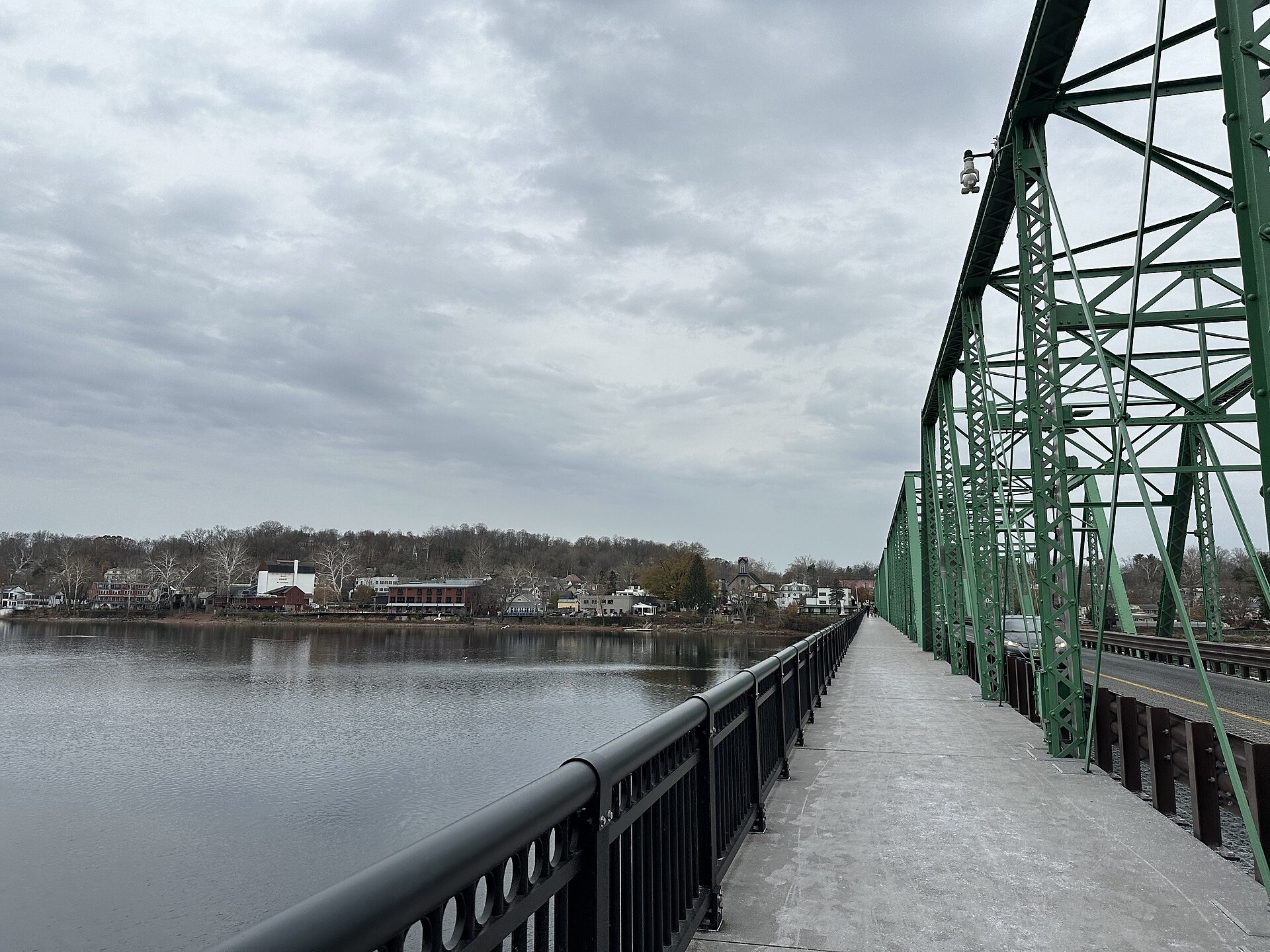
  • Bordentown, New Jersey: A Delaware Riverfront Town Guide for Luxury Home Buyers

    Bordentown, New Jersey: A Delaware Riverfront Town Guide for Luxury Home Buyers

    Bordentown sits on a bluff above the Delaware River at the northern edge of Burlington County, roughly halfway between Philadelphia and Princeton. It is one of South Jersey’s oldest towns, and one of its most quietly appealing for buyers who want a walkable historic downtown, real architecture, and a commute that works in more than one direction. This guide covers what the Bordentown market offers at the upper end, how the City and the Township differ, and what to check before you buy.

    Two Bordentowns, and the difference matters

    Buyers searching for Bordentown are actually looking at two separate municipalities.

    Bordentown City

    The City is the compact historic core — a small, dense grid of eighteenth- and nineteenth-century houses on tree-lined streets, wrapped around Farnsworth Avenue’s downtown and ending at the river bluff and Bordentown Beach. This is where the town’s most characterful housing lives: Federal and Greek Revival townhouses, Victorian singles with deep porches, and a scattering of substantial homes with river orientation. Lots are modest, walkability is excellent, and the historic fabric is largely intact.

    Bordentown Township

    The Township surrounds the City and is where you find larger lots, newer construction, and the more conventional suburban product — colonials on half-acre-plus parcels, some newer upper-bracket subdivisions, and easier access to the highway network. Buyers who want square footage, a garage, and a modern floor plan generally end up here; buyers who want walk-out-your-door downtown living stay in the City.

    The housing stock at the upper end

    Bordentown is not a market of sprawling estates. The high end here tends to be one of three things:

    • Restored historic homes in the City — meaningful houses, often with original detail, sometimes with river or bluff orientation, and typically the most distinctive properties in town.
    • Larger newer construction in the Township — four- and five-bedroom homes with contemporary kitchens, open plans, and finished lower levels.
    • Riverfront and near-river parcels — a limited supply, and the properties that generate the most competition when they come available.

    Because the historic inventory is finite and the town is small, the best houses do not come to market often. Buyers who are serious about Bordentown City in particular benefit from having an agent watching for pre-market and coming-soon activity rather than waiting for listings to appear publicly.

    Lifestyle: Farnsworth Avenue and the river

    Farnsworth Avenue is the reason a lot of people fall for Bordentown. It is a genuinely independent commercial street — restaurants, coffee, antiques, a strong small-business culture, and a calendar of street festivals and seasonal events the town takes seriously. It is walkable in a way most South Jersey downtowns are not, because the residential streets feed directly into it.

    The river is the other anchor. Bordentown Beach, the bluff parks, and the Delaware and Raritan Canal towpath network give the town an outdoor life that is unusual for a place this size. Crosswicks Creek and the surrounding open space provide paddling and trail access within minutes of downtown.

    The town’s history is a real presence, not a marketing line: Joseph Bonaparte, elder brother of Napoleon, lived on an estate here, and Thomas Paine and Clara Barton both have Bordentown connections. Preserved buildings and historic markers are part of daily life on the streets.

    Commuting from Bordentown

    Location is Bordentown’s structural advantage. The town sits near the intersection of I-295, the New Jersey Turnpike, and Route 130, which puts Philadelphia, Princeton, and central New Jersey all within a reasonable drive.

    • NJ Transit River Line — the light rail runs from Trenton to Camden with a Bordentown station, connecting toward Philadelphia via Camden and to the Northeast Corridor at Trenton.
    • Northeast Corridor rail — Trenton and Hamilton stations are a short drive and provide direct service toward New York and Philadelphia.
    • Driving — Center City Philadelphia is a straightforward drive via I-295 and the bridges; the Princeton corridor is roughly the same distance in the other direction.

    That dual-direction access is why Bordentown draws buyers who work in Philadelphia, buyers who work in the Princeton corridor, and households where two people commute to different places.

    What to check before you buy

    • Flood zone status. Anything near the river, the creek, or the low-lying edges needs a flood zone determination and an insurance quote before you remove contingencies. Do this early — it can change your carrying cost materially.
    • Historic district review. Bordentown City has a historic district with design standards. Confirm what applies to the specific property and what exterior changes would require approval.
    • Underground storage tanks. Buried heating oil tanks are a well-known issue across older South Jersey towns. Order a tank sweep on any older house, and understand the remediation and disclosure implications before closing.
    • Systems in historic homes. Knob-and-tube wiring, older boilers, and original windows are common. Price them into your offer rather than discovering them after settlement.
    • City versus Township taxes and services. The two municipalities have separate tax rates and services. Verify the specifics for the exact address rather than assuming they are the same.
    • Parking. In the historic core, off-street parking is not a given and is a genuine value factor at resale.

    Who Bordentown suits

    Bordentown works well for buyers who want a walkable historic downtown without competing in the region’s most established luxury towns, for households splitting commutes between Philadelphia and central New Jersey, and for anyone who wants river access and open space close by. It works less well for buyers who need a large, level lot with an estate feel, or who want a heavily amenitized new-construction community — for those, other Burlington County towns will show better.

    Frequently asked questions

    Is Bordentown considered South Jersey?

    Yes. Bordentown is in Burlington County, which is generally treated as South Jersey, though its position at the county’s northern edge gives it stronger ties to the Trenton and Princeton corridor than most South Jersey towns have.

    Should I buy in Bordentown City or Bordentown Township?

    Choose the City if walkability, historic character, and downtown life are the priority and you are comfortable with older-home maintenance and tighter lots. Choose the Township if you want more square footage, a newer house, a bigger yard, and easier highway access. The two markets behave differently, so compare them separately rather than as one town.

    How competitive is the market for well-restored historic homes in Bordentown?

    The supply of genuinely restored historic properties is small, so the best examples attract attention quickly when they list. Being pre-approved, clear on your parameters, and connected to an agent who monitors upcoming inventory makes a real difference here. For current activity and pricing on a specific street, reach out for an up-to-date read.

    Considering Bordentown or another South Jersey town? James Kennedy helps buyers and sellers across South Jersey and the Philadelphia region evaluate towns, price homes accurately, and move quickly when the right property appears. Call or text James at 215-267-8479 or email jameskennedy@unlockedteam.com.

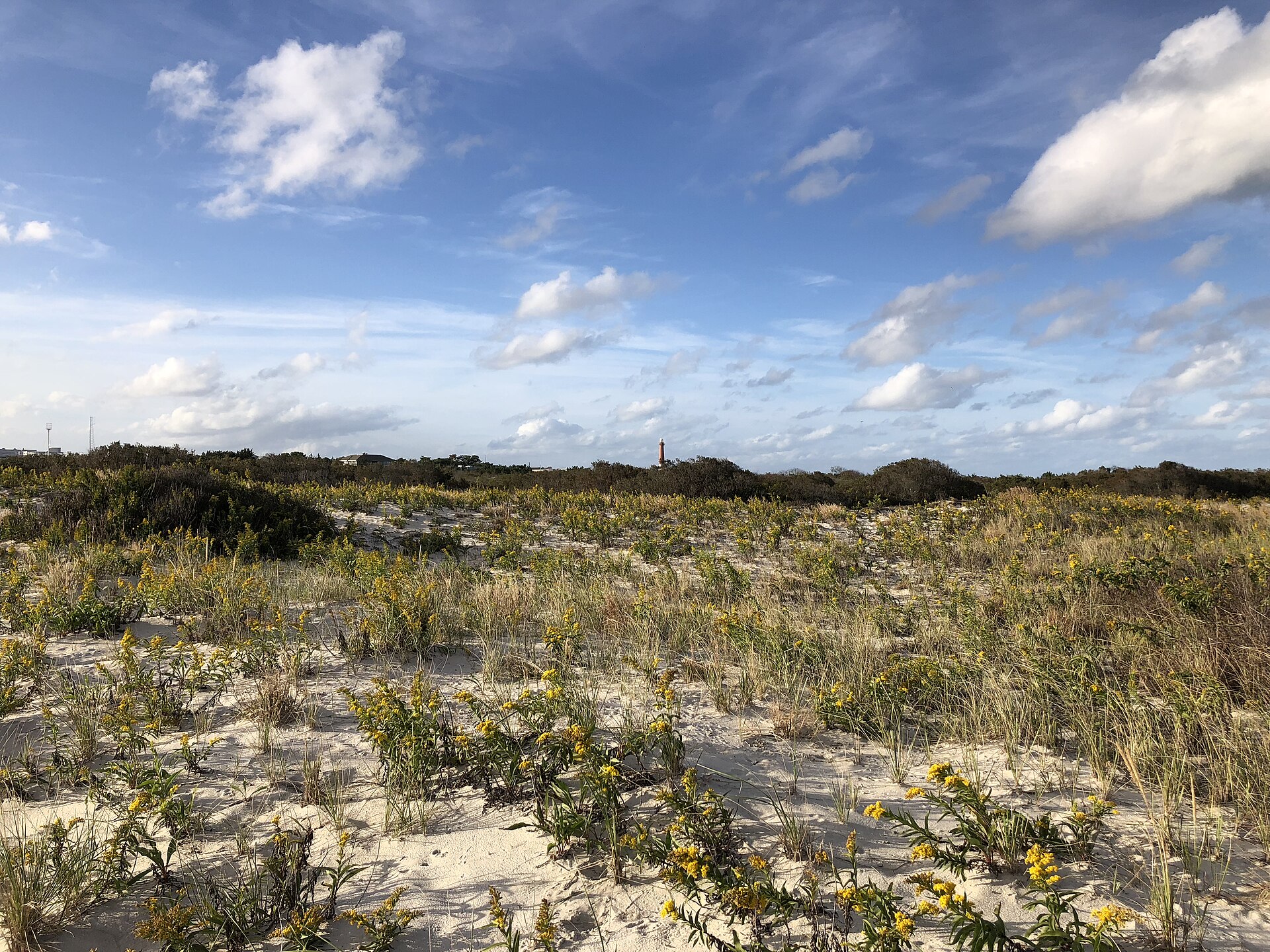
  • Wildwood Crest and Diamond Beach, New Jersey: A Luxury Buyer’s Guide to the Southern Shore

    Wildwood Crest and Diamond Beach, New Jersey: A Luxury Buyer’s Guide to the Southern Shore

    The Wildwoods have long been known for boardwalk lights and family nostalgia, but the southern end of the island tells a very different story. Wildwood Crest and Diamond Beach are quiet, low-rise, dune-backed communities where the beach is wide, the streets are residential, and the housing stock has been steadily rebuilt at a level that now attracts serious luxury buyers. If you are looking at the South Jersey shore and want oceanfront or near-oceanfront square footage without Avalon or Stone Harbor pricing, this stretch deserves a close look.

    Where Wildwood Crest and Diamond Beach actually are

    Five Mile Island runs from North Wildwood at the top to Diamond Beach at the very southern tip. Wildwood Crest occupies the southern third of the island, below the commercial Wildwood boardwalk district. Diamond Beach sits below the Crest, technically part of Lower Township, and is the last stretch of sand before the Cape May inlet.

    That geography matters more than most buyers expect. The boardwalk, the amusement piers, and the summer crowds are concentrated north of the Crest. Once you cross into Wildwood Crest, the character changes almost immediately: no boardwalk, wide residential streets, mid-century motels giving way to new construction, and one of the widest natural beaches on the entire Jersey coast.

    What the luxury inventory looks like

    High-end product here generally falls into a few categories:

    • New construction single-family homes on the interior and bayfront streets, often three levels with elevators, roof decks, multiple ensuite bedrooms, and off-street parking under the structure.
    • Upscale duplexes and townhomes, frequently sold as individual condominium units, that read as full homes with private entries and private outdoor space.
    • Oceanfront and ocean-block condominiums, including redeveloped former motel sites, where the premium is view and beach proximity rather than lot size.
    • Bayfront properties in the Crest with docks or slips, which appeal to boating buyers and often trade at a premium to comparable interior homes.

    Diamond Beach in particular is dominated by larger condominium and resort-style buildings directly on the ocean, which makes it a different buy than the Crest’s mostly low-rise, single-family fabric. Buyers who want an elevator building with amenities and a lock-and-leave profile often end up in Diamond Beach; buyers who want a house with a yard, a garage, and family space usually end up in the Crest.

    The beach itself is part of the value

    Wildwood Crest has an unusually deep beach, backed by dunes rather than a bulkhead in most sections. That depth is a genuine amenity — room for umbrellas, sports, and walking — but it also means the walk to the water from an ocean-block home can be substantial. Before you pay an ocean-block premium, walk the actual route from the property to the waterline at the block you are considering. Two homes two streets apart can have meaningfully different beach experiences.

    The Wildwoods have historically not charged for beach access, which is unusual on the Jersey coast and is a real quality-of-life and rental-appeal factor. Confirm current policy at the time of purchase, since municipal decisions can change.

    Rental income: know the rules before you assume the numbers

    Many shore purchases here are partially underwritten by summer rental income. That is reasonable, but treat projections carefully:

    • Ask for actual booking history and gross rents, not estimates, and get the owner’s expense detail — utilities, cleaning, management, and repairs.
    • Confirm the municipality’s rental registration and licensing requirements, and any minimum-stay rules.
    • If the property is a condominium, read the association documents on rentals. Some buildings limit lease terms or frequency, which can materially change your income assumptions.
    • Understand how rental use affects your insurance, your financing, and your tax treatment. Talk to your accountant before, not after.

    Flood, elevation, and construction quality

    This is barrier-island real estate, and elevation drives both insurance cost and long-term risk. Two things every buyer should do: obtain the elevation certificate and confirm the flood zone designation, and ask for the current flood insurance premium rather than a general estimate. Newer construction is typically built well above older grade and often insures far more favorably than a mid-century home on a slab.

    On the construction side, look closely at exterior materials, window and door packages, and corrosion protection on railings and hardware. Salt air is unforgiving. A house that was built to inland standards will show it within a decade.

    How the buying season works

    Shore markets have their own rhythm. Inventory and buyer attention tend to build in late winter and spring as families plan for summer, and there is often a second window in the fall after the season ends, when some owners decide not to carry the property another year. Sellers who want the property occupied for the coming summer sometimes negotiate differently than sellers listing in September. Rather than trying to time the market, focus on being genuinely ready — financing arranged, insurance quotes in hand, and clear on which blocks you will accept — because good oceanfront and bayfront product moves quickly.

    Frequently asked questions

    How is Wildwood Crest different from Wildwood?

    Wildwood Crest is the quieter, residential southern portion of the island with no boardwalk, wide dune-backed beaches, and mostly low-rise housing. Wildwood proper contains the boardwalk, amusement piers, and the bulk of the commercial and nightlife activity. Buyers seeking a calmer, family-oriented setting almost always focus on the Crest or Diamond Beach.

    Is Diamond Beach a good option for a lock-and-leave second home?

    Often, yes. Diamond Beach is weighted toward larger oceanfront condominium buildings with elevators, amenities, and association-managed exteriors, which suits owners who want minimal hands-on maintenance. The trade-off is association fees, rules, and less private outdoor space than a Crest single-family home.

    Should I buy a shore home for the rental income?

    Buy it because you want to use it, and let the rental income offset carrying costs rather than justify the purchase. Verify actual historical rents, association rental restrictions, and municipal registration requirements before you rely on any number. For current rental and pricing data on specific blocks, reach out for a property-level analysis.

    Thinking about a shore purchase in Wildwood Crest, Diamond Beach, or elsewhere along the South Jersey coast? James Kennedy specializes in luxury real estate across Philadelphia and South Jersey and can walk you through current pricing, block-by-block differences, and what a specific property should actually trade for. Call James at 215-267-8479 or email jameskennedy@unlockedteam.com to start the conversation.

  • Cinnaminson and Palmyra, New Jersey: A Delaware Riverfront Guide for Luxury Home Buyers

    Cinnaminson and Palmyra, New Jersey: A Delaware Riverfront Guide for Luxury Home Buyers

    Burlington County’s river towns are one of the last places in the Philadelphia region where you can buy a large, architecturally serious home with a water view and still be across a bridge from Northeast Philadelphia in a matter of minutes. Cinnaminson and Palmyra sit side by side on the New Jersey bank of the Delaware, between Riverton and the Tacony-Palmyra Bridge, and they offer a different value proposition than the county’s better-known inland addresses.

    Two towns, two personalities

    Palmyra is a compact borough with a genuine historic core. Its streets carry a dense collection of late-nineteenth and early-twentieth century houses — Victorians, four-squares, and Colonial Revivals — many with the porches, millwork, and lot depth that are hard to reproduce today. Palmyra Cove Nature Park, several hundred acres of tidal wetlands and woods at the foot of the Tacony-Palmyra Bridge, gives the borough an outsized amount of protected open space and one of the better birding spots in South Jersey.

    Cinnaminson is a larger township with a more suburban shape: mid-century and later subdivisions, larger lots as you move away from Route 130, and a mix of established neighborhoods and newer construction. Its riverfront redevelopment near the light rail station brought townhomes and condominiums with water proximity, which appeals to buyers who want the view without the maintenance of a century-old house.

    Getting around

    Location is the core argument for both towns.

    • Tacony-Palmyra Bridge connects Palmyra directly to Northeast Philadelphia, and the Betsy Ross Bridge is a short drive south.
    • NJ TRANSIT’s RiverLINE light rail runs through both communities, with stations providing service north toward Trenton and south to the Camden waterfront, where it connects to PATCO and the ferry.
    • Route 130 and I-295 handle regional driving, with the New Jersey Turnpike accessible for trips toward New York.

    For a buyer working in Center City, the practical comparison is not distance but bridge behavior — traffic on the Tacony-Palmyra and Betsy Ross varies enough that testing the trip at your real commuting hour is worth an afternoon.

    What the high end looks like here

    These are not towns where every street is a luxury street. The premium properties cluster in identifiable places:

    • River-facing and river-adjacent homes. The largest historic houses were built to face the water, and the ones that retain their views, porches, and original detail are the most sought-after properties in either town.
    • Restored Victorians in Palmyra’s historic blocks. Buyers who value original woodwork, stained glass, and generous room proportions find a depth of inventory here that costs considerably more in comparable Main Line or Philadelphia neighborhoods.
    • Larger lots in Cinnaminson’s established neighborhoods. Expanded mid-century homes and custom builds on deep lots, often with pools and mature landscaping.
    • Newer riverfront townhomes and condominiums. The low-maintenance option, popular with downsizers and with buyers who want a water view and a lock-and-leave lifestyle.

    Because inventory at the top of these markets is thin, pricing is less formulaic than it is in a large subdivision. Comparable sales analysis here requires real judgment about view, lot, and the quality of restoration work — which is exactly where an experienced local agent earns their keep.

    The due diligence that matters on the Delaware

    Flood exposure and insurance

    Proximity to the Delaware and to tidal creeks means flood zone status and elevation certificates should be checked early, before you are emotionally attached to a house. Flood insurance availability and cost can meaningfully change a monthly payment, and lenders will require it in mapped zones. This is a question to resolve in the first days of due diligence.

    Underground storage tanks

    Older South Jersey homes were commonly heated with oil, and abandoned underground tanks are a well-known regional issue. A tank sweep is inexpensive relative to the cost of a remediation, and on a pre-1970s house it should be standard practice.

    Historic homes and older systems

    Knob-and-tube remnants, galvanized supply lines, aging slate roofs, and original windows all show up in the housing stock. None of them are deal-breakers, but they belong in your renovation budget rather than in a surprise conversation after closing.

    Municipal requirements

    New Jersey municipalities frequently require certificates of occupancy or resale inspections before transfer, and requirements vary by town. Confirming the local process early prevents last-minute delays at settlement.

    How these towns compare with the rest of Burlington and Camden counties

    Moorestown and Haddonfield offer larger concentrations of high-end homes, stronger walkable downtowns, and correspondingly higher pricing. Riverton, immediately adjacent, is smaller and more uniformly historic. Cinnaminson and Palmyra generally offer more house and more land per dollar than those addresses, with the trade-offs being a less uniform housing stock and a shorter list of luxury comparables. For a buyer who values the river, the bridge access, and the architecture, that trade can be a genuinely good one.

    Frequently asked questions

    Are there true luxury homes in Cinnaminson and Palmyra?

    Yes, though the segment is small and concentrated in specific locations — riverfront and river-view properties, restored historic homes in Palmyra’s older blocks, and larger custom or heavily renovated homes on deep lots in Cinnaminson. Because the high-end inventory is limited, buyers benefit from early notice on new listings and from access to properties before they hit the open market.

    How do people commute from these towns to Philadelphia?

    Most drive across the Tacony-Palmyra or Betsy Ross bridges, which put Northeast Philadelphia and I-95 within easy reach. The RiverLINE light rail is a transit alternative, connecting south to the Camden waterfront for PATCO and ferry service into Center City. Actual travel times depend heavily on bridge traffic at your specific commuting hour.

    Should I be concerned about flooding near the Delaware River?

    It is a legitimate question that has a property-specific answer. Elevation, distance from the river and tidal creeks, and official flood mapping vary block by block. Review the flood zone designation, ask for an elevation certificate where one exists, and get a flood insurance quote during your due diligence period rather than after.

    Thinking about buying or selling a high-end home in Philadelphia or South Jersey? James Kennedy specializes in luxury properties across the city, the Main Line, the Pennsylvania suburbs, and South Jersey. For current pricing, off-market opportunities, or a private consultation, call James at 215-267-8479 or email jameskennedy@unlockedteam.com.

  • Tabernacle and Shamong, New Jersey: A Pinelands Guide for Luxury Home Buyers

    Tabernacle and Shamong, New Jersey: A Pinelands Guide for Luxury Home Buyers

    Most South Jersey luxury searches start in Haddonfield, Moorestown, or Medford. Buyers who want more land than those towns can offer often keep driving east, into Tabernacle and Shamong. These two Burlington County townships sit on the western edge of the New Jersey Pinelands, and they trade walkable downtowns for something scarcer: multi-acre parcels, real privacy, and a landscape that state law has permanently protected from dense development. For the right buyer, that combination is worth more than a Main Street.

    Where you are, geographically and practically

    Tabernacle and Shamong sit roughly southeast of Medford, along the Route 206 and Route 532 corridors. Shamong includes the village of Indian Mills; Tabernacle includes the crossroads of the same name and stretches deep into the Wharton State Forest region. Both townships are large in land area and small in population, which is the entire point.

    Practically, this is a car-dependent area. Expect to drive to a grocery store, and expect a real commute to Center City Philadelphia. What you get in return is quiet, dark skies, and the ability to own five, ten, or more acres without leaving the Philadelphia metropolitan area entirely.

    What the high-end housing stock looks like

    There is no luxury condo tier here. The upper end of these markets is defined by land and by custom construction. Common high-end property types include:

    • Custom-built homes on wooded acreage, often set well back from the road with long private drives.
    • Equestrian properties, with barns, paddocks, run-in sheds, and riding rings. This corner of Burlington County has a genuine horse culture, and trail access is a real draw.
    • Farmhouses and converted agricultural properties, some with outbuildings, cranberry or blueberry heritage, and preserved farmland adjacency.
    • Newer estate homes built in the last few decades on subdivided parcels, typically with modern systems and generous square footage.

    Because so many of these homes are one-off custom builds rather than production housing, comparable sales are less uniform than in a suburban development. Valuation here depends heavily on land, outbuildings, and finish quality, which makes an experienced local read on the market important.

    The Pinelands: what protection actually means for you

    The New Jersey Pinelands National Reserve covers a large share of southern New Jersey and is administered under a comprehensive management plan. Different areas within it carry different designations, and those designations govern what can be built, how land can be subdivided, and what environmental review applies.

    For a buyer, three consequences matter:

    • Your surroundings are unusually stable. Large-scale subdivision near you is far less likely than in an unprotected township. The woods across the road will probably stay woods.
    • Your own plans face review. Adding a barn, a pool, an accessory dwelling, or a significant addition may involve township approval and, depending on location and scope, Pinelands Commission review. Timelines can be longer than buyers expect.
    • Buildability is not automatic. If you are purchasing vacant land intending to build, confirm in writing what is permitted before you close. Acreage alone does not guarantee a building envelope.

    None of this should scare off a serious buyer. It simply means the due diligence period needs to include the regulatory question, not just the home inspection.

    Wells, septic, and rural systems

    Public water and sewer are limited in these townships. Most estate properties rely on a private well and an on-site septic system, and both deserve dedicated attention.

    Water

    Have the well tested for yield and for water quality. In sandy Pinelands soils, naturally acidic and iron-rich water is common, and treatment systems are frequently part of the picture. Ask what equipment is installed, how old it is, and what maintenance it requires.

    Septic

    Ask for the system’s age, design capacity, permit records, and last service date, and have it inspected and pumped as part of due diligence. Capacity matters if you intend to add bedrooms; a system sized for a four-bedroom house constrains a future addition.

    Other rural realities

    Propane rather than natural gas, generator backup, longer utility restoration times after storms, private road maintenance agreements, and the cost of plowing a long driveway are all normal here. They are manageable, but they belong in your budget from the start.

    Getting to Philadelphia and the shore

    Route 206 and Route 70 are the main arteries west toward Medford, Marlton, and the Route 295 and New Jersey Turnpike corridors, and on to the bridges into Philadelphia. Expect a longer drive than from Cherry Hill or Haddonfield. In the other direction, the Atlantic City Expressway and Route 72 put the shore within an easy weekend trip, which is one reason these townships appeal to buyers who also spend time on Long Beach Island or in the Cape May County towns.

    PATCO and regional rail are not local options in the way they are in inner South Jersey. Buyers who need a rail commute typically drive to a park-and-ride, or they accept the drive.

    Lifestyle and land use

    Life here is oriented outdoors. Wharton State Forest, Batsto Village, the Mullica and Batona river systems, and the Batona Trail are all close at hand for hiking, paddling, and riding. Farm stands, blueberry and cranberry operations, and preserved farmland shape the local character. Medford’s village center and the shopping in Marlton cover most retail and dining needs within a reasonable drive.

    Buyers with school-age children should evaluate the local district structure and the regional high school arrangement directly, along with the independent school options in Burlington and Camden counties. As with any move, verify current details rather than relying on general reputation.

    Frequently asked questions

    Can I build a barn, pool, or addition on a Pinelands property?

    Often yes, but the answer depends on the property’s Pinelands management area designation, the township’s zoning, wetlands and buffer conditions, and your septic capacity. Confirm the specific approvals required before you close rather than assuming, and build the review timeline into your plans.

    How does buying an acreage property differ from buying in Haddonfield or Moorestown?

    The house is only part of the transaction. You are also buying land, well and septic infrastructure, outbuildings, and a regulatory context. Due diligence should include a survey, well yield and water quality testing, a septic inspection, a wetlands and buffer review, and confirmation of any farmland assessment or preservation easements attached to the parcel.

    Do these properties hold their value?

    Value in this market is driven primarily by land, privacy, and the quality and condition of custom improvements, and the permanent development constraints in the Pinelands support the scarcity of large private parcels. Because each property is unique, pricing requires a careful, property-specific analysis rather than a simple price-per-square-foot comparison.

    If you are considering an acreage or equestrian property in Tabernacle, Shamong, or anywhere in Burlington County, James Kennedy can help you evaluate the land, the systems, and the regulatory picture before you commit. Call James at 215-267-8479 or email jameskennedy@unlockedteam.com.

  • Underground Oil Tanks in South Jersey: What Luxury Buyers and Sellers Need to Know

    Underground Oil Tanks in South Jersey: What Luxury Buyers and Sellers Need to Know

    Few due diligence issues catch South Jersey buyers off guard as often as a buried oil tank. A beautiful home in Haddonfield, Moorestown, or Cherry Hill can be under contract and moving smoothly when a tank sweep turns up a steel cylinder in the side yard that nobody knew about. At the luxury end, where deals are larger and timelines matter, understanding underground storage tanks before you write an offer is one of the highest-value things a buyer can do.

    This is general guidance, not legal or environmental advice. Every property and every tank situation is different, and you should rely on a licensed environmental professional and, where appropriate, an attorney.

    Why oil tanks are a South Jersey issue

    Much of the region’s most desirable housing stock was built between the 1920s and the 1960s, when heating oil was the standard. Homes in Haddonfield, Collingswood, Moorestown, Merchantville, Riverton, and the older sections of Cherry Hill were commonly heated by oil delivered to a tank — sometimes in the basement, sometimes buried in the yard.

    When those homes converted to natural gas, the tanks were handled inconsistently. Some were properly removed with documentation. Some were “abandoned in place,” meaning they were pumped, filled with sand or foam, and left. Many were simply disconnected and forgotten. Steel corrodes. A tank installed in 1948 has had a long time to fail, and if it failed while it still held oil, the product went into the soil.

    New Jersey takes soil contamination seriously, and remediation is regulated. That is why a tank is a financial issue rather than merely a nuisance.

    How to find out whether a property has one

    A standard home inspection does not find buried tanks. You have to look on purpose. The tools available to you:

    • A tank sweep. A specialized contractor uses a metal detector and ground-penetrating equipment to scan the yard. This is inexpensive relative to the stakes and should be ordered on any older South Jersey home during the inspection period.
    • Visual clues. A capped fill pipe or vent pipe protruding from the ground or the exterior wall, a patched section of basement wall where a supply line passed through, or an abandoned oil furnace footprint in the basement.
    • Municipal and fire department records. Some towns hold permits for tank removals or abandonments.
    • Seller disclosure. New Jersey sellers complete a property condition disclosure that asks about underground storage tanks. Read the answer carefully, and read what is not answered.
    • Prior title and environmental records. Sometimes a prior remediation shows up in the paper trail.

    If the property has a decommissioned tank, ask for the closure documentation — the removal permit, the disposal manifest, and, most importantly, any soil sample results taken at the time.

    Finding a tank is not the same as finding a problem

    This distinction matters and gets lost in the anxiety of a live transaction. A tank that has been properly removed with clean soil sampling is a closed chapter. A tank still in the ground is an open question. The relevant question is not “is there a tank” but “did it leak.”

    Soil testing answers that. A contractor pulls samples around and beneath the tank and has them analyzed. Clean results mean you are dealing with a removal cost, which is modest. Contaminated results mean you are dealing with a remediation, which is not.

    What happens if a tank has leaked

    Remediation in New Jersey runs through a framework overseen by the Department of Environmental Protection, and in most residential cases the work is directed by a Licensed Site Remediation Professional. The general path is: delineate how far the contamination extends, remove the affected soil, confirm with post-excavation sampling, and obtain documentation that the case is closed.

    The cost range is wide. A small, contained release under a driveway is a different project from a plume that has reached groundwater or crossed onto a neighboring lot. Two variables drive the number more than anything else: how far the contamination has spread, and how accessible it is. A tank under a mature specimen garden, a hardscaped patio, or an addition foundation is far more expensive to address than one in an open side yard.

    New Jersey has historically operated grant and loan programs to help homeowners with residential tank remediation, though funding and eligibility change over time. If you are facing a remediation, ask your environmental contractor what programs are currently available.

    Negotiating around a tank as a buyer

    You have several workable structures, and the right one depends on how much certainty you need and how much time you have.

    • Seller removes and remediates before closing, delivering a clean closure letter. This is the cleanest outcome and the one to push for when the timeline allows.
    • Escrow holdback. Money is held at settlement to fund the work after closing. The escrow needs to be large enough to cover a realistic worst case, not an optimistic estimate.
    • Price credit. You take the property and the problem in exchange for a reduction. Only sensible when testing has already defined the scope.
    • Walk. If sampling shows a significant release and the seller will not address it, an undefined environmental liability on a seven-figure purchase is a rational reason to terminate within your contingency.

    One practical note: get the testing done early. New Jersey’s attorney review period and inspection window move quickly, and a tank sweep ordered in week three leaves you no leverage.

    If you are the seller

    Sellers of older South Jersey homes are almost always better off getting ahead of this. Order your own tank sweep before you list. If there is a tank, test it. If it is clean, remove it and put the closure documentation in your listing file where every buyer’s agent can see it. If it leaked, you now get to solve the problem on your schedule with your choice of contractor rather than under a thirty-day deadline with a nervous buyer’s attorney negotiating against you.

    At the luxury end this is especially worth doing. Buyers paying premium prices expect clean paperwork, and an unresolved environmental question is exactly the kind of uncertainty that costs you either the buyer or a disproportionate concession.

    Frequently asked questions

    Does a home inspection include checking for a buried oil tank?

    No. A standard home inspection is visual and does not include subsurface scanning. You need to separately order a tank sweep from a contractor who specializes in underground storage tank detection, and you should do it early in your inspection period.

    Is an oil tank that was abandoned in place acceptable?

    It can be, if it was properly decommissioned with a permit and soil sampling showed no contamination. Without that documentation, an abandoned tank is an unknown. Many buyers and lenders prefer full removal with a closure letter, and it is reasonable to ask for it.

    Will an oil tank affect my ability to get a mortgage or insurance?

    It can. Some lenders and insurers are cautious about known underground storage tanks or documented contamination, particularly on jumbo loans. Raise it with your lender and insurance agent as soon as a tank is discovered rather than waiting until you are approaching your commitment deadline.

    If you are buying or selling an older home in Haddonfield, Moorestown, Collingswood, Cherry Hill, or anywhere in South Jersey, I can help you order the right testing at the right time and negotiate from a position of information rather than surprise. Reach out to James Kennedy at 215-267-8479 or jameskennedy@unlockedteam.com.

  • Merchantville, New Jersey: A Town Guide for Luxury Home Buyers

    Merchantville, New Jersey: A Town Guide for Luxury Home Buyers

    Merchantville is one of the smallest municipalities in Camden County and one of the most architecturally distinctive. Barely over half a square mile, the borough was built out largely in the late nineteenth century as a rail suburb for Philadelphia, and much of that housing stock survives: turreted Queen Annes, deep wraparound porches, carriage houses, and slate roofs on lots that would be impossible to assemble today. For luxury buyers who want character and walkability without a large-estate footprint, it deserves a serious look.

    The character of the town

    Merchantville’s appeal is its coherence. Because the borough was developed in a compressed period and never expanded much, the streets read as a continuous Victorian streetscape rather than a patchwork of eras. Homes are close enough together to make sidewalks lively but set back far enough to have front lawns and real porches. The compact downtown gives residents a genuine town center to walk to — coffee, restaurants, a few independent shops, and community events.

    The scale is the key thing to understand. This is not a town of ten-acre estates. It is a town of substantial, ornate, historically significant houses on village lots. Buyers who want privacy behind a gate will be happier in Moorestown, Medford, or Mullica Hill. Buyers who want to walk to dinner from a house with original pocket doors and a third-floor turret room are in the right place.

    What the housing stock looks like

    • Queen Anne and Victorian singles. The signature Merchantville house: asymmetrical massing, turrets or towers, decorative shingle work, wraparound porches, high ceilings, and elaborate interior millwork.
    • Colonial Revival and Foursquare homes. Slightly later, more restrained, often with excellent bones and simpler maintenance profiles.
    • Carriage houses and outbuildings. A number of properties retain original secondary structures, some converted to garages, studios, or guest space.
    • Renovated versus original. Inventory varies dramatically between meticulously restored homes and properties carried lightly for decades. Pricing follows that split closely.

    Location, commuting, and access

    Merchantville sits just east of Pennsauken and north of Cherry Hill, close to Route 38, Route 70, and Route 130, with I-295 and the New Jersey Turnpike a short drive away. The Betsy Ross and Ben Franklin bridges put Center City Philadelphia within a manageable drive outside peak hours. PATCO Speedline stations in nearby Westmont and Haddonfield offer a rail option into Philadelphia for buyers who prefer not to drive, and NJ Transit and the River LINE provide additional regional connections.

    Practically, most Merchantville households run larger errands in Cherry Hill or Collingswood, where the bigger grocery and retail options are, and use the borough’s own downtown for dining, coffee, and community life. Haddonfield’s shopping district is roughly ten minutes away, and Philadelphia’s cultural institutions are close enough for a weeknight.

    What luxury buyers should evaluate

    Buying a high-end Victorian is a different exercise from buying new construction. Focus your diligence here:

    • Roof, gutters, and exterior trim. Elaborate Victorian exteriors have many joints, valleys, and decorative elements, each a potential water entry point. Ask for the roof’s age and material and get a close look at soffits, fascia, and porch framing.
    • Porch structure. Wraparound porches are the most charming and most frequently deteriorated element on these houses. Check columns, decking, and the footings underneath.
    • Mechanical systems. Confirm heating type and age, whether central air exists on all floors, electrical panel capacity, and whether any knob-and-tube wiring remains. Insurance carriers care about the answers.
    • Basement and foundation. Look for seepage history, sump systems, and grading around the house. Older stone or brick foundations need honest assessment, not reassurance.
    • Environmental items. On homes built before 1978, lead-based paint disclosure applies. Buried oil tanks are a known issue across older South Jersey towns; a tank sweep is inexpensive relative to the risk and is worth doing.
    • Permits and prior work. Verify that additions, decks, finished basements, and system replacements were permitted. Unpermitted work becomes your problem at resale.

    Historic considerations

    Merchantville takes its architectural identity seriously, and buyers planning exterior changes should confirm at the borough level what approvals apply to a specific property before committing to a renovation plan. Get that answer in writing during your inspection period. The same applies to questions about lot coverage, setbacks, and accessory structures on these compact village lots.

    How pricing works in a small borough

    Merchantville’s small size means limited annual turnover, and that has real consequences for pricing. There may be only a handful of truly comparable sales at the high end in a given year, so condition, quality of restoration, lot position, and off-street parking can move value more than raw square footage. Automated valuations tend to struggle with houses this idiosyncratic.

    Sellers benefit from marketing that communicates craftsmanship — photography and copy that show the millwork, the stained glass, the tile, and the restoration work rather than treating the house as a generic four-bedroom. Buyers benefit from an agent who can look at two similar-looking Victorians and explain why one is worth meaningfully more. For current inventory and recent comparable sales, reach out directly rather than relying on public estimates.

    Merchantville compared with nearby towns

    • Versus Collingswood: Both are walkable and architecturally rich. Collingswood has a larger and busier restaurant corridor; Merchantville is quieter and smaller in scale.
    • Versus Haddonfield: Haddonfield offers a bigger downtown, a deeper luxury inventory, and direct PATCO access, generally at a higher price point.
    • Versus Moorestown or Medford: Those towns deliver land, privacy, and larger lots. Merchantville delivers walkability, architecture, and a village feel.

    Frequently asked questions

    Is Merchantville a good commuter town for Philadelphia?

    Yes for most schedules. The borough has quick access to Route 38, Route 70, and I-295, with the Betsy Ross and Ben Franklin bridges nearby for a drive into Center City. Buyers who prefer rail typically use PATCO from nearby Westmont or Haddonfield. Commute times vary meaningfully with bridge and highway traffic, so test your route at the hour you would actually travel.

    What kind of luxury homes exist in a town this small?

    The high end of Merchantville consists mainly of large, restored Victorian and Colonial Revival single-family homes — often four or more bedrooms with original architectural detail, updated systems, and sometimes a carriage house or detached garage. It is a market defined by architecture and restoration quality rather than acreage.

    What should I budget for beyond the purchase price?

    Plan for ongoing maintenance appropriate to a historic home: periodic exterior painting, roof and gutter work, porch upkeep, and system modernization over time. Insurance for older homes can also price differently depending on wiring, roof age, and replacement cost. Ask for actual utility and maintenance history from the seller where available, and get contractor estimates during your inspection period rather than after closing.

    Considering Merchantville or another South Jersey town? James Kennedy works with buyers and sellers of high-end homes throughout South Jersey and Philadelphia and can tell you what is actually available, what recently sold, and what a specific property is worth today. Call James at 215-267-8479 or email jameskennedy@unlockedteam.com.

  • Wells, Septic Systems, and Acreage: A Buyer’s Guide to Estate Properties in South Jersey and the Philadelphia Suburbs

    Wells, Septic Systems, and Acreage: A Buyer’s Guide to Estate Properties in South Jersey and the Philadelphia Suburbs

    Once a search moves past the neighborhood grid and into acreage, the mechanics of the house change. Estate properties in Chester County, Bucks County, and the horse-country and farmland pockets of South Jersey frequently run on a private well and an on-site septic system rather than public water and sewer. That is not a defect. It is simply a different set of systems to understand, budget for, and inspect properly before you close.

    Why acreage often means private systems

    Public water and sewer lines follow density. Where lots are measured in acres rather than feet of frontage, extending municipal infrastructure is rarely economical, so homes rely on a drilled well for water and an on-lot septic system for wastewater. Many of the region’s most desirable properties fall into this category: preserved farmland in Gloucester and Salem counties, the wooded parcels around Medford and Shamong, the estate corridors of Chester County, and much of upper Bucks.

    A well-built, well-maintained private system can serve a large household for decades at modest ongoing cost. A neglected one can turn into a serious expense. The difference is almost entirely a matter of what was installed, how it has been maintained, and how carefully the buyer investigated.

    Understanding the well

    A residential well draws from groundwater through a drilled borehole and delivers water through a submersible pump and pressure tank. The things that matter to a buyer are:

    • Yield. How many gallons per minute the well produces under sustained draw. A large home with multiple baths, an irrigation system, and a pool needs meaningfully more capacity than a small one. Ask for a flow test performed under realistic conditions, not a brief spot check.
    • Water quality. Test for bacteria, nitrates, and the contaminants relevant to your area. In parts of Pennsylvania, radon in water and naturally occurring arsenic are worth screening. Where agriculture is or was nearby, nitrate and pesticide screening is prudent.
    • Depth, age, and construction. Older shallow wells are more vulnerable to seasonal fluctuation and surface contamination than modern deep-drilled wells with proper casing and grouting.
    • Treatment equipment. Many estate homes have softeners, neutralizers, ultraviolet systems, or whole-house filtration. Find out what is installed, why it was installed, and what it costs to service.

    Understanding the septic system

    A conventional septic system separates solids in a tank and disperses the liquid effluent through a drain field, where soil does the final treatment. Some properties have alternative or advanced systems: mound systems, sand filters, drip dispersal, or aerobic treatment units. These are typically installed because site conditions demanded them, and they carry higher maintenance obligations.

    What a buyer needs to establish:

    • Size relative to the house. Systems are permitted for a specific number of bedrooms. If a prior owner finished an attic or added a suite without upgrading the system, capacity may not match the house as it exists.
    • Condition of the tank and field. A proper inspection means pumping the tank, inspecting baffles, and evaluating the drain field’s ability to accept flow. A visual check of a lid is not an inspection.
    • Maintenance history. Ask for pumping records. Regular pumping is the single best predictor of a healthy system.
    • Permits and records. County health departments generally hold the original permit and any repair records. Those documents tell you what was approved and when.
    • Replacement area. If the existing field ever fails, is there a viable location and soil profile for a replacement? On a constrained lot, that answer materially affects value.

    New Jersey and Pennsylvania both regulate on-site wastewater at the state and county level, and some municipalities impose their own inspection or pumping requirements at transfer. Confirm local rules early, because they can affect your timeline.

    The rest of the acreage checklist

    Access and easements

    Long private drives, shared lanes, and utility easements are common on estate parcels. Establish in writing who maintains a shared drive, who plows it, and what the recorded agreement says.

    Preserved land and agricultural programs

    Farmland preservation easements and agricultural tax assessment programs are widespread in South Jersey and Chester County. They can meaningfully reduce carrying cost while also restricting what you may build. Read the easement itself, not a summary of it.

    Outbuildings and barns

    Barns, run-in sheds, garages, and guest cottages each carry their own condition, permitting, and insurance questions. Confirm that every structure is permitted and that any apartment or accessory dwelling is legal.

    Wetlands, floodplain, and soils

    Delineated wetlands and floodplain limit where you can build, place a pool, or expand a septic field. Order the mapping before you plan improvements.

    Propane, oil, and generators

    Where natural gas does not reach, heating usually runs on propane or oil. Ask about tank ownership and, for buried oil tanks, about testing and any history of removal.

    How this affects your offer and your timeline

    Estate purchases deserve a longer, more deliberate due-diligence period than a rowhome purchase. Water testing, a real septic inspection, survey work, and easement review all take time and often require independent specialists. Build that into your agreement of sale rather than compressing it. In Pennsylvania, negotiating adequate inspection time in the agreement matters; in New Jersey, the attorney review period is the natural moment to shape those terms.

    None of this should discourage a buyer. Properties like these hold value precisely because their setting cannot be replicated. The point is to buy with full information and to price any needed work into the deal rather than discovering it afterward.

    Frequently asked questions

    Is it harder to finance a home with a well and septic system?

    It is routine, but lenders often require satisfactory water potability results and evidence that the septic system is functional. Loan programs vary in how strict they are, so tell your lender early that the property is on private systems and confirm what documentation they will require.

    How often should a septic system be pumped?

    The commonly recommended interval for a conventional residential system is every few years, adjusted for tank size and household load. Advanced treatment systems typically require more frequent service and sometimes an ongoing maintenance contract. Your county health department and a licensed septic contractor can tell you what applies to a specific system.

    Can I add a pool, an addition, or a guest house on an acreage property?

    Often yes, but the limits come from zoning setbacks, wetlands and floodplain mapping, the location of the septic field and its replacement area, and any conservation or preservation easement on the land. Verify all of these before you make an offer contingent on your renovation plans.

    Whether you are buying or selling at the high end in Philadelphia or South Jersey, James Kennedy can give you current, address-specific guidance rather than generalities. Call James at 215-267-8479 or email jameskennedy@unlockedteam.com to talk through your search, your timing, or what your home would bring in today’s market.