Category: South Jersey Real Estate

  • New Jersey’s Attorney Review Period Explained: A Guide for South Jersey Luxury Buyers and Sellers

    New Jersey’s Attorney Review Period Explained: A Guide for South Jersey Luxury Buyers and Sellers

    Buyers and sellers who have transacted in Pennsylvania are often surprised by their first New Jersey deal. The contract works differently, the timeline works differently, and there is a three-day window right after signing during which either side can walk away for any reason at all. It is called attorney review, and if you are buying or selling a higher-priced home in Haddonfield, Moorestown, Cherry Hill, Medford, or anywhere else in South Jersey, understanding it is essential to negotiating well.

    What attorney review is

    In New Jersey, a real estate contract prepared by a licensed agent on a standard form becomes legally binding after both parties sign — unless it is subject to attorney review. Under a long-standing arrangement between the state bar and the realtor associations, agent-prepared contracts include a clause giving each party a short window, generally three business days after delivery of the fully signed contract, to have an attorney review the agreement and either approve it, disapprove it, or propose changes.

    During that window, either party’s attorney may disapprove the contract for any reason or no reason. If they do, the contract is canceled. That is the part that catches people off guard: a signed contract in New Jersey is not truly locked until attorney review concludes.

    A few important mechanics:

    • The clock is in business days, so weekends and holidays extend the window.
    • The clock starts on delivery of the fully executed contract to both parties, not on the date of signature.
    • Either party may cancel, not just the buyer.
    • If neither attorney disapproves within the window, the contract becomes binding as written.
    • If an attorney proposes changes, the parties negotiate those revisions, and the contract binds once both sides agree.
    • A contract drafted by an attorney from the outset generally is not subject to this review clause — it is binding on signing.

    This is meaningfully different from Pennsylvania, where the standard Agreement of Sale is binding upon execution and there is no comparable automatic cancellation window. Nothing about attorney review has an equivalent in a Philadelphia or Main Line transaction, which is precisely why buyers crossing the river need to recalibrate.

    Why it matters more at the high end

    Attorney review is a formality in many routine transactions. In a luxury purchase, it is often where the deal is actually shaped. Expensive homes carry more complexity — and more of that complexity surfaces in these three days.

    The issues that tend to surface

    • Contingency structure. Inspection scope and timelines, financing terms, appraisal protection, and how each contingency can be exercised.
    • What conveys. Estate homes often carry custom fixtures, chandeliers, built-in systems, art installations, generators, and outbuildings. Ambiguity here becomes a dispute later.
    • Deposit terms. How much, when, held by whom, and under what circumstances it is refundable.
    • Timing and possession. Closing dates, extensions, and post-closing occupancy.
    • Property-specific concerns. Wells and septic systems in Medford or Mullica Hill, flood-zone questions near water, historic-district requirements in Haddonfield, easements on larger parcels, oil tank issues on older properties, and pool or outbuilding permits.
    • Certificate of occupancy requirements. Many South Jersey municipalities require inspections or certifications before transfer, and responsibility for compliance is negotiable.

    How to use the window well

    If you are the buyer

    Engage a real estate attorney familiar with the specific municipality before you sign, not after. Three business days is short, and an attorney reading your contract for the first time on day two is at a disadvantage. Have your inspections scheduled and your lender ready so you are moving on parallel tracks rather than losing days.

    Use the window for genuine legal and structural issues. Attempting to renegotiate price without new information invites a seller who feels ambushed to disapprove and go back to the market. In a competitive situation for a well-priced luxury home, that risk is real.

    If you are the seller

    Understand that the deal is not done. Do not stop showing until review concludes, and be clear with your agent about how to handle continued interest. Have your disclosures, permits, survey, and certifications assembled in advance — the seller who can answer a buyer’s attorney immediately keeps momentum, while the seller who takes a week to locate a permit invites doubt.

    Both sides

    Respond quickly. Most attorney review problems are not disagreements — they are delays. Silence in a three-day window reads as a lack of commitment and erodes trust exactly when it is most needed.

    The strategic reality

    Attorney review changes the psychology of a South Jersey negotiation. Because either party can walk, both sides have leverage they would not have in Pennsylvania — and both carry risk they would not otherwise carry. In practice this means the strongest position belongs to the party who is prepared: counsel retained, inspections scheduled, financing documented, and questions anticipated.

    It also means an accepted offer in New Jersey is a milestone, not a conclusion. Experienced agents on both sides manage the days after signing as actively as the days before it.

    Frequently asked questions

    How long is the attorney review period in New Jersey?

    It generally runs three business days from delivery of the fully signed contract to both parties. Weekends and holidays do not count, so a Thursday signing can extend well into the following week. The precise start and end depend on when delivery occurred, which is worth confirming with your attorney rather than assuming.

    Can a seller cancel during attorney review to accept a higher offer?

    Yes. Either party’s attorney may disapprove the contract during the review period, and the reason need not be disclosed. This is why buyers in competitive South Jersey markets should move quickly through review, and why sellers should understand that continuing to entertain interest during this window is permitted.

    Do I need an attorney to buy a home in New Jersey?

    New Jersey does not require it, but proceeding without counsel on an expensive or complex property means allowing the review window to lapse without anyone examining the contract on your behalf. For higher-priced homes, particularly those with wells, septic systems, historic-district status, or unusual terms, retaining an experienced local real estate attorney is standard practice.

    South Jersey’s contract process rewards preparation. If you are buying or selling a luxury home in Haddonfield, Moorestown, Cherry Hill, Medford, or the surrounding towns and want a clear plan for the days after signing — including a referral to experienced local counsel — reach out to James Kennedy at 215-267-8479 or jameskennedy@unlockedteam.com.
  • Ventnor, Margate, and Longport: A Luxury Buyer’s Guide to South Jersey’s Downbeach Towns

    Ventnor, Margate, and Longport: A Luxury Buyer’s Guide to South Jersey’s Downbeach Towns

    When Philadelphia-area buyers think luxury shore towns, Avalon and Stone Harbor usually come first. But a half hour up the coast, on the southern end of Absecon Island, sits a trio of communities with their own devoted following: Ventnor, Margate, and Longport, known collectively as Downbeach. These towns offer a different proposition from the Seven Mile Island: more year-round life, a strong dining and social scene, deep boating culture on the bay side, and a market with its own rhythms. For buyers weighing a significant shore purchase, they deserve a place on the tour.

    Three towns, three personalities

    Ventnor

    Closest to Atlantic City, Ventnor is the most year-round of the three, with a classic boardwalk (no commercial amusements, just walking and biking), early twentieth-century housing stock including grand Spanish revival and shore colonial homes, and a full-time community feel. Buyers who want a shore house that works in February as well as July often land here.

    Margate

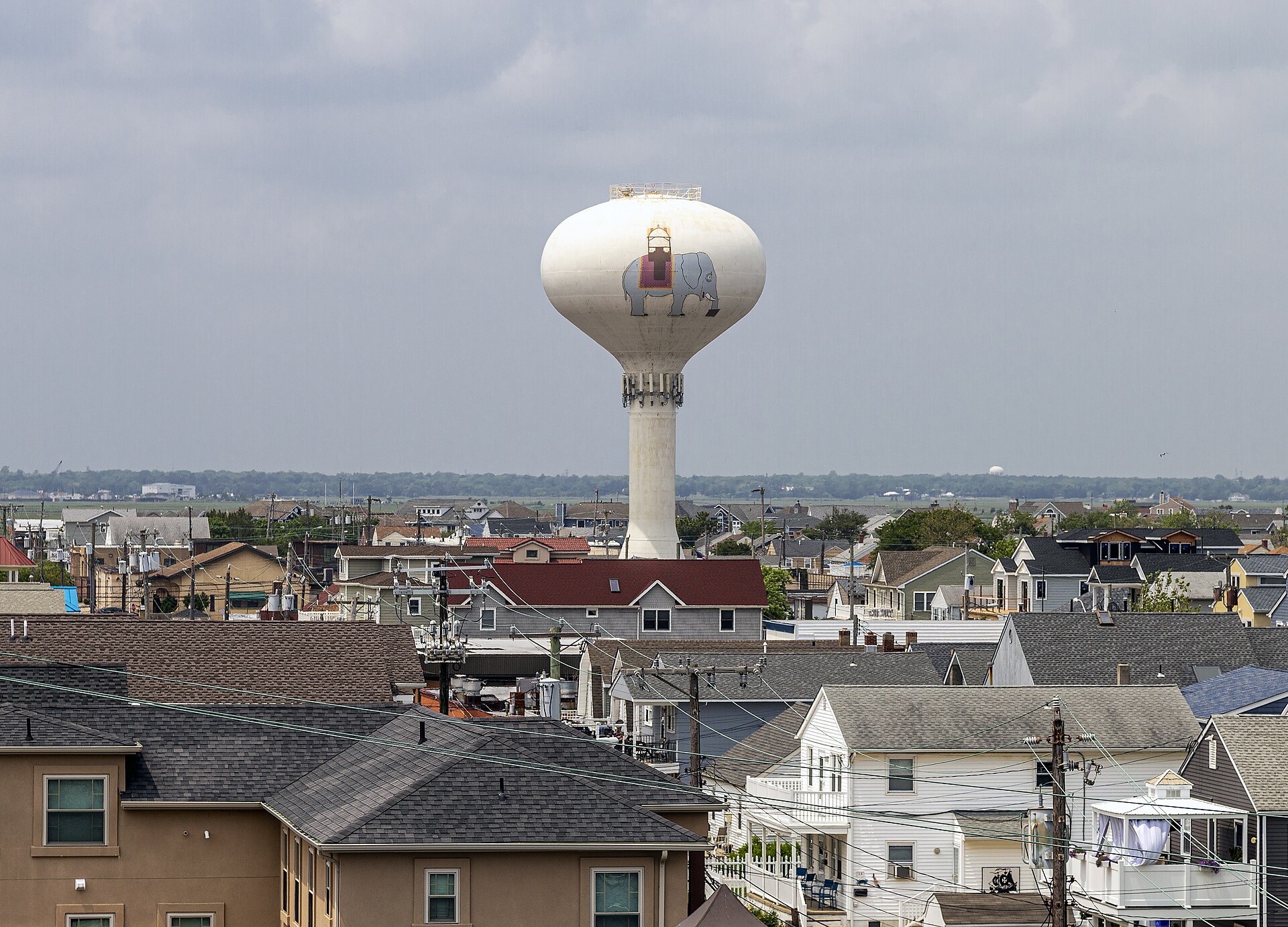
    Margate is the social heart of Downbeach, home to the beloved Lucy the Elephant landmark, a lively restaurant and bar scene, and blocks of substantial homes between the beach and the bay. The market mixes renovated older homes with a steady stream of new custom construction, and summer brings an energetic, family-driven social calendar.

    Longport

    At the island’s southern tip, Longport is the smallest, quietest, and generally most exclusive of the three, largely residential, with premium beachfront and bayfront settings and some of the most significant homes on the island. Buyers seeking privacy and a slower pace at a high price point typically focus here.

    The housing stock and what drives value

    Downbeach value follows familiar shore logic with local twists. Proximity to the beach remains the first driver: oceanfront and beach-block homes command the premium, with value stepping down toward the bay. But the bay side is not the consolation prize it is in some towns; bayfront homes with boat slips and sunset exposure are a genuine luxury category here, prized by boating households. New construction, typically elevated, with pools, elevators, and rooftop or upper-deck views, has been steadily replacing older cottages, and buyers will find everything from meticulously kept mid-century homes to brand-new custom builds on the same block.

    Practical considerations for a shore purchase

    • Flood zones and insurance: As barrier-island properties, homes here sit in mapped flood zones. Elevation, construction age, and flood insurance costs vary house by house and materially affect carrying costs, so investigate early, not at the settlement table.
    • Second-home financing: Lenders treat second homes and investment properties differently than primary residences, with different down payment and rate expectations. Sorting out financing before touring keeps you competitive.
    • Rental dynamics: Downbeach has historically been more owner-occupied and seasonal-family oriented than rental-driven towns. If rental income is part of your plan, study each town’s rules and realistic seasons carefully rather than assuming Avalon-style rental economics.
    • Year-round usability: If you intend to use the house beyond summer, weigh heating systems, insulation, and the town’s off-season services. Ventnor and Margate carry more year-round life than most shore towns.

    Getting there from Philadelphia

    Downbeach is among the most accessible luxury shore markets for Philadelphians: the Atlantic City Expressway runs nearly door to door, generally making for a shorter trip than the drive to the Seven Mile Island or Long Beach Island. That accessibility shapes usage, and many owners treat these homes as true weekend houses across much of the year rather than summer-only residences.

    How Downbeach compares with Avalon and Stone Harbor

    Avalon and Stone Harbor offer newer overall housing stock, famously wide beaches, and a polished resort character. Downbeach counters with a shorter drive, stronger year-round community, a livelier dining scene concentrated in Margate, and, at many price points, more house for the money. Neither is better in the abstract; the right choice follows from how you will actually use the home, how often you will make the drive, and whether you want a town that quiets down completely after Labor Day or one that keeps its lights on.

    Timing your purchase

    Shore markets move seasonally. Listings and buyer traffic swell from spring through midsummer, when houses show at their best and competition peaks; late summer and fall often bring more negotiability from sellers who would rather not carry a property through another winter. Off-season shopping also lets you see a house honestly, how it feels in wind and rain, what the year-round neighborhood is really like. There is no universally right season to buy, but knowing the rhythm keeps you from mistaking a quiet October market for a lack of quality inventory, and from overpaying in a frenzied June.

    Frequently asked questions

    What is the difference between Ventnor, Margate, and Longport?

    Ventnor is the most year-round, with a walking boardwalk and classic older homes; Margate is the social and dining hub with a mix of renovated and new construction; Longport is the smallest and most exclusive, focused on premium beachfront and bayfront properties.

    Are the Downbeach towns a good alternative to Avalon and Stone Harbor?

    For many buyers, yes. The drive from Philadelphia is shorter, year-round life is stronger, and comparable budgets often buy more house. Avalon and Stone Harbor counter with newer housing stock and a more uniform resort atmosphere, so the choice comes down to lifestyle priorities.

    What should buyers check before purchasing a home on Absecon Island?

    Flood zone designation, elevation, and insurance costs for the specific house; the realities of second-home financing; each town’s rental rules if income matters; and the condition of elevated construction elements like pilings and decks. A local agent and inspector experienced with shore properties are essential.

    Thinking about a shore purchase and unsure which town fits? James Kennedy advises luxury buyers across South Jersey and the Philadelphia region, from Downbeach to the Seven Mile Island. Call 215-267-8479 or email jameskennedy@unlockedteam.com to compare options with current market context.

  • Haddon Heights, New Jersey: A Town Guide for Luxury Home Buyers

    Haddon Heights, New Jersey: A Town Guide for Luxury Home Buyers

    Buyers who fall in love with Haddonfield often discover its neighbor two towns south and wonder why nobody mentioned it sooner. Haddon Heights, a compact Camden County borough of tree-canopied streets and turn-of-the-century architecture, delivers much of what draws affluent buyers to South Jersey’s classic towns: a genuine walkable downtown, distinguished older homes, strong community identity, and an easy commute to Philadelphia. For luxury buyers willing to look one town beyond the obvious, it can be a rewarding place to search.

    The character of Haddon Heights

    Haddon Heights was laid out in the late 1800s as a planned commuter town, and that heritage still defines it. The borough is small, roughly a mile and a half across, which means nearly every resident lives within a walk of Station Avenue, the town’s main street. Station Avenue has enjoyed a genuine renaissance in recent years, with restaurants, coffee shops, boutiques, and seasonal community events like car shows and farmers markets that give the town its social rhythm.

    The residential streets radiating off the avenue are the real draw for home buyers. Expansive Victorians with wraparound porches, foursquares, Craftsman bungalows of unusual scale, and handsome colonials line blocks shaded by mature oaks and sycamores. Many homes retain original details, stained glass, pocket doors, hardwood floors, and deep front porches, that are difficult to reproduce at any price in new construction.

    The housing stock at the high end

    The most sought-after homes in Haddon Heights cluster on and around the broad avenues in the heart of the borough, where lot sizes are generous by inner-suburb standards and the architecture is at its most impressive. Buyers at the top of this market are typically choosing between three broad options:

    • Restored Victorian and Edwardian homes, the borough’s signature properties, often four to six bedrooms with formal rooms, high ceilings, and preserved period detail.
    • Substantially renovated or expanded classics, where modern kitchens, primary suites, and updated systems have been added behind historic facades.
    • Newer custom builds and full rebuilds on infill lots, which appear less frequently but offer modern layouts within the established streetscape.

    Compared with Haddonfield, Haddon Heights has historically traded at a meaningful discount for comparable architecture and lot size, which is exactly why value-minded luxury buyers keep finding their way here. Inventory is limited, though; this is a small borough where the best homes often sell quickly and sometimes quietly.

    Commuting, schools, and daily logistics

    Haddon Heights sits directly off Interstate 295, making the drive to Center City Philadelphia, typically over the Walt Whitman or Ben Franklin Bridge, straightforward outside of peak crunch times. The PATCO Speedline, South Jersey’s rapid transit link to Philadelphia, stops in nearby Westmont and Haddonfield, and many Haddon Heights residents drive a few minutes to those stations for a fast, frequent ride into the city. Philadelphia International Airport is also an easy reach via I-295 and I-76, a practical consideration for frequent travelers.

    The borough operates its own school district, with Haddon Heights Junior-Senior High School also serving students from neighboring sending districts. Families at the luxury price point frequently weigh the public schools alongside the region’s private options, including several well-regarded independent and parochial schools within a short drive. As with any purchase where schools matter, visiting and forming your own impression is worth the time.

    How Haddon Heights compares with its neighbors

    Think of the towns along the Haddon corridor as siblings with distinct personalities. Haddonfield is the polished flagship, with the largest downtown and the region’s most prominent luxury market. Haddon Township brings an energetic, restaurant-driven main street along Haddon Avenue. Haddon Heights is the quieter classicist: less commercial bustle than either, arguably the most consistently intact historic streetscape of the three, and a downtown that punches above its size. Buyers who prize architecture and calm, and who do not need the largest possible downtown at their doorstep, often find Haddon Heights fits best.

    Frequently asked questions

    Is Haddon Heights a good alternative to Haddonfield for luxury buyers?

    For many buyers, yes. Haddon Heights offers comparable period architecture, mature tree-lined streets, and a walkable downtown, generally at lower price points than Haddonfield. The trade-offs are a smaller downtown, a smaller school district, and thinner inventory at the top of the market.

    How do residents commute from Haddon Heights to Philadelphia?

    Most drivers use Interstate 295 to the Walt Whitman or Ben Franklin Bridge, reaching Center City in a reasonably short drive outside rush hour. Rail commuters typically drive a few minutes to PATCO stations in Westmont or Haddonfield for direct service into Philadelphia.

    What styles of homes define the Haddon Heights market?

    The borough is known for large Victorians, foursquares, and Craftsman-era homes built in the early twentieth century, many carefully restored or thoughtfully expanded. Newer custom homes appear occasionally on infill lots, but historic architecture is the town’s calling card.

    Curious whether Haddon Heights, Haddonfield, or another South Jersey town best fits your search? James Kennedy helps luxury buyers compare towns, streets, and individual homes across South Jersey and Philadelphia. Call 215-267-8479 or email jameskennedy@unlockedteam.com for a current read on the market.

  • Buying a Luxury Home for Multigenerational Living in Philadelphia & South Jersey

    Buying a Luxury Home for Multigenerational Living in Philadelphia & South Jersey

    Multigenerational living is on the rise among affluent families, and for good reason. Whether you are welcoming aging parents, supporting adult children, or simply wanting space for extended family to gather, a well-designed luxury home can accommodate several generations under one roof without anyone feeling crowded. Philadelphia and South Jersey offer excellent options for this kind of living, from expansive suburban estates to city homes with flexible layouts. Here is how to think about the search.

    What multigenerational luxury really means

    At the high end, multigenerational living is less about squeezing more people into a house and more about creating separation, privacy, and dignity for every household within it. The best homes for this purpose offer distinct zones, so that grandparents, parents, and children each have space that feels their own while still sharing the heart of the home. That usually means thinking about entrances, bedrooms, bathrooms, kitchens, and gathering areas as a system rather than a single open plan.

    Features to look for

    When evaluating properties, prioritize flexibility and true separation. The following features tend to make multigenerational arrangements work well:

    • A first-floor bedroom and full bath, ideal for family members who prefer or need to avoid stairs.
    • An in-law suite or au pair suite, sometimes with its own sitting area, kitchenette, and private entrance.
    • A finished lower level or carriage house that can function as a semi-independent apartment.
    • Dual primary suites, which give two generations comparable, private accommodations.
    • Multiple living areas, so quiet time and lively gatherings can happen at the same time in different rooms.
    • An elevator or a home that can accommodate one, valuable for long-term accessibility.

    City versus suburb for extended families

    Both Philadelphia and its suburbs can serve multigenerational households, and the right choice depends on your family’s priorities.

    City homes

    Large historic rowhouses and trinities in neighborhoods such as Society Hill, Rittenhouse, and Chestnut Hill often have multiple floors that lend themselves to generational zoning, with a lower level or top floor serving as a private suite. Walkability is a major advantage for grandparents who no longer wish to drive, and full-service condo buildings can offer accessible, low-maintenance living for one part of the family.

    Suburban and South Jersey homes

    Towns like Moorestown, Haddonfield, Cherry Hill, and the Main Line communities offer larger lots and floor plans that more easily include first-floor suites, finished basements, and separate outbuildings. Space, parking, and privacy are typically easier to find in the suburbs, which is often what tips larger families toward South Jersey or the Main Line.

    Practical and financial considerations

    Beyond the floor plan, a few practical matters deserve attention early in the process.

    • Zoning and use rules. If a suite has a kitchenette or separate entrance, confirm that the local zoning permits how you intend to use it, especially if any family member might contribute to expenses.
    • Ownership structure. When multiple generations contribute financially, it is wise to consult an attorney and a financial advisor about how title, contributions, and future plans should be handled.
    • Accessibility now and later. Even if no one needs it today, features like wider doorways, a first-floor bath, and step-free entrances protect the home’s usefulness over time.
    • Resale. Homes with flexible, well-executed in-law spaces tend to appeal to a broad pool of future buyers, which supports long-term value.

    How to approach the search

    Start by mapping your household’s needs: who is moving in, what privacy each person wants, and which daily routines have to coexist. From there, an experienced agent can identify homes whose layouts genuinely fit, rather than homes that only look large on paper. Because the ideal multigenerational property is often about configuration as much as size, local expertise makes a real difference in surfacing the right options across Philadelphia and South Jersey.

    Designing shared and private spaces that work

    The success of a multigenerational home usually comes down to how well shared and private spaces are balanced. Kitchens are a common flashpoint: some families are happy sharing one generous kitchen, while others function best with a second kitchenette that lets one household prepare meals independently. Think, too, about sound. Bedrooms stacked directly above shared living areas can create friction, so layouts that buffer private quarters from gathering spaces tend to keep the peace. Outdoor space matters as well; a patio or garden that everyone can enjoy, plus a quieter nook for one household, gives the home flexibility as needs change.

    It also helps to plan for the future rather than only for today. Family circumstances evolve, and a home that can adapt, by converting a suite back into a guest wing or a home office, protects both your comfort and your investment. The most versatile properties are the ones that serve you now and remain appealing to a wide range of buyers later.

    Frequently asked questions

    What is an in-law suite, and does it add value?

    An in-law suite is a private living area within or attached to a home, often including a bedroom, bathroom, and sometimes a kitchenette and separate entrance. Well-designed suites can add value because they appeal to multigenerational families and to buyers who want space for guests, staff, or a home office, though local zoning governs how such a space may be used.

    Are city rowhouses practical for multigenerational living?

    They can be. Many large Philadelphia rowhouses have multiple floors that allow one generation to occupy a private level, and walkable neighborhoods are a real benefit for family members who prefer not to drive. The main trade-offs are stairs and parking, so look for homes with a first-floor bath or the potential for an elevator, and confirm parking arrangements.

    Should we buy the home jointly with family members?

    Families structure these purchases in different ways, and the right approach depends on your circumstances. Because joint ownership involves legal and tax considerations, it is best to consult an attorney and a financial advisor before deciding how to hold title and handle contributions. Your real estate agent can coordinate with those professionals as part of the process.

    Looking for a luxury home that works for your whole family? James Kennedy helps multigenerational buyers find flexible, high-end homes across Philadelphia and South Jersey. Reach James at 215-267-8479 or jameskennedy@unlockedteam.com to talk through what your family needs.

  • Luxury Shore Homes on the South Jersey Coast: A Buyer’s Guide to Avalon, Stone Harbor, and Beyond

    Luxury Shore Homes on the South Jersey Coast: A Buyer’s Guide to Avalon, Stone Harbor, and Beyond

    For many affluent buyers in the Philadelphia and South Jersey region, the ultimate second home is a place at the shore. The South Jersey coast offers a rare combination of walkable beach towns, deep-water access for boaters, and a summer culture that has drawn Philadelphia families for generations. But buying a luxury shore home is meaningfully different from buying a primary residence in the suburbs, and the details that matter most are not always obvious from a listing photo. This guide walks through what serious buyers should understand before they start touring.

    The character of the South Jersey shore towns

    Each barrier-island town has its own personality, and the right fit depends on how you plan to use the home. Avalon and Stone Harbor are the anchors of the high end, known for large single-family homes, a quieter and more residential feel, and some of the region’s most established generational ownership. Longport and Margate, just south of Atlantic City, offer proximity to more dining and nightlife while still delivering substantial bayfront and oceanfront properties. Long Beach Island, a longer barrier island reaching from Barnegat Light to Beach Haven, spans a wide range of price points and architectural styles, with premium enclaves like Loveladies and Harvey Cedars favored by buyers who want space and privacy.

    Cape May, at the southern tip, appeals to buyers drawn to Victorian architecture and a historic-district feel rather than new construction. Ocean City, a dry town with a strong family orientation, remains perennially popular for multigenerational buyers. The point is that “the shore” is not one market; it is a dozen distinct micro-markets, each with its own pricing dynamics and buyer profile.

    Location within a town matters enormously

    At the shore, the block you buy on can matter as much as the house itself. A few of the distinctions that drive value:

    • Oceanfront vs. oceanblock vs. bayfront. True oceanfront commands the highest premium, but oceanblock homes (the first street back) often offer strong value with easy beach access. Bayfront properties appeal to boaters and typically include or allow docks.
    • Beach access and walkability. How many blocks to the sand, and whether you cross a busy road, shapes daily enjoyment and resale appeal.
    • Elevation and dune protection. Homes behind well-maintained dune systems generally weather storms and insurance underwriting better.
    • Sightlines and future construction. A water view can be altered by a neighbor’s rebuild. Understanding local height and setback rules helps you gauge how protected a view really is.

    Flood zones, elevation, and insurance

    Coastal property comes with considerations that inland buyers rarely face. Most shore homes sit within FEMA-designated flood zones, and the home’s elevation certificate directly affects flood insurance costs. Newer construction is often built well above base flood elevation, which can mean dramatically lower premiums than an older, lower home a block away. Before committing, buyers should review the elevation certificate, understand the current and likely future insurance picture, and factor those carrying costs into the total cost of ownership rather than focusing on purchase price alone. These figures change over time and by property, so it is worth getting current quotes early in your search.

    The rental question

    Many luxury shore homes are bought partly as investments, with owners renting them during peak summer weeks to offset carrying costs. If income matters to you, evaluate a property’s rental history, its bedroom and bath count, and amenities that drive weekly rates, such as a pool, elevator, or proximity to the beach. Even buyers who never intend to rent benefit from understanding the rental market, because it supports resale value. Keep in mind that rental demand is highly seasonal and concentrated in a short window, so projections should be treated conservatively.

    New construction vs. established homes

    The shore has seen a wave of teardowns and rebuilds, and buyers often choose between a turnkey new build and an older home with land value and renovation potential. New construction typically offers higher elevations, modern layouts with reverse living (main living space upstairs to capture views), and lower maintenance. Older homes may offer larger lots, mature landscaping, or a location that is no longer available in new inventory. Neither is universally better; the right choice depends on your timeline, tolerance for a project, and how long you intend to hold.

    Frequently asked questions

    Is it better to buy oceanfront or a few blocks back?

    Oceanfront offers unmatched views and the strongest long-term prestige, but oceanblock and second-from-the-beach homes frequently deliver excellent value with nearly the same convenience. The best choice depends on your budget, how much you prioritize direct water views, and your appetite for the higher insurance and maintenance that come with front-row exposure.

    How should I think about carrying costs on a shore home?

    Look beyond the purchase price to the full picture: property taxes, flood and windstorm insurance, higher maintenance from salt-air exposure, and any association or beach fees. A knowledgeable local agent can help you estimate these before you make an offer so there are no surprises.

    Can a shore home be a smart investment as well as a getaway?

    It can be, especially in established towns with strong seasonal rental demand. The key is buying a property with features renters value and treating rental income projections conservatively. Talk with James for current insight on which towns and property types are seeing the strongest demand.

    Buying at the shore is as much a lifestyle decision as a financial one, and the right guidance makes all the difference in getting both right. If you are considering a luxury shore home anywhere on the South Jersey coast, reach out to James Kennedy to talk through towns, budgets, and strategy. Call 215-267-8479 or email jameskennedy@unlockedteam.com to start the conversation.

  • Haddonfield vs. Moorestown: Which South Jersey Town Fits Your Luxury Lifestyle?

    Haddonfield vs. Moorestown: Which South Jersey Town Fits Your Luxury Lifestyle?

    When affluent buyers begin exploring South Jersey, two names come up again and again: Haddonfield and Moorestown. Both are consistently ranked among the region’s most desirable towns, both offer strong schools and beautiful homes, and both provide an appealing alternative to Center City or the Main Line. Yet they have distinct personalities, and the right choice depends on your priorities. This guide compares the two towns across the factors that matter most to luxury buyers, so you can decide which one fits your life.

    Character and Feel

    Haddonfield is a walkable, historic borough with a charming downtown at its heart. Kings Highway is lined with independent boutiques, restaurants, and cafes, and the town has a compact, pedestrian-friendly layout that lets many residents stroll to shops, the farmers market, and the train. The architecture skews historic, with well-preserved Colonial, Victorian, and Tudor homes on tree-lined streets. Haddonfield tends to attract buyers who love the idea of small-town walkability paired with easy access to Philadelphia.

    Moorestown offers a more expansive, estate-oriented feel. It, too, has an attractive Main Street with a historic core, but the town spreads across more land, and many of its finest properties sit on larger lots with generous setbacks and mature landscaping. Moorestown appeals to buyers who prioritize space, privacy, and a more suburban rhythm while still valuing a strong sense of community and a walkable center.

    Housing Stock

    Haddonfield

    Haddonfield’s luxury inventory leans toward historic homes with character: restored Victorians, stately Colonials, and updated older homes close to the downtown and train station. Lots are often more modest than in Moorestown, reflecting the town’s older, more compact development pattern. Buyers who value architectural pedigree and walk-to-town convenience are often drawn here.

    Moorestown

    Moorestown offers a broader range, from historic homes near the center to larger estate properties and newer luxury construction on sizable parcels. Buyers seeking substantial square footage, room for a pool, or a long private driveway frequently find more options in Moorestown. The town’s mix of old and new gives high-end buyers flexibility in style and scale.

    Schools and Families

    Both towns are known for well-regarded public school systems, which is a major reason each attracts families willing to invest in a premium home. Because school quality is a significant driver of luxury home values, families often weigh this factor heavily. Rather than relying on rankings that change year to year, buyers should research current school information directly and consider how each district fits their children’s specific needs.

    Commuting and Access

    Haddonfield has a distinct advantage for car-free or car-light commuting: it sits on the PATCO Speedline, giving residents a direct rail connection into Center City Philadelphia. For buyers who work in the city and value the option to leave the car at home, this is a meaningful benefit.

    Moorestown is not on the PATCO line, so commuting is more car-dependent, though the town offers convenient access to major highways and is well positioned for drives to Philadelphia, the Jersey Shore, and New York corridors. Buyers who drive to work or value regional highway access may find Moorestown’s location ideal.

    Lifestyle and Amenities

    Haddonfield’s appeal centers on its vibrant, walkable downtown, community events, and historic ambiance. It feels like a place where daily life can revolve around the town center. Moorestown balances a pleasant Main Street with more room to spread out, appealing to those who want space at home and amenities a short drive away. Both towns offer parks, community organizations, and the kind of stability and pride of ownership that luxury buyers seek.

    How to Choose

    Choosing between these two towns comes down to your priorities:

    • Choose Haddonfield if you want historic charm, a highly walkable downtown, and direct rail access to Philadelphia, and you are comfortable with somewhat smaller lots.
    • Choose Moorestown if you want more space and privacy, a wider range of home styles including newer construction, and you are comfortable with a more car-oriented lifestyle.

    Of course, the best way to decide is to spend time in both towns and tour homes that fit your criteria. An experienced local agent can help you see how each town’s inventory matches your budget and wish list, and can surface properties before they hit the wider market.

    Frequently Asked Questions

    Which town is more expensive, Haddonfield or Moorestown?

    Both are premium markets, and prices in each vary widely based on the specific home, lot, and condition. Rather than assuming one is categorically pricier, it is best to compare actual properties that fit your needs. For a current comparison tailored to your budget, contact James directly.

    Is one town better for resale value?

    Both towns have a long track record of desirability, which supports value over time. Resale strength ultimately depends on the individual property, its location within the town, and broader market conditions. A well-chosen home in either town is generally well positioned.

    Can I commute to Center City from both towns without driving?

    Haddonfield offers a direct PATCO rail connection into Center City, making car-free commuting realistic. Moorestown is more car-dependent for commuting, though it offers strong highway access. If leaving the car at home matters to you, Haddonfield has the edge.

    Trying to decide between Haddonfield, Moorestown, or another South Jersey town? James Kennedy knows these markets well and can help you tour homes, compare neighborhoods, and find the right fit for your luxury lifestyle. Call James at 215-267-8479 or email jameskennedy@unlockedteam.com to get started.

  • Haddon Township, New Jersey: A Town Guide for Luxury Home Buyers

    Haddon Township, New Jersey: A Town Guide for Luxury Home Buyers

    Just across the Delaware River from Center City, Haddon Township is one of South Jersey’s most charming and convenient places to live. Wrapped around the borough of Haddonfield and neighboring Collingswood, the township offers walkable business districts, a strong sense of community, and a commute into Philadelphia that many city dwellers envy. For buyers seeking character, convenience, and value at the higher end of the South Jersey market, Haddon Township deserves a close look. This guide covers what makes it distinctive and what to weigh before you buy.

    Where Haddon Township Sits

    Haddon Township is a Camden County community made up of several small neighborhoods, with Westmont serving as its best-known commercial and social center. It sits between the borough of Haddonfield to the east and Collingswood to the west, placing it in the heart of one of South Jersey’s most desirable clusters of walkable towns. The Delaware River and Center City Philadelphia lie only a few miles to the west, giving the township an unusually easy connection to the city for a suburb.

    The township’s compact scale is part of its appeal. Tree-lined streets, sidewalks, and a genuine downtown feel make it possible to live a car-light lifestyle while still enjoying the space and privacy of a single-family home.

    Architecture and Housing Stock

    Haddon Township’s homes reflect its early-twentieth-century growth, with a satisfying mix of styles for buyers who value character:

    • Colonial Revivals and center-hall Colonials with classic proportions and detailed millwork.
    • Craftsman bungalows and foursquares featuring front porches, built-ins, and warm woodwork.
    • Tudor-influenced homes with stucco, timber accents, and arched entries.
    • Renovated and expanded properties where owners have updated systems and kitchens while preserving period detail.

    At the upper end of the market, the strongest values tend to combine original character with thoughtful, high-quality updates. Because much of the housing stock is older, buyers should evaluate roofs, mechanical systems, and any additions carefully when comparing homes.

    The Westmont District and Walkable Living

    Westmont is the beating heart of Haddon Township. Haddon Avenue is lined with independent restaurants, cafes, shops, and services, creating a genuine main-street experience within walking distance of many homes. This walkability is a defining feature of the township and a meaningful driver of desirability. Homes within an easy stroll of the district and the train station often attract the broadest demand, since walkable location is difficult to replicate and tends to hold value well.

    Commuting to Philadelphia and Beyond

    One of Haddon Township’s biggest advantages is its connection to the city. The PATCO Speedline runs through the area, with the Westmont station offering a quick ride under the river into Center City Philadelphia. For drivers, Route 30, Route 130, and Interstate 295 provide fast access to Philadelphia, the New Jersey shore points, and the broader regional highway network. This combination of rail and road access lets residents reach Center City in minutes while keeping the calmer pace of a South Jersey suburb.

    Lifestyle, Community, and Schools

    Haddon Township is known for its active, tight-knit community. Local events, a walkable dining scene, parks, and proximity to the amenities of Haddonfield and Collingswood give residents a full slate of options without needing to travel far. Families often consider the local school district as part of their decision, and strong schools tend to support home values across the board. Because district boundaries and program details can change, confirm current information directly for any home you are evaluating.

    What Luxury Buyers Should Consider

    At the higher end of the Haddon Township market, a few points deserve attention:

    • Location within the township. Proximity to Westmont, the PATCO station, and quieter residential pockets each carry different appeal and pricing.
    • Condition versus character. Decide whether you want a fully updated home or a well-built older property you can renovate to taste.
    • Lot size and outdoor space. Lots vary, and usable yard space and off-street parking can meaningfully affect both livability and value.
    • Total cost of ownership. New Jersey property taxes are an important part of the budget, so weigh taxes and upkeep alongside the purchase price.

    Because the most desirable homes in a compact, high-demand town can move quickly, buyers benefit from being financially prepared and working with an agent who monitors both active and quietly marketed listings.

    Frequently asked questions

    What makes Haddon Township appealing to luxury buyers?

    It offers a rare blend of walkable, main-street living in the Westmont district, characterful early-twentieth-century homes, a fast PATCO commute into Philadelphia, and a strong community feel, all at a value that many buyers find attractive relative to comparable options closer to or inside the city.

    How is the commute into Philadelphia?

    Very convenient. The PATCO Speedline provides a quick ride into Center City, and highways including Route 30, Route 130, and I-295 make driving straightforward. Homes near the Westmont station are especially popular with commuters.

    What should I budget beyond the purchase price?

    Plan for New Jersey property taxes, insurance, and maintenance, which can be meaningful on older homes. These figures vary by property and change over time, so contact James for current numbers on any home you are considering.

    Considering a move to Haddon Township or elsewhere in South Jersey? James Kennedy specializes in luxury real estate across South Jersey and Philadelphia and can help you compare neighborhoods, understand true costs, and find the right home. Call James at 215-267-8479 or email jameskennedy@unlockedteam.com to get started.

  • Mount Laurel, New Jersey: A Town Guide for Luxury Home Buyers

    Mount Laurel, New Jersey: A Town Guide for Luxury Home Buyers

    Mount Laurel sits at a crossroads of convenience and quiet in Burlington County, drawing affluent buyers who want space, strong schools, and an easy reach to both Philadelphia and the Jersey Shore. For luxury home buyers weighing South Jersey options, Mount Laurel rewards a closer look: it blends established executive neighborhoods, newer custom construction, and a location that few comparable towns can match.

    Why Luxury Buyers Are Drawn to Mount Laurel

    Mount Laurel’s appeal starts with its position. The township sits along major corridors that put Center City Philadelphia within a manageable commute while keeping the Shore points an easy weekend drive away. For executives, physicians, and business owners who split time between the city and the suburbs, that geography is hard to beat.

    Beyond location, buyers find a township that has invested in itself over decades. Tree-lined residential pockets, generous lot sizes in the upper-tier neighborhoods, and a steady supply of well-built homes give discerning buyers genuine choice. The town carries a professional, family-oriented character without feeling sleepy.

    The Mount Laurel Luxury Housing Stock

    One of Mount Laurel’s strengths is variety. Unlike towns defined by a single architectural era, Mount Laurel offers a spectrum of high-end options:

    • Custom and semi-custom estates on larger lots, often with four-plus bedrooms, finished lower levels, and resort-style outdoor spaces.
    • Newer luxury construction with open floor plans, high ceilings, and the energy efficiency and smart-home features today’s affluent buyers expect.
    • Established executive neighborhoods where mature landscaping and quality original construction create a settled, prestigious feel.
    • Low-maintenance upscale options for buyers downsizing from larger family homes who still want premium finishes.

    Because the inventory is so varied, working with an agent who knows the individual neighborhoods matters. The difference between two streets a mile apart can be significant in lot size, privacy, and long-term value.

    Schools and Family Considerations

    For luxury buyers with children, school quality is often a top-three priority, and it factors heavily into pricing across South Jersey. Mount Laurel’s reputation as a family-friendly township is a meaningful part of its draw. Buyers should evaluate not just overall district reputation but the specific schools a given home feeds into, since those assignments influence both daily life and resale demand. James can help you understand how school catchments line up with the neighborhoods you are considering.

    Lifestyle and Amenities

    Mount Laurel pairs suburban calm with practical convenience. Residents have quick access to upscale shopping and dining throughout the surrounding Burlington and Camden county area, plenty of parks and recreation, and major medical facilities nearby. Golfers appreciate the area’s courses, and the township’s road access makes day trips to Philadelphia’s cultural institutions or the New Jersey beaches genuinely easy.

    For affluent households, this combination of accessibility, services, and green space is the practical definition of quality of life, and it is a large part of why Mount Laurel holds steady appeal among move-up and relocating buyers.

    What to Watch When Buying at the High End in Mount Laurel

    Luxury transactions reward diligence. A few things to keep front of mind:

    • Lot and privacy: In a township with varied development patterns, confirm setbacks, tree buffers, and what may be built nearby.
    • Construction quality and updates: An older executive home can be a tremendous value or a renovation project; a thorough inspection and contractor walkthrough pay for themselves.
    • Property taxes: New Jersey taxes are a real cost of ownership; build them into your budget and compare them across the homes you tour.
    • Resale demand: Features that hold value, including good flow, natural light, usable outdoor space, and a desirable street, matter as much at purchase as at sale.

    Frequently asked questions

    Is Mount Laurel a good choice for buyers relocating to the Philadelphia area?

    Yes. Its location offers a reasonable commute to Center City along with strong suburban amenities and schools, which makes it a frequent landing spot for executives and families relocating from out of state. The variety of luxury housing also means relocating buyers can usually find a home that fits their style and timeline.

    What kind of budget should luxury buyers expect in Mount Laurel?

    High-end pricing in Mount Laurel varies widely by neighborhood, lot size, age, and finish level. Rather than rely on a single number, it is best to review current comparable sales for the specific streets you are targeting. Contact James for up-to-date figures tailored to your search.

    How does Mount Laurel compare to other South Jersey luxury towns?

    Compared with towns like Moorestown or Haddonfield, Mount Laurel often offers newer construction and larger lots at a range of price points, while those towns lean more toward historic character and walkable downtowns. The right fit depends on whether you prioritize newer homes and space or established charm and a village feel.

    Neighborhoods and Pockets to Know

    Mount Laurel is best understood as a collection of distinct pockets rather than a single uniform market. Some areas are anchored by larger, established executive homes on quiet cul-de-sacs; others center on newer custom builds with the open layouts and modern systems that today’s buyers prize. There are also refined, lower-maintenance communities that appeal to buyers stepping down from a larger family home without giving up quality. Because the experience of living in one part of the township can differ meaningfully from another, touring a range of neighborhoods early in your search helps you calibrate both expectations and budget. James can map out which pockets best match your priorities for space, privacy, and commute, and which tend to hold value best over time.

    Work With James Kennedy

    Whether you are buying or selling at the high end in Philadelphia or South Jersey, James Kennedy brings deep local knowledge, discreet service, and a marketing approach built for luxury properties. To talk through your goals or get current market figures for a specific neighborhood or town, call James at 215-267-8479 or email jameskennedy@unlockedteam.com.
  • Relocating to the Philadelphia Area: A Luxury Buyer’s Guide to City and Suburban Options

    Relocating to the Philadelphia Area: A Luxury Buyer’s Guide to City and Suburban Options

    Relocating to a new region is one of the most consequential decisions a buyer makes, and the greater Philadelphia area offers an unusually wide range of choices for affluent households. From walkable Center City condos to Main Line estates to spacious South Jersey homes, the region lets you tailor your lifestyle in ways that few metros can. This guide is designed to help luxury buyers approach a relocation strategically, so the move feels exciting rather than overwhelming.

    Start With Lifestyle, Not Just Listings

    The most successful relocations begin with a clear picture of how you want to live day to day. Before comparing homes, it helps to answer a few questions:

    • Do you want to walk to restaurants, culture, and work, or do you prefer space, privacy, and a yard?
    • How important is commute time, and where will you actually be commuting to?
    • Are top schools a priority, and how much weight should they carry in your decision?
    • Do you want a lock-and-leave property, or a home you will spend years personalizing?

    Your answers will naturally point you toward one of the region’s three broad luxury markets.

    The Three Major Luxury Markets

    Center City Philadelphia

    For buyers who prize walkability and culture, neighborhoods like Rittenhouse Square, Fitler Square, Society Hill, and Washington Square West offer high-rise condos and historic townhomes within steps of world-class dining, the arts, and the central business district. This is the choice for an urban, low-maintenance lifestyle.

    The Main Line

    Stretching west of the city through towns such as Bryn Mawr, Ardmore, Wayne, Gladwyne, and Villanova, the Main Line is known for prestigious schools, gracious older estates, leafy streets, and a convenient rail connection into the city. It appeals to buyers who want suburban space with a strong sense of established community.

    South Jersey

    Just across the river, towns including Haddonfield, Moorestown, Cherry Hill, Marlton, and Voorhees offer spacious homes, larger lots, strong schools, and often more square footage for the money. It is a popular choice for families who want room to spread out within reach of the city and the shore.

    Build Your Relocation Timeline

    A smooth luxury relocation typically unfolds over several months. A practical sequence looks like this:

    • Discovery: Define your lifestyle priorities and get a realistic sense of pricing across markets.
    • Orientation visits: Spend time in your top neighborhoods at different times of day before committing.
    • Financing: If you are financing, get pre-approved early, particularly for jumbo loans, which require more documentation.
    • Focused search: Tour homes in your chosen markets with a clear list of must-haves.
    • Offer and closing: Negotiate, complete due diligence, and coordinate the logistics of your move.

    Assemble the Right Local Team

    A successful relocation is rarely a solo effort. Beyond a knowledgeable buyer’s agent, affluent newcomers benefit from a small team that typically includes a mortgage professional experienced with jumbo financing, a real estate attorney or title professional familiar with the relevant state, and a tax advisor who can speak to the differences between Pennsylvania and New Jersey. Lining these professionals up early prevents last-minute scrambles and gives you confident answers when the right property appears. Your agent should be able to recommend trusted local contacts, which is one of the underrated advantages of working with someone deeply rooted in the region.

    Common Mistakes to Avoid

    • Anchoring to your old market. Pricing, lot sizes, and what your budget buys can differ significantly from the city you are leaving. Approach Philadelphia on its own terms.
    • Skipping orientation visits. Photographs and data cannot convey how a block or a town actually feels. Spend time on the ground before committing.
    • Underestimating parking and commute realities. These factors shape daily quality of life and resale value more than buyers expect.
    • Waiting too long on financing. Jumbo pre-approval takes time, and being ready strengthens your position when inventory is tight.

    Practical Considerations Newcomers Often Miss

    Pennsylvania vs. New Jersey

    Choosing between the city, the Main Line, and South Jersey is also a choice between two states, which carries differences in taxes and certain costs. These factors are worth reviewing with a qualified tax professional as part of your decision.

    Parking and outdoor space

    In the city, parking and private outdoor space are premium amenities that strongly influence value. In the suburbs, lot size and privacy play a similar role. Knowing which matters most to you helps focus the search.

    Local market knowledge

    Greater Philadelphia is a collection of micro-markets that can vary block by block and town by town. A local agent who tracks closed sales is essential to understanding real value, especially when you are new to the area.

    Frequently asked questions

    Should I rent first or buy right away when relocating?

    It depends on your certainty about the area. If you already know which neighborhood suits you, buying directly can make sense. If you are unsure how city, Main Line, and South Jersey options compare for your lifestyle, a short-term rental can give you time to decide with confidence.

    How far in advance should I start a luxury relocation?

    Many buyers benefit from beginning three to six months ahead, which allows time for orientation visits, financing, and a focused search. Starting early reduces pressure and improves your negotiating position when the right home appears.

    Which area offers the best value for luxury buyers?

    Value depends on your priorities. Center City rewards those who want walkability, the Main Line offers established prestige and schools, and South Jersey often provides more space for the money. A local agent can help you compare current pricing across all three so you can make an informed choice.

    If you are relocating to the Philadelphia area and want a clear, confident plan, James Kennedy can guide you through every market the region offers, from Center City to the Main Line to South Jersey. Reach James directly at 215-267-8479 or jameskennedy@unlockedteam.com to start planning your move.

  • Marlton, New Jersey: A Town Guide for Luxury Home Buyers

    Marlton, New Jersey: A Town Guide for Luxury Home Buyers

    Marlton, the best-known community within Evesham Township in Burlington County, has long been a favorite among South Jersey families looking for space, convenience, and quality of life. For luxury buyers, it offers something many close-in suburbs cannot: large lots, newer construction, and estate-style homes within a comfortable commute of both Center City Philadelphia and the Jersey Shore. If you want room to spread out without sacrificing access, Marlton deserves a serious look.

    Why Buyers Choose Marlton

    Marlton’s appeal rests on a combination of factors that are difficult to find together. The town is well-located near major routes, giving residents a straightforward drive to Philadelphia, the New Jersey Turnpike, and shore points. It is known for a strong school system, abundant shopping and dining, and an unusually large stock of spacious, well-maintained homes. For affluent buyers relocating from the city or trading up from a starter home, Marlton represents the move into genuine square footage and outdoor space.

    The Luxury Housing Stock

    Compared to Philadelphia’s historic rowhomes, Marlton’s high-end inventory is defined by size and modern systems. Buyers will commonly find:

    • Custom and semi-custom estate homes on half-acre to multi-acre lots, often in established luxury enclaves.
    • Five- and six-bedroom colonials with three-car garages, finished basements, and resort-style backyards.
    • Newer construction featuring open floor plans, two-story foyers, gourmet kitchens, and primary suites with spa baths.
    • Homes with pools, outdoor kitchens, and professionally landscaped grounds, which are far more attainable here than in the city.

    The premium properties tend to combine privacy, lot size, and updated mechanicals. Because much of the stock is relatively modern, buyers often spend less on major systems than they would in older communities.

    Lifestyle and Amenities

    Marlton offers a polished suburban lifestyle. Residents have access to extensive retail and dining along the town’s main corridors, several country clubs and golf courses in the surrounding area, parks and recreation facilities, and quick connections to regional healthcare. The combination of everyday convenience and weekend recreation is a major draw for families and professionals alike. For buyers who value space to entertain, host, and raise children, the town delivers a lifestyle that is hard to replicate closer to the city.

    Commuting and Access

    One of Marlton’s strongest selling points is its position relative to Philadelphia. Drivers can reach Center City and the bridges in a reasonable commute, and the town’s access to major highways makes travel throughout the region convenient. Buyers who work in the city but want suburban space frequently land in Marlton for exactly this reason. As always, commute times vary by exact location and time of day, so testing your specific route is worthwhile before you buy.

    What Luxury Buyers Should Evaluate

    Lot and privacy

    In a community defined by space, the lot itself is a major value driver. Consider orientation, privacy, mature landscaping, and whether the backyard supports the outdoor lifestyle you want.

    Age and condition of the home

    While much of Marlton is newer, the high-end market spans several construction eras. Evaluate roof, HVAC, and kitchen and bath updates, since these influence both comfort and long-term cost.

    Resale fundamentals

    Proximity to top schools, quality of the development, and overall condition tend to drive resale demand. A home that checks these boxes is generally easier to sell later.

    Outdoor Recreation and Surroundings

    One of the quieter advantages of Marlton is its access to open space and recreation. The surrounding area includes parks, trails, and preserved land, and the town sits within easy reach of golf courses and country clubs that anchor much of South Jersey’s affluent social life. For buyers who want a backyard pool, room for a home gym or studio, and weekend access to the outdoors, Marlton makes that lifestyle attainable in a way that dense city neighborhoods cannot. The Jersey Shore is also a comfortable drive away, which is a meaningful perk for families who like to keep a summer routine.

    Who Thrives in Marlton

    Marlton tends to suit growing families, professionals trading city square footage for space, and buyers who want a turnkey, modern home rather than a renovation project. The town’s strong schools, abundant amenities, and large-lot housing appeal to households entering their peak space-and-storage years. Buyers relocating from Philadelphia frequently find that their budget stretches further here, allowing them to step up to an estate-style home with features such as a three-car garage, finished basement, and resort backyard that would be far costlier or simply unavailable in the city.

    Marlton vs. Other South Jersey Towns

    Marlton competes with communities such as Moorestown, Cherry Hill, Medford, and Voorhees. Each has its own character: some emphasize historic charm, others newer construction or larger lots. Marlton tends to win buyers who prioritize spacious, modern homes, strong amenities, and an efficient commute. The right choice depends on your priorities around lot size, architecture, schools, and lifestyle, which is exactly where a knowledgeable local agent adds value.

    Frequently asked questions

    What defines a luxury home in Marlton?

    At the high end, luxury homes in Marlton are typically large custom or semi-custom estates on generous lots, with five or more bedrooms, three-car garages, gourmet kitchens, finished basements, and resort-style outdoor spaces such as pools and outdoor kitchens.

    Is Marlton a good choice for commuters to Philadelphia?

    Yes. Marlton’s access to major highways and bridges makes commuting to Center City practical for many professionals, which is a key reason affluent buyers choose the area. Testing your exact route during peak hours is the best way to confirm it fits your schedule.

    How does Marlton compare to Moorestown or Cherry Hill?

    Moorestown is known for historic charm and prestige, Cherry Hill for scale and convenience, and Marlton for spacious, often newer estate-style homes with strong amenities. The best fit depends on whether you prioritize historic character, central convenience, or modern space and lot size.

    If you are exploring luxury homes in Marlton or anywhere in South Jersey, James Kennedy can help you compare communities, evaluate homes, and understand current pricing. Reach James directly at 215-267-8479 or jameskennedy@unlockedteam.com to begin your search.