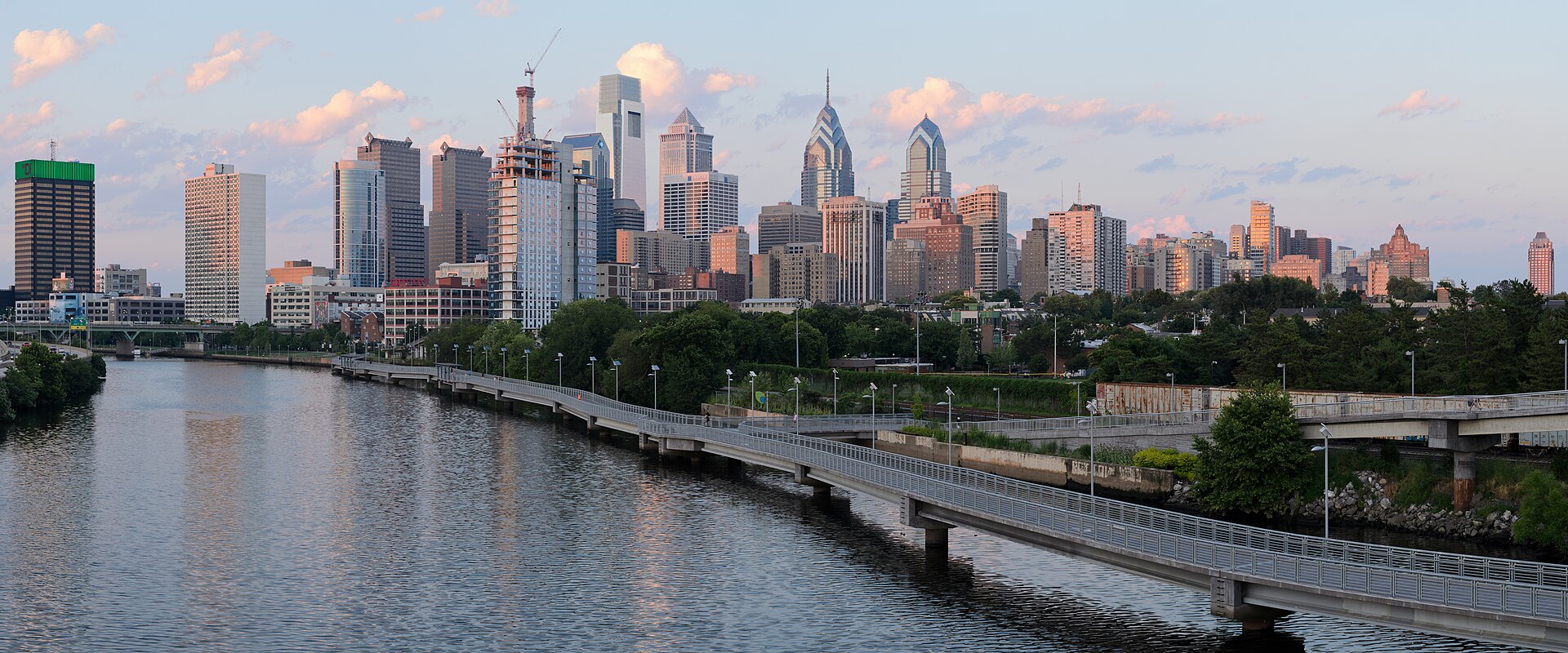
Ask most buyers to name Philadelphia’s upper-end neighborhoods and they will start with Rittenhouse, Society Hill, and Fitler Square. Fewer will mention Pennsport or Dickinson Square West, the tight grid of blocks running roughly from Washington Avenue south toward Snyder, between Front Street and about Fifth. That is starting to change. Over the last decade these blocks have absorbed an unusual amount of new construction — four-story homes with roof decks, garages, and finished basements — while keeping the scale and rhythm of an old South Philadelphia rowhouse neighborhood. For a buyer who wants square footage, outdoor space, and a parking spot without leaving the city, it is one of the more efficient places in Philadelphia to spend money.
Where these neighborhoods actually are
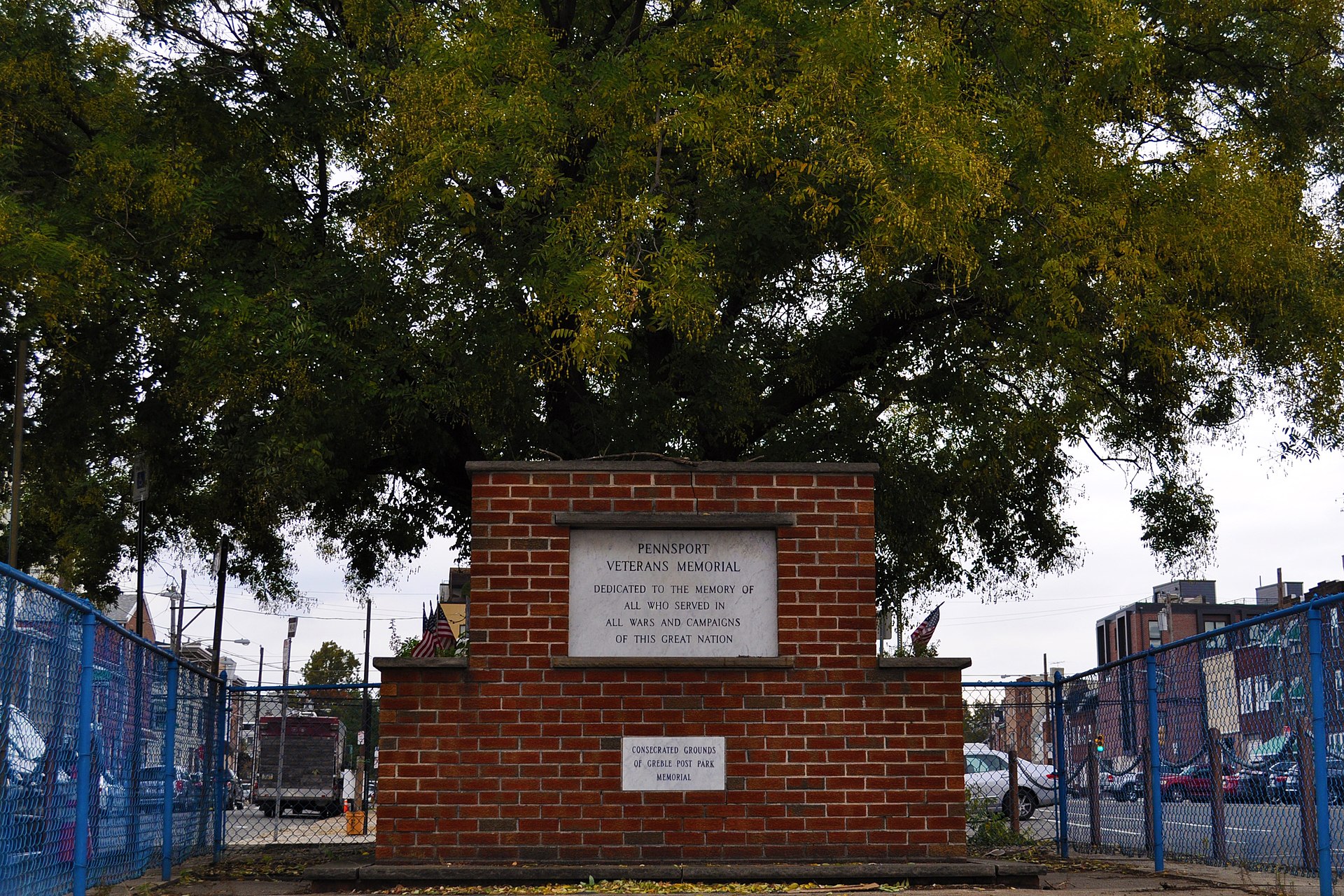
Pennsport sits east of Fourth Street and runs toward Delaware Avenue and the river. Dickinson Square West is its immediate neighbor to the west, organized around Dickinson Square Park. Locals also use “Pennsport” loosely to cover both, and listings are inconsistent about the boundary, so read the address rather than the label. Jefferson Square and Herron Playground anchor the northern edge; Moyamensing Avenue cuts diagonally through the grid and gives the area a street pattern that feels different from the strict rectangles further west.
The practical geography matters. Blocks closest to Columbus Boulevard put you within a short drive of I-95 and the retail along the waterfront. Blocks closer to Fourth and Fifth put you within walking distance of East Passyunk’s restaurant corridor and the Italian Market. Two homes six blocks apart can offer meaningfully different daily lives.
What the housing stock looks like
You will generally encounter three categories:
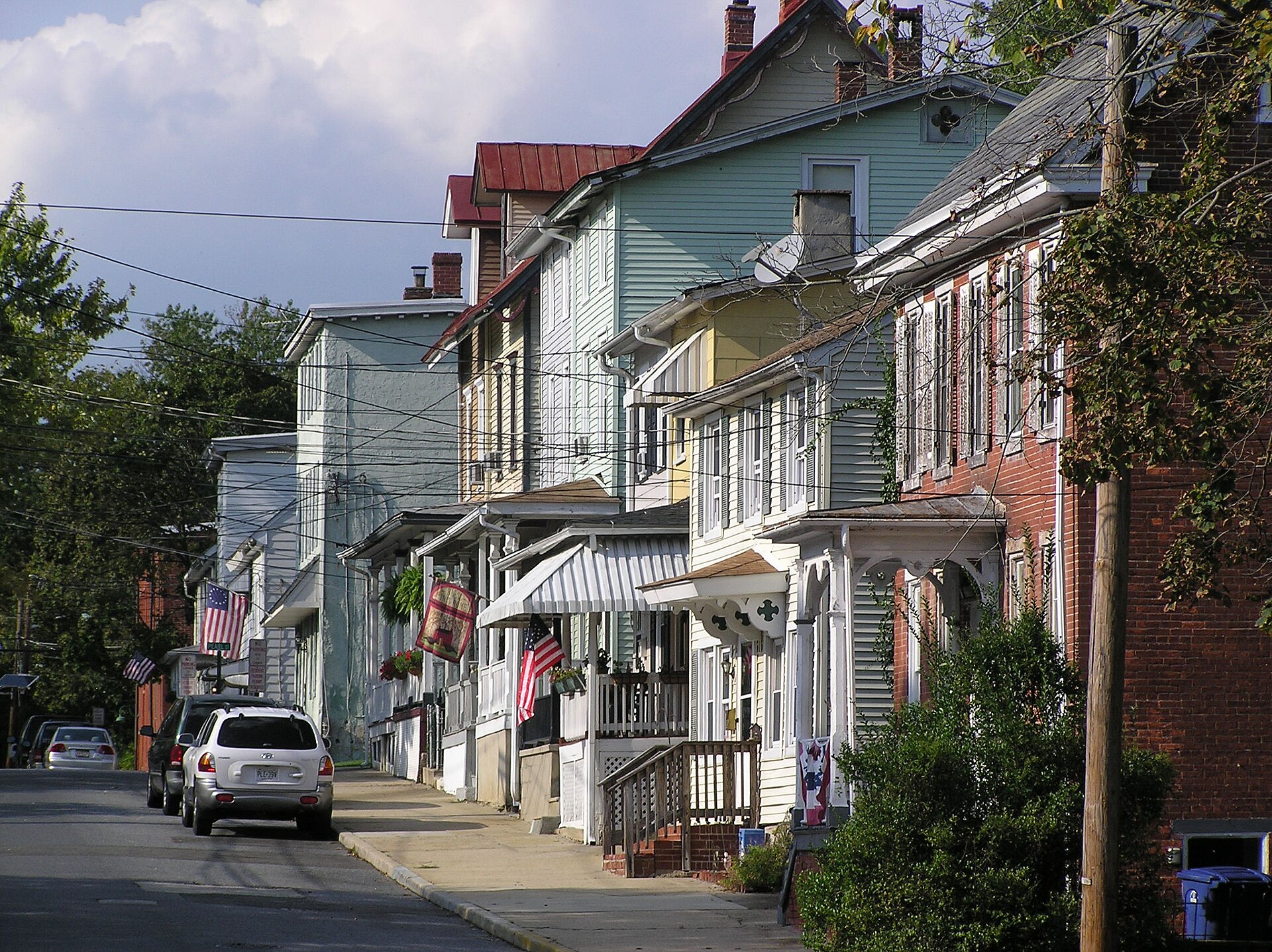
- Original rowhomes. Two- and three-story brick homes, often 14 to 18 feet wide, many built in the late nineteenth and early twentieth centuries. Some are beautifully maintained by families who have owned them for generations; others have not been meaningfully updated in decades.
- Renovated rowhomes. Original shells with new kitchens, baths, systems, and frequently a rear addition or roof deck. Quality varies enormously — this is the category where careful inspection pays for itself many times over.
- New construction. Ground-up homes, usually three or four stories, commonly with a garage or curb cut, a roof deck with skyline views, and generous square footage. These carry the highest price points in the neighborhood.
There is also a growing supply of small-building condominiums and a handful of larger developments closer to the waterfront. Those trade differently from single-family rowhomes and deserve their own analysis of fees, reserves, and rental rules.
Who these blocks suit
Buyers who land happily here usually want one or more of the following: real square footage inside the city, private outdoor space, off-street parking, and proximity to both Center City and the highway. A family that would have to compromise on all four in Rittenhouse can often get all four here. Buyers who want a doorman, an elevator, or a prestige address with a long social history will be happier elsewhere — that is simply not what this part of the city is.
What to check before you write an offer
New construction quality
A polished finish package can conceal ordinary framing, thin insulation, undersized HVAC, or rushed stucco and flashing details. Have the home inspected even when it is brand new, ask for the builder’s warranty in writing, and review the permit history through the city. On a four-story home, pay particular attention to the roof deck structure, the roof membrane, and how water is moved away from party walls.
Tax abatement status
Many newer homes in this part of the city were built under Philadelphia’s residential tax abatement program. The terms of that program have changed over time, and an abatement runs with the property for a defined remaining term. Confirm what abatement, if any, applies, when it expires, and what your carrying cost looks like the year after it does. Buyers who budget only for the abated number set themselves up for an unpleasant surprise.
Parking and the curb cut
Off-street parking is a genuine value driver here. Verify that a garage or parking pad was legally permitted, that the curb cut is approved, and that the space actually fits your vehicle — some city garages are sized for a compact car and nothing larger.
Party walls and neighboring lots
Rowhouse living means shared walls and, sometimes, shared problems. Look for signs of water tracking along party walls, and find out what is planned for adjacent vacant lots. A vacant parcel next door is both a risk — construction noise, lost light — and occasionally an opportunity.
Drainage and river proximity
Portions of the blocks nearest the Delaware sit low. Ask about basement water history, look closely at grading, and check current flood mapping for the specific parcel rather than assuming a neighborhood-wide answer applies to your house.
Lifestyle
The appeal is genuinely walkable everyday life: neighborhood parks, coffee shops, corner taprooms, and easy access to the restaurant density of East Passyunk and the Italian Market. Center City is a short ride or a long walk. I-95 is minutes away, which matters for anyone commuting to the airport, Delaware County, or South Jersey. It is a neighborhood where people walk their dogs, know their block, and sit outside in the summer. That has not been developed away.
Thinking about resale
Value in these blocks tends to concentrate in homes that combine three things: legitimate build quality, off-street parking, and usable outdoor space with a view. Homes missing all three compete on price alone. Homes with all three tend to hold buyer interest even when the wider market slows. If you expect to sell within five to seven years, weight those factors heavily when choosing between two similar-looking listings.
Frequently asked questions
Is Pennsport considered a luxury neighborhood?
It is better described as a neighborhood with a growing high-end segment. The top of the market here is new-construction and heavily renovated homes with parking, roof decks, and large floor plans. It does not carry the historic prestige of Society Hill, but it delivers space and amenities that are expensive to obtain elsewhere in the city.
How does buying new construction here differ from buying a renovated rowhome?
New construction typically means modern systems, better energy performance, and often a tax abatement, but you are relying on the builder’s execution and may be buying into a block still in transition. A renovated rowhome may offer more character and a settled block, but the quality of the renovation — and what sits behind the new drywall — becomes the central question. Both deserve a thorough inspection.
What should I budget for beyond the purchase price?
Plan for transfer taxes, title work, homeowner’s insurance, and your post-abatement property tax figure if an abatement applies. If you are financing above conforming loan limits, expect a lender to ask for more documentation and larger reserves. I am happy to walk you through current numbers for a specific address.
Let’s talk about your search
If you are weighing Pennsport, Dickinson Square West, or any of South Philadelphia’s evolving blocks — or comparing them against Center City and the suburbs — I can help you read the differences that matter and ignore the ones that do not. Reach out to James Kennedy at 215-267-8479 or jameskennedy@unlockedteam.com to talk through your search, your timing, and current values on a specific street.