Category: Luxury Homes

  • Privacy and Security for High-Profile Luxury Buyers and Sellers in Philadelphia & South Jersey

    Privacy and Security for High-Profile Luxury Buyers and Sellers in Philadelphia & South Jersey

    Most buyers at the high end are not trying to disappear. They simply do not want their address, their floor plan, their art collection, and their family’s schedule circulating on the open internet. Physicians, executives, athletes, business owners, and anyone going through a public transition all have reasons to keep a purchase discreet. The good news is that privacy is largely a matter of process — decisions made early in a transaction that are difficult to reverse later. This guide covers how privacy and security actually work in a Philadelphia or South Jersey luxury purchase or sale.

    Start with what becomes public and when

    Real estate is a public-record business. In Pennsylvania and New Jersey, the deed, the purchase price, and the mortgage are recorded at the county level and become searchable. Assessment records list the owner of record. Listing photographs, floor plans, and virtual tours persist on third-party sites long after a sale closes, and they are frequently syndicated beyond the original site.

    Understanding that sequence lets you decide what to control. You generally cannot keep a recorded sale secret. You can influence whose name appears on it, how much interior detail is published, and how many people walk through the house before closing.

    Ownership structure: what it does and does not accomplish

    Buyers often ask about titling a home in a trust or an LLC. Both are legitimate and common at the high end, and both involve trade-offs that go well beyond privacy — financing, insurance, transfer and realty transfer tax treatment, homestead or exemption eligibility, and estate planning all change with the structure. The privacy benefit is real but partial: an entity name on a deed keeps a casual search from returning your name, while more determined searches may still connect the dots through entity filings or mortgage documents.

    This is a decision to make with your attorney and your accountant before you are under contract, not the week of closing. Lenders in particular have specific rules about lending to trusts and entities, and restructuring mid-transaction can delay a settlement. I am not an attorney and this is not legal or tax advice — but I can make sure the question gets raised early enough that your advisors have time to answer it.

    Controlling information when you sell

    Sellers have more levers than buyers, because the seller controls the marketing. Options worth considering:

    • A private or pre-market listing. Marketing to a curated set of agents and qualified buyers rather than to the full public market limits exposure. The trade-off is a smaller buyer pool, which can affect price. This should be a deliberate, informed choice — not a default.
    • Restrained photography. You can market a home effectively without publishing images of every room, the security system, the safe, the art, or children’s bedrooms. Exterior images can be framed to avoid showing approach routes and access points.
    • No published floor plan or no drone footage. Interactive floor plans and aerial video are excellent marketing tools and also excellent reconnaissance. Some sellers keep them for qualified, vetted buyers only.
    • Address suppression and delayed syndication. Depending on the platform, an address or a listing’s distribution can sometimes be limited. Rules vary by MLS and change over time, so this is worth confirming for your specific situation.
    • Confidentiality agreements. For unusually sensitive situations, a signed confidentiality agreement before disclosure of the address or interior materials is a reasonable ask.

    Showing protocols that actually protect the home

    The most common security failure at the high end is not a break-in. It is an unvetted stranger walking through the house with a phone camera. Sensible protocols include:

    • Proof of ability before access. A lender preapproval letter or proof of funds before a showing is appointment is standard practice at this price point and is not rude to ask for.
    • Accompanied showings only. The listing agent present for every showing, with no lockbox self-access.
    • Limited windows and appointment scheduling, so the household knows exactly who is in the house and when.
    • Secure the valuables first. Prescription medication, jewelry, firearms, cash, mail, passports, and small electronics should be out of the house or locked away before the first showing — every time.
    • Cover the calendar. Do not leave school schedules, travel itineraries, or family photographs with identifying details in view.

    Technology, systems, and the digital footprint

    Cameras and monitored alarm systems are standard in this segment, and they raise their own questions. Pennsylvania and New Jersey both have laws governing audio recording; recording conversations without consent can create real legal exposure. If your cameras capture audio, disable that function during showings and disclose the presence of recording devices. Sellers should assume anything a camera captures during a showing may become an issue in negotiation.

    Other practical steps: change all access codes at closing, including garage, gate, alarm, and smart-lock codes; transfer or reset the accounts tied to smart-home devices rather than inheriting the prior owner’s logins; put smart devices on a separate network segment from your personal computers; and confirm what the previous owner’s service providers still have access to.

    Wire fraud deserves a specific mention. Criminals monitor real estate transactions and impersonate title companies and agents by email to redirect closing funds. Never accept wire instructions by email at face value. Call the title company at a number you independently verified — not one from the email — and confirm the instructions verbally before sending anything.

    Design and physical security

    Buyers evaluating a property for security should look at approach and sightlines: how visible the entry is from the street, how landscaping screens the property, whether there is a service entrance separate from the main entry, exterior lighting coverage, and whether the driveway allows a vehicle to turn around without backing into traffic. In city properties, look at garage access, elevator control, and whether the building has staffed coverage overnight. In suburban and estate properties, gates, driveway sensors, and perimeter lighting matter more than door hardware.

    Frequently asked questions

    Can I buy a home without my name appearing anywhere?

    Not completely. Deeds and mortgages are recorded and public. An entity or trust can keep your personal name off the face of the deed, but records can often be connected with effort, and the structure has financing, tax, and estate consequences you should discuss with your attorney and accountant first.

    Does selling off-market cost me money?

    It can. A smaller audience generally means less competition, and competition is what drives price at the top of a market. Some sellers accept that trade for discretion, speed, or certainty. The right answer depends on your property and your priorities, and it is worth modeling both paths before you commit.

    Should I turn off my security cameras during showings?

    Turn off audio recording, keep video if you wish, and disclose that recording devices are present. Audio recording of conversations raises consent issues under state law, and buyers who discover undisclosed recording often react badly — which can cost you a deal.

    If discretion matters in your next move, it is worth building the plan before the property goes on the market or before you write an offer. Reach James Kennedy at 215-267-8479 or jameskennedy@unlockedteam.com for a confidential conversation about a private search or a quiet sale in Philadelphia or South Jersey.

  • Chester Springs and Downingtown, Pennsylvania: A Western Chester County Guide for Luxury Home Buyers

    Chester Springs and Downingtown, Pennsylvania: A Western Chester County Guide for Luxury Home Buyers

    Western Chester County offers something increasingly rare within a reasonable drive of Philadelphia: real acreage, working farmland, and stone houses on quiet roads, paired with a walkable borough and a well-regarded public school district. Chester Springs and Downingtown sit next to each other along that spectrum — one is largely rural and estate-oriented, the other is a compact borough with a downtown. Buyers who look at both often find that the pair covers most of what they want. This guide explains how they differ, what the housing stock looks like, and what to check before you buy out here.

    Where they are and how they differ

    Chester Springs is a mailing address rather than a municipality, covering parts of West Pikeland, Upper Uwchlan, West Vincent, and neighboring townships. That matters more than it sounds: two houses with the same Chester Springs address can sit in different townships with different zoning, different tax rates, and different local services. Always confirm the actual municipality before drawing conclusions about taxes or permitting.

    Downingtown is a distinct borough with a defined downtown along Lancaster Avenue, a train station, and a compact street grid. Surrounding it are East Caln, Caln, Uwchlan, and East Brandywine townships, which contain much of the larger-lot inventory people describe as “Downingtown.”

    In broad terms: Chester Springs skews toward larger parcels, older stone farmhouses, custom builds, and equestrian use. Downingtown skews toward a mix of borough homes, established subdivisions, and newer construction, with a genuine walkable center.

    The housing stock

    Chester Springs

    • Historic stone farmhouses, many eighteenth and nineteenth century, often with additions layered on over generations. Character is exceptional; systems and insulation require careful evaluation.
    • Custom homes on several acres, frequently built in the last three decades, with the layouts and ceiling heights buyers expect at the high end.
    • Equestrian properties with barns, paddocks, run-in sheds, and ring space. Chester County has a deep horse culture, and the infrastructure to support it.
    • Newer enclave subdivisions on smaller lots, which trade acreage for lower maintenance.

    Downingtown

    • Borough homes, including Victorians and early twentieth-century houses on walkable streets near the downtown.
    • Established suburban neighborhoods in the surrounding townships, many built from the 1980s onward.
    • Newer construction and townhome communities, some with association-maintained exteriors, which appeal to buyers who want low upkeep.

    Land, water, and the things suburban buyers forget to ask

    Once you move outside the borough, many properties are served by private wells and on-site septic systems rather than public water and sewer. That is entirely normal here and manageable, but it changes your due diligence:

    • Well. Test for yield as well as water quality. A well that produces adequately for two people may not support a large house with multiple baths, irrigation, and a pool.
    • Septic. Ask for the permit and as-built location, the tank size, the last pumping record, and whether the system is conventional or an engineered alternative. Have it inspected and, where appropriate, hydraulically load-tested.
    • Easements and rights of way. Shared driveways, utility easements, and agricultural or conservation easements are common on larger parcels. A conservation easement can meaningfully restrict future subdivision or new structures.
    • Act 319 (Clean and Green) enrollment. Some larger parcels carry preferential assessment tied to agricultural or forest use. Changing that use can trigger rollback taxes. Confirm the enrollment status and the implications before you plan any change.
    • Stormwater, floodplain, and steep slopes. The Brandywine Creek and its tributaries run through this area. Confirm flood zone status and any township steep-slope or riparian buffer ordinances that could limit an addition or pool.

    Schools, commuting, and daily life

    Both areas are largely served by the Downingtown Area School District, which has long been one of the reasons families concentrate here; the district’s STEM Academy in particular draws attention from relocating buyers. School attendance boundaries do not follow municipal lines neatly, so verify the assigned schools for a specific address directly with the district rather than relying on a listing sheet.

    For commuting, Downingtown has a station on SEPTA’s Paoli/Thorndale Line, with Amtrak Keystone service also stopping there — a real advantage for anyone who works in Center City or travels to New York. By car, Route 30 and the Route 30 bypass carry east-west traffic, Route 100 runs north-south toward Exton and the Turnpike, and the Downingtown Turnpike interchange puts the Northeast Extension and the Valley Forge corridor within reach. From Chester Springs, expect to drive several minutes to any of these.

    Day to day, Downingtown’s borough center offers restaurants, coffee, and a farmers’ market atmosphere, with Marsh Creek State Park, the Struble Trail, and extensive preserved open space nearby. Chester Springs life revolves more around the land itself, with Marsh Creek, French Creek, and the surrounding preserved acreage close at hand and the shopping and dining of Exton, Malvern, and West Chester a short drive away.

    What to weigh before you choose

    The honest trade-off is maintenance and distance versus walkability. A ten-acre property with a stone house and a barn is extraordinary, and it also means a longer driveway to plow, a well and septic to maintain, outbuildings to keep up, and a drive to nearly everything. A borough home or a townhouse in a maintained community gives you the district and the setting with far less to manage.

    Buyers who intend to stay for a decade or more and who genuinely want land are well served by Chester Springs. Buyers who want the area’s schools and setting but do not want to become property managers often find Downingtown and the surrounding townships a better fit.

    Frequently asked questions

    Is Chester Springs a township I can look up?

    No — it is a postal designation spanning several municipalities. Because taxes, zoning, and permitting are set at the township level, identify the specific township for any property you are serious about before you make assumptions about millage or what you can build.

    How hard is it to renovate or add on to a historic stone house here?

    It is very doable, but it takes the right team. Expect to work with a contractor experienced in older masonry, to budget for systems and insulation rather than just finishes, and to check township zoning for setbacks and impervious-coverage limits. Where a property sits in a historic district or carries an easement, exterior changes may need additional review.

    Can I keep horses on a Chester Springs property?

    Often yes, but it depends on the township’s zoning, the parcel size, and any deed restrictions or association rules. Confirm the permitted number of animals per acre and any manure-management or setback requirements before you buy with horses in mind.

    If you are weighing western Chester County against the Main Line, Bucks County, or South Jersey, I can help you compare specific properties on the criteria that actually drive long-term satisfaction — land, systems, school assignment, and commute. Reach James Kennedy at 215-267-8479 or jameskennedy@unlockedteam.com to talk through your search.

  • Living on the Avenue of the Arts: A Luxury Buyer’s Guide to Philadelphia’s South Broad Street Condo Towers

    Living on the Avenue of the Arts: A Luxury Buyer’s Guide to Philadelphia’s South Broad Street Condo Towers

    South Broad Street between City Hall and Washington Avenue carries a formal name — the Avenue of the Arts — and it is one of the few places in Philadelphia where a luxury buyer can walk out a lobby door and be inside a concert hall in four minutes. For buyers who want a full-service building, a doorman, an elevator, and a cultural calendar within a few blocks, the Avenue of the Arts corridor is a distinct alternative to the low-rise charm of Rittenhouse Square or the historic blocks of Society Hill. This guide covers what living on South Broad actually involves, what to look for in the buildings, and who tends to be happiest here.

    What the Avenue of the Arts corridor is

    The corridor runs south from City Hall past the Kimmel Center, the Academy of Music, the Merriam Theater, and a cluster of smaller performance venues and arts schools. North Broad, above City Hall, has its own converted-industrial character and is worth a separate look. The stretch most buyers mean when they say “Avenue of the Arts” is the roughly ten blocks below City Hall, where a handful of high-rise residential buildings sit alongside hotels, theaters, and restaurants.

    The practical appeal is density of amenity. Within a short walk you have the orchestra, touring Broadway productions, several of the city’s better restaurants, the Rittenhouse retail spine one block west, and the Broad Street Line for a direct ride to the stadiums or the airport connection. City Hall Station puts you on every subway and trolley line in the system.

    The housing stock: what you are actually buying

    Homes on and immediately around South Broad fall into three broad categories:

    • Full-service high-rise condominiums. Doorman or concierge staff, on-site management, fitness facilities, sometimes a pool, and often valet or deeded garage parking. These buildings are where most of the high-end inventory sits.
    • Condo-hotel and branded residences. A few buildings pair residences with hotel operations, which can mean housekeeping and room service available to owners — and also more restrictive rules and a different fee structure.
    • Converted historic buildings. Former office and institutional buildings east and west of Broad have been converted to residential use, often with unusually generous ceiling heights and window proportions that new construction rarely matches.

    At the upper end, expect large single-floor layouts, private elevator vestibules in some buildings, and floor-to-ceiling glass with skyline or river views. The premium in these buildings is driven far more by floor, exposure, and view corridor than by square footage alone. Two identical stacks can differ meaningfully in value because one looks down an open street grid and the other faces a wall.

    Fees, reserves, and the questions that matter

    The monthly carrying cost in a full-service building is the single most common surprise for buyers moving in from a house. A staffed lobby, engineers, elevators, common-area utilities, and amenity spaces all cost money, and they are funded by the condominium fee. That is not a red flag by itself — it is what you are buying — but you should understand exactly what it covers and whether it is being collected at a realistic level.

    Documents to request and read

    • The last two to three years of budgets and the current reserve study, if one exists. A building with a thin reserve is a building that will pass special assessments to owners.
    • Minutes from recent board meetings. Minutes tell you about facade work, elevator modernization, roof replacement, and litigation long before those items reach a disclosure form.
    • The declaration and bylaws, with attention to leasing rules, pet limits, renovation approval processes, guest and short-term-stay policies, and whether the association or a sponsor controls the board.
    • The insurance certificate and the master policy deductible, which determines how much of a loss falls on the unit owner.

    Ask specifically about the age and condition of major building systems: the curtain wall and window seals, the elevators, the HVAC plant, and the roof. In glass towers, window and facade work is expensive and difficult to phase.

    Parking, deliveries, and everyday logistics

    Parking is a real asset on South Broad, and how a building handles it varies. Deeded garage spaces convey with the unit and add value. Valet arrangements are convenient but sometimes licensed rather than owned, and they can change. If you keep more than one car, confirm availability of a second space before you write an offer, because second spaces are often scarce and separately priced.

    Also ask about the loading dock and freight elevator policy. Buildings with tight move-in windows, limited freight hours, or a single service elevator make renovations and large deliveries meaningfully harder. If you plan to combine units or do a gut renovation, the building’s construction rules will shape your timeline more than your contractor will.

    Noise, event traffic, and the trade-off of a busy street

    Broad Street is a wide, active arterial. On performance nights and during parades or race events, the sidewalks and curb lanes are busy. Higher floors and modern glazing handle it well; lower floors on the street side do not always. Visit a prospective unit at night and on a weekend, not just on a quiet weekday morning. Buyers who love the energy find the location unbeatable; buyers who want silence usually end up a block or two off Broad, where the same walkability comes with a calmer front door.

    Who the corridor suits

    The Avenue of the Arts works especially well for three groups: empty nesters trading a suburban house for a lock-and-leave residence, second-home buyers who want a city base for a few nights a month, and professionals who value walking to work and to dinner more than they value a yard. It suits people who want building staff to sign for packages, accept deliveries, and handle the maintenance that a single-family home would put on their own calendar.

    It is a weaker fit for buyers who want private outdoor space at scale. Terraces exist and command a premium, but they are the exception. Buyers who want a garden usually do better in Society Hill, Fitler Square, or the near suburbs.

    Frequently asked questions

    Is a condo on the Avenue of the Arts a good long-term hold?

    Value in city condominiums tends to track the quality of the building’s management and the durability of its location more than the finishes in any one unit. Buildings with healthy reserves, competent boards, deeded parking, and a walkable location have historically held their appeal better than buildings that deferred maintenance. Ask for current comparable sales in the specific building rather than relying on citywide averages.

    How does a full-service tower compare with a Rittenhouse Square townhouse?

    A tower gives you staff, security, elevator access, and no exterior maintenance, in exchange for monthly fees and shared decision-making. A townhouse gives you autonomy, private outdoor space, and full control of your renovation, in exchange for handling everything yourself. Neither is better; they suit different stages of life.

    Can I rent the unit out when I am not using it?

    That depends entirely on the building. Some associations permit long-term leases with a minimum term, some cap the percentage of leased units, and most prohibit short-term rentals outright. Confirm the current rule in writing before you buy if rental flexibility matters to you.

    If you are considering a residence on or near the Avenue of the Arts — or comparing it against Rittenhouse Square, Society Hill, or a suburban alternative — I am glad to walk you through the specific buildings, their fee structures, and what is quietly available. Reach James Kennedy at 215-267-8479 or jameskennedy@unlockedteam.com for a confidential conversation about your search.

  • Hammonton, New Jersey: A Town Guide for Luxury and Estate Buyers in the Pinelands

    Hammonton, New Jersey: A Town Guide for Luxury and Estate Buyers in the Pinelands

    Hammonton sits at the western edge of Atlantic County, roughly midway between Philadelphia and the Atlantic City shore towns. It calls itself the Blueberry Capital of the World, and the surrounding farmland is genuinely productive agricultural ground rather than decorative open space. For luxury buyers, that matters: Hammonton is one of the few places within an hour of Center City where you can buy real acreage, a substantial custom home, and a walkable town center in the same purchase.

    The setting

    The town is surrounded by the New Jersey Pinelands, a protected million-acre region with its own regulatory framework. That protection is the reason the landscape has stayed intact, and it is also the reason buyers need to understand what they can and cannot do with a given parcel before they commit.

    Access is a genuine strength. The Atlantic City Expressway and Route 30 put both Philadelphia and the shore within a comfortable drive, and the Atlantic City Rail Line stops in Hammonton with service toward Philadelphia. For a buyer who wants a country property but keeps an office or a shore house on either end, the geography is hard to beat.

    What the housing stock looks like

    Estate and acreage properties

    The upper end of the Hammonton market is generally acreage: custom homes on five, ten, twenty or more acres, sometimes with barns, outbuildings, ponds, or working farm operations attached. Buyers coming from the inner suburbs are often surprised by how much land the same money buys here, and equally surprised by how much land maintenance costs in time and equipment.

    In-town historic homes

    The older residential streets near downtown hold Victorian, Colonial Revival, and Craftsman homes on generous lots with mature trees. These appeal to buyers who want architectural character and a walk to dinner rather than a long private driveway.

    Newer custom construction

    Scattered newer construction, much of it one-off custom rather than large tract development, offers modern systems, larger garages, and open floor plans. Because subdivision is constrained in Pinelands areas, these tend to come to market individually rather than in developments.

    Downtown and daily life

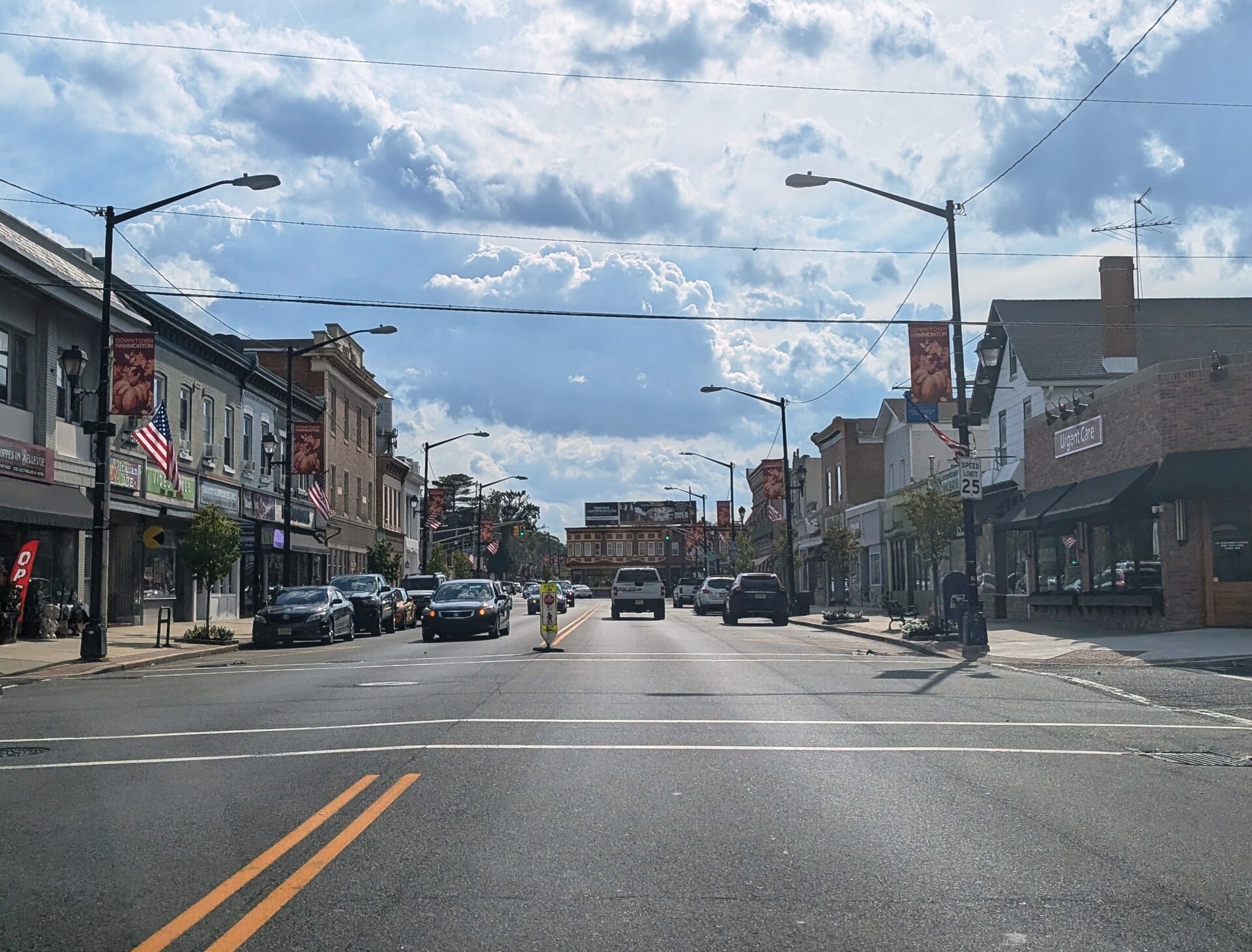
    Hammonton’s downtown is a real one, with restaurants, a restored theater, a farmers market in season, and a run of independent businesses along and around Bellevue Avenue. The town has a strong Italian-American heritage that shows up in its food, its festivals, and its civic life. Buyers who have spent time in Collingswood or Haddonfield will find the scale familiar, though Hammonton is less polished and more agricultural in character.

    Wineries and farm operations in the surrounding area have grown into a genuine draw, and the Pinelands themselves offer paddling, hiking, and cycling within minutes of most properties.

    What luxury buyers should investigate

    • Pinelands Commission jurisdiction. Determine which management area a parcel sits in. It governs what you may build, expand, subdivide, or clear. Confirm this before you plan an addition, a pool house, or a barn.
    • Farmland assessment. Many larger parcels carry farmland assessment, which materially lowers property taxes but requires continued qualifying agricultural use. Buying and then stopping the farming can trigger rollback taxes. Ask specifically about this.
    • Wells and septic. Most acreage properties are on private well and septic. Test water quality and yield, inspect the septic system, and locate the tank and field on a survey.
    • Wetlands and buffers. Pinelands parcels often include wetlands with regulated buffers. A twenty-acre parcel may contain far less buildable ground than the acreage suggests.
    • Underground oil tanks. As throughout South Jersey, older homes may have buried or abandoned tanks. A tank sweep is inexpensive relative to a remediation.
    • Insurance and outbuildings. Barns, equipment, pools, and detached structures affect coverage. Get a quote before removing contingencies rather than after.
    • Road frontage and access. On rural parcels, confirm legal access, easements, and who maintains any shared drive.

    Who Hammonton suits

    Hammonton works well for buyers who want land: horse owners, hobby farmers, collectors who need outbuilding space, and families who want their children to grow up with room. It also suits buyers splitting time between Philadelphia and the shore, since it sits naturally between the two. Value-conscious luxury buyers often find that a Hammonton estate delivers scale that would cost substantially more in Chester County or on the Main Line.

    It is a weaker fit for buyers who need a short walk to a train into Center City every morning, who want a dense high-end retail environment, or who prize an established prestige address above all else. Those buyers generally look at Moorestown, Haddonfield, or the Main Line instead.

    Frequently asked questions

    How long is the commute from Hammonton to Center City Philadelphia?

    By car it is typically a substantial commute, longer in peak hours, using the Atlantic City Expressway and the bridges. The Atlantic City Rail Line offers a rail option from the Hammonton station. Most buyers here are either hybrid workers, self-employed, or commuting toward Atlantic County rather than daily into Philadelphia. Drive the route at your actual commuting hour before you buy.

    Do Pinelands rules make it hard to build or renovate?

    They add a layer, but they do not make building impossible. What matters is the management area your parcel falls in and the specific work you plan. Interior renovation is generally straightforward; new structures, expansions of septic capacity, clearing, and subdivision get more scrutiny. Confirm the requirements before you write an offer if your plans depend on them.

    Is Hammonton considered a luxury market?

    It is not a uniform luxury market the way Haddonfield or Gladwyne are, but it contains a genuine high end made up of estate and acreage properties. Because that segment is small and inventory is thin, buyers often wait for the right property rather than choosing among several. Working with an agent who watches the market continuously matters more here than in a deeper market.

    If you are considering an estate or acreage purchase in Hammonton or elsewhere in South Jersey, James Kennedy can help you evaluate the land, the regulatory picture, and the pricing. Call James at 215-267-8479 or email jameskennedy@unlockedteam.com.

  • Living in Callowhill and Chinatown North: A Luxury Buyer’s Guide to Philadelphia’s Loft District

    Living in Callowhill and Chinatown North: A Luxury Buyer’s Guide to Philadelphia’s Loft District

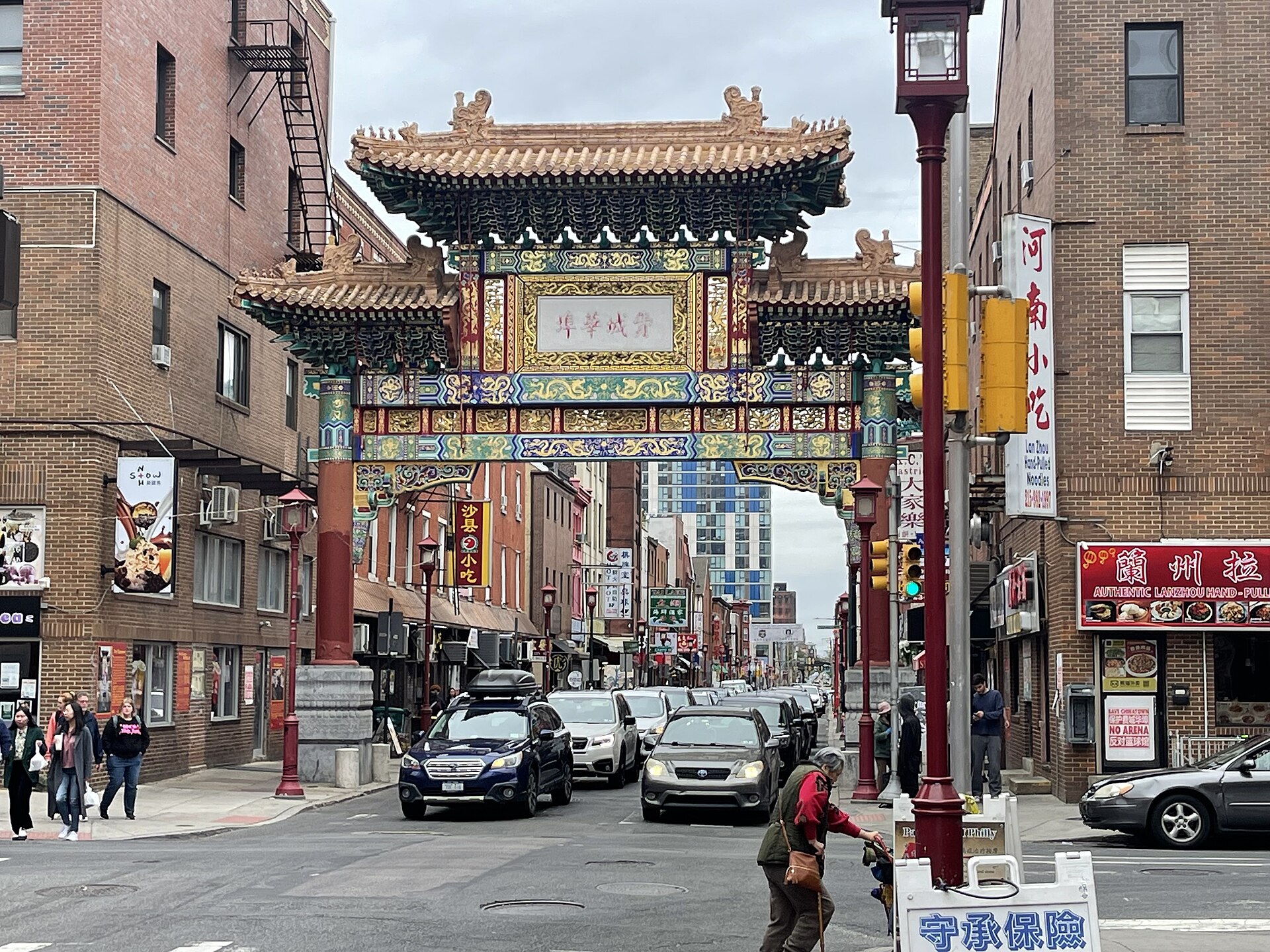
    Callowhill and Chinatown North sit in the seam between Center City and the neighborhoods north of Vine Street. For decades this was warehouse and light-manufacturing territory, which is exactly why it now holds Philadelphia’s deepest concentration of authentic industrial loft conversions. Buyers who want twelve-foot ceilings, exposed timber and steel, and windows measured in feet rather than inches tend to end up here eventually. It is a distinctive market with its own rules, and it rewards buyers who understand what they are looking at.

    Where the neighborhood actually is

    Boundaries here are informal and locals argue about them. In practice, Callowhill runs roughly from Vine Street north toward Spring Garden Street, and from Broad Street east toward the Delaware River side of Old City. Chinatown North, sometimes marketed as the Loft District or Eraserhood, is the eastern portion above Vine. The area borders Spring Garden to the northwest, Northern Liberties to the northeast, and Chinatown proper to the south.

    The practical consequence for a buyer is walkability in every direction. Reading Terminal Market, the Convention Center, and the Center City core are a short walk south. Northern Liberties dining is a short walk east. Jefferson Station and the Broad Street Line put the airport and the suburbs within easy reach without a car.

    The housing stock

    Authentic loft conversions

    The signature product is the converted industrial building: former textile mills, printing houses, and warehouses turned into condominiums, usually between the 1990s and the 2010s. Units frequently run well above the square footage of comparable Center City condos, with open floor plans, original columns, and oversized industrial sash windows. Some buildings converted units as raw shells that owners finished individually, which means quality varies dramatically from door to door inside the same building.

    Newer construction

    More recent ground-up condominium and townhome projects have filled surface lots and smaller parcels, particularly closer to Spring Garden Street. These typically offer garage parking, elevators, modern mechanical systems, and outdoor space on roof decks. They trade some of the loft character for predictability, and for many high-end buyers that trade is worth making.

    Penthouse and top-floor units

    The strongest resale performers in this market are almost always the top-floor and corner units with skyline views and private roof access. Because the surrounding building heights are uneven, view protection matters enormously. A unit whose views depend on an adjacent surface parking lot staying empty is carrying a risk that the price should reflect.

    The Rail Park and the direction of the neighborhood

    The elevated former Reading Railroad viaduct that cuts through Callowhill has been partially converted into the Rail Park, an elevated linear park. The first phase opened along a quarter-mile stretch, and long-term plans contemplate extending it substantially. Whatever the eventual build-out, the existing segment has already changed how the neighborhood reads to buyers: it created a genuine public amenity in an area that historically had almost none.

    Proximity to the park has become a real pricing factor. If you are comparing two similar lofts, one facing the viaduct and one facing a service alley, expect the difference to show up in both price and future liquidity.

    Lifestyle and daily life

    This is not a neighborhood of manicured squares and boutique rows. It is a working, textured part of the city, with art spaces, music venues, long-standing Chinatown restaurants a block or two south, and a growing number of coffee shops and bars at street level. Grocery options include Chinatown markets and Center City supermarkets a short walk away. Whole Foods and Trader Joe’s are reachable on foot from most of the area.

    Buyers accustomed to Rittenhouse should visit at multiple times of day. The streetscape changes noticeably between a Tuesday morning and a Saturday night, and the Vine Street Expressway trench creates a genuine barrier between the north side and Center City proper at certain crossings.

    What to check before you buy a loft

    • The conversion documents. Ask when the building was converted, by whom, and what was actually replaced. A 1998 conversion that reused original plumbing stacks is a different asset than one that replaced them.
    • Reserves and special assessments. Older masonry buildings carry expensive envelopes: roofs, facades, and windows. Read several years of association minutes, not just the current budget.
    • Window condition and thermal performance. Original industrial steel sash is beautiful and often extremely inefficient. Replacement in a historically certified building can require approvals.
    • Sound transmission. Open-plan lofts with hard surfaces carry noise between units and from the street. Visit in the evening.
    • Parking. Deeded garage parking is scarce in conversions and adds meaningful value. Confirm whether a space is deeded, leased, or merely available.
    • Tax abatements. Some conversion and new-construction units carry or carried Philadelphia’s residential tax abatement. Confirm the remaining term, because the post-abatement tax bill changes your carrying cost.
    • Ceiling and column layout. Structural columns cannot move. Make sure the floor plan works for how you actually live before falling for the volume.

    Who this neighborhood suits

    Callowhill and Chinatown North tend to work well for design-driven buyers, art collectors who need wall space and ceiling height, professionals who want to walk to Center City offices, and second-home buyers who want a city foothold with more square footage than a Rittenhouse condo of the same price. It suits buyers who value character and space over polish and uniformity.

    It is a weaker fit for buyers whose priorities are a doorman-and-amenity building, a traditional residential streetscape, or a short walk to a neighborhood elementary school. Those buyers are usually happier in Fitler Square, Society Hill, or the near suburbs.

    Frequently asked questions

    Is Callowhill a good investment compared to Rittenhouse Square?

    They behave differently. Rittenhouse is a mature, supply-constrained market that holds value steadily. Callowhill has more room for appreciation tied to neighborhood improvement, and correspondingly more variability. Buyers who want stability lean Rittenhouse; buyers with a longer horizon and tolerance for change often prefer Callowhill. For a current read on how each area is performing, contact James directly.

    Can I get parking with a loft here?

    Sometimes. Deeded garage spaces exist in newer buildings and in some conversions, and surface and garage rentals are available nearby. Because parking is not guaranteed, confirm it in writing before removing contingencies, and treat a deeded space as a distinct value item rather than an assumption.

    Are loft condominiums harder to finance?

    They can be. Lenders look closely at the percentage of owner-occupied units, commercial space within the building, association reserves, and any pending litigation. On higher-balance loans this scrutiny increases. Getting a lender to review the condominium questionnaire early in the process prevents surprises late.

    If you are weighing a loft purchase in Callowhill or Chinatown North, or comparing it against another Center City neighborhood, James Kennedy can walk you through the specific buildings, their association histories, and what is actually trading right now. Call James at 215-267-8479 or email jameskennedy@unlockedteam.com.

  • Glen Mills and Garnet Valley, Pennsylvania: A Delaware County Guide for Luxury Home Buyers

    Glen Mills and Garnet Valley, Pennsylvania: A Delaware County Guide for Luxury Home Buyers

    Western Delaware County occupies an interesting position in the Philadelphia luxury market. It is close enough to Center City and the airport to be practical, close enough to Chester County to share its rolling landscape, and different enough from the Main Line to appeal to a distinct kind of buyer. Glen Mills and the Garnet Valley area sit at the center of that territory, and they draw buyers who want newer construction and larger parcels rather than a century-old estate house.

    This guide covers what the area actually offers and what to evaluate before you buy.

    Understanding the geography

    The first thing to know is that “Glen Mills” and “Garnet Valley” are not municipalities. Glen Mills is a postal designation that spans parts of Thornbury, Concord, and Chester Heights, among others. Garnet Valley is the name of the school district serving Concord, Bethel, and Chester Heights townships. Two houses with the same mailing address can therefore sit in different townships, with different taxes, different zoning, and in some cases different school districts.

    This matters enormously for buyers. Before you get attached to a property, confirm:

    • The township, not just the mailing address
    • The school district assignment for that specific parcel
    • The millage rates that apply, which vary by township
    • Whether the property is served by public sewer and water or by well and septic

    Getting this wrong is the single most common mistake buyers make in this part of Delaware County.

    What the housing stock looks like

    Unlike the Main Line, where the luxury stock skews heavily toward pre-war stone houses, the Glen Mills and Garnet Valley area is dominated by newer construction. The character breaks down roughly as follows:

    Custom and semi-custom estate homes

    Built largely from the 1990s onward on one- to three-acre lots, these are the area’s core luxury product: four to six bedrooms, three-car garages, finished lower levels, two-story entries, and open kitchen-family room plans. Many are in planned communities with consistent architectural standards.

    Newer luxury construction

    More recent builds offer contemporary layouts, first-floor primary suites, modern energy performance, and finishes calibrated to current buyer expectations. These command premiums but reduce near-term capital spending.

    Older farmhouses and converted properties

    Scattered through the townships are original stone farmhouses, springhouses, and barn conversions on larger acreage, often the remnants of the area’s agricultural past. These are the most distinctive properties in the market and the most demanding to own.

    Active-adult and low-maintenance communities

    Several 55-plus and maintenance-provided communities serve downsizing buyers who want to stay in the area without a large lot to manage.

    What draws buyers here

    • Lot size. Acre-plus parcels are common, which is difficult to find on the Main Line at comparable price points.
    • Newer systems. Buyers coming from older homes often value the reduced maintenance burden of a house built in the last thirty years.
    • Schools. Garnet Valley School District has a strong regional reputation, and it is a primary driver of demand and of pricing within its boundaries.
    • Access. Route 1, I-95, and I-476 put Philadelphia International Airport, Center City, and Wilmington within reasonable reach. Delaware’s tax-free shopping is a short drive.
    • Open space. The area sits near substantial preserved land, including trail networks and county parkland, and the landscape retains a rural feel despite steady development.

    What to evaluate carefully

    Well and septic systems

    Many larger parcels are not on public utilities. If a property has a well and septic system, arrange for water quality and quantity testing and a full septic inspection, including a tank pumping and a hydraulic load test where appropriate. Understand the system’s age, capacity relative to bedroom count, and replacement cost. Pennsylvania buyers frequently underestimate this.

    Stucco and EIFS on 1990s and 2000s construction

    Homes built in this window in the Philadelphia suburbs sometimes have synthetic stucco assemblies that were installed without adequate drainage detailing, leading to concealed moisture damage. A dedicated stucco moisture inspection, separate from the general home inspection, is standard practice for these houses and should be non-negotiable.

    HOA structure and reserves

    In planned communities, review the governing documents, the current budget, reserve study, and any pending special assessments. Ask about architectural review requirements before planning a pool, addition, or major landscaping change.

    Development pipeline

    Western Delaware County has been steadily developing. Check township planning records for approved and proposed projects near a property you are considering, particularly if a view or a wooded buffer is part of what you are paying for.

    Taxes

    Assessment practices and millage vary across townships. Compare the actual annual tax bill on candidate properties rather than assuming similarity, and understand how Delaware County’s assessment framework affects your carrying cost.

    How the area compares to the Main Line and Chester County

    Buyers often shop Glen Mills against Chadds Ford, Newtown Square, Media, and the western Main Line. In broad terms:

    • Versus the Main Line: More land and newer houses for the money, less walkable village life, longer drive to Center City on regional rail.
    • Versus Chadds Ford and Chester County: Similar landscape character, generally more planned-community inventory and fewer historic estates, with easier access to I-95 and the airport.
    • Versus Media: Media offers a genuine walkable downtown and Regional Rail service; Glen Mills offers larger lots and newer construction.

    None of these is objectively better. The right answer depends on whether you value land and newness or village walkability and historic character.

    Frequently asked questions

    Is Glen Mills part of the Garnet Valley School District?

    Not always. Glen Mills is a mailing address that spans several townships, and school district assignment depends on the specific parcel and township, not the postal designation. Some Glen Mills addresses fall in Garnet Valley, others in Rose Tree Media or West Chester Area. Always confirm the district for the exact property before making an offer.

    What should I inspect on a 1990s or 2000s luxury home in Delaware County?

    Beyond a standard inspection, prioritize a stucco or exterior envelope moisture inspection if the home has synthetic stucco, a full well and septic evaluation if the property is not on public utilities, and a review of the roof, HVAC, and window systems, which are often reaching the end of their original service life on homes of that age.

    Is Glen Mills a good area for buyers relocating to the Philadelphia region?

    It is a common landing spot for relocating executives and families, largely because it combines newer housing, large lots, well-regarded schools, and convenient access to Philadelphia International Airport and the I-95 corridor. Buyers who prioritize walkable town centers or historic architecture may prefer Media, Chadds Ford, or the Main Line instead.

    Looking at Glen Mills, Garnet Valley, or elsewhere in Delaware County? James Kennedy helps luxury buyers across the Philadelphia suburbs and South Jersey sort through township lines, school assignments, stucco and septic due diligence, and current pricing. Call James at 215-267-8479 or email jameskennedy@unlockedteam.com to start the conversation.

  • Linwood, Northfield, and Somers Point, New Jersey: A Mainland Guide for Luxury Shore-Area Buyers

    Linwood, Northfield, and Somers Point, New Jersey: A Mainland Guide for Luxury Shore-Area Buyers

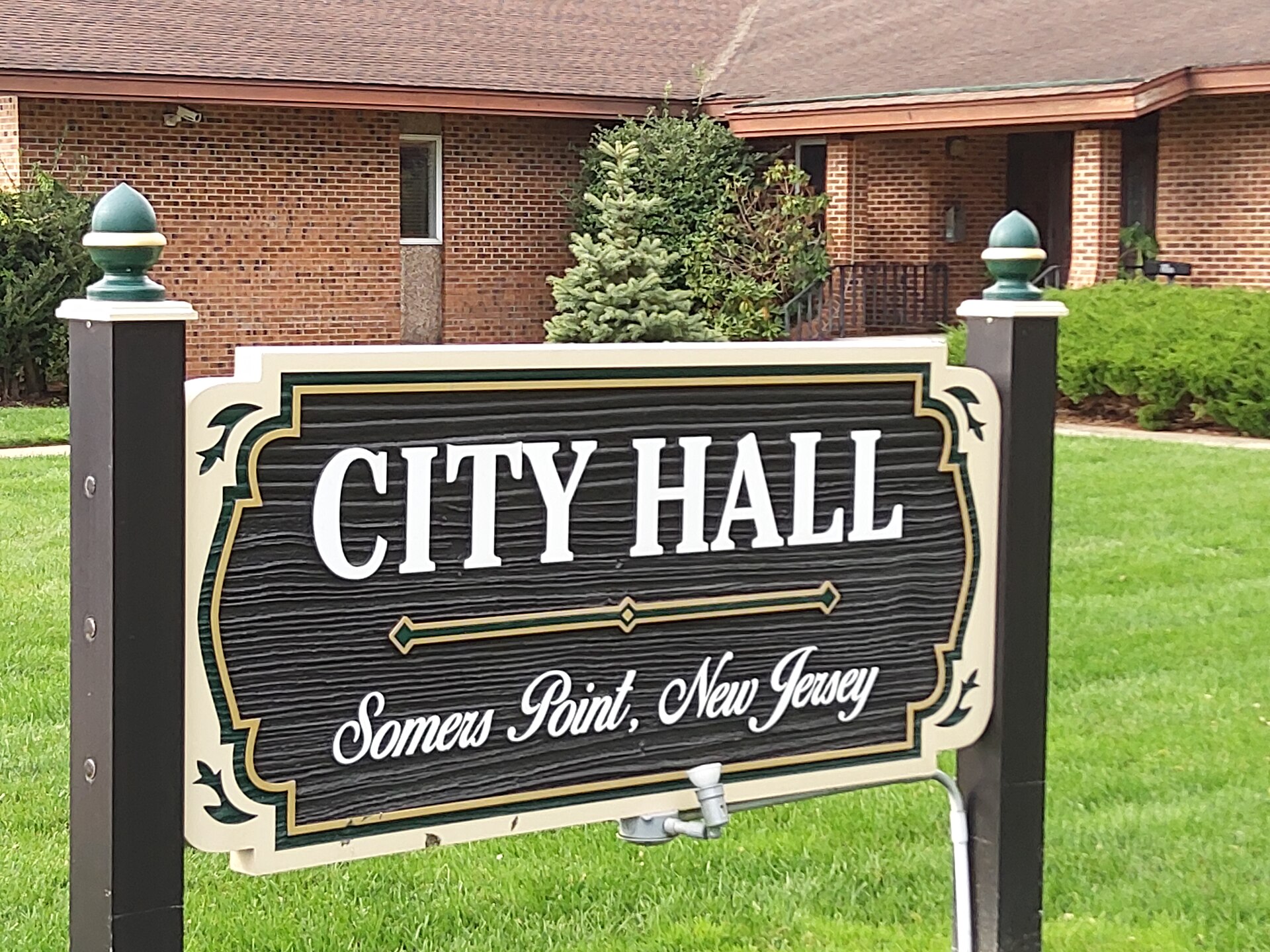
    Most conversations about luxury real estate at the Jersey Shore start and end on the barrier islands. But a substantial number of the region’s highest-end year-round buyers live on the mainland, in the Atlantic County towns just across the bay from Ocean City and Longport. Linwood, Northfield, and Somers Point form a corridor along Shore Road that offers larger lots, established neighborhoods, generally lower flood exposure, and quick access to the beaches without the seasonal intensity of island living.

    This guide covers what buyers considering these three towns should understand.

    The case for the mainland

    Buyers who end up here are usually solving one or more of these problems:

    • Land. Barrier-island lots are narrow and expensive. Mainland lots in Linwood and Northfield are often substantially larger, which allows for a real yard, a pool, a side-entry garage, and a house with a footprint rather than a vertical stack of floors.
    • Year-round living. Island towns swing dramatically between summer and off-season. Mainland neighborhoods stay populated and functional in February, with grocery stores, schools, and services operating on a normal rhythm.
    • Insurance and flood exposure. Elevation varies parcel by parcel, but many mainland properties sit outside the highest-risk flood zones that drive island premiums. That difference can be material to annual carrying costs.
    • Value per square foot. A given budget generally buys more finished space on the mainland than on the island, particularly at the upper end.

    Linwood

    Linwood is the most consistently residential of the three and tends to attract buyers looking for a settled, low-turnover community. The town is small, tidy, and organized around single-family neighborhoods with mature landscaping. Its higher-end housing includes custom colonials, contemporary builds, and renovated mid-century homes, with the larger properties concentrated on the streets nearer the bay side and along the town’s more established corridors.

    The Linwood Bike Path, part of the wider shore-area trail network, runs through town and is a genuine daily amenity rather than a marketing line. Mainland Regional High School serves Linwood along with Northfield and Somers Point, and the shared district is one reason families often shop all three towns at once.

    What luxury buyers look for in Linwood

    • Larger interior lots with room for a pool and outbuildings
    • Custom builds from the past two decades with modern systems
    • Proximity to the bike path and to Shore Road services
    • Quiet, low-traffic streets with consistent architectural quality

    Northfield

    Northfield sits just north of Linwood and has a slightly more varied housing stock, including a mix of older homes near the town center and newer construction on the outer streets. It is the most convenient of the three for buyers who value quick access to the Garden State Parkway and to the Atlantic City Expressway, which matters if you are commuting toward Philadelphia or connecting to Atlantic City International Airport.

    Birch Grove Park, a large municipal park with ponds and trails, anchors the town’s recreational offering. Buyers here often find they can secure a well-built home on a generous lot at a lower entry point than in Linwood, then invest the difference in renovation.

    Somers Point

    Somers Point is the waterfront town of the three. It sits at the foot of the bridge to Ocean City and fronts Great Egg Harbor Bay, which means it is where you find the mainland’s true water-view and water-access properties. For buyers who want a boat, a dock, or a sunset view over the bay, Somers Point is usually the answer.

    The town has a livelier, more mixed character than its neighbors, with a bayfront restaurant and marina scene, a working harbor, and a longer commercial corridor. Housing ranges from modest older homes to substantial custom waterfront residences.

    Waterfront due diligence in Somers Point

    Bayfront and lagoon-front properties require additional homework:

    • Bulkhead condition and ownership. Replacement is expensive and its remaining service life should be assessed before you close, not after.
    • Dock permits and riparian rights. Confirm what is permitted, what conveys, and whether any tidelands or riparian grant obligations attach to the property.
    • Flood zone and elevation certificate. Obtain the certificate and understand how the finished floor elevation affects insurance and any future renovation requirements.
    • Storm history. Ask directly about past water intrusion and what remediation was performed.

    Access to the beaches and to Philadelphia

    From any of the three towns, Ocean City is a short drive over the Somers Point bridge, and Longport, Margate, and Ventnor are reachable via the Longport Bridge. That proximity is the point: mainland buyers get beach access on demand without owning the maintenance profile, insurance profile, or summer congestion of an island property.

    For Philadelphia-based buyers, the Atlantic City Expressway connects to the region’s road network, making this corridor viable both as a primary residence for people who work regionally and as a second home for families who want a shore base with more house and land than an island budget allows.

    How to approach an offer here

    The mainland market behaves differently from the island market. Island pricing is heavily seasonal and driven by rental income potential and beach-block position. Mainland pricing behaves more like a conventional suburban market, driven by lot size, condition, systems, schools, and street quality.

    Practically, that means:

    • Comparable sales matter more than aspirational list prices, and the right comps are often within a few streets rather than town-wide.
    • Condition and recent capital improvements carry real weight, especially roof, HVAC, windows, and any elevation or drainage work.
    • Timing is less seasonal than on the islands, though inventory still tends to loosen in spring.
    • Waterfront properties in Somers Point should be underwritten separately, with bulkhead, dock, and insurance costs modeled explicitly.

    For current pricing and inventory in any of these towns, reach out directly rather than relying on general figures, since the market moves and street-level differences are significant.

    Frequently asked questions

    Is it better to buy on the mainland or on the barrier island in Atlantic County?

    It depends on how you intend to use the home. If you want summer rental income, beach-block walkability, and a seasonal property, the island generally makes more sense. If you want a larger lot, year-round livability, lower insurance exposure, and more finished square footage for the money, the mainland towns of Linwood, Northfield, and Somers Point are usually the stronger choice.

    Which of the three towns has waterfront homes?

    Somers Point is the waterfront town of the group, with bayfront and lagoon-front properties along Great Egg Harbor Bay and dock and marina access. Linwood and Northfield are primarily inland residential communities, though some properties sit near the bay side with water views.

    Do these towns share a school district?

    Linwood, Northfield, and Somers Point each operate their own elementary districts and send students to Mainland Regional High School. Families frequently shop all three towns together for that reason. Verify current boundaries and programs directly with the districts, since arrangements can change.

    Considering a move to the Atlantic County shore area? James Kennedy works with luxury buyers and sellers throughout South Jersey and can help you compare mainland and island options, evaluate waterfront due diligence, and understand what a specific property will cost to carry. Call James at 215-267-8479 or email jameskennedy@unlockedteam.com.

  • Living in Powelton Village: A Luxury Buyer’s Guide to West Philadelphia’s Victorian Enclave

    Living in Powelton Village: A Luxury Buyer’s Guide to West Philadelphia’s Victorian Enclave

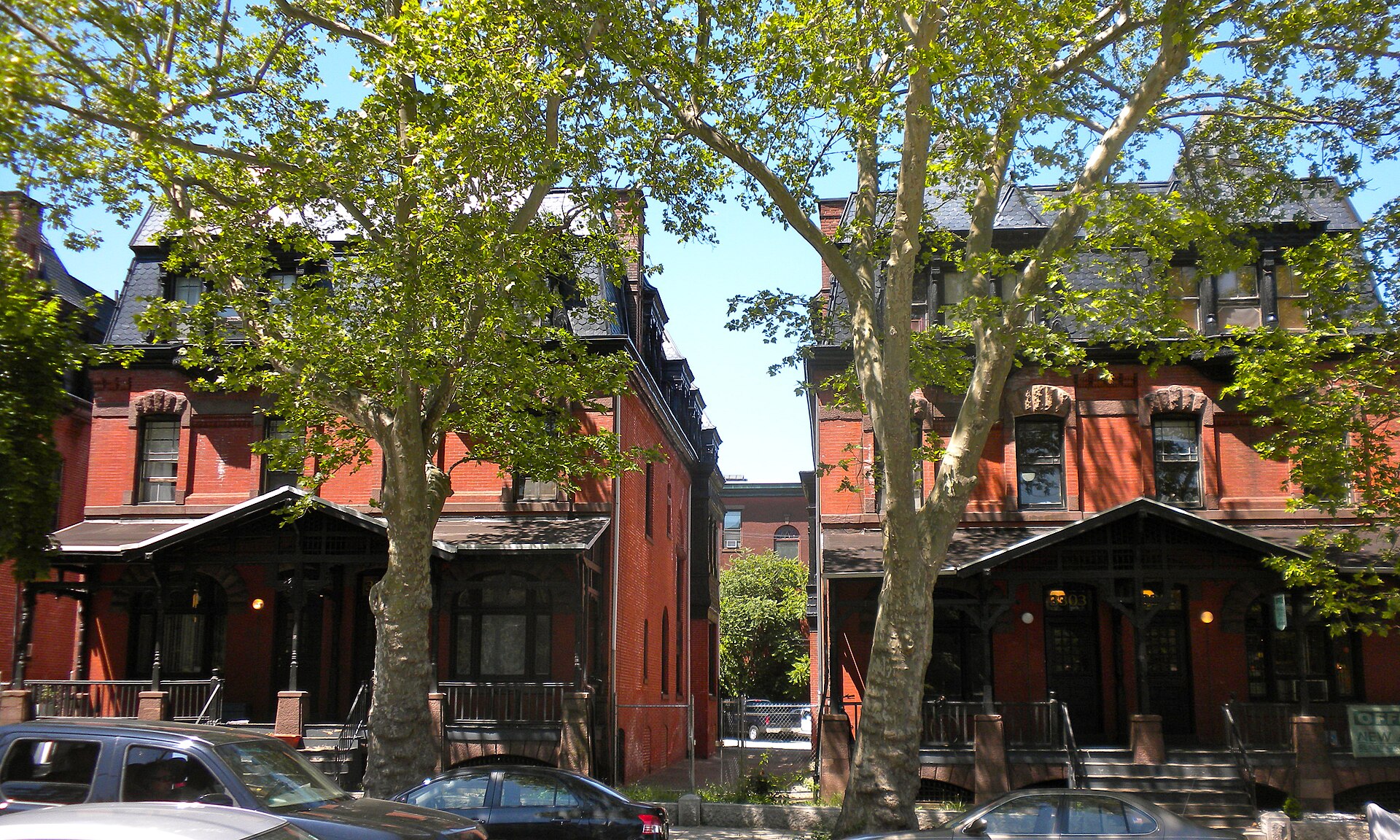
    Powelton Village is one of the more surprising places in Philadelphia to find a large, architecturally serious house. Sitting just north of Market Street in West Philadelphia, bounded roughly by the Schuylkill River, Lancaster Avenue, and 40th Street, it is a compact grid of Victorian twins, detached villas, and Italianate mansions built largely between the 1850s and the 1890s. For buyers who want square footage, original detail, and a five-minute commute to 30th Street Station, few Philadelphia neighborhoods offer the same combination.

    It is also a neighborhood that rewards knowing what you are looking at. Powelton has a mixed housing stock, a significant student-rental presence, and a historic district overlay that shapes what you can and cannot do to a facade. This guide covers what serious buyers should weigh.

    What the housing stock actually looks like

    Powelton Village was developed as a streetcar suburb for Philadelphia’s professional class, and it was built with real ambition. The result is a housing stock unlike almost anywhere else in the city:

    • Detached and semi-detached Victorians. Deep setbacks, wraparound porches, and side yards are common here in a way they simply are not in Center City. Many houses sit on lots that would be considered suburban by Philadelphia standards.
    • Italianate and Second Empire villas. Bracketed cornices, mansard roofs, tall narrow windows, and elaborate porch millwork appear throughout the district.
    • Queen Anne houses. Turrets, patterned shingles, stained glass, and asymmetrical massing, often on the larger corner lots.
    • Interior scale. Ceiling heights of ten to twelve feet on the main floor are typical, along with original staircases, pocket doors, and multiple carved mantels.

    Square footage in the largest houses can run well beyond what a comparably priced Center City townhouse offers. That is the core value proposition of the neighborhood, and it is why the strongest Powelton buyers tend to be people who specifically want a big, old, detached house and are willing to steward it.

    The historic district and what it means for renovation

    Much of Powelton Village falls within a locally designated historic district, which means exterior alterations visible from the public right of way are reviewed by the Philadelphia Historical Commission. In practice this affects window replacement, porch reconstruction, roofing material on visible slopes, cornice work, railings, and additions.

    This is not a reason to avoid the neighborhood. It is a reason to plan differently. A few practical points:

    Budget for the review timeline, not just the work

    Commission review adds weeks or months to a project schedule. If you are buying with a renovation in mind, build that into your expectations rather than assuming a spring closing means a summer facade.

    Interior work is generally unrestricted

    Local historic designation in Philadelphia is primarily exterior. Kitchens, baths, systems, and interior layout changes are usually not subject to Commission review, though standard permitting still applies.

    Verify prior work was permitted

    Older Powelton houses have often passed through decades of landlord ownership. Unpermitted rear additions, decks, and conversions are not unusual, and they can complicate a resale or an insurance claim later. Ask for permit history early.

    The rental conversion question

    Powelton sits adjacent to Drexel University, and a meaningful share of its large houses were carved into student apartments during the second half of the twentieth century. Buyers looking for a single-family home should look closely at:

    • Zoning and legal use. A house marketed as a “single-family” may still be zoned or licensed as a multi-unit property, or vice versa. Confirm the zoning designation and the certificate of occupancy rather than relying on how the house is presented.
    • Reversion cost. Turning a six-unit conversion back into a single home is a real construction project: removing kitchenettes, consolidating meters, rebuilding the stair core, and rerunning HVAC. It can be worth it in the right house, but it should be priced into your offer.
    • Block character. Some streets are overwhelmingly owner-occupied and quiet; others carry heavy student turnover. In Powelton, the block matters more than the neighborhood average.

    Location, commuting, and daily life

    Powelton’s location is its quiet advantage. 30th Street Station is within walking distance, which puts Amtrak’s Northeast Corridor, SEPTA Regional Rail to the Main Line and the suburbs, and the Market-Frankford Line all within easy reach. Drivers have quick access to I-76 and the Schuylkill Expressway, and Center City is a short trip across the river.

    Day to day, residents draw on Lancaster Avenue and the surrounding University City corridor for restaurants, coffee, and groceries, with Rittenhouse Square and the Schuylkill River Trail a short distance east. Fairmount Park and the Please Touch Museum sit to the north. The neighborhood itself is residential and leafy, with an active civic association and a strong tradition of block-level organizing.

    What to inspect carefully

    Houses of this age and size deserve a more thorough due diligence process than a standard inspection. Prioritize:

    • Roof and gutter systems. Complex Victorian rooflines with valleys, dormers, and mansard slopes are expensive to maintain and are the most common source of interior water damage.
    • Structural framing and porches. Wood porches and their supporting columns often carry decades of deferred maintenance.
    • Systems capacity. Knob-and-tube remnants, undersized electrical service, and aging boilers are common. Ask what an insurer will require.
    • Masonry and pointing. Brownstone and brick facades on these houses need periodic repointing, and the work is specialized.
    • Lead and asbestos. Standard concerns in pre-1978 housing, and worth testing rather than assuming.

    Who Powelton Village suits

    The neighborhood tends to appeal to buyers who value original architecture and interior volume over turnkey finishes, who want proximity to the universities, hospitals, and Amtrak, and who are comfortable owning an older building. It is a strong fit for academics and medical professionals, for families who want a yard without leaving the city, and for buyers who have looked at Center City townhouses and concluded they want more house for the money.

    It is a weaker fit for someone who wants a new-construction condo experience, doorman services, or a maintenance-free lifestyle. Those buyers are usually better served in Rittenhouse, Logan Square, or along the waterfront.

    Frequently asked questions

    Is Powelton Village a good place to buy a large family home in Philadelphia?

    It can be an excellent option for buyers who want a detached or semi-detached Victorian with a yard and real interior scale while staying inside the city. The key is choosing the right block and confirming the house is a true single-family use rather than a conversion, since both exist side by side in the neighborhood.

    Does the historic district make renovating a Powelton home difficult?

    It adds a review step for exterior changes visible from the street, which lengthens timelines and narrows material choices. Interior renovations are generally not affected. Owners who plan for the review process early and work with contractors who have handled Historical Commission projects usually find it manageable.

    How does Powelton Village compare to Spruce Hill or Cedar Park?

    All three are West Philadelphia Victorian neighborhoods, but Powelton is smaller, closer to 30th Street Station and Drexel, and more compact. Spruce Hill and Cedar Park are larger, more residentially settled, and sit closer to the University of Pennsylvania. The right choice depends on your commute, the specific house, and the character of the block.

    Thinking about a Victorian in Powelton Village or elsewhere in Philadelphia? James Kennedy specializes in luxury and historic properties across Philadelphia and South Jersey, and can walk you through block-level differences, permit history, and what a specific house will realistically cost to own. Call James at 215-267-8479 or email jameskennedy@unlockedteam.com to talk through your search.

  • Easements, Deed Restrictions, and Covenants: What Luxury Buyers Should Check Before Closing in Philadelphia and South Jersey

    Easements, Deed Restrictions, and Covenants: What Luxury Buyers Should Check Before Closing in Philadelphia and South Jersey

    Most buyers at the upper end of the market are buying with a plan: a pool in the back, a garage addition, an office over the carriage house, a fence for the dogs, a generator, a guest suite for family. Those plans usually survive contact with reality. Occasionally they collide with a document recorded in 1954 that nobody thought to read. Easements, deed restrictions, and restrictive covenants are the least glamorous part of a real estate transaction and among the most consequential, because they travel with the land and bind whoever owns it next.

    The three things people mix up

    Easements

    An easement gives someone else the right to use part of your property for a specific purpose. Common examples: a utility company’s right to run and maintain lines across a rear strip, a neighbor’s right to cross your driveway to reach their garage, a municipality’s access to a storm sewer, or a shared alley behind a row of city homes. You still own the land. You simply cannot block the use.

    Deed restrictions

    A deed restriction is a limitation written into the chain of title that restricts what can be done with the property: minimum setbacks, a prohibition on subdividing, a requirement that only a single-family dwelling be built, limits on commercial use. These often originate with the original developer of a subdivision and can be many decades old.

    Covenants

    Covenants are typically the rulebook attached to a planned community, condominium, or homeowners association: architectural review, exterior colors, fence styles, parking, short-term rental limits, landscaping standards. They usually come with a governing body empowered to enforce them and to levy assessments.

    What these look like in our region

    Different property types tend to carry different burdens:

    • Center City and rowhouse Philadelphia: party wall agreements, shared alleys and rear egress easements, roof and gutter access rights, sidewalk and vault agreements, and occasionally a facade easement held by a preservation organization on a historically significant building.
    • Main Line and Bucks and Chester county estates: conservation easements limiting subdivision or development, agricultural preservation restrictions, shared private-lane maintenance agreements, and driveway or well access easements benefiting a neighbor.
    • South Jersey suburbs: association covenants in newer developments, drainage and detention basin easements, utility rights-of-way, and Pinelands-area restrictions in the eastern portions of Burlington, Camden, and Atlantic counties.
    • Shore properties: dune and beach access easements, bulkhead and riparian considerations, and municipal restrictions tied to coastal management.

    A conservation or facade easement is not automatically bad news. Some carry meaningful tax consequences and some protect exactly the setting you are paying for. But they must be read, not assumed.

    Where these show up in a transaction

    Four documents do most of the work:

    1. The title commitment. Schedule B lists the exceptions to coverage — the recorded easements, restrictions, and agreements the title insurer will not insure against. This is the single most important document buyers skip.
    2. The survey. A current survey plots the easements on the actual land. A title exception reading “20-foot utility easement” means little until you see that it crosses exactly where you wanted the pool.
    3. The deed and prior deeds in the chain. Restrictions are frequently carried forward by reference to an older recorded instrument, which means someone has to go find that instrument.
    4. Association documents. The declaration, bylaws, rules, budget, reserve study, and recent meeting minutes. Minutes are underrated — they reveal pending assessments and disputes that the rules alone will not.

    How this plays out in practice

    A few patterns come up repeatedly at the high end:

    • A buyer plans a detached garage and discovers a drainage easement across the only part of the lot with the right grade.
    • A buyer of a historic property learns that a facade easement requires third-party approval for window replacement.
    • A shore buyer intends to rent the home several weeks a year and finds the association prohibits rentals shorter than a defined term.
    • A buyer of an estate parcel assumes a lot can eventually be subdivided and sold, then finds a recorded restriction against it.
    • Two neighbors share a private lane with no written maintenance agreement, and repaving becomes a negotiation instead of a formula.

    None of these are deal-killers on their own. All of them are far cheaper to discover before closing than after.

    A practical due-diligence sequence

    1. Say out loud what you intend to do with the property. Pool, addition, fence, accessory dwelling, business use, rentals, subdivision. Write it down. That list is the checklist everything else gets tested against.
    2. Order a survey on anything with acreage, an unusual lot shape, a shared driveway, or expansion plans. Do not rely on an old survey handed over by the seller.
    3. Read Schedule B of the title commitment and request copies of every recorded document it references. Then actually read them.
    4. Ask the municipality about zoning, setbacks, impervious coverage limits, historic district review, and permit history. Local rules can restrict you even where private documents do not.
    5. Have a real estate attorney review anything unusual. In New Jersey, attorney review is a structured part of the process. In Pennsylvania, attorney involvement is optional but well worth it on complex or high-value properties.
    6. Confirm your timeline. Make sure your inspection and title review periods are long enough to complete this work rather than merely to begin it.

    Frequently asked questions

    Can an easement or deed restriction be removed?

    Sometimes, but never assume it. Removal may require agreement from whoever holds the benefit, a recorded release, or in some circumstances a court action. Old subdivision-wide restrictions can be especially difficult to unwind because many parties may hold enforcement rights. Treat removal as a possibility to investigate with counsel, not as a plan.

    Does title insurance protect me from these?

    Generally no. Recorded easements and restrictions are typically listed as exceptions, which means they are excluded from coverage. Title insurance protects against defects that were missed, not against the restrictions the policy expressly discloses. That is exactly why reading Schedule B matters.

    Do restrictions affect the value of a property?

    It depends entirely on what they restrict and who is buying. A conservation easement that guarantees an open view may add value for one buyer while eliminating another who wanted development potential. A rental prohibition matters enormously to an investor and not at all to a full-time resident. The right question is not whether restrictions exist, but whether they conflict with your plans and with the plans of the next likely buyer.

    Let’s review the documents together

    If you are considering a property in Philadelphia, on the Main Line, in Bucks or Chester county, or in South Jersey, and you want help getting through the title commitment, survey, and association documents before your contingency period runs out, I can help. Contact James Kennedy at 215-267-8479 or jameskennedy@unlockedteam.com to talk through a specific property or your search overall.

  • Wenonah and Pitman, New Jersey: A Gloucester County Guide for Luxury Home Buyers

    Wenonah and Pitman, New Jersey: A Gloucester County Guide for Luxury Home Buyers

    South Jersey’s best-known upper-end addresses sit in Camden and Burlington counties — Haddonfield, Moorestown, Medford. Gloucester County gets less attention, and that is precisely why buyers who look carefully often find more house and more land for their money there. Two boroughs in particular reward a closer look: Wenonah and Pitman. Both are small, both are walkable, and both have housing stock built in an era when homes were made to a standard rather than to a budget.

    Wenonah at a glance

    Wenonah is a compact borough of roughly one square mile, laid out in the 1870s as a planned community, and it still reads that way. Curving streets, mature trees, deep lots, and a collection of large Victorians, Colonial Revivals, and Arts and Crafts homes give it a character that is difficult to replicate. The borough maintains an extensive network of walking trails through wooded land and along Mantua Creek, which is a significant part of the appeal for buyers coming from denser suburbs.

    The scale is intimate. There is a small commercial pocket, a train station building surviving from the borough’s railroad era, and a strong civic culture — the kind of place where the Fourth of July parade is a genuine community event. Inventory is limited by definition. In a borough this small, only a handful of the larger homes trade in a given year, and the best ones often draw competition.

    Pitman at a glance

    Pitman, immediately adjacent, has a different origin. It grew from Pitman Grove, a Methodist camp meeting founded in the 1870s whose radial street plan still fans out from the historic auditorium. That history left behind an unusual mix: tiny original camp cottages, substantial Victorians on the surrounding streets, and mid-century and later homes filling in the rest.

    Pitman also has something Wenonah does not — a real downtown. Broadway carries restaurants, shops, and the restored Broadway Theatre, which draws audiences from across the county. For buyers who want to walk to dinner and a show, that is a meaningful daily-life difference.

    The housing stock

    In both boroughs, the upper end of the market is generally an older home, often 3,000 square feet or more, on a lot larger than a comparable price buys in Camden County’s better-known towns. Expect to encounter:

    • Late-nineteenth and early-twentieth-century Victorians with wraparound porches, high ceilings, and original millwork
    • Colonial Revival and Foursquare homes from the 1900s through the 1930s
    • A limited number of newer custom homes on infill lots or at the borough edges

    What you will not find much of is new construction at scale. If a brand-new home is a requirement, these boroughs will frustrate you, and you should look instead at newer developments in Harrison Township, Mullica Hill, or Washington Township.

    Getting around

    Both boroughs sit within easy reach of Route 55, which connects north toward Route 42 and the Walt Whitman Bridge and south toward the shore. Center City Philadelphia is a manageable drive outside of peak congestion. Rowan University in nearby Glassboro shapes the area’s economy and cultural offerings, and the long-discussed Glassboro–Camden rail line is a project buyers occasionally ask about. Treat any transit plan as speculative until construction is actually underway, and do not pay a premium for it.

    Due diligence for older homes

    Buying a hundred-year-old house in excellent condition is a pleasure. Buying one that looks excellent and is not can be expensive. In this part of South Jersey, focus your inspection dollars on the following.

    Underground storage tanks

    Homes originally heated with oil may have a buried tank, sometimes decommissioned improperly or simply forgotten. A tank sweep is inexpensive relative to the cost of remediation if a tank has leaked, and it is standard practice in South Jersey for good reason. Make it part of your inspection contingency.

    Systems and building envelope

    Check the age and condition of the roof, heating system, electrical service and panel, and plumbing supply lines. Knob-and-tube wiring and galvanized piping still turn up. Ask about insulation — many of these homes were never meaningfully insulated, and comfort and utility costs follow directly from that.

    Water, drainage, and the creek

    Properties near Mantua Creek and its tributaries deserve attention to grading, basement moisture history, and current flood mapping. Pull the flood determination for the specific parcel rather than relying on a general impression of the street.

    Historic character and alterations

    If you plan to add on, replace windows, or change the exterior, confirm which borough approvals apply before you close. Small boroughs can have specific standards, and it is far easier to learn the rules during due diligence than after you have hired an architect.

    How they compare to Haddonfield and Moorestown

    Haddonfield and Moorestown offer larger high-end markets, more consistent liquidity, and the recognition that comes with decades of being the default answer to “where do people move in South Jersey.” Wenonah and Pitman generally offer more land and more house per dollar, a smaller and quieter scale, and thinner resale liquidity at the very top of the range. Neither is better in the abstract. If you are likely to move again within a few years, weigh liquidity carefully. If you are buying a house you intend to keep, the value proposition here is strong.

    Frequently asked questions

    Are Wenonah and Pitman good options for luxury buyers?

    They suit buyers who define luxury as a distinctive, well-built older home on a generous lot in a walkable small town. They are less suited to buyers who want new construction, a gated community, or a deep pool of comparable properties. The high end here is characterful rather than turnkey.

    What are property taxes like compared with Pennsylvania?

    New Jersey generally carries higher property tax rates than Pennsylvania, and the tradeoff is often lower purchase prices for comparable homes plus different school funding. Rates and assessments vary by municipality and change over time, so the only useful comparison is a side-by-side on two specific homes you are actually considering. I can put that together for you.

    How much inventory should I expect?

    Very little, especially in Wenonah. In small boroughs, the right house may not be listed on the day you are ready. That argues for arranging financing early, being clear about your criteria, and having someone watching the market — including quietly marketed properties — on your behalf.

    Let’s talk about Gloucester County

    If Wenonah, Pitman, or the surrounding Gloucester County towns are on your list, or you are comparing them against Haddonfield, Moorestown, or the Philadelphia suburbs, I would be glad to walk you through the differences and what homes are actually trading for right now. Contact James Kennedy at 215-267-8479 or jameskennedy@unlockedteam.com.