
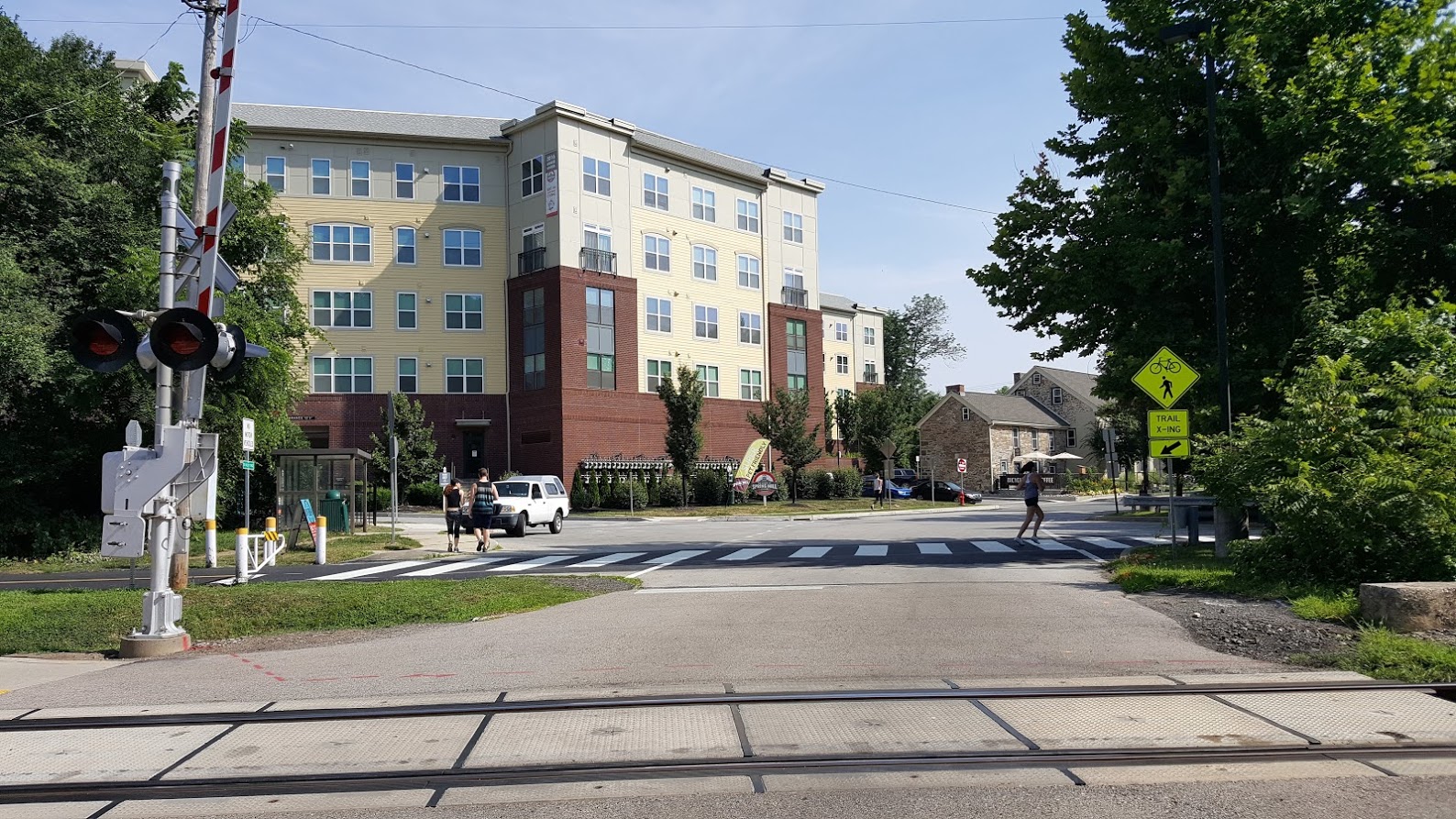
Lafayette Hill and the surrounding villages of Whitemarsh Township sit in a quiet sweet spot of the Philadelphia region: close enough to Center City that a morning meeting downtown is easy, but green enough that your backyard may border a preserved creek valley or a working golf course. For luxury buyers who want land, privacy, and stone-and-slate architecture without committing to the price levels of the Main Line, this corner of Montgomery County deserves a serious look.
Where Lafayette Hill and Whitemarsh Township actually are
Whitemarsh Township is a Montgomery County municipality bordering the northwest edge of Philadelphia. Lafayette Hill is the township’s best-known village, but Whitemarsh also contains Miquon, Barren Hill, Marble Hall, and portions of the areas that carry Plymouth Meeting and Conshohocken mailing addresses. The township wraps around the Wissahickon Valley and Fort Washington State Park, which is why so much of the housing stock feels rural even though the city line is minutes away.
The practical implication for buyers: the postal address on a listing does not always tell you the municipality, the school district, or the tax picture. Two houses a half mile apart can sit in different townships with different tax rates and different school assignments. Always confirm the municipality and district on the deed and tax record rather than the mailing address.
What the high-end housing stock looks like
Whitemarsh’s upper price tier is unusually varied for a single township. You will generally encounter four categories:
- Original stone estates and farmhouses. Eighteenth- and nineteenth-century fieldstone homes, many with later additions, slate or cedar roofs, and mature plantings. These are the properties that give the township its character and typically the ones with real acreage.
- Mid-century and postwar custom homes. Sprawling ranch and split-level houses on generous lots, often architect-designed, frequently updated inside while keeping their original footprints.
- Late-1990s to 2000s move-up construction. Larger colonials in planned enclaves with three-car garages, two-story foyers, and finished lower levels.
- Recent infill and new custom builds. Individual teardowns and small subdivisions producing current-spec homes with open plans, first-floor primary suites, and modern mechanicals.
Buyers who want turnkey systems and modern layouts tend to gravitate to the last two categories. Buyers who want land, privacy, and irreplaceable architecture accept the maintenance profile of a stone home. Neither is wrong, but they are genuinely different ownership experiences, and it helps to decide which one you are shopping for before you tour.
Open space, trails, and why it matters to value
Whitemarsh has an unusual amount of protected and semi-protected land for a township this close to Philadelphia. The Wissahickon Valley corridor, Fort Washington State Park, Militia Hill, and several private country clubs and preserved parcels mean that a meaningful share of the township will never be built on.
That matters for luxury pricing in two ways. First, the views and privacy created by a permanent green edge tend to hold their premium far better than views that depend on a neighbor’s undeveloped lot. Second, scarcity: because so much land is off the table, the supply of large-lot homes in the township is effectively capped. When you are evaluating whether a lot premium is real, ask what protects the adjacent land, and check the zoning and any conservation easements on abutting parcels.
Recreation you will actually use
The Wissahickon and Fort Washington trail systems, several golf and country clubs, and the Schuylkill River Trail connection through Conshohocken are the amenities residents cite most. If an active outdoor lifestyle is a priority, walk the trail access points near any home you are considering before you write an offer; proximity on a map and usable access on foot are not the same thing.
Commuting and access
Whitemarsh sits near the intersection of several major routes, with quick access toward the Blue Route, the Pennsylvania Turnpike, and Ridge Pike toward the city. SEPTA regional rail service is available from nearby stations, and many residents drive to a station rather than walk to one.
Drive times from Lafayette Hill to Center City are typically modest outside of peak periods and can lengthen meaningfully at rush hour. If you commute on a fixed schedule, drive the route at the actual hour you would travel, in both directions, before you commit. This is the single most common piece of due diligence buyers skip and later regret.
What to check before you buy here
Water, sewer, and site conditions
Portions of the township, particularly on larger parcels, may be served by wells or on-site septic systems rather than public utilities. Confirm which systems serve the property, get the septic inspected and pumped as part of due diligence, and test well water for the standard panel plus radon where applicable. On older estate parcels, ask specifically about any historic underground fuel oil tanks.
Stone construction and moisture
Fieldstone and stucco-over-stone homes require a different inspection eye than frame construction. Repointing, roof and flashing condition, grading, and interior moisture at the base of exterior walls are the recurring issues. Hire an inspector with genuine experience in historic masonry, and budget for cyclical exterior maintenance the way you would budget for a roof.
Floodplain and stormwater
With creek corridors running through the township, some parcels sit in or near mapped floodplain. Pull the flood map for the specific parcel, ask the seller about any water intrusion history, and get an insurance quote early rather than at the end of the process.
Historic and zoning overlays
If a home carries a historic designation or sits in a district with an overlay, exterior changes may require review. That is not a reason to walk away, but it should shape your renovation plans and your timeline expectations.
Who tends to buy in Whitemarsh
The buyer profile skews toward households that want suburban land and a straightforward commute without the price ceiling or the social formality some associate with the Main Line. Move-up families, professionals relocating into the region, and empty nesters trading a larger estate for a single-level custom home all compete for the same limited inventory. Because the truly special properties come to market infrequently, buyers who are prepared with financing in place and a clear brief tend to win them.
Frequently asked questions
Is Lafayette Hill considered part of the Main Line?
No. Lafayette Hill is a village within Whitemarsh Township in Montgomery County, northwest of Philadelphia, while the Main Line runs west of the city along the historic rail corridor through Lower Merion, Radnor, and beyond. The two areas share a similar architectural feel in places, but they are distinct markets with different school districts, tax structures, and buyer pools.
What kind of lot sizes should a luxury buyer expect in Whitemarsh Township?
Lot sizes vary widely, from modest village parcels in the older sections to multi-acre estate settings adjacent to preserved land. If acreage and privacy are your priority, focus your search on the areas bordering the park and creek corridors and be prepared to wait for the right listing, because those properties turn over slowly.
How do I find out what a specific home in the area is worth today?
Values in Whitemarsh depend heavily on lot, condition, and the specific pocket of the township, so a general price range is rarely useful. The right approach is a property-specific analysis using recent comparable sales, adjusted for land, systems, and finish level. Reach out and I will prepare one for the address you are considering.
Thinking about buying or selling in Lafayette Hill, Whitemarsh Township, or elsewhere in Montgomery County? I would be glad to talk through the neighborhoods, current inventory, and what your home is worth today. Contact James Kennedy at 215-267-8479 or jameskennedy@unlockedteam.com to start the conversation.
Leave a Reply