
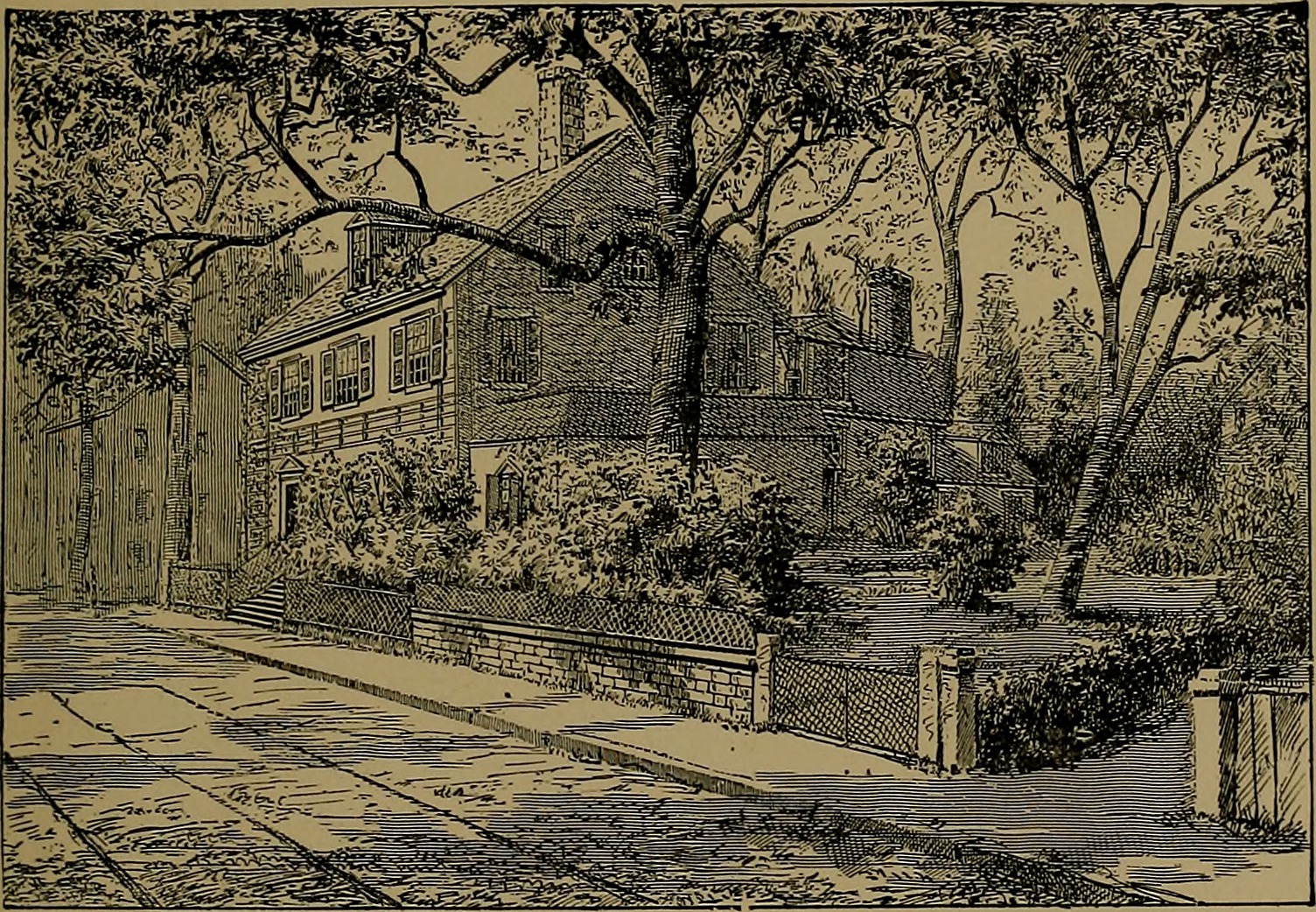
Germantown is one of the few places in Philadelphia where you can buy a genuine eighteenth- or nineteenth-century estate house, with garden-scale grounds and original detail, inside city limits and on a rail line to Center City. It is also one of the most misunderstood addresses in the city. Buyers who know Germantown only by reputation are often surprised the first time they walk the Tulpehocken Station historic district or drive Lincoln Drive on a spring morning. This guide explains what the high end of Germantown actually looks like, where the strongest pockets are, and what to examine carefully before you write an offer.
Where Germantown sits in Northwest Philadelphia
Germantown occupies the corridor between East Falls and Mount Airy along Germantown Avenue, roughly bounded by Wissahickon Valley Park to the west and Wayne Junction to the southeast. It was a separate colonial-era town before it was absorbed into the city, and that history is the entire reason the housing stock is what it is: eighteenth-century stone houses, Victorian-era summer estates built by Center City families escaping the heat, and Arts and Crafts homes from the early twentieth century.
Because Germantown grew as a destination rather than as a grid extension, the street pattern is irregular, lots are unusually deep, and mature trees are everywhere. It borders Chestnut Hill and Mount Airy to the northwest, which matters for buyers: the same architectural traditions run through all three neighborhoods, but pricing in Germantown has historically been more variable block to block.
The architecture is the draw
The luxury tier in Germantown is almost entirely about historic houses. You will find:
- Colonial and Federal stone houses — thick Wissahickon schist walls, deep window reveals, wide-plank floors, and original millwork. Some date to the 1700s.
- Italianate and Second Empire villas — the mid-1800s summer houses, often with mansard roofs, towers, and elaborate porches.
- Queen Anne and Shingle Style homes — the 1880s and 1890s wave, with turrets, wraparound porches, and inventive rooflines.
- Arts and Crafts and Colonial Revival — early twentieth-century houses with excellent craftsmanship and floor plans that feel more workable to modern families.
- Carriage houses and coach houses — many original outbuildings were converted into separate residences and are now some of the most charming properties in the neighborhood.
Square footage in the upper tier is generous by city standards. It is not unusual to see homes with five or more bedrooms, multiple staircases, third-floor suites, and lot sizes that would be impossible to assemble in Center City.
The strongest pockets for high-end buyers
Tulpehocken Station
The Tulpehocken Station Historic District, clustered around the Tulpehocken and Chelten Avenue stretch west of Germantown Avenue, is the classic Germantown mansion belt. Streets such as Tulpehocken, Walnut Lane, and Wayne Avenue hold large Victorian villas on deep lots, several of them landmark quality. This is where the neighborhood’s most significant houses trade.
Penn-Knox and the upper avenue
The Penn-Knox area near Upsal Street and the northern end of Germantown Avenue offers stone twins and detached homes with strong bones, generally at a lower entry point than Tulpehocken, and it sits immediately adjacent to West Mount Airy.
The Wissahickon edge
Homes along and near Lincoln Drive and the edges of Wissahickon Valley Park benefit from park frontage, privacy, and a fast drive to Center City. Buyers who want a house that feels rural but is a short drive from Rittenhouse Square tend to gravitate here.
Lifestyle, commuting, and institutions
Germantown is served by SEPTA Regional Rail on the Chestnut Hill West line, with stations at Tulpehocken, Chelten Avenue, and Queen Lane, plus the Chestnut Hill East line on the eastern side. Wayne Junction is a major transfer point. For drivers, Lincoln Drive and Kelly Drive give a direct, scenic route into Center City, and Roosevelt Boulevard connects east.
The neighborhood’s cultural anchors are unusually strong for a residential area: Cliveden, Wyck House, Stenton, the Johnson House, and the Germantown Historical Society all sit within a short radius. The Wissahickon Valley trail network functions as an extended private amenity for homes on the western edge. Independent schools in and around Germantown and Chestnut Hill draw families from across the region, and the Chestnut Hill and Mount Airy commercial corridors are minutes away for dining and shopping.
What to examine carefully before you buy
Buying at the high end in Germantown is a due-diligence exercise more than a price negotiation. The houses are wonderful and they are old. Focus your inspection budget on:
- Roof, gutters, and water management. Complex Victorian rooflines, box gutters, and slate all fail expensively when neglected. Ask for records of the last roof and gutter work.
- Stone masonry and pointing. Schist walls need periodic repointing with appropriate lime-based mortar. Hard modern mortar can trap moisture and damage the stone.
- Systems. Knob-and-tube wiring, oversized or converted heating systems, and galvanized supply lines all appear in this housing stock. Budget for replacement rather than assuming the seller handled it.
- Historic designation. Confirm whether the property is individually listed on the Philadelphia Register of Historic Places or sits within a designated district. Designation affects what you can change on the exterior and requires review by the Historical Commission.
- Prior renovation quality. Germantown has seen both careful restorations and quick cosmetic flips. Have your inspector look behind the finishes.
- Block-by-block variation. Value in Germantown is highly local. Two streets a few hundred feet apart can behave very differently. This is where an agent who works the neighborhood earns their keep.
Who Germantown suits
Germantown rewards the buyer who wants space, history, and land, and who is genuinely interested in stewarding an old house rather than moving into a turnkey product. It suits families who want a yard and a rail commute, design-minded buyers who would rather restore original detail than buy new construction, and anyone who has priced Chestnut Hill and wants a comparable house with more room to negotiate. It suits buyers who want a low-maintenance, elevator-served lifestyle far less well — for that, Center City condominiums are the better fit.
Frequently asked questions
Is Germantown a good place to buy a luxury home?
For the right buyer, yes. Germantown holds some of the most architecturally significant houses in Philadelphia, on land that would be impossible to assemble elsewhere in the city. The important caveat is that values vary considerably from block to block, so pricing and comparable-sale analysis must be done at a very local level rather than by neighborhood averages.
How does Germantown compare to Chestnut Hill and Mount Airy?
All three share the same stone architecture and the same rail lines. Chestnut Hill is the most consistently priced and has the strongest retail corridor. Mount Airy sits in the middle. Germantown generally offers the most house and land per dollar, with more variation in condition and surroundings. Many buyers tour all three before deciding.
What should I budget for maintaining a historic Germantown home?
Plan for meaningfully more than a comparable newer house. Slate roofs, masonry repointing, wood windows, and large heated square footage all carry recurring costs, and specialty trades charge accordingly. The right approach is to get contractor estimates during your inspection period rather than relying on rules of thumb, so you are budgeting from real numbers on the specific house.
Thinking about buying or selling in Germantown or elsewhere in Northwest Philadelphia? James Kennedy works with buyers and sellers of distinctive homes across Philadelphia and South Jersey and can walk you through current pricing, the right blocks for what you want, and what a specific house will realistically require. Call or text James at 215-267-8479 or email jameskennedy@unlockedteam.com to start the conversation.
Leave a Reply