Category: Luxury Homes

  • Living in Society Hill: A Luxury Buyer’s Guide to Philadelphia’s Most Historic Address

    Living in Society Hill: A Luxury Buyer’s Guide to Philadelphia’s Most Historic Address

    Few neighborhoods capture the character of historic Philadelphia like Society Hill. Tucked between Washington Square and the Delaware River, it offers cobblestone streets, gas-lamp lighting, and one of the largest concentrations of 18th- and 19th-century architecture in the country. For luxury buyers who want walkable city living with genuine history, Society Hill is hard to match. This guide covers what makes it special and what to weigh before you buy.

    Why luxury buyers are drawn to Society Hill

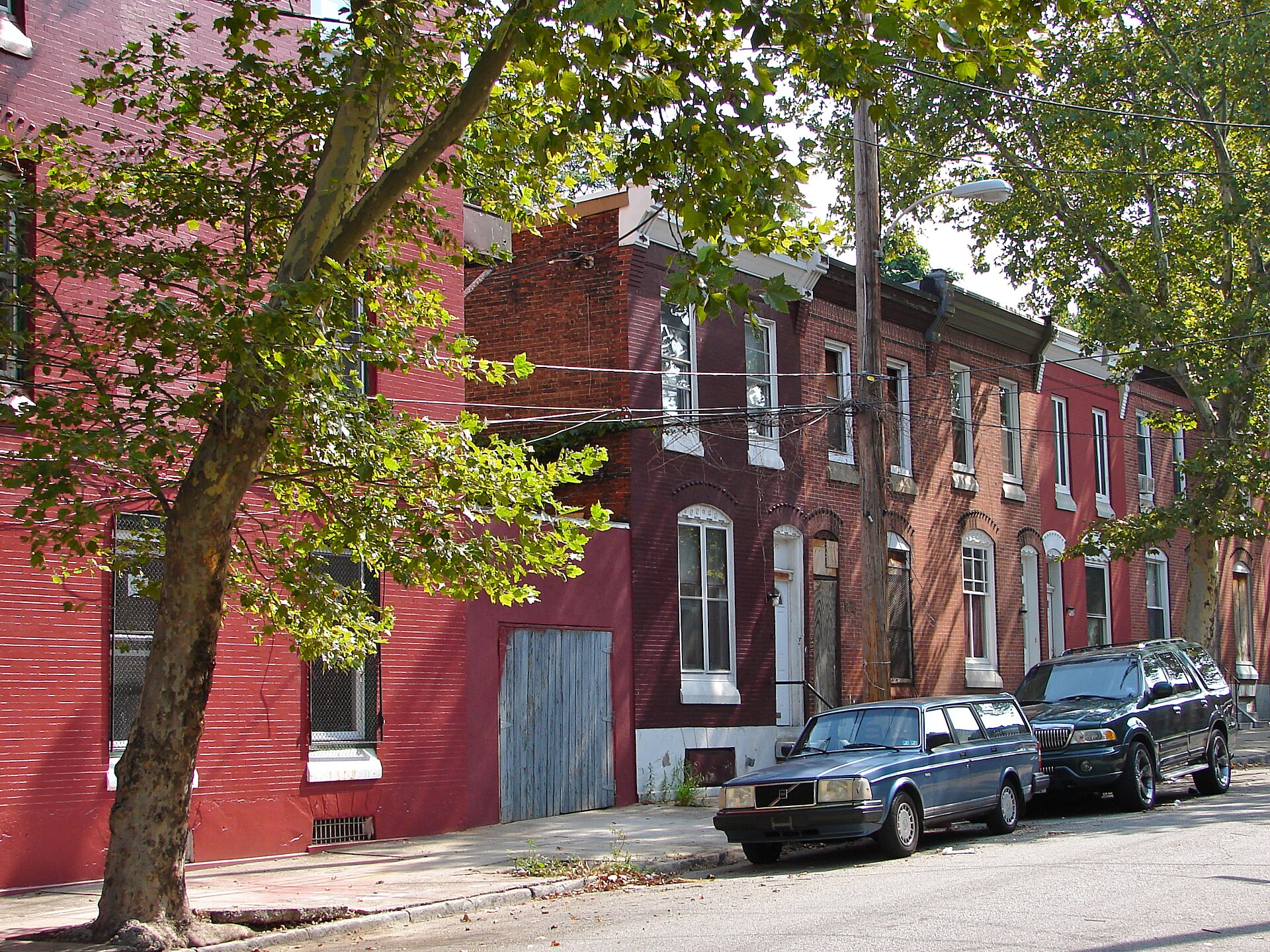
    Society Hill blends preservation with prestige. The neighborhood was one of the earliest large-scale urban renewal successes in America, and the result is a meticulously maintained district where Federal and Georgian rowhomes sit beside hidden gardens and pocket parks. Buyers here tend to value authenticity: original brickwork, restored millwork, and the sense of living inside a piece of the nation’s founding.

    At the same time, the location is deeply practical. You are minutes from Old City, Washington Square West, and the central business district, with the riverfront and Penn’s Landing just to the east.

    The kinds of homes you’ll find

    Society Hill’s housing stock is unusually varied for a single neighborhood:

    • Historic townhomes: Restored Federal and Georgian rowhomes, often three to four stories, frequently with period details and private courtyards or gardens.
    • Society Hill Towers and mid-century condos: The I.M. Pei-designed towers and surrounding townhouses offer doorman buildings, elevators, and skyline or river views for buyers who prefer low-maintenance living.
    • New and reimagined construction: A smaller number of contemporary homes and gut-renovated properties that pair modern systems with the neighborhood’s historic streetscape.

    Historic detail comes with stewardship

    Many Society Hill homes fall under historic designation, which can affect exterior renovations, window replacements, and facade changes. This protects the neighborhood’s character and long-term desirability, but buyers should understand the review process before planning major exterior work.

    Lifestyle, dining, and culture

    Society Hill rewards people who like to walk. Headhouse Square and its weekend farmers market, the boutiques and galleries of Old City, and the restaurants along South Street’s quieter eastern end are all close by. Washington Square offers green space, and the cultural institutions of Independence National Historical Park are essentially in the backyard. For affluent buyers who want restaurants, theater, and the waterfront within a short stroll, the location is a major draw.

    Practical considerations before you buy

    Parking

    Parking is the single biggest variable in Society Hill pricing at the high end. Deeded garage parking or a private spot is a genuine luxury here and can meaningfully affect value. If you own multiple vehicles, confirm parking arrangements early in your search.

    Maintenance and systems

    Older homes can carry older mechanicals, and historic construction behaves differently than new builds. A thorough inspection and a clear sense of recent updates, roofing, and systems will help you budget accurately.

    Condo vs. townhome

    The choice often comes down to lifestyle. Townhomes offer space, privacy, and outdoor areas; condos in the towers offer security, views, and a lock-and-leave simplicity that many buyers prize.

    What shapes value in Society Hill

    Several factors tend to support long-term value in this neighborhood: scarcity of well-preserved historic homes, walkability to Center City, proximity to parks and the river, and quality of restoration. Blocks with the most intact historic character and the best parking situations tend to command the strongest prices. Because inventory is limited and turnover is slow, current pricing can move quickly. For up-to-date figures specific to a block or building, reach out for a personalized market review.

    Getting around and connectivity

    One of Society Hill’s quieter advantages is how connected it is without feeling congested. The neighborhood sits within easy reach of transit, the highways that lead to the suburbs and the airport, and the bridges to South Jersey. For buyers who split time between a city home and the shore or a suburban property, that access matters. Walking remains the default mode for daily life, but when you need to drive, you’re rarely far from a main route.

    Who Society Hill suits best

    Society Hill tends to attract three kinds of luxury buyers. The first are professionals and couples who want a walkable, sophisticated home base near Center City. The second are downsizers leaving larger suburban homes who want culture, dining, and low-maintenance living within reach. The third are buyers with a genuine appreciation for historic architecture who want a home with provenance and character that newer construction cannot replicate. If you see yourself in any of these, the neighborhood is worth a serious look.

    How to approach a Society Hill search

    Because the inventory is so varied, defining your priorities early pays off. Decide whether you want a turnkey home or a project, how much outdoor space you need, and how important parking and views are to you. Then focus your search on the blocks and buildings that fit. A knowledgeable local agent can help you understand which streets and properties tend to hold value and what to expect from the buying process in a neighborhood where many sales involve historic homes and limited supply.

    Frequently asked questions

    Is Society Hill a good neighborhood for luxury buyers?

    Yes. It pairs rare historic architecture with a central, walkable location near Center City, the riverfront, and Philadelphia’s founding landmarks, which tends to support steady demand at the high end.

    How important is parking in Society Hill?

    Very. Deeded or private parking is scarce and can significantly influence both price and resale appeal. It is one of the first things serious buyers should confirm.

    Can I renovate a historic Society Hill home?

    Often yes, but exterior changes to historically designated properties may require review. Interior updates are typically more flexible. Understanding the rules before you buy helps you plan realistically.

    If you’re considering a move to Society Hill or want to understand current pricing on a specific block or building, James Kennedy can guide you through every step. Call James at 215-267-8479 or email jameskennedy@unlockedteam.com to start the conversation.

  • New Construction vs. Historic Homes: A Luxury Buyer’s Guide for Philadelphia and South Jersey

    New Construction vs. Historic Homes: A Luxury Buyer’s Guide for Philadelphia and South Jersey

    One of the most consequential decisions a luxury buyer faces in the Philadelphia and South Jersey market is whether to buy new construction or a historic home. The region offers an unusual abundance of both: gleaming new builds and condominiums in neighborhoods like Fishtown, Northern Liberties, and Graduate Hospital, alongside centuries-old townhomes in Society Hill and Fitler Square and grand historic estates across the Main Line and towns like Haddonfield and Moorestown. Each path offers real advantages, and the right choice depends on how you weigh character, convenience, cost, and long-term value.

    The Case for New Construction

    New construction appeals to buyers who prize efficiency, predictability, and modern living. The advantages are substantial:

    • Modern systems and efficiency. New homes are built to current codes with up-to-date electrical, plumbing, HVAC, insulation, and energy efficiency, which often translates to lower utility costs and fewer surprises.
    • Open, contemporary layouts. New builds are designed around how people live now, with open kitchens, large primary suites, spa-style baths, home offices, and integrated smart-home technology.
    • Lower near-term maintenance. With new roofs, mechanicals, and finishes, the first years of ownership typically involve minimal repair, and many new homes come with builder warranties.
    • Tax abatements. In Philadelphia, certain new construction has historically qualified for property tax abatement programs, which can meaningfully affect carrying costs. Programs and terms change, so confirm current details before relying on them.
    • Customization. Buying early in a project can allow you to select finishes and, in some cases, influence the layout.

    The Case for Historic Homes

    Historic homes offer something new construction cannot manufacture: authentic character, craftsmanship, and a sense of permanence. Their advantages include:

    • Architectural character. Original millwork, hardwood floors, fireplaces, high ceilings, and period facades create warmth and distinction that buyers find difficult to find in new builds.
    • Established neighborhoods. Historic homes tend to sit in mature, tree-lined neighborhoods with walkability, character, and a settled sense of community.
    • Generous lots and prime locations. Many historic homes occupy larger or better-positioned lots than would be available for new construction today.
    • Scarcity and enduring appeal. Truly distinctive historic homes are a finite resource, and their character continues to attract demand over time.

    The Trade-Offs to Weigh

    Maintenance and cost of ownership

    Historic homes can carry higher and less predictable maintenance, from aging systems to specialized repairs that must respect the home’s character. New homes minimize early maintenance but can carry higher purchase prices per square foot. The right comparison is total cost of ownership, not just the sticker price.

    Renovation flexibility

    New construction usually delivers exactly what you want from day one. Historic homes may need updating, and properties in historic districts can be subject to review for exterior changes. That oversight protects neighborhood character and values, but it shapes what you can and cannot do.

    Energy efficiency and comfort

    Newer homes generally outperform older ones on insulation, windows, and climate control. Many historic homes have been thoughtfully upgraded, but it is important to verify what has actually been done.

    Character versus convenience

    Ultimately this is the heart of the decision. Some buyers will always choose the soul of a historic home and accept the responsibilities that come with it. Others prefer the ease and modern function of new construction. Neither is objectively better; the right answer depends on your priorities and lifestyle.

    Where to Find Each in the Region

    Geography shapes this decision because certain neighborhoods are known for one type or the other. Philadelphia’s strongest concentrations of luxury new construction and modern condominiums tend to appear in and around Fishtown, Northern Liberties, Graduate Hospital, and pockets of Washington Square West and the riverfront, where new buildings rise alongside revitalized blocks. For historic character, buyers look to Society Hill, Fitler Square, Rittenhouse, Old City, and Queen Village, where centuries-old townhomes define the streetscape.

    In the suburbs and South Jersey, the pattern repeats. The Main Line and established towns like Haddonfield and Moorestown are rich with historic estates and colonials, while newer construction and infill builds appear on available lots and in select developments. Knowing which neighborhoods favor which housing type helps you focus your search and set realistic expectations on price, lot size, and availability.

    How to Decide

    Start by being honest about how you want to live and how much maintenance and renovation you are willing to take on. Then evaluate specific properties rather than the categories in the abstract. A meticulously renovated historic townhome may offer modern systems with period charm, while a poorly executed new build may underwhelm. Due diligence, including thorough inspections, a clear understanding of carrying costs, and a realistic renovation budget, matters more than the new-versus-old label. A knowledgeable local agent who has walked hundreds of both can help you see past the staging to the substance.

    Frequently asked questions

    Do historic homes or new construction hold value better?

    Both can hold value well in strong locations. Distinctive historic homes benefit from scarcity and established neighborhoods, while quality new construction benefits from modern systems and low maintenance. Location, condition, and the specific property matter more than the category. For guidance on a particular home, contact James.

    Are tax abatements still available for new construction in Philadelphia?

    Philadelphia has historically offered property tax abatement programs for new construction, but the terms have changed over time. Always confirm the current program details and how they apply to a specific property before factoring them into your budget.

    Is a historic home more expensive to maintain?

    It can be. Older systems, specialized repairs, and preservation considerations can raise and add unpredictability to maintenance costs. A thorough inspection and a realistic ownership budget are essential to understanding the true cost.

    Trying to decide between new construction and a historic home in Philadelphia or South Jersey? James Kennedy specializes in luxury real estate across the region and can help you compare specific properties, understand the true cost of ownership, and find the home that fits your life. Call James at 215-267-8479 or email jameskennedy@unlockedteam.com to talk it through.

  • Haddonfield, New Jersey: A Town Guide for Luxury Home Buyers

    Haddonfield, New Jersey: A Town Guide for Luxury Home Buyers

    Among South Jersey’s most desirable addresses, Haddonfield stands out for its blend of history, walkability, and timeless residential character. Founded in the early 18th century, this Camden County borough has preserved its colonial charm while becoming one of the region’s premier destinations for affluent buyers who want a true small-town feel within easy reach of Center City Philadelphia. For families and professionals seeking a luxury home with character, strong community, and convenient access to the city, Haddonfield is consistently at the top of the list.

    Why Haddonfield Appeals to Luxury Buyers

    Haddonfield’s appeal rests on a rare combination of qualities. It offers a genuinely walkable downtown, a deep inventory of distinctive historic homes, a well-regarded school system, and a direct commuting link to Philadelphia. Few South Jersey towns deliver all of these at once, which is part of why Haddonfield has long commanded some of the strongest home values in the area.

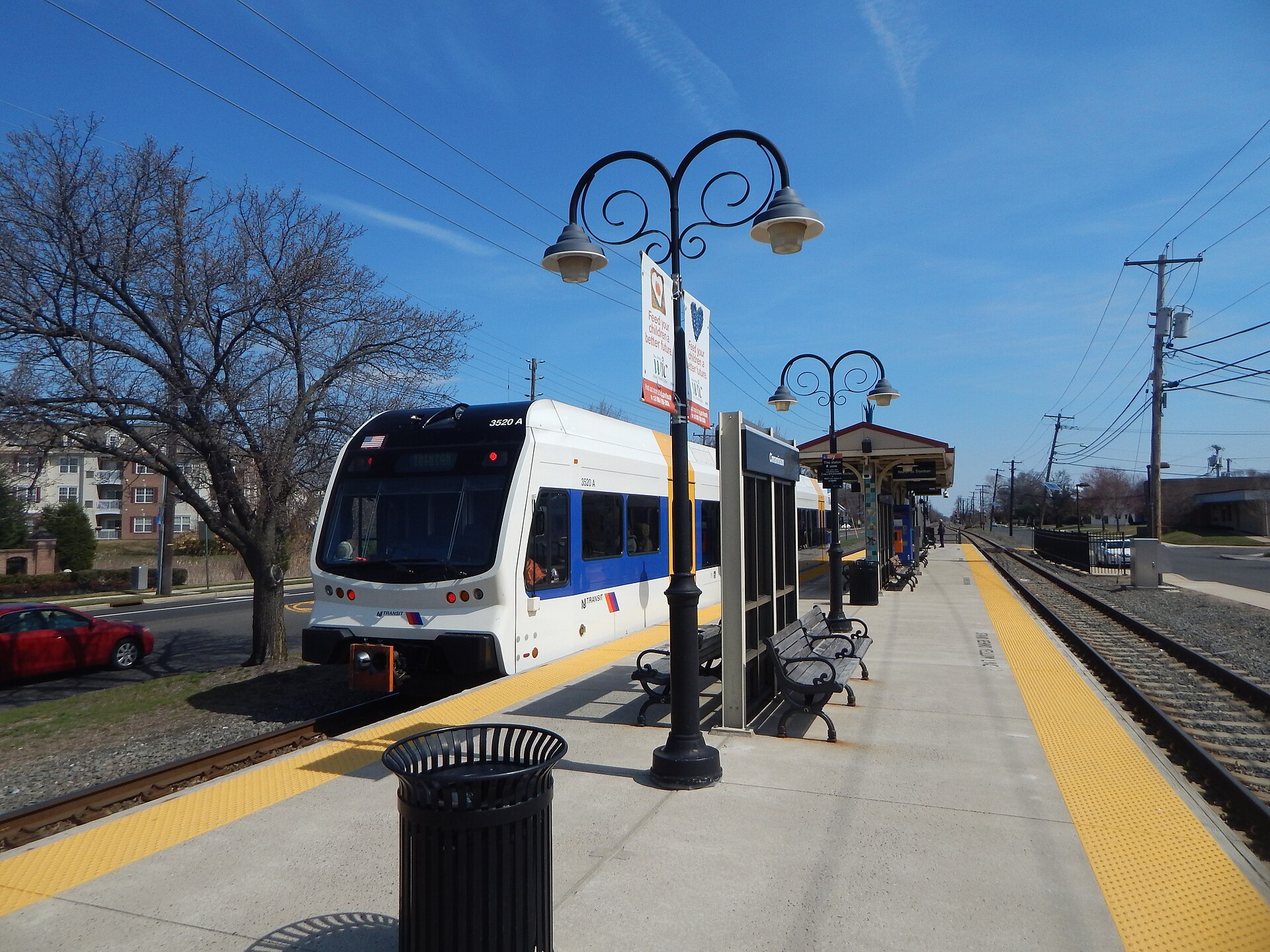
    The downtown along Kings Highway is a destination in its own right, lined with boutiques, restaurants, and galleries. Notably, the borough is dry, meaning the dining scene centers on bring-your-own-bottle establishments, which gives the town a distinctive, family-friendly character. The PATCO Speedline runs through Haddonfield, putting Center City Philadelphia within a quick, car-free commute, a major draw for executives and professionals who work in the city but want suburban space.

    The Housing Stock

    Haddonfield offers one of the most architecturally rich housing inventories in South Jersey. Luxury buyers will encounter:

    • Historic colonials and Victorians dating back generations, many with original detail, generous lots, and the kind of craftsmanship that is impossible to replicate today.
    • Stately center-hall colonials on prized streets, offering the square footage, formal rooms, and mature landscaping that high-end buyers expect.
    • Tudor and Arts and Crafts homes that add architectural variety and curb appeal.
    • Renovated and expanded estate homes that pair period exteriors with modern kitchens, primary suites, and open living spaces.
    • Select newer construction on infill lots for buyers who want historic-neighborhood ambiance with brand-new systems and layouts.

    Because Haddonfield places real value on its historic fabric, certain properties and districts carry preservation considerations. This protects the streetscape that makes the town so desirable, and buyers planning renovations should understand any applicable guidelines up front.

    Lifestyle and Community

    Life in Haddonfield is defined by its walkability and its strong sense of community. Residents stroll to the downtown shops and restaurants, gather for seasonal events and farmers markets, and enjoy a calendar of town traditions that give the borough a connected, neighborly feel. Tree-lined sidewalks, well-kept parks, and historic landmarks reinforce the sense of place.

    For buyers relocating from Philadelphia or out of the region, Haddonfield offers suburban space and a slower pace without sacrificing access to culture, dining, and the city. It is a town where many residents put down deep roots and stay for decades.

    Schools

    The strength of the local public schools is one of the central reasons families pay a premium to live in Haddonfield. School quality is a major driver of luxury home values throughout the region, and Haddonfield’s reputation in this regard supports sustained demand for family-sized homes. Buyers focused on education should research the specific schools serving any home they are considering, and James can help connect you with current information.

    The Downtown and Dining Scene

    Few South Jersey towns offer a downtown as vibrant and walkable as Haddonfield’s. The Kings Highway corridor is a genuine main street, home to independent boutiques, home-goods shops, jewelers, art galleries, and a roster of restaurants that draw visitors from across the region. Because the borough is dry, the dining scene revolves around bring-your-own-bottle establishments, which keeps the atmosphere relaxed and family-oriented while still supporting serious culinary options. Seasonal festivals, sidewalk sales, and holiday events turn the downtown into a community gathering place throughout the year, reinforcing the small-town feel that buyers prize.

    How Haddonfield Compares to Moorestown

    Luxury buyers in South Jersey frequently weigh Haddonfield against Moorestown, and the two towns appeal to overlapping but distinct tastes. Haddonfield offers a denser, more walkable downtown and a direct PATCO rail connection to Philadelphia, making it especially attractive to car-free commuters and those who want shops and restaurants steps from home. Moorestown tends to offer larger lots and a more spread-out, estate-style suburban feel. Buyers who prioritize walkability and a lively town center often gravitate to Haddonfield, while those seeking maximum land and privacy may prefer Moorestown. Touring both is the best way to feel the difference.

    What to Evaluate Before You Buy

    Condition of historic systems

    Older homes can carry aging electrical, plumbing, heating, and structural elements behind their beautiful facades. A rigorous inspection with professionals who know historic homes is essential to understanding the true cost of ownership.

    Lot, expansion potential, and flood factors

    Lot size, setback rules, and any preservation guidelines affect what you can change. Buyers should also understand a property’s elevation and any flood or insurance considerations as part of due diligence.

    Renovation versus move-in ready

    Haddonfield offers everything from untouched historic homes to fully modernized estates. Deciding early whether you want a turnkey property or a renovation project will focus your search and your budget.

    Commute and lifestyle fit

    If a car-free commute to Philadelphia matters to you, proximity to the PATCO station is worth weighing. If you prioritize quiet, the interior residential streets may suit you better.

    Frequently asked questions

    What makes Haddonfield more expensive than nearby towns?

    Haddonfield combines a walkable historic downtown, a strong school reputation, distinctive architecture, and a quick commute to Philadelphia via PATCO. That mix of attributes is rare in South Jersey and supports premium values. For current pricing relative to neighboring towns, contact James directly.

    Is Haddonfield a good choice for commuters to Philadelphia?

    Yes. The PATCO Speedline provides a fast, reliable connection into Center City, making Haddonfield popular with professionals who work in Philadelphia but want suburban space and historic character.

    What kinds of luxury homes can I find in Haddonfield?

    The town is known for historic colonials, Victorians, Tudors, and stately center-hall homes, along with renovated estates and a limited supply of new construction. Homes with updated systems, larger lots, and proximity to downtown are especially sought after.

    Considering a move to Haddonfield or selling a luxury home in South Jersey? James Kennedy specializes in high-end real estate across South Jersey and Philadelphia and can help you navigate Haddonfield’s historic homes, school considerations, and competitive offers. Call James at 215-267-8479 or email jameskennedy@unlockedteam.com to get started.

  • Living in Fitler Square: A Luxury Buyer’s Guide to One of Philadelphia’s Most Coveted Enclaves

    Living in Fitler Square: A Luxury Buyer’s Guide to One of Philadelphia’s Most Coveted Enclaves

    Tucked into the southwest corner of Center City, Fitler Square is one of Philadelphia’s most discreetly prestigious neighborhoods. It carries the same walkable, cosmopolitan appeal as its better-known neighbor Rittenhouse Square, but trades some of the bustle for quiet, tree-canopied streets and a tight-knit residential feel. For buyers seeking a luxury home in the heart of the city without the constant energy of a commercial core, Fitler Square is often the answer.

    Where Fitler Square Is and Why It Matters

    Fitler Square sits roughly between Spruce and South Streets, west of around 21st Street, running toward the Schuylkill River. The neighborhood takes its name from the small, beautifully maintained park at its center, which functions as a true town square, hosting a weekly farmers market in season and serving as a gathering point for families, dog walkers, and neighbors. The proximity to the Schuylkill River Trail gives residents immediate access to miles of running and cycling paths, Boathouse Row views, and open green space that is rare for a Center City address.

    What makes the location especially valuable to luxury buyers is the balance it strikes. You are minutes on foot from Rittenhouse Square’s restaurants and shopping, the University City institutions across the river, and the cultural corridor along the Avenue of the Arts, yet the immediate streets feel calm and residential.

    The Housing Stock

    Fitler Square is defined by its historic architecture. The dominant home type is the classic Philadelphia rowhome, many dating to the 19th century, built in red brick with period detail such as marble stoops, decorative cornices, and tall windows. At the luxury end, buyers will find:

    • Restored historic townhomes that pair original millwork, fireplaces, and staircases with fully modernized kitchens, baths, and systems.
    • Trinity homes on the intimate side streets, smaller in footprint but rich in character and ideal as pieds-a-terre or homes for buyers who prize charm over square footage.
    • Boutique condominiums and a limited number of newer construction projects offering elevator access, parking, and low-maintenance living.
    • Wide or combined townhomes that offer the square footage, ceiling heights, and outdoor space affluent buyers expect, sometimes with roof decks capturing skyline and river views.

    Because much of the neighborhood lies within or near historic districts, exterior changes can be subject to review. This protects the streetscape and the long-term character that supports values, but it is something to understand before you plan a renovation.

    The Lifestyle

    Fitler Square rewards people who want to live a walkable, low-car life. Daily errands, dining, and recreation are all reachable on foot. The neighborhood is anchored by acclaimed restaurants and intimate cafes, with the broader Rittenhouse dining scene a short stroll away. The Schuylkill River Trail and the Fitler Square park itself give residents an outdoor lifestyle that is unusual for such a central location.

    It is also a neighborhood that appeals across life stages. Empty nesters downsizing from the suburbs appreciate the lock-and-leave convenience and proximity to culture and medicine. Professionals value the quick commute to Center City offices and University City. Families are drawn to the park, the community feel, and access to a range of school options.

    What Luxury Buyers Should Evaluate

    Parking

    In a historic rowhome neighborhood, dedicated parking is a premium amenity. Homes with a garage or deeded parking space command a meaningful premium and tend to hold value well. If parking matters to you, prioritize it early, because it is difficult to add later.

    Condition and systems

    A beautifully staged historic home can still hide aging mechanicals, knob-and-tube wiring, or deferred structural work. A thorough inspection by professionals experienced with older city homes is essential. The goal is to understand the true cost of ownership, not just the purchase price.

    Outdoor space and light

    Rowhomes vary widely in natural light and private outdoor area. A south-facing facade, a well-designed roof deck, or a private garden can dramatically change how a home lives day to day, and these features are worth weighing carefully.

    Flood and proximity considerations

    Given the neighborhood’s nearness to the Schuylkill, buyers should understand a property’s elevation and any related insurance considerations as part of due diligence.

    How Fitler Square Compares to Rittenhouse

    Buyers often weigh Fitler Square against Rittenhouse Square, and the distinction comes down to temperament. Rittenhouse is the marquee address, with the most concentrated luxury retail, the highest-profile buildings, and a livelier street life. Fitler Square offers a quieter, more residential version of the same walkable Center City lifestyle, often with comparatively more home for the money and a stronger sense of neighborhood. Many buyers who tour both ultimately choose Fitler Square precisely because it feels like a place to live rather than a destination.

    Frequently asked questions

    Is Fitler Square a good investment for luxury buyers?

    Fitler Square’s combination of protected historic character, central location, and limited supply of large, well-renovated homes has historically supported durable demand. As with any purchase, the specifics of the individual property, its condition, parking, and outdoor space, drive value. For current pricing and comparable sales, reach out to James directly.

    What types of homes are available in Fitler Square?

    The neighborhood is primarily historic brick rowhomes and trinities, with a smaller number of boutique condominiums and select newer-construction or fully renovated townhomes at the high end. Homes with parking, outdoor space, and modernized systems are the most sought after.

    Is Fitler Square walkable?

    Very. Most residents handle daily life on foot, with dining, the riverfront trail, the neighborhood park, and Rittenhouse all within easy walking distance. Many households here own fewer cars than they would in the suburbs.

    Thinking about buying or selling a luxury home in Fitler Square or anywhere in Center City? James Kennedy specializes in luxury real estate across Philadelphia and South Jersey and can guide you through every step, from finding the right home to navigating historic properties and competitive offers. Call James at 215-267-8479 or email jameskennedy@unlockedteam.com to start the conversation.

  • Staging a High-End Home to Sell: A Seller’s Guide for Philadelphia & South Jersey

    Staging a High-End Home to Sell: A Seller’s Guide for Philadelphia & South Jersey

    At the luxury end of the market, presentation is not a finishing touch. It is part of how a home earns its price. Affluent buyers expect a property to feel polished, intentional, and move-in ready, and they form opinions within seconds of walking through the door. Strong staging helps a high-end home in Philadelphia or South Jersey photograph beautifully, show well in person, and command the offers it deserves. This guide covers what staging does, where to focus, and the mistakes that quietly cost sellers money.

    Why Staging Matters More at the High End

    Luxury buyers are not just buying square footage. They are buying a lifestyle and an emotional response. Staging tells the story of how a home lives: where you would entertain, where you would unwind, how light moves through the rooms. It also helps buyers see scale and possibility, which is especially important in large homes where empty rooms can feel cold or hard to read. In a competitive segment, a well-staged home stands out in online photos, which is where nearly every buyer’s journey now begins.

    Start With the First Impression

    The path from the curb to the front door sets the tone. Tidy landscaping, a clean entry, fresh paint where needed, and a welcoming foyer immediately signal that the home has been cared for. Because so many buyers preview homes online before booking a tour, the exterior and the entry photos do a disproportionate amount of work in attracting serious interest.

    Room-by-Room Priorities

    Living and Entertaining Spaces

    Arrange furniture to highlight flow and architectural features such as fireplaces, large windows, or high ceilings. Keep the look refined and uncluttered so the space feels generous.

    Kitchen

    The kitchen sells luxury homes. Clear the counters, add a few elegant accents, and let high-end finishes shine. Buyers scrutinize this room closely, so it should feel pristine.

    Primary Suite

    Stage the primary bedroom as a calm retreat with quality linens and balanced lighting. A spa-like bathroom and a well-organized closet reinforce the sense of a true owner’s sanctuary.

    Outdoor Living

    In both city gardens and suburban yards, outdoor spaces are major selling points. Define seating areas and show how the space can be enjoyed.

    Neutral, but Not Bland

    The goal is a sophisticated, broadly appealing palette that lets buyers imagine their own lives in the home. That usually means neutral walls, restrained decor, and the removal of highly personal items, bold collections, and excess furniture. Neutral does not mean boring: texture, quality materials, and a few statement pieces keep a staged home feeling elevated rather than generic.

    Common Staging Mistakes

    • Over-furnishing. Too much furniture makes even large rooms feel smaller and busier.
    • Skipping the small repairs. Scuffed walls, dated fixtures, and minor flaws read as deferred maintenance to luxury buyers.
    • Ignoring lighting. Dim or uneven lighting undercuts an otherwise beautiful home. Maximize natural light and layer in lamps.
    • Leaving spaces undefined. Give every room a clear purpose so buyers understand how to use the home.
    • Personal clutter. Family photos and personal items make it harder for buyers to picture themselves living there.

    Professional Staging vs. Styling Your Own Home

    Some sellers have furnishings and an eye that let them style effectively on their own, while others benefit from a professional stager who brings inventory and market-tested expertise. For vacant homes and large estate properties, professional staging often pays for itself by helping the home show its full potential. The right approach depends on the property, the price point, and the competition, which is a conversation worth having with your agent before the home hits the market.

    Staging and Photography Work Together

    Staging exists in large part to serve the photography and video that buyers see first. A home can look stunning in person and still underperform online if the photos do not capture it well. Schedule professional photography, and where appropriate video and aerial imagery, only after staging is complete and the home is spotless. Think about how each room will translate to a single hero image, because that is often what convinces a buyer to book a showing. In the luxury segment, where buyers may be searching from out of town, the online presentation effectively is the first showing.

    Timing Your Preparation

    The best results come from treating staging as one piece of a broader pre-listing plan that also includes any needed repairs, deep cleaning, and small cosmetic updates. Rushing a luxury home onto the market before it is truly ready almost always costs more than the short delay would have. Build in enough lead time to address punch-list items, complete the staging, and capture polished media so the home debuts at its best. A strong launch matters because the first weeks on the market generate the most attention.

    Frequently asked questions

    Does staging really affect the sale price of a luxury home?

    Staging cannot change a home’s fundamentals, but it strongly influences buyer perception, showing traffic, and the quality of offers. Well-staged luxury homes tend to photograph better and present more competitively, which supports stronger results.

    Should I stage a vacant luxury home?

    Usually yes. Empty high-end homes can feel cold and make it hard for buyers to judge scale. Staging key rooms helps buyers connect emotionally and understand how the space lives.

    How far in advance should staging happen?

    Staging should be complete before professional photos are taken and before the first showing, since online photos drive most buyer interest. Plan it as part of your pre-listing preparation rather than an afterthought.

    If you are preparing to sell a luxury home in Philadelphia or South Jersey, James Kennedy can advise on staging, pre-listing improvements, and a marketing plan tailored to the high end of the market. Call James at 215-267-8479 or email jameskennedy@unlockedteam.com to plan your sale.

  • Jumbo Loans Explained: Financing a Luxury Home in Philadelphia & South Jersey

    Jumbo Loans Explained: Financing a Luxury Home in Philadelphia & South Jersey

    When you buy at the upper end of the Philadelphia or South Jersey market, your financing often moves into jumbo loan territory. Jumbo mortgages work differently from the conventional loans most buyers use, and understanding those differences early can make your purchase smoother and your offer stronger. This guide explains what jumbo loans are, how lenders evaluate them, and how to position yourself as a well-qualified luxury buyer. The good news is that none of it is complicated once you understand the moving parts and prepare in advance.

    Whether you are buying a Center City condo, a Main Line estate, or a single-family home in a sought-after South Jersey town, the financing principles are the same. Knowing what to expect lets you shop with confidence and present offers that sellers take seriously.

    What Is a Jumbo Loan?

    A jumbo loan is a mortgage that exceeds the conforming loan limits set each year by the federal housing finance agencies. Because these loans are too large to be backed by the usual government-sponsored entities, lenders keep more of the risk themselves. That changes the underwriting: jumbo loans tend to have stricter requirements, but they also let qualified buyers finance homes well beyond the conventional ceiling. In higher-priced segments of Philadelphia and the close-in South Jersey suburbs, many luxury purchases require jumbo financing.

    How Jumbo Loans Differ From Conventional Loans

    • Larger down payments. Jumbo lenders often look for a more substantial down payment than a conventional loan requires, though terms vary by lender and borrower profile.
    • Stronger credit expectations. Because the loan is larger and held by the lender, credit standards are typically higher.
    • Deeper documentation. Expect to verify income, assets, and reserves thoroughly, especially if you are self-employed or have complex compensation.
    • Cash reserves. Many jumbo programs want to see months of mortgage payments in reserve after closing.
    • Appraisal scrutiny. High-value homes can require more rigorous appraisals, sometimes two, to support the loan amount.

    What Lenders Look For in a Luxury Borrower

    Jumbo underwriting is fundamentally about confidence that you can comfortably carry the loan. Lenders weigh your debt-to-income ratio, the stability and source of your income, your liquid assets, and the strength of your overall financial picture. Buyers with significant investment income, business ownership, or variable compensation should expect more questions and should gather documentation early. A clean, well-organized financial file moves the process along and signals reliability to the lender.

    Fixed Rate vs. Adjustable Rate

    Jumbo borrowers can usually choose between fixed-rate loans, which keep your rate steady for the life of the loan, and adjustable-rate mortgages, which start with a fixed period and then adjust. Affluent buyers who plan to hold a home long term often favor the predictability of a fixed rate, while those who expect to move or refinance within a set window sometimes prefer the lower initial cost of an adjustable product. The right choice depends on your timeline, risk tolerance, and broader financial plan, so it is worth modeling both with your lender.

    How to Strengthen Your Position Before You Shop

    Get Fully Pre-Approved

    A genuine pre-approval, not just a pre-qualification, carries weight with sellers of luxury homes. It tells the listing agent that your financing is real and vetted.

    Organize Your Documentation

    Gather tax returns, asset statements, and proof of reserves in advance. The faster you can respond to a lender’s requests, the smoother underwriting goes.

    Build a Strong Team

    An experienced jumbo lender and a knowledgeable buyer’s agent work together to keep your transaction on track and your offer competitive. In the luxury segment, the credibility of your team matters.

    Understanding the Jumbo Timeline

    Jumbo loans can take a little longer to underwrite than conventional loans because of the deeper documentation and appraisal requirements. Build realistic timing into your purchase contract so you are not racing the clock at the end. Staying responsive to your lender, returning requested documents promptly, and avoiding major financial changes during the process all help keep the closing on schedule. Sellers of luxury homes value certainty, so a buyer who can demonstrate a smooth, well-managed financing process is more attractive.

    Common Mistakes Luxury Buyers Make

    • Shopping before pre-approval. Touring homes without a vetted pre-approval wastes time and weakens your position when you find the right one.
    • Making large purchases mid-process. Financing a car or moving large sums during underwriting can disrupt your loan. Keep your finances steady until closing.
    • Relying on a single lender quote. Jumbo terms vary widely. Comparing offers can meaningfully change your rate and costs.
    • Underestimating reserves. Many buyers focus on the down payment and overlook the cash reserves lenders want to see after closing.

    Frequently asked questions

    How much do I need to put down on a jumbo loan?

    Down payment requirements vary by lender and by your financial profile, but jumbo loans generally call for a larger down payment than conventional loans. Your lender can give you exact figures based on your situation.

    Are jumbo loan interest rates higher than conventional rates?

    Rates move constantly and depend on the lender, the borrower, and market conditions. Jumbo rates are not always higher than conventional rates, so it pays to compare current quotes from more than one lender.

    Can self-employed buyers qualify for jumbo financing?

    Yes. Self-employed buyers regularly secure jumbo loans, but they should expect more documentation of income and assets. Preparing complete, organized financial records ahead of time makes the process much easier.

    Financing a luxury home well starts with the right plan and the right team. James Kennedy works with experienced lenders across Philadelphia and South Jersey and can connect you with trusted jumbo specialists while guiding your search. Call James at 215-267-8479 or email jameskennedy@unlockedteam.com to map out your next purchase.

  • Living in Rittenhouse Square: A Luxury Buyer’s Guide

    Living in Rittenhouse Square: A Luxury Buyer’s Guide

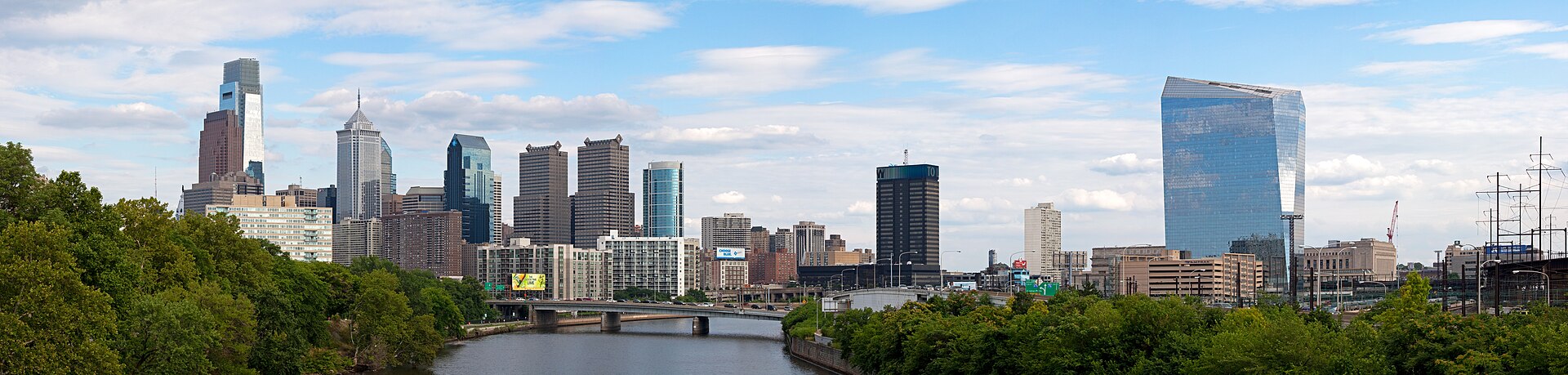
    Rittenhouse Square is the address that defines luxury living in Center City Philadelphia. Anchored by one of the most beautiful public parks in the country, the neighborhood blends historic brownstones, grand prewar cooperatives, and sleek full-service condominium towers within a few walkable blocks. For buyers searching at the high end of the Philadelphia market, Rittenhouse offers something rare: genuine prestige paired with everyday convenience. This guide walks through what makes the neighborhood distinctive and what to weigh before you buy.

    Why Rittenhouse Square Commands a Premium

    Location is the simplest explanation. Few neighborhoods in any American city put fine dining, flagship retail, cultural institutions, and a manicured green space all within a five-minute walk of your front door. Rittenhouse pairs that walkability with architectural pedigree, a deep roster of well-managed luxury buildings, and a reputation that has held value through many market cycles. Scarcity matters too: the most desirable blocks are essentially built out, so inventory of truly premium homes stays limited.

    Types of Luxury Homes You’ll Find

    Full-Service Condominium Towers

    Buildings like the high-rise towers ringing the park offer doormen, concierge service, fitness centers, valet or garage parking, and sometimes private dining or club rooms. These appeal to buyers who want a lock-and-leave lifestyle, strong security, and minimal maintenance responsibility.

    Historic Brownstones and Townhomes

    The side streets around the square hold beautifully preserved 19th-century townhomes. These offer privacy, outdoor space, and architectural character that a condo cannot match, though they come with the upkeep of owning a single-family home in the city.

    Boutique and Conversion Buildings

    Smaller buildings and former mansions converted into a handful of large units offer a middle path: more character than a tower, fewer units, and often generous room sizes.

    What to Evaluate Before You Buy

    • Condo association health. Review reserves, recent special assessments, and the building’s financial statements. A well-funded association protects your investment.
    • Parking. Deeded parking is a major value driver in Center City. Confirm whether a space is included, available to purchase, or rented.
    • Monthly fees. Full-service buildings carry higher condo fees that reflect the staffing and amenities. Factor these into your overall budget.
    • Light and views. Park-facing and high-floor units carry premiums for good reason. Visit at different times of day to judge natural light.
    • Floor plan flow. Many luxury buyers want a true primary suite, a den or home office, and entertaining space. Older conversions vary widely in layout quality.

    The Rittenhouse Lifestyle

    Part of what you buy here is the daily rhythm of the neighborhood: morning coffee on the square, acclaimed restaurants within a short stroll, boutique shopping along Walnut Street, and quick access to the cultural corridor along the Avenue of the Arts. Commuters value the proximity to Center City offices and the train connections at Suburban and 30th Street stations. For buyers relocating from the suburbs who want to trade the car-dependent life for walkable luxury, Rittenhouse is often the first neighborhood they fall for.

    Who Buys in Rittenhouse Square

    The buyer pool here is unusually broad for a single neighborhood. Empty nesters trade suburban estates for a walkable, lock-and-leave condo near culture and dining. Professionals and executives want a short commute and a prestigious address. Buyers relocating to Philadelphia from other cities gravitate to Rittenhouse because it delivers the urban lifestyle they are used to. And longtime city residents move within the neighborhood as their needs change, from a starter condo to a larger park-facing home. Understanding who you are competing with for a given property helps you craft a stronger, better-timed offer.

    Making a Competitive Offer

    Because the best homes in Rittenhouse are scarce, desirable listings can attract serious interest quickly. A clean offer backed by solid financing or proof of funds, a realistic timeline, and a willingness to work with the seller’s preferred schedule can matter as much as price. Your agent’s relationships with listing agents and knowledge of how specific buildings transact can also give you an edge. Preparation is everything: have your financing in order and your priorities clear before you start touring, so you can move decisively when the right home appears.

    How Pricing Works at the High End

    Pricing in Rittenhouse varies dramatically by building, floor, view, parking, and condition. A renovated high-floor unit in a sought-after full-service tower sits at the top of the market, while a smaller unit in a boutique building can be a more accessible entry point to the neighborhood. Because each building has its own character and fee structure, comparing homes here is less about price per square foot and more about matching the right property to your lifestyle. For current pricing on specific buildings, it is best to talk through your priorities with an agent who tracks the neighborhood closely.

    Frequently asked questions

    Is Rittenhouse Square better for condos or townhomes?

    It depends on your lifestyle. Condos suit buyers who want amenities, security, and low maintenance, while townhomes suit those who want privacy, outdoor space, and historic character. Rittenhouse offers excellent options in both categories.

    How important is deeded parking?

    Very. Parking is scarce and valuable in Center City, so a deeded space adds meaningful resale value and day-to-day convenience. Always confirm the parking situation before making an offer.

    Do luxury Rittenhouse homes hold their value?

    Historically the neighborhood has been one of Philadelphia’s most resilient because of its location, limited inventory, and lasting prestige. No market is guaranteed, but well-chosen homes in strong buildings tend to perform well over time.

    If you are considering a luxury purchase in Rittenhouse Square or anywhere in Center City, James Kennedy can help you compare buildings, understand association finances, and find the home that fits your life. Call James at 215-267-8479 or email jameskennedy@unlockedteam.com to start the conversation.

  • How to Price a High-End Home in the Philadelphia & South Jersey Market

    How to Price a High-End Home in the Philadelphia & South Jersey Market

    Pricing is the single most important decision a luxury seller makes. Get it right and you attract serious buyers quickly; get it wrong and even a beautiful home can sit on the market. Here is how high-end pricing actually works in the Philadelphia and South Jersey markets.

    Why luxury pricing is different

    Standard homes have many comparable sales to reference. Luxury homes are unique, and comparable sales are fewer, older, and harder to interpret. That makes pricing more nuanced and more dependent on local expertise than algorithms or online estimates.

    Start with true comparables

    The foundation of any luxury pricing strategy is a careful review of recent sales of genuinely similar homes — similar in neighborhood, size, condition, and features. Online automated estimates are notoriously unreliable at the high end and should never be the basis for a luxury list price.

    Adjust for what makes your home unique

    Premium features — a renovated chef’s kitchen, outdoor living space, parking, water views, or architectural significance — can add real value, but only as much as buyers in your market will actually pay. The goal is to quantify these honestly rather than assume they justify any number.

    Understand the cost of overpricing

    Overpricing is the most common and most damaging mistake. It leads to longer days on market, and the eventual price reductions that follow signal weakness to buyers, often resulting in a final sale price below what a realistic initial price would have achieved.

    Factor in timing and competition

    The amount of competing inventory and seasonal demand both influence the optimal price. A home priced well for a low-inventory spring may need a different strategy in a crowded fall market.

    Frequently asked questions

    Are online home value estimates accurate for luxury homes?

    No. Automated estimates rely on broad data and struggle with the unique features and limited comparables of luxury homes. They should not be used to set a list price.

    What happens if I overprice my luxury home?

    It typically sits longer, requires price cuts, and often sells for less than it would have with an accurate initial price.

    How often should I revisit my price?

    Monitor buyer activity and feedback closely in the first few weeks. If qualified interest is low, it may be time to reassess with your agent.

    Get an expert pricing analysis

    I provide detailed, data-driven pricing for luxury sellers across Philadelphia and South Jersey. Contact James Kennedy at 215-267-8479 or jameskennedy@unlockedteam.com for a professional valuation.

  • What Counts as a Luxury Home in Philadelphia in 2026?

    What Counts as a Luxury Home in Philadelphia in 2026?

    “Luxury” means different things in different markets, and Philadelphia is no exception. If you are buying or selling at the higher end of the market, it helps to understand where the luxury tier actually begins and what buyers in that range expect. Here is a clear, current view for the Philadelphia market.

    Where the luxury tier begins in Philadelphia

    In most of the Philadelphia metro, homes priced above roughly $500,000 are considered upper-bracket, and the true luxury conversation usually starts closer to $1 million and up. The exact threshold depends heavily on neighborhood: a $700,000 home is mid-market in Rittenhouse Square but a standout property in many outlying areas. Price alone, though, is only part of the story.

    What buyers expect at the high end

    Beyond price, luxury buyers are paying for a combination of location, craftsmanship, and lifestyle. Common expectations include:

    • Prime location — walkable, established, and well-regarded neighborhoods.
    • Quality and finish — high-end kitchens, designer baths, and materials that hold up over time.
    • Space and light — generous square footage, outdoor space, and parking, which is at a premium in the city.
    • Move-in readiness or true character — either turnkey luxury or distinctive historic detail.

    Neighborhoods that define luxury in Philadelphia

    Several areas consistently anchor the city’s high end. Rittenhouse Square and Fitler Square lead on walkability and prestige. Society Hill and Old City offer historic gravitas. Chestnut Hill and the nearby Main Line suburbs bring space, greenery, and top schools. Northern Liberties and Fishtown have matured into design-forward luxury markets for buyers who want a more contemporary feel.

    Why the definition matters for buyers and sellers

    For sellers, pricing a home as “luxury” sets expectations for marketing, staging, and the buyer pool you attract. For buyers, knowing the threshold helps you benchmark value and avoid overpaying for a label. Getting this right is where local, current data makes the difference.

    Frequently asked questions

    What price is considered a luxury home in Philadelphia?

    Generally, the upper bracket starts around $500,000, with the core luxury market beginning near $1 million. Thresholds shift by neighborhood, so local context is essential.

    Which Philadelphia neighborhoods are most expensive?

    Rittenhouse Square and Fitler Square are typically the priciest, followed by Society Hill, Old City, Chestnut Hill, and the close-in Main Line suburbs.

    Is a luxury home a good investment in Philadelphia?

    Well-located, high-quality homes in established neighborhoods tend to hold value well, but every purchase should be evaluated on its specific location, condition, and price. A local agent can help you assess this.

    Thinking about a high-end move in Philadelphia?

    I help buyers and sellers navigate the luxury market across Philadelphia and South Jersey. For current pricing in your target neighborhood, reach out to James Kennedy at 215-267-8479 or jameskennedy@unlockedteam.com.