Category: Luxury Homes

  • West Chester, Pennsylvania: A Chester County Town Guide for Luxury Home Buyers

    West Chester, Pennsylvania: A Chester County Town Guide for Luxury Home Buyers

    West Chester is one of the most appealing places to own a luxury home in the greater Philadelphia region. The Chester County seat pairs a genuinely walkable, historic downtown with rolling estate country just beyond the borough line, giving buyers a rare mix of cultural energy and privacy. For anyone weighing where to plant roots west of the city, West Chester deserves a close look.

    Why luxury buyers are drawn to West Chester

    West Chester’s appeal starts with its downtown. The borough’s grid of well-preserved 19th-century buildings houses independent restaurants, boutiques, coffee shops, and a lively arts and events calendar. Unlike many suburbs where you have to drive to reach anything, West Chester lets residents live within walking distance of dinner, a gallery, or a farmers market. That walkability is increasingly prized at the high end, where buyers want lifestyle as much as square footage.

    Just outside the borough, the landscape opens into some of the most beautiful countryside in southeastern Pennsylvania. Here you find larger lots, custom estates, gentleman’s farms, and stone farmhouses on multiple acres. Chester County’s protected open space and equestrian tradition help preserve that rural character, which is a major reason values in the area have proven durable over time.

    Neighborhoods and housing styles

    West Chester offers a wide range of luxury housing depending on how close to town you want to be.

    • The historic borough — Restored Victorians, brick townhomes, and stately older residences on tree-lined streets, many within walking distance of Gay and Market Streets. Buyers here trade lot size for location and character.
    • Estate country — Just beyond the borough, in areas like West Goshen, East Bradford, Westtown, and Birmingham Townships, you’ll find custom homes, farmhouses, and newer estates on generous acreage.
    • Newer luxury developments — Select communities offer newer construction with modern layouts, larger garages, and lower-maintenance living for buyers who want turnkey estate-scale homes.

    Because the inventory ranges from a restored townhouse in the borough to a stone estate on ten acres, it’s worth clarifying early which lifestyle you’re really after — in-town walkability or private acreage — since the two rarely overlap.

    Lifestyle and amenities

    West Chester University anchors the town culturally and keeps the downtown energetic year-round. The dining scene punches well above the borough’s size, with a deep bench of chef-driven restaurants. Nearby you’ll find nationally known attractions, including the region’s celebrated gardens, museums, and historic sites that draw visitors from across the country.

    Outdoor life is a genuine selling point. Chester County is laced with preserved land, trails, and parks, and the surrounding countryside is a destination for cycling, running, and equestrian pursuits. For families, proximity to well-regarded schools is often a decisive factor, and school assignment can vary meaningfully by township, so buyers should confirm specifics for any given address.

    Getting to Philadelphia and beyond

    West Chester sits far enough from Center City to feel like the country, but it remains connected. Drivers reach the western suburbs and the airport corridor via major routes, and regional rail service from nearby stations links to Philadelphia for commuters who don’t want a daily drive. Buyers who split time between the suburbs and the city should factor commute patterns into which side of the borough they buy on.

    What to weigh before you buy

    A few practical considerations matter at this price point:

    • Township lines matter. Taxes, school assignments, zoning, and services can differ significantly between the borough and surrounding townships. Two homes a mile apart may have very different tax bills and school districts.
    • Historic homes need expert eyes. Older and historic properties are part of West Chester’s charm, but they warrant careful inspection of systems, structure, and any historic-district requirements before you commit.
    • Acreage brings responsibilities. Estate properties may involve wells, septic systems, private drives, or agricultural considerations that a first-time estate buyer should understand up front.
    • Inventory is limited. The most desirable homes — whether a restored borough Victorian or a stone farmhouse on acreage — don’t come to market often, so working with an agent who hears about listings early is an advantage.

    Current pricing and inventory shift with the market, so rather than relying on general figures, reach out for an up-to-date read on what’s available and what comparable homes are actually selling for.

    Frequently asked questions

    Is West Chester a good place for luxury buyers who want walkability?

    Yes. West Chester’s historic borough is one of the few places in the western suburbs where you can own a high-end home and walk to restaurants, shops, and cultural events. Buyers who prioritize acreage and privacy typically look just outside the borough instead.

    How does West Chester compare to the Main Line for luxury buyers?

    Both offer strong schools, character, and access to Philadelphia. The Main Line tends to feel more established and suburban with quicker city access, while West Chester offers a more self-contained downtown and easier access to open countryside and larger lots. The right fit depends on whether you value proximity to the city or space and a walkable town center.

    What should I know about property taxes in the West Chester area?

    Taxes vary by municipality and school district, and the difference between the borough and surrounding townships can be meaningful. Always confirm the specific tax figures and school assignment for any property before making an offer, since they can affect both your budget and resale.

    Thinking about buying a luxury home in West Chester or elsewhere in Chester County? James Kennedy specializes in luxury real estate across Philadelphia and South Jersey and can give you a current, address-specific picture of the market. Call James at 215-267-8479 or email jameskennedy@unlockedteam.com to start the conversation.

  • Ventnor, Margate, and Longport: A Luxury Buyer’s Guide to South Jersey’s Downbeach Towns

    Ventnor, Margate, and Longport: A Luxury Buyer’s Guide to South Jersey’s Downbeach Towns

    When Philadelphia-area buyers think luxury shore towns, Avalon and Stone Harbor usually come first. But a half hour up the coast, on the southern end of Absecon Island, sits a trio of communities with their own devoted following: Ventnor, Margate, and Longport, known collectively as Downbeach. These towns offer a different proposition from the Seven Mile Island: more year-round life, a strong dining and social scene, deep boating culture on the bay side, and a market with its own rhythms. For buyers weighing a significant shore purchase, they deserve a place on the tour.

    Three towns, three personalities

    Ventnor

    Closest to Atlantic City, Ventnor is the most year-round of the three, with a classic boardwalk (no commercial amusements, just walking and biking), early twentieth-century housing stock including grand Spanish revival and shore colonial homes, and a full-time community feel. Buyers who want a shore house that works in February as well as July often land here.

    Margate

    Margate is the social heart of Downbeach, home to the beloved Lucy the Elephant landmark, a lively restaurant and bar scene, and blocks of substantial homes between the beach and the bay. The market mixes renovated older homes with a steady stream of new custom construction, and summer brings an energetic, family-driven social calendar.

    Longport

    At the island’s southern tip, Longport is the smallest, quietest, and generally most exclusive of the three, largely residential, with premium beachfront and bayfront settings and some of the most significant homes on the island. Buyers seeking privacy and a slower pace at a high price point typically focus here.

    The housing stock and what drives value

    Downbeach value follows familiar shore logic with local twists. Proximity to the beach remains the first driver: oceanfront and beach-block homes command the premium, with value stepping down toward the bay. But the bay side is not the consolation prize it is in some towns; bayfront homes with boat slips and sunset exposure are a genuine luxury category here, prized by boating households. New construction, typically elevated, with pools, elevators, and rooftop or upper-deck views, has been steadily replacing older cottages, and buyers will find everything from meticulously kept mid-century homes to brand-new custom builds on the same block.

    Practical considerations for a shore purchase

    • Flood zones and insurance: As barrier-island properties, homes here sit in mapped flood zones. Elevation, construction age, and flood insurance costs vary house by house and materially affect carrying costs, so investigate early, not at the settlement table.
    • Second-home financing: Lenders treat second homes and investment properties differently than primary residences, with different down payment and rate expectations. Sorting out financing before touring keeps you competitive.
    • Rental dynamics: Downbeach has historically been more owner-occupied and seasonal-family oriented than rental-driven towns. If rental income is part of your plan, study each town’s rules and realistic seasons carefully rather than assuming Avalon-style rental economics.
    • Year-round usability: If you intend to use the house beyond summer, weigh heating systems, insulation, and the town’s off-season services. Ventnor and Margate carry more year-round life than most shore towns.

    Getting there from Philadelphia

    Downbeach is among the most accessible luxury shore markets for Philadelphians: the Atlantic City Expressway runs nearly door to door, generally making for a shorter trip than the drive to the Seven Mile Island or Long Beach Island. That accessibility shapes usage, and many owners treat these homes as true weekend houses across much of the year rather than summer-only residences.

    How Downbeach compares with Avalon and Stone Harbor

    Avalon and Stone Harbor offer newer overall housing stock, famously wide beaches, and a polished resort character. Downbeach counters with a shorter drive, stronger year-round community, a livelier dining scene concentrated in Margate, and, at many price points, more house for the money. Neither is better in the abstract; the right choice follows from how you will actually use the home, how often you will make the drive, and whether you want a town that quiets down completely after Labor Day or one that keeps its lights on.

    Timing your purchase

    Shore markets move seasonally. Listings and buyer traffic swell from spring through midsummer, when houses show at their best and competition peaks; late summer and fall often bring more negotiability from sellers who would rather not carry a property through another winter. Off-season shopping also lets you see a house honestly, how it feels in wind and rain, what the year-round neighborhood is really like. There is no universally right season to buy, but knowing the rhythm keeps you from mistaking a quiet October market for a lack of quality inventory, and from overpaying in a frenzied June.

    Frequently asked questions

    What is the difference between Ventnor, Margate, and Longport?

    Ventnor is the most year-round, with a walking boardwalk and classic older homes; Margate is the social and dining hub with a mix of renovated and new construction; Longport is the smallest and most exclusive, focused on premium beachfront and bayfront properties.

    Are the Downbeach towns a good alternative to Avalon and Stone Harbor?

    For many buyers, yes. The drive from Philadelphia is shorter, year-round life is stronger, and comparable budgets often buy more house. Avalon and Stone Harbor counter with newer housing stock and a more uniform resort atmosphere, so the choice comes down to lifestyle priorities.

    What should buyers check before purchasing a home on Absecon Island?

    Flood zone designation, elevation, and insurance costs for the specific house; the realities of second-home financing; each town’s rental rules if income matters; and the condition of elevated construction elements like pilings and decks. A local agent and inspector experienced with shore properties are essential.

    Thinking about a shore purchase and unsure which town fits? James Kennedy advises luxury buyers across South Jersey and the Philadelphia region, from Downbeach to the Seven Mile Island. Call 215-267-8479 or email jameskennedy@unlockedteam.com to compare options with current market context.

  • Media, Pennsylvania: A Town Guide for Luxury Home Buyers

    Media, Pennsylvania: A Town Guide for Luxury Home Buyers

    Ask suburban Philadelphia buyers to name the region’s great main streets and Media’s State Street comes up almost immediately. The Delaware County seat, a compact borough locals proudly call Everybody’s Hometown, offers something the Main Line largely cannot: a true, self-contained downtown with restaurants, theaters, and shops, plus a trolley running right down the middle of the street. Surround that downtown with townships full of wooded lots, estate properties, and well-regarded schools, and you have one of the most complete luxury packages west of the city, often at prices that compare favorably with the Main Line a few miles north.

    The borough and its surroundings: two markets in one

    Media is really two markets that share a name. The borough itself is small and walkable, with Victorian singles, twins, and newer townhomes within a stroll of State Street. Buyers here are purchasing a lifestyle: dinner on foot, the Media Theatre, community events that close the street in warm months, and the rare suburban pleasure of not needing a car for daily errands.

    Around the borough, the surrounding townships, Upper Providence, Middletown, Nether Providence, and the Rose Tree area, hold the larger luxury properties: stone colonials on an acre or more, mid-century and contemporary homes tucked into mature woods, and estate settings near Ridley Creek State Park and Tyler Arboretum. Many of these homes carry Media mailing addresses while sitting in different municipalities, which matters for taxes and schools, so verify the actual township and school district on any listing rather than relying on the address line.

    Schools and institutions

    Two public school districts dominate the Media conversation: Rose Tree Media, serving the borough and several surrounding townships, and Wallingford-Swarthmore, serving Nether Providence and its neighbors to the southeast. Both enjoy strong reputations, and the boundary between them shapes buyer searches noticeably. The area also offers convenient access to prominent independent schools in Delaware County and the lower Main Line, and Swarthmore College sits just a few minutes away, lending the area some of the cultural energy of a college town.

    Commuting and connectivity

    Media is better connected than its leafy setting suggests. SEPTA’s Media/Wawa Regional Rail Line runs through the borough to Center City, and the Route 101 trolley connects State Street to the 69th Street terminal for another rail option. Drivers reach the Blue Route (I-476) in minutes, which opens fast paths to the airport, Center City via I-95 or the Schuylkill, King of Prussia, and Wilmington, a genuine advantage for households with commutes in different directions. Philadelphia International Airport is among the closest of any premier suburb in the region.

    What the luxury market looks like

    In the borough

    • Restored Victorian and Queen Anne singles on tree-lined blocks within walking distance of State Street.
    • Newer luxury townhome communities aimed at downsizers and professionals who want turnkey living plus walkability.

    In the surrounding townships

    • Stone and brick colonials on generous lots, many from the early and mid twentieth century with later expansions.
    • Custom and contemporary homes in wooded enclaves near Ridley Creek State Park, prized for privacy.
    • Occasional true estates with acreage, outbuildings, and long drives, closer in spirit to Chester County than to the inner suburbs.

    Inventory at the top of this market is thinner than on the Main Line simply because the area is smaller, so serious buyers benefit from being prepared, financing arranged, criteria clear, before the right property appears. Property taxes vary meaningfully between the borough and each township, and between the two school districts, so comparing total carrying costs across specific homes is more informative than comparing list prices alone.

    How Media compares with the Main Line

    Buyers regularly cross-shop Media against Wayne, Bryn Mawr, and Ardmore. The honest summary: the Main Line offers deeper luxury inventory, more prestige-brand recognition, and the Paoli/Thorndale rail line; Media counters with a better-integrated downtown, closer airport access, Ridley Creek State Park at its doorstep, and, historically, more house and land per dollar. Households anchored to the airport, Wilmington, or West Chester often find Media’s geography simply works better.

    Frequently asked questions

    Is Media, PA a good place for luxury home buyers?

    Yes, particularly for buyers who want a walkable, genuinely lively downtown combined with estate-style properties nearby. The borough offers Victorians and upscale townhomes; the surrounding townships offer privacy, acreage, and larger homes, with strong public schools across the area.

    What school districts serve the Media area?

    Rose Tree Media School District serves Media borough and several surrounding townships, while Wallingford-Swarthmore serves Nether Providence and neighboring communities. Both are well regarded, and because the boundary affects specific streets, buyers should confirm the district for any individual property.

    How long is the commute from Media to Center City Philadelphia?

    SEPTA’s Media/Wawa Regional Rail Line provides direct service to Center City, and drivers use I-476 to I-95 or the Schuylkill Expressway. Exact times vary with schedules and traffic, but Media is generally regarded as one of the more convenient western suburbs, especially for anyone who also values quick airport access.

    Considering Media, the Main Line, or both? James Kennedy helps luxury buyers compare towns, school districts, and individual properties across the Philadelphia region and South Jersey. Call 215-267-8479 or email jameskennedy@unlockedteam.com for current inventory and pricing.

  • Downsizing Without Downgrading: Moving from a Suburban Estate to Center City Luxury

    Downsizing Without Downgrading: Moving from a Suburban Estate to Center City Luxury

    Every year, owners of large homes on the Main Line and across South Jersey reach the same conclusion: the house that fit a full household beautifully now mostly holds empty rooms and a maintenance calendar. Downsizing is the obvious answer, but for people accustomed to living well, the word itself sounds like a step backward. It does not have to be. Done thoughtfully, trading a suburban estate for a luxury residence in Center City Philadelphia is less a reduction than a redesign, exchanging square footage you no longer use for location, service, and freedom you will use every day.

    Reframing the move: what you gain

    Start by taking inventory of what the estate actually costs you, not just in dollars but in attention: landscaping, snow removal, aging mechanical systems, a roof measured in squares rather than square feet, and rooms that must be heated, cooled, insured, and cleaned whether or not anyone enters them. Now consider what a well-chosen city residence offers in exchange: walkable access to restaurants and culture, building staff who handle packages and maintenance, one-floor living that quietly future-proofs the next few decades, and the ability to lock the door and travel without a second thought.

    The most satisfied downsizers we see are the ones who frame the move around gains. They are not leaving a garden; they are gaining Rittenhouse Square as their front lawn. They are not giving up a dining room; they are gaining fifty restaurants within a ten-minute walk.

    Choosing the right kind of residence

    Center City’s luxury market offers several distinct paths, and the right one depends on how you actually live.

    Full-service condominium buildings

    For most estate downsizers, a doorman building with concierge service, fitness facilities, and on-site management is the natural landing spot. The monthly fees fund a level of service that replaces much of what you used to manage yourself, and buildings around Rittenhouse Square, Logan Square, and Washington Square offer residences large enough that formal entertaining need not end with the move.

    Luxury townhomes

    Buyers who cannot imagine sharing walls or an elevator can look to the townhome blocks of Society Hill, Fitler Square, and Rittenhouse’s side streets. These preserve privacy and private outdoor space, though they retain more of the maintenance obligations a condo eliminates, and stairs deserve honest consideration in a long-term plan.

    Boutique buildings and conversions

    Smaller condo buildings, including converted historic properties, offer character and intimacy with fewer amenities. Fees are often lower, but so is the service level, and buyers should scrutinize the association’s finances and reserves with particular care in small buildings, where each unit carries a larger share of any major repair.

    Sequencing the sale and the purchase

    The hardest part of downsizing is rarely finding the condo; it is choreographing two transactions. Sellers of significant suburban homes should build in more lead time than they expect, because preparing an estate for market, editing decades of possessions, handling deferred maintenance, staging, and photographing the property properly, is a project in itself. Meanwhile, the specific condo you want, in the right building, on the right floor, facing the right direction, may not be available the month you are ready.

    There are several workable sequences: sell first and lease back or rent briefly while you search; buy first if your finances allow, then sell without pressure; or negotiate settlement dates that let one closing fund the other. Each has costs and risks, and the right choice depends on your balance sheet, your tolerance for moving twice, and current market conditions, something worth discussing with your agent and financial advisor together before you list anything.

    The practical details that make or break the move

    A few items deserve attention early. Review the condo association’s budget, reserves, and any planned assessments before you fall in love with a unit. Understand parking, in some buildings it is deeded, in others licensed or leased, because it affects both daily life and resale. Measure your essential furniture honestly against the floor plan, and decide what you are keeping before you list the house, not the week before settlement. Finally, ask about the building’s policies on renovations, pets, and moving logistics; luxury buildings run smoothly precisely because they have rules.

    Frequently asked questions

    Is a Center City condo a good financial trade for a large suburban home?

    It depends on the specific properties and your goals. You are exchanging one set of costs, maintenance, grounds, larger utility and insurance bills, for another, primarily condo fees and city living costs. Many downsizers find the total cost of ownership comparable or lower, with dramatically less personal effort, but the math is property-specific and worth running carefully with current figures.

    Which Philadelphia neighborhoods suit estate downsizers best?

    Rittenhouse Square and Logan Square lead for full-service high-rise living near culture and dining; Washington Square and Society Hill appeal to buyers who want historic surroundings at a slightly quieter tempo; Fitler Square suits those seeking townhome living near the river. The right answer follows from how you want to spend an ordinary Tuesday.

    Should I sell my house before buying the condo?

    Selling first gives you certainty and negotiating strength as a buyer, but may require interim housing. Buying first eliminates the double move but requires carrying two properties briefly. Many successful downsizers use negotiated settlement timing or a short leaseback to bridge the gap; the best sequence depends on your finances and the market at the time.

    If you are weighing a move from a larger home to Center City, or anywhere across Philadelphia and South Jersey, James Kennedy can help you plan both sides of the transition, from preparing the estate for sale to finding the building that fits. Call 215-267-8479 or email jameskennedy@unlockedteam.com to talk it through.

  • Haddon Heights, New Jersey: A Town Guide for Luxury Home Buyers

    Haddon Heights, New Jersey: A Town Guide for Luxury Home Buyers

    Buyers who fall in love with Haddonfield often discover its neighbor two towns south and wonder why nobody mentioned it sooner. Haddon Heights, a compact Camden County borough of tree-canopied streets and turn-of-the-century architecture, delivers much of what draws affluent buyers to South Jersey’s classic towns: a genuine walkable downtown, distinguished older homes, strong community identity, and an easy commute to Philadelphia. For luxury buyers willing to look one town beyond the obvious, it can be a rewarding place to search.

    The character of Haddon Heights

    Haddon Heights was laid out in the late 1800s as a planned commuter town, and that heritage still defines it. The borough is small, roughly a mile and a half across, which means nearly every resident lives within a walk of Station Avenue, the town’s main street. Station Avenue has enjoyed a genuine renaissance in recent years, with restaurants, coffee shops, boutiques, and seasonal community events like car shows and farmers markets that give the town its social rhythm.

    The residential streets radiating off the avenue are the real draw for home buyers. Expansive Victorians with wraparound porches, foursquares, Craftsman bungalows of unusual scale, and handsome colonials line blocks shaded by mature oaks and sycamores. Many homes retain original details, stained glass, pocket doors, hardwood floors, and deep front porches, that are difficult to reproduce at any price in new construction.

    The housing stock at the high end

    The most sought-after homes in Haddon Heights cluster on and around the broad avenues in the heart of the borough, where lot sizes are generous by inner-suburb standards and the architecture is at its most impressive. Buyers at the top of this market are typically choosing between three broad options:

    • Restored Victorian and Edwardian homes, the borough’s signature properties, often four to six bedrooms with formal rooms, high ceilings, and preserved period detail.
    • Substantially renovated or expanded classics, where modern kitchens, primary suites, and updated systems have been added behind historic facades.
    • Newer custom builds and full rebuilds on infill lots, which appear less frequently but offer modern layouts within the established streetscape.

    Compared with Haddonfield, Haddon Heights has historically traded at a meaningful discount for comparable architecture and lot size, which is exactly why value-minded luxury buyers keep finding their way here. Inventory is limited, though; this is a small borough where the best homes often sell quickly and sometimes quietly.

    Commuting, schools, and daily logistics

    Haddon Heights sits directly off Interstate 295, making the drive to Center City Philadelphia, typically over the Walt Whitman or Ben Franklin Bridge, straightforward outside of peak crunch times. The PATCO Speedline, South Jersey’s rapid transit link to Philadelphia, stops in nearby Westmont and Haddonfield, and many Haddon Heights residents drive a few minutes to those stations for a fast, frequent ride into the city. Philadelphia International Airport is also an easy reach via I-295 and I-76, a practical consideration for frequent travelers.

    The borough operates its own school district, with Haddon Heights Junior-Senior High School also serving students from neighboring sending districts. Families at the luxury price point frequently weigh the public schools alongside the region’s private options, including several well-regarded independent and parochial schools within a short drive. As with any purchase where schools matter, visiting and forming your own impression is worth the time.

    How Haddon Heights compares with its neighbors

    Think of the towns along the Haddon corridor as siblings with distinct personalities. Haddonfield is the polished flagship, with the largest downtown and the region’s most prominent luxury market. Haddon Township brings an energetic, restaurant-driven main street along Haddon Avenue. Haddon Heights is the quieter classicist: less commercial bustle than either, arguably the most consistently intact historic streetscape of the three, and a downtown that punches above its size. Buyers who prize architecture and calm, and who do not need the largest possible downtown at their doorstep, often find Haddon Heights fits best.

    Frequently asked questions

    Is Haddon Heights a good alternative to Haddonfield for luxury buyers?

    For many buyers, yes. Haddon Heights offers comparable period architecture, mature tree-lined streets, and a walkable downtown, generally at lower price points than Haddonfield. The trade-offs are a smaller downtown, a smaller school district, and thinner inventory at the top of the market.

    How do residents commute from Haddon Heights to Philadelphia?

    Most drivers use Interstate 295 to the Walt Whitman or Ben Franklin Bridge, reaching Center City in a reasonably short drive outside rush hour. Rail commuters typically drive a few minutes to PATCO stations in Westmont or Haddonfield for direct service into Philadelphia.

    What styles of homes define the Haddon Heights market?

    The borough is known for large Victorians, foursquares, and Craftsman-era homes built in the early twentieth century, many carefully restored or thoughtfully expanded. Newer custom homes appear occasionally on infill lots, but historic architecture is the town’s calling card.

    Curious whether Haddon Heights, Haddonfield, or another South Jersey town best fits your search? James Kennedy helps luxury buyers compare towns, streets, and individual homes across South Jersey and Philadelphia. Call 215-267-8479 or email jameskennedy@unlockedteam.com for a current read on the market.

  • Living in East Falls: A Luxury Buyer’s Guide to Philadelphia’s Riverside Village

    Living in East Falls: A Luxury Buyer’s Guide to Philadelphia’s Riverside Village

    Ask Philadelphians to name the city’s luxury neighborhoods and you will hear Rittenhouse Square, Society Hill, and Chestnut Hill long before anyone mentions East Falls. That relative quiet is precisely the opportunity. Tucked along a bend in the Schuylkill River between Manayunk and the Wissahickon, East Falls combines genuinely grand housing stock, leafy hillside streets, and a commute to Center City measured in minutes rather than hours. For buyers shopping at the high end who want space, character, and river access without leaving the city, it deserves a serious look.

    Where East Falls sits, and why that matters

    East Falls occupies the east bank of the Schuylkill in Northwest Philadelphia, roughly bounded by the river, the Wissahickon Valley, and the neighborhoods of Germantown and Allegheny West. Kelly Drive runs along its riverfront edge, which means residents can be at the Philadelphia Museum of Art or in Center City with a short, scenic drive that famously avoids the Schuylkill Expressway at its worst. The neighborhood also has its own Regional Rail station on the Manayunk/Norristown Line, putting Suburban Station within a comfortable train ride for commuters who prefer not to drive at all.

    That geography shapes daily life. Rowers glide past the neighborhood each morning, the Kelly Drive loop is one of the region’s most beloved running and cycling routes, and Fairmount Park and the Wissahickon trails are effectively an extension of the backyard. Few luxury settings in Philadelphia offer this much green space and water this close to home.

    The housing stock: from stone manors to river-view townhomes

    East Falls surprises first-time visitors with the scale and quality of its homes. The neighborhood developed in the late nineteenth and early twentieth centuries as a genteel enclave, and that legacy is visible on streets like School House Lane and around McMichael Park, where substantial stone singles, Tudor revivals, and center-hall colonials sit on generous lots. These estate-caliber properties often rival Main Line homes in size and craftsmanship while remaining inside the city.

    What buyers will find

    • Historic stone singles and manor houses on the hill above the river, many with original millwork, slate roofs, and mature landscaping.
    • Victorian twins and porch-front homes on the walkable blocks near Midvale Avenue, ideal for buyers who want character at a somewhat gentler price point.
    • Newer luxury townhomes and condominiums near the riverfront, offering garage parking, modern systems, and low-maintenance living with skyline or river views.

    This range means East Falls can serve very different luxury buyers: the family seeking a forever home with a real yard, the professional couple who wants new construction and a train station nearby, and the downsizer trading suburban acreage for something distinguished but manageable.

    Institutions, schools, and neighborhood anchors

    East Falls has long been anchored by institutions. Thomas Jefferson University’s East Falls campus (the former Philadelphia University) occupies a parkland setting on School House Lane, and William Penn Charter School, one of the region’s most respected independent schools, sits within the neighborhood itself. Several other prominent private schools in Chestnut Hill and the lower Main Line are a short drive away, a meaningful convenience for families weighing school logistics alongside the home purchase.

    The commercial heart of the neighborhood runs along Midvale Avenue and Ridge Avenue near the river, with a compact cluster of restaurants, cafes, and neighborhood services. It is a village-scale main street rather than a nightlife district, and residents tend to describe that as a feature: lively enough for a weeknight dinner, quiet by the time you walk home.

    What luxury buyers should weigh before purchasing

    No neighborhood is the right fit for everyone, and East Falls has trade-offs worth understanding. Its housing inventory is smaller than Chestnut Hill’s or the Main Line’s, so the exact combination of size, condition, and setting you want may take patience to find. Many of the finest homes are historic, which means due diligence on roofs, stone repointing, systems, and any prior renovations matters more than it would with new construction. Buyers should also walk the specific block at different times of day; the character of East Falls shifts noticeably between the riverfront, the hillside estate section, and the blocks closer to its commercial corridors.

    On the value side, East Falls has historically offered more house per dollar than Philadelphia’s marquee luxury neighborhoods, while its fundamentals, transit access, green space, institutional anchors, and distinctive housing stock, are exactly the ingredients that tend to support long-term value. For current pricing and how specific blocks are trading, a conversation with a local agent will serve you far better than any headline number.

    Frequently asked questions

    Is East Falls a good neighborhood for luxury home buyers?

    Yes, particularly for buyers who want estate-quality historic homes, river and park access, and a quick commute to Center City without paying Rittenhouse or Chestnut Hill prices. The trade-off is a smaller inventory of true high-end homes, so well-prepared buyers who can act when the right property appears have an advantage.

    How do you get from East Falls to Center City?

    Most residents drive down Kelly Drive, a scenic route that reaches the Art Museum area in minutes, or take SEPTA Regional Rail from the East Falls station on the Manayunk/Norristown Line directly into Center City. The Schuylkill Expressway and Route 1 are also immediately accessible for regional travel.

    What kinds of homes are available in East Falls?

    The neighborhood offers historic stone manors and large singles around School House Lane and McMichael Park, Victorian twins on its walkable interior blocks, and newer luxury townhomes and condos near the Schuylkill riverfront, an unusually wide range for a single Philadelphia neighborhood.

    Thinking about East Falls or comparing it with other Philadelphia and Main Line options? James Kennedy specializes in luxury real estate across Philadelphia and South Jersey and can walk you through current inventory and pricing block by block. Call 215-267-8479 or email jameskennedy@unlockedteam.com to start the conversation.

  • Renovating a Historic Home in Philadelphia: What Luxury Buyers Should Know Before They Buy

    Renovating a Historic Home in Philadelphia: What Luxury Buyers Should Know Before They Buy

    Philadelphia has one of the deepest inventories of historic housing in America — Georgian and Federal townhouses in Society Hill and Old City, Victorian brownstones near Rittenhouse Square, Wissahickon schist twins in Chestnut Hill and Mount Airy. For luxury buyers, these homes offer something new construction cannot: provenance, craftsmanship, and streetscapes that took centuries to make. But buying a historic home with renovation plans is a different undertaking than buying a turnkey property, and the buyers who end up happiest are the ones who understood the rules and the costs before they signed.

    First, know whether the property is regulated

    Not every old home in Philadelphia is legally “historic.” The distinction matters enormously for what you can and cannot do.

    The Philadelphia Register of Historic Places

    Properties individually listed on the local register, or located within a locally designated historic district, fall under the jurisdiction of the Philadelphia Historical Commission. Exterior alterations visible from a public right of way — windows, doors, facades, rooflines, and in some cases materials — generally require Commission review and approval before the city will issue permits. Interior work is typically not regulated unless interior features were specifically designated, which is rare.

    National Register listing is different

    Many buyers are surprised to learn that National Register listing, by itself, imposes almost no restrictions on a private owner using private funds. It is primarily an honorific and a gateway to certain incentives. The binding rules come from the local register. Before you buy, have your agent confirm exactly which designations apply to the specific property — the answer changes both your obligations and your opportunities.

    What historic oversight means for your renovation

    Working within Historical Commission jurisdiction is manageable — thousands of Philadelphia owners do it — but it changes the process:

    • Timelines lengthen. Exterior approvals add review cycles before permits. Complex proposals may go before committee and full Commission meetings. Build this into your project schedule and your financing plan.
    • Materials matter. Replacing original wood windows with vinyl, or repointing eighteenth-century brick with the wrong mortar, will generally not be approved — and the wrong mortar can physically damage historic masonry. Expect in-kind or historically appropriate materials on regulated facades.
    • Design review shapes additions. Rooftop additions, rear extensions, and garage alterations can often be approved, but visibility from the street is the recurring test. Good preservation architects know how to design additions that pass review.
    • Approved work protects value. There is a real upside: regulated districts protect the streetscape that made you want the neighborhood in the first place. Your neighbor cannot replace their facade with something that degrades the block.

    Budgeting: where historic renovations differ

    Renovating a fine old house costs more than renovating a comparable newer one, and the difference is concentrated in a few areas. Specialized trades — restoration carpenters, lime-mortar masons, plaster artisans, slate and copper roofers — command a premium and book out further in advance. Systems work is more invasive because mechanicals must be threaded through structures that were never designed for them. And discovery risk is higher: behind old walls you may find knob-and-tube wiring, buried structural repairs, or moisture issues that only reveal themselves mid-project. Experienced renovators carry a meaningful contingency — a healthy cushion above the contracted scope — and treat it as likely to be spent, not as padding.

    Pre-purchase due diligence is your best defense. On a significant historic property, consider engaging a structural engineer and a preservation-literate inspector, not just a general home inspector, and get contractor eyes on your intended scope before your inspection contingency expires.

    Incentives worth investigating

    Depending on the property and how it is used, historic status can unlock financial benefits. Income-producing certified historic properties may qualify for federal rehabilitation tax credits, and Philadelphia has offered abatement programs that interact with renovation work in ways that change year to year. These programs have specific eligibility rules and application timing — investigate them with your accountant and agent early, before you finalize a renovation plan, because sequencing can determine eligibility.

    Frequently asked questions

    Can I modernize the interior of a designated historic home?

    In almost all cases, yes. Philadelphia’s local designation generally regulates exteriors visible from the public right of way. Kitchens, baths, systems, and layouts can typically be renovated freely with standard permits — which is why so many Society Hill and Rittenhouse-area homes pair eighteenth- or nineteenth-century facades with fully contemporary interiors.

    How do I find out if a home is locally designated before I offer?

    Your agent can verify the property’s status on the Philadelphia Register and whether it sits in a local historic district as part of pre-offer due diligence. Do not rely on listing descriptions or assume based on the age of the house — regulation follows designation, not age.

    Do historic restrictions hurt resale value?

    The evidence generally points the other way at the luxury level: protected districts preserve the character and streetscape that draw high-end buyers, and well-executed, approved renovations tend to be rewarded at resale. What hurts value is unapproved work, which can create legal and permitting problems that surface during a future sale.

    If you are considering a historic home in Society Hill, Old City, Rittenhouse Square, Chestnut Hill, or anywhere in the region, James Kennedy can help you evaluate the property, the designation status, and the renovation path before you commit. Call 215-267-8479 or email jameskennedy@unlockedteam.com.

  • How Appraisals Work for Luxury Homes: A Guide for Philadelphia & South Jersey Buyers and Sellers

    How Appraisals Work for Luxury Homes: A Guide for Philadelphia & South Jersey Buyers and Sellers

    At most price points, a home appraisal is a formality: the appraiser finds three similar recent sales nearby, makes a few adjustments, and lands close to the contract price. Above roughly a million dollars — and especially for custom, historic, or architecturally unusual homes in Philadelphia and South Jersey — the process gets harder and the stakes get higher. Understanding how luxury appraisals work helps both buyers and sellers avoid surprises at the closing table.

    Why luxury appraisals are genuinely harder

    An appraisal is fundamentally an exercise in comparison, and luxury homes resist comparison in three ways.

    Scarce comparable sales

    In a neighborhood of similar rowhomes or colonials, dozens of relevant sales may close each year. At the high end — a Gladwyne estate, a full-floor Rittenhouse condo, a restored Society Hill townhouse — there may be only a handful of truly comparable sales in the past year, and the appraiser may need to widen the search area or the time window, both of which introduce judgment calls.

    Custom features without market consensus

    Wine cellars, elevators, carriage houses, museum-quality restorations, smart-home systems — luxury homes are full of features whose contribution to value is real but hard to prove with data. Two qualified appraisers can reasonably disagree about what a given feature adds.

    Thin, negotiated markets

    High-end sales are more often shaped by negotiation, off-market activity, and unique buyer circumstances than mid-market sales. A single unusual transaction — an estate sale, a relocation deadline — can distort the comparable set.

    When appraisals matter most

    Appraisals enter a luxury transaction in several ways. If the buyer is financing with a jumbo loan, the lender will require an appraisal — and some jumbo lenders require two for larger loan amounts. Cash buyers can waive appraisal entirely, which is one reason cash offers carry weight at the high end. Appraisals also arise in estate settlement, divorce, property tax appeals, and pre-listing pricing decisions.

    What sellers can do to support the appraisal

    • Document improvements. Keep records of renovations, additions, and major systems work — scope, contractor, and approximate cost. Undocumented improvements are easy for an appraiser to under-credit.
    • Provide a comparables package. Your agent can prepare a summary of the most relevant recent sales, including off-market or quiet sales the appraiser might miss, and meet the appraiser at the property to walk through it.
    • Highlight what is not visible. Geothermal systems, new roofs, historic tax abatements, deeded parking, and land value all deserve explicit mention.
    • Prepare the home. Appraisers are trained to be objective, but condition and presentation still shape the report. Treat the appraisal visit like a showing.

    What buyers should know

    If you are financing, understand your appraisal contingency before you sign. In a competitive situation, buyers sometimes strengthen an offer with an appraisal gap provision — agreeing to cover some or all of a shortfall between the appraised value and the contract price. This can be a smart tool at the high end, where appraisal variance is common, but it should be sized deliberately against your cash position, not offered reflexively.

    If an appraisal does come in below the contract price, the deal is not dead. Options include a reconsideration of value with additional comparables, a renegotiated price, a larger down payment to keep the loan within lender limits, or a second appraisal where the loan program allows it. An experienced agent will have managed all of these paths before.

    Regional wrinkles worth knowing

    In Philadelphia, historic certification, tax abatements, and condominium structures each add layers to valuation, and appraisers unfamiliar with a specific submarket — Society Hill versus Fitler Square, for example — can miss meaningful distinctions between blocks. In South Jersey towns like Haddonfield and Moorestown, large custom homes may have few in-town comparables, pushing appraisers toward neighboring towns with different school districts and tax profiles, which requires careful adjustment. In both states, working with lenders and appraisers who know the local luxury market materially reduces surprise.

    Frequently asked questions

    Do cash buyers need an appraisal?

    No — an appraisal is a lender requirement, so a cash purchase can proceed without one. Many cash buyers still commission one for their own peace of mind, especially on unique properties, but it is optional and does not have to be a contingency of the offer.

    What happens if the appraisal comes in low?

    The buyer and seller typically negotiate: the price comes down, the buyer covers the gap with additional cash, or some combination. The buyer’s agent can also request a reconsideration of value with better comparables. A low appraisal is a negotiation event, not an automatic termination.

    How is an appraisal different from a comparative market analysis?

    An appraisal is a formal opinion of value from a licensed appraiser, usually ordered by a lender. A comparative market analysis is prepared by a real estate agent to guide pricing strategy. They use similar logic, but the CMA can incorporate forward-looking market judgment while the appraisal must be anchored to closed sales.

    Whether you are pricing a distinctive home for sale or structuring a competitive offer, appraisal strategy matters at the high end. James Kennedy helps luxury buyers and sellers across Philadelphia and South Jersey navigate valuation with current data. Call 215-267-8479 or email jameskennedy@unlockedteam.com.

  • Narberth, Pennsylvania: A Main Line Town Guide for Luxury Home Buyers

    Narberth, Pennsylvania: A Main Line Town Guide for Luxury Home Buyers

    Most Main Line towns trade on privacy, acreage, and quiet cul-de-sacs. Narberth trades on something rarer: a real downtown. This independent borough — less than one square mile, completely surrounded by Lower Merion Township — offers luxury buyers a walk-to-everything lifestyle that is genuinely hard to find in the Philadelphia suburbs. If you want a high-end home where you can stroll to dinner, the train, the library, and a farmers market without touching your car keys, Narberth deserves a close look.

    What makes Narberth different from the rest of the Main Line

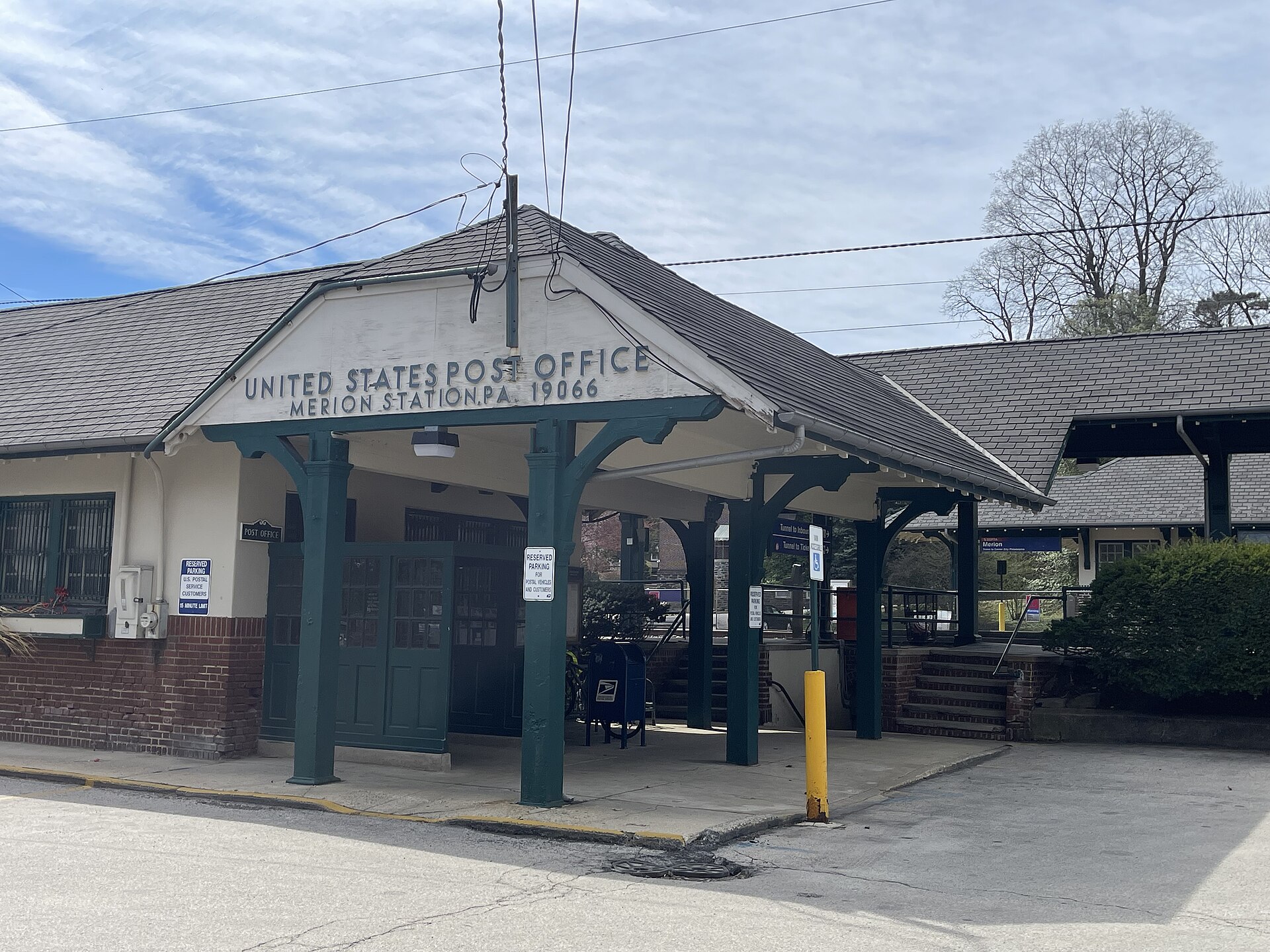
    Narberth is a borough, not a township, and that distinction shapes daily life. It has its own government, its own parks, its own business district, and a civic identity that residents guard proudly. While neighboring Lower Merion communities like Wynnewood and Merion Station are largely residential with scattered commercial pockets, Narberth is organized around a compact, walkable core along Haverford Avenue and Narberth Avenue — restaurants, coffee shops, a movie theater, boutiques, and everyday services all within a few blocks of most homes in town.

    The result is a lifestyle closer to Chestnut Hill or Collingswood than to the estate sections of Gladwyne or Villanova. Buyers who love the Main Line’s schools and rail access but find its car-dependence limiting often land in Narberth for exactly this reason.

    The housing stock: character over sprawl

    Because the borough is small and was largely built out by the mid-twentieth century, Narberth’s housing stock skews historic and architecturally varied. Expect to find:

    • Late Victorian and Queen Anne homes with wraparound porches on tree-lined blocks
    • Foursquares and center-hall Colonials from the early 1900s, many thoughtfully expanded
    • Tudor Revival and stone cottage-style homes typical of the Main Line’s interwar years
    • Twins and townhomes near the commercial core that offer walkability at a lower price of entry
    • A limited but growing number of high-end renovations and infill new construction, which command a premium because buildable land is so scarce

    At the luxury end of the market, the most sought-after properties combine period character — original millwork, stone exteriors, deep porches — with modern kitchens, primary suites, and finished lower levels. Because inventory is structurally limited, well-renovated homes on desirable blocks tend to move quickly and attract multiple interested buyers regardless of the broader market cycle.

    Commute and connectivity

    Narberth station sits on SEPTA’s Paoli/Thorndale Regional Rail line, with a ride to Center City that is among the shortest on the Main Line. Many residents walk to the station — a meaningful quality-of-life difference from towns where the train requires a drive and a parking permit. Drivers reach Center City via City Avenue and the Schuylkill Expressway, and the Amtrak hub at 30th Street Station is a short train or car ride away for New York-bound travelers.

    Schools and community life

    Narberth is served by the Lower Merion School District, one of the most highly regarded public school systems in Pennsylvania and a durable driver of property values throughout the township and borough. Private and parochial options across the Main Line — including several of the region’s most respected independent schools — are a short drive away.

    Community life is unusually strong for a town this size. The borough’s parks host summer concerts and youth sports, the annual community events calendar is full, and the walkable core means neighbors actually run into each other. For buyers relocating from city neighborhoods like Fitler Square or Queen Village, Narberth often feels like the most natural suburban landing spot.

    What luxury buyers should weigh

    Scarcity cuts both ways

    Narberth’s tiny footprint means low inventory. Buyers with specific requirements — large lots, garages, main-floor primary suites — may wait longer for the right home here than in larger neighboring communities, and should be prepared to act decisively when it appears.

    Lot sizes are modest

    If your vision of luxury includes an acre of lawn, a pool, and long private driveways, the estate sections of Gladwyne, Villanova, or Haverford will fit better. Narberth’s premium is walkability and character, not acreage.

    Taxes and value

    As with the rest of the Main Line, property taxes reflect the quality of the school district and services. Buyers comparing Narberth against South Jersey towns like Haddonfield or Moorestown should look at the total cost picture — taxes, commute, and lifestyle — rather than price alone. James can walk you through a current, side-by-side comparison.

    Frequently asked questions

    Is Narberth considered part of the Main Line?

    Yes. Narberth sits on the historic Pennsylvania Railroad Main Line corridor between Merion and Wynnewood and is served by the Paoli/Thorndale line. It is an independent borough surrounded by Lower Merion Township, and it shares the Main Line’s schools, rail access, and housing character.

    What kind of buyer is Narberth best suited for?

    Buyers who prioritize walkability, community, and architectural character over lot size. It is especially popular with families moving from Center City who want top-tier schools without giving up a walk-to-dinner lifestyle, and with downsizers who want to stay engaged in a true town center.

    How competitive is the luxury market in Narberth?

    Structurally competitive, because the borough is small and rarely has more than a handful of high-end homes available at once. Well-renovated homes on walkable blocks tend to draw strong interest quickly. Market conditions change, so contact James for a current read on inventory and pricing.

    Thinking about a move to Narberth or anywhere on the Main Line? James Kennedy specializes in luxury real estate across Philadelphia and its suburbs and can give you a current, honest read on the market. Call 215-267-8479 or email jameskennedy@unlockedteam.com to start the conversation.

  • Understanding Condo Fees and HOAs at the High End: A Guide for Philadelphia & South Jersey Luxury Buyers

    Understanding Condo Fees and HOAs at the High End: A Guide for Philadelphia & South Jersey Luxury Buyers

    At the high end of the market, monthly carrying costs go well beyond the mortgage and property taxes. Condominium and homeowner association fees can add hundreds or even thousands of dollars a month — and they vary enormously from building to building. For luxury buyers in Philadelphia and South Jersey, understanding what these fees cover, how they are set, and what to investigate before buying is essential to making a sound decision. This guide breaks it down.

    What Condo and HOA Fees Actually Cover

    An association fee pools money from all owners to maintain shared elements and, in many buildings, to provide services. Depending on the property, your fee may cover:

    • Building maintenance and reserves — roof, elevators, facade, lobby, hallways, and long-term capital repairs.
    • Staffing and services — a doorman, concierge, on-site management, security, or valet in full-service luxury buildings.
    • Amenities — fitness centers, pools, roof decks, club rooms, and sometimes guest suites.
    • Utilities — in some buildings water, sewer, trash, and even heat or cooling are bundled in.
    • Insurance — the association’s master policy on the building’s common structure.

    In a full-service Center City high-rise, the fee funds a level of service and amenity that a single-family homeowner would otherwise have to arrange and pay for separately. In a smaller boutique condo or a suburban townhome community, the fee is typically lower and covers less.

    Why Fees Vary So Widely

    Two homes at the same price can have dramatically different monthly fees. The main drivers are:

    • Level of service. A 24-hour doorman and concierge cost money; a self-managed building with no staff costs far less.
    • Amenities. Pools, gyms, and shared roof decks are wonderful but expensive to maintain.
    • Building age and construction. Older buildings and those with complex systems often require more upkeep.
    • Number of units. Fixed costs spread across fewer owners mean higher per-unit fees, which is common in small luxury buildings.
    • Reserve funding philosophy. Well-run associations collect enough to fund future repairs; underfunded ones keep fees artificially low and rely on special assessments later.

    Special Assessments: The Cost Beyond the Monthly Fee

    When a major repair exceeds the reserve fund — a new roof, elevator modernization, or facade work — the association may levy a special assessment, a one-time charge to owners. These can be significant. A building with low monthly fees but thin reserves may be more expensive over time than one with higher fees and a healthy reserve. This is why reviewing the association’s finances matters as much as the fee itself.

    What to Investigate Before You Buy

    Before committing to a condo or HOA property at the luxury level, review:

    • The reserve study and balance. Is the association funding future capital needs, or deferring them?
    • The budget and recent fee history. Have fees risen steadily, and why?
    • Meeting minutes. These often reveal upcoming projects, disputes, or looming assessments.
    • The master insurance policy. Confirm what it covers and what you need to insure yourself.
    • Rules and restrictions. Rental caps, pet policies, and renovation rules can affect your plans and resale.
    • Litigation. Active lawsuits involving the association can affect financing and value.

    A good buyer’s agent and attorney will help you obtain and interpret these documents during your due diligence period.

    How Fees Affect Value and Financing

    High monthly fees are not automatically a negative — in a full-service building, they buy real value. But lenders factor association fees into your qualifying ratios, so a high fee can affect how much you can borrow. Fees also influence resale: unusually high or fast-rising fees can narrow the buyer pool, while a well-managed, appropriately funded association is a selling point. The goal is not the lowest fee, but a fee that reflects a well-run building funding itself responsibly.

    Condos vs. Townhome and Suburban HOAs

    Not all association fees serve the same purpose. In a Center City condominium, the fee typically funds a full building and its services. In a suburban South Jersey townhome or gated community, the HOA more often covers landscaping, common-area upkeep, private roads, and shared amenities, while you remain responsible for more of your own home’s exterior. Detached homes in an HOA usually carry lower fees than full-service condos but still come with rules worth reading closely. Matching the fee structure to how you actually want to live — hands-off and full-service, or more independent with lower carrying costs — is as important as the dollar amount itself.

    Frequently asked questions

    Are high condo fees a red flag?

    Not necessarily. In a full-service luxury building, a high fee often reflects staffing, amenities, and bundled utilities that deliver genuine value. The bigger concern is a fee that is artificially low relative to the building’s needs, which can signal underfunded reserves and future special assessments. What matters is whether the fee reflects a responsibly run association.

    What is a special assessment?

    A special assessment is a one-time charge levied on owners when a major expense exceeds the association’s reserve fund — for example, a new roof or elevator replacement. Reviewing the reserve balance and meeting minutes before buying helps you gauge the likelihood of one.

    Do HOA and condo fees affect my mortgage?

    Yes. Lenders include association fees in your debt-to-income calculations, so a higher fee can reduce the loan amount you qualify for. Some lenders also review the association’s financial health before approving a loan on a condo, which is another reason to examine the association’s finances early.

    Weighing a luxury condo or HOA community in Philadelphia or South Jersey? James Kennedy can help you evaluate a building’s fees, finances, and long-term value so you buy with confidence. Call James at 215-267-8479 or email jameskennedy@unlockedteam.com for guidance tailored to your search.