Category: Luxury Homes

  • Chadds Ford, Pennsylvania: A Chester County Town Guide for Luxury Home Buyers

    Chadds Ford, Pennsylvania: A Chester County Town Guide for Luxury Home Buyers

    Chadds Ford sits in the heart of the Brandywine Valley, where rolling hills, working farms, and a deep concentration of American art and history converge just west of Philadelphia. For luxury buyers who want space, privacy, and a strong sense of place without giving up a reasonable commute into the city, Chadds Ford is one of the most compelling towns in Chester County to consider.

    Why buyers choose Chadds Ford

    Chadds Ford’s appeal starts with land. This is a township defined by preserved open space, equestrian properties, and homes set back on multiple acres rather than tight suburban lots. Buyers coming from denser Main Line towns or from Center City are often drawn here specifically because the lot sizes and privacy are hard to find closer to the city. The township has also worked to preserve much of its rural character through conservation easements and agricultural preservation, which helps protect the long-term feel of the area and, in turn, supports property values for owners of larger parcels.

    The area’s cultural cachet matters too. Chadds Ford is home to the Brandywine Museum of Art and the historic Battle of Brandywine site, and the surrounding valley has been painted, written about, and visited for generations. Buyers who want a home that feels connected to a distinct regional identity — not just a subdivision — tend to gravitate toward this stretch of Chester County.

    What the housing stock looks like

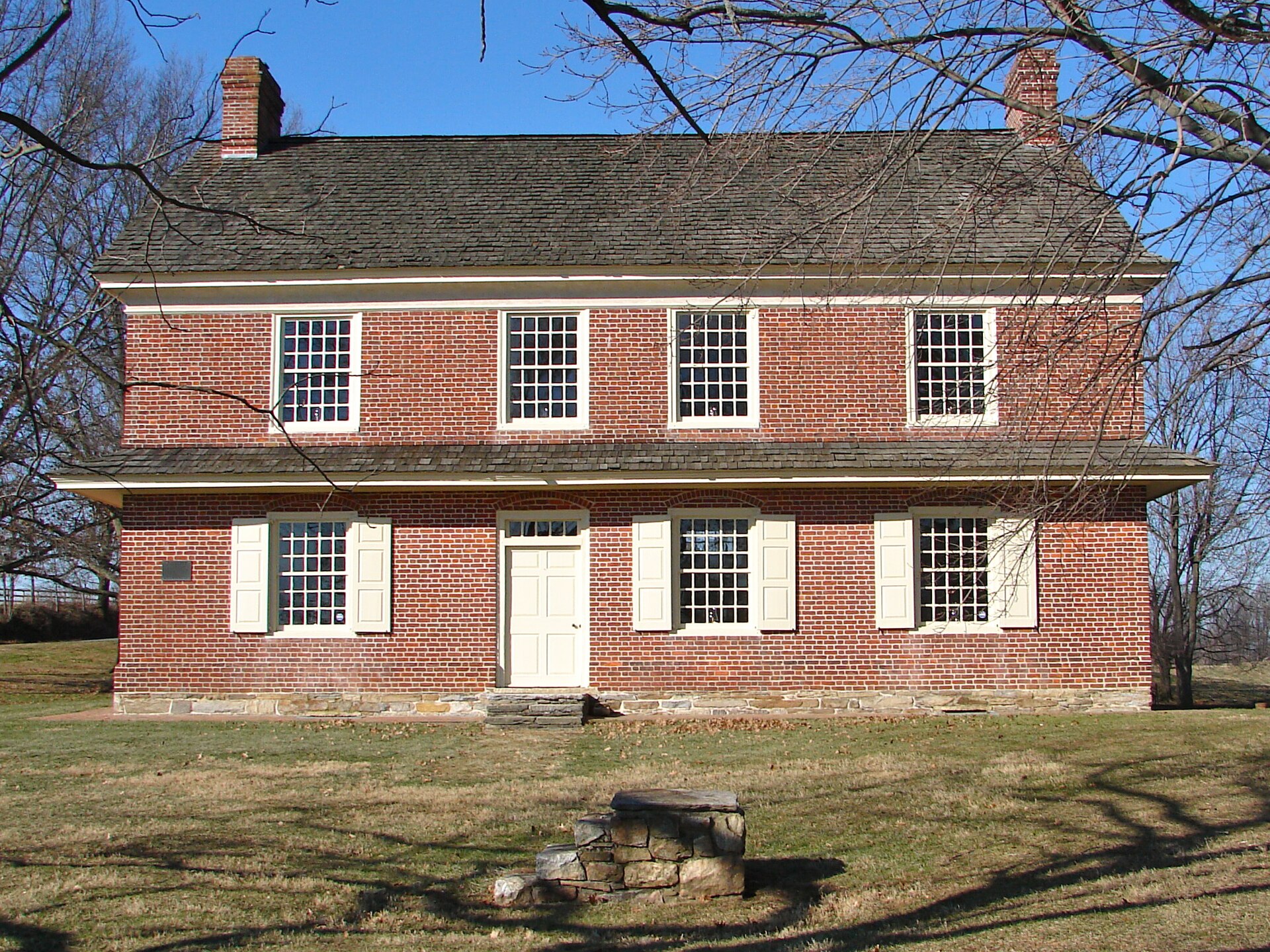
    Chadds Ford’s luxury inventory tends to fall into a few categories. There are historic stone farmhouses, some dating to the 18th and 19th centuries, often updated over time with additions and modern systems while retaining original details like exposed beams, wide-plank floors, and fieldstone exteriors. There are also custom-built estate homes from the past few decades, typically sited on several acres with features like guest houses, barns converted to studios or garages, and pools. New construction is less common here than in some neighboring townships, so buyers should expect to compete for well-maintained existing homes rather than assume a steady pipeline of new builds.

    Because many properties sit on private land with wells, septic systems, and sometimes agricultural or conservation restrictions, due diligence looks a little different than it does for a Main Line rowhouse-adjacent lot. Buyers should plan for well and septic inspections in addition to a standard home inspection, and should ask early about any conservation easements, right-of-way agreements, or deed restrictions tied to the land.

    Schools and commuting

    Chadds Ford is served by the Unionville-Chadds Ford School District, which draws interest from families specifically for its academic reputation. For commuters, Chadds Ford is less transit-oriented than towns directly on a regional rail line — most residents drive to Wilmington, West Chester, or into Philadelphia via Route 1 and I-95, or use the Wilmington Amtrak station for longer trips. Buyers who need a daily rail commute into Center City should weigh this trade-off carefully against the space and privacy Chadds Ford offers.

    Lifestyle and amenities

    Beyond the museums and historic sites, the Brandywine Valley offers an active outdoor and equestrian culture: riding clubs, preserved trails, and a calendar of local events tied to the area’s agricultural roots. Longwood Gardens is a short drive away, and the broader Kennett Square and West Chester corridor adds restaurants, shops, and a more walkable downtown experience for residents who want it without living directly in a borough center.

    Is Chadds Ford right for you?

    Chadds Ford tends to suit buyers prioritizing land, privacy, and a historic or rural aesthetic over walkability or a short rail commute. If those trade-offs line up with how you actually want to live day to day, it’s worth a serious look; if a walkable town center or a fast train into the city is non-negotiable, other Chester County or Main Line towns may fit better.

    Frequently asked questions

    Is Chadds Ford considered part of the Main Line?

    No. Chadds Ford is in Chester County’s Brandywine Valley, west and south of the traditional Main Line corridor that runs along the Paoli/Thorndale regional rail line. It has its own distinct character, more rural and estate-oriented than the classic Main Line suburbs.

    What should I budget for beyond the purchase price on a large parcel?

    Larger properties often carry costs that smaller suburban homes don’t: well and septic maintenance, more extensive landscaping or land management, barn or outbuilding upkeep, and sometimes higher insurance premiums tied to acreage and outbuildings. It’s worth asking for utility and maintenance history during due diligence.

    How competitive is the Chadds Ford market for well-priced luxury homes?

    Inventory of true luxury estate properties in Chadds Ford tends to be limited, and well-priced, well-maintained homes can move quickly when they come to market. Because so few directly comparable estate properties trade in a given year, working with an agent who tracks off-market and pocket listing activity in the Brandywine Valley can be a real advantage.

    If you’re exploring Chadds Ford or another Brandywine Valley or Chester County town for your next luxury purchase, James Kennedy can walk you through current inventory, recent comparable sales, and what to expect in this specific market. Reach James at 215-267-8479 or jameskennedy@unlockedteam.com.

  • Newtown Square, Pennsylvania: A Chester County Town Guide for Luxury Home Buyers

    Newtown Square, Pennsylvania: A Chester County Town Guide for Luxury Home Buyers

    Newtown Square sits just west of the traditional Main Line corridor, in Delaware County near the Chester County line, and it draws a specific kind of luxury buyer: someone who wants Main Line-caliber estate properties, larger lot sizes, and a more rural, wooded setting, without needing to be directly on the Paoli/Thorndale rail line. It’s a market worth understanding on its own terms rather than treating it as a Main Line afterthought.

    The character of the town

    Newtown Square is less walkable and less dense than the classic Main Line stations, and that’s precisely its appeal for a certain buyer. Large-lot estate properties, horse-friendly zoning in parts of the township, and preserved open space give the area a more rural, private feel than towns closer to the city. Ridley Creek State Park borders the township and adds a substantial amount of protected green space that buyers can access directly, which is unusual this close to Philadelphia.

    At the same time, Newtown Square is not remote. Route 3 (West Chester Pike) and Route 252 give reasonably direct access into Center City and out toward West Chester, and the township is close enough to established Main Line commercial corridors — and to Villanova University — that daily errands and dining out don’t require a long drive.

    This in-between quality is a big part of Newtown Square’s draw: buyers get the acreage and quiet of a truly rural property without giving up reasonable access to the amenities and services clustered along the Main Line and in West Chester. For families cross-shopping estate properties in Chester County against the classic Main Line towns, it’s often the practical middle ground.

    The housing stock

    Estate homes on multi-acre lots

    This is the segment that defines Newtown Square’s luxury market: custom and semi-custom homes on lots that are often an acre or more, offering privacy and space that’s difficult to find closer to the city or directly on the Main Line rail corridor. Many of these homes were built from the 1980s through 2010s and vary widely in updating, so a careful inspection matters as much here as anywhere.

    Newer construction and planned communities

    Newtown Square has also seen more recent development, including planned luxury communities with clubhouse amenities, which appeal to buyers who want a lower-maintenance, newer-systems alternative to an older estate property while staying in the same school district and general area.

    Equestrian and larger-acreage properties

    Parts of the township retain a genuinely rural character, with some properties zoned or improved for horses. Buyers interested in equestrian use should confirm current township zoning and any deed restrictions directly rather than assuming based on a neighboring property’s use.

    Schools and township considerations

    Newtown Square is served primarily by the Marple Newtown School District, one of the factors families weigh alongside the Main Line’s Lower Merion and Radnor districts when deciding where to settle in this part of the region. As with any school-driven decision, confirm current district boundaries for a specific address rather than relying on general area reputation, since boundary lines don’t always follow township lines exactly.

    What drives value here

    Lot size and privacy carry real weight in Newtown Square in a way they don’t in denser, more walkable towns — buyers here are often specifically seeking acreage, mature trees, and distance from neighbors. Proximity to Ridley Creek State Park, updated systems on older estate homes, and access to the township’s better commuting routes all factor into pricing. Because this market skews toward larger, more custom properties, comparable sales can be harder to find than in a tract-built subdivision, which makes working with an agent who actively tracks this specific submarket more valuable than in a more homogenous neighborhood.

    Is Newtown Square right for you?

    If your priority is walking to a train station, a coffee shop, and a bookstore, the classic Main Line towns like Bryn Mawr or Wayne will likely suit you better. If your priority is acreage, privacy, and a more rural feel while staying within a reasonable commute of Center City, Newtown Square deserves a serious look — and often offers more space for the dollar than comparable homes directly on the rail line.

    Frequently asked questions

    Is Newtown Square considered part of the Main Line?

    Not in the traditional sense — the Main Line refers specifically to towns along the old Pennsylvania Railroad’s Main Line commuter corridor, and Newtown Square isn’t a rail stop. It’s often grouped with the broader western suburbs and shares much of the same luxury buyer profile, but its character (larger lots, less walkable, more rural) is genuinely different from towns like Bryn Mawr or Wayne.

    What’s the commute into Center City Philadelphia like from Newtown Square?

    There’s no direct commuter rail stop in Newtown Square itself, so most residents commute by car via Route 3 or Route 252, or drive to a nearby SEPTA station. If a rail commute is a priority, confirm realistic drive times to the nearest station as part of your search rather than assuming based on the town’s general proximity to the Main Line.

    Can I keep horses on a property in Newtown Square?

    Some properties in the township are zoned or improved for equestrian use, but this varies by specific parcel and current township ordinance. If equestrian use is important to you, confirm zoning and any relevant deed restrictions for a specific property before making an offer rather than assuming based on the surrounding area.

    If you’re weighing Newtown Square against other western suburbs, James Kennedy can help you compare options based on your priorities around lot size, commute, and schools. Reach James at 215-267-8479 or jameskennedy@unlockedteam.com.

  • Cape May, New Jersey: A Luxury Buyer’s Guide to the Jersey Shore’s Victorian Jewel

    Cape May, New Jersey: A Luxury Buyer’s Guide to the Jersey Shore’s Victorian Jewel

    Cape May holds a different kind of prestige than the newer shore towns to its north. Instead of contemporary construction and open-concept floor plans, the town’s identity is built on more than a thousand preserved Victorian buildings, a National Historic Landmark designation, and a walkable, low-rise streetscape that has resisted the high-density redevelopment seen elsewhere on the coast. For buyers who want a shore home that feels like a place rather than a subdivision, Cape May is one of the most distinctive luxury markets in the region.

    What sets Cape May apart

    Cape May’s historic district is protected by strict design review, which means exterior renovations, additions, and even paint colors on many properties go through a local review process. That constraint is also the point: it is what has kept the gingerbread trim, wraparound porches, and cupolas intact for well over a century. Buyers who want total design freedom on a shore property may find this frustrating; buyers who want the character preserved find it reassuring, because it protects the very quality that supports long-term value.

    The town is also compact. Beaches, restaurants, the promenade, and the historic core are within walking or biking distance of most residential streets, which is a meaningfully different lifestyle than shore towns built around car-dependent strips.

    That walkability also shapes the buyer pool. Cape May tends to attract buyers who want to arrive by car in May and not need one again until Labor Day — a real contrast to shore towns where daily life still runs through parking lots and strip commercial corridors. It’s part of why homes within a short walk of the beach and the historic district’s restaurant row often command a premium that isn’t fully explained by square footage alone.

    The property types to know

    Restored Victorians

    These are the homes most associated with Cape May: three- and four-story wood-frame houses, often converted at some point into bed-and-breakfasts or multi-unit rentals and since returned to single-family use. Condition varies enormously. A “restored” listing can mean anything from a meticulous, permit-documented renovation to cosmetic updates over deferred structural work, so a pre-offer inspection with someone experienced in historic wood-frame construction matters more here than in almost any other segment of the regional market.

    Newer construction within the historic districts

    Infill and replacement construction inside or near the historic core is generally required to reference Victorian massing and detailing, even when the interior is fully modern. These properties can offer easier systems (updated electrical, plumbing, HVAC) while keeping the streetscape’s character.

    West Cape May and the outskirts

    Just outside the core historic district, West Cape May and the surrounding area offer more contemporary and mid-century options, often at a lower price point per square foot, with a short drive or bike ride into town.

    What drives value

    Proximity to the beach and the promenade commands a premium, as does a documented, permitted renovation history on an older home. Off-street parking is scarce and valuable in the historic district, so a driveway or garage adds real value. Because so much of Cape May’s rental economy is seasonal, income potential is also part of many buyers’ underwriting — ask for actual rental history and licensing details rather than an agent’s estimate, and confirm current short-term rental rules with the municipality, since local ordinances can change.

    What to budget for beyond the purchase price

    Older wood-frame construction near saltwater air typically means higher ongoing maintenance than a newer inland home — exterior paint, roofing, and moisture management need regular attention. Flood insurance is a real cost in much of Cape May given its coastal flood zone designations, and it should be quoted and factored into your monthly cost of ownership before you go under contract, not after. If a home has historic district status, budget time as well as money: exterior work may require approval before it can begin.

    Working with the right team

    Cape May transactions often move on a different timeline than a typical suburban Philadelphia sale, particularly around seasonal demand and rental-season handoffs. An agent who understands historic district review, coastal insurance underwriting, and the local short-term rental landscape can save a buyer real money and real stress. James Kennedy works with luxury buyers across the Philadelphia region and the New Jersey shore and can connect you with trusted local resources in Cape May as part of a coordinated search.

    Frequently asked questions

    Do I need special insurance to buy in Cape May?

    Most Cape May properties fall within a coastal flood zone, so flood insurance is typically required by lenders and strongly recommended even for cash buyers. Get a quote early in your search, since it varies significantly by elevation, construction type, and flood zone designation, and can meaningfully affect your monthly carrying cost.

    Can I renovate a historic Cape May home however I want?

    Interior renovations generally have more flexibility, but exterior changes to homes within the historic district typically require review against preservation guidelines. Before making an offer contingent on planned changes, it’s worth a conversation with the local historic preservation office to understand what is and is not likely to be approved.

    Is Cape May a good rental income market?

    Cape May has a long-established, high-demand seasonal rental market, and many owners offset ownership costs with summer rental income. Actual returns depend heavily on the specific property, its condition, parking, proximity to the beach, and current municipal short-term rental rules, so review a seller’s documented rental history rather than relying on general assumptions about the town.

    If you’re considering a luxury purchase in Cape May or anywhere along the South Jersey coast, James Kennedy can help you evaluate the market and coordinate the right local expertise. Reach James at 215-267-8479 or jameskennedy@unlockedteam.com.

  • Ocean City, New Jersey: A Luxury Buyer’s Guide to the Jersey Shore’s Family-Friendly Elegance

    Ocean City, New Jersey: A Luxury Buyer’s Guide to the Jersey Shore’s Family-Friendly Elegance

    Ocean City, New Jersey occupies a distinctive place among the Jersey Shore’s luxury markets. Just south of Longport and Margate and north of the Wildwoods, Ocean City has built its reputation on being a dry town with a strong family orientation, a wide boardwalk, and a quieter, more understated character than some of its neighbors. For luxury buyers weighing shore towns, Ocean City offers premium waterfront real estate without the nightlife-driven atmosphere found elsewhere on the coast.

    The Character of the Market

    Ocean City’s luxury inventory clusters around a few distinct settings: bayfront homes with private docks along the back bays, oceanfront and ocean-block properties along the boardwalk corridor, and quieter residential streets in the northern and southern ends of the island that offer larger lots and more privacy than the dense center of town. Because the island is long and narrow, location within Ocean City matters enormously — proximity to the beach, bay access, and distance from the boardwalk’s seasonal foot traffic all factor meaningfully into both price and day-to-day experience.

    Many of the island’s most desirable luxury homes are newer construction or extensively renovated, built to modern flood-elevation standards with elevator access, multiple outdoor living levels, and rooftop decks designed to capture ocean or bay views. Older shore cottages remain in the mix as well, particularly appealing to buyers who want to renovate or eventually rebuild.

    Bayfront vs. Oceanfront

    Bayfront properties typically appeal to boating families, offering direct dock access, calmer water, and often more buildable lot area. Oceanfront and ocean-block homes command a premium for direct beach access and views but come with more exposure to weather and, in many cases, tighter footprints. Buyers should think carefully about how they intend to use the property — boating and watersports favor the bay side, while beach-centric living favors the ocean side.

    Why Buyers Choose Ocean City

    Ocean City’s dry-town status and family-oriented boardwalk culture are frequently cited by buyers as the deciding factor over other shore towns. The absence of alcohol sales creates a noticeably different atmosphere from Atlantic City or even nearby Wildwood, and many multi-generational families have owned property in Ocean City for decades, prioritizing a place where children and grandchildren can safely walk to the boardwalk, beach, and ice cream shops independently.

    At the same time, Ocean City sits close enough to Longport, Margate, and Atlantic City that buyers who want a livelier evening out have options nearby without needing to compromise on where they own property.

    Rental Potential and Investment Considerations

    Ocean City has one of the strongest seasonal rental markets on the Jersey Shore, and many luxury buyers purchase with an eye toward weekly summer rental income to help offset ownership costs. Homes with more bedrooms, elevator access, multiple parking spaces, and proximity to the beach or boardwalk typically command the strongest rental rates. Buyers planning to rent should budget for property management, higher insurance premiums associated with rental use, and the wear that comes with frequent turnover, and should consult a local property manager on realistic rental income before assuming a specific return.

    Flood Zones, Insurance, and Construction Standards

    As with most barrier-island communities, flood zone designation is central to both the buying decision and long-term ownership costs. Most of Ocean City sits in FEMA-designated flood zones that require flood insurance for any mortgaged property, and elevation, construction materials, and mechanical system placement all affect premiums. Newer construction built to current base flood elevation standards generally carries lower insurance costs than older, non-elevated homes, which is an important factor to weigh alongside purchase price when comparing properties.

    Access from Philadelphia and South Jersey

    Ocean City is roughly 90 minutes to two hours from Philadelphia depending on the route and season, making it a realistic weekend and summer-season property for many South Jersey and Philadelphia-based buyers rather than a daily commute destination. The drive down the Atlantic City Expressway and Garden State Parkway is straightforward outside of peak summer traffic windows.

    Frequently asked questions

    Is Ocean City, New Jersey a good long-term investment for luxury buyers?

    Shore real estate in established, high-demand towns like Ocean City has historically held strong buyer interest given limited developable land on the barrier island. As with any real estate decision, buyers should evaluate their own goals — personal use, rental income, or long-term appreciation — and work with a local agent who can speak to current inventory and pricing trends by specific block and flood zone.

    What is the difference between buying in Ocean City versus Avalon or Stone Harbor?

    Ocean City tends to offer a more family-boardwalk-centric atmosphere at a broader range of price points, while Avalon and Stone Harbor are generally positioned as quieter, more exclusively residential luxury markets with fewer commercial amenities directly in the residential zones. Buyers should visit both in-season and off-season to get a true sense of the differing character.

    Do I need flood insurance even if the home is on higher ground within Ocean City?

    Nearly all of Ocean City falls within a mapped flood zone, so flood insurance is typically required by mortgage lenders regardless of a property’s specific elevation, though the elevation and construction details significantly affect the premium. A local insurance agent familiar with barrier-island properties can provide an accurate quote before you finalize an offer.

    If Ocean City or another South Jersey shore town is on your radar, James Kennedy can walk you through current inventory, flood zone considerations, and realistic rental potential. Reach him at 215-267-8479 or jameskennedy@unlockedteam.com.

  • New Hope, Pennsylvania: A Bucks County Town Guide for Luxury Home Buyers

    New Hope, Pennsylvania: A Bucks County Town Guide for Luxury Home Buyers

    Perched on the banks of the Delaware River about an hour north of Center City Philadelphia, New Hope, Pennsylvania has long drawn artists, entrepreneurs, and second-home buyers to its narrow stone streets and river views. For luxury buyers weighing Bucks County against the Main Line or South Jersey, New Hope offers something distinct: a walkable, culturally rich village atmosphere wrapped in some of the region’s most storied real estate, from restored fieldstone farmhouses to contemporary riverfront homes.

    What Makes New Hope Different

    Unlike the Main Line’s country-club suburbs or Center City’s high-rise towers, New Hope’s luxury market is built around its identity as a historic arts colony. The borough itself is compact and pedestrian-friendly, lined with galleries, independent boutiques, and restaurants housed in 18th- and 19th-century stone buildings. Luxury inventory tends to sit just outside the borough core, in the surrounding townships of Solebury and Upper Makefield, where large parcels, mature landscaping, and river or creek frontage support estate-scale properties.

    Buyers considering New Hope should think of it less as a single neighborhood and more as a corridor: the walkable village center, the estate properties along the river and in Solebury’s rolling countryside, and the slightly more suburban feel of nearby Lambertville, New Jersey, just across the Delaware.

    Architectural Character

    The area’s housing stock reflects three centuries of building. Original fieldstone farmhouses, many dating to the 1700s and 1800s, remain highly sought after and often come with converted barns, springhouses, or carriage houses. Mid-century and contemporary architecture also has a strong presence, particularly in homes designed to take advantage of river or valley views. Because much of Solebury and Upper Makefield sits in scenic and historic overlay districts, buyers should expect additional review for major exterior renovations — a worthwhile trade-off for the preserved character that keeps the area desirable.

    Who New Hope Attracts

    New Hope’s luxury buyer pool tends to include creative professionals, New York and Philadelphia commuters seeking a weekend or eventual full-time retreat, and retirees drawn to the walkability and cultural calendar without the density of a city. It is also a popular choice for buyers who want acreage and privacy but still want to be able to walk to dinner, a gallery opening, or a summer concert.

    Because much of the appeal is lifestyle-driven rather than proximity to a central business district, New Hope tends to draw buyers who have flexibility in where they work, whether that means a hybrid schedule, business ownership, or retirement.

    Commuting and Access

    New Hope is roughly 45 minutes to an hour from Center City Philadelphia by car depending on traffic on Route 202 and I-95, and it does not have direct regional rail service, which is an important distinction from Main Line towns like Bryn Mawr or Wayne. Buyers who need a daily rail commute into Philadelphia should weigh this carefully; New Hope suits those commuting occasionally, working remotely, or commuting toward Princeton, central New Jersey, or the Lehigh Valley rather than into Center City every day.

    Lifestyle and Amenities

    The borough’s dining and gallery scene punches well above its size, and the Bucks County Playhouse anchors a genuine cultural life along the riverfront. Outdoor recreation is a major draw as well: the Delaware Canal towpath runs directly through town for walking, running, and cycling, and the river itself supports kayaking and boating. Golf and equestrian facilities are common in the surrounding townships, appealing to buyers who want acreage suited to horses or a private course-adjacent lot.

    Schools

    Most of New Hope and Solebury fall within New Hope-Solebury School District, a smaller, well-regarded public district, while Upper Makefield is served by Council Rock. Both are frequently cited as strengths for family buyers, and several respected private schools in the broader Bucks County and Princeton corridor are within a reasonable drive.

    What to Expect in the Market

    Inventory in New Hope and the surrounding townships tends to be lower-volume and highly individual — fewer cookie-cutter developments, more one-of-a-kind properties on private lots. This means pricing can vary widely based on lot size, water frontage, historic status, and the condition of period features like original stonework or hand-hewn beams. Because inventory turns over less frequently than in denser suburban markets, buyers who find the right property should be prepared to move decisively, and sellers should lean on a well-documented history of the home’s provenance and any renovations to support pricing.

    Frequently asked questions

    Is New Hope a good fit for a full-time residence or mainly a weekend home?

    Both are common. Many owners start with New Hope as a weekend or seasonal property and later transition to full-time living, especially once remote or hybrid work removes the need for a daily Center City commute. The lack of direct rail service into Philadelphia is the main factor that leads some full-time commuters to look elsewhere.

    How does New Hope compare to Main Line towns for luxury buyers?

    The Main Line offers direct SEPTA Regional Rail access to Center City and a more traditional country-club suburban feel, while New Hope offers river-town walkability, an arts-driven cultural scene, and often larger, more private parcels. Buyers prioritizing a daily city commute typically lean Main Line; buyers prioritizing lifestyle, privacy, and acreage often lean toward New Hope and Solebury.

    What should buyers budget for beyond the purchase price in Solebury or Upper Makefield?

    Larger parcels often come with septic systems, wells, and sometimes historic-property maintenance considerations, all of which warrant careful inspection. Buyers should also factor in Bucks County and township property taxes, which vary by municipality, and should ask about any conservation easements or historic district requirements that could affect future renovations.

    If you are exploring New Hope, Solebury, or the broader Bucks County riverfront and want an honest read on current inventory, pricing, and what a specific property is really worth, reach out to James Kennedy at 215-267-8479 or jameskennedy@unlockedteam.com.

  • Avalon, New Jersey: A Luxury Buyer’s Guide to the Jersey Shore’s Most Refined Address

    Avalon, New Jersey: A Luxury Buyer’s Guide to the Jersey Shore’s Most Refined Address

    Avalon occupies a particular place in the hierarchy of Jersey Shore towns. It isn’t the liveliest boardwalk destination, and it isn’t trying to be. What Avalon offers instead is a consistently well-maintained beach community with wide, clean beaches, strict zoning, and a housing stock that skews heavily toward well-built, well-kept single-family homes rather than dense multi-family blocks. For luxury buyers looking at the shore, that combination of natural beauty and disciplined town management is a big part of the draw.

    The character of the town

    Avalon runs along a narrow barrier island shared with neighboring Stone Harbor, and the town’s own regulations have shaped its development pattern deliberately. Height limits, setback requirements, and a strong emphasis on dune preservation have kept Avalon from developing the high-rise condo towers found in some other shore markets. The result is a town of predominantly single-family homes, many of them substantial, custom-built properties designed for extended family gatherings and long summer stays.

    The town center along Dune Drive offers shops and restaurants without the density of a full boardwalk commercial strip, which suits buyers who want a quieter, more residential shore experience.

    Understanding Avalon’s micro-markets

    Oceanfront and ocean-block properties

    The most sought-after and expensive homes sit directly on the dunes or within the first block or two of the beach. These properties command the steepest premiums and the least inventory, so buyers who want to be within easy walking distance of the sand should expect a competitive search and be prepared to move quickly when the right property appears.

    Bayfront properties

    Avalon’s back bay offers its own luxury market, appealing to boating families who want direct water access, docks, and sunset views across the bay rather than the ocean. Bayfront homes often offer more buildable lot size for the price than comparable oceanfront parcels.

    Interior streets

    Homes set back from both the ocean and the bay still command strong prices in Avalon given the town’s overall desirability and limited inventory, but they typically offer meaningfully more value per square foot than waterfront property, making them attractive to buyers prioritizing space and a quieter block over immediate water access.

    Seasonal rhythm and rental potential

    Like most barrier-island shore towns, Avalon’s population swells dramatically in summer and quiets considerably in the off-season. Many luxury buyers use their Avalon property as a seasonal residence supplemented by weekly rental income during peak summer months, which can help offset carrying costs. Buyers considering this approach should research the town’s specific rental regulations, since barrier-island municipalities frequently adjust rules around minimum stay lengths, permits, and parking as demand evolves.

    Flood zones and construction considerations

    As with any barrier-island community, flood zone designation, elevation requirements, and windstorm insurance costs are essential parts of due diligence in Avalon. Newer construction is typically built to current FEMA elevation standards, while older homes may require a closer look at flood insurance costs and potential future elevation work. A knowledgeable local inspector and insurance agent should be part of any Avalon purchase team from the outset.

    How Avalon compares to Stone Harbor

    Avalon and Stone Harbor share the same barrier island and much of the same reputation for quality and exclusivity, but the two towns have distinct personalities. Avalon tends to have a slightly more built-up commercial strip along Dune Drive, while Stone Harbor’s downtown and its well-known bird sanctuary give it a somewhat different, more naturalistic feel. Buyers torn between the two are well served by touring both before narrowing their search.

    Frequently asked questions

    What makes Avalon different from other Jersey Shore towns?

    Avalon’s strict zoning and height limits have kept the town almost entirely low-rise and single-family in character, avoiding the dense condo development found in some other shore markets. Combined with wide beaches and a well-funded municipal government, that has helped the town maintain strong long-term desirability.

    Is Avalon primarily a summer market or does it have year-round residents?

    Avalon is predominantly a seasonal community, with population and home prices both heavily influenced by summer demand. A smaller year-round population remains, but most luxury buyers purchase Avalon property as a second home or seasonal rental property rather than a primary residence.

    How should a buyer think about flood risk in Avalon?

    Flood zone designation and elevation requirements should be reviewed carefully for any barrier-island purchase, and buyers should budget for windstorm and flood insurance costs as part of their overall carrying cost analysis, working with an inspector and insurance agent familiar with the specific island.

    If you’re exploring a purchase in Avalon or comparing it to other South Jersey shore towns, James Kennedy can help you evaluate the trade-offs between oceanfront, bayfront, and interior properties. Reach James at 215-267-8479 or jameskennedy@unlockedteam.com.

  • University City, Philadelphia: A Luxury Buyer’s Guide to the Schuylkill Yards Renaissance

    University City, Philadelphia: A Luxury Buyer’s Guide to the Schuylkill Yards Renaissance

    For decades, University City was defined almost entirely by the institutions that surround it: the University of Pennsylvania, Drexel University, and the hospital and research complexes that grew up around them. That reputation is changing. A wave of new residential towers, life-science buildings, and mixed-use development — most visibly the Schuylkill Yards project near 30th Street Station — has turned the neighborhood into one of Philadelphia’s more interesting luxury markets, particularly for buyers who want river views, new construction, and easy access to Center City without paying Rittenhouse-level prices for the same square footage.

    University City is not a single, uniform neighborhood. It stretches from the Schuylkill River west toward 40th Street and beyond, and includes distinct pockets with very different characters — from high-rise river-view condos near 30th Street Station to the leafy Victorian streets of Spruce Hill and Cedar Park further west. Understanding those sub-areas matters more here than in almost any other part of the city.

    What draws luxury buyers to University City

    The single biggest advantage is location relative to transportation. 30th Street Station is one of the busiest rail hubs on the East Coast, putting New York, Washington D.C., and the western suburbs within easy reach. For buyers who split time between Philadelphia and another city, or who commute to the suburbs for work while wanting an urban base, that connectivity is hard to match anywhere else in Philadelphia.

    The second draw is new construction. Much of Center City’s luxury housing stock sits in buildings that are decades, sometimes a century, old. University City’s newer towers offer larger floor plates, modern mechanical systems, floor-to-ceiling glass, and amenity packages — fitness centers, resident lounges, sometimes rooftop pools — that are harder to find in older Rittenhouse or Society Hill buildings.

    Finally, there’s the institutional anchor itself. Proximity to Penn and Drexel supports strong long-term demand from faculty, visiting physicians, medical residents, and researchers, which tends to support rental demand and resale liquidity for well-located condos and multi-family properties.

    Where to focus a search

    Schuylkill Yards and the riverfront

    The newest luxury product sits closest to the river and to 30th Street Station, where new towers offer river and skyline views along with the shortest possible walk to trains. This is the closest University City gets to a true high-rise luxury condo experience, and it commands a corresponding premium.

    Spruce Hill and Cedar Park

    West of about 38th Street, the neighborhood shifts into blocks of large Victorian twins and single-family homes, many with wide porches, mature trees, and more square footage than a comparable Center City rowhouse. This area appeals to buyers who want a house rather than a condo, along with a more residential, tree-lined feel, while remaining walkable to campus and a short trolley or bike ride to Center City.

    The medical and research corridor

    Closer to the hospital complexes, buyers will find a mix of older apartment conversions and newer mid-rise buildings that appeal particularly to physicians and researchers who want to minimize their commute.

    What to weigh before buying

    University City’s rental market, driven heavily by students and academic-year leases, means buyers considering an investment property should think carefully about lease timing and tenant turnover compared with a neighborhood with a more traditional year-round rental base. For owner-occupants, it’s worth spending time in a target block at different times of day and during both the academic year and summer break, since the rhythm of the neighborhood shifts noticeably when school is not in session.

    Noise, foot traffic near campus buildings, and proximity to nightlife corridors popular with students can vary block by block, so an in-person walk-through of the surrounding streets is every bit as important as touring the home itself.

    Working with the right agent

    Because University City’s luxury inventory is split between brand-new towers, mid-century apartment conversions, and century-old Victorian houses, it helps enormously to work with an agent who can speak knowledgeably to the trade-offs between all three product types — new construction warranty coverage and amenity fees versus the character, space, and often better price-per-square-foot of an older single-family home just a few blocks away.

    Frequently asked questions

    Is University City considered a luxury market in Philadelphia?

    Parts of it are, particularly the newer riverfront towers near 30th Street Station and the larger Victorian homes in Spruce Hill and Cedar Park. Pricing generally sits below Rittenhouse Square and Fitler Square, which is part of the appeal for buyers seeking more space or newer construction for the money.

    How does University City compare to Center City for a luxury condo buyer?

    University City tends to offer newer buildings, larger floor plates, and river views at a lower price point per square foot than comparable Center City product, in exchange for being a few minutes further from Rittenhouse Square’s shopping and dining core. For buyers prioritizing space and modern amenities over walkability to Center City’s retail corridor, it’s a compelling trade.

    Is University City a good fit for an investment property?

    It can be, given strong long-term demand tied to Penn, Drexel, and the surrounding medical institutions, but investors should factor in the academic-calendar rental cycle and budget for a more seasonal leasing pattern than they might see in Center City proper.

    If you’re considering University City as part of your Philadelphia luxury search, James Kennedy can walk you through the neighborhood’s distinct pockets and help you compare new construction against the area’s classic Victorian housing stock. Reach James at 215-267-8479 or jameskennedy@unlockedteam.com.

  • Doylestown, Pennsylvania: A Bucks County Town Guide for Luxury Home Buyers

    Doylestown, Pennsylvania: A Bucks County Town Guide for Luxury Home Buyers

    Buyers touring the Philadelphia region for a high-end home often work a familiar triangle: Center City, the Main Line, and the South Jersey suburbs. Doylestown sits outside that triangle, and that is much of its appeal. The Bucks County seat pairs a genuinely walkable historic borough with rolling countryside, a serious arts and museum culture, and an inventory of homes — from Federal-era townhouses to stone farmhouses on acreage — that is difficult to replicate anywhere else within reach of Philadelphia. Here is what luxury buyers should understand about it.

    The setting

    Doylestown is roughly an hour north of Center City, positioned in central Bucks County where the suburban edge gives way to farmland, preserved open space, and the Delaware River corridor. The borough itself is compact and historic — a courthouse town with a dense, tree-lined core of nineteenth-century architecture — while the surrounding township offers larger parcels, long driveways, and privacy.

    That pairing is the essential Doylestown proposition: you can walk to dinner from a Victorian in the borough, or you can own several acres of Bucks County countryside ten minutes away and drive in when you want company. Most affluent submarkets force a choice between those two lives. Doylestown does not.

    What the housing stock looks like

    Doylestown’s inventory is unusually varied at the upper end, and buyers should understand the categories before they tour.

    Borough historic homes

    The borough contains a dense concentration of well-preserved nineteenth-century architecture — Federal, Greek Revival, Italianate, Queen Anne, and Victorian homes on modest lots within walking distance of the courthouse, shops, and restaurants. These are for buyers who want walkability and period character and are comfortable with the realities of an older structure: original systems, restoration requirements, and limited off-street parking.

    Stone farmhouses and estate properties

    Bucks County’s signature property type is the fieldstone farmhouse, often eighteenth or nineteenth century, frequently expanded over generations, and typically sited on acreage with barns or outbuildings. These are the homes that made the county’s reputation, and they attract buyers specifically seeking that architecture. They also demand the most diligence — masonry, roofs, wells, septic systems, and additions of varying quality all require expert evaluation.

    Newer construction and planned communities

    The township and surrounding area include newer homes and developments offering contemporary layouts, modern systems, and larger square footage without the maintenance profile of a historic property. For buyers who want the setting without the restoration project, this is where they land.

    Equestrian and land-holding properties

    Central Bucks supports genuine equestrian use, and larger parcels with barns, paddocks, and riding facilities exist within reach of the borough. Land preservation is a meaningful feature of the county, which shapes both what can be built and what surrounds you long-term.

    The culture is real, not decorative

    Many suburbs claim an arts scene. Doylestown has an unusually substantive one for a town its size, anchored by institutions rather than marketing. The Mercer Museum and Fonthill Castle — both concrete constructions by Henry Chapman Mercer — are legitimately singular buildings, and the Michener Art Museum holds a serious collection with a strong regional focus. The County Theater operates as an art house cinema in the borough core. The result is a downtown with genuine evening activity, independent restaurants, and a year-round calendar that does not depend on a mall.

    For buyers relocating from a major city who worry about suburban flatness, this matters. Doylestown gives back a version of what they are leaving.

    Getting to Philadelphia — and elsewhere

    Doylestown sits at the end of a SEPTA Regional Rail line running into Center City, which makes a car-free commute possible. It is not a short ride, and buyers who need to be at a Center City desk five days a week should test it before committing rather than reasoning from a map. For hybrid schedules — two or three days in the office — the trade is far more comfortable, and this has broadened Doylestown’s appeal considerably.

    The county’s position also opens options that Main Line and South Jersey buyers do not have. Central New Jersey and the Princeton corridor are accessible, and New York is reachable for occasional trips. Buyers splitting time between Philadelphia and points north often find Bucks County the practical midpoint.

    How to approach a Doylestown purchase

    • Decide borough or township first. These are different lifestyles at similar price points, and touring both without a thesis wastes months.
    • Take historic diligence seriously. A stone farmhouse deserves inspectors who understand old masonry, not a generalist. Budget for what you find.
    • Understand wells and septic systems. Outside the borough these are common, and they require testing, understanding, and ongoing maintenance that city buyers have never had to think about.
    • Check what is preserved nearby. Bucks County’s open space programs affect your long-term view and your neighbors. This is usually a benefit — but know it rather than assume it.
    • Verify permits on additions. Historic homes accumulate work over decades, and not all of it was permitted.
    • Confirm current taxes and school district lines for the specific parcel rather than relying on general assumptions about the area.

    Who Doylestown fits

    Doylestown works for a buyer who wants space and privacy without giving up a walkable town, who values architectural character, and whose schedule does not demand a daily downtown commute. It works less well for someone who needs to be in Center City every morning, or who wants new construction on a manicured lot and finds old buildings a burden rather than a draw.

    It is also a market where local knowledge compounds. The gap between a beautifully restored farmhouse and a superficially updated one is not always visible on a tour, and it is expensive to learn afterward.

    Frequently asked questions

    How far is Doylestown from Center City Philadelphia?

    Doylestown sits roughly an hour north of Center City by car, with SEPTA Regional Rail service into the city as well. The rail ride is longer than what Main Line commuters are used to, which makes Doylestown a strong fit for hybrid or flexible schedules and a harder fit for a daily five-day office commute. Test the actual trip at your real commuting hour before deciding.

    What kind of luxury homes does Doylestown offer?

    The upper end spans historic borough homes within walking distance of downtown, eighteenth and nineteenth century fieldstone farmhouses on acreage, newer construction with modern systems and layouts, and equestrian properties with barns and paddocks. That range is unusually wide for one market, which is why defining what you want before touring saves considerable time.

    What should I inspect carefully in a Bucks County farmhouse?

    Stone masonry and pointing, roof condition, the quality and permitting of past additions, structural framing, and the well and septic systems if the property is outside the borough. Older homes also warrant attention to electrical service, heating systems, drainage, and any underground oil tanks. Use inspectors with specific historic-property experience rather than a general home inspector.

    Bucks County rewards buyers who know what they are looking at. If you are considering Doylestown or the surrounding area and want honest guidance on borough versus township, historic versus new construction, and what a specific property will actually require of you, reach out to James Kennedy at 215-267-8479 or jameskennedy@unlockedteam.com.

  • 1031 Exchanges Explained: A Guide for Philadelphia & South Jersey Luxury and Investment Property Owners

    1031 Exchanges Explained: A Guide for Philadelphia & South Jersey Luxury and Investment Property Owners

    For owners of investment and income-producing real estate in the Philadelphia and South Jersey region, few tools are as powerful — or as misunderstood — as the 1031 exchange. Used correctly, it allows an owner to sell an investment property and reinvest the proceeds into another without paying capital gains tax at the time of sale. For high-net-worth owners building or repositioning a real estate portfolio, that deferral can be a meaningful advantage. This guide explains the essentials in plain English.

    Note: this is general educational information, not tax or legal advice. Always work with a qualified tax professional and a qualified intermediary before pursuing an exchange.

    What a 1031 exchange actually is

    A 1031 exchange — named for Section 1031 of the federal tax code — lets an owner defer capital gains taxes by exchanging one qualifying investment or business-use property for another of “like-kind.” Instead of selling, paying tax on the gain, and reinvesting what’s left, the owner rolls the entire proceeds into the next property and defers the tax. Done in succession, an investor can keep deferring gains across multiple properties over many years.

    The key word is defer, not eliminate. The tax obligation doesn’t disappear; it’s postponed until the owner eventually sells without exchanging. Many long-term investors use this to keep more capital working over time.

    What qualifies

    Not every property is eligible. A few core principles:

    • Investment or business use. The property sold and the property bought must both be held for investment or productive use in a trade or business. A personal residence does not qualify, though there are separate rules for primary homes.
    • “Like-kind” is broad. For real estate, like-kind is interpreted generously — you can exchange, for example, a rental condo for a multifamily building, or a commercial property for land, as long as both are held for investment.
    • Domestic real estate. The property must be real property located in the United States.

    Because a luxury vacation home or a second home occupies a gray area, owners of shore homes or pieds-a-terre used partly for personal enjoyment should get specific guidance on whether their property qualifies.

    The timelines that make or break an exchange

    The 1031 process is governed by strict deadlines, and missing them can disqualify the exchange entirely:

    • 45-day identification period. From the day you close on the sale of your property, you have 45 calendar days to formally identify potential replacement properties in writing.
    • 180-day exchange period. You must close on the replacement property within 180 calendar days of selling the original — and this clock runs concurrently with the 45-day window, not after it.

    These deadlines are firm and generally not extended for weekends, holidays, or ordinary delays. Because the timelines are tight, many investors line up their replacement property before or shortly after selling.

    The role of the qualified intermediary

    A critical rule: you cannot take possession of the sale proceeds yourself. If you touch the money, the exchange fails. Instead, a qualified intermediary holds the funds between the sale and the purchase and handles the required documentation. Choosing an experienced, reputable intermediary is one of the most important decisions in the process, and it should be arranged before you close on the sale.

    Other rules worth understanding

    • Equal or greater value. To fully defer the gain, you generally need to reinvest all of the proceeds and acquire property of equal or greater value, with equal or greater debt. Reinvesting less can create a partially taxable event.
    • “Boot” is taxable. Any cash or non-like-kind value you receive — known as boot — is typically subject to tax. This often catches owners who buy a less expensive replacement property.
    • Title consistency. The same taxpayer or entity that sold the property generally must acquire the replacement, which matters when properties are held in LLCs, trusts, or partnerships.

    How this applies in the Philadelphia and South Jersey market

    Our region gives investors a wide field to work with. An owner might exchange a Center City rental condo into a larger multifamily building, trade a South Jersey rental into commercial space, or reposition a portfolio from higher-maintenance properties into something more passive. Pennsylvania and New Jersey also have their own state tax considerations layered on top of the federal rules, so cross-border exchanges between the two states deserve extra attention from your tax advisor.

    For luxury owners, a 1031 exchange can be part of a broader strategy — consolidating several properties, moving equity into a stronger asset, or setting up an eventual estate plan. The right move depends entirely on your goals, your timeline, and your tax picture.

    Frequently asked questions

    Can I use a 1031 exchange on my primary home or vacation home?

    A primary residence does not qualify for a 1031 exchange, though it may be eligible for a separate capital gains exclusion. A vacation or second home is a gray area — it may qualify if it’s genuinely held for investment rather than personal use. Get specific advice from a tax professional before assuming your property qualifies.

    What happens if I miss the 45-day or 180-day deadline?

    Missing either deadline generally disqualifies the exchange, meaning the sale becomes a taxable event and you owe capital gains tax. Because the timelines are strict and rarely extended, most investors identify and line up replacement properties early, often before closing on the sale.

    Do I still owe tax eventually?

    Yes, unless you keep exchanging. A 1031 exchange defers the gain rather than eliminating it. The tax generally comes due when you sell a property without doing another exchange. Some owners continue exchanging over a lifetime as part of a long-term estate strategy — a plan best built with a tax and legal team.

    Considering selling an investment property and reinvesting through a 1031 exchange? James Kennedy works with luxury and investment property owners across Philadelphia and South Jersey and can help you find and evaluate replacement properties on a 1031 timeline, alongside your tax advisor. Call James at 215-267-8479 or email jameskennedy@unlockedteam.com.

  • Living in East Passyunk: A Luxury Buyer’s Guide to South Philadelphia’s Culinary Corridor

    Living in East Passyunk: A Luxury Buyer’s Guide to South Philadelphia’s Culinary Corridor

    East Passyunk has become one of South Philadelphia’s most sought-after places to live, and increasingly one of its most interesting for higher-end buyers. Once a quiet, traditional rowhome neighborhood, the area around East Passyunk Avenue has evolved into a nationally recognized dining and lifestyle destination while keeping the tight-knit, neighborly feel that made it special in the first place. For buyers who want walkable city living with real character, it’s a compelling option.

    The appeal of East Passyunk

    The heart of the neighborhood is East Passyunk Avenue, a diagonal commercial corridor lined with acclaimed restaurants, cafes, wine bars, boutiques, and specialty shops. The concentration and quality of dining here is what first put the neighborhood on the national map, and it remains the primary draw. Residents can walk out their front door and reach some of the best food in the city within a few blocks.

    Beyond the avenue, East Passyunk is a classic South Philadelphia rowhome neighborhood — human-scaled, walkable, and social. The Singing Fountain and the small triangular greens along the avenue serve as informal gathering spots, and community events and seasonal festivals keep the calendar full. It’s a neighborhood where people know their neighbors, which is part of what makes it feel like a village inside a major city.

    Housing stock and what luxury looks like here

    East Passyunk’s housing is predominantly two- and three-story rowhomes, many of them modest in their original form. What’s changed is the quality of the renovations. A wave of gut-renovated and expanded homes has brought high-end finishes, open floor plans, roof decks with skyline views, and modern systems to a neighborhood that historically offered more traditional interiors.

    At the higher end, luxury in East Passyunk typically means one of the following:

    • Fully renovated rowhomes with chef’s kitchens, primary suites, finished basements, and outdoor space carved out of the footprint.
    • New construction on infill lots, often with multiple levels, garage or dedicated parking, roof decks, and tax abatement considerations worth understanding.
    • Larger corner or oversized properties that offer more square footage than the typical rowhome and command a premium.

    Because the neighborhood was not originally built as a luxury enclave, quality varies widely from home to home. Two properties on the same block can be worlds apart in condition and finish, which makes careful evaluation especially important.

    Getting around and location

    East Passyunk is genuinely walkable, and many residents rely far less on a car than they would elsewhere. The neighborhood sits within easy reach of Center City, the stadium district, and the rest of South Philadelphia. Public transit connects the area to downtown, and drivers have quick access to the major routes leading out of the city. For buyers coming from the suburbs, the walkable, car-optional lifestyle is often the biggest adjustment — and the biggest appeal.

    What luxury buyers should keep in mind

    • Parking is the perennial question. Most rowhomes rely on street parking, which can be competitive. Homes with a garage, driveway, or deeded parking carry a real premium, and for many higher-end buyers, dedicated parking is worth prioritizing.
    • Renovation quality varies. A beautifully staged home may hide shortcuts, and an unassuming facade may conceal an excellent renovation. A thorough inspection and an agent who knows the local builders are valuable here.
    • Tax abatements and assessments. New construction and major renovations may involve tax abatement timelines that affect your carrying costs. Understand where a property stands before you buy.
    • Lot and light. Rowhomes vary in width, depth, and natural light. In a dense neighborhood, southern exposure, roof decks, and outdoor space meaningfully affect livability and value.
    • Block-by-block character. East Passyunk changes in feel from one street to the next. Spending time in the neighborhood at different hours helps you find the right block, not just the right house.

    Pricing in a neighborhood like this moves with demand and with the specifics of each renovation, so rather than relying on general numbers, it’s best to get a current, property-specific analysis before making an offer.

    Frequently asked questions

    Is East Passyunk a good fit for luxury buyers, or is it more of a starter neighborhood?

    It’s both. East Passyunk has plenty of entry-level rowhomes, but the wave of high-end renovations and new construction has created a genuine luxury tier. Buyers looking for a beautifully finished home in a walkable, food-forward neighborhood will find strong options — they just need to be selective, because quality varies widely.

    How does East Passyunk compare to Center City neighborhoods like Rittenhouse or Fitler Square?

    Center City enclaves like Rittenhouse and Fitler Square offer more consistent high-end housing, doorman condos, and a more polished feel, generally at higher prices. East Passyunk offers more space for the money, a strong neighborhood identity, and one of the best dining scenes in the city, with more variation in home quality. The choice comes down to lifestyle and how much you value the neighborhood’s community feel.

    What’s the biggest thing to check before buying in East Passyunk?

    Parking and renovation quality. Confirm exactly what parking a home includes, and have any renovated or newly built property inspected carefully so you understand the true condition behind the finishes. Both factors have a direct impact on value and resale.

    Curious whether East Passyunk is the right fit for your next home? James Kennedy specializes in luxury real estate across Philadelphia and South Jersey and can walk you through current listings and what they’re really worth. Call James at 215-267-8479 or email jameskennedy@unlockedteam.com.