
Category: Luxury Homes

  • Negotiating a Luxury Home Purchase: Strategies for Philadelphia & South Jersey Buyers

    Negotiating a Luxury Home Purchase: Strategies for Philadelphia & South Jersey Buyers

    Negotiating the purchase of a luxury home is a different discipline from negotiating an entry-level or mid-market property. At the high end, deals are often more complex, the pool of comparable sales is thinner, and both sides tend to be well advised. Whether you are buying a Rittenhouse Square condominium, a Main Line estate, or a custom home in Haddonfield or Moorestown, a thoughtful negotiation strategy can protect your interests and, in many cases, save meaningful money. Here is how experienced luxury buyers in the Philadelphia and South Jersey market approach the process.

    Start With Real Information, Not Just the List Price

    The list price on a luxury home is a starting point, not an appraisal. Because high-end homes are unique, pricing them is more art than science, and sellers’ expectations vary widely. Before you make an offer, invest in understanding value: recent comparable sales, how long the home and similar properties have been on the market, and any price history on the listing. A home that has lingered or seen reductions tells a very different story from one that just came to market with strong interest. Your agent should assemble this picture so your offer is anchored to evidence rather than emotion.

    Understand the Seller’s Motivation

    Negotiating leverage often comes down to who needs the deal more. A seller relocating for a job, settling an estate, or carrying two properties may value certainty and speed. A seller with no pressure to move may hold firm on price but be flexible on timing or terms. Skilled agents learn what they can about the other side’s situation, respectfully and professionally, and use it to shape an offer that appeals to what the seller actually cares about. Sometimes that means price; sometimes it means a flexible closing date, a leaseback, or a clean contingency structure.

    Price Is Only One Lever

    The best luxury negotiations rarely turn on price alone. Consider the full range of terms you can adjust:

    • Closing timeline. Offering the seller their preferred date, or flexibility to stay after closing, can be worth more than a small price increase.
    • Contingencies. The strength and length of inspection, financing, and appraisal contingencies affect how much risk the seller takes on. Structuring these thoughtfully can make your offer stand out without overpaying.
    • Deposit size. A substantial earnest money deposit signals seriousness and financial strength.
    • Included items. Furnishings, art, wine collections, or specialty fixtures are frequently part of luxury negotiations and can be traded against price.

    Get Your Financing House in Order First

    In the luxury market, proof of financial capability is a negotiating asset. A seller weighing two offers will look closely at how each buyer intends to pay and how likely each deal is to close. Buyers who arrive with a strong pre-approval from a lender experienced in jumbo financing, or verifiable proof of funds for a cash purchase, negotiate from a position of strength. If you are financing, work with a lender before you shop so you can move decisively when the right home appears.

    Use the Inspection Strategically

    Luxury and historic homes often have complex systems, custom construction, and years of renovations. A thorough inspection, sometimes with specialists for structural, roofing, HVAC, or environmental concerns, protects you and can create a legitimate second negotiation. Rather than nickel-and-diming small items, focus on material issues that carry real cost. A well-supported request for repairs or a credit, backed by professional findings, tends to be far more persuasive than a long list of minor complaints.

    Keep Emotion in Check and Be Willing to Walk

    The single most powerful position in any negotiation is a genuine willingness to walk away. Falling in love with a home before the ink is dry weakens your leverage and can lead to overpaying. Decide in advance what the home is worth to you and what terms you need. When both sides know you are serious but not desperate, you tend to reach a fairer outcome. A good agent helps you stay disciplined and keeps the tone professional and constructive, which matters when the other side has to say yes.

    Lean on Experienced Local Representation

    Luxury negotiation is where an experienced agent earns their fee many times over. Local knowledge of specific buildings, blocks, and towns, relationships with other agents, and an understanding of what has actually closed all shape a stronger position. In the Philadelphia and South Jersey market, conditions differ from Center City condos to Main Line estates to South Jersey towns, and strategy should reflect those differences.

    Frequently asked questions

    How much below asking should I offer on a luxury home?

    There is no fixed rule. The right offer depends on how the home is priced relative to comparable sales, how long it has been on the market, and the seller’s motivation. Some luxury homes are priced to sell quickly and leave little room, while others carry room to negotiate. Anchor your offer to evidence rather than a percentage.

    Do luxury sellers expect all-cash offers?

    Cash can strengthen an offer because it reduces risk and speeds closing, but it is not required. A well-qualified buyer with strong jumbo financing and a solid pre-approval can compete effectively. What sellers value most is confidence that the deal will close on the agreed terms.

    Can I still negotiate after the inspection?

    Often yes. If a professional inspection uncovers material issues, buyers can typically request repairs, a credit, or a price adjustment, subject to the terms of the agreement. Focusing on significant, well-documented findings is far more effective than a long list of minor items.

    Planning to buy a luxury home in Philadelphia or South Jersey? James Kennedy brings negotiation experience and deep local market knowledge to every high-end purchase. Call James at 215-267-8479 or email jameskennedy@unlockedteam.com to build a strategy tailored to the home you want.

  • Living in Fairmount and the Art Museum Area: A Luxury Buyer’s Guide

    Living in Fairmount and the Art Museum Area: A Luxury Buyer’s Guide

    Anchored by the grand steps of the Philadelphia Museum of Art and the green expanse of the Schuylkill River, Fairmount and the Art Museum Area have quietly become one of Center City’s most desirable places to own a luxury home. Often called “the Art Museum neighborhood” by locals, this district blends the walkable charm of a rowhome community with cultural landmarks, riverfront trails, and a growing collection of high-end townhomes and condominiums. For discerning buyers who want space, character, and proximity to both nature and Center City, Fairmount deserves a close look.

    Where Fairmount Sits and Why Location Matters

    Fairmount stretches north and west of Center City, bordered roughly by the Benjamin Franklin Parkway, the Schuylkill River, and the edge of Fairmount Park. That position is a big part of its appeal. Residents can walk to the museums along the Parkway, jog or cycle along Kelly Drive and the Schuylkill River Trail, and still reach Rittenhouse Square or the business district in minutes. The neighborhood offers a rare combination in a major city: a residential, tree-lined feel with true green space at the doorstep.

    The Art Museum Area, the sliver closest to the museum and the river, carries some of the neighborhood’s most sought-after addresses, including condominium residences with skyline and park views. Farther into Fairmount proper, buyers find classic brick and brownstone rowhomes, many of them beautifully renovated with modern interiors behind historic facades.

    The Housing Stock: Historic Character Meets Modern Renovation

    Luxury in Fairmount takes several forms, and understanding the differences helps buyers focus their search:

    • Renovated historic rowhomes. Nineteenth-century brick townhomes with high ceilings, original details, and reconfigured open-plan interiors. Many include roof decks that capture views of the Center City skyline or the museum.
    • New-construction townhomes. Infill projects have brought contemporary homes with garages, elevators, and energy-efficient systems into the neighborhood, appealing to buyers who want turnkey space.
    • Luxury condominiums. Buildings near the Parkway and the river offer doorman services, parking, and amenity packages, along with some of the best views in the city.

    Because inventory ranges so widely, working with an agent who knows which blocks and buildings hold their value is essential. Values vary meaningfully from one street to the next, and the neighborhood’s mix of eras means condition and renovation quality differ from home to home.

    Lifestyle: Culture, Parks, and Neighborhood Dining

    Few Philadelphia neighborhoods rival Fairmount for cultural access. The Philadelphia Museum of Art, the Barnes Foundation, the Rodin Museum, and the Franklin Institute are all within walking distance along the Parkway. Fairmount Park, one of the largest urban park systems in the country, provides trails, boathouses along Boathouse Row, and open space that is unusual for a central-city location.

    The neighborhood’s main commercial spine along Fairmount Avenue offers a relaxed, village-like collection of restaurants, cafes, gastropubs, and specialty shops. It is the kind of place where residents recognize their baristas and walk to dinner. This everyday walkability, combined with proximity to world-class institutions, is a defining reason buyers choose the area.

    Who Fairmount Suits

    Fairmount tends to attract buyers who want a genuine neighborhood feel without giving up city convenience. Professionals working in Center City appreciate the short commute. Families are drawn to the parks and the sense of community. Empty nesters and second-home buyers value the cultural amenities and the lower-key pace compared with the busiest parts of Center City. Buyers relocating from other cities often find that Fairmount delivers the walkable, amenity-rich lifestyle they are seeking at a comparatively attractive entry point among Center City’s premier districts.

    What to Consider Before You Buy

    As with any historic urban neighborhood, a few practical factors deserve attention. Parking varies from block to block; some homes include garages or deeded spaces while others rely on street permits, so confirm the parking situation for any property you consider. Renovation quality differs widely, and it pays to understand what is behind the walls of an older home. Finally, proximity to the Parkway and park events can affect traffic and noise on certain streets during major festivals and races. A knowledgeable local agent can help you weigh these trade-offs block by block.

    Frequently asked questions

    Is Fairmount considered part of Center City?

    Fairmount sits just north and west of Center City proper and is often grouped with it because of its walkability and quick access to the business district. Many residents treat it as a Center City neighborhood with more green space and a quieter residential character.

    What types of luxury homes are available in the Art Museum Area?

    Buyers will find renovated historic rowhomes, newer construction townhomes with garages and elevators, and luxury condominiums near the Parkway and river offering doorman service, parking, and skyline or park views. The right fit depends on how much space, maintenance, and amenity service you want.

    Why do buyers choose Fairmount over other Center City neighborhoods?

    The main draws are direct access to Fairmount Park and the Schuylkill River trails, walkable proximity to the city’s major museums, a friendly neighborhood dining scene, and a residential feel that many buyers find more relaxed than the busiest core of Center City.

    Thinking about buying or selling a luxury home in Fairmount or the Art Museum Area? James Kennedy specializes in luxury real estate across Philadelphia and South Jersey and can help you navigate the neighborhood block by block. Reach James directly at 215-267-8479 or jameskennedy@unlockedteam.com to start the conversation.

  • Buying a Pied-a-Terre in Center City Philadelphia: A Guide for Second-Home Buyers

    Buying a Pied-a-Terre in Center City Philadelphia: A Guide for Second-Home Buyers

    A growing number of affluent buyers in the Philadelphia region keep a small second home in the heart of the city, a pied-a-terre they use for nights at the theater, dinners downtown, work commitments, or simply to enjoy Center City without the drive home to the suburbs. Others come from out of state, drawn by Philadelphia’s culture, medical institutions, and relative value compared with New York or Washington. Buying a city foothold is a different exercise than buying a primary home, and this guide covers what matters most.

    Why buyers choose a Center City pied-a-terre

    The appeal is usually some mix of convenience and lifestyle. Empty nesters who have downsized in the suburbs want a place to stay after events rather than making a late-night drive. Professionals who split time between the city and elsewhere want a reliable base near their office or the region’s hospitals and universities. Grandparents want to be close to family in town on weekends. And some buyers simply love the energy of walkable urban living in measured doses, on top of a suburban or shore primary home.

    Whatever the motivation, the common thread is that a pied-a-terre is used part-time, which changes the calculus. Low maintenance, security, and the ability to lock the door and leave for weeks at a time become far more important than square footage or a big kitchen.

    Choosing the right neighborhood

    Center City is compact but varied, and the best location depends on how you will use the home. Rittenhouse Square is the traditional first choice for luxury buyers, offering the city’s most prestigious address, top restaurants, and full-service buildings. Fitler Square, just west, offers a quieter, more residential feel while staying close to the park and the river. Washington Square West and Society Hill blend historic charm with proximity to Old City culture and Jefferson’s medical campus. Logan Square and the area near the Parkway appeal to buyers who value museums and open space. If a specific commitment drives the purchase, such as a hospital, university, or office, proximity to that anchor may outweigh neighborhood prestige.

    Condo vs. co-op vs. boutique building

    Most pied-a-terre buyers land in a condominium, and the building itself deserves as much scrutiny as the unit. Consider:

    • Full-service amenities. A doorman, concierge, and on-site management add security and convenience that matter enormously for a part-time home. Package handling and someone to let in a contractor while you are away are practical benefits.
    • Condo fees and reserves. Higher-service buildings carry higher monthly fees. Review what the fee covers and, just as important, the building’s financial health and reserve funding for major repairs.
    • Lock-and-leave suitability. Buildings accustomed to part-time owners handle extended absences smoothly. Ask how the building manages units that sit empty for weeks.
    • Rules on rentals and use. If you might occasionally rent the unit, understand the building’s leasing restrictions before you buy. Many luxury buildings limit or prohibit short-term rentals.

    The financial picture

    A second home is financed differently than a primary residence, and buyers should understand how lenders view a part-time property, how a jumbo loan may come into play at higher price points, and what down payment expectations look like. Beyond financing, budget for the full carrying cost: condo fees, property taxes, insurance, and Philadelphia’s local taxes. Because a pied-a-terre is a discretionary purchase, it is worth being especially clear-eyed about total monthly cost rather than focusing on the purchase price alone. A knowledgeable agent and lender can help you map this out before you commit.

    Parking and city logistics

    For suburban buyers used to a driveway, parking is often the biggest adjustment. Deeded or leased garage parking is a premium feature in Center City and can meaningfully affect both convenience and resale. If you plan to keep a car in the city, prioritize buildings with on-site or nearby secured parking, and factor the cost into your budget. Some part-time owners forgo a dedicated space and rely on the walkability that made them want a city home in the first place.

    Making the most of part-time ownership

    Owners who enjoy their city home most tend to treat it as a genuine base rather than an occasional stopover. Keeping a stocked closet, a second set of essentials, and a reliable relationship with the building staff turns each visit into an effortless arrival rather than a packing exercise. A full-service building makes this especially easy, handling deliveries, guests, and maintenance so the home is always ready when you are. Thinking through these habits before you buy helps you choose a building and layout that truly support the lifestyle you are after.

    Frequently asked questions

    How much space do I really need for a pied-a-terre?

    Less than most buyers expect. Because the home is used part-time, many buyers are happy with a well-located one or two bedroom in a full-service building. Prioritize location, security, and low maintenance over raw square footage.

    Can I rent out my pied-a-terre when I am not using it?

    Sometimes, but many luxury buildings restrict or prohibit short-term rentals, and rules vary widely. If occasional rental income matters to you, confirm the building’s leasing policy before making an offer so you are not caught off guard.

    Is a condo or a townhome better for a city second home?

    For most part-time owners a full-service condo is the better fit because it handles security, maintenance, and extended absences with little effort from the owner. A townhome offers more space and autonomy but more upkeep. James can help you weigh the tradeoffs based on how you plan to use the home.

    A Center City pied-a-terre can be one of the most rewarding purchases a regional buyer makes, but choosing the right building and neighborhood is everything. If you are considering a second home in the heart of Philadelphia, reach out to James Kennedy to talk through your options. Call 215-267-8479 or email jameskennedy@unlockedteam.com.

  • Property Taxes for Luxury Buyers: How Pennsylvania and New Jersey Compare

    Property Taxes for Luxury Buyers: How Pennsylvania and New Jersey Compare

    When affluent buyers weigh a home in Philadelphia against one across the river in South Jersey, or a Main Line estate against a comparable property in Moorestown, one factor deserves more attention than it usually gets: property taxes. On a luxury home, the annual tax bill can rival a meaningful monthly payment, and the difference between two otherwise similar properties in different jurisdictions can be substantial. This guide explains how the systems work and what high-end buyers should evaluate, without relying on specific numbers that shift year to year.

    Two different systems, one shared border

    Pennsylvania and New Jersey both fund schools and local government heavily through property taxes, but the way they assess and levy those taxes differs in ways that matter to buyers. In New Jersey, property taxes are generally understood to be among the highest in the nation as a share of home value, and they are a central part of household budgeting for homeowners there. In Pennsylvania, effective rates vary widely by county, school district, and municipality, and the city of Philadelphia has its own assessment framework separate from the surrounding suburban counties.

    The practical takeaway is that you cannot assume one state is always cheaper than the other. A luxury home in a lower-tax Pennsylvania township may carry a very different bill than a similar home in a high-tax New Jersey town, but the reverse can also be true depending on the specific municipality and school district. The only reliable approach is to compare actual figures property by property.

    How assessments work and why they matter

    Your tax bill is generally the product of two things: your property’s assessed value and the local millage or tax rate applied to it. Complicating matters, assessment practices are not uniform. Some Pennsylvania counties have not conducted a countywide reassessment in many years and apply a ratio to translate old assessed values into current market terms, while others have reassessed more recently. New Jersey municipalities handle revaluations on their own timelines as well.

    For a luxury buyer, this creates two important questions. First, what is the current tax bill on the property you are considering? Second, is that bill likely to change after you purchase? In some jurisdictions, a sale can trigger a reassessment that raises the bill, so the seller’s current tax figure may understate what you will actually pay. A local agent and a real estate attorney can help you understand the reassessment risk in a specific town.

    Beyond the rate: what else affects the bill

    • School districts. A large share of property taxes funds public schools, and highly regarded districts often correlate with higher rates. Buyers frequently accept a higher bill for a top district because it also supports resale value.
    • Municipal services. Towns with extensive services, their own police and fire departments, and robust public amenities may levy more than areas that share services regionally.
    • Local exemptions and relief programs. Some jurisdictions offer homestead exemptions or relief for certain owners. These rarely move the needle dramatically on a luxury property but are worth understanding.
    • Transfer taxes at closing. Separate from annual taxes, both states impose realty transfer taxes at sale, and Philadelphia adds a city transfer tax. On a high-value transaction these one-time costs are significant and should be budgeted for.

    How taxes should factor into your search

    The right way to use tax information is as one input among several, not as a single deciding factor. A home with a higher annual tax bill may still be the better long-term choice if it sits in a stronger school district, a more walkable town, or a neighborhood with a better track record of holding value. Conversely, a lower-tax jurisdiction can be a genuine advantage for a buyer focused on minimizing carrying costs. What matters is going in with clear, current numbers and understanding the total monthly cost of ownership, financing, insurance, and taxes together.

    A word on timing and budgeting

    Because taxes are billed on a schedule that may not align with your closing date, buyers should confirm how taxes will be prorated at settlement and whether any portion has already been paid by the seller. It is also wise to build a modest cushion into your annual budget in case a reassessment or rate change nudges the bill upward after you take ownership. Working these details out in advance keeps the true cost of the home transparent and avoids surprises in your first year of ownership.

    Frequently asked questions

    Are New Jersey property taxes always higher than Pennsylvania’s?

    Not necessarily on every property. New Jersey is known for high effective rates overall, but Pennsylvania rates vary widely by district, and some Pennsylvania locations carry substantial bills of their own. The comparison has to be made property by property with current figures rather than by assuming one state always wins.

    Will my property taxes go up after I buy?

    They can, particularly in jurisdictions where a sale can prompt a reassessment or where a revaluation is on the horizon. The seller’s current bill is a starting point, not a guarantee. Ask your agent and attorney about reassessment risk in the specific municipality before you finalize your budget.

    Do property taxes really affect resale value at the luxury level?

    They can influence the pool of buyers and how a home is priced, but strong schools, location, and quality often outweigh a higher tax bill. The goal is to understand the tradeoffs clearly. James can help you compare the full cost picture across towns and states so you can decide with confidence.

    Property taxes are one of the most overlooked line items in a luxury purchase, and getting clear on them early can save real money and prevent surprises. If you want help comparing the tax and total-cost picture across Philadelphia, the Main Line, and South Jersey, reach out to James Kennedy at 215-267-8479 or jameskennedy@unlockedteam.com.

  • Luxury Shore Homes on the South Jersey Coast: A Buyer’s Guide to Avalon, Stone Harbor, and Beyond

    Luxury Shore Homes on the South Jersey Coast: A Buyer’s Guide to Avalon, Stone Harbor, and Beyond

    For many affluent buyers in the Philadelphia and South Jersey region, the ultimate second home is a place at the shore. The South Jersey coast offers a rare combination of walkable beach towns, deep-water access for boaters, and a summer culture that has drawn Philadelphia families for generations. But buying a luxury shore home is meaningfully different from buying a primary residence in the suburbs, and the details that matter most are not always obvious from a listing photo. This guide walks through what serious buyers should understand before they start touring.

    The character of the South Jersey shore towns

    Each barrier-island town has its own personality, and the right fit depends on how you plan to use the home. Avalon and Stone Harbor are the anchors of the high end, known for large single-family homes, a quieter and more residential feel, and some of the region’s most established generational ownership. Longport and Margate, just south of Atlantic City, offer proximity to more dining and nightlife while still delivering substantial bayfront and oceanfront properties. Long Beach Island, a longer barrier island reaching from Barnegat Light to Beach Haven, spans a wide range of price points and architectural styles, with premium enclaves like Loveladies and Harvey Cedars favored by buyers who want space and privacy.

    Cape May, at the southern tip, appeals to buyers drawn to Victorian architecture and a historic-district feel rather than new construction. Ocean City, a dry town with a strong family orientation, remains perennially popular for multigenerational buyers. The point is that “the shore” is not one market; it is a dozen distinct micro-markets, each with its own pricing dynamics and buyer profile.

    Location within a town matters enormously

    At the shore, the block you buy on can matter as much as the house itself. A few of the distinctions that drive value:

    • Oceanfront vs. oceanblock vs. bayfront. True oceanfront commands the highest premium, but oceanblock homes (the first street back) often offer strong value with easy beach access. Bayfront properties appeal to boaters and typically include or allow docks.
    • Beach access and walkability. How many blocks to the sand, and whether you cross a busy road, shapes daily enjoyment and resale appeal.
    • Elevation and dune protection. Homes behind well-maintained dune systems generally weather storms and insurance underwriting better.
    • Sightlines and future construction. A water view can be altered by a neighbor’s rebuild. Understanding local height and setback rules helps you gauge how protected a view really is.

    Flood zones, elevation, and insurance

    Coastal property comes with considerations that inland buyers rarely face. Most shore homes sit within FEMA-designated flood zones, and the home’s elevation certificate directly affects flood insurance costs. Newer construction is often built well above base flood elevation, which can mean dramatically lower premiums than an older, lower home a block away. Before committing, buyers should review the elevation certificate, understand the current and likely future insurance picture, and factor those carrying costs into the total cost of ownership rather than focusing on purchase price alone. These figures change over time and by property, so it is worth getting current quotes early in your search.

    The rental question

    Many luxury shore homes are bought partly as investments, with owners renting them during peak summer weeks to offset carrying costs. If income matters to you, evaluate a property’s rental history, its bedroom and bath count, and amenities that drive weekly rates, such as a pool, elevator, or proximity to the beach. Even buyers who never intend to rent benefit from understanding the rental market, because it supports resale value. Keep in mind that rental demand is highly seasonal and concentrated in a short window, so projections should be treated conservatively.

    New construction vs. established homes

    The shore has seen a wave of teardowns and rebuilds, and buyers often choose between a turnkey new build and an older home with land value and renovation potential. New construction typically offers higher elevations, modern layouts with reverse living (main living space upstairs to capture views), and lower maintenance. Older homes may offer larger lots, mature landscaping, or a location that is no longer available in new inventory. Neither is universally better; the right choice depends on your timeline, tolerance for a project, and how long you intend to hold.

    Frequently asked questions

    Is it better to buy oceanfront or a few blocks back?

    Oceanfront offers unmatched views and the strongest long-term prestige, but oceanblock and second-from-the-beach homes frequently deliver excellent value with nearly the same convenience. The best choice depends on your budget, how much you prioritize direct water views, and your appetite for the higher insurance and maintenance that come with front-row exposure.

    How should I think about carrying costs on a shore home?

    Look beyond the purchase price to the full picture: property taxes, flood and windstorm insurance, higher maintenance from salt-air exposure, and any association or beach fees. A knowledgeable local agent can help you estimate these before you make an offer so there are no surprises.

    Can a shore home be a smart investment as well as a getaway?

    It can be, especially in established towns with strong seasonal rental demand. The key is buying a property with features renters value and treating rental income projections conservatively. Talk with James for current insight on which towns and property types are seeing the strongest demand.

    Buying at the shore is as much a lifestyle decision as a financial one, and the right guidance makes all the difference in getting both right. If you are considering a luxury shore home anywhere on the South Jersey coast, reach out to James Kennedy to talk through towns, budgets, and strategy. Call 215-267-8479 or email jameskennedy@unlockedteam.com to start the conversation.

  • Financing a Luxury Home Purchase: Options Beyond the Jumbo Loan in Philadelphia & South Jersey

    Financing a Luxury Home Purchase: Options Beyond the Jumbo Loan in Philadelphia & South Jersey

    Most luxury buyers know that financing a high-end home often means a jumbo mortgage, a loan that exceeds the conforming limits set for standard mortgages. But jumbo financing is only one of several paths, and the best approach depends on your assets, income structure, and goals. For high-net-worth buyers, especially those who are self-employed, hold significant investments, or want to preserve liquidity, understanding the full menu of options can save money and open doors. This guide walks through the main financing routes available to luxury buyers in Philadelphia and South Jersey and how to think about each.

    Starting Point: The Jumbo Mortgage

    A jumbo loan is a mortgage that exceeds the conforming loan limit, which is why it is the default for many luxury purchases. Because these loans are larger and not backed by the usual government-sponsored entities, lenders often apply stricter standards: stronger credit, more documentation, larger reserves, and sometimes a larger down payment. In exchange, buyers gain access to the substantial financing a high-end purchase requires. Jumbo loans come in fixed-rate and adjustable-rate versions, and the right structure depends on how long you plan to hold the home and your view on rates. For current terms, always consult a lender directly, since rates and guidelines change frequently.

    All-Cash Purchases

    Many luxury transactions close with cash, and there are real advantages to doing so. A cash offer is often more attractive to sellers because it removes financing risk and can shorten the timeline, which can be a competitive edge in a strong market. Cash buyers also avoid interest costs and lender requirements entirely.

    The trade-off is liquidity. Tying up a large sum in a home means those funds are not available for investments or other opportunities. Some buyers choose a middle path: purchase with cash to win the deal, then obtain financing afterward through a delayed financing arrangement to recover liquidity. This is worth discussing with your financial advisor and lender.

    Portfolio and Asset-Based Loans

    For buyers with substantial investment portfolios, asset-based or securities-backed lending can be attractive. Rather than qualifying primarily on income, these loans consider your overall assets, which suits buyers whose wealth is not reflected in a conventional paycheck.

    • Securities-backed lines of credit let you borrow against an investment portfolio without selling assets, preserving your market positions and avoiding capital gains from a sale.
    • Asset-depletion or asset-qualifier loans allow lenders to calculate qualifying income based on your liquid assets, which helps retirees and buyers with large balances but modest reported income.

    These structures are especially useful for buyers who want to keep investments intact while still acquiring a home.

    Financing for Self-Employed and Business-Owner Buyers

    Entrepreneurs and business owners often have strong finances that do not fit neatly into standard mortgage documentation. Tax strategies that reduce reported income can complicate traditional qualification. Options that help this group include bank-statement loans, which assess income based on deposits rather than tax returns, and relationship-based lending through private banks that take a fuller view of your financial picture. If your income is complex, working with a lender experienced in self-employed borrowers is essential.

    Private Banking and Relationship Lending

    High-net-worth buyers who bank with a private banking division may access preferential mortgage terms as part of a broader relationship. Private banks sometimes offer competitive rates, flexible underwriting, and personalized structures in exchange for holding assets or maintaining a banking relationship. If you already work with a private bank or wealth manager, it is worth asking what mortgage options they offer before assuming a conventional jumbo loan is your only route.

    Construction and Renovation Financing

    If you are buying new construction or planning a significant renovation of a historic Philadelphia townhome or a South Jersey estate, specialized construction or renovation loans may fit better than a standard purchase mortgage. These products fund the work in stages and convert to permanent financing once the project is complete. They require careful planning and a lender familiar with the process, but they can be the right tool for buyers taking on a building project.

    Choosing the Right Approach

    The best financing strategy is personal. Consider how long you plan to own the home, whether preserving liquidity matters to you, how your income is structured, and your appetite for interest costs versus tying up capital. Because the stakes are high, assembling the right team early makes a real difference: a knowledgeable mortgage professional or private banker, your financial advisor, and a real estate agent who understands luxury transactions and can coordinate with your lender to keep the deal on track.

    Frequently Asked Questions

    Is it better to pay cash or finance a luxury home?

    It depends on your goals. Cash can win competitive deals and eliminate interest, but it reduces liquidity. Financing preserves cash for investments but adds interest cost and lender requirements. Many buyers weigh the opportunity cost of tying up funds against the benefits of a clean, fast purchase. Your financial advisor can help you model both.

    Do I need a bigger down payment for a jumbo loan?

    Jumbo lenders often expect a larger down payment and stronger reserves than conforming loans, but requirements vary by lender and borrower profile. Some programs are more flexible than others. Speak with a lender experienced in luxury financing to understand what applies to your situation, since guidelines change over time.

    Can I get a mortgage if most of my wealth is in investments, not income?

    Yes. Asset-based and securities-backed lending programs are designed for exactly this situation, qualifying you on your assets rather than solely on reported income. These options are common among high-net-worth and self-employed buyers, and a lender who specializes in this space can walk you through the specifics.

    Planning a luxury home purchase in Philadelphia or South Jersey? James Kennedy can connect you with experienced lenders, coordinate your financing with your offer strategy, and help you compete effectively at the high end of the market. Call James at 215-267-8479 or email jameskennedy@unlockedteam.com to begin.

  • Haddonfield vs. Moorestown: Which South Jersey Town Fits Your Luxury Lifestyle?

    Haddonfield vs. Moorestown: Which South Jersey Town Fits Your Luxury Lifestyle?

    When affluent buyers begin exploring South Jersey, two names come up again and again: Haddonfield and Moorestown. Both are consistently ranked among the region’s most desirable towns, both offer strong schools and beautiful homes, and both provide an appealing alternative to Center City or the Main Line. Yet they have distinct personalities, and the right choice depends on your priorities. This guide compares the two towns across the factors that matter most to luxury buyers, so you can decide which one fits your life.

    Character and Feel

    Haddonfield is a walkable, historic borough with a charming downtown at its heart. Kings Highway is lined with independent boutiques, restaurants, and cafes, and the town has a compact, pedestrian-friendly layout that lets many residents stroll to shops, the farmers market, and the train. The architecture skews historic, with well-preserved Colonial, Victorian, and Tudor homes on tree-lined streets. Haddonfield tends to attract buyers who love the idea of small-town walkability paired with easy access to Philadelphia.

    Moorestown offers a more expansive, estate-oriented feel. It, too, has an attractive Main Street with a historic core, but the town spreads across more land, and many of its finest properties sit on larger lots with generous setbacks and mature landscaping. Moorestown appeals to buyers who prioritize space, privacy, and a more suburban rhythm while still valuing a strong sense of community and a walkable center.

    Housing Stock

    Haddonfield

    Haddonfield’s luxury inventory leans toward historic homes with character: restored Victorians, stately Colonials, and updated older homes close to the downtown and train station. Lots are often more modest than in Moorestown, reflecting the town’s older, more compact development pattern. Buyers who value architectural pedigree and walk-to-town convenience are often drawn here.

    Moorestown

    Moorestown offers a broader range, from historic homes near the center to larger estate properties and newer luxury construction on sizable parcels. Buyers seeking substantial square footage, room for a pool, or a long private driveway frequently find more options in Moorestown. The town’s mix of old and new gives high-end buyers flexibility in style and scale.

    Schools and Families

    Both towns are known for well-regarded public school systems, which is a major reason each attracts families willing to invest in a premium home. Because school quality is a significant driver of luxury home values, families often weigh this factor heavily. Rather than relying on rankings that change year to year, buyers should research current school information directly and consider how each district fits their children’s specific needs.

    Commuting and Access

    Haddonfield has a distinct advantage for car-free or car-light commuting: it sits on the PATCO Speedline, giving residents a direct rail connection into Center City Philadelphia. For buyers who work in the city and value the option to leave the car at home, this is a meaningful benefit.

    Moorestown is not on the PATCO line, so commuting is more car-dependent, though the town offers convenient access to major highways and is well positioned for drives to Philadelphia, the Jersey Shore, and New York corridors. Buyers who drive to work or value regional highway access may find Moorestown’s location ideal.

    Lifestyle and Amenities

    Haddonfield’s appeal centers on its vibrant, walkable downtown, community events, and historic ambiance. It feels like a place where daily life can revolve around the town center. Moorestown balances a pleasant Main Street with more room to spread out, appealing to those who want space at home and amenities a short drive away. Both towns offer parks, community organizations, and the kind of stability and pride of ownership that luxury buyers seek.

    How to Choose

    Choosing between these two towns comes down to your priorities:

    • Choose Haddonfield if you want historic charm, a highly walkable downtown, and direct rail access to Philadelphia, and you are comfortable with somewhat smaller lots.
    • Choose Moorestown if you want more space and privacy, a wider range of home styles including newer construction, and you are comfortable with a more car-oriented lifestyle.

    Of course, the best way to decide is to spend time in both towns and tour homes that fit your criteria. An experienced local agent can help you see how each town’s inventory matches your budget and wish list, and can surface properties before they hit the wider market.

    Frequently Asked Questions

    Which town is more expensive, Haddonfield or Moorestown?

    Both are premium markets, and prices in each vary widely based on the specific home, lot, and condition. Rather than assuming one is categorically pricier, it is best to compare actual properties that fit your needs. For a current comparison tailored to your budget, contact James directly.

    Is one town better for resale value?

    Both towns have a long track record of desirability, which supports value over time. Resale strength ultimately depends on the individual property, its location within the town, and broader market conditions. A well-chosen home in either town is generally well positioned.

    Can I commute to Center City from both towns without driving?

    Haddonfield offers a direct PATCO rail connection into Center City, making car-free commuting realistic. Moorestown is more car-dependent for commuting, though it offers strong highway access. If leaving the car at home matters to you, Haddonfield has the edge.

    Trying to decide between Haddonfield, Moorestown, or another South Jersey town? James Kennedy knows these markets well and can help you tour homes, compare neighborhoods, and find the right fit for your luxury lifestyle. Call James at 215-267-8479 or email jameskennedy@unlockedteam.com to get started.

  • Selling a Luxury Condo vs. a Townhome: What Sellers Should Know in Philadelphia & South Jersey

    Selling a Luxury Condo vs. a Townhome: What Sellers Should Know in Philadelphia & South Jersey

    Owners of high-end homes often assume that selling a luxury condominium works the same way as selling a townhome. In practice, the two property types attract different buyers, are shaped by different rules, and reward different preparation. Whether you own a full-floor residence in a Center City tower or a four-story brick townhome in Society Hill, understanding how your property type behaves in the market helps you price it correctly, market it to the right audience, and avoid surprises in the closing process. This guide walks through the key differences and what each means for you as a seller in Philadelphia and South Jersey.

    Who Buys Luxury Condos vs. Luxury Townhomes

    The buyer pools rarely overlap as much as sellers expect. Luxury condominiums tend to appeal to buyers who prioritize lock-and-leave convenience: professionals who travel, empty-nesters downsizing from a large suburban house, and second-home owners who want a Center City base without exterior maintenance. Amenities, security, views, and a doorman often matter more to this group than square footage.

    Townhome buyers, by contrast, are frequently looking for space, privacy, and a sense of ownership over the whole structure. Families, buyers who want a garage and outdoor space, and those who value historic character often gravitate toward townhomes. Recognizing which buyer you are trying to reach shapes every downstream decision, from staging to the language in your listing.

    The Role of the Condo Association

    The single biggest structural difference is the homeowners or condo association. When you sell a condo, you are effectively selling a share of a managed building, and buyers scrutinize the association carefully. Be prepared to provide clean, current documentation, because sophisticated buyers and their attorneys will ask for it.

    • Monthly fees and what they cover — buyers weigh the fee against the amenities and services it funds.
    • Reserve funds and special assessments — a well-funded reserve reassures buyers; a looming assessment can stall a deal.
    • Rules and restrictions — rental caps, pet policies, and renovation guidelines can narrow or widen your buyer pool.
    • Building financial health — lenders review association finances before approving a mortgage on the unit.

    Townhomes may still carry association obligations in planned communities, but a freestanding or fee-simple townhome typically gives the buyer full control of the building, which many high-end buyers value.

    Pricing Differences

    Condos and townhomes are valued using different comparable sales. A luxury condo is usually compared to other units in the same building or to nearby buildings of similar caliber, with adjustments for floor, view, and finishes. Because units within a building can be quite similar, pricing can be more formulaic, but a premium view or a rare floor plan can command a meaningful premium.

    Townhomes are more individual. Lot size, width, historic pedigree, outdoor space, parking, and the quality of renovation all move value, which makes accurate pricing more art than arithmetic. This is exactly where an experienced local agent earns their keep. Rather than relying on a single price-per-square-foot figure, the right pricing strategy weighs the specific features that this buyer pool rewards. For current, property-specific pricing guidance, reach out to James directly.

    Preparing and Staging Each Property Type

    Condos

    Emphasize the lifestyle: light, views, and the ease of building living. Keep interiors clean and current, since condo buyers often compare finishes directly against neighboring units. Highlight amenities in your marketing, and make sure common areas the buyer will pass through are pristine, because they shape first impressions before a buyer ever reaches your door.

    Townhomes

    Showcase space, flow, and character. For historic townhomes, original details such as millwork, fireplaces, and hardwood floors are selling points worth featuring. Outdoor space, whether a garden, roof deck, or patio, should be staged as a true living area. If the home has parking, make it prominent, because parking is a significant value driver in Philadelphia.

    Marketing Considerations

    Condos benefit from photography that captures views, natural light, and amenity spaces, along with clear information about the building itself. Townhomes benefit from photography and video that convey the sense of a whole home, room by room, plus floor plans that help buyers understand a multi-level layout. In both cases, professional media, targeted digital exposure, and a strong agent network are essential at the luxury level, where the right buyer may be relocating from another city or searching quietly.

    Closing and Timeline Differences

    Condo transactions can involve an extra layer: the buyer’s lender and attorney review association documents, which can add time and occasionally raise questions that need resolving before closing. Gathering association paperwork early prevents delays. Townhome closings are often more straightforward on the association side but may involve more scrutiny of the physical structure, inspections of the roof, systems, and any historic elements. Anticipating these steps keeps your sale on schedule.

    Frequently Asked Questions

    Do luxury condos or townhomes hold value better?

    Neither type is inherently a better investment; value retention depends on location, quality, and demand. A well-located condo in a well-run building and a well-maintained townhome in a desirable neighborhood can both hold value strongly. What matters most is the specific property and market, which is why a tailored analysis is worthwhile.

    Should I pay off or address a special assessment before selling my condo?

    It depends on the situation. A known, funded assessment is easier for buyers to accept than an uncertain future one. In some cases, resolving or clearly disclosing an assessment upfront removes a negotiating obstacle. Discuss the specifics with your agent and attorney before deciding.

    Is parking really that important for a Philadelphia townhome sale?

    Yes. In Center City and many walkable neighborhoods, dedicated parking is a scarce and highly valued amenity that can meaningfully affect both price and speed of sale. If your townhome includes parking, it should be a headline feature in your marketing.

    Thinking about selling a luxury condo or townhome in Philadelphia or South Jersey? James Kennedy specializes in high-end properties across the region and can give you a property-specific strategy for pricing, preparation, and marketing. Call James at 215-267-8479 or email jameskennedy@unlockedteam.com to start the conversation.

  • Rittenhouse Square vs. Fitler Square: Which Center City Enclave Fits You?

    Rittenhouse Square vs. Fitler Square: Which Center City Enclave Fits You?

    Two of Philadelphia’s most desirable luxury neighborhoods sit within a short walk of each other, sharing the same leafy parks, historic rowhomes, and access to the Schuylkill River. Yet Rittenhouse Square and Fitler Square attract different buyers for different reasons. If you are weighing one against the other, understanding their character, housing stock, and rhythm of daily life will help you choose with confidence.

    The Character of Each Neighborhood

    Rittenhouse Square is the grand dame of Center City. Anchored by one of the finest urban parks in the country, it is a place of energy and prestige, surrounded by luxury high-rises, historic mansions, upscale retail, and a celebrated restaurant scene. Living here means being at the center of the city’s social and cultural life.

    Fitler Square, just a few blocks west, is smaller, quieter, and more intimate. Its namesake park is a charming pocket of greenery rather than a bustling civic space. The streets feel residential and tucked away, favored by buyers who want the same access to the city’s best amenities but a calmer, more neighborhood-like atmosphere.

    Housing Stock and Architecture

    Both neighborhoods offer exceptional homes, but the mix differs.

    • Rittenhouse Square: A blend of luxury condominiums in doorman buildings, grand historic townhouses, and full-floor residences with skyline and park views. Buyers who want turnkey, amenity-rich condo living find the deepest selection here.
    • Fitler Square: Predominantly historic and renovated townhouses, with a smaller number of boutique condominium buildings. Buyers seeking a private single-family home with character often prefer this area.

    If a full-service building with a concierge and fitness center is on your list, Rittenhouse offers more options. If you want a restored trinity or townhouse with private outdoor space, Fitler Square is often the better hunting ground.

    Daily Life and Walkability

    Both neighborhoods score exceptionally well on walkability, and each puts dining, parks, and the riverfront within easy reach. The difference is one of tempo. Rittenhouse buzzes, with sidewalk cafes, shoppers, and constant activity around the square. Fitler Square is calmer, with a slower pace and a stronger sense of a residential enclave. The Schuylkill River Trail is especially accessible from Fitler Square, a plus for runners and cyclists.

    Who Each Neighborhood Suits

    Choosing between them often comes down to temperament and stage of life.

    • Choose Rittenhouse Square if you want to be at the heart of the action, prefer condo living with building amenities, entertain frequently, and value prestige and convenience above quiet.
    • Choose Fitler Square if you want a quieter, more residential feel, prefer a historic townhouse, value proximity to the river trail, and still want top-tier dining and walkability a few blocks away.

    Value Considerations

    Both neighborhoods are supply-constrained, which supports their long-term desirability. Rittenhouse Square carries some of the highest price points in the city thanks to its prestige and its inventory of luxury high-rises. Fitler Square commands strong pricing as well, particularly for well-renovated townhouses, and its scarcity of homes keeps demand steady. Rather than assuming one will outperform the other, focus on buying a quality home in the pocket that fits your life; both are among the most resilient submarkets in Philadelphia.

    The Best Way to Decide

    Spend an evening in each. Walk the blocks after dark, have dinner nearby, and notice how the neighborhood feels when it is not staged for a showing. Many buyers arrive certain they want Rittenhouse and fall for the calm of Fitler Square, or the reverse. Touring homes in both, ideally on the same visit, is the clearest way to know which one is right for you.

    Getting Around and Parking

    Parking is a practical consideration that can shape the decision more than buyers expect. In both neighborhoods, deeded or garage parking is a premium feature that is not guaranteed with every home, and it can meaningfully affect both price and daily convenience. Rittenhouse’s luxury buildings more often include garage parking as part of the package, while Fitler Square townhouses may or may not offer a private spot. If you own multiple vehicles or simply value the certainty of a dedicated space, make parking an explicit part of your search criteria from the start. Both neighborhoods are highly walkable and well served by transit, so many residents find they drive far less than they did in the suburbs, but that adjustment is easier when the parking question is settled up front.

    Frequently asked questions

    Is Rittenhouse Square more expensive than Fitler Square?

    Rittenhouse Square generally carries some of the highest price points in Center City, driven by its luxury high-rises and prestige. Fitler Square is also a premium market, especially for renovated townhouses. Pricing varies by property type and condition, so contact me for a current comparison of the two.

    Which is better for condo buyers?

    Rittenhouse Square offers a deeper selection of full-service condominium buildings with amenities like concierge service and fitness centers. Fitler Square has fewer condo options and is stronger for buyers seeking historic townhouses.

    Are both neighborhoods good for families?

    Both are family-friendly and walkable, with parks and green space. Fitler Square’s quieter, residential feel and its townhouse inventory appeal to many families, while Rittenhouse offers more amenity-rich living. The right fit depends on your housing preferences and lifestyle.

    Trying to decide between Rittenhouse and Fitler Square? I know both neighborhoods block by block and can help you find the home and the setting that fit you best. Reach out to James Kennedy at 215-267-8479 or jameskennedy@unlockedteam.com to start your search.

  • Dining and Culture Near Philadelphia’s Luxury Neighborhoods: A Lifestyle Guide

    Dining and Culture Near Philadelphia’s Luxury Neighborhoods: A Lifestyle Guide

    When affluent buyers describe their ideal home, they often start with the kitchen or the primary suite. But the neighborhood around the front door is what shapes daily life. In Philadelphia, some of the most sought-after luxury addresses owe their appeal as much to the restaurants, galleries, and cultural institutions within walking distance as to the homes themselves. This guide looks at how dining and culture define the city’s premier neighborhoods and why that matters when you buy.

    Rittenhouse Square: The Heart of Refined City Living

    Rittenhouse Square remains the benchmark for luxury urban living in Philadelphia, and its dining scene is a large part of the draw. The blocks radiating from the park hold some of the city’s most established fine-dining rooms, intimate wine bars, and chef-driven restaurants. Living here means being able to walk to dinner, to the Kimmel Center for a concert, or to the boutiques along Walnut Street without ever moving your car. For buyers who entertain and value being at the center of the action, few addresses compete.

    Fitler Square and the Schuylkill Corridor

    Just west of Rittenhouse, Fitler Square offers a quieter, more residential feel while keeping the same access to dining and the riverfront. The neighborhood’s tucked-away restaurants and cafes have a neighborhood-favorite quality, and the Schuylkill River Trail puts running, cycling, and waterfront strolls at your doorstep. Buyers who want culture and convenience without the bustle of the main square often gravitate here.

    Old City and Society Hill: History Meets the Arts

    For buyers drawn to Philadelphia’s founding character, Old City and Society Hill pair cobblestone streets with a vibrant gallery scene. First Friday gallery walks, historic theaters, and a growing roster of destination restaurants give these neighborhoods a cultural identity distinct from Center City’s core. The architecture, from Federal-era rowhomes to converted lofts, appeals to buyers who want their surroundings to carry a sense of place.

    Washington Square West and the Theater District

    Washington Square West blends residential calm with proximity to the Avenue of the Arts, the city’s spine of theaters, concert halls, and performance venues. Buyers here can catch a touring production or a symphony performance and be home in minutes. The neighborhood’s restaurant density, spanning casual to refined, makes it a favorite for those who want cultural life woven into everyday routine.

    Why Dining and Culture Affect Value

    Amenities are not just lifestyle perks; they influence long-term value. Neighborhoods with a deep, established dining and cultural scene tend to hold demand because they offer something that cannot be easily replicated or overbuilt. A great restaurant corridor, a beloved park, and walkable access to the arts create the kind of durable desirability that supports luxury pricing over time.

    • Walkability to amenities consistently ranks among the top priorities for affluent urban buyers.
    • Cultural anchors such as concert halls and museums stabilize demand in surrounding blocks.
    • Established dining districts signal a neighborhood’s maturity and staying power.

    Matching the Neighborhood to Your Life

    The best way to choose is to spend time in each neighborhood the way you would actually live in it. Have dinner, walk the blocks in the evening, and notice how the area feels. A home is a long-term commitment, and the surrounding culture is a daily experience. I encourage buyers to explore several neighborhoods before narrowing their search, because the right fit is often something you feel rather than something you can list on paper.

    Beyond Center City: Chestnut Hill and the Riverwards

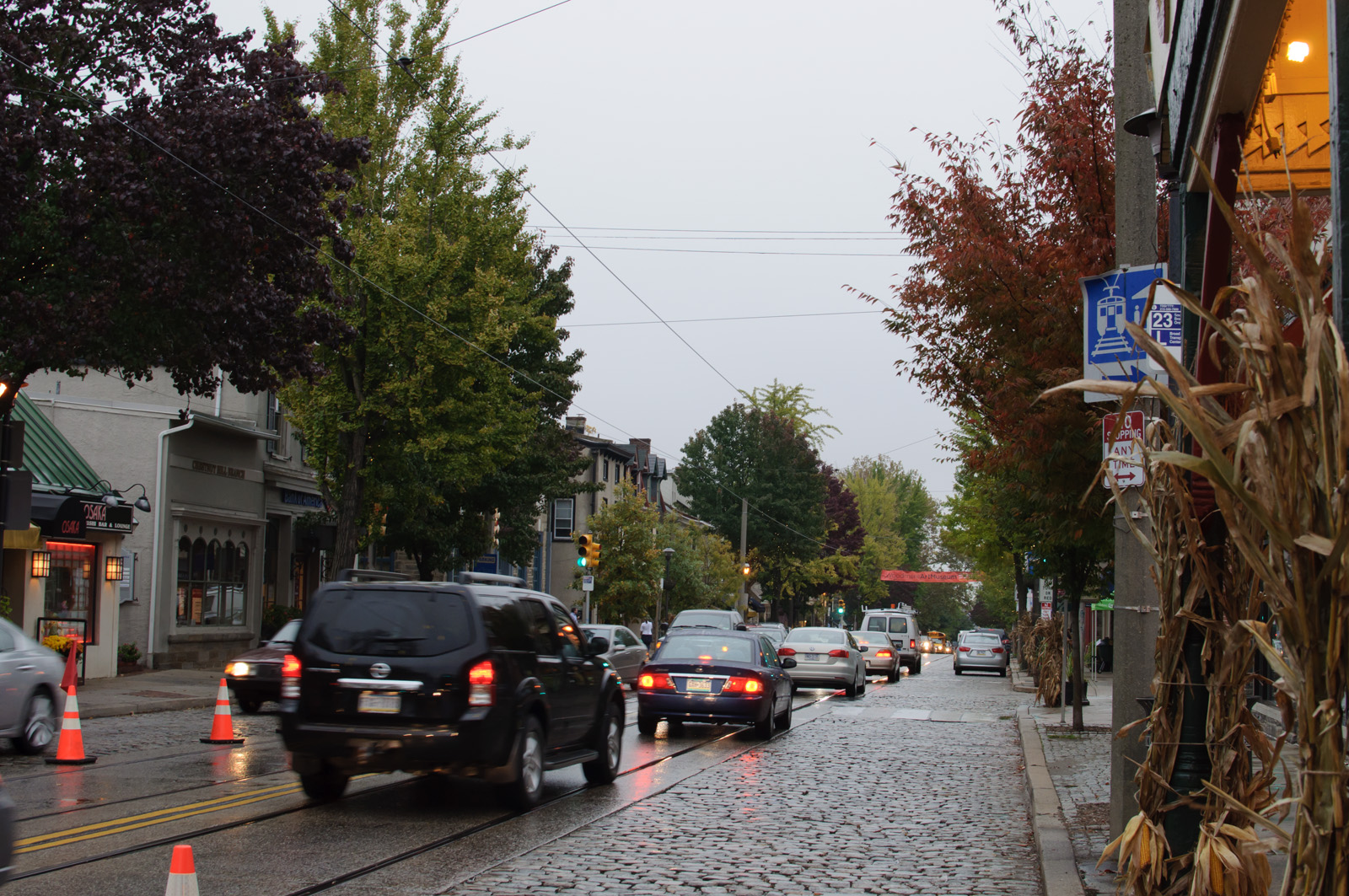
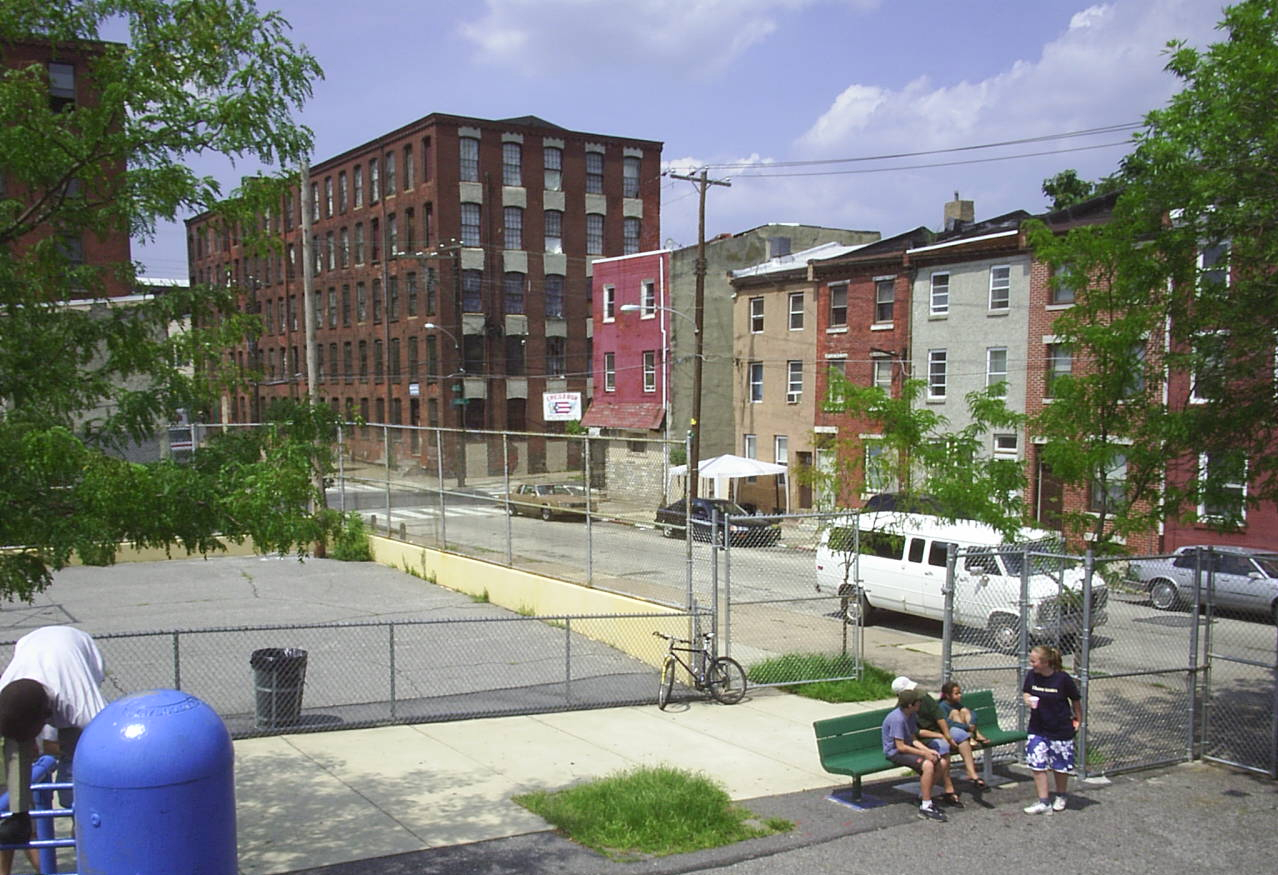
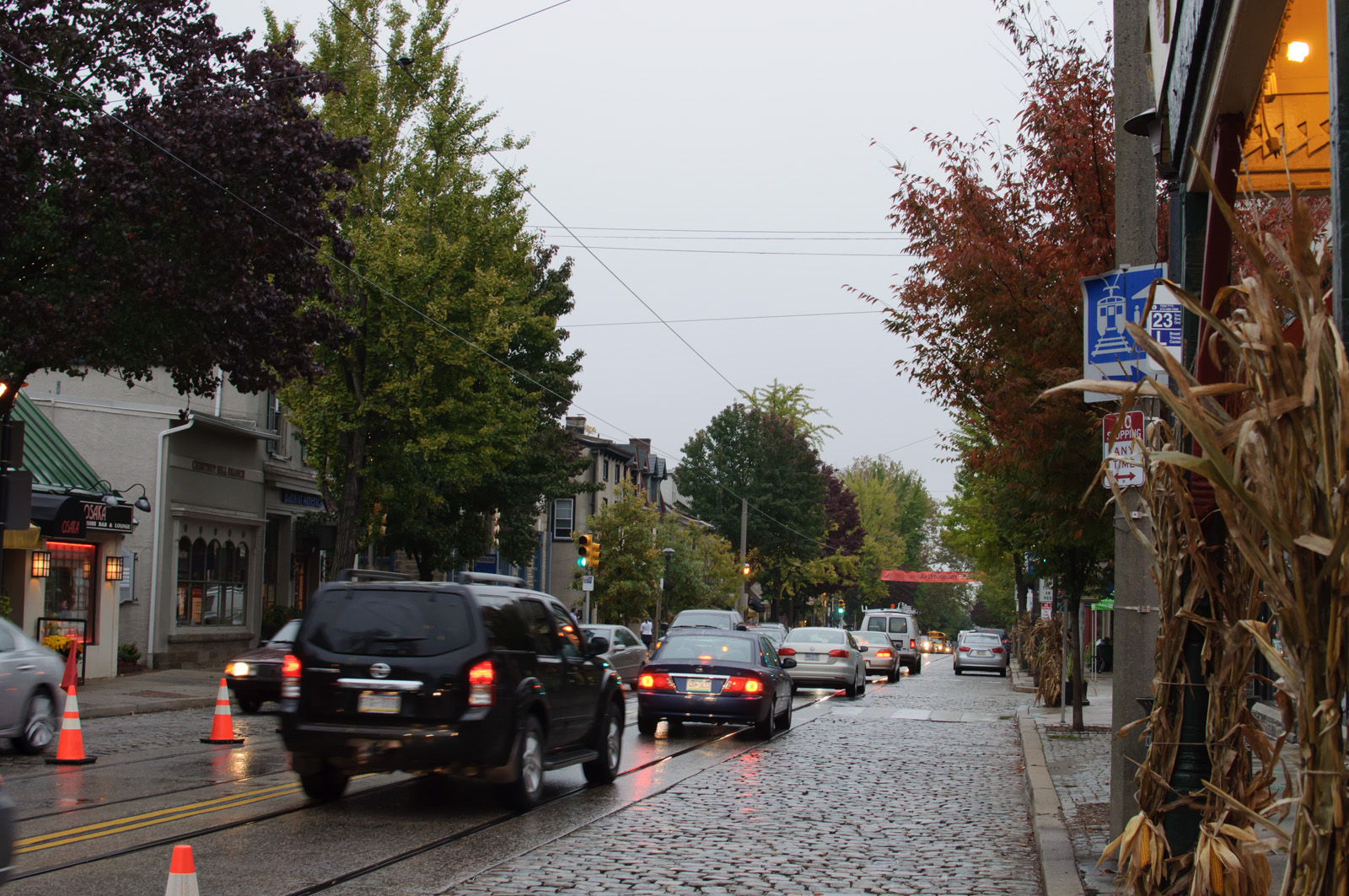
    Philadelphia’s cultural appeal is not confined to the Center City core. Chestnut Hill offers a walkable Germantown Avenue lined with independent boutiques, restaurants, and galleries, all set against a backdrop of historic stone architecture and garden landscapes. It delivers a refined, village-like lifestyle for buyers who want charm and space together. To the east, the riverward neighborhoods of Fishtown and Northern Liberties have become dining and nightlife destinations in their own right, drawing acclaimed chefs and a creative energy that has reshaped the luxury market along the Delaware. For buyers who want culture with a more contemporary, evolving character, these neighborhoods are worth exploring alongside the traditional Center City enclaves.

    Frequently asked questions

    Which Philadelphia neighborhood has the best dining for luxury buyers?

    Rittenhouse Square is widely regarded as the city’s premier dining destination, with the deepest concentration of fine-dining and chef-driven restaurants. Fitler Square, Washington Square West, and Old City each offer strong, distinctive scenes as well. The best choice depends on whether you want to be at the center of the activity or a few quiet blocks away from it.

    Does proximity to restaurants and culture really affect home value?

    Yes. Walkable access to established dining and cultural amenities is a consistent driver of demand in urban luxury markets, and neighborhoods with these anchors tend to hold value well because their appeal is difficult to replicate. Contact me for a look at how specific neighborhoods have performed recently.

    Can I get this lifestyle in the suburbs?

    Some walkable suburban towns, such as Haddonfield, Collingswood, and Chestnut Hill, offer charming dining and cultural centers on a smaller scale. They can be a great fit for buyers who want more space while keeping a walkable town center within reach.

    Want to find a luxury home in the neighborhood that fits how you live? I know Philadelphia’s premier neighborhoods intimately and can help you match the right home to the right cultural and dining scene. Reach out to James Kennedy at 215-267-8479 or jameskennedy@unlockedteam.com to start the conversation.