Category: Luxury Homes

  • Stone Harbor, New Jersey: A Luxury Buyer’s Guide to the Jersey Shore’s Most Exclusive Barrier Island

    Stone Harbor, New Jersey: A Luxury Buyer’s Guide to the Jersey Shore’s Most Exclusive Barrier Island

    Stone Harbor has long held a reputation as one of the more understated, architecturally disciplined towns on the South Jersey shore, drawing buyers who want the barrier-island lifestyle without the density and commercial strip of some neighboring shore towns. For buyers weighing a luxury second home along the Jersey Cape, it is worth a closer, standalone look beyond the general shore-town comparisons.

    The Character of Stone Harbor

    Stone Harbor sits on a barrier island shared with Avalon, and the two towns are often mentioned together, but Stone Harbor has its own distinct identity. The town has historically maintained strict zoning and architectural standards, which has helped preserve a more residential, less commercialized feel along much of its beachfront compared with some other shore destinations. Its downtown corridor along 96th Street offers boutiques, restaurants, and services within a walkable footprint, while the residential streets, particularly toward the north end of the island, are known for larger, more private lots.

    The town’s protected wetlands and its bird sanctuary give parts of Stone Harbor a quieter, more natural backdrop than a typical shore town, which has become a real draw for buyers who want beach access without a purely built-up streetscape on every side.

    What the Housing Stock Looks Like

    Stone Harbor’s luxury inventory ranges from classic shingle-style shore homes to newer, architect-designed construction, with the highest concentration of larger homes toward the north end of the island and along the bay side, where lots tend to be deeper and views more expansive. Bayfront and oceanfront properties command the strongest premiums, but buyers willing to be a block or two off the water often find meaningfully more house and land for the price, while still retaining an easy walk or bike ride to the beach.

    Because Stone Harbor is a genuinely small footprint island town, inventory at the true high end is limited at any given time, and well-positioned properties — particularly those with water views or larger lots — tend to draw serious interest quickly once listed.

    Second-Home Ownership Considerations

    Most buyers approach Stone Harbor as a second-home or seasonal purchase rather than a primary residence, and that changes some of the calculus compared with buying in Philadelphia or a year-round suburb. Flood zone status, insurance costs, and floor elevation requirements are worth investigating early in due diligence, since barrier island properties are subject to flood insurance rules that can meaningfully affect ownership costs. Buyers should also ask about any rental restrictions or homeowner association rules if the property is part of a covenant community, since some owners plan to offset costs with seasonal rental income and want to confirm that is permitted before making an offer.

    Stone Harbor vs. Avalon

    Because the two towns share a barrier island, buyers frequently cross-shop Stone Harbor against Avalon. In general, Stone Harbor’s commercial district is smaller and quieter, and its wildlife sanctuary gives certain pockets of town a more natural, less developed feel, while Avalon’s downtown and beachfront tend to have a bit more activity and a slightly different mix of housing stock. Neither is objectively better — the right choice depends on whether a buyer wants Stone Harbor’s slightly more low-key character or Avalon’s marginally busier core.

    Access and Commuting

    Stone Harbor is roughly a two-hour drive from Philadelphia depending on traffic and time of year, making it a realistic weekend and summer-season property for South Jersey and Philadelphia-based buyers. Seasonal traffic on the approach roads and bridges can extend travel time significantly during peak summer weekends, which is worth factoring in for buyers who plan to make frequent short trips rather than extended stays.

    Frequently asked questions

    Is Stone Harbor primarily a summer market, or do people live there year-round?

    Stone Harbor’s population swells dramatically in the summer season, and while there is a year-round community, the overwhelming majority of luxury buyers use their homes as seasonal or second properties rather than full-time residences.

    How does flood insurance affect the cost of owning in Stone Harbor?

    As a barrier island community, flood insurance is a meaningful and often mandatory cost of ownership, and rates vary by flood zone designation, elevation, and construction type. It is worth getting a flood insurance quote during due diligence rather than after the purchase agreement is signed.

    Should I consider Stone Harbor or Avalon if I am cross-shopping both?

    Both are excellent options with slightly different personalities — Stone Harbor tends to feel quieter and more residential in character, while Avalon’s core is a bit more active. Touring both in person, ideally at different times of day, is the best way to determine which fits your lifestyle.

    If you are considering Stone Harbor, Avalon, or another South Jersey shore town for a luxury second home, James Kennedy can help you evaluate current inventory and walk you through the specifics of shore ownership. Reach James at 215-267-8479 or jameskennedy@unlockedteam.com.

    Timing a Purchase in Stone Harbor

    Inventory and buyer activity in Stone Harbor tend to follow a seasonal rhythm, with more listings typically surfacing in the spring ahead of the summer season and renewed interest again in early fall once the crowds thin out. Buyers who can tour off-season, in the quieter months, often get a clearer sense of a property and neighborhood without the seasonal traffic and rental activity that can make summer visits less representative of year-round conditions.

    Buyers relocating from farther away should also budget extra time for the drive during peak weekends between Memorial Day and Labor Day, when shore-bound traffic can add significantly to the typical travel window from Philadelphia.

  • Moorestown, New Jersey: A Town Guide for Luxury Home Buyers

    Moorestown, New Jersey: A Town Guide for Luxury Home Buyers

    Moorestown, in Burlington County, is one of the towns South Jersey luxury buyers ask about most often — and for good reason. It offers a rare combination of a genuinely historic town center, consistently strong schools, and a straightforward commute into Philadelphia, all within a housing stock that ranges from restored colonials to newer estate-style construction.

    The character of the town

    Moorestown was settled by Quakers in the late 1600s, and its Main Street still reflects that history: tree-lined, walkable, and anchored by independent shops and restaurants rather than a strip of chain retail. Away from Main Street, the town spreads into a mix of established neighborhoods with mature trees and larger lots, along with newer developments built to a higher-end spec. Buyers looking for a historic Quaker farmhouse on acreage and buyers looking for a newly built five-bedroom colonial can both find inventory here, which is part of why the town draws such a wide range of luxury buyers.

    Schools and family appeal

    Moorestown’s public school system is one of the primary draws for families relocating from Philadelphia or from out of state, and it’s a significant factor in the town’s home values. Buyers moving specifically for schools should talk with their agent about how school assignment boundaries intersect with specific streets and developments, since this can vary block to block within the township.

    Commuting and access

    Moorestown sits close to Route 38, Route 73, and I-295, giving residents reasonably direct access to the Ben Franklin and Betsy Ross bridges into Philadelphia, as well as to the broader South Jersey highway network. It’s also within a manageable drive of Philadelphia International Airport, which matters for buyers who travel frequently. For buyers who work in Center City, the drive is comparable to many Main Line commutes, though it’s worth test-driving your actual commute at rush hour before finalizing a decision, since bridge traffic can vary significantly by time of day.

    What luxury inventory looks like

    The luxury segment in Moorestown spans several distinct product types: architecturally significant older homes near the historic core, larger custom and semi-custom homes on wooded lots in the town’s newer sections, and a smaller number of estate properties with acreage. Because the town has both a historic center and areas of more recent development, price per square foot and lot size can vary widely depending on which part of Moorestown you’re evaluating — it’s not a town where a single average tells you much.

    How Moorestown compares to nearby towns

    Moorestown is frequently cross-shopped with Cherry Hill, Haddonfield, and Mount Laurel. Compared to Haddonfield, Moorestown tends to offer larger lots and a quieter, less densely packed downtown. Compared to Cherry Hill, it generally trades some retail and dining density for a stronger small-town feel and, in many pockets, larger parcels. The right choice comes down to how much you value walkability to a compact downtown versus more land and a quieter street.

    Neighborhoods within Moorestown

    Moorestown isn’t a single, uniform market. The area immediately around Main Street and the historic core tends to favor older homes on smaller, walkable lots, while sections further from downtown — including newer subdivisions built over the past two to three decades — offer larger homes on bigger parcels with more contemporary layouts. Some of the township’s most prized addresses sit on quiet cul-de-sacs with mature trees and privacy from neighboring homes, while others trade some land for easy walking access to Main Street’s restaurants and shops. Buyers should be specific with their agent about which trade-off matters more, since two homes at a similar price point in different sections of Moorestown can feel like entirely different markets.

    Taxes and township considerations

    Like much of Burlington County, Moorestown’s property taxes reflect the quality of its schools and municipal services, and luxury buyers should factor this into their overall cost of ownership rather than focusing on purchase price alone. It’s worth asking your agent for a clear picture of current tax rates for any specific property you’re considering, since assessments and rates can shift from one reassessment cycle to the next. Buyers relocating from Pennsylvania in particular should build time into their planning to understand how New Jersey’s property tax structure compares to what they’re used to.

    Dining, shopping, and day-to-day life

    Main Street remains the social center of town, with a mix of long-standing family-owned businesses and newer restaurants that draw visitors from surrounding towns as well as residents. Community events, seasonal street fairs, and a walkable core give Moorestown a small-town feel that’s increasingly hard to find within a reasonable drive of a major city. For buyers weighing Moorestown against other South Jersey options, this everyday livability, alongside the schools and commute, is frequently cited as the deciding factor.

    Frequently asked questions

    Is Moorestown a good fit for buyers who work in Philadelphia?

    Yes, many Moorestown residents commute into Center City or University City, typically via car across one of the Delaware River bridges. Commute times are comparable to many western suburbs, though it’s worth timing your own drive during actual rush hour before committing.

    What kind of luxury inventory is available in Moorestown?

    Inventory ranges from historic homes near the Main Street corridor to larger, newer construction on wooded lots in the town’s outer sections, plus a limited number of true estate properties with significant acreage.

    How does Moorestown compare to Haddonfield for a luxury buyer?

    Moorestown tends to offer more land per property and a slightly quieter feel, while Haddonfield offers a more compact, walkable downtown with a dense concentration of shops and restaurants within a few blocks of most homes.

    If Moorestown is on your list, James Kennedy can help you understand current inventory, pricing by section of town, and how it stacks up against other South Jersey options. Reach James at 215-267-8479 or jameskennedy@unlockedteam.com.

  • Living in Society Hill: A Luxury Buyer’s Guide to Philadelphia’s Colonial-Era Neighborhood

    Living in Society Hill: A Luxury Buyer’s Guide to Philadelphia’s Colonial-Era Neighborhood

    Society Hill is one of the oldest residential neighborhoods in the United States, and it still functions the way it did two centuries ago: as a dense, walkable enclave of brick rowhomes a few blocks from the water and a few blocks from the center of the city. For luxury buyers, that combination of historic weight, architectural integrity, and everyday convenience is hard to replicate anywhere else in the region.

    What defines Society Hill

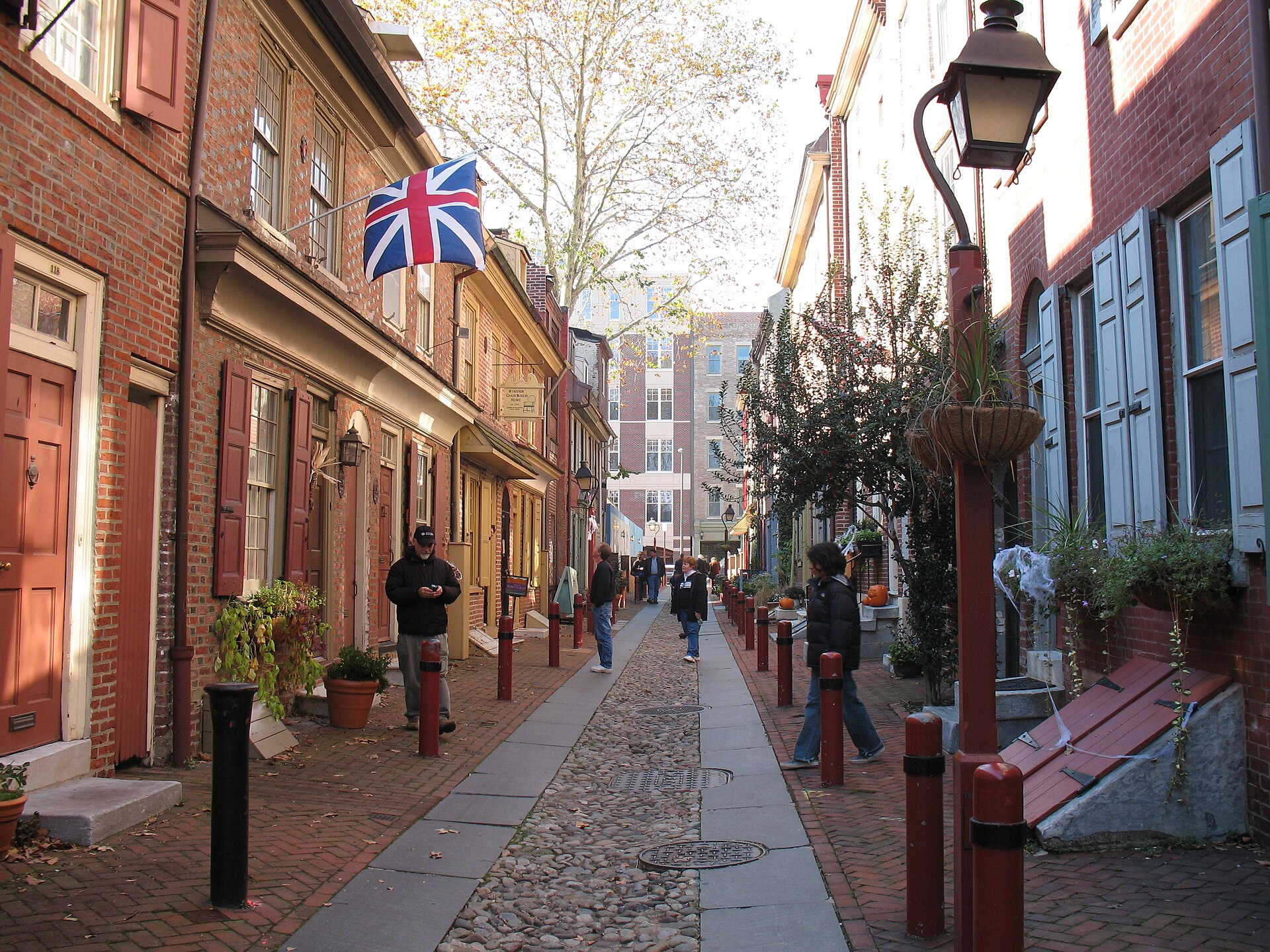
    The neighborhood’s identity comes from its 18th- and 19th-century rowhomes, many of them restored under the mid-century Society Hill redevelopment that preserved the area rather than clearing it. Federal-style facades, marble steps, shutters, and small hidden gardens are the norm rather than the exception. Streets like Delancey, Cypress, and Spruce are lined with homes that carry historic designation, and buyers here are often as interested in the architectural story of a house as its square footage.

    Because so much of the housing stock predates modern construction standards, buying in Society Hill is different from buying new construction elsewhere in the city. Floor plans tend to be narrower and more vertical, mechanical systems have often been updated in phases over decades, and exterior changes may be subject to historic review. None of this should discourage a serious buyer — it simply means due diligence should include a contractor or architect familiar with historic Philadelphia rowhomes, not just a general home inspector.

    Lifestyle and location

    Society Hill sits between Independence Park and the Delaware River waterfront, putting residents within walking distance of some of the most significant historic sites in the country, as well as Penn’s Landing and the waterfront’s ongoing redevelopment. Head House Square anchors a small but well-regarded restaurant and shopping corridor, and the neighborhood’s proximity to Old City means a short walk delivers access to galleries, additional dining, and nightlife without living in the middle of it.

    The neighborhood is quieter than Rittenhouse Square or Old City, which is part of its appeal to buyers who want a Center City address without Center City density. It’s an easy walk or short cab ride to the office towers of Market Street, and access to I-95 and the regional rail network makes it workable for buyers who split time between the city and the suburbs or shore.

    Who Society Hill fits best

    Society Hill tends to attract buyers who value architectural authenticity and are comfortable with the maintenance responsibilities that come with an older home in exchange for a level of historic character that can’t be built today. It’s a strong fit for empty nesters downsizing from a larger suburban property, professionals who want a walkable city base, and second-home buyers drawn to Philadelphia’s history. Families with young children also do well here, given the neighborhood’s relatively low traffic and proximity to well-regarded private schools in and around Center City.

    What to budget beyond the purchase price

    Historic rowhomes can carry higher carrying costs than newer construction of similar size: older roofs, party walls shared with neighbors, and updated electrical or plumbing systems are common line items in a purchase negotiation. Homes with historic designation may also have specific requirements around exterior renovations, which is worth understanding early if you’re planning any changes. A knowledgeable agent and a historic-home-savvy inspector are the two best investments you can make before writing an offer.

    The Society Hill Towers and later additions

    Not everything in Society Hill dates to the colonial era. The neighborhood also includes the Society Hill Towers, I.M. Pei’s mid-century high-rise complex built as part of the same 1950s and 1960s redevelopment that saved the surrounding rowhomes. For buyers who want the neighborhood’s location and walkability without the maintenance of an older rowhome, the Towers and a handful of other mid-rise buildings offer condo living with river views, on-site amenities, and considerably less hands-on upkeep than a 19th-century property. It’s worth touring both the historic rowhome stock and these newer buildings before deciding which type of ownership experience fits you better.

    Working with the Philadelphia Historical Commission

    Many properties in Society Hill sit within a locally designated historic district, which means exterior alterations, from replacing windows to adding a rear addition, typically go through a review process with the Philadelphia Historical Commission rather than a standard permitting path alone. This isn’t unique to Society Hill, but it’s more consistently applied here than in many other city neighborhoods given the density of historically certified buildings. Buyers planning any exterior work should build the review timeline into their renovation schedule and budget, and should ask their agent or a preservation-focused architect what has and hasn’t been approved on comparable homes nearby.

    Frequently asked questions

    Is Society Hill a good fit for a family with children?

    Yes. The neighborhood is quieter than many Center City districts, has relatively low through-traffic, and sits close to several respected private and independent schools, along with easy access to Independence Park’s green space.

    How does Society Hill compare to Old City?

    Society Hill is generally quieter and more residential, with an emphasis on colonial and Federal-era architecture, while Old City leans more toward galleries, restaurants, and a livelier evening scene. Many buyers cross-shop the two and choose based on how much activity they want outside their front door.

    Do historic designations make renovations difficult?

    Not necessarily, but exterior changes on designated properties typically require additional review, and it’s important to understand a property’s status before assuming a renovation plan is straightforward. An agent experienced in historic Philadelphia real estate can help you evaluate this before you buy.

    If you’re considering Society Hill or comparing it to other historic Philadelphia neighborhoods, James Kennedy can walk you through current inventory, pricing considerations, and what to expect from the historic review process. Reach James at 215-267-8479 or jameskennedy@unlockedteam.com.

  • Staging a Luxury Home: A Seller’s Guide for Philadelphia & South Jersey

    Staging a Luxury Home: A Seller’s Guide for Philadelphia & South Jersey

    Staging advice written for the general market rarely translates cleanly to luxury homes. A $2 million buyer isn’t persuaded by a bowl of fake lemons on the kitchen counter; they’re evaluating whether a house photographs and shows like the kind of home they picture themselves owning. Staging at the high end is less about disguising flaws and more about presenting a clear, coherent lifestyle story from the first photo to the final walkthrough.

    Why staging matters more, not less, at the high end

    Luxury buyers tend to see fewer homes in person than mid-market buyers, because their search is more selective and often begins with online photography and video. That means a luxury listing has less room for error: the first impression made in professional photos and a listing video often determines whether a buyer requests a private showing at all. Staging exists to make sure that first impression matches the price point.

    What professional staging actually changes

    • Scale and proportion — an unstaged large room can photograph as empty or oddly proportioned; furniture placed at the right scale helps buyers understand how the space actually functions.
    • Editing, not decorating — the goal is usually subtraction. Removing excess furniture, personal collections, and family photography lets buyers imagine their own life in the space rather than someone else’s.
    • Light and sightlines — staging that opens sightlines between rooms and maximizes natural light tends to outperform staging that simply fills rooms with furniture.
    • Consistency of style — at the high end, staging that clashes with a home’s existing architecture (contemporary furniture in a Society Hill townhouse, for instance) can undercut the very character that justifies the price.

    Occupied vs. vacant staging

    Many luxury sellers are still living in the home when it goes to market, which calls for a lighter touch: editing existing furniture, decluttering, and possibly renting a few key pieces rather than a full swap-out. Vacant luxury homes — common with estate sales, relocations, or new construction — generally benefit from full staging, since an empty luxury home can look surprisingly ordinary in photos without furniture to establish scale.

    Where to spend, and where to hold back

    Not every room needs the same investment. Primary living spaces, the kitchen, the primary suite, and any standout feature — a library, a wine room, a waterfront view — deserve the most attention, since they are what buyers remember and what agents lead with in marketing. Secondary bedrooms, utility spaces, and storage areas generally need only to be clean, decluttered, and well-lit rather than fully staged.

    Beyond furniture: the details that matter

    • Exterior and entry — for luxury buyers, the approach to the home sets expectations before the front door even opens. Landscaping, lighting, and a well-maintained entry deserve real attention.
    • Scent and temperature — small, easily overlooked details like a musty basement smell or an uncomfortable indoor temperature can undercut an otherwise excellent presentation.
    • Seasonal timing — outdoor living spaces, pools, and gardens should be shown at their best; sellers with strong outdoor amenities should think carefully about timing a launch around them.

    Staging for different property types

    A Rittenhouse Square high-rise condo, a Main Line estate, and a Jersey Shore vacation home each call for a different staging approach. City condos generally benefit from a clean, editorial style that emphasizes views and light, since buyers touring several buildings in one afternoon respond well to a crisp, easy-to-photograph presentation. Suburban estates often need staging that helps oversized rooms feel warm and lived-in rather than cavernous. Shore properties do best when staged to emphasize indoor-outdoor flow and easy, low-maintenance living, since that is usually the lifestyle the buyer is purchasing in the first place.

    Working with your listing agent on staging decisions

    The strongest staging plans are built jointly with the listing agent rather than handed off entirely to a stager working in isolation. An agent who knows the specific buyer pool for a neighborhood or price point can flag which features matter most to that audience, which rooms are likely to draw the most attention in showings, and where a seller’s budget is best spent. This coordination also helps ensure staging choices line up with the marketing plan and professional photography schedule rather than working against them.

    Working staging into your listing timeline

    Staging works best when it’s planned early rather than rushed in the final week before photos. Sellers should expect to coordinate staging with any pre-listing improvements, professional photography, and floor plan creation, all of which typically happen in sequence over several weeks. Building in that lead time avoids the common mistake of staging a home the day before a photo shoot with no opportunity to adjust.

    Frequently asked questions

    Is staging worth the cost for a luxury home that’s already in excellent condition?

    Often yes, even for well-maintained homes, because staging addresses presentation and buyer psychology rather than condition. A beautifully maintained but unstaged home can still photograph as cold or hard to read at scale; staging is about helping buyers visualize the lifestyle, not fixing problems.

    Should I stage with my own furniture or rent staging pieces?

    It depends on the home and the seller’s furniture. High-quality, appropriately scaled existing furniture can often be incorporated with editing and rearranging, while dated or mismatched pieces are usually better replaced with rented staging furniture for the listing period. A walkthrough with a stager or agent can identify which approach fits a specific home.

    How far in advance of listing should staging happen?

    Staging is generally best scheduled in the final one to two weeks before a home goes live, timed just ahead of professional photography, but the planning conversation — what to remove, what to rent, what improvements to prioritize — should start well before that, ideally as soon as a seller decides to list.

    If you’re preparing to list a luxury home in Philadelphia or South Jersey and want a staging and marketing plan built around your specific property, contact James Kennedy at 215-267-8479 or jameskennedy@unlockedteam.com.

  • Living in Rittenhouse Square: A Luxury Buyer’s Guide to Philadelphia’s Premier Address

    Living in Rittenhouse Square: A Luxury Buyer’s Guide to Philadelphia’s Premier Address

    Ask almost anyone in Philadelphia where the city’s most prestigious address is, and the answer comes back the same: Rittenhouse Square. Built around one of William Penn’s original five public squares, the neighborhood has spent more than a century as the anchor of Center City luxury living. For buyers weighing a move into the city, understanding what makes Rittenhouse different from Philadelphia’s other high-end pockets is the first step toward deciding whether it’s the right fit.

    What the neighborhood actually is

    Rittenhouse Square refers both to the park itself and to the surrounding blocks that radiate out from it, roughly bounded by Broad Street to the east, the Schuylkill River to the west, Market Street to the north, and South Street to the south, though the neighborhood’s true character is concentrated in the several blocks immediately around the park. It is a dense, walkable, largely pre-war neighborhood layered with 20th-century high-rises, making it one of the few places in the region where true high-rise condo living exists alongside classic brownstone and townhouse blocks.

    The housing stock

    Rittenhouse offers more architectural range than its reputation for glass towers suggests.

    • Pre-war and post-war high-rise condominiums — buildings along the Square and on Walnut and Locust Streets offer full-service living with doormen, concierge staff, and in many cases health clubs and swimming pools.
    • Newer luxury towers — several more recent developments have added contemporary condos with larger floor plates, updated mechanical systems, and amenity packages built for today’s buyer.
    • 19th-century townhouses — on the quieter side streets, particularly toward Delancey and Panama Streets, restored townhouses offer the space and privacy of a single-family home in a neighborhood best known for vertical living.

    Because the building stock spans more than a century, condo fees, reserve fund health, and building bylaws vary enormously from one address to the next. A careful review of a building’s financials is essential before writing an offer here, regardless of how polished the unit itself looks.

    Who buys here

    Rittenhouse draws a genuinely mixed buyer pool: empty nesters selling a Main Line or Chester County estate and trading yard work for a doorman, executives who want a five-minute walk to Center City offices, and second-home buyers who want a true urban pied-a-terre with restaurants, museums, and Rittenhouse Square’s park life outside the front door. What unites most buyers is a preference for walkability and lock-and-leave convenience over square footage.

    Daily life around the Square

    Few Philadelphia neighborhoods pack in as much within a short walk. Walnut Street’s retail corridor, some of the city’s best-regarded restaurants, the Kimmel Cultural Campus, and the Avenue of the Arts are all within easy reach, and the park itself functions as a genuine neighborhood living room — a place for morning coffee, dog walks, and the weekend flower market. For buyers coming from the suburbs, this density is either the entire appeal or a genuine adjustment; it’s worth spending real time in the neighborhood at different hours before committing.

    What to weigh before buying

    A few practical considerations come up repeatedly with Rittenhouse buyers:

    • Parking — few older buildings include deeded parking, and where it exists it commands a real premium. Buyers who need a car should confirm parking availability early in a search rather than assuming it comes with the unit.
    • Noise and exposure — units directly on Walnut or Locust Streets can be busier than those on quieter side streets; asking to visit at different times of day is worthwhile.
    • Building financials — for condos, request the reserve study, recent meeting minutes, and any pending special assessments before going under contract.
    • Resale depth — Rittenhouse consistently ranks among the most liquid luxury submarkets in the city, which matters to buyers thinking about their eventual exit as much as their purchase.

    How Rittenhouse compares to nearby neighborhoods

    Buyers cross-shopping Rittenhouse often also look at Fitler Square for a quieter, more residential feel a few blocks west, or Washington Square West for a slightly more relaxed price point with similar walkability. None of these substitute exactly for Rittenhouse’s combination of address prestige, retail density, and building selection, but each offers a genuine trade-off worth understanding before you commit to a search radius.

    Frequently asked questions

    Is Rittenhouse Square mostly condos, or can you find single-family homes?

    The neighborhood is dominated by condominiums, particularly near the park itself, but restored 19th-century townhouses do exist on the quieter side streets, especially toward Delancey and Panama Streets. Buyers set on a true single-family home may need to widen their search slightly or work with an agent who tracks off-market inventory closely.

    Do Rittenhouse condo buildings allow short-term or seasonal rentals?

    Rental policies vary significantly by building and are set independently by each condo association. Some buildings prohibit rentals entirely for a period after purchase, while others allow them with restrictions. This should always be confirmed in the building’s bylaws before a second-home or investment buyer makes an offer.

    How does pricing in Rittenhouse compare to the Main Line or Chester County?

    Because Rittenhouse buyers are generally paying for location, walkability, and building amenities rather than land and square footage, the per-square-foot math looks different than in the suburbs. A meaningful comparison depends heavily on the specific building, floor, and unit condition, which is exactly the kind of current, address-specific analysis worth getting from an agent rather than a general guide.

    If you’re considering a move into Rittenhouse Square or want a clear-eyed comparison against other Center City and Main Line options, James Kennedy can walk you through current inventory and building-by-building trade-offs. Reach James at 215-267-8479 or jameskennedy@unlockedteam.com.

  • Pools, Wine Cellars, and Smart Homes: Which Luxury Amenities Add Real Value?

    Pools, Wine Cellars, and Smart Homes: Which Luxury Amenities Add Real Value?

    Luxury homeowners in Philadelphia and South Jersey invest heavily in their properties — pools, wine cellars, home theaters, gyms, smart-home systems, elaborate outdoor kitchens. But when the home eventually sells, these amenities are not created equal. Some broaden a home’s appeal and strengthen its position against competing listings; others are lifestyle purchases that the market largely declines to reimburse. Understanding the difference helps you invest wisely while you live in the home and market it intelligently when you sell.

    The core principle: breadth of appeal

    An amenity adds resale value in proportion to how many likely buyers of your specific home will want it — and how few will see it as a burden. A heated garage in Chestnut Hill appeals to nearly everyone; a regulation squash court appeals to a handful. Before any major project, ask two questions: does this fit what buyers at my home’s price point expect, and does it fit this particular location? The same pool that feels essential in Moorestown can read as maintenance liability to some Center City townhome buyers.

    Amenities that tend to strengthen value

    Kitchens and primary suites

    Unglamorous but true: the highest-impact money in a luxury home still goes to the kitchen and the primary bedroom suite. Buyers at the top of the market expect professional-grade appliances, generous storage, and a primary bath that feels like a retreat. Homes that deliver these convincingly sell against their competition; homes that do not get discounted quickly, whatever their other amenities.

    Outdoor living done for the region

    In the Philadelphia suburbs and South Jersey, well-built outdoor rooms — covered terraces, fireplaces, outdoor kitchens — extend the usable season and photograph beautifully, which matters in luxury marketing. The key is quality and integration with the house rather than sheer size.

    Garages and parking

    In the city, deeded parking or a garage is among the most reliably valuable amenities a luxury property can have — scarce, universally desired, and impossible to add later in most locations. In the suburbs, collectors’ garages with capacity for three or more cars serve a real segment of high-end buyers.

    Smart-home infrastructure and security

    Buyers increasingly expect integrated lighting, climate, audio, and security in significant homes. The caution: choose mainstream, serviceable systems. A widely supported platform reads as a feature; an exotic, custom-programmed installation that only one integrator understands can actually give buyers pause. Wiring and infrastructure age better than any specific device.

    Elevators in multi-story townhomes

    In Philadelphia’s luxury townhome market, an elevator — or even a properly framed elevator shaft ready for one — meaningfully widens the buyer pool, especially among downsizers who love city living but plan for the long term.

    Amenities that are usually lifestyle purchases

    Swimming pools

    Pools are the classic case of location-dependent value. At the South Jersey shore and in family-oriented suburban markets, a beautifully built pool is often expected at the top price tiers. Elsewhere in the region, the shorter swimming season means some buyers value the pool and others see upkeep — so treat a pool primarily as something you build for your own enjoyment, executed well enough that it never detracts.

    Wine cellars, theaters, and gyms

    These rooms delight the buyers who want them and are ignored by the rest. Their smartest form is convertible: a conditioned cellar, a media room, or a gym that could plainly serve as another bedroom, office, or storage space lets every buyer imagine their own use. Highly specialized, single-purpose build-outs recover the least.

    Over-personalized design

    The most expensive mistake at the high end is not any single amenity — it is taste so specific that buyers budget for undoing it. Bold permanent finishes, themed rooms, and unusual floor-plan alterations narrow the audience. Personality belongs in furnishings and art, which leave with you; permanence rewards restraint.

    Thinking about it as a seller

    When it is time to sell, amenities earn their keep through marketing: professional photography and film that show the outdoor kitchen in use, the cellar lit properly, the automation demonstrated at showings. Documentation matters too — permits, service records, and warranties for pools, systems, and specialty installations reassure buyers and their inspectors. And because the value of any amenity ultimately depends on your specific street and buyer pool, a tailored pricing analysis beats any general rule.

    Frequently asked questions

    Does a pool add value to a luxury home in the Philadelphia area?

    It depends heavily on location. At the shore and in family-oriented suburban markets, high-end buyers often expect a pool. In other areas, the region’s seasonal climate splits buyer opinion, so a pool is best viewed as a lifestyle investment that should be beautifully built and maintained so it never counts against the home.

    Which renovation adds the most value to a high-end home?

    Kitchens and primary suites remain the most reliable, because virtually every luxury buyer weighs them. After those, region-appropriate outdoor living, parking or garages, and mainstream smart-home infrastructure tend to strengthen a home’s competitive position most consistently.

    Do smart-home systems help resale?

    Generally yes, when they use mainstream, widely serviceable platforms and solid wiring infrastructure. Overly custom or obscure systems can concern buyers who worry about support. Simplicity, documentation, and a smooth demonstration at showings make automation an asset rather than a question mark.

    Wondering which improvements make sense for your home — or how to market the ones you have? James Kennedy advises luxury buyers and sellers across Philadelphia and South Jersey on renovation strategy, pricing, and marketing. Call 215-267-8479 or email jameskennedy@unlockedteam.com for a tailored consultation.

  • Swarthmore, Pennsylvania: A Delaware County Town Guide for Luxury Home Buyers

    Swarthmore, Pennsylvania: A Delaware County Town Guide for Luxury Home Buyers

    Ask people who know Delaware County where its most quietly beautiful town sits, and Swarthmore comes up again and again. Built around the leafy campus of Swarthmore College — itself a nationally recognized arboretum — this small borough offers something increasingly rare: a genuinely walkable village center, a direct rail line to Center City Philadelphia, and a housing stock of stone colonials, Victorians, and Tudor revivals set on mature, tree-canopied streets. For luxury buyers who want character and community over sprawl, Swarthmore deserves a serious look.

    The setting: a town inside an arboretum

    Swarthmore’s identity is inseparable from the college that anchors it. The Scott Arboretum spreads across the campus, and its influence spills into the surrounding neighborhoods — the borough’s streets are lined with mature oaks, beeches, and flowering specimen trees that give even short walks a park-like feel. The Crum Woods, a wooded stream valley along Crum Creek, borders the campus and offers trails that residents treat as their own backyard.

    The effect on the residential streets is striking. Homes here are framed by landscape in a way that newer luxury communities spend decades trying to replicate. For buyers who value setting as much as square footage, this is Swarthmore’s signature advantage.

    The housing stock: character over volume

    Swarthmore is a small borough, and its inventory reflects that. Turnover is modest, and the best homes often attract attention quickly. What you will find, when homes do come to market, includes:

    • Stone and brick colonials from the early twentieth century, many with slate roofs, deep porches, and generous center-hall floor plans.
    • Victorians and shingle-style homes near the village center, prized for their detail and their walk-to-everything locations.
    • Tudor revivals and arts-and-crafts homes on the borough’s quieter streets, often on larger, beautifully planted lots.
    • A limited number of newer and expanded homes, typically renovations that preserve original facades while modernizing interiors.

    Because the borough is nearly built out, scarcity does much of the work of preserving value. Buyers should be prepared to act decisively when the right property appears, and sellers benefit from a market where distinctive homes rarely linger.

    The village center and daily life

    Swarthmore’s compact downtown sits directly across from the campus and the SEPTA station. The town center has grown noticeably livelier in recent years, with a farmers market, independent restaurants and cafes, a cooperative grocery, and community events that draw residents through the seasons. The college adds a steady calendar of lectures, concerts, and performances open to the public — a cultural amenity that most towns of this size simply cannot offer.

    Commuting and connectivity

    The Swarthmore station on SEPTA’s Media/Wawa Regional Rail line puts Center City within a comfortable train ride, making the borough practical for professionals who split time between home and a Philadelphia office. Drivers reach I-476 (the Blue Route) in minutes, which opens up the Main Line, the Philadelphia International Airport, and the broader region. For a town that feels tucked away, Swarthmore is remarkably well connected.

    Schools

    The borough is served by the Wallingford-Swarthmore School District, which has long been a draw for families and a meaningful support for property values. As with any luxury purchase, buyers weighing school considerations should look at fit for their own family rather than rankings alone — but the district’s reputation is a consistent part of why demand for Swarthmore homes stays strong.

    Who Swarthmore fits best

    Swarthmore rewards a particular kind of buyer: one who wants architectural character, walkability, and an engaged community more than gated privacy or new-construction finishes. Academics and professionals connected to the college, families drawn by the schools, and downsizers who want village life without leaving the Philadelphia area all compete for the same limited inventory. Buyers seeking large modern estates on multiple acres will generally look toward other parts of Delaware and Chester counties — nearby Wallingford, Media, and Newtown Square offer larger parcels — but for in-town elegance, Swarthmore has few regional peers.

    Advice for buyers and sellers

    For buyers, preparation matters more here than in high-inventory markets. Have financing fully arranged, know your must-haves, and work with an agent who hears about Swarthmore homes before they are broadly marketed. Older homes also reward careful due diligence: slate roofs, stone foundations, and vintage systems are part of the charm, and a thorough inspection helps you price their care into your offer.

    For sellers, presentation should honor the home’s character. Buyers come to Swarthmore for authenticity, so marketing that highlights original detail, landscape, and the walk-to-village lifestyle consistently outperforms generic staging. Because current market conditions vary street by street and season by season, a tailored pricing analysis matters more than any rule of thumb.

    Frequently asked questions

    Is Swarthmore a good place to buy a luxury home?

    Yes, for buyers who prize character, walkability, and community. Swarthmore offers distinguished early-twentieth-century architecture, an arboretum setting, strong schools, and rail access to Center City. Its small size means limited inventory, which supports long-term value but requires buyers to be ready to move quickly.

    How is the commute from Swarthmore to Center City Philadelphia?

    Swarthmore has its own station on SEPTA’s Media/Wawa Regional Rail line with direct service to Center City, and drivers can reach I-476 in minutes for access to the Main Line and Philadelphia International Airport. Most residents consider the commute one of the town’s practical strengths.

    What kinds of homes are available in Swarthmore?

    The borough’s stock centers on stone and brick colonials, Victorians, Tudor revivals, and arts-and-crafts homes, many on mature, planted lots near the village center. Large new-construction estates are rare; buyers wanting acreage typically look to surrounding Delaware and Chester County townships.

    Thinking about buying or selling in Swarthmore or elsewhere in Delaware County? James Kennedy specializes in luxury real estate across Philadelphia and South Jersey and can share current market data, off-market opportunities, and a pricing strategy tailored to your home. Call James at 215-267-8479 or email jameskennedy@unlockedteam.com to start the conversation.

  • Kennett Square, Pennsylvania: A Chester County Town Guide for Luxury Home Buyers

    Kennett Square, Pennsylvania: A Chester County Town Guide for Luxury Home Buyers

    Kennett Square sits in southern Chester County, roughly thirty-five miles from Center City Philadelphia, and has built a reputation well beyond its size thanks to its mushroom-farming heritage, a genuinely charming walkable downtown, and its proximity to Longwood Gardens. For luxury buyers who want a small-town feel with real culinary and cultural amenities, rather than a purely bedroom-community suburb, Kennett Square is worth serious consideration.

    What Draws Luxury Buyers to Kennett Square

    Unlike some Chester County towns that are primarily residential with a small commercial core, Kennett Square’s downtown functions as a genuine destination. State Street is lined with independent restaurants, wine bars, and shops that draw visitors from across the region, giving residents walkable access to a level of dining and culture that is unusual for a town of its size. That downtown vibrancy, paired with the surrounding countryside, gives Kennett Square a dual identity: a real Main Street town with estate-caliber properties just outside it.

    The Housing Stock

    Luxury buyers in the Kennett Square area typically consider a few distinct property types. In the borough itself, restored Victorian and early twentieth-century homes offer walkable-downtown living with historic character, though lot sizes are naturally more modest than in the surrounding townships. Just outside the borough, in areas like Kennett Township and East Marlborough Township, buyers find larger properties on multi-acre lots, including converted farmhouses, custom-built estate homes, and properties with equestrian facilities or preserved open space nearby. This range means a buyer can choose between in-town walkability and rural privacy without leaving the same school district or community identity.

    Land, Privacy, and Preservation

    One of the defining features of the Kennett Square area is the amount of preserved farmland and open space surrounding it, a legacy of active land conservation efforts in southern Chester County. For buyers who want acreage, mature trees, and long sightlines without feeling isolated from a town center, this combination of preserved landscape and a lively downtown is relatively rare within a reasonable commute of Philadelphia.

    Longwood Gardens and the Cultural Landscape

    Longwood Gardens, one of the premier public gardens in the country, sits just outside Kennett Square and is a significant part of the area’s identity and appeal. Beyond Longwood, the broader Brandywine Valley is home to museums, historic sites, and preserved battlefields, giving residents a level of cultural access that goes well beyond what is typical for a rural-adjacent town of this size.

    Commuting Considerations

    Kennett Square is not a rail-commute town in the way that Main Line communities are; residents typically drive to Wilmington, West Chester, or into the Philadelphia region via Route 1 or Route 202. Buyers who prioritize a car-free commute into Center City should weigh this carefully, while those who work remotely, commute by car, or work in the Wilmington or Delaware corridor may find the trade-off entirely worthwhile given what the area offers.

    Schools and Community

    The Kennett Consolidated School District serves the borough and much of the surrounding townships, and school quality is a factor many luxury buyers weigh heavily when comparing towns. As with any town, prospective buyers should evaluate current school data and boundaries directly, since they can shift over time and vary by specific address.

    How Kennett Square Compares to Other Chester County Towns

    Buyers cross-shopping Chester County often compare Kennett Square to West Chester, which offers a larger downtown and a more urban, borough-wide walkability, or to Chadds Ford and Newtown Square, which lean more toward large-lot estate living without the same concentration of restaurants and shops. Kennett Square tends to land in between: it has a real, active downtown like West Chester, but the surrounding countryside feels closer to what buyers expect from Chadds Ford. That middle position is a large part of its appeal, since it lets a buyer avoid choosing between a lively town center and open, rural acreage.

    Who Kennett Square Fits Best

    • Buyers who want walkable small-town amenities without sacrificing acreage and privacy nearby
    • Those drawn to a strong food and wine culture in a low-key, unpretentious setting
    • Equestrian buyers or those interested in preserved farmland and open space
    • Buyers comfortable with a car-based commute rather than a rail line into the city

    Resale and Long-Term Value

    Because Kennett Square’s downtown continues to draw new restaurants and small businesses, and because the surrounding preserved land limits how much new supply can ever come to market, well-maintained properties both in the borough and on the surrounding acreage have tended to hold buyer interest over time. As with any purchase, buyers should still evaluate a specific property’s condition, lot, and location within the broader market rather than assuming the town’s overall reputation guarantees any individual home’s performance.

    Frequently asked questions

    Is Kennett Square considered part of the Main Line?

    No. The Main Line refers specifically to communities along the historic Pennsylvania Railroad line west of Philadelphia, such as Bryn Mawr and Villanova. Kennett Square is in southern Chester County and has a distinct identity built around its downtown, farmland, and proximity to Longwood Gardens rather than a rail commuting culture.

    How far is Kennett Square from Philadelphia International Airport?

    It is roughly a thirty- to forty-minute drive under normal traffic conditions, making it a practical option for buyers who travel frequently but prefer a quieter, rural setting over city or close-in suburban living.

    Are there luxury new-construction options in the Kennett Square area, or is it mostly older homes?

    Both exist. The borough and surrounding townships have a strong stock of historic and character-driven homes, while newer custom construction is also available on larger parcels in the surrounding townships, so buyers are not limited to one style or era.

    If Kennett Square or another Chester County community might fit your search, James Kennedy can help you evaluate the options against your priorities. Reach him at 215-267-8479 or jameskennedy@unlockedteam.com.

  • Buying Land and Building a Custom Luxury Home in Philadelphia & South Jersey

    Buying Land and Building a Custom Luxury Home in Philadelphia & South Jersey

    For some luxury buyers, the right home doesn’t exist yet on the resale market. Whether it’s a specific lot, a particular layout, or amenities that simply aren’t available in existing inventory, building a custom home is a legitimate path — but it’s a meaningfully different process than buying an existing property, with its own timeline, risks, and cost structure that buyers should understand before committing.

    Finding the right lot

    In and around Philadelphia and South Jersey, buildable luxury lots are scarcer than in areas with more open land, which means the search itself can take longer than expected. Infill lots in established city neighborhoods or close-in suburbs are typically small and may come with teardown costs, easements, or zoning constraints. Larger acreage in outlying Chester County, Bucks County, or South Jersey townships offers more flexibility but often requires more work upfront: perc testing for septic suitability, well feasibility, access and right-of-way confirmation, and a clear understanding of any conservation or agricultural restrictions tied to the land.

    Before committing to a lot, it’s worth commissioning a preliminary feasibility review — covering zoning, setback requirements, floodplain status, and utility access — so you know what you can actually build before you own the land.

    Zoning, permitting, and timeline

    Custom construction timelines are driven as much by municipal process as by actual building time. Zoning approvals, variances if needed, permitting, and inspections all add time, and the process varies significantly by municipality. Some townships move through residential permitting relatively quickly; others, particularly those with historic district overlays or more involved planning commission review, can add many months to a project. Buyers should ask early — ideally before finalizing land purchase — what a realistic permitting timeline looks like for that specific municipality, not just for custom construction in general.

    Choosing a builder and architect

    At the luxury end, the relationship between buyer, architect, and builder matters enormously. Look for a builder with a specific track record in the region and, ideally, in the exact township where you’re building, since local relationships with the permitting office and familiarity with local soil and construction conditions can meaningfully affect both timeline and cost. Ask to see completed projects in person, not just photos, and speak with past clients about how change orders, delays, and budget overruns were handled — these are the moments that reveal how a builder actually operates under pressure.

    Financing a custom build

    Construction financing works differently than a traditional mortgage. Most custom builds are financed through a construction loan that disburses funds in draws tied to completed phases of work, often converting to a permanent mortgage once the home is finished. Lenders experienced in high-value custom construction in this region can be more flexible and realistic about budgets and timelines than a generalist lender, so it’s worth seeking out a lender with specific experience in luxury construction lending rather than assuming any mortgage lender can handle the process equally well.

    Budgeting realistically

    Custom construction budgets should include meaningful contingency — typically well beyond what buyers initially expect — for site conditions discovered during excavation, material cost changes, and design changes made along the way. Buyers who go in expecting some fluidity in both budget and timeline tend to have a smoother experience than those who treat the initial estimate as a fixed number.

    Frequently asked questions

    Is it faster to buy an existing luxury home or build a custom one?

    In almost every case, buying an existing home is faster. Custom construction in this region, from land purchase through move-in, commonly takes well over a year once permitting, design, and construction are all accounted for. Building makes sense when the specific home you want doesn’t exist on the resale market, not as a faster alternative to buying.

    What is perc testing and why does it matter for South Jersey and Chester County lots?

    A percolation, or “perc,” test measures how well soil absorbs water and determines whether a lot without public sewer access can support a septic system. Many rural and semi-rural lots in South Jersey and Chester County rely on septic systems, so a lot’s perc test results can determine whether — and how large a home — it can support before you even design the floor plan.

    Should I hire an architect before or after buying the land?

    Ideally, involve an architect during the lot evaluation itself, even informally. An experienced architect can flag site constraints — slope, setbacks, tree preservation requirements, floodplain issues — that affect what’s actually buildable on a given lot before you’re financially committed to it.

    If you’re considering a custom build in Philadelphia or South Jersey, James Kennedy can help you evaluate land, connect with reputable local builders, and think through the trade-offs against buying an existing luxury home. Reach James at 215-267-8479 or jameskennedy@unlockedteam.com.

  • Sea Isle City, New Jersey: A Luxury Buyer’s Guide to the Jersey Shore’s Understated Elegance

    Sea Isle City, New Jersey: A Luxury Buyer’s Guide to the Jersey Shore’s Understated Elegance

    Sea Isle City occupies a distinct place among South Jersey’s barrier island shore towns. It’s less understated than Stone Harbor or Avalon in some pockets, more energetic than the quieter stretches of Cape May County, and it draws a buyer who wants genuine oceanfront or bay-side living with a strong sense of community. For buyers weighing where to put down roots at the shore, Sea Isle deserves a closer look.

    The character of the market

    Sea Isle City’s luxury inventory spans a wide range: direct oceanfront homes and condominiums along the Promenade, bay-front properties on the island’s western side with private docks, and a mix of newer custom construction alongside classic shore homes that have been renovated or rebuilt. Because the island is narrow, location relative to the beach and the bay drives pricing more than almost any other single factor. A home two blocks from the ocean can carry a meaningfully different price than one directly on the beach block, and buyers should think carefully about how much of a premium that proximity is worth for their actual usage pattern.

    Many properties in Sea Isle are used as a mix of primary or secondary residences and income-producing rentals, so buyers should ask pointed questions about a property’s rental history, any homeowners’ association or rental restrictions, and flood insurance costs before making an offer. Flood zone designation in particular can materially affect both insurance premiums and financing, so it’s worth confirming a property’s flood zone early in the process rather than discovering it during underwriting.

    Construction and elevation considerations

    Like much of the Jersey Shore, homes in Sea Isle City are increasingly built or renovated with elevation in mind — many newer and rebuilt homes sit on pilings well above base flood elevation, both for insurance purposes and for resilience against coastal storms. Buyers considering an older, non-elevated home should factor in the cost and feasibility of raising the structure in the future, or budget for the flood insurance premium that comes with a lower elevation certificate.

    Bay-side versus oceanfront living

    Sea Isle’s bay side offers a genuinely different lifestyle than its ocean side: private boat docks, calmer water for kayaking and paddleboarding, and often a bit more value per square foot than direct oceanfront. Buyers who prioritize boating access or a quieter setting sometimes find the bay side suits them better than fighting for oceanfront inventory, while buyers focused purely on beach access and ocean views will naturally gravitate east.

    Rental income and seasonal use

    Because Sea Isle City has a well-established summer rental market, many luxury buyers approach a purchase with an eye toward offsetting carrying costs through rental income during peak season. If that’s part of your plan, ask for documented rental history and understand local short-term rental rules before you buy, since regulations and enforcement can change and affect how much rental flexibility a given property actually offers.

    Frequently asked questions

    How does Sea Isle City compare to Avalon or Stone Harbor?

    Sea Isle tends to have a livelier, more commercial downtown and a broader range of price points, while Avalon and Stone Harbor lean more toward quieter, exclusively residential streets. Some buyers prefer Sea Isle specifically for its more active boardwalk and dining scene; others prefer the more subdued feel found further down the island chain.

    What should I know about flood insurance before buying?

    Flood insurance costs in Sea Isle vary significantly based on a home’s flood zone designation and elevation certificate. Request the current flood zone and, if available, the elevation certificate and recent insurance quotes before finalizing an offer, since this can meaningfully affect your total ownership cost.

    Is Sea Isle City a good option for a primary residence, or mainly a second home market?

    Sea Isle is primarily a second-home and seasonal market, though a smaller number of year-round residents do call it home. Buyers considering full-time living should factor in the more limited off-season amenities and services compared to a year-round South Jersey suburb.

    If Sea Isle City or another Jersey Shore town is on your list, James Kennedy can help you evaluate specific properties, flood zone considerations, and rental potential. Reach James at 215-267-8479 or jameskennedy@unlockedteam.com.