
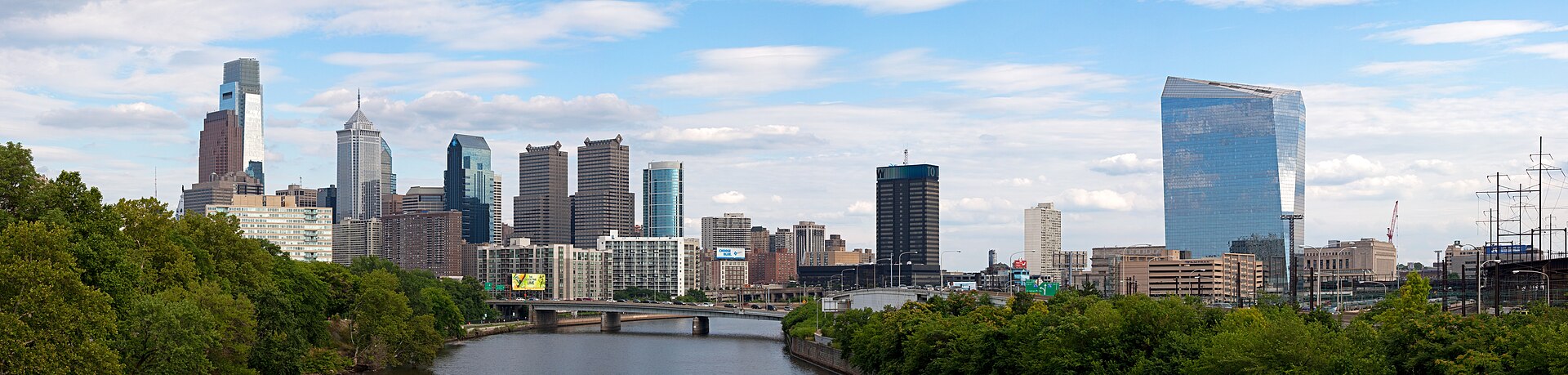
Every year, owners of large homes on the Main Line and across South Jersey reach the same conclusion: the house that fit a full household beautifully now mostly holds empty rooms and a maintenance calendar. Downsizing is the obvious answer, but for people accustomed to living well, the word itself sounds like a step backward. It does not have to be. Done thoughtfully, trading a suburban estate for a luxury residence in Center City Philadelphia is less a reduction than a redesign, exchanging square footage you no longer use for location, service, and freedom you will use every day.
Reframing the move: what you gain
Start by taking inventory of what the estate actually costs you, not just in dollars but in attention: landscaping, snow removal, aging mechanical systems, a roof measured in squares rather than square feet, and rooms that must be heated, cooled, insured, and cleaned whether or not anyone enters them. Now consider what a well-chosen city residence offers in exchange: walkable access to restaurants and culture, building staff who handle packages and maintenance, one-floor living that quietly future-proofs the next few decades, and the ability to lock the door and travel without a second thought.
The most satisfied downsizers we see are the ones who frame the move around gains. They are not leaving a garden; they are gaining Rittenhouse Square as their front lawn. They are not giving up a dining room; they are gaining fifty restaurants within a ten-minute walk.
Choosing the right kind of residence
Center City’s luxury market offers several distinct paths, and the right one depends on how you actually live.
Full-service condominium buildings
For most estate downsizers, a doorman building with concierge service, fitness facilities, and on-site management is the natural landing spot. The monthly fees fund a level of service that replaces much of what you used to manage yourself, and buildings around Rittenhouse Square, Logan Square, and Washington Square offer residences large enough that formal entertaining need not end with the move.
Luxury townhomes
Buyers who cannot imagine sharing walls or an elevator can look to the townhome blocks of Society Hill, Fitler Square, and Rittenhouse’s side streets. These preserve privacy and private outdoor space, though they retain more of the maintenance obligations a condo eliminates, and stairs deserve honest consideration in a long-term plan.
Boutique buildings and conversions
Smaller condo buildings, including converted historic properties, offer character and intimacy with fewer amenities. Fees are often lower, but so is the service level, and buyers should scrutinize the association’s finances and reserves with particular care in small buildings, where each unit carries a larger share of any major repair.
Sequencing the sale and the purchase
The hardest part of downsizing is rarely finding the condo; it is choreographing two transactions. Sellers of significant suburban homes should build in more lead time than they expect, because preparing an estate for market, editing decades of possessions, handling deferred maintenance, staging, and photographing the property properly, is a project in itself. Meanwhile, the specific condo you want, in the right building, on the right floor, facing the right direction, may not be available the month you are ready.
There are several workable sequences: sell first and lease back or rent briefly while you search; buy first if your finances allow, then sell without pressure; or negotiate settlement dates that let one closing fund the other. Each has costs and risks, and the right choice depends on your balance sheet, your tolerance for moving twice, and current market conditions, something worth discussing with your agent and financial advisor together before you list anything.
The practical details that make or break the move
A few items deserve attention early. Review the condo association’s budget, reserves, and any planned assessments before you fall in love with a unit. Understand parking, in some buildings it is deeded, in others licensed or leased, because it affects both daily life and resale. Measure your essential furniture honestly against the floor plan, and decide what you are keeping before you list the house, not the week before settlement. Finally, ask about the building’s policies on renovations, pets, and moving logistics; luxury buildings run smoothly precisely because they have rules.
Frequently asked questions
Is a Center City condo a good financial trade for a large suburban home?
It depends on the specific properties and your goals. You are exchanging one set of costs, maintenance, grounds, larger utility and insurance bills, for another, primarily condo fees and city living costs. Many downsizers find the total cost of ownership comparable or lower, with dramatically less personal effort, but the math is property-specific and worth running carefully with current figures.
Which Philadelphia neighborhoods suit estate downsizers best?
Rittenhouse Square and Logan Square lead for full-service high-rise living near culture and dining; Washington Square and Society Hill appeal to buyers who want historic surroundings at a slightly quieter tempo; Fitler Square suits those seeking townhome living near the river. The right answer follows from how you want to spend an ordinary Tuesday.
Should I sell my house before buying the condo?
Selling first gives you certainty and negotiating strength as a buyer, but may require interim housing. Buying first eliminates the double move but requires carrying two properties briefly. Many successful downsizers use negotiated settlement timing or a short leaseback to bridge the gap; the best sequence depends on your finances and the market at the time.
If you are weighing a move from a larger home to Center City, or anywhere across Philadelphia and South Jersey, James Kennedy can help you plan both sides of the transition, from preparing the estate for sale to finding the building that fits. Call 215-267-8479 or email jameskennedy@unlockedteam.com to talk it through.
Leave a Reply