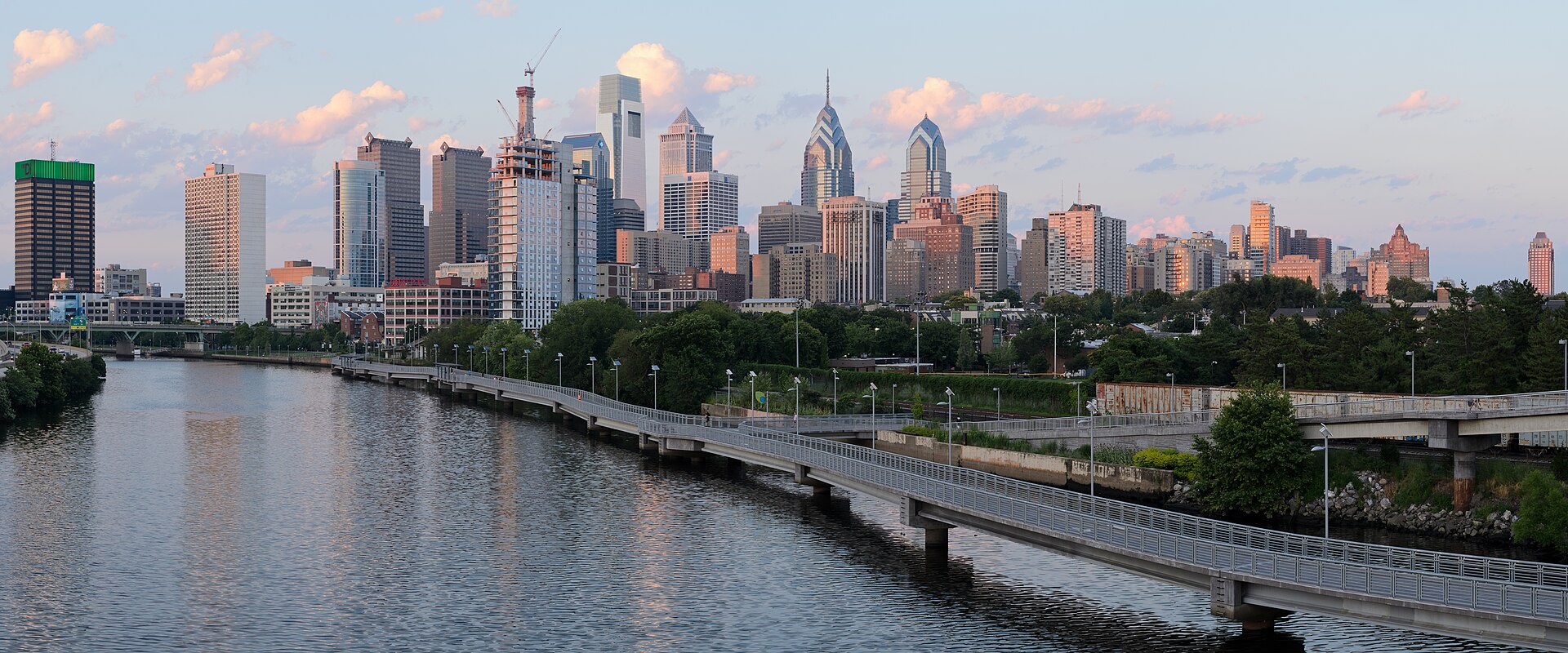
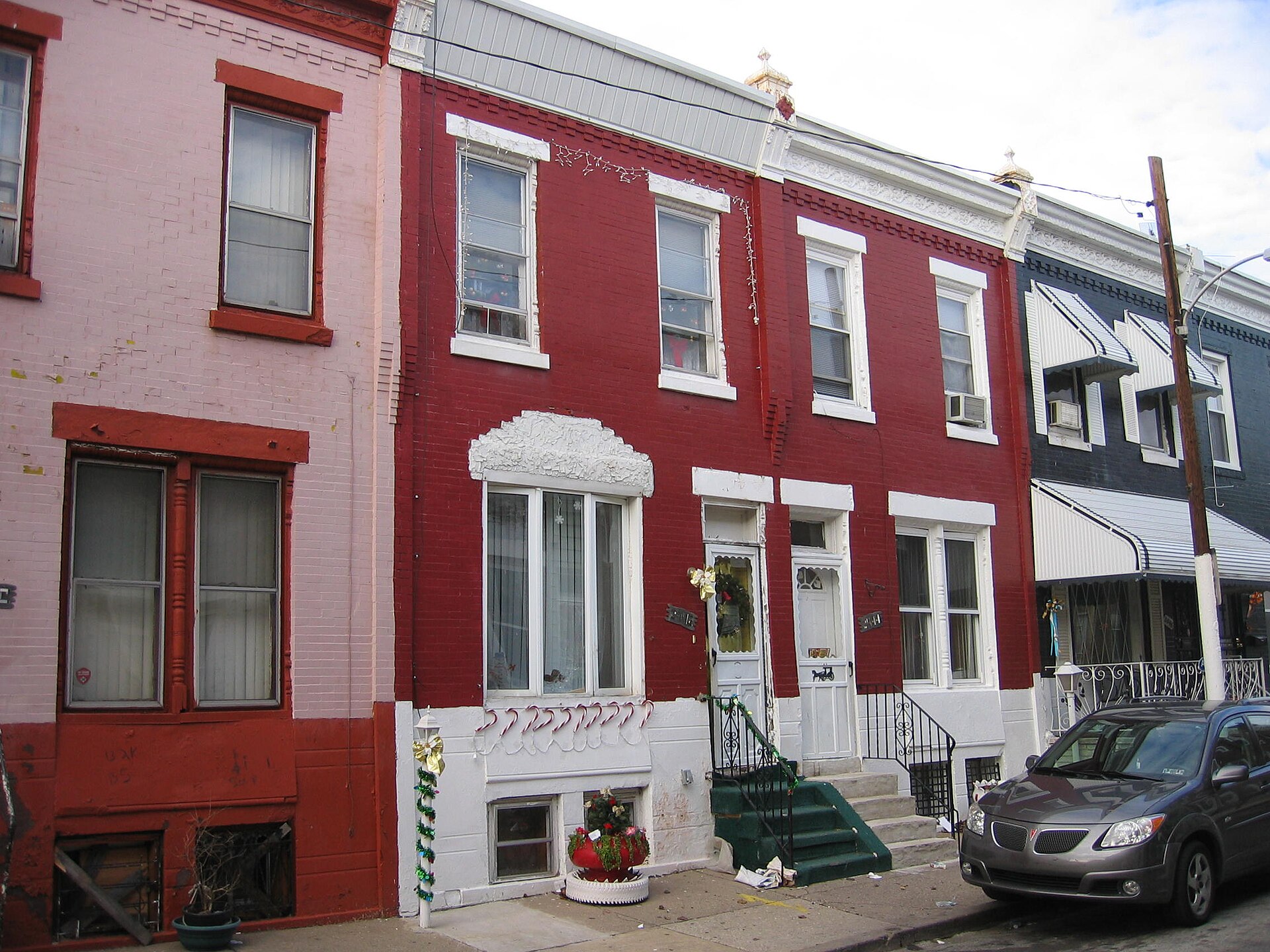
Warrington, Warwick and Jamison sit in the heart of Bucks County, between Doylestown and the Philadelphia line. Together they offer a blend of established suburban neighborhoods, newer executive communities and pockets of open land, with convenient access to major roads and the region’s employment centers. For luxury and executive buyers who want space, good schools and a practical commute rather than a resort-town atmosphere, this central Bucks corridor deserves a close look.
Understanding the geography
Warrington Township, Warwick Township and the Jamison area are neighboring communities in central Bucks County. Jamison is a village within Warwick, and the three share a similar character: curving residential streets, mature landscaping and a mix of single-family homes. Doylestown, with its borough dining and cultural attractions, is a short drive away, and so are Newtown, Chalfont and Horsham, which gives residents a broad range of shopping, dining and recreation choices.
Housing styles and price tiers
The area is largely single-family, with several distinct types:
- Executive colonials and Georgian-style homes in established subdivisions, typically on generous lots with finished basements and large kitchens.
- Newer luxury developments with open floor plans, three-car garages and high-end finishes.
- Custom homes and small estates on larger parcels, particularly toward the more rural edges of Warwick.
- Renovated older properties with farmhouse or stone character, where available.
Pricing varies widely by community, lot, school assignment and condition. Rather than relying on generalized averages, buyers should compare recent sales of truly similar homes, which is something a local agent can do with current data.
Schools and community amenities
Public school assignments in Bucks County follow district boundaries that do not always match township lines, so confirm which district serves a specific address and review current information directly with the district. Many families also look at private and independent schools throughout the region. Parks, trails and recreation facilities, along with community events, add to everyday quality of life in these townships.
Commuting and access
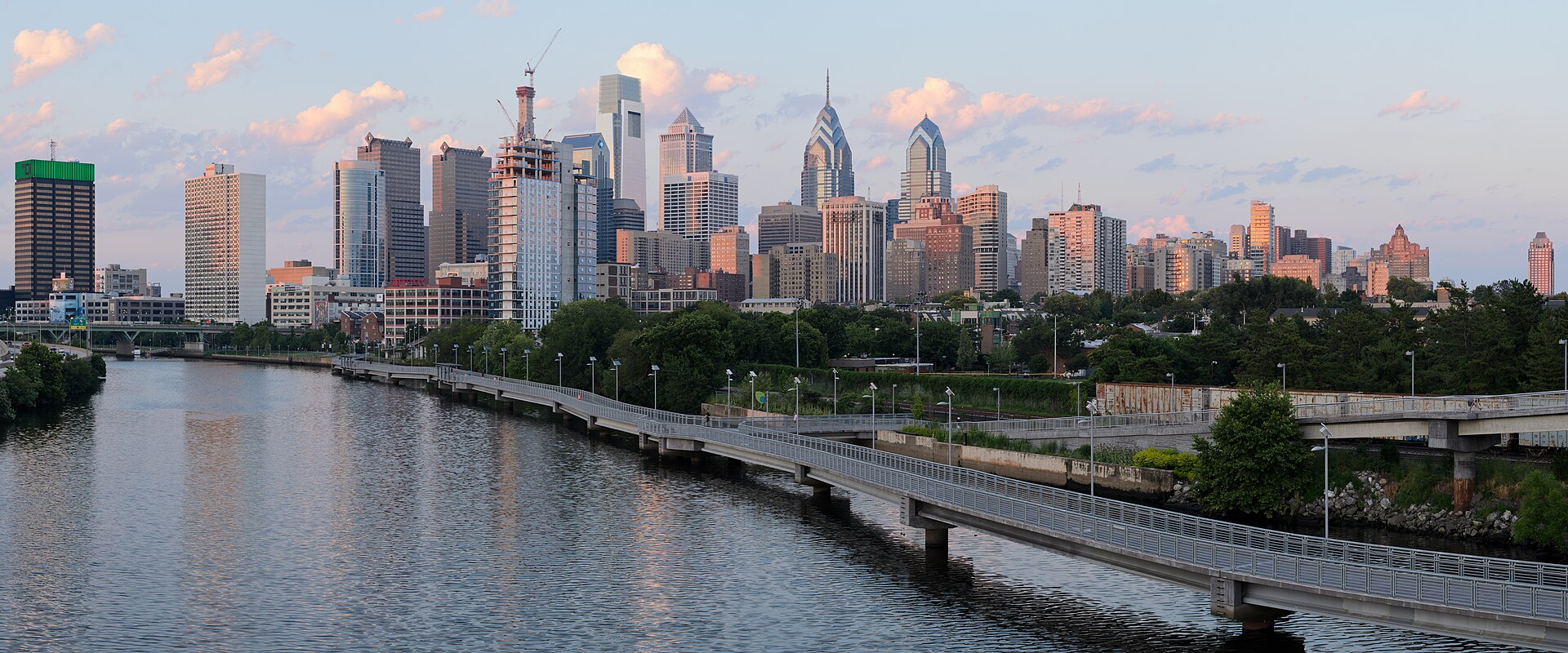
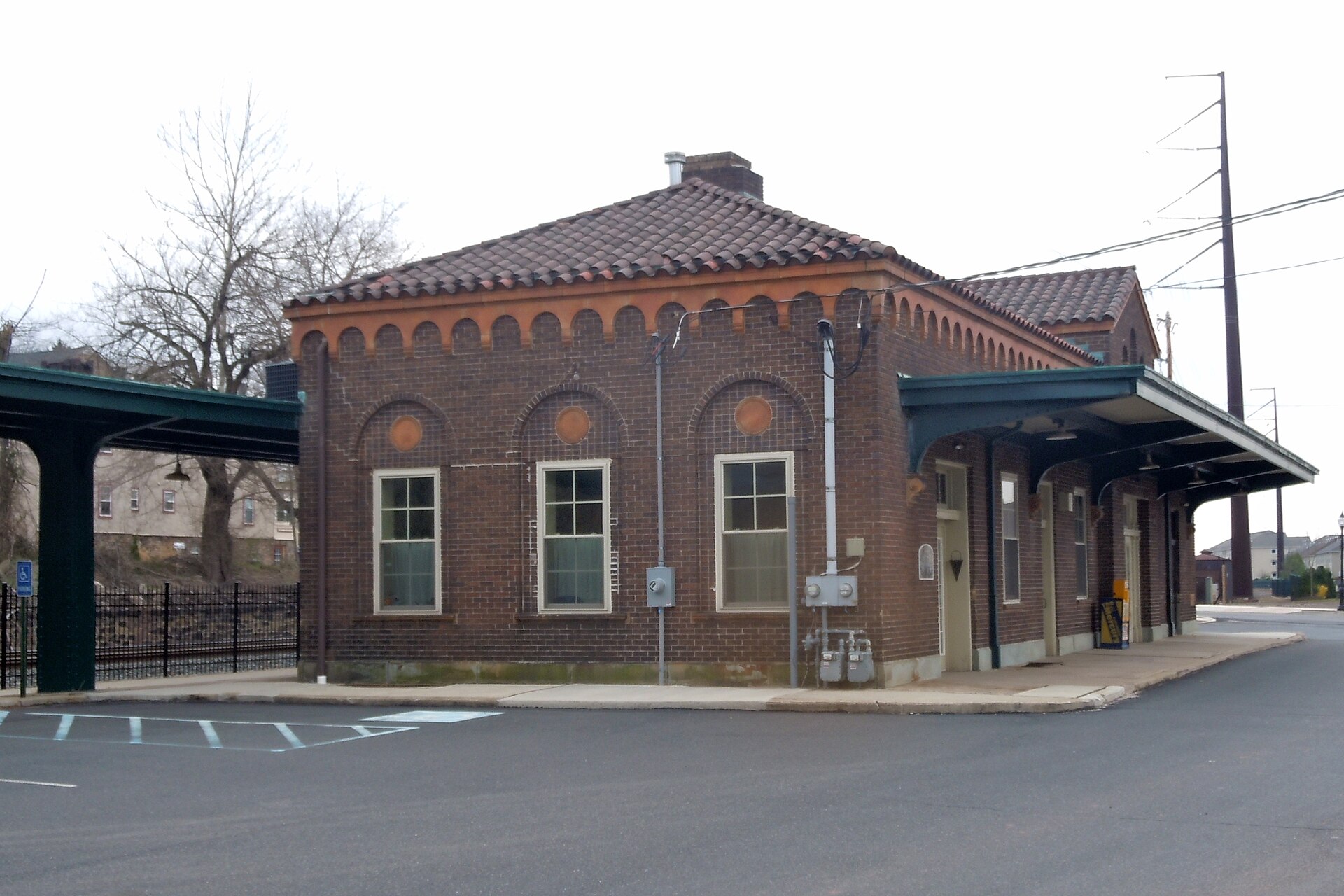
Major routes in the area make it practical to reach Philadelphia, the northern suburbs, and the Pennsylvania Turnpike. Some residents commute to Center City, while others work in Montgomery County or Bucks County employers. Regional rail options exist in nearby communities, and some commuters drive to a station. As always, test your actual commute at the times you travel before committing to a particular address.
What to review before you buy
Luxury suburban homes come with their own checklist. Consider the following:
- Homeowner association rules: some communities have architectural guidelines, fencing limits or fees that affect your plans for a pool or addition.
- Stormwater and drainage: lots near creeks or low-lying areas should be evaluated for water issues and flood mapping.
- Mechanical systems: larger homes often have multiple HVAC zones, which should be inspected carefully.
- Property taxes: Pennsylvania taxes are set locally, so ask about current school, county and municipal rates and any recent reassessment.
Selling in the central Bucks corridor
Sellers in Warrington, Warwick and Jamison benefit from presenting a move-in-ready home with strong curb appeal and thoughtful staging. Buyers in this price range often care about finished lower levels, updated kitchens, outdoor entertaining space and home-office flexibility. Accurate pricing based on truly comparable homes, backed by professional marketing, helps a property stand out without sitting too long.
Working with a local expert
Central Bucks County is a nuanced market, and the difference between neighboring subdivisions can be significant. An agent who tracks recent sales, understands school boundaries and knows how each community is perceived can save you time and help you avoid costly surprises.
Lifestyle, dining and recreation
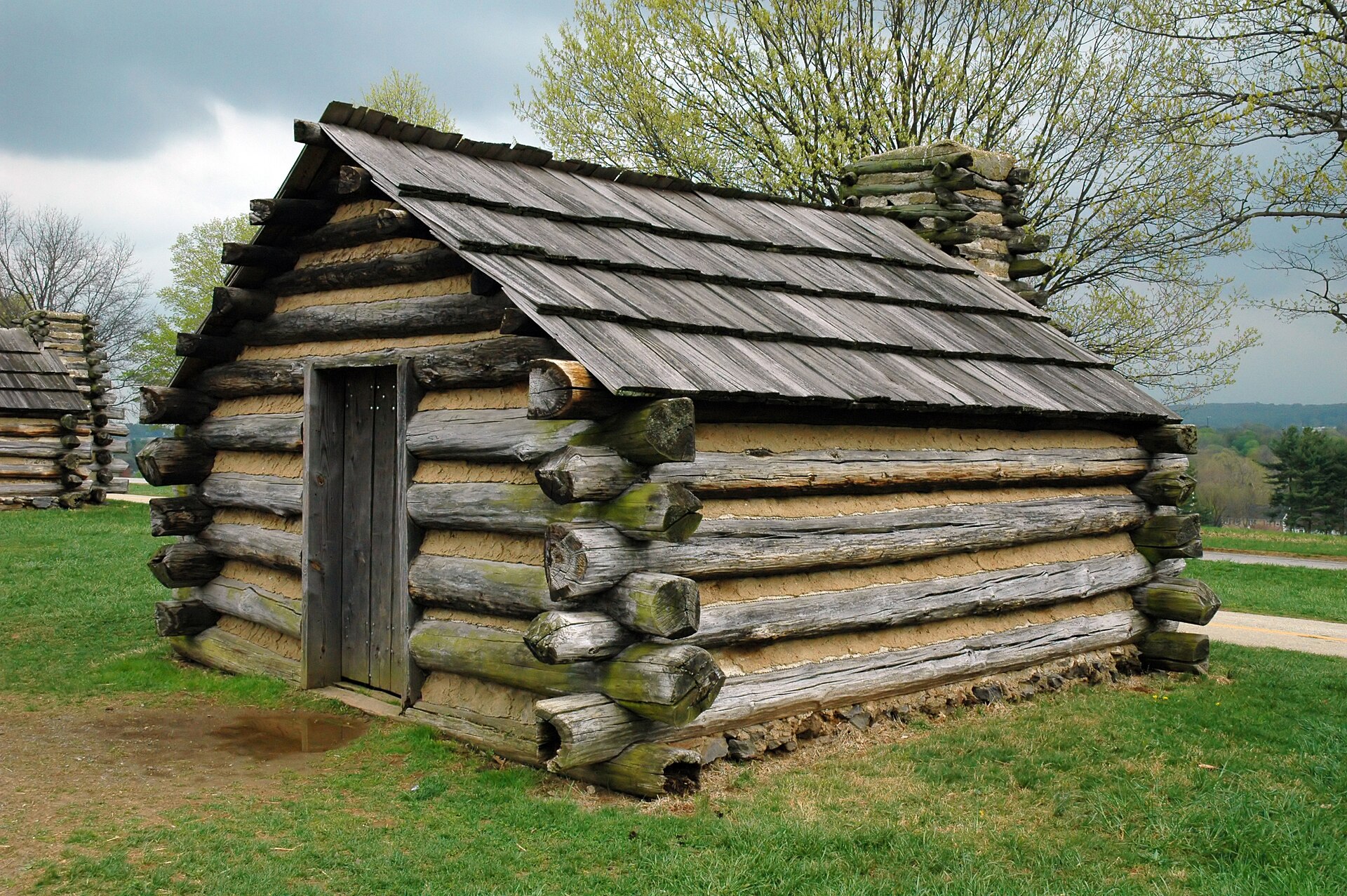
Daily life in central Bucks County revolves around a mix of suburban convenience and nearby small-town charm. Residents enjoy parks, trail networks, golf and country clubs, local farm markets, and the restaurants and shops of Doylestown and surrounding villages. Weekend options include historic sites, theaters and outdoor recreation. This balance of practicality and amenities is a big part of why families and executives choose the area over more remote or more urban alternatives.
How it compares with neighboring markets
Compared with Chalfont and New Britain, Warrington and Warwick offer similar central Bucks access with distinctive neighborhood character. Compared with Newtown and Yardley, the area is generally further from the riverfront and the New Jersey crossings but closer to certain business corridors. Compared with Montgomery County suburbs such as Horsham or Fort Washington, you may find different tax structures, school districts and lot sizes. Touring several communities in a single day is the quickest way to feel the differences.
If you are relocating from out of the area, schedule a day to drive each community, stop at a local coffee shop, and visit at different times of day. Notice traffic patterns, noise, lot grading and how neighborhoods feel on a weekday evening versus a weekend morning. These small observations often matter more than any listing description.
Frequently asked questions
How far are Warrington and Jamison from Center City Philadelphia?
They are in central Bucks County, generally a drive of roughly an hour or so depending on traffic and route. Many residents work closer to home or commute against or with traffic depending on the job.
Are these areas mainly new construction or established homes?
Both exist. Established neighborhoods with mature trees are common, along with newer luxury developments and a few custom or older properties.
How do I know which school district serves a home?
Confirm the address with the school district directly, since boundaries do not always follow township lines. An agent can help you verify this before you make an offer.
Ready to talk through your options? Contact James Kennedy at 215-267-8479 or jameskennedy@unlockedteam.com for a private, no-pressure conversation about luxury real estate in Philadelphia and South Jersey.