Author: James Kennedy

  • Edgmont and Gradyville, Pennsylvania: A Delaware County Estate Guide for Luxury Home Buyers

    Edgmont and Gradyville, Pennsylvania: A Delaware County Estate Guide for Luxury Home Buyers

    Tucked between Newtown Square, Media, and the Chester County line, Edgmont Township and the hamlet of Gradyville offer something increasingly rare in the Philadelphia suburbs: genuine acreage, stone farmhouses, and mature landscapes within a reasonable drive of Center City and the Main Line. For luxury buyers who want privacy and open space without leaving the region, this corner of Delaware County deserves a close look.

    The character of Edgmont and Gradyville

    Edgmont is a largely residential township with a rural rhythm. Winding roads, split-rail fences, preserved open land, and long driveways set the tone. Gradyville, a small crossroads village within the area, has historically been tied to the surrounding farms and estates, and its stone buildings reflect the region’s agricultural heritage.

    Homes here tend to fall into a few categories: restored stone farmhouses with additions, custom-built estates on multiple acres, and quieter contemporary homes tucked into wooded lots. Because the housing stock is so varied, comparable sales can be sparse, and pricing depends heavily on land, condition, and setting rather than square footage alone.

    What luxury buyers typically look for

    • Acreage and privacy: Lot size, setbacks, and how well the home is screened from neighbors and roads matter as much as the house itself.
    • Outbuildings: Barns, carriage houses, pool houses, and guest cottages can add real utility, but each should be inspected and confirmed as permitted.
    • Equestrian potential: Nearby Chester County horse country makes fenced pastures and stable-ready barns attractive to some buyers.
    • Quality of renovation: Many older homes have been expanded over generations, so understanding what is original and what was added is essential.

    Practical considerations for estate-style properties

    Many properties in this area rely on private wells and on-lot septic systems rather than public water and sewer. Buyers should plan for dedicated well and septic inspections, including water quality testing and, where appropriate, a hydraulic load test of the septic system. These are routine for acreage properties but can influence negotiations meaningfully.

    Older stone homes may also involve heating system questions, chimney and flue condition, slate or wood roofing, and moisture management in basements. A specialist inspection team familiar with historic construction is a worthwhile investment before closing.

    Commuting and lifestyle

    Residents generally rely on cars, with access to Route 1, Route 3, and Route 252 corridors toward Media, West Chester, Newtown Square, and the Main Line. Rail options exist in nearby towns for those who commute into Center City a few days a week. Dining, shopping, and cultural life are spread across neighboring towns, which suits buyers who value a quiet home base with easy access to Philadelphia’s amenities.

    Tips for buying in this area

    Start by clarifying your priorities: land, privacy, a move-in-ready home, or a project. Work with an agent who understands acreage valuation, since the absence of tight comparables means pricing is as much about analysis as it is about recent sales. Review any recorded easements, conservation restrictions, and township ordinances that may affect future building plans, and confirm the status of existing additions through township permit records.

    For sellers, presentation of the land is a major lever. Clean sight lines, trimmed trees, maintained fencing, and well-documented systems help buyers see the full value of the property.

    Pricing and negotiating acreage properties

    Valuing an estate in Edgmont is different from valuing a house in a subdivision. An appraiser often has to look beyond the township, adjust for lot size and topography, and weigh the contribution of outbuildings and landscaping. Buyers should be prepared for appraisals that bring in comparables from several neighboring municipalities, and cash or larger-down-payment strategies can help when the numbers are difficult to support. Sellers benefit from a pricing strategy built on a careful analysis of land, condition, and unique features rather than a simple price-per-square-foot figure.

    Seasonal and ongoing ownership considerations

    Living on acreage means planning for upkeep: mowing and brush management, driveway maintenance and snow removal, tree care, fence repair, and drainage. Many owners retain a trusted property manager or caretaker, particularly if they split time between residences. Buyers should also ask about generator capacity, since rural power outages can last longer than in town, and about broadband options for remote work. These practical details shape daily life as much as the home’s finishes do.

    Finally, consider the long view. Land in this part of Delaware County is finite, preserved open space helps protect the surrounding character, and homes with privacy and acreage tend to appeal to a dedicated pool of buyers. A thoughtful purchase here is as much about lifestyle as it is about real estate.

    Every property is different, and the best outcomes come from combining careful inspection, clear documentation, and an experienced local advisor. Taking the time to ask detailed questions early, and to verify answers in writing, helps luxury buyers and sellers in Philadelphia and South Jersey avoid surprises and make confident decisions at every stage of the transaction.

    Frequently asked questions

    Is Gradyville its own municipality?

    Gradyville is a village area within Edgmont Township rather than a separate municipality, so township rules, taxes, and services generally follow Edgmont. Always confirm jurisdiction for a specific parcel.

    Do homes here have public water and sewer?

    Many larger properties rely on private wells and septic systems, though availability varies by street and parcel. Confirm utilities early and budget for inspections.

    How does buying here compare to the Main Line?

    Edgmont generally offers more land and a quieter, more rural setting, while Main Line towns offer denser walkable centers and train access. The right choice depends on whether you prioritize space or convenience.

    Ready to talk through your options? Contact James Kennedy at 215-267-8479 or jameskennedy@unlockedteam.com for guidance tailored to your goals and for current local market information.


  • Steam, Hot Water, and Radiant Heat: A Heating System Guide for Luxury Buyers of Older Homes

    Steam, Hot Water, and Radiant Heat: A Heating System Guide for Luxury Buyers of Older Homes

    The heating system in a luxury home is easy to overlook until winter arrives, and in older Philadelphia and South Jersey houses it can be the most expensive system to replace. Cast-iron radiators, steam boilers, hydronic baseboard, and radiant floors all appear across the region’s historic homes, and each has strengths and quirks. This guide helps buyers evaluate what they are getting and helps sellers present their systems with confidence.

    Steam heat in historic homes

    Many pre-war rowhouses and estates in Philadelphia, Haddonfield, and the Main Line were built with steam or gravity-fed hot water systems. A well-maintained steam system can last decades, but it can also be noisy, uneven, and sensitive to water quality and venting. Buyers should ask when the boiler was installed, how it is maintained, and whether radiators and pipes have had recent repairs.

    Hot water, baseboard, and radiant floors

    Hydronic hot water systems circulate heated water through radiators or baseboard units and are generally more even and quieter than steam. Radiant floor heating, found in many renovated kitchens, bathrooms, and additions, offers comfort but is hard to access when something fails. Ask whether radiant zones are electric or water-based, and request documentation of who installed them.

    Forced air and mixed systems

    Many luxury homes combine systems: radiators in the original house, forced air in an addition, and heat pumps in a finished attic. Mixed systems are not inherently a problem, but they mean multiple pieces of equipment, multiple ages, and multiple maintenance schedules. Inspectors and HVAC specialists can help you map what serves which part of the house.

    Warning signs buyers should watch for

    • Rust, leaks, or mineral buildup around the boiler.
    • Radiators that remain cold, knock loudly, or leak at valves.
    • Boilers or furnaces with missing service records.
    • Oil tanks, especially older or buried ones, which can create separate liabilities.
    • Unvented or improperly vented combustion appliances.
    • Inconsistent comfort between floors or additions.

    Efficiency, upgrades, and cost planning

    Heat pumps, high-efficiency boilers, zoned controls, and smart thermostats can improve comfort and lower operating cost, and some upgrades may qualify for federal, state, or utility incentives that change over time. In historic homes, upgrades should respect the building: aggressive duct runs and new equipment can be difficult to fit into plaster walls and tight mechanical spaces. Get quotes before closing if you plan a major conversion.

    Negotiating around heating system findings

    If an inspector flags an aging boiler or furnace, buyers can request a service evaluation, a repair credit, a price adjustment, or a home warranty. Sellers who service the system and keep records often avoid friction. Because heating replacement can easily reach into five figures or more, an HVAC specialist’s written opinion is worth obtaining within the inspection window.

    Maintenance habits that protect value

    Annual boiler or furnace servicing is the simplest way to extend equipment life and preserve resale value. For hydronic systems, bleeding radiators, checking pressure, and confirming that expansion tanks and relief valves function are routine tasks. For steam systems, water level and vent condition matter greatly. Homeowners who keep a folder of service invoices, warranties, and manuals give the next buyer confidence, and that documentation can support a stronger price when you sell.

    Carbon monoxide detectors are essential on every floor of a home with combustion heating equipment. Many municipalities in Pennsylvania and New Jersey have requirements for smoke and carbon monoxide detection at resale, so confirm what applies to your property before listing or closing.

    Fuel sources and operating costs

    Natural gas, oil, propane, and electricity each carry different operating costs and supply considerations. Many older homes in Philadelphia and its inner suburbs are on natural gas, while some outlying properties rely on oil or propane tanks. Ask for a year of utility bills, which show real winter costs far better than any estimate, and ask whether any tank is leased or owned. Heat pump conversions can reduce reliance on fossil fuels, but should be sized and installed with the home’s insulation and layout in mind.

    Questions to ask before you make an offer

    • How old is each heating appliance, and where is the serial plate?
    • Which zones does each system serve, and are any rooms underserved?
    • Has the system been serviced annually, and are invoices available?
    • Is any equipment leased, such as a propane tank or water heater?
    • Are there permits for past conversions or additions?
    • What were the heating costs over the past twelve months?

    Asking these questions early lets you adjust your offer, schedule specialist evaluations, and avoid surprises. In competitive situations, a buyer who can credibly evaluate mechanical systems quickly often has an advantage over one who waives inspection entirely.

    Frequently asked questions

    How long do boilers typically last?

    Well-maintained cast-iron boilers can last several decades, while newer high-efficiency units often have shorter lifespans. Age matters less than maintenance history and current condition.

    Is radiant floor heating a selling point?

    It often is in bathrooms and kitchens, and buyers value the comfort. Documentation and working condition matter, since repairs can require opening floors.

    Should I convert an old steam system to something else?

    Not always. Steam can work well when maintained, and conversion can be disruptive and costly in a historic home. Talk with a qualified HVAC professional about your goals before deciding.

    Ready to talk through your plans? Contact James Kennedy, luxury real estate specialist serving Philadelphia and South Jersey, at 215-267-8479 or jameskennedy@unlockedteam.com.

  • Kimberton and Birchrunville, Pennsylvania: A Chester County Guide for Luxury Home Buyers

    Between the Main Line and the Brandywine Valley lies a quieter stretch of northern Chester County where rolling farmland, stone farmhouses, and small historic villages define daily life. Kimberton and Birchrunville are two of its most distinctive communities. For luxury buyers seeking land, privacy, and a sense of place without giving up access to Phoenixville, Malvern, and the Philadelphia region, this corner of Chester County deserves a close look.

    The character of Kimberton and Birchrunville

    Kimberton is a village in East Pikeland Township, known for its walkable center, historic buildings, and long agricultural tradition. Birchrunville, in nearby Chester Springs country in Upper Uwchlan and West Vincent Townships, is a tiny hamlet centered on a crossroads, a former general store, and surrounding preserved landscape. Both feel remote in the best sense, yet neither is isolated from the region’s major employers and highways.

    Because boundaries and school districts in Chester County follow township and district lines rather than village names, buyers should always confirm the municipality, school district, and mailing address of a specific property.

    Architecture and property types

    Expect fieldstone farmhouses, Federal and Georgian-influenced homes, converted barns and mills, and newer custom estates set on multiple acres. Historic properties often include outbuildings such as bank barns, springhouses, and carriage houses. Many parcels sit within preserved or protected landscapes, which gives long-term comfort about the views surrounding the property but can limit how the land itself may be used or subdivided.

    What land-based luxury buyers should evaluate

    • Well and septic systems. Most properties here are not on public water or sewer. Testing, capacity, and age matter greatly.
    • Conservation easements and preservation covenants. Ask for the recorded documents and read what is permitted and prohibited.
    • Acreage and usable land. Floodplain, wetlands, and steep slopes reduce what you can actually build or use.
    • Outbuildings. Barns and secondary structures need their own inspections and permit history.
    • Road access. Rural roads may be narrow, unpaved, or privately maintained, with shared maintenance obligations.

    Equestrian and agricultural potential

    Chester County has a deep equestrian heritage, and several properties in and around these villages are set up for horses with barns, paddocks, and trail access. Buyers with horses or hobby farms should look at fencing, drainage, pasture condition, and local zoning for animals. Some properties also qualify for agricultural tax programs, which carry their own rules, so review requirements with a professional before assuming any tax treatment will continue after a sale.

    Commuting and lifestyle

    Residents typically reach Philadelphia, King of Prussia, Malvern, and Wilmington by car, and many value the proximity of the Schuylkill River Trail and the dining and shopping in Phoenixville. Expect a more car-dependent lifestyle than in the Main Line towns, balanced by open space, quiet evenings, and a strong sense of community built around farm markets, schools, and local events.

    Pricing and resale considerations

    Value in a rural luxury market depends heavily on land, condition, privacy, and the rarity of the setting rather than simple price-per-square-foot. Comparable sales are fewer and more varied, so a thoughtful pricing strategy and an agent experienced with unique properties are important. Contact James for current market figures rather than relying on general averages.

    Schools, services, and everyday convenience

    School assignment in Chester County is determined by district boundaries, so two homes a mile apart can feed different districts. Verify the district for any property and review the district directly for current programs. Many families also look at the region’s private and independent schools, which are reachable from this part of the county. For everyday needs, residents typically use Phoenixville, Malvern, and Downingtown for groceries, healthcare, and dining, while Kimberton itself offers a small-town feel with local markets and community events.

    Utilities and connectivity deserve attention in rural settings. Ask about internet service options, propane or oil deliveries, and the reliability of power during storms, since a backup generator is common in homes at the end of long rural roads.

    Taxes, preservation, and long-term ownership

    Property taxes in Chester County reflect both county and school district levies, and they vary by municipality. Properties with preserved land or agricultural designations may have special tax treatment, but the rules change over time and may carry rollback or compliance obligations. Review current figures with the county and your tax advisor rather than relying on seller estimates. Owners of historic farmhouses should also factor in ongoing maintenance of stone walls, slate or wood roofs, and old windows, which are part of the charm and part of the budget.

    Working with an agent on rural and historic properties

    Country properties reward preparation. Before touring, ask your agent to gather the deed, survey, septic and well records, recorded easements, and any preservation agreements. Plan for longer inspection timelines, since well flow tests, septic evaluations, and barn assessments take scheduling. Because few comparable sales exist, expect pricing conversations to rely on judgment as much as data, and be ready to move decisively when a rare property fits your criteria.

    Frequently asked questions

    Is Kimberton a good fit for luxury buyers?

    It suits buyers who value land, historic character, and privacy. If you want walkable restaurants and a dense social scene, Phoenixville or the Main Line may fit better, while Kimberton rewards those who want space and quiet.

    Do homes here have public water and sewer?

    Many do not. Private wells and on-lot septic systems are common, so thorough testing and inspection of both are essential during due diligence.

    How far is Birchrunville from Philadelphia?

    Philadelphia is generally a drive of about an hour depending on traffic and route, with closer access to Malvern, Phoenixville, and King of Prussia for work and errands.

    Ready to talk through your plans? Contact James Kennedy, luxury real estate specialist serving Philadelphia and South Jersey, at 215-267-8479 or jameskennedy@unlockedteam.com.

  • Chimneys, Fireplaces, and Flues in Older Homes: A Luxury Buyer’s Guide for Philadelphia and South Jersey

    Chimneys, Fireplaces, and Flues in Older Homes: A Luxury Buyer’s Guide for Philadelphia and South Jersey

    Few features sell an older home faster than a working wood-burning fireplace, and few create more hidden risk. In the historic rowhouses of Society Hill and Rittenhouse, the stone estates of the Main Line, and the Colonial and Victorian homes of Haddonfield and Moorestown, chimneys are often original to the house and have been quietly aging for a century or more. This guide explains what luxury buyers and sellers should understand about fireplaces, flues, and chimney masonry in older Philadelphia and South Jersey homes.

    Why chimneys deserve their own inspection

    A general home inspection typically includes a visual look at the chimney and fireplace, but a visual look cannot see inside a flue. Clay tile liners crack, mortar joints erode, and old flues were often built without any liner at all. A cracked or missing liner can allow heat and combustion gases to reach nearby wood framing, which is why insurers and lenders pay attention to it.

    For a home with multiple fireplaces, a common feature in grand Main Line and Chestnut Hill houses, the cost and complexity multiply. Each flue is its own system with its own history, and not every fireplace in the house may be safe to use.

    The Level 2 chimney inspection

    Chimney professionals describe inspection levels. A Level 1 inspection is a basic visual check. A Level 2 inspection includes a video scan of the interior of the flue using a camera and is generally the right choice when a home is being bought or sold, or when a fireplace has not been used for years. Buyers of historic homes should ask their agent and inspector whether to schedule a Level 2 scan during the inspection period.

    Sellers can get ahead of this by having the scan done before listing. A clean report becomes a selling point; a problem found early can be repaired on the seller’s timeline instead of negotiated under deadline pressure.

    What inspectors commonly find

    • Cracked or missing flue liners that allow heat transfer to combustible framing.
    • Deteriorated mortar and spalling brick, especially above the roofline where weather exposure is greatest.
    • Failed or missing chimney crowns and caps, which let water into the masonry and the house.
    • Flashing leaks where the chimney meets the roof, often mistaken for roof failure.
    • Fireplaces that were closed off or converted without proper documentation.
    • Leaning or separating chimneys, sometimes tied to foundation movement.

    Wood-burning, gas, and decorative fireplaces

    Not every fireplace in a luxury home is meant to burn wood. Many have been converted to gas logs, fitted with gas inserts, or sealed entirely. Each configuration has its own rules. Gas appliances need proper venting and a correctly installed supply line, and a vent-free gas log set may be restricted or prohibited depending on the municipality. Decorative fireplaces in some newer homes were never designed for real fires.

    Buyers should find out what each fireplace actually is, who installed any conversion, and whether permits and final inspections exist. In Philadelphia and in New Jersey municipalities, work on gas lines and fireplace inserts often requires permits, and missing paperwork can surface at resale.

    Insurance and disclosure considerations

    Some insurers ask about solid-fuel heating sources, and a wood stove or insert can affect coverage or premiums. If you plan to use a fireplace regularly, confirm with your insurer before closing. On the sale side, Pennsylvania and New Jersey sellers should disclose known defects, including known chimney or flue problems, and honest disclosure protects sellers from disputes after settlement.

    Repair and restoration realities

    Chimney work ranges from routine cleaning and repointing to flue relining and full rebuilds above the roofline. In historic districts, particularly in Philadelphia, exterior changes visible from the street may require review by the Historical Commission, so matching brick, mortar, and detailing matters. Choose masons experienced with lime-based mortar on older brick; modern hard mortar can damage soft historic brick.

    Ask for written scopes, confirm the contractor carries insurance, and obtain an estimate before the end of your inspection contingency so you can negotiate credits or repairs while you still have leverage.

    A practical checklist for buyers and sellers

    • Order a Level 2 scan for any fireplace you plan to use.
    • Ask for documentation of past liner work, gas conversions, and permits.
    • Look for water staining on ceilings and walls near chimney chases.
    • Confirm smoke and carbon monoxide detectors are present and working.
    • Get repair estimates in writing before your due diligence period closes.

    Chimney care and seasonal maintenance

    A chimney that is used regularly should be inspected and cleaned annually. Even unused chimneys benefit from periodic checks of the cap, crown, and flashing, since animals, moisture, and debris can enter an idle flue. Use only seasoned hardwood, avoid burning trash or treated wood, and keep a metal-mesh screen in front of the opening. Sellers who can show a recent cleaning and inspection receipt are giving buyers an easy reason to feel comfortable.

    Frequently asked questions

    Can I use the fireplace in an older home right after buying it?

    Not until you know the flue is sound. Have a certified chimney professional perform a camera inspection and cleaning first, even if the seller says it was used recently.

    Who pays for chimney repairs found during inspection?

    It is negotiable. Buyers may request repairs, a credit, or a price reduction, while sellers may agree, counter, or decline. The outcome depends on the severity, the contract terms, and the market.

    Do sealed or capped fireplaces affect value?

    They can reduce appeal for buyers who want a working hearth, but a safely capped fireplace is far better than a poorly repaired one. Restoring a fireplace to working order may be worth exploring with a mason.

    Ready to talk through your plans? Contact James Kennedy, luxury real estate specialist serving Philadelphia and South Jersey, at 215-267-8479 or jameskennedy@unlockedteam.com.

  • Sewer Laterals and Underground Utilities: A Luxury Buyer’s Guide to the Hidden Systems Beneath Older Philadelphia and South Jersey Homes

    Sewer Laterals and Underground Utilities: A Luxury Buyer’s Guide to the Hidden Systems Beneath Older Philadelphia and South Jersey Homes

    Buyers of high-end homes tend to focus on kitchens, finishes, and floor plans, but some of the costliest surprises in older properties are buried under the lawn or the sidewalk. The sewer lateral, the water service line, and related underground systems can fail quietly and become expensive to repair or replace.

    This guide explains what these systems are, why they matter in the Philadelphia region, and how to protect yourself during the purchase process.

    What is a sewer lateral?

    The sewer lateral is the pipe that carries wastewater from your home to the municipal sewer main, usually located under the street. In most cases the property owner is responsible for the lateral from the house to the connection point, which can include the portion under the sidewalk or street. Responsibility boundaries differ by municipality, so confirm the rules for the specific address.

    Older homes may have laterals made of clay, cast iron, or other materials that can crack, shift, or be invaded by tree roots. Newer materials like PVC are more durable but are not immune to damage from settling or poor installation.

    Why it matters in Philadelphia and South Jersey

    Much of the region’s housing stock is decades or even more than a century old, and mature street trees are a hallmark of many desirable neighborhoods, which also means roots seeking moisture in aging pipes. Homes in dense Center City blocks, older Main Line estates, and historic South Jersey boroughs can all have original or partially replaced lines.

    A failed lateral can cause backups, slow drains, foul odors, and foundation moisture problems. Repairs may involve excavation through landscaping, driveways, or public rights-of-way, which can raise cost and complicate permitting.

    How to inspect: the sewer scope

    A sewer scope inspection uses a camera fed through the line to reveal cracks, offsets, root intrusion, bellies where water pools, and collapsed sections. It is typically an optional add-on to the general home inspection, and for any older luxury home it is a modest cost compared with the potential repair bill.

    • Ask the inspector to provide the video and a written summary.
    • Request the location of the cleanout and the pipe material.
    • Have a plumber review any significant defect and provide a repair estimate.

    Other buried systems to consider

    Beyond the sewer lateral, ask about the water service line material, since older lead or galvanized lines may need replacement and can affect water quality. Our guide on environmental testing covers water testing in more detail. Properties in parts of South Jersey may have underground oil tanks or private wells and septic systems, which we cover in separate guides. Also ask about buried gas lines, drainage systems, French drains, and irrigation or landscape lighting that may be tied into the property.

    On larger estates, long driveways, private utility runs, and detached structures can add buried infrastructure that deserves its own review.

    Using findings in negotiation

    If a scope reveals defects, you have options: request a repair before settlement, negotiate a credit or price adjustment, or reconsider the purchase. Inspection timelines are limited by the terms of your agreement, so schedule the scope early. In New Jersey, the attorney review period and inspection contingency provide structure for these conversations, while Pennsylvania buyers rely on the inspection contingency in the agreement of sale.

    Also ask whether the municipality requires a lateral inspection or certification at the time of sale. Some do, and requirements can affect timing and who pays.

    Insurance and ongoing maintenance

    Standard homeowners policies often exclude wear-and-tear failures of buried lines. Ask your insurance professional about optional service-line coverage and what it includes. After closing, schedule periodic cleaning or inspections, manage tree roots near the line, and avoid flushing items that stress older pipes.

    Typical costs and timelines

    A camera scope is generally inexpensive relative to a purchase of this size, while a full lateral replacement can run from a few thousand dollars into five figures depending on depth, length, access, and restoration requirements. Trenchless repair methods can reduce disruption in some cases, but they are not suitable for every pipe condition. Obtain more than one estimate when a defect is found, and ask each contractor to explain the method, the permit requirements, and the warranty on the work.

    Questions to ask the seller

    Request any records of prior repairs, relining, or replacements. Ask whether the home has ever experienced a sewer backup, whether root cutting has been needed, and whether a plumber has performed a camera inspection. Sellers who have already addressed the line can often provide documentation that supports your confidence in the property, and sellers preparing to list may consider a pre-listing scope of their own so that surprises do not derail a contract later.

    Frequently asked questions

    Who pays for a sewer lateral repair?

    In many municipalities the property owner is responsible for at least part of the lateral, but rules vary. Confirm local responsibility and any sale-time requirements for the address you are considering.

    Is a sewer scope worth it for a newer luxury home?

    It can still be valuable, since installation defects and settling can occur, but the risk is generally higher for older homes and properties with large mature trees near the line.

    Can I negotiate after a scope finds a problem?

    Yes, within the timelines and contingencies of your agreement. Options typically include repair, a credit, a price change, or termination, depending on the terms and the severity of the defect.

    Ready to talk through your options? Contact James Kennedy at 215-267-8479 or jameskennedy@unlockedteam.com for a private, no-pressure conversation about luxury real estate in Philadelphia and South Jersey.

  • Oreland and Maple Glen, Pennsylvania: A Montgomery County Guide for Luxury Home Buyers

    Oreland and Maple Glen, Pennsylvania: A Montgomery County Guide for Luxury Home Buyers

    Between the northern edge of Philadelphia and the Route 309 corridor, Oreland and Maple Glen offer well-kept suburban neighborhoods with a mix of established single-family homes and newer executive-style construction. For buyers who want room to spread out, reasonable commutes, and strong local amenities, these Montgomery County communities often fit the brief.

    Below is a practical overview of both areas and the questions luxury buyers should ask before they commit.

    Oreland: established streets and rail access

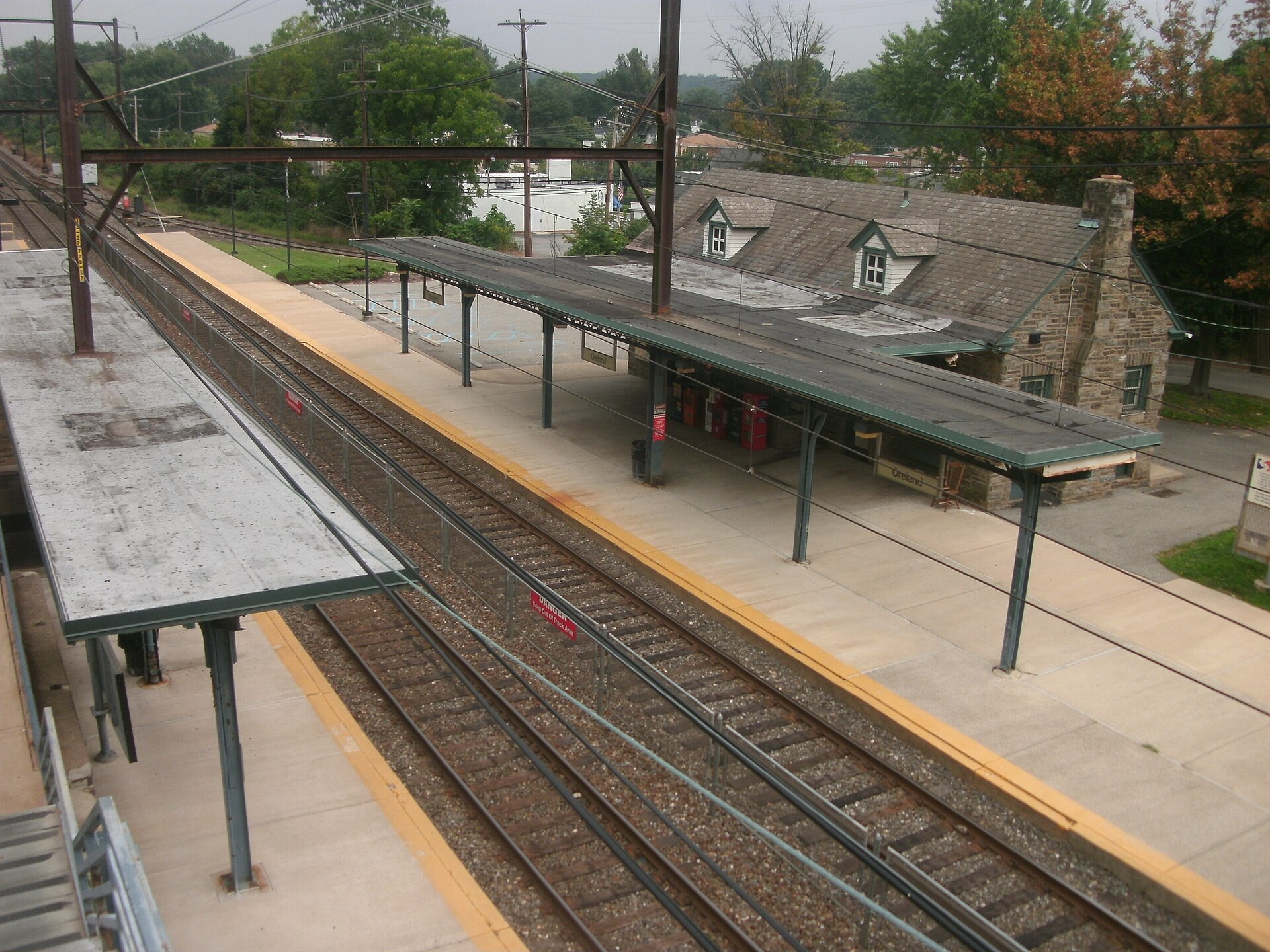
    Oreland lies largely within Springfield Township, Montgomery County, and is known for its leafy residential streets, mid-century and earlier homes, and a small commercial center near the rail station. Housing includes stone and brick Colonials, Cape Cods, ranches, and a growing number of substantially renovated or expanded homes. Rail service toward Center City is a significant draw for commuters who prefer not to drive downtown.

    Buyers drawn to Oreland often prioritize lot size, tree cover, and a neighborly feel over brand-new construction, and are willing to renovate or select homes where the work has already been done.

    Maple Glen: newer construction and larger floor plans

    Maple Glen, part of Upper Dublin Township, tends to feature larger, more recently built homes, including executive Colonials and Traditional-style houses in planned subdivisions with curving streets and cul-de-sacs. Floor plans are generally open and family-oriented, with finished basements, three-car garages, and spacious primary suites common in the upper range.

    Because many of these homes are one or two generations old, buyers should evaluate the age of major systems such as roofs, HVAC, and windows, and look closely at the quality of finishes rather than assuming newer always means better.

    What drives value in this part of Montgomery County

    • School district assignment: Public school boundaries are a major factor for many buyers. Confirm assignment for the specific address directly with the district.
    • Lot and privacy: Backing to open space, a park, or a buffer of trees generally improves desirability.
    • Condition and updates: Turnkey kitchens, baths, and finished lower levels carry a clear premium.
    • Commute options: Proximity to rail or major roads affects daily convenience and resale appeal.

    Daily life and amenities

    Residents have access to parks, trails, community events, shopping centers, and dining within a short drive. Nearby Fort Washington, Ambler, and Blue Bell expand the options, and we cover several of those communities in separate guides. For private-school and cultural access, the region offers plenty of choices within a reasonable drive.

    Spend time visiting at different times of day and compare traffic patterns on the routes you will actually use.

    Buying strategy and negotiation

    In well-maintained neighborhoods, move-in-ready homes can draw competing interest, particularly in the spring. A pre-approval letter, a clear understanding of your inspection priorities, and flexibility on timing can strengthen your offer without overpaying. For homes with unique features or recent expansions, ask for permits and documentation of the work.

    Pennsylvania buyers should plan for transfer taxes, title insurance, and local tax implications. A thoughtful financing plan, including whether a jumbo loan makes sense, is worth discussing early.

    Taxes, costs, and long-term planning

    Property taxes in Montgomery County communities vary by municipality and school district, and assessed values can change over time. Ask for the current tax bill, understand how reassessment could affect you, and factor in utilities, insurance, and maintenance for a larger home and lot. If you are comparing Oreland and Maple Glen to other suburbs, evaluate total monthly carrying cost rather than purchase price alone.

    Touring tips for these communities

    Visit neighborhoods on a weekday morning to observe commuter traffic, and again on a weekend to see how parks and shopping areas are used. Walk the lot lines, check drainage after rain if possible, and look at how neighboring homes are maintained. Ask the listing agent about recent updates, the age of the roof and mechanical systems, and any known issues. Small observations during a visit often reveal more than the listing photos do, and they can help you decide which homes merit a second showing.

    It also helps to consider how your needs may change. A home office, an in-law suite, or flexible lower-level space can matter as much in five years as they do today.

    Finally, remember that lifestyle fit matters as much as specifications. Talk with neighbors, visit local shops, and consider how weekends, school activities, and commutes would feel in practice. Buyers who match the community to their routines tend to be happiest over the long term, and they are also the buyers who make the most disciplined offers.

    Frequently asked questions

    Which is more expensive, Oreland or Maple Glen?

    It varies by home. Maple Glen tends to offer newer and larger construction, while Oreland offers older, character-rich housing with transit access. Compare individual properties rather than assuming one area is always higher priced.

    Are Oreland and Maple Glen good for commuters?

    Oreland has a rail station that serves Center City, and both areas have access to major roads. Your own commute depends on the exact address and destination, so test it before buying.

    Do I need a jumbo loan here?

    If your loan amount exceeds the conforming limit for the county, a jumbo mortgage may apply. A lender can confirm the current limit and the terms available to you.

    Ready to talk through your options? Contact James Kennedy at 215-267-8479 or jameskennedy@unlockedteam.com for a private, no-pressure conversation about luxury real estate in Philadelphia and South Jersey.

  • Drexel Hill and Lansdowne, Pennsylvania: A Delaware County Guide for Luxury Home Buyers

    Just west of Philadelphia, Drexel Hill and Lansdowne offer something that is increasingly hard to find near the city: substantial, architecturally distinctive houses on generous lots, with a direct rail connection to Center City. For buyers who want character and square footage without the price profile of the Main Line, these Delaware County communities deserve a closer look.

    This guide covers what the housing stock looks like, how commuting works, what to inspect, and how to approach a purchase in the upper range of each market.

    Two communities, two personalities

    Drexel Hill is a large, primarily residential section of Upper Darby Township. Its higher-ground streets feature stone and brick Colonials, Tudors, and Dutch Colonials, many built in the early to mid twentieth century, with mature trees and a quiet, established feel. Some of the most sought-after blocks sit near the township’s wooded park areas and on the hillside streets away from the main commercial corridors.

    Lansdowne is a separate borough with its own government and a compact, walkable downtown. Its housing is notable for Victorian-era twins and singles with deep porches, plus a number of larger detached homes near the borough’s edges. Lansdowne’s arts-oriented, community-minded identity and its walkable commercial blocks attract buyers who value a village feel.

    The housing stock buyers should expect

    The most compelling homes here are typically pre-war: stone Colonials, Tudor revivals with slate roofs, and Queen Anne or Italianate Victorians with original millwork, stained glass, and wide staircases. Lot sizes and room proportions often exceed what is available in similar-priced newer construction.

    • Original details: Plaster walls, hardwood floors, built-ins, and leaded glass are major value drivers when intact.
    • Updated systems: Homes with modernized kitchens, electrical service, and mechanicals command a clear premium over those needing full renovation.
    • Additions: Well-executed rear additions that add a family room or primary suite are common; permits and quality of work matter.

    Commuting and daily life

    Both communities are served by SEPTA’s regional transit network, including trolley routes and rail options toward Center City and University City. Many residents also rely on nearby arterial roads and highway access for trips to the airport, the Main Line, and South Jersey. Test your actual commute at the times you would travel before committing, since transit proximity varies block by block.

    Everyday amenities include neighborhood shopping districts, parks, and a range of local restaurants. Buyers should visit on a weekday evening and a weekend morning to get a sense of the rhythm of each street.

    Inspection priorities for older homes

    Houses of this age reward careful inspection. Pay particular attention to the roof and flashing, chimney condition, basement moisture, the sewer lateral, original wiring or partial updates, and heating systems. In sloped neighborhoods, drainage and grading deserve a close look. Our related guides on wet basements, older-home wiring, and wood-destroying insects explain what to ask for in detail.

    Because roofs such as slate or tile can be costly to repair, a specialist roofing opinion is often worth the modest expense before you remove contingencies.

    How to approach a high-end purchase

    Well-presented homes in desirable pockets can attract multiple interested buyers, so preparation matters. Get a lender’s pre-approval in hand, understand how an appraisal may compare to your offer on a unique older home, and decide in advance which inspection findings you would negotiate versus walk away from. Because comparable sales for distinctive houses can be sparse, a thoughtful pricing analysis is more reliable than a simple per-square-foot average.

    Be mindful of Pennsylvania transfer taxes, local taxes, and school district considerations when comparing these towns to neighboring options. A local advisor can help you weigh the full cost of ownership rather than just the list price.

    Who tends to buy here, and why

    Buyers in Drexel Hill and Lansdowne are often move-up purchasers leaving smaller city rowhomes, families who want a yard without a long commute, and downsizers who value walkable amenities. Many are comparing these towns against the Main Line, Media, and Swarthmore, and the deciding factor is frequently how much house and land their budget buys. Taking the time to tour several blocks in both communities will reveal how much the feel changes from one street to the next.

    Renovation potential and resale considerations

    Because so many homes here are older, renovation is a recurring theme. A thoughtfully updated kitchen, a finished lower level, and restored original details tend to support resale, while over-improving beyond the neighborhood’s typical price range can be difficult to recoup. Before purchasing a project house, obtain contractor estimates, confirm what permits are required, and build a contingency into your budget. Keep in mind that the strongest long-term performers are usually well-located homes on desirable blocks with sound structure and systems, rather than the most heavily customized properties.

    Frequently asked questions

    Is Drexel Hill considered a luxury market?

    Drexel Hill is best described as a strong value market for larger, character-rich homes. The most distinctive properties on desirable blocks can reach the upper tiers of the local market, but buyers should compare each home on its condition, lot, and location rather than relying on a general label.

    What is the difference between Drexel Hill and Lansdowne?

    Drexel Hill is a section of Upper Darby Township with wooded streets and larger lots, while Lansdowne is an independent borough with a walkable downtown and Victorian-era housing. Taxes, services, and school district assignments can differ, so verify specifics for any address.

    How long is the commute to Center City?

    It depends on the mode and address. Transit options exist in both communities, and many buyers also drive. Test the route during your actual commuting hours before making an offer.

    Ready to talk through your options? Contact James Kennedy at 215-267-8479 or jameskennedy@unlockedteam.com for a private, no-pressure conversation about luxury real estate in Philadelphia and South Jersey.

  • Termites and Wood-Destroying Insects: An Inspection Guide for Older Philadelphia and South Jersey Homes

    Termites and Wood-Destroying Insects: An Inspection Guide for Older Philadelphia and South Jersey Homes

    Termites rarely make headlines, yet wood-destroying insects can quietly damage a home’s structure for years before anyone notices. In older Philadelphia rowhomes, South Jersey colonials, and Main Line stone-and-timber estates, a wood-destroying insect inspection is one of the most valuable pieces of due diligence a luxury buyer can order. Here is what it covers, what it does not, and how it fits into negotiations in Pennsylvania and New Jersey.

    What the inspection looks for

    A wood-destroying insect (WDI) inspection, often called a termite inspection, is a visual evaluation by a licensed pest professional. The inspector looks for active infestations, evidence of past activity, and conditions that invite future problems. The common culprits in our region include:

    • Subterranean termites, which live in soil and build mud tubes to reach wood.
    • Carpenter ants, which excavate damp wood to nest and are often tied to moisture problems.
    • Powderpost beetles, which can riddle older hardwood framing and flooring with small exit holes.
    • Carpenter bees, which bore into exposed trim, eaves, and decks.

    Why older and luxury homes deserve extra attention

    Historic homes often have wood in contact with masonry, crawl spaces, older additions, and complex rooflines that hide moisture. Large estate properties may include detached garages, carriage houses, porches, and landscape timbers that also need evaluation. Mulch piled against siding, firewood stored against the house, and poor drainage all raise risk. Finished basements and renovations can conceal framing, so inspectors sometimes cannot see everything, which is why scope and limitations matter.

    What the report can and cannot tell you

    A WDI report documents what was visible and accessible on the day of inspection. It typically does not guarantee that hidden areas are free of damage, and it may recommend a structural engineer or a general contractor to assess any damage found. Read the limitations section closely and ask the inspector to explain inaccessible areas, such as spaces behind finished walls or under insulation.

    How lenders and contracts treat it

    Some lenders and loan programs require a clean WDI report, and some buyers order one even when it is optional. In both states, the purchase agreement and the inspection contingency timeline determine your options, so schedule the inspection early. In New Jersey, the attorney review period offers additional structure for negotiation, while in Pennsylvania the contract’s inspection contingency governs your window. Your agent and attorney can confirm the precise deadlines for your contract.

    Negotiating when activity is found

    Findings usually lead to one of several outcomes: the seller arranges treatment and repair before closing, offers a credit, adjusts the price, or the buyer withdraws within the contingency period. Ask for the treatment method, proof of a licensed provider, any warranty or renewal terms, and a written scope for structural repairs. For ongoing protection, ask whether an existing termite bond or service contract can transfer to you, and what it covers.

    Practical steps after you buy

    • Keep soil, mulch, and firewood away from the foundation.
    • Fix leaks, gutters, and drainage that keep wood damp.
    • Schedule periodic inspections, especially in older structures.
    • Keep records of treatments and warranties for resale.

    Choosing a licensed inspector and reading the scope

    Look for a state-licensed pest control or inspection professional who is willing to explain findings on site, ideally during the walk-through with your general home inspector. Ask whether the inspection includes detached structures, decks, fences, and crawl spaces, and what areas will be inaccessible. A thorough inspector will probe suspect wood, check moisture-prone areas, and note conditions such as wood-to-soil contact, wet crawl spaces, and failed flashing that make the house vulnerable even if no insects are present today.

    Treatment methods and what to ask the seller

    Treatment may involve liquid soil barriers, bait systems, or localized wood treatments, depending on the insect and the structure. Ask which method is proposed, whether the work comes with a written warranty, how long it lasts, and what the renewal terms are. If a seller has a long-standing service contract, request the history of inspections and treatments. A documented, continuous program is reassuring on an older home, while an undocumented history merits more caution and a closer look by a structural professional.

    Repairs versus replacement

    Damage found during a sale ranges from superficial to structural. Cosmetic repairs to trim or flooring are very different from replacing a sill plate or joist. When damage is more than minor, get a written repair scope from a qualified contractor or engineer before agreeing to a credit, so the amount reflects the true cost. Historic homes can also have material-matching and preservation considerations that raise costs, so factor those in when you negotiate.

    Frequently asked questions

    Is a termite inspection required when buying a home?

    It depends on the lender, loan type, and your contract. Even when it is optional, it is a smart precaution for older and larger homes.

    Does a clean report mean the house is free of termite damage?

    Not necessarily. The report reflects visible, accessible areas on inspection day and may not detect hidden damage. Ask about the limitations.

    Who pays for termite treatment found during a sale?

    That is negotiable and governed by your contract. Sellers often treat or credit the buyer, but outcomes vary, so negotiate within your contingency deadline.

    Ready to talk through your plans? Contact James Kennedy at 215-267-8479 or jameskennedy@unlockedteam.com for a confidential conversation about luxury real estate in Philadelphia and South Jersey.

  • Rate Locks, Extensions, and Float-Downs: A Jumbo Mortgage Timing Guide for Luxury Buyers

    For luxury buyers, a mortgage rate lock is one of the most consequential and least understood decisions in the transaction. On a large jumbo loan, even a small movement in rate can change the monthly payment meaningfully, and a missed lock deadline can complicate a closing. This guide explains how rate locks, extensions, and float-down options work so you can plan alongside your lender and your agent in Pennsylvania and New Jersey.

    What a rate lock actually is

    A rate lock is a lender’s commitment to hold a specific interest rate and pricing for a defined period, provided your loan file stays materially the same. Locks are tied to a loan program, a loan amount, and assumptions about your credit, assets, income, and the property. If those assumptions change, the lock terms can change too.

    Until you lock, your rate floats with the market. Some buyers lock at application, others wait for a contract or for a specific stage in underwriting. Neither approach is universally right; the choice depends on your risk tolerance and your timeline.

    Choosing a lock period that matches your closing

    Lock periods are commonly offered in increments, and longer locks typically cost more in rate or points. The key is to match the lock to a realistic closing date, with a cushion. Consider the factors that lengthen timelines in the Philadelphia region:

    • Pennsylvania and New Jersey contract timelines, including inspections and, in New Jersey, the attorney review period.
    • Appraisal scheduling, which can take longer for unique, historic, or estate-style properties.
    • Condo or co-op documentation and board approvals.
    • Title work, surveys, and municipal certificates of occupancy in New Jersey.
    • Complex income documentation for self-employed and high-net-worth borrowers.

    Lock extensions and what they cost

    If closing slips past the lock expiration, lenders typically offer extensions priced by the number of days. Extensions are far cheaper than relocking at a worse rate, but they still cost money. Ask your lender up front how extensions are priced and who bears the cost if the delay stems from the seller, the title company, or an appraisal issue. Your purchase agreement may allocate responsibility, so raise the topic before you sign.

    Float-down options

    A float-down lets you capture a lower rate if the market improves after you lock, usually for a fee or a slightly higher locked rate, and often with conditions such as a minimum improvement threshold and a limited window. Whether it is worth it depends on the cost and how long your lock runs. Request the terms in writing and compare them with simply paying for a slightly longer standard lock.

    Protecting your lock through underwriting

    Most lock problems are self-inflicted. Avoid opening new credit, financing furniture, moving large sums between accounts without documentation, or changing jobs during the process. For jumbo and portfolio loans, underwriters scrutinize assets closely, so respond to document requests quickly. Coordinate with your lender before any change to the property, the loan amount, or the down payment.

    Questions to ask your lender

    • When can I lock, and what is the lock period cost at different lengths?
    • What is your extension fee schedule?
    • Do you offer a float-down, and under what conditions?
    • What events can change my locked terms?
    • How long do you expect appraisal and underwriting to take for this property type?

    This article is general education and not financial or lending advice; confirm all terms with a licensed mortgage professional.

    Coordinating the lock with contract deadlines

    Your lock should be built backward from the closing date in your purchase agreement. List every milestone that has to occur first: inspection and negotiation, appraisal, underwriting conditions, insurance binding, title commitment, survey where applicable, and the final loan documents. Then add a cushion for the unexpected. In a competitive luxury deal, a buyer who can show a lender-approved, locked loan with realistic timing may present a stronger offer than one still floating, so discuss with your agent how financing certainty reads to sellers.

    Points, credits, and the lock

    Rate and cost trade off. A lower rate may require discount points paid at closing, while a higher rate may come with a lender credit. When you lock, you are locking a specific combination, so make sure the closing cost estimate you review matches the lock confirmation. If you negotiated seller concessions toward a rate buydown, confirm with your lender how those funds will be applied and whether program limits apply, then ensure the contract language lines up with the lender’s rules.

    Special considerations for jumbo and non-traditional borrowers

    Jumbo loans, portfolio loans, and asset-based programs often involve more manual underwriting, and lender timelines can vary. Borrowers with business income, equity compensation, trusts, or multiple properties should expect more documentation. Build extra time into both the contract and the lock, and consider engaging your lender before you start touring so that documentation is ready the day you find the right home.

    Frequently asked questions

    When should I lock my mortgage rate?

    There is no single right moment. Many buyers lock once they are under contract and have a realistic closing date, while others lock earlier for certainty. Discuss your risk tolerance and timeline with your lender.

    What happens if my lock expires before closing?

    Your lender may offer an extension for a fee, or you may need to relock at current market pricing. Ask about extension costs before locking and plan a cushion into your closing date.

    Is a float-down worth paying for?

    It can be if you lock early and expect rates may fall, but the fee and conditions matter. Compare the cost with a standard lock and get the terms in writing.

    Ready to talk through your plans? Contact James Kennedy at 215-267-8479 or jameskennedy@unlockedteam.com for a confidential conversation about luxury real estate in Philadelphia and South Jersey.

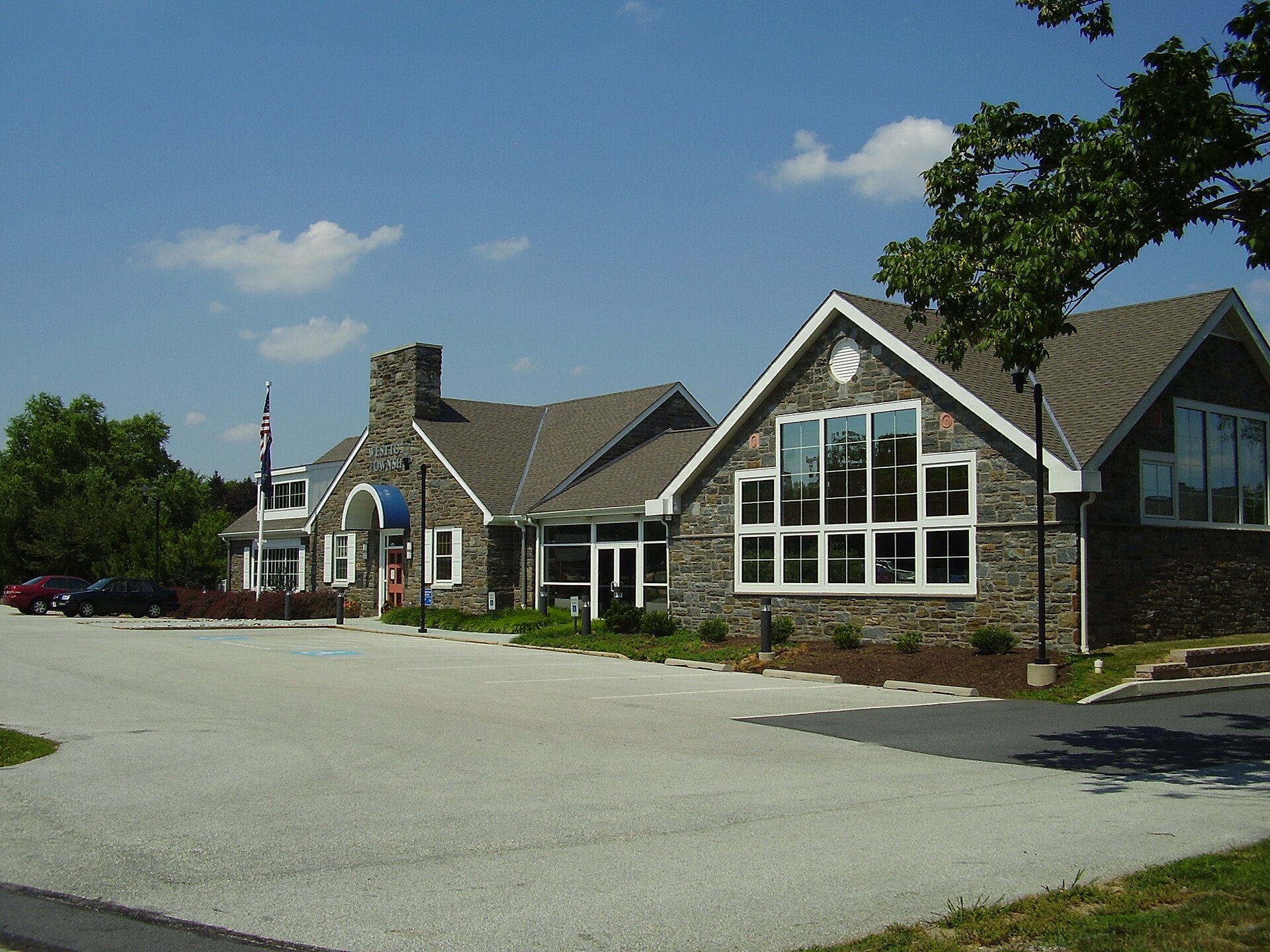
  • Westtown and Thornbury, Pennsylvania: A Chester and Delaware County Guide for Luxury Home Buyers

    Westtown and Thornbury, Pennsylvania: A Chester and Delaware County Guide for Luxury Home Buyers

    Westtown and Thornbury sit along the line where Chester and Delaware Counties meet, a few miles south of West Chester and a short drive from the Main Line, Wilmington, and Philadelphia International Airport. For luxury buyers who want rolling land, historic stone houses, and strong public and independent school options without paying Main Line premiums, this corner of the Brandywine region deserves a close look. Here is how to think about it.

    Where Westtown and Thornbury fit in the region

    Westtown Township lies in Chester County, while Thornbury Township straddles the county line, with parts in Chester and Delaware Counties. That geography matters more than most buyers expect: school districts, property tax structures, and municipal ordinances can differ from one side of a road to the other. Always confirm the exact municipality and school district for any address rather than relying on a mailing-address town name.

    The area blends early American farmland, post-war subdivisions, and newer executive neighborhoods. Stone farmhouses and converted barns share the landscape with colonial revivals and contemporary builds on multi-acre lots, and you will find both quiet cul-de-sac enclaves and long country roads.

    The housing stock luxury buyers will find

    • Historic stone farmhouses and manor homes. Fieldstone and early Pennsylvania farmhouse construction, often expanded over centuries. These reward careful inspection of foundations, roofing, mechanical systems, and any additions.
    • Executive colonials and estate-style homes. Larger custom and semi-custom homes on one to several acres, frequently with finished lower levels, three-car garages, and pool-ready yards.
    • Land and small equestrian-style properties. Some parcels offer pasture, outbuildings, or conservation-minded acreage. Fencing, drainage, and zoning for animals all deserve verification.

    Because older and larger properties here often rely on private wells and on-lot septic systems, budget time for water testing and septic evaluation. Our guides on wells, septic systems, and acreage walk through that process in detail.

    Lifestyle and everyday convenience

    Westtown is known for its long-established independent school presence, and the surrounding area offers open space, trails, and farm-to-table dining. West Chester Borough, with its restaurants, shops, and cultural calendar, is a short drive away. Routes toward Route 202, Route 1, and Route 100 make commuting to Wilmington, King of Prussia, the Main Line, and Center City workable, though rush-hour patterns vary, so test your own commute at the times you will actually drive it.

    Buyers who value privacy often prefer the more rural stretches, while those who want neighbors and walkable errands may lean closer to West Chester. Spending a weekend morning and a weekday evening in the neighborhoods you are considering tells you far more than a listing description.

    Pricing and valuation principles

    Luxury values in this area are driven by lot size and usability, condition and quality of any renovation, school district assignment, proximity to West Chester, and privacy. Unique homes can be difficult to price with simple comparables, so a thoughtful analysis weighs adjustments for acreage, outbuildings, and historic character rather than leaning on price per square foot alone. We do not publish figures here because they shift; James can provide current, address-specific guidance.

    Due diligence checklist for Westtown and Thornbury purchases

    • Confirm the municipality, county, and school district for the exact parcel.
    • Order well-water quality and flow tests and a septic inspection where applicable.
    • Inspect stone foundations, chimneys, slate or older roofing, and historic wiring.
    • Review easements, conservation restrictions, and any floodplain or wetland areas on the survey.
    • Check permits for additions, finished basements, and pools.

    Working with a local agent on a Westtown or Thornbury search

    Because the municipal and school boundaries here are so fine-grained, local knowledge saves real time. A knowledgeable agent can tell you which side of a township line a property sits on, which roads tend to carry commuter traffic, how a particular neighborhood handles snow removal and road maintenance, and which homes have historically drawn strong interest from relocating executives and families tied to the area’s schools. That context turns a long list of listings into a short list worth touring.

    Seasonality and touring tips

    Country properties look very different across seasons. Spring reveals drainage problems and how a yard handles saturated ground, while winter exposes road conditions, heating performance, and the true amount of sun a house receives. When possible, tour promising properties more than once and in different weather. Ask sellers for utility histories, well and septic records, and any documentation of past renovations or restoration work on historic structures. Those records are especially valuable on stone farmhouses where changes accumulated over generations.

    Planning for ownership costs

    Beyond the purchase price, estate-style properties in this area carry ongoing costs that deserve a line in your budget: landscaping and tree care, driveway and fence maintenance, septic pumping and well servicing, roof and chimney upkeep on older structures, and insurance that reflects replacement cost for custom or historic construction. Speak with an insurance professional early, since older homes with specialty materials such as slate or custom millwork can be priced differently than newer builds.

    Frequently asked questions

    Is Thornbury in Chester County or Delaware County?

    Both. Thornbury Township has portions in each county, so verify the county and school district of any specific address before assuming how taxes or schools apply.

    Do homes in this area usually have public water and sewer?

    Many larger and older properties use private wells and on-lot septic, while some neighborhoods are served by public systems. Confirm the utilities for each property and budget for testing.

    How is this area different from the Main Line?

    Generally you find more acreage, a more rural feel, and a different price profile, with a somewhat longer commute to Center City. Individual homes vary widely, so compare specific properties rather than broad labels.

    Ready to talk through your plans? Contact James Kennedy at 215-267-8479 or jameskennedy@unlockedteam.com for a confidential conversation about luxury real estate in Philadelphia and South Jersey.