Author: James Kennedy

  • Choosing the Right Time to Sell a Luxury Home in Philadelphia & South Jersey

    Choosing the Right Time to Sell a Luxury Home in Philadelphia & South Jersey

    Sellers of high-end homes hear a lot of conventional wisdom about timing: list in spring, avoid the holidays, wait for interest rates to move. Some of that advice is grounded in real patterns, and some of it matters far less at the luxury tier than it does for a starter home. For sellers in Philadelphia and South Jersey considering a $1 million-plus listing, the right time to sell is less about hitting a calendar window and more about matching the property, the buyer pool, and your own readiness.

    Why luxury timing is different

    Entry-level and mid-market homes are far more sensitive to seasonal foot traffic — families house-hunting around the school calendar, first-time buyers timing a move around a lease expiration. Luxury buyers are a smaller, less seasonal pool. Many are relocating for a job, downsizing after a life event, or simply ready when they’re ready, regardless of month. That doesn’t mean season is irrelevant — curb appeal, natural light, and how a pool or garden shows all shift with the calendar — but it does mean a luxury seller has more flexibility than the broader market suggests.

    Property-specific factors that matter more than the season

    How the home shows in its best light

    A home with a standout garden, pool, or outdoor entertaining space typically photographs and shows best in late spring through early fall. A home whose primary selling points are interior — architectural detail, a chef’s kitchen, formal entertaining rooms — is far less dependent on the season and can list well any time of year.

    Completion of renovations or staging

    Rushing a listing before a renovation is finished, or before the home is properly staged, tends to cost sellers more than waiting a few extra weeks ever would. First impressions in the luxury tier are difficult to reset once a listing has been live and photographed.

    Inventory levels in your specific neighborhood or town

    Because luxury inventory is thin to begin with, the number of competing listings in your specific neighborhood or town at any given moment can matter more than the broader market’s overall temperature. A period with few competing luxury listings can be a stronger time to sell than a technically “hotter” market with several similar homes also active.

    Personal and financial readiness

    Beyond the property itself, sellers should weigh their own timeline. Where are you moving next, and is that move ready to happen? Are there tax considerations tied to the calendar year, such as capital gains planning or a 1031 exchange deadline, that make one quarter more advantageous than another? Do you need proceeds from this sale to fund a purchase, and if so, how does that affect how aggressively you should price and market the home? These questions often carry more weight than whether it’s technically “peak season.”

    Reading the broader market without overreacting to headlines

    National real estate headlines about interest rates or home prices don’t always translate directly to a specific luxury micro-market in Philadelphia or South Jersey. Mortgage rate movements affect luxury buyers less directly, since many purchases at this level involve larger down payments or all-cash offers, but rates still shape the broader pool of move-up buyers who are selling one home to buy another. The most reliable read on timing comes from current, hyperlocal data — recent comparable sales, current competing listings, and buyer activity in your specific neighborhood — rather than national trend pieces.

    A practical framework for deciding

    • Is the home ready to show at its best, inside and out?
    • How much competing inventory exists in your neighborhood or town right now?
    • Do you have a clear plan for where you’re moving and when?
    • Are there tax or financial planning reasons to close before or after year-end?
    • Have you reviewed recent comparable sales with your agent in the last 30 days?

    Working through these questions with a local agent, rather than defaulting to “spring is best,” typically produces a better outcome for luxury sellers.

    Frequently asked questions

    Is spring really the best time to sell a luxury home in Philadelphia or South Jersey?

    Spring often brings more buyer activity and better natural light for showings, which helps many properties. But for luxury homes, especially those with strong interior features, a well-prepared listing can perform just as well in fall or even winter if competing inventory is low.

    Should I wait for interest rates to drop before selling?

    Not necessarily. Rate movements matter more to the buyers you’ll eventually sell to than to your decision to list, and trying to time rate cycles precisely is difficult even for professionals. It’s usually more productive to focus on the home’s readiness and your own next steps.

    How far in advance should I start planning to sell a luxury home?

    Most sellers benefit from starting the conversation with an agent three to six months before they want to list, allowing time for any renovations, staging, and photography to be done properly rather than rushed.

    The role of your listing agent in timing decisions

    An experienced local agent brings something a seller can’t easily replicate alone: a real-time read on what’s currently under contract, what’s sitting, and why. This kind of granular market intelligence, updated weekly rather than quarterly, is often the single most useful input into a timing decision. Before committing to a listing date, ask your agent to walk you through active and recently sold comparables in your specific neighborhood, not just city-wide or county-wide averages, which can mask meaningful local variation.

    Coordinating a sale with your next move

    Many luxury sellers are also buyers, whether they’re relocating within the region, downsizing, or moving out of state. Coordinating the timing of a sale with a purchase adds another layer of complexity: contingent offers, bridge financing, or a rent-back arrangement may all be tools worth discussing with your agent and lender well before you list. Sorting out this sequencing in advance, rather than reacting to it mid-transaction, generally produces a smoother outcome and stronger negotiating position on both sides of the move.

    If you’re weighing when to list a luxury home in Philadelphia or South Jersey, James Kennedy can walk you through current conditions in your specific neighborhood and help you map out a timeline. Reach James at 215-267-8479 or jameskennedy@unlockedteam.com.

  • Living in Queen Village: A Luxury Buyer’s Guide to Philadelphia’s Historic Riverfront Neighborhood

    Living in Queen Village: A Luxury Buyer’s Guide to Philadelphia’s Historic Riverfront Neighborhood

    Tucked between Society Hill and the Delaware River, Queen Village is one of Philadelphia’s most quietly desirable addresses. It has the colonial-era bones of its more famous neighbor to the north, without quite the same price premium, plus quicker access to the waterfront and the energy of South Street. For buyers weighing where to put a seven-figure budget in Center City’s southern reaches, Queen Village deserves a serious look.

    What defines the neighborhood

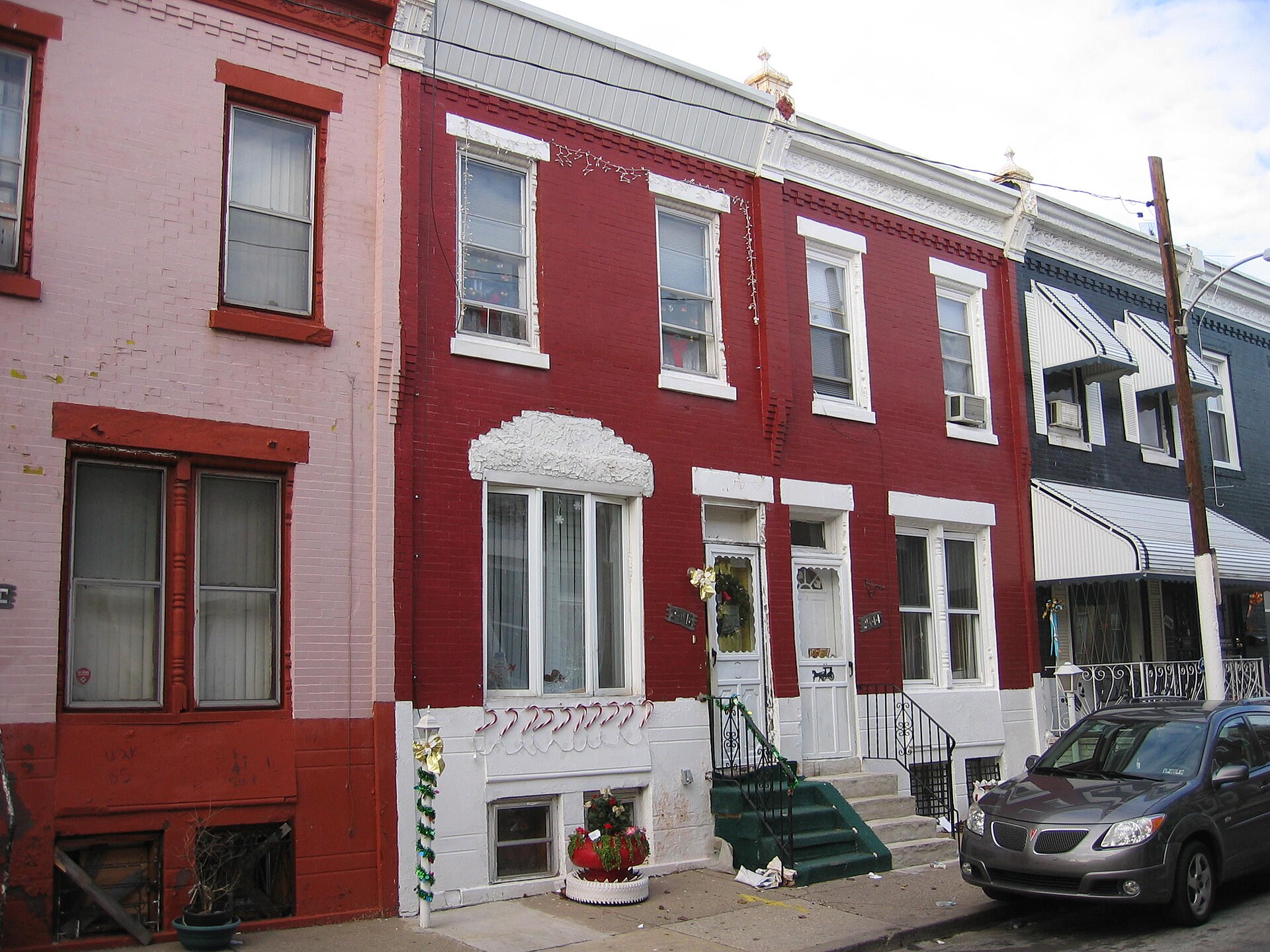
    Queen Village grew up around the shipyards and rowhouses of 18th- and 19th-century Philadelphia, and much of that fabric survives today. Narrow brick rowhomes, trinity houses, and the occasional converted carriage house line streets like Fourth, Fifth, and Catharine. Many homes have been meticulously renovated behind their historic facades, blending original details — exposed brick, wide-plank floors, decorative moldings — with modern kitchens, primary suites, and finished lower levels. Buyers looking for new construction will find some infill development as well, though it’s less common here than in neighborhoods farther south.

    Lifestyle and walkability

    Queen Village’s appeal is largely about what’s within a short walk. Head north and you’re at South Street’s restaurants, music venues, and shops within minutes. Head east and you reach the Delaware River waterfront, with its parks, piers, and seasonal events. Head west and Fourth Street runs into the edge of Society Hill and Old City, putting museums, historic sites, and some of the city’s best-regarded restaurants in easy reach. For buyers who want to live without a car for most errands, this is one of the more walkable pockets of the city.

    Housing stock and price considerations

    Because Queen Village’s housing stock is dominated by historic rowhomes, buyers should budget time and money for the realities of older construction: aging mechanical systems, party walls shared with neighbors, and limited off-street parking. A well-executed historic renovation can command a strong price, but an unrenovated or partially renovated home may require significant capital before it functions as a true luxury residence. It’s worth having any home — especially one over a century old — evaluated by an inspector experienced with historic Philadelphia rowhomes, not just a generalist.

    Comparing Queen Village to its neighbors

    Buyers often cross-shop Queen Village against Society Hill, Bella Vista, and Fitler Square. Society Hill tends to carry a premium for its cachet and proximity to Independence National Historical Park. Bella Vista, just to the west, has a slightly more residential, less touristy feel and easy access to the Italian Market. Fitler Square sits on the opposite side of Center City near the Schuylkill River and appeals to buyers who want river views and a shorter commute to University City. Queen Village’s advantage is often value: comparable historic charm at a somewhat lower price point, with the waterfront and South Street as differentiators.

    Who Queen Village suits best

    • Buyers who want authentic historic character without Society Hill’s top-tier pricing
    • Professionals and empty-nesters who prioritize walkability over a large lot or yard
    • Buyers comfortable with the maintenance demands of a pre-war or colonial-era home
    • Anyone who values proximity to the waterfront, South Street, and Old City

    What to look for when touring

    When touring homes in Queen Village, pay close attention to the quality of past renovations rather than assuming a listing photo tells the whole story. Ask about permitted work, especially for structural changes, additions, or rear-yard construction, since historic districts and zoning rules can affect what’s allowed. Check for updated electrical and plumbing systems, since many homes were built long before central air or modern wiring standards existed. Finally, confirm parking arrangements — a private garage or dedicated spot is a meaningful value driver in this part of the city.

    Frequently asked questions

    Is Queen Village considered a luxury neighborhood in Philadelphia?

    Yes. While it doesn’t carry the same name recognition as Rittenhouse Square or Society Hill, Queen Village regularly attracts buyers in the $700,000 to $2 million-plus range for well-renovated historic homes, and it’s increasingly viewed as a smart alternative for buyers priced out of its more famous neighbors.

    Are there condo options in Queen Village, or is it mostly rowhomes?

    Rowhomes dominate, but there are boutique condo conversions and a handful of newer multi-unit buildings scattered throughout the neighborhood. Buyers who want a low-maintenance luxury condo in this part of the city often also look toward nearby Society Hill and the waterfront corridor.

    How does Queen Village compare on price to Rittenhouse Square?

    Generally, Queen Village homes are priced below comparable Rittenhouse Square properties, reflecting Rittenhouse’s premium as Center City’s most established luxury address. The trade-off is a few extra minutes’ walk to Rittenhouse’s shopping and dining core, offset by closer proximity to the waterfront and South Street.

    Getting around without a car

    Queen Village’s street grid is friendly to pedestrians and cyclists, and many residents find they rarely need a car for daily life. The Delaware Avenue and Columbus Boulevard corridor along the waterfront has seen steady investment in parks and public space, giving residents a genuine outdoor amenity within a few blocks of home. For buyers coming from other cities where waterfront access is harder to come by, this is often an underrated part of the neighborhood’s appeal.

    A note on resale and long-term value

    Because Queen Village’s inventory is limited by its historic footprint — there’s simply not much room for new large-scale development — well-located, well-renovated homes tend to hold their value over time. Buyers considering the neighborhood as a long-term hold, rather than a quick flip, should focus on blocks closest to Fourth and Fifth Streets and the waterfront, which have historically shown the strongest and most consistent buyer demand.

    If you’re weighing Queen Village against other Center City neighborhoods, James Kennedy can walk you through current inventory, recent sales, and which streets tend to hold value best. Reach James at 215-267-8479 or jameskennedy@unlockedteam.com to start your search.

  • Finding Off-Market Luxury Listings: A Buyer’s Guide for Philadelphia & South Jersey

    Finding Off-Market Luxury Listings: A Buyer’s Guide for Philadelphia & South Jersey

    Some of the most desirable luxury homes in Philadelphia and South Jersey never appear in a public search. Owners sell quietly for privacy, timing, or personal reasons, and those properties change hands through relationships and direct outreach rather than open listings. For buyers who only search public portals, that entire segment of the market is effectively invisible. Understanding how off-market deals work — and how to position yourself to hear about them — is a genuine advantage in a competitive luxury search.

    Why Sellers Go Off-Market

    Sellers choose a private or “pocket” sale for a range of reasons: a desire to avoid public showings and open houses, concerns about privacy given a prominent local role or public profile, a wish to test a price quietly before committing to a full public listing, or simply a preference to sell without neighbors, colleagues, or the broader community knowing the home is for sale. Some sellers are also motivated by timing — they want to find the right buyer without the pressure and disruption of a fully marketed campaign.

    How Off-Market Deals Actually Surface

    Off-market opportunities generally reach buyers through a small number of channels:

    • Agent relationships and networks. Experienced luxury agents often hear about a seller’s intent to sell before any public marketing begins, through direct conversations with other agents, past clients, or the seller directly.
    • Direct buyer representation. A buyer’s agent who understands your specific criteria can proactively reach out to owners of homes that match, even if those owners haven’t publicly indicated they’re selling.
    • Estate and transition situations. Homes changing hands due to relocation, estate settlement, or other personal transitions sometimes sell quietly before a public listing is ever prepared.
    • Word of mouth within a neighborhood. In tightly held luxury enclaves, word that an owner is considering a sale can circulate locally well before any formal marketing.

    None of these channels are guaranteed or predictable, which is part of why off-market buying tends to reward patience and an active, ongoing search relationship rather than a one-time inquiry.

    The Trade-Offs of Buying Off-Market

    Off-market deals can mean less competition and a more private, lower-pressure negotiation, since the property was never exposed to the full pool of public buyers. But they come with real trade-offs. Pricing data is harder to benchmark when a comparable sale never appears in public records with full marketing history, and buyers have less leverage to point to competing public offers. Off-market sellers also sometimes expect a faster, cleaner process in exchange for avoiding a public listing, which can mean less time for extensive due diligence unless that’s negotiated clearly upfront.

    How to Position Yourself for Off-Market Access

    Buyers serious about accessing off-market inventory should be specific and consistent about what they’re looking for, since agents are more likely to think of a buyer with clear, well-defined criteria when an off-market opportunity arises. It also helps to work with an agent who is actively engaged in the local luxury market on an ongoing basis, rather than one who only becomes active once a buyer starts a formal search, since much off-market activity depends on relationships built over time. Being financially prepared — with financing pre-approval or proof of funds ready to go — also matters more in off-market deals, where sellers often want a streamlined process without extended contingency periods.

    Should You Limit Your Search to Off-Market Homes?

    Generally, no. Off-market opportunities should supplement, not replace, a full search of public inventory. Restricting a search only to private opportunities can mean missing well-matched public listings, and the pool of true off-market luxury inventory at any given time is inherently limited. The strongest approach combines an active public search with an agent positioned to surface off-market opportunities as they arise.

    Working with a Team, Not Just an Agent

    Off-market access often depends on more than a single agent’s personal contacts. Buyers benefit from working with an agent connected to a broader professional network — other listing agents, attorneys, financial advisors, and property managers who sometimes hear first when a client is considering a sale. This is one reason it’s worth asking a prospective agent not just whether they personally know of off-market opportunities today, but how their broader professional network and reputation in the luxury market position them to hear about new ones as they arise.

    Buyers should also be realistic about timeline. Off-market opportunities don’t appear on a predictable schedule, and a buyer hoping to move within a specific window should still actively pursue public listings in parallel rather than waiting exclusively for a private opportunity to materialize.

    Frequently asked questions

    Are off-market luxury homes typically priced higher or lower than public listings?

    There’s no consistent pattern — pricing depends on the specific seller’s motivation and the property itself, not on whether it’s marketed publicly. Because there’s less public comparable data to benchmark against, buyers should lean more heavily on their agent’s direct market knowledge when evaluating an off-market price.

    Can I get a mortgage on an off-market purchase the same way as a public listing?

    Yes. Financing works the same way regardless of how a property was marketed; lenders and appraisers evaluate the home itself, not its marketing history. Buyers should still expect a standard appraisal and underwriting process.

    How do I find an agent who has access to off-market listings?

    Ask directly about an agent’s current and recent off-market activity and their relationships with other luxury agents in the specific towns or neighborhoods you’re targeting. An agent actively working the luxury market on an ongoing basis, rather than one who only engages when a formal search begins, is generally better positioned to know about private opportunities.

    If you’d like access to off-market opportunities alongside a full public search in Philadelphia or South Jersey, contact James Kennedy at 215-267-8479 or jameskennedy@unlockedteam.com.

  • Woolwich Township, New Jersey: A Town Guide for Luxury Home Buyers

    Woolwich Township, New Jersey: A Town Guide for Luxury Home Buyers

    Woolwich Township, in Gloucester County, has transformed over the past two decades from a largely agricultural community into one of South Jersey’s more active markets for newer, larger homes. For luxury buyers who want more square footage and land per dollar than towns closer to the Ben Franklin or Walt Whitman bridges typically offer, and who don’t mind a longer commute in exchange for that space, Woolwich has become a serious contender.

    A Newer Kind of South Jersey Suburb

    Unlike Haddonfield, Moorestown, or Collingswood — established towns with 19th- and early 20th-century housing stock and walkable downtowns — Woolwich Township’s residential growth is largely a product of the last twenty to twenty-five years. That means buyers here are generally choosing among planned communities and newer subdivisions rather than historic homes, with the advantages and trade-offs that come with that difference: modern systems and layouts, but a less established town center and fewer mature, walkable commercial districts.

    The township sits along the Route 322 and Route 295 corridor in Gloucester County, giving residents relatively direct highway access toward the Commodore Barry Bridge and points into Delaware and Delaware County, as well as toward Philadelphia via I-295 and the bridges further north.

    The Housing Stock

    Luxury buyers in Woolwich Township are typically choosing among:

    • Large new-construction single-family homes in planned communities, often four or more bedrooms with primary suites, finished basements, and three-car garages as standard or common upgrades.
    • Custom-built homes on larger lots outside the main planned communities, for buyers who want more land or a less uniform streetscape.
    • Homes in age-restricted and lifestyle communities, which have become a meaningful part of the township’s newer housing stock and appeal to downsizing buyers who still want modern finishes and low-maintenance living.

    Because so much of the inventory is relatively new, buyers typically spend less on immediate renovation than they might in an older South Jersey town, though it’s still worth a full inspection on any home, new or otherwise.

    Schools and Community

    Woolwich Township is part of the Kingsway Regional School District for middle and high school, along with its own elementary district, and the area’s rapid residential growth has been closely tied to ongoing investment in local schools and community infrastructure. Families considering the area should research current school assignments and capacity directly, since a fast-growing township can see boundaries and facilities evolve more than in a long-established community.

    Who Woolwich Township Fits Best

    Woolwich tends to draw buyers who prioritize home size, lot size, and modern construction over walkable downtown character, and who are comfortable with a car-dependent daily routine in exchange for that space. It’s a strong fit for growing families who want more bedrooms and a larger yard than an older, more established South Jersey town can offer at a comparable price point, and for buyers relocating from other newer-construction markets who are used to planned-community living. Buyers who prioritize a walkable Main Street, a short rail commute to Philadelphia, or historic architecture will likely find more of what they’re looking for in towns like Haddonfield or Collingswood.

    What to Know Before You Buy

    Because Woolwich has grown quickly, buyers should pay attention to homeowners association rules and fees in planned communities, which can vary significantly between developments and affect both monthly costs and what changes an owner can make to their property. Buyers should also confirm current commute times to their specific workplace before assuming a South Jersey location automatically means a short trip to Philadelphia, since Woolwich sits farther from the city than towns like Haddonfield or Collingswood.

    A Township Still Taking Shape

    One thing that sets Woolwich apart from more established South Jersey luxury towns is that its infrastructure and commercial base are still developing alongside its residential growth. Buyers should expect fewer long-established restaurants, boutiques, and civic institutions than in a town like Haddonfield, but also a township actively investing in roads, schools, and community facilities to keep pace with new residents. For some buyers, that growth trajectory is part of the appeal — an opportunity to be part of a community still forming its identity. For others who prioritize an established sense of place, it may be a reason to look elsewhere in South Jersey.

    It’s worth touring the township at different times of day and week before deciding, since a fast-growing area can feel different depending on construction activity, traffic patterns near newer developments, and how far along a specific section of the township is in its build-out.

    Frequently asked questions

    Is Woolwich Township a good option for a Philadelphia commute?

    It’s workable but relies primarily on driving via Route 295 and the regional bridges rather than a direct rail line, so commute times run longer than towns closer to the city like Haddonfield or Collingswood. Buyers with a daily downtown commute should test the actual drive time before deciding.

    Are homes in Woolwich Township mostly new construction?

    A significant share of the township’s luxury housing stock has been built within the last two decades, reflecting its rapid growth, though custom and older homes exist as well, particularly outside the main planned communities. Buyers should clarify a specific property’s age and construction history as part of due diligence.

    What should I know about HOA fees in Woolwich’s planned communities?

    HOA fees and rules vary by development and can affect both your monthly budget and what exterior or structural changes you’re permitted to make. Buyers should review a community’s HOA documents in detail before making an offer, and ask specifically about any planned fee increases or upcoming special assessments.

    If Woolwich Township’s combination of space and newer construction fits your search, James Kennedy can help you compare it against other South Jersey options. Reach James at 215-267-8479 or jameskennedy@unlockedteam.com.

  • Devon, Pennsylvania: A Main Line Town Guide for Luxury Home Buyers

    Devon, Pennsylvania: A Main Line Town Guide for Luxury Home Buyers

    Devon sits in the heart of Philadelphia’s Main Line, in Tredyffrin Township, but it carries a distinct identity from its more famous neighbors. Where Villanova and Bryn Mawr are often associated with university-anchored density and grand estate rows along Route 30, Devon leans more rural and equestrian in character, best known nationally for the Devon Horse Show and Country Fair, one of the oldest and largest outdoor horse shows in the country. For luxury buyers who want Main Line access and prestige with more room to breathe, Devon is worth a serious look.

    Where Devon Fits on the Main Line

    Devon is served by SEPTA’s Paoli/Thorndale Regional Rail Line, giving residents a direct commute into Center City Philadelphia without requiring a drive to a different town’s station. That rail access, combined with proximity to Route 30 (Lancaster Avenue) and the Pennsylvania Turnpike, makes Devon workable for both a downtown commute and a King of Prussia or western suburbs work pattern, a flexibility that appeals to dual-career households with different commute needs.

    Geographically, Devon sits between Wayne and Berwyn, giving residents easy access to both towns’ shopping and dining without absorbing either town’s density directly.

    The Housing Stock

    Luxury buyers in Devon are generally choosing among:

    • Stone and stucco estates on generous lots, many dating to the early-to-mid 20th century, reflecting the Main Line’s classic architectural vocabulary.
    • Equestrian and near-equestrian properties with paddocks, barns, or riding rings, a natural fit given the area’s horse show heritage and its proximity to Chester County’s broader horse country.
    • Newer custom construction built on subdivided or reconfigured larger parcels, offering modern systems and open floor plans within a traditional Main Line setting.
    • Updated mid-century homes on wooded lots, appealing to buyers who want more contemporary interiors without full new construction.

    Lot sizes in Devon tend to run larger than in the denser, more walkable Main Line towns closer to the city, which is part of the trade-off buyers should weigh: more land and privacy, generally in exchange for less walkability to shops and restaurants.

    Lifestyle and Local Character

    The Devon Horse Show and Country Fair, held each spring, is the area’s signature event and draws visitors from well beyond the region, but Devon’s equestrian identity runs deeper than a single annual event. The broader area supports riding clubs, training facilities, and a horse-owning community that gives certain pockets of the Main Line a genuinely rural feel despite being a short train ride from Center City.

    Devon itself has a limited commercial core, with residents typically relying on nearby Wayne or Berwyn for day-to-day shopping, dining, and services. That trade-off — quieter, more residential streets in exchange for a short drive to amenities — is a defining feature of life in Devon compared to more commercially developed Main Line towns.

    Schools

    Devon is served primarily by the Tredyffrin/Easttown School District, which is generally well regarded within the region and is one of the draws for families considering the area. As with any school-driven decision, buyers should research specific schools, current boundaries, and program fit directly rather than relying on general reputation alone, since assignment can vary by exact address even within a single town.

    Who Devon Fits Best

    Devon tends to appeal to buyers who want genuine Main Line prestige and rail access to Center City, but who prioritize land, privacy, and a rural feel over walkable density. It’s a natural fit for equestrian families, buyers seeking a working or hobby farm setup, and those relocating from other horse-country regions who understand the lifestyle and upkeep that comes with larger properties. Buyers who want to walk to dinner or a coffee shop from their front door may find Devon’s more residential, spread-out layout less convenient than Wayne or Bryn Mawr’s denser town centers.

    Land, Zoning, and Outbuildings

    Because Devon’s lots tend to run larger than in denser Main Line towns, buyers considering any use of the land beyond a standard residential footprint — a barn, a riding ring, a pool house, or additional outbuildings — should confirm current township zoning and any prior variances before assuming a use is permitted. Tredyffrin Township, like most Main Line municipalities, has its own zoning code governing setbacks, impervious coverage, and accessory structures, and rules can vary meaningfully by specific parcel and its history. This is a worthwhile conversation to have early in a search, particularly for buyers planning any construction or expansion after purchase.

    Buyers should also ask about any conservation easements or deed restrictions that sometimes accompany larger historic parcels on the Main Line, since these can affect both permitted uses and future subdivision potential even when a property otherwise appears unrestricted.

    Frequently asked questions

    Do I need to own horses to live in Devon?

    No. While Devon’s identity is closely tied to its equestrian heritage, most residents are not horse owners. The area appeals broadly to buyers who want a quieter, more rural Main Line setting, whether or not equestrian use is part of their own plans.

    How does Devon’s commute compare to Wayne or Bryn Mawr?

    Devon has its own stop on SEPTA’s Paoli/Thorndale Regional Rail Line, so the rail commute into Center City is comparable to other Main Line towns along the same line. The practical difference is more about lifestyle than commute time: Devon offers less immediate walkability to shops and restaurants than denser town centers like Wayne.

    Are equestrian properties in Devon more expensive to maintain?

    Properties with barns, paddocks, or riding rings typically carry additional maintenance considerations beyond a standard residential lot, including fencing, footing, and outbuilding upkeep. Buyers considering an equestrian property should factor these ongoing costs into their overall budget and discuss specifics with their agent and inspector before finalizing an offer.

    If Devon’s blend of Main Line access and horse-country space fits what you’re looking for, James Kennedy can help you compare it against other Main Line towns and current inventory. Reach James at 215-267-8479 or jameskennedy@unlockedteam.com.

  • What to Look for in a Luxury Condo: A Buyer’s Checklist for Philadelphia & South Jersey

    What to Look for in a Luxury Condo: A Buyer’s Checklist for Philadelphia & South Jersey

    A luxury condo purchase is really two purchases at once: the unit itself, and a fractional stake in the building that surrounds it. Buyers who focus only on square footage, finishes, and views can end up surprised months later by a special assessment, a restrictive rental policy, or a building whose reserve fund can’t cover a major repair. Whether you’re looking in Rittenhouse Square, along the Delaware waterfront, or in a newer South Jersey riverfront development, the same due diligence framework applies.

    Start with the building’s finances

    Every condo association is required to provide a resale package to prospective buyers, and it’s worth reading it closely rather than skimming it. Key documents include the association’s current budget, its most recent reserve study, and its financial statements. Look specifically for how much of the building’s income goes toward reserves versus operating expenses, whether the reserve fund is considered adequately funded for the building’s age and systems, and whether there’s a history of special assessments. A building with a thin reserve fund and deferred maintenance can turn an attractive purchase price into a costly surprise a year or two later.

    Ask about pending litigation and insurance

    Resale packages should disclose any pending or threatened litigation involving the association, which can affect both your ability to get financing and the building’s insurability. Also ask about the master insurance policy’s coverage limits and whether the building has had recent claims, particularly for water damage or structural issues, which are common in older converted buildings.

    Understand the fee structure and what it covers

    Monthly condo fees at the luxury end can vary enormously depending on what’s included — some buildings bundle concierge service, valet parking, a fitness center, and building-wide utilities into the fee, while others charge separately for many of these. Compare fees across buildings on an apples-to-apples basis by listing out exactly what each fee includes, and factor the ongoing cost into your overall budget the same way you would a mortgage payment.

    Read the rules before you fall in love with the unit

    Association rules can meaningfully affect how you’ll actually live in and use the unit. Key questions to ask:

    • Are rentals permitted, and if so, are there restrictions on minimum lease length or a cap on the percentage of units that can be rented at one time? This matters even if you don’t plan to rent, since it affects future resale flexibility and financing.
    • What are the pet policies, including size or breed restrictions?
    • Are there rules around renovations, and does the association require board approval and licensed contractors for interior work?
    • What’s the guest and move-in/move-out policy, particularly relevant in buildings with a doorman or freight elevator scheduling system?

    Evaluate the building, not just the unit

    Building age and construction type affect both maintenance risk and financing. Older converted buildings, common in Philadelphia neighborhoods like Old City, Northern Liberties, and Society Hill, can offer dramatic architectural character but may face higher long-term maintenance costs for original systems. Newer construction typically comes with lower near-term maintenance risk but higher fees to fund amenities. Ask when major building systems — roof, elevators, HVAC, facade — were last updated or are next scheduled for replacement.

    Amenities: value them honestly

    A rooftop deck, fitness center, or concierge desk adds real value and real ongoing cost. Think honestly about which amenities you’ll actually use versus which ones simply raise your monthly fee, and weigh that against a unit in a smaller, lower-fee building where you might handle some of those functions yourself.

    Financing considerations

    Lenders scrutinize condo buildings as well as buyers, particularly for jumbo loans common in the luxury segment. Buildings with high owner-occupancy rates, healthy reserves, and no pending litigation are generally easier to finance. If a building has unusual characteristics — a high percentage of rented units, commercial space mixed with residential, or an active lawsuit — it’s worth confirming financing feasibility early, before you’re deep into a transaction.

    Touring at different times matters

    Just as with a single-family home, it’s worth visiting a condo building more than once and at different times of day. Ride the elevators during a likely peak period, check hallway noise levels, and if possible speak with a current resident about how responsive management actually is to maintenance requests. Marketing materials and a single afternoon tour rarely tell the full story of what day-to-day life in a building is really like.

    Working with an agent who knows the building stock

    Philadelphia’s luxury condo market includes a wide range of building types, from pre-war conversions to ground-up new construction with full-service amenities, and each category comes with its own set of financial and structural considerations. An agent who has sold in a specific building, or who has relationships with several buildings’ management companies, can often get you documents and answers faster than a generic request, and can flag issues specific to that building’s history before you’re emotionally invested in the unit.

    Frequently asked questions

    How do I get a condo’s resale/financial package before making an offer?

    Your agent can typically request the resale package, association budget, and reserve study from the listing agent or management company early in the process, often before you write an offer, so you can review the building’s financial health alongside the unit itself.

    Is a higher condo fee always a red flag?

    Not necessarily. A higher fee that reflects a well-funded reserve, robust amenities you’ll use, and professional management can be a sign of a well-run building. The concern is a low fee paired with an underfunded reserve, which often just delays costs rather than avoiding them.

    Should I hire a specialist to review condo documents, or is that something my agent handles?

    Your agent can flag obvious concerns and help interpret the documents, but for a significant purchase it’s common practice to also have your real estate attorney review the resale package and governing documents before closing, particularly the financial statements and any rental or renovation restrictions.

    Weighing a luxury condo purchase in Philadelphia or South Jersey? James Kennedy can help you evaluate specific buildings, review the financial and governance details, and compare condo living against other luxury options. Reach James at 215-267-8479 or jameskennedy@unlockedteam.com.

  • Voorhees, New Jersey: A Town Guide for Luxury Home Buyers

    Voorhees, New Jersey: A Town Guide for Luxury Home Buyers

    Voorhees sits in the heart of Camden County, roughly fifteen minutes from the Ben Franklin Bridge and Center City Philadelphia via Route 70 and Route 73. For luxury buyers evaluating South Jersey suburbs, it offers a combination that’s hard to find in one town: strong public schools, extensive parkland, a mature inventory of larger single-family homes, and a level of suburban convenience — shopping, medical care, highway access — that makes day-to-day life easy without sacrificing a residential, tree-lined feel.

    Housing stock and neighborhoods

    Voorhees’s luxury housing stock is concentrated in a handful of established communities built primarily from the 1970s through the 2000s, many organized around private lakes, golf courses, or wooded lots. Homes tend to be larger-format colonials, contemporaries, and custom builds on generous lots, with some of the town’s most desirable pockets offering direct water access or views. Because much of the development happened in planned phases, buyers will find a fair amount of consistency within individual neighborhoods — homes of similar scale and style clustered together — which can make comparing recent sales more straightforward than in towns with a more patchwork building history.

    Newer construction and renovated homes do come to market, particularly as long-term owners sell and buyers update older houses to current finishes and floor plans. Buyers focused on move-in-ready luxury finishes versus those open to renovating an solid but dated home will find meaningfully different price points within the same neighborhoods.

    Schools and family appeal

    Voorhees is served by the Voorhees Township School District for elementary and middle school and Eastern Camden County Regional High School District for high school, and the strength of the local schools is one of the primary draws for families relocating to the area. Buyers moving from Philadelphia or from out of state should confirm current school assignments and any districting nuances for a specific address directly with the district, since boundaries and program details can shift.

    Parks, recreation, and daily life

    The township maintains an extensive parks system, including large multi-use parks with walking and biking trails, sports fields, and lake access, which gives Voorhees a genuinely outdoor-oriented, family-friendly character. The Virtua Voorhees hospital campus and a wide range of medical offices give the town a strong healthcare-employment base, and the Voorhees Town Center and surrounding retail corridors along Route 73 provide day-to-day shopping and dining without a drive into Cherry Hill or Philadelphia.

    Commuting to Philadelphia

    Voorhees’s location just off Route 42 and near the New Jersey Turnpike and Route 295 makes it one of the more commuter-friendly South Jersey towns for buyers who work in Center City or University City. Drive times to the Ben Franklin and Walt Whitman bridges typically run in the 20 to 30 minute range outside of peak congestion, and PATCO’s Lindenwold and Ashland stations, both a short drive from most Voorhees neighborhoods, offer a car-free rail option into Center City.

    How Voorhees compares to nearby towns

    Buyers cross-shopping Voorhees often also consider Cherry Hill, its larger and more commercially developed neighbor, and Marlton or Mount Laurel, which sit further out along the Route 70 corridor. Cherry Hill tends to offer more retail and dining density and a wider range of housing ages and prices; Voorhees generally offers a quieter, more planned-community feel with strong parkland access. Marlton and Mount Laurel push further from Philadelphia but often deliver more land and newer construction per dollar. The right choice comes down to how much weight a buyer puts on commute time versus lot size and price.

    Property taxes and what to budget for

    Like much of New Jersey, Voorhees carries property tax rates that run higher than many buyers relocating from Pennsylvania are used to. It’s an important line item to build into your monthly budget calculations alongside the mortgage payment, since it can meaningfully change the true carrying cost of a home compared to a similarly priced property across the river. Ask for the most recent tax bill on any home you’re seriously considering, since assessments and rates can vary by specific neighborhood within the township.

    Getting a feel for specific streets

    Because Voorhees was largely built out in discrete community phases, it’s worth touring more than one neighborhood before narrowing in. Some communities back directly onto township parkland or lakes and carry a premium for that access; others are set further back from major roads and offer more privacy at a lower price point. Spending an afternoon driving the town, rather than relying only on listing photos, tends to clarify which pocket actually fits your lifestyle.

    Frequently asked questions

    What is the luxury price range for homes in Voorhees?

    Luxury inventory in Voorhees varies significantly by neighborhood, lot, and whether a home has been updated, so rather than quoting a figure that may be out of date, it’s best to review current listings and recent comparable sales directly. James Kennedy can pull current market data for the specific streets and communities you’re considering.

    Is Voorhees a good fit for buyers relocating from Philadelphia?

    Many Philadelphia-area buyers relocate to Voorhees specifically for the combination of larger homes, strong schools, and a commute that remains manageable thanks to Route 42, Route 295, and PATCO rail access. It’s a common landing spot for buyers trading city square footage for suburban space without giving up reasonable access back into the city.

    Are there active-adult or 55-plus communities in Voorhees?

    South Jersey has a number of active-adult communities in the broader Voorhees and Camden County area, and some buyers looking to downsize specifically target these communities for their amenities and lower-maintenance living. Availability changes over time, so it’s worth asking about current options when you start your search.

    Exploring Voorhees or comparing it against other South Jersey towns? James Kennedy specializes in luxury real estate across Philadelphia and South Jersey and can help you evaluate neighborhoods, schools, and current inventory. Reach James at 215-267-8479 or jameskennedy@unlockedteam.com.

  • Living in Northern Liberties: A Luxury Buyer’s Guide to Philadelphia’s Loft District

    Living in Northern Liberties: A Luxury Buyer’s Guide to Philadelphia’s Loft District

    North of Old City and just east of Fishtown, Northern Liberties has spent the last two decades transforming from an industrial pocket of warehouses and rail spurs into one of Philadelphia’s most sought-after neighborhoods for buyers who want loft-scale square footage, exposed brick, and a walkable, restaurant-dense main street. For luxury buyers weighing city living, it occupies a distinct niche: bigger, more architecturally dramatic homes than you’ll typically find in Center City, at a price point that still reads as a relative value compared to Rittenhouse or Society Hill.

    The character of the neighborhood

    Northern Liberties, often shortened to “NoLibs” by locals, built its identity on adaptive reuse. Former factories, tanneries, and breweries have been converted into condominium buildings with soaring ceilings, oversized industrial windows, and open floor plans that are hard to replicate in a rowhome. Alongside those conversions sit newer construction condo and townhome developments, plus pockets of traditional Philadelphia rowhouses on quieter side streets. The result is a housing stock that’s more architecturally varied than most Philadelphia neighborhoods, which means buyers should go in with a clear sense of which style they actually want rather than assuming “loft” is the only option.

    The neighborhood’s spine is Second Street and the area around the Piazza, a large public square ringed by restaurants, bars, and retail that anchors the social life of the area. Liberty Lands Park gives the neighborhood a genuine green space and dog-run culture that’s rare this close to Center City. The overall feel is younger and more casual than Rittenhouse Square, with a strong concentration of restaurants, breweries, and small businesses that give the area a lived-in, neighborhood-scale energy rather than a purely residential one.

    Who tends to buy here

    Northern Liberties draws a mix of buyers: young professionals and creatives who want loft space without a Center City price tag, downsizing empty nesters who want single-floor living with real square footage, and investors drawn to the neighborhood’s rental demand from Temple, Drexel, and the broader Philadelphia hospital and university employment base. At the luxury end, the buyer profile skews toward people who value design and space over ultra-central location — someone choosing a 2,200-square-foot converted loft with fourteen-foot ceilings over a smaller, more traditional Center City condo at a similar price.

    What to weigh before buying

    Building type matters more here than elsewhere

    Because so much of the luxury stock is converted industrial buildings, condo buyers should look closely at the building’s structural history, how the conversion was engineered, and whether the association has a solid reserve fund for maintaining century-old brick and steel. Ask for the condo docs, recent reserve studies, and any history of special assessments before you get attached to a unit.

    Parking and access

    Street parking in Northern Liberties can be competitive, particularly near the Piazza and Second Street on weekend nights. Buildings with dedicated parking or garage spots command a premium, and it’s worth factoring that into your budget rather than assuming street parking will be simple.

    Noise and proximity to nightlife

    The neighborhood’s density of bars and restaurants is a major draw for some buyers and a dealbreaker for others. If you’re sensitive to street noise, walk the specific block you’re considering on a Friday or Saturday night before you write an offer — conditions vary block to block more than buyers expect.

    Comparing Northern Liberties to nearby neighborhoods

    Buyers cross-shopping Northern Liberties often also look at Fishtown, its neighbor to the northeast, and Old City, just to the south. Fishtown tends to have a somewhat younger, more residential rowhome feel with its own restaurant corridor along Frankford Avenue. Old City leans more historic and tourist-adjacent, with cobblestone streets and proximity to the Delaware River waterfront. Northern Liberties sits in between: more central than Fishtown, less historic and more contemporary than Old City, with a housing stock defined by conversion lofts that neither neighborhood quite matches.

    Frequently asked questions

    Is Northern Liberties a good long-term investment for a luxury buyer?

    The neighborhood has seen sustained redevelopment and demand growth over the past two decades, and its mix of walkability, distinctive housing stock, and proximity to Center City continues to draw buyers. As with any neighborhood, value depends heavily on the specific building and block, so it’s worth having a conversation about current conditions and comparable sales before you commit.

    Are there single-family homes in Northern Liberties, or is it mostly condos?

    Both exist. The loft conversions and newer developments are largely condominiums, but the neighborhood also has traditional Philadelphia rowhomes, including some larger, updated trinities and townhomes on the quieter residential streets away from Second Street and the Piazza.

    How does Northern Liberties compare on price to Center City?

    Northern Liberties has historically priced below core Center City neighborhoods like Rittenhouse Square and Washington Square West, though the gap has narrowed as the neighborhood has matured. For buyers wanting maximum square footage and architectural character per dollar, it remains a competitive option relative to the city’s most established addresses.

    Considering Northern Liberties or comparing it against other Philadelphia neighborhoods for your next home? James Kennedy specializes in luxury real estate across Philadelphia and South Jersey and can walk you through current inventory, building-specific considerations, and how the neighborhood fits your goals. Reach James at 215-267-8479 or jameskennedy@unlockedteam.com.

  • Mullica Hill, New Jersey: A Town Guide for Luxury Home Buyers

    Mullica Hill, New Jersey: A Town Guide for Luxury Home Buyers

    Mullica Hill, part of Harrison Township in Gloucester County, has become one of South Jersey’s more distinctive luxury markets by combining a well-preserved historic village center with newer, larger homes on generous lots in the surrounding area. For buyers who want more land and a slower pace than closer-in South Jersey suburbs offer, while still being within a reasonable commute of Philadelphia, Mullica Hill has emerged as a strong option.

    What Sets Mullica Hill Apart

    Mullica Hill’s historic district, centered on Main Street, is known for its 18th- and 19th-century buildings, antique shops, and small-town character, which has been carefully preserved even as the surrounding township has grown. This gives the town an identity distinct from newer-built South Jersey communities: buyers get both a genuine historic village and, just outside it, newer subdivisions with substantially larger lots than are typically available closer to Philadelphia or Camden County. The town has also become known regionally for its antique shopping and seasonal events, which draw visitors from across South Jersey and add to its distinct identity.

    Housing Stock and Lot Sizes

    The luxury segment in Mullica Hill spans two fairly different categories of home. In and around the historic district, buyers will find beautifully maintained older homes, some dating back well over a century, often on smaller in-town lots. Further out, newer-construction homes on one or more acres are common, offering the kind of space, privacy, and often equestrian or agricultural potential that is difficult to find in more built-up parts of South Jersey. Buyers should think carefully about which of these two very different Mullica Hill experiences fits their lifestyle before narrowing a search. Many of the newer developments in the surrounding township feature custom and semi-custom homes built over the past two decades, with floor plans that tend to run larger than comparable homes closer to Philadelphia.

    Commuting Considerations

    Mullica Hill is farther from Philadelphia and from the Ben Franklin and Walt Whitman bridges than towns like Haddonfield or Moorestown, so buyers prioritizing a short commute into Center City should weigh this carefully. In exchange for the longer drive, buyers typically gain meaningfully more land and often lower per-square-foot pricing than comparable homes closer to the city, which is part of the trade-off that draws many buyers to the area. Route 55 provides reasonably direct access toward the bridges and the broader South Jersey highway network, which helps offset the town’s greater distance from the city.

    Schools and Community

    Mullica Hill is served by the Harrison Township School District for elementary grades and Clearview Regional for high school, and the town has a reputation as a strong, family-oriented community. Its calendar of community events, centered around the historic Main Street, gives it a small-town identity that many buyers find appealing relative to more anonymous newer developments elsewhere in South Jersey. The township has also seen continued growth in retail and services along its main corridors, which has added convenience without displacing the historic core’s character.

    What to Consider Before Buying

    Buyers considering a larger, newer-construction home on acreage in Mullica Hill should ask about septic systems and well water where applicable, since not all of the surrounding township is served by public utilities, and this can affect both due diligence and long-term maintenance costs. For homes in the historic district, buyers should ask about any local historic preservation guidelines that could affect future renovations. In both cases, working with an agent familiar with the specific differences between in-town and outlying Mullica Hill properties will help set accurate expectations. It is also worth confirming flood zone status and any deed restrictions tied to agricultural or open-space preservation programs, which are more common in this part of Gloucester County than in more urbanized South Jersey towns.

    Buyers relocating from out of state should also note that Gloucester County retains a more rural, agricultural character in the areas surrounding Mullica Hill than most of Camden County, with working farms and preserved open space bordering many newer residential developments. This mix of suburban convenience and working countryside is a significant part of the town’s appeal for buyers seeking privacy without isolation.

    The Luxury Market in Mullica Hill

    Because Mullica Hill offers meaningfully more land per dollar than towns closer to Philadelphia, it has become increasingly attractive to buyers moving from more expensive, closer-in suburbs who are willing to trade a somewhat longer commute for space. This dynamic has kept demand strong for larger, newer-built homes on acreage, particularly among buyers relocating from Camden County or from Pennsylvania.

    Frequently asked questions

    What county and township is Mullica Hill in?

    Mullica Hill is a community within Harrison Township, Gloucester County, New Jersey. It is not a separate incorporated municipality, so property records and taxes are handled through Harrison Township.

    How far is Mullica Hill from Philadelphia?

    Mullica Hill is roughly 25 to 30 minutes from Center City Philadelphia by car under typical conditions, depending on the specific location within the township and time of day, making it somewhat farther than closer-in South Jersey suburbs like Haddonfield or Collingswood.

    Are larger lots common in Mullica Hill?

    Yes, particularly outside the historic Main Street district. Newer-construction homes on one acre or more are common in the surrounding areas of Harrison Township, offering more space than is typically available in South Jersey communities closer to Philadelphia.

    If you’re considering a home in Mullica Hill or elsewhere in South Jersey, James Kennedy can help you compare in-town and outlying properties and understand current inventory. Reach James at 215-267-8479 or jameskennedy@unlockedteam.com.

  • Bryn Mawr, Pennsylvania: A Main Line Town Guide for Luxury Home Buyers

    Bryn Mawr, Pennsylvania: A Main Line Town Guide for Luxury Home Buyers

    Bryn Mawr sits near the geographic and cultural center of Philadelphia’s Main Line, a corridor of historic suburbs that has drawn affluent buyers out of the city for well over a century. Anchored by Bryn Mawr College and a walkable downtown along Lancaster Avenue, the town blends the academic, tree-lined character of a college community with some of the most substantial residential real estate in the Philadelphia suburbs.

    What Makes Bryn Mawr Distinct on the Main Line

    Unlike some Main Line towns that are primarily residential, Bryn Mawr has a genuine town center, with shops, restaurants, and services within walking distance for many residents. The presence of Bryn Mawr College and nearby Haverford College gives the area an intellectual, unhurried character that appeals to buyers who want suburban space without feeling disconnected from cultural and community life. This combination of walkability and estate-scale properties is part of what has kept Bryn Mawr among the most desirable addresses in the region. The town also benefits from proximity to Bryn Mawr Hospital and a concentration of medical offices, which has made the area particularly attractive to buyers in healthcare and academia.

    Architecture and Lot Sizes

    Bryn Mawr’s housing stock includes grand early-20th-century stone and stucco estates, many originally built during the Main Line’s Gilded Age heyday, alongside more recently built homes on similarly generous lots. Buyers should expect meaningful variation in lot size and setback even within a single block, since the town developed over more than a century rather than in a single building boom. Mature trees and established landscaping are common and are part of what gives many Bryn Mawr properties their character, though they also mean buyers should budget for tree and grounds maintenance as part of ongoing ownership costs. Stone construction, slate roofing, and formal gardens are common features on the area’s older estate properties, and buyers should factor specialized maintenance costs for these materials into their long-term ownership budget.

    Commuting and Transit

    Bryn Mawr has its own regional rail station on SEPTA’s Paoli/Thorndale Line, giving residents a direct commute into Center City Philadelphia without driving. This is a meaningful advantage over some Main Line towns without their own stop, and it’s a detail worth confirming when comparing properties, since walking distance to the station can vary significantly by street. The town is also within reasonable driving distance of the Blue Route and the Pennsylvania Turnpike, giving residents flexible access to the broader region, including the western suburbs and Delaware.

    Schools and Community

    The area is served by the Lower Merion School District, widely regarded as one of the strongest public school systems in Pennsylvania, and is also close to a number of respected private schools, including several with campuses directly in or near Bryn Mawr. For many buyers relocating to the Main Line, school quality is a primary driver of the decision to focus on Bryn Mawr specifically, and it factors meaningfully into long-term resale value as well. The town’s civic and community organizations, along with its proximity to the colleges, also support a robust calendar of lectures, performances, and cultural events throughout the year.

    What to Consider Before Buying

    Because Bryn Mawr’s housing stock spans such a wide range of construction eras, older homes may require more attention to systems, roofing, and mechanicals than buyers accustomed to newer construction expect. It’s worth budgeting time and inspection resources accordingly, and working with an agent who can help identify which updates have already been made versus which are likely to be needed. Property taxes in Lower Merion Township are also a meaningful ongoing cost that should factor into any comparison with other Main Line or Chester County towns. Buyers considering a historic estate should also ask whether any portion of the property is subject to conservation easements or historic designation, which can affect future renovation plans.

    The Luxury Market in Bryn Mawr

    Bryn Mawr’s luxury segment includes both classic estate properties on multi-acre lots and more contemporary homes closer to the town center. Because inventory in Bryn Mawr tends to be limited relative to buyer demand, well-priced, well-maintained homes in desirable locations can move quickly, and it’s worth being prepared to act when the right property comes on the market. Buyers coming from other high-demand Main Line towns should expect a similarly competitive process here.

    Frequently asked questions

    Is Bryn Mawr more walkable than other Main Line towns?

    Yes, relative to many Main Line suburbs. Bryn Mawr has a genuine downtown along Lancaster Avenue with restaurants and shops within walking distance for residents in the town center, which sets it apart from more purely residential Main Line communities.

    What school district serves Bryn Mawr?

    Most of Bryn Mawr falls within the Lower Merion School District, one of the highest-performing public school systems in the state, though buyers should always confirm the specific district and elementary feeder pattern for any individual property, since some parts of Bryn Mawr extend into neighboring townships.

    Does Bryn Mawr have direct rail access to Philadelphia?

    Yes. Bryn Mawr has its own SEPTA Regional Rail station on the Paoli/Thorndale Line, offering a direct commute to Center City Philadelphia. Proximity to the station varies by street, so it’s worth confirming walking distance for any specific property.

    If you’re exploring homes in Bryn Mawr or elsewhere on the Main Line, James Kennedy can help you understand current inventory and how specific properties compare. Reach James at 215-267-8479 or jameskennedy@unlockedteam.com.