Author: James Kennedy

  • Renting Before You Buy: A Luxury Buyer’s Guide to Bridging the Move in Philadelphia & South Jersey

    Renting Before You Buy: A Luxury Buyer’s Guide to Bridging the Move in Philadelphia & South Jersey

    Plenty of high-end buyers arrive in the Philadelphia region with the money, the credit, and the motivation to buy immediately, and still make a better decision by renting first. Renting before buying is not a sign of hesitation. Used deliberately, it is a way to buy the right house in the right neighborhood instead of the first acceptable house in a neighborhood you have only visited on a weekend. This guide covers when a luxury rental makes sense, how the upper end of the Philadelphia and South Jersey rental market actually works, and how to keep a lease from quietly costing you the purchase you wanted.

    When renting first is the smarter move

    • You are relocating from outside the region. Philadelphia’s neighborhoods change character block by block in a way that is difficult to evaluate remotely. Rittenhouse Square, Fitler Square, Society Hill, and Washington Square West are all “Center City,” and they live very differently.
    • You are choosing between the city and the suburbs. The trade-offs between a Center City condo and a Main Line or South Jersey property are lifestyle questions, and a year of living one way answers them far better than a spreadsheet.
    • You sold first and need a bridge. Sellers who accepted a strong offer but could not negotiate post-settlement occupancy often need somewhere to live for six to twelve months.
    • Your target inventory is thin. At the top of the market, the right house may only come available once or twice a year in a given town. Renting lets you wait for it instead of settling.
    • You are building or renovating. Custom builds and gut renovations routinely run past schedule. A rental with a flexible end date protects you from a forced second move.

    What the high-end rental market looks like here

    The upper end of the rental market in this region is smaller and less standardized than the sale market, and it splits into a few distinct segments.

    Luxury apartment buildings

    Center City and the Schuylkill riverfront have a supply of professionally managed buildings with concierge service, fitness facilities, parking, and short lease-up timelines. These are the easiest option: applications are standardized, availability is published, and move-in can happen quickly. The trade-off is that unit layouts are uniform and pet, guest, and alteration policies are strict.

    Owner-held condos and townhomes

    Many of the region’s most appealing rentals are individual units in condo buildings or historic townhomes offered by owners who are traveling, relocating temporarily, or waiting out the market. These give you real neighborhood texture but come with more variable terms, and building rules may restrict how a unit can be rented.

    Single-family suburban rentals

    In the Main Line, Chester County, Bucks County, and South Jersey towns like Haddonfield, Moorestown, and Cherry Hill, high-end single-family rentals exist but rarely sit on the market. They surface irregularly, often through agent networks rather than public listings, and move quickly when they do.

    Furnished and corporate housing

    For stays under a year, furnished executive rentals solve the logistics problem of moving a household twice. Expect a premium over unfurnished rent, and confirm exactly what “furnished” includes before signing.

    Practical realities to plan around

    Lease length and flexibility

    Standard leases run twelve months. If you expect to buy mid-lease, negotiate the exit up front: an early termination clause with a defined fee, a lease-break notice period, or a shorter initial term with renewal options. Trying to negotiate an exit after you are already under contract on a purchase puts all the leverage with your landlord.

    Deposits and up-front cash

    Security deposit limits are set by state law and differ between Pennsylvania and New Jersey, and high-end landlords may also ask for the last month’s rent, a pet deposit, or additional security in unusual circumstances. Factor this into the cash you are holding, because money tied up in a rental deposit is money not available at settlement.

    Documentation

    Landlords of premium properties often want more than a credit score, particularly from self-employed applicants: tax returns, bank statements, proof of liquid reserves, and references. Assemble that package before you start touring so you can act immediately on the right property.

    Parking, storage, and pets

    In Center City, deeded or assigned parking is a scarce and separately priced commodity, and it is often the deciding factor between two otherwise similar units. Storage for furniture you are not bringing, and pet policies for larger dogs, are the other two issues that most often derail an otherwise good fit.

    Do not let the rental undermine the purchase

    The most common mistake is treating the rental and the purchase as separate projects. They are not. A few things to protect:

    • Protect your reserves. Jumbo underwriting typically pays close attention to post-closing liquidity. Large, unplanned rental outlays can weaken your file.
    • Avoid new credit. Furnishing a rental on new financing during an active mortgage application is a preventable problem.
    • Keep the search alive. Set up a real listing feed and keep touring during your lease. A rental is only useful if you use the time to learn the market.
    • Track your lease end date against your timeline. Work backward from lease expiration through settlement, financing contingencies, inspections, and offer acceptance so you know when you actually need to be under contract.

    How to think about the cost

    Rent is not wasted when it buys you information and optionality. The relevant comparison is not rent versus a mortgage payment; it is the cost of a year’s rent against the cost of buying the wrong property and selling it within a few years, absorbing transfer taxes, commissions, and moving costs on both ends. In a region where transfer taxes and closing costs differ substantially between Philadelphia, the Pennsylvania suburbs, and New Jersey, that math often favors patience. For current figures on what rentals and purchases actually cost in the neighborhoods you are considering, ask for a side-by-side breakdown.

    Frequently asked questions

    Will renting first hurt my position when I make an offer?

    No, and it often helps. A buyer who is renting carries no home-sale contingency and has real flexibility on settlement date, which many sellers value highly. The key is arriving with a current pre-approval and clear documentation so the seller sees a fully prepared buyer rather than a tentative one.

    Can I break a lease early if I find a home to buy?

    Only on the terms your lease allows. Some leases include an early termination clause with a set fee and notice period; others do not, in which case you may remain responsible for rent through the end of the term or until the unit is re-rented. Negotiate this before signing, and have your agent or attorney review the termination language.

    How far in advance should I start looking for a high-end rental?

    For a professionally managed building, sixty days is usually sufficient. For a single-family home in a specific suburban town, start earlier, because inventory is limited and often never appears on public sites. Working with an agent who watches both the sale and rental sides gives you the best chance at properties before they are widely marketed.

    Considering a rental while you search for the right home in Philadelphia or South Jersey? James Kennedy works both sides of this market and can line up quality rental options while keeping your purchase search moving, so the lease supports your timeline instead of fighting it. Call James at 215-267-8479 or email jameskennedy@unlockedteam.com.

  • Ambler, Pennsylvania: A Montgomery County Town Guide for Luxury Home Buyers

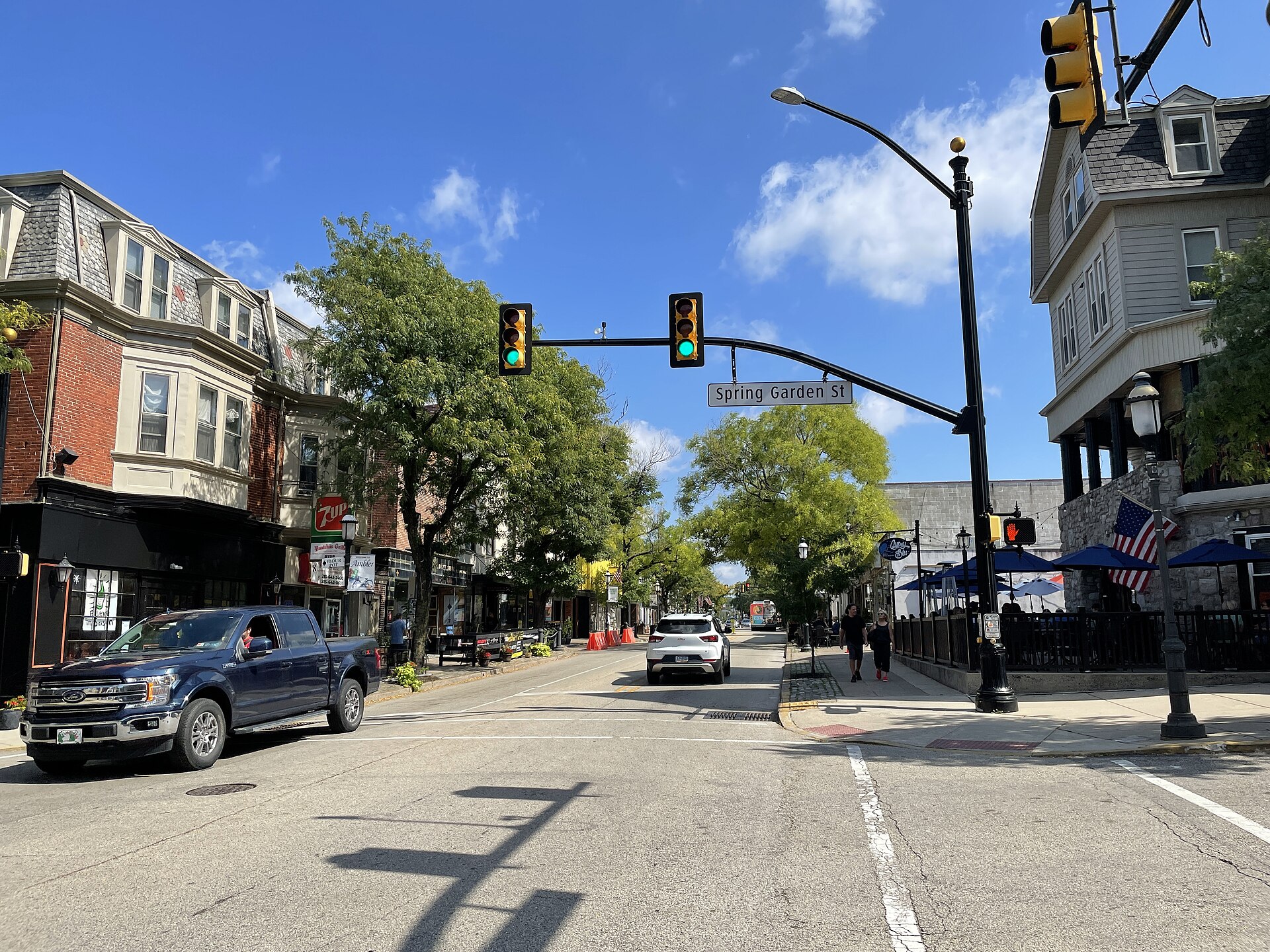
    Ambler, Pennsylvania: A Montgomery County Town Guide for Luxury Home Buyers

    Ambler sits in the middle of one of Montgomery County’s most desirable corridors, about forty-five minutes northwest of Center City by car and a direct ride on SEPTA’s Lansdale/Doylestown Regional Rail line. For luxury buyers, it offers something the Main Line often cannot at the same price: a genuinely walkable downtown, a compact and characterful housing stock, and quick access to the larger estate properties of Whitpain, Lower Gwynedd, and Upper Dublin townships that surround it. This guide covers what high-end buyers should understand about the Ambler area before they start touring.

    Where Ambler sits and why that matters

    Ambler Borough itself is small, roughly a square mile, but the address is commonly used for a much larger area. Homes with an Ambler mailing address may sit in Ambler Borough, Upper Dublin Township, Whitpain Township, Lower Gwynedd Township, or Horsham Township. Those are different municipalities with different tax rates, different school districts, and very different housing profiles.

    This is the single most important thing an out-of-area buyer needs to grasp. Two houses listed as “Ambler, PA” can differ meaningfully in property tax burden and school assignment. Before falling in love with a listing, confirm the municipality, the school district, and the actual tax figure from the county assessment record rather than relying on a listing summary.

    The housing stock at the high end

    Ambler-area luxury inventory falls into a few clear categories:

    • In-borough Victorians and Foursquares. Ambler grew as an industrial company town in the late nineteenth century, and the borough retains large, detailed period homes on tree-lined streets within walking distance of Butler Avenue. These appeal to buyers who want character and walkability over acreage.
    • Township estate homes. Whitpain, Lower Gwynedd, and Upper Dublin hold the larger properties: mid-century and later custom builds on one to several acres, often with mature landscaping, pools, and detached garages. This is where most of the area’s highest-priced sales occur.
    • Newer luxury construction and enclave developments. Builders have added small clusters of high-specification homes throughout the townships, frequently on subdivided former farm parcels. These carry newer systems and open floor plans but sit on smaller lots than their price might suggest elsewhere in the county.
    • Carriage homes and upscale townhomes. A meaningful share of the market serves buyers downsizing from larger county estates who still want high finishes, first-floor primary suites, and low exterior maintenance.

    Downtown Ambler and daily life

    Butler Avenue is the reason many buyers choose Ambler over comparably priced suburbs. The downtown supports independent restaurants, a long-running theater, a farmers market, and neighborhood retail within a few blocks, and the borough programs regular street events through the year. For buyers coming from Center City who want space without giving up the ability to walk to dinner, this combination is unusual in Montgomery County.

    The regional rail station sits at the edge of downtown, which matters for resale. Homes within comfortable walking distance of both the station and Butler Avenue tend to hold buyer interest across market cycles, because that walkability cannot be replicated by new construction farther out.

    Commuting and access

    Ambler is served by SEPTA Regional Rail into Suburban Station and Jefferson Station, and by the Pennsylvania Turnpike interchange at Fort Washington, which connects onward to I-476 and I-95. Buyers who split time between Philadelphia and New York, or who travel frequently, should also weigh drive time to Philadelphia International Airport, which is meaningfully longer than from the Main Line.

    If commuting is a priority, drive the actual route during a weekday rush before committing. Township roads in this part of the county carry more traffic at peak hours than a map suggests.

    What luxury buyers should investigate here specifically

    Environmental history

    Ambler’s industrial past means portions of the borough and adjacent land carry a documented remediation history. This information is public and does not affect most residential properties, but any buyer at this price point should have their agent pull the relevant environmental records for the parcel and the surrounding area and review them before the end of the inspection period.

    Older systems in period homes

    Large Victorians frequently retain original knob-and-tube wiring in unrenovated sections, oil tanks (active or abandoned), and unsealed stone foundations. Budget for specialist inspections rather than a general one, and ask directly about any buried oil tank, including a tank sweep where warranted.

    Wells, septic, and acreage

    Township properties on larger lots may be on well water and private septic rather than public utilities. Both require their own inspections, and septic capacity can constrain future additions. Confirm the permitted bedroom count on the septic design before planning an expansion.

    Zoning and historic overlays

    Ambler Borough and several surrounding townships apply zoning and design standards that affect additions, outbuildings, and exterior changes. If your plans include a pool house, an accessory dwelling, or a significant addition, verify feasibility with the municipality before closing, not after.

    How to approach an offer in this market

    Luxury inventory in the Ambler area is thin by nature. In any given month there may be only a handful of genuinely comparable high-end homes across the surrounding townships, which makes mechanical comparable analysis harder and makes local judgment more valuable. A well-supported offer here usually rests on a small set of closely reasoned comparables, an honest read of how long similar homes have taken to sell, and a clear understanding of what the specific property’s land, systems, and finishes are worth relative to replacement cost.

    Terms often matter as much as price. Sellers of estate properties are frequently coordinating their own next move, and flexibility on settlement date, post-settlement occupancy, or inspection scope can carry real weight. For current pricing, days on market, and what is actually trading in each township, reach out for a market briefing rather than relying on a public portal estimate.

    Frequently asked questions

    Is Ambler considered part of the Main Line?

    No. The Main Line refers to the communities along the former Pennsylvania Railroad main line in Lower Merion, Radnor, and Tredyffrin townships, such as Bryn Mawr, Villanova, and Wayne. Ambler is in central Montgomery County on a different rail line and has its own distinct character, generally offering more walkable-downtown living and, in many cases, more house and land per dollar than the core Main Line towns.

    Which school district serves Ambler?

    It depends on the property. Homes with an Ambler mailing address may fall into Wissahickon, Upper Dublin, or North Penn school districts depending on the municipality the parcel sits in. Because assignment follows the parcel rather than the mailing address, always confirm the district for the specific property before making an offer.

    What should I expect the buying timeline to look like?

    For a high-end Ambler-area purchase, plan on a longer runway than a standard suburban transaction. Specialist inspections on older or acreage properties, well and septic testing, jumbo financing underwriting, and township record research all take time. A settlement period of forty-five to sixty days is common, and coordinating early with your lender and agent is the most reliable way to avoid extensions.

    Thinking about buying or selling in Ambler or the surrounding Montgomery County townships? James Kennedy specializes in luxury real estate across Philadelphia and South Jersey and can walk you through current inventory, township-by-township tax and school differences, and what a competitive offer looks like right now. Call James at 215-267-8479 or email jameskennedy@unlockedteam.com to start the conversation.

  • Buying a Luxury Home from an Estate: Probate, Trust, and Inherited Property Sales in Pennsylvania and New Jersey

    Buying a Luxury Home from an Estate: Probate, Trust, and Inherited Property Sales in Pennsylvania and New Jersey

    Some of the most compelling luxury inventory in the Philadelphia and South Jersey market never comes from a typical move-up seller. It comes from estates: a longtime owner passes away, and the family or a fiduciary lists the home. These properties are frequently large, architecturally significant, held for decades, and priced with different motivations than a standard sale. They also come with a distinct process, and buyers who understand it have a real advantage.

    The three situations you will encounter

    Not every inherited property is a probate sale. The distinctions matter because they determine who signs, how fast the deal can move, and what disclosures you will receive.

    • Probate estate. The owner died without transferring the property into a trust or joint ownership. The estate is administered through the county — the Register of Wills in Pennsylvania, the Surrogate’s Court in New Jersey — and an executor or administrator is appointed with authority to sell. This is the most procedural path.
    • Trust sale. The home was titled in a revocable living trust before death. A successor trustee sells under the trust’s terms, generally without court supervision, which usually makes for a faster and simpler transaction.
    • Post-distribution sale by heirs. The estate closed, title passed to one or more heirs, and they are now selling as ordinary owners. This looks like a normal sale, except when multiple heirs must all agree — which is where deals slow down.

    What is different about the transaction

    Disclosures are often limited

    In both Pennsylvania and New Jersey, sellers who never lived in the property — an executor or trustee — commonly have limited personal knowledge of its condition and may be exempt from providing the standard seller’s disclosure. You are more likely to receive a document full of “unknown” answers than a detailed history. That is not a red flag by itself; it is a signal that your inspection contingency is doing more work than usual. Budget for a thorough inspection program and, on older homes, specialists for roof, structure, and systems.

    Decision-making can be slower

    Fiduciaries have duties to beneficiaries and often need to consult counsel, obtain appraisals, or confirm authority before accepting terms. Multiple siblings with different views on price and timing can add days to what would otherwise be an overnight response. Build realistic response windows into your offer rather than a four-hour deadline that guarantees friction.

    Condition is frequently deferred

    Homes held for thirty or forty years by an aging owner often have original kitchens, dated baths, and mechanical systems past their service life, alongside outstanding original craftsmanship. The upside is real: you are frequently buying architecture and land that would be unbuildable today. The discipline required is equally real — you must price the renovation accurately before you commit, not after.

    Personal property and clean-out

    Estates are often sold with decades of contents still in place. Clarify in writing what will be removed before settlement, what conveys, and who bears the cost of clean-out. Ambiguity here creates last-minute disputes. If a full clean-out is impractical for the family, that is negotiable — but it should be negotiated, not assumed.

    How to position an offer on an estate property

    • Be clean and clear. Fiduciaries value certainty. A straightforward offer with strong proof of funds or a solid lender letter, reasonable contingency periods, and no unusual conditions often outperforms a slightly higher but complicated one.
    • Give a realistic settlement window. Estates sometimes need time for court steps, tax clearances, or coordinating heirs. Flexibility on the settlement date can be worth more to a seller than an extra increment of price.
    • Do not rely on the seller for property history. Order your own municipal records, permit history, and, where applicable, tank sweeps or environmental checks rather than expecting the estate to produce them.
    • Underwrite the renovation before you offer. Walk the property with a contractor during your due diligence window and get real numbers. A dated luxury home can be an outstanding buy or an expensive mistake, and the difference is almost always in the accuracy of the renovation estimate.
    • Understand who actually signs. Confirm early whether the seller is an executor, an administrator, a trustee, or several individual heirs, and whether any court approval is required. Your attorney or title company should verify authority to convey well before settlement.

    Title and lien considerations

    Estate transactions can surface issues that ordinary sales do not: unresolved inheritance tax matters, judgments against a deceased owner, older mortgages never formally satisfied, or ambiguity about which heirs hold an interest. Title insurance exists precisely for these situations, and a competent title company will identify most of them early. Pennsylvania and New Jersey also treat inheritance taxes differently, and those obligations can affect the closing. This is a place where local legal counsel earns its fee — none of this constitutes legal or tax advice, and buyers should consult their own attorney and accountant.

    Why these properties matter in this market

    Philadelphia and its surrounding suburbs have an unusually deep stock of long-held homes: Main Line estates, Chestnut Hill and Overbrook stone houses, Society Hill and Rittenhouse townhomes, and large South Jersey properties in towns like Moorestown, Haddonfield, and Medford. Many were bought decades ago and stayed in one family. As those homes turn over, they represent a meaningful share of genuinely distinctive high-end inventory — the kind that rarely appears in a new-construction pipeline.

    Buyers willing to accept a slower process, incomplete disclosures, and a renovation project often access properties they could not otherwise buy. That trade is not right for everyone, but for the right buyer it is one of the better opportunities in the region.

    Frequently asked questions

    Are estate homes cheaper than comparable listings?

    Not automatically. Fiduciaries typically obtain appraisals and have a duty to sell for fair value, so estates are often priced at market. Where value shows up is in condition-adjusted terms: you may be buying a large, well-located, architecturally significant home that needs work, at a price reflecting that work. Whether that is a bargain depends entirely on how accurately you estimate the renovation.

    How long does an estate sale take to close?

    Trust sales frequently close on a normal timeline. Probate sales can take longer if court steps, tax clearances, or multiple heirs are involved. Ask early what stage the estate is at and whether the fiduciary already has authority to convey, then set expectations accordingly rather than assuming a standard 30- to 45-day settlement.

    Should I still do a full inspection if the home is being sold as-is?

    Yes. “As-is” describes the seller’s willingness to make repairs, not your right to investigate. A full inspection program — including specialists for roof, structure, HVAC, and, where relevant, environmental testing — gives you the information to decide whether to proceed, renegotiate, or walk away within your contingency period.

    Interested in an estate property, or handling the sale of a family home? James Kennedy represents buyers and sellers of luxury real estate across Philadelphia and South Jersey and regularly works with families, executors, and trustees on high-end transactions. Call James at 215-267-8479 or email jameskennedy@unlockedteam.com.
  • Merchantville, New Jersey: A Town Guide for Luxury Home Buyers

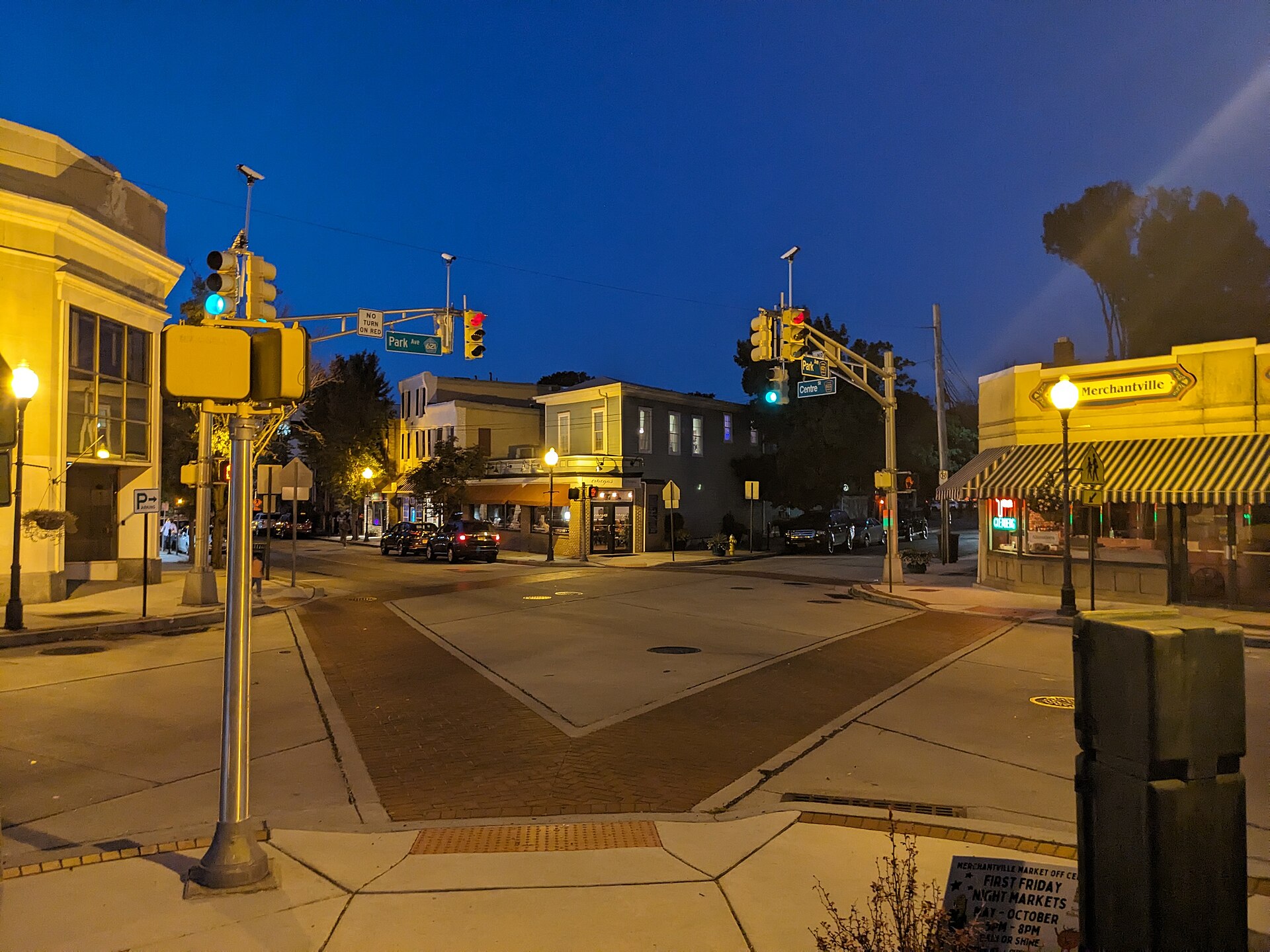
    Merchantville, New Jersey: A Town Guide for Luxury Home Buyers

    Merchantville is one of the smallest municipalities in Camden County and one of the most architecturally distinctive. Barely over half a square mile, the borough was built out largely in the late nineteenth century as a rail suburb for Philadelphia, and much of that housing stock survives: turreted Queen Annes, deep wraparound porches, carriage houses, and slate roofs on lots that would be impossible to assemble today. For luxury buyers who want character and walkability without a large-estate footprint, it deserves a serious look.

    The character of the town

    Merchantville’s appeal is its coherence. Because the borough was developed in a compressed period and never expanded much, the streets read as a continuous Victorian streetscape rather than a patchwork of eras. Homes are close enough together to make sidewalks lively but set back far enough to have front lawns and real porches. The compact downtown gives residents a genuine town center to walk to — coffee, restaurants, a few independent shops, and community events.

    The scale is the key thing to understand. This is not a town of ten-acre estates. It is a town of substantial, ornate, historically significant houses on village lots. Buyers who want privacy behind a gate will be happier in Moorestown, Medford, or Mullica Hill. Buyers who want to walk to dinner from a house with original pocket doors and a third-floor turret room are in the right place.

    What the housing stock looks like

    • Queen Anne and Victorian singles. The signature Merchantville house: asymmetrical massing, turrets or towers, decorative shingle work, wraparound porches, high ceilings, and elaborate interior millwork.
    • Colonial Revival and Foursquare homes. Slightly later, more restrained, often with excellent bones and simpler maintenance profiles.
    • Carriage houses and outbuildings. A number of properties retain original secondary structures, some converted to garages, studios, or guest space.
    • Renovated versus original. Inventory varies dramatically between meticulously restored homes and properties carried lightly for decades. Pricing follows that split closely.

    Location, commuting, and access

    Merchantville sits just east of Pennsauken and north of Cherry Hill, close to Route 38, Route 70, and Route 130, with I-295 and the New Jersey Turnpike a short drive away. The Betsy Ross and Ben Franklin bridges put Center City Philadelphia within a manageable drive outside peak hours. PATCO Speedline stations in nearby Westmont and Haddonfield offer a rail option into Philadelphia for buyers who prefer not to drive, and NJ Transit and the River LINE provide additional regional connections.

    Practically, most Merchantville households run larger errands in Cherry Hill or Collingswood, where the bigger grocery and retail options are, and use the borough’s own downtown for dining, coffee, and community life. Haddonfield’s shopping district is roughly ten minutes away, and Philadelphia’s cultural institutions are close enough for a weeknight.

    What luxury buyers should evaluate

    Buying a high-end Victorian is a different exercise from buying new construction. Focus your diligence here:

    • Roof, gutters, and exterior trim. Elaborate Victorian exteriors have many joints, valleys, and decorative elements, each a potential water entry point. Ask for the roof’s age and material and get a close look at soffits, fascia, and porch framing.
    • Porch structure. Wraparound porches are the most charming and most frequently deteriorated element on these houses. Check columns, decking, and the footings underneath.
    • Mechanical systems. Confirm heating type and age, whether central air exists on all floors, electrical panel capacity, and whether any knob-and-tube wiring remains. Insurance carriers care about the answers.
    • Basement and foundation. Look for seepage history, sump systems, and grading around the house. Older stone or brick foundations need honest assessment, not reassurance.
    • Environmental items. On homes built before 1978, lead-based paint disclosure applies. Buried oil tanks are a known issue across older South Jersey towns; a tank sweep is inexpensive relative to the risk and is worth doing.
    • Permits and prior work. Verify that additions, decks, finished basements, and system replacements were permitted. Unpermitted work becomes your problem at resale.

    Historic considerations

    Merchantville takes its architectural identity seriously, and buyers planning exterior changes should confirm at the borough level what approvals apply to a specific property before committing to a renovation plan. Get that answer in writing during your inspection period. The same applies to questions about lot coverage, setbacks, and accessory structures on these compact village lots.

    How pricing works in a small borough

    Merchantville’s small size means limited annual turnover, and that has real consequences for pricing. There may be only a handful of truly comparable sales at the high end in a given year, so condition, quality of restoration, lot position, and off-street parking can move value more than raw square footage. Automated valuations tend to struggle with houses this idiosyncratic.

    Sellers benefit from marketing that communicates craftsmanship — photography and copy that show the millwork, the stained glass, the tile, and the restoration work rather than treating the house as a generic four-bedroom. Buyers benefit from an agent who can look at two similar-looking Victorians and explain why one is worth meaningfully more. For current inventory and recent comparable sales, reach out directly rather than relying on public estimates.

    Merchantville compared with nearby towns

    • Versus Collingswood: Both are walkable and architecturally rich. Collingswood has a larger and busier restaurant corridor; Merchantville is quieter and smaller in scale.
    • Versus Haddonfield: Haddonfield offers a bigger downtown, a deeper luxury inventory, and direct PATCO access, generally at a higher price point.
    • Versus Moorestown or Medford: Those towns deliver land, privacy, and larger lots. Merchantville delivers walkability, architecture, and a village feel.

    Frequently asked questions

    Is Merchantville a good commuter town for Philadelphia?

    Yes for most schedules. The borough has quick access to Route 38, Route 70, and I-295, with the Betsy Ross and Ben Franklin bridges nearby for a drive into Center City. Buyers who prefer rail typically use PATCO from nearby Westmont or Haddonfield. Commute times vary meaningfully with bridge and highway traffic, so test your route at the hour you would actually travel.

    What kind of luxury homes exist in a town this small?

    The high end of Merchantville consists mainly of large, restored Victorian and Colonial Revival single-family homes — often four or more bedrooms with original architectural detail, updated systems, and sometimes a carriage house or detached garage. It is a market defined by architecture and restoration quality rather than acreage.

    What should I budget for beyond the purchase price?

    Plan for ongoing maintenance appropriate to a historic home: periodic exterior painting, roof and gutter work, porch upkeep, and system modernization over time. Insurance for older homes can also price differently depending on wiring, roof age, and replacement cost. Ask for actual utility and maintenance history from the seller where available, and get contractor estimates during your inspection period rather than after closing.

    Considering Merchantville or another South Jersey town? James Kennedy works with buyers and sellers of high-end homes throughout South Jersey and Philadelphia and can tell you what is actually available, what recently sold, and what a specific property is worth today. Call James at 215-267-8479 or email jameskennedy@unlockedteam.com.
  • Living in Overbrook Farms: A Luxury Buyer’s Guide to Philadelphia’s Garden Suburb Inside the City

    Living in Overbrook Farms: A Luxury Buyer’s Guide to Philadelphia’s Garden Suburb Inside the City

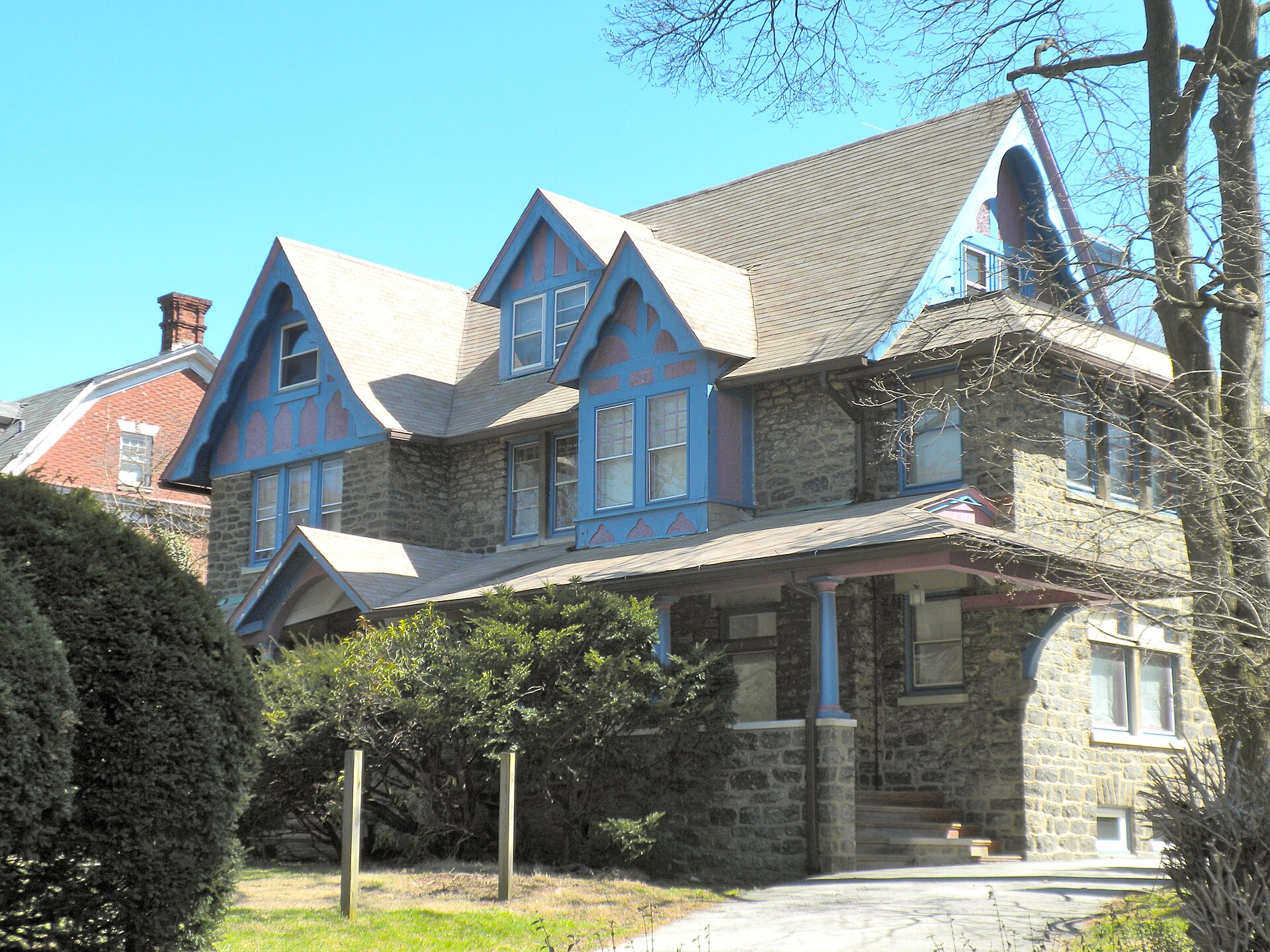
    Most buyers who want a large historic home with a real yard assume they have to leave Philadelphia for the Main Line. Overbrook Farms proves otherwise. Laid out in the 1890s as one of America’s earliest planned garden suburbs, it sits at the far western edge of the city, minutes from Lower Merion, yet it is fully within Philadelphia’s boundaries. For a certain kind of luxury buyer, that combination is hard to replicate anywhere else in the region.

    What makes Overbrook Farms distinct

    Overbrook Farms was developed as a cohesive vision rather than lot by lot. The developers behind it hired accomplished architects, buried utility lines, planted street trees, and imposed deed restrictions on setbacks and materials. The result is a neighborhood that reads as a single composition: broad stone houses on generous lots, curving streets, mature canopy, and consistent scale.

    Housing stock leans heavily toward Colonial Revival, Tudor Revival, Queen Anne, and Shingle Style homes in Wissahickon schist, many with slate roofs, leaded glass, quartersawn oak, coffered ceilings, and multiple fireplaces. Square footage is often substantial by city standards, and lot sizes far exceed what a rowhouse-dominated market usually offers. Carriage houses and detached garages appear on several blocks, which matters more than buyers expect in a city where off-street parking is scarce.

    Who tends to buy here

    • Buyers who want scale, land, and architectural pedigree while keeping a Philadelphia address.
    • Professionals tied to University City, Center City, or the western suburbs who value the Overbrook regional rail stop.
    • Preservation-minded owners who actively want a historic house and are prepared to steward it.
    • Families who want a yard, a driveway, and a front porch without moving to a township.

    Location and getting around

    Overbrook Farms sits along the City Avenue corridor at the Philadelphia–Lower Merion line. The Overbrook station on SEPTA’s Paoli/Thorndale regional rail line puts Suburban Station and 30th Street Station within a short ride, which makes the neighborhood workable for buyers who commute downtown but do not want to drive. City Avenue provides quick access to I-76 and the Schuylkill Expressway, and from there to the Blue Route and the Pennsylvania Turnpike.

    Day-to-day shopping is a mix: Main Line retail in Bala Cynwyd, Wynnewood, and Ardmore is a short drive west, while Center City’s restaurants and cultural institutions are a straightforward rail trip or drive east. Buyers who want to walk to a dense commercial strip should understand that Overbrook Farms is residential by design — the trade-off for its lawns and quiet is that most errands involve a car or a train.

    What to evaluate before you buy

    Large stone houses from the 1890s and 1900s reward careful diligence. In this neighborhood, focus your inspection budget where the money actually is:

    • Roof and masonry. Slate roofs can last a century but are expensive to repair properly. Ask about the age of the roof, flashing, and any repointing history on stone facades and chimneys.
    • Systems. Many homes have been converted from original heating systems over time. Confirm the age and condition of HVAC, whether central air is present on every floor, and whether electrical service has been upgraded to handle modern loads.
    • Water management. Grading, gutters, downspouts, and basement drainage matter enormously on older stone homes. Look for evidence of past water intrusion and ask what was done about it.
    • Windows and envelope. Original wood windows can be restored beautifully, but heating and cooling costs on a large home vary widely depending on insulation and window condition.
    • Prior renovations. Confirm permits and workmanship on kitchens, baths, and additions. Quality varies from museum-grade restoration to deferred maintenance dressed up for market.

    It is worth hiring inspectors who regularly work on large historic homes rather than a generalist. A specialist reads a 6,000-square-foot stone house differently than a 1,200-square-foot rowhouse, and the difference shows up in what they flag.

    Historic designation and neighborhood standards

    Portions of Overbrook Farms are recognized for their historic significance, and the neighborhood has a long-standing civic association that takes streetscape and preservation seriously. Before you plan an addition, a new roof material, or major facade changes, confirm exactly what designations apply to the specific parcel and what review, if any, is required. This is a parcel-level question, not a neighborhood-level one, and it should be answered in writing during your due diligence period rather than assumed.

    How pricing tends to work here

    Overbrook Farms is a small, low-turnover market. In neighborhoods like this, a handful of sales in a year can set the tone, and condition drives dispersion more than location does. Two houses on the same block can be far apart in price if one has a restored roof, updated systems, and a renovated kitchen while the other needs all three. Buyers should expect to underwrite the cost of deferred maintenance into their offer, and sellers should expect that buyers will.

    Because comparable sales are limited, pricing here benefits from an agent who has actually walked the inventory rather than one relying purely on automated valuation tools, which tend to handle unique historic homes poorly. For current inventory, recent sales, and what a specific block is doing, reach out directly.

    Overbrook Farms compared with the nearby Main Line

    Buyers considering Overbrook Farms are often also looking at Bala Cynwyd, Wynnewood, Merion, and Narberth. The honest comparison comes down to a few factors:

    • Taxes and jurisdiction. Philadelphia and Lower Merion Township operate under different tax structures, and Philadelphia residents are also subject to city wage tax. Run the full annual carrying-cost math on both sides of City Avenue before deciding.
    • Schools. Public school assignment differs across the city line, and many families in this area also consider the region’s independent and parochial schools. Confirm current assignment and admissions details yourself rather than relying on listing remarks.
    • Price per square foot. Historic homes of comparable size and grandeur often price differently on either side of the boundary. That gap is precisely why some buyers choose Overbrook Farms.

    Frequently asked questions

    Is Overbrook Farms actually in Philadelphia?

    Yes. Overbrook Farms lies within Philadelphia city limits in the far western part of the city, directly adjacent to Lower Merion Township in Montgomery County. Residents pay Philadelphia property and wage taxes and are served by Philadelphia municipal services, even though the neighborhood’s look and lot sizes feel suburban.

    What kinds of homes are available in Overbrook Farms?

    The neighborhood is dominated by large late-nineteenth and early-twentieth-century single-family homes in stone and shingle, including Colonial Revival, Tudor Revival, Queen Anne, and Shingle Style examples, many with original millwork, multiple fireplaces, and detached garages or carriage houses. Twins and a smaller number of converted properties also appear.

    Is it a good fit if I commute to Center City?

    It can be. The Overbrook regional rail station connects to 30th Street and Suburban Station, and City Avenue offers quick highway access. Buyers who want to walk to work or to a dense restaurant district will generally be happier in Center City; buyers who want space, a yard, and a rail commute often find Overbrook Farms an excellent compromise.

    Thinking about buying or selling in Overbrook Farms or elsewhere in Philadelphia? James Kennedy specializes in luxury real estate across Philadelphia and South Jersey and can walk you through current inventory, recent sales, and what a specific home is really worth. Call James at 215-267-8479 or email jameskennedy@unlockedteam.com to start the conversation.

  • Buyer Agency Agreements and Agent Compensation: What Luxury Buyers Should Know in Pennsylvania and New Jersey

    Buyer Agency Agreements and Agent Compensation: What Luxury Buyers Should Know in Pennsylvania and New Jersey

    Agent compensation is the part of a transaction that buyers used to hear the least about and now hear the most about. Following industry-wide changes to how compensation is offered and disclosed, buyers in Pennsylvania and New Jersey now sign a written agreement with their agent before touring homes, and the terms of that agreement, rather than an assumption, determine what the buyer’s agent is paid. This guide explains what those documents do, what is negotiable, and how compensation actually gets handled at closing on a high-end purchase.

    What a buyer agency agreement actually is

    A buyer agency agreement is a written contract between you and a brokerage. It establishes three things: that the agent represents you rather than the seller, what services you are entitled to, and how the agent is compensated. Before these agreements became standard practice, many buyers worked with an agent on a handshake and never discussed compensation because it was presumed to come from the listing side. That presumption no longer holds.

    In Pennsylvania, buyers typically sign either an exclusive or a non-exclusive buyer agency contract, along with the Consumer Notice that explains the agency relationships available under state law. In New Jersey, buyers sign a comparable written agreement along with the state’s consumer information statement. The paperwork differs; the principle is the same.

    The terms that matter

    Exclusive versus non-exclusive

    An exclusive agreement commits you to one agent for the term and the geography described. A non-exclusive agreement leaves you free to work with others. Exclusive representation typically buys you a deeper commitment from the agent, which matters most in the luxury segment where preparation, off-market sourcing, and negotiation carry real weight.

    Term length

    The agreement runs for a defined period. A shorter initial term is a reasonable request if you are meeting an agent for the first time; you can always extend. Understand how the agreement ends and what notice, if any, is required.

    Geographic and property scope

    If you are searching both Center City and the Main Line, or both Philadelphia and South Jersey, make sure the agreement’s described scope matches your actual search. A buyer looking at a shore property and a city pied-a-terre may reasonably have different arrangements for each.

    The compensation amount

    The agreement states what the brokerage is owed if you buy. This figure is negotiable and is set between you and the brokerage, not dictated by any board, association, or multiple listing service. It can be expressed as a percentage or as a flat fee.

    The holdover or protection clause

    Most agreements provide that if you buy a property the agent introduced you to shortly after the agreement ends, compensation is still owed. Read this provision and understand its length and its trigger.

    Who actually pays the buyer’s agent

    This is the question buyers ask most, and the honest answer is that it depends on the deal. Several arrangements are common:

    • The seller’s side offers compensation. Many sellers still choose to compensate a buyer’s agent because it widens their buyer pool. This is no longer advertised through the multiple listing service the way it once was, so your agent confirms it directly with the listing brokerage.
    • The buyer asks for a seller concession. The purchase contract can provide that the seller credits the buyer a stated amount at closing, which the buyer then applies toward their agent’s compensation. This becomes part of the negotiated price and terms.
    • The buyer pays directly. If no compensation is offered and no concession is negotiated, the buyer pays the amount stated in their agency agreement at closing.
    • A combination. If the offered compensation is less than what the buyer’s agreement provides, the buyer covers the difference or negotiates the gap into the deal.

    Because compensation now moves through negotiation rather than assumption, it should be discussed at the beginning of a search, not discovered at settlement. Ask your agent to walk you through how each scenario would look on a settlement statement.

    Why this matters more at the high end

    On a luxury purchase, the absolute dollars involved are larger, so the terms deserve genuine attention. But there are practical dimensions too. High-end buyers frequently need an agent to source properties that are not publicly listed, to coordinate specialized inspections on historic or estate properties, to manage privacy concerns, and to negotiate with sophisticated counterparties. Those services take time and expertise. A clear written agreement is what makes it reasonable for an agent to commit that effort to you.

    There is also a financing dimension. Buyer-paid compensation is generally not financeable as part of the mortgage, so it affects the cash you bring to closing. A seller concession, by contrast, changes the negotiated economics of the deal and can be structured within the contract. Loan programs treat concessions differently and impose limits, so involve your lender in the conversation early.

    Questions worth asking before you sign

    • What exactly will you do for me, and over what period?
    • What compensation are you asking for, and how is it calculated?
    • If the seller’s side offers less than that, what happens?
    • How and when can I end this agreement if it is not working?
    • How will you handle properties that are not publicly listed?
    • How does the holdover provision work?

    A good agent will welcome all six questions. None of them are adversarial; they are the same questions you would ask any professional you were hiring.

    A note on the seller’s side

    Sellers face the mirror image of this decision. Whether to offer compensation to a buyer’s agent, and how much, is now an explicit strategic choice rather than a default. It should be made with a clear-eyed view of who the likely buyer is, how the property will be marketed, and what competing listings are doing. There is no universally correct answer, and the right choice for a Rittenhouse condominium may differ from the right choice for a Chester County estate.

    Frequently asked questions

    Do I have to sign a buyer agency agreement to see a house?

    To work with an agent who represents you, yes, a written agreement is now standard practice before touring. You are not required to sign an exclusive, long-term agreement on the spot, and the terms are negotiable.

    Is the buyer’s agent compensation negotiable?

    Yes. Compensation is set by agreement between you and the brokerage. It is not fixed by any association, multiple listing service, or regulator, and it may be a percentage or a flat fee.

    Can the seller still pay my agent?

    Yes. Sellers may still choose to compensate a buyer’s agent, and buyers may negotiate a seller concession within the purchase contract to cover it. What changed is that this is no longer assumed or advertised through the multiple listing service, so it has to be confirmed and negotiated deal by deal.

    Whether you are buying or selling at the high end in Philadelphia or South Jersey, James Kennedy can give you current, address-specific guidance rather than generalities. Call James at 215-267-8479 or email jameskennedy@unlockedteam.com to talk through your search, your timing, or what your home would bring in today’s market.

  • Wells, Septic Systems, and Acreage: A Buyer’s Guide to Estate Properties in South Jersey and the Philadelphia Suburbs

    Wells, Septic Systems, and Acreage: A Buyer’s Guide to Estate Properties in South Jersey and the Philadelphia Suburbs

    Once a search moves past the neighborhood grid and into acreage, the mechanics of the house change. Estate properties in Chester County, Bucks County, and the horse-country and farmland pockets of South Jersey frequently run on a private well and an on-site septic system rather than public water and sewer. That is not a defect. It is simply a different set of systems to understand, budget for, and inspect properly before you close.

    Why acreage often means private systems

    Public water and sewer lines follow density. Where lots are measured in acres rather than feet of frontage, extending municipal infrastructure is rarely economical, so homes rely on a drilled well for water and an on-lot septic system for wastewater. Many of the region’s most desirable properties fall into this category: preserved farmland in Gloucester and Salem counties, the wooded parcels around Medford and Shamong, the estate corridors of Chester County, and much of upper Bucks.

    A well-built, well-maintained private system can serve a large household for decades at modest ongoing cost. A neglected one can turn into a serious expense. The difference is almost entirely a matter of what was installed, how it has been maintained, and how carefully the buyer investigated.

    Understanding the well

    A residential well draws from groundwater through a drilled borehole and delivers water through a submersible pump and pressure tank. The things that matter to a buyer are:

    • Yield. How many gallons per minute the well produces under sustained draw. A large home with multiple baths, an irrigation system, and a pool needs meaningfully more capacity than a small one. Ask for a flow test performed under realistic conditions, not a brief spot check.
    • Water quality. Test for bacteria, nitrates, and the contaminants relevant to your area. In parts of Pennsylvania, radon in water and naturally occurring arsenic are worth screening. Where agriculture is or was nearby, nitrate and pesticide screening is prudent.
    • Depth, age, and construction. Older shallow wells are more vulnerable to seasonal fluctuation and surface contamination than modern deep-drilled wells with proper casing and grouting.
    • Treatment equipment. Many estate homes have softeners, neutralizers, ultraviolet systems, or whole-house filtration. Find out what is installed, why it was installed, and what it costs to service.

    Understanding the septic system

    A conventional septic system separates solids in a tank and disperses the liquid effluent through a drain field, where soil does the final treatment. Some properties have alternative or advanced systems: mound systems, sand filters, drip dispersal, or aerobic treatment units. These are typically installed because site conditions demanded them, and they carry higher maintenance obligations.

    What a buyer needs to establish:

    • Size relative to the house. Systems are permitted for a specific number of bedrooms. If a prior owner finished an attic or added a suite without upgrading the system, capacity may not match the house as it exists.
    • Condition of the tank and field. A proper inspection means pumping the tank, inspecting baffles, and evaluating the drain field’s ability to accept flow. A visual check of a lid is not an inspection.
    • Maintenance history. Ask for pumping records. Regular pumping is the single best predictor of a healthy system.
    • Permits and records. County health departments generally hold the original permit and any repair records. Those documents tell you what was approved and when.
    • Replacement area. If the existing field ever fails, is there a viable location and soil profile for a replacement? On a constrained lot, that answer materially affects value.

    New Jersey and Pennsylvania both regulate on-site wastewater at the state and county level, and some municipalities impose their own inspection or pumping requirements at transfer. Confirm local rules early, because they can affect your timeline.

    The rest of the acreage checklist

    Access and easements

    Long private drives, shared lanes, and utility easements are common on estate parcels. Establish in writing who maintains a shared drive, who plows it, and what the recorded agreement says.

    Preserved land and agricultural programs

    Farmland preservation easements and agricultural tax assessment programs are widespread in South Jersey and Chester County. They can meaningfully reduce carrying cost while also restricting what you may build. Read the easement itself, not a summary of it.

    Outbuildings and barns

    Barns, run-in sheds, garages, and guest cottages each carry their own condition, permitting, and insurance questions. Confirm that every structure is permitted and that any apartment or accessory dwelling is legal.

    Wetlands, floodplain, and soils

    Delineated wetlands and floodplain limit where you can build, place a pool, or expand a septic field. Order the mapping before you plan improvements.

    Propane, oil, and generators

    Where natural gas does not reach, heating usually runs on propane or oil. Ask about tank ownership and, for buried oil tanks, about testing and any history of removal.

    How this affects your offer and your timeline

    Estate purchases deserve a longer, more deliberate due-diligence period than a rowhome purchase. Water testing, a real septic inspection, survey work, and easement review all take time and often require independent specialists. Build that into your agreement of sale rather than compressing it. In Pennsylvania, negotiating adequate inspection time in the agreement matters; in New Jersey, the attorney review period is the natural moment to shape those terms.

    None of this should discourage a buyer. Properties like these hold value precisely because their setting cannot be replicated. The point is to buy with full information and to price any needed work into the deal rather than discovering it afterward.

    Frequently asked questions

    Is it harder to finance a home with a well and septic system?

    It is routine, but lenders often require satisfactory water potability results and evidence that the septic system is functional. Loan programs vary in how strict they are, so tell your lender early that the property is on private systems and confirm what documentation they will require.

    How often should a septic system be pumped?

    The commonly recommended interval for a conventional residential system is every few years, adjusted for tank size and household load. Advanced treatment systems typically require more frequent service and sometimes an ongoing maintenance contract. Your county health department and a licensed septic contractor can tell you what applies to a specific system.

    Can I add a pool, an addition, or a guest house on an acreage property?

    Often yes, but the limits come from zoning setbacks, wetlands and floodplain mapping, the location of the septic field and its replacement area, and any conservation or preservation easement on the land. Verify all of these before you make an offer contingent on your renovation plans.

    Whether you are buying or selling at the high end in Philadelphia or South Jersey, James Kennedy can give you current, address-specific guidance rather than generalities. Call James at 215-267-8479 or email jameskennedy@unlockedteam.com to talk through your search, your timing, or what your home would bring in today’s market.

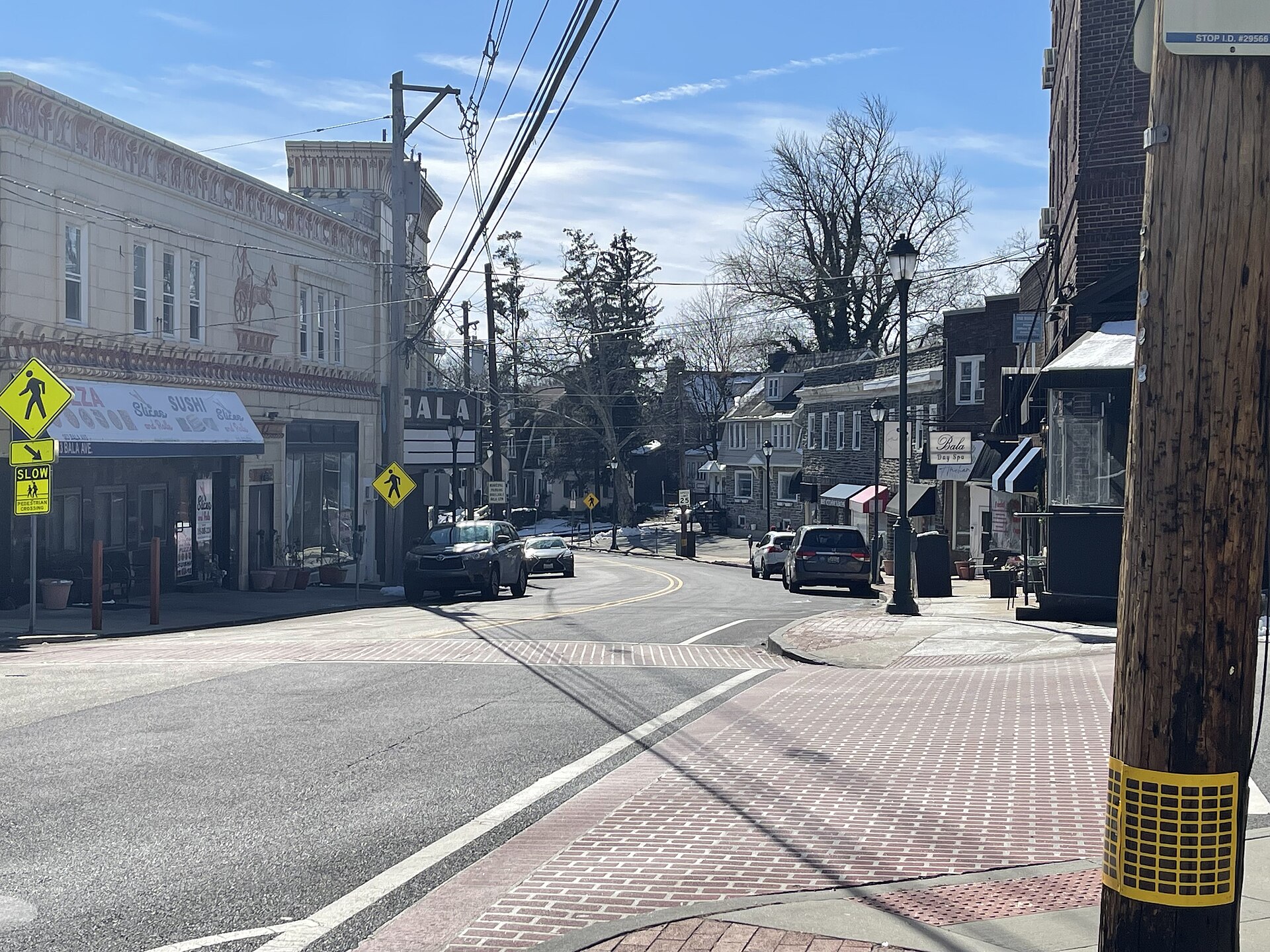
  • Bala Cynwyd, Pennsylvania: A Main Line Town Guide for Luxury Home Buyers

    Bala Cynwyd, Pennsylvania: A Main Line Town Guide for Luxury Home Buyers

    Bala Cynwyd sits closer to Center City than almost any other Main Line address, and that single fact shapes everything about the market here. Buyers who want stone-and-slate architecture, mature trees, and Lower Merion Township services, but who are not willing to trade away a short commute, tend to end up in Bala Cynwyd or its neighbor Merion Station. This guide covers what the housing stock looks like, which pockets attract luxury buyers, and what to think about before making an offer.

    Where Bala Cynwyd sits

    Bala Cynwyd is an unincorporated community in Lower Merion Township, Montgomery County, immediately across City Line Avenue from Philadelphia’s Wynnefield and Overbrook neighborhoods. Its eastern edge is essentially the city line; its western edge blends into Merion Station and Narberth. That geography is the whole story. From much of Bala Cynwyd you can reach Center City in a fraction of the time it takes from the outer Main Line, either by car over the Schuylkill Expressway or City Avenue, or by SEPTA regional rail.

    The trade-off is that Bala Cynwyd is denser and more urban in feel than Gladwyne or Villanova. You will find true estate parcels here, but they are the exception rather than the rule. Most luxury inventory is large but not sprawling: substantial homes on generous, well-landscaped lots rather than multi-acre grounds.

    The housing stock

    Bala Cynwyd’s building boom came in the streetcar and early automobile era, which is why so much of the town reads as early twentieth century rather than colonial. Buyers should expect to see:

    • Stone Colonial Revival and Tudor homes from the 1910s through the 1930s, often with slate roofs, leaded glass, and original millwork.
    • Center-hall Colonials from the postwar decades, frequently on flatter, more usable lots.
    • Mid-century and contemporary homes tucked into the wooded pockets near the Cynwyd Heritage Trail and township park land.
    • Full-service condominium buildings along and near City Avenue, which attract downsizers who want doorman service and elevator living without leaving Lower Merion.
    • Selective new construction and gut renovations, usually the result of a teardown or a deep rebuild behind a preserved stone facade.

    Because the older housing stock is genuinely old, condition varies enormously from one block to the next. Two homes with similar square footage and similar tax assessments can be separated by a great deal of money in deferred work.

    The pockets luxury buyers ask about

    Old Bala and the streets near the Cynwyd station

    The blocks nearest the Cynwyd Line station and the historic core hold some of the town’s most architecturally distinctive homes: large stone houses on tree-canopied streets, many of them original to the neighborhood’s founding as a railroad suburb. Walkability here is real, not theoretical.

    The Merion Station border

    As Bala Cynwyd blends into Merion Station, lots get larger and the streetscape quiets down. Buyers looking for a classic Main Line stone home with more privacy often widen their search across this invisible line, since the school district and township services are identical.

    The City Avenue corridor

    This is where the condominium and full-service inventory concentrates. For a buyer trading a suburban estate for a lock-and-leave residence, or for someone who wants a Lower Merion address with minimal maintenance, this corridor is worth a serious look. Evaluate each building’s reserves, fee structure, and rules carefully, as they differ significantly building to building.

    The trail and park edges

    Homes backing to the Cynwyd Heritage Trail, township parks, or wooded township land carry a privacy premium that is easy to underestimate from a listing photo. Walk the rear property line before you decide.

    Schools, services, and daily life

    Bala Cynwyd is served by the Lower Merion School District, one of the most consistently sought-after public districts in the region, and that fact is baked into pricing here. The area also sits within reach of a dense cluster of private and independent schools, which matters to many high-end buyers relocating into the area.

    Day to day, residents draw on a mix of local retail along Montgomery Avenue and City Avenue, the restaurants and shops of nearby Narberth and Ardmore, and Center City itself, which is close enough to be part of ordinary weeknight life rather than a special occasion. The Bala Cynwyd Library, township parks, and the trail network give the town more of a neighborhood texture than its highway access might suggest.

    What to evaluate before you make an offer

    • Systems and envelope. On a hundred-year-old stone home, ask about the roof, the pointing, the drainage, the electrical service, and whether knob-and-tube wiring or original galvanized plumbing remains anywhere in the house.
    • Noise and traffic exposure. Proximity to the expressway and City Avenue is an asset for commuting and a liability for quiet. Visit at rush hour, not just at midday on a Sunday.
    • Lot usability. Many Bala Cynwyd lots are sloped. If a pool, a sport court, or a level yard matters to you, evaluate grade early.
    • Renovation limits. Lower Merion has real zoning and permitting standards. If you plan an addition, confirm setbacks, impervious-surface limits, and any historic considerations before you commit.
    • Taxes. County and township millage plus school taxes make up a meaningful annual carrying cost. Model it rather than assuming.

    Who Bala Cynwyd suits

    This town is a strong fit for a buyer who wants the Main Line’s architecture and schools without a long commute, for professionals working in Center City or University City, and for downsizers who want to stay in Lower Merion but move to a smaller home or a full-service building. It suits a buyer who wants acreage and total seclusion less well; for that, Gladwyne, Villanova, and the outer Main Line make more sense.

    Frequently asked questions

    Is Bala Cynwyd considered part of the Main Line?

    Yes. Bala Cynwyd is the first Main Line community heading west out of Philadelphia and sits within Lower Merion Township. It shares the township’s services and school district with Merion Station, Narberth, Ardmore, Wynnewood, Haverford, Gladwyne, and Villanova.

    What kind of luxury homes are available in Bala Cynwyd?

    The high end is dominated by large stone Colonial Revival and Tudor homes from the early twentieth century, along with renovated center-hall Colonials, a limited amount of new construction, and full-service condominiums near City Avenue. True multi-acre estate parcels are uncommon here compared with the outer Main Line.

    How long is the commute from Bala Cynwyd to Center City?

    It is one of the shortest commutes on the Main Line. Residents drive via the Schuylkill Expressway or City Avenue, or ride SEPTA regional rail. Actual times vary with traffic and the exact address, so test your specific route at the hour you would actually travel.

    Whether you are buying or selling at the high end in Philadelphia or South Jersey, James Kennedy can give you current, address-specific guidance rather than generalities. Call James at 215-267-8479 or email jameskennedy@unlockedteam.com to talk through your search, your timing, or what your home would bring in today’s market.

  • Marketing a Luxury Listing: How High-End Homes Are Sold in Philadelphia & South Jersey

    Marketing a Luxury Listing: How High-End Homes Are Sold in Philadelphia & South Jersey

    Marketing a luxury home well is a different exercise than marketing an average resale property. The pool of qualified buyers is smaller, the expectations around presentation are higher, and a misstep in positioning — pricing, photography, or timing — can leave a distinctive property sitting on the market longer than it should, which itself becomes a negative signal to buyers. Here’s how thoughtful marketing works for high-end homes in Philadelphia and South Jersey.

    Start with positioning, not photography

    Before any photographer is booked, a seller and agent need to agree on what story the home is telling. A grand Society Hill townhouse with period detail is competing on history and craftsmanship. A modern Main Line new-construction home is competing on systems, layout, and finishes. A Jersey Shore property is often competing on lifestyle and view as much as square footage. Marketing that doesn’t identify and lean into the property’s actual competitive strength — instead of using generic luxury-listing language — tends to blend into the market rather than stand out in it.

    Photography and visual presentation

    At the luxury tier, professional photography is table stakes, not a differentiator. What separates strong marketing from adequate marketing is attention to sequencing, staging, and light. Photos should be shot to tell a walkable story of the home — arrival, main living spaces, the primary suite, standout features — rather than a mechanical room-by-room inventory. For properties with genuine architectural or view-based appeal, video and drone photography can meaningfully expand the buyer pool by reaching people who wouldn’t otherwise book a showing based on stills alone. Twilight photography, done well, is particularly effective for waterfront and city-view properties.

    Staging deserves real thought at this level too. Over-staging a home with rented furniture that doesn’t match its architectural character can undercut the very story the marketing is trying to tell. The goal is to present the home as it would look lived in by the kind of buyer who’s likely to purchase it — not as a generic showroom.

    Where luxury buyers actually look

    Luxury buyers rarely rely on a single source. A strong marketing plan typically layers several channels:

    • MLS and major portals remain the backbone of visibility, since even luxury buyers and their agents check them.
    • Luxury-specific listing networks and syndication can put a property in front of high-net-worth buyers and their agents outside the immediate local market.
    • Direct agent-to-agent outreach — reaching out to agents known to represent buyers actively searching in that price range or neighborhood — is often more productive at this tier than broad digital advertising.
    • Print and digital brochures still matter for in-person showings and broker events, particularly for architecturally distinctive homes.
    • Social media and targeted digital campaigns can extend reach, especially for lifestyle-driven properties like shore homes, but they work best as a supplement to, not a replacement for, direct relationship-based marketing.

    Timing and pacing the launch

    Luxury listings benefit from a more deliberate launch sequence than the typical “list and show immediately” approach. Many successful high-end sales begin with a quiet, off-market or “coming soon” period that builds anticipation and allows for pre-qualified private showings, followed by a fuller public launch once photography, staging, and marketing materials are complete. Rushing a launch before the property is genuinely presentation-ready often costs more in perception than it saves in time — buyers who see a listing’s first-day photos looking unfinished rarely come back for a second look once it’s improved.

    Pricing strategy ties directly to marketing

    Marketing and pricing aren’t separate decisions — they reinforce each other. A home priced to reflect genuine value and positioned with marketing that supports that price tends to attract serious offers within a reasonable window. A home priced aggressively above what the marketing and market can support tends to sit, and time on market at the luxury tier can itself depress perceived value, since buyers and their agents notice and start asking why.

    Working with the right listing agent

    Because luxury marketing depends so heavily on relationships, positioning judgment, and access to the right buyer pool, the agent’s own network and experience selling comparable properties matters as much as the marketing plan itself. An agent who has sold at this level in Philadelphia and South Jersey specifically will already have relationships with agents actively representing buyers in that range, which shortens the distance between “listed” and “sold at the right price.”

    Frequently asked questions

    How is marketing a luxury home different from a standard listing?

    Luxury marketing focuses more on positioning and storytelling than volume — professional photography and staging are a baseline expectation, and reaching the right smaller pool of qualified buyers matters more than maximizing overall impressions.

    Should a luxury home go straight to the MLS or launch privately first?

    Many high-end sales benefit from a brief private or “coming soon” period to line up marketing materials and pre-qualified showings before a full public launch, though the right approach depends on the specific property and market conditions.

    Does social media advertising sell luxury homes?

    It can extend reach, particularly for lifestyle-driven properties like shore homes, but it typically works best alongside direct agent outreach and traditional luxury marketing channels rather than as a standalone strategy.

    If you’re considering selling a luxury property in Philadelphia or South Jersey and want a marketing plan built around your home’s specific strengths, James Kennedy can walk you through the approach. Reach James at 215-267-8479 or jameskennedy@unlockedteam.com.
  • Medford, New Jersey: A Town Guide for Luxury Home Buyers

    Medford, New Jersey: A Town Guide for Luxury Home Buyers

    Medford Township sits in Burlington County at the edge of the New Jersey Pine Barrens, roughly a 40-minute drive from Center City Philadelphia. It’s a different kind of South Jersey luxury market than towns like Haddonfield or Moorestown — Medford’s appeal rests less on a dense, walkable downtown and more on space, privacy, and a wooded, semi-rural setting that’s still within reach of the city.

    A wooded, low-density luxury market

    Medford’s defining physical characteristic is its landscape. Much of the township borders protected Pinelands forest, and residential development here has generally favored larger lots — often an acre or more — with mature tree cover and, in many neighborhoods, private wells and septic systems rather than municipal utilities. For buyers who want a substantial, private homesite without leaving the greater Philadelphia region, that combination is hard to replicate closer to the city or in denser South Jersey suburbs.

    The luxury housing stock in Medford includes custom-built homes on wooded acreage, some architect-designed contemporary homes that take advantage of the wooded settings, and a smaller supply of older farmhouses and historic properties near the town’s original village core. Equestrian and hobby-farm properties also show up here more often than in towns closer to Philadelphia, reflecting the more rural character of the area.

    Medford Village and downtown character

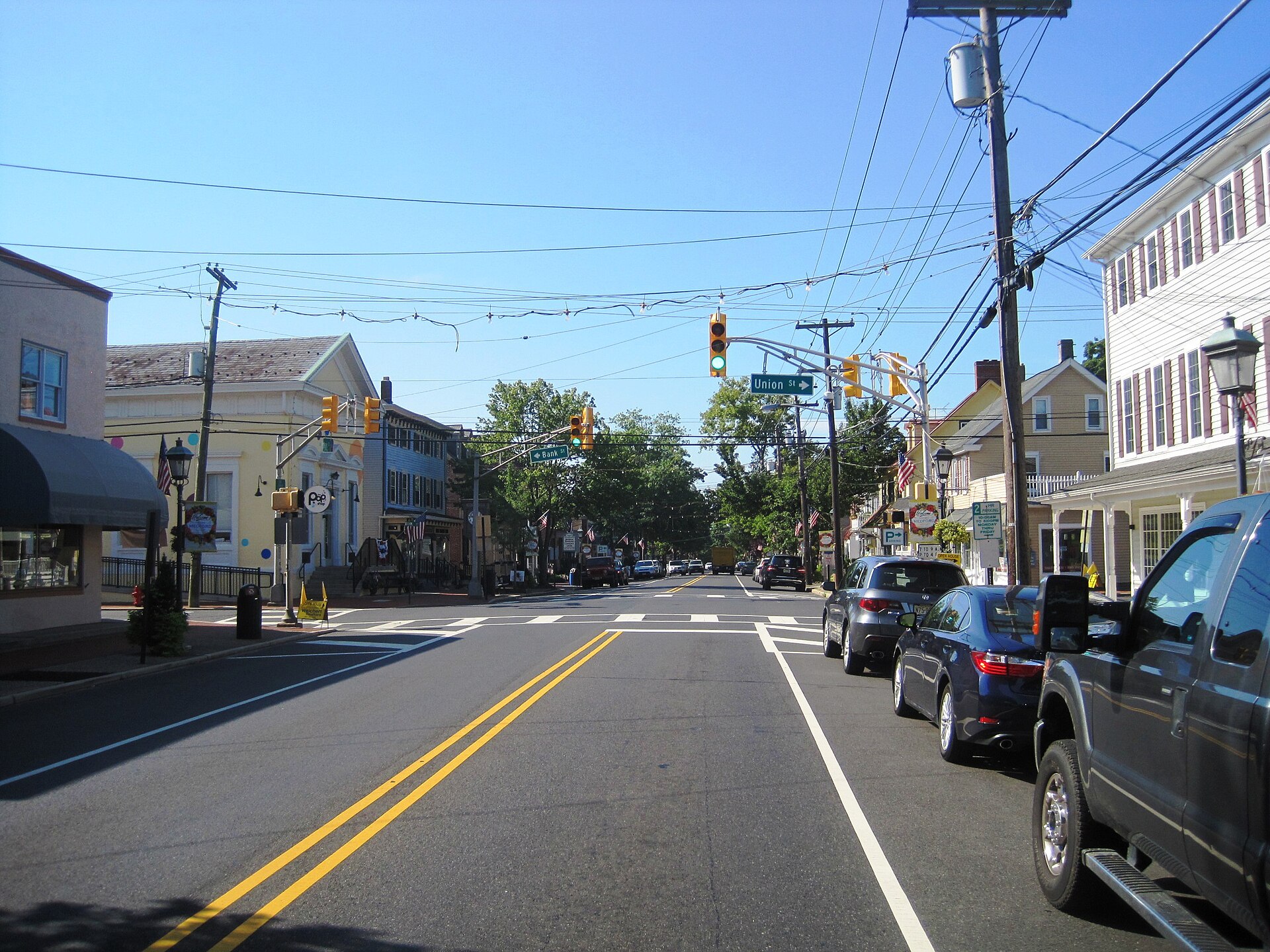
    Unlike the surrounding wooded residential areas, Medford Village itself has a genuine small-town Main Street feel, with independent shops, restaurants, and a historic district that dates back to the town’s early industrial period. It’s smaller in scale than Haddonfield’s or Moorestown’s downtowns, but it gives Medford residents a walkable center for dining and errands even though most of the surrounding housing sits on larger, more spread-out lots.

    Schools

    Medford is served by its own K-8 school system, with high school students typically attending Shawnee High School as part of the Lenape Regional High School District, which also serves several neighboring Burlington County towns. As with any town, confirming the specific schools and district boundaries tied to an individual address is worth doing early, since boundary lines don’t always track neatly with a town’s overall borders.

    Commuting and access

    Medford does not have direct passenger rail access, which is an important difference from PATCO-served towns like Haddonfield or Collingswood. Most residents commute by car, typically via Route 70 or Route 541 toward the Ben Franklin Bridge or Tacony-Palmyra Bridge corridors, or toward the PATCO line in Haddonfield or Cherry Hill’s park-and-ride options. For buyers whose work is fully remote or requires only occasional trips into Philadelphia, this trade-off is easy to accept in exchange for the space and privacy Medford offers; for buyers commuting into Center City five days a week by transit, it’s worth test-driving the actual commute before committing.

    Lifestyle and setting

    Medford’s proximity to the Pine Barrens gives residents easy access to hiking, the Medford Lakes area, and a generally quieter, more nature-oriented lifestyle than towns closer to Philadelphia’s suburbs. Medford Lakes, a distinct community within the township built around a series of small lakes, has its own rustic, cabin-community character that draws buyers looking for something different from typical suburban development. This setting appeals particularly to buyers who value outdoor space, want room for horses or a larger garden, or simply want more separation between themselves and their neighbors.

    How Medford compares to other South Jersey towns

    • Medford vs. Moorestown: Moorestown offers a denser, more classically manicured suburban feel with a stronger downtown retail core; Medford trades that for larger lots and more wooded privacy.
    • Medford vs. Haddonfield: Haddonfield has PATCO rail access and a highly walkable downtown; Medford is a car-dependent town built around space rather than walkability.
    • Medford vs. Mullica Hill: Both offer a more rural feel than the inner-ring South Jersey suburbs, though Mullica Hill sits farther south and leans more toward its historic Main Street and antiquing culture.

    Frequently asked questions

    Does Medford, NJ have train access to Philadelphia?

    No, Medford does not have direct passenger rail service. Most residents commute by car, often connecting to PATCO service in a neighboring town or driving directly across one of the Delaware River bridges.

    What size lots are typical for luxury homes in Medford?

    Many of Medford’s higher-end homes sit on lots of an acre or more, reflecting the township’s wooded, lower-density character relative to inner-ring South Jersey suburbs.

    What school district serves Medford?

    Medford operates its own K-8 school system, with high school students generally attending Shawnee High School through the Lenape Regional High School District.

    If Medford’s blend of space and privacy sounds like the right fit — or if you want to compare it against other South Jersey towns before deciding — James Kennedy can help you evaluate current listings and trade-offs. Reach James at 215-267-8479 or jameskennedy@unlockedteam.com.

    What buyers give up, and what they gain

    The trade-off in Medford is straightforward: buyers accept a longer or less convenient commute and, in many neighborhoods, private well and septic systems instead of municipal water and sewer, in exchange for larger lots, more tree cover, and a quieter day-to-day setting than they’d find closer to Philadelphia or along the PATCO corridor. For some buyers — particularly those who work from home most of the week, or who want room for a pool, a barn, or simply more distance from neighbors — that trade is an easy one. For buyers who need a five-day-a-week transit commute into Center City, it’s worth weighing carefully before committing to the area.

    Private wells and septic systems are common enough in Medford’s more rural sections that they deserve their own line item in due diligence. A well and septic inspection should be a standard part of any offer here, since replacement or remediation costs for either system can run well into five figures and aren’t always obvious from a walkthrough alone.