Author: James Kennedy

  • Living in Germantown: A Luxury Buyer’s Guide to Philadelphia’s Historic Mansion District

    Living in Germantown: A Luxury Buyer’s Guide to Philadelphia’s Historic Mansion District

    Germantown is one of the few places in Philadelphia where you can buy a genuine eighteenth- or nineteenth-century estate house, with garden-scale grounds and original detail, inside city limits and on a rail line to Center City. It is also one of the most misunderstood addresses in the city. Buyers who know Germantown only by reputation are often surprised the first time they walk the Tulpehocken Station historic district or drive Lincoln Drive on a spring morning. This guide explains what the high end of Germantown actually looks like, where the strongest pockets are, and what to examine carefully before you write an offer.

    Where Germantown sits in Northwest Philadelphia

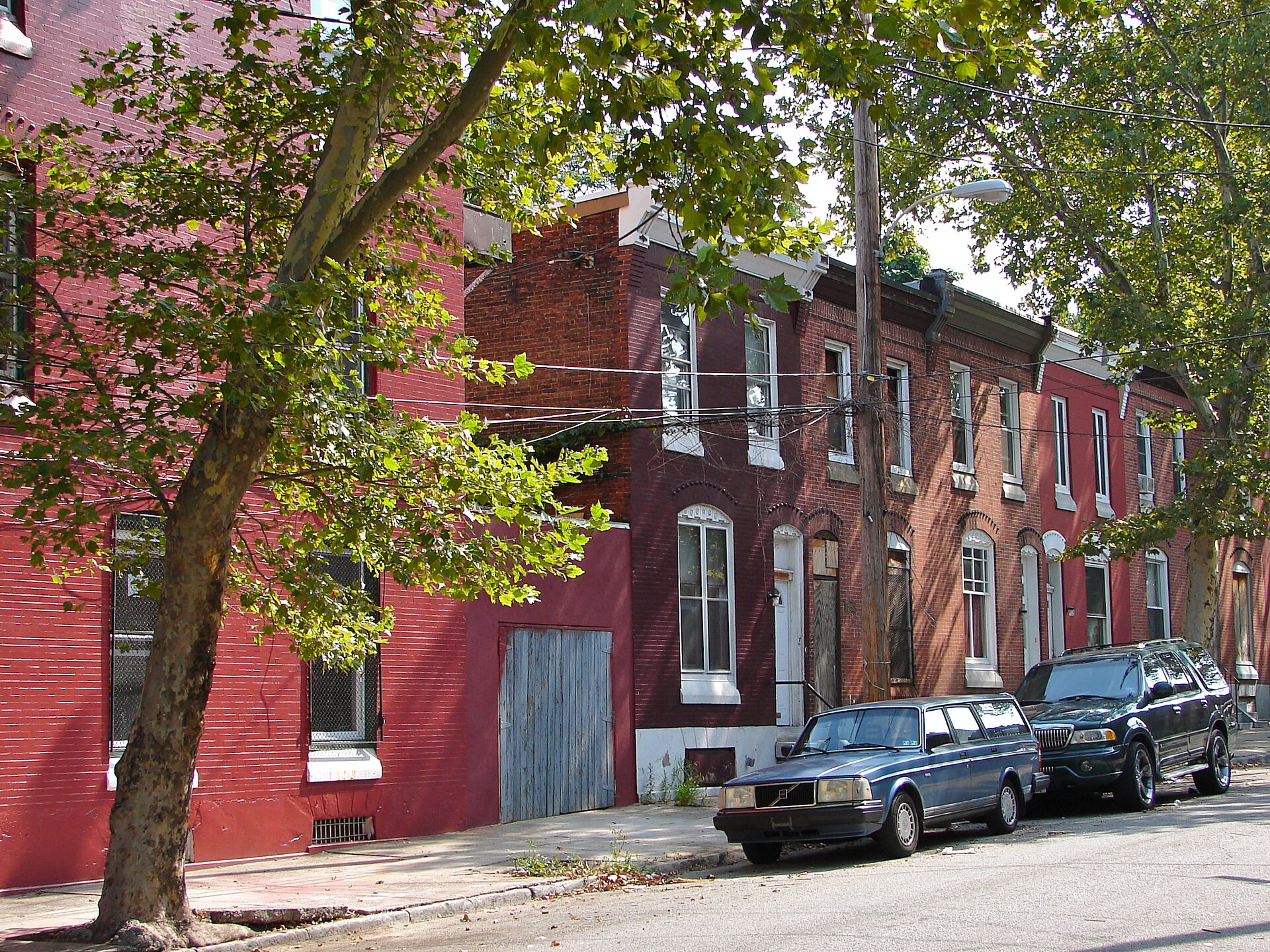
    Germantown occupies the corridor between East Falls and Mount Airy along Germantown Avenue, roughly bounded by Wissahickon Valley Park to the west and Wayne Junction to the southeast. It was a separate colonial-era town before it was absorbed into the city, and that history is the entire reason the housing stock is what it is: eighteenth-century stone houses, Victorian-era summer estates built by Center City families escaping the heat, and Arts and Crafts homes from the early twentieth century.

    Because Germantown grew as a destination rather than as a grid extension, the street pattern is irregular, lots are unusually deep, and mature trees are everywhere. It borders Chestnut Hill and Mount Airy to the northwest, which matters for buyers: the same architectural traditions run through all three neighborhoods, but pricing in Germantown has historically been more variable block to block.

    The architecture is the draw

    The luxury tier in Germantown is almost entirely about historic houses. You will find:

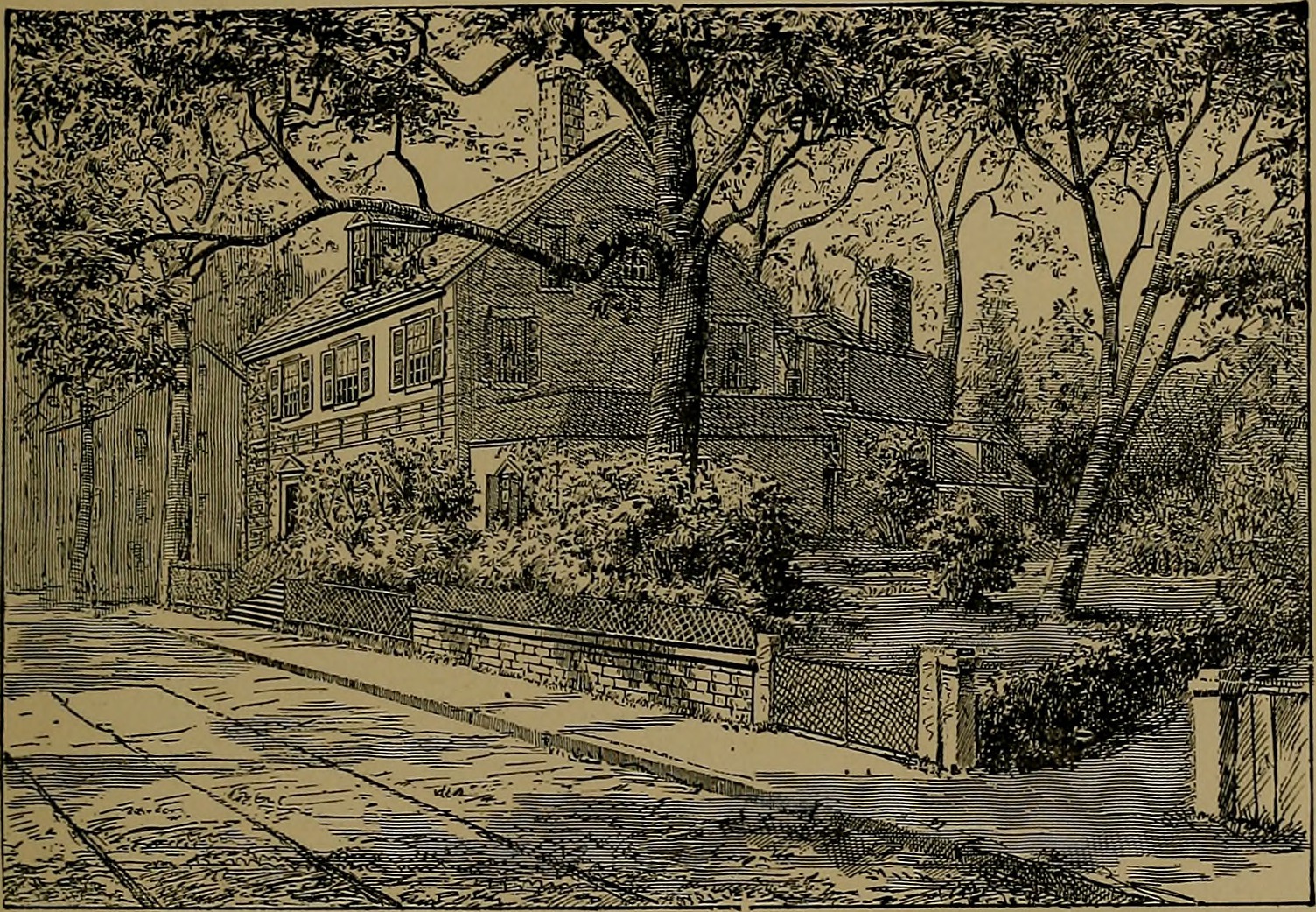
    • Colonial and Federal stone houses — thick Wissahickon schist walls, deep window reveals, wide-plank floors, and original millwork. Some date to the 1700s.
    • Italianate and Second Empire villas — the mid-1800s summer houses, often with mansard roofs, towers, and elaborate porches.
    • Queen Anne and Shingle Style homes — the 1880s and 1890s wave, with turrets, wraparound porches, and inventive rooflines.
    • Arts and Crafts and Colonial Revival — early twentieth-century houses with excellent craftsmanship and floor plans that feel more workable to modern families.
    • Carriage houses and coach houses — many original outbuildings were converted into separate residences and are now some of the most charming properties in the neighborhood.

    Square footage in the upper tier is generous by city standards. It is not unusual to see homes with five or more bedrooms, multiple staircases, third-floor suites, and lot sizes that would be impossible to assemble in Center City.

    The strongest pockets for high-end buyers

    Tulpehocken Station

    The Tulpehocken Station Historic District, clustered around the Tulpehocken and Chelten Avenue stretch west of Germantown Avenue, is the classic Germantown mansion belt. Streets such as Tulpehocken, Walnut Lane, and Wayne Avenue hold large Victorian villas on deep lots, several of them landmark quality. This is where the neighborhood’s most significant houses trade.

    Penn-Knox and the upper avenue

    The Penn-Knox area near Upsal Street and the northern end of Germantown Avenue offers stone twins and detached homes with strong bones, generally at a lower entry point than Tulpehocken, and it sits immediately adjacent to West Mount Airy.

    The Wissahickon edge

    Homes along and near Lincoln Drive and the edges of Wissahickon Valley Park benefit from park frontage, privacy, and a fast drive to Center City. Buyers who want a house that feels rural but is a short drive from Rittenhouse Square tend to gravitate here.

    Lifestyle, commuting, and institutions

    Germantown is served by SEPTA Regional Rail on the Chestnut Hill West line, with stations at Tulpehocken, Chelten Avenue, and Queen Lane, plus the Chestnut Hill East line on the eastern side. Wayne Junction is a major transfer point. For drivers, Lincoln Drive and Kelly Drive give a direct, scenic route into Center City, and Roosevelt Boulevard connects east.

    The neighborhood’s cultural anchors are unusually strong for a residential area: Cliveden, Wyck House, Stenton, the Johnson House, and the Germantown Historical Society all sit within a short radius. The Wissahickon Valley trail network functions as an extended private amenity for homes on the western edge. Independent schools in and around Germantown and Chestnut Hill draw families from across the region, and the Chestnut Hill and Mount Airy commercial corridors are minutes away for dining and shopping.

    What to examine carefully before you buy

    Buying at the high end in Germantown is a due-diligence exercise more than a price negotiation. The houses are wonderful and they are old. Focus your inspection budget on:

    • Roof, gutters, and water management. Complex Victorian rooflines, box gutters, and slate all fail expensively when neglected. Ask for records of the last roof and gutter work.
    • Stone masonry and pointing. Schist walls need periodic repointing with appropriate lime-based mortar. Hard modern mortar can trap moisture and damage the stone.
    • Systems. Knob-and-tube wiring, oversized or converted heating systems, and galvanized supply lines all appear in this housing stock. Budget for replacement rather than assuming the seller handled it.
    • Historic designation. Confirm whether the property is individually listed on the Philadelphia Register of Historic Places or sits within a designated district. Designation affects what you can change on the exterior and requires review by the Historical Commission.
    • Prior renovation quality. Germantown has seen both careful restorations and quick cosmetic flips. Have your inspector look behind the finishes.
    • Block-by-block variation. Value in Germantown is highly local. Two streets a few hundred feet apart can behave very differently. This is where an agent who works the neighborhood earns their keep.

    Who Germantown suits

    Germantown rewards the buyer who wants space, history, and land, and who is genuinely interested in stewarding an old house rather than moving into a turnkey product. It suits families who want a yard and a rail commute, design-minded buyers who would rather restore original detail than buy new construction, and anyone who has priced Chestnut Hill and wants a comparable house with more room to negotiate. It suits buyers who want a low-maintenance, elevator-served lifestyle far less well — for that, Center City condominiums are the better fit.

    Frequently asked questions

    Is Germantown a good place to buy a luxury home?

    For the right buyer, yes. Germantown holds some of the most architecturally significant houses in Philadelphia, on land that would be impossible to assemble elsewhere in the city. The important caveat is that values vary considerably from block to block, so pricing and comparable-sale analysis must be done at a very local level rather than by neighborhood averages.

    How does Germantown compare to Chestnut Hill and Mount Airy?

    All three share the same stone architecture and the same rail lines. Chestnut Hill is the most consistently priced and has the strongest retail corridor. Mount Airy sits in the middle. Germantown generally offers the most house and land per dollar, with more variation in condition and surroundings. Many buyers tour all three before deciding.

    What should I budget for maintaining a historic Germantown home?

    Plan for meaningfully more than a comparable newer house. Slate roofs, masonry repointing, wood windows, and large heated square footage all carry recurring costs, and specialty trades charge accordingly. The right approach is to get contractor estimates during your inspection period rather than relying on rules of thumb, so you are budgeting from real numbers on the specific house.

    Thinking about buying or selling in Germantown or elsewhere in Northwest Philadelphia? James Kennedy works with buyers and sellers of distinctive homes across Philadelphia and South Jersey and can walk you through current pricing, the right blocks for what you want, and what a specific house will realistically require. Call or text James at 215-267-8479 or email jameskennedy@unlockedteam.com to start the conversation.
  • Property Assessment Appeals for Luxury Homeowners in Philadelphia and South Jersey

    Property Assessment Appeals for Luxury Homeowners in Philadelphia and South Jersey

    Owners of high-end homes are disproportionately likely to be over-assessed, and disproportionately unlikely to do anything about it. The reason is structural: mass-appraisal systems are built to value typical houses at scale, and a $1.5 million property with an unusual lot, a difficult layout, or dated systems does not fit the model well. If your assessment is meaningfully above what the property would actually sell for, an appeal is one of the few ways to reduce a recurring annual expense permanently.

    How assessment works in Philadelphia

    Philadelphia’s Office of Property Assessment sets a market value for each property, and your tax bill is calculated from that value using the city’s tax rate. When new assessments are issued, owners typically receive a notice, and there are two paths to challenge it: an informal First Level Review with the assessing office, and a formal appeal to the Board of Revision of Taxes.

    Philadelphia’s formal appeal deadline falls in the fall and has historically been the first Monday in October for the following tax year. Because deadlines and procedures can change, verify the current date and filing requirements with the city before you rely on them — a missed deadline is generally fatal for that year.

    How assessment works in South Jersey

    New Jersey assessments are handled at the municipal level, with appeals generally filed with the county board of taxation. New Jersey’s standard filing deadline falls in the spring, with a later deadline in municipalities undergoing a revaluation or reassessment. Properties assessed above a statutory threshold — historically $1,000,000 — may be filed directly with the New Jersey Tax Court instead of the county board, which is a meaningful option for luxury owners.

    New Jersey also applies an equalization or “common level” range. In practical terms, this means small differences between your assessment and true market value may not be enough to win a reduction; the disparity generally must fall outside the accepted range. Confirm the current ratio for your municipality before filing.

    Why luxury homes get assessed incorrectly

    • Thin comparable data. There are simply fewer sales at the high end, so the model has less to work with and errors are larger.
    • Unmeasured condition. Assessors often have not been inside. A home with original systems, an unfinished level, or deferred maintenance may be valued as though it were updated.
    • Square footage and record errors. Incorrect living area, bedroom or bathroom counts, lot size, or finished basement designations are common and are among the easiest issues to correct.
    • Functional obsolescence. An awkward floor plan, no parking in a neighborhood where parking is expected, or a below-grade primary suite all reduce market value in ways a model may not capture.
    • Land and view assumptions. Two similar lots can carry very different real-world value based on grade, access, easements, or exposure.

    Building a case that actually wins

    Appeals are won on evidence of market value, not on how much your taxes went up or on what a neighbor pays. The strongest submissions generally include:

    • Arm’s-length comparable sales close to the assessment date, adjusted for differences in size, condition, and location. Recent sales of genuinely similar properties carry the most weight.
    • Your own purchase price, if you bought recently in an open-market transaction. A recent arm’s-length purchase below the assessed value is often the single most persuasive item available.
    • An independent appraisal for higher-value properties. At the luxury level, the cost of a credible appraisal is usually small relative to the potential multi-year savings.
    • Documentation of condition — photographs, contractor estimates, engineering reports, and repair invoices that show real problems the assessment did not account for.
    • Correction of factual record errors, supported by a survey, floor plan, or measurement.

    Understand the risks before you file

    An appeal opens the assessment to review, and in some circumstances a board can conclude the property is under-assessed and leave the value unchanged or increase it. This is not a reason to avoid appealing a genuinely inflated assessment, but it is a reason not to file reflexively. Run the comparable sales analysis first. If the evidence does not clearly support a lower value, filing may not be worth it.

    Philadelphia owners with an active tax abatement should also model the outcome carefully, since the abatement affects how the assessment translates into an actual bill, and the benefit of a reduction may be different during the abatement period than after it expires.

    When to bring in professional help

    For a modest disparity on a straightforward property, many owners handle a first-level review themselves. For a formal appeal on a high-value home, especially one heading to the New Jersey Tax Court or involving an unusual property type, it is generally worth engaging a real estate attorney who handles assessment work, along with a qualified appraiser. Many attorneys in this area work on a contingency basis tied to the tax savings achieved. Ask about the fee structure up front.

    A knowledgeable local agent can help at the front end by pulling and analyzing the comparable sales that determine whether you have a case at all — often before you spend anything on an appraisal or legal fees.

    Frequently asked questions

    Can my assessment go up if I appeal?

    It is possible. An appeal puts the property’s value in front of a reviewing body, which can conclude the current assessment is accurate or too low. This is why the sensible sequence is to analyze comparable sales first and file only when the evidence clearly supports a lower value.

    What evidence matters most in an assessment appeal?

    Recent arm’s-length comparable sales of genuinely similar properties, a recent open-market purchase price for the subject property, a credible independent appraisal, and documented evidence of condition issues or factual errors in the property record. Comparisons to neighbors’ tax bills generally carry no weight.

    When are the appeal deadlines in Pennsylvania and New Jersey?

    Philadelphia’s formal appeal deadline falls in the fall, and New Jersey’s standard municipal deadline falls in the spring, with a later date in revaluation years and a separate path to the Tax Court for higher-assessed properties. Deadlines are strictly enforced and can change, so confirm the current date with the assessing authority well in advance.

    Not sure whether your assessment reflects what your home would actually sell for? James Kennedy can pull the comparable sales and give you a candid read on your property’s current market value before you decide whether an appeal makes sense. Call James at 215-267-8479 or email jameskennedy@unlockedteam.com. This article is general information, not legal or tax advice.

  • Living in Brewerytown and Francisville: A Luxury Buyer’s Guide to Philadelphia’s North-of-Fairmount Neighborhoods

    Living in Brewerytown and Francisville: A Luxury Buyer’s Guide to Philadelphia’s North-of-Fairmount Neighborhoods

    Two of Philadelphia’s most interesting high-end opportunities sit just north of Fairmount, in neighborhoods that most buyers overlook on a first pass. Brewerytown and Francisville have absorbed more than a decade of sustained new construction, and the product coming out of them — four-story homes with garages, roof decks, and skyline views — competes directly with what buyers are considering in far more established parts of Center City. Understanding what you are actually buying here, block by block, is the difference between a smart purchase and an expensive lesson.

    Where these neighborhoods sit

    Francisville runs roughly between Fairmount Avenue and Girard Avenue, from Broad Street west toward Ridge Avenue. It is genuinely close in — a short walk to the Broad Street Line, to the restaurants of Fairmount Avenue, and to the northern edge of Center City.

    Brewerytown sits farther west and north, generally between Girard Avenue and Cecil B. Moore Avenue, running toward the eastern edge of Fairmount Park along the Schuylkill. Its name comes from the nineteenth-century breweries that once lined the area, and several of those industrial buildings have been converted or redeveloped.

    Both neighborhoods border Fairmount, which is the reference point most buyers use. If you like Fairmount but find the pricing per square foot limiting, these are the two places your agent should be showing you.

    What high-end buyers are actually getting

    The premium inventory in Brewerytown and Francisville tends to look like this:

    • New construction townhomes, typically three to four stories, often with a one-car garage, an elevator in the larger builds, a finished basement, and a roof deck with a Center City skyline view.
    • Substantially rehabbed rowhomes, where an older shell has been rebuilt with an open first floor, new systems, and a rear addition.
    • Boutique condominium buildings, including adaptive reuse of former industrial and institutional structures, which appeal to buyers who want low-maintenance city living with parking.

    The dominant value proposition is space and parking. Buyers routinely find meaningfully more square footage, plus a garage, for less than a comparable Rittenhouse or Washington Square West purchase. For families, remote workers who need a real office, and buyers who own cars, that trade is compelling.

    The block-by-block reality

    This is the single most important thing to understand about both neighborhoods: they are not uniform. A block with six new builds, mature trees, and full occupancy can sit one street away from a block with vacant lots and deferred maintenance. That variation is not a reason to avoid the area — it is the reason there is opportunity here — but it does mean that comparable sales must be drawn tightly, and that a price that looks like a bargain on paper may reflect a real difference in the immediate surroundings.

    Practical advice: walk your prospective block at three different times, including a weekday evening. Look at what is under construction within a two-block radius, since active building generally signals continued investment. And ask your agent to show you what has actually closed on that specific street, not just in the ZIP code.

    Lifestyle and access

    The Girard Avenue corridor is the spine of the area, carrying the Route 15 trolley east toward Fishtown and west toward the Philadelphia Zoo and Fairmount Park. Brewerytown’s proximity to the park is one of its strongest and most underrated assets — access to Kelly Drive, Boathouse Row, the Schuylkill River Trail, and thousands of acres of parkland is a genuine amenity that most Center City addresses cannot match.

    Francisville’s advantage is pure proximity. From much of the neighborhood you can walk to the Art Museum area, to Fairmount Avenue’s restaurants, and to Broad Street transit that puts you in the heart of Center City in minutes.

    Both neighborhoods have added coffee shops, breweries, restaurants, and neighborhood retail over the past decade, though the density of amenities remains lower than in Fairmount or Rittenhouse. Buyers should be honest about whether they want a fully built-out retail environment on day one or are comfortable with a neighborhood still adding it.

    Tax abatement and new construction considerations

    Much of the new construction in these neighborhoods has been built with Philadelphia’s residential tax abatement in mind. If you are buying a newer home, ask specifically: is an abatement in place, how many years remain, and what will the tax bill look like when it expires? That last number should be part of your carrying-cost math from the beginning, not a surprise several years in.

    On the construction quality side, new does not automatically mean well built. Have an inspector who knows Philadelphia new construction look hard at the roof deck framing and flashing, stucco and exterior envelope details, window installation, and the HVAC design across multiple floors. Ask for the builder’s warranty terms in writing.

    How these neighborhoods resell

    Resale in an evolving neighborhood depends heavily on the specific block and on how distinctive the home is. Well-built homes on established, fully occupied blocks with parking and outdoor space have the broadest buyer pool. Homes with unusual layouts, no parking, or a difficult immediate context are more dependent on market conditions. If resale flexibility matters to you, weight parking, natural light, and a genuinely usable outdoor space above finish-level upgrades.

    Frequently asked questions

    Are Brewerytown and Francisville good places for a luxury buyer?

    They can be an excellent value for buyers who want square footage, parking, and outdoor space near Center City and Fairmount Park. They require more careful block-level diligence than an established neighborhood like Rittenhouse or Society Hill, because conditions vary significantly street to street.

    How do these neighborhoods compare to Fairmount?

    Fairmount is more built out, with a denser retail and restaurant corridor and more established pricing. Brewerytown and Francisville generally offer more space per dollar and newer construction, with less amenity density and more variation between blocks.

    What should I check before buying new construction here?

    Confirm the tax abatement status and remaining term, get a thorough independent inspection focused on the roof deck, exterior envelope, and mechanical systems, review the builder’s warranty in writing, and review closed sales on the specific block rather than the broader neighborhood.

    Considering Brewerytown, Francisville, or another Philadelphia neighborhood in transition? James Kennedy works with luxury buyers and sellers across Philadelphia and South Jersey and can give you an honest, block-level read on value, construction quality, and resale. Call James at 215-267-8479 or email jameskennedy@unlockedteam.com.

  • Wildwood Crest and Diamond Beach, New Jersey: A Luxury Buyer’s Guide to the Southern Shore

    Wildwood Crest and Diamond Beach, New Jersey: A Luxury Buyer’s Guide to the Southern Shore

    The Wildwoods have long been known for boardwalk lights and family nostalgia, but the southern end of the island tells a very different story. Wildwood Crest and Diamond Beach are quiet, low-rise, dune-backed communities where the beach is wide, the streets are residential, and the housing stock has been steadily rebuilt at a level that now attracts serious luxury buyers. If you are looking at the South Jersey shore and want oceanfront or near-oceanfront square footage without Avalon or Stone Harbor pricing, this stretch deserves a close look.

    Where Wildwood Crest and Diamond Beach actually are

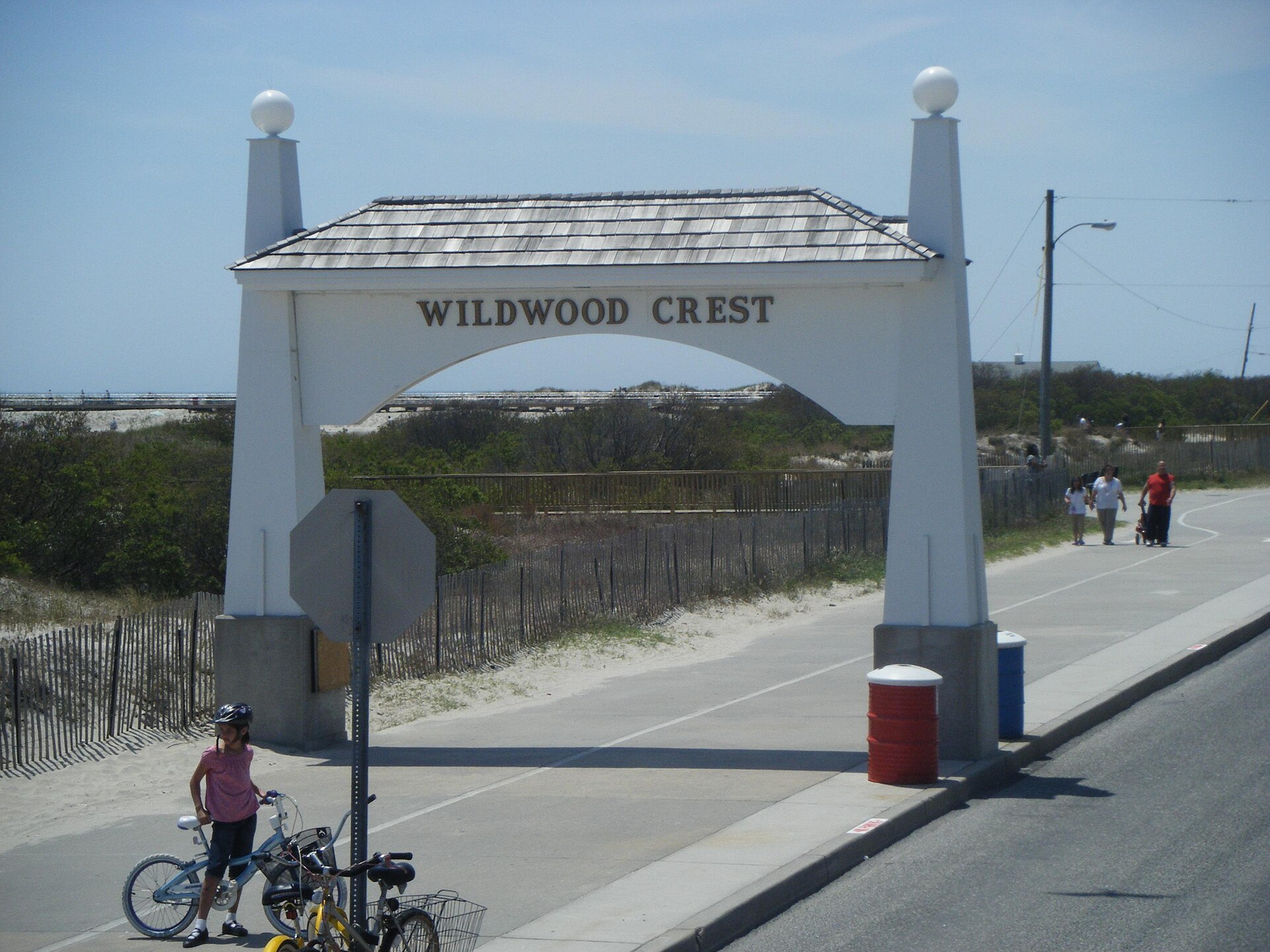
    Five Mile Island runs from North Wildwood at the top to Diamond Beach at the very southern tip. Wildwood Crest occupies the southern third of the island, below the commercial Wildwood boardwalk district. Diamond Beach sits below the Crest, technically part of Lower Township, and is the last stretch of sand before the Cape May inlet.

    That geography matters more than most buyers expect. The boardwalk, the amusement piers, and the summer crowds are concentrated north of the Crest. Once you cross into Wildwood Crest, the character changes almost immediately: no boardwalk, wide residential streets, mid-century motels giving way to new construction, and one of the widest natural beaches on the entire Jersey coast.

    What the luxury inventory looks like

    High-end product here generally falls into a few categories:

    • New construction single-family homes on the interior and bayfront streets, often three levels with elevators, roof decks, multiple ensuite bedrooms, and off-street parking under the structure.
    • Upscale duplexes and townhomes, frequently sold as individual condominium units, that read as full homes with private entries and private outdoor space.
    • Oceanfront and ocean-block condominiums, including redeveloped former motel sites, where the premium is view and beach proximity rather than lot size.
    • Bayfront properties in the Crest with docks or slips, which appeal to boating buyers and often trade at a premium to comparable interior homes.

    Diamond Beach in particular is dominated by larger condominium and resort-style buildings directly on the ocean, which makes it a different buy than the Crest’s mostly low-rise, single-family fabric. Buyers who want an elevator building with amenities and a lock-and-leave profile often end up in Diamond Beach; buyers who want a house with a yard, a garage, and family space usually end up in the Crest.

    The beach itself is part of the value

    Wildwood Crest has an unusually deep beach, backed by dunes rather than a bulkhead in most sections. That depth is a genuine amenity — room for umbrellas, sports, and walking — but it also means the walk to the water from an ocean-block home can be substantial. Before you pay an ocean-block premium, walk the actual route from the property to the waterline at the block you are considering. Two homes two streets apart can have meaningfully different beach experiences.

    The Wildwoods have historically not charged for beach access, which is unusual on the Jersey coast and is a real quality-of-life and rental-appeal factor. Confirm current policy at the time of purchase, since municipal decisions can change.

    Rental income: know the rules before you assume the numbers

    Many shore purchases here are partially underwritten by summer rental income. That is reasonable, but treat projections carefully:

    • Ask for actual booking history and gross rents, not estimates, and get the owner’s expense detail — utilities, cleaning, management, and repairs.
    • Confirm the municipality’s rental registration and licensing requirements, and any minimum-stay rules.
    • If the property is a condominium, read the association documents on rentals. Some buildings limit lease terms or frequency, which can materially change your income assumptions.
    • Understand how rental use affects your insurance, your financing, and your tax treatment. Talk to your accountant before, not after.

    Flood, elevation, and construction quality

    This is barrier-island real estate, and elevation drives both insurance cost and long-term risk. Two things every buyer should do: obtain the elevation certificate and confirm the flood zone designation, and ask for the current flood insurance premium rather than a general estimate. Newer construction is typically built well above older grade and often insures far more favorably than a mid-century home on a slab.

    On the construction side, look closely at exterior materials, window and door packages, and corrosion protection on railings and hardware. Salt air is unforgiving. A house that was built to inland standards will show it within a decade.

    How the buying season works

    Shore markets have their own rhythm. Inventory and buyer attention tend to build in late winter and spring as families plan for summer, and there is often a second window in the fall after the season ends, when some owners decide not to carry the property another year. Sellers who want the property occupied for the coming summer sometimes negotiate differently than sellers listing in September. Rather than trying to time the market, focus on being genuinely ready — financing arranged, insurance quotes in hand, and clear on which blocks you will accept — because good oceanfront and bayfront product moves quickly.

    Frequently asked questions

    How is Wildwood Crest different from Wildwood?

    Wildwood Crest is the quieter, residential southern portion of the island with no boardwalk, wide dune-backed beaches, and mostly low-rise housing. Wildwood proper contains the boardwalk, amusement piers, and the bulk of the commercial and nightlife activity. Buyers seeking a calmer, family-oriented setting almost always focus on the Crest or Diamond Beach.

    Is Diamond Beach a good option for a lock-and-leave second home?

    Often, yes. Diamond Beach is weighted toward larger oceanfront condominium buildings with elevators, amenities, and association-managed exteriors, which suits owners who want minimal hands-on maintenance. The trade-off is association fees, rules, and less private outdoor space than a Crest single-family home.

    Should I buy a shore home for the rental income?

    Buy it because you want to use it, and let the rental income offset carrying costs rather than justify the purchase. Verify actual historical rents, association rental restrictions, and municipal registration requirements before you rely on any number. For current rental and pricing data on specific blocks, reach out for a property-level analysis.

    Thinking about a shore purchase in Wildwood Crest, Diamond Beach, or elsewhere along the South Jersey coast? James Kennedy specializes in luxury real estate across Philadelphia and South Jersey and can walk you through current pricing, block-by-block differences, and what a specific property should actually trade for. Call James at 215-267-8479 or email jameskennedy@unlockedteam.com to start the conversation.
  • Pre-Listing Inspections and Seller Disclosures: A Luxury Seller’s Guide for Pennsylvania and New Jersey

    Pre-Listing Inspections and Seller Disclosures: A Luxury Seller’s Guide for Pennsylvania and New Jersey

    Most sellers think of inspections as something that happens to them after they accept an offer. At the luxury end of the Philadelphia and South Jersey markets, the sellers who net the most money tend to reverse that order — they find the problems first, decide how to handle them on their own timetable, and walk into negotiations without surprises. Combined with a careful, honest disclosure package, this approach protects both your price and your peace of mind.

    Why a pre-listing inspection makes more sense at the high end

    Expensive homes have more systems, and more systems mean more opportunities for a buyer’s inspector to hand over a long report late in the process. A five-thousand-square-foot house may have multiple HVAC zones, a generator, an irrigation system, a pool and pool heater, a wine room with dedicated cooling, an elevator, extensive hardscape, and a roof with several different materials on it. Any one of those can generate a repair request measured in five figures.

    Discovering that during your buyer’s inspection contingency puts you in the weakest possible position: under contract, emotionally committed, and negotiating against a deadline. Discovering it before you list means you get to choose between fixing it, pricing for it, or disclosing it and letting the market absorb it with full information.

    The advantages

    • You control the narrative. A repair you completed with your own contractor, on your schedule, at your price, reads very differently than a defect a buyer’s inspector discovered.
    • Fewer renegotiations. Deals most often fall apart or get repriced during the inspection period. Removing surprises removes most of that risk.
    • Better pricing conversations. If a major system is at the end of its life, you can price accordingly from day one instead of conceding it later, when concessions cost more.
    • Faster, cleaner closings. Buyers who receive a documented, transparent package tend to move with more confidence and less friction.

    The honest trade-off

    Once you know about a material defect, you generally have to disclose it — whether or not you repair it. That is not a reason to avoid a pre-listing inspection; it is a reason to go in prepared to act on what you find. Sellers who want to stay uninformed in order to stay silent are taking on legal risk that far exceeds the cost of a repair.

    Disclosure obligations in Pennsylvania and New Jersey

    The two states get to a similar destination by different routes, and the details matter enough that you should review your specific situation with your agent and, where appropriate, an attorney.

    Pennsylvania requires most residential sellers to complete a written property disclosure statement covering known material defects across the structure, systems, and property. The standard form is detailed, and answering it carefully — rather than defaulting to “unknown” on everything — is both a legal matter and a credibility matter with buyers.

    New Jersey imposes a duty on sellers to disclose known latent material defects that a buyer could not reasonably discover, developed through case law rather than a single disclosure statute. A seller’s property condition disclosure form is nonetheless standard practice in most South Jersey transactions, and New Jersey’s attorney review period gives both sides’ counsel a window to address issues early.

    Federal law applies in both states: homes built before 1978 require lead-based paint disclosure and the accompanying pamphlet, along with an opportunity for the buyer to conduct a lead assessment.

    What to inspect on a luxury property

    A general home inspection is the starting point, not the whole program. Depending on the property, consider adding:

    • Stucco and EIFS moisture testing — particularly important on 1990s and 2000s construction in the Pennsylvania suburbs, where synthetic stucco problems are well documented.
    • Sewer lateral scope — a camera inspection of the line to the main, which catches root intrusion and collapsed clay pipe before a buyer does.
    • Oil tank sweep — standard practice on older South Jersey and Pennsylvania properties that may have had underground storage tanks.
    • Well and septic evaluation — flow, water quality, tank condition, and drain field performance on properties outside public service areas.
    • Radon testing — common throughout the region and inexpensive relative to mitigation.
    • Roof, chimney, and masonry — especially on slate, tile, or copper roofs where a specialist sees what a generalist misses.
    • Pool, spa, and equipment — heater, filtration, liner or plaster, and safety compliance.
    • Specialty systems — elevators, generators, geothermal, snowmelt, and smart-home infrastructure that a general inspector will explicitly exclude.
    • Termite and wood-destroying insect inspection — routinely required by lenders anyway.

    Turning findings into a listing strategy

    Once the reports are in, sort every item into one of three buckets. Fix now covers safety issues, active leaks, and anything a buyer’s lender would require — these are almost always cheaper to handle before listing. Price for it covers major replacements you do not want to fund, such as an aging roof or an original HVAC system; disclose them clearly and set the price where the market will accept them. Disclose and move on covers cosmetic and minor items that no buyer expects a seller to address.

    Then assemble a package: inspection reports, repair invoices, contractor warranties, permits, and system documentation, ready to hand to serious buyers. On a high-end property, that binder does real work. It signals that the house has been maintained by someone who kept records, and it makes it much harder for a buyer to argue that an issue was hidden.

    Frequently asked questions

    Do I have to share my pre-listing inspection report with buyers?

    You are generally required to disclose known material defects, though whether you hand over the report itself is a separate strategic and legal question that depends on your state and your situation. Many luxury sellers share reports along with repair documentation because transparency builds buyer confidence. Discuss the approach with your agent and, where warranted, an attorney before you list.

    Will a buyer still do their own inspection?

    Almost always, and you should expect it. The purpose of a pre-listing inspection is not to replace the buyer’s inspection but to ensure it produces no surprises. When the buyer’s report largely matches what you already disclosed and addressed, the inspection period becomes a formality rather than a second negotiation.

    What if the inspection uncovers something expensive?

    You have options you would not have had under contract: get multiple bids, complete the work on your schedule, adjust your list price, or offer a credit structured on your terms. The worst version of that same problem is learning about it from a buyer’s inspector two weeks before a scheduled settlement.

    Thinking about buying or selling a high-end home in Philadelphia or South Jersey? James Kennedy specializes in luxury properties across the city, the Main Line, the Pennsylvania suburbs, and South Jersey. For current pricing, off-market opportunities, or a private consultation, call James at 215-267-8479 or email jameskennedy@unlockedteam.com.

  • Cinnaminson and Palmyra, New Jersey: A Delaware Riverfront Guide for Luxury Home Buyers

    Cinnaminson and Palmyra, New Jersey: A Delaware Riverfront Guide for Luxury Home Buyers

    Burlington County’s river towns are one of the last places in the Philadelphia region where you can buy a large, architecturally serious home with a water view and still be across a bridge from Northeast Philadelphia in a matter of minutes. Cinnaminson and Palmyra sit side by side on the New Jersey bank of the Delaware, between Riverton and the Tacony-Palmyra Bridge, and they offer a different value proposition than the county’s better-known inland addresses.

    Two towns, two personalities

    Palmyra is a compact borough with a genuine historic core. Its streets carry a dense collection of late-nineteenth and early-twentieth century houses — Victorians, four-squares, and Colonial Revivals — many with the porches, millwork, and lot depth that are hard to reproduce today. Palmyra Cove Nature Park, several hundred acres of tidal wetlands and woods at the foot of the Tacony-Palmyra Bridge, gives the borough an outsized amount of protected open space and one of the better birding spots in South Jersey.

    Cinnaminson is a larger township with a more suburban shape: mid-century and later subdivisions, larger lots as you move away from Route 130, and a mix of established neighborhoods and newer construction. Its riverfront redevelopment near the light rail station brought townhomes and condominiums with water proximity, which appeals to buyers who want the view without the maintenance of a century-old house.

    Getting around

    Location is the core argument for both towns.

    • Tacony-Palmyra Bridge connects Palmyra directly to Northeast Philadelphia, and the Betsy Ross Bridge is a short drive south.
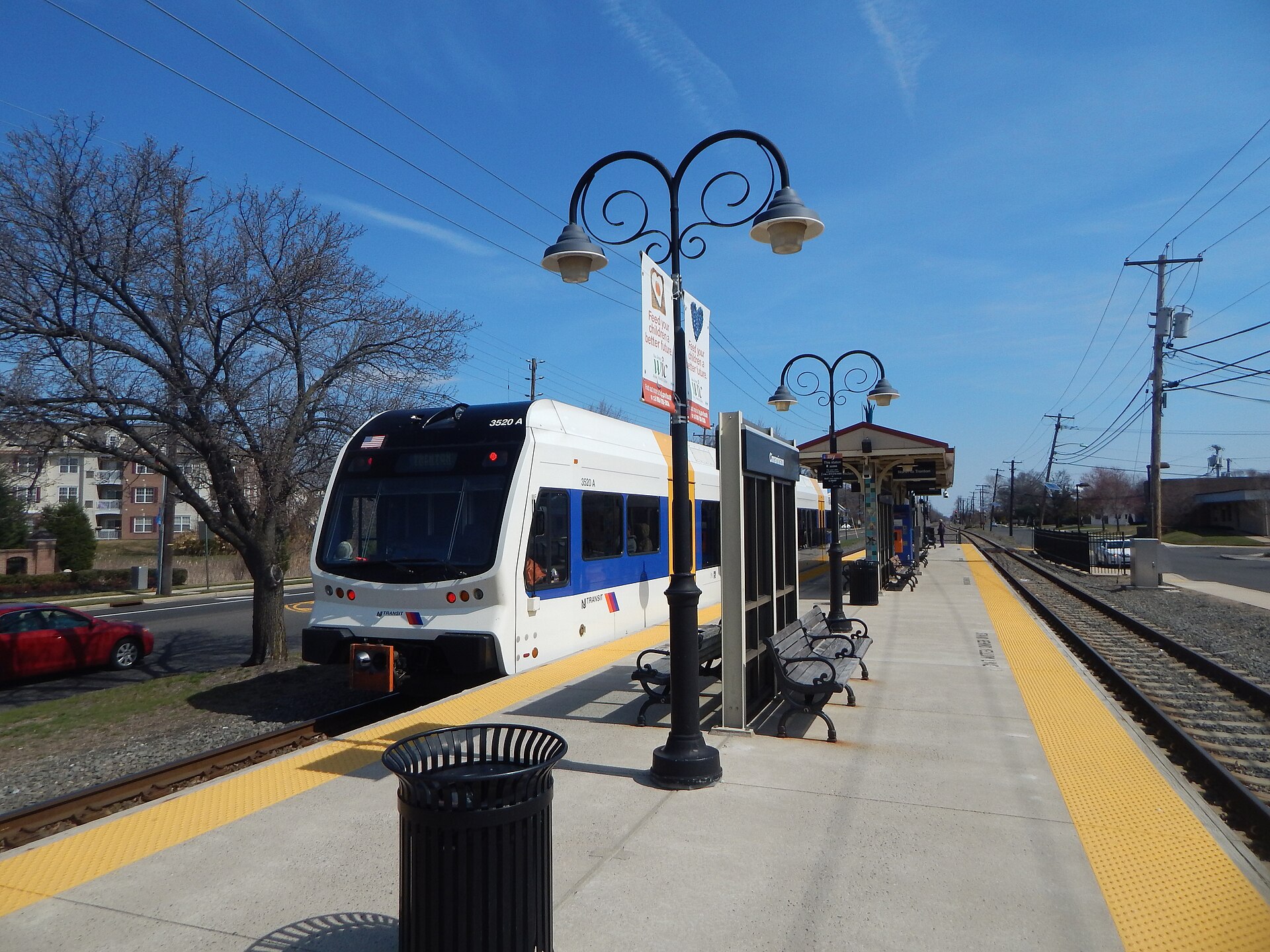
    • NJ TRANSIT’s RiverLINE light rail runs through both communities, with stations providing service north toward Trenton and south to the Camden waterfront, where it connects to PATCO and the ferry.
    • Route 130 and I-295 handle regional driving, with the New Jersey Turnpike accessible for trips toward New York.

    For a buyer working in Center City, the practical comparison is not distance but bridge behavior — traffic on the Tacony-Palmyra and Betsy Ross varies enough that testing the trip at your real commuting hour is worth an afternoon.

    What the high end looks like here

    These are not towns where every street is a luxury street. The premium properties cluster in identifiable places:

    • River-facing and river-adjacent homes. The largest historic houses were built to face the water, and the ones that retain their views, porches, and original detail are the most sought-after properties in either town.
    • Restored Victorians in Palmyra’s historic blocks. Buyers who value original woodwork, stained glass, and generous room proportions find a depth of inventory here that costs considerably more in comparable Main Line or Philadelphia neighborhoods.
    • Larger lots in Cinnaminson’s established neighborhoods. Expanded mid-century homes and custom builds on deep lots, often with pools and mature landscaping.
    • Newer riverfront townhomes and condominiums. The low-maintenance option, popular with downsizers and with buyers who want a water view and a lock-and-leave lifestyle.

    Because inventory at the top of these markets is thin, pricing is less formulaic than it is in a large subdivision. Comparable sales analysis here requires real judgment about view, lot, and the quality of restoration work — which is exactly where an experienced local agent earns their keep.

    The due diligence that matters on the Delaware

    Flood exposure and insurance

    Proximity to the Delaware and to tidal creeks means flood zone status and elevation certificates should be checked early, before you are emotionally attached to a house. Flood insurance availability and cost can meaningfully change a monthly payment, and lenders will require it in mapped zones. This is a question to resolve in the first days of due diligence.

    Underground storage tanks

    Older South Jersey homes were commonly heated with oil, and abandoned underground tanks are a well-known regional issue. A tank sweep is inexpensive relative to the cost of a remediation, and on a pre-1970s house it should be standard practice.

    Historic homes and older systems

    Knob-and-tube remnants, galvanized supply lines, aging slate roofs, and original windows all show up in the housing stock. None of them are deal-breakers, but they belong in your renovation budget rather than in a surprise conversation after closing.

    Municipal requirements

    New Jersey municipalities frequently require certificates of occupancy or resale inspections before transfer, and requirements vary by town. Confirming the local process early prevents last-minute delays at settlement.

    How these towns compare with the rest of Burlington and Camden counties

    Moorestown and Haddonfield offer larger concentrations of high-end homes, stronger walkable downtowns, and correspondingly higher pricing. Riverton, immediately adjacent, is smaller and more uniformly historic. Cinnaminson and Palmyra generally offer more house and more land per dollar than those addresses, with the trade-offs being a less uniform housing stock and a shorter list of luxury comparables. For a buyer who values the river, the bridge access, and the architecture, that trade can be a genuinely good one.

    Frequently asked questions

    Are there true luxury homes in Cinnaminson and Palmyra?

    Yes, though the segment is small and concentrated in specific locations — riverfront and river-view properties, restored historic homes in Palmyra’s older blocks, and larger custom or heavily renovated homes on deep lots in Cinnaminson. Because the high-end inventory is limited, buyers benefit from early notice on new listings and from access to properties before they hit the open market.

    How do people commute from these towns to Philadelphia?

    Most drive across the Tacony-Palmyra or Betsy Ross bridges, which put Northeast Philadelphia and I-95 within easy reach. The RiverLINE light rail is a transit alternative, connecting south to the Camden waterfront for PATCO and ferry service into Center City. Actual travel times depend heavily on bridge traffic at your specific commuting hour.

    Should I be concerned about flooding near the Delaware River?

    It is a legitimate question that has a property-specific answer. Elevation, distance from the river and tidal creeks, and official flood mapping vary block by block. Review the flood zone designation, ask for an elevation certificate where one exists, and get a flood insurance quote during your due diligence period rather than after.

    Thinking about buying or selling a high-end home in Philadelphia or South Jersey? James Kennedy specializes in luxury properties across the city, the Main Line, the Pennsylvania suburbs, and South Jersey. For current pricing, off-market opportunities, or a private consultation, call James at 215-267-8479 or email jameskennedy@unlockedteam.com.

  • Blue Bell and Whitpain Township, Pennsylvania: A Montgomery County Guide for Luxury Home Buyers

    Blue Bell and Whitpain Township, Pennsylvania: A Montgomery County Guide for Luxury Home Buyers

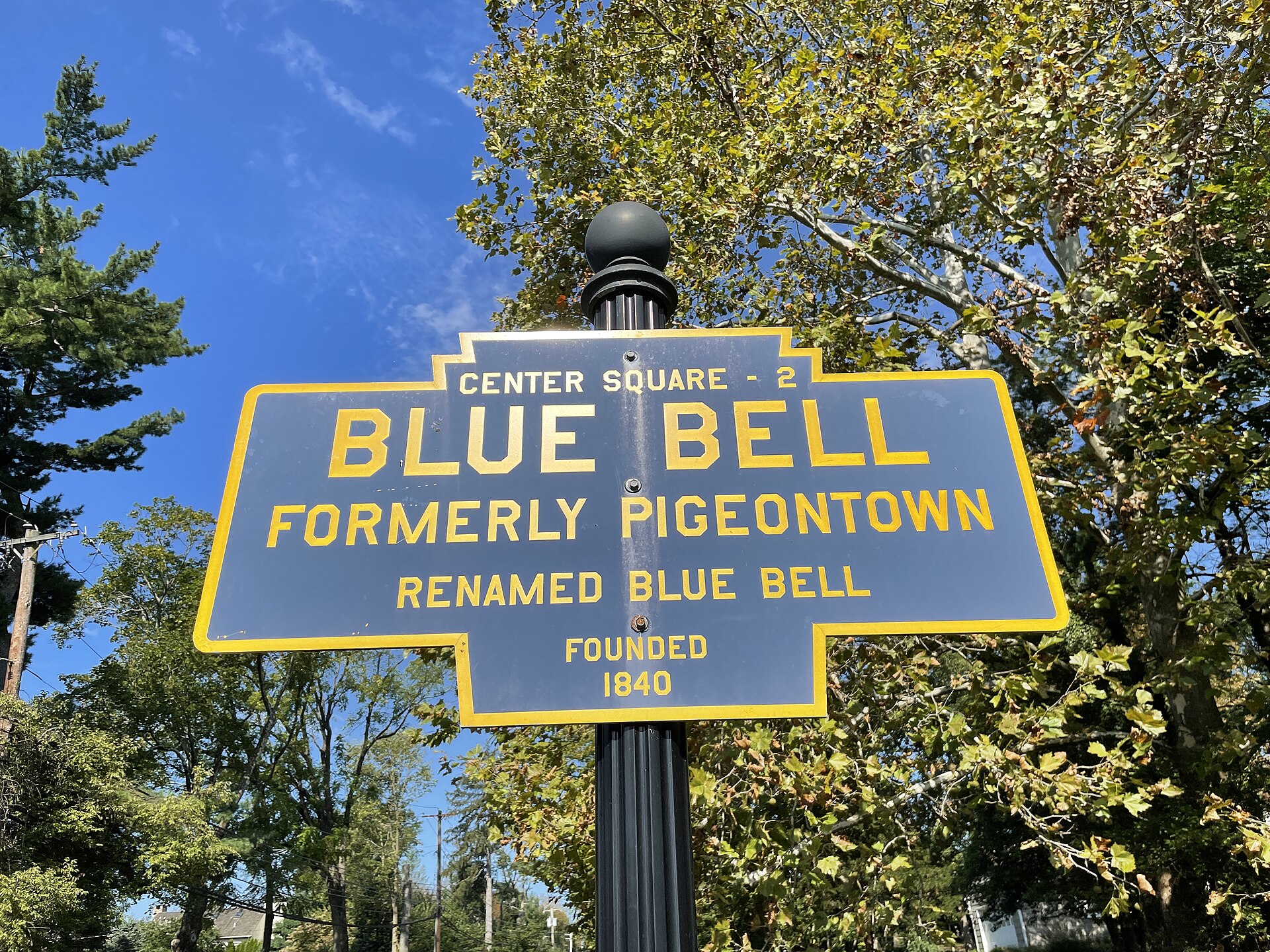
    Blue Bell is one of those Montgomery County addresses that people recognize before they can point to it on a map. It is not a borough or a township of its own — it is an unincorporated community inside Whitpain Township, roughly twenty miles northwest of Center City Philadelphia, wrapped in rolling farmland, stone farmhouses, and some of the most substantial custom homes in the county. For buyers who want acreage and privacy without giving up a short drive to the Blue Route, the Turnpike, or a regional rail platform, Whitpain deserves a serious look.

    Where Blue Bell and Whitpain Township actually are

    Whitpain Township sits in central Montgomery County, bordered by Lower Gwynedd and Upper Dublin to the north and east, Plymouth and Worcester to the south and west. Blue Bell occupies the northern portion of the township along Skippack Pike (PA Route 73) and DeKalb Pike (PA Route 202). Center Square, at the intersection of 202 and Route 73, is the township’s other well-known village name.

    The practical geography matters more than the postal one. From most of Whitpain you are ten to fifteen minutes from the Pennsylvania Turnpike interchanges at Plymouth Meeting and Fort Washington, a similar distance from Route 476, and within reach of the SEPTA Regional Rail stations at Ambler, North Wales, and Gwynedd Valley on the Lansdale/Doylestown line. That combination — genuinely rural pockets with genuinely fast highway access — is what keeps demand steady here.

    The housing stock

    Whitpain’s high end is unusually varied, which is part of the appeal and part of the challenge for buyers who arrive expecting one product type.

    • Historic stone farmhouses. Whitpain was farmland well into the twentieth century, and original fieldstone houses — some eighteenth century — survive on parcels that were never subdivided. These trade on character, mature landscaping, and land, and they require a buyer comfortable with older systems and ongoing stewardship.
    • Mid-century colonials on generous lots. The postwar and 1960s–70s subdivisions delivered solid brick and frame colonials on half-acre to multi-acre lots. Many have been renovated to a level that competes with new construction, and the good ones offer land you simply cannot buy at that size in newer developments.
    • Custom estate homes. From the 1990s forward, builders filled in remaining parcels with larger custom houses — five bedrooms and up, three-car garages, finished lower levels, and in some cases pools and pool houses.
    • Country club and maintenance-light communities. Blue Bell Country Club and similar developments appeal to buyers who want a large home without a large yard to manage, and to downsizers who are not ready to leave the township.

    Schools, and how they affect pricing

    Most of Whitpain Township is served by the Wissahickon School District, with a portion of the township falling into other district boundaries. Because district and even elementary attendance lines do not follow the informal “Blue Bell” address, buyers should verify the assigned schools for any specific property rather than relying on the mailing address. School reputation is a real component of value in this part of Montgomery County, and it is one of the reasons homes here tend to hold their pricing relative to less established suburbs.

    Daily life and what is nearby

    Whitpain is not a walkable downtown township — it is a driving suburb with clusters of amenities. Normandy Farm in Blue Bell is a landmark for dining and events, and the Blue Bell and Center Square commercial strips cover everyday needs. Ambler’s restored main street, a few minutes away, supplies the walkable dinner-and-a-movie evening; Chestnut Hill and Skippack Village are each a short drive for shopping and dining.

    Open space is the sleeper amenity. Whitpain maintains a network of township parks and trails, and Montgomery County’s larger preserves are close by. Montgomery County Community College’s Blue Bell campus adds cultural programming and a science center that most buyers do not discover until after they move in.

    Who Blue Bell tends to suit

    Families who want land and a strong public school assignment; executives who need Turnpike and Blue Route access; buyers priced out of the Main Line who still want stone-and-slate character; and empty nesters trading a large property for a large house with less maintenance. Buyers who want to walk to a coffee shop every morning are usually happier in Ambler, Narberth, or Chestnut Hill.

    What to check before you buy in Whitpain

    • Water and sewer. Portions of the township are on public sewer and portions are on septic, and some properties draw from private wells. This affects inspection scope, ongoing cost, and future expansion plans.
    • Acreage and easements. Larger parcels may carry conservation easements, agricultural preservation restrictions, or shared driveway agreements. Read the deed and the survey, not just the listing.
    • Stucco and EIFS. A number of 1990s and 2000s custom homes in Montgomery County were built with synthetic stucco. Moisture testing by a qualified specialist is a standard, and sensible, step on those houses.
    • Historic designation. Older stone homes may be subject to review or to restrictions that shape what you can change on the exterior.
    • Flood and drainage. Properties near Wissahickon Creek and its tributaries warrant a careful look at grading, drainage, and flood mapping.

    How Blue Bell compares to neighboring options

    Against the Main Line, Whitpain generally offers more land for the money and a quieter setting, with the trade-off of less walkability and a longer trip to Center City. Against Bucks County towns like Doylestown and Newtown, it is closer to the Turnpike and to King of Prussia employment. Against nearby Ambler, it trades a walkable borough downtown for acreage. The right answer depends entirely on whether your daily routine is anchored to a train platform, a highway, or your own backyard.

    Frequently asked questions

    Is Blue Bell its own town?

    No. Blue Bell is an unincorporated community and a mailing address within Whitpain Township, Montgomery County. Township government, taxes, and municipal services come from Whitpain, and school assignment depends on the specific property, so always confirm both rather than assuming from the address.

    How long is the commute from Blue Bell to Center City Philadelphia?

    Most residents either drive via the Blue Route or Route 76, or park at a nearby Regional Rail station on the Lansdale/Doylestown line. Travel times vary widely with time of day and route, so it is worth testing your actual commute at your actual departure time before you commit to a location within the township.

    What kind of luxury homes are available in Whitpain Township?

    The high end ranges from restored eighteenth- and nineteenth-century stone farmhouses on preserved acreage to large custom-built homes from the 1990s onward and low-maintenance homes in country club communities. Inventory at any given price point is limited, so buyers who want a specific combination of land, condition, and school assignment should be prepared to move quickly when the right property appears.

    Thinking about buying or selling a high-end home in Philadelphia or South Jersey? James Kennedy specializes in luxury properties across the city, the Main Line, the Pennsylvania suburbs, and South Jersey. For current pricing, off-market opportunities, or a private consultation, call James at 215-267-8479 or email jameskennedy@unlockedteam.com.

  • Buying a Luxury Fixer-Upper: Renovation Financing and Budgeting in Philadelphia & South Jersey

    Buying a Luxury Fixer-Upper: Renovation Financing and Budgeting in Philadelphia & South Jersey

    Some of the best values in the Philadelphia and South Jersey luxury market are homes that nobody wants in their current condition. A grand stone house with a failing roof, a riverfront property with 1978 systems, a Center City townhouse with good bones and a terrible floor plan — these properties sit while turnkey listings compete for the same buyers. If you have the appetite and the right financing structure, that gap is an opportunity. If you go in without a plan, it is an expensive lesson.

    This guide covers how high-end renovation purchases actually get financed and budgeted in our region, and how to tell early whether a project is worth pursuing.

    Your financing options at the high end

    Cash, then refinance

    The most competitive approach in a multiple-offer situation is to buy with cash and finance later. Conventional guidelines include a delayed-financing path that allows an owner who purchased with cash to take out a cash-out refinance sooner than the standard seasoning period would normally allow, subject to documentation of the source of funds and other conditions. Terms and eligibility change, so confirm current rules with your lender before you rely on this. The practical appeal is obvious: a cash offer wins, and the capital is not permanently tied up.

    Renovation mortgages

    Renovation loan products let you finance the purchase and the improvement work in a single mortgage, underwritten against the home’s projected value after the work is complete rather than its current condition. Government-backed renovation programs have loan limits that put them out of reach for most true luxury purchases in our market, but conventional renovation products and jumbo renovation programs from portfolio lenders can reach higher. The lender controls the money through a draw schedule and inspections, which adds administrative work but also adds discipline.

    Construction-to-permanent loans

    For a down-to-the-studs rebuild or a substantial addition, a construction-to-permanent loan funds the work in stages and converts to a standard mortgage at completion. Expect the lender to require detailed plans, a fixed-price contract, contractor vetting, and an as-completed appraisal before closing.

    Bridge financing and portfolio lending

    Buyers who already own significant real estate often use a bridge loan, a securities-backed line of credit, or a home equity line against a current residence to fund the purchase and renovation, then place permanent financing after the work. Private and portfolio lenders in the region are generally more flexible on unusual properties than national retail lenders — which matters when the collateral is a 1910 stone house with an unpermitted addition.

    Building a budget that survives contact with reality

    The most common failure in luxury renovation is not choosing the wrong contractor. It is budgeting the visible work and ignoring everything behind the walls. A defensible budget has four layers:

    • Hard costs. Labor and materials for the actual scope, quoted from drawings rather than from a walkthrough.
    • Soft costs. Architect, engineer, expediter, permits, survey, insurance during construction, and financing costs.
    • Carrying costs. Mortgage, taxes, insurance, and utilities for every month the house is unlivable — plus your rent or your current home’s carrying cost if you are living elsewhere.
    • Contingency. On an older home, a contingency well into the double digits as a percentage of hard costs is prudent. On a historic property with unknown conditions behind plaster, more.

    Get real quotes before you release inspection contingencies, not after. A general contractor walkthrough during your inspection period, with the inspector’s report in hand, is the single highest-value thing you can do in due diligence.

    Permits and approvals: Philadelphia versus South Jersey

    Philadelphia

    Work is permitted through the city’s licensing and inspections process, and your contractor must be properly licensed and insured to pull permits. If the property is individually designated or sits in a designated historic district, exterior alterations require review by the Philadelphia Historical Commission before permits issue, which adds time and constrains material choices. Zoning changes, additions beyond permitted envelopes, or use changes may require a variance heard by the Zoning Board of Adjustment, and neighbors and registered community organizations get notice. Build the calendar for this into your financing timeline.

    South Jersey

    New Jersey permits construction under a statewide uniform construction code administered by each municipality, with separate subcode approvals for building, electrical, plumbing, and fire. Historic districts, wetlands, flood zones, and shore-specific elevation requirements can each add a layer. Older South Jersey properties may also involve septic system approvals or underground oil tank removal, both of which are time-sensitive and worth identifying before closing rather than after.

    Knowing when a project does not work

    The discipline that separates a good renovation purchase from a bad one is willingness to walk. A few tests:

    • The ceiling test. What is the highest recent sale on that block or in that immediate market segment? If purchase price plus renovation budget plus contingency approaches or exceeds that number, you are building value you may not recover.
    • The structural test. Cosmetic problems are budgetable. Foundation movement, failed structural framing, and widespread water intrusion are open-ended. Price accordingly or move on.
    • The approvals test. If your entire thesis requires a variance or historic approval you have not yet obtained, you are buying a permission, not a house.
    • The timeline test. Multiply your contractor’s estimated schedule by a meaningful factor and ask whether you can carry the property for that long without stress.

    Negotiating the purchase itself

    Distressed and dated luxury properties usually sit longer, which shifts leverage toward the buyer. Use that. Ask for a longer inspection period so you can bring in trades. Ask the seller for prior permits, plans, and any engineering reports. Where a seller will not reduce price, a credit at settlement or a repair escrow sometimes achieves the same result while preserving the seller’s headline number. And be clear with your lender early — a property with no functioning kitchen or heat may not be financeable in its current state at all under some loan programs, which changes your strategy entirely.

    Frequently asked questions

    Can I use a renovation loan on a jumbo-priced home?

    Sometimes. Government-backed renovation programs have loan limits that rule out most luxury purchases in our market, but conventional renovation products and jumbo renovation programs offered by portfolio and private lenders can go higher. Availability and terms vary by lender and change over time, so have this conversation with a lender before you write an offer, not after.

    How much contingency should I carry on an older Philadelphia home?

    More than you think. On a home built before roughly 1940, where you cannot see behind the plaster until demolition begins, a substantial contingency on top of hard costs is a reasonable planning assumption. Unused contingency is a good outcome. Insufficient contingency is how projects stall.

    Will a renovated home appraise for what I put into it?

    Not automatically. Appraisers value against comparable sales in the same market, so a renovation that pushes a property well above its block’s established range may not appraise at full cost. The way to protect yourself is to check the neighborhood’s ceiling before you commit to a scope, and to prioritize improvements that the local buyer pool actually pays for.

    If you are evaluating a renovation purchase in Philadelphia or South Jersey, I can help you pressure-test the numbers before you commit — comparable sales, realistic resale ceiling, and which projects the local market rewards. Reach James Kennedy at 215-267-8479 or jameskennedy@unlockedteam.com.

  • Living in Torresdale: A Luxury Buyer’s Guide to Northeast Philadelphia’s Riverfront Estate District

    Living in Torresdale: A Luxury Buyer’s Guide to Northeast Philadelphia’s Riverfront Estate District

    Most buyers searching for a luxury home inside Philadelphia’s city limits start and end in Center City. That search misses one of the city’s most distinctive high-end residential districts entirely. Torresdale, in the Far Northeast along the Delaware River, is where Philadelphia’s nineteenth-century industrialists built riverfront estates, and where the city still holds some of its largest detached homes on its most generous lots. For a certain kind of buyer — one who wants acreage, privacy, and a garage, but also wants to remain a Philadelphia resident — it is a serious option.

    Where Torresdale is and what it includes

    Torresdale sits in the Far Northeast, bounded roughly by the Delaware River, Pennypack Park, and the Poquessing Creek near the Bucks County line. Buyers generally distinguish between two areas. The riverfront section, sometimes called Lower Torresdale, holds the historic estate properties and the largest lots. Upper Torresdale, north of the rail line, is a more conventional but still well-built suburban-style neighborhood of substantial single-family homes.

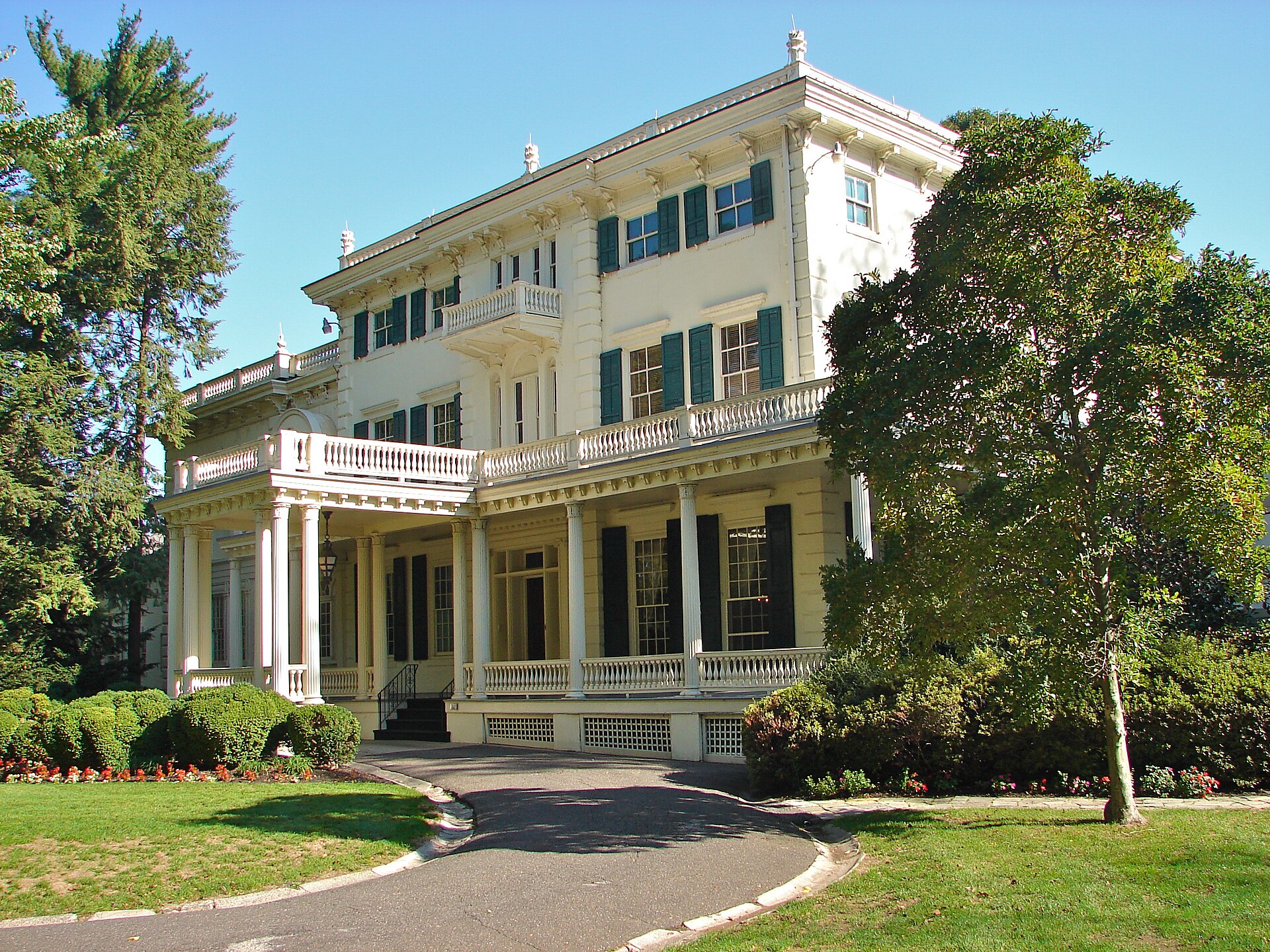
    The area’s anchor landmark is Glen Foerd on the Delaware, a preserved nineteenth-century riverfront estate and public arts site that still gives a clear picture of what this stretch of river looked like when Philadelphia’s wealthiest families summered here.

    The housing stock

    Torresdale’s inventory looks different from almost anywhere else in Philadelphia:

    • Historic estate homes near the river, some on lots measured in acres rather than square feet, with mature landscaping and river views.
    • Large stone and brick colonials from the mid-twentieth century, many with attached garages, full basements, and yards on all four sides — a rarity in a rowhouse city.
    • Custom-built contemporary homes constructed on infill lots over the past several decades, some with significant square footage.
    • Well-maintained postwar ranches and split-levels at more accessible price points, which give buyers a renovation path.
    • Twins and rowhomes in the surrounding sections, which set the floor of the market and are not really the luxury conversation.

    What ties the high end together is land. If your requirement is a detached house with a real yard, a driveway, and a garage while keeping a Philadelphia address, Torresdale and the surrounding Far Northeast are where that inventory actually exists.

    Lifestyle and institutions

    The neighborhood’s character is quiet and residential, and it has a strong institutional backbone. Holy Family University is located in Torresdale. Nazareth Academy has a long presence in the area. The Torresdale-Frankford Country Club offers golf within the neighborhood itself, which is unusual for a city address. Pennypack Park and Pennypack on the Delaware provide substantial trail, waterfront, and recreation access.

    Dining and retail here are neighborhood-scale rather than destination-scale. Buyers who want a nightly choice among nationally reviewed restaurants will not find that within walking distance — that is a Center City proposition. Buyers who want a quiet street, a boat ramp nearby, and a twenty-minute drive to almost anything in Bucks County will find the trade acceptable.

    Access and commuting

    Torresdale has its own SEPTA Regional Rail station on the line running between Philadelphia and Trenton, with additional stations nearby. That gives residents a one-seat ride to Center City and, in the other direction, connections toward Trenton and points north. By car, Interstate 95 runs along the neighborhood’s southern edge, and Roosevelt Boulevard provides an inland route. Philadelphia International Airport is a straightforward drive down 95 outside of peak congestion.

    The financial picture for a Philadelphia address

    Choosing Torresdale over a comparable suburban town is partly a lifestyle decision and partly a tax and cost decision. Several factors deserve attention:

    • City residency. Philadelphia residents pay the resident wage tax. For high-income buyers, this is a real annual number and should be part of the comparison against a Montgomery, Bucks, or Delaware County alternative.
    • Property tax structure. Philadelphia assesses and bills differently from surrounding counties. On a large detached home, the comparison against a suburban tax bill sometimes favors the city and sometimes does not. Run the actual figures for the specific property.
    • Homestead and abatement programs. Philadelphia has owner-occupancy relief programs and a new-construction and improvement abatement framework. Rules have changed over time, so confirm current terms before relying on them in your budget.
    • Schools. The area is served by the School District of Philadelphia, and many families in the neighborhood use the region’s substantial Catholic and independent school options. Factor tuition into your carrying cost if that is your plan.

    Due diligence points specific to Torresdale

    • Flood exposure. Properties near the Delaware River and the creeks feeding it can carry flood risk and corresponding insurance requirements. Pull the flood map and get an insurance quote early, not after inspection.
    • Older estate systems. Historic homes here may have oil heat, aging service panels, or original plumbing. Budget for evaluation.
    • Lot lines and easements. On large irregular parcels, a current survey is worth the cost. Shared drives and riparian access questions come up.
    • Resale pool. The buyer pool for a large estate home in the Far Northeast is real but narrower than for a Rittenhouse condominium. Price and marketing strategy matter more here, in both directions.

    Who Torresdale suits

    This neighborhood works for buyers who want land and privacy without leaving Philadelphia, for families with roots in the Northeast who want to trade up without relocating, for boaters and outdoor-oriented buyers drawn to the river and Pennypack, and for anyone who has priced out the cost of a comparable detached home in Chestnut Hill or the Main Line and wants to see what the same budget buys here.

    Frequently asked questions

    Are there really luxury homes in Northeast Philadelphia?

    Yes. Torresdale in particular contains estate properties and large custom homes that compete on size and land with suburban listings. The market is smaller and less publicized than Center City’s, which is exactly why buyers who look here often find better value per square foot.

    How does Torresdale compare to buying in nearby Bucks County?

    Bucks County towns typically offer more inventory in the upper price tiers and different school district options, without Philadelphia’s resident wage tax. Torresdale offers city residency, river access, and often a shorter trip into Center City by rail. The right answer depends on your income structure, your school plan, and how often you actually go downtown.

    Is the riverfront section a good investment?

    Historic riverfront properties are scarce and cannot be replicated, which supports long-term value. They also require more maintenance and appeal to a narrower buyer pool. Treat them as a lifestyle purchase first and evaluate the specific property’s condition, flood status, and comparable sales carefully before assuming appreciation.

    If you are weighing Torresdale against the suburbs, or you own a Torresdale property and want an honest read on what it would bring today, I would be glad to walk through the comparable sales and the carrying-cost math with you. Contact James Kennedy at 215-267-8479 or jameskennedy@unlockedteam.com.

  • Elkins Park and Jenkintown, Pennsylvania: A Montgomery County Guide for Luxury Home Buyers

    Elkins Park and Jenkintown, Pennsylvania: A Montgomery County Guide for Luxury Home Buyers

    Just over the northern edge of Philadelphia, along the historic Old York Road corridor, Elkins Park and Jenkintown occupy a specific and often underappreciated place in the regional luxury market. This is where Philadelphia’s Gilded Age industrial families built their country estates, and the architectural legacy of that era is still standing: stone Tudors on half-acre lots, center-hall colonials with slate roofs, converted carriage houses, and a handful of genuinely grand properties. For buyers who want serious square footage and craftsmanship without Main Line pricing, this pocket of eastern Montgomery County deserves a close look.

    Where Elkins Park and Jenkintown sit

    Elkins Park is not a municipality of its own. It is a community within Cheltenham Township, Montgomery County, sharing borders with the Philadelphia city line to the south and with Wyncote and Melrose Park nearby. Jenkintown is a small independent borough of roughly a square kilometer, ringed by Abington and Cheltenham townships. In practice, buyers shop the two together, along with adjacent Wyncote, Glenside, and Rydal, because they share the same commuter rail spine, the same commercial corridor, and much of the same architectural vocabulary.

    The defining geographic fact is proximity. You are minutes from Philadelphia’s city line, which means city amenities without city wage tax residency, city property tax structure, or the Philadelphia school district. That single distinction drives a meaningful share of buyer demand in this corridor.

    The housing stock: estate architecture at a discount

    Cheltenham Township was one of the first true suburbs of Philadelphia, developed as the railroad pushed north in the late nineteenth century. Wealthy Philadelphia families — the Widener, Elkins, and Curtis families among them — built substantial estates here, and the residential fabric that grew up around those estates borrowed their scale and materials.

    What you will actually find on the market

    • Stone and stucco Tudors from the 1910s through the 1930s, often with leaded glass, slate roofs, and original millwork.
    • Center-hall Colonial Revival homes on lots that are genuinely generous by inner-suburb standards.
    • Late-Victorian and Shingle Style houses with wraparound porches, particularly in Wyncote and older sections of Jenkintown.
    • Converted estate outbuildings — carriage houses, gatehouses, and stables reimagined as single-family homes, which are among the most distinctive properties in the region.
    • Mid-century and postwar homes on the newer margins, generally at lower price points.
    • A small condominium market, including buildings that appeal to buyers downsizing from larger houses in the same township.

    The trade-off is candid: much of this housing stock is a century old. Systems, roofs, windows, and kitchens frequently need attention, and the cost to renovate a large stone house properly is not trivial. Buyers who understand that math often find the value proposition compelling. Buyers who expect turnkey finishes at every price point sometimes do not.

    Getting to Center City

    This corridor is unusually well served by SEPTA Regional Rail. The Jenkintown-Wyncote station is a junction where multiple lines converge, and Elkins Park has its own station as well. The result is frequent service to Jefferson, Suburban, and 30th Street stations, with a ride time that makes a car-free commute genuinely realistic rather than theoretical.

    By car, you have quick access to the Pennsylvania Turnpike, Route 611, and Cheltenham Avenue into the city. For buyers weighing a suburban estate against a Center City condominium, the rail access here is one of the strongest arguments in the region for choosing the house.

    Schools

    The area spans several districts, and the boundaries matter more than most buyers expect. Cheltenham Township School District serves Elkins Park and Wyncote. Jenkintown Borough has its own small district. Neighboring properties may fall into Abington School District. Because these lines can run mid-block, never assume a district from an address or a listing description — confirm it in writing before you write an offer.

    The region also has a deep private and parochial school bench, and Arcadia University sits just up the road in Glenside, which contributes to the area’s academic character.

    Daily life, dining, and culture

    Jenkintown has a walkable downtown of independent restaurants, a long-running independent bookstore culture, and small retail — the kind of main street that many suburbs spent decades trying to recreate. Elkins Park’s commercial life is more dispersed along Old York Road, with the Baederwood area and nearby shopping centers handling day-to-day needs.

    Culturally, the area punches well above its size. Beth Sholom Synagogue in Elkins Park is the only synagogue Frank Lloyd Wright designed and is a National Historic Landmark. The Curtis Arboretum in Wyncote and Alverthorpe Park in Abington provide substantial green space. The Keswick Theatre in Glenside draws touring performers. Abington Jefferson Hospital anchors the medical infrastructure in the immediate area.

    What luxury buyers should evaluate before making an offer

    • Systems and envelope. On a large older home, budget for evaluation of the roof, chimneys, masonry pointing, heating plant, and electrical service. Slate roofs and stone facades are beautiful and expensive to maintain correctly.
    • Historic designation. Some properties carry local historic protections that affect exterior alterations. Confirm status before planning changes.
    • Township taxes and assessment. Montgomery County assessments and township millage vary meaningfully between Cheltenham, Jenkintown Borough, and Abington. Ask for the actual current tax bill, not an estimate.
    • Renovation ceiling. There is a limit to what any given block will support in resale value. A thoughtful agent will tell you when a planned renovation budget exceeds what the location can return.
    • Oil tanks and older fuel systems. Homes of this vintage sometimes have current or abandoned oil tanks. Scan for them during due diligence.

    Who these towns suit

    Elkins Park and Jenkintown tend to appeal to buyers who value architecture and land over new finishes, who want a real train commute, and who want to stay close to Philadelphia without paying Main Line premiums. They also suit buyers relocating into the region who want to be within reach of both the city and the northern suburbs while they decide where they ultimately want to land.

    Frequently asked questions

    How does Elkins Park compare to the Main Line for luxury buyers?

    Both offer historic estate architecture and rail access to Center City. The Main Line generally commands higher prices and has a denser concentration of high-end retail and dining. Elkins Park and Jenkintown typically deliver more house and more land for the same budget, with a shorter trip to Philadelphia from many addresses. Which one fits depends on whether you are buying primarily for the house or primarily for the surrounding market’s amenities and resale profile.

    Are there newer luxury homes in this area, or is everything historic?

    The inventory skews historic, but new construction and full gut renovations do come to market, usually on infill lots or as redevelopment of older parcels. They are relatively scarce, which means they tend to move quickly when they are priced correctly.

    Is Jenkintown a good choice if I want to walk to restaurants and shops?

    Yes. Jenkintown Borough is one of the more genuinely walkable small downtowns in the Philadelphia suburbs, and homes within a few blocks of the business district and the train station are consistently in demand for exactly that reason.

    If you are considering a purchase or sale in Elkins Park, Jenkintown, Wyncote, or anywhere along the Old York Road corridor, I can walk you through current inventory, recent comparable sales, and how a specific property’s condition and tax picture affect what it is actually worth. Reach out to James Kennedy at 215-267-8479 or jameskennedy@unlockedteam.com to start the conversation.