Blog

  • Selling a Luxury Home With Tenants in Place: A Guide for Pennsylvania and New Jersey Owners

    Selling a Luxury Home With Tenants in Place: A Guide for Pennsylvania and New Jersey Owners

    Selling a high-end home is complicated enough on its own. Selling one with a tenant living in it adds a second party whose rights, schedule, and cooperation you do not fully control. It happens more often than people assume: an owner who moved and rented the house out, an investor unwinding a portfolio, a shore property with a booked summer season, a Center City condo on a corporate lease.

    Done thoughtfully, a tenant-occupied luxury sale can go smoothly. Done carelessly, it costs you showings, buyer confidence, and negotiating leverage. Here is how to approach it in Pennsylvania and New Jersey.

    Start with the lease, not the listing

    Before anything else, read the lease front to back and note four things: the end date, whether it renews automatically, what it says about the landlord’s right of entry, and whether it contains any early-termination or sale clause. Those four items determine nearly every strategic choice that follows.

    A general principle applies in both states: a sale does not extinguish a valid lease. When you sell, the buyer generally takes the property subject to the existing tenancy. The tenant’s right to remain through the lease term travels with the house. That single fact reshapes your buyer pool, so it belongs at the front of your planning rather than the middle of negotiations.

    Access and notice: the practical constraint

    In Pennsylvania, a landlord’s right to enter is largely governed by what the lease says, so a well-drafted lease with a clear access provision gives you room to work and a silent lease gives you very little. In New Jersey, tenant protections are broader and the process for regaining possession is more structured, which makes the timing of any sale involving vacancy something to plan around rather than assume.

    In both states, the workable answer is almost never legal force. It is a negotiated arrangement with the tenant, in writing, that sets specific showing windows, reasonable advance notice, and a defined marketing period. A tenant who feels ambushed will decline showings, leave the house cluttered, or volunteer discouraging commentary to buyers. A tenant who has been treated as a participant will usually cooperate.

    Four realistic strategies

    1. Sell occupied to an investor or long-term-hold buyer

    The cleanest path when the lease has meaningful time left. An in-place tenant paying market rent is an asset to this buyer, not an obstacle. Expect a smaller pool and pricing that reflects income rather than lifestyle appeal, which at the luxury end usually means a lower number than an owner-occupant would pay.

    2. Time the listing to the lease end

    Often the highest-net option. You market during the final weeks of the tenancy with a delivery date at settlement, or you list vacant immediately after. This gives you the full owner-occupant buyer pool and lets you stage properly. The cost is carrying the property empty for a stretch and giving up rental income.

    3. Negotiate an early termination

    A mutual, written agreement in which the tenant relocates before the lease ends, typically in exchange for a rent credit, moving assistance, deposit release, or a lump sum. At the high end this is frequently worth doing: the difference between a vacant, staged presentation and an occupied one can far exceed the cost of the incentive. Put it in a signed termination agreement, never a text thread.

    4. Sell to a buyer who wants the tenancy

    Occasionally a buyer is happy to inherit a tenant for a few months while they finish a renovation elsewhere or wind down their own sale. Surface this early in marketing rather than discovering it late.

    Presenting an occupied luxury home

    • Agree on a showing protocol in writing. Set days, hours, and notice up front so no one negotiates it showing by showing.
    • Consider paying for help. Professional cleaning before photography and periodic touch-ups during the listing are inexpensive relative to the price point and dramatically improve presentation.
    • Photograph once, well. Reshooting an occupied home is disruptive. Get photography, video, and floor plans done in one coordinated visit.
    • Do not stage over the tenant. Attempting to restyle someone’s home while they live in it creates friction. Focus on decluttering, lighting, and neutralizing rather than full staging.
    • Ask the tenant to be out during showings. Buyers will not linger, open closets, or talk candidly with the occupant present.

    Shore homes and short-term rentals

    South Jersey shore properties carry a version of this problem with its own shape. A house with confirmed summer bookings has obligations to guests, deposits already collected, and a listing agreement with a rental manager. Decide early whether bookings transfer to the buyer, get refunded, or are honored by you post-closing, and write the answer into the agreement of sale. Buyers of shore homes often value the rental history, so documented income and a clean booking calendar can be a selling point rather than a liability.

    Closing mechanics people forget

    Security deposits and any accrued interest generally transfer to the buyer at settlement and should be addressed explicitly in the contract and on the settlement statement. Prepaid rent is prorated. Estoppel-style confirmation from the tenant, verifying the rent amount, deposit held, and that no side agreements exist, protects both sides. Disclosure obligations still apply to you as seller, and the presence of a tenancy is material information a buyer is entitled to know from the outset.

    Frequently asked questions

    Can I make my tenant leave so I can sell the house vacant?

    Not unilaterally, in most cases. A valid lease generally survives the sale, and both Pennsylvania and New Jersey have defined legal processes for ending a tenancy that a desire to sell does not automatically satisfy. The practical route is a negotiated, written early-termination agreement, and any question about your specific lease and circumstances is one for a real estate attorney.

    Does having a tenant in place lower my sale price?

    It can, primarily because it narrows the buyer pool and limits how well the home shows. The size of the effect depends on the remaining lease term, the rent relative to market, and how cooperative the tenant is. Weigh any expected reduction against the cost of buying out the lease and carrying the home vacant before deciding.

    What should I tell my tenant, and when?

    Early and directly. Tenants who learn about a sale from a lockbox on the door become obstacles. A conversation before listing, covering your timeline, their rights, the showing plan, and what you are willing to offer for cooperation, is the single highest-return step in the entire process.

    If you are buying or selling at the high end in Philadelphia or South Jersey, James Kennedy can give you current, address-specific numbers and a plan built around your timeline. Call 215-267-8479 or email jameskennedy@unlockedteam.com to start the conversation.


  • Wyndmoor, Flourtown, and Erdenheim, Pennsylvania: A Springfield Township Guide for Luxury Home Buyers

    Wyndmoor, Flourtown, and Erdenheim, Pennsylvania: A Springfield Township Guide for Luxury Home Buyers

    Just north of Chestnut Hill, where the Philadelphia city line gives way to Montgomery County, sit three communities that many buyers drive through without realizing they have crossed into a different township, a different school district, and a different tax bill. Wyndmoor, Flourtown, and Erdenheim make up much of Springfield Township, and together they offer something the region does not hand out freely: stone-and-slate character on generous lots, minutes from the Wissahickon, with a straightforward commute into Center City.

    For buyers in the upper price brackets who love the Chestnut Hill aesthetic but want township services, more land, and a suburban tax structure, this is the natural place to look. Here is what to understand before you start touring.

    Where these three communities sit

    Springfield Township runs along Philadelphia’s northwestern edge. Wyndmoor is the closest to the city, bordering Chestnut Hill so directly that the architecture flows across the line without interruption. Flourtown sits farther north along Bethlehem Pike, anchored by a walkable commercial stretch. Erdenheim occupies the western portion, brushing against Whitemarsh Township and the Wissahickon Valley.

    None of the three is an incorporated borough. They are unincorporated communities within Springfield Township, which means they share one municipal government, one police department, and one school district. That matters more than buyers expect: the mailing address on a listing may say Wyndmoor or Flourtown, but the taxes, the trash pickup, and the zoning all come from Springfield Township.

    What the housing stock actually looks like

    Wyndmoor

    Wyndmoor holds the highest concentration of the area’s grand houses. You will find Wissahickon schist manors, center-hall colonials, Tudor revivals, and shingle-style homes on quarter-acre to multi-acre parcels, many built in the early twentieth century when Chestnut Hill’s development pushed north. Streets are mature and heavily canopied. Because Wyndmoor abuts Chestnut Hill, buyers frequently cross-shop the two, and the trade-off is real: comparable square footage in Wyndmoor typically comes with more land and a Montgomery County tax structure rather than a Philadelphia one.

    Flourtown

    Flourtown is the most mixed of the three. Along and behind Bethlehem Pike you will find midcentury colonials and split-levels, while pockets of larger stone homes and newer custom builds sit on the side streets. It is also the most walkable, with a commercial corridor that handles everyday errands without a drive to a mall.

    Erdenheim

    Erdenheim leans toward larger lots and a more rural feel, particularly as you move toward the Whitemarsh line and the open land around Erdenheim Farm. Estate-scale properties turn up here, along with well-built postwar homes on unusually deep parcels. Buyers looking for acreage within twenty-odd minutes of Center City tend to end up in this pocket.

    Schools, services, and daily life

    Springfield Township School District serves all three communities and is a significant driver of demand at the upper end of the market. The area is also within easy reach of several of the region’s independent schools clustered in and around Chestnut Hill, which broadens the appeal for families weighing public and private options.

    Township amenities include the Springfield Township Library, community parks, and a public works operation that handles the practical realities of older housing stock better than many buyers coming from the city expect. Cisco Park and the township’s trail connections tie into the wider Wissahickon and Fort Washington open-space network.

    Open space and the outdoor advantage

    This is the strongest single argument for the area. Wissahickon Valley Park sits immediately to the south. Fort Washington State Park and Militia Hill are a short drive north. The Morris Arboretum and Chestnut Hill’s gardens are minutes away. Erdenheim Farm’s preserved acreage keeps a genuine agricultural landscape in view from public roads. For buyers who ride, run, or simply want a house that looks out at something other than another house, few Philadelphia-adjacent submarkets compete.

    Commuting and access

    SEPTA Regional Rail service on the Chestnut Hill East and Chestnut Hill West lines is accessible from nearby stations, putting Center City within a manageable ride. By car, Bethlehem Pike, Stenton Avenue, and Ridge Avenue feed into the Blue Route and the Schuylkill Expressway. Access to the Pennsylvania Turnpike at Fort Washington makes this one of the better positioned northwestern suburbs for people who travel regularly.

    What to check carefully before you buy

    • Age-appropriate inspections. Much of the premium housing stock predates 1940. Budget for a thorough evaluation of roofing, slate and copper work, masonry repointing, knob-and-tube remnants, and original window systems.
    • Stucco and moisture. Homes built or renovated in certain periods warrant a dedicated stucco or moisture-intrusion evaluation, not just a general inspection.
    • Lot lines and easements. Larger parcels near open space often carry drainage easements, shared driveways, or historic rights of way. Have them mapped before you go under agreement.
    • Historic designation. Some properties carry local historic review requirements that affect exterior changes. Confirm status before planning renovations.
    • Radon and water. Radon testing is standard practice in this part of Montgomery County. A small number of properties on the outer edges still rely on wells or private systems worth testing independently.

    Who this market suits

    Wyndmoor, Flourtown, and Erdenheim fit buyers who want the visual and architectural character of Chestnut Hill without buying inside Philadelphia’s tax and school framework. They fit families who want land and trees without moving forty minutes out. And they fit downsizers from farther-out Montgomery and Bucks County estates who want less acreage but not less character. Buyers chasing brand-new construction, a doorman building, or a large planned community will generally do better elsewhere.

    Frequently asked questions

    Is Wyndmoor part of Philadelphia or Chestnut Hill?

    Neither. Wyndmoor is an unincorporated community in Springfield Township, Montgomery County. It borders Chestnut Hill, which is inside Philadelphia, and the two look architecturally similar, but they have different municipal governments, school districts, and tax structures.

    How do property taxes here compare to Philadelphia?

    Montgomery County and Philadelphia use entirely different assessment and rate systems, so a direct comparison depends on the specific property and its assessed value. The practical answer is that the total annual carrying cost can differ meaningfully between two similar houses on either side of the city line. Ask for an address-specific tax figure rather than relying on a rule of thumb.

    What kind of inventory should I expect at the higher price points?

    Inventory in the upper brackets here is thin and moves in waves rather than steadily, because much of the best housing stock is held long-term. Serious buyers usually need a standing search, a willingness to look at homes needing updating, and a relationship with an agent who hears about properties before they are broadly marketed.

    If you are buying or selling at the high end in Philadelphia or South Jersey, James Kennedy can give you current, address-specific numbers and a plan built around your timeline. Call 215-267-8479 or email jameskennedy@unlockedteam.com to start the conversation.
  • Relisting a Luxury Home After It Didn’t Sell: A Strategy Guide for Philadelphia and South Jersey Sellers

    Relisting a Luxury Home After It Didn’t Sell: A Strategy Guide for Philadelphia and South Jersey Sellers

    Few things are more deflating for a homeowner than watching a listing period run out with no acceptable offer. At the high end it stings more, because the property is usually excellent and the seller has often already made plans around the sale. But an expired listing is not a verdict on the house. It is a signal that something in the combination of price, presentation, exposure, and terms did not line up with what buyers in that segment were willing to do.

    The good news is that relisting works — when it follows an honest diagnosis rather than a fresh coat of optimism. Here is how to approach it.

    Step one: diagnose before you decide anything

    Resist the urge to immediately cut the price or change agents. Gather the evidence first.

    • Showing volume. How many showings did the property get, and over what period? Low showing counts point to a pricing or exposure problem. High showing counts with no offers point to a condition, layout, or expectation problem.
    • Showing feedback. Read every comment, especially the repeated ones. When five different agents mention the same thing, that is data, not opinion.
    • Online engagement. Views and saves relative to comparable listings tell you whether the marketing reached people at all.
    • Offers and near-offers. Any written offer, even one you found insulting, is a market signal about where value sits.
    • What actually sold instead. Identify the properties buyers chose over yours and study honestly why. This is the most useful and least comfortable exercise in the process.

    The four things that usually go wrong

    Price

    Price is the most common cause and the easiest to fix, but it is rarely just a number. A luxury home priced above the range its buyer pool searches in can miss those buyers entirely, no matter how good it is. If your home never appeared in the searches of qualified buyers, no amount of marketing rescued it.

    Presentation

    At the high end, buyers compare against a very finished standard. Dated photography, cluttered rooms, dark interiors, deferred maintenance, or a heavily personalized aesthetic all cost real money at this level. Photography in particular is worth redoing before any relist — including different weather, different season, and different time of day than the original shoot.

    Exposure

    Luxury buyers are often found through channels beyond the local MLS feed: agent-to-agent networks, targeted digital campaigns, relocation channels, and out-of-market buyers researching the region. If the original campaign was passive, the property may simply never have been seen by the right people.

    Terms and friction

    Sometimes the house and price were fine and the process was the problem — restricted showing windows, a difficult tenant, an unclear possession timeline, an unresolved permit or title issue, or disclosure items that surfaced late and spooked buyers. Friction is invisible in the listing and fatal in negotiation.

    How long to wait before relisting

    There is no universal number, and anyone who quotes you one is guessing. The practical question is: has anything changed? Relisting the same house at the same price with the same photos a week later teaches the market nothing except that you are still there. Coming back with a genuinely different presentation, a corrected price, resolved issues, or a new season gives buyers a reason to look again.

    Days-on-market and price-history data are visible to buyers and their agents. Assume full transparency and plan for it rather than trying to disguise it. A confident, well-explained relist reads far better than an obvious attempt to reset the clock.

    Rebuilding the listing

    A serious relist usually includes most of the following:

    • A fresh, current comparable analysis based on what has actually closed and gone under contract since your original pricing decision.
    • A pre-listing inspection so that surprises are handled on your schedule rather than in the middle of a negotiation.
    • Targeted repairs and updates aimed at the specific objections in your feedback, not a general renovation.
    • New photography, video, and floor plans — and, for larger properties, drone and twilight imagery that convey scale and setting.
    • Staging or partial restaging, particularly for vacant homes or rooms whose purpose was unclear to buyers.
    • A rewritten narrative that leads with what makes the property genuinely distinct rather than listing features.
    • A defined marketing plan with dates — broker previews, campaign launches, and check-in points where you and your agent evaluate results against benchmarks.

    Choosing whether to change agents

    Sometimes the right move is to stay with an agent who executed well in a difficult market. Sometimes it is not. A useful test: ask your current agent for a written post-mortem — what they believe went wrong, what they would change, and what the plan looks like specifically. An agent who can answer that clearly and candidly is worth keeping. Vagueness or blame directed entirely at the market is a reason to interview others.

    If you do interview new agents, ask each one what they think went wrong, before you tell them your theory. Their independent diagnosis is the most revealing part of the conversation.

    Frequently asked questions

    Does a long days-on-market history permanently hurt my price?

    It has an effect, because buyers read time on market as a signal. But it is not permanent and it is not fatal. What neutralizes it is a visibly different second attempt — corrected pricing, new presentation, and resolved issues — paired with an agent who can explain the history plainly to buyer agents rather than dodging it.

    Should I take the home off the market for a season and come back?

    Sometimes yes, especially if the property genuinely shows better in another season, if you need time to complete work, or if the original campaign was poorly executed. The break is only useful if you use it. Coming back unchanged usually produces the same result.

    How do I know whether to reduce price or invest in the property instead?

    Look at the feedback pattern. If buyers consistently cite specific fixable conditions, targeted investment can preserve value. If buyers simply chose better-value alternatives, the issue is price positioning and no amount of updating changes that. In many cases the right answer is a smaller price adjustment combined with a meaningfully better presentation, and a current market analysis is what tells you the mix.

    Talk it through with James Kennedy

    James Kennedy specializes in luxury real estate across Philadelphia and South Jersey, and he can give you current, address-specific guidance rather than generalities. Call or text 215-267-8479 or email jameskennedy@unlockedteam.com to start the conversation.
  • Living in Point Breeze and Newbold: A Buyer’s Guide to South Philadelphia’s Newest High-End Blocks

    Living in Point Breeze and Newbold: A Buyer’s Guide to South Philadelphia’s Newest High-End Blocks

    Few parts of Philadelphia have changed as visibly in the last fifteen years as the blocks south of Washington Avenue and west of Broad Street. Point Breeze and the smaller area many people call Newbold now hold a mix of untouched rowhomes, gut renovations, and new four-story construction with roof decks and garages. For a buyer with a serious budget, the appeal is straightforward: you can buy square footage and outdoor space here that would cost dramatically more a few blocks north in Graduate Hospital or Rittenhouse.

    The catch is that quality varies enormously from one address to the next. This is a market where block-level judgment and a careful inspection matter far more than the neighborhood name on the listing.

    Where these neighborhoods sit

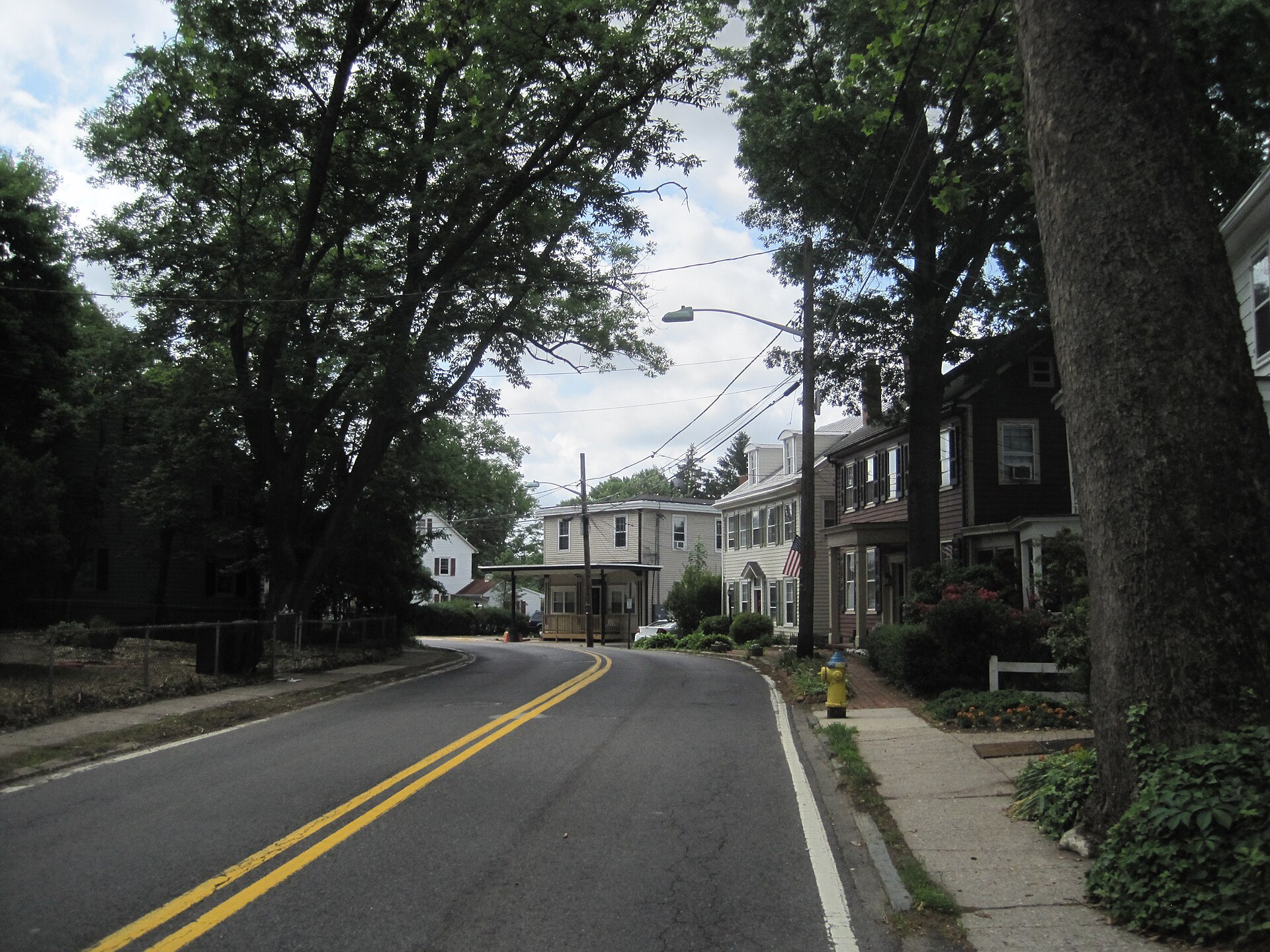
    Point Breeze runs roughly from Washington Avenue south toward Snyder Avenue, west of Broad Street, taking its name from Point Breeze Avenue, the diagonal commercial spine that cuts through it. Newbold is the informal name used for a portion of the area closer to Broad, and you will see both names in listings, sometimes for the same block.

    The location is the whole argument. You are a short walk to Broad Street Line stations, minutes from the Schuylkill and its river trail, close to the restaurant density of East Passyunk, and a straightforward trip to Center City offices, the hospitals of University City, and the sports complex. For buyers who work downtown but want a house rather than a condo, the geography is hard to beat.

    What you can actually buy

    New construction townhomes

    The high end here is typically new: three or four stories, roughly 2,000 to 3,000 square feet, three or four bedrooms, multiple full baths, finished basement, a roof deck with skyline views, and in some cases a one-car garage. Many were built under Philadelphia’s residential tax abatement program, which materially affects the early years of carrying cost — verify the specific abatement status and remaining term for any property you consider, because the program’s terms have changed over time.

    Gut renovations of historic rowhomes

    Plenty of the original two- and three-story rowhomes have been taken to the studs and rebuilt. The best of these keep the street-facing character while delivering modern systems. The worst are cosmetic flips over old bones. Learning to tell the difference is the single most valuable skill in this market.

    Untouched original housing

    There is still original, unrenovated stock, and for buyers who want to design their own project it can be the best value in the area. Just price the renovation honestly, including permits and the realities of building on a narrow city lot.

    How to read a block here

    Point Breeze developed unevenly, and two streets a block apart can feel entirely different. Before writing an offer, do this:

    • Walk the block at three different times — a weekday morning, a weekday evening, and a weekend afternoon. Parking pressure, noise, and street activity all change.
    • Count the vacant lots and shells. They represent future construction. That can mean rising values, and it also means years of jackhammers next door.
    • Look at the neighbors’ facades and stoops. Sustained owner investment on a block is a better long-term signal than any single renovated house.
    • Check what is behind you. A rear yard that backs to a commercial use, a parking lot, or a planned development is a different proposition than one backing to other yards.

    Due diligence that matters more here than elsewhere

    New and newly renovated construction is not automatically sound construction. Buyers in this market should insist on:

    • A thorough inspection with a stucco or exterior-envelope specialist where the facade warrants it. Water intrusion behind cladding is the expensive failure mode in newer Philadelphia townhomes.
    • Permit history review. Confirm that the work done was permitted and inspected. Unpermitted finished basements and roof decks become your problem at resale.
    • Party wall and shared structure questions. Rowhome construction means you share walls; understand any recorded party wall agreements and how the adjoining structures are performing.
    • Sewer lateral evaluation. Older laterals under newer houses are common and worth a camera scope.
    • Warranty documentation on genuinely new builds — what is covered, for how long, and by whom.

    Lifestyle and what to expect day to day

    The dining and coffee scene has grown steadily, with a mix of long-standing neighborhood businesses along Point Breeze Avenue and newer restaurants and bars closer to Broad. East Passyunk’s restaurant row is a walk or short ride away, and the Italian Market is close enough for weekend shopping. Green space includes neighborhood parks and playgrounds plus quick access to the Schuylkill River Trail and FDR Park to the south.

    Parking is street parking on most blocks, which is why garage properties command a premium. Buyers coming from the suburbs should be honest with themselves about whether a permit-parking lifestyle works for their household, or whether they should prioritize a garage from the start.

    Who this market fits

    Point Breeze and Newbold work best for buyers who want genuine house living in the city — multiple floors, outdoor space, room for a home office — without paying Rittenhouse or Fitler Square prices. They also appeal to buyers who like being early in a neighborhood’s arc and are comfortable with the construction and unevenness that comes with it. Buyers who want a finished, uniform streetscape from day one are usually happier in Society Hill, Queen Village, or Graduate Hospital.

    Frequently asked questions

    Is Point Breeze considered a luxury neighborhood?

    It is not a uniformly luxury market the way Rittenhouse Square is, but it contains genuinely high-end homes — large new townhomes with garages, roof decks, and high-specification finishes. Buyers should think of it as a neighborhood with luxury product rather than a luxury neighborhood, and value each property on its own merits.

    How does the tax abatement affect what I pay?

    Philadelphia’s residential abatement reduces taxes on the improvement value for a set period, and the terms have been revised over the years. What matters is the specific property: when it was approved, how many years remain, and what your taxes will look like after it expires. Ask for documentation and plan your budget around the post-abatement number.

    What should I look for that distinguishes a good renovation from a cosmetic flip?

    Look past finishes. Check whether electrical service and panel were upgraded, whether plumbing was replaced rather than patched, whether the roof and flashing are new, whether insulation was addressed, and whether permits exist for the work. A house with beautiful counters and forty-year-old systems is a future expense, not a bargain.

    Talk it through with James Kennedy

    James Kennedy specializes in luxury real estate across Philadelphia and South Jersey, and he can give you current, address-specific guidance rather than generalities. Call or text 215-267-8479 or email jameskennedy@unlockedteam.com to start the conversation.

  • Chesterfield and Crosswicks, New Jersey: A Burlington County Farm Belt Guide for Luxury and Estate Buyers

    Chesterfield and Crosswicks, New Jersey: A Burlington County Farm Belt Guide for Luxury and Estate Buyers

    Buyers who want acreage, quiet, and a genuine sense of place often overlook the northern edge of Burlington County. Chesterfield Township and its historic village of Crosswicks sit in a farm belt that has been deliberately protected from sprawl, which is exactly why the housing here feels different from the subdivision-heavy corridors farther south. If your search includes words like land, privacy, custom build, or barn, this is a corner of South Jersey worth understanding.

    Where Chesterfield and Crosswicks actually are

    Chesterfield Township occupies the rolling farmland between Bordentown, Allentown, and the Hamilton–Robbinsville edge of Mercer County. Crosswicks is the small colonial village inside it, built around a Quaker meeting house and a creek of the same name. The township is bordered by preserved agricultural land on most sides, and the drive in from any direction is fields rather than strip retail.

    Practically speaking, this places a buyer roughly between two job markets. Princeton, Trenton, and the Route 1 corridor are a short drive north. Philadelphia is reachable south via I-295 or the New Jersey Turnpike, and the Hamilton NJ Transit station puts New York within a single-seat train ride. That dual-direction access is a large part of why buyers with high-end budgets end up here rather than in a more predictable suburb.

    What the housing stock looks like

    There is no single Chesterfield house. Instead there are three broad categories, and they behave very differently in a transaction.

    Historic village and farmhouse properties

    Crosswicks and the surrounding roads hold eighteenth- and nineteenth-century farmhouses, some restored to a very high level and some still waiting for a serious renovation. These are character purchases: wide-plank floors, deep sills, outbuildings, and mature trees. They also carry the usual older-home considerations — heating systems, knob-and-tube remnants, foundation moisture, and roofing that may be slate or standing-seam metal rather than architectural shingle.

    Old York Village and planned neighborhoods

    Chesterfield took an unusual approach to growth by concentrating new residential development into a designed village rather than scattering it across farmland. The result is newer construction with traditional detailing, sidewalks, and shared open space, while the surrounding acreage stayed in agriculture. For buyers who want a newer home with modern systems but not a cul-de-sac aesthetic, this is often the fit.

    Custom estates on acreage

    The top of the market here is typically a custom-built home on several acres, sometimes with a barn, riding ring, pool house, or accessory structure. These properties are where the real luxury inventory sits, and they trade thinly — often only a handful in a given year — which makes timing and agent relationships matter more than in a high-turnover market.

    Land, preservation, and the questions to ask early

    Because so much of the township is farmland, several land issues come up here that rarely appear in a suburban purchase. Ask about them at the showing stage, not at inspection.

    • Farmland assessment. Some parcels carry a preferential agricultural tax assessment. If the qualifying use stops after you buy, rollback taxes can be triggered. Confirm in writing what the current assessment status is and what maintaining it requires.
    • Deed restrictions and easements. Preserved parcels may carry permanent restrictions on subdivision or on building envelopes. These are recorded and enforceable, and they can quietly rule out the pool, guest house, or addition you were picturing.
    • Well and septic. Most estate properties here are not on public water and sewer. Budget for water quality testing, flow testing, and a septic inspection, and understand where the leach field sits relative to any structure you might add.
    • Right-to-farm realities. Working agriculture nearby means equipment noise, spray schedules, and seasonal odor. Most buyers who choose this area consider that a feature, but it should be a conscious choice.
    • Flood and wetlands. Crosswicks Creek and its tributaries create wetlands and floodplain in places. Check mapping before you fall in love with a low-lying meadow.

    Daily life and what buyers say they value

    The appeal is not amenities in the shopping-center sense. It is space, dark skies, and a village center that still functions as one. Chesterfield’s school setup is small and locally focused, with older students continuing to a regional high school — a structure many families here specifically want. Bordentown’s restaurant-lined Farnsworth Avenue is a few minutes away for dinner. Princeton supplies the higher-end retail, cultural calendar, and dining that acreage buyers tend to want within reach but not next door.

    Recreation is outdoor and low-key: trail riding, cycling on farm roads, kayaking Crosswicks Creek, and a short drive to the Delaware River towns. Buyers who want a country club and a walkable Main Line-style downtown are usually happier elsewhere; buyers who want twenty minutes of hedgerow between them and traffic tend to stay for decades.

    How to approach the search

    Estate inventory in this market is thin and irregular. Three habits help.

    • Be defined about land. Decide early whether you need five acres or twenty, whether outbuildings are essential, and whether you would build. That focus is what allows an agent to surface properties before they are widely marketed.
    • Get financing sorted for the property type. Acreage, outbuildings, and unusual improvements can complicate appraisals and lending. Talk to a lender who has actually closed rural high-end deals in New Jersey.
    • Expect a longer diligence period. Between well, septic, oil tank sweeps, survey, and easement review, a Chesterfield purchase carries more homework than a comparable suburban one. Build the calendar for it in the contract.

    Frequently asked questions

    Is Chesterfield Township a good option if I commute to Philadelphia?

    It can be, particularly for a hybrid schedule. Access to I-295 and the New Jersey Turnpike is straightforward, though you are farther out than Moorestown or Cherry Hill. Buyers who commute daily into Center City usually weigh the extra drive against the acreage they could not get closer in.

    What should I budget beyond the purchase price on an estate property here?

    Plan for ongoing costs that suburban buyers rarely see: well and septic maintenance, generator service, longer driveways to plow and seal, field and fence upkeep, and outbuilding roofs. None of these are alarming, but together they change the annual carrying cost of a property meaningfully.

    How competitive is the market for the best properties?

    Because so few true estate homes come available, the strongest listings can move quickly even when the broader market is calm, while unusual or dated properties can sit for a long time. Pricing here is property-specific rather than neighborhood-specific, so a current comparable analysis matters more than any general market statistic.

    Talk it through with James Kennedy

    James Kennedy specializes in luxury real estate across Philadelphia and South Jersey, and he can give you current, address-specific guidance rather than generalities. Call or text 215-267-8479 or email jameskennedy@unlockedteam.com to start the conversation.

  • Elevators, Generators, and Whole-House Systems: A Luxury Buyer’s Guide to High-End Home Mechanicals

    Elevators, Generators, and Whole-House Systems: A Luxury Buyer’s Guide to High-End Home Mechanicals

    At the high end of the Philadelphia and South Jersey market, buyers spend most of their attention on the things they can see — the kitchen, the millwork, the lot, the view. What separates a home that runs beautifully for the next decade from one that produces a steady stream of five-figure surprises is usually invisible: the elevator, the generator, the HVAC zoning, the water treatment, and the electrical capacity behind the walls.

    Luxury homes have more of these systems, they are more specialized, and a standard home inspection is not designed to evaluate most of them in depth. Here is what to look at, what to ask for, and how to handle it inside a normal inspection period.

    Why mechanicals matter more at the high end

    A 1,600-square-foot rowhome has one heating system, one water heater, and a 100- or 200-amp panel. A 6,000-square-foot house may have three or four HVAC zones, two or three water heaters or a recirculating system, a standby generator, a residential elevator, a whole-house water treatment train, a sump and ejector system, snowmelt, a pool with heaters and automation, and a low-voltage network running all of it. Every one of those is a serviceable asset with a finite life and a real replacement cost. The buyer who inventories them before closing controls the negotiation; the buyer who does not inherits the schedule.

    Residential elevators

    Elevators are increasingly common in Center City townhouses, new construction, and shore homes — both for convenience and for long-term aging in place.

    What to establish

    • Type and manufacturer. Hydraulic, traction, and vacuum units have different maintenance profiles, pit and overhead requirements, and parts availability.
    • Service history and current contract. Ask for invoices. An elevator with no documented service in five years is a different asset than one on an annual contract.
    • Inspection and permit status. Jurisdictions in Pennsylvania and New Jersey treat residential elevator permitting and inspection differently. Confirm that the unit was permitted, that any required certificate is current, and that it was not installed without approval.
    • A dedicated inspection. Hire an elevator technician, not the general home inspector. It is a modest cost against a system that can run well into five figures to replace.

    Standby generators

    Whole-house standby generators are common in the Philadelphia suburbs, in shore towns exposed to coastal storms, and in any home with a well, a sump system, or a large amount of refrigeration. Confirm the fuel source (natural gas or propane), the size in kilowatts relative to what it is actually wired to carry, whether it powers the entire house or a critical-loads subpanel, the age and hours on the unit, the transfer switch condition, and the maintenance record. Ask the seller to demonstrate an exercise cycle during the inspection. If the generator runs on propane, locate the tank, confirm whether it is owned or leased, and check the fill level and any lease terms that transfer.

    HVAC, zoning, and air quality

    In a large house, the question is not just whether the system works but whether it works evenly. Ask for the age of each unit, the zoning layout, and whether any rooms are known to be hard to condition. In older stone and masonry homes, humidity control matters as much as temperature — look for whole-house humidification and dehumidification, and ask how the finished basement is conditioned. If the home has geothermal or a high-efficiency multi-stage system, confirm which contractor services it locally; specialized equipment with no nearby service bench is a real risk.

    Water: supply, treatment, and removal

    • Well systems. Common on estate properties in Chester, Bucks, and the South Jersey Pinelands. Test yield and water quality, and inspect the pump, pressure tank, and any storage.
    • Treatment equipment. Softeners, iron and sediment filtration, UV, and reverse osmosis all have consumables and service intervals. Get the make, age, and last service on each.
    • Water heating. Multiple tanks, tankless banks, and recirculating loops are common. Recirculation lines that were roughed in but never balanced are a frequent complaint in large homes.
    • Sump and ejector pumps. Verify battery backup, discharge routing, and whether the system ties into the generator.
    • Irrigation. Confirm the water source, backflow preventer, controller condition, and winterization history.

    Electrical capacity and EV charging

    Service size is one of the most commonly overlooked items in a luxury purchase. A house with an elevator, a pool, multiple HVAC zones, a generator interlock, a wine room, and two EV chargers can outgrow its service. Check the panel rating, available breaker space, the presence and condition of subpanels, and whether any circuits show signs of amateur work. If you plan to add EV charging, a pool, or a workshop, ask an electrician what the existing service will support before you close rather than discovering the answer during a renovation.

    Low-voltage, automation, and security

    Home automation is the system most likely to be orphaned at closing. Establish which platform the house runs on, whether the seller’s integrator will transfer the account and programming, whether the system depends on a subscription or a proprietary app tied to the seller’s credentials, and what happens to camera and alarm accounts. Ask for documentation of the network — structured wiring, rack location, access points, and any fiber or coax runs. A house with excellent physical infrastructure and no handoff plan can be surprisingly frustrating on day one.

    Pools, spas, and outdoor systems

    Pool equipment ages faster than people expect. Get the age of the heater, pump, filter, and automation; the condition of the surface and coping; the type and condition of any cover; and the status of required safety barriers under local code. For shore properties, ask specifically about corrosion and about how the equipment was protected during storms. Outdoor kitchens, fire features, and snowmelt systems all deserve the same treatment: age, service history, and who maintains them.

    How to handle this in your inspection period

    In Pennsylvania, the agreement of sale gives you a defined inspection window, and it is entirely normal at this price point to run several specialist inspections in parallel — general, elevator, pool, HVAC, well and septic, stucco or envelope, and chimney. In New Jersey, the attorney review period and the inspection contingency give a similar structure. In both states, the practical advice is the same: schedule specialists early in the window rather than sequentially, ask the listing side for maintenance records and equipment manuals up front, and build your repair or credit request around documented findings rather than general concern.

    A well-organized mechanical review does two things at once. It tells you what you are actually buying, and it gives you a factual basis for negotiation that a seller can evaluate without feeling attacked.

    Frequently asked questions

    Does a standard home inspection cover an elevator or a generator?

    Generally not in any meaningful depth. Most general home inspectors will note the presence of the equipment and whether it appears operational, but they are not licensed or equipped to evaluate an elevator’s mechanicals, a generator’s transfer switch, or a geothermal loop. Budget for specialist inspections on those systems separately.

    What mechanical issues most often derail luxury transactions in this region?

    The recurring ones are moisture-related envelope problems, undersized or aging electrical service, failed or undocumented septic systems on acreage properties, buried oil tanks, and equipment that was installed without permits. None of these are automatically deal-breakers, but each is far easier to resolve before closing than after.

    Should a seller do this work before listing?

    Often, yes. A seller who assembles service records, addresses known deferred maintenance, and has permits in order removes most of the leverage a buyer would otherwise develop during inspections. At the high end, a documented, well-maintained mechanical package supports both the price and the pace of the sale.

    Talk with James Kennedy

    James Kennedy specializes in luxury real estate across Philadelphia and South Jersey and works with buyers and sellers throughout the surrounding Pennsylvania suburbs. If you would like current pricing, recent comparable sales, or a private conversation about your plans, call or text James at 215-267-8479 or email jameskennedy@unlockedteam.com.

  • Rose Valley and Wallingford, Pennsylvania: A Delaware County Guide for Luxury Home Buyers

    Rose Valley and Wallingford, Pennsylvania: A Delaware County Guide for Luxury Home Buyers

    Delaware County’s luxury market is often summarized by a few well-known names, but some of its most interesting properties sit in places buyers outside the county have never heard of. Rose Valley and Wallingford are two of them. They occupy a small, wooded pocket between Media and Swarthmore, they contain some of the most architecturally distinctive houses in the Philadelphia suburbs, and they offer something increasingly rare: a genuine train commute paired with real acreage and mature tree canopy.

    This guide covers what these two communities are, what the housing stock looks like, and what to verify before you buy.

    Where Rose Valley and Wallingford are

    Rose Valley is a small borough of roughly a square mile, bordered by Media, Nether Providence Township, and Middletown Township. Wallingford is not a municipality at all — it is a named community within Nether Providence Township, with its own post office, train station, and identity. In practice, buyers looking at one almost always look at the other, and they share schools, roads, and the same wooded, creek-cut terrain.

    Both sit roughly a dozen miles southwest of Center City Philadelphia and within a few minutes of Media Borough, which functions as the area’s downtown.

    The Arts and Crafts legacy of Rose Valley

    Rose Valley was founded at the turn of the twentieth century as an Arts and Crafts community — an experiment in living where craftsmen, artists, and architects built and worked together around converted mill buildings on Ridley Creek. That history is not a marketing line; it is visible in the housing stock. The borough contains a concentration of early-twentieth-century architect-designed homes, converted mill and industrial structures, stucco-and-timber cottages, and later Modernist houses tucked into wooded lots.

    The Hedgerow Theatre, one of the oldest repertory theatres in the country, still operates in a converted mill building in the borough, and the community’s guild and civic traditions remain active. For a buyer who values design provenance, Rose Valley offers something the region’s newer luxury enclaves cannot manufacture.

    What Wallingford’s housing stock looks like

    Wallingford is broader and more varied. Expect substantial early-twentieth-century center-hall colonials, stone Tudors, shingle-style houses, and gracious mid-century homes on half-acre to multi-acre lots, many with mature specimen trees and stone walls. There is also a supply of well-built 1950s through 1980s houses on larger parcels that buyers frequently take down to the studs and reimagine, and a limited amount of newer custom construction on infill lots.

    Lot size and privacy are the defining features. Compared with the Main Line at a similar price, buyers in Wallingford often find more land and more tree cover, with a somewhat less formal social atmosphere.

    Schools

    Both Rose Valley and Wallingford are served by the Wallingford-Swarthmore School District, which is one of the reasons the area draws family buyers who could afford to shop in several counties. The area is also within easy reach of a number of independent day schools in Delaware County and along the Main Line, and Swarthmore College’s campus and arboretum sit minutes away.

    Commuting to Center City

    This is the practical advantage that separates Rose Valley and Wallingford from equally leafy but less connected suburbs. SEPTA’s Media/Wawa Regional Rail line runs through the area with stations at Wallingford, Moylan-Rose Valley, and Media, putting Suburban Station and Jefferson Station within a straightforward ride. By car, Interstate 476 (the Blue Route) and Interstate 95 both connect quickly, and Philadelphia International Airport is one of the closest major airports to any luxury suburb in the region — a meaningful factor for buyers who travel frequently.

    Lifestyle and everyday life

    Media Borough is the anchor: State Street offers a dense run of restaurants, a farmers market, independent shops, a theatre, and a trolley that runs down the middle of the street. For outdoor life, Ridley Creek State Park, the Tyler Arboretum, and Scott Arboretum at Swarthmore are all within minutes, and Ridley Creek itself threads through both communities. It is an unusually green pocket for somewhere this close to the city.

    What to check before you buy

    • Creek and floodplain proximity. Ridley Creek and its tributaries run through both communities. Confirm the flood zone designation, elevation, and insurance implications on any property near water.
    • Mature trees and drainage. The tree canopy is an asset and a liability. Have large trees assessed, and pay attention to grading, downspout discharge, and any history of basement water.
    • Historic and architectural review. Rose Valley has a strong preservation culture and portions of it are recognized historically. Confirm what exterior changes require review before planning an addition or window replacement.
    • Older systems. Houses of this vintage frequently have knob-and-tube remnants, undersized electrical service, original galvanized or cast-iron plumbing, oil heat, and buried or abandoned oil tanks. Scope each of these specifically.
    • Sewer and water service. Verify whether the property is on public sewer or septic, and have any lateral scoped with a camera in a house this old.
    • Stucco and stone envelope. Older stucco on frame construction is a known regional issue. Consider a specialist moisture evaluation rather than relying on a general home inspection alone.
    • Zoning and lot coverage. If you plan an addition, pool, or accessory structure, confirm setbacks and impervious coverage limits early — some of these lots are irregular.

    How Rose Valley and Wallingford compare with nearby options

    Buyers frequently weigh this area against Swarthmore, Media, Newtown Square, and the Main Line. Swarthmore offers a tighter, more walkable college-town feel on smaller lots. Media offers walkability and restaurants at the cost of privacy. Newtown Square and Glen Mills offer newer construction and larger new-build communities. The Main Line offers prestige, more retail, and generally higher pricing per square foot. Rose Valley and Wallingford sit in a distinct spot: architecture and land, a short rail commute, and pricing that often surprises buyers who assumed the Main Line was the only option at this level.

    Frequently asked questions

    Is Rose Valley actually its own municipality?

    Yes. Rose Valley is an incorporated borough in Delaware County with its own council, while Wallingford is a community within Nether Providence Township rather than a separate municipality. The distinction affects local ordinances, permitting, and municipal tax lines, so confirm which jurisdiction governs any property you are considering.

    Can you get a true estate property this close to Philadelphia?

    You can. Both communities include multi-acre wooded parcels with substantial homes, and because much of the surrounding land is parkland or arboretum, the sense of seclusion often exceeds what the acreage alone suggests. Inventory at that level is limited and frequently sells quietly, which is why working with an agent who tracks off-market activity in Delaware County matters here.

    What should I expect for property taxes?

    Delaware County millage rates and school district taxes vary by municipality, and reassessment history affects individual parcels differently, so a single average is not useful for planning. Ask for the actual current tax record on any specific home and confirm whether recent improvements have been assessed, particularly on a renovated or newly expanded house.

    Talk with James Kennedy

    James Kennedy specializes in luxury real estate across Philadelphia and South Jersey and works with buyers and sellers throughout the surrounding Pennsylvania suburbs. If you would like current pricing, recent comparable sales, or a private conversation about your plans, call or text James at 215-267-8479 or email jameskennedy@unlockedteam.com.

  • Solebury and Buckingham, Pennsylvania: A Central Bucks County Guide for Luxury Home Buyers

    Solebury and Buckingham, Pennsylvania: A Central Bucks County Guide for Luxury Home Buyers

    Central Bucks County has a particular kind of appeal for high-end buyers: rolling farmland that has been deliberately kept open, eighteenth-century stone houses that were built to last three centuries, and a village culture that never had to be manufactured. Solebury Township and Buckingham Township sit at the center of that landscape. Together they cover a wide stretch of countryside between Doylestown and the Delaware River, and they hold a meaningful share of the region’s estate-caliber properties.

    This guide explains what makes these two townships distinct, what the housing stock actually looks like, and the due diligence that matters when you buy acreage in this part of Pennsylvania.

    Where Solebury and Buckingham sit

    Solebury Township wraps around the borough of New Hope on the Delaware River and runs west toward Buckingham. It contains the villages of Carversville, Lumberville, Phillips Mill, and Aquetong — small clusters of stone buildings along creeks and old turnpike roads. Buckingham Township lies immediately to the west and south, between Solebury and Doylestown, and includes the villages of Buckingham, Lahaska, Holicong, Pineville, and Wycombe.

    Neither township has a conventional downtown. Daily life orbits Doylestown Borough to the west and New Hope to the east, with Lahaska’s shopping village and a scattering of country restaurants and farm markets filling in between. That structure is a feature, not a gap: buyers here are generally choosing land and privacy over walkability, and they accept a short drive as the price of it.

    What the housing stock looks like

    Historic stone farmhouses

    The signature property type is the Bucks County stone farmhouse — typically fieldstone, often built in stages between the mid-1700s and the mid-1800s, with a main block, an older kitchen wing, deep window wells, walk-in fireplaces, and wide-plank floors. Many have been carefully restored over the past several decades, sometimes with a sympathetic addition, a pool, and a converted bank barn or spring house. These are the properties that attract buyers from New York and Philadelphia alike, and the best examples trade well above the county’s general price range.

    Estate parcels and land

    Both townships still contain sizable parcels — enough acreage for horses, a working orchard, a private drive, or simply a house that no one can see from the road. Some parcels are enrolled in preferential tax programs, some carry conservation easements, and some are ordinary fee-simple land. The differences matter a great deal and are covered below.

    Newer custom construction

    There is also a steady supply of custom homes built from the 1990s onward, many designed to echo the local vernacular in stone and stucco with modern floor plans, high ceilings, and three-car garages. For buyers who want the setting without the maintenance profile of a 250-year-old house, this is usually where they land. A handful of gated and semi-private enclaves offer larger new homes on two- to five-acre lots.

    Land preservation and why it shapes value

    Both townships have been unusually active in farmland and open-space preservation, purchasing development rights and accepting conservation easements over many years. The practical effect for a luxury buyer is straightforward: the view across the road from your property is far less likely to become a subdivision than it would be in a township without that history. Preserved land tends to support long-term value on adjoining parcels, and it is one of the reasons the area has held its character while other parts of the region filled in.

    The tradeoff is that preservation and zoning also constrain what you can do with your own land. If your plans involve subdividing, building a second dwelling, adding a large accessory structure, or running a business from the property, confirm what the deed and the township ordinance allow before you go under agreement — not after.

    Schools and everyday life

    Both townships are served by the Central Bucks School District, one of the larger public districts in the region, and the area also sits within reach of several well-regarded independent day schools in Bucks County and nearby Montgomery County. Doylestown provides the everyday infrastructure: hospital, courthouse, library, museums, and a walkable borough with restaurants and shops. New Hope supplies the river-town side of life — galleries, the Bucks County Playhouse, towpath walking along the Delaware Canal, and dining that draws visitors from well outside the county.

    Outdoor life is a genuine draw. Peace Valley Park, the Delaware Canal towpath, Bowman’s Hill, and a network of preserved trails and back roads make this one of the better parts of the region for riding, cycling, and running.

    Getting around

    There is no train station in either township. Most residents drive — to Doylestown for the SEPTA Lansdale/Doylestown Regional Rail line into Center City, or across the river into New Jersey to reach Trenton and connections toward New York. Route 202, Route 413, and Route 32 along the river carry most local traffic. Plan your commute honestly: the drive from a Solebury farmhouse to Center City Philadelphia is a real commitment, and buyers who need to be downtown several days a week often pair a country property with a city pied-à-terre.

    What to check before you buy

    • Well and septic. Most properties here are not on public water and sewer. Test the well for yield and quality, and have the septic system located, pumped, and inspected. Replacement capacity on a constrained lot can be expensive.
    • Conservation easements and deed restrictions. Read the actual recorded instrument. Easements can limit building envelopes, tree removal, impervious coverage, and subdivision permanently.
    • Preferential assessment programs. Land enrolled in Pennsylvania’s Clean and Green (Act 319) or in an agricultural security area carries rollback tax exposure if the use changes. Know who pays if that happens.
    • Historic designation and township review. Some properties sit in historic districts or carry local review requirements that affect exterior changes, windows, and additions.
    • Access and driveways. Shared drives, private lanes, and right-of-way agreements are common. Confirm maintenance obligations in writing.
    • Floodplain and creek proximity. Properties near the Delaware, the canal, or the local creeks may sit in or near a mapped flood zone, which affects insurance and lending.
    • Old-house systems. Knob-and-tube remnants, undersized electrical service, stone foundation moisture, chimney condition, and buried oil tanks all show up regularly in houses of this age.

    Who these townships suit

    Solebury and Buckingham reward buyers who want land, privacy, architectural character, and a countryside that is likely to still look like countryside in twenty years. They are a poor fit for someone who wants to walk to dinner, needs a short rail commute, or prefers turnkey new construction in a dense community. Buyers frequently compare this area to Chester County’s horse country and to the Main Line; the honest distinction is that Bucks offers more genuine open space and river-town culture, while the Main Line offers proximity and rail access.

    Frequently asked questions

    Are Solebury and Buckingham good places to buy an equestrian property?

    Yes. Both townships contain acreage suited to horses, with existing barns, run-in sheds, and fenced paddocks on many parcels, plus a network of trails and preserved land nearby. Verify zoning for the number of animals permitted, confirm manure management and setback requirements, and inspect the water supply and barn electrical service before committing.

    How do property taxes here compare to the rest of the Philadelphia region?

    Bucks County property taxes are generally moderate compared with New Jersey and higher than the City of Philadelphia’s effective rate on many homes, but the number that matters is the one on the specific parcel — assessment practices, land enrollment programs, and improvements all affect it. Ask for the current tax record on any property you are serious about, and factor in rollback exposure on preferentially assessed land.

    Is it hard to renovate an eighteenth-century stone farmhouse here?

    It is more involved than renovating a newer home, but it is done constantly and there is a deep local bench of masons, carpenters, and architects who specialize in this work. The keys are hiring trades with genuine stone-house experience, budgeting realistically for systems and moisture management, and confirming township and any historic-district review requirements before you design the project.

    Talk with James Kennedy

    James Kennedy specializes in luxury real estate across Philadelphia and South Jersey and works with buyers and sellers throughout the surrounding Pennsylvania suburbs. If you would like current pricing, recent comparable sales, or a private conversation about your plans, call or text James at 215-267-8479 or email jameskennedy@unlockedteam.com.

  • Escalation Clauses, Appraisal Gaps, and Offer Structure: How Luxury Deals Get Won in Philadelphia & South Jersey

    Escalation Clauses, Appraisal Gaps, and Offer Structure: How Luxury Deals Get Won in Philadelphia & South Jersey

    When a luxury buyer loses a house, they usually assume they were outbid. Often they were not — they were out-structured. At the high end, sellers and their agents are weighing certainty as heavily as price, and a well-built offer can beat a higher one that carries more risk. This guide explains the levers that actually move a decision in Philadelphia and South Jersey, and how to think about each one.

    Nothing here is legal or financial advice. Terms are negotiable, forms differ between Pennsylvania and New Jersey, and you should have your agent and, where appropriate, your attorney review any specific language before you sign.

    Start with the seller’s actual priorities

    Before structuring anything, find out what the seller needs. It is remarkably often not the top number. Common priorities include:

    • A settlement date that lines up with their next purchase, or a rent-back after closing.
    • Certainty that the deal will not fall apart on financing or appraisal.
    • A short, clean inspection period rather than a long one.
    • Discretion — for estate sales, divorces, or high-profile owners, privacy can outrank price.
    • Avoiding a second round of marketing after a failed contract.

    A good buyer’s agent asks these questions directly before writing. The answers determine which of the levers below are worth pulling.

    Escalation clauses: what they do and where they fail

    An escalation clause says your offer automatically increases above competing bona fide offers by a set increment, up to a stated ceiling. Used well, it keeps you competitive without overpaying by a wide margin.

    Where escalation clauses work

    • Genuine multiple-offer situations with several credible bidders.
    • Properties where you have conviction about value but not about the competition.

    Where they backfire

    • They reveal your ceiling. The seller now knows the maximum you were willing to pay. If negotiations continue, that is information you cannot take back.
    • Verification is imperfect. The clause should specify what proof of the competing offer you are entitled to see, and require that the competing offer be bona fide and in writing.
    • Some listing agents will not accept them, preferring to call for highest and best. Ask before you write.
    • They do not solve the appraisal problem. Escalating your price without addressing appraisal exposure can leave you contractually committed above what a lender will finance.

    If you use one, keep the increment meaningful but not extravagant, define the verification requirement precisely, and pair it with an appraisal strategy.

    Appraisal gap coverage

    An appraisal contingency lets you renegotiate or exit if the property appraises below the contract price. An appraisal gap provision modifies that: you commit to bringing some stated amount of additional cash to closing if the appraisal comes in short.

    This is one of the strongest signals a financed buyer can send, because the seller’s biggest fear in a competitive market is a deal that dies at appraisal. It is also a real financial commitment, so it has to be sized to what you can genuinely fund.

    How to think about sizing it

    • Decide the maximum out-of-pocket cash you would accept losing to a low appraisal, and cap the gap coverage there.
    • Confirm with your lender how a low appraisal changes your loan amount, your down payment, and your ratios. A gap you cannot fund is worse than no gap at all.
    • Understand that on unique luxury properties — a historic mansion, an estate on acreage, a top-floor condo with no true comparable — appraisal risk is structurally higher because comparable sales are scarce.

    Deposits and earnest money

    At the high end, the size and timing of the deposit is a serious signal. A larger deposit, or a deposit released to the seller after contingencies are satisfied, tells the seller you are committed. But a deposit is only as protective as the contract that governs it — understand exactly under what conditions it is refundable before you increase it. In Pennsylvania and New Jersey the mechanics differ, and the details matter.

    Inspection strategy without flying blind

    Waiving inspections entirely on a luxury or historic property is rarely wise. Older Philadelphia-area homes carry real risks — stucco and moisture intrusion, aging roofs, knob-and-tube remnants, oil tanks, radon, and structural issues in century-old buildings. There are better ways to be competitive:

    • Shorten the window. Line up your inspectors in advance so you can complete inspections quickly rather than asking for a long period.
    • Narrow the scope of what you will negotiate. Offer to raise the threshold below which you will not ask for repairs, rather than waiving inspection outright.
    • Convert to information only. Inspect for your own knowledge and reserve the right to walk for major issues, rather than negotiating line items.
    • Pre-offer inspection. Where a seller allows it, inspecting before writing lets you make a strong offer with genuine knowledge.

    Financing presentation

    A jumbo pre-approval is not all created equal. What strengthens an offer:

    • A full underwritten pre-approval, not a pre-qualification letter.
    • A lender with a real local reputation who will take a call from the listing agent.
    • Documented proof of funds for the down payment and reserves.
    • A shortened financing contingency period, if your lender can actually perform.
    • Where applicable, clarity about whether you are contingent on selling another property — and if so, what stage that sale is at.

    Terms that cost you nothing but matter to sellers

    • Flexible settlement date, or agreeing to the seller’s preferred date.
    • A free or low-cost post-settlement occupancy period so the seller can move on their own schedule.
    • Taking certain personal property or, conversely, not asking for items the seller wants to keep.
    • A short, professional, non-adversarial cover communication from your agent.

    The discipline that matters most

    Set your true walk-away number before the negotiation starts, in writing, with your agent. Competitive situations are engineered to create urgency, and the buyers who regret their purchase are almost always the ones who decided their maximum in the middle of the process rather than before it.

    Frequently asked questions

    Should I always use an escalation clause in a multiple-offer situation?

    No. Escalation clauses reveal your ceiling and some listing agents will not consider them. They are most useful when there is genuine, verifiable competition and you want to stay in without overpaying. In many situations a clean, well-structured highest-and-best offer performs better.

    What happens if a luxury home appraises below the contract price?

    It depends on your contract. With a standard appraisal contingency you generally have the right to renegotiate or terminate. With appraisal gap coverage you have agreed to bring additional cash up to a stated amount. Either way, your lender will base the loan on the appraised value, so the difference has to come from somewhere — plan for it before you sign.

    Is waiving the inspection ever a good idea on a high-end home?

    It is rarely advisable, particularly on older or historic properties where remediation costs can be substantial. Shortening the inspection period, raising the negotiation threshold, or inspecting for information only are usually better ways to strengthen an offer while protecting yourself.

    Every one of these levers depends on what is actually happening with the specific property and seller. If you want a read on how to structure an offer on a home you are considering in Philadelphia or South Jersey, reach James Kennedy at 215-267-8479 or jameskennedy@unlockedteam.com.

  • Galloway Township and Smithville, New Jersey: An Atlantic County Guide for Luxury Home Buyers

    Galloway Township and Smithville, New Jersey: An Atlantic County Guide for Luxury Home Buyers

    Buyers who fall in love with the Jersey Shore often discover a hard truth: on the barrier islands, land is finite and priced accordingly. Galloway Township, on the Atlantic County mainland, is where a meaningful number of those buyers end up — not as a compromise, but because it offers something the islands cannot. Acreage. Golf. Quiet. Year-round community. And beach access measured in minutes rather than hours.

    This guide covers Galloway Township and the Historic Smithville area within it, and how to evaluate them as a luxury purchase.

    The lay of the land

    Galloway is one of the largest municipalities by land area in New Jersey, stretching from the Pinelands edge to the back bays. That size is the whole story: it means the township contains several very different housing environments under one tax rate and one school system.

    • Historic Smithville and the surrounding village area — a restored colonial-era village of shops and restaurants around a lake, with residential neighborhoods built up around it.
    • The golf corridor — homes clustered around and near the area’s well-known golf courses, including the historic seaside links course and resort property that has anchored this stretch for a century.
    • The wooded interior — larger parcels, some of them multi-acre, with custom homes set well back from the road on the Pinelands side.
    • The bayfront and marsh edge — properties with water views and boat access toward the back bays and the Edwin B. Forsythe National Wildlife Refuge.

    What luxury looks like here

    The high end of Galloway is not primarily condominium or oceanfront product. It is custom single-family housing on land. Buyers at the upper end of this market are typically getting some combination of:

    • Substantial square footage — often more house than a comparable budget buys on Absecon Island or in Ocean City.
    • Real lot size, frequently an acre or more, with room for a pool, a detached garage or shop, and mature trees.
    • Golf frontage or golf-community amenities.
    • Water access on the bay side for shallow-draft boating, kayaking, and fishing.
    • A shorter, more predictable drive to a beach than most inland buyers assume.

    The trade-off is straightforward. You are not walking to the ocean. You are driving to it. For a lot of buyers — especially those who want a primary residence rather than a summer house — that is an easy trade.

    Location and access

    Galloway’s practical advantage is its position relative to regional infrastructure. The Garden State Parkway, the Atlantic City Expressway, and the Atlantic City International Airport are all close at hand, which makes the township workable for buyers who split time between the shore and Philadelphia, or who fly frequently.

    For Philadelphia-based buyers, this is a genuine weekend-house geography: close enough that a Friday evening drive is realistic and a Sunday return is not punishing. For buyers relocating full time, the same access means you are not isolated.

    Stockton University’s main campus is in Galloway as well, which brings employment, cultural programming, and a year-round population that many shore-adjacent towns lack in the off-season.

    Living here year-round

    One of the most underrated features of the Atlantic County mainland is that it does not empty out after Labor Day. Barrier island towns are wonderful in July and eerily quiet in February. Galloway has a steady residential base, functioning commercial corridors, medical facilities, and a school district serving actual year-round families.

    Historic Smithville adds a walkable destination — a cluster of independent shops, restaurants, and seasonal events around the village and lake that gives the area a center of gravity. Buyers who want the shore lifestyle without off-season isolation consistently rate this highly.

    What to check before you buy

    Wells, septic, and utilities

    On larger parcels away from the developed corridors, private well and septic systems are common. Both should be inspected by a qualified professional, and you should understand the age, capacity, and service history of the septic system as well as water quality test results before closing.

    Flood zone and elevation

    Proximity to the back bays and marshland means flood zone designation varies enormously across short distances in this township. Two homes a few hundred yards apart can carry very different insurance obligations. Pull the flood zone determination and get an insurance quote during your due diligence period, not after.

    Pinelands regulation

    Parts of Galloway fall within the Pinelands Area, which carries its own layer of land-use and development regulation on top of township zoning. If you plan to build, add on, clear land, or add outbuildings, confirm what is permitted before you commit.

    Golf community documents

    If you are buying in a golf or amenity community, read the association documents carefully: dues, capital assessments, membership requirements, and rules on rentals and exterior modifications all vary.

    Rental potential

    If you intend to rent the property seasonally, verify the township’s rules and any association restrictions in writing before you rely on rental income in your budget.

    How Galloway compares to nearby options

    Buyers considering Galloway are typically also looking at the Downbeach towns, Linwood and Northfield, or Egg Harbor Township. The general shape of the trade-off:

    • Versus the barrier islands — Galloway offers more land and more house for the money, with no walkable beach.
    • Versus Linwood and Northfield — Galloway generally offers larger lots and more rural character; the mainland towns closer to Absecon Island offer shorter beach trips and denser established neighborhoods.
    • Versus the Pinelands towns inland — Galloway is closer to the coast and to regional infrastructure.

    There is no universally correct answer. There is a correct answer for how you actually intend to use the house.

    Frequently asked questions

    How far is Galloway Township from the beach?

    Galloway sits on the Atlantic County mainland, a short drive from the Absecon Island beaches and the Brigantine shoreline. It is a drive rather than a walk, but most buyers find it a manageable everyday trip rather than an excursion.

    Is Historic Smithville a separate town?

    No. Historic Smithville is a village area located within Galloway Township, straddling the edge of neighboring Port Republic. It functions as a commercial and social destination with residential neighborhoods around it, but it is governed as part of Galloway.

    Do I need flood insurance in Galloway?

    It depends entirely on the specific property. Flood zone designations vary substantially within the township because of its proximity to the back bays and marshland. Obtain the flood determination and an actual insurance quote for the exact address during your inspection period.

    If you are weighing the Atlantic County mainland against the barrier islands, I can help you compare real properties, real carrying costs, and real drive times so the decision is based on facts rather than impressions. Reach James Kennedy at 215-267-8479 or jameskennedy@unlockedteam.com.