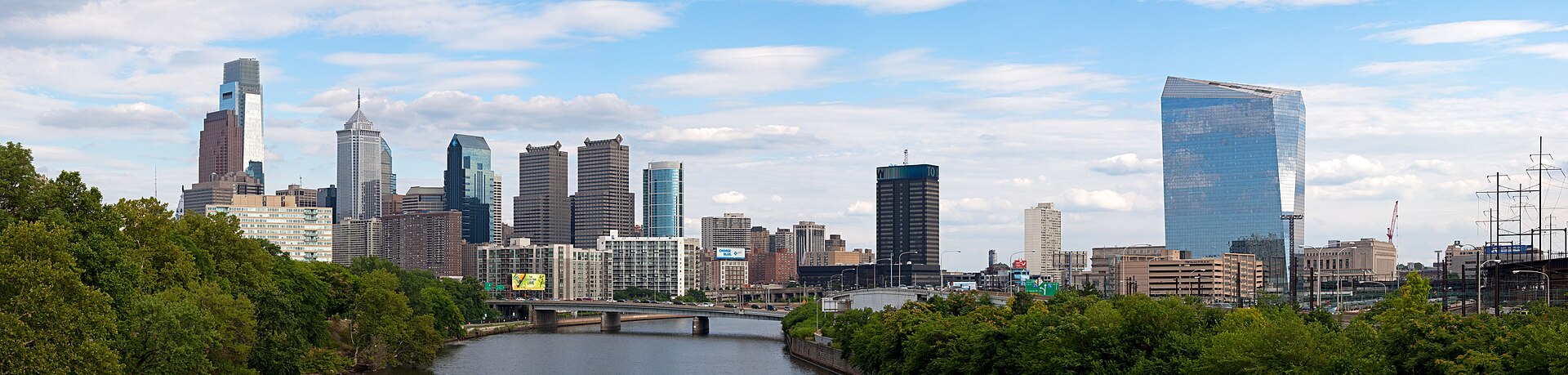
Blog

  • When Is the Right Time to Sell a Luxury Home? A Seller’s Guide for Philadelphia & South Jersey

    When Is the Right Time to Sell a Luxury Home? A Seller’s Guide for Philadelphia & South Jersey

    Few questions weigh on a seller more than “When should I list?” In the luxury market, the answer is rarely as simple as picking the busiest month. High-end homes sell to a smaller, more discerning pool of buyers, and the right timing depends on seasonality, your home’s readiness, broader market conditions, and your own life circumstances. This guide breaks down how Philadelphia and South Jersey sellers should think through the decision so they can list with confidence rather than guesswork.

    Seasonality in the Luxury Market

    Traditional real estate wisdom points to spring as the strongest selling season, and there is truth to it: more buyers are active, gardens and landscaping look their best, and families like to move before a new school year. In the Philadelphia and South Jersey region, late winter into spring often brings a surge of serious buyers.

    That said, the luxury segment behaves a little differently. High-end buyers are less constrained by the school calendar and more motivated by finding the right property, which means well-presented luxury homes can sell in any season. Fall can be a strong window with motivated buyers and less competition, and even the holidays can work in your favor — the buyers who are out looking in December tend to be serious. The key insight: in luxury, the quality of buyers often matters more than the quantity.

    Readiness Beats the Calendar

    The single most important timing factor is often not the month — it is whether your home is truly ready to make a strong first impression. A luxury home launched before it is prepared can sit, accumulate days on market, and ultimately sell for less than one that waited a few weeks to debut properly. Before you list, consider:

    • Condition and repairs: Address deferred maintenance and anything an inspection would flag.
    • Staging and presentation: High-end buyers expect a polished, magazine-quality presentation.
    • Professional marketing assets: Photography, video, and floor plans should be ready before day one.
    • Pricing strategy: A well-supported price set from the start outperforms chasing the market down with reductions.

    A home that debuts fully prepared captures the most attention during its critical first weeks on the market, when buyer interest is highest.

    Reading Market Conditions

    Beyond the season, pay attention to the balance between supply and demand in your specific price tier and area. Luxury micro-markets — a particular Main Line town, a Rittenhouse condo tier, or a South Jersey estate corridor — can move independently of headlines about the broader market. Questions worth answering before you list include: How much comparable inventory is currently available? How quickly are similar homes selling? Where do interest rates sit, and how are they affecting the buyers who shop in your range? Because these conditions shift, the most reliable read comes from current, hyper-local data rather than national averages.

    Don’t Overlook Your Own Timing

    Market timing matters, but so does your personal situation. If you need to coordinate the purchase of your next home, manage tax considerations, or align a move with a life event, those factors may reasonably outweigh trying to hit a theoretical seasonal peak. A good agent helps you balance market timing with your own goals rather than forcing one to override the other.

    The Cost of Waiting — and the Cost of Rushing

    Sellers sometimes try to time the market perfectly, waiting for an ideal moment that may never clearly arrive. Others rush to list before their home is ready in order to catch a season. Both extremes carry risk. The more productive approach is to focus on what you can control — presentation, pricing, and marketing — and to launch when your home is genuinely ready and local conditions are reasonable, rather than betting everything on the calendar.

    How a Local Specialist Sharpens Your Timing

    Timing a luxury sale well is ultimately a synthesis of many moving parts: seasonality, your home’s readiness, the supply of competing properties, buyer financing conditions, and your personal goals. No single factor decides it. An experienced local agent brings two things to the decision that are hard to replicate on your own — current, granular data on your specific micro-market, and the judgment to weigh that data against your circumstances. That combination turns “When should I list?” from an anxious guess into a deliberate, well-supported plan, often including a short pre-launch preparation window that pays for itself many times over in the final sale price.

    Frequently Asked Questions

    Is spring really the best time to sell a luxury home?

    Spring brings the most active buyers and strong curb appeal, which makes it a popular and often effective window. However, luxury homes can sell well year-round because high-end buyers are motivated by the right property more than the season. The best time for you depends on your home’s readiness and local conditions. For a tailored recommendation, reach out to James.

    How do I know if my local market favors sellers right now?

    Look at the inventory and pace of sales in your specific price tier and neighborhood, not just national headlines. Luxury micro-markets can differ sharply from the overall market. James can provide a current, hyper-local analysis of conditions in your area and price range so you can decide with real data.

    Should I sell before or after buying my next home?

    That depends on your finances, the local market, and your tolerance for carrying two properties or moving twice. Each path has trade-offs, and the right sequence varies by situation. A conversation about your goals and resources will clarify the best approach for you.

    Wondering whether now is the right time to sell your luxury home in Philadelphia or South Jersey? James Kennedy can give you a current, hyper-local read on your market and a plan to present your home at its best. Call James at 215-267-8479 or email jameskennedy@unlockedteam.com for a personalized consultation.

  • Mullica Hill, New Jersey: A Town Guide for Luxury Home Buyers

    Mullica Hill, New Jersey: A Town Guide for Luxury Home Buyers

    Tucked into Gloucester County in South Jersey, Mullica Hill offers something increasingly hard to find: a genuine historic village paired with room to spread out. Known for its antique-lined Main Street, well-regarded schools, and a mix of preserved farmland and newer luxury construction, Mullica Hill (part of Harrison Township) has become a favorite for buyers who want space, character, and an easy reach to both Philadelphia and the Jersey Shore. This guide covers what makes the town distinctive and what luxury buyers should weigh.

    The Character of Mullica Hill

    Mullica Hill’s identity is rooted in its historic district, where 18th- and 19th-century buildings now house antique shops, boutiques, cafes, and restaurants along Main Street. That sense of place is a big part of the appeal — it feels like a small town with a real center, not a collection of subdivisions. At the same time, the surrounding township has seen substantial higher-end residential development, giving buyers access to large, modern homes on generous lots within minutes of the village.

    The Housing Stock: Estate Homes, Acreage, and Historic Properties

    Luxury buyers in Mullica Hill typically choose among a few distinct property types:

    • Newer estate-style homes in established developments, often with four to six bedrooms, three-car garages, finished basements, and half-acre to multi-acre lots.
    • Custom homes on acreage, where buyers prioritize privacy, land, and the ability to add a pool, outbuildings, or even equestrian facilities.
    • Historic homes in and around the village for buyers who love period character and walkability to Main Street.

    Because lot sizes here are often larger than what you find closer to Philadelphia, Mullica Hill is a natural fit for buyers who want land — whether that means a backyard for entertaining, space for a pool and outdoor kitchen, or true acreage for privacy.

    What to Prioritize at the High End

    When evaluating a luxury home in Mullica Hill, pay attention to lot usability (flat, usable acreage is more valuable than the raw number suggests), the quality and age of major systems, and whether the home’s layout suits modern entertaining. For custom and estate homes, the builder’s reputation and the level of finish matter enormously. And if land is your motivation, confirm zoning and any preservation or agricultural restrictions before you fall in love with a parcel.

    Location and Commuting

    One of Mullica Hill’s quiet advantages is its position. The town offers reasonable access to Route 55 and the broader highway network, putting Philadelphia, the bridges into the city, and the South Jersey shore points all within a manageable drive. For buyers who work in the city but want a calmer, more spacious home base — or for those splitting time between the region and the shore — the location is hard to beat. As always, commute times vary by exact address and time of day, so it is worth testing your specific route.

    Lifestyle and Community

    Mullica Hill’s lifestyle leans toward the relaxed and family-oriented. The village hosts seasonal events and a popular farmers’ presence that reflect the area’s agricultural roots, and the surrounding countryside includes farms, orchards, and open space. Buyers drawn to Mullica Hill often value the combination of a tight-knit community, strong local schools, and the ability to enjoy land and privacy without sacrificing access to shopping, dining, and culture.

    Schools and Long-Term Value

    For many luxury buyers with families, school quality is a central consideration, and Harrison Township’s reputation for well-regarded public schools is one of the reasons demand for larger homes here has held up. Strong schools tend to support home values over time because they keep a steady stream of buyers interested in a community even as the broader market shifts. Combined with the limited supply of true estate properties and the protected farmland that surrounds the township, this helps explain why well-built homes in Mullica Hill attract attention. As always, the value of any individual property depends on its condition, lot, and location, so a current comparative analysis is the best way to gauge where a home stands.

    Who Mullica Hill Suits Best

    This town tends to appeal to families and professionals who want more space than denser suburbs allow, buyers who love historic character and a walkable village center, and those seeking acreage for privacy or recreation. If your wish list includes a large custom home, real land, and a community with a strong sense of identity, Mullica Hill belongs on your shortlist.

    Frequently Asked Questions

    What makes Mullica Hill attractive to luxury buyers?

    The combination of a historic, walkable village, well-regarded schools, and the availability of large estate homes on generous lots sets Mullica Hill apart from many South Jersey towns. Buyers who want land and privacy alongside community character find it especially appealing. For a current view of inventory and pricing in the high-end segment, contact James directly.

    Can I find homes with significant acreage here?

    Yes. Mullica Hill and the surrounding Harrison Township include properties ranging from comfortable half-acre lots to multi-acre parcels and farmland. If acreage is a priority, it is important to verify zoning, any agricultural or preservation designations, and the usability of the land before purchasing.

    How far is Mullica Hill from Philadelphia and the shore?

    Mullica Hill offers convenient highway access that places Philadelphia and several South Jersey shore destinations within a reasonable drive, making it popular with commuters and those who enjoy weekends at the beach. Exact travel times depend on your specific address and traffic, so test your commute before committing.

    Considering a move to Mullica Hill or anywhere in South Jersey or Philadelphia? James Kennedy specializes in luxury homes across the region and can help you find the right property and negotiate with confidence. Call James at 215-267-8479 or email jameskennedy@unlockedteam.com to get started.

  • Living in Graduate Hospital: A Luxury Buyer’s Guide to Philadelphia’s Rittenhouse-Adjacent Enclave

    Living in Graduate Hospital: A Luxury Buyer’s Guide to Philadelphia’s Rittenhouse-Adjacent Enclave

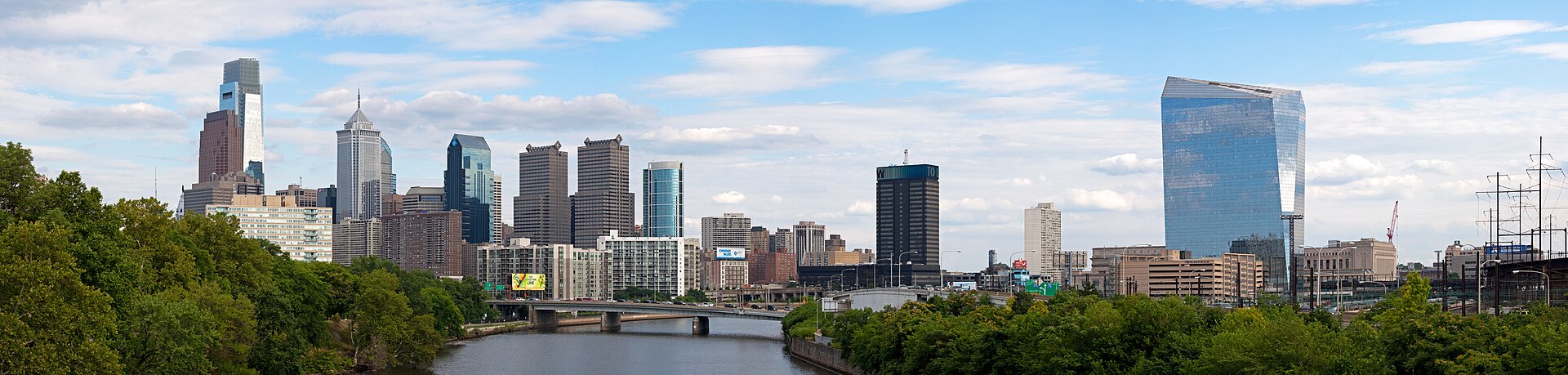
    Just south of Rittenhouse Square and west of Broad Street sits one of Philadelphia’s most talked-about neighborhoods. Graduate Hospital — sometimes called G-Ho, Southwest Center City, or simply “the area around Naval Square” — has transformed over the past two decades into a destination for buyers who want Center City convenience without Center City density. For luxury buyers weighing a move into the city, it offers a distinctive blend of new construction, classic Philadelphia rowhomes, and a genuine residential feel. This guide walks through what makes the neighborhood tick and what to consider before you buy.

    Where Graduate Hospital Sits and Why Location Drives Value

    Graduate Hospital is roughly bounded by South Street to the north, Washington Avenue to the south, Broad Street to the east, and the Schuylkill River to the west. That footprint matters. You are a short walk from Rittenhouse Square, Center City offices, and the shops and restaurants of the South Street West corridor, yet the residential blocks themselves feel calmer than the dense core to the north.

    The neighborhood’s proximity to the Schuylkill River Trail and the bridges into University City and the hospitals of the medical corridor makes it especially attractive to physicians, academics, and professionals who value a short commute. When a location combines walkable amenities, river access, and quick connections to major job centers, it tends to support durable demand — and demand is what protects value over time.

    The Housing Stock: New Construction Meets Classic Rowhomes

    One reason Graduate Hospital appeals to luxury buyers is the sheer variety of housing. You will find:

    • New-construction townhomes with roof decks, garages or parking pads, elevators, and open-concept layouts — often the most sought-after product at the high end.
    • Renovated historic rowhomes that preserve original detail while adding modern kitchens and baths.
    • Boutique condo buildings for buyers who want a lock-and-leave lifestyle.
    • Larger trinity and brownstone-style homes on the neighborhood’s most established blocks.

    At the upper end, buyers gravitate toward four-story new builds with a garage, an elevator, multiple outdoor spaces, and a tax abatement that may still be in effect. Because the neighborhood developed in waves, quality can vary block to block and builder to builder, so it pays to evaluate construction details carefully rather than assuming all new homes are equal.

    What to Prioritize at the High End

    Parking is the single biggest differentiator in city luxury living. A dedicated garage or a deeded parking spot adds meaningful value and convenience here. Beyond parking, look for outdoor space (a roof deck with skyline views is a premium feature), an elevator for long-term livability, and finishes that will still feel current in ten years.

    Lifestyle, Dining, and Green Space

    Graduate Hospital’s appeal is not just architectural. The neighborhood has a strong independent restaurant and cafe scene, with beloved neighborhood spots along South Street West and the side streets. Marian Anderson Recreation Center and the nearby parks give families and dog owners places to gather, and the Schuylkill River Trail offers running and cycling right at the western edge. For everyday errands, residents are close to grocery options and the full range of Center City services without needing to fight downtown congestion.

    Schools, Services, and Everyday Convenience

    Families considering Graduate Hospital often weigh school options carefully, and the neighborhood sits within reach of a range of public, charter, and private choices common to Center City living. Beyond schools, the practical conveniences of the area are a major draw: pharmacies, grocery stores, fitness studios, and medical care are all close at hand, and the world-class hospitals of the University City and Center City corridors are minutes away. For buyers relocating from the suburbs, the ability to walk to dinner, the gym, and a coffee shop — while keeping a car in a private garage for weekend trips — captures much of what makes urban luxury living appealing.

    Who Graduate Hospital Suits Best

    This neighborhood tends to resonate with professionals and young families who want to stay in the city but crave a quieter, more residential atmosphere than Rittenhouse proper. It also appeals to buyers trading a suburban house for an urban townhome who are not ready to give up square footage, multiple bedrooms, or private outdoor space. If you want walkability, river access, and a true neighborhood feel within minutes of Center City, Graduate Hospital deserves a serious look.

    Frequently Asked Questions

    Is Graduate Hospital a good investment for luxury buyers?

    The neighborhood’s location between Rittenhouse Square and the Schuylkill River, combined with steady demand from professionals and families, has historically supported strong interest in well-built homes. As with any purchase, value depends on the specific block, construction quality, and features like parking. For current pricing and a read on which blocks are commanding premiums, reach out to James for a personalized analysis.

    What kind of parking can I expect?

    Parking ranges from on-street only to private garages and deeded spots, depending on the home. New-construction townhomes at the luxury end frequently include a garage or parking pad, which is a major value driver in this part of the city. If parking is a priority, make it a non-negotiable in your search criteria.

    How does Graduate Hospital compare to Rittenhouse Square?

    Rittenhouse offers the most prestigious address and the densest concentration of high-end condos and dining, while Graduate Hospital delivers a quieter, more residential setting with more new-construction townhomes and often more square footage for the money. Many buyers consider both; the right choice depends on whether you prioritize a doorman-condo lifestyle or a private townhome with outdoor space.

    Thinking about buying or selling in Graduate Hospital or anywhere in Philadelphia or South Jersey? James Kennedy specializes in luxury real estate across the region and can give you current, block-by-block guidance tailored to your goals. Call James at 215-267-8479 or email jameskennedy@unlockedteam.com to start the conversation.

  • The Role of Schools in Luxury Home Pricing: What Philadelphia & South Jersey Buyers Should Know

    The Role of Schools in Luxury Home Pricing: What Philadelphia & South Jersey Buyers Should Know

    Ask experienced agents what drives value in the high end of the market, and school quality will come up again and again — often even for buyers who have no children at home. School reputation shapes demand, resale potential, and the size of the buyer pool for a given home. For luxury buyers in Philadelphia and South Jersey, understanding how schools factor into pricing is one of the smartest moves you can make before you start touring homes.

    Why schools influence price even at the luxury level

    It is tempting to assume that buyers spending well into seven figures will simply choose private schools and ignore public districts. In practice, the data and on-the-ground experience tell a more nuanced story. Strong public schools expand the pool of potential buyers for a home, and a larger, more competitive buyer pool tends to support stronger and more stable prices.

    Even buyers who plan to use private education often value being in a sought-after district, because it protects resale value. When it comes time to sell, the next buyer may well be a family for whom schools are the top priority. In that sense, school quality functions as a form of demand insurance baked into the address.

    How school quality shows up in the numbers

    The influence of schools on price rarely announces itself with a single line item — it is woven into demand. A few patterns are worth understanding:

    • Boundary effects: Two nearly identical homes a short distance apart can attract different levels of demand if they fall into different school catchments. District and catchment lines can run down the middle of a street.
    • Time on market: Homes in highly rated districts often draw interest faster, which can translate into firmer pricing and smoother sales.
    • Resilience in slower markets: When the broader market softens, well-regarded districts frequently hold demand better than comparable areas with weaker school reputations.

    Because these effects are local and specific, generic rankings only get you so far. The right move is to verify the exact assignment for any home you are serious about rather than relying on a neighborhood’s overall reputation.

    Philadelphia vs. the suburbs: two different school dynamics

    In the city

    Within Philadelphia, public school options include neighborhood catchment schools, magnet and special-admission schools, and charters — a more complex landscape than many suburban districts. Some city catchments are highly sought after and meaningfully shape demand for nearby homes, while many luxury city buyers also weigh the strong roster of independent schools. The result is that school considerations in the city are often about a specific catchment or a particular private option rather than a single district reputation.

    In the suburbs and South Jersey

    In the Main Line and across South Jersey towns like Haddonfield, Moorestown, and Cherry Hill, public district reputation tends to be a more central, town-wide driver of value. Buyers often shop by district first and home second, which is part of why homes in the most respected districts have historically commanded a premium and held value well.

    What this means for your home search

    Whether or not you have school-age children, treat school quality as part of your value analysis. A few practical steps:

    • Confirm the exact assignment. Verify the specific school or catchment for any address with the district or municipality — do not assume based on the neighborhood.
    • Think about resale. Even if schools do not matter to you personally, they will matter to your eventual buyer. A strong assignment broadens your future buyer pool.
    • Weigh private-school proximity. In areas where buyers lean toward independent schools, convenient access to those schools can be its own value factor.
    • Balance schools against everything else. Commute, walkability, lot size, and home condition all matter too. Schools are one important input, not the only one.

    A note on doing your own research

    School ratings, boundaries, and admissions policies change over time, and a home’s value reflects many factors beyond any single score. Use school information as one lens among several, and lean on a knowledgeable local agent to interpret how a specific district or catchment is actually affecting demand in the micro-market you are shopping.

    Frequently asked questions

    Do schools really affect luxury home prices?

    Yes. Strong schools expand the pool of interested buyers, which tends to support firmer and more stable prices. This holds even at the luxury level, because a desirable school assignment protects resale value when the next buyer is a family for whom schools are a top priority.

    Should I care about schools if I don’t have children?

    It is wise to. School quality influences your future buyer pool and therefore your resale value. Buying in a well-regarded district or catchment can make your home easier to sell later, even if schools play no role in your own daily life.

    How do school dynamics differ between Philadelphia and the suburbs?

    In the city, school considerations often center on specific catchments, magnet schools, or private options, reflecting a more complex landscape. In the Main Line and South Jersey towns, public district reputation tends to be a town-wide value driver, with many buyers shopping by district first and home second.

    Want to understand how schools and other factors are shaping value in the neighborhoods you’re considering? James Kennedy specializes in luxury real estate across Philadelphia and South Jersey and can help you evaluate districts, catchments, and resale potential for any home on your list. Call James at 215-267-8479 or email jameskennedy@unlockedteam.com.

  • Bryn Mawr, Pennsylvania: A Main Line Town Guide for Luxury Home Buyers

    Bryn Mawr, Pennsylvania: A Main Line Town Guide for Luxury Home Buyers

    Few addresses carry the cachet of the Main Line, and Bryn Mawr sits near the heart of it. Anchored by a walkable town center, served by some of the region’s most respected schools, and lined with gracious stone homes on mature lots, Bryn Mawr has long attracted families and professionals who want suburban space without giving up culture, dining, or a quick ride into Center City. This guide covers what luxury buyers should understand about the town and its housing market.

    Where Bryn Mawr sits and why location matters

    Bryn Mawr straddles the border of Lower Merion and Radnor townships in the western suburbs of Philadelphia. That position gives it the classic Main Line advantages: established neighborhoods, generous lot sizes, and a direct rail connection to the city. The town is a stop on SEPTA’s Paoli/Thorndale Regional Rail line, so commuters can reach Center City without driving — a meaningful draw for buyers who work downtown but want a suburban home base.

    The name itself is shorthand for a certain kind of enduring quality. Because demand for Main Line addresses has stayed strong across market cycles, towns like Bryn Mawr have historically held value well, which is part of what makes them attractive to buyers thinking long term.

    The housing stock: estates, classics, and updated homes

    Bryn Mawr’s architecture is one of its defining features. Buyers will encounter a range of high-end property types:

    • Historic stone estates: Early-20th-century homes on substantial lots, often with original details like leaded glass, millwork, and slate roofs.
    • Center-hall colonials and Tudors: The classic Main Line family home, frequently updated for modern living while keeping period character.
    • Renovated and expanded homes: Older houses taken to current standards with updated kitchens, baths, and systems.
    • Newer construction and townhomes: A smaller but growing segment for buyers who want lower-maintenance, turnkey living near the village.

    Because much of the inventory is older, condition varies enormously. Two homes with similar curb appeal can differ greatly once you look at roofs, systems, and prior renovation quality — so due diligence is essential at this price point.

    Schools and institutions

    Education is central to Bryn Mawr’s appeal. The town is served by well-regarded public school districts and is home to or near a notable cluster of private and independent schools, as well as Bryn Mawr College and other higher-education institutions nearby. For many luxury buyers, school reputation is a primary driver of both their search and the town’s durable demand. If schools are a priority for you, confirm exact district boundaries and enrollment details for any specific address, since they can shift street to street.

    Village life, dining, and culture

    Unlike purely residential suburbs, Bryn Mawr has a genuine downtown. Lancaster Avenue and the surrounding blocks offer restaurants, cafes, boutiques, a historic movie theater, and everyday conveniences within walking distance of many neighborhoods. That walkable village character — uncommon in suburban luxury markets — lets residents enjoy a stroll-to-dinner lifestyle while still having room, privacy, and land at home.

    What to weigh before buying in Bryn Mawr

    Property condition and systems

    With many homes decades or even a century old, prioritize inspections of roofs, HVAC, electrical, plumbing, and any additions. Charm and original detail are wonderful, but you want a clear picture of deferred maintenance before you commit.

    Lot, setting, and privacy

    Lot sizes and settings vary widely, from village-edge homes on modest parcels to estates on multiple acres. Be clear about how much land, privacy, and outdoor space you actually want — it heavily influences both price and lifestyle.

    Long-term value

    Main Line demand has historically been resilient, but every home is different. Factors like location within the town, school assignment, and the quality of past renovations all shape resale potential.

    Who Bryn Mawr suits best

    Bryn Mawr is a strong fit for buyers who want space, established neighborhoods, and excellent schools, but are not willing to give up walkable amenities and an easy train commute. Families, professionals, and buyers relocating to the Philadelphia area for the long term gravitate here. Those seeking ultra-modern new construction or city density may prefer Center City neighborhoods, but for classic Main Line living, Bryn Mawr is a benchmark.

    Frequently asked questions

    What makes Bryn Mawr a desirable luxury market?

    Bryn Mawr combines historic estate homes, highly regarded schools, a walkable town center, and a direct rail line to Center City. That mix of space, prestige, and convenience has supported durable demand and made it one of the Main Line’s most sought-after towns.

    What kinds of luxury homes are available in Bryn Mawr?

    Buyers will find historic stone estates, center-hall colonials and Tudors, renovated and expanded classic homes, and a smaller selection of newer construction and townhomes. Because much of the housing is older, condition and renovation quality vary considerably.

    Can you commute from Bryn Mawr to Philadelphia without a car?

    Yes. Bryn Mawr is a stop on SEPTA’s Paoli/Thorndale Regional Rail line, giving residents a direct train connection into Center City. Many buyers choose the town specifically for this combination of suburban living and an easy downtown commute.

    Considering a move to Bryn Mawr or elsewhere on the Main Line? James Kennedy specializes in luxury real estate across Philadelphia and South Jersey and can help you understand current listings, pricing, and which neighborhoods fit your goals. Call James at 215-267-8479 or email jameskennedy@unlockedteam.com.

  • Living in Northern Liberties: A Luxury Buyer’s Guide to Philadelphia’s Reinvented Riverfront

    Living in Northern Liberties: A Luxury Buyer’s Guide to Philadelphia’s Reinvented Riverfront

    Once an industrial district north of Old City, Northern Liberties — “NoLibs” to locals — has become one of Philadelphia’s most distinctive luxury neighborhoods. It is where contemporary architecture, rooftop decks, and a genuinely walkable food-and-arts scene come together just minutes from Center City. For buyers who want design-forward homes and a lively street life without the density of Rittenhouse, Northern Liberties deserves a serious look.

    Why luxury buyers are drawn to Northern Liberties

    The appeal of NoLibs starts with its housing stock, which skews newer and more design-driven than most of Philadelphia. Because the area redeveloped from former factory and brewery sites, it offers a high concentration of new-construction and recently built homes — many with the features high-end buyers prioritize: open floor plans, oversized windows, garage parking, elevators, and roof decks with skyline views.

    Just as important is the lifestyle. The Piazza and Liberties Walk areas anchor a compact district of restaurants, cafes, boutiques, and galleries, and the neighborhood’s tree-lined side streets keep it feeling residential. You can live here without a car for daily errands, yet still enjoy private outdoor space — a combination that is hard to find elsewhere in the city.

    The housing stock: what you’ll find

    Northern Liberties offers more variety at the high end than first-time visitors expect. Common luxury property types include:

    • New-construction townhomes: Three to four stories with finished basements, garage or driveway parking, multiple outdoor spaces, and roof decks oriented toward the skyline.
    • Converted industrial lofts: Former factory and warehouse buildings reimagined as condos with exposed brick, timber beams, and dramatic ceiling heights.
    • Boutique condo buildings: Smaller, amenity-light buildings that appeal to buyers who want low-maintenance ownership and a lock-and-leave lifestyle.
    • Renovated rowhomes: Older Philadelphia rowhouses taken down to the studs and rebuilt with modern systems and finishes.

    Because so much of the inventory is newer, mechanical systems, insulation, and energy efficiency tend to be strong selling points — but quality varies builder to builder, which is why a careful inspection matters even on a recent build.

    Lifestyle, dining, and getting around

    Northern Liberties has a well-earned reputation for its dining and nightlife. Standby restaurants, craft cocktail bars, coffee roasters, and weekend brunch spots are mostly within a few blocks of one another, and a number of the city’s notable chefs have opened concepts here. Green space at Liberty Lands park and the proximity to the Delaware River trail add outdoor options.

    For commuters, location is a quiet strength. The neighborhood sits just north of Old City and Center City, so a trip to the central business district is short by car, bike, or rideshare, and the Spring Garden station on the Market-Frankford Line puts much of the city within easy reach. Buyers relocating for work in Center City often value how quickly they can get door to door.

    What to weigh before you buy in NoLibs

    A few practical considerations come up repeatedly with luxury buyers here:

    Parking

    If a dedicated garage or deeded space matters to you, prioritize it early. Many newer townhomes include parking, but inventory with private parking moves quickly and commands a premium.

    Tax abatements

    Philadelphia’s new-construction tax abatement has shaped this market for years. The rules have changed over time, so confirm the exact abatement status and remaining term on any specific home rather than assuming — it materially affects your carrying costs.

    Build quality and warranties

    On newer homes, ask who the builder was, what warranties transfer, and whether the home was owner-occupied or a flip. A thorough inspection of even a recently completed house is money well spent.

    Who Northern Liberties suits best

    NoLibs tends to fit buyers who want modern, turnkey homes with private outdoor space and a strong neighborhood social scene. It is popular with professionals, downsizers who still want to entertain, and buyers moving from larger cities who appreciate walkability. Those seeking traditional architecture or large lots may find the Main Line or parts of South Jersey a better match, but for contemporary city living, few neighborhoods compete.

    Frequently asked questions

    Is Northern Liberties a good neighborhood for luxury buyers?

    Yes. It offers one of the city’s deepest concentrations of new-construction and design-forward homes, strong walkability, and quick access to Center City. It is especially well suited to buyers who want modern finishes, private outdoor space, and a vibrant dining scene.

    What types of luxury homes are available in Northern Liberties?

    Expect new-construction townhomes with roof decks and parking, converted industrial lofts, boutique condos, and fully renovated rowhomes. The inventory skews newer than most Philadelphia neighborhoods, though specific features and price points vary widely.

    How is the commute from Northern Liberties to Center City?

    It is short. The neighborhood sits just north of Old City, so most trips to Center City take only minutes by car, bike, or rideshare, and the Market-Frankford Line offers a transit option. Many buyers relocating for downtown jobs choose NoLibs for this reason.

    Thinking about buying or selling in Northern Liberties or anywhere across Philadelphia and South Jersey? James Kennedy specializes in luxury real estate throughout the region and can walk you through current listings, pricing, and neighborhood fit. Call James at 215-267-8479 or email jameskennedy@unlockedteam.com to start the conversation.

  • Marketing a Luxury Listing: A Seller’s Guide for Philadelphia & South Jersey

    Marketing a Luxury Listing: A Seller’s Guide for Philadelphia & South Jersey

    Selling a luxury home is fundamentally different from selling a typical property. At the high end of the Philadelphia and South Jersey markets, the pool of qualified buyers is smaller, expectations are higher, and the right marketing can be the difference between a quick, strong sale and a listing that lingers. A luxury home is not simply listed; it is positioned, presented, and promoted to reach the specific buyers who will appreciate and pay for what makes it special.

    Why Luxury Marketing Is Different

    Buyers at the upper end of the market are discerning and have options. They are not just buying square footage; they are buying a lifestyle, a location, and a level of quality. Effective luxury marketing tells that story. It highlights the architecture, the finishes, the setting, and the experience of living in the home, while reaching buyers through the channels where they actually look. A weak marketing effort can leave a beautiful home undersold simply because the right buyer never saw it presented at its best.

    The Foundations of a Strong Luxury Campaign

    Presentation and Staging

    Presentation comes first. Before a single photo is taken, a luxury home should be prepared to show at its absolute best. That often means professional staging or thoughtful styling, decluttering, and addressing any deferred maintenance that could distract a buyer. High-end buyers notice details, and a home that feels meticulously cared for commands more attention and stronger offers.

    Professional Photography and Video

    In luxury real estate, visuals do much of the selling. Professional architectural photography, drone imagery for properties with notable grounds or views, and cinematic video tours allow buyers to experience the home before they ever walk through the door. For many luxury buyers, especially those relocating, these visuals are the first and most important impression.

    Compelling Storytelling

    Every great luxury listing has a narrative. Is it a historic Society Hill townhome with original details, a sleek new-construction home in Fishtown with skyline views, or a private estate on wooded acreage in Medford? The marketing should articulate what makes the property distinctive and who it is for. Thoughtful written descriptions, combined with strong visuals, help the right buyer recognize the home as theirs.

    Reaching the Right Buyers

    Once a home is presented beautifully, the next challenge is exposure. A comprehensive luxury campaign reaches buyers through multiple channels:

    • Premium online placement, ensuring the listing appears prominently on the major real estate platforms where buyers search.
    • Targeted digital marketing, putting the home in front of qualified buyers and relocating professionals through online advertising.
    • Agent and network outreach, leveraging relationships with other agents who work with high-end buyers in the region.
    • Curated showings and events, when appropriate, that let serious buyers experience the property in person.

    The goal is not maximum noise; it is precise exposure to the relatively small group of buyers who can and will purchase at the home’s price point.

    Pricing as a Marketing Tool

    Even the best marketing cannot overcome a price that is out of step with the market. Pricing is itself a marketing decision. A well-researched, realistic price generates interest and momentum, while an inflated price can cause a luxury home to sit, lose its initial buzz, and ultimately sell for less. The most effective approach grounds price in current comparable sales and an honest assessment of the home’s position in the market. For a current, data-driven valuation of your home, I am glad to provide one.

    Timing and Strategy

    Luxury sales also benefit from thoughtful timing and a clear strategy. The right launch window, the readiness of the home, and a plan for how showings and offers will be handled all influence the outcome. Because high-end transactions can be complex, having a clear strategy from the outset, rather than reacting as things unfold, protects both the sale price and the seller’s experience.

    What Sellers Should Look For in Representation

    When choosing an agent to sell a luxury home, sellers should look for genuine local market knowledge, a proven marketing approach, strong negotiation skills, and discretion. Selling at the high end requires someone who understands both the regional market and the expectations of luxury buyers, and who will invest in presenting the home properly rather than simply listing it and waiting.

    Frequently asked questions

    How is marketing a luxury home different from a standard home?

    Luxury marketing targets a smaller, more discerning pool of buyers and emphasizes presentation, storytelling, and precise exposure. It typically involves professional staging, architectural photography and video, premium online placement, and targeted outreach, all designed to reach the specific buyers who will value the home.

    Does staging really matter for a high-end home?

    Yes. Luxury buyers notice details, and staging helps a home show at its best in person and in photos. A well-presented home attracts more attention and tends to generate stronger offers, making staging one of the most worthwhile investments a luxury seller can make.

    How should I price my luxury home?

    Price should be grounded in current comparable sales and an honest read of the market, not aspiration. Overpricing can cause a luxury home to sit and ultimately sell for less. A data-driven valuation from a local expert gives you the most reliable starting point.

    If you are preparing to sell a luxury home in Philadelphia or South Jersey, I would be glad to put together a tailored marketing and pricing strategy for your property. Reach out to James Kennedy at 215-267-8479 or jameskennedy@unlockedteam.com to discuss how to position your home for a strong sale.

  • Medford, New Jersey: A Town Guide for Luxury Home Buyers

    Medford, New Jersey: A Town Guide for Luxury Home Buyers

    For luxury buyers who want room to breathe without giving up access to Philadelphia, Medford, New Jersey deserves a serious look. Set in the heart of Burlington County, Medford pairs wooded acreage and lakeside living with a walkable historic village and a strong sense of community. It is the kind of town where estate homes sit on private wooded lots, yet a charming Main Street and well-regarded schools are just minutes away.

    The Character of Medford

    Medford’s defining feature is space. Much of the township is characterized by large lots, mature trees, and a semi-rural feel that is increasingly rare this close to a major city. The Pine Barrens influence the landscape, giving the area its wooded privacy and natural beauty. For buyers coming from denser suburbs or from the city, the sense of seclusion is a major draw.

    At the same time, Medford Village offers a genuine town center, with boutique shops, restaurants, and community events that give residents a place to gather. This blend of privacy and connection is what sets Medford apart from towns that offer one without the other.

    What Luxury Looks Like in Medford

    High-end homes in Medford tend to emphasize land, custom construction, and indoor-outdoor living. Buyers will find:

    • Custom and estate homes on multi-acre wooded lots, often set well back from the road for privacy.
    • Lakefront and lake-community properties, including homes in established lake neighborhoods that offer water access and recreation.
    • Newer luxury construction with the open layouts, high-end kitchens, and primary suites that today’s buyers expect.
    • Equestrian and hobby-farm potential on larger parcels, a feature that is hard to find elsewhere in the region.

    What Drives Value in Medford

    Lot size, privacy, and land quality are central to value here. So is proximity to Medford Village and the quality and condition of the home itself. Lake access and waterfront position carry a premium in the lake communities. Because parcels and home styles vary so widely, two properties with similar square footage can differ substantially in value. For current figures on a specific home or neighborhood, contact me and I will run live comparable sales.

    Lifestyle and Recreation

    Medford is built for an outdoor lifestyle. Lakes, trails, and preserved open space give residents abundant room for kayaking, hiking, and simply enjoying nature close to home. The township’s parks and recreation offerings, combined with the natural setting of the Pine Barrens, make it especially appealing to families and to buyers who value an active, outdoor-oriented way of life.

    Medford Village adds a cultural and social anchor. Seasonal events, local dining, and independent shops give the town a community feel that larger, more anonymous suburbs often lack. Buyers consistently mention this combination of natural privacy and small-town warmth as the reason they choose Medford.

    Location and Commuting

    One of Medford’s advantages is that its seclusion does not come at the cost of convenience. The town offers reasonable access to major South Jersey routes and to bridges into Philadelphia, making it feasible for buyers who work in the city or elsewhere in the region. Shopping, healthcare, and everyday amenities in neighboring towns are close at hand. For buyers who want the feel of the country with the practicality of the suburbs, Medford strikes an appealing balance.

    Who Should Consider Medford

    Medford is an excellent fit for buyers who prioritize land, privacy, and a natural setting. It appeals to families seeking space and community, to buyers who want a custom or estate home on acreage, and to anyone drawn to lake living. Buyers who want a short urban commute every day, walk-everywhere density, or a turnkey condo lifestyle may prefer other parts of the region, and I am happy to compare options with you.

    Tips for Buying a Luxury Home in Medford

    When shopping for an estate or wooded property, pay attention to the land itself, including drainage, wooded acreage, and any wetlands or conservation considerations. For lake-community homes, understand the association, water access rights, and any fees. With custom homes, evaluate the quality of construction and systems carefully, since older estate homes can require meaningful upkeep. And because inventory at the high end is limited, getting fully prepared in advance positions you to act when the right property appears.

    Frequently asked questions

    What makes Medford appealing to luxury buyers?

    Medford offers wooded acreage, lakefront living, custom estate homes, and a charming historic village, all within reach of Philadelphia. Buyers value the combination of privacy, natural beauty, and genuine community that is increasingly rare this close to a major city.

    Are there waterfront homes in Medford?

    Yes. Medford has established lake communities with waterfront and lake-access homes. These properties carry a premium and come with their own considerations, including association rules and water-access rights, so it is worth reviewing the details carefully before buying.

    Is Medford a good option for commuters?

    Medford offers reasonable access to major South Jersey routes and bridges into Philadelphia. While it is more removed than some closer-in suburbs, many residents commute to the city and surrounding employment centers, making it a workable choice for buyers who want space without isolation.

    If you are considering a luxury home in Medford or anywhere in South Jersey, I would welcome the chance to help. I can walk you through specific neighborhoods, evaluate land and lake properties, and find the right fit for your goals. Contact James Kennedy at 215-267-8479 or jameskennedy@unlockedteam.com.
  • Living in Fishtown: A Luxury Buyer’s Guide to Philadelphia’s Creative Riverfront

    Living in Fishtown: A Luxury Buyer’s Guide to Philadelphia’s Creative Riverfront

    Few Philadelphia neighborhoods have transformed as dramatically as Fishtown. Tucked along the Delaware River just north of Center City, this former working-class fishing district has become a magnet for chefs, designers, entrepreneurs, and discerning buyers who want architecture and energy in equal measure. For luxury buyers, Fishtown offers something the city’s more traditional enclaves cannot: brand-new construction and dramatic adaptive reuse projects sitting side by side with century-old rowhomes, all within walking distance of some of the best dining in the country.

    Why Fishtown Appeals to Luxury Buyers

    The appeal of Fishtown is rooted in its creative culture and its momentum. Where neighborhoods like Rittenhouse Square offer established prestige, Fishtown offers character and a sense of discovery. The housing stock reflects this. You will find sleek new-construction townhomes with roof decks and skyline views, gut-renovated trinities with exposed brick and modern kitchens, and a growing number of boutique condo conversions in former industrial buildings.

    Buyers are typically drawn to a few defining qualities:

    • Design-forward architecture. Many newer homes feature open floor plans, floor-to-ceiling glass, two-car garages, and private outdoor space that is rare elsewhere in the city.
    • Walkable amenities. Frankford Avenue anchors the neighborhood with celebrated restaurants, coffee roasters, music venues, and independent retail.
    • Riverfront access. Penn Treaty Park and the Delaware River trail give residents green space and water views minutes from their front doors.
    • Proximity to Center City. A short drive, bike ride, or ride-share gets you to the central business district quickly.

    The Fishtown Housing Market at the High End

    Luxury in Fishtown looks different from luxury in the suburbs. Rather than acreage and circular driveways, high-end Fishtown homes emphasize square footage, finishes, light, and vertical living. A premium home here might be a four-story new build with an elevator, a chef’s kitchen, a finished basement, and a roof deck framing the skyline.

    What Drives Value in Fishtown

    Several factors separate a good buy from a great one in this neighborhood. Block-by-block location matters enormously, with proximity to Frankford Avenue and the river commanding a premium. New construction with a tax abatement, quality of finishes, parking, and usable outdoor space all move the needle. Because the neighborhood is still evolving, values can vary significantly within just a few blocks, which makes local guidance essential. For current pricing on a specific street or building, reach out and I can pull live comparable sales.

    Lifestyle and Culture

    Fishtown’s reputation as a dining and nightlife destination is well earned. The neighborhood draws visitors from across the region for its restaurants, breweries, and live-music scene. For residents, that means world-class food and entertainment are a walk from home, without the density and tourist traffic of Center City. The community also retains a strong neighborhood identity, with long-time residents and newcomers sharing a genuine sense of place.

    Green space is another quiet advantage. Penn Treaty Park offers riverfront lawns and skyline views, and the broader push to develop the Delaware waterfront continues to add trails and public space. For buyers who want urban energy without giving up access to the outdoors, this balance is a major draw.

    Who Should Consider Fishtown

    Fishtown tends to suit buyers who value design, walkability, and a creative atmosphere over formality and tradition. It is a strong fit for professionals who work in or near Center City, for buyers relocating to Philadelphia who want to be where the energy is, and for anyone who prioritizes new or recently renovated homes with modern systems and finishes. Buyers seeking large lots, traditional center-hall colonials, or top-rated suburban public schools may find better fits elsewhere, and I am always happy to talk through those trade-offs honestly.

    Tips for Buying a Luxury Home in Fishtown

    Because the neighborhood is dynamic, preparation pays off. Get fully underwritten before you shop, since well-priced and well-located homes can move quickly. Pay close attention to construction quality on newer builds, including the builder’s track record, warranty, and the status of any tax abatement. Evaluate parking realistically, as it is one of the most valuable features in the neighborhood. And walk the specific block at different times of day to understand noise, traffic, and the feel of the street.

    Frequently asked questions

    Is Fishtown a good neighborhood for luxury buyers?

    Yes. Fishtown has matured into one of Philadelphia’s most desirable neighborhoods, offering new-construction townhomes, design-driven renovations, and boutique condos alongside an exceptional dining and cultural scene. It is especially appealing to buyers who want modern homes and walkable energy close to Center City.

    What kind of homes are available at the high end in Fishtown?

    High-end Fishtown homes are typically multi-story new-construction or fully renovated townhomes featuring open layouts, chef’s kitchens, roof decks with skyline views, garage parking, and sometimes elevators. Condo conversions in former industrial buildings are also part of the luxury inventory.

    How is parking in Fishtown?

    Parking varies block to block. Homes with private garages or deeded parking carry a meaningful premium because off-street parking is limited in much of the neighborhood. If parking matters to you, prioritize it early in your search.

    Thinking about buying a luxury home in Fishtown or anywhere across Philadelphia and South Jersey? I would be glad to help you navigate the market, evaluate specific blocks, and find the right home. Reach out to James Kennedy at 215-267-8479 or jameskennedy@unlockedteam.com to start the conversation.

  • Philadelphia vs. South Jersey: Where Should Luxury Buyers Look?

    Philadelphia vs. South Jersey: Where Should Luxury Buyers Look?

    One of the first decisions luxury buyers in the region face is a fundamental one: stay in the city or cross the river to the suburbs? Philadelphia and South Jersey both offer outstanding options at the high end, but they deliver very different lifestyles. This guide breaks down the trade-offs across the factors that matter most, so you can decide which side of the river fits your priorities before you start touring homes.

    Lifestyle and daily life

    The clearest difference is the rhythm of daily life. Philadelphia’s luxury neighborhoods, such as Rittenhouse Square, Fitler Square, Society Hill, and Old City, offer walkable access to world-class dining, culture, and the business core. You can live without relying on a car for most errands, and the energy of the city is at your doorstep.

    South Jersey communities like Haddonfield, Moorestown, Cherry Hill, and Voorhees offer a different appeal: space, privacy, mature landscaping, and a settled suburban pace. Walkable downtowns in towns like Haddonfield and Collingswood blend some city-style convenience with suburban calm, but the overall lifestyle centers on home, yard, and community.

    Space and home styles

    Your budget buys very different things on each side of the river.

    In Philadelphia

    • Luxury condos and lofts with amenities, views, and walkable locations.
    • Historic townhomes with character, often on smaller urban lots.
    • A premium on parking and outdoor space, which are scarcer in the city.

    In South Jersey

    • Larger single-family homes on generous lots.
    • Estate-style properties with privacy, yards, and room to spread out.
    • Newer custom construction with modern, open floor plans.

    Buyers who prioritize square footage and land often find more of it in South Jersey, while those who value walkability and a turnkey urban lifestyle gravitate to the city.

    Commute and convenience

    Both options can offer reasonable access to Center City. Within Philadelphia, many luxury buyers walk or take a short ride to work and amenities. From South Jersey, the bridges and the PATCO line connect commuters to Center City, though travel times depend heavily on which town and which part of town you choose. If a short, predictable commute matters, weigh specific locations carefully rather than comparing the regions in the abstract.

    Taxes and carrying costs

    Taxes are an important part of the decision and work differently on each side of the river. Pennsylvania and New Jersey have different tax structures, and within each, the specific municipality drives the numbers. New Jersey property taxes in particular are a significant carrying cost to factor in. Because these figures change and vary by property, treat tax planning as a property-specific exercise and get current numbers before you commit.

    Schools

    For families, school quality often weighs heavily, and it can influence both lifestyle and long-term value. South Jersey buyers frequently choose neighborhoods partly based on school catchments, while Philadelphia buyers may weigh public, charter, and private options differently. Understanding the school picture in any neighborhood you consider is a worthwhile step.

    How to decide

    There is no universally right answer, only the right answer for your priorities. As a starting framework:

    • Choose the city if you value walkability, dining and culture, low-maintenance living, and being in the middle of everything.
    • Choose the suburbs if you value space, privacy, a yard, and a quieter community feel, and you are comfortable with a commute.
    • Consider both if you are flexible: touring representative homes on each side of the river is often the fastest way to clarify what you actually want.

    Frequently asked questions

    Do I get more space for my money in South Jersey?

    Generally, yes. South Jersey tends to offer larger homes and lots at a given price point, while Philadelphia pricing reflects walkability, amenities, and location. The right comparison depends on the specific neighborhoods and properties you are weighing.

    Is the commute from South Jersey to Philadelphia manageable?

    For many buyers it is, thanks to the bridges and the PATCO line, but travel time varies significantly by town and time of day. If commute is a priority, evaluate specific locations rather than the region as a whole.

    How do taxes compare between Philadelphia and South Jersey?

    Pennsylvania and New Jersey have different tax structures, and the specific municipality drives the actual numbers, with New Jersey property taxes being a notable carrying cost. Because figures vary by property and change over time, it is best to review current numbers for specific homes with a local agent.

    Still deciding between the city and the suburbs? James Kennedy works on both sides of the river and can help you compare real options side by side. Reach James directly at 215-267-8479 or jameskennedy@unlockedteam.com to talk through what fits you best.