
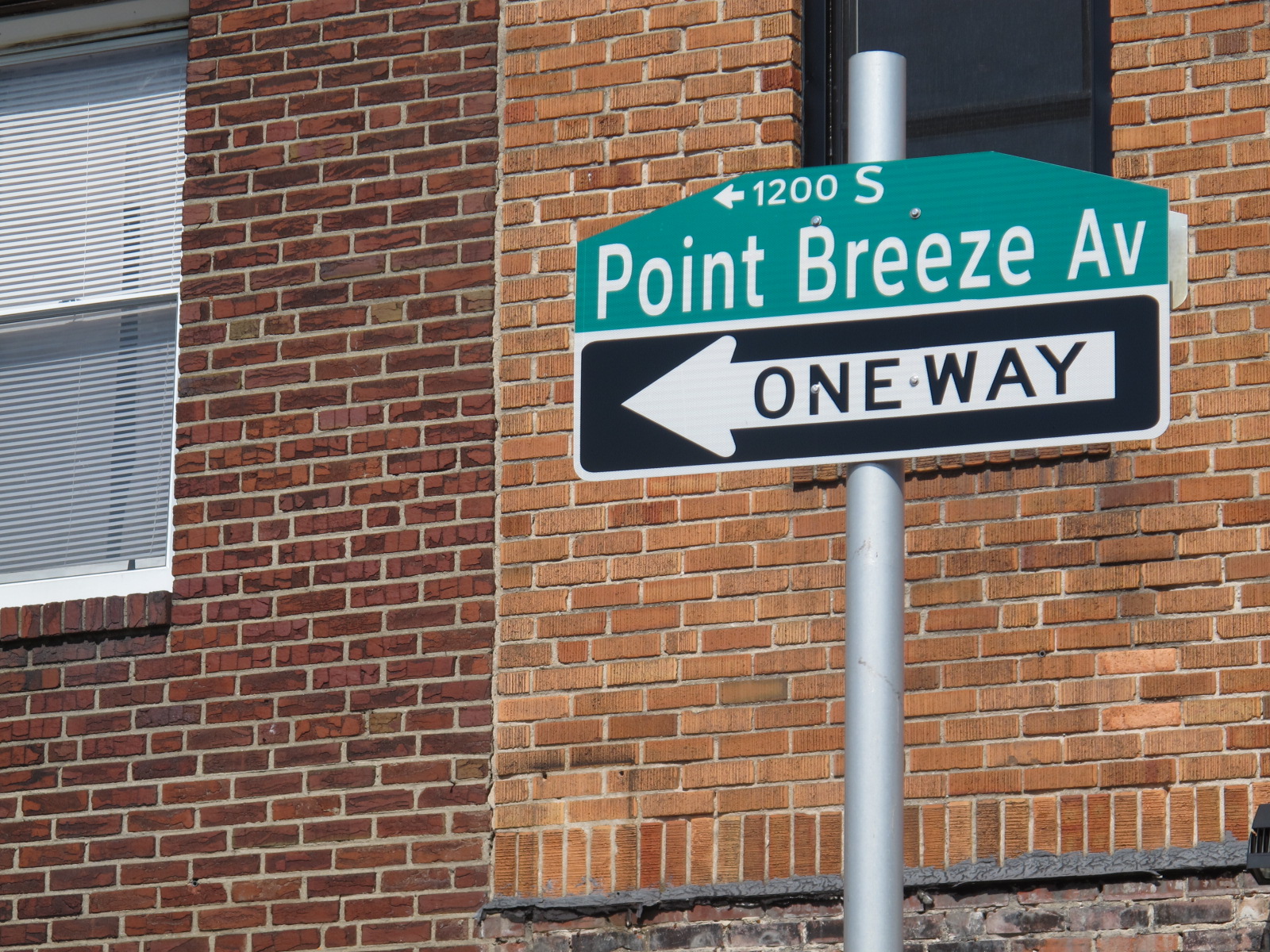
Few parts of Philadelphia have changed as visibly in the last fifteen years as the blocks south of Washington Avenue and west of Broad Street. Point Breeze and the smaller area many people call Newbold now hold a mix of untouched rowhomes, gut renovations, and new four-story construction with roof decks and garages. For a buyer with a serious budget, the appeal is straightforward: you can buy square footage and outdoor space here that would cost dramatically more a few blocks north in Graduate Hospital or Rittenhouse.
The catch is that quality varies enormously from one address to the next. This is a market where block-level judgment and a careful inspection matter far more than the neighborhood name on the listing.
Where these neighborhoods sit
Point Breeze runs roughly from Washington Avenue south toward Snyder Avenue, west of Broad Street, taking its name from Point Breeze Avenue, the diagonal commercial spine that cuts through it. Newbold is the informal name used for a portion of the area closer to Broad, and you will see both names in listings, sometimes for the same block.
The location is the whole argument. You are a short walk to Broad Street Line stations, minutes from the Schuylkill and its river trail, close to the restaurant density of East Passyunk, and a straightforward trip to Center City offices, the hospitals of University City, and the sports complex. For buyers who work downtown but want a house rather than a condo, the geography is hard to beat.
What you can actually buy
New construction townhomes
The high end here is typically new: three or four stories, roughly 2,000 to 3,000 square feet, three or four bedrooms, multiple full baths, finished basement, a roof deck with skyline views, and in some cases a one-car garage. Many were built under Philadelphia’s residential tax abatement program, which materially affects the early years of carrying cost — verify the specific abatement status and remaining term for any property you consider, because the program’s terms have changed over time.
Gut renovations of historic rowhomes
Plenty of the original two- and three-story rowhomes have been taken to the studs and rebuilt. The best of these keep the street-facing character while delivering modern systems. The worst are cosmetic flips over old bones. Learning to tell the difference is the single most valuable skill in this market.
Untouched original housing
There is still original, unrenovated stock, and for buyers who want to design their own project it can be the best value in the area. Just price the renovation honestly, including permits and the realities of building on a narrow city lot.
How to read a block here
Point Breeze developed unevenly, and two streets a block apart can feel entirely different. Before writing an offer, do this:
- Walk the block at three different times — a weekday morning, a weekday evening, and a weekend afternoon. Parking pressure, noise, and street activity all change.
- Count the vacant lots and shells. They represent future construction. That can mean rising values, and it also means years of jackhammers next door.
- Look at the neighbors’ facades and stoops. Sustained owner investment on a block is a better long-term signal than any single renovated house.
- Check what is behind you. A rear yard that backs to a commercial use, a parking lot, or a planned development is a different proposition than one backing to other yards.
Due diligence that matters more here than elsewhere
New and newly renovated construction is not automatically sound construction. Buyers in this market should insist on:
- A thorough inspection with a stucco or exterior-envelope specialist where the facade warrants it. Water intrusion behind cladding is the expensive failure mode in newer Philadelphia townhomes.
- Permit history review. Confirm that the work done was permitted and inspected. Unpermitted finished basements and roof decks become your problem at resale.
- Party wall and shared structure questions. Rowhome construction means you share walls; understand any recorded party wall agreements and how the adjoining structures are performing.
- Sewer lateral evaluation. Older laterals under newer houses are common and worth a camera scope.
- Warranty documentation on genuinely new builds — what is covered, for how long, and by whom.
Lifestyle and what to expect day to day
The dining and coffee scene has grown steadily, with a mix of long-standing neighborhood businesses along Point Breeze Avenue and newer restaurants and bars closer to Broad. East Passyunk’s restaurant row is a walk or short ride away, and the Italian Market is close enough for weekend shopping. Green space includes neighborhood parks and playgrounds plus quick access to the Schuylkill River Trail and FDR Park to the south.
Parking is street parking on most blocks, which is why garage properties command a premium. Buyers coming from the suburbs should be honest with themselves about whether a permit-parking lifestyle works for their household, or whether they should prioritize a garage from the start.
Who this market fits
Point Breeze and Newbold work best for buyers who want genuine house living in the city — multiple floors, outdoor space, room for a home office — without paying Rittenhouse or Fitler Square prices. They also appeal to buyers who like being early in a neighborhood’s arc and are comfortable with the construction and unevenness that comes with it. Buyers who want a finished, uniform streetscape from day one are usually happier in Society Hill, Queen Village, or Graduate Hospital.
Frequently asked questions
Is Point Breeze considered a luxury neighborhood?
It is not a uniformly luxury market the way Rittenhouse Square is, but it contains genuinely high-end homes — large new townhomes with garages, roof decks, and high-specification finishes. Buyers should think of it as a neighborhood with luxury product rather than a luxury neighborhood, and value each property on its own merits.
How does the tax abatement affect what I pay?
Philadelphia’s residential abatement reduces taxes on the improvement value for a set period, and the terms have been revised over the years. What matters is the specific property: when it was approved, how many years remain, and what your taxes will look like after it expires. Ask for documentation and plan your budget around the post-abatement number.
What should I look for that distinguishes a good renovation from a cosmetic flip?
Look past finishes. Check whether electrical service and panel were upgraded, whether plumbing was replaced rather than patched, whether the roof and flashing are new, whether insulation was addressed, and whether permits exist for the work. A house with beautiful counters and forty-year-old systems is a future expense, not a bargain.
Talk it through with James Kennedy
James Kennedy specializes in luxury real estate across Philadelphia and South Jersey, and he can give you current, address-specific guidance rather than generalities. Call or text 215-267-8479 or email jameskennedy@unlockedteam.com to start the conversation.
Leave a Reply