Category: Philadelphia Real Estate

  • Villanova, Pennsylvania: A Main Line Town Guide for Luxury Home Buyers

    Villanova, Pennsylvania: A Main Line Town Guide for Luxury Home Buyers

    Villanova is one of the Main Line’s most prestigious addresses, a name synonymous with gracious estates, mature landscapes, and a quiet, established prosperity. For luxury buyers looking west of Philadelphia, Villanova represents the upper tier of suburban living, where privacy, prestige, and proximity to the city all converge.

    The Character of Villanova

    Set along Philadelphia’s storied Main Line, Villanova carries a sense of permanence that newer luxury enclaves cannot replicate. Sweeping properties, stone manor homes, and tree-canopied lanes define the landscape. This is a community where homes are often measured in acres rather than square feet of yard, and where discretion and understatement are part of the culture.

    Villanova is also home to its namesake university, which lends the area energy, cultural programming, and athletic events without compromising the residential calm of its luxury neighborhoods. The result is a town that feels both serene and connected.

    The Villanova Luxury Housing Stock

    Villanova’s high-end inventory skews toward substantial homes on generous lots. Buyers will encounter:

    • Historic stone estates dating to the Main Line’s golden age, often beautifully restored with modern systems behind period facades.
    • Grand center-hall colonials with formal rooms, multiple fireplaces, and classic proportions.
    • Newer custom estates built to contemporary luxury standards with open layouts, chef’s kitchens, and spa-level primary suites.
    • Carriage houses and refined smaller estates for buyers who want the Villanova address with less acreage to maintain.

    Because so many Villanova homes are unique, comparable sales analysis requires real local expertise. Two estates can carry very different values based on land, architectural pedigree, renovation quality, and privacy.

    Location and Commuting

    One of Villanova’s enduring advantages is access. The Main Line’s regional rail makes commuting to Center City Philadelphia straightforward, and major roadways put the airport and the city’s business and cultural core within reach. For households balancing professional demands with a desire for space and quiet, Villanova delivers both.

    This blend of seclusion and connectivity is precisely why Main Line towns like Villanova have held their cachet for generations, and why demand among affluent buyers remains steady.

    Schools and Education

    Education is central to Villanova’s appeal. The area is known for strong public schools and an exceptional concentration of respected private and parochial institutions nearby. For luxury buyers, the depth of educational options is a meaningful driver of both lifestyle and long-term property values. As always, confirm the specific public school assignment for any home you are seriously considering, and weigh proximity to the private schools that matter to your family.

    Lifestyle on the Main Line

    Living in Villanova means easy access to the refined rhythms of Main Line life: upscale shopping and dining in nearby Ardmore, Wayne, and Bryn Mawr, country clubs and golf, cultural events at the university, and beautiful preserved open space. Residents enjoy a calendar that can be as active or as private as they wish. The area’s restaurants, boutiques, and gathering places cater to an affluent clientele while retaining a genuine neighborhood warmth.

    Buying a Luxury Home in Villanova

    High-end purchases here reward patience and preparation. Keep these in mind:

    • Land and privacy are premium assets: Acreage, mature trees, and setbacks meaningfully shape value on the Main Line.
    • Older estates need expert evaluation: Verify the condition of roofing, systems, and structural elements, and budget for the ongoing care a historic home requires.
    • Financing larger purchases: Many Villanova homes fall into jumbo loan territory; line up specialized financing early.
    • Discreet inventory: Some of the best Villanova properties trade quietly. A connected local agent often hears about homes before they hit the open market.

    Frequently asked questions

    What makes Villanova different from other Main Line towns?

    Villanova sits at the upper end of the Main Line for estate-scale properties and privacy. While towns like Ardmore and Wayne offer more walkable downtowns, Villanova is prized for its larger lots, historic estates, and prestigious, settled atmosphere. The presence of the university also gives it a distinctive cultural and athletic dimension.

    How much should I budget for a luxury home in Villanova?

    Villanova is among the most expensive Main Line markets, but pricing varies dramatically by acreage, architecture, and condition. Rather than a single figure, review current comparable sales for the type of property you want. Contact James for up-to-date numbers based on your specific criteria.

    Is Villanova a good fit for buyers who want to be close to Philadelphia?

    Yes. Regional rail and major roads make commuting to Center City practical, so buyers can enjoy estate living and quiet surroundings while staying genuinely connected to the city’s business and cultural life.

    Estate Stewardship and Ongoing Care

    Owning a Villanova estate is a rewarding long-term commitment, and the most satisfied owners go in with clear eyes about stewardship. Larger lots mean meaningful landscaping and grounds care; historic homes reward owners who maintain original details while quietly modernizing systems. Many buyers assemble a trusted team early, including a contractor familiar with period construction, a landscape professional, and specialists for any pool, gardens, or outbuildings. None of this should discourage a serious buyer; rather, it underscores why working with an agent who understands estate properties matters. James can help you evaluate condition, anticipate carrying costs, and separate homes that are turnkey from those that represent a longer-term project.

    Work With James Kennedy

    Whether you are buying or selling at the high end in Philadelphia or South Jersey, James Kennedy brings deep local knowledge, discreet service, and a marketing approach built for luxury properties. To talk through your goals or get current market figures for a specific neighborhood or town, call James at 215-267-8479 or email jameskennedy@unlockedteam.com.

  • Parking and Luxury City Living: What High-End Buyers Should Know in Philadelphia

    Parking and Luxury City Living: What High-End Buyers Should Know in Philadelphia

    In Philadelphia’s most desirable neighborhoods, parking is not a minor detail; it is one of the defining features of a luxury home. Center City and its surrounding enclaves were largely built before the automobile, which means dedicated parking is genuinely scarce. For buyers spending $1 million or more, understanding how parking works in the city can be the difference between a home that fits your life and one that quietly frustrates you every day. This guide explains the options, the trade-offs, and why parking carries such weight in city real estate.

    Why Parking Is So Valuable in Center City

    Neighborhoods like Rittenhouse Square, Fitler Square, Society Hill, and Washington Square West were designed around walking, not driving. Streets are narrow, lots are small, and off-street parking was rarely part of the original plan. As a result, a deeded parking space or a private garage is a finite, sought-after asset. In the most central locations, a single deeded spot can represent a significant share of a property’s value, and homes that include private parking often stand out in a competitive market.

    The Main Parking Options for City Buyers

    Deeded parking spaces

    A deeded space is owned real estate, conveyed with the home or purchased separately, often within a condo building or a nearby garage. Because it is a finite asset in a dense market, deeded parking tends to hold value well and can be a strong selling point at resale. Buyers should confirm exactly how the space is titled and what monthly fees apply.

    Private garages and driveways

    Some townhomes, especially newer construction and certain rehabbed properties, include a private garage or curb cut. This is the most convenient option and frequently commands a premium. In historic districts, however, garages and curb cuts can be tightly regulated, which is part of why they are scarce.

    Condo building parking

    Many luxury condo buildings offer on-site parking, either deeded, assigned, or available for a monthly fee. Arrangements vary widely from building to building, so it is essential to understand whether a space is included, guaranteed, or simply available subject to a waitlist.

    Street and permit parking

    Philadelphia offers residential permit parking in many neighborhoods, but availability is not guaranteed and can vary block by block. For luxury buyers accustomed to predictability, relying solely on street parking is rarely ideal, particularly for households with more than one vehicle.

    How Parking Affects Value and Resale

    Parking influences luxury home value in ways that go beyond convenience. A property with secure, private, or deeded parking typically appeals to a broader pool of buyers, which supports resale demand. In the most walkable neighborhoods, parking can also act as a hedge: even buyers who walk most places value the flexibility of keeping a car without a daily search for a spot. When comparing two otherwise similar homes, the one with dedicated parking often holds an edge in both marketability and long-term value.

    Questions to Ask Before You Buy

    • Is the parking deeded, assigned, or rented? Ownership structure affects both cost and resale.
    • Can the space be sold separately? In some buildings, parking can be transferred independently, which has implications for flexibility and value.
    • What are the ongoing costs? Monthly garage fees, condo charges, or taxes tied to a deeded space all factor into your budget.
    • How many vehicles do you need to accommodate? A single space may be fine for one household and a constraint for another.
    • Are there restrictions in historic districts? Curb cuts, garages, and exterior changes can be limited in protected areas.

    Balancing Walkability and Parking

    The appeal of luxury city living is that you can walk to restaurants, culture, parks, and shopping. Many buyers find they drive far less than they expected once they settle in. The goal is not to prioritize parking over location, but to be clear-eyed about your needs so the home supports your lifestyle. For buyers who travel, own multiple vehicles, or simply value certainty, securing dedicated parking up front is well worth the effort.

    Parking by Neighborhood

    The parking picture shifts noticeably from one Center City neighborhood to the next. In the densest, most historic pockets, off-street parking is rarest and therefore most valuable, so a deeded spot can be a defining feature. In newer-construction corridors and in buildings developed with the car in mind, parking is more often built in, though it may still carry a separate cost. Buyers relocating from car-dependent areas sometimes assume parking will be straightforward and are surprised by how much it shapes the search. The practical takeaway is to treat parking as a core criterion from the start rather than an afterthought, and to weigh it alongside location, condition, and layout when you compare homes. An experienced local agent can tell you how parking typically works in the specific building or block you are considering, which saves time and prevents costly surprises after closing.

    Frequently asked questions

    How much does a deeded parking space add to a Philadelphia luxury home?

    It varies by neighborhood and building, but in the most central, walkable areas a deeded space is a scarce asset that can represent a meaningful share of a property’s value and broaden its appeal at resale. For current figures in a specific area, contact James.

    Can I rely on street parking in Center City?

    Philadelphia offers residential permit parking, but availability is not guaranteed and differs block by block. Most luxury buyers prefer the predictability of deeded or private parking, especially for multiple vehicles.

    Is it better to buy a home with a garage or a deeded spot in a building?

    Both have advantages. A private garage offers maximum convenience, while a deeded building space can be secure and sometimes sold separately. The right choice depends on your lifestyle, the neighborhood, and the specific property, which James can help you evaluate.

    Parking is one of many details that separate a good city home from the right one. James Kennedy helps luxury buyers navigate Philadelphia’s neighborhoods, including the practical realities of parking, walkability, and resale value. Call James at 215-267-8479 or email jameskennedy@unlockedteam.com to discuss your search.

  • Ardmore, Pennsylvania: A Main Line Town Guide for Luxury Home Buyers

    Ardmore, Pennsylvania: A Main Line Town Guide for Luxury Home Buyers

    Ardmore sits at the heart of Philadelphia’s Main Line, a string of historic towns running northwest from the city along the old Pennsylvania Railroad. For luxury buyers, Ardmore offers a rare combination: genuine walkability, a lively downtown, easy rail access to Center City, and a housing stock that ranges from grand stone estates to beautifully renovated period homes. This guide covers what makes Ardmore distinctive and what to weigh before you buy.

    Why Buyers Choose Ardmore

    Ardmore is one of the few Main Line communities where you can live a true walk-to-everything lifestyle while still enjoying the space and architecture of the suburbs. Its downtown along Lancaster Avenue is anchored by Suburban Square, one of the oldest open-air shopping centers in the country, now home to upscale retailers, restaurants, and a popular market. That walkable core is a meaningful differentiator for affluent buyers who want suburban scale without being dependent on a car for every errand.

    The town also straddles two respected townships, Lower Merion and Haverford, both known for strong public schools and well-funded municipal services. For many high-end buyers, school reputation and town stewardship are central to long-term value, and Ardmore scores well on both.

    Housing Styles in Ardmore

    Ardmore’s housing reflects more than a century of Main Line development. Buyers will commonly encounter:

    • Stone Colonials and Tudors — the classic Main Line look, with slate roofs, leaded windows, and mature landscaping, often on generous lots in the streets north of Lancaster Avenue.
    • Center-hall Colonials and Victorians — period homes with formal layouts, high ceilings, and original millwork, many thoughtfully updated for modern living.
    • New construction and gut renovations — a smaller but growing segment, offering open floor plans and current systems while keeping a traditional exterior in step with the neighborhood.
    • Luxury condos and townhomes — appealing to buyers who want a lock-and-leave lifestyle near the train and downtown.

    The most coveted addresses tend to combine architectural character, a walkable location, and a lot that offers privacy. Homes that have been carefully modernized while preserving their period details often command the strongest interest.

    Getting Around and Commuting

    Ardmore is served by SEPTA Regional Rail and Amtrak, with a train station right in the heart of town. The Paoli/Thorndale line connects to Center City Philadelphia in roughly half an hour, and ongoing investment in the station area has reinforced Ardmore’s appeal for professionals who split time between the suburbs and the city. For drivers, Lancaster Avenue and nearby connectors provide straightforward routes into Philadelphia and out toward King of Prussia and the western suburbs.

    Lifestyle and Amenities

    Beyond Suburban Square, Ardmore’s downtown has developed into a genuine dining and gathering destination, with a mix of established restaurants and newer independent spots. The town hosts community events and farmers markets, and residents are within easy reach of the Main Line’s country clubs, golf courses, and the cultural draws of nearby Bryn Mawr and Haverford. Green space, parks, and the broader network of Lower Merion trails round out the lifestyle.

    What to Consider Before You Buy

    Ardmore rewards buyers who do their homework on a few specifics:

    • Township lines. A property’s exact location can place it in Lower Merion or Haverford Township, which affects schools and taxes. Confirm both before you fall in love with a listing.
    • Older-home systems. Period homes are part of Ardmore’s charm, but buyers should budget for inspections of roofing, electrical, plumbing, and any historic features that need specialized care.
    • Walkability premium. Homes within an easy walk of the train and downtown often carry a premium and can move quickly. Knowing your priorities helps you act decisively.
    • Renovation potential. Many of the best values are homes with great bones that need updating. A clear sense of scope and cost protects your investment.

    Schools and Long-Term Value

    For many Ardmore buyers, the public school question is a central part of the decision, and it is closely tied to which township a home sits in. Lower Merion School District has a long-standing reputation, and Haverford Township schools are well regarded as well. Strong schools tend to support demand and resale value over time, even for buyers without school-age children, because they keep the pool of future buyers wide. Beyond schools, Ardmore’s mix of architectural character, walkable amenities, and rail access gives it durable appeal, which is part of why established Main Line towns have historically held their value through varied market conditions. When you evaluate a specific home, it is worth thinking about which of these enduring qualities it offers and how they will read to the next buyer years down the road.

    Frequently asked questions

    Is Ardmore a good fit for luxury buyers who want walkability?

    Yes. Ardmore is among the most walkable towns on the Main Line, thanks to its downtown, Suburban Square, and the train station all sitting close together. Buyers who want suburban space without giving up a walk-to-everything lifestyle find it especially appealing.

    How long is the commute from Ardmore to Center City Philadelphia?

    By SEPTA Regional Rail, the trip into Center City typically takes around 30 minutes from the Ardmore station, making it a practical choice for professionals who work in the city but want to live in the suburbs.

    What kinds of luxury homes are available in Ardmore?

    The market includes stone Colonials and Tudors, center-hall Colonials, restored Victorians, select new construction and gut renovations, and luxury condos and townhomes near the train. For current availability and pricing, reach out to James directly.

    Thinking about buying or selling a luxury home in Ardmore or elsewhere on the Main Line? James Kennedy specializes in high-end real estate across Philadelphia and South Jersey and can walk you through neighborhoods, school boundaries, and current opportunities. Call James at 215-267-8479 or email jameskennedy@unlockedteam.com to start a conversation.

  • Relocating to the Philadelphia Area: A Luxury Buyer’s Guide to City and Suburban Options

    Relocating to the Philadelphia Area: A Luxury Buyer’s Guide to City and Suburban Options

    Relocating to a new region is one of the most consequential decisions a buyer makes, and the greater Philadelphia area offers an unusually wide range of choices for affluent households. From walkable Center City condos to Main Line estates to spacious South Jersey homes, the region lets you tailor your lifestyle in ways that few metros can. This guide is designed to help luxury buyers approach a relocation strategically, so the move feels exciting rather than overwhelming.

    Start With Lifestyle, Not Just Listings

    The most successful relocations begin with a clear picture of how you want to live day to day. Before comparing homes, it helps to answer a few questions:

    • Do you want to walk to restaurants, culture, and work, or do you prefer space, privacy, and a yard?
    • How important is commute time, and where will you actually be commuting to?
    • Are top schools a priority, and how much weight should they carry in your decision?
    • Do you want a lock-and-leave property, or a home you will spend years personalizing?

    Your answers will naturally point you toward one of the region’s three broad luxury markets.

    The Three Major Luxury Markets

    Center City Philadelphia

    For buyers who prize walkability and culture, neighborhoods like Rittenhouse Square, Fitler Square, Society Hill, and Washington Square West offer high-rise condos and historic townhomes within steps of world-class dining, the arts, and the central business district. This is the choice for an urban, low-maintenance lifestyle.

    The Main Line

    Stretching west of the city through towns such as Bryn Mawr, Ardmore, Wayne, Gladwyne, and Villanova, the Main Line is known for prestigious schools, gracious older estates, leafy streets, and a convenient rail connection into the city. It appeals to buyers who want suburban space with a strong sense of established community.

    South Jersey

    Just across the river, towns including Haddonfield, Moorestown, Cherry Hill, Marlton, and Voorhees offer spacious homes, larger lots, strong schools, and often more square footage for the money. It is a popular choice for families who want room to spread out within reach of the city and the shore.

    Build Your Relocation Timeline

    A smooth luxury relocation typically unfolds over several months. A practical sequence looks like this:

    • Discovery: Define your lifestyle priorities and get a realistic sense of pricing across markets.
    • Orientation visits: Spend time in your top neighborhoods at different times of day before committing.
    • Financing: If you are financing, get pre-approved early, particularly for jumbo loans, which require more documentation.
    • Focused search: Tour homes in your chosen markets with a clear list of must-haves.
    • Offer and closing: Negotiate, complete due diligence, and coordinate the logistics of your move.

    Assemble the Right Local Team

    A successful relocation is rarely a solo effort. Beyond a knowledgeable buyer’s agent, affluent newcomers benefit from a small team that typically includes a mortgage professional experienced with jumbo financing, a real estate attorney or title professional familiar with the relevant state, and a tax advisor who can speak to the differences between Pennsylvania and New Jersey. Lining these professionals up early prevents last-minute scrambles and gives you confident answers when the right property appears. Your agent should be able to recommend trusted local contacts, which is one of the underrated advantages of working with someone deeply rooted in the region.

    Common Mistakes to Avoid

    • Anchoring to your old market. Pricing, lot sizes, and what your budget buys can differ significantly from the city you are leaving. Approach Philadelphia on its own terms.
    • Skipping orientation visits. Photographs and data cannot convey how a block or a town actually feels. Spend time on the ground before committing.
    • Underestimating parking and commute realities. These factors shape daily quality of life and resale value more than buyers expect.
    • Waiting too long on financing. Jumbo pre-approval takes time, and being ready strengthens your position when inventory is tight.

    Practical Considerations Newcomers Often Miss

    Pennsylvania vs. New Jersey

    Choosing between the city, the Main Line, and South Jersey is also a choice between two states, which carries differences in taxes and certain costs. These factors are worth reviewing with a qualified tax professional as part of your decision.

    Parking and outdoor space

    In the city, parking and private outdoor space are premium amenities that strongly influence value. In the suburbs, lot size and privacy play a similar role. Knowing which matters most to you helps focus the search.

    Local market knowledge

    Greater Philadelphia is a collection of micro-markets that can vary block by block and town by town. A local agent who tracks closed sales is essential to understanding real value, especially when you are new to the area.

    Frequently asked questions

    Should I rent first or buy right away when relocating?

    It depends on your certainty about the area. If you already know which neighborhood suits you, buying directly can make sense. If you are unsure how city, Main Line, and South Jersey options compare for your lifestyle, a short-term rental can give you time to decide with confidence.

    How far in advance should I start a luxury relocation?

    Many buyers benefit from beginning three to six months ahead, which allows time for orientation visits, financing, and a focused search. Starting early reduces pressure and improves your negotiating position when the right home appears.

    Which area offers the best value for luxury buyers?

    Value depends on your priorities. Center City rewards those who want walkability, the Main Line offers established prestige and schools, and South Jersey often provides more space for the money. A local agent can help you compare current pricing across all three so you can make an informed choice.

    If you are relocating to the Philadelphia area and want a clear, confident plan, James Kennedy can guide you through every market the region offers, from Center City to the Main Line to South Jersey. Reach James directly at 215-267-8479 or jameskennedy@unlockedteam.com to start planning your move.

  • Living in Bella Vista: A Luxury Buyer’s Guide to Philadelphia’s Italian Market Neighborhood

    Living in Bella Vista: A Luxury Buyer’s Guide to Philadelphia’s Italian Market Neighborhood

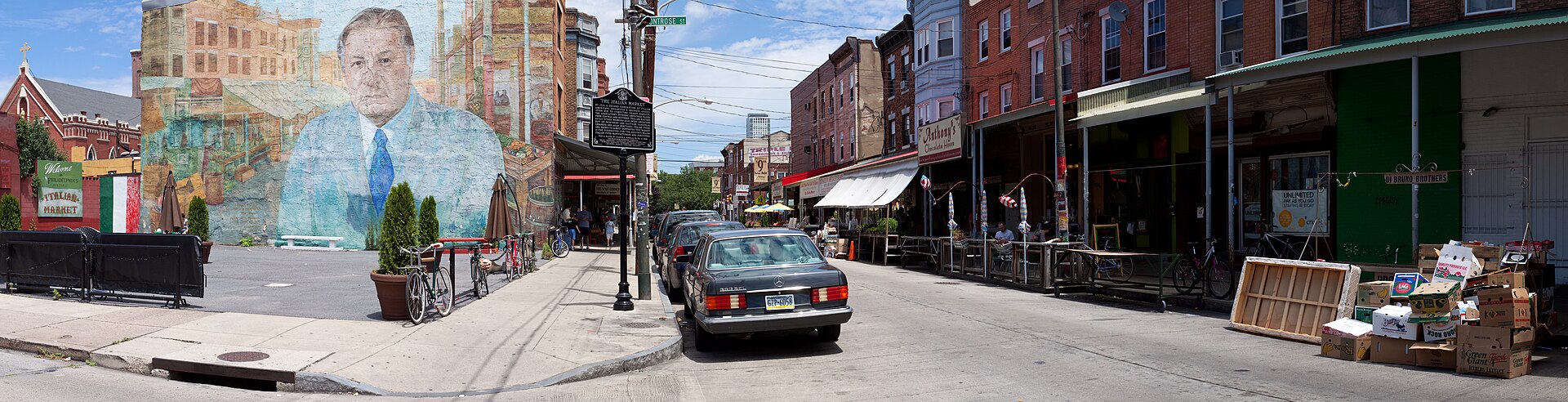
    Bella Vista is one of those rare Philadelphia neighborhoods that feels both deeply rooted and quietly aspirational. Anchored by the historic Ninth Street Italian Market and bordered by some of the city’s most charming residential blocks, it has become a magnet for buyers who want walkable, food-forward city living without the price ceiling of Rittenhouse Square. For luxury buyers willing to look slightly south of Center City’s core, Bella Vista offers character, community, and a surprising amount of upside.

    Where Bella Vista Sits and Why Location Matters

    Generally bounded by South Street to the north, Washington Avenue to the south, and roughly Sixth to Eleventh Streets, Bella Vista is tucked into the southeast quadrant of Center City. It is close enough to walk to Washington Square West, Queen Village, and the central business district, yet it retains the intimate, residential scale that buyers increasingly prize. The neighborhood’s compact footprint means almost everything is reachable on foot, and that walkability is one of the strongest long-term drivers of value in the city.

    Proximity to the Italian Market is the defining feature. The market’s grocers, butchers, bakeries, and cafes give residents a genuine daily rhythm that newer neighborhoods simply cannot manufacture.

    The Housing Stock

    Bella Vista’s architecture is a study in Philadelphia’s evolution. You will find:

    • Restored historic rowhomes with original details such as exposed brick, deep windowsills, and narrow but tall floor plans.
    • Gut-renovated trinities and townhouses that combine period facades with modern, open interiors, chef’s kitchens, and finished lower levels.
    • New-construction and recently built townhomes, often four stories with roof decks, two-car or garage parking, and skyline views.
    • Boutique condominiums in smaller, well-appointed buildings for buyers who want a lock-and-leave lifestyle.

    At the upper end of the market, the most sought-after homes tend to be wide rowhomes and new-construction townhomes with private outdoor space and parking, which remains a premium amenity anywhere in Center City.

    Lifestyle and Culture

    Few Philadelphia neighborhoods can match Bella Vista’s food culture. Beyond the Italian Market itself, the surrounding streets are dense with acclaimed restaurants, wine bars, bakeries, and specialty shops. Residents enjoy easy access to neighborhood parks and playgrounds, and the annual events centered on Ninth Street give the area a strong sense of identity. For affluent buyers, the appeal is a lifestyle that is genuinely lived in rather than curated, where you can buy fresh produce, fresh pasta, and an espresso within a few blocks of home.

    What Luxury Buyers Should Evaluate

    Outdoor space and parking

    In a dense neighborhood, private outdoor space and dedicated parking are the features that most reliably hold value. A roof deck with skyline views or a garage can meaningfully separate one home from another at resale.

    Quality of renovation

    Because so much of the stock is historic, the difference between a thoughtful, permitted renovation and a cosmetic flip is significant. Pay close attention to systems, waterproofing, and the quality of structural work, not just finishes.

    Block-by-block variation

    Bella Vista’s character changes from street to street. Some blocks are exceptionally quiet and tree-lined; others sit closer to busier corridors. Touring at different times of day is worthwhile.

    Getting Around and Connectivity

    Bella Vista’s central location makes it one of the easiest neighborhoods in the city to live in without heavy reliance on a car. Residents can walk to Center City offices, reach the Broad Street and Market-Frankford lines within a short distance, and tap into bus routes that crisscross the area. For weekend trips, access to I-95 and the bridges to New Jersey is convenient, and the airport is a manageable drive away. This blend of pedestrian-friendly streets and regional connectivity is exactly what many luxury buyers relocating from other cities are looking for, and it tends to support steady demand over time.

    Who Thrives in Bella Vista

    Bella Vista tends to attract a particular kind of buyer: someone who values authenticity, food, and community over flash. Empty nesters trading a large suburban home for a walkable city lifestyle do well here, as do professionals who want a short commute and an active social scene at their doorstep. Families are increasingly part of the picture too, drawn by neighborhood parks and the sense of a real, lived-in community. If you want a home that feels embedded in the daily life of the city rather than insulated from it, this neighborhood rewards you.

    Is Bella Vista a Good Investment?

    Neighborhoods with strong walkability, a distinct identity, and limited buildable land tend to retain value well over time. Bella Vista checks each of those boxes. The combination of an irreplaceable location next to the Italian Market, a constrained supply of wide homes and new-construction townhomes, and consistent buyer interest gives the area durable fundamentals. While no one can promise future appreciation, the factors that support long-term demand here are real. For current pricing trends and a realistic sense of where the market sits today, it is best to speak directly with a local agent who tracks closed sales block by block.

    Frequently asked questions

    What kind of homes define luxury in Bella Vista?

    At the high end, the most desirable properties are wide restored rowhomes and new-construction townhomes featuring chef’s kitchens, multiple stories, roof decks with skyline views, and parking. Boutique condos also serve buyers who prefer a low-maintenance lifestyle.

    How does Bella Vista compare to Rittenhouse Square for luxury buyers?

    Rittenhouse commands the city’s highest prices and a more formal, cosmopolitan feel, while Bella Vista offers a more relaxed, food-centered, residential character, often at a relatively more attainable entry point for comparable square footage. Many buyers choose Bella Vista for the lifestyle and value.

    Is parking realistic in Bella Vista?

    Parking is at a premium throughout Center City, so homes with garages or dedicated spaces carry a real advantage. If parking is a priority, it should be part of your search criteria from the start, since it strongly influences both comfort and resale value.

    If you are considering a luxury home in Bella Vista or anywhere in Center City Philadelphia, James Kennedy can help you understand current pricing, evaluate renovations, and find the right block for your lifestyle. Reach James directly at 215-267-8479 or jameskennedy@unlockedteam.com to start the conversation.

  • Historic Architecture Styles of the Philadelphia and South Jersey Region: A Luxury Buyer’s Guide

    Historic Architecture Styles of the Philadelphia and South Jersey Region: A Luxury Buyer’s Guide

    One of the great pleasures of buying a luxury home in the Philadelphia and South Jersey region is the architecture itself. Few American markets offer such a deep and varied catalog of historic building styles, from Colonial-era stone farmhouses to Gilded Age estates and refined early-20th-century townhomes. Understanding these styles does more than satisfy curiosity; it helps buyers recognize quality, anticipate maintenance, and appreciate why certain homes command a premium. Here is a guide to the architectural styles that define luxury living across the region.

    Colonial and Georgian: The Region’s Foundation

    As one of the oldest settled areas in the country, the Philadelphia region is rich in Colonial and Georgian architecture. These homes are prized for their symmetry, balanced facades, central entrances, and refined proportions. In the city’s historic districts and across the Main Line and South Jersey countryside, you will find brick and fieldstone examples with formal floor plans, deep windows, and handsome millwork. For buyers, well-preserved Colonial and Georgian homes represent timeless elegance and enduring value.

    Federal and Greek Revival: Center City’s Townhome Heritage

    Walk through Society Hill, Old City, or Washington Square West and you are surrounded by Federal and Greek Revival townhomes. Federal-style homes are known for their delicate detailing, fanlight transoms, and graceful proportions, while Greek Revival examples bring bolder columns, pediments, and a sense of classical grandeur. These rowhomes are among the most coveted in the city, especially when original details survive alongside modern updates.

    Victorian: Color, Texture, and Personality

    The Victorian era left a vivid mark on the region, particularly in neighborhoods like Chestnut Hill and Mount Airy and in South Jersey towns such as Collingswood and Haddonfield. Victorian styles, including Queen Anne, Italianate, and Gothic Revival, are celebrated for their turrets, wraparound porches, decorative trim, and expressive rooflines. Luxury buyers drawn to character and craftsmanship often fall in love with these homes, which reward sensitive restoration.

    Wissahickon Schist and the Stone Colonial

    No material says “Philadelphia luxury” quite like local stone. Many of the region’s finest homes are built from Wissahickon schist and other regional stone, giving them a distinctive silvery, textured facade. The stone Colonial, especially across the Main Line, is practically synonymous with established wealth in the area. These homes combine substance and curb appeal and tend to hold their value well.

    Tudor and Estate Revival Styles

    The early 20th century brought a wave of revival architecture to the region’s wealthiest enclaves. Tudor Revival homes, with their steep gables, half-timbering, and leaded glass, are especially prominent in Main Line communities and parts of Chestnut Hill. Alongside them stand French Eclectic, Colonial Revival, and grand estate homes built during the Gilded Age. For buyers seeking acreage and architectural pedigree, these properties are the pinnacle of the local luxury market.

    Modern and Contemporary Luxury

    The region’s architectural story is not only historic. Across Center City and the suburbs, new-construction and contemporary luxury homes offer open floor plans, walls of glass, energy-efficient systems, and clean lines. In neighborhoods like Fishtown and Northern Liberties, and in custom builds across the Main Line and South Jersey, modern design sits comfortably alongside historic neighbors, giving buyers a full spectrum of choice.

    Why Architectural Style Matters to Buyers

    Style is more than aesthetics. It influences maintenance needs, renovation potential, and resale appeal. Historic homes may carry designations that affect exterior changes, and original materials require specialized care. Conversely, a tasteful renovation that respects a home’s architectural integrity can significantly enhance its value. Knowing what you are looking at, and what it will take to maintain, helps you buy with confidence.

    Frequently asked questions

    What architectural styles are most common in luxury Philadelphia-area homes?

    The region features Colonial and Georgian homes, Federal and Greek Revival townhomes, Victorian homes, stone Colonials built from local Wissahickon schist, Tudor and other revival estates, and modern contemporary builds. This variety is one of the area’s defining strengths for luxury buyers.

    Do historic homes hold their value in Philadelphia and South Jersey?

    Well-maintained historic homes in desirable neighborhoods tend to hold value well, particularly when original details are preserved and major systems are updated. Architectural significance and location are key factors. For guidance on a specific property, contact James for a tailored assessment.

    Are there special considerations when buying a historic luxury home?

    Yes. Buyers should understand any historic designations that affect exterior changes, evaluate the condition and age of systems and materials, and budget for specialized maintenance. Working with an agent familiar with historic properties helps you anticipate these factors before you buy.

    Whether you are drawn to a stone Colonial on the Main Line, a Federal townhome in Center City, or a sleek new build in South Jersey, James Kennedy can help you find a home whose architecture and value align with your goals. Call James at 215-267-8479 or email jameskennedy@unlockedteam.com to start your search.

  • Gladwyne, Pennsylvania: A Main Line Town Guide for Luxury Home Buyers

    Gladwyne, Pennsylvania: A Main Line Town Guide for Luxury Home Buyers

    If you are searching for the most prestigious address on Philadelphia’s Main Line, the conversation almost always includes Gladwyne. This affluent enclave in Lower Merion Township pairs sweeping estates, mature landscapes, and a discreet, old-money sensibility with quick access to Center City. For luxury buyers who want privacy, acreage, and top-tier schools, Gladwyne is in a class of its own.

    Where Gladwyne Is and Why It Matters

    Gladwyne sits in Lower Merion Township in Montgomery County, tucked along the wooded slopes above the Schuylkill River, roughly twenty to thirty minutes from downtown Philadelphia depending on traffic and route. Despite that proximity, the community feels worlds away: winding roads, rolling topography, stone walls, and generous lot sizes give Gladwyne a countryside character that is rare so close to a major city.

    The small, walkable village center offers a handful of shops, a market, and local restaurants, but Gladwyne is fundamentally residential. People come here for the homes, the land, and the quiet.

    The Homes: Estates, Stone Colonials, and Custom New Builds

    Gladwyne is consistently among the highest-priced communities in the Philadelphia region, and its housing stock reflects that.

    Historic Estates

    Some of the area’s signature properties are grand early-20th-century estates set on multiple acres, many designed by notable architects of the era. Stone manor homes, carriage houses, and former gentleman’s farms appeal to buyers who value provenance and craftsmanship.

    Classic Stone Colonials

    The enduring image of the Main Line, the stately stone Colonial, is well represented in Gladwyne. These homes offer timeless curb appeal, formal floor plans, and the kind of substance that holds value across market cycles.

    Custom and New Construction

    Gladwyne also sees significant high-end new construction, where buyers acquire land or a tear-down and build a modern estate with current amenities. The result is a market that spans antique charm and contemporary luxury, sometimes on the same street.

    Schools and Family Appeal

    Gladwyne is part of the Lower Merion School District, one of the most highly regarded public school systems in Pennsylvania and a major driver of demand. The area is also convenient to several prestigious private and independent schools across the Main Line. For affluent families, this combination of public and private options is a powerful draw and a meaningful factor in long-term value.

    Lifestyle, Land, and Recreation

    Open space is part of Gladwyne’s identity. The community is home to extensive preserved land and trails, golf and country clubs, and easy access to the Schuylkill River. Buyers who enjoy horticulture, equestrian pursuits, or simply room to breathe gravitate here. At the same time, the shopping and dining of Ardmore, Bryn Mawr, and Wayne are a short drive away, and Center City’s restaurants and culture remain within easy reach.

    Who Gladwyne Suits

    • Estate buyers seeking acreage, privacy, and architectural significance.
    • Affluent families prioritizing the Lower Merion School District and proximity to private schools.
    • Executives and professionals who want a serene retreat with a manageable commute to the city.
    • Builders and renovators looking for premium lots in an established luxury market.

    What to Consider Before Buying in Gladwyne

    Estate properties come with estate-level responsibilities. Buyers should budget for the upkeep of large homes, grounds, and outbuildings, and should carefully evaluate the age and condition of major systems in older houses. Lot characteristics, easements, flood considerations near the river, and any historic or conservation designations are all worth understanding up front. Because inventory at the top of the Gladwyne market can be limited and homes are often sold quietly, working with an agent who knows the community and its off-market dynamics is especially valuable.

    Frequently asked questions

    Why is Gladwyne considered one of the most prestigious Main Line towns?

    Gladwyne combines large estate properties, abundant open space, architectural pedigree, the top-rated Lower Merion School District, and easy access to Center City. That blend of privacy, land, and convenience consistently places it among the most sought-after and highest-priced communities in the Philadelphia region.

    What kinds of luxury homes does Gladwyne offer?

    Buyers will find historic stone estates on multiple acres, classic Main Line stone Colonials, and custom new-construction homes built on premium lots. The market spans antique character and modern luxury, often within the same neighborhoods.

    Is Gladwyne a good choice for families?

    Yes. Gladwyne is part of the highly regarded Lower Merion School District and is convenient to several respected private schools, making it a top choice for affluent families. For current listings and guidance on schools and value, contact James directly.

    Considering a move to Gladwyne or another Main Line community? James Kennedy specializes in luxury homes across Philadelphia and South Jersey and can help you navigate this exclusive market, including off-market opportunities. Call James at 215-267-8479 or email jameskennedy@unlockedteam.com to begin.

  • Living in Washington Square West: A Luxury Buyer’s Guide to Center City Philadelphia

    Living in Washington Square West: A Luxury Buyer’s Guide to Center City Philadelphia

    Tucked between Center City’s commercial core and the cobblestoned charm of Society Hill, Washington Square West is one of Philadelphia’s most quietly desirable addresses for luxury buyers. Often shortened to “Wash West,” the neighborhood blends Federal and Greek Revival rowhomes, boutique condominium buildings, tree-lined side streets, and a walkable lifestyle that rivals anywhere in the city. For buyers seeking refined urban living without sacrificing history or convenience, Wash West deserves a serious look.

    Where Washington Square West Sits

    Washington Square West radiates out from its namesake park, one of the five original public squares laid out by William Penn. The neighborhood generally runs from Walnut Street south toward South Street, and from Broad Street east toward Society Hill. That central position is a defining feature: residents can walk to the theaters and shops of the Avenue of the Arts, the restaurants of Midtown Village, the boutiques near Rittenhouse, and the historic district in minutes.

    The area is sometimes broken into smaller pockets, including the lively Midtown Village dining corridor and the leafy blocks closer to the square itself. Each has its own character, but all share the same prized walkability and access.

    The Housing: Historic Rowhomes and Boutique Condos

    Luxury inventory in Wash West tends to fall into a few categories, and understanding them helps buyers focus their search.

    Restored Townhomes

    Many of the neighborhood’s most coveted properties are 18th- and 19th-century rowhomes that have been thoughtfully renovated. Buyers are drawn to original details such as marble fireplaces, deep window sills, exposed brick, and intricate millwork, often paired with modern kitchens and updated systems. Private outdoor space, whether a brick patio or a roof deck with skyline views, commands a premium here.

    Boutique and New-Construction Condominiums

    For buyers who prefer lock-and-leave convenience, Wash West offers a growing supply of upscale condominiums, from converted historic buildings to sleek new construction with concierge service, parking, and private amenities. These appeal to professionals, downsizers, and second-home buyers who want a turnkey footprint in the heart of the city.

    Trinity and Carriage Homes

    The neighborhood’s narrow side streets hide charming “trinity” homes and former carriage houses. While compact, these properties carry tremendous character and can be surprisingly luxurious after a high-end renovation.

    Lifestyle and Culture

    Few Philadelphia neighborhoods match Wash West for everyday culture and dining. Midtown Village and the 13th Street corridor are home to some of the city’s most celebrated restaurants, cafes, and cocktail bars. The Walnut Street and Forrest Theatres anchor a thriving performing-arts scene, and the Kimmel Center sits just a short stroll away on Broad Street.

    Washington Square itself offers a rare patch of green calm, with mature shade trees, walking paths, and the Tomb of the Unknown Soldier of the American Revolution. The neighborhood is also exceptionally pedestrian- and transit-friendly, with multiple subway and regional rail connections nearby and easy access to I-95 and the bridges to New Jersey.

    Who Washington Square West Suits

    Wash West is a natural fit for several types of luxury buyers:

    • Professionals and executives who want to walk to work in Center City and to dinner at night.
    • Empty nesters and downsizers trading a suburban estate for a low-maintenance condo without leaving culture behind.
    • Pied-a-terre buyers who want a sophisticated city base near theater, dining, and the historic district.
    • History lovers who value original architecture but expect modern finishes.

    What to Weigh Before You Buy

    As with any premium urban neighborhood, a few considerations matter. Parking is a genuine factor: deeded garage spots and buildings with parking carry a premium, and buyers planning to keep a car should prioritize this early. In historic townhomes, it is wise to understand the age and condition of major systems and whether any portion of the property falls under historic designation that may affect exterior changes. For condominiums, reviewing the association’s finances, reserves, and rules is essential. A knowledgeable local agent can help you interpret all of this in context.

    Frequently asked questions

    Is Washington Square West a good neighborhood for luxury buyers?

    Yes. Wash West combines historic architecture, walkability, and a vibrant dining and arts scene with proximity to Rittenhouse, Society Hill, and Center City. It appeals strongly to buyers who want refined urban living and is considered one of the most desirable addresses in central Philadelphia.

    What kinds of luxury homes are available in Washington Square West?

    Buyers will find restored 18th- and 19th-century townhomes, boutique and new-construction condominiums with amenities and parking, and character-rich trinity and carriage homes on the side streets. The right fit depends on whether you prioritize space, history, or lock-and-leave convenience.

    How walkable is Washington Square West?

    Extremely. Most daily needs, dining, theater, parks, and transit are within a short walk, and the neighborhood’s central location means much of Center City and the historic district is reachable on foot. For current walk-friendly listings and parking options, reach out to James directly.

    Thinking about buying or selling a luxury home in Washington Square West or anywhere across Philadelphia and South Jersey? James Kennedy specializes in the region’s high-end market and can guide you through every step. Call James at 215-267-8479 or email jameskennedy@unlockedteam.com to start a conversation.

  • Wayne, Pennsylvania: A Main Line Town Guide for Luxury Home Buyers

    Wayne, Pennsylvania: A Main Line Town Guide for Luxury Home Buyers

    Few names on Philadelphia’s Main Line carry the cachet of Wayne. Straddling Radnor, Tredyffrin, and Easttown townships in the heart of the storied Route 30 corridor, Wayne offers an unusually complete package for luxury buyers: a charming, walkable downtown, top-tier schools, gracious historic estates, and a quick train ride into Center City. For affluent buyers seeking the classic Main Line lifestyle, Wayne is one of the region’s most sought-after destinations.

    What Makes Wayne Special

    Wayne’s enduring appeal comes from a blend of qualities that are hard to find together in one place:

    • A true downtown. Unlike many suburbs, Wayne has a vibrant, walkable commercial district along Lancaster Avenue, full of restaurants, boutiques, the historic Anthony Wayne Theater, and a strong local-business culture.
    • Elite schools. Wayne is served by highly regarded public school districts and is surrounded by some of the region’s most respected private and parochial schools.
    • Estate-quality housing. The area is known for stone Colonials, Tudors, and grand historic homes set on mature, wooded lots.
    • Rail access. SEPTA’s Paoli/Thorndale Regional Rail line puts Center City within a comfortable commute, a longstanding Main Line advantage.

    The Luxury Housing Stock

    Wayne’s high-end market is among the most distinctive in the Philadelphia suburbs. Buyers should be prepared to evaluate a range of property types:

    Historic Estate Homes

    The Main Line is famous for its early-20th-century stone estates, and Wayne has many fine examples. These homes offer architectural grandeur, generous proportions, and craftsmanship, often on sizable, beautifully landscaped lots. Buyers drawn to character and pedigree gravitate here, while keeping in mind that older estates require thoughtful maintenance and, sometimes, sensitive updating.

    Renovated and Updated Classics

    Many of Wayne’s most in-demand homes are period properties that have been carefully modernized, pairing original detail with renovated kitchens, baths, and systems. These offer the best of both worlds for buyers who want historic charm without a full renovation project.

    Newer Construction

    A limited supply of newer and custom homes provides open layouts, contemporary amenities, and lower maintenance, typically commanding a premium for their modern features and turnkey condition.

    Lifestyle and Location

    Life in Wayne centers on its walkable downtown and easy access to the broader Main Line. Residents enjoy independent restaurants and shops, a beloved farmers market, parks and trails, and proximity to the cultural and athletic offerings of nearby colleges. The town’s location along Lancaster Avenue connects it seamlessly to neighboring Main Line communities such as Devon, St. Davids, and Radnor, while the regional rail line and major highways make trips into Philadelphia or out to the western suburbs straightforward. For families, the combination of strong schools, safe streets, and abundant recreation is a powerful draw.

    What to Consider Before Buying in Wayne

    Wayne spans multiple municipalities and school districts, and that has real implications for buyers. Keep these points in mind:

    • Township and school district. Because Wayne crosses Radnor, Tredyffrin, and Easttown lines, the specific address determines your township services, taxes, and school assignment. Confirm these details for any home you consider.
    • Home condition and systems. Historic estates are magnificent but require diligence around roofs, mechanicals, and structural elements. Budget for inspection and ongoing care.
    • Lot and setting. Mature trees, privacy, and proximity to town all influence value and lifestyle. Decide whether you prioritize walkability to downtown or a more secluded estate setting.
    • Long-term value. Wayne’s combination of schools, walkable downtown, and rail access has historically supported strong demand, but current pricing varies widely by home and block.

    Given how much variation exists within Wayne, it is wise to get current, property-level guidance rather than rely on broad averages. Reach out for an up-to-date market read.

    The Main Line Pedigree

    Wayne’s desirability is inseparable from its place in Main Line history. The corridor takes its name from the Pennsylvania Railroad’s Main Line, and the towns that grew up along it became home to gracious country estates in the late 19th and early 20th centuries. That legacy shaped Wayne’s enduring identity: tree-lined streets, architecturally significant homes, established institutions, and a culture that prizes both tradition and community. Today that pedigree translates into real value for buyers, who benefit from mature landscaping, generous lots, and a sense of permanence that newer suburbs cannot manufacture. The presence of respected colleges, country clubs, and longstanding civic organizations further reinforces Wayne’s standing as one of the region’s premier addresses, and helps explain why well-located homes here tend to attract steady interest across market cycles.

    Frequently Asked Questions

    Why is Wayne considered one of the best Main Line towns?

    Wayne stands out for its walkable downtown, excellent schools, beautiful historic estate homes, and convenient regional rail access to Philadelphia. That rare combination makes it a perennial favorite among luxury buyers on the Main Line.

    What kinds of luxury homes can I find in Wayne?

    Wayne offers historic stone estates and Tudors, carefully renovated period homes, and a smaller number of newer custom builds. Prices and features vary widely, so identifying the right home type for your needs is an important first step.

    How is the commute from Wayne to Center City Philadelphia?

    Wayne sits on SEPTA’s Paoli/Thorndale Regional Rail line, offering a comfortable train commute into Center City, and is well connected by major roads. The rail access is one of the Main Line’s signature advantages.

    Interested in finding a home in Wayne or elsewhere on the Main Line? James Kennedy specializes in luxury real estate across the Philadelphia region and South Jersey and can guide you through this exceptional market with current, address-level insight. Call James at 215-267-8479 or email jameskennedy@unlockedteam.com to begin your search.

  • Living in Queen Village: A Luxury Buyer’s Guide to Philadelphia’s Oldest Neighborhood

    Living in Queen Village: A Luxury Buyer’s Guide to Philadelphia’s Oldest Neighborhood

    Tucked between Society Hill and the Delaware River, Queen Village is one of Philadelphia’s oldest and most quietly sophisticated neighborhoods. Named for Sweden’s Queen Christina, the area traces its roots to the 17th-century Swedish settlement of Wicaco, and that long history is written into its narrow cobblestone streets, brick trinity homes, and the steeple of Gloria Dei (Old Swedes’) Church. For luxury buyers, Queen Village offers something increasingly rare in a major city: genuine historic character paired with a walkable, neighborly feel and easy access to Center City.

    Why Luxury Buyers Are Drawn to Queen Village

    Queen Village appeals to buyers who want history without sacrificing convenience. The neighborhood sits just south of Society Hill and east of Bella Vista, placing it within a short walk of South Street’s shops and restaurants, the Headhouse Square farmers market, and the river. Affluent buyers are often drawn here for a few consistent reasons:

    • Architectural authenticity. Federal and Colonial-era rowhomes, many lovingly restored, give the area a texture that newer neighborhoods simply cannot replicate.
    • Walkability. Errands, dining, and green space are mostly reachable on foot, a quality that tends to support long-term value.
    • A real sense of community. Block associations, a respected neighborhood school, and longtime residents give Queen Village a grounded, lived-in feel.

    The Housing Stock

    Queen Village’s high end is defined by restored and expanded historic rowhomes, along with a smaller number of new-construction and rebuilt properties that add modern amenities behind period facades. At the upper tiers, buyers should expect to evaluate:

    Restored Historic Rowhomes

    Many of the neighborhood’s most desirable homes are 18th- and 19th-century rowhomes that have been thoughtfully updated. The best examples combine original details such as exposed brick, wide-plank floors, and decorative mantels with renovated kitchens, spa-style baths, and private outdoor space. Because these homes are older, a careful inspection and a clear understanding of what has and has not been updated are essential.

    New Construction and Rebuilds

    A limited supply of newer homes offers open floor plans, garage or off-street parking, roof decks with skyline and river views, and energy-efficient systems. These properties command a premium for their amenities and lower maintenance demands.

    Parking, Outdoor Space, and Other Practical Details

    In a historic riverfront neighborhood, certain features carry outsized weight. Off-street or garage parking is a major value driver in Queen Village, where many streets rely on permit parking. Private outdoor space, whether a courtyard, garden, or roof deck, is similarly prized. Buyers should also pay attention to lot dimensions and home width, since some of the oldest trinity homes are charming but compact. Working with an agent who knows which blocks and which home types tend to hold value will help you focus your search.

    Lifestyle and Location

    Daily life in Queen Village is defined by access. Residents enjoy proximity to the independent boutiques and restaurants of South Street and Fabric Row, the historic Headhouse Square and its weekend market, and Mario Lanza Park, a beloved neighborhood green space. The Delaware River waterfront and its trail are minutes away, and Center City’s business district, cultural institutions, and fine dining are a short walk or ride north. For families, the neighborhood’s catchment school has long been a draw, and proximity to Society Hill and Old City expands the cultural and dining options considerably.

    What to Consider Before You Buy

    Queen Village rewards buyers who do their homework. Because the housing stock is old and varied, two homes on the same block can differ dramatically in condition, systems, and layout. Consider the following as you evaluate properties:

    • Renovation history. Ask what has been updated and when, particularly roofs, mechanicals, and electrical systems.
    • Flood and historic considerations. Some properties closer to the river or within historic designations may carry additional considerations worth understanding upfront.
    • Resale appeal. Parking, light, outdoor space, and a functional floor plan tend to drive demand when it is time to sell.

    Market conditions in a small, high-demand neighborhood like Queen Village can shift quickly, so it is wise to get current pricing and inventory guidance before making decisions. For up-to-date figures, reach out directly.

    A Brief Look at Queen Village’s History

    Understanding Queen Village’s past helps explain its enduring appeal. The area was settled by Swedish colonists in the mid-1600s, predating William Penn’s founding of Philadelphia, and Gloria Dei (Old Swedes’) Church, completed in 1700, remains the oldest church in Pennsylvania and a National Historic Site. Over the following centuries the neighborhood evolved through waves of maritime trade, immigration, and craftsmanship, leaving behind an unusually dense concentration of early American architecture. In the latter part of the 20th century, dedicated preservation efforts and reinvestment transformed Queen Village into the polished yet authentic neighborhood it is today. For luxury buyers, that layered history is more than a curiosity; it is a tangible asset that distinguishes Queen Village from newer, more uniform parts of the city and tends to support sustained demand among buyers who value character and provenance.

    Frequently Asked Questions

    Is Queen Village a good neighborhood for luxury buyers?

    Yes. Queen Village offers a rare combination of historic character, strong walkability, and proximity to Center City, which appeals to discerning buyers seeking restored rowhomes and a genuine neighborhood feel.

    What kinds of homes are available at the high end in Queen Village?

    The upper market is led by restored and expanded historic rowhomes, along with a smaller number of new-construction homes featuring parking, roof decks, and modern systems. Features like off-street parking and private outdoor space command premiums.

    How does Queen Village compare to Society Hill?

    Society Hill is generally more formal and uniformly historic, while Queen Village feels a bit more eclectic and neighborhood-oriented. The two are adjacent, so buyers often tour both. The right fit depends on your priorities for architecture, price, and atmosphere.

    Thinking about buying or selling in Queen Village or elsewhere in Philadelphia? James Kennedy specializes in luxury real estate across Philadelphia and South Jersey and can help you navigate this distinctive market with current, neighborhood-level insight. Call James at 215-267-8479 or email jameskennedy@unlockedteam.com to start the conversation.