Category: Philadelphia Real Estate

  • Living in Fairmount and the Art Museum Area: A Luxury Buyer’s Guide

    Living in Fairmount and the Art Museum Area: A Luxury Buyer’s Guide

    Anchored by the grand steps of the Philadelphia Museum of Art and the green expanse of the Schuylkill River, Fairmount and the Art Museum Area have quietly become one of Center City’s most desirable places to own a luxury home. Often called “the Art Museum neighborhood” by locals, this district blends the walkable charm of a rowhome community with cultural landmarks, riverfront trails, and a growing collection of high-end townhomes and condominiums. For discerning buyers who want space, character, and proximity to both nature and Center City, Fairmount deserves a close look.

    Where Fairmount Sits and Why Location Matters

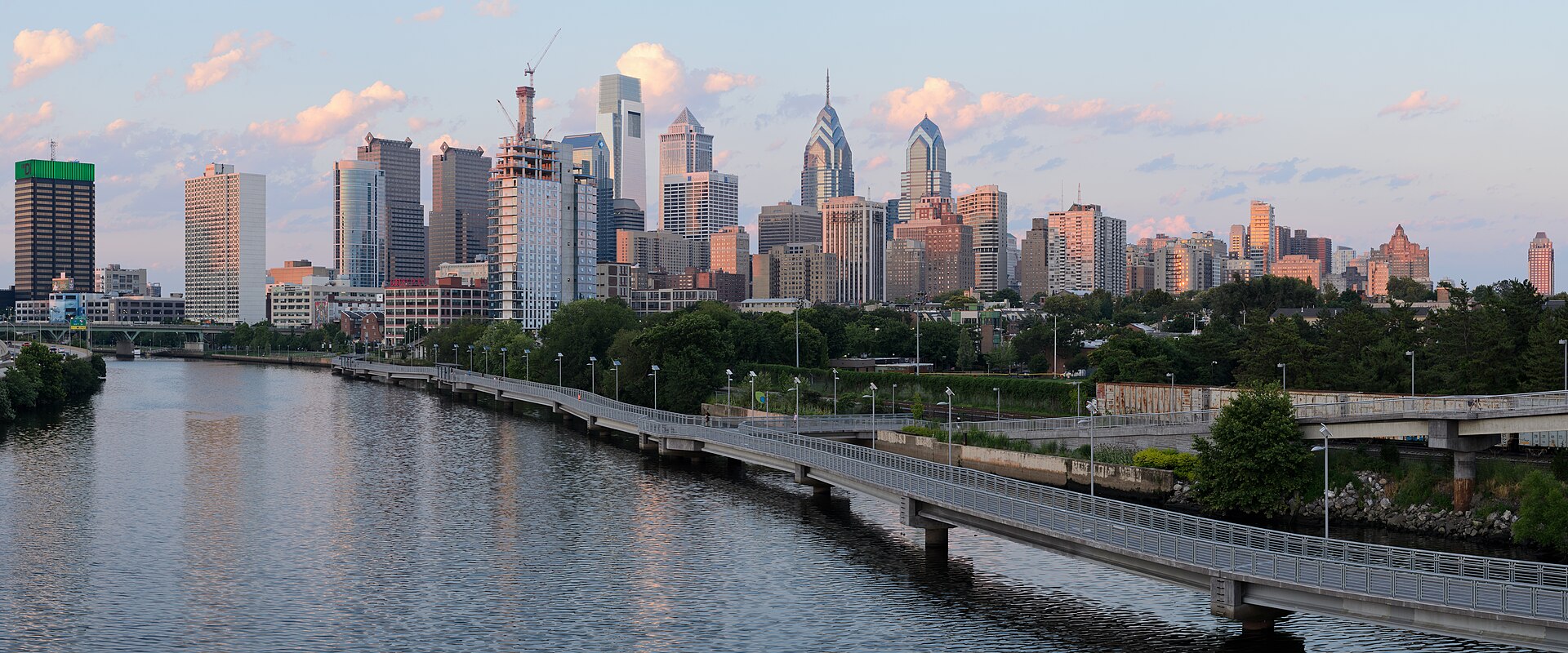
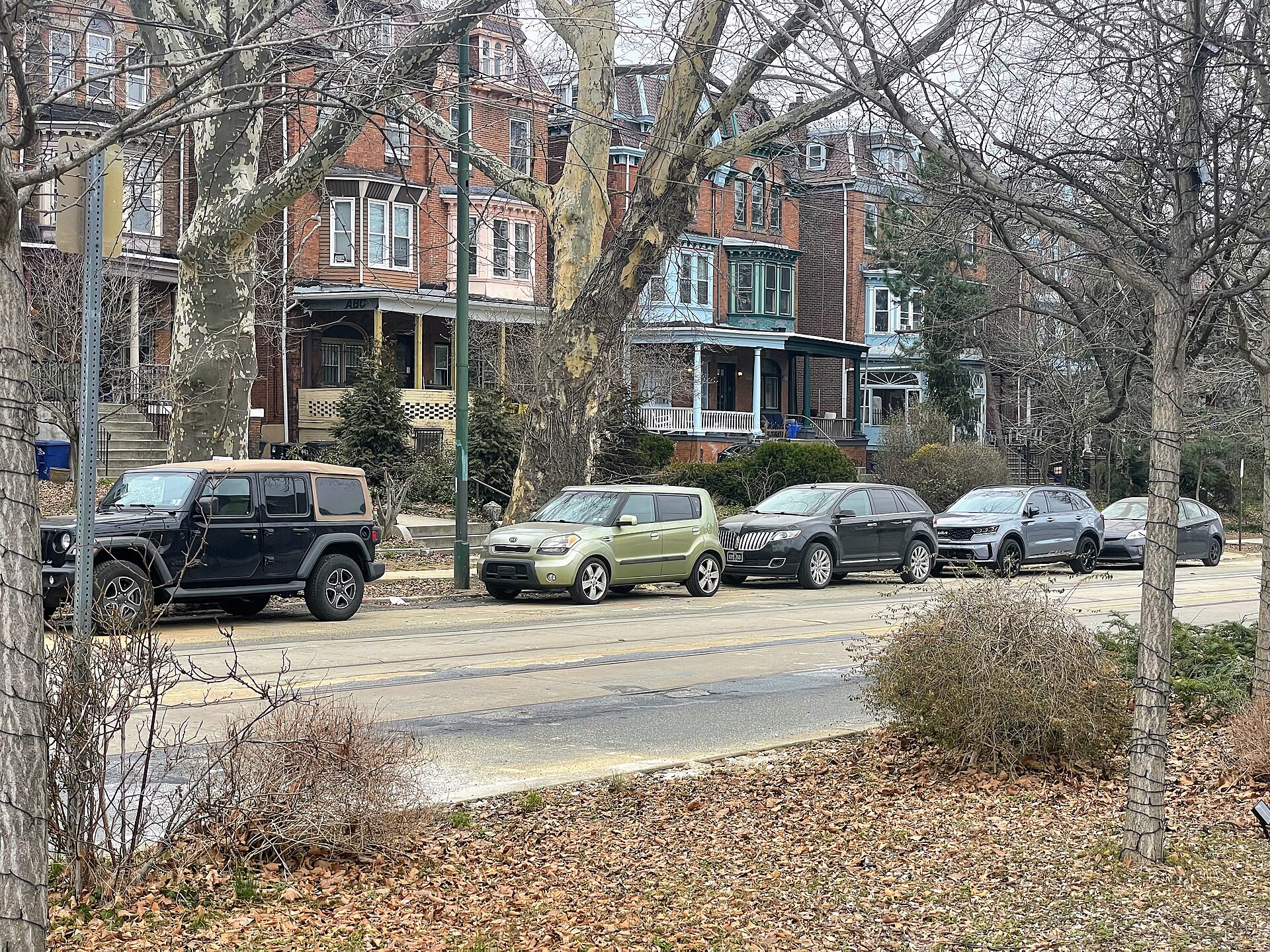
    Fairmount stretches north and west of Center City, bordered roughly by the Benjamin Franklin Parkway, the Schuylkill River, and the edge of Fairmount Park. That position is a big part of its appeal. Residents can walk to the museums along the Parkway, jog or cycle along Kelly Drive and the Schuylkill River Trail, and still reach Rittenhouse Square or the business district in minutes. The neighborhood offers a rare combination in a major city: a residential, tree-lined feel with true green space at the doorstep.

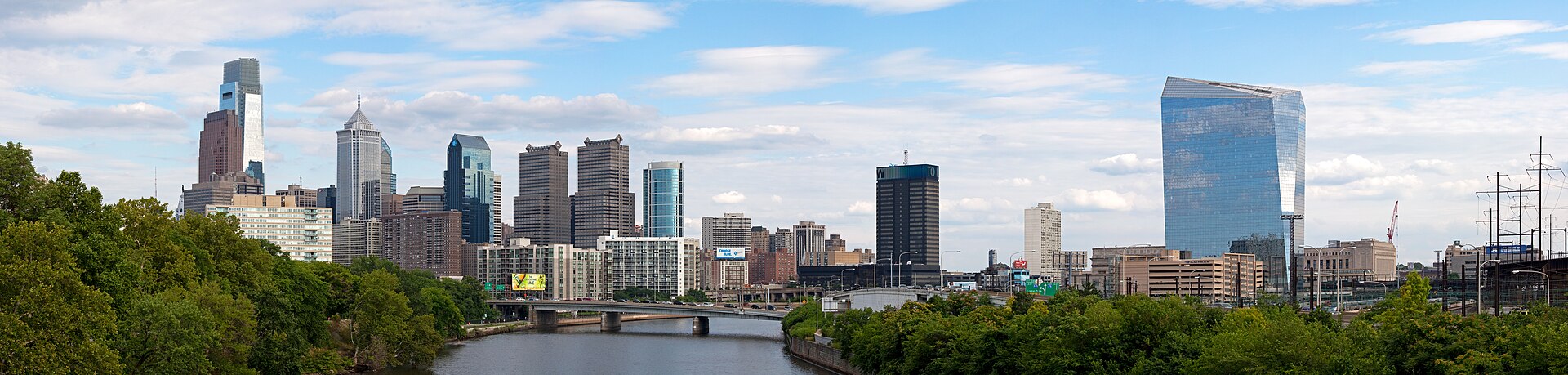
    The Art Museum Area, the sliver closest to the museum and the river, carries some of the neighborhood’s most sought-after addresses, including condominium residences with skyline and park views. Farther into Fairmount proper, buyers find classic brick and brownstone rowhomes, many of them beautifully renovated with modern interiors behind historic facades.

    The Housing Stock: Historic Character Meets Modern Renovation

    Luxury in Fairmount takes several forms, and understanding the differences helps buyers focus their search:

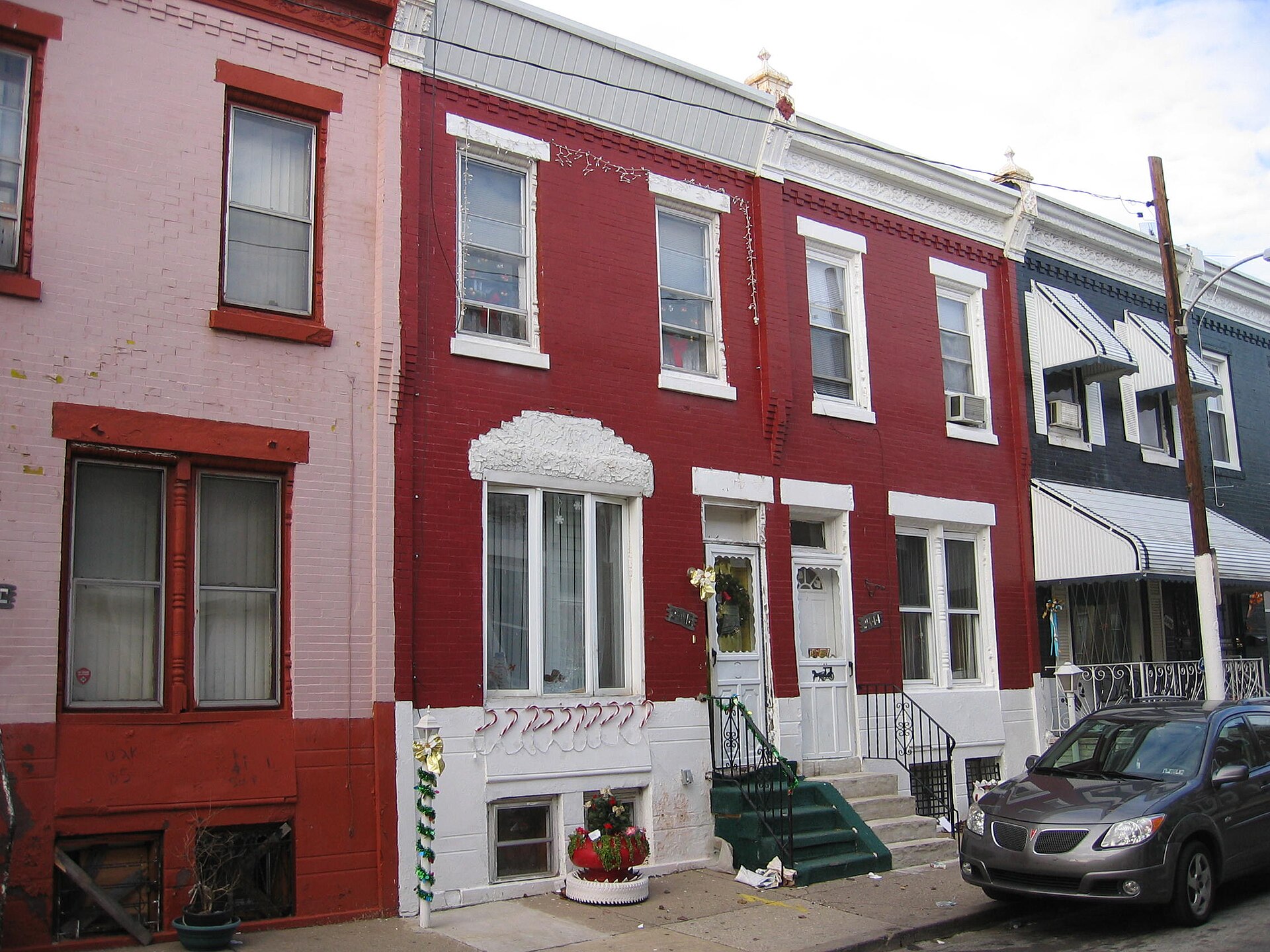
    • Renovated historic rowhomes. Nineteenth-century brick townhomes with high ceilings, original details, and reconfigured open-plan interiors. Many include roof decks that capture views of the Center City skyline or the museum.
    • New-construction townhomes. Infill projects have brought contemporary homes with garages, elevators, and energy-efficient systems into the neighborhood, appealing to buyers who want turnkey space.
    • Luxury condominiums. Buildings near the Parkway and the river offer doorman services, parking, and amenity packages, along with some of the best views in the city.

    Because inventory ranges so widely, working with an agent who knows which blocks and buildings hold their value is essential. Values vary meaningfully from one street to the next, and the neighborhood’s mix of eras means condition and renovation quality differ from home to home.

    Lifestyle: Culture, Parks, and Neighborhood Dining

    Few Philadelphia neighborhoods rival Fairmount for cultural access. The Philadelphia Museum of Art, the Barnes Foundation, the Rodin Museum, and the Franklin Institute are all within walking distance along the Parkway. Fairmount Park, one of the largest urban park systems in the country, provides trails, boathouses along Boathouse Row, and open space that is unusual for a central-city location.

    The neighborhood’s main commercial spine along Fairmount Avenue offers a relaxed, village-like collection of restaurants, cafes, gastropubs, and specialty shops. It is the kind of place where residents recognize their baristas and walk to dinner. This everyday walkability, combined with proximity to world-class institutions, is a defining reason buyers choose the area.

    Who Fairmount Suits

    Fairmount tends to attract buyers who want a genuine neighborhood feel without giving up city convenience. Professionals working in Center City appreciate the short commute. Families are drawn to the parks and the sense of community. Empty nesters and second-home buyers value the cultural amenities and the lower-key pace compared with the busiest parts of Center City. Buyers relocating from other cities often find that Fairmount delivers the walkable, amenity-rich lifestyle they are seeking at a comparatively attractive entry point among Center City’s premier districts.

    What to Consider Before You Buy

    As with any historic urban neighborhood, a few practical factors deserve attention. Parking varies from block to block; some homes include garages or deeded spaces while others rely on street permits, so confirm the parking situation for any property you consider. Renovation quality differs widely, and it pays to understand what is behind the walls of an older home. Finally, proximity to the Parkway and park events can affect traffic and noise on certain streets during major festivals and races. A knowledgeable local agent can help you weigh these trade-offs block by block.

    Frequently asked questions

    Is Fairmount considered part of Center City?

    Fairmount sits just north and west of Center City proper and is often grouped with it because of its walkability and quick access to the business district. Many residents treat it as a Center City neighborhood with more green space and a quieter residential character.

    What types of luxury homes are available in the Art Museum Area?

    Buyers will find renovated historic rowhomes, newer construction townhomes with garages and elevators, and luxury condominiums near the Parkway and river offering doorman service, parking, and skyline or park views. The right fit depends on how much space, maintenance, and amenity service you want.

    Why do buyers choose Fairmount over other Center City neighborhoods?

    The main draws are direct access to Fairmount Park and the Schuylkill River trails, walkable proximity to the city’s major museums, a friendly neighborhood dining scene, and a residential feel that many buyers find more relaxed than the busiest core of Center City.

    Thinking about buying or selling a luxury home in Fairmount or the Art Museum Area? James Kennedy specializes in luxury real estate across Philadelphia and South Jersey and can help you navigate the neighborhood block by block. Reach James directly at 215-267-8479 or jameskennedy@unlockedteam.com to start the conversation.

  • Buying a Pied-a-Terre in Center City Philadelphia: A Guide for Second-Home Buyers

    Buying a Pied-a-Terre in Center City Philadelphia: A Guide for Second-Home Buyers

    A growing number of affluent buyers in the Philadelphia region keep a small second home in the heart of the city, a pied-a-terre they use for nights at the theater, dinners downtown, work commitments, or simply to enjoy Center City without the drive home to the suburbs. Others come from out of state, drawn by Philadelphia’s culture, medical institutions, and relative value compared with New York or Washington. Buying a city foothold is a different exercise than buying a primary home, and this guide covers what matters most.

    Why buyers choose a Center City pied-a-terre

    The appeal is usually some mix of convenience and lifestyle. Empty nesters who have downsized in the suburbs want a place to stay after events rather than making a late-night drive. Professionals who split time between the city and elsewhere want a reliable base near their office or the region’s hospitals and universities. Grandparents want to be close to family in town on weekends. And some buyers simply love the energy of walkable urban living in measured doses, on top of a suburban or shore primary home.

    Whatever the motivation, the common thread is that a pied-a-terre is used part-time, which changes the calculus. Low maintenance, security, and the ability to lock the door and leave for weeks at a time become far more important than square footage or a big kitchen.

    Choosing the right neighborhood

    Center City is compact but varied, and the best location depends on how you will use the home. Rittenhouse Square is the traditional first choice for luxury buyers, offering the city’s most prestigious address, top restaurants, and full-service buildings. Fitler Square, just west, offers a quieter, more residential feel while staying close to the park and the river. Washington Square West and Society Hill blend historic charm with proximity to Old City culture and Jefferson’s medical campus. Logan Square and the area near the Parkway appeal to buyers who value museums and open space. If a specific commitment drives the purchase, such as a hospital, university, or office, proximity to that anchor may outweigh neighborhood prestige.

    Condo vs. co-op vs. boutique building

    Most pied-a-terre buyers land in a condominium, and the building itself deserves as much scrutiny as the unit. Consider:

    • Full-service amenities. A doorman, concierge, and on-site management add security and convenience that matter enormously for a part-time home. Package handling and someone to let in a contractor while you are away are practical benefits.
    • Condo fees and reserves. Higher-service buildings carry higher monthly fees. Review what the fee covers and, just as important, the building’s financial health and reserve funding for major repairs.
    • Lock-and-leave suitability. Buildings accustomed to part-time owners handle extended absences smoothly. Ask how the building manages units that sit empty for weeks.
    • Rules on rentals and use. If you might occasionally rent the unit, understand the building’s leasing restrictions before you buy. Many luxury buildings limit or prohibit short-term rentals.

    The financial picture

    A second home is financed differently than a primary residence, and buyers should understand how lenders view a part-time property, how a jumbo loan may come into play at higher price points, and what down payment expectations look like. Beyond financing, budget for the full carrying cost: condo fees, property taxes, insurance, and Philadelphia’s local taxes. Because a pied-a-terre is a discretionary purchase, it is worth being especially clear-eyed about total monthly cost rather than focusing on the purchase price alone. A knowledgeable agent and lender can help you map this out before you commit.

    Parking and city logistics

    For suburban buyers used to a driveway, parking is often the biggest adjustment. Deeded or leased garage parking is a premium feature in Center City and can meaningfully affect both convenience and resale. If you plan to keep a car in the city, prioritize buildings with on-site or nearby secured parking, and factor the cost into your budget. Some part-time owners forgo a dedicated space and rely on the walkability that made them want a city home in the first place.

    Making the most of part-time ownership

    Owners who enjoy their city home most tend to treat it as a genuine base rather than an occasional stopover. Keeping a stocked closet, a second set of essentials, and a reliable relationship with the building staff turns each visit into an effortless arrival rather than a packing exercise. A full-service building makes this especially easy, handling deliveries, guests, and maintenance so the home is always ready when you are. Thinking through these habits before you buy helps you choose a building and layout that truly support the lifestyle you are after.

    Frequently asked questions

    How much space do I really need for a pied-a-terre?

    Less than most buyers expect. Because the home is used part-time, many buyers are happy with a well-located one or two bedroom in a full-service building. Prioritize location, security, and low maintenance over raw square footage.

    Can I rent out my pied-a-terre when I am not using it?

    Sometimes, but many luxury buildings restrict or prohibit short-term rentals, and rules vary widely. If occasional rental income matters to you, confirm the building’s leasing policy before making an offer so you are not caught off guard.

    Is a condo or a townhome better for a city second home?

    For most part-time owners a full-service condo is the better fit because it handles security, maintenance, and extended absences with little effort from the owner. A townhome offers more space and autonomy but more upkeep. James can help you weigh the tradeoffs based on how you plan to use the home.

    A Center City pied-a-terre can be one of the most rewarding purchases a regional buyer makes, but choosing the right building and neighborhood is everything. If you are considering a second home in the heart of Philadelphia, reach out to James Kennedy to talk through your options. Call 215-267-8479 or email jameskennedy@unlockedteam.com.
  • Selling a Luxury Condo vs. a Townhome: What Sellers Should Know in Philadelphia & South Jersey

    Selling a Luxury Condo vs. a Townhome: What Sellers Should Know in Philadelphia & South Jersey

    Owners of high-end homes often assume that selling a luxury condominium works the same way as selling a townhome. In practice, the two property types attract different buyers, are shaped by different rules, and reward different preparation. Whether you own a full-floor residence in a Center City tower or a four-story brick townhome in Society Hill, understanding how your property type behaves in the market helps you price it correctly, market it to the right audience, and avoid surprises in the closing process. This guide walks through the key differences and what each means for you as a seller in Philadelphia and South Jersey.

    Who Buys Luxury Condos vs. Luxury Townhomes

    The buyer pools rarely overlap as much as sellers expect. Luxury condominiums tend to appeal to buyers who prioritize lock-and-leave convenience: professionals who travel, empty-nesters downsizing from a large suburban house, and second-home owners who want a Center City base without exterior maintenance. Amenities, security, views, and a doorman often matter more to this group than square footage.

    Townhome buyers, by contrast, are frequently looking for space, privacy, and a sense of ownership over the whole structure. Families, buyers who want a garage and outdoor space, and those who value historic character often gravitate toward townhomes. Recognizing which buyer you are trying to reach shapes every downstream decision, from staging to the language in your listing.

    The Role of the Condo Association

    The single biggest structural difference is the homeowners or condo association. When you sell a condo, you are effectively selling a share of a managed building, and buyers scrutinize the association carefully. Be prepared to provide clean, current documentation, because sophisticated buyers and their attorneys will ask for it.

    • Monthly fees and what they cover — buyers weigh the fee against the amenities and services it funds.
    • Reserve funds and special assessments — a well-funded reserve reassures buyers; a looming assessment can stall a deal.
    • Rules and restrictions — rental caps, pet policies, and renovation guidelines can narrow or widen your buyer pool.
    • Building financial health — lenders review association finances before approving a mortgage on the unit.

    Townhomes may still carry association obligations in planned communities, but a freestanding or fee-simple townhome typically gives the buyer full control of the building, which many high-end buyers value.

    Pricing Differences

    Condos and townhomes are valued using different comparable sales. A luxury condo is usually compared to other units in the same building or to nearby buildings of similar caliber, with adjustments for floor, view, and finishes. Because units within a building can be quite similar, pricing can be more formulaic, but a premium view or a rare floor plan can command a meaningful premium.

    Townhomes are more individual. Lot size, width, historic pedigree, outdoor space, parking, and the quality of renovation all move value, which makes accurate pricing more art than arithmetic. This is exactly where an experienced local agent earns their keep. Rather than relying on a single price-per-square-foot figure, the right pricing strategy weighs the specific features that this buyer pool rewards. For current, property-specific pricing guidance, reach out to James directly.

    Preparing and Staging Each Property Type

    Condos

    Emphasize the lifestyle: light, views, and the ease of building living. Keep interiors clean and current, since condo buyers often compare finishes directly against neighboring units. Highlight amenities in your marketing, and make sure common areas the buyer will pass through are pristine, because they shape first impressions before a buyer ever reaches your door.

    Townhomes

    Showcase space, flow, and character. For historic townhomes, original details such as millwork, fireplaces, and hardwood floors are selling points worth featuring. Outdoor space, whether a garden, roof deck, or patio, should be staged as a true living area. If the home has parking, make it prominent, because parking is a significant value driver in Philadelphia.

    Marketing Considerations

    Condos benefit from photography that captures views, natural light, and amenity spaces, along with clear information about the building itself. Townhomes benefit from photography and video that convey the sense of a whole home, room by room, plus floor plans that help buyers understand a multi-level layout. In both cases, professional media, targeted digital exposure, and a strong agent network are essential at the luxury level, where the right buyer may be relocating from another city or searching quietly.

    Closing and Timeline Differences

    Condo transactions can involve an extra layer: the buyer’s lender and attorney review association documents, which can add time and occasionally raise questions that need resolving before closing. Gathering association paperwork early prevents delays. Townhome closings are often more straightforward on the association side but may involve more scrutiny of the physical structure, inspections of the roof, systems, and any historic elements. Anticipating these steps keeps your sale on schedule.

    Frequently Asked Questions

    Do luxury condos or townhomes hold value better?

    Neither type is inherently a better investment; value retention depends on location, quality, and demand. A well-located condo in a well-run building and a well-maintained townhome in a desirable neighborhood can both hold value strongly. What matters most is the specific property and market, which is why a tailored analysis is worthwhile.

    Should I pay off or address a special assessment before selling my condo?

    It depends on the situation. A known, funded assessment is easier for buyers to accept than an uncertain future one. In some cases, resolving or clearly disclosing an assessment upfront removes a negotiating obstacle. Discuss the specifics with your agent and attorney before deciding.

    Is parking really that important for a Philadelphia townhome sale?

    Yes. In Center City and many walkable neighborhoods, dedicated parking is a scarce and highly valued amenity that can meaningfully affect both price and speed of sale. If your townhome includes parking, it should be a headline feature in your marketing.

    Thinking about selling a luxury condo or townhome in Philadelphia or South Jersey? James Kennedy specializes in high-end properties across the region and can give you a property-specific strategy for pricing, preparation, and marketing. Call James at 215-267-8479 or email jameskennedy@unlockedteam.com to start the conversation.

  • Rittenhouse Square vs. Fitler Square: Which Center City Enclave Fits You?

    Rittenhouse Square vs. Fitler Square: Which Center City Enclave Fits You?

    Two of Philadelphia’s most desirable luxury neighborhoods sit within a short walk of each other, sharing the same leafy parks, historic rowhomes, and access to the Schuylkill River. Yet Rittenhouse Square and Fitler Square attract different buyers for different reasons. If you are weighing one against the other, understanding their character, housing stock, and rhythm of daily life will help you choose with confidence.

    The Character of Each Neighborhood

    Rittenhouse Square is the grand dame of Center City. Anchored by one of the finest urban parks in the country, it is a place of energy and prestige, surrounded by luxury high-rises, historic mansions, upscale retail, and a celebrated restaurant scene. Living here means being at the center of the city’s social and cultural life.

    Fitler Square, just a few blocks west, is smaller, quieter, and more intimate. Its namesake park is a charming pocket of greenery rather than a bustling civic space. The streets feel residential and tucked away, favored by buyers who want the same access to the city’s best amenities but a calmer, more neighborhood-like atmosphere.

    Housing Stock and Architecture

    Both neighborhoods offer exceptional homes, but the mix differs.

    • Rittenhouse Square: A blend of luxury condominiums in doorman buildings, grand historic townhouses, and full-floor residences with skyline and park views. Buyers who want turnkey, amenity-rich condo living find the deepest selection here.
    • Fitler Square: Predominantly historic and renovated townhouses, with a smaller number of boutique condominium buildings. Buyers seeking a private single-family home with character often prefer this area.

    If a full-service building with a concierge and fitness center is on your list, Rittenhouse offers more options. If you want a restored trinity or townhouse with private outdoor space, Fitler Square is often the better hunting ground.

    Daily Life and Walkability

    Both neighborhoods score exceptionally well on walkability, and each puts dining, parks, and the riverfront within easy reach. The difference is one of tempo. Rittenhouse buzzes, with sidewalk cafes, shoppers, and constant activity around the square. Fitler Square is calmer, with a slower pace and a stronger sense of a residential enclave. The Schuylkill River Trail is especially accessible from Fitler Square, a plus for runners and cyclists.

    Who Each Neighborhood Suits

    Choosing between them often comes down to temperament and stage of life.

    • Choose Rittenhouse Square if you want to be at the heart of the action, prefer condo living with building amenities, entertain frequently, and value prestige and convenience above quiet.
    • Choose Fitler Square if you want a quieter, more residential feel, prefer a historic townhouse, value proximity to the river trail, and still want top-tier dining and walkability a few blocks away.

    Value Considerations

    Both neighborhoods are supply-constrained, which supports their long-term desirability. Rittenhouse Square carries some of the highest price points in the city thanks to its prestige and its inventory of luxury high-rises. Fitler Square commands strong pricing as well, particularly for well-renovated townhouses, and its scarcity of homes keeps demand steady. Rather than assuming one will outperform the other, focus on buying a quality home in the pocket that fits your life; both are among the most resilient submarkets in Philadelphia.

    The Best Way to Decide

    Spend an evening in each. Walk the blocks after dark, have dinner nearby, and notice how the neighborhood feels when it is not staged for a showing. Many buyers arrive certain they want Rittenhouse and fall for the calm of Fitler Square, or the reverse. Touring homes in both, ideally on the same visit, is the clearest way to know which one is right for you.

    Getting Around and Parking

    Parking is a practical consideration that can shape the decision more than buyers expect. In both neighborhoods, deeded or garage parking is a premium feature that is not guaranteed with every home, and it can meaningfully affect both price and daily convenience. Rittenhouse’s luxury buildings more often include garage parking as part of the package, while Fitler Square townhouses may or may not offer a private spot. If you own multiple vehicles or simply value the certainty of a dedicated space, make parking an explicit part of your search criteria from the start. Both neighborhoods are highly walkable and well served by transit, so many residents find they drive far less than they did in the suburbs, but that adjustment is easier when the parking question is settled up front.

    Frequently asked questions

    Is Rittenhouse Square more expensive than Fitler Square?

    Rittenhouse Square generally carries some of the highest price points in Center City, driven by its luxury high-rises and prestige. Fitler Square is also a premium market, especially for renovated townhouses. Pricing varies by property type and condition, so contact me for a current comparison of the two.

    Which is better for condo buyers?

    Rittenhouse Square offers a deeper selection of full-service condominium buildings with amenities like concierge service and fitness centers. Fitler Square has fewer condo options and is stronger for buyers seeking historic townhouses.

    Are both neighborhoods good for families?

    Both are family-friendly and walkable, with parks and green space. Fitler Square’s quieter, residential feel and its townhouse inventory appeal to many families, while Rittenhouse offers more amenity-rich living. The right fit depends on your housing preferences and lifestyle.

    Trying to decide between Rittenhouse and Fitler Square? I know both neighborhoods block by block and can help you find the home and the setting that fit you best. Reach out to James Kennedy at 215-267-8479 or jameskennedy@unlockedteam.com to start your search.

  • Dining and Culture Near Philadelphia’s Luxury Neighborhoods: A Lifestyle Guide

    Dining and Culture Near Philadelphia’s Luxury Neighborhoods: A Lifestyle Guide

    When affluent buyers describe their ideal home, they often start with the kitchen or the primary suite. But the neighborhood around the front door is what shapes daily life. In Philadelphia, some of the most sought-after luxury addresses owe their appeal as much to the restaurants, galleries, and cultural institutions within walking distance as to the homes themselves. This guide looks at how dining and culture define the city’s premier neighborhoods and why that matters when you buy.

    Rittenhouse Square: The Heart of Refined City Living

    Rittenhouse Square remains the benchmark for luxury urban living in Philadelphia, and its dining scene is a large part of the draw. The blocks radiating from the park hold some of the city’s most established fine-dining rooms, intimate wine bars, and chef-driven restaurants. Living here means being able to walk to dinner, to the Kimmel Center for a concert, or to the boutiques along Walnut Street without ever moving your car. For buyers who entertain and value being at the center of the action, few addresses compete.

    Fitler Square and the Schuylkill Corridor

    Just west of Rittenhouse, Fitler Square offers a quieter, more residential feel while keeping the same access to dining and the riverfront. The neighborhood’s tucked-away restaurants and cafes have a neighborhood-favorite quality, and the Schuylkill River Trail puts running, cycling, and waterfront strolls at your doorstep. Buyers who want culture and convenience without the bustle of the main square often gravitate here.

    Old City and Society Hill: History Meets the Arts

    For buyers drawn to Philadelphia’s founding character, Old City and Society Hill pair cobblestone streets with a vibrant gallery scene. First Friday gallery walks, historic theaters, and a growing roster of destination restaurants give these neighborhoods a cultural identity distinct from Center City’s core. The architecture, from Federal-era rowhomes to converted lofts, appeals to buyers who want their surroundings to carry a sense of place.

    Washington Square West and the Theater District

    Washington Square West blends residential calm with proximity to the Avenue of the Arts, the city’s spine of theaters, concert halls, and performance venues. Buyers here can catch a touring production or a symphony performance and be home in minutes. The neighborhood’s restaurant density, spanning casual to refined, makes it a favorite for those who want cultural life woven into everyday routine.

    Why Dining and Culture Affect Value

    Amenities are not just lifestyle perks; they influence long-term value. Neighborhoods with a deep, established dining and cultural scene tend to hold demand because they offer something that cannot be easily replicated or overbuilt. A great restaurant corridor, a beloved park, and walkable access to the arts create the kind of durable desirability that supports luxury pricing over time.

    • Walkability to amenities consistently ranks among the top priorities for affluent urban buyers.
    • Cultural anchors such as concert halls and museums stabilize demand in surrounding blocks.
    • Established dining districts signal a neighborhood’s maturity and staying power.

    Matching the Neighborhood to Your Life

    The best way to choose is to spend time in each neighborhood the way you would actually live in it. Have dinner, walk the blocks in the evening, and notice how the area feels. A home is a long-term commitment, and the surrounding culture is a daily experience. I encourage buyers to explore several neighborhoods before narrowing their search, because the right fit is often something you feel rather than something you can list on paper.

    Beyond Center City: Chestnut Hill and the Riverwards

    Philadelphia’s cultural appeal is not confined to the Center City core. Chestnut Hill offers a walkable Germantown Avenue lined with independent boutiques, restaurants, and galleries, all set against a backdrop of historic stone architecture and garden landscapes. It delivers a refined, village-like lifestyle for buyers who want charm and space together. To the east, the riverward neighborhoods of Fishtown and Northern Liberties have become dining and nightlife destinations in their own right, drawing acclaimed chefs and a creative energy that has reshaped the luxury market along the Delaware. For buyers who want culture with a more contemporary, evolving character, these neighborhoods are worth exploring alongside the traditional Center City enclaves.

    Frequently asked questions

    Which Philadelphia neighborhood has the best dining for luxury buyers?

    Rittenhouse Square is widely regarded as the city’s premier dining destination, with the deepest concentration of fine-dining and chef-driven restaurants. Fitler Square, Washington Square West, and Old City each offer strong, distinctive scenes as well. The best choice depends on whether you want to be at the center of the activity or a few quiet blocks away from it.

    Does proximity to restaurants and culture really affect home value?

    Yes. Walkable access to established dining and cultural amenities is a consistent driver of demand in urban luxury markets, and neighborhoods with these anchors tend to hold value well because their appeal is difficult to replicate. Contact me for a look at how specific neighborhoods have performed recently.

    Can I get this lifestyle in the suburbs?

    Some walkable suburban towns, such as Haddonfield, Collingswood, and Chestnut Hill, offer charming dining and cultural centers on a smaller scale. They can be a great fit for buyers who want more space while keeping a walkable town center within reach.

    Want to find a luxury home in the neighborhood that fits how you live? I know Philadelphia’s premier neighborhoods intimately and can help you match the right home to the right cultural and dining scene. Reach out to James Kennedy at 215-267-8479 or jameskennedy@unlockedteam.com to start the conversation.

  • Radnor, Pennsylvania: A Main Line Town Guide for Luxury Home Buyers

    Radnor, Pennsylvania: A Main Line Town Guide for Luxury Home Buyers

    Radnor Township sits at the heart of Philadelphia’s Main Line, a stretch of historic suburbs strung along the old Pennsylvania Railroad line running northwest from the city. For buyers drawn to old-money character, mature landscapes, and one of the region’s most respected public school systems, Radnor consistently ranks among the most sought-after addresses in the Philadelphia suburbs. This guide walks through what makes the township distinct and what luxury buyers should weigh before making an offer.

    Where Radnor Sits on the Main Line

    Radnor Township spans several well-known communities, including Wayne, Villanova, Radnor, St. Davids, Rosemont, and Bryn Mawr’s western edge. It occupies a middle position on the Main Line, roughly 12 to 15 miles from Center City, which gives residents a genuine suburban feel while keeping the city within a reasonable commute. The township blends college-town energy from Villanova University with the quiet, estate-lined roads that define the area’s reputation.

    Each village carries its own personality. Wayne offers a walkable downtown with restaurants, boutiques, and a train station. St. Davids and Radnor lean residential and leafy. Villanova is known for larger lots and gated estates. Buyers often find that choosing among Radnor’s villages is really a choice about how much walkability, land, and privacy they want.

    Architecture and Housing Stock

    Radnor’s housing stock is one of its biggest draws. The township is rich in early-twentieth-century architecture built during the Main Line’s country-estate era, including:

    • Stone Colonials and Georgian Revivals with slate roofs, formal proportions, and mature plantings.
    • Tudor and English manor homes featuring leaded glass, steep gables, and hand-laid stonework.
    • Gentleman’s estates on multi-acre parcels, some with carriage houses, pool houses, and original outbuildings.
    • Selective new construction and tasteful renovations that pair modern systems with traditional exteriors.

    Because so many homes date back decades, buyers should pay close attention to systems, roofs, and any additions when evaluating value. A beautifully preserved period home and a comparable house that needs mechanical updates can carry very different true costs of ownership.

    Schools and Their Effect on Value

    The Radnor Township School District is a major reason families pay a premium to live here. Strong public schools tend to support home values over time and broaden the pool of future buyers, which matters even for those without school-age children. Several respected independent schools also operate in and around the township. When schools are a priority, confirm current boundaries and program details directly, since they can change and can influence which streets command the strongest demand.

    Commuting and Getting Around

    Radnor is served by SEPTA’s Paoli/Thorndale Regional Rail line, with stations at Wayne, St. Davids, Radnor, and Villanova offering a direct ride into Center City’s 30th Street, Suburban, and Jefferson stations. The Norristown High Speed Line also stops at Radnor. For drivers, the township has quick access to Route 30 (Lancaster Avenue), I-476 (the Blue Route), and the Pennsylvania Turnpike, making the airport and both New Jersey and the western suburbs reachable. Proximity to a train station is often reflected in pricing, so weigh how much you value a walkable commute against the larger lots found farther from the rail line.

    Lifestyle and Amenities

    Everyday life in Radnor balances refined and relaxed. Downtown Wayne anchors the dining and shopping scene, while the King of Prussia area and Suburban Square in nearby Ardmore expand the options. The township maintains parks and trails, and the region’s golf and country clubs are a meaningful part of the social fabric for many residents. Cultural institutions, the Main Line’s restaurant corridor, and an easy drive into the city round out a lifestyle that appeals to buyers who want space without isolation.

    What Luxury Buyers Should Consider

    A few factors deserve extra attention in a market like Radnor:

    • Lot and setting. Land, privacy, and mature trees are a large part of value here and are difficult to replicate. Two similar houses can differ substantially in price based on lot quality alone.
    • Condition versus character. Decide early whether you want a turnkey home or a period property to renovate, and budget accordingly.
    • Taxes and carrying costs. Estate homes carry meaningful property taxes and upkeep. Factor total cost of ownership into your comfortable price range.
    • Resale breadth. Homes near stations, in strong school areas, and with flexible floor plans tend to attract the widest future demand.

    Because inventory at the top of the Radnor market can be limited, serious buyers benefit from being financially prepared and working with an agent who tracks quiet, off-market opportunities as well as active listings.

    Frequently asked questions

    What makes Radnor different from other Main Line towns?

    Radnor combines a central Main Line location, a highly regarded school district, and an unusually deep supply of historic estate homes, along with a walkable downtown in Wayne and multiple train stations. That mix of character, convenience, and schools is what sets it apart for luxury buyers.

    Is Radnor a good choice if I commute to Center City?

    Yes. Multiple SEPTA Regional Rail stations offer direct service into Center City, and the Blue Route and Turnpike provide fast highway access. Homes closer to the stations tend to be more walkable and are often priced accordingly.

    What should I budget beyond the purchase price?

    Plan for property taxes, insurance, and ongoing maintenance, which can be significant on older estate homes with large lots. Current figures vary by property and change over time, so reach out for up-to-date numbers on any home you are considering.

    Thinking about buying in Radnor or elsewhere on the Main Line? James Kennedy specializes in luxury real estate across Philadelphia and South Jersey and can help you evaluate homes, understand true costs, and access opportunities before they hit the open market. Call James at 215-267-8479 or email jameskennedy@unlockedteam.com to start a conversation.

  • Commuting from the Suburbs to Center City: A Guide for Philadelphia’s Luxury Buyers

    Commuting from the Suburbs to Center City: A Guide for Philadelphia’s Luxury Buyers

    For many affluent buyers, the decision to live in the suburbs comes down to one practical question: how will the commute into Center City actually feel day to day? A larger home, a great school district, and mature grounds are compelling, but they lose their shine if getting to work becomes a grind. The good news is that the Philadelphia region offers unusually good commuting options for suburban buyers, and understanding them can shape not just whether you move to the suburbs but exactly where. This guide walks through what luxury buyers should know before choosing a suburban address.

    The rail advantage of the Main Line

    Philadelphia’s western suburbs owe their name and much of their enduring value to the railroad. The historic Main Line communities, from Ardmore and Haverford to Bryn Mawr, Wayne, and beyond, are strung along SEPTA’s Paoli/Thorndale regional rail line, which runs directly into Center City’s Suburban Station and 30th Street Station. For buyers who want to avoid driving and parking downtown, a home within walking distance of a train station is a genuine lifestyle upgrade, and it tends to hold value well.

    When you evaluate a Main Line home, consider:

    • How close is the nearest station, and can you walk to it or will you need to drive and park?
    • How frequent is service during your typical travel times?
    • Which station gives the most convenient ride to your specific destination in the city?

    Commuting from South Jersey

    South Jersey buyers have their own well-established path into the city. The PATCO Speedline connects towns near Haddonfield, Collingswood, and Cherry Hill to stops in Center City, offering a fast, frequent rail option that many commuters prefer to driving. For those who do drive, the bridges connecting South Jersey to Philadelphia provide direct access, though rush-hour timing and tolls are worth factoring in.

    This is one reason towns like Haddonfield and Collingswood are so attractive to professionals who work in the city but want more space and a strong sense of community at home. A short walk to a PATCO station can meaningfully change the daily experience.

    Driving, parking, and the hybrid reality

    Even in a rail-rich region, some buyers will drive at least part of the time. If that is you, think realistically about:

    • Typical drive times at the hours you actually travel, not just off-peak estimates.
    • The cost and availability of parking in Center City, which is significant and worth budgeting for.
    • Whether a hybrid schedule changes the calculus, since commuting two or three days a week feels very different from five.

    Many high-end buyers now split time between home and office, which makes a longer but more pleasant commute more tolerable and widens the range of towns worth considering.

    How commute shapes where you buy

    Commute considerations often narrow a search in useful ways. A buyer who commutes daily by train may prioritize walkability to a specific station, while a buyer who drives occasionally may happily trade proximity for a larger lot farther out. There is no single right answer, but being honest about your travel patterns helps focus the search and prevents buyer’s remorse.

    Questions to ask yourself

    • How many days per week will I actually travel into the city?
    • Do I strongly prefer rail, or am I comfortable driving?
    • How much is my time worth, and how much commute am I willing to trade for space and setting?

    Do not forget weekends and off-peak trips

    Commuting analysis tends to focus on the weekday rush, but affluent buyers also value easy access to the city on evenings and weekends for dining, theater, sporting events, and time with friends. A home that is a quick, low-stress trip into Center City on a Saturday night is worth a great deal in lived experience, not just on a Tuesday morning. When you tour a suburban town, picture the trips you will take for pleasure as well as for work, since those often shape how much you enjoy where you live.

    Lifestyle beyond the commute

    It is worth remembering that the commute is only part of the picture. The Main Line and South Jersey suburbs offer their own dining, culture, parks, and social life, so many residents find they spend less time in the city than they expected once they settle in. A great suburban town gives you the option of the city without the obligation of it, and the best commute is sometimes the one you take less often than you thought.

    Frequently asked questions

    Which suburbs have the best rail access to Center City?

    The Main Line communities along SEPTA’s Paoli/Thorndale line, such as Ardmore, Haverford, Bryn Mawr, and Wayne, offer direct regional rail into Center City, while South Jersey towns near the PATCO Speedline, like Haddonfield and Collingswood, offer fast, frequent service across the river.

    Is it better to commute by train or drive into Philadelphia?

    It depends on your priorities. Rail avoids downtown traffic and parking costs and lets you use travel time productively, while driving offers flexibility. Many buyers who commute regularly prioritize living near a station, and those with hybrid schedules have more flexibility to consider driving.

    How should my commute affect which home I buy?

    Be honest about how often you will travel and whether you prefer rail or driving. Daily rail commuters often prioritize walkability to a station, while occasional commuters may trade proximity for more space. Matching the home to your real travel patterns helps avoid regret.

    Weighing suburban towns and their commutes into Center City? James Kennedy helps luxury buyers across the Main Line, South Jersey, and Philadelphia find homes that fit both their lifestyle and their daily reality. Reach James at 215-267-8479 or jameskennedy@unlockedteam.com to talk through your options.

  • Waterfront Living in Philadelphia: A Luxury Buyer’s Guide to Riverside Homes and Condos

    Waterfront Living in Philadelphia: A Luxury Buyer’s Guide to Riverside Homes and Condos

    Water has a way of transforming a home. Open views, morning light off the river, and the calm of an unobstructed horizon are hard to replicate anywhere else in a city. Philadelphia’s two rivers, the Delaware and the Schuylkill, along with their surrounding trails and parks, have made waterfront and water-adjacent living increasingly appealing to luxury buyers. This guide explains where to look, what the lifestyle offers, and the practical considerations that come with buying near the water.

    Philadelphia’s waterfront, river by river

    The city’s two rivers create very different waterfront experiences, and understanding the distinction helps you focus your search.

    The Delaware River waterfront

    The Delaware is Philadelphia’s larger, more expansive waterfront, running along the eastern edge of the city. This is where you will find high-rise condominium living with sweeping water views, as well as newer riverside developments. The area has seen sustained investment in parks, piers, and public spaces, adding trails, seasonal attractions, and gathering spots along the water. For buyers who want dramatic views and a lock-and-leave lifestyle, Delaware River condos are a natural focus.

    The Schuylkill River corridor

    The Schuylkill runs along the western side of Center City and is defined by the Schuylkill River Trail, one of the region’s most popular routes for running, walking, and cycling. Homes and condos near the Schuylkill, including those in and around neighborhoods like Fitler Square and University City’s edges, offer proximity to green space and the river without necessarily sitting directly on the water. This corridor suits buyers who prioritize an active, outdoor-oriented lifestyle steps from downtown.

    The waterfront lifestyle

    Living near the water in Philadelphia is as much about how you spend your time as about the view. Residents enjoy:

    • Trails and recreation: Miles of riverfront paths for running, cycling, and walking, plus rowing and boating culture along both rivers.
    • Parks and public spaces: Revitalized piers, green corridors, and seasonal programming that turn the water’s edge into a destination.
    • Dining and gathering: Restaurants and venues that take advantage of river views and warm-weather outdoor space.
    • A sense of openness: Even in a dense city, waterfront homes deliver light, air, and long sightlines that interior locations cannot match.

    Types of waterfront and water-adjacent homes

    Luxury options near Philadelphia’s rivers generally fall into a few categories:

    • High-rise condominiums: Full-amenity buildings with concierge service, fitness centers, parking, and expansive views. These appeal to buyers wanting security, convenience, and minimal maintenance.
    • Boutique and mid-rise residences: Smaller buildings offering a more intimate feel while retaining proximity to the water.
    • Townhomes and single-family homes: In select riverside pockets, buyers can find larger homes near the water with private outdoor space.

    Your choice will hinge on how much you value amenities and view versus space and privacy, and whether a condominium lifestyle or a single-family home better fits your needs.

    Practical considerations for buying on the water

    Waterfront and water-adjacent properties come with specific factors that deserve careful attention:

    • Views and orientation: Confirm which views are protected and which could be affected by future development. In condos, floor and exposure make a significant difference.
    • Building financials and management: For condominiums, review the association’s reserves, fees, and management quality. A well-run building protects both your lifestyle and your investment.
    • Flood and insurance considerations: Proximity to water can affect insurance and require additional due diligence. Understand a property’s specific situation before committing.
    • Amenities and fees: Full-service buildings carry higher monthly costs; weigh those against the convenience they provide.
    • Resale and demand: View, location, and building reputation all drive long-term value in the waterfront segment.

    Because waterfront value is so specific to the individual property, building, and view, working with an agent who can evaluate these details is especially important here.

    Choosing the right waterfront home for your life

    The most satisfied waterfront buyers are those who match the property to how they actually live. A frequent traveler or second-home owner may prize the security and lock-and-leave convenience of a full-service high-rise, where staff and amenities handle the details. A buyer focused on daily outdoor activity may prefer a residence steps from the Schuylkill River Trail, where running, cycling, and rowing are part of the routine. A family wanting space might look to townhomes or single-family homes in riverside pockets rather than a condo.

    Because the waterfront segment spans such different products, it helps to rank your priorities early: view, amenities, space, privacy, and maintenance. Clarity on what matters most will make it far easier to compare a river-view condo against a nearby townhome and understand which represents the better fit and the better long-term value for you.

    Frequently asked questions

    Is waterfront living in Philadelphia mostly condos, or are there houses too?

    Both exist. The Delaware River waterfront is known for high-rise condominium living with dramatic views, while select riverside pockets and the Schuylkill corridor also offer townhomes and single-family homes near the water. Your priorities around space, amenities, and maintenance will guide the choice.

    What should I check before buying a waterfront condo?

    Beyond the unit itself, review the condominium association’s financial health, reserves, monthly fees, and management. Confirm which views are protected, understand insurance considerations, and evaluate the building’s amenities relative to their cost.

    How do the Delaware and Schuylkill waterfronts differ for buyers?

    The Delaware offers expansive water views and high-rise condo living on the city’s eastern edge, with ongoing investment in piers and parks. The Schuylkill corridor emphasizes trail access and an active, outdoor lifestyle close to Center City, often near rather than directly on the water.

    If you are drawn to life on the water and want to understand which buildings, neighborhoods, and homes best fit your goals, reach out for current, property-specific advice. Contact James Kennedy at 215-267-8479 or jameskennedy@unlockedteam.com to explore Philadelphia’s waterfront luxury market.

  • Wynnewood, Pennsylvania: A Main Line Town Guide for Luxury Home Buyers

    Wynnewood, Pennsylvania: A Main Line Town Guide for Luxury Home Buyers

    Wynnewood is one of the Main Line’s most convenient and well-rounded communities. Part of Lower Merion Township, it sits just west of the Philadelphia city line and offers luxury buyers a rare combination: gracious homes on established streets, a short commute to Center City, and everyday amenities close at hand. For buyers who want Main Line living without sacrificing convenience, Wynnewood deserves a serious look. This guide covers the neighborhood’s character, housing, and the factors that matter most at the high end.

    Where Wynnewood fits on the Main Line

    The Main Line refers to the string of affluent suburbs that grew along the historic Pennsylvania Railroad route heading west from Philadelphia. Wynnewood is one of the closest of these communities to the city, which is a major part of its appeal. Buyers get the leafy streets, strong schools, and stately homes associated with the Main Line, along with an exceptionally short trip into Center City by train or car.

    Because it borders neighboring Ardmore and Narberth and sits within highly regarded Lower Merion Township, Wynnewood benefits from a broader ecosystem of shopping, dining, and services that residents can reach in minutes.

    Housing stock and architecture

    Wynnewood’s housing is notably varied, which is one reason it attracts such a wide range of luxury buyers. You will find:

    • Stone and brick Colonials: Classic Main Line homes with formal layouts, hardwood floors, and mature landscaping.
    • Tudor and English-style residences: Homes with slate roofs, leaded glass, and rich period detail.
    • Mid-century and modern properties: Pockets of the community offer distinctive twentieth-century architecture on generous lots.
    • Estate homes: Larger properties, some on more than an acre, sit on the community’s most prestigious streets.

    At the top of the market, buyers gravitate toward homes that pair architectural integrity with modern updates: renovated kitchens, updated systems, primary suites, and outdoor living spaces. The variety of housing means it is worth defining your priorities early, whether that is lot size, architectural style, walkability, or turnkey condition.

    Schools and long-term value

    Wynnewood is part of the Lower Merion School District, one of the most highly regarded public districts in Pennsylvania. For many luxury buyers with school-age children, the district is a primary reason to focus their search here, and it is a consistent driver of long-term demand. Even buyers without children often factor district reputation into their decision because it supports resale value over time. Several respected independent schools are also within easy reach.

    Commuting and getting around

    Wynnewood’s location is a defining advantage. The Wynnewood station on SEPTA’s Regional Rail line offers a quick, comfortable ride into Center City, making it realistic to live on the Main Line and work downtown without a stressful commute. By car, the community connects readily to City Avenue, I-76, and routes toward the airport and the western suburbs. This blend of rail and road access is a meaningful convenience for professionals and families alike.

    Everyday life and amenities

    Wynnewood offers practical, upscale convenience. Residents have easy access to grocery stores, shopping, dining, and medical facilities, including a major hospital campus. The nearby communities of Ardmore and Narberth add walkable downtowns with restaurants, cafes, and boutiques. Parks and green space provide room to recharge. The overall feel is settled and comfortable rather than flashy, which is exactly what many buyers at this level are seeking.

    What luxury buyers should keep in mind

    When evaluating a high-end Wynnewood home, focus on:

    • Location within the community: Proximity to the train station, walkability, and street character all influence value.
    • Condition of older homes: Many properties are historic; verify the age and quality of updates to roofing, systems, and windows.
    • Lot and privacy: Lot sizes vary widely, so match the property to your lifestyle.
    • Renovation potential: Some of the best value comes from homes with strong bones that can be tailored to modern tastes.

    Because desirable Main Line homes can move quickly, especially those in top locations, having a knowledgeable local agent helps you assess opportunities accurately and act with confidence.

    Comparing Wynnewood with nearby communities

    Buyers exploring the Main Line often tour several towns before deciding, and Wynnewood tends to hold its own in those comparisons. Against communities farther west, its closer position to Center City is a clear advantage for commuters. Against city neighborhoods, it offers larger lots, quieter streets, and the strength of the Lower Merion School District. Neighboring Narberth and Ardmore add walkable downtowns just minutes away, so Wynnewood residents effectively enjoy the amenities of several communities at once.

    The practical takeaway is that Wynnewood rewards buyers who want a well-rounded lifestyle rather than a single standout feature. If your priorities include commute, schools, convenience, and classic architecture together, it is a community that consistently checks multiple boxes, which also supports steady long-term demand for its best homes.

    Frequently asked questions

    What makes Wynnewood different from other Main Line towns?

    Its proximity to Philadelphia is a standout. Wynnewood offers classic Main Line character and access to the Lower Merion School District while sitting closer to Center City than many neighboring towns, which makes commuting notably easier.

    Is Wynnewood a good choice for buyers who commute downtown?

    Yes. The Wynnewood Regional Rail station provides a short, direct ride into Center City, and road access is strong as well. It is a practical option for professionals who want suburban living with a manageable commute.

    What should I prioritize when buying a luxury home in Wynnewood?

    Define whether lot size, architectural style, walkability, school proximity, or turnkey condition matters most to you. Given the variety of housing, clarity on priorities helps you compare homes effectively and recognize the right property when it appears.

    If Wynnewood is on your list, or you want to compare it with other Main Line communities, reach out for tailored, up-to-date guidance on the current market and specific homes. Contact James Kennedy at 215-267-8479 or jameskennedy@unlockedteam.com to start the conversation.

  • Living in Mount Airy: A Luxury Buyer’s Guide to Philadelphia’s Historic Garden Neighborhood

    Living in Mount Airy: A Luxury Buyer’s Guide to Philadelphia’s Historic Garden Neighborhood

    Tucked into Northwest Philadelphia between Germantown and Chestnut Hill, Mount Airy is one of the city’s most distinctive neighborhoods for buyers who want space, greenery, and architectural character without leaving the city limits. Known for its stone Victorians, tree-canopied streets, and a long-standing reputation for community and inclusiveness, Mount Airy appeals to affluent buyers who value substance over flash. This guide walks through what makes the neighborhood special and what to weigh before you buy.

    The character of Mount Airy

    Mount Airy is often described in two halves. West Mount Airy, closer to the Wissahickon Valley, is celebrated for its stately homes on generous lots, its walkable pockets, and its history as one of the first intentionally integrated neighborhoods in the country. East Mount Airy offers handsome housing stock at a range of price points and a strong residential feel. Across both, the through-line is a sense of rootedness. Many families stay for decades, and that stability shows up in well-maintained homes and active neighborhood organizations.

    The neighborhood’s identity is closely tied to its landscape. The Wissahickon Valley Park, with more than 50 miles of trails, forms a natural western edge and gives residents rare access to woodland, creek, and gorge scenery minutes from their front doors. For buyers accustomed to suburban green space but reluctant to give up city life, Mount Airy is a natural fit.

    Architecture and housing stock

    Mount Airy is a paradise for lovers of historic architecture. The signature look is the Wissahickon schist stone home, a locally quarried material that gives the neighborhood its warm, silvery gray palette. You will find:

    • Grand Victorians and Twins: Large three-story homes, many with wraparound porches, original woodwork, and deep lots.
    • Stone Colonials and Tudors: Early twentieth-century homes with slate roofs, leaded glass, and formal room layouts.
    • Detached single-family estates: In West Mount Airy especially, some properties sit on half-acre-plus parcels with mature gardens.
    • Renovated carriage houses and converted properties: For buyers wanting character with updated systems.

    At the higher end of the market, the most sought-after homes combine period detail with thoughtful modern updates: chef’s kitchens, restored millwork, and energy-efficient mechanical systems added without erasing the home’s history.

    Lifestyle, dining, and culture

    Mount Airy’s commercial spine along Germantown Avenue offers an appealing mix of independent restaurants, coffee shops, a beloved food co-op, bookstores, and performance venues. The neighborhood has a genuine arts scene and hosts community events throughout the year. It is the kind of place where you can walk to dinner, know the shop owners by name, and still be a short drive from the more concentrated dining of Chestnut Hill.

    Outdoor life is central. Beyond the Wissahickon, residents enjoy neighborhood parks, community gardens, and easy weekend access to trails for hiking, running, and cycling. For families and empty nesters alike, the combination of nature and neighborhood is a defining draw.

    Getting around and commuting

    Mount Airy is well served by two SEPTA Regional Rail lines, making the commute to Center City straightforward without a car. Several stations sit within the neighborhood, and the ride downtown is comfortable for professionals who want a leafy home base with a reliable link to the business district. By car, the neighborhood connects easily to Chestnut Hill, Germantown, and routes toward the suburbs. For buyers weighing city versus suburb, Mount Airy often lands as a satisfying middle ground.

    What luxury buyers should consider

    Historic homes reward careful due diligence. When evaluating a high-end Mount Airy property, pay attention to:

    • Systems and infrastructure: Confirm the age and condition of the roof, heating, electrical, and plumbing. Stone homes are built to last, but mechanicals need updating over time.
    • Renovation quality: Distinguish cosmetic updates from true structural and systems investment.
    • Lot and grounds: Larger parcels bring privacy and gardens but also maintenance considerations.
    • Long-term value drivers: Proximity to the Wissahickon, walkability to Germantown Avenue, and architectural pedigree all support enduring value.

    Because Mount Airy’s inventory of large, distinctive homes is finite, well-positioned properties can attract strong interest. Working with an agent who understands the neighborhood’s micro-markets helps you move decisively when the right home appears.

    A closer look at everyday value

    Part of what sustains Mount Airy’s appeal at the high end is that the neighborhood delivers on the details that make daily life pleasant year after year. Weekend mornings might begin with a walk into the Wissahickon, followed by coffee and errands along Germantown Avenue, and end with dinner at a neighborhood restaurant, all without needing to drive far. That rhythm of walkable convenience layered over genuine natural beauty is difficult to find elsewhere in the city, and it is a meaningful reason homes here hold their appeal across market cycles.

    Buyers also value the neighborhood’s mix of privacy and connection. Larger lots and set-back stone homes provide seclusion, while a strong culture of civic groups, gardens, and events keeps residents connected. For families, professionals, and downsizers alike, that balance is a lasting draw that supports demand for well-maintained, distinctive homes.

    Frequently asked questions

    What kind of buyer is Mount Airy best suited for?

    Buyers who want architectural character, mature trees, and access to nature while remaining within Philadelphia. It particularly suits those drawn to historic stone homes, larger lots, and a strong community feel rather than high-rise city living.

    How does Mount Airy compare to neighboring Chestnut Hill?

    Both offer stone homes and green space, but Chestnut Hill tends to feel more polished and boutique-oriented, while Mount Airy is often seen as more eclectic, community-driven, and varied in price. Many buyers tour both before deciding which atmosphere fits them best.

    Is Mount Airy a good place for a car-light lifestyle?

    Yes for many residents. Two Regional Rail lines make commuting to Center City easy, and the Germantown Avenue corridor is walkable. That said, a car remains useful for errands and reaching the wider suburbs.

    If you are considering a move to Mount Airy or want to understand where the luxury segment of this neighborhood is heading, reach out for current, address-specific guidance. Contact James Kennedy at 215-267-8479 or jameskennedy@unlockedteam.com to discuss your search and see how his knowledge of Philadelphia and South Jersey can work for you.