
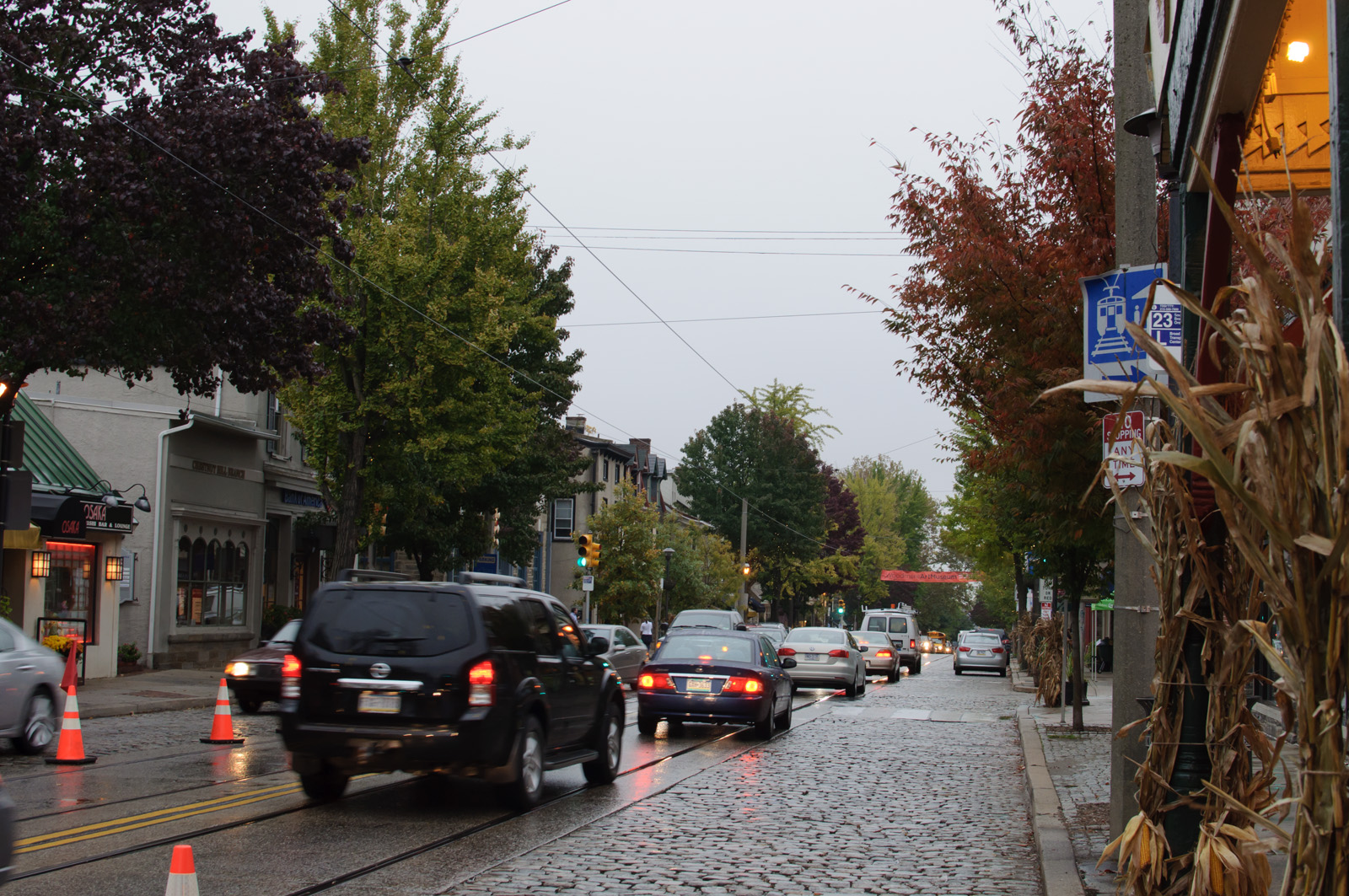
Some of the most useful square footage on a luxury property is not inside the main house. A restored carriage house in Chestnut Hill, a guest cottage behind a Moorestown colonial, a finished space above a detached garage on the Main Line, a converted pool house in Medford. Buyers love these spaces, sellers price them optimistically, and almost nobody checks the one thing that determines what the space is actually worth: whether it is legal, and what it is legally permitted to be used for. This guide covers what accessory structures add, what they cost, and the questions to ask before you assume a second dwelling is a second dwelling.
The vocabulary matters more than you would think
These terms get used loosely in listings, but they mean different things to a zoning officer.
- Accessory structure. Any detached building subordinate to the main house. A garage, barn, pool house, or shed all qualify. Being an accessory structure says nothing about whether people may live in it.
- Accessory dwelling unit (ADU). A separate, complete living unit on a lot with a primary residence, containing its own kitchen, bathroom, and sleeping space. This is the category that triggers zoning scrutiny, because it is a second household on a lot zoned for one.
- Carriage house. Historically a building for horses and carriages, now most often a detached garage with finished space above. Whether that upper floor is habitable and legally so is the entire question.
- Guest quarters or in-law suite. Sleeping and bathing space without a full kitchen. Many municipalities allow this where they would not allow an ADU, precisely because the absence of a kitchen means it is not a separate household.
The kitchen is often the legal dividing line. A wet bar and a refrigerator are usually fine. A stove and full cooking facilities frequently convert the space, in the eyes of the township, into a dwelling unit.
What these spaces are actually worth
Appraisers do not simply add the square footage of a detached structure to the main house. Detached space is typically valued separately and at a discount, and the size of that discount depends heavily on quality, finish, heating and cooling, plumbing, and above all legality.
In practice, the value tends to sort into three tiers:
Fully legal, permitted, separately metered living space
This carries the most value. It appraises as a genuine amenity, appeals to buyers with adult children, aging parents, or live-in help, and in some municipalities can be rented. It is also the rarest, because in much of the Philadelphia region a legal second dwelling unit on a single-family lot requires either grandfathered status or a variance.
Finished but unpermitted living space
Common, and the source of most problems. The space is real and usable, but the work was never permitted, the wiring and plumbing were never inspected, and no certificate covers it. A buyer may love it. A lender or appraiser may decline to give it value. A future buyer may demand it be brought into compliance or removed. Insurance coverage can be complicated after a loss in an unpermitted space.
Unheated or seasonal accessory space
Pool houses, barns, studios without year-round systems. These add lifestyle value and some market value, but they are not living space and should not be priced as though they were.
The questions to ask before you buy
- Was it permitted? Ask the seller for permits and the certificate of occupancy or completion. If they cannot produce them, request the property file from the municipality yourself. In New Jersey, an open public records request will typically surface the permit history.
- What does current zoning allow on this lot? Existing does not mean permitted. A structure may be legally nonconforming, meaning it is allowed to remain but could not be rebuilt or expanded, and might not be replaceable if it burns down.
- Are there separate utilities? Separate electric, gas, or water service is a strong signal the unit was built as a unit. Shared service is not disqualifying but affects rental viability.
- Is there a deed restriction or HOA rule? Some communities prohibit occupancy of accessory structures regardless of what zoning permits.
- What is the septic capacity? On properties outside public sewer, in the Pinelands, Chester County, or outlying Burlington County, the septic system is designed for a specific number of bedrooms. Adding an occupied unit can exceed the design and trigger an expensive upgrade.
- Can it be rented? Short-term and long-term rental of accessory units is regulated separately from zoning in many municipalities and the rules change. Verify in writing.
For sellers: how to present an accessory structure honestly and effectively
If you have a legal, permitted unit, document it. Put the permits, the certificate, and the utility details into the listing file. That paperwork is what converts a buyer’s interest into a price.
If the space was finished without permits, you have three real options: disclose it accurately and price accordingly, obtain retroactive permitting where the municipality allows it, or market the space for what it legally is rather than what it functions as. Describing an unpermitted space as an apartment or an in-law suite in marketing materials creates disclosure exposure and often unravels at appraisal or inspection anyway. In both Pennsylvania and New Jersey, seller disclosure obligations are real, and a known permitting issue is exactly the kind of thing that belongs on the form.
Where these properties are most common in our market
Detached accessory structures cluster where lots are large or where the housing stock predates the automobile. In the city, Chestnut Hill, Germantown, and parts of Mount Airy have genuine carriage houses. On the Main Line, Gladwyne, Villanova, and Haverford estate properties frequently include converted stables, gatehouses, or staff quarters. In South Jersey, larger parcels in Medford, Moorestown, Mullica Hill, and the Pinelands townships often carry barns, guest cottages, and pool houses. Each municipality treats them differently, which is why a blanket answer is impossible and a property-specific check is essential.
Frequently asked questions
Does a carriage house or guest cottage add to a home’s appraised value?
It can, but not automatically and rarely dollar for dollar with main-house square footage. Appraisers weigh finish level, systems, and legality. A permitted, heated, plumbed structure contributes materially. An unpermitted finished space may contribute little or nothing on paper even though buyers respond to it emotionally.
Can I convert my garage or barn into a living space?
Sometimes, and it depends entirely on the municipality. Some townships in the Philadelphia suburbs and South Jersey allow accessory dwelling units by right or by conditional use; others prohibit them on single-family lots. Before you spend anything, get a written zoning determination for your specific lot, and factor in septic capacity if you are not on public sewer.
What happens if I buy a home with an unpermitted apartment on the property?
You inherit the issue. Depending on the municipality, you may be able to legalize it through retroactive permitting and inspection, you may be required to remove the kitchen or the occupancy, or you may simply hold it as-is with the understanding that a future buyer or lender will raise the same question. Price the property accordingly and understand the exposure before closing, not after.
If you are evaluating a property with a carriage house, guest cottage, or accessory unit, or you own one and want it presented correctly for sale, I can help you sort out what is actually there. Call James Kennedy at 215-267-8479 or email jameskennedy@unlockedteam.com.
Leave a Reply