Between the northern edge of Philadelphia and the Route 309 corridor, Oreland and Maple Glen offer well-kept suburban neighborhoods with a mix of established single-family homes and newer executive-style construction. For buyers who want room to spread out, reasonable commutes, and strong local amenities, these Montgomery County communities often fit the brief.
Below is a practical overview of both areas and the questions luxury buyers should ask before they commit.
Oreland: established streets and rail access
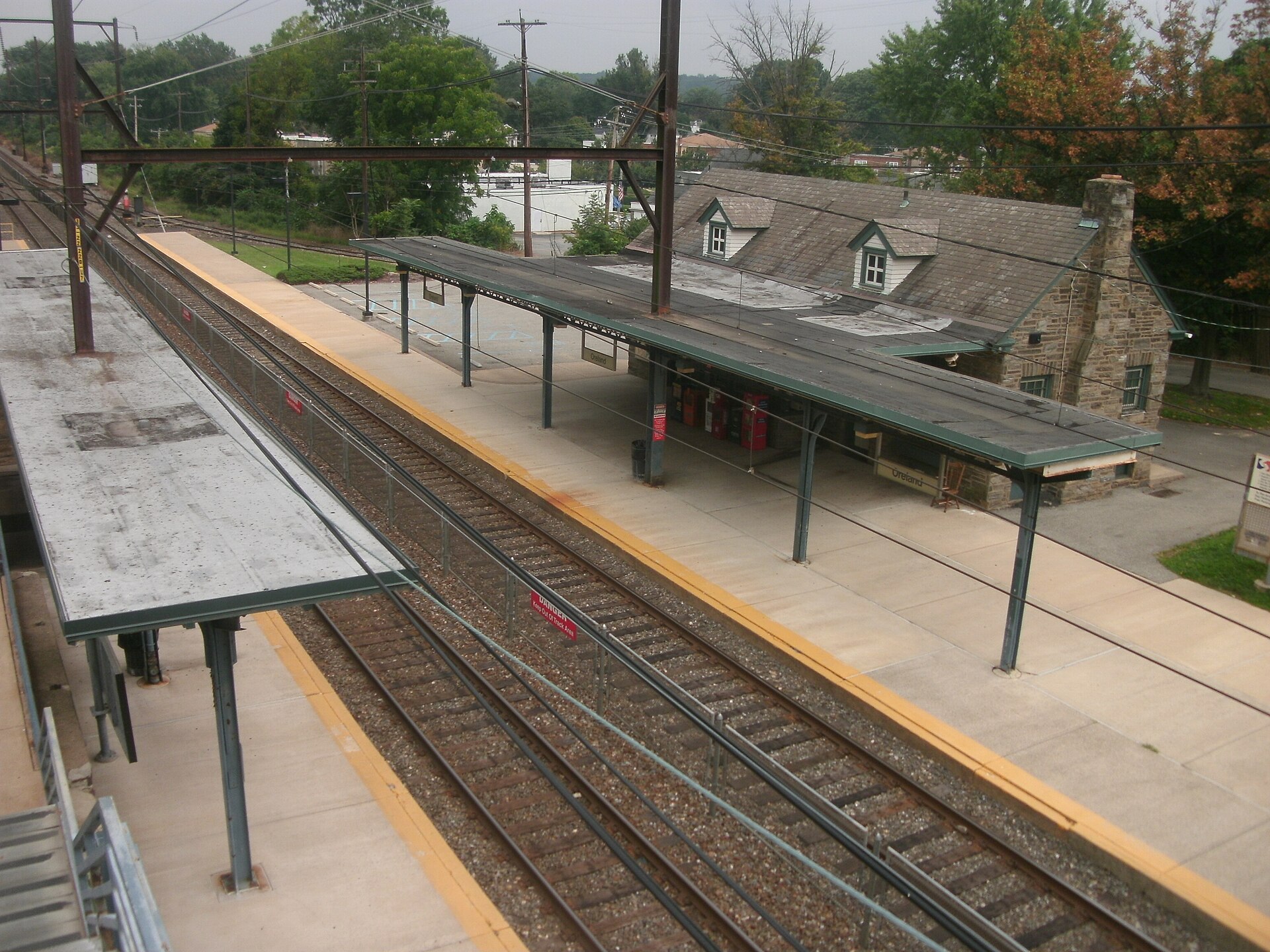
Oreland lies largely within Springfield Township, Montgomery County, and is known for its leafy residential streets, mid-century and earlier homes, and a small commercial center near the rail station. Housing includes stone and brick Colonials, Cape Cods, ranches, and a growing number of substantially renovated or expanded homes. Rail service toward Center City is a significant draw for commuters who prefer not to drive downtown.
Buyers drawn to Oreland often prioritize lot size, tree cover, and a neighborly feel over brand-new construction, and are willing to renovate or select homes where the work has already been done.
Maple Glen: newer construction and larger floor plans
Maple Glen, part of Upper Dublin Township, tends to feature larger, more recently built homes, including executive Colonials and Traditional-style houses in planned subdivisions with curving streets and cul-de-sacs. Floor plans are generally open and family-oriented, with finished basements, three-car garages, and spacious primary suites common in the upper range.
Because many of these homes are one or two generations old, buyers should evaluate the age of major systems such as roofs, HVAC, and windows, and look closely at the quality of finishes rather than assuming newer always means better.
What drives value in this part of Montgomery County
- School district assignment: Public school boundaries are a major factor for many buyers. Confirm assignment for the specific address directly with the district.
- Lot and privacy: Backing to open space, a park, or a buffer of trees generally improves desirability.
- Condition and updates: Turnkey kitchens, baths, and finished lower levels carry a clear premium.
- Commute options: Proximity to rail or major roads affects daily convenience and resale appeal.
Daily life and amenities
Residents have access to parks, trails, community events, shopping centers, and dining within a short drive. Nearby Fort Washington, Ambler, and Blue Bell expand the options, and we cover several of those communities in separate guides. For private-school and cultural access, the region offers plenty of choices within a reasonable drive.
Spend time visiting at different times of day and compare traffic patterns on the routes you will actually use.
Buying strategy and negotiation
In well-maintained neighborhoods, move-in-ready homes can draw competing interest, particularly in the spring. A pre-approval letter, a clear understanding of your inspection priorities, and flexibility on timing can strengthen your offer without overpaying. For homes with unique features or recent expansions, ask for permits and documentation of the work.
Pennsylvania buyers should plan for transfer taxes, title insurance, and local tax implications. A thoughtful financing plan, including whether a jumbo loan makes sense, is worth discussing early.
Taxes, costs, and long-term planning
Property taxes in Montgomery County communities vary by municipality and school district, and assessed values can change over time. Ask for the current tax bill, understand how reassessment could affect you, and factor in utilities, insurance, and maintenance for a larger home and lot. If you are comparing Oreland and Maple Glen to other suburbs, evaluate total monthly carrying cost rather than purchase price alone.
Touring tips for these communities
Visit neighborhoods on a weekday morning to observe commuter traffic, and again on a weekend to see how parks and shopping areas are used. Walk the lot lines, check drainage after rain if possible, and look at how neighboring homes are maintained. Ask the listing agent about recent updates, the age of the roof and mechanical systems, and any known issues. Small observations during a visit often reveal more than the listing photos do, and they can help you decide which homes merit a second showing.
It also helps to consider how your needs may change. A home office, an in-law suite, or flexible lower-level space can matter as much in five years as they do today.
Finally, remember that lifestyle fit matters as much as specifications. Talk with neighbors, visit local shops, and consider how weekends, school activities, and commutes would feel in practice. Buyers who match the community to their routines tend to be happiest over the long term, and they are also the buyers who make the most disciplined offers.
Frequently asked questions
Which is more expensive, Oreland or Maple Glen?
It varies by home. Maple Glen tends to offer newer and larger construction, while Oreland offers older, character-rich housing with transit access. Compare individual properties rather than assuming one area is always higher priced.
Are Oreland and Maple Glen good for commuters?
Oreland has a rail station that serves Center City, and both areas have access to major roads. Your own commute depends on the exact address and destination, so test it before buying.
Do I need a jumbo loan here?
If your loan amount exceeds the conforming limit for the county, a jumbo mortgage may apply. A lender can confirm the current limit and the terms available to you.
Ready to talk through your options? Contact James Kennedy at 215-267-8479 or jameskennedy@unlockedteam.com for a private, no-pressure conversation about luxury real estate in Philadelphia and South Jersey.