
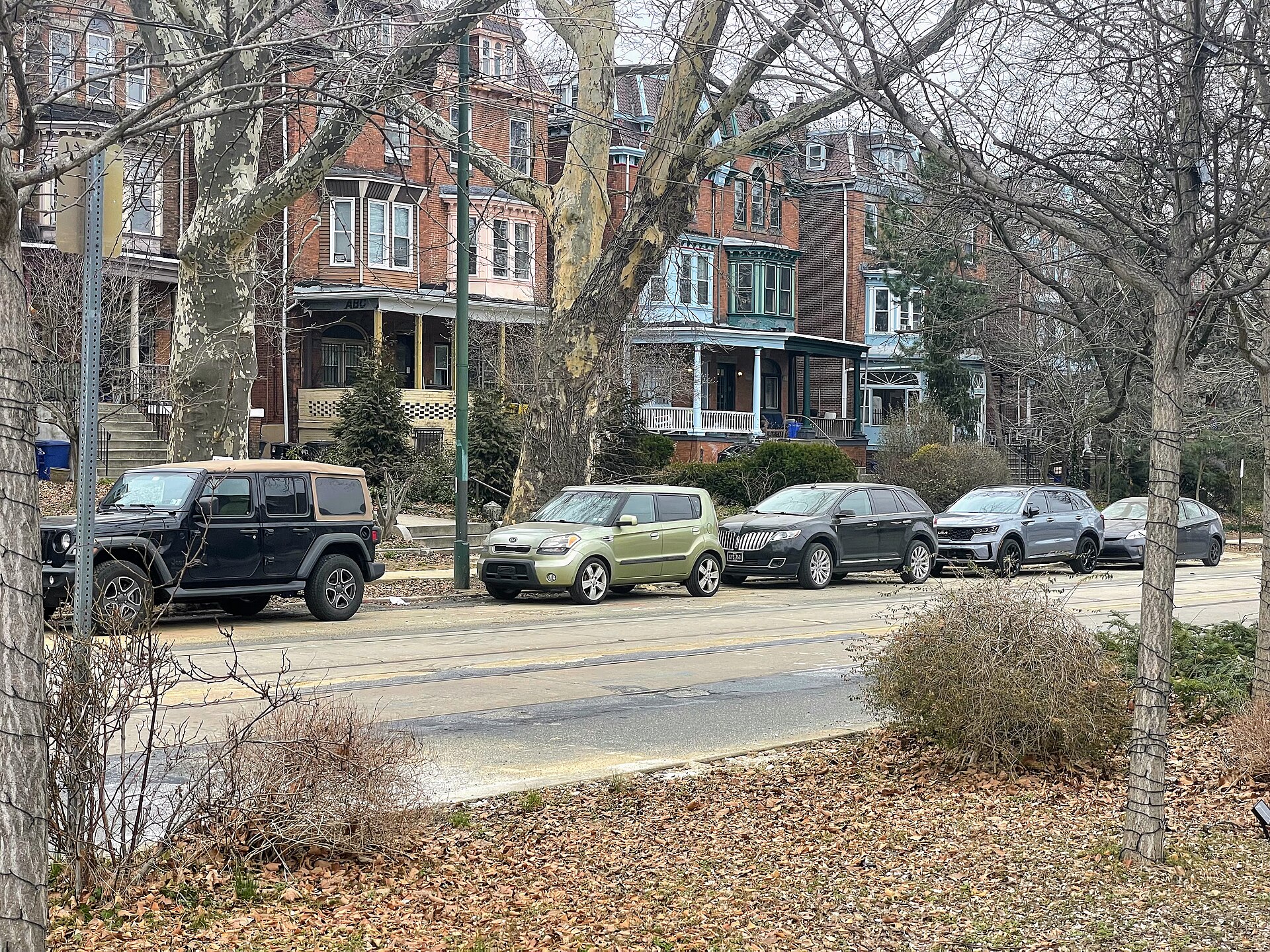
Philadelphia’s rowhome stock, from Society Hill’s Federal-era brick townhouses to newly built high-end infill in Northern Liberties and Fishtown, is one of the city’s defining features and a major draw for luxury buyers who want historic character or contemporary design within walking distance of Center City. But selling a rowhome or twin in Philadelphia comes with a city-specific requirement that surprises many sellers, and even some buyers, unfamiliar with local practice: the Use and Occupancy (U&O) certificate. Understanding when it’s required and what it checks can prevent an unwelcome delay right before closing.
What Is a Use and Occupancy Certificate
A Use and Occupancy certificate is a document issued by Philadelphia’s Department of Licenses and Inspections (L&I) confirming that a property is safe for its intended use, whether that’s a single-family residence, a multi-unit building, or a commercial space. In practical terms, for most residential resales in the city, obtaining a U&O certificate requires an inspection confirming the property meets basic life-safety standards before ownership legally changes hands.
When Philadelphia Requires One
Philadelphia requires a U&O certificate whenever a property changes ownership or its use changes, which covers the vast majority of home sales in the city. This applies to single-family rowhomes, twins, and multi-unit buildings alike. It is a city-specific requirement, distinct from a standard home inspection a buyer orders for their own due diligence, and it exists independently of whatever contingencies are negotiated in the agreement of sale.
What the Inspection Checks
The U&O inspection focuses on life-safety items rather than cosmetic condition or overall home quality. Inspectors typically look for functioning smoke detectors and carbon monoxide detectors in the required locations, secure and code-compliant handrails and guardrails on stairs and decks, properly installed egress windows in bedrooms, visible electrical hazards such as exposed wiring or overloaded panels, and, for older rowhomes in particular, any obviously unpermitted structural work. It is not a full inspection of the home’s systems, roof, or mechanicals in the way a buyer’s private inspector would perform, but it can still turn up issues that require repair before the certificate is issued.
Common Issues That Delay Closing
For Philadelphia’s older rowhome stock, a handful of issues come up repeatedly during U&O inspections. Missing or non-functioning smoke and carbon monoxide detectors are the most frequent, and among the easiest to fix quickly. Handrail and guardrail deficiencies are common on older stair systems that predate current code, particularly in homes with rear decks or roof decks added over the years. Unpermitted additions or renovations, common in a city with such a long history of owner-driven improvements, can also surface, sometimes requiring the seller to pull retroactive permits before the certificate can be issued. For high-end rowhome renovations with roof decks, garages, or rear additions, verifying that all past work was properly permitted well before listing can save significant time.
Who’s Responsible: Buyer or Seller
By city ordinance, the responsibility to obtain the U&O certificate falls to the seller, since it certifies the property before the change of ownership. In practice, most agreements of sale in Philadelphia specify this explicitly, and the seller typically pays for the inspection and any required repairs to pass it. Because the certificate is required for the sale to close, it is not usually a negotiable line item the way some other closing costs might be, though the timeline and specific repair responsibilities are sometimes discussed between parties, especially if unexpected issues surface.
Timeline Considerations for Luxury Sellers
The wisest approach for sellers of high-end Philadelphia rowhomes is to schedule the L&I inspection early in the listing process rather than waiting until an offer is accepted. This gives time to address any deficiencies calmly, rather than scrambling to fix handrails or pull permits in the final days before a scheduled closing. For sellers who have completed significant renovations, particularly additions, roof decks, or structural changes, confirming that all permits were properly closed out with the city is worth doing well in advance, since resolving an open or missing permit can take considerably longer than a simple repair.
How This Differs From a Buyer’s Home Inspection
Sellers sometimes assume that a satisfactory U&O inspection means a buyer’s independent home inspection will go smoothly too, but the two serve very different purposes. A buyer’s inspector, hired to protect the buyer’s interests, evaluates the roof, HVAC systems, plumbing, foundation, and overall condition in detail, often producing a lengthy report with dozens of observations regardless of severity. The city’s U&O inspection, by contrast, checks a narrower list of life-safety items required for legal occupancy. Passing one says nothing about whether the other will turn up negotiable repair requests, so sellers should not treat a clean U&O certificate as a substitute for getting a home genuinely ready to show and sell at a luxury price point.
Frequently asked questions
Does every property sale in Philadelphia require a U&O certificate?
Most residential resales do, though certain exemptions exist depending on the type of transaction and property. Your agent or settlement attorney can confirm the requirement for your specific sale.
How long does the U&O inspection process typically take?
Scheduling and inspection timelines vary with L&I’s current workload, and any required repairs add additional time. Starting the process as soon as a home is listed, rather than after an offer is accepted, gives sellers the most flexibility to avoid a last-minute delay.
Can a buyer waive the Use and Occupancy requirement?
No. Because it is a city ordinance rather than a contract contingency, a U&O certificate generally cannot be waived by agreement between buyer and seller for a covered transaction; the process must be completed for the sale to proceed under city rules.
Selling a Philadelphia rowhome, twin, or high-end renovation involves details that a national playbook won’t cover. James Kennedy has guided luxury sellers throughout Philadelphia and South Jersey through exactly these city-specific requirements. Call James at 215-267-8479 or email jameskennedy@unlockedteam.com to talk through your sale.
Leave a Reply