
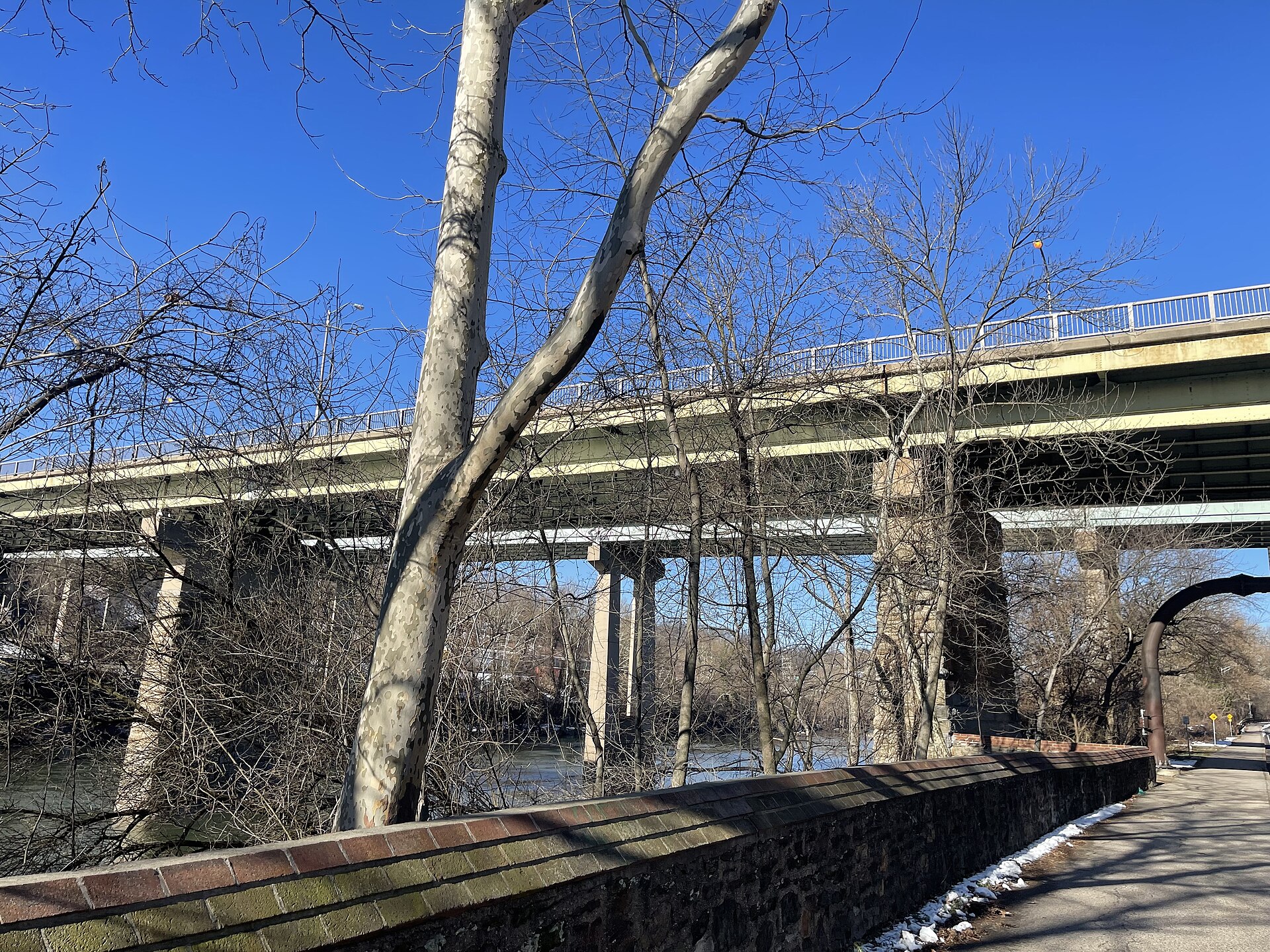
Tucked between Fairmount Park, City Line Avenue, and the Main Line suburbs, Wynnefield is one of West Philadelphia’s most architecturally substantial neighborhoods—and one of the city’s least discussed among luxury buyers who default to Rittenhouse or Chestnut Hill. For buyers who want the scale, detail, and lot size associated with the Main Line, but within the city and closer to Center City, Wynnefield deserves a closer look.
A Brief History and Character of Wynnefield
Wynnefield developed in the early 20th century as one of Philadelphia’s premier residential neighborhoods, drawing prominent Philadelphia families who wanted grand homes with the benefits of a leafy, park-adjacent setting inside the city limits. The neighborhood’s blocks were laid out with generous setbacks and mature street trees, and much of its housing stock reflects the architectural ambitions of that era. Today, Wynnefield is best known within the city for its stock of large stone and brick homes, its proximity to Fairmount Park’s Wissahickon-adjacent trail network, and its position as a bridge between West Philadelphia and the Main Line.
Housing Stock and Architecture
Wynnefield’s housing stock leans toward substantial single-family homes: stone Tudors, center-hall Colonials, and Spanish- and Mediterranean-influenced designs built between roughly the 1910s and 1930s, many on lots larger than what buyers typically find in Center City or even in denser Main Line boroughs. Ceiling heights, millwork, and masonry detailing in the best examples rival what buyers find in Chestnut Hill, often at a meaningfully lower price point per square foot. As with any neighborhood of this vintage, condition varies significantly from block to block and house to house, so a careful inspection and a clear understanding of what has and has not been updated—mechanicals, roofing, masonry pointing—is essential before making an offer.
Location and Connectivity
Wynnefield’s defining locational advantage is City Line Avenue, which places the neighborhood minutes from Lower Merion, Bala Cynwyd, and the broader Main Line, while still being inside Philadelphia proper. Access to City Avenue’s retail corridor, proximity to Saint Joseph’s University, and a short drive to both Center City and the Main Line’s shopping and dining make Wynnefield a practical base for buyers who split their time or work between the city and the suburbs. Fairmount Park borders the neighborhood as well, offering direct access to trails, the Schuylkill River, and the park’s recreational amenities without the drive that Center City residents typically face to reach the same green space.
Who Wynnefield Suits
Wynnefield tends to appeal to buyers who prioritize space, architectural character, and value over walkable retail density. It suits families who want a large home and yard without leaving city limits, buyers who work at or have ties to Saint Joseph’s University or nearby institutions, and anyone drawn to Main Line-style architecture who wants to remain inside Philadelphia for tax, commute, or lifestyle reasons. It is generally a less active choice for buyers whose priority is walking to restaurants and nightlife, since the neighborhood’s character is residential and quieter than Center City or the river wards.
What to Consider Before Buying
Because Wynnefield’s housing stock spans a wide range of upkeep and past renovation quality, buyers should budget time and inspection resources accordingly, particularly for roofing, foundation, and mechanical systems in homes that have not been recently updated. It is also worth evaluating a specific block closely, since character and home condition can shift within a short distance. Buyers relocating from outside the city should have a local agent walk them through how City Line Avenue-adjacent neighborhoods like Wynnefield compare to nearby Main Line boroughs on taxes, schools, and resale patterns, since the trade-offs are real and worth understanding before committing to an offer.
Schools, Parks, and Daily Life
Families weighing Wynnefield against nearby Main Line boroughs should research both the School District of Philadelphia options serving the neighborhood and the range of private and parochial schools within a short drive, including several well-regarded independent schools on the Main Line and in Center City. Saint Joseph’s University’s presence brings some renter and student activity to parts of the neighborhood, which buyers should factor into block-by-block due diligence. On the recreational side, Wynnefield’s proximity to Fairmount Park gives residents direct access to miles of trails along the Wissahickon and Schuylkill without the drive that many Center City buyers accept as a trade-off for urban living, and several public golf courses and recreation areas sit within a short drive as well.
Value Compared to the Main Line
The clearest financial case for Wynnefield is price per square foot relative to comparable homes in Lower Merion or Bala Cynwyd, just across City Line Avenue. Buyers frequently find that a similarly sized and detailed stone home costs meaningfully less in Wynnefield than its Main Line counterpart, though that gap reflects real differences in school district reputation, block-level consistency, and resale liquidity that should be weighed rather than treated as a simple discount. For buyers focused on space and architecture per dollar spent, and who are comfortable evaluating Philadelphia’s school options rather than defaulting to Lower Merion or Radnor’s public schools, Wynnefield is one of the more compelling value plays inside the city for this style of home.
Frequently asked questions
How does Wynnefield compare to Overbrook Farms?
The two neighborhoods sit near each other and share some architectural DNA, but Overbrook Farms was developed as a planned garden suburb with a distinct historic district designation, while Wynnefield’s development was less centrally planned and its housing stock and block character vary more widely. Both are worth touring for buyers who want scale and detail inside city limits.
Is Wynnefield walkable?
Parts of Wynnefield near City Line Avenue offer walkable access to retail and services, but much of the neighborhood is residential and best suited to buyers comfortable relying on a car for daily errands, similar to many Main Line communities.
What should I budget for renovations in an older Wynnefield home?
Because many homes date to the 1910s through 1930s, budget for a thorough inspection of roofing, masonry, electrical, and plumbing systems, and treat any unrenovated mechanicals as a near-term expense rather than a distant one, even in homes that show well cosmetically.
If you are considering Wynnefield or comparing it to other Philadelphia and Main Line neighborhoods, contact James Kennedy at 215-267-8479 or jameskennedy@unlockedteam.com for a tour and a candid read on value.
Leave a Reply