Category: Luxury Homes

  • Devon, Pennsylvania: A Main Line Town Guide for Luxury Home Buyers

    Devon, Pennsylvania: A Main Line Town Guide for Luxury Home Buyers

    Devon sits in the heart of Philadelphia’s Main Line, in Tredyffrin Township, but it carries a distinct identity from its more famous neighbors. Where Villanova and Bryn Mawr are often associated with university-anchored density and grand estate rows along Route 30, Devon leans more rural and equestrian in character, best known nationally for the Devon Horse Show and Country Fair, one of the oldest and largest outdoor horse shows in the country. For luxury buyers who want Main Line access and prestige with more room to breathe, Devon is worth a serious look.

    Where Devon Fits on the Main Line

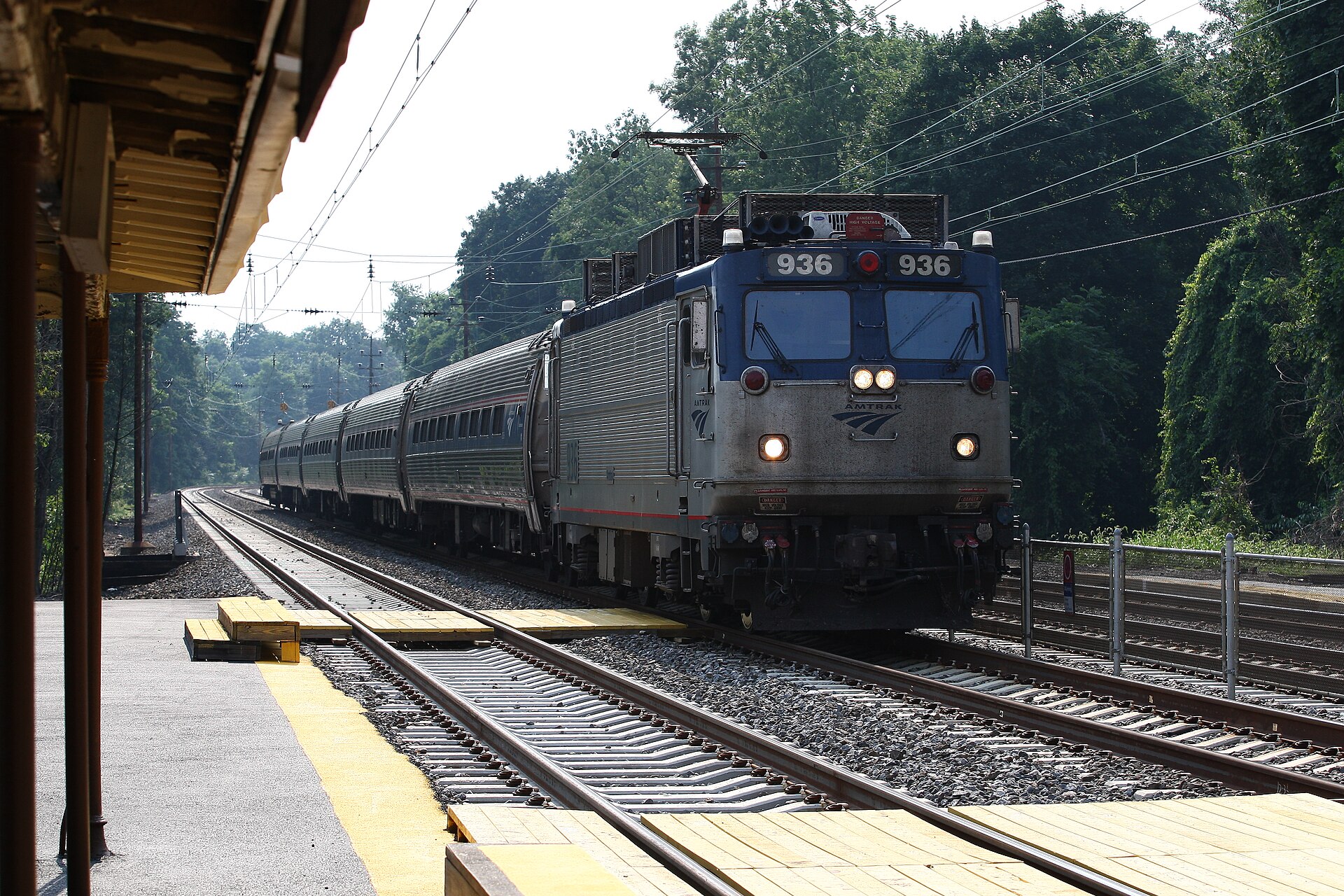
    Devon is served by SEPTA’s Paoli/Thorndale Regional Rail Line, giving residents a direct commute into Center City Philadelphia without requiring a drive to a different town’s station. That rail access, combined with proximity to Route 30 (Lancaster Avenue) and the Pennsylvania Turnpike, makes Devon workable for both a downtown commute and a King of Prussia or western suburbs work pattern, a flexibility that appeals to dual-career households with different commute needs.

    Geographically, Devon sits between Wayne and Berwyn, giving residents easy access to both towns’ shopping and dining without absorbing either town’s density directly.

    The Housing Stock

    Luxury buyers in Devon are generally choosing among:

    • Stone and stucco estates on generous lots, many dating to the early-to-mid 20th century, reflecting the Main Line’s classic architectural vocabulary.
    • Equestrian and near-equestrian properties with paddocks, barns, or riding rings, a natural fit given the area’s horse show heritage and its proximity to Chester County’s broader horse country.
    • Newer custom construction built on subdivided or reconfigured larger parcels, offering modern systems and open floor plans within a traditional Main Line setting.
    • Updated mid-century homes on wooded lots, appealing to buyers who want more contemporary interiors without full new construction.

    Lot sizes in Devon tend to run larger than in the denser, more walkable Main Line towns closer to the city, which is part of the trade-off buyers should weigh: more land and privacy, generally in exchange for less walkability to shops and restaurants.

    Lifestyle and Local Character

    The Devon Horse Show and Country Fair, held each spring, is the area’s signature event and draws visitors from well beyond the region, but Devon’s equestrian identity runs deeper than a single annual event. The broader area supports riding clubs, training facilities, and a horse-owning community that gives certain pockets of the Main Line a genuinely rural feel despite being a short train ride from Center City.

    Devon itself has a limited commercial core, with residents typically relying on nearby Wayne or Berwyn for day-to-day shopping, dining, and services. That trade-off — quieter, more residential streets in exchange for a short drive to amenities — is a defining feature of life in Devon compared to more commercially developed Main Line towns.

    Schools

    Devon is served primarily by the Tredyffrin/Easttown School District, which is generally well regarded within the region and is one of the draws for families considering the area. As with any school-driven decision, buyers should research specific schools, current boundaries, and program fit directly rather than relying on general reputation alone, since assignment can vary by exact address even within a single town.

    Who Devon Fits Best

    Devon tends to appeal to buyers who want genuine Main Line prestige and rail access to Center City, but who prioritize land, privacy, and a rural feel over walkable density. It’s a natural fit for equestrian families, buyers seeking a working or hobby farm setup, and those relocating from other horse-country regions who understand the lifestyle and upkeep that comes with larger properties. Buyers who want to walk to dinner or a coffee shop from their front door may find Devon’s more residential, spread-out layout less convenient than Wayne or Bryn Mawr’s denser town centers.

    Land, Zoning, and Outbuildings

    Because Devon’s lots tend to run larger than in denser Main Line towns, buyers considering any use of the land beyond a standard residential footprint — a barn, a riding ring, a pool house, or additional outbuildings — should confirm current township zoning and any prior variances before assuming a use is permitted. Tredyffrin Township, like most Main Line municipalities, has its own zoning code governing setbacks, impervious coverage, and accessory structures, and rules can vary meaningfully by specific parcel and its history. This is a worthwhile conversation to have early in a search, particularly for buyers planning any construction or expansion after purchase.

    Buyers should also ask about any conservation easements or deed restrictions that sometimes accompany larger historic parcels on the Main Line, since these can affect both permitted uses and future subdivision potential even when a property otherwise appears unrestricted.

    Frequently asked questions

    Do I need to own horses to live in Devon?

    No. While Devon’s identity is closely tied to its equestrian heritage, most residents are not horse owners. The area appeals broadly to buyers who want a quieter, more rural Main Line setting, whether or not equestrian use is part of their own plans.

    How does Devon’s commute compare to Wayne or Bryn Mawr?

    Devon has its own stop on SEPTA’s Paoli/Thorndale Regional Rail Line, so the rail commute into Center City is comparable to other Main Line towns along the same line. The practical difference is more about lifestyle than commute time: Devon offers less immediate walkability to shops and restaurants than denser town centers like Wayne.

    Are equestrian properties in Devon more expensive to maintain?

    Properties with barns, paddocks, or riding rings typically carry additional maintenance considerations beyond a standard residential lot, including fencing, footing, and outbuilding upkeep. Buyers considering an equestrian property should factor these ongoing costs into their overall budget and discuss specifics with their agent and inspector before finalizing an offer.

    If Devon’s blend of Main Line access and horse-country space fits what you’re looking for, James Kennedy can help you compare it against other Main Line towns and current inventory. Reach James at 215-267-8479 or jameskennedy@unlockedteam.com.
  • What to Look for in a Luxury Condo: A Buyer’s Checklist for Philadelphia & South Jersey

    What to Look for in a Luxury Condo: A Buyer’s Checklist for Philadelphia & South Jersey

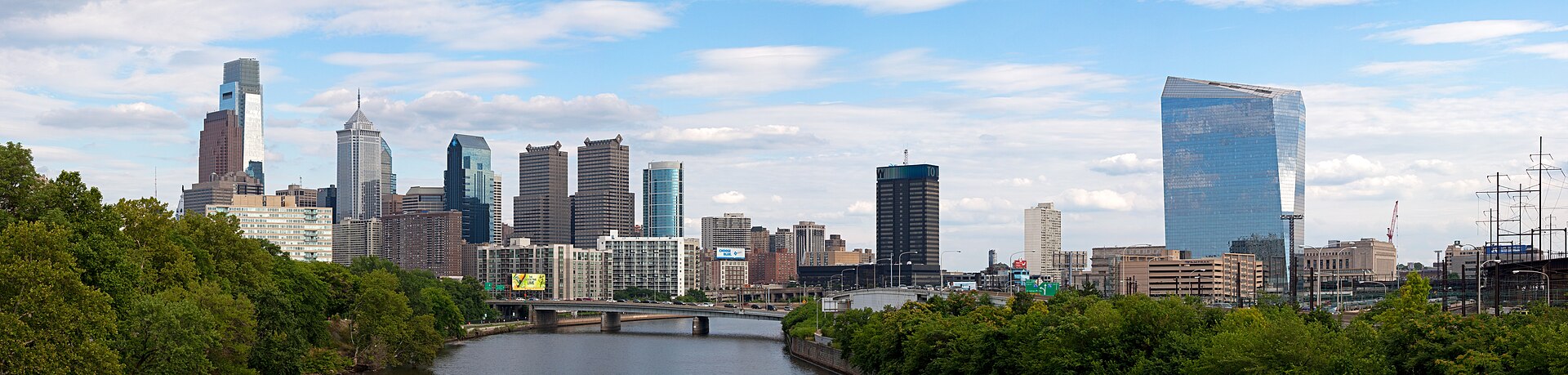
    A luxury condo purchase is really two purchases at once: the unit itself, and a fractional stake in the building that surrounds it. Buyers who focus only on square footage, finishes, and views can end up surprised months later by a special assessment, a restrictive rental policy, or a building whose reserve fund can’t cover a major repair. Whether you’re looking in Rittenhouse Square, along the Delaware waterfront, or in a newer South Jersey riverfront development, the same due diligence framework applies.

    Start with the building’s finances

    Every condo association is required to provide a resale package to prospective buyers, and it’s worth reading it closely rather than skimming it. Key documents include the association’s current budget, its most recent reserve study, and its financial statements. Look specifically for how much of the building’s income goes toward reserves versus operating expenses, whether the reserve fund is considered adequately funded for the building’s age and systems, and whether there’s a history of special assessments. A building with a thin reserve fund and deferred maintenance can turn an attractive purchase price into a costly surprise a year or two later.

    Ask about pending litigation and insurance

    Resale packages should disclose any pending or threatened litigation involving the association, which can affect both your ability to get financing and the building’s insurability. Also ask about the master insurance policy’s coverage limits and whether the building has had recent claims, particularly for water damage or structural issues, which are common in older converted buildings.

    Understand the fee structure and what it covers

    Monthly condo fees at the luxury end can vary enormously depending on what’s included — some buildings bundle concierge service, valet parking, a fitness center, and building-wide utilities into the fee, while others charge separately for many of these. Compare fees across buildings on an apples-to-apples basis by listing out exactly what each fee includes, and factor the ongoing cost into your overall budget the same way you would a mortgage payment.

    Read the rules before you fall in love with the unit

    Association rules can meaningfully affect how you’ll actually live in and use the unit. Key questions to ask:

    • Are rentals permitted, and if so, are there restrictions on minimum lease length or a cap on the percentage of units that can be rented at one time? This matters even if you don’t plan to rent, since it affects future resale flexibility and financing.
    • What are the pet policies, including size or breed restrictions?
    • Are there rules around renovations, and does the association require board approval and licensed contractors for interior work?
    • What’s the guest and move-in/move-out policy, particularly relevant in buildings with a doorman or freight elevator scheduling system?

    Evaluate the building, not just the unit

    Building age and construction type affect both maintenance risk and financing. Older converted buildings, common in Philadelphia neighborhoods like Old City, Northern Liberties, and Society Hill, can offer dramatic architectural character but may face higher long-term maintenance costs for original systems. Newer construction typically comes with lower near-term maintenance risk but higher fees to fund amenities. Ask when major building systems — roof, elevators, HVAC, facade — were last updated or are next scheduled for replacement.

    Amenities: value them honestly

    A rooftop deck, fitness center, or concierge desk adds real value and real ongoing cost. Think honestly about which amenities you’ll actually use versus which ones simply raise your monthly fee, and weigh that against a unit in a smaller, lower-fee building where you might handle some of those functions yourself.

    Financing considerations

    Lenders scrutinize condo buildings as well as buyers, particularly for jumbo loans common in the luxury segment. Buildings with high owner-occupancy rates, healthy reserves, and no pending litigation are generally easier to finance. If a building has unusual characteristics — a high percentage of rented units, commercial space mixed with residential, or an active lawsuit — it’s worth confirming financing feasibility early, before you’re deep into a transaction.

    Touring at different times matters

    Just as with a single-family home, it’s worth visiting a condo building more than once and at different times of day. Ride the elevators during a likely peak period, check hallway noise levels, and if possible speak with a current resident about how responsive management actually is to maintenance requests. Marketing materials and a single afternoon tour rarely tell the full story of what day-to-day life in a building is really like.

    Working with an agent who knows the building stock

    Philadelphia’s luxury condo market includes a wide range of building types, from pre-war conversions to ground-up new construction with full-service amenities, and each category comes with its own set of financial and structural considerations. An agent who has sold in a specific building, or who has relationships with several buildings’ management companies, can often get you documents and answers faster than a generic request, and can flag issues specific to that building’s history before you’re emotionally invested in the unit.

    Frequently asked questions

    How do I get a condo’s resale/financial package before making an offer?

    Your agent can typically request the resale package, association budget, and reserve study from the listing agent or management company early in the process, often before you write an offer, so you can review the building’s financial health alongside the unit itself.

    Is a higher condo fee always a red flag?

    Not necessarily. A higher fee that reflects a well-funded reserve, robust amenities you’ll use, and professional management can be a sign of a well-run building. The concern is a low fee paired with an underfunded reserve, which often just delays costs rather than avoiding them.

    Should I hire a specialist to review condo documents, or is that something my agent handles?

    Your agent can flag obvious concerns and help interpret the documents, but for a significant purchase it’s common practice to also have your real estate attorney review the resale package and governing documents before closing, particularly the financial statements and any rental or renovation restrictions.

    Weighing a luxury condo purchase in Philadelphia or South Jersey? James Kennedy can help you evaluate specific buildings, review the financial and governance details, and compare condo living against other luxury options. Reach James at 215-267-8479 or jameskennedy@unlockedteam.com.
  • Living in Northern Liberties: A Luxury Buyer’s Guide to Philadelphia’s Loft District

    Living in Northern Liberties: A Luxury Buyer’s Guide to Philadelphia’s Loft District

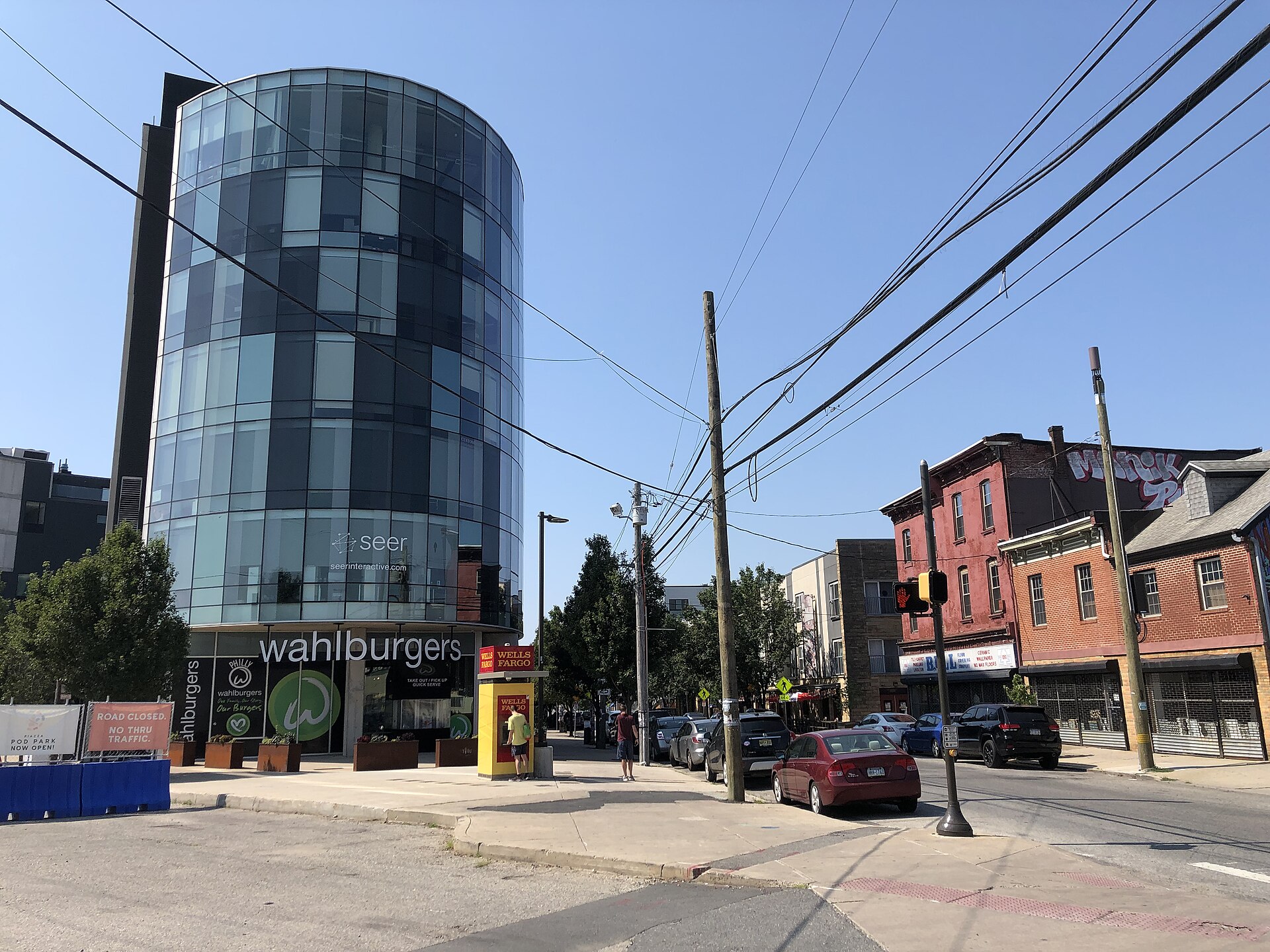
    North of Old City and just east of Fishtown, Northern Liberties has spent the last two decades transforming from an industrial pocket of warehouses and rail spurs into one of Philadelphia’s most sought-after neighborhoods for buyers who want loft-scale square footage, exposed brick, and a walkable, restaurant-dense main street. For luxury buyers weighing city living, it occupies a distinct niche: bigger, more architecturally dramatic homes than you’ll typically find in Center City, at a price point that still reads as a relative value compared to Rittenhouse or Society Hill.

    The character of the neighborhood

    Northern Liberties, often shortened to “NoLibs” by locals, built its identity on adaptive reuse. Former factories, tanneries, and breweries have been converted into condominium buildings with soaring ceilings, oversized industrial windows, and open floor plans that are hard to replicate in a rowhome. Alongside those conversions sit newer construction condo and townhome developments, plus pockets of traditional Philadelphia rowhouses on quieter side streets. The result is a housing stock that’s more architecturally varied than most Philadelphia neighborhoods, which means buyers should go in with a clear sense of which style they actually want rather than assuming “loft” is the only option.

    The neighborhood’s spine is Second Street and the area around the Piazza, a large public square ringed by restaurants, bars, and retail that anchors the social life of the area. Liberty Lands Park gives the neighborhood a genuine green space and dog-run culture that’s rare this close to Center City. The overall feel is younger and more casual than Rittenhouse Square, with a strong concentration of restaurants, breweries, and small businesses that give the area a lived-in, neighborhood-scale energy rather than a purely residential one.

    Who tends to buy here

    Northern Liberties draws a mix of buyers: young professionals and creatives who want loft space without a Center City price tag, downsizing empty nesters who want single-floor living with real square footage, and investors drawn to the neighborhood’s rental demand from Temple, Drexel, and the broader Philadelphia hospital and university employment base. At the luxury end, the buyer profile skews toward people who value design and space over ultra-central location — someone choosing a 2,200-square-foot converted loft with fourteen-foot ceilings over a smaller, more traditional Center City condo at a similar price.

    What to weigh before buying

    Building type matters more here than elsewhere

    Because so much of the luxury stock is converted industrial buildings, condo buyers should look closely at the building’s structural history, how the conversion was engineered, and whether the association has a solid reserve fund for maintaining century-old brick and steel. Ask for the condo docs, recent reserve studies, and any history of special assessments before you get attached to a unit.

    Parking and access

    Street parking in Northern Liberties can be competitive, particularly near the Piazza and Second Street on weekend nights. Buildings with dedicated parking or garage spots command a premium, and it’s worth factoring that into your budget rather than assuming street parking will be simple.

    Noise and proximity to nightlife

    The neighborhood’s density of bars and restaurants is a major draw for some buyers and a dealbreaker for others. If you’re sensitive to street noise, walk the specific block you’re considering on a Friday or Saturday night before you write an offer — conditions vary block to block more than buyers expect.

    Comparing Northern Liberties to nearby neighborhoods

    Buyers cross-shopping Northern Liberties often also look at Fishtown, its neighbor to the northeast, and Old City, just to the south. Fishtown tends to have a somewhat younger, more residential rowhome feel with its own restaurant corridor along Frankford Avenue. Old City leans more historic and tourist-adjacent, with cobblestone streets and proximity to the Delaware River waterfront. Northern Liberties sits in between: more central than Fishtown, less historic and more contemporary than Old City, with a housing stock defined by conversion lofts that neither neighborhood quite matches.

    Frequently asked questions

    Is Northern Liberties a good long-term investment for a luxury buyer?

    The neighborhood has seen sustained redevelopment and demand growth over the past two decades, and its mix of walkability, distinctive housing stock, and proximity to Center City continues to draw buyers. As with any neighborhood, value depends heavily on the specific building and block, so it’s worth having a conversation about current conditions and comparable sales before you commit.

    Are there single-family homes in Northern Liberties, or is it mostly condos?

    Both exist. The loft conversions and newer developments are largely condominiums, but the neighborhood also has traditional Philadelphia rowhomes, including some larger, updated trinities and townhomes on the quieter residential streets away from Second Street and the Piazza.

    How does Northern Liberties compare on price to Center City?

    Northern Liberties has historically priced below core Center City neighborhoods like Rittenhouse Square and Washington Square West, though the gap has narrowed as the neighborhood has matured. For buyers wanting maximum square footage and architectural character per dollar, it remains a competitive option relative to the city’s most established addresses.

    Considering Northern Liberties or comparing it against other Philadelphia neighborhoods for your next home? James Kennedy specializes in luxury real estate across Philadelphia and South Jersey and can walk you through current inventory, building-specific considerations, and how the neighborhood fits your goals. Reach James at 215-267-8479 or jameskennedy@unlockedteam.com.
  • Mullica Hill, New Jersey: A Town Guide for Luxury Home Buyers

    Mullica Hill, New Jersey: A Town Guide for Luxury Home Buyers

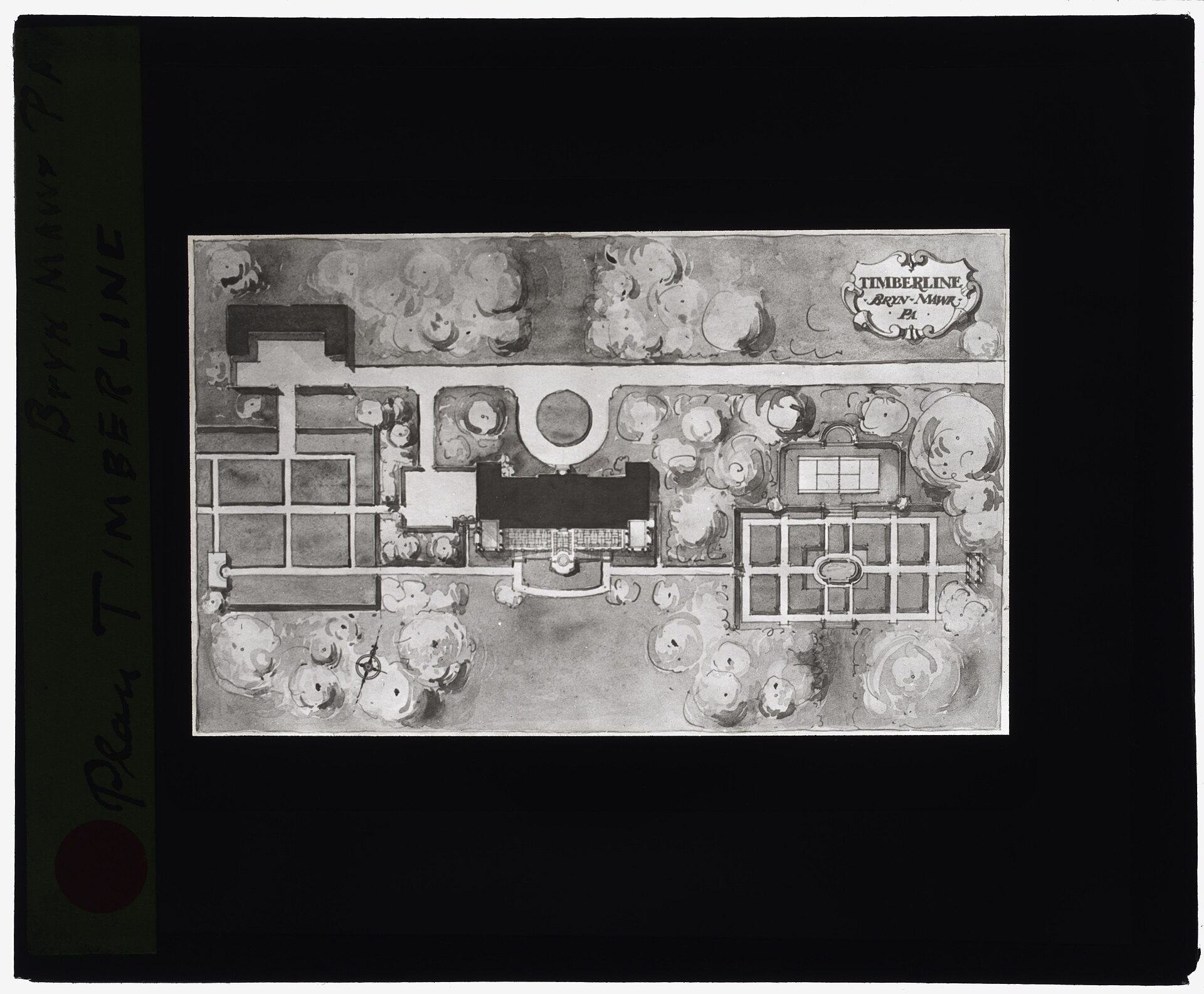
    Mullica Hill, part of Harrison Township in Gloucester County, has become one of South Jersey’s more distinctive luxury markets by combining a well-preserved historic village center with newer, larger homes on generous lots in the surrounding area. For buyers who want more land and a slower pace than closer-in South Jersey suburbs offer, while still being within a reasonable commute of Philadelphia, Mullica Hill has emerged as a strong option.

    What Sets Mullica Hill Apart

    Mullica Hill’s historic district, centered on Main Street, is known for its 18th- and 19th-century buildings, antique shops, and small-town character, which has been carefully preserved even as the surrounding township has grown. This gives the town an identity distinct from newer-built South Jersey communities: buyers get both a genuine historic village and, just outside it, newer subdivisions with substantially larger lots than are typically available closer to Philadelphia or Camden County. The town has also become known regionally for its antique shopping and seasonal events, which draw visitors from across South Jersey and add to its distinct identity.

    Housing Stock and Lot Sizes

    The luxury segment in Mullica Hill spans two fairly different categories of home. In and around the historic district, buyers will find beautifully maintained older homes, some dating back well over a century, often on smaller in-town lots. Further out, newer-construction homes on one or more acres are common, offering the kind of space, privacy, and often equestrian or agricultural potential that is difficult to find in more built-up parts of South Jersey. Buyers should think carefully about which of these two very different Mullica Hill experiences fits their lifestyle before narrowing a search. Many of the newer developments in the surrounding township feature custom and semi-custom homes built over the past two decades, with floor plans that tend to run larger than comparable homes closer to Philadelphia.

    Commuting Considerations

    Mullica Hill is farther from Philadelphia and from the Ben Franklin and Walt Whitman bridges than towns like Haddonfield or Moorestown, so buyers prioritizing a short commute into Center City should weigh this carefully. In exchange for the longer drive, buyers typically gain meaningfully more land and often lower per-square-foot pricing than comparable homes closer to the city, which is part of the trade-off that draws many buyers to the area. Route 55 provides reasonably direct access toward the bridges and the broader South Jersey highway network, which helps offset the town’s greater distance from the city.

    Schools and Community

    Mullica Hill is served by the Harrison Township School District for elementary grades and Clearview Regional for high school, and the town has a reputation as a strong, family-oriented community. Its calendar of community events, centered around the historic Main Street, gives it a small-town identity that many buyers find appealing relative to more anonymous newer developments elsewhere in South Jersey. The township has also seen continued growth in retail and services along its main corridors, which has added convenience without displacing the historic core’s character.

    What to Consider Before Buying

    Buyers considering a larger, newer-construction home on acreage in Mullica Hill should ask about septic systems and well water where applicable, since not all of the surrounding township is served by public utilities, and this can affect both due diligence and long-term maintenance costs. For homes in the historic district, buyers should ask about any local historic preservation guidelines that could affect future renovations. In both cases, working with an agent familiar with the specific differences between in-town and outlying Mullica Hill properties will help set accurate expectations. It is also worth confirming flood zone status and any deed restrictions tied to agricultural or open-space preservation programs, which are more common in this part of Gloucester County than in more urbanized South Jersey towns.

    Buyers relocating from out of state should also note that Gloucester County retains a more rural, agricultural character in the areas surrounding Mullica Hill than most of Camden County, with working farms and preserved open space bordering many newer residential developments. This mix of suburban convenience and working countryside is a significant part of the town’s appeal for buyers seeking privacy without isolation.

    The Luxury Market in Mullica Hill

    Because Mullica Hill offers meaningfully more land per dollar than towns closer to Philadelphia, it has become increasingly attractive to buyers moving from more expensive, closer-in suburbs who are willing to trade a somewhat longer commute for space. This dynamic has kept demand strong for larger, newer-built homes on acreage, particularly among buyers relocating from Camden County or from Pennsylvania.

    Frequently asked questions

    What county and township is Mullica Hill in?

    Mullica Hill is a community within Harrison Township, Gloucester County, New Jersey. It is not a separate incorporated municipality, so property records and taxes are handled through Harrison Township.

    How far is Mullica Hill from Philadelphia?

    Mullica Hill is roughly 25 to 30 minutes from Center City Philadelphia by car under typical conditions, depending on the specific location within the township and time of day, making it somewhat farther than closer-in South Jersey suburbs like Haddonfield or Collingswood.

    Are larger lots common in Mullica Hill?

    Yes, particularly outside the historic Main Street district. Newer-construction homes on one acre or more are common in the surrounding areas of Harrison Township, offering more space than is typically available in South Jersey communities closer to Philadelphia.

    If you’re considering a home in Mullica Hill or elsewhere in South Jersey, James Kennedy can help you compare in-town and outlying properties and understand current inventory. Reach James at 215-267-8479 or jameskennedy@unlockedteam.com.
  • Bryn Mawr, Pennsylvania: A Main Line Town Guide for Luxury Home Buyers

    Bryn Mawr, Pennsylvania: A Main Line Town Guide for Luxury Home Buyers

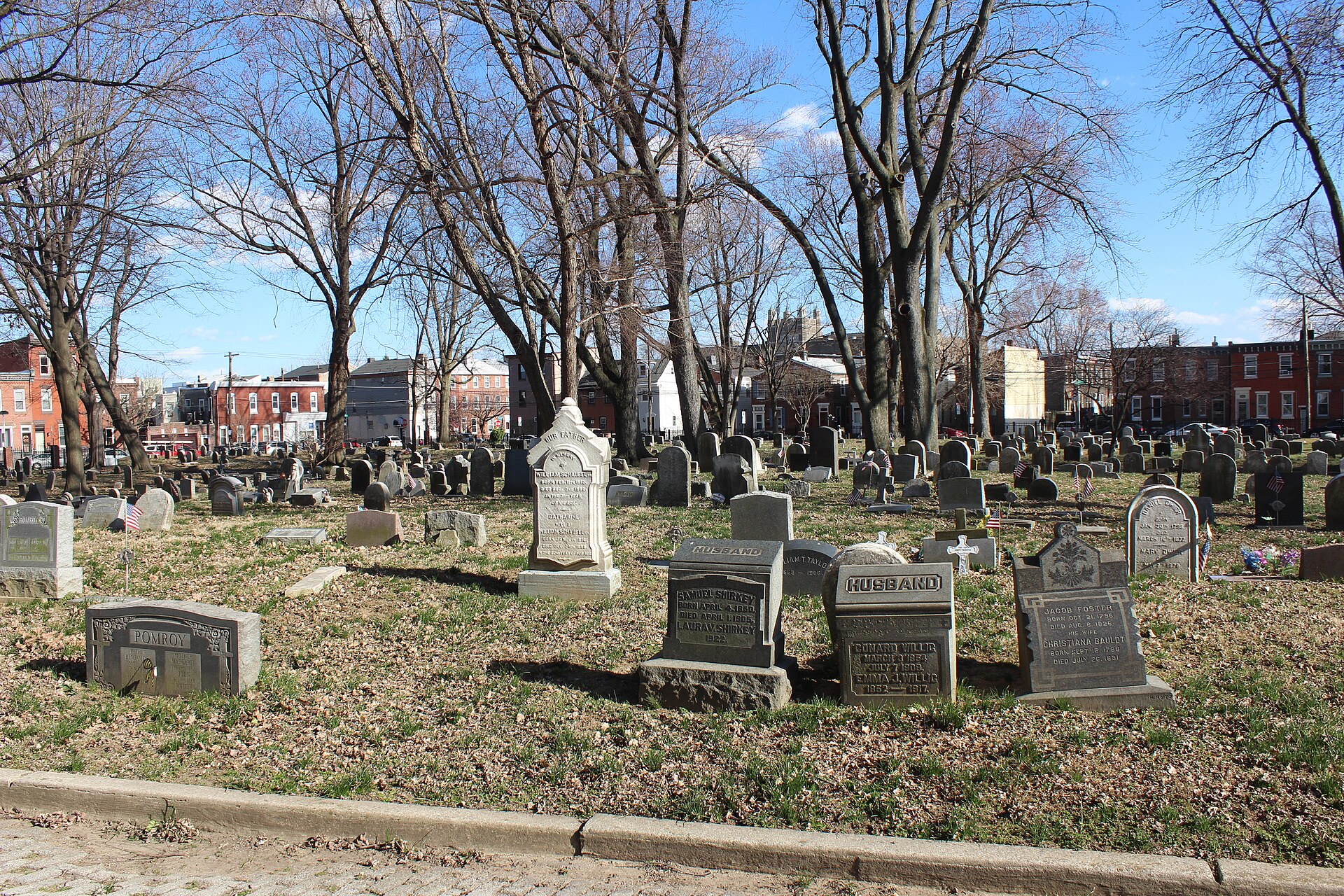
    Bryn Mawr sits near the geographic and cultural center of Philadelphia’s Main Line, a corridor of historic suburbs that has drawn affluent buyers out of the city for well over a century. Anchored by Bryn Mawr College and a walkable downtown along Lancaster Avenue, the town blends the academic, tree-lined character of a college community with some of the most substantial residential real estate in the Philadelphia suburbs.

    What Makes Bryn Mawr Distinct on the Main Line

    Unlike some Main Line towns that are primarily residential, Bryn Mawr has a genuine town center, with shops, restaurants, and services within walking distance for many residents. The presence of Bryn Mawr College and nearby Haverford College gives the area an intellectual, unhurried character that appeals to buyers who want suburban space without feeling disconnected from cultural and community life. This combination of walkability and estate-scale properties is part of what has kept Bryn Mawr among the most desirable addresses in the region. The town also benefits from proximity to Bryn Mawr Hospital and a concentration of medical offices, which has made the area particularly attractive to buyers in healthcare and academia.

    Architecture and Lot Sizes

    Bryn Mawr’s housing stock includes grand early-20th-century stone and stucco estates, many originally built during the Main Line’s Gilded Age heyday, alongside more recently built homes on similarly generous lots. Buyers should expect meaningful variation in lot size and setback even within a single block, since the town developed over more than a century rather than in a single building boom. Mature trees and established landscaping are common and are part of what gives many Bryn Mawr properties their character, though they also mean buyers should budget for tree and grounds maintenance as part of ongoing ownership costs. Stone construction, slate roofing, and formal gardens are common features on the area’s older estate properties, and buyers should factor specialized maintenance costs for these materials into their long-term ownership budget.

    Commuting and Transit

    Bryn Mawr has its own regional rail station on SEPTA’s Paoli/Thorndale Line, giving residents a direct commute into Center City Philadelphia without driving. This is a meaningful advantage over some Main Line towns without their own stop, and it’s a detail worth confirming when comparing properties, since walking distance to the station can vary significantly by street. The town is also within reasonable driving distance of the Blue Route and the Pennsylvania Turnpike, giving residents flexible access to the broader region, including the western suburbs and Delaware.

    Schools and Community

    The area is served by the Lower Merion School District, widely regarded as one of the strongest public school systems in Pennsylvania, and is also close to a number of respected private schools, including several with campuses directly in or near Bryn Mawr. For many buyers relocating to the Main Line, school quality is a primary driver of the decision to focus on Bryn Mawr specifically, and it factors meaningfully into long-term resale value as well. The town’s civic and community organizations, along with its proximity to the colleges, also support a robust calendar of lectures, performances, and cultural events throughout the year.

    What to Consider Before Buying

    Because Bryn Mawr’s housing stock spans such a wide range of construction eras, older homes may require more attention to systems, roofing, and mechanicals than buyers accustomed to newer construction expect. It’s worth budgeting time and inspection resources accordingly, and working with an agent who can help identify which updates have already been made versus which are likely to be needed. Property taxes in Lower Merion Township are also a meaningful ongoing cost that should factor into any comparison with other Main Line or Chester County towns. Buyers considering a historic estate should also ask whether any portion of the property is subject to conservation easements or historic designation, which can affect future renovation plans.

    The Luxury Market in Bryn Mawr

    Bryn Mawr’s luxury segment includes both classic estate properties on multi-acre lots and more contemporary homes closer to the town center. Because inventory in Bryn Mawr tends to be limited relative to buyer demand, well-priced, well-maintained homes in desirable locations can move quickly, and it’s worth being prepared to act when the right property comes on the market. Buyers coming from other high-demand Main Line towns should expect a similarly competitive process here.

    Frequently asked questions

    Is Bryn Mawr more walkable than other Main Line towns?

    Yes, relative to many Main Line suburbs. Bryn Mawr has a genuine downtown along Lancaster Avenue with restaurants and shops within walking distance for residents in the town center, which sets it apart from more purely residential Main Line communities.

    What school district serves Bryn Mawr?

    Most of Bryn Mawr falls within the Lower Merion School District, one of the highest-performing public school systems in the state, though buyers should always confirm the specific district and elementary feeder pattern for any individual property, since some parts of Bryn Mawr extend into neighboring townships.

    Does Bryn Mawr have direct rail access to Philadelphia?

    Yes. Bryn Mawr has its own SEPTA Regional Rail station on the Paoli/Thorndale Line, offering a direct commute to Center City Philadelphia. Proximity to the station varies by street, so it’s worth confirming walking distance for any specific property.

    If you’re exploring homes in Bryn Mawr or elsewhere on the Main Line, James Kennedy can help you understand current inventory and how specific properties compare. Reach James at 215-267-8479 or jameskennedy@unlockedteam.com.
  • Living in Fishtown: A Luxury Buyer’s Guide to Philadelphia’s Riverside Arts Neighborhood

    Living in Fishtown: A Luxury Buyer’s Guide to Philadelphia’s Riverside Arts Neighborhood

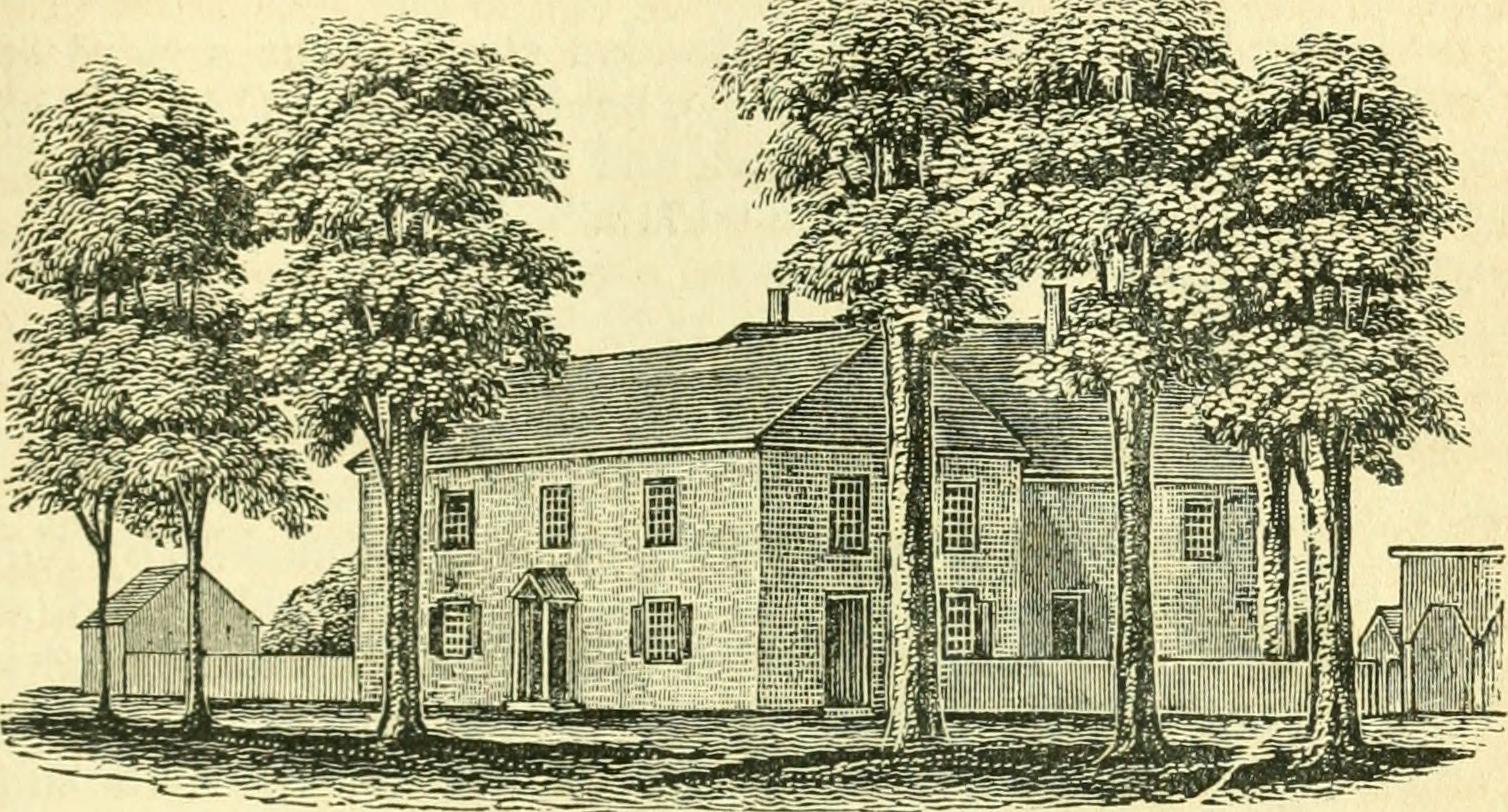
    Fishtown has spent the last two decades transforming from a working-class riverfront enclave into one of Philadelphia’s most sought-after neighborhoods for buyers who want character, walkability, and proximity to the Delaware River without the price tag or formality of Center City. For luxury buyers, Fishtown offers something increasingly rare in the region: new construction and thoughtfully renovated historic homes sitting side by side on the same blocks, all within a neighborhood that has kept its creative, independent identity even as it has grown more polished.

    What Defines Fishtown Today

    Fishtown’s streets are a mix of rowhomes dating to the 19th century, converted industrial buildings, and new-construction townhomes and condominiums built over the past ten to fifteen years. The neighborhood’s main commercial corridors, Frankford Avenue and Girard Avenue, are lined with restaurants, galleries, music venues, and independent shops that give the area its reputation as a cultural destination rather than just a residential neighborhood. Buyers drawn to Fishtown tend to value that mix of old and new, and a lifestyle that favors walking and biking over driving. The neighborhood has also become a hub for Philadelphia’s food and beverage scene, with a concentration of well-regarded restaurants, breweries, and coffee roasters that has helped drive both foot traffic and property values along its main corridors.

    Housing Stock and Architecture

    At the higher end of the Fishtown market, buyers will typically find fully renovated or newly built three- and four-bedroom homes with modern finishes, private outdoor space, and off-street parking, which remains a premium feature in this part of the city. Rooftop decks with skyline views are common in newer builds and command a real premium, particularly on blocks close to the river. Original rowhomes that have been gut-renovated while preserving exterior brick facades and period details are especially popular with buyers who want historic character with contemporary systems and layouts. Some of the neighborhood’s most distinctive properties are converted industrial buildings and former factories, which offer loft-style layouts with high ceilings and large windows that are difficult to find elsewhere in the city.

    Proximity and Access

    Fishtown sits just north and east of Northern Liberties and Old City, making it an easy commute into Center City by car, bike, or public transit. The neighborhood’s riverfront location also puts it close to the Delaware River Trail and the growing network of parks and public spaces being developed along the waterfront, which has become an increasing draw for buyers who want outdoor recreation close to home. The continued build-out of waterfront green space and trail connections has been a consistent driver of interest in blocks closest to the river, and buyers should ask about planned development nearby, since it can meaningfully affect both lifestyle and future value.

    Who Buys in Fishtown

    The neighborhood attracts a mix of professionals who want a shorter, easier commute than the suburbs offer, along with buyers who have lived in Center City and are looking for more space and a stronger sense of neighborhood identity without leaving the city entirely. It is also popular with buyers relocating from other major cities who are drawn to its resemblance to walkable, amenity-rich urban neighborhoods elsewhere, often at a lower price point per square foot than comparable Center City locations. Younger families are an increasingly visible segment of the Fishtown buyer pool as well, drawn by larger renovated homes with yards and the neighborhood’s growing amenity base.

    What to Consider Before Buying

    Because Fishtown has developed unevenly block by block, location within the neighborhood matters more than it might in a more uniform area. Proximity to Frankford Avenue’s nightlife corridor is a selling point for some buyers and a drawback for others who prioritize quiet. Parking availability, lot size, and whether a home has legal off-street parking can meaningfully affect both livability and resale value, so it’s worth confirming these details carefully during a showing rather than assuming. Flood zone status is also worth checking for homes closest to the river, as is the age and condition of infrastructure in older rowhomes that have not been fully updated. Buyers should also ask about zoning and any pending variance applications on adjacent lots, since Fishtown continues to see active new development that can change a block’s character over a few years.

    The Luxury Market in Fishtown

    Fishtown’s luxury segment has grown considerably as new development has brought higher-end finishes and larger floor plans to the neighborhood. Buyers should expect real variation in pricing depending on lot size, parking, outdoor space, and how recently a home was built or renovated. Because the neighborhood continues to evolve, working with an agent who tracks block-by-block trends and recent comparable sales closely is especially valuable here, since broader city-wide averages can be misleading for a neighborhood changing this quickly.

    Frequently asked questions

    Is Fishtown considered a luxury neighborhood in Philadelphia?

    Fishtown has a genuine and growing luxury segment, particularly among new-construction homes and high-end renovations, though it retains a more relaxed, creative character than neighborhoods like Rittenhouse Square or Society Hill. Buyers looking for a less formal, more design-forward luxury experience often find Fishtown appealing for exactly that reason.

    Does Fishtown have good access to Center City Philadelphia?

    Yes. Fishtown is close enough to Center City for an easy commute by car, rideshare, or bike, and several bus routes connect the neighborhood to Market East and other parts of the city. It does not have its own subway or regional rail stop directly in the neighborhood’s core, so buyers who prioritize rail transit should evaluate specific blocks carefully.

    What should luxury buyers prioritize when touring homes in Fishtown?

    Off-street parking, outdoor space, proximity to Frankford Avenue’s commercial corridor, and the extent of any renovation work are the factors that most affect both day-to-day livability and long-term value in Fishtown. It’s also worth asking about flood zone status for homes near the river and confirming permit history on any recent renovations.

    If you’re considering a purchase or sale in Fishtown or elsewhere in Philadelphia, James Kennedy can walk you through current inventory, recent comparable sales, and what to look for block by block. Reach James at 215-267-8479 or jameskennedy@unlockedteam.com.
  • Equestrian Properties and Horse Farms: A Luxury Buyer’s Guide to Chester County and South Jersey

    Equestrian Properties and Horse Farms: A Luxury Buyer’s Guide to Chester County and South Jersey

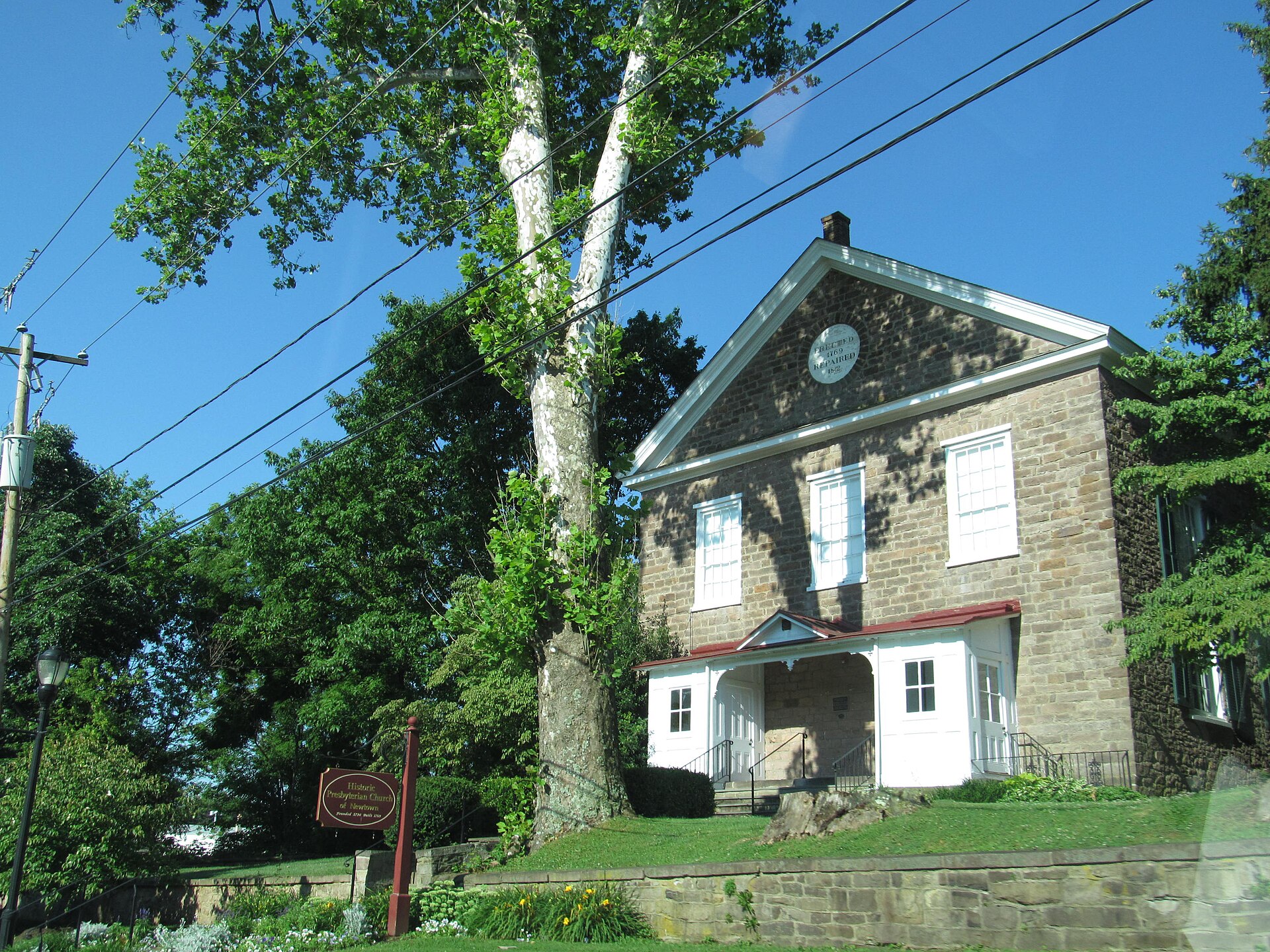
    Few property types reward careful buying — or punish careless buying — like an equestrian estate. The Philadelphia region is home to some of the most storied horse country on the East Coast, from Chester County’s rolling hunt country to the quiet farm belts of South Jersey. For buyers dreaming of morning rides on their own land, this guide covers where to look and what genuinely matters before you make an offer.

    Where the region’s horse country is

    Chester County, Pennsylvania

    Chester County is the heart of the region’s equestrian world. The countryside around Unionville, Willistown, Chadds Ford, and Malvern is defined by preserved farmland, fox-hunting tradition, and generations of serious horsemanship — this is the landscape that hosts steeplechase racing and world-class eventing. Properties here range from ten-acre gentleman’s farms to substantial estates with indoor arenas, multiple barns, and staff housing. The land itself is often protected by conservation easements, which is precisely why the views endure.

    South Jersey

    Across the river, South Jersey offers a different but compelling version of horse country. Townships around Mullica Hill, Woolwich, Medford, Shamong, and Moorestown’s rural edges combine flat, workable land with lower land prices than comparable Pennsylvania acreage. New Jersey’s farmland assessment program can meaningfully reduce property taxes on qualifying agricultural land, which matters in a state known for high tax bills. For buyers who want acreage, facilities, and value, South Jersey deserves more attention than it typically gets.

    Evaluating the land itself

    With equestrian property, the land is the asset and the house is often secondary. Focus your diligence there first:

    • Usable acreage versus total acreage. Wooded, wet, or steeply sloped land may be beautiful but unusable for turnout. Walk the property and ask what is actually fenced, drained, and grazable.
    • Drainage and footing. Persistent mud is more than an inconvenience — it affects horse health and the cost of maintaining rings and paddocks. Visit after rain if you can.
    • Water and infrastructure. Confirm well capacity, water lines to barns and fields, and the condition of fencing, which is expensive to replace at scale.
    • Riding access beyond the property. Proximity to trail networks, hunt territory, and show venues adds real lifestyle value and supports resale.

    Zoning, easements, and taxes: the paperwork that shapes the property

    Equestrian estates come wrapped in more legal texture than a typical luxury home, and this is where experienced representation earns its keep.

    Zoning and permitted use. Confirm that the township’s zoning permits the number of horses you intend to keep, any boarding or training activity, and future construction of arenas or additional barns. Rules vary meaningfully from one township to the next on both sides of the river.

    Conservation easements. Much of Chester County’s finest land is under easement with land trusts. Easements typically limit subdivision and additional building envelopes — a feature if you value permanence, a constraint if you planned to expand. Read the easement document itself, not a summary.

    Agricultural tax programs. Pennsylvania’s Clean and Green program and New Jersey’s farmland assessment can substantially reduce carrying costs, but both come with enrollment requirements and rollback taxes if the use changes. Understand what obligations you are inheriting at settlement.

    Evaluating the facilities

    Barns, arenas, and outbuildings are expensive to build and equally expensive to rebuild badly. Bring in inspectors who understand agricultural structures, not just houses. Look hard at barn ventilation and electrical work, stall condition, hay storage and fire separation, arena footing and drainage, and manure management. A property with a modest house and excellent horse infrastructure is often a far better buy than the reverse — renovating a kitchen is straightforward; re-engineering a poorly sited arena is not.

    How equestrian properties are valued — and why patience pays

    These properties trade in a thin market. The buyer pool is specialized, comparable sales are scarce, and value depends on an unusual mix of land quality, facilities, easement status, and location within the equestrian community. That cuts both ways: sellers should expect a longer, more deliberate marketing process aimed at the right audience, and buyers should expect that the best farms often change hands quietly through equestrian and agent networks before they are ever publicly listed. Working with an agent who knows the territory — and who can bring in appraisers and inspectors fluent in farm properties — is not a luxury here; it is the whole game.

    Frequently asked questions

    How much land do I need for horses in Pennsylvania or New Jersey?

    There is no single statewide answer — the practical limit is set by township zoning and by the land’s carrying capacity. Local ordinances commonly tie the permitted number of horses to usable acreage, so confirm the specific township’s rules for any property you are considering before you offer.

    Do conservation easements make a farm less valuable?

    Not necessarily. Easements limit development, which can narrow the buyer pool, but they also guarantee the surrounding character that draws equestrian buyers in the first place. Many of the region’s most coveted farms are under easement. What matters is reading the specific easement terms and making sure they fit your plans.

    Is South Jersey a serious alternative to Chester County for horse property?

    Yes. Chester County offers the deepest equestrian culture and infrastructure, while South Jersey’s farm belt offers flatter land, competitive pricing, and farmland tax assessment. Buyers focused on value and acreage should look at both before deciding.

    Whether you are searching for a turnkey farm in Unionville hunt country or acreage near Mullica Hill to build your own, James Kennedy helps luxury buyers navigate the region’s most distinctive properties. Call James at 215-267-8479 or email jameskennedy@unlockedteam.com to talk through your search.

  • Newtown, Pennsylvania: A Bucks County Town Guide for Luxury Home Buyers

    Newtown, Pennsylvania: A Bucks County Town Guide for Luxury Home Buyers

    Ask longtime Bucks County residents to name the county’s most complete town and Newtown comes up again and again. It pairs a genuinely walkable, colonial-era borough — one of the oldest communities in Pennsylvania, laid out under William Penn — with a surrounding township of estate homes, preserved farmland, and newer luxury construction. For buyers who want Main Line-caliber living with a little more land and a distinctly Bucks County character, Newtown deserves a serious look.

    Borough or township: two very different ways to live in Newtown

    The first thing a luxury buyer should understand is that Newtown is really two markets. Newtown Borough is the compact historic core: brick sidewalks, eighteenth- and nineteenth-century homes, and a State Street lined with restaurants, coffee shops, and independent retailers. Homes here are older, closer together, and prized for their architecture and walk-to-dinner location. Fully restored historic homes in the borough trade at a meaningful premium, and inventory is chronically thin because owners tend to stay for decades.

    Newtown Township wraps around the borough and is where most of the area’s larger luxury properties sit. Here you will find estate neighborhoods on generous lots, luxury developments built from the 1990s onward, and pockets of custom construction near preserved open space. If your priorities are square footage, privacy, a pool, or a three-car garage, the township is usually where the search leads. If your priority is walking to Saturday brunch, the borough wins.

    What the luxury market looks like

    Newtown’s high-end inventory falls into a few recognizable categories:

    • Restored historic homes in the borough — stone and brick colonials and Victorians, often meticulously updated behind period facades.
    • Estate homes in the township — larger custom and semi-custom homes on an acre or more, many backing to preserved farmland or golf courses.
    • Upscale planned communities — newer construction with modern layouts, high ceilings, and amenities that historic homes cannot easily offer.
    • Country properties on the edges — toward Wrightstown and Upper Makefield, buyers find long driveways, outbuildings, and true privacy.

    Because these segments behave differently — historic borough homes compete on charm and scarcity, township estates compete on land and finishes — pricing strategy matters on both sides of a transaction. A comparable-sales analysis that mixes the two can mislead you badly.

    Schools and family life

    Newtown is served by the Council Rock School District, which has long been one of the primary reasons families choose the area and a durable support for property values. The region also offers strong private options within a reasonable drive, including well-regarded independent and faith-based schools in Bucks County and nearby Montgomery County. For many relocating executives, the combination of respected public schools and private alternatives is exactly what they left larger metros to find.

    Beyond schools, Newtown’s family appeal is practical: Tyler State Park’s trails and creek sit essentially next door, youth sports are well organized, and the borough’s events calendar — market days, holiday celebrations, sidewalk sales — gives the town a genuine center of gravity that many affluent suburbs lack.

    Commuting and connectivity

    Newtown sits in a useful spot for buyers who need access to more than one employment center. Center City Philadelphia is a manageable drive, and SEPTA regional rail is available from nearby stations in Yardley, Langhorne, and Woodbourne on the West Trenton line. Princeton and central New Jersey are within a reasonable commute across the river, which makes Newtown a popular compromise for households splitting careers between Philadelphia and New Jersey. New York-bound travelers typically drive to Hamilton or Princeton Junction for Amtrak or NJ Transit express service.

    What luxury buyers should watch for

    Historic homes require historic diligence

    Borough properties can be two or three centuries old. That is part of their appeal, but it calls for inspectors experienced with stone foundations, older framing, knob-and-tube remnants, and moisture management. Budget for stewardship, not just cosmetics, and ask early about any local review that may apply to exterior changes in the historic district.

    Land comes with layers

    In the township, larger parcels may involve conservation easements, deed restrictions from preserved-farmland programs, or septic and well systems rather than public utilities. None of these are dealbreakers — easements are often why the view will never change — but they should be understood before you write an offer, not after.

    Inventory is tight at the top

    The best Newtown properties frequently sell quickly, and some trade quietly before ever reaching the open market. Serious buyers benefit from representation that hears about homes early and can move fast with clean, well-structured offers.

    How Newtown compares to its neighbors

    Buyers considering Newtown are usually also weighing Doylestown, New Hope, and Yardley. Doylestown offers a larger borough with a county-seat energy and more cultural institutions; New Hope trades convenience for riverfront artistic character; Yardley is smaller with a strong commuter orientation. Newtown’s advantage is balance — a real downtown, top-tier schools, and estate-quality housing stock all in one place. Many buyers who tour all four end their search on State Street.

    Frequently asked questions

    Is Newtown Borough or Newtown Township better for a luxury buyer?

    It depends on how you want to live. The borough offers walkability, history, and scarcity; the township offers land, larger homes, and modern amenities. Many buyers tour both before deciding, and the right answer usually becomes obvious within a weekend of showings.

    How is the commute from Newtown to Center City Philadelphia?

    Most commuters either drive — typically under an hour depending on traffic — or use SEPTA’s West Trenton regional rail line from nearby stations such as Yardley or Woodbourne. Households splitting time between Philadelphia and New Jersey find Newtown’s position especially convenient.

    What school district serves Newtown, and does it affect home values?

    Newtown is served by the Council Rock School District, whose strong reputation has long supported demand and price resilience in the area. Buyers without school-age children still benefit, because school-driven demand tends to steady resale values across market cycles.

    Thinking about buying or selling in Newtown or anywhere in Bucks County? James Kennedy helps luxury buyers and sellers across the Philadelphia region make confident, well-informed moves. Call James at 215-267-8479 or email jameskennedy@unlockedteam.com for current market details and a private consultation.

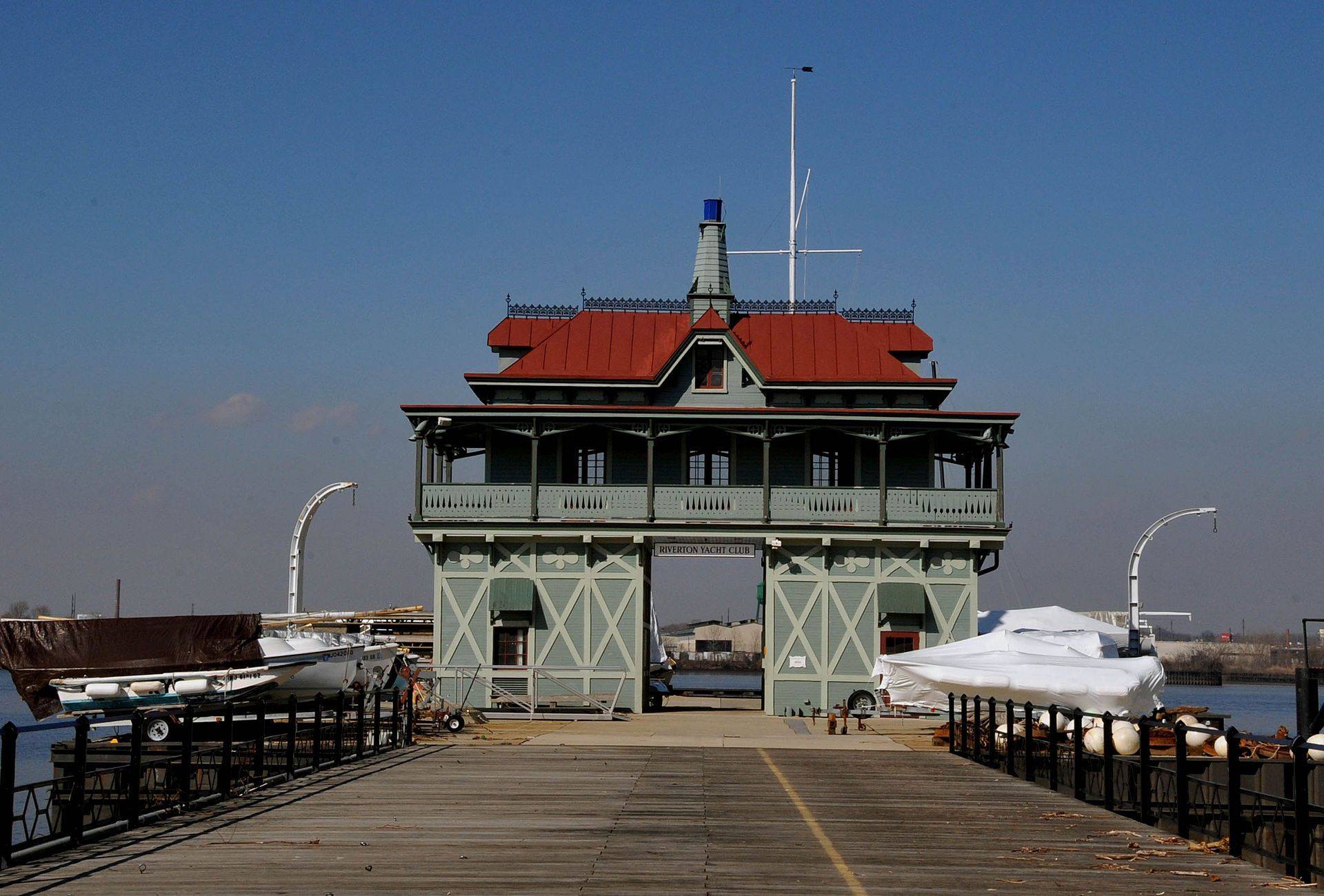
  • Riverton, New Jersey: A Town Guide for Luxury Home Buyers

    Riverton, New Jersey: A Town Guide for Luxury Home Buyers

    Riverton is one of South Jersey’s smallest and most architecturally distinctive towns, a compact Delaware riverfront community in Burlington County that was purpose-built in the 1850s as one of the region’s first planned commuter suburbs. Its walkable grid of Victorian and Colonial Revival homes, mature trees, and direct river frontage give it a character unlike anywhere else in the Philadelphia region, and its small size means genuine luxury inventory turns over rarely. For buyers who want history, water access, and true small-town scale, Riverton is worth knowing about even though it rarely shows up on a typical suburban search.

    A town built around its river

    Riverton’s identity is inseparable from the Delaware River. The town’s riverfront promenade, its yacht club, and its historic ferry landing all reflect a community designed from the outset around water access and river views, well over a century before that kind of amenity became a premium selling point elsewhere. Many of the town’s most desirable properties sit directly along the river or a short walk from it, offering views and water access that are genuinely difficult to replicate in other South Jersey suburbs.

    The town’s historic district encompasses a significant share of its housing stock, meaning many properties come with architectural review considerations for exterior changes. Buyers who value historic character generally see this as a benefit that protects the town’s look and feel, but it is worth understanding the specific rules before planning any major exterior renovation.

    Housing stock and scale

    Because Riverton covers well under a square mile, its total housing inventory is small, and luxury-tier properties, particularly those with river frontage or views, come on the market infrequently. Homes here tend to be large Victorian, Colonial Revival, and Queen Anne–style houses from the town’s original development period, many with wraparound porches, high ceilings, and detailed woodwork. Buyers accustomed to browsing dozens of comparable listings in larger towns should expect a narrower, more patience-driven search in Riverton.

    Commute and daily life

    Riverton offers a genuinely walkable town center, a small but active business district, and access to regional rail service that provides a direct commuting option into Philadelphia without requiring a car for the trip. This combination, historic riverfront charm paired with a viable rail commute, is relatively rare in South Jersey and is a significant part of Riverton’s appeal for buyers who work in the city but want small-town, water-adjacent living.

    The town’s size also means a strong sense of community; residents frequently cite the town’s walkability, its neighborly feel, and local events as reasons they stay for the long term once they arrive.

    What to know before buying in Riverton

    Given the age of Riverton’s housing stock, a thorough inspection matters as much here as in any historic Philadelphia neighborhood, with particular attention to the condition of the roof, electrical and plumbing systems, and any foundation issues related to the property’s proximity to the river. Buyers should also ask specifically about flood zone designation for riverfront and near-riverfront properties, since flood insurance requirements and costs can vary meaningfully within a short distance of the water.

    Comparing Riverton to nearby river towns

    Riverton is often mentioned alongside its immediate neighbors, Palmyra and Riverside, both of which share the same riverfront geography and rail access but offer larger, denser housing stock at a range of price points. Riverton’s smaller footprint and largely intact historic character set it apart from both, appealing specifically to buyers who want a distinctive, walkable, architecturally cohesive town rather than a broader mix of housing styles and eras. Buyers who don’t find what they need in Riverton’s limited inventory sometimes expand their search to these neighboring towns while keeping the same riverfront and rail-commute priorities in mind.

    Working with the town’s historic preservation guidelines

    Because a meaningful share of Riverton’s housing sits within its historic district, buyers planning any exterior work, from replacing windows to adding a rear addition, should factor in the town’s architectural review process from the outset. This isn’t unique to Riverton among older Philadelphia-area towns, but its high concentration of historic properties means the process touches a larger share of potential renovation projects than in a typical suburb. Engaging with the town’s historic commission early, ideally before making an offer contingent on planned changes, tends to produce the smoothest outcomes.

    Frequently asked questions

    Is Riverton, New Jersey a good option for a Philadelphia commute?

    Yes, Riverton offers direct regional rail access into Philadelphia, making it a practical option for commuters who want a walkable, historic, river-adjacent town without giving up a viable transit commute. Actual travel time depends on the specific train schedule and final destination in the city.

    How often do luxury homes come on the market in Riverton?

    Because Riverton is a very small town with limited total housing inventory, luxury and riverfront properties in particular turn over infrequently compared to larger South Jersey suburbs. Buyers interested in Riverton should expect to be patient and may benefit from having an agent monitor the market closely on their behalf.

    Are there restrictions on renovating a historic home in Riverton?

    Much of Riverton falls within a historic district, which can mean architectural review requirements for exterior changes to preserve the town’s character. It’s important to understand these requirements for any specific property before planning a major renovation.

    If Riverton’s riverfront charm and small-town scale appeal to you, James Kennedy can help you understand what’s available and how to move quickly when the right property comes to market. Contact James at 215-267-8479 or jameskennedy@unlockedteam.com.
  • Long Beach Island, New Jersey: A Luxury Buyer’s Guide to LBI’s Shore Homes

    Long Beach Island, New Jersey: A Luxury Buyer’s Guide to LBI’s Shore Homes

    Long Beach Island, known locally as LBI, offers a different flavor of Jersey Shore luxury than the more polished addresses further south. Stretching across eighteen miles of barrier island between Barnegat Bay and the Atlantic, LBI is a collection of distinct communities, from the quiet, family-oriented feel of Loveladies and Harvey Cedars to the more active surf-and-restaurant scene of Beach Haven and Ship Bottom. For buyers drawn to a shore home that feels less manicured and more genuinely coastal, LBI is one of the most compelling stretches of the South Jersey coast.

    What makes LBI distinct among Jersey Shore towns

    Unlike Avalon or Stone Harbor, which read as more uniformly upscale from end to end, LBI’s eighteen miles contain real variation in character from one community to the next. Loveladies and North Beach, at the island’s north end, are known for architect-designed contemporary homes on wide, quiet lots and tend to draw buyers seeking privacy and design-forward construction. Beach Haven, toward the south end, retains a more traditional shore-town feel with a walkable downtown, Victorian-era homes, and an active summer social scene. Buyers should think of LBI less as one market and more as several distinct micro-markets strung together along the same stretch of sand.

    Bay side versus ocean side is another major distinction on LBI. Bayfront properties often command a premium for boat access and sunset views over Barnegat Bay, while oceanfront and ocean-block properties command their own premium for direct beach access and surf views. Buyers with boats or a strong interest in bay recreation should weigh bay access as seriously as they weigh beach access.

    Housing stock and what to expect

    LBI’s luxury inventory spans architect-designed contemporary homes, elevated new construction built to current coastal flood standards, and older shore cottages that have either been extensively renovated or are candidates for a teardown and rebuild. Given the island’s exposure to coastal weather, newer or recently renovated homes are often built on pilings with impact-resistant windows and updated drainage, features that matter more here than in most inland luxury markets.

    Because LBI is a barrier island, flood zone designation and elevation requirements are a meaningful part of any purchase decision, affecting everything from insurance costs to the feasibility of future renovations. A knowledgeable local agent and a flood-zone-aware inspector are essential parts of the due diligence process here.

    Rental income potential

    Many LBI buyers view their purchase as a dual-purpose asset: a personal retreat for part of the year and a rental property for the rest. LBI has a well-established seasonal rental market, and certain towns and property types rent more readily and at higher rates than others. If rental income is part of your plan, it’s worth discussing realistic occupancy and rate expectations with a local agent who tracks the rental market directly, rather than relying on general assumptions from other shore markets.

    Seasonality and year-round living

    LBI’s population swells dramatically in summer and quiets considerably in the off-season, which shapes both the lifestyle and the practical realities of ownership. Buyers considering LBI as a full-time residence should visit during the off-season as well as summer to get an honest sense of what year-round life looks like, including which restaurants and services stay open and how the community feels once the summer crowds leave.

    Getting to and from the island

    Access to LBI is limited to a single causeway connecting the island to the mainland, which shapes both daily life and how buyers should think about traffic patterns, particularly during peak summer weekends. Year-round residents generally learn to plan trips off-island around predictable congestion windows, while summer-only owners may not need to think about it at all. It’s a small but real lifestyle factor worth understanding before you commit, especially if you’re considering full-time living rather than seasonal use.

    What buyers should budget for beyond the purchase price

    Coastal ownership on LBI carries carrying costs that go beyond a typical inland property, including flood insurance, wind and hail coverage, and ongoing maintenance driven by salt air and coastal weather exposure. Homes on pilings may also require periodic structural inspections of the elevated foundation. None of this should discourage a serious buyer, but building these costs into your overall budget from the start, rather than discovering them after closing, leads to a much smoother ownership experience.

    Frequently asked questions

    What part of Long Beach Island is best for privacy?

    Loveladies and North Beach, at the island’s northern end, are generally known for larger lots, more architectural privacy, and a quieter atmosphere compared to the busier downtown areas of Beach Haven and Ship Bottom. The right fit depends on how much you value walkable amenities versus seclusion.

    Do LBI homes require flood insurance?

    Most properties on LBI sit within FEMA-designated flood zones given the island’s barrier-island geography, which typically means flood insurance is required by mortgage lenders and strongly recommended even for cash buyers. Costs and requirements vary by specific flood zone and elevation, so it’s important to get a clear estimate for any property you’re considering before finalizing an offer.

    Can I generate rental income from an LBI luxury home?

    Yes, LBI has an active seasonal rental market, and many owners rent their properties for all or part of the summer season. Rental potential varies by location, home size, and amenities, so it’s worth getting a realistic, property-specific estimate rather than assuming a uniform return across the island.

    If LBI’s mix of natural beauty and distinct micro-markets sounds like the shore lifestyle you’re after, James Kennedy can help you navigate the island’s different communities and find the right fit. Reach James at 215-267-8479 or jameskennedy@unlockedteam.com.