
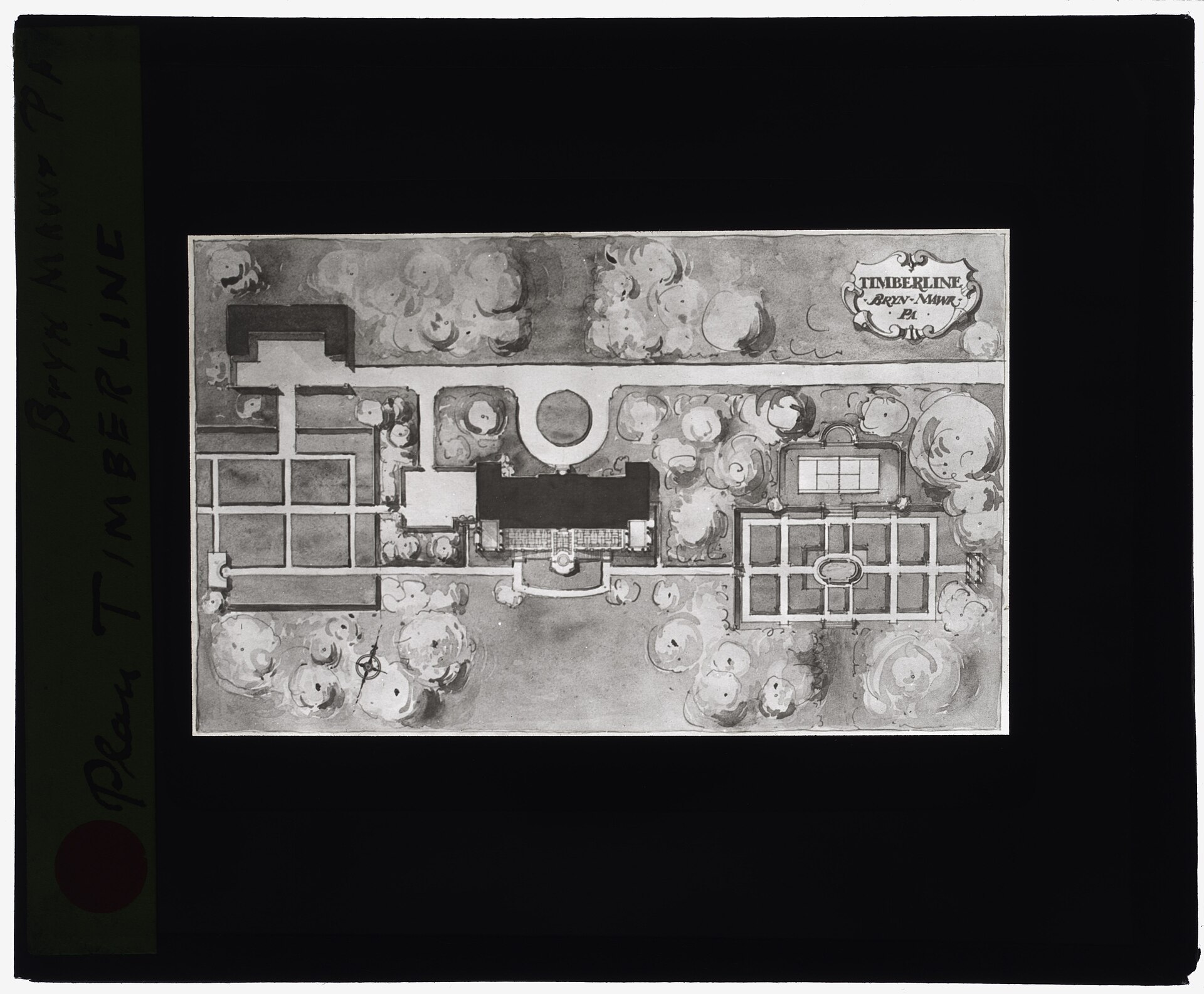
Bryn Mawr sits near the geographic and cultural center of Philadelphia’s Main Line, a corridor of historic suburbs that has drawn affluent buyers out of the city for well over a century. Anchored by Bryn Mawr College and a walkable downtown along Lancaster Avenue, the town blends the academic, tree-lined character of a college community with some of the most substantial residential real estate in the Philadelphia suburbs.
What Makes Bryn Mawr Distinct on the Main Line
Unlike some Main Line towns that are primarily residential, Bryn Mawr has a genuine town center, with shops, restaurants, and services within walking distance for many residents. The presence of Bryn Mawr College and nearby Haverford College gives the area an intellectual, unhurried character that appeals to buyers who want suburban space without feeling disconnected from cultural and community life. This combination of walkability and estate-scale properties is part of what has kept Bryn Mawr among the most desirable addresses in the region. The town also benefits from proximity to Bryn Mawr Hospital and a concentration of medical offices, which has made the area particularly attractive to buyers in healthcare and academia.
Architecture and Lot Sizes
Bryn Mawr’s housing stock includes grand early-20th-century stone and stucco estates, many originally built during the Main Line’s Gilded Age heyday, alongside more recently built homes on similarly generous lots. Buyers should expect meaningful variation in lot size and setback even within a single block, since the town developed over more than a century rather than in a single building boom. Mature trees and established landscaping are common and are part of what gives many Bryn Mawr properties their character, though they also mean buyers should budget for tree and grounds maintenance as part of ongoing ownership costs. Stone construction, slate roofing, and formal gardens are common features on the area’s older estate properties, and buyers should factor specialized maintenance costs for these materials into their long-term ownership budget.
Commuting and Transit
Bryn Mawr has its own regional rail station on SEPTA’s Paoli/Thorndale Line, giving residents a direct commute into Center City Philadelphia without driving. This is a meaningful advantage over some Main Line towns without their own stop, and it’s a detail worth confirming when comparing properties, since walking distance to the station can vary significantly by street. The town is also within reasonable driving distance of the Blue Route and the Pennsylvania Turnpike, giving residents flexible access to the broader region, including the western suburbs and Delaware.
Schools and Community
The area is served by the Lower Merion School District, widely regarded as one of the strongest public school systems in Pennsylvania, and is also close to a number of respected private schools, including several with campuses directly in or near Bryn Mawr. For many buyers relocating to the Main Line, school quality is a primary driver of the decision to focus on Bryn Mawr specifically, and it factors meaningfully into long-term resale value as well. The town’s civic and community organizations, along with its proximity to the colleges, also support a robust calendar of lectures, performances, and cultural events throughout the year.
What to Consider Before Buying
Because Bryn Mawr’s housing stock spans such a wide range of construction eras, older homes may require more attention to systems, roofing, and mechanicals than buyers accustomed to newer construction expect. It’s worth budgeting time and inspection resources accordingly, and working with an agent who can help identify which updates have already been made versus which are likely to be needed. Property taxes in Lower Merion Township are also a meaningful ongoing cost that should factor into any comparison with other Main Line or Chester County towns. Buyers considering a historic estate should also ask whether any portion of the property is subject to conservation easements or historic designation, which can affect future renovation plans.
The Luxury Market in Bryn Mawr
Bryn Mawr’s luxury segment includes both classic estate properties on multi-acre lots and more contemporary homes closer to the town center. Because inventory in Bryn Mawr tends to be limited relative to buyer demand, well-priced, well-maintained homes in desirable locations can move quickly, and it’s worth being prepared to act when the right property comes on the market. Buyers coming from other high-demand Main Line towns should expect a similarly competitive process here.
Frequently asked questions
Is Bryn Mawr more walkable than other Main Line towns?
Yes, relative to many Main Line suburbs. Bryn Mawr has a genuine downtown along Lancaster Avenue with restaurants and shops within walking distance for residents in the town center, which sets it apart from more purely residential Main Line communities.
What school district serves Bryn Mawr?
Most of Bryn Mawr falls within the Lower Merion School District, one of the highest-performing public school systems in the state, though buyers should always confirm the specific district and elementary feeder pattern for any individual property, since some parts of Bryn Mawr extend into neighboring townships.
Does Bryn Mawr have direct rail access to Philadelphia?
Yes. Bryn Mawr has its own SEPTA Regional Rail station on the Paoli/Thorndale Line, offering a direct commute to Center City Philadelphia. Proximity to the station varies by street, so it’s worth confirming walking distance for any specific property.
If you’re exploring homes in Bryn Mawr or elsewhere on the Main Line, James Kennedy can help you understand current inventory and how specific properties compare. Reach James at 215-267-8479 or jameskennedy@unlockedteam.com.
Leave a Reply