
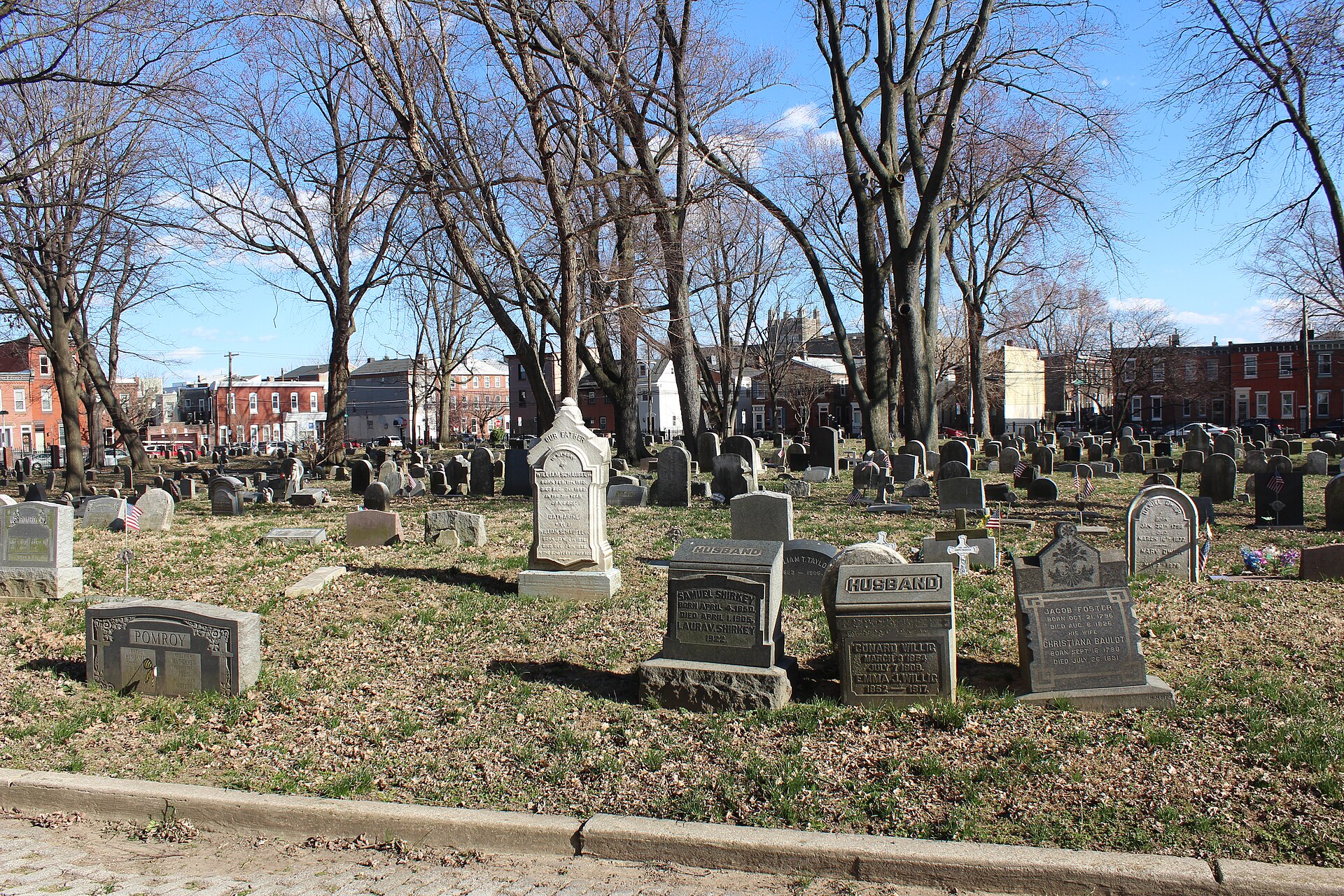
Fishtown has spent the last two decades transforming from a working-class riverfront enclave into one of Philadelphia’s most sought-after neighborhoods for buyers who want character, walkability, and proximity to the Delaware River without the price tag or formality of Center City. For luxury buyers, Fishtown offers something increasingly rare in the region: new construction and thoughtfully renovated historic homes sitting side by side on the same blocks, all within a neighborhood that has kept its creative, independent identity even as it has grown more polished.
What Defines Fishtown Today
Fishtown’s streets are a mix of rowhomes dating to the 19th century, converted industrial buildings, and new-construction townhomes and condominiums built over the past ten to fifteen years. The neighborhood’s main commercial corridors, Frankford Avenue and Girard Avenue, are lined with restaurants, galleries, music venues, and independent shops that give the area its reputation as a cultural destination rather than just a residential neighborhood. Buyers drawn to Fishtown tend to value that mix of old and new, and a lifestyle that favors walking and biking over driving. The neighborhood has also become a hub for Philadelphia’s food and beverage scene, with a concentration of well-regarded restaurants, breweries, and coffee roasters that has helped drive both foot traffic and property values along its main corridors.
Housing Stock and Architecture
At the higher end of the Fishtown market, buyers will typically find fully renovated or newly built three- and four-bedroom homes with modern finishes, private outdoor space, and off-street parking, which remains a premium feature in this part of the city. Rooftop decks with skyline views are common in newer builds and command a real premium, particularly on blocks close to the river. Original rowhomes that have been gut-renovated while preserving exterior brick facades and period details are especially popular with buyers who want historic character with contemporary systems and layouts. Some of the neighborhood’s most distinctive properties are converted industrial buildings and former factories, which offer loft-style layouts with high ceilings and large windows that are difficult to find elsewhere in the city.
Proximity and Access
Fishtown sits just north and east of Northern Liberties and Old City, making it an easy commute into Center City by car, bike, or public transit. The neighborhood’s riverfront location also puts it close to the Delaware River Trail and the growing network of parks and public spaces being developed along the waterfront, which has become an increasing draw for buyers who want outdoor recreation close to home. The continued build-out of waterfront green space and trail connections has been a consistent driver of interest in blocks closest to the river, and buyers should ask about planned development nearby, since it can meaningfully affect both lifestyle and future value.
Who Buys in Fishtown
The neighborhood attracts a mix of professionals who want a shorter, easier commute than the suburbs offer, along with buyers who have lived in Center City and are looking for more space and a stronger sense of neighborhood identity without leaving the city entirely. It is also popular with buyers relocating from other major cities who are drawn to its resemblance to walkable, amenity-rich urban neighborhoods elsewhere, often at a lower price point per square foot than comparable Center City locations. Younger families are an increasingly visible segment of the Fishtown buyer pool as well, drawn by larger renovated homes with yards and the neighborhood’s growing amenity base.
What to Consider Before Buying
Because Fishtown has developed unevenly block by block, location within the neighborhood matters more than it might in a more uniform area. Proximity to Frankford Avenue’s nightlife corridor is a selling point for some buyers and a drawback for others who prioritize quiet. Parking availability, lot size, and whether a home has legal off-street parking can meaningfully affect both livability and resale value, so it’s worth confirming these details carefully during a showing rather than assuming. Flood zone status is also worth checking for homes closest to the river, as is the age and condition of infrastructure in older rowhomes that have not been fully updated. Buyers should also ask about zoning and any pending variance applications on adjacent lots, since Fishtown continues to see active new development that can change a block’s character over a few years.
The Luxury Market in Fishtown
Fishtown’s luxury segment has grown considerably as new development has brought higher-end finishes and larger floor plans to the neighborhood. Buyers should expect real variation in pricing depending on lot size, parking, outdoor space, and how recently a home was built or renovated. Because the neighborhood continues to evolve, working with an agent who tracks block-by-block trends and recent comparable sales closely is especially valuable here, since broader city-wide averages can be misleading for a neighborhood changing this quickly.
Frequently asked questions
Is Fishtown considered a luxury neighborhood in Philadelphia?
Fishtown has a genuine and growing luxury segment, particularly among new-construction homes and high-end renovations, though it retains a more relaxed, creative character than neighborhoods like Rittenhouse Square or Society Hill. Buyers looking for a less formal, more design-forward luxury experience often find Fishtown appealing for exactly that reason.
Does Fishtown have good access to Center City Philadelphia?
Yes. Fishtown is close enough to Center City for an easy commute by car, rideshare, or bike, and several bus routes connect the neighborhood to Market East and other parts of the city. It does not have its own subway or regional rail stop directly in the neighborhood’s core, so buyers who prioritize rail transit should evaluate specific blocks carefully.
What should luxury buyers prioritize when touring homes in Fishtown?
Off-street parking, outdoor space, proximity to Frankford Avenue’s commercial corridor, and the extent of any renovation work are the factors that most affect both day-to-day livability and long-term value in Fishtown. It’s also worth asking about flood zone status for homes near the river and confirming permit history on any recent renovations.
If you’re considering a purchase or sale in Fishtown or elsewhere in Philadelphia, James Kennedy can walk you through current inventory, recent comparable sales, and what to look for block by block. Reach James at 215-267-8479 or jameskennedy@unlockedteam.com.
Leave a Reply