
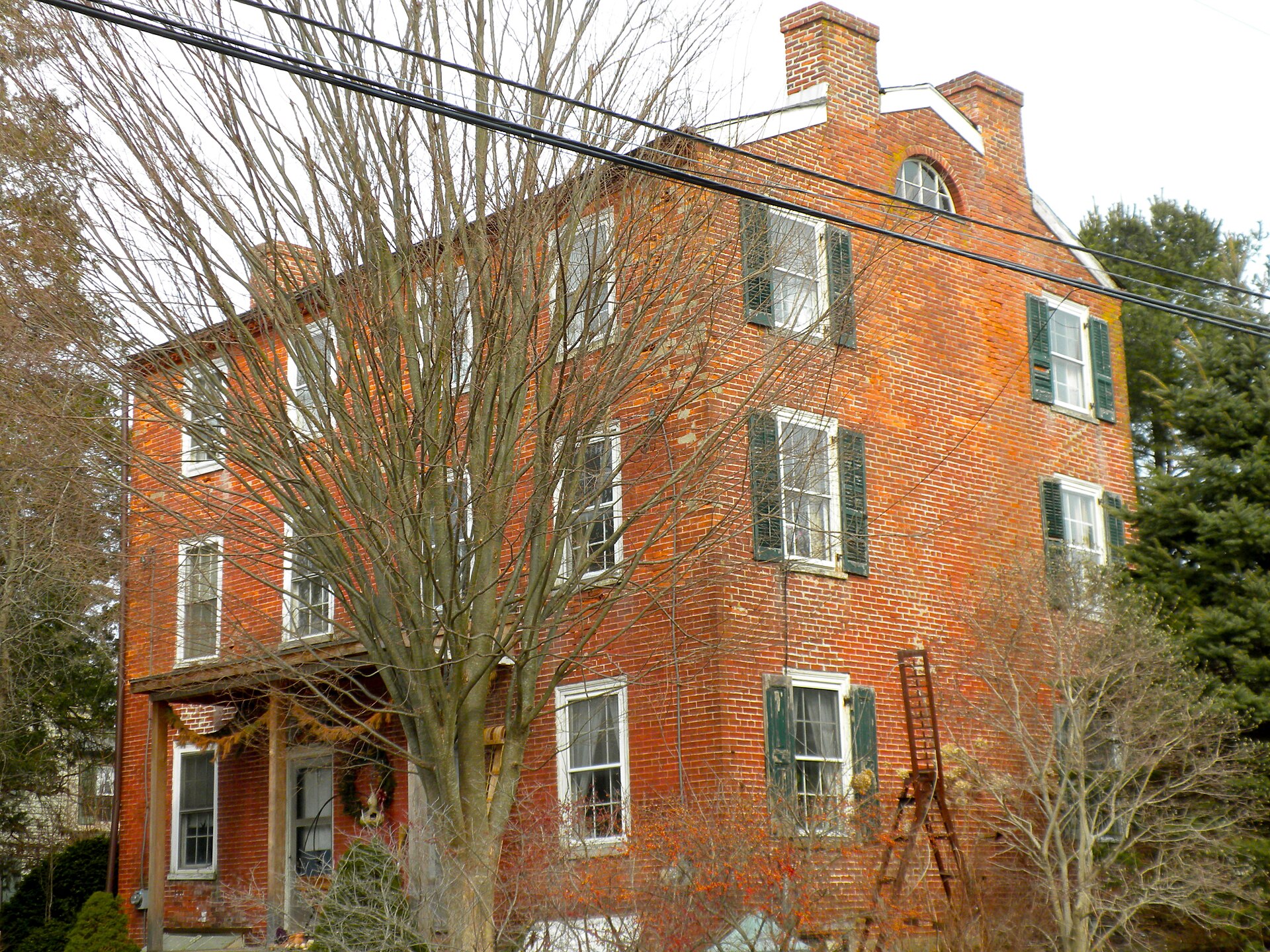
West of the Main Line and south of West Chester, the rolling hills around Unionville, Pennsylvania form one of the most distinctive luxury real estate markets in the Philadelphia region. This is Brandywine Valley horse country — a landscape of stone farmhouses, post-and-rail fencing, and preserved open land that has drawn generations of buyers who want privacy, acreage, and a genuine connection to the land rather than a manicured suburban lot. For buyers considering a move here, understanding how this market differs from the Main Line or Chester County’s more suburban towns is the first step.
Where Unionville Sits and What Makes It Different
Unionville itself is a small unincorporated village straddling the line between East Marlborough and Newlin Townships, part of the broader Unionville-Chadds Ford School District. The surrounding countryside is what draws buyers: rolling pasture, wooded stream valleys, and a density of horse farms and country estates that is unusual this close to a major metropolitan area. Unlike the denser Main Line towns built up around a commuter rail line, this is a landscape of large lots, long driveways, and a working relationship with the land that shows up in barns, riding rings, and fenced paddocks as often as swimming pools.
The luxury inventory here skews toward converted or expanded farmhouses, architect-designed stone and stucco homes built to blend with the vernacular, and true equestrian estates with multiple outbuildings. Buyers who want a more traditional large suburban house closer to shopping and a train line typically look toward West Chester, Kennett Square, or the Main Line instead.
The Estate and Farm Market
Properties in and around Unionville range widely: a beautifully renovated stone farmhouse on a few acres, a modern equestrian estate with a full complement of barns and rings, or a historic property with protective covenants attached to a land trust. Because so much of the land here has been in the same families or under conservation stewardship for decades, inventory can be thin and word-of-mouth matters. Buyers serious about this market benefit from working with an agent who has relationships with local land trusts, farm managers, and attorneys familiar with easement-encumbered properties, since many of the best estates never reach the open market in a conventional way.
Land, Fencing, and Equestrian Infrastructure to Evaluate
If horses or hobby farming are part of the plan, the infrastructure on a property deserves the same scrutiny as the house itself. Ask about the age and condition of barns, the type and condition of fencing, water and drainage on pastureland, ring footing if there is a riding arena, and whether outbuildings are permitted structures with proper documentation. A property that looks idyllic in photos can carry significant deferred maintenance in fencing and drainage that only becomes apparent after a season of use. An inspection tailored to equestrian and agricultural improvements, not just the residence, is worth arranging separately from a standard home inspection.
Conservation Easements and Preserved Land
A large share of the open character of this region exists because landowners have placed conservation easements on their properties, often in partnership with local land trusts. An easement can restrict future subdivision, limit additional building footprint, or govern how land can be used, and those restrictions transfer with the property to future owners. This is not a reason to avoid an easement-protected property — many buyers specifically seek them out because they guarantee the surrounding views and open space will never be developed — but it does mean reviewing easement terms carefully with an attorney before making an offer, so expectations about future additions, guest houses, or subdividable acreage are set correctly from the start.
Schools and Community
The Unionville-Chadds Ford School District serves much of this area and is a significant draw for families relocating from the city or from out of state. Beyond schools, the community itself centers around equestrian and agricultural life: local hunt clubs, horse shows, farmers’ markets, and land conservation organizations create a social fabric that is quite different from a country club-centered suburb. Buyers who value that lifestyle tend to feel immediately at home; buyers who want walkable downtown amenities should weigh that trade-off honestly before committing to a rural estate.
Commuting and Access
This is not a commuter-rail market. Access to Philadelphia and its suburbs runs primarily by car, with routes into the city or to the Main Line taking meaningfully longer than from closer-in suburbs. For buyers who work from home, split time between a city residence and a country property, or are retired or semi-retired, that trade-off is easily worth the privacy and acreage. For buyers who need a daily commute into Center City, it is worth test-driving the route at typical commute times before making a decision.
Frequently asked questions
Do I need horses or riding experience to buy in Unionville horse country?
No. While many buyers are drawn here specifically for equestrian use, plenty of residents simply value the privacy, acreage, and preserved landscape without owning horses. Existing barns and paddocks can often be adapted to other uses, such as workshops, storage, or simply left as scenic outbuildings.
How does buying land with a conservation easement affect resale value?
Easement-protected land can be very desirable to future buyers because it guarantees the surrounding open space and views will remain intact, which is a significant part of what makes this area valuable in the first place. The key is understanding exactly what the easement permits and restricts before you buy, since that will shape both your enjoyment of the property and how you eventually market it for resale.
What should I budget for beyond the purchase price on an equestrian estate?
Barn and fencing maintenance, pasture management, ring footing upkeep, and larger acreage landscaping all carry ongoing costs beyond a typical suburban home. It is worth asking a seller for records of recent capital work on outbuildings and fencing, and budgeting for inspections that specifically cover agricultural and equestrian improvements rather than relying on a standard residential inspection alone.
If you are exploring Chester County horse country or comparing it to other luxury markets around Philadelphia and the Main Line, James Kennedy can walk you through current inventory, introduce you to specialists in equestrian and easement-encumbered properties, and help you weigh this lifestyle against other options in the region. Reach James at 215-267-8479 or jameskennedy@unlockedteam.com.
Leave a Reply