
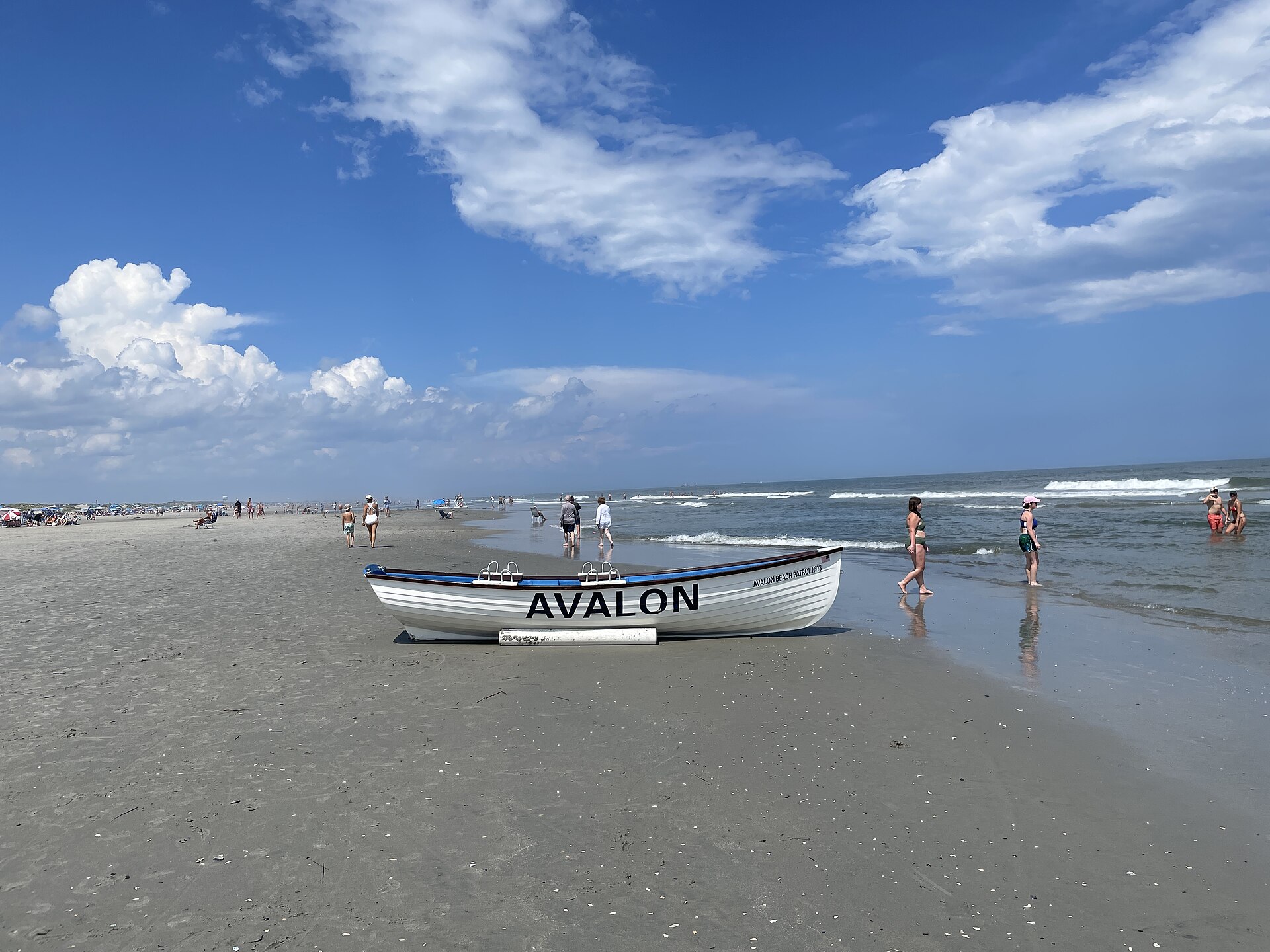
Few things shape the long-term value of a South Jersey shore home as much as what sits between it and the water. Bulkheads, dunes, and beach replenishment projects are not glamorous topics, yet they influence insurance, financing, repair costs, and resale appeal. Luxury buyers on barrier islands like Avalon, Stone Harbor, Long Beach Island, and Ocean City should understand them before making an offer.
Bay side versus ocean side: two different risk profiles
A shore property usually faces one of two very different settings. Oceanfront and near-ocean homes rely on dunes and beaches as their first line of defense against storm surge and erosion. Bayfront and lagoon homes, by contrast, depend on bulkheads, which are vertical retaining walls along the water’s edge, along with the elevation of the lot and nearby streets. Each setting brings its own maintenance obligations and its own questions during due diligence.
Understanding bulkheads
A bulkhead holds soil in place and protects a waterfront lot from erosion and tidal action. Common materials include timber, vinyl, aluminum, and concrete, and each has a different expected lifespan and cost profile. Over time, tides, ice, and marine organisms take a toll, and a failing bulkhead can lead to sinkholes in the yard, settling of patios and pools, and eventually structural concerns for the house itself.
When evaluating a bayfront property, ask these questions:
- How old is the bulkhead and what is it made of? Ask for installation records, permits, and any repair history.
- Who owns and maintains it? In some communities, a bulkhead is the responsibility of the individual homeowner. In others, shared structures involve neighbors or associations.
- Is there visible distress? Leaning, gaps, soil loss, or settling behind the wall are warning signs.
- Was the work permitted? Shoreline work in New Jersey generally involves state and local approvals, and unpermitted work can create problems at closing.
Consider hiring a marine contractor or engineer, in addition to a standard home inspector, for a professional assessment. Replacement can be a substantial expense, and knowing that cost before you buy gives you negotiating leverage.
Dunes: nature’s shock absorber
Dunes protect oceanfront and beachblock homes by absorbing wave energy and limiting storm surge. Many shore towns actively maintain dune systems, plant dune grass, and install sand fencing, and they regulate how owners may interact with them. Walking paths, access structures, and landscaping near dunes are typically governed by local ordinance and state rules, so a buyer who dreams of a private boardwalk or a sweeping lawn should confirm what is permitted before assuming it will be approved.
Beach replenishment and why it matters
Beach replenishment, sometimes called beach nourishment, involves pumping or trucking sand onto eroded beaches to rebuild width and height. These projects are typically coordinated by government agencies and funded through a mix of federal, state, and local sources. For a buyer, the practical takeaways are:
- A wider beach generally improves both storm protection and recreational appeal.
- Replenishment is ongoing, not a one-time fix, and schedules and funding can change.
- Local taxes or fees may help support shore protection, so review the municipal budget picture.
- Easement requirements to allow dune construction or beach access are a recurring part of shore protection projects, so ask whether a property is affected.
Flood zones, elevation, and insurance
Shore protection does not replace the need to understand flood risk. Obtain an elevation certificate when one is available, confirm the property’s FEMA flood zone, and request insurance quotes for both flood and wind coverage before your contingency period ends. Insurance costs can vary significantly between two homes that look similar on paper, and premiums affect your total monthly cost of ownership. If you plan to finance, your lender will have its own flood-insurance requirements.
What to do during your contingency period
Treat shoreline infrastructure as part of the inspection process. Request surveys that show the bulkhead line and any riparian grants or easements, ask about past storm damage and insurance claims, and review any association documents that mention shared shoreline obligations. Speak with your insurance broker and, for bayfront homes, a qualified marine professional. Your attorney can help you understand how any findings should be addressed in the negotiation.
Resale considerations
Well-documented, recently upgraded shoreline protection is a selling point, and sellers who can show permits, warranties, and maintenance records inspire confidence. Buyers who plan to hold long term should factor future bulkhead or dune maintenance into their ownership budget just as they would a roof or a heating system.
Working with the right team
Shore purchases involve more specialists than a typical home sale: a flood-experienced insurance broker, a marine contractor for bayfront properties, an attorney who understands local shore ordinances, and an agent familiar with the specific barrier island. Assembling that team early keeps your contingency period productive and helps you move quickly and confidently when the right home appears.
Frequently asked questions
How long does a bulkhead last?
Lifespan depends on the material, installation quality, and exposure, and it can range from a couple of decades to considerably longer. A marine contractor can assess the condition of a specific bulkhead and estimate remaining life.
Does beach replenishment guarantee my home is protected?
No. Replenishment improves beach width and storm resilience but does not eliminate flood or erosion risk. You should still confirm the flood zone, elevation, and insurance coverage for any property.
Should I get a separate inspection for a bayfront home?
Yes. In addition to a standard home inspection, consider a marine contractor or engineer to evaluate the bulkhead and any docks, along with a survey showing the shoreline boundaries.
Ready to talk strategy? Contact James Kennedy, luxury real estate advisor serving Philadelphia and South Jersey, at 215-267-8479 or jameskennedy@unlockedteam.com for a confidential conversation and current local figures.
Leave a Reply