
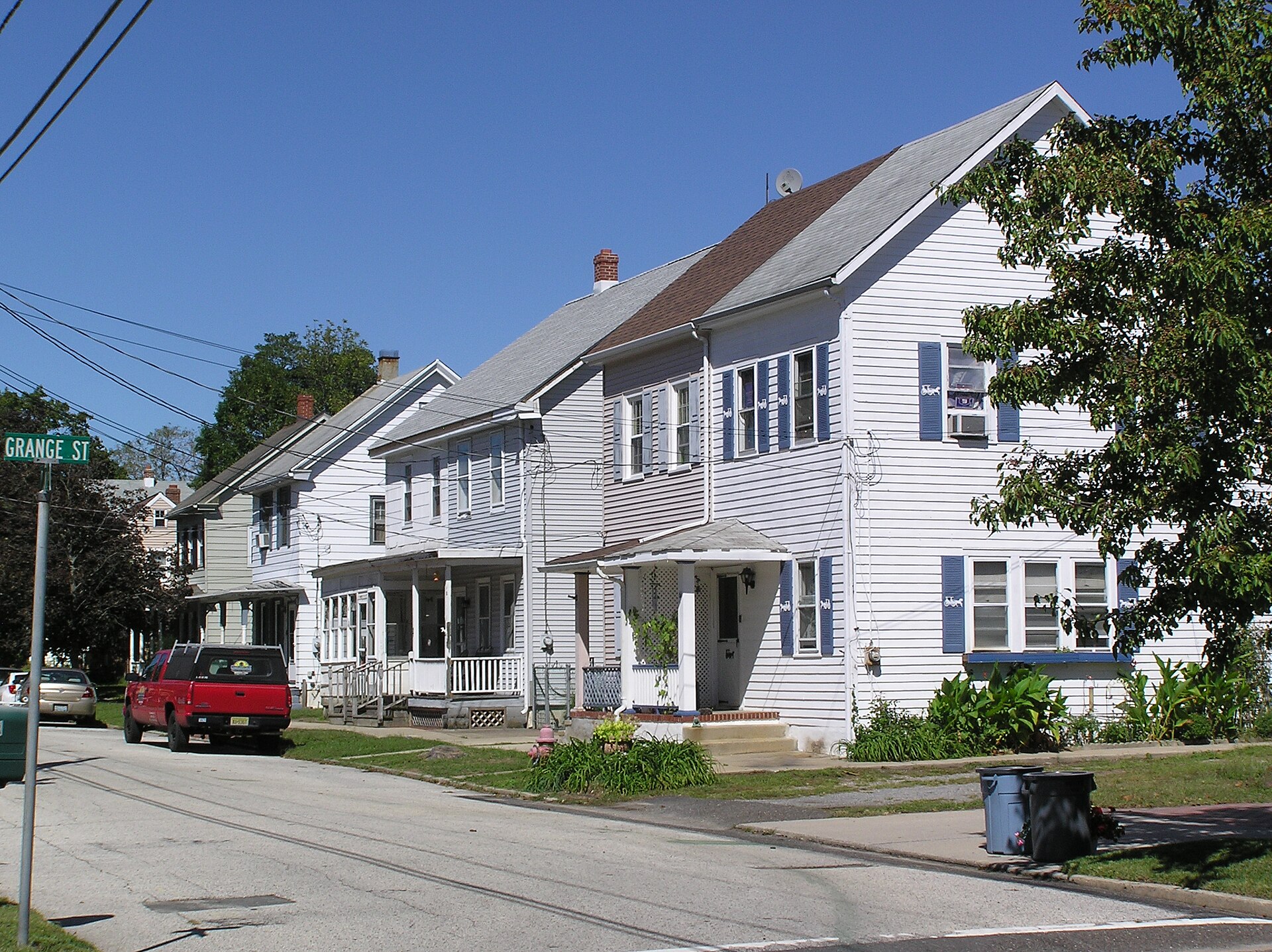
Southampton Township and the village of Vincentown occupy a quiet stretch of Burlington County where suburban New Jersey gives way to the Pinelands. It is one of the few places within reasonable reach of Philadelphia where a buyer can still find meaningful acreage, a genuine farmhouse or estate property, and neighbors who are measured in fields rather than feet. For luxury and estate buyers who want land more than they want a walkable downtown, Southampton deserves a look.
Getting the geography straight
Southampton Township is the municipality. Vincentown is a village within it and the address most buyers will see on a listing. Confusingly, the township also contains the Leisuretowne and Tanglewood communities, which are age-restricted and function very differently from the rest of the township. Red Lion and Retreat are other place names you will encounter. When you are comparing properties, always work from the municipality and the actual parcel rather than the mailing address, because the housing types within Southampton vary more than in most towns.
The township borders Medford, Tabernacle, Pemberton, Lumberton, and Shamong — all part of the same rural-to-suburban transition zone in central Burlington County. Much of Southampton falls within the New Jersey Pinelands Area, which has real consequences for what can be built and altered. More on that below.
What the high end of the market looks like
Southampton is not a market of large luxury subdivisions. The upper end is made up of individual properties, and they generally fall into a few types.
Farms and former farms
The township’s agricultural history is still visible. Properties with ten, twenty, or more acres come available periodically, sometimes with barns, outbuildings, or preserved farmland attached. These are the marquee properties in Southampton and they attract buyers from a wide radius — including equestrian buyers who want turnout and ride-out access without going to Chester County.
Historic farmhouses in and around Vincentown village
Vincentown proper has a compact core of eighteenth- and nineteenth-century houses along the Southampton Branch of Rancocas Creek. These are character properties: wide-plank floors, original millwork, and the maintenance profile that comes with a building of that age. They reward a buyer who genuinely wants an old house and punish one who wanted the look without the upkeep.
Custom homes on acreage
Scattered through the township are newer custom builds — often 3,000 to 6,000 square feet on two to ten acres, built from the 1990s forward. For many buyers this is the sweet spot: modern systems and layouts with the land that drew them to Southampton in the first place.
The Pinelands question
This is the single most important piece of local knowledge for a Southampton buyer. Large portions of the township sit within the Pinelands Area, administered under a regional plan that assigns each parcel a management area designation — Preservation Area, Forest Area, Agricultural Production Area, Rural Development Area, Regional Growth Area, and others. That designation drives what you may build, how a lot may be subdivided, minimum lot sizes, and how septic systems are permitted.
Practical implications for a buyer:
- A large parcel is not automatically subdividable. Development rights in Pinelands management areas are constrained and may require credits under the Pinelands Development Credit program.
- Adding a guest house, barn, pool house, or significant addition may require Pinelands review in addition to municipal approvals.
- Septic density standards can limit what the land supports regardless of acreage.
None of this is a reason to avoid Southampton. It is a reason to confirm the management area designation and any deed restrictions before you write an offer, and to make your plans contingent on verified approvals rather than an assumption.
Wells, septic, and land due diligence
Most estate properties in Southampton are on private wells and septic systems. That is normal here and entirely manageable, but it changes your inspection list:
- Well: flow rate, depth, casing condition, and full water quality testing. New Jersey’s Private Well Testing Act governs testing obligations in many residential transactions — confirm what applies to your deal.
- Septic: locate the system, inspect it, and identify the replacement area. Ask whether the system serves any outbuildings.
- Underground storage tanks: older properties in South Jersey frequently had buried heating oil tanks. A tank sweep is inexpensive relative to the remediation cost if one is found later.
- Farmland assessment: if the property carries a farmland assessment, understand the rollback tax exposure if you change the use.
- Wetlands and flood: the Rancocas Creek watershed runs through the township. Check wetlands mapping and flood zone designation for the parcel, not just the neighborhood.
Schools, services, and daily life
Southampton Township operates its own elementary district, with secondary students attending the Lenape Regional High School District. As always, confirm the current assignment for the specific address rather than relying on a listing sheet.
Day-to-day shopping and dining are mostly in Medford, Mount Holly, Marlton, and along Route 38 and Route 70. Vincentown village itself has a handful of local businesses and a strong sense of place, but it is not a commercial center. Philadelphia is reachable via Route 206 and Route 70 to Route 73 and the bridges, or via Interstate 295. Expect a real drive; this is not a rail commute market.
How Southampton compares to nearby towns
- Versus Medford: Medford has more retail, more organized amenity communities, and a busier feel. Southampton is quieter and generally offers more land per dollar.
- Versus Tabernacle and Shamong: Very similar in character. Southampton has slightly more village structure through Vincentown.
- Versus Moorestown or Haddonfield: A completely different proposition. Those are walkable, historic, high-service towns with strong resale liquidity. Southampton is a land play with more privacy and a smaller buyer pool at resale.
Frequently asked questions
Is Vincentown a town or part of Southampton Township?
Vincentown is an unincorporated village and mailing address within Southampton Township, Burlington County. There is no separate Vincentown municipal government. Property taxes, zoning, and municipal services all come from Southampton Township, so that is where you should direct questions about permits, assessments, and land use.
Can I subdivide or build on a large parcel in Southampton?
Possibly, but do not assume it. Much of the township is within the New Jersey Pinelands Area, where the management area designation assigned to your parcel governs minimum lot size, permitted density, and whether development credits are required. Verify the designation and consult the township and Pinelands Commission before you buy land with a development plan in mind.
How long is the commute from Southampton to Center City Philadelphia?
It is a car commute, and the time varies meaningfully with traffic and which bridge you use. There is no direct rail service from the township, so most residents drive the full distance or drive to a park-and-ride. If you commute daily, test the drive at your real departure time in both directions before committing — that single exercise resolves more relocation decisions than any listing description.
Looking at land in Burlington County?
Estate and acreage purchases reward preparation. Pinelands designations, septic capacity, farmland rollback exposure, and buried tanks are all knowable before you are under contract, and they are much cheaper to check than to discover. James Kennedy works with luxury and estate buyers across South Jersey and the Philadelphia region and can help you evaluate a Southampton or Vincentown property properly. Call 215-267-8479 or email jameskennedy@unlockedteam.com.
Leave a Reply