
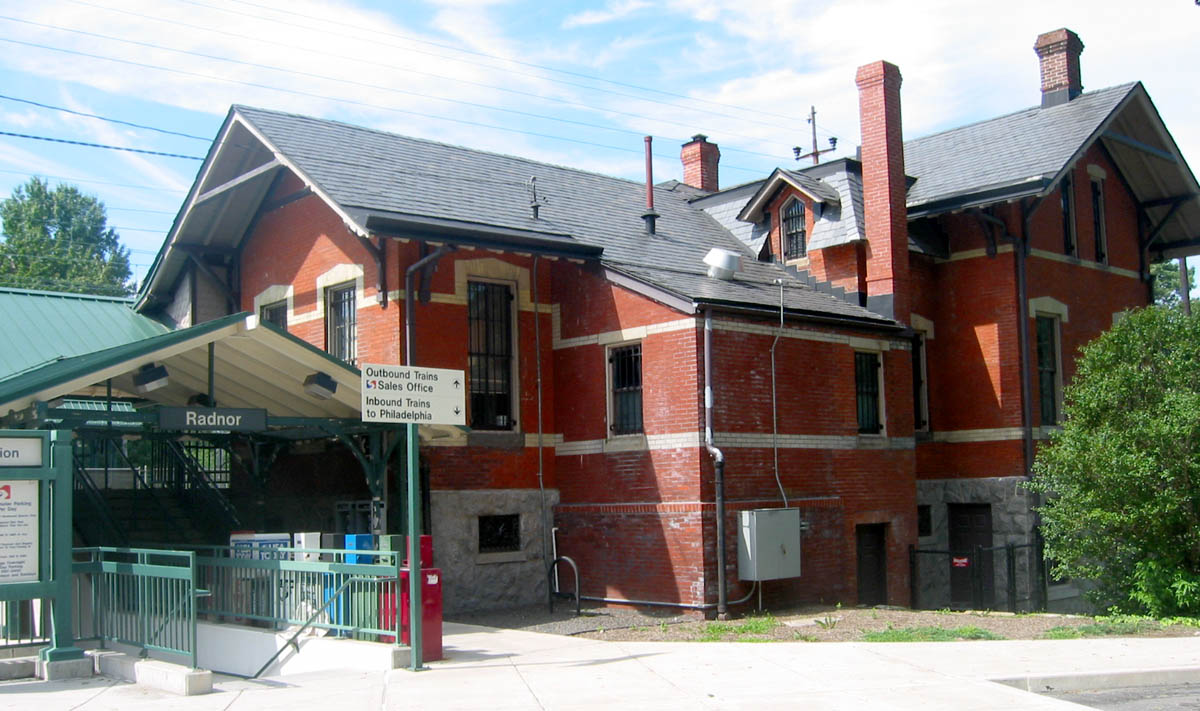
Tucked between the manicured lawns of the Main Line and the rolling farmland of central Chester County, Willistown Township and the surrounding Radnor Hunt country represent one of the Philadelphia region’s most understated pockets of wealth. This is not a place of grand entrance gates and cul-de-sacs; it is a place of stone farmhouses, post-and-rail fencing, and land held by the same families for generations. For buyers drawn to privacy, acreage, and an equestrian way of life within reasonable reach of Center City, this corridor deserves a closer look.
What Sets Willistown Apart
Willistown sits west of Radnor and south of Malvern, occupying a quieter tier of the Main Line than the train-station towns most buyers picture first. There is no downtown commercial strip to speak of; the character here comes from open land, wooded stream valleys, and a road network that still follows eighteenth-century property lines. Much of the appeal is what you do not see: no strip malls, no dense subdivisions, and long stretches where a mile of driving passes only a handful of homes.
That scarcity of development is not an accident. Decades of active land conservation by local trusts and easement holders have kept large tracts of Willistown and its neighboring townships out of the subdivision pipeline permanently, which is part of why land here tends to hold its value and why turnover can be slow. Buyers who want this lifestyle should expect a patient search rather than a large, fast-moving inventory of listings.
The Radnor Hunt Legacy
The Radnor Hunt Club, one of the oldest organized fox hunts in the country, anchors the cultural identity of this area. Its influence extends well beyond hunt season: the surrounding countryside is threaded with informal riding trails, hunt-country social traditions, and a community of owners who maintain their properties with an eye toward horses, whether or not they ride themselves. The annual Radnor Hunt races draw visitors from across the region and are one of the more visible expressions of a lifestyle that otherwise stays fairly private.
Buyers relocating from more suburban markets sometimes underestimate how much this culture shapes day-to-day life here. Fencing styles, barn architecture, and even landscaping choices in hunt country tend to follow long-standing, informal conventions. A property that ignores them can feel out of place to neighbors, even if nothing about it violates any ordinance.
Land, Privacy, and Conservation Easements
A significant share of the acreage in and around Willistown carries a conservation easement, meaning future development rights have been permanently restricted, often in exchange for tax benefits to a prior owner. This is generally good news for buyers seeking privacy and protected views, since it guarantees a neighboring farm cannot become a housing development. It does require careful review during due diligence, however, since an easement can also limit what a new owner is allowed to build, from additional structures to fencing and even certain agricultural uses. An easement’s terms are recorded and should be reviewed by an attorney familiar with conservation restrictions before a buyer commits.
Stone Farmhouses vs. Custom Equestrian Estates
Inventory in this area generally falls into two broad categories. The first is historic stone farmhouses, many dating to the 1700s or 1800s, often expanded and updated over decades while retaining original fieldstone walls, wide-plank flooring, and period detailing. These homes reward buyers who enjoy the character of an older structure and are prepared for the maintenance considerations that come with one. The second category is custom-built equestrian estates, constructed more recently on larger parcels with the barn, ring, and paddocks designed alongside the main house from the start. These tend to offer more predictable mechanical systems and layouts suited to modern life, at the trade-off of less architectural history.
What to Evaluate on a Horse Property
Whether a property already has equestrian infrastructure or a buyer intends to add it, a few items deserve particular attention before closing:
- Barn condition and configuration, including stall count, ventilation, and whether the structure meets a buyer’s specific discipline (dressage, hunter/jumper, trail riding, or breeding)
- Pasture acreage and rotation potential relative to the number of horses a buyer intends to keep
- Water access and quality, since most properties in this area rely on private wells rather than municipal water
- Riding ring footing and drainage, which can be expensive to correct if poorly built
- Access to trail networks and whether any easements grant or restrict riding access across neighboring land
- Septic system capacity, particularly on older farmhouses that may have been upgraded incrementally over the years
Commuting and Everyday Life
Despite its rural feel, Willistown remains within a manageable drive of Center City Philadelphia and close to the Route 202 and Route 30 corridors that connect to King of Prussia, Wayne, and West Chester. Regional rail access is less direct here than in station towns like Wayne or Paoli, so most residents rely on a car for daily commuting. For buyers whose work allows hybrid or flexible schedules, this trade-off of drive time for land and privacy has become increasingly appealing.
Frequently asked questions
Do I need to own horses to live in Willistown or Radnor Hunt country?
No. Many residents in this area do not ride or keep horses at all; they are drawn instead by the privacy, acreage, and rural character that the equestrian culture helps preserve. That said, buyers should expect the surrounding community and landscape to reflect hunt-country traditions even if they do not personally participate.
How does a conservation easement affect what I can do with a property?
Each easement is a unique legal document, so the restrictions vary. Some limit only future subdivision, while others also restrict new construction, fencing, or land use. A buyer should always request and review the recorded easement, along with any related agreements with the holding land trust, before finalizing an offer.
Is this area a good fit for a full-time equestrian operation, or mainly personal use?
Both exist here. Some properties are set up as small, personal facilities for a few horses, while others are established as larger private or commercial equestrian operations. The right fit depends on acreage, zoning, and the specific infrastructure already in place, all of which should be evaluated against a buyer’s plans before purchase.
If you are considering a move to Willistown, Radnor Hunt country, or anywhere along the Main Line and want a guide who understands both the luxury market and the practical realities of an equestrian property, James Kennedy can help. Reach James at 215-267-8479 or jameskennedy@unlockedteam.com to start the conversation.
Leave a Reply