
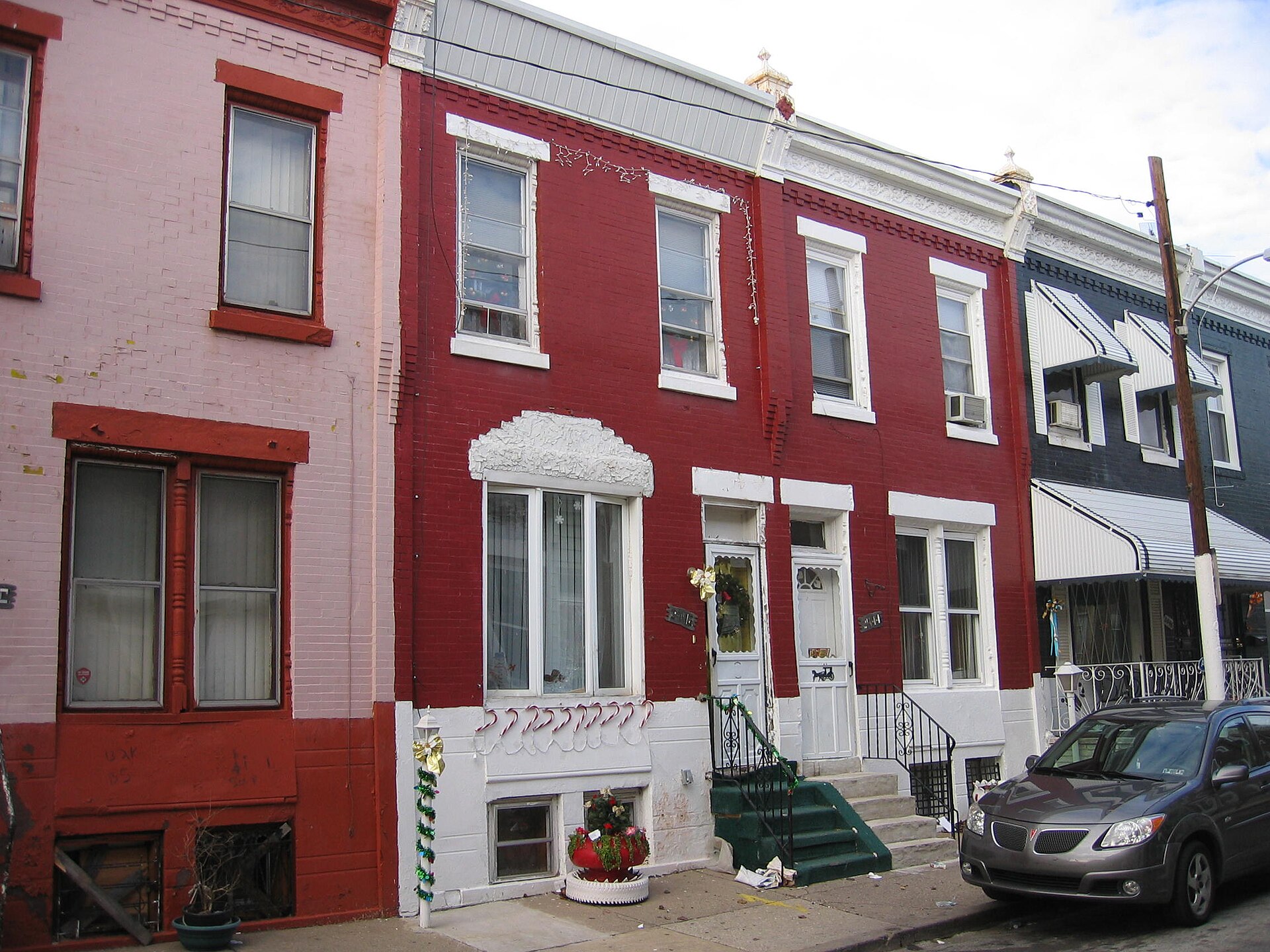
Renovated homes dominate the upper end of the Philadelphia and South Jersey markets, and for good reason: the region’s best housing stock is old, and bringing a nineteenth-century townhouse or a 1930s stone colonial up to modern standards takes real work. The problem is that two renovations can look nearly identical in photographs and be entirely different underneath. One reflects permits, licensed trades, and money spent where it does not show. The other is new paint, new counters, and a fresh coat of optimism over old problems.
At the high end, the gap between those two outcomes is expensive. Here is how to tell them apart before you write an offer.
Start with the paper trail
The single most revealing document in a renovated home is the permit history. In Philadelphia, permit and license records are publicly searchable; New Jersey municipalities maintain construction office records as well. Look for whether permits exist for the work that was clearly done, whether they were closed out with final inspections, and whether the scope on the permit matches what you see in the house.
Warning signs include a full gut renovation with no plumbing or electrical permits, permits opened but never finalized, and structural changes such as removed walls or new openings with no record at all. Unpermitted work is not always a catastrophe, but it shifts liability to you, can complicate insurance and financing, and can surface later when you sell or when you try to permit your own project.
Also ask for
- The contractor’s name and license, and whether the work was done by licensed trades or by the owner.
- Receipts, invoices, or a scope-of-work document from the renovation.
- Warranties on the roof, windows, HVAC, and appliances, and whether they transfer.
- Any engineering reports if structural work was performed.
A serious renovator usually has these ready. A flipper often does not.
Look where the money hides
Quality renovations spend disproportionately on things a buyer never sees. Cosmetic flips spend on things every buyer sees. Once you know that, the tells become obvious.
Systems
Was the electrical service upgraded, and is the panel modern and correctly labeled? Is there any remaining knob-and-tube or cloth-sheathed wiring in the attic or basement? Was supply plumbing replaced, or only the fixtures? Is the drain and vent stack original cast iron? Is the HVAC properly sized and ducted, or did a large addition get tied into an undersized existing system?
Envelope
Roof age and material, flashing details at chimneys and valleys, window quality and installation, insulation, and how the house handles water. In older Philadelphia rowhouses, party wall and roof-edge details matter enormously. In stone and stucco suburban homes, moisture intrusion behind the cladding is the classic expensive surprise.
Structure and below grade
Look for evidence of beam or joist work, sistered joists, new steel, and proper support where walls were removed. In basements, look for fresh paint on foundation walls, new flooring installed tight to the wall, or a dehumidifier running in a finished space. Any of those can be innocent; together they warrant a closer look at water history.
Read the finishes carefully
Finish quality is where flips reveal themselves fastest to a trained eye. Check whether the same level of care carried through the whole house or stopped at the rooms that photograph well. Common tells include tile work with inconsistent grout lines or missing waterproofing behind the shower, cabinetry that is stock-sized with high-end hardware bolted on, doors and trim that are new in the public rooms and original in the bedrooms, floors refinished over old damage rather than repaired, and paint applied over surfaces that should have been prepped.
None of these individually condemns a house. The pattern is what matters: does the workmanship stay consistent when nobody is looking?
Match the renovation to the house
At the luxury level, a renovation should respect the building. A gut job that strips a historic Society Hill or Chestnut Hill house of its original detail can reduce value even if the finishes are expensive. Conversely, an addition that clearly ignores the proportions of a 1920s colonial reads as a compromise to future buyers.
Ask whether the layout actually works. Flippers frequently create open plans by removing walls without adding the primary suite, the storage, the mudroom, or the home office that buyers at this price point expect. A house can be beautifully finished and still be functionally wrong for its market.
Build the right inspection team
For a significant renovated property, a general home inspection is the starting point, not the whole exercise. Depending on the house, consider adding a structural engineer where walls or beams were altered, a licensed electrician and plumber to evaluate what was actually replaced, a roofing specialist, a stucco or masonry moisture assessment for suburban stone and stucco homes, sewer lateral scoping in older city properties, and environmental testing where age and location suggest it, including radon, and oil tank searches in South Jersey and older suburban properties.
Negotiate an inspection period that gives you time to get these specialists in. At the upper end of the market, sellers generally understand that thorough due diligence is normal.
How this should change your offer
A well-documented renovation by a reputable builder, fully permitted and with transferable warranties, justifies a premium and reduces your risk of large near-term capital expenditure. A cosmetic flip should be valued closer to the underlying house plus the actual improvements, with the anticipated cost of redoing shortcuts factored in. The difference between those two positions on a high-end property can be substantial, which is why the diligence pays for itself many times over.
Frequently asked questions
Is unpermitted work always a reason to walk away?
No, but it needs to be priced and understood. Minor cosmetic work rarely requires permits. Structural, electrical, plumbing, and mechanical work generally does. Where permits are missing for significant work, evaluate whether the work can be inspected and legalized, what that would cost, and how it may affect insurance, financing, and your eventual resale.
How can I check permit history in Philadelphia or South Jersey?
Philadelphia maintains publicly searchable permit, license, and inspection records by address. In New Jersey, records are held by the municipal construction office, and copies can usually be requested. Your agent can help you pull and interpret the history alongside the seller’s disclosures.
Should I bring a contractor to a showing?
For a substantially renovated luxury property, yes, once you are seriously interested. A builder or engineer walking the house with you will spot framing, drainage, and workmanship issues that photographs and a first showing will never reveal, and their read often shapes both the offer price and the inspection strategy.
If you are evaluating a renovated home in Philadelphia or South Jersey and want an honest read on what was actually done, James Kennedy can help you assemble the right inspection team and structure an offer that reflects what you find. Call James at 215-267-8479 or email jameskennedy@unlockedteam.com.
Leave a Reply