Category: Buying

  • Gladwyne, Pennsylvania: A Main Line Town Guide for Luxury Home Buyers

    Gladwyne, Pennsylvania: A Main Line Town Guide for Luxury Home Buyers

    If you are searching for the most prestigious address on Philadelphia’s Main Line, the conversation almost always includes Gladwyne. This affluent enclave in Lower Merion Township pairs sweeping estates, mature landscapes, and a discreet, old-money sensibility with quick access to Center City. For luxury buyers who want privacy, acreage, and top-tier schools, Gladwyne is in a class of its own.

    Where Gladwyne Is and Why It Matters

    Gladwyne sits in Lower Merion Township in Montgomery County, tucked along the wooded slopes above the Schuylkill River, roughly twenty to thirty minutes from downtown Philadelphia depending on traffic and route. Despite that proximity, the community feels worlds away: winding roads, rolling topography, stone walls, and generous lot sizes give Gladwyne a countryside character that is rare so close to a major city.

    The small, walkable village center offers a handful of shops, a market, and local restaurants, but Gladwyne is fundamentally residential. People come here for the homes, the land, and the quiet.

    The Homes: Estates, Stone Colonials, and Custom New Builds

    Gladwyne is consistently among the highest-priced communities in the Philadelphia region, and its housing stock reflects that.

    Historic Estates

    Some of the area’s signature properties are grand early-20th-century estates set on multiple acres, many designed by notable architects of the era. Stone manor homes, carriage houses, and former gentleman’s farms appeal to buyers who value provenance and craftsmanship.

    Classic Stone Colonials

    The enduring image of the Main Line, the stately stone Colonial, is well represented in Gladwyne. These homes offer timeless curb appeal, formal floor plans, and the kind of substance that holds value across market cycles.

    Custom and New Construction

    Gladwyne also sees significant high-end new construction, where buyers acquire land or a tear-down and build a modern estate with current amenities. The result is a market that spans antique charm and contemporary luxury, sometimes on the same street.

    Schools and Family Appeal

    Gladwyne is part of the Lower Merion School District, one of the most highly regarded public school systems in Pennsylvania and a major driver of demand. The area is also convenient to several prestigious private and independent schools across the Main Line. For affluent families, this combination of public and private options is a powerful draw and a meaningful factor in long-term value.

    Lifestyle, Land, and Recreation

    Open space is part of Gladwyne’s identity. The community is home to extensive preserved land and trails, golf and country clubs, and easy access to the Schuylkill River. Buyers who enjoy horticulture, equestrian pursuits, or simply room to breathe gravitate here. At the same time, the shopping and dining of Ardmore, Bryn Mawr, and Wayne are a short drive away, and Center City’s restaurants and culture remain within easy reach.

    Who Gladwyne Suits

    • Estate buyers seeking acreage, privacy, and architectural significance.
    • Affluent families prioritizing the Lower Merion School District and proximity to private schools.
    • Executives and professionals who want a serene retreat with a manageable commute to the city.
    • Builders and renovators looking for premium lots in an established luxury market.

    What to Consider Before Buying in Gladwyne

    Estate properties come with estate-level responsibilities. Buyers should budget for the upkeep of large homes, grounds, and outbuildings, and should carefully evaluate the age and condition of major systems in older houses. Lot characteristics, easements, flood considerations near the river, and any historic or conservation designations are all worth understanding up front. Because inventory at the top of the Gladwyne market can be limited and homes are often sold quietly, working with an agent who knows the community and its off-market dynamics is especially valuable.

    Frequently asked questions

    Why is Gladwyne considered one of the most prestigious Main Line towns?

    Gladwyne combines large estate properties, abundant open space, architectural pedigree, the top-rated Lower Merion School District, and easy access to Center City. That blend of privacy, land, and convenience consistently places it among the most sought-after and highest-priced communities in the Philadelphia region.

    What kinds of luxury homes does Gladwyne offer?

    Buyers will find historic stone estates on multiple acres, classic Main Line stone Colonials, and custom new-construction homes built on premium lots. The market spans antique character and modern luxury, often within the same neighborhoods.

    Is Gladwyne a good choice for families?

    Yes. Gladwyne is part of the highly regarded Lower Merion School District and is convenient to several respected private schools, making it a top choice for affluent families. For current listings and guidance on schools and value, contact James directly.

    Considering a move to Gladwyne or another Main Line community? James Kennedy specializes in luxury homes across Philadelphia and South Jersey and can help you navigate this exclusive market, including off-market opportunities. Call James at 215-267-8479 or email jameskennedy@unlockedteam.com to begin.

  • Living in Washington Square West: A Luxury Buyer’s Guide to Center City Philadelphia

    Living in Washington Square West: A Luxury Buyer’s Guide to Center City Philadelphia

    Tucked between Center City’s commercial core and the cobblestoned charm of Society Hill, Washington Square West is one of Philadelphia’s most quietly desirable addresses for luxury buyers. Often shortened to “Wash West,” the neighborhood blends Federal and Greek Revival rowhomes, boutique condominium buildings, tree-lined side streets, and a walkable lifestyle that rivals anywhere in the city. For buyers seeking refined urban living without sacrificing history or convenience, Wash West deserves a serious look.

    Where Washington Square West Sits

    Washington Square West radiates out from its namesake park, one of the five original public squares laid out by William Penn. The neighborhood generally runs from Walnut Street south toward South Street, and from Broad Street east toward Society Hill. That central position is a defining feature: residents can walk to the theaters and shops of the Avenue of the Arts, the restaurants of Midtown Village, the boutiques near Rittenhouse, and the historic district in minutes.

    The area is sometimes broken into smaller pockets, including the lively Midtown Village dining corridor and the leafy blocks closer to the square itself. Each has its own character, but all share the same prized walkability and access.

    The Housing: Historic Rowhomes and Boutique Condos

    Luxury inventory in Wash West tends to fall into a few categories, and understanding them helps buyers focus their search.

    Restored Townhomes

    Many of the neighborhood’s most coveted properties are 18th- and 19th-century rowhomes that have been thoughtfully renovated. Buyers are drawn to original details such as marble fireplaces, deep window sills, exposed brick, and intricate millwork, often paired with modern kitchens and updated systems. Private outdoor space, whether a brick patio or a roof deck with skyline views, commands a premium here.

    Boutique and New-Construction Condominiums

    For buyers who prefer lock-and-leave convenience, Wash West offers a growing supply of upscale condominiums, from converted historic buildings to sleek new construction with concierge service, parking, and private amenities. These appeal to professionals, downsizers, and second-home buyers who want a turnkey footprint in the heart of the city.

    Trinity and Carriage Homes

    The neighborhood’s narrow side streets hide charming “trinity” homes and former carriage houses. While compact, these properties carry tremendous character and can be surprisingly luxurious after a high-end renovation.

    Lifestyle and Culture

    Few Philadelphia neighborhoods match Wash West for everyday culture and dining. Midtown Village and the 13th Street corridor are home to some of the city’s most celebrated restaurants, cafes, and cocktail bars. The Walnut Street and Forrest Theatres anchor a thriving performing-arts scene, and the Kimmel Center sits just a short stroll away on Broad Street.

    Washington Square itself offers a rare patch of green calm, with mature shade trees, walking paths, and the Tomb of the Unknown Soldier of the American Revolution. The neighborhood is also exceptionally pedestrian- and transit-friendly, with multiple subway and regional rail connections nearby and easy access to I-95 and the bridges to New Jersey.

    Who Washington Square West Suits

    Wash West is a natural fit for several types of luxury buyers:

    • Professionals and executives who want to walk to work in Center City and to dinner at night.
    • Empty nesters and downsizers trading a suburban estate for a low-maintenance condo without leaving culture behind.
    • Pied-a-terre buyers who want a sophisticated city base near theater, dining, and the historic district.
    • History lovers who value original architecture but expect modern finishes.

    What to Weigh Before You Buy

    As with any premium urban neighborhood, a few considerations matter. Parking is a genuine factor: deeded garage spots and buildings with parking carry a premium, and buyers planning to keep a car should prioritize this early. In historic townhomes, it is wise to understand the age and condition of major systems and whether any portion of the property falls under historic designation that may affect exterior changes. For condominiums, reviewing the association’s finances, reserves, and rules is essential. A knowledgeable local agent can help you interpret all of this in context.

    Frequently asked questions

    Is Washington Square West a good neighborhood for luxury buyers?

    Yes. Wash West combines historic architecture, walkability, and a vibrant dining and arts scene with proximity to Rittenhouse, Society Hill, and Center City. It appeals strongly to buyers who want refined urban living and is considered one of the most desirable addresses in central Philadelphia.

    What kinds of luxury homes are available in Washington Square West?

    Buyers will find restored 18th- and 19th-century townhomes, boutique and new-construction condominiums with amenities and parking, and character-rich trinity and carriage homes on the side streets. The right fit depends on whether you prioritize space, history, or lock-and-leave convenience.

    How walkable is Washington Square West?

    Extremely. Most daily needs, dining, theater, parks, and transit are within a short walk, and the neighborhood’s central location means much of Center City and the historic district is reachable on foot. For current walk-friendly listings and parking options, reach out to James directly.

    Thinking about buying or selling a luxury home in Washington Square West or anywhere across Philadelphia and South Jersey? James Kennedy specializes in the region’s high-end market and can guide you through every step. Call James at 215-267-8479 or email jameskennedy@unlockedteam.com to start a conversation.

  • Wayne, Pennsylvania: A Main Line Town Guide for Luxury Home Buyers

    Wayne, Pennsylvania: A Main Line Town Guide for Luxury Home Buyers

    Few names on Philadelphia’s Main Line carry the cachet of Wayne. Straddling Radnor, Tredyffrin, and Easttown townships in the heart of the storied Route 30 corridor, Wayne offers an unusually complete package for luxury buyers: a charming, walkable downtown, top-tier schools, gracious historic estates, and a quick train ride into Center City. For affluent buyers seeking the classic Main Line lifestyle, Wayne is one of the region’s most sought-after destinations.

    What Makes Wayne Special

    Wayne’s enduring appeal comes from a blend of qualities that are hard to find together in one place:

    • A true downtown. Unlike many suburbs, Wayne has a vibrant, walkable commercial district along Lancaster Avenue, full of restaurants, boutiques, the historic Anthony Wayne Theater, and a strong local-business culture.
    • Elite schools. Wayne is served by highly regarded public school districts and is surrounded by some of the region’s most respected private and parochial schools.
    • Estate-quality housing. The area is known for stone Colonials, Tudors, and grand historic homes set on mature, wooded lots.
    • Rail access. SEPTA’s Paoli/Thorndale Regional Rail line puts Center City within a comfortable commute, a longstanding Main Line advantage.

    The Luxury Housing Stock

    Wayne’s high-end market is among the most distinctive in the Philadelphia suburbs. Buyers should be prepared to evaluate a range of property types:

    Historic Estate Homes

    The Main Line is famous for its early-20th-century stone estates, and Wayne has many fine examples. These homes offer architectural grandeur, generous proportions, and craftsmanship, often on sizable, beautifully landscaped lots. Buyers drawn to character and pedigree gravitate here, while keeping in mind that older estates require thoughtful maintenance and, sometimes, sensitive updating.

    Renovated and Updated Classics

    Many of Wayne’s most in-demand homes are period properties that have been carefully modernized, pairing original detail with renovated kitchens, baths, and systems. These offer the best of both worlds for buyers who want historic charm without a full renovation project.

    Newer Construction

    A limited supply of newer and custom homes provides open layouts, contemporary amenities, and lower maintenance, typically commanding a premium for their modern features and turnkey condition.

    Lifestyle and Location

    Life in Wayne centers on its walkable downtown and easy access to the broader Main Line. Residents enjoy independent restaurants and shops, a beloved farmers market, parks and trails, and proximity to the cultural and athletic offerings of nearby colleges. The town’s location along Lancaster Avenue connects it seamlessly to neighboring Main Line communities such as Devon, St. Davids, and Radnor, while the regional rail line and major highways make trips into Philadelphia or out to the western suburbs straightforward. For families, the combination of strong schools, safe streets, and abundant recreation is a powerful draw.

    What to Consider Before Buying in Wayne

    Wayne spans multiple municipalities and school districts, and that has real implications for buyers. Keep these points in mind:

    • Township and school district. Because Wayne crosses Radnor, Tredyffrin, and Easttown lines, the specific address determines your township services, taxes, and school assignment. Confirm these details for any home you consider.
    • Home condition and systems. Historic estates are magnificent but require diligence around roofs, mechanicals, and structural elements. Budget for inspection and ongoing care.
    • Lot and setting. Mature trees, privacy, and proximity to town all influence value and lifestyle. Decide whether you prioritize walkability to downtown or a more secluded estate setting.
    • Long-term value. Wayne’s combination of schools, walkable downtown, and rail access has historically supported strong demand, but current pricing varies widely by home and block.

    Given how much variation exists within Wayne, it is wise to get current, property-level guidance rather than rely on broad averages. Reach out for an up-to-date market read.

    The Main Line Pedigree

    Wayne’s desirability is inseparable from its place in Main Line history. The corridor takes its name from the Pennsylvania Railroad’s Main Line, and the towns that grew up along it became home to gracious country estates in the late 19th and early 20th centuries. That legacy shaped Wayne’s enduring identity: tree-lined streets, architecturally significant homes, established institutions, and a culture that prizes both tradition and community. Today that pedigree translates into real value for buyers, who benefit from mature landscaping, generous lots, and a sense of permanence that newer suburbs cannot manufacture. The presence of respected colleges, country clubs, and longstanding civic organizations further reinforces Wayne’s standing as one of the region’s premier addresses, and helps explain why well-located homes here tend to attract steady interest across market cycles.

    Frequently Asked Questions

    Why is Wayne considered one of the best Main Line towns?

    Wayne stands out for its walkable downtown, excellent schools, beautiful historic estate homes, and convenient regional rail access to Philadelphia. That rare combination makes it a perennial favorite among luxury buyers on the Main Line.

    What kinds of luxury homes can I find in Wayne?

    Wayne offers historic stone estates and Tudors, carefully renovated period homes, and a smaller number of newer custom builds. Prices and features vary widely, so identifying the right home type for your needs is an important first step.

    How is the commute from Wayne to Center City Philadelphia?

    Wayne sits on SEPTA’s Paoli/Thorndale Regional Rail line, offering a comfortable train commute into Center City, and is well connected by major roads. The rail access is one of the Main Line’s signature advantages.

    Interested in finding a home in Wayne or elsewhere on the Main Line? James Kennedy specializes in luxury real estate across the Philadelphia region and South Jersey and can guide you through this exceptional market with current, address-level insight. Call James at 215-267-8479 or email jameskennedy@unlockedteam.com to begin your search.

  • Voorhees, New Jersey: A Town Guide for Luxury Home Buyers

    Voorhees, New Jersey: A Town Guide for Luxury Home Buyers

    Voorhees Township is one of Camden County’s most established and family-friendly suburbs, and it has quietly built a reputation as a strong choice for buyers seeking space, comfort, and convenience in South Jersey. Located roughly 20 minutes from the Benjamin Franklin and Walt Whitman bridges, Voorhees pairs an easy commute to Center City Philadelphia with the kind of room, privacy, and amenities that draw move-up and luxury buyers out of the city. For those weighing a higher-end purchase in the region, Voorhees deserves a close look.

    Why Buyers Choose Voorhees

    Voorhees has long been a destination for families and professionals who want suburban living without giving up access to the city. Its appeal rests on a few enduring strengths:

    • Schools. The township’s public schools, anchored by Eastern Regional High School, are a primary draw for families and a meaningful factor in long-term home values.
    • Convenience. Major roads, the PATCO line at nearby stations, and quick highway access make commuting to Philadelphia and across South Jersey straightforward.
    • Amenities. Voorhees Town Center, an array of dining and shopping options, medical facilities including major hospital campuses, and abundant recreation give residents nearly everything they need close to home.

    The Luxury Housing Market

    Voorhees offers a wide spectrum of housing, and its upper end is varied enough to suit different tastes. Buyers will generally find these categories at the high end:

    Established Executive Homes

    Many of Voorhees’ premier properties sit in mature, well-landscaped developments built over the past several decades. These homes tend to offer generous square footage, four or more bedrooms, finished basements, and sizable lots, often on quiet cul-de-sacs.

    Newer and Custom Construction

    Pockets of newer and custom-built homes deliver open floor plans, high-end kitchens, primary suites with luxury baths, and modern energy systems. These properties appeal to buyers who want move-in-ready amenities and contemporary layouts.

    Active-Adult and Low-Maintenance Options

    Voorhees also includes desirable 55-plus and lower-maintenance communities for buyers who want refined living without the upkeep of a large estate property.

    Lifestyle in Voorhees

    Daily life in Voorhees is comfortable and well-served. Voorhees Town Center anchors shopping and dining, while the broader township offers golf, parks, trails, and recreation programs. The area’s healthcare presence is notable, with major medical campuses nearby, a meaningful convenience for many buyers. Residents also benefit from proximity to neighboring towns like Haddonfield, Cherry Hill, and Marlton, expanding dining, retail, and cultural choices throughout the region. For those who work or play in the city, Philadelphia’s restaurants, sports, and culture remain a short drive or transit ride away.

    What to Weigh Before You Buy

    Because Voorhees spans a wide range of neighborhoods and home ages, careful evaluation pays off. Keep these factors in mind:

    • Neighborhood and development. Voorhees is made up of many distinct communities, each with its own character, price range, and amenities. Identifying the right enclave for your needs is an important first step.
    • Home age and updates. Established executive homes may need updating, while newer construction commands a premium for modern systems and finishes. Factor renovation plans into your budget.
    • Lot and privacy. Larger lots, wooded backdrops, and cul-de-sac locations tend to support value and appeal to luxury buyers.
    • Property taxes. As in much of New Jersey, property taxes are an important part of the cost picture and vary by home. Understand the full carrying cost before you commit.

    Market conditions and pricing in Voorhees shift with the seasons and with broader trends, so it is best to get current, property-specific figures rather than rely on general numbers. Reach out for an up-to-date read on the market.

    Recreation and the Outdoors

    One of Voorhees’ underrated strengths is its access to recreation and green space. The township maintains an extensive parks and trails system, and residents enjoy nearby golf courses, athletic fields, and community programming throughout the year. For buyers coming from the city, the combination of larger private yards and abundant public recreation is a meaningful lifestyle upgrade. Families appreciate the youth sports leagues and well-kept facilities, while the broader region offers everything from preserved farmland and nature areas to the shopping and dining of neighboring towns. This blend of suburban space and active amenities is a big part of why buyers who move to Voorhees tend to stay for the long term, which in turn supports a stable, healthy housing market.

    Frequently Asked Questions

    Is Voorhees a good place to buy a luxury home?

    Yes. Voorhees combines strong schools, a convenient location near Philadelphia, abundant amenities, and a range of upscale homes, making it a solid choice for move-up and luxury buyers in South Jersey.

    What is the commute from Voorhees to Philadelphia like?

    Voorhees is roughly 20 minutes by car from the bridges into Center City, with additional transit options via nearby PATCO stations. The convenient commute is one of the township’s biggest selling points for professionals.

    How does Voorhees compare to Cherry Hill or Haddonfield?

    Cherry Hill is larger and more retail-dense, while Haddonfield is known for its walkable historic downtown and premium pricing. Voorhees often offers more space and newer housing options for the money, with excellent schools. The best fit depends on your priorities for lifestyle, home type, and budget.

    Considering a move to Voorhees or elsewhere in South Jersey? James Kennedy specializes in luxury real estate across South Jersey and Philadelphia and can help you find the right community and home with current market insight. Call James at 215-267-8479 or email jameskennedy@unlockedteam.com to get started.

  • Living in Queen Village: A Luxury Buyer’s Guide to Philadelphia’s Oldest Neighborhood

    Living in Queen Village: A Luxury Buyer’s Guide to Philadelphia’s Oldest Neighborhood

    Tucked between Society Hill and the Delaware River, Queen Village is one of Philadelphia’s oldest and most quietly sophisticated neighborhoods. Named for Sweden’s Queen Christina, the area traces its roots to the 17th-century Swedish settlement of Wicaco, and that long history is written into its narrow cobblestone streets, brick trinity homes, and the steeple of Gloria Dei (Old Swedes’) Church. For luxury buyers, Queen Village offers something increasingly rare in a major city: genuine historic character paired with a walkable, neighborly feel and easy access to Center City.

    Why Luxury Buyers Are Drawn to Queen Village

    Queen Village appeals to buyers who want history without sacrificing convenience. The neighborhood sits just south of Society Hill and east of Bella Vista, placing it within a short walk of South Street’s shops and restaurants, the Headhouse Square farmers market, and the river. Affluent buyers are often drawn here for a few consistent reasons:

    • Architectural authenticity. Federal and Colonial-era rowhomes, many lovingly restored, give the area a texture that newer neighborhoods simply cannot replicate.
    • Walkability. Errands, dining, and green space are mostly reachable on foot, a quality that tends to support long-term value.
    • A real sense of community. Block associations, a respected neighborhood school, and longtime residents give Queen Village a grounded, lived-in feel.

    The Housing Stock

    Queen Village’s high end is defined by restored and expanded historic rowhomes, along with a smaller number of new-construction and rebuilt properties that add modern amenities behind period facades. At the upper tiers, buyers should expect to evaluate:

    Restored Historic Rowhomes

    Many of the neighborhood’s most desirable homes are 18th- and 19th-century rowhomes that have been thoughtfully updated. The best examples combine original details such as exposed brick, wide-plank floors, and decorative mantels with renovated kitchens, spa-style baths, and private outdoor space. Because these homes are older, a careful inspection and a clear understanding of what has and has not been updated are essential.

    New Construction and Rebuilds

    A limited supply of newer homes offers open floor plans, garage or off-street parking, roof decks with skyline and river views, and energy-efficient systems. These properties command a premium for their amenities and lower maintenance demands.

    Parking, Outdoor Space, and Other Practical Details

    In a historic riverfront neighborhood, certain features carry outsized weight. Off-street or garage parking is a major value driver in Queen Village, where many streets rely on permit parking. Private outdoor space, whether a courtyard, garden, or roof deck, is similarly prized. Buyers should also pay attention to lot dimensions and home width, since some of the oldest trinity homes are charming but compact. Working with an agent who knows which blocks and which home types tend to hold value will help you focus your search.

    Lifestyle and Location

    Daily life in Queen Village is defined by access. Residents enjoy proximity to the independent boutiques and restaurants of South Street and Fabric Row, the historic Headhouse Square and its weekend market, and Mario Lanza Park, a beloved neighborhood green space. The Delaware River waterfront and its trail are minutes away, and Center City’s business district, cultural institutions, and fine dining are a short walk or ride north. For families, the neighborhood’s catchment school has long been a draw, and proximity to Society Hill and Old City expands the cultural and dining options considerably.

    What to Consider Before You Buy

    Queen Village rewards buyers who do their homework. Because the housing stock is old and varied, two homes on the same block can differ dramatically in condition, systems, and layout. Consider the following as you evaluate properties:

    • Renovation history. Ask what has been updated and when, particularly roofs, mechanicals, and electrical systems.
    • Flood and historic considerations. Some properties closer to the river or within historic designations may carry additional considerations worth understanding upfront.
    • Resale appeal. Parking, light, outdoor space, and a functional floor plan tend to drive demand when it is time to sell.

    Market conditions in a small, high-demand neighborhood like Queen Village can shift quickly, so it is wise to get current pricing and inventory guidance before making decisions. For up-to-date figures, reach out directly.

    A Brief Look at Queen Village’s History

    Understanding Queen Village’s past helps explain its enduring appeal. The area was settled by Swedish colonists in the mid-1600s, predating William Penn’s founding of Philadelphia, and Gloria Dei (Old Swedes’) Church, completed in 1700, remains the oldest church in Pennsylvania and a National Historic Site. Over the following centuries the neighborhood evolved through waves of maritime trade, immigration, and craftsmanship, leaving behind an unusually dense concentration of early American architecture. In the latter part of the 20th century, dedicated preservation efforts and reinvestment transformed Queen Village into the polished yet authentic neighborhood it is today. For luxury buyers, that layered history is more than a curiosity; it is a tangible asset that distinguishes Queen Village from newer, more uniform parts of the city and tends to support sustained demand among buyers who value character and provenance.

    Frequently Asked Questions

    Is Queen Village a good neighborhood for luxury buyers?

    Yes. Queen Village offers a rare combination of historic character, strong walkability, and proximity to Center City, which appeals to discerning buyers seeking restored rowhomes and a genuine neighborhood feel.

    What kinds of homes are available at the high end in Queen Village?

    The upper market is led by restored and expanded historic rowhomes, along with a smaller number of new-construction homes featuring parking, roof decks, and modern systems. Features like off-street parking and private outdoor space command premiums.

    How does Queen Village compare to Society Hill?

    Society Hill is generally more formal and uniformly historic, while Queen Village feels a bit more eclectic and neighborhood-oriented. The two are adjacent, so buyers often tour both. The right fit depends on your priorities for architecture, price, and atmosphere.

    Thinking about buying or selling in Queen Village or elsewhere in Philadelphia? James Kennedy specializes in luxury real estate across Philadelphia and South Jersey and can help you navigate this distinctive market with current, neighborhood-level insight. Call James at 215-267-8479 or email jameskennedy@unlockedteam.com to start the conversation.

  • Mullica Hill, New Jersey: A Town Guide for Luxury Home Buyers

    Mullica Hill, New Jersey: A Town Guide for Luxury Home Buyers

    Tucked into Gloucester County in South Jersey, Mullica Hill offers something increasingly hard to find: a genuine historic village paired with room to spread out. Known for its antique-lined Main Street, well-regarded schools, and a mix of preserved farmland and newer luxury construction, Mullica Hill (part of Harrison Township) has become a favorite for buyers who want space, character, and an easy reach to both Philadelphia and the Jersey Shore. This guide covers what makes the town distinctive and what luxury buyers should weigh.

    The Character of Mullica Hill

    Mullica Hill’s identity is rooted in its historic district, where 18th- and 19th-century buildings now house antique shops, boutiques, cafes, and restaurants along Main Street. That sense of place is a big part of the appeal — it feels like a small town with a real center, not a collection of subdivisions. At the same time, the surrounding township has seen substantial higher-end residential development, giving buyers access to large, modern homes on generous lots within minutes of the village.

    The Housing Stock: Estate Homes, Acreage, and Historic Properties

    Luxury buyers in Mullica Hill typically choose among a few distinct property types:

    • Newer estate-style homes in established developments, often with four to six bedrooms, three-car garages, finished basements, and half-acre to multi-acre lots.
    • Custom homes on acreage, where buyers prioritize privacy, land, and the ability to add a pool, outbuildings, or even equestrian facilities.
    • Historic homes in and around the village for buyers who love period character and walkability to Main Street.

    Because lot sizes here are often larger than what you find closer to Philadelphia, Mullica Hill is a natural fit for buyers who want land — whether that means a backyard for entertaining, space for a pool and outdoor kitchen, or true acreage for privacy.

    What to Prioritize at the High End

    When evaluating a luxury home in Mullica Hill, pay attention to lot usability (flat, usable acreage is more valuable than the raw number suggests), the quality and age of major systems, and whether the home’s layout suits modern entertaining. For custom and estate homes, the builder’s reputation and the level of finish matter enormously. And if land is your motivation, confirm zoning and any preservation or agricultural restrictions before you fall in love with a parcel.

    Location and Commuting

    One of Mullica Hill’s quiet advantages is its position. The town offers reasonable access to Route 55 and the broader highway network, putting Philadelphia, the bridges into the city, and the South Jersey shore points all within a manageable drive. For buyers who work in the city but want a calmer, more spacious home base — or for those splitting time between the region and the shore — the location is hard to beat. As always, commute times vary by exact address and time of day, so it is worth testing your specific route.

    Lifestyle and Community

    Mullica Hill’s lifestyle leans toward the relaxed and family-oriented. The village hosts seasonal events and a popular farmers’ presence that reflect the area’s agricultural roots, and the surrounding countryside includes farms, orchards, and open space. Buyers drawn to Mullica Hill often value the combination of a tight-knit community, strong local schools, and the ability to enjoy land and privacy without sacrificing access to shopping, dining, and culture.

    Schools and Long-Term Value

    For many luxury buyers with families, school quality is a central consideration, and Harrison Township’s reputation for well-regarded public schools is one of the reasons demand for larger homes here has held up. Strong schools tend to support home values over time because they keep a steady stream of buyers interested in a community even as the broader market shifts. Combined with the limited supply of true estate properties and the protected farmland that surrounds the township, this helps explain why well-built homes in Mullica Hill attract attention. As always, the value of any individual property depends on its condition, lot, and location, so a current comparative analysis is the best way to gauge where a home stands.

    Who Mullica Hill Suits Best

    This town tends to appeal to families and professionals who want more space than denser suburbs allow, buyers who love historic character and a walkable village center, and those seeking acreage for privacy or recreation. If your wish list includes a large custom home, real land, and a community with a strong sense of identity, Mullica Hill belongs on your shortlist.

    Frequently Asked Questions

    What makes Mullica Hill attractive to luxury buyers?

    The combination of a historic, walkable village, well-regarded schools, and the availability of large estate homes on generous lots sets Mullica Hill apart from many South Jersey towns. Buyers who want land and privacy alongside community character find it especially appealing. For a current view of inventory and pricing in the high-end segment, contact James directly.

    Can I find homes with significant acreage here?

    Yes. Mullica Hill and the surrounding Harrison Township include properties ranging from comfortable half-acre lots to multi-acre parcels and farmland. If acreage is a priority, it is important to verify zoning, any agricultural or preservation designations, and the usability of the land before purchasing.

    How far is Mullica Hill from Philadelphia and the shore?

    Mullica Hill offers convenient highway access that places Philadelphia and several South Jersey shore destinations within a reasonable drive, making it popular with commuters and those who enjoy weekends at the beach. Exact travel times depend on your specific address and traffic, so test your commute before committing.

    Considering a move to Mullica Hill or anywhere in South Jersey or Philadelphia? James Kennedy specializes in luxury homes across the region and can help you find the right property and negotiate with confidence. Call James at 215-267-8479 or email jameskennedy@unlockedteam.com to get started.

  • Living in Graduate Hospital: A Luxury Buyer’s Guide to Philadelphia’s Rittenhouse-Adjacent Enclave

    Living in Graduate Hospital: A Luxury Buyer’s Guide to Philadelphia’s Rittenhouse-Adjacent Enclave

    Just south of Rittenhouse Square and west of Broad Street sits one of Philadelphia’s most talked-about neighborhoods. Graduate Hospital — sometimes called G-Ho, Southwest Center City, or simply “the area around Naval Square” — has transformed over the past two decades into a destination for buyers who want Center City convenience without Center City density. For luxury buyers weighing a move into the city, it offers a distinctive blend of new construction, classic Philadelphia rowhomes, and a genuine residential feel. This guide walks through what makes the neighborhood tick and what to consider before you buy.

    Where Graduate Hospital Sits and Why Location Drives Value

    Graduate Hospital is roughly bounded by South Street to the north, Washington Avenue to the south, Broad Street to the east, and the Schuylkill River to the west. That footprint matters. You are a short walk from Rittenhouse Square, Center City offices, and the shops and restaurants of the South Street West corridor, yet the residential blocks themselves feel calmer than the dense core to the north.

    The neighborhood’s proximity to the Schuylkill River Trail and the bridges into University City and the hospitals of the medical corridor makes it especially attractive to physicians, academics, and professionals who value a short commute. When a location combines walkable amenities, river access, and quick connections to major job centers, it tends to support durable demand — and demand is what protects value over time.

    The Housing Stock: New Construction Meets Classic Rowhomes

    One reason Graduate Hospital appeals to luxury buyers is the sheer variety of housing. You will find:

    • New-construction townhomes with roof decks, garages or parking pads, elevators, and open-concept layouts — often the most sought-after product at the high end.
    • Renovated historic rowhomes that preserve original detail while adding modern kitchens and baths.
    • Boutique condo buildings for buyers who want a lock-and-leave lifestyle.
    • Larger trinity and brownstone-style homes on the neighborhood’s most established blocks.

    At the upper end, buyers gravitate toward four-story new builds with a garage, an elevator, multiple outdoor spaces, and a tax abatement that may still be in effect. Because the neighborhood developed in waves, quality can vary block to block and builder to builder, so it pays to evaluate construction details carefully rather than assuming all new homes are equal.

    What to Prioritize at the High End

    Parking is the single biggest differentiator in city luxury living. A dedicated garage or a deeded parking spot adds meaningful value and convenience here. Beyond parking, look for outdoor space (a roof deck with skyline views is a premium feature), an elevator for long-term livability, and finishes that will still feel current in ten years.

    Lifestyle, Dining, and Green Space

    Graduate Hospital’s appeal is not just architectural. The neighborhood has a strong independent restaurant and cafe scene, with beloved neighborhood spots along South Street West and the side streets. Marian Anderson Recreation Center and the nearby parks give families and dog owners places to gather, and the Schuylkill River Trail offers running and cycling right at the western edge. For everyday errands, residents are close to grocery options and the full range of Center City services without needing to fight downtown congestion.

    Schools, Services, and Everyday Convenience

    Families considering Graduate Hospital often weigh school options carefully, and the neighborhood sits within reach of a range of public, charter, and private choices common to Center City living. Beyond schools, the practical conveniences of the area are a major draw: pharmacies, grocery stores, fitness studios, and medical care are all close at hand, and the world-class hospitals of the University City and Center City corridors are minutes away. For buyers relocating from the suburbs, the ability to walk to dinner, the gym, and a coffee shop — while keeping a car in a private garage for weekend trips — captures much of what makes urban luxury living appealing.

    Who Graduate Hospital Suits Best

    This neighborhood tends to resonate with professionals and young families who want to stay in the city but crave a quieter, more residential atmosphere than Rittenhouse proper. It also appeals to buyers trading a suburban house for an urban townhome who are not ready to give up square footage, multiple bedrooms, or private outdoor space. If you want walkability, river access, and a true neighborhood feel within minutes of Center City, Graduate Hospital deserves a serious look.

    Frequently Asked Questions

    Is Graduate Hospital a good investment for luxury buyers?

    The neighborhood’s location between Rittenhouse Square and the Schuylkill River, combined with steady demand from professionals and families, has historically supported strong interest in well-built homes. As with any purchase, value depends on the specific block, construction quality, and features like parking. For current pricing and a read on which blocks are commanding premiums, reach out to James for a personalized analysis.

    What kind of parking can I expect?

    Parking ranges from on-street only to private garages and deeded spots, depending on the home. New-construction townhomes at the luxury end frequently include a garage or parking pad, which is a major value driver in this part of the city. If parking is a priority, make it a non-negotiable in your search criteria.

    How does Graduate Hospital compare to Rittenhouse Square?

    Rittenhouse offers the most prestigious address and the densest concentration of high-end condos and dining, while Graduate Hospital delivers a quieter, more residential setting with more new-construction townhomes and often more square footage for the money. Many buyers consider both; the right choice depends on whether you prioritize a doorman-condo lifestyle or a private townhome with outdoor space.

    Thinking about buying or selling in Graduate Hospital or anywhere in Philadelphia or South Jersey? James Kennedy specializes in luxury real estate across the region and can give you current, block-by-block guidance tailored to your goals. Call James at 215-267-8479 or email jameskennedy@unlockedteam.com to start the conversation.

  • The Role of Schools in Luxury Home Pricing: What Philadelphia & South Jersey Buyers Should Know

    The Role of Schools in Luxury Home Pricing: What Philadelphia & South Jersey Buyers Should Know

    Ask experienced agents what drives value in the high end of the market, and school quality will come up again and again — often even for buyers who have no children at home. School reputation shapes demand, resale potential, and the size of the buyer pool for a given home. For luxury buyers in Philadelphia and South Jersey, understanding how schools factor into pricing is one of the smartest moves you can make before you start touring homes.

    Why schools influence price even at the luxury level

    It is tempting to assume that buyers spending well into seven figures will simply choose private schools and ignore public districts. In practice, the data and on-the-ground experience tell a more nuanced story. Strong public schools expand the pool of potential buyers for a home, and a larger, more competitive buyer pool tends to support stronger and more stable prices.

    Even buyers who plan to use private education often value being in a sought-after district, because it protects resale value. When it comes time to sell, the next buyer may well be a family for whom schools are the top priority. In that sense, school quality functions as a form of demand insurance baked into the address.

    How school quality shows up in the numbers

    The influence of schools on price rarely announces itself with a single line item — it is woven into demand. A few patterns are worth understanding:

    • Boundary effects: Two nearly identical homes a short distance apart can attract different levels of demand if they fall into different school catchments. District and catchment lines can run down the middle of a street.
    • Time on market: Homes in highly rated districts often draw interest faster, which can translate into firmer pricing and smoother sales.
    • Resilience in slower markets: When the broader market softens, well-regarded districts frequently hold demand better than comparable areas with weaker school reputations.

    Because these effects are local and specific, generic rankings only get you so far. The right move is to verify the exact assignment for any home you are serious about rather than relying on a neighborhood’s overall reputation.

    Philadelphia vs. the suburbs: two different school dynamics

    In the city

    Within Philadelphia, public school options include neighborhood catchment schools, magnet and special-admission schools, and charters — a more complex landscape than many suburban districts. Some city catchments are highly sought after and meaningfully shape demand for nearby homes, while many luxury city buyers also weigh the strong roster of independent schools. The result is that school considerations in the city are often about a specific catchment or a particular private option rather than a single district reputation.

    In the suburbs and South Jersey

    In the Main Line and across South Jersey towns like Haddonfield, Moorestown, and Cherry Hill, public district reputation tends to be a more central, town-wide driver of value. Buyers often shop by district first and home second, which is part of why homes in the most respected districts have historically commanded a premium and held value well.

    What this means for your home search

    Whether or not you have school-age children, treat school quality as part of your value analysis. A few practical steps:

    • Confirm the exact assignment. Verify the specific school or catchment for any address with the district or municipality — do not assume based on the neighborhood.
    • Think about resale. Even if schools do not matter to you personally, they will matter to your eventual buyer. A strong assignment broadens your future buyer pool.
    • Weigh private-school proximity. In areas where buyers lean toward independent schools, convenient access to those schools can be its own value factor.
    • Balance schools against everything else. Commute, walkability, lot size, and home condition all matter too. Schools are one important input, not the only one.

    A note on doing your own research

    School ratings, boundaries, and admissions policies change over time, and a home’s value reflects many factors beyond any single score. Use school information as one lens among several, and lean on a knowledgeable local agent to interpret how a specific district or catchment is actually affecting demand in the micro-market you are shopping.

    Frequently asked questions

    Do schools really affect luxury home prices?

    Yes. Strong schools expand the pool of interested buyers, which tends to support firmer and more stable prices. This holds even at the luxury level, because a desirable school assignment protects resale value when the next buyer is a family for whom schools are a top priority.

    Should I care about schools if I don’t have children?

    It is wise to. School quality influences your future buyer pool and therefore your resale value. Buying in a well-regarded district or catchment can make your home easier to sell later, even if schools play no role in your own daily life.

    How do school dynamics differ between Philadelphia and the suburbs?

    In the city, school considerations often center on specific catchments, magnet schools, or private options, reflecting a more complex landscape. In the Main Line and South Jersey towns, public district reputation tends to be a town-wide value driver, with many buyers shopping by district first and home second.

    Want to understand how schools and other factors are shaping value in the neighborhoods you’re considering? James Kennedy specializes in luxury real estate across Philadelphia and South Jersey and can help you evaluate districts, catchments, and resale potential for any home on your list. Call James at 215-267-8479 or email jameskennedy@unlockedteam.com.
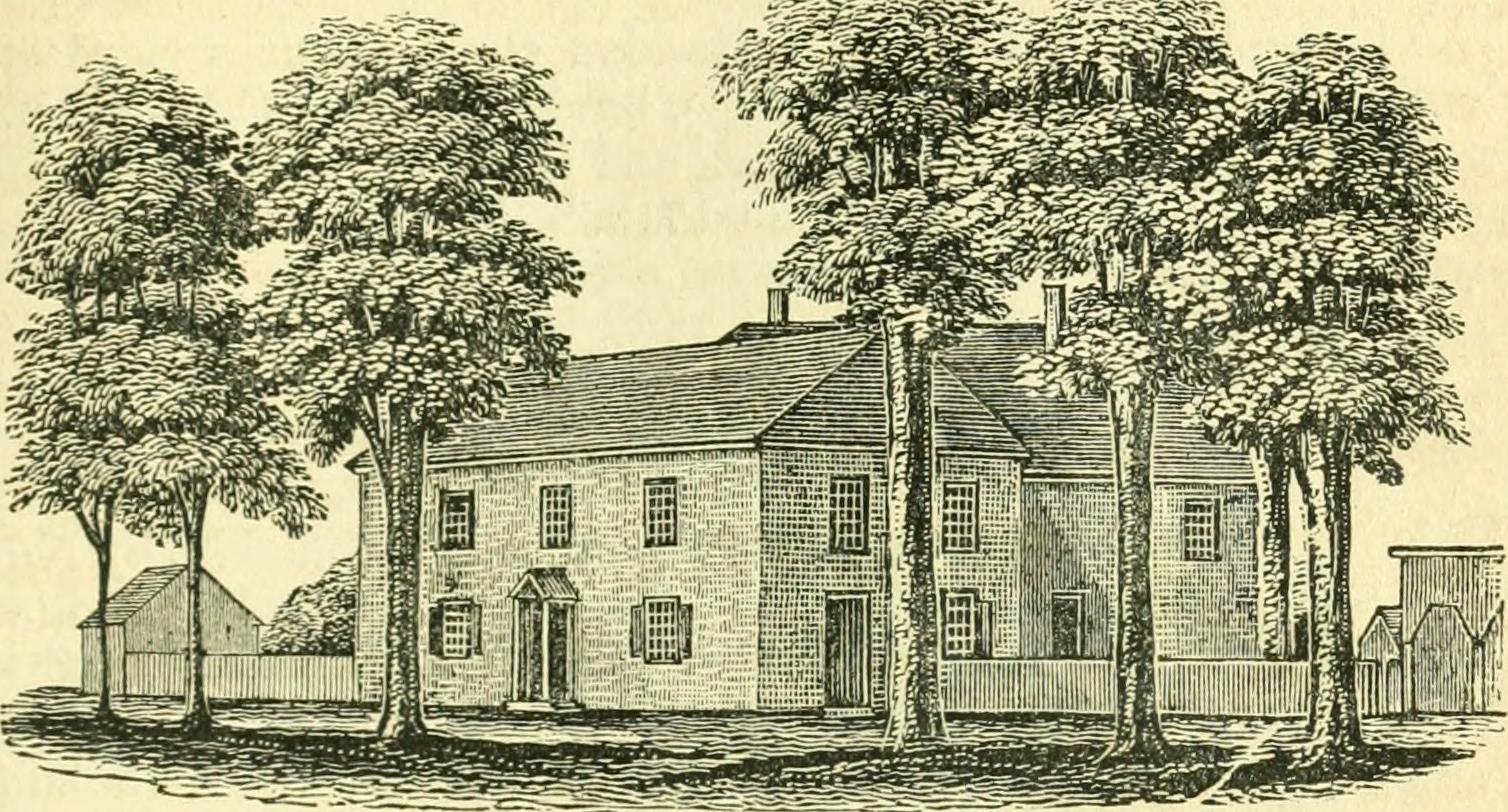
  • Bryn Mawr, Pennsylvania: A Main Line Town Guide for Luxury Home Buyers

    Bryn Mawr, Pennsylvania: A Main Line Town Guide for Luxury Home Buyers

    Few addresses carry the cachet of the Main Line, and Bryn Mawr sits near the heart of it. Anchored by a walkable town center, served by some of the region’s most respected schools, and lined with gracious stone homes on mature lots, Bryn Mawr has long attracted families and professionals who want suburban space without giving up culture, dining, or a quick ride into Center City. This guide covers what luxury buyers should understand about the town and its housing market.

    Where Bryn Mawr sits and why location matters

    Bryn Mawr straddles the border of Lower Merion and Radnor townships in the western suburbs of Philadelphia. That position gives it the classic Main Line advantages: established neighborhoods, generous lot sizes, and a direct rail connection to the city. The town is a stop on SEPTA’s Paoli/Thorndale Regional Rail line, so commuters can reach Center City without driving — a meaningful draw for buyers who work downtown but want a suburban home base.

    The name itself is shorthand for a certain kind of enduring quality. Because demand for Main Line addresses has stayed strong across market cycles, towns like Bryn Mawr have historically held value well, which is part of what makes them attractive to buyers thinking long term.

    The housing stock: estates, classics, and updated homes

    Bryn Mawr’s architecture is one of its defining features. Buyers will encounter a range of high-end property types:

    • Historic stone estates: Early-20th-century homes on substantial lots, often with original details like leaded glass, millwork, and slate roofs.
    • Center-hall colonials and Tudors: The classic Main Line family home, frequently updated for modern living while keeping period character.
    • Renovated and expanded homes: Older houses taken to current standards with updated kitchens, baths, and systems.
    • Newer construction and townhomes: A smaller but growing segment for buyers who want lower-maintenance, turnkey living near the village.

    Because much of the inventory is older, condition varies enormously. Two homes with similar curb appeal can differ greatly once you look at roofs, systems, and prior renovation quality — so due diligence is essential at this price point.

    Schools and institutions

    Education is central to Bryn Mawr’s appeal. The town is served by well-regarded public school districts and is home to or near a notable cluster of private and independent schools, as well as Bryn Mawr College and other higher-education institutions nearby. For many luxury buyers, school reputation is a primary driver of both their search and the town’s durable demand. If schools are a priority for you, confirm exact district boundaries and enrollment details for any specific address, since they can shift street to street.

    Village life, dining, and culture

    Unlike purely residential suburbs, Bryn Mawr has a genuine downtown. Lancaster Avenue and the surrounding blocks offer restaurants, cafes, boutiques, a historic movie theater, and everyday conveniences within walking distance of many neighborhoods. That walkable village character — uncommon in suburban luxury markets — lets residents enjoy a stroll-to-dinner lifestyle while still having room, privacy, and land at home.

    What to weigh before buying in Bryn Mawr

    Property condition and systems

    With many homes decades or even a century old, prioritize inspections of roofs, HVAC, electrical, plumbing, and any additions. Charm and original detail are wonderful, but you want a clear picture of deferred maintenance before you commit.

    Lot, setting, and privacy

    Lot sizes and settings vary widely, from village-edge homes on modest parcels to estates on multiple acres. Be clear about how much land, privacy, and outdoor space you actually want — it heavily influences both price and lifestyle.

    Long-term value

    Main Line demand has historically been resilient, but every home is different. Factors like location within the town, school assignment, and the quality of past renovations all shape resale potential.

    Who Bryn Mawr suits best

    Bryn Mawr is a strong fit for buyers who want space, established neighborhoods, and excellent schools, but are not willing to give up walkable amenities and an easy train commute. Families, professionals, and buyers relocating to the Philadelphia area for the long term gravitate here. Those seeking ultra-modern new construction or city density may prefer Center City neighborhoods, but for classic Main Line living, Bryn Mawr is a benchmark.

    Frequently asked questions

    What makes Bryn Mawr a desirable luxury market?

    Bryn Mawr combines historic estate homes, highly regarded schools, a walkable town center, and a direct rail line to Center City. That mix of space, prestige, and convenience has supported durable demand and made it one of the Main Line’s most sought-after towns.

    What kinds of luxury homes are available in Bryn Mawr?

    Buyers will find historic stone estates, center-hall colonials and Tudors, renovated and expanded classic homes, and a smaller selection of newer construction and townhomes. Because much of the housing is older, condition and renovation quality vary considerably.

    Can you commute from Bryn Mawr to Philadelphia without a car?

    Yes. Bryn Mawr is a stop on SEPTA’s Paoli/Thorndale Regional Rail line, giving residents a direct train connection into Center City. Many buyers choose the town specifically for this combination of suburban living and an easy downtown commute.

    Considering a move to Bryn Mawr or elsewhere on the Main Line? James Kennedy specializes in luxury real estate across Philadelphia and South Jersey and can help you understand current listings, pricing, and which neighborhoods fit your goals. Call James at 215-267-8479 or email jameskennedy@unlockedteam.com.

  • Living in Northern Liberties: A Luxury Buyer’s Guide to Philadelphia’s Reinvented Riverfront

    Living in Northern Liberties: A Luxury Buyer’s Guide to Philadelphia’s Reinvented Riverfront

    Once an industrial district north of Old City, Northern Liberties — “NoLibs” to locals — has become one of Philadelphia’s most distinctive luxury neighborhoods. It is where contemporary architecture, rooftop decks, and a genuinely walkable food-and-arts scene come together just minutes from Center City. For buyers who want design-forward homes and a lively street life without the density of Rittenhouse, Northern Liberties deserves a serious look.

    Why luxury buyers are drawn to Northern Liberties

    The appeal of NoLibs starts with its housing stock, which skews newer and more design-driven than most of Philadelphia. Because the area redeveloped from former factory and brewery sites, it offers a high concentration of new-construction and recently built homes — many with the features high-end buyers prioritize: open floor plans, oversized windows, garage parking, elevators, and roof decks with skyline views.

    Just as important is the lifestyle. The Piazza and Liberties Walk areas anchor a compact district of restaurants, cafes, boutiques, and galleries, and the neighborhood’s tree-lined side streets keep it feeling residential. You can live here without a car for daily errands, yet still enjoy private outdoor space — a combination that is hard to find elsewhere in the city.

    The housing stock: what you’ll find

    Northern Liberties offers more variety at the high end than first-time visitors expect. Common luxury property types include:

    • New-construction townhomes: Three to four stories with finished basements, garage or driveway parking, multiple outdoor spaces, and roof decks oriented toward the skyline.
    • Converted industrial lofts: Former factory and warehouse buildings reimagined as condos with exposed brick, timber beams, and dramatic ceiling heights.
    • Boutique condo buildings: Smaller, amenity-light buildings that appeal to buyers who want low-maintenance ownership and a lock-and-leave lifestyle.
    • Renovated rowhomes: Older Philadelphia rowhouses taken down to the studs and rebuilt with modern systems and finishes.

    Because so much of the inventory is newer, mechanical systems, insulation, and energy efficiency tend to be strong selling points — but quality varies builder to builder, which is why a careful inspection matters even on a recent build.

    Lifestyle, dining, and getting around

    Northern Liberties has a well-earned reputation for its dining and nightlife. Standby restaurants, craft cocktail bars, coffee roasters, and weekend brunch spots are mostly within a few blocks of one another, and a number of the city’s notable chefs have opened concepts here. Green space at Liberty Lands park and the proximity to the Delaware River trail add outdoor options.

    For commuters, location is a quiet strength. The neighborhood sits just north of Old City and Center City, so a trip to the central business district is short by car, bike, or rideshare, and the Spring Garden station on the Market-Frankford Line puts much of the city within easy reach. Buyers relocating for work in Center City often value how quickly they can get door to door.

    What to weigh before you buy in NoLibs

    A few practical considerations come up repeatedly with luxury buyers here:

    Parking

    If a dedicated garage or deeded space matters to you, prioritize it early. Many newer townhomes include parking, but inventory with private parking moves quickly and commands a premium.

    Tax abatements

    Philadelphia’s new-construction tax abatement has shaped this market for years. The rules have changed over time, so confirm the exact abatement status and remaining term on any specific home rather than assuming — it materially affects your carrying costs.

    Build quality and warranties

    On newer homes, ask who the builder was, what warranties transfer, and whether the home was owner-occupied or a flip. A thorough inspection of even a recently completed house is money well spent.

    Who Northern Liberties suits best

    NoLibs tends to fit buyers who want modern, turnkey homes with private outdoor space and a strong neighborhood social scene. It is popular with professionals, downsizers who still want to entertain, and buyers moving from larger cities who appreciate walkability. Those seeking traditional architecture or large lots may find the Main Line or parts of South Jersey a better match, but for contemporary city living, few neighborhoods compete.

    Frequently asked questions

    Is Northern Liberties a good neighborhood for luxury buyers?

    Yes. It offers one of the city’s deepest concentrations of new-construction and design-forward homes, strong walkability, and quick access to Center City. It is especially well suited to buyers who want modern finishes, private outdoor space, and a vibrant dining scene.

    What types of luxury homes are available in Northern Liberties?

    Expect new-construction townhomes with roof decks and parking, converted industrial lofts, boutique condos, and fully renovated rowhomes. The inventory skews newer than most Philadelphia neighborhoods, though specific features and price points vary widely.

    How is the commute from Northern Liberties to Center City?

    It is short. The neighborhood sits just north of Old City, so most trips to Center City take only minutes by car, bike, or rideshare, and the Market-Frankford Line offers a transit option. Many buyers relocating for downtown jobs choose NoLibs for this reason.

    Thinking about buying or selling in Northern Liberties or anywhere across Philadelphia and South Jersey? James Kennedy specializes in luxury real estate throughout the region and can walk you through current listings, pricing, and neighborhood fit. Call James at 215-267-8479 or email jameskennedy@unlockedteam.com to start the conversation.