Category: Buying

  • Rosemont and Penn Valley, Pennsylvania: A Lower Merion Guide for Luxury Home Buyers

    Rosemont and Penn Valley, Pennsylvania: A Lower Merion Guide for Luxury Home Buyers

    Most buyers who set out to shop the Main Line start with the famous train-line names — Bryn Mawr, Villanova, Haverford. Two Lower Merion Township addresses that deserve just as much attention rarely make the first list: Rosemont and Penn Valley. They are both firmly inside one of the region’s most established luxury markets, they share the same township services and school district, and yet they offer meaningfully different lifestyles. Understanding that difference is the fastest way to narrow a Main Line search.

    Where these two places actually are

    Rosemont is a classic Main Line village strung along Lancaster Avenue between Bryn Mawr and Villanova, with its own SEPTA Paoli/Thorndale Line station and the campus of Rosemont College anchoring the neighborhood. It is a walkable pocket of the Main Line in the traditional sense — you can leave the house, reach a train platform, a coffee shop, and a campus green on foot.

    Penn Valley sits several miles east, in the part of Lower Merion closest to the city, bounded roughly by Narberth, Gladwyne, and the Schuylkill. It is not a train village. It is a car-oriented residential area of curving streets and larger lots, and its defining advantage is proximity: Penn Valley is one of the shortest drives to Center City you can make while still living in Lower Merion Township.

    Housing stock: what you are actually buying

    Rosemont

    • Stone and stucco Colonial Revival and Tudor homes from the early twentieth century, often on well-treed lots of a half acre to a couple of acres.
    • A meaningful number of former estate properties and carriage houses, including homes subdivided from larger nineteenth-century holdings.
    • Some newer infill construction and a limited supply of higher-end townhomes and condominiums near Lancaster Avenue, which appeal to downsizers who want to stay on the Main Line.

    Penn Valley

    • A much higher share of mid-century and later construction — split-levels, ranchers, and large center-hall Colonials built from the 1950s onward.
    • Substantial teardown and rebuild activity, meaning a real supply of new or nearly new custom homes on established lots, which is rare on the Main Line.
    • Flatter, more usable yards on average than the steeper terrain found in parts of Gladwyne and Rosemont.

    That distinction matters. If you want a period home with original millwork, leaded glass, and a slate roof, Rosemont is far more likely to deliver it. If you want modern systems, open floor plans, and a primary suite that was designed rather than adapted, Penn Valley gives you more shots on goal.

    Commuting and access

    Rosemont buyers who work in Center City generally use the regional rail station and treat the car as a secondary option. That train access is a durable value factor — walkable rail proximity on the Main Line has held its appeal through many market cycles.

    Penn Valley buyers overwhelmingly drive, using the Schuylkill Expressway or City Avenue. On a good morning that is a short trip. On a bad one, the expressway is the expressway. Buyers who travel frequently often prefer Penn Valley for its straightforward run to the airport.

    Both are served by Lower Merion Township, which is one of the reasons the wider area holds value: consistent municipal services, mature infrastructure, and a long history of careful zoning enforcement.

    Schools and community

    Both areas fall within the Lower Merion School District, consistently among the most sought-after public districts in Pennsylvania and a major driver of buyer demand across the township. The region’s independent schools are also within easy reach from either location, which matters for families who want optionality.

    Penn Valley in particular has a long-established and well-organized community life, with religious institutions, community centers, and recreation facilities that many buyers cite as the deciding factor. Rosemont’s community life leans more toward the campus, the village commercial strip, and the surrounding Main Line clubs.

    How to think about value in each

    Price per square foot alone is a poor guide in Lower Merion, because the housing stock is so varied. A more useful framework:

    • Land matters more than you think. In Penn Valley especially, a large, level, well-shaped lot on a quiet street carries value independent of the house on it, because builders compete for the same parcels.
    • Condition premium is real in period homes. A Rosemont stone Colonial that has had its roof, systems, windows, and kitchen properly addressed trades very differently from one that has not. Deferred maintenance on a hundred-year-old home is expensive to cure and buyers price it accordingly.
    • Walkability to rail is a persistent premium. Homes within a comfortable walk of the Rosemont station tend to attract a broader buyer pool at resale.
    • Taxes and assessments deserve a look before you offer. Montgomery County assessment practice and township millage combine differently on different properties, and a rebuilt home may carry a very different tax picture than a neighboring original. Ask for the specifics on any property you are serious about.

    Who each area suits

    Rosemont tends to attract buyers who want the traditional Main Line experience — architecture with history, walkable village life, train access, and a strong sense of place. Penn Valley tends to attract buyers prioritizing convenience to the city, newer construction, larger flat yards, and an established community network. Plenty of buyers tour both and find the decision resolves itself quickly once they walk two or three homes in each.

    Practical advice for touring the area

    • Drive your actual commute at your actual departure time before you write an offer. The difference between a good and a bad route in this part of the township is significant.
    • Walk the block, not just the house. Lower Merion streets change character quickly, and a single block can separate a busy cut-through from a quiet cul-de-sac.
    • On older homes, budget for a specialist inspection — stucco and moisture intrusion, older electrical service, and original slate or tile roofing all warrant expert eyes.
    • Ask about additions and permits. Renovation-heavy areas produce homes with work of varying provenance, and township records are worth pulling.

    Frequently asked questions

    Are Rosemont and Penn Valley in the same school district?

    Yes. Both are within Lower Merion Township and served by the Lower Merion School District. Specific school assignments vary by address, so confirm the assigned elementary and middle school for any particular property directly with the district before making a decision.

    Which is better for commuting to Center City?

    It depends on how you want to travel. Rosemont offers walkable SEPTA Regional Rail access on the Paoli/Thorndale Line, which suits daily downtown commuters who prefer the train. Penn Valley is closer to the city by car and is generally the shorter drive, which suits buyers who drive, travel often, or work outside Center City.

    Can I find newer construction on the Main Line?

    Yes, though supply is limited and concentrated. Penn Valley sees consistent teardown-and-rebuild activity, so new custom homes come to market there more regularly than in most Main Line villages. Rosemont’s new construction is more sporadic and often involves infill on subdivided estate land.

    If you are weighing Rosemont, Penn Valley, or anywhere else in Lower Merion, I can walk you through current inventory, what specific homes are actually trading for, and which streets fit the life you are trying to build. Reach James Kennedy at 215-267-8479 or jameskennedy@unlockedteam.com to start a conversation.

  • Private and Independent Schools in the Philadelphia Region: A Luxury Buyer’s Location Guide

    Private and Independent Schools in the Philadelphia Region: A Luxury Buyer’s Location Guide

    Most home-buying advice about schools assumes you are shopping for a public district. For a large share of luxury buyers in the Philadelphia region, that is not the question at all. Greater Philadelphia has one of the deepest concentrations of independent, Quaker, Catholic, and specialized schools in the country, and families who intend to use them approach the home search from a different angle: not “which district is best?” but “where do I want to live given the school we have chosen, and how does that choice affect what I should buy?”

    This guide is about geography and real estate strategy, not about ranking schools. Which school suits a particular child is a decision for the family and the admissions process. What an agent can help with is the part that touches your house.

    How the region’s independent schools are clustered

    Independent schools in the Philadelphia area are not evenly distributed. They cluster along a handful of corridors, and understanding those clusters is the fastest way to narrow a home search.

    The Main Line corridor

    Running west from Bala Cynwyd through Lower Merion, Haverford, Radnor, and out toward Malvern and Newtown Square, this corridor hosts a dense concentration of long-established independent day schools. Families who choose here often buy in Gladwyne, Villanova, Haverford, Bryn Mawr, Wayne, or Newtown Square, where a school run can be ten to twenty minutes and where the surrounding towns are built around that rhythm.

    Northwest Philadelphia

    Chestnut Hill, Mount Airy, and Germantown host several of the city’s best-known independent and Quaker schools, and the neighborhoods around them — stone Colonial Revival and Wissahickon-schist homes on generous lots — draw families who want independent schooling without leaving the city. Roxborough, East Falls, and nearby Montgomery County townships extend the practical radius.

    Center City and the near river wards

    Several independent and Friends schools operate in and around Center City, which makes a walkable urban life genuinely workable for families. Buyers in Society Hill, Washington Square West, Rittenhouse, Fitler Square, and Queen Village frequently choose a home specifically because a child can walk or take a short ride to school.

    South Jersey

    Camden and Burlington County have their own set of Friends, Catholic, and independent schools, concentrated around Haddonfield, Moorestown, Cherry Hill, and Medford. Families here often combine an independent school with a short bridge commute into Philadelphia for work.

    Bucks, Chester, and Delaware Counties

    Further out, boarding and day options in Bucks and Chester County serve families who want land — several acres, barns, riding facilities — and are willing to trade proximity for space.

    The commute is the real constraint

    Families consistently underestimate how much a daily school run shapes life. Before you commit to a home, do the honest math:

    • Drive it at the actual hour. A route that takes fifteen minutes at 11 a.m. can take twice that at 7:45 a.m. Test the drive on a weekday during the school year, in both directions.
    • Count the trips. Morning drop-off, afternoon pickup, athletics, rehearsals, weekend games. A family with two children at two schools may be making six or more trips a day.
    • Ask about bus service. Pennsylvania school districts are generally required to provide transportation to nonpublic schools within certain distance limits, and New Jersey has its own rules and aid-in-lieu provisions. Whether a specific address qualifies depends on the district and the distance — confirm it for the exact property.
    • Consider the second commute. A home that is perfect for school may add half an hour each way to a parent’s commute to Center City, King of Prussia, or Cherry Hill. Optimize for the household, not one variable.

    How this should change what you buy

    Once school is settled, a few property features tend to matter more than buyers expect:

    • Driveway and parking. Carpools, teenage drivers, and visiting families make off-street parking disproportionately valuable, especially in the city.
    • A workable mudroom and drop zone. Sports equipment, instruments, and uniforms need somewhere to live. This is one of the most-cited regrets among families who bought beautiful homes with no staging area near the entry.
    • Study space that is not a bedroom. Two or three quiet, well-lit workspaces matter more than a formal living room for most school-age households.
    • Proximity to the pack. Living near other families at the same school pays real dividends in carpooling and social life. Ask your agent which blocks and buildings have that concentration.

    Timing your move around the admissions calendar

    Independent school admissions typically run on a fall-application, late-winter-decision cycle, while the strongest inventory in this region tends to appear in spring and early fall. Those calendars do not align neatly, which creates two common scenarios:

    • Buy first, apply after. Gives you a settled address for the application and more control over the home search, but commits you to a location before the school decision is final.
    • Rent, then buy. Removes the risk of buying in the wrong place, at the cost of a move and a year of rent. For relocating families this is often the calmer path, and the Philadelphia region has good high-end rental inventory in Center City and the suburbs.

    There is no universally correct answer. The right one depends on how firm your school choice is, how tight your timeline is, and how much optionality is worth to you.

    What this means for resale value

    A home’s value is not driven by the private school down the street the way it is by a strong public district. But proximity to an established school corridor does tend to support demand: it creates a steady stream of relocating buyers, it correlates with mature, well-maintained neighborhoods, and it means your eventual buyer pool includes families for whom that location is a requirement. Just do not overpay on the assumption that a school address is itself an asset — the fundamentals of the block, the house, and the taxes still govern.

    Note too that if you are paying independent school tuition, you may be less sensitive to public school quality and therefore able to consider excellent neighborhoods that competing families screen out. That is a genuine value opportunity, and a good agent will point it out.

    Frequently asked questions

    Should I buy in a top public district if my children will attend private school?

    Not necessarily. A top-district address usually carries a price and tax premium you may not need. Families paying tuition can often buy a better house, in a neighborhood they prefer, for less by looking outside the most-in-demand districts — while still keeping an eye on resale, since a strong district does broaden the future buyer pool.

    Is busing available to private schools in Pennsylvania and New Jersey?

    Often, within limits. Both states have provisions for transporting students to nonpublic schools, generally subject to distance thresholds and district rules, with aid in lieu of transportation available in some New Jersey cases. Because eligibility depends on the specific address, school, and district, confirm it directly with the district before you rely on it.

    Can I live in Center City and still send my children to an independent school?

    Yes. Several independent and Friends schools serve Center City and nearby neighborhoods, and many city families walk or take a short ride to school. Others commute out to the Main Line or Chestnut Hill. If a city lifestyle matters to you, it is worth mapping your realistic school options before you conclude you have to move to the suburbs.

    Talk with James Kennedy

    Every home, block, and price point in this region behaves a little differently, and the numbers that matter change month to month. If you are weighing a move, want current pricing on a specific street or building, or simply want an honest read on your options, reach out to James Kennedy directly at 215-267-8479 or jameskennedy@unlockedteam.com. James represents luxury buyers and sellers throughout Philadelphia and South Jersey and is glad to talk through your situation with no obligation.

  • Buying a Luxury Home with Cash: What Philadelphia and South Jersey Buyers Should Know

    Buying a Luxury Home with Cash: What Philadelphia and South Jersey Buyers Should Know

    At the upper end of the Philadelphia and South Jersey market, a meaningful share of transactions close without a mortgage. Sellers know it, listing agents price for it, and buyers who can pay cash often assume it is always the stronger move. It usually is a stronger offer — but whether it is the stronger decision depends on your tax situation, your liquidity, the rate environment, and what you plan to do with the property. This guide walks through both sides.

    What “cash” actually means in a real estate contract

    A cash offer simply means the purchase is not contingent on obtaining financing. You are not promising to arrive at settlement with a briefcase; you are agreeing that no lender approval stands between the contract and the closing table. In practice you will wire funds to the title company or settlement agent, typically a day or two before closing.

    Because there is no lender, several things disappear from the transaction: the loan application and underwriting timeline, the lender-ordered appraisal, the lender’s insurance and title requirements, and the risk that a loan commitment falls through late in the process. That reduction in risk is the entire source of a cash offer’s negotiating power.

    Why sellers value cash — and how much it is actually worth

    A seller weighing two offers is comparing net proceeds and probability of closing. Cash improves the second variable substantially. The practical advantages a seller sees are:

    • Speed. Cash closings can often be scheduled in a couple of weeks rather than a month or more, limited mostly by title work and any inspection period.
    • No appraisal risk. On unusual, historic, or record-setting properties — exactly the kind that trade at the high end here — finding comparable sales is genuinely difficult. Removing the lender’s appraisal removes a common deal-killer.
    • Fewer conditions. No underwriting conditions, no last-minute document requests, no rate-lock expiration pressure.
    • Certainty on unconventional property. Homes with significant deferred maintenance, unusual construction, large acreage, or condo buildings with lender-unfriendly characteristics can be difficult to finance. Cash sidesteps all of it.

    How much that is worth in dollars varies with the property and the competition. In a multiple-offer situation on a well-priced home, cash frequently wins against a slightly higher financed offer. On a property that has been sitting, cash may buy you meaningful price concessions. The only way to know is to have your agent read the specific situation.

    Proving your funds properly

    A cash offer is only as credible as its documentation. Sellers and their agents will ask for proof of funds, and a weak proof-of-funds letter can undercut an otherwise strong offer. Good practice:

    • Provide a recent bank or brokerage statement, or a letter on institution letterhead, showing sufficient liquid funds. You may redact account numbers.
    • If funds are spread across accounts, provide statements covering the full amount rather than a single partial account.
    • If money is currently invested and will need to be liquidated, say so and be realistic about the timeline. Settlement dates are missed more often over slow liquidations than over anything else.
    • If funds are coming from a trust, an entity, or a gift, disclose that structure early. It affects titling, the settlement agent’s requirements, and sometimes the closing timeline.

    Do not skip the protections a lender would have required

    This is the most common mistake cash buyers make. A lender’s requirements exist partly to protect the lender, but many of them protect you too. When you remove the lender, you have to consciously choose to keep the safeguards:

    • Get an inspection. Waiving the financing contingency is not a reason to waive due diligence. On older and larger homes, a general inspection plus specialists — structural, stucco and moisture, sewer lateral, chimney, pool, septic — is money extremely well spent.
    • Consider an appraisal anyway. You are not required to get one, but on an unusual property an independent valuation is useful information, especially if you may finance later or need a value for estate planning.
    • Buy owner’s title insurance. Lenders require a lender’s policy; nobody requires you to protect yourself. An owner’s policy is the protection that matters when a title defect surfaces years later.
    • Run a proper survey where appropriate. On acreage, waterfront, or properties with outbuildings, driveways, or fence lines near a boundary, a survey clarifies what you are actually buying.
    • Confirm insurability before you are committed. Coastal South Jersey properties, homes with older electrical service, and properties with prior claims can be difficult or expensive to insure. Get a quote during your inspection period.

    The financial trade-off

    Paying cash eliminates interest expense and monthly payment risk. It also converts liquid assets into an illiquid one and, depending on the accounts you draw from, may trigger capital gains or other tax consequences. Considerations worth discussing with your CPA and financial advisor before you wire funds:

    • What is the after-tax cost of borrowing compared with the expected after-tax return on the assets you would otherwise liquidate?
    • Will selling appreciated securities to fund the purchase create a tax bill this year, and does spreading the sale across tax years help?
    • How does mortgage interest deductibility, which is subject to federal limits, apply in your situation?
    • Do you want to keep a reserve for renovation, furnishing, taxes, and carrying costs rather than committing every dollar to the purchase?

    There is also a middle path many high-end buyers use: buy with cash to win the deal, then obtain financing shortly after closing. Delayed financing and cash-out refinancing are available from many lenders, though rules, timing, and pricing vary. If that is your plan, talk to a lender before you close so you understand the requirements rather than discovering them afterward.

    Local considerations in Pennsylvania and New Jersey

    The two states handle transactions differently, and cash does not change that. In Pennsylvania, transfer tax is customarily split between buyer and seller and is meaningful at high price points; settlements are typically handled by a title company. In New Jersey, contracts are subject to an attorney review period, and an attorney ordinarily handles the closing. Cash buyers in both states still owe transfer taxes, still record a deed, and still want to think carefully about how title is held — individually, jointly, in a trust, or through an entity — because changing it later can be costly.

    Frequently asked questions

    Will a seller always accept a cash offer over a financed one?

    No. Sellers weigh price, terms, timing, and certainty together. A well-qualified financed buyer with a strong pre-approval, a large down payment, a short mortgage contingency, and a higher price can and does beat cash. Cash is an advantage, not a guarantee.

    Should I waive the inspection to make my cash offer stronger?

    Rarely, and never casually. On an expensive or older home, waiving inspection can expose you to six-figure surprises. A better approach is usually to shorten the inspection period, narrow it to major items, or agree to a repair threshold — keeping real protection while still making the offer attractive.

    Can I get a mortgage after buying with cash?

    Often, yes. Many lenders offer delayed financing or a cash-out refinance after a cash purchase, subject to their own seasoning rules, documentation requirements, and loan limits. Confirm the specifics with a lender before closing so your plan rests on that lender’s actual guidelines rather than a general assumption.

    Talk with James Kennedy

    Every home, block, and price point in this region behaves a little differently, and the numbers that matter change month to month. If you are weighing a move, want current pricing on a specific street or building, or simply want an honest read on your options, reach out to James Kennedy directly at 215-267-8479 or jameskennedy@unlockedteam.com. James represents luxury buyers and sellers throughout Philadelphia and South Jersey and is glad to talk through your situation with no obligation.

  • Fort Washington and Dresher, Pennsylvania: An Upper Dublin Guide for Luxury Home Buyers

    Fort Washington and Dresher, Pennsylvania: An Upper Dublin Guide for Luxury Home Buyers

    Fort Washington and Dresher sit side by side in Upper Dublin Township, in the eastern half of Montgomery County. They are the kind of places affluent Philadelphia-area buyers often discover late in a search: less famous than the Main Line, less self-consciously historic than Bucks County, but quietly delivering much of what buyers say they want — large lots, mature trees, an easy train ride to Center City, and a school district families relocate for. If you are shopping in the upper brackets and have been looking mostly west of the Schuylkill, this corner of Montgomery County deserves a serious look.

    Where these communities sit

    Fort Washington and Dresher are unincorporated communities within Upper Dublin Township, bordered by Ambler and Whitpain to the west, Horsham to the north, and Abington and Springfield Township to the east and south. The Pennsylvania Turnpike’s Fort Washington interchange and the Route 309 expressway both run through the area, and SEPTA’s Lansdale/Doylestown Regional Rail line stops at Fort Washington station.

    That combination — a turnpike interchange, a limited-access highway, and a commuter rail station — is unusual for a township this leafy. It is the practical reason executives and physicians have been settling here for decades, and it is why homes with genuine acreage sit minutes from a corporate office park and well under an hour from Rittenhouse Square.

    The housing stock

    Upper Dublin’s higher-end inventory falls into a few recognizable groups, and knowing which one you are touring changes what you should be inspecting and how you should think about value.

    Mid-century estate homes on large lots

    Much of Dresher and the Fort Washington area was subdivided from farmland between the 1950s and 1970s. The result is generous lots — often half an acre to well over an acre — with sprawling colonials, split-levels, and custom ranch homes. Many have been renovated once or twice. The land and the setting are frequently worth more than the original structure, which is why a share of these properties eventually become tear-downs or down-to-the-studs rebuilds.

    Later custom and semi-custom construction

    From the 1990s onward, infill subdivisions brought larger footprints: two-story foyers, three-car garages, finished lower levels, and primary suites sized to modern expectations. These homes typically show well and need less immediate capital, but they vary widely in build quality and in how gracefully their finishes have aged.

    Genuine historic properties

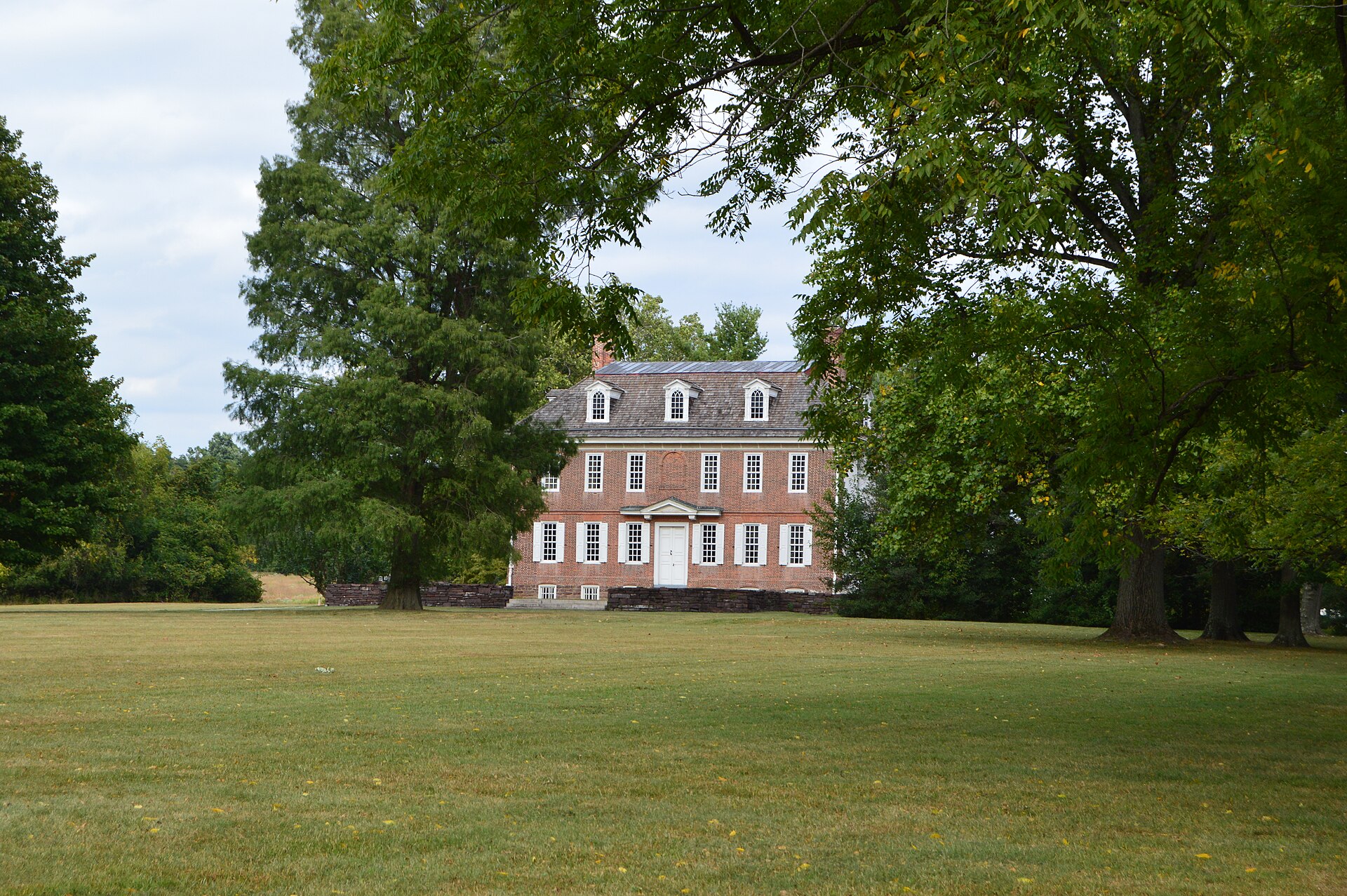
    Fort Washington carries real Revolutionary War history — Hope Lodge, a Georgian mansion dating to the 1740s, and the surrounding Fort Washington State Park anchor that story. Scattered stone farmhouses and carriage houses survive throughout the township. These are wonderful homes for the right buyer, but they demand an inspector who understands stone construction, older systems, and the realities of maintaining a building that predates modern framing.

    Schools

    Upper Dublin School District serves the township, and its reputation is one of the strongest drivers of demand in the local market. Buyers regularly pay a premium here specifically for district access. A few practical points:

    • Verify the school assignment for the exact address, not the mailing address. Postal names in Montgomery County frequently cross municipal and district lines — a “Fort Washington” mailing address does not automatically mean Upper Dublin schools.
    • Ask about current attendance boundaries rather than relying on a listing sheet or a third-party website, which are often out of date.
    • Consider the private and independent options nearby as well; several well-known Quaker and independent schools are within a reasonable drive.

    Commuting and daily logistics

    Fort Washington station on SEPTA’s Regional Rail line puts riders into Jefferson, Suburban, and 30th Street stations without a transfer. For drivers, Route 309 runs south toward the Blue Route and Center City, and the Turnpike interchange opens up the northern and western suburbs, King of Prussia, and connections toward New York.

    The Fort Washington Office Park — one of the region’s larger suburban employment centers — sits within the township, which means a meaningful number of local buyers have a commute measured in minutes. Philadelphia International Airport is generally a 40- to 55-minute drive depending on traffic and route.

    Lifestyle and open space

    Fort Washington State Park, the Wissahickon watershed, and the Green Ribbon Trail give the area an outdoor character that surprises first-time visitors. Nearby Ambler offers a walkable downtown with restaurants, a restored theater, and a farmers market, and Chestnut Hill’s Germantown Avenue is a short drive south. Several private clubs and golf courses operate in and around Upper Dublin, and the shopping and dining of Willow Grove, Blue Bell, and Plymouth Meeting are all close.

    What to check before you buy here

    Upper Dublin rewards diligence. A short list of items worth attention on any higher-end purchase in the township:

    • Stormwater and grading. Portions of the township sit in or near the Wissahickon and Sandy Run drainage areas. Ask about past water intrusion, review the grading around the foundation, and check whether any part of the parcel is mapped in a flood zone.
    • Additions and permits. Many homes here have been enlarged over decades. Request township permit and certificate records so you know that additions, finished basements, decks, and pools were properly permitted and inspected.
    • Stucco and synthetic siding. As across the Philadelphia suburbs, homes built or renovated in the 1990s and 2000s with stucco or EIFS cladding warrant a dedicated moisture-intrusion inspection, not just a general home inspection.
    • Radon and water. Radon testing is standard practice in southeastern Pennsylvania. If a property is on a private well, add water quality and yield testing.
    • Trees and utilities. Mature canopy is part of the appeal and part of the maintenance budget. Have large specimens near the house assessed, and note whether service is overhead or underground.
    • Taxes. Montgomery County assessments do not update automatically after a sale, but a purchase price well above the assessed value can attract an appeal by the taxing bodies. Ask what the realistic tax picture looks like going forward.

    How Fort Washington and Dresher compare

    Against the Main Line, Upper Dublin generally offers more land for the money and a quieter, less status-driven feel, with fewer walkable village centers of its own. Against Bucks County towns like Doylestown and Newtown, it trades some historic charm for a shorter commute and easier highway access. Against Chestnut Hill, it trades city taxes and city services for township living and a different school system. None of these is objectively better — the right answer depends on how you weigh commute, land, walkability, and school preference.

    Frequently asked questions

    Is Fort Washington considered part of the Main Line?

    No. The Main Line refers to communities along the former Pennsylvania Railroad corridor west of Philadelphia — Bala Cynwyd through Malvern. Fort Washington and Dresher are north of the city in Upper Dublin Township, Montgomery County, on a different rail line. They are a distinct market with their own pricing dynamics.

    Do Fort Washington and Dresher addresses always mean Upper Dublin schools?

    Not necessarily. Postal addresses in Montgomery County often extend beyond municipal borders, so some homes with a Fort Washington or Dresher mailing address fall in a neighboring township and district. Always confirm the district and the specific school assignment for the exact parcel before making an offer.

    What should I budget for beyond the purchase price?

    Plan for transfer tax, title and settlement costs, and prepaid taxes and insurance at closing, then think about the first two years of ownership. Older homes on large lots frequently need roofing, HVAC, tree work, or driveway and drainage attention within that window. A candid conversation about the property’s likely capital needs is worth having before you finalize your offer price.

    Talk with James Kennedy

    Every home, block, and price point in this region behaves a little differently, and the numbers that matter change month to month. If you are weighing a move, want current pricing on a specific street or building, or simply want an honest read on your options, reach out to James Kennedy directly at 215-267-8479 or jameskennedy@unlockedteam.com. James represents luxury buyers and sellers throughout Philadelphia and South Jersey and is glad to talk through your situation with no obligation.

  • Buying From Out of State or Abroad: A Guide to Philadelphia and South Jersey Luxury Real Estate for Relocating and International Buyers

    Buying From Out of State or Abroad: A Guide to Philadelphia and South Jersey Luxury Real Estate for Relocating and International Buyers

    A meaningful share of high-end buyers in Philadelphia and South Jersey are not standing in the living room when they decide. They are relocating for a job, moving a family back toward relatives, buying a second residence, or investing from abroad. Buying well from a distance is entirely doable — but the process differs enough from a local purchase that it deserves its own playbook.

    Start With Geography, Not Listings

    The most common mistake out-of-area buyers make is browsing listings before they understand the map. The Philadelphia region packs an unusual amount of variety into a small area: dense historic city neighborhoods, a suburban Main Line with its own commuter rail spine, Bucks and Chester County countryside, and a set of South Jersey towns with a completely different tax and legal environment across the river.

    Before you look at a single property, get clear on three things: where you will actually need to be on a weekday, whether you want walkability or land, and which state’s rules you are willing to live under. Those three answers eliminate most of the map and make the remaining search far more productive.

    Pennsylvania and New Jersey Are Different Transactions

    This is the single biggest surprise for buyers coming from elsewhere. The two states run real estate deals differently.

    • New Jersey uses an attorney review period after contracts are signed, and attorney involvement is standard practice throughout the transaction.
    • Pennsylvania transactions are typically handled through the agreement of sale without an attorney by default, though buyers are always free to engage one — and at the high end, many do.
    • Transfer taxes, property tax structures, and closing customs differ between the two states and, within Pennsylvania, between Philadelphia and the suburban counties.

    If you are comparing a Center City condo against a Moorestown house, you are comparing two different legal and cost frameworks, not just two homes.

    Financing From Out of State or Abroad

    Domestic relocating buyers usually have the simpler path: a jumbo or portfolio loan through a lender licensed in the relevant state, with the usual documentation. Get fully underwritten before you travel. In a competitive situation, a buyer who is already through underwriting is dramatically stronger than one holding a basic pre-qualification letter.

    Buyers without U.S. credit history or U.S.-source income have a narrower but real set of options, generally through lenders that specialize in foreign-national lending. Expect larger down payments, more documentation of foreign income and assets, and longer timelines. Start those conversations early — before you find a property, not after.

    Cash buyers should still plan the mechanics in advance: how funds will be transferred, what the title company requires for source-of-funds documentation, and how currency timing will be handled if you are converting.

    Touring Efficiently When You Do Not Live Here

    Remote buying works best when in-person time is concentrated and well prepared.

    • Do a neighborhood trip before a house trip. Spend a day or two driving the areas on your shortlist at different times of day. It settles questions no listing photo can.
    • Use video walkthroughs as a filter, not a decision. Live video tours with an agent who will point out flaws, not just features, are far more useful than produced marketing video.
    • Batch your showings. A well-planned two-day itinerary of pre-screened homes beats six scattered visits.
    • Ask for the unglamorous footage: mechanical rooms, basements, the view from every window, the street in both directions, and the parking situation.

    Remote Contracts and Closings

    Electronic signature is standard for offers and contracts, so writing an offer from another state or country is routine. Closing remotely is also common, though the mechanics vary: options generally include a mail-away closing package, a power of attorney, or in some cases remote online notarization. Requirements differ by lender, title company, and state, and documents signed abroad may need notarization at a U.S. consulate or an apostille. Confirm the plan with the title company well before your closing date rather than in the final week.

    Extra Considerations for International Buyers

    There is no general prohibition on foreign nationals owning U.S. residential real estate. The complications are practical and tax-related rather than legal barriers to ownership.

    • FIRPTA governs withholding when a foreign person later sells U.S. real property, which makes it a planning issue at purchase, not only at sale.
    • Ownership structure — individual, trust, or entity — has real tax and estate consequences that differ for non-residents. This is a question for a cross-border tax advisor before you sign, not after.
    • Insurance and property management matter more when the home sits empty for stretches. Vacancy provisions in homeowners policies are worth reading closely.
    • Rental use of a second home carries its own tax reporting and, in some municipalities, licensing requirements.

    Build the Right Team Before You Shop

    Distance buyers depend more heavily on their advisors than local buyers do. At minimum, line up a local agent who knows both sides of the river, a lender comfortable with your specific situation, a title company or attorney appropriate to the state, and — for international buyers — a tax advisor with cross-border experience. Assemble that team first. The best properties do not wait while you sort out financing.

    Frequently asked questions

    Can I buy a home in Philadelphia or South Jersey without visiting in person?

    Yes, and it happens regularly. Offers and contracts are signed electronically, and closings can generally be handled by mail-away package, power of attorney, or remote notarization depending on the lender, title company, and state. That said, most buyers at the high end choose to see the property at least once — if not before the offer, then during the inspection period.

    Do foreign nationals face restrictions on buying U.S. real estate?

    Ownership itself is generally open to foreign nationals. The real considerations are financing, which typically requires a specialized lender and a larger down payment without U.S. credit history, and tax treatment, including FIRPTA withholding on a future sale and the estate and income tax consequences of how the property is titled. Those should be planned with a cross-border tax advisor before purchase.

    Should I buy in Pennsylvania or New Jersey if I am relocating to the area?

    It depends on where you will work, what kind of property and setting you want, and how the two states’ tax and transaction structures fit your circumstances. Pennsylvania’s suburbs and Philadelphia itself offer a strong rail commute and dense historic neighborhoods; South Jersey offers walkable small towns, more land in places, and shore access. The comparison is worth running with actual numbers for the specific homes you are considering.

    If you are considering a move in Philadelphia or South Jersey and want candid, current guidance on values, inventory, and strategy, reach out to James Kennedy. Call 215-267-8479 or email jameskennedy@unlockedteam.com to talk through your goals and get real numbers for your situation.

  • Swedesboro and Logan Township, New Jersey: A Gloucester County Guide for Luxury Home Buyers

    Swedesboro and Logan Township, New Jersey: A Gloucester County Guide for Luxury Home Buyers

    Gloucester County’s Swedesboro–Logan corridor is one of the more interesting places in South Jersey to buy at the high end right now. It pairs some of the oldest colonial history in the state with newer estate-scale construction on generous lots, and it sits far enough from the Philadelphia core to feel rural while remaining a straightforward drive to the city and to Wilmington.

    Where Swedesboro and Logan Township Are

    Swedesboro is a compact borough in western Gloucester County, entirely surrounded by Woolwich Township. Logan Township sits immediately to its west and northwest, running toward the Delaware River. Together they occupy the stretch of South Jersey served by Route 322, the New Jersey Turnpike, and I-295 — which is exactly why this corner has drawn both residential and logistics growth over the past two decades.

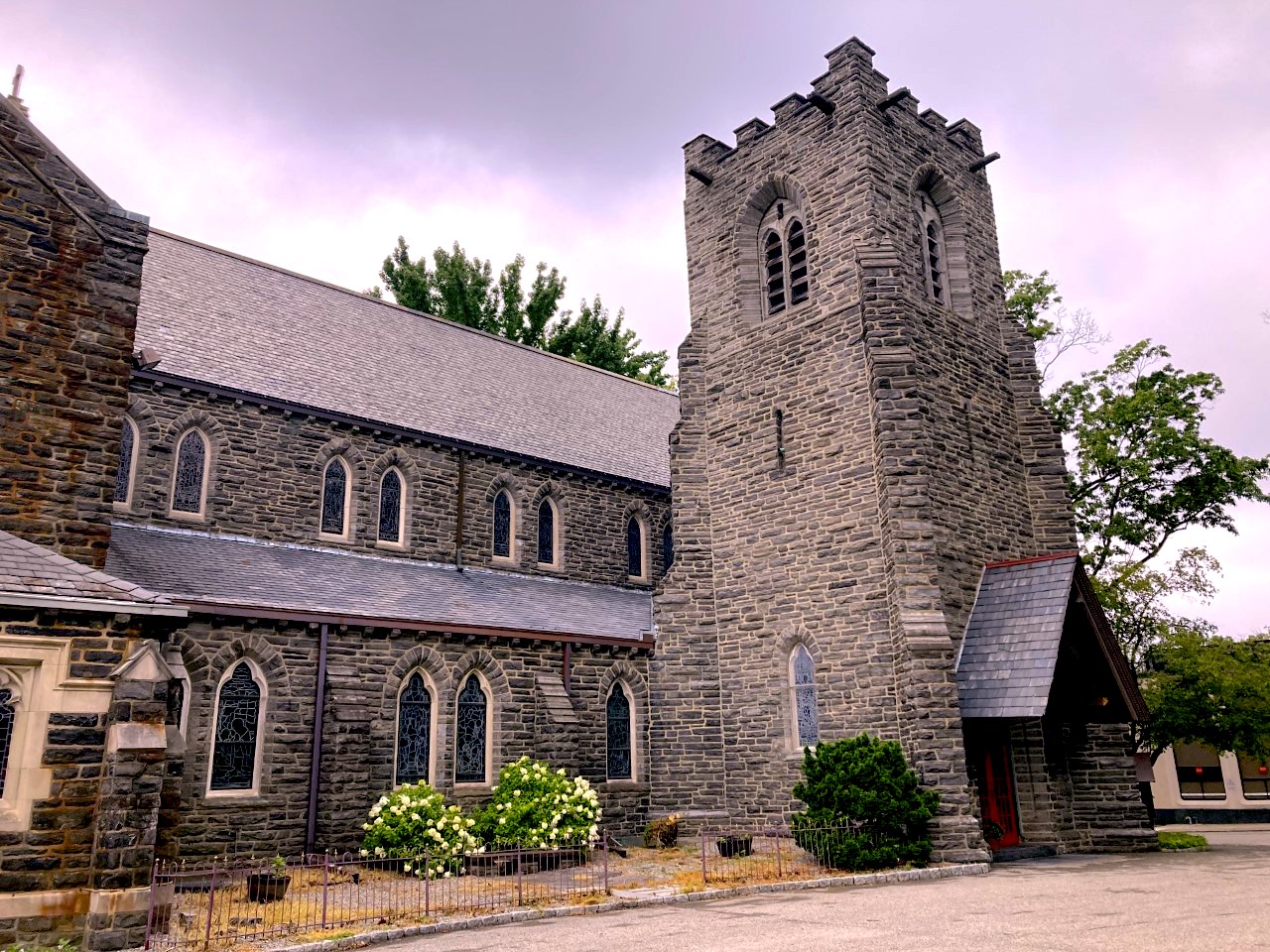
    The area’s name is not decorative. This was the site of one of the earliest Swedish colonial settlements in the Delaware Valley, and Trinity Episcopal Church — the “Old Swedes” church — remains the borough’s landmark and the anchor of its historic district.

    The Housing Picture

    Historic homes in and around the borough

    Swedesboro’s older core holds eighteenth- and nineteenth-century houses, including Federal and Victorian examples, many on small in-town lots. These are character properties. They appeal to buyers who want architecture and walkable streets, and they require the same disciplined due diligence any historic home does.

    Estate-scale new construction

    The larger share of the upper market here is newer: custom and semi-custom homes built on half-acre to multi-acre parcels over the past twenty-five years, often in small enclaves carved out of former farmland. Ceiling heights, primary-suite layouts, three-car garages, and finished lower levels are typical at this level. Because so much of it was built in a compressed window, buyers can often compare several genuinely similar homes — an advantage you do not get in older luxury markets.

    Farms and acreage

    Preserved and working farmland is still a real part of this landscape. Properties with meaningful acreage, outbuildings, or barns come up periodically. If you want land in South Jersey without going as far east as the Pinelands, this corridor deserves a look.

    Everyday Life

    Swedesboro’s downtown is small and genuinely walkable, with independent restaurants, a few shops, and community events that give the borough more of a town feel than its size suggests. Larger-format shopping is a short drive toward Woolwich, Mullica Hill, and the Route 42 corridor. For serious dining, arts, and sports, most residents point the car toward Philadelphia.

    Outdoor life leans toward open space: county parks, farmland views, and Delaware River access to the west. The pace here is deliberately slower than in Cherry Hill or Moorestown, and that is precisely the appeal for many buyers.

    Schools

    Public school assignment in this corner of Gloucester County depends on the specific municipality, with elementary districts and regional high school arrangements that differ between Swedesboro, Woolwich, and Logan. Because the district structure is not intuitive, confirm the assigned schools for a given address directly with the district before you write an offer.

    Commuting and Access

    This is one of the corridor’s strongest arguments. The New Jersey Turnpike, I-295, and Route 322 all serve the area, and the Commodore Barry Bridge puts Delaware County and the Philadelphia airport corridor within reach. Wilmington and northern Delaware are an easy drive, which matters for buyers working in the pharmaceutical, chemical, and financial employers concentrated there.

    The trade-off is that this is a car-dependent area. There is no regional rail service comparable to what Philadelphia’s Pennsylvania suburbs enjoy, so evaluate your commute honestly.

    Due Diligence Specific to This Area

    • Well and septic. Outside the denser borough blocks, private well and septic are common. Budget for water testing, septic inspection, and periodic maintenance.
    • Underground oil tanks. On older properties anywhere in South Jersey, a tank sweep is worth the modest cost.
    • Farmland assessment. If a parcel carries farmland assessment, understand what happens to the tax treatment if you change the use, and whether rollback taxes could apply.
    • Proximity to industrial and logistics uses. Logan Township has significant industrial and distribution development. Look at what is adjacent and what is zoned nearby, not just what is there today.
    • Flood and wetlands. Land toward the river and along creeks can involve wetlands buffers that limit what you can build or clear.
    • Historic district review. In Swedesboro’s historic core, exterior changes may require additional approval.

    How It Compares to Eastern South Jersey

    Compared with Haddonfield, Moorestown, or Medford, the Swedesboro–Logan corridor generally offers more land and newer construction for the money, with less of a walkable-village premium and a longer drive to Center City. Compared with neighboring Mullica Hill and Woolwich, it is similar in character, with Swedesboro adding a genuinely historic small-town center. Buyers who want a large, newer home on real acreage — and who are working in or near Delaware — often find this the best value in the region.

    Frequently asked questions

    Is Swedesboro a good area for luxury home buyers?

    It can be, particularly for buyers who define luxury as space, land, and newer custom construction rather than proximity to a high-end retail district. The borough itself is small and skews historic; the surrounding Woolwich and Logan areas hold most of the larger newer homes. Inventory at the top of the market is limited, so patience and early access to listings matter.

    What should I check before buying a home with acreage here?

    Start with the water and septic systems, wetlands and flood mapping, any farmland or preservation designations on the parcel, easements and rights-of-way, and the zoning of adjacent land. Each of these can affect both your carrying costs and what you are permitted to do with the property later.

    How long is the drive from Swedesboro to Center City Philadelphia?

    Under typical conditions it is a manageable drive via I-295 and the bridges, though it varies significantly with traffic and time of day. Because there is no comparable rail option, buyers who commute into Philadelphia daily should test the drive at their real commuting hours before committing.

    If you are considering a move in Philadelphia or South Jersey and want candid, current guidance on values, inventory, and strategy, reach out to James Kennedy. Call 215-267-8479 or email jameskennedy@unlockedteam.com to talk through your goals and get real numbers for your situation.

  • Huntingdon Valley and Bryn Athyn, Pennsylvania: A Montgomery County Guide for Luxury Home Buyers

    Huntingdon Valley and Bryn Athyn, Pennsylvania: A Montgomery County Guide for Luxury Home Buyers

    Montgomery County has no shortage of established addresses, but few pockets combine acreage, architecture, and access to Center City the way Huntingdon Valley and Bryn Athyn do. Tucked into the northeastern corner of the county where it meets Bucks and Northeast Philadelphia, this is one of the quieter corners of the Philadelphia luxury market — and one that rewards buyers who take the time to understand it.

    Where Huntingdon Valley and Bryn Athyn Are

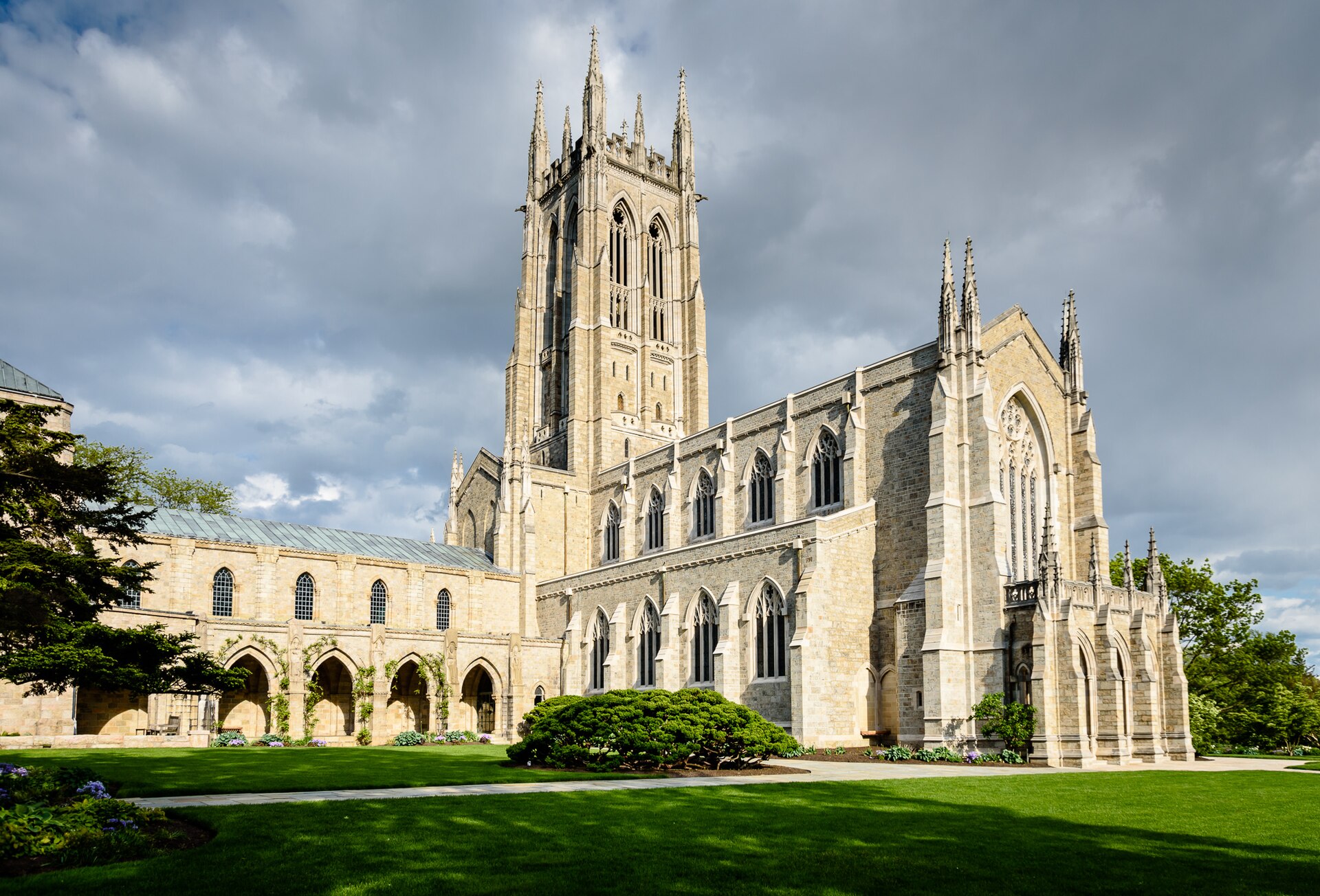
    Huntingdon Valley is not a municipality of its own. It is a mailing address and a widely used community name that spans Lower Moreland Township and spills into parts of Abington Township, Bryn Athyn Borough, and Upper Moreland. Bryn Athyn is a small, separately incorporated borough best known for the soaring Bryn Athyn Cathedral, the Glencairn Museum, and the Cairnwood estate — a cluster of early twentieth-century buildings that gives the borough a landscape unlike anywhere else in the region.

    Because the Huntingdon Valley name crosses municipal lines, two homes with identical mailing addresses can sit in different townships, different school districts, and very different tax situations. That is the single most important thing for a luxury buyer to verify here, and it is easy to get wrong from a listing sheet alone.

    What the Housing Stock Looks Like

    Estate properties and large lots

    The upper end of this market tends to be defined by land. Buyers find stone and brick homes on multi-acre parcels, older estates with carriage houses or outbuildings, and properties whose boundaries follow creek beds and tree lines rather than a subdivision grid. Bryn Athyn in particular has a low-density, almost campus-like feel, with significant open land held by institutions and conservation interests.

    Mid-century and postwar homes with room to grow

    A large share of Huntingdon Valley’s housing was built in the postwar decades on generous lots. Many of these homes have been substantially expanded or reworked. For a buyer, that creates real variety in one price band: a competently updated split-level and a taken-to-the-studs renovation can sit on the same street. Compare the quality of the work, not just the finished square footage.

    New construction and rebuilds

    Because so many parcels are large, tear-down and rebuild activity is a persistent feature of this area. Newer custom homes appear on infill lots and behind older streetscapes. If new construction matters to you, ask about the builder, the permit history, and how the home was sited on the lot — setbacks and grading decisions on a rebuild affect both privacy and drainage for decades.

    Lifestyle: Parks, Clubs, and Everyday Conveniences

    The defining natural feature is the Pennypack Creek corridor. Preserved land and trail systems along the creek give the area a wooded character that is unusual this close to the city, and proximity to that green space is one of the most durable value drivers in the neighborhood.

    Private clubs and golf are part of the fabric here, and several long-established clubs sit within a short drive. Day-to-day shopping is straightforward: retail along Huntingdon Pike and County Line Road covers routine needs, with larger centers in Willow Grove and Jenkintown a few minutes away. For dining and culture, most residents split their time between local independents, the Abington–Jenkintown corridor, and trips into Center City.

    Schools

    School district lines drive a meaningful share of pricing in this part of Montgomery County, and the Huntingdon Valley mailing address covers more than one district. Lower Moreland, Abington, and Upper Moreland each have their own reputations and tax rates. There is also a notable private and independent school presence in and around Bryn Athyn.

    If schools factor into your decision, confirm the assigned schools for the specific parcel with the district before you write an offer. Do not rely on a listing’s school field or on what a neighbor tells you — boundaries here are genuinely irregular.

    Getting Around and Commuting

    SEPTA’s West Trenton Regional Rail Line runs through the area, with stations serving the Bethayres, Philmont, and Meadowbrook areas, putting Center City within a manageable single-seat ride. By car, Huntingdon Pike (Route 232) is the north-south spine, with quick connections toward the Pennsylvania Turnpike near Willow Grove and toward I-95 through Northeast Philadelphia.

    Practical note for buyers who commute daily: rail proximity and drive time vary a lot from one end of this area to the other. Test your actual commute at your actual departure time before you commit.

    What Buyers Should Check Before Making an Offer

    • Municipality and school district for the exact parcel, confirmed in writing.
    • Water and sewer service. Some larger properties are on well and/or septic. That is entirely workable, but it changes your inspection scope and your long-term maintenance budget.
    • Floodplain and stormwater. Properties near Pennypack Creek and its tributaries deserve a careful look at grading, drainage, and flood mapping.
    • Easements and preserved land. Conservation easements, trail easements, and shared driveways are common on estate parcels and should be read closely.
    • Historic status. Older homes and anything near the Bryn Athyn historic buildings may face additional review for exterior changes.
    • Assessment and taxes. Montgomery County assessments and township millage vary; a recent renovation or a rebuild can change the picture significantly.

    Who These Communities Suit

    Huntingdon Valley and Bryn Athyn tend to appeal to buyers who want land and quiet without moving an hour out, who value mature trees and privacy over a walkable main street, and who still want a realistic rail or highway connection to Center City. Buyers who want restaurants and shops at their doorstep are usually happier on the Main Line, in Ambler, or in the city itself.

    Frequently asked questions

    Is Huntingdon Valley its own town?

    No. Huntingdon Valley is a postal and community designation, not a municipality. Homes with that address may be in Lower Moreland Township, Abington Township, Bryn Athyn Borough, or Upper Moreland Township, each with its own taxes, ordinances, and schools. Always confirm the governing municipality for the specific property.

    What kinds of luxury homes are available in Bryn Athyn?

    Bryn Athyn is small and inventory is limited, so the high end there is usually defined by large parcels, older stone and brick residences, and occasional custom builds rather than by a steady supply of comparable listings. Because so few properties trade in any given period, pricing depends heavily on close analysis of the individual home and land rather than on broad averages.

    How does this area compare to the Main Line for luxury buyers?

    The Main Line generally offers more walkable town centers, a deeper luxury inventory, and stronger name recognition, often at a premium. Huntingdon Valley and Bryn Athyn typically offer more land for the money and a quieter, more wooded setting, with easier access to Bucks County and Northeast Philadelphia. The right choice depends on whether you prioritize acreage and privacy or town-center walkability and market depth.

    If you are considering a move in Philadelphia or South Jersey and want candid, current guidance on values, inventory, and strategy, reach out to James Kennedy. Call 215-267-8479 or email jameskennedy@unlockedteam.com to talk through your goals and get real numbers for your situation.

  • Privacy and Security for High-Profile Luxury Buyers and Sellers in Philadelphia & South Jersey

    Privacy and Security for High-Profile Luxury Buyers and Sellers in Philadelphia & South Jersey

    Most buyers at the high end are not trying to disappear. They simply do not want their address, their floor plan, their art collection, and their family’s schedule circulating on the open internet. Physicians, executives, athletes, business owners, and anyone going through a public transition all have reasons to keep a purchase discreet. The good news is that privacy is largely a matter of process — decisions made early in a transaction that are difficult to reverse later. This guide covers how privacy and security actually work in a Philadelphia or South Jersey luxury purchase or sale.

    Start with what becomes public and when

    Real estate is a public-record business. In Pennsylvania and New Jersey, the deed, the purchase price, and the mortgage are recorded at the county level and become searchable. Assessment records list the owner of record. Listing photographs, floor plans, and virtual tours persist on third-party sites long after a sale closes, and they are frequently syndicated beyond the original site.

    Understanding that sequence lets you decide what to control. You generally cannot keep a recorded sale secret. You can influence whose name appears on it, how much interior detail is published, and how many people walk through the house before closing.

    Ownership structure: what it does and does not accomplish

    Buyers often ask about titling a home in a trust or an LLC. Both are legitimate and common at the high end, and both involve trade-offs that go well beyond privacy — financing, insurance, transfer and realty transfer tax treatment, homestead or exemption eligibility, and estate planning all change with the structure. The privacy benefit is real but partial: an entity name on a deed keeps a casual search from returning your name, while more determined searches may still connect the dots through entity filings or mortgage documents.

    This is a decision to make with your attorney and your accountant before you are under contract, not the week of closing. Lenders in particular have specific rules about lending to trusts and entities, and restructuring mid-transaction can delay a settlement. I am not an attorney and this is not legal or tax advice — but I can make sure the question gets raised early enough that your advisors have time to answer it.

    Controlling information when you sell

    Sellers have more levers than buyers, because the seller controls the marketing. Options worth considering:

    • A private or pre-market listing. Marketing to a curated set of agents and qualified buyers rather than to the full public market limits exposure. The trade-off is a smaller buyer pool, which can affect price. This should be a deliberate, informed choice — not a default.
    • Restrained photography. You can market a home effectively without publishing images of every room, the security system, the safe, the art, or children’s bedrooms. Exterior images can be framed to avoid showing approach routes and access points.
    • No published floor plan or no drone footage. Interactive floor plans and aerial video are excellent marketing tools and also excellent reconnaissance. Some sellers keep them for qualified, vetted buyers only.
    • Address suppression and delayed syndication. Depending on the platform, an address or a listing’s distribution can sometimes be limited. Rules vary by MLS and change over time, so this is worth confirming for your specific situation.
    • Confidentiality agreements. For unusually sensitive situations, a signed confidentiality agreement before disclosure of the address or interior materials is a reasonable ask.

    Showing protocols that actually protect the home

    The most common security failure at the high end is not a break-in. It is an unvetted stranger walking through the house with a phone camera. Sensible protocols include:

    • Proof of ability before access. A lender preapproval letter or proof of funds before a showing is appointment is standard practice at this price point and is not rude to ask for.
    • Accompanied showings only. The listing agent present for every showing, with no lockbox self-access.
    • Limited windows and appointment scheduling, so the household knows exactly who is in the house and when.
    • Secure the valuables first. Prescription medication, jewelry, firearms, cash, mail, passports, and small electronics should be out of the house or locked away before the first showing — every time.
    • Cover the calendar. Do not leave school schedules, travel itineraries, or family photographs with identifying details in view.

    Technology, systems, and the digital footprint

    Cameras and monitored alarm systems are standard in this segment, and they raise their own questions. Pennsylvania and New Jersey both have laws governing audio recording; recording conversations without consent can create real legal exposure. If your cameras capture audio, disable that function during showings and disclose the presence of recording devices. Sellers should assume anything a camera captures during a showing may become an issue in negotiation.

    Other practical steps: change all access codes at closing, including garage, gate, alarm, and smart-lock codes; transfer or reset the accounts tied to smart-home devices rather than inheriting the prior owner’s logins; put smart devices on a separate network segment from your personal computers; and confirm what the previous owner’s service providers still have access to.

    Wire fraud deserves a specific mention. Criminals monitor real estate transactions and impersonate title companies and agents by email to redirect closing funds. Never accept wire instructions by email at face value. Call the title company at a number you independently verified — not one from the email — and confirm the instructions verbally before sending anything.

    Design and physical security

    Buyers evaluating a property for security should look at approach and sightlines: how visible the entry is from the street, how landscaping screens the property, whether there is a service entrance separate from the main entry, exterior lighting coverage, and whether the driveway allows a vehicle to turn around without backing into traffic. In city properties, look at garage access, elevator control, and whether the building has staffed coverage overnight. In suburban and estate properties, gates, driveway sensors, and perimeter lighting matter more than door hardware.

    Frequently asked questions

    Can I buy a home without my name appearing anywhere?

    Not completely. Deeds and mortgages are recorded and public. An entity or trust can keep your personal name off the face of the deed, but records can often be connected with effort, and the structure has financing, tax, and estate consequences you should discuss with your attorney and accountant first.

    Does selling off-market cost me money?

    It can. A smaller audience generally means less competition, and competition is what drives price at the top of a market. Some sellers accept that trade for discretion, speed, or certainty. The right answer depends on your property and your priorities, and it is worth modeling both paths before you commit.

    Should I turn off my security cameras during showings?

    Turn off audio recording, keep video if you wish, and disclose that recording devices are present. Audio recording of conversations raises consent issues under state law, and buyers who discover undisclosed recording often react badly — which can cost you a deal.

    If discretion matters in your next move, it is worth building the plan before the property goes on the market or before you write an offer. Reach James Kennedy at 215-267-8479 or jameskennedy@unlockedteam.com for a confidential conversation about a private search or a quiet sale in Philadelphia or South Jersey.

  • Chester Springs and Downingtown, Pennsylvania: A Western Chester County Guide for Luxury Home Buyers

    Chester Springs and Downingtown, Pennsylvania: A Western Chester County Guide for Luxury Home Buyers

    Western Chester County offers something increasingly rare within a reasonable drive of Philadelphia: real acreage, working farmland, and stone houses on quiet roads, paired with a walkable borough and a well-regarded public school district. Chester Springs and Downingtown sit next to each other along that spectrum — one is largely rural and estate-oriented, the other is a compact borough with a downtown. Buyers who look at both often find that the pair covers most of what they want. This guide explains how they differ, what the housing stock looks like, and what to check before you buy out here.

    Where they are and how they differ

    Chester Springs is a mailing address rather than a municipality, covering parts of West Pikeland, Upper Uwchlan, West Vincent, and neighboring townships. That matters more than it sounds: two houses with the same Chester Springs address can sit in different townships with different zoning, different tax rates, and different local services. Always confirm the actual municipality before drawing conclusions about taxes or permitting.

    Downingtown is a distinct borough with a defined downtown along Lancaster Avenue, a train station, and a compact street grid. Surrounding it are East Caln, Caln, Uwchlan, and East Brandywine townships, which contain much of the larger-lot inventory people describe as “Downingtown.”

    In broad terms: Chester Springs skews toward larger parcels, older stone farmhouses, custom builds, and equestrian use. Downingtown skews toward a mix of borough homes, established subdivisions, and newer construction, with a genuine walkable center.

    The housing stock

    Chester Springs

    • Historic stone farmhouses, many eighteenth and nineteenth century, often with additions layered on over generations. Character is exceptional; systems and insulation require careful evaluation.
    • Custom homes on several acres, frequently built in the last three decades, with the layouts and ceiling heights buyers expect at the high end.
    • Equestrian properties with barns, paddocks, run-in sheds, and ring space. Chester County has a deep horse culture, and the infrastructure to support it.
    • Newer enclave subdivisions on smaller lots, which trade acreage for lower maintenance.

    Downingtown

    • Borough homes, including Victorians and early twentieth-century houses on walkable streets near the downtown.
    • Established suburban neighborhoods in the surrounding townships, many built from the 1980s onward.
    • Newer construction and townhome communities, some with association-maintained exteriors, which appeal to buyers who want low upkeep.

    Land, water, and the things suburban buyers forget to ask

    Once you move outside the borough, many properties are served by private wells and on-site septic systems rather than public water and sewer. That is entirely normal here and manageable, but it changes your due diligence:

    • Well. Test for yield as well as water quality. A well that produces adequately for two people may not support a large house with multiple baths, irrigation, and a pool.
    • Septic. Ask for the permit and as-built location, the tank size, the last pumping record, and whether the system is conventional or an engineered alternative. Have it inspected and, where appropriate, hydraulically load-tested.
    • Easements and rights of way. Shared driveways, utility easements, and agricultural or conservation easements are common on larger parcels. A conservation easement can meaningfully restrict future subdivision or new structures.
    • Act 319 (Clean and Green) enrollment. Some larger parcels carry preferential assessment tied to agricultural or forest use. Changing that use can trigger rollback taxes. Confirm the enrollment status and the implications before you plan any change.
    • Stormwater, floodplain, and steep slopes. The Brandywine Creek and its tributaries run through this area. Confirm flood zone status and any township steep-slope or riparian buffer ordinances that could limit an addition or pool.

    Schools, commuting, and daily life

    Both areas are largely served by the Downingtown Area School District, which has long been one of the reasons families concentrate here; the district’s STEM Academy in particular draws attention from relocating buyers. School attendance boundaries do not follow municipal lines neatly, so verify the assigned schools for a specific address directly with the district rather than relying on a listing sheet.

    For commuting, Downingtown has a station on SEPTA’s Paoli/Thorndale Line, with Amtrak Keystone service also stopping there — a real advantage for anyone who works in Center City or travels to New York. By car, Route 30 and the Route 30 bypass carry east-west traffic, Route 100 runs north-south toward Exton and the Turnpike, and the Downingtown Turnpike interchange puts the Northeast Extension and the Valley Forge corridor within reach. From Chester Springs, expect to drive several minutes to any of these.

    Day to day, Downingtown’s borough center offers restaurants, coffee, and a farmers’ market atmosphere, with Marsh Creek State Park, the Struble Trail, and extensive preserved open space nearby. Chester Springs life revolves more around the land itself, with Marsh Creek, French Creek, and the surrounding preserved acreage close at hand and the shopping and dining of Exton, Malvern, and West Chester a short drive away.

    What to weigh before you choose

    The honest trade-off is maintenance and distance versus walkability. A ten-acre property with a stone house and a barn is extraordinary, and it also means a longer driveway to plow, a well and septic to maintain, outbuildings to keep up, and a drive to nearly everything. A borough home or a townhouse in a maintained community gives you the district and the setting with far less to manage.

    Buyers who intend to stay for a decade or more and who genuinely want land are well served by Chester Springs. Buyers who want the area’s schools and setting but do not want to become property managers often find Downingtown and the surrounding townships a better fit.

    Frequently asked questions

    Is Chester Springs a township I can look up?

    No — it is a postal designation spanning several municipalities. Because taxes, zoning, and permitting are set at the township level, identify the specific township for any property you are serious about before you make assumptions about millage or what you can build.

    How hard is it to renovate or add on to a historic stone house here?

    It is very doable, but it takes the right team. Expect to work with a contractor experienced in older masonry, to budget for systems and insulation rather than just finishes, and to check township zoning for setbacks and impervious-coverage limits. Where a property sits in a historic district or carries an easement, exterior changes may need additional review.

    Can I keep horses on a Chester Springs property?

    Often yes, but it depends on the township’s zoning, the parcel size, and any deed restrictions or association rules. Confirm the permitted number of animals per acre and any manure-management or setback requirements before you buy with horses in mind.

    If you are weighing western Chester County against the Main Line, Bucks County, or South Jersey, I can help you compare specific properties on the criteria that actually drive long-term satisfaction — land, systems, school assignment, and commute. Reach James Kennedy at 215-267-8479 or jameskennedy@unlockedteam.com to talk through your search.

  • Living on the Avenue of the Arts: A Luxury Buyer’s Guide to Philadelphia’s South Broad Street Condo Towers

    Living on the Avenue of the Arts: A Luxury Buyer’s Guide to Philadelphia’s South Broad Street Condo Towers

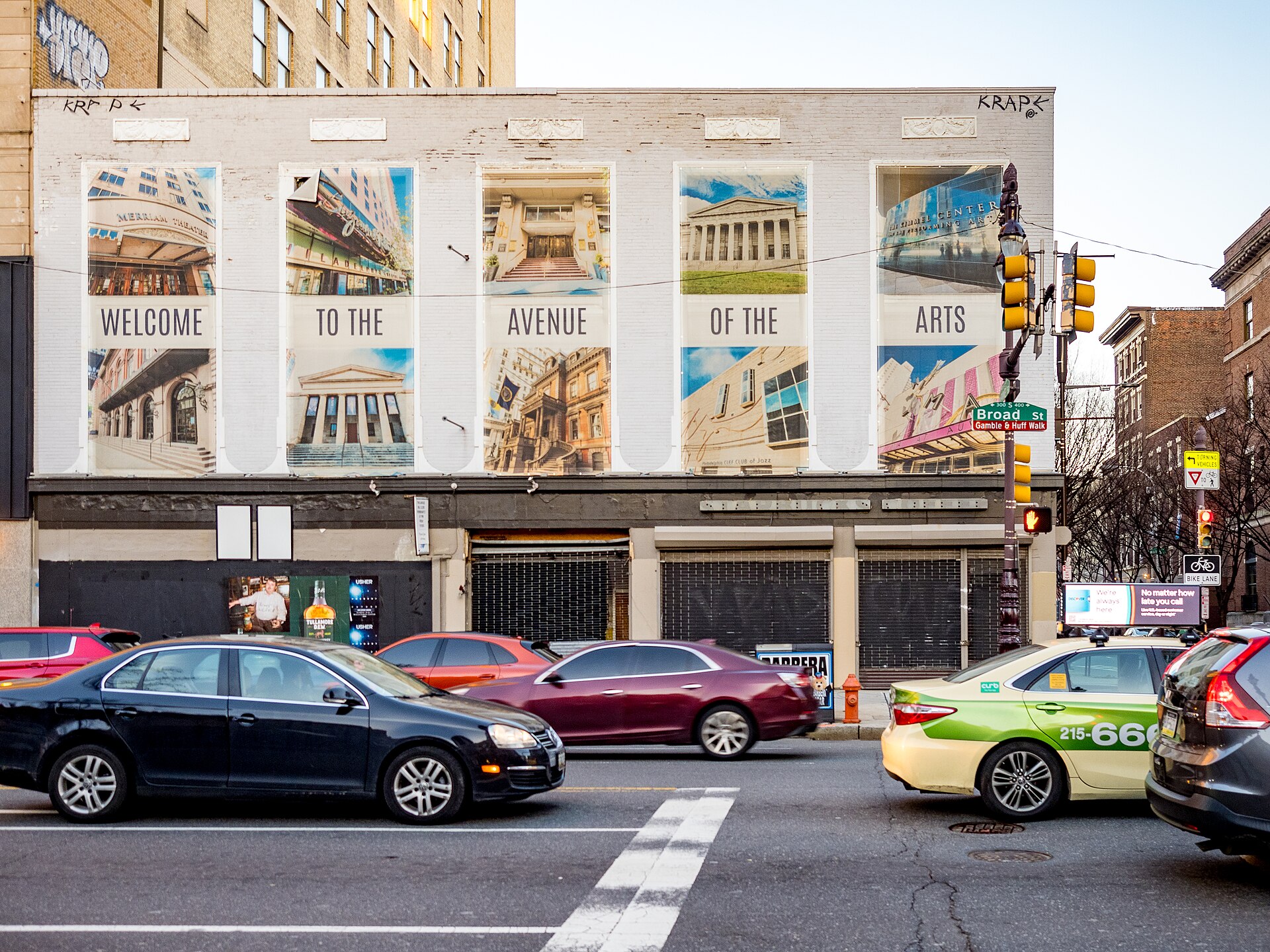
    South Broad Street between City Hall and Washington Avenue carries a formal name — the Avenue of the Arts — and it is one of the few places in Philadelphia where a luxury buyer can walk out a lobby door and be inside a concert hall in four minutes. For buyers who want a full-service building, a doorman, an elevator, and a cultural calendar within a few blocks, the Avenue of the Arts corridor is a distinct alternative to the low-rise charm of Rittenhouse Square or the historic blocks of Society Hill. This guide covers what living on South Broad actually involves, what to look for in the buildings, and who tends to be happiest here.

    What the Avenue of the Arts corridor is

    The corridor runs south from City Hall past the Kimmel Center, the Academy of Music, the Merriam Theater, and a cluster of smaller performance venues and arts schools. North Broad, above City Hall, has its own converted-industrial character and is worth a separate look. The stretch most buyers mean when they say “Avenue of the Arts” is the roughly ten blocks below City Hall, where a handful of high-rise residential buildings sit alongside hotels, theaters, and restaurants.

    The practical appeal is density of amenity. Within a short walk you have the orchestra, touring Broadway productions, several of the city’s better restaurants, the Rittenhouse retail spine one block west, and the Broad Street Line for a direct ride to the stadiums or the airport connection. City Hall Station puts you on every subway and trolley line in the system.

    The housing stock: what you are actually buying

    Homes on and immediately around South Broad fall into three broad categories:

    • Full-service high-rise condominiums. Doorman or concierge staff, on-site management, fitness facilities, sometimes a pool, and often valet or deeded garage parking. These buildings are where most of the high-end inventory sits.
    • Condo-hotel and branded residences. A few buildings pair residences with hotel operations, which can mean housekeeping and room service available to owners — and also more restrictive rules and a different fee structure.
    • Converted historic buildings. Former office and institutional buildings east and west of Broad have been converted to residential use, often with unusually generous ceiling heights and window proportions that new construction rarely matches.

    At the upper end, expect large single-floor layouts, private elevator vestibules in some buildings, and floor-to-ceiling glass with skyline or river views. The premium in these buildings is driven far more by floor, exposure, and view corridor than by square footage alone. Two identical stacks can differ meaningfully in value because one looks down an open street grid and the other faces a wall.

    Fees, reserves, and the questions that matter

    The monthly carrying cost in a full-service building is the single most common surprise for buyers moving in from a house. A staffed lobby, engineers, elevators, common-area utilities, and amenity spaces all cost money, and they are funded by the condominium fee. That is not a red flag by itself — it is what you are buying — but you should understand exactly what it covers and whether it is being collected at a realistic level.

    Documents to request and read

    • The last two to three years of budgets and the current reserve study, if one exists. A building with a thin reserve is a building that will pass special assessments to owners.
    • Minutes from recent board meetings. Minutes tell you about facade work, elevator modernization, roof replacement, and litigation long before those items reach a disclosure form.
    • The declaration and bylaws, with attention to leasing rules, pet limits, renovation approval processes, guest and short-term-stay policies, and whether the association or a sponsor controls the board.
    • The insurance certificate and the master policy deductible, which determines how much of a loss falls on the unit owner.

    Ask specifically about the age and condition of major building systems: the curtain wall and window seals, the elevators, the HVAC plant, and the roof. In glass towers, window and facade work is expensive and difficult to phase.

    Parking, deliveries, and everyday logistics

    Parking is a real asset on South Broad, and how a building handles it varies. Deeded garage spaces convey with the unit and add value. Valet arrangements are convenient but sometimes licensed rather than owned, and they can change. If you keep more than one car, confirm availability of a second space before you write an offer, because second spaces are often scarce and separately priced.

    Also ask about the loading dock and freight elevator policy. Buildings with tight move-in windows, limited freight hours, or a single service elevator make renovations and large deliveries meaningfully harder. If you plan to combine units or do a gut renovation, the building’s construction rules will shape your timeline more than your contractor will.

    Noise, event traffic, and the trade-off of a busy street

    Broad Street is a wide, active arterial. On performance nights and during parades or race events, the sidewalks and curb lanes are busy. Higher floors and modern glazing handle it well; lower floors on the street side do not always. Visit a prospective unit at night and on a weekend, not just on a quiet weekday morning. Buyers who love the energy find the location unbeatable; buyers who want silence usually end up a block or two off Broad, where the same walkability comes with a calmer front door.

    Who the corridor suits

    The Avenue of the Arts works especially well for three groups: empty nesters trading a suburban house for a lock-and-leave residence, second-home buyers who want a city base for a few nights a month, and professionals who value walking to work and to dinner more than they value a yard. It suits people who want building staff to sign for packages, accept deliveries, and handle the maintenance that a single-family home would put on their own calendar.

    It is a weaker fit for buyers who want private outdoor space at scale. Terraces exist and command a premium, but they are the exception. Buyers who want a garden usually do better in Society Hill, Fitler Square, or the near suburbs.

    Frequently asked questions

    Is a condo on the Avenue of the Arts a good long-term hold?

    Value in city condominiums tends to track the quality of the building’s management and the durability of its location more than the finishes in any one unit. Buildings with healthy reserves, competent boards, deeded parking, and a walkable location have historically held their appeal better than buildings that deferred maintenance. Ask for current comparable sales in the specific building rather than relying on citywide averages.

    How does a full-service tower compare with a Rittenhouse Square townhouse?

    A tower gives you staff, security, elevator access, and no exterior maintenance, in exchange for monthly fees and shared decision-making. A townhouse gives you autonomy, private outdoor space, and full control of your renovation, in exchange for handling everything yourself. Neither is better; they suit different stages of life.

    Can I rent the unit out when I am not using it?

    That depends entirely on the building. Some associations permit long-term leases with a minimum term, some cap the percentage of leased units, and most prohibit short-term rentals outright. Confirm the current rule in writing before you buy if rental flexibility matters to you.

    If you are considering a residence on or near the Avenue of the Arts — or comparing it against Rittenhouse Square, Society Hill, or a suburban alternative — I am glad to walk you through the specific buildings, their fee structures, and what is quietly available. Reach James Kennedy at 215-267-8479 or jameskennedy@unlockedteam.com for a confidential conversation about your search.