Author: James Kennedy

  • Understanding the Seller’s Net Sheet: What You’ll Actually Walk Away With in a Philadelphia or South Jersey Luxury Sale

    Listing price and sale price get most of the attention in a home sale, but the number that matters most to a seller is the one at the bottom of the net sheet: what actually lands in your account after every cost is paid. For luxury sellers in Philadelphia and South Jersey, where transfer taxes, mortgage payoffs, and other closing costs can add up to a meaningful sum, understanding this document before you list — not after you get an offer — makes for better decisions throughout the process.

    What a net sheet actually is

    A net sheet is an estimate, typically prepared by your listing agent or a title company, that starts with an expected or actual sale price and subtracts every cost associated with selling: real estate commissions, transfer taxes, mortgage payoff and any prepayment penalties, prorated property taxes, attorney fees, and any negotiated seller credits or repairs. What remains is your estimated net proceeds. It is not a legal or binding document, but a well-prepared net sheet, revisited at each stage of a transaction, keeps sellers from being surprised at the settlement table.

    The line items that matter most at the luxury level

    Real estate commissions

    Commission structures and rates are negotiated between a seller and their agent and can vary by property, market conditions, and the services included. Ask your agent to walk through exactly what is being charged and what it covers before you sign a listing agreement.

    Transfer taxes

    Pennsylvania and New Jersey both impose transfer taxes on real estate sales, and Philadelphia adds its own city-level transfer tax on top of the state rate. New Jersey also applies its additional “mansion tax” style fee on higher-value sales. These are typically the largest line item after commission for luxury sellers, and rates and responsibility for payment (buyer, seller, or split) can vary by municipality and negotiation, so confirm the current figures for your specific property with your agent or closing attorney rather than relying on a general rule of thumb.

    Mortgage payoff and prepayment considerations

    Your net sheet needs an accurate, current payoff figure from your lender, not just your last statement balance — payoffs include accrued interest and sometimes fees. If you have a home equity line of credit, second mortgage, or any liens against the property, each needs to be accounted for separately.

    Prorations and adjustments

    Property taxes, HOA or condo fees, and in some cases fuel or utility balances are prorated between buyer and seller as of the closing date. These are usually small relative to the other figures but should still appear on your net sheet.

    Repairs, credits, and concessions

    Any credits negotiated during attorney review or after inspection — for repairs, a rate buydown, or other concessions — reduce your net proceeds and should be updated on the net sheet as soon as they’re agreed to.

    Why the timing of your net sheet matters

    A net sheet prepared before you list, using an estimated sale price, is a planning tool — it helps you decide whether selling makes sense and what your next purchase might look like. A net sheet prepared after you accept an offer should use the actual contract price and be updated again after any post-inspection negotiation. Sellers who only see a net sheet once, at the beginning, sometimes lose track of how repair credits or a lower-than-expected offer have changed their bottom line by the time they reach settlement.

    Questions worth asking your agent

    • Can you show me a net sheet at today’s estimated value, and update it once we have an offer?
    • What is included in your commission, and is any part of it negotiable based on services provided?
    • What is the current transfer tax rate for this property’s municipality, and who typically pays it in this market?
    • Do I have any prepayment penalties or other payoff costs I should know about now, before we list?
    • How will the net sheet change if we accept an offer with seller-paid points or a rate buydown instead of a straight price reduction?

    Using a net sheet to compare offers, not just prices

    When a luxury listing draws multiple offers, the highest headline price isn’t always the one that nets the most. An offer with a higher price but a large seller credit for repairs, a longer rent-back at no cost to the buyer, or a contingency that adds risk and time can net less — and carry more uncertainty — than a slightly lower offer with fewer strings attached. Running each serious offer through a net sheet side by side, rather than comparing purchase prices alone, is one of the more valuable exercises a listing agent can walk a seller through during negotiation.

    Frequently asked questions

    Is a net sheet the same as a closing statement?

    No. A net sheet is an estimate prepared during the listing or negotiation process. The closing statement (often a settlement statement prepared by the title company or attorney) is the final, itemized accounting produced at or just before closing and reflects actual, not estimated, figures.

    Who typically prepares a net sheet?

    Most often your listing agent prepares an initial net sheet using current commission and estimated cost figures, and a title company or real estate attorney can prepare a more precise version once a sale price and closing date are set.

    Why do luxury sellers need to pay closer attention to their net sheet than other sellers?

    Because several major line items — commission, transfer tax, and any mansion tax style fees in New Jersey — scale directly with sale price, the dollar impact of small percentage differences is larger on a higher-value home. A seller in this price range benefits from reviewing and updating their net sheet at each stage rather than relying on a single early estimate.

    If you’re considering selling a luxury home in Philadelphia or South Jersey and want a clear, current picture of what you’d actually net, James Kennedy can prepare and walk you through a net sheet built around your specific property. Call James at 215-267-8479 or email jameskennedy@unlockedteam.com.

  • 55+ and Active Adult Luxury Communities in the Philadelphia Suburbs and South Jersey: A Downsizer’s Guide

    55+ and Active Adult Luxury Communities in the Philadelphia Suburbs and South Jersey: A Downsizer’s Guide

    Downsizing has an image problem: many buyers picture giving something up — space, finish quality, a sense of individuality — in exchange for less to maintain. The reality in today’s active adult market, particularly at the upper end, is closer to a trade than a sacrifice. Luxury 55+ and active adult communities across the Philadelphia suburbs and South Jersey increasingly offer high-end finishes, real amenity programming, and genuine lifestyle upgrades alongside the lower-maintenance living that draws buyers to them in the first place. For sellers of larger single-family homes who are ready for a change, it’s worth understanding what this segment of the market actually offers before assuming a downsize means a downgrade.

    What “luxury” means in an active adult community

    At the high end of this category, luxury doesn’t just mean granite countertops. It means low-maintenance exteriors paired with genuinely upscale interior finishes, thoughtful single-floor living layouts designed for long-term comfort, and community amenities — clubhouses, fitness centers, pools, walking trails, and organized social programming — that function more like a country club than a retirement complex. The best of these communities are built around the idea that residents are trading yard work and home maintenance for time, not trading quality for convenience.

    Where to look in the Philadelphia suburbs

    Chester, Montgomery, and Bucks Counties all have established active adult and 55+ developments, generally sited to take advantage of the same qualities that make the broader region attractive: proximity to golf, walkable town centers, and reasonable access back to Center City and the Main Line for buyers who still want the occasional city trip. Communities in this category range from attached townhome-style living to detached single-family homes built specifically for one-floor living, so buyers should think carefully about which format actually matches how they want to live day to day rather than defaulting to whichever option is most heavily marketed.

    Where to look in South Jersey

    South Jersey has a long-established active adult market, particularly in Burlington and Camden Counties, with communities that range from modest to genuinely upscale. Proximity to the Jersey Shore is a real draw for many buyers in this category — some South Jersey active adult communities are positioned as a middle point between full-time suburban living and a shore lifestyle, letting residents enjoy an easy drive to the coast without committing to shore-town living year-round.

    What to evaluate beyond the home itself

    Because active adult communities are as much about the community as the individual unit, due diligence should extend well beyond a walk-through of the house. Buyers should review the homeowners association or community association fees and what they cover, understand the age-restriction rules (most true 55+ communities require at least one resident to be 55 or older, with restrictions on full-time residency by younger family members), and ask pointed questions about the strength and reserves of the community association — a well-funded reserve fund matters just as much here as it does in a luxury condo building, since it affects both the quality of upkeep and the likelihood of a future special assessment.

    Timing the move: sell first, buy first, or simultaneously

    Downsizing sellers face the same sequencing question as any buyer-seller: whether to sell the current home first, buy the new one first, or try to time both closings together. In the active adult segment specifically, buyers moving into new construction may be working against a builder’s completion timeline rather than a resale closing date, which adds a layer of scheduling complexity worth discussing with your agent early, rather than after you’re already under contract on one side of the move.

    Is it actually a financial downsize?

    Not always. A smaller footprint doesn’t automatically mean a smaller price tag, particularly for new construction or communities with extensive amenities, since buyers are often paying for lifestyle and low-maintenance living rather than pure square footage. Sellers coming from a large, long-owned home with significant equity are often well positioned for this trade regardless of the sticker price on the new home, but it’s worth running the numbers with your agent and a financial advisor rather than assuming the move will free up as much cash as expected.

    Frequently asked questions

    Do all 55+ communities require every resident to be 55 or older?

    Rules vary by community, but most require that at least one resident of a household meet the minimum age, often with restrictions on how much time younger residents or family members can stay. Always confirm the specific occupancy rules for a community before assuming they’ll work for your household.

    Are active adult communities only single-family homes?

    No. The category includes detached single-family homes, attached townhomes, and low-rise condominium-style buildings, often within the same larger community. It’s worth touring multiple formats before deciding which layout fits your lifestyle.

    Should I sell my current home before shopping for an active adult community?

    It depends on your financial position and the local market for your current home. Some buyers prefer to secure their next home first for peace of mind, while others need the proceeds from their sale to fund the purchase. This is worth mapping out with your agent before you start touring communities in earnest.

    If you’re weighing a move into a luxury 55+ or active adult community anywhere across Philadelphia’s suburbs or South Jersey, James Kennedy can help you compare options and plan the sequencing of your sale and purchase. Reach James at 215-267-8479 or jameskennedy@unlockedteam.com.
  • Assumable Mortgages: An Overlooked Financing Option for Philadelphia & South Jersey Buyers

    Assumable Mortgages: An Overlooked Financing Option for Philadelphia & South Jersey Buyers

    Most buyers finance a home purchase with a new mortgage, underwritten fresh against current rates and terms. A smaller, often-overlooked path exists for a specific set of loans: an assumable mortgage, where a qualified buyer takes over the seller’s existing loan — including its interest rate and remaining term — rather than originating a brand-new one. In a rate environment where the seller’s rate may be meaningfully more attractive than what’s currently available, an assumable mortgage can be a genuine point of leverage for both sides of a deal. It’s a narrow tool, but for the right property it’s worth understanding.

    Which loans are assumable

    Not every mortgage can be assumed. Conventional loans sold to Fannie Mae or Freddie Mac generally include a due-on-sale clause that requires the loan to be paid off when the property transfers, which makes them non-assumable in practice. The loans that typically allow assumption are government-backed: FHA loans, VA loans, and USDA loans. If a seller’s home was financed with one of these loan types, an assumption may be possible, subject to lender approval and program rules. The listing agent or seller should be able to confirm the loan type early in a transaction, and it’s a reasonable question to ask before writing an offer if the financing terms are part of what’s attracting you to the property.

    How the process actually works

    Assuming a mortgage is not as simple as a handshake between buyer and seller. The buyer still has to qualify with the loan’s servicer much the way they would for a new mortgage — income, credit, and debt-to-income ratios are reviewed, and the servicer has to approve the buyer taking over the loan. The process is administered by the loan servicer rather than negotiated privately, and it can take longer than a standard mortgage approval because fewer lenders and staff are set up to handle assumptions regularly. Buyers considering this path should build extra time into their contract timeline and confirm early with the servicer what documentation and approval process will be required.

    The financial mechanics: the gap you still have to fund

    An assumable mortgage rarely covers the full purchase price. If the home has appreciated or the seller has paid down principal, there’s usually a gap between the remaining loan balance and the agreed sale price — and the buyer needs to cover that gap, typically with a larger cash down payment or a second loan. This is the detail that trips up buyers who hear “assumable mortgage” and assume it means simply stepping into the seller’s exact monthly payment on a home at today’s price. In practice, the lower rate applies only to the remaining loan balance; the rest of the purchase price still has to be financed or paid in cash at current terms.

    Why sellers might be motivated to highlight it

    For a seller holding a mortgage with a rate well below current market rates, an assumable loan can be a genuine selling point — it effectively hands a buyer built-in savings on financing costs for a portion of the purchase price, which can help a property stand out in a competitive listing pool. Sellers marketing an assumable loan should still expect buyers to want clear documentation of the loan terms, remaining balance, and servicer requirements up front, since ambiguity here tends to slow negotiations rather than speed them up.

    Where this shows up most in Philadelphia and South Jersey

    Assumable financing is more likely to surface on properties originally purchased with FHA or VA loans, which skew toward certain price points and buyer profiles rather than the highest end of the luxury market. Even so, it’s worth asking about on any resale where the seller’s financing terms are mentioned, and it’s a detail sophisticated buyers increasingly ask about given how much rates can move between when a seller bought and when they sell.

    What to verify before counting on an assumption

    Before treating an assumable mortgage as part of your financing plan, confirm the loan type directly with the seller or their agent, request the current loan balance and rate in writing, and start a conversation with the servicer as early as possible about their approval timeline and requirements. It’s also worth discussing with your own lender or a mortgage broker how the assumption would interact with any additional financing you need for the remainder of the purchase price, since combining an assumed loan with a new second loan adds a layer of complexity most buyers haven’t dealt with before.

    Frequently asked questions

    Can I assume a seller’s conventional mortgage?

    Generally no. Most conventional loans sold to Fannie Mae or Freddie Mac include a due-on-sale clause that requires payoff at transfer, which makes them non-assumable. Assumability is mainly a feature of FHA, VA, and USDA loans.

    Do I still need to qualify for the loan if I assume it?

    Yes. The loan servicer reviews the buyer’s credit, income, and debt-to-income ratio much as they would for a new mortgage, and approval is not automatic simply because the seller agrees to the assumption.

    Does assuming a mortgage mean I don’t need a down payment?

    No. You’ll typically need to cover the difference between the remaining loan balance and the purchase price, usually with cash or additional financing, so a meaningful down payment or second loan is still often part of the picture.

    If you’re evaluating a property with an assumable loan, or want to understand your full range of financing options in today’s market, James Kennedy can help you think it through. Reach James at 215-267-8479 or jameskennedy@unlockedteam.com.

  • Broomall and Marple Township, Pennsylvania: A Delaware County Guide for Luxury Home Buyers

    Broomall and Marple Township, Pennsylvania: A Delaware County Guide for Luxury Home Buyers

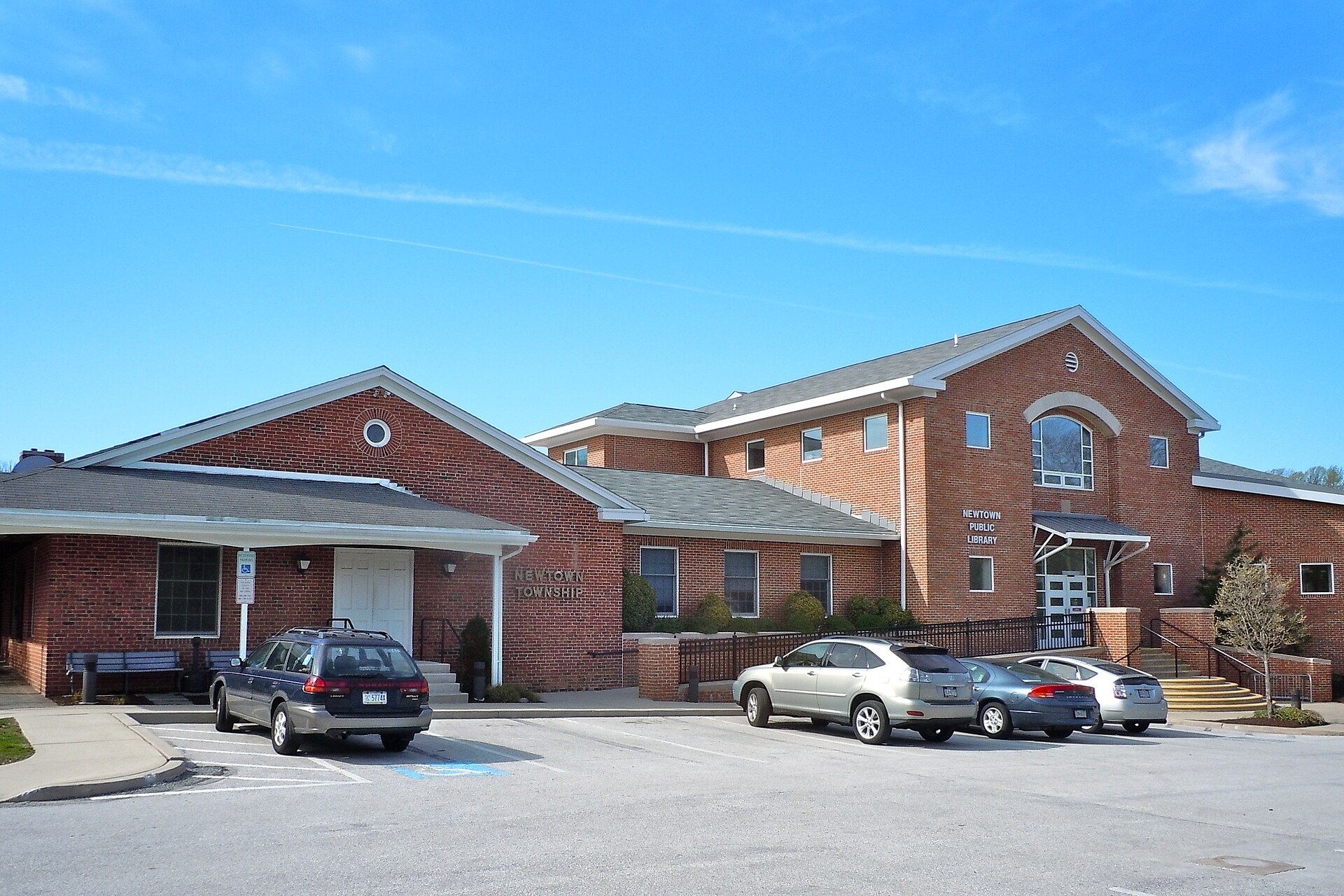
    Ten miles west of Center City Philadelphia, Broomall and the surrounding Marple Township occupy a spot on the map that longtime Delaware County buyers already know and out-of-area buyers often overlook: close enough to the city for an easy commute, close enough to the Main Line to borrow its conveniences, and priced with less of the premium that the Main Line name itself commands. For buyers who want space, good schools, and a settled, tree-canopied suburb without competing directly in the Bryn Mawr or Villanova market, Marple Township is worth a serious look.

    What the area looks like

    Marple Township is a mix of housing stock that spans several eras of Delaware County’s growth: solid mid-century colonials and ranches on generous lots, newer construction and additions on some of the township’s larger original parcels, and a smaller number of older stone farmhouses that predate the township’s postwar suburban build-out. Broomall itself is the township’s commercial and residential hub, with Newtown Square, Springfield, and Media all within a short drive. Lot sizes tend to be larger than what buyers find in denser inner-ring suburbs, which is part of the appeal for buyers who want privacy and outdoor space without moving as far out as Chester County.

    Why luxury buyers consider it

    The case for Marple Township is less about a single marquee amenity and more about the combination of factors: strong public schools, mature landscaping, a lower profile than the Main Line corridor, and genuinely convenient access to both Center City and the western suburbs’ shopping and dining. Buyers moving from denser city neighborhoods often find that the same budget goes further here in terms of lot size and privacy, while buyers comparing it to the Main Line appreciate that the area hasn’t been bid up to the same degree — though that gap has been narrowing as more buyers discover it.

    Getting around

    Marple Township sits near the intersection of several key routes into and around the city, including Route 3 (West Chester Pike) and Route 320, which makes it easy to reach both Center City and other western suburbs without relying on a single congested corridor. Commuter rail access is available via nearby SEPTA Regional Rail stations in adjacent townships, and Philadelphia International Airport is a manageable drive, which matters to buyers who travel frequently for work.

    Schools and community

    Marple Newtown School District serves the township and is one of the draws for families relocating specifically for education. Beyond the schools, the area has an established base of parks, community fields, and local civic organizations that give it the feel of a settled community rather than a newer, still-forming development — something that matters to buyers who want to put down roots rather than watch a neighborhood build out around them over the next decade.

    What to expect when touring homes

    Because the housing stock spans several building eras, due diligence looks a little different from lot to lot. A mid-century colonial may need updated mechanical systems even if the bones are excellent, while a newer or recently renovated home may carry a premium for finishes rather than square footage. Buyers should also pay attention to lot topography and drainage — Delaware County’s rolling terrain means grading and stormwater management can vary meaningfully even between neighboring properties, and it’s worth having any home evaluated for these specifics rather than assuming uniformity across the township.

    How it compares to nearby markets

    Buyers cross-shopping Marple Township often compare it to Newtown Square, Media, and the eastern edge of the Main Line. Newtown Square tends to skew slightly more upscale with more new construction; Media offers a walkable historic downtown that Marple Township doesn’t try to replicate; and the Main Line carries a name-brand premium that isn’t always reflected in a proportionally better commute or lot size. Marple Township’s advantage is largely one of value relative to convenience — it’s a strong choice for buyers prioritizing space and access over prestige signaling.

    Renovation and expansion potential

    Because so much of Marple Township’s housing stock dates to the mid-twentieth century, a meaningful share of the luxury inventory in the area is the result of thoughtful additions and renovations rather than ground-up new construction. That creates opportunity for buyers willing to take on a project: a well-located colonial on a generous lot can often be expanded or reconfigured to modern luxury standards for less than the cost of comparable new construction elsewhere in the region. Buyers considering this route should work with a contractor familiar with the township’s zoning and permitting requirements early in the process, since setback rules and lot coverage limits can shape what’s feasible on a given parcel well before a design is finalized.

    Frequently asked questions

    Is Broomall considered part of the Main Line?

    No. Broomall and Marple Township are in Delaware County but are generally considered a separate submarket from the Main Line, which follows the Paoli/Thorndale Regional Rail line through townships like Lower Merion, Radnor, and Haverford. Marple Township sits south of that corridor and has its own distinct identity and price dynamics.

    What kind of lot sizes are typical in Marple Township?

    Lot sizes vary by section of the township, but buyers moving from denser city or inner-ring suburban neighborhoods generally find more room here than they would closer to Philadelphia, without moving as far out as Chester County. Specific lot sizes should always be verified property by property.

    Is this a good area for buyers who work in Center City?

    It can be, particularly for buyers comfortable with a car commute or a drive to a nearby Regional Rail station rather than walk-up access to a station in town. It’s worth test-driving the actual commute at rush hour before making an offer, since travel times can vary by route and time of day.

    Thinking about Broomall, Marple Township, or another Delaware County community for your next home? James Kennedy specializes in luxury real estate across Philadelphia and South Jersey and can walk you through how this market compares to others you’re considering. Reach James at 215-267-8479 or jameskennedy@unlockedteam.com.

  • Living in Wynnefield: A Luxury Buyer’s Guide to Philadelphia’s City Line Avenue Corridor

    Living in Wynnefield: A Luxury Buyer’s Guide to Philadelphia’s City Line Avenue Corridor

    Tucked between Fairmount Park, City Line Avenue, and the Main Line suburbs, Wynnefield is one of West Philadelphia’s most architecturally substantial neighborhoods—and one of the city’s least discussed among luxury buyers who default to Rittenhouse or Chestnut Hill. For buyers who want the scale, detail, and lot size associated with the Main Line, but within the city and closer to Center City, Wynnefield deserves a closer look.

    A Brief History and Character of Wynnefield

    Wynnefield developed in the early 20th century as one of Philadelphia’s premier residential neighborhoods, drawing prominent Philadelphia families who wanted grand homes with the benefits of a leafy, park-adjacent setting inside the city limits. The neighborhood’s blocks were laid out with generous setbacks and mature street trees, and much of its housing stock reflects the architectural ambitions of that era. Today, Wynnefield is best known within the city for its stock of large stone and brick homes, its proximity to Fairmount Park’s Wissahickon-adjacent trail network, and its position as a bridge between West Philadelphia and the Main Line.

    Housing Stock and Architecture

    Wynnefield’s housing stock leans toward substantial single-family homes: stone Tudors, center-hall Colonials, and Spanish- and Mediterranean-influenced designs built between roughly the 1910s and 1930s, many on lots larger than what buyers typically find in Center City or even in denser Main Line boroughs. Ceiling heights, millwork, and masonry detailing in the best examples rival what buyers find in Chestnut Hill, often at a meaningfully lower price point per square foot. As with any neighborhood of this vintage, condition varies significantly from block to block and house to house, so a careful inspection and a clear understanding of what has and has not been updated—mechanicals, roofing, masonry pointing—is essential before making an offer.

    Location and Connectivity

    Wynnefield’s defining locational advantage is City Line Avenue, which places the neighborhood minutes from Lower Merion, Bala Cynwyd, and the broader Main Line, while still being inside Philadelphia proper. Access to City Avenue’s retail corridor, proximity to Saint Joseph’s University, and a short drive to both Center City and the Main Line’s shopping and dining make Wynnefield a practical base for buyers who split their time or work between the city and the suburbs. Fairmount Park borders the neighborhood as well, offering direct access to trails, the Schuylkill River, and the park’s recreational amenities without the drive that Center City residents typically face to reach the same green space.

    Who Wynnefield Suits

    Wynnefield tends to appeal to buyers who prioritize space, architectural character, and value over walkable retail density. It suits families who want a large home and yard without leaving city limits, buyers who work at or have ties to Saint Joseph’s University or nearby institutions, and anyone drawn to Main Line-style architecture who wants to remain inside Philadelphia for tax, commute, or lifestyle reasons. It is generally a less active choice for buyers whose priority is walking to restaurants and nightlife, since the neighborhood’s character is residential and quieter than Center City or the river wards.

    What to Consider Before Buying

    Because Wynnefield’s housing stock spans a wide range of upkeep and past renovation quality, buyers should budget time and inspection resources accordingly, particularly for roofing, foundation, and mechanical systems in homes that have not been recently updated. It is also worth evaluating a specific block closely, since character and home condition can shift within a short distance. Buyers relocating from outside the city should have a local agent walk them through how City Line Avenue-adjacent neighborhoods like Wynnefield compare to nearby Main Line boroughs on taxes, schools, and resale patterns, since the trade-offs are real and worth understanding before committing to an offer.

    Schools, Parks, and Daily Life

    Families weighing Wynnefield against nearby Main Line boroughs should research both the School District of Philadelphia options serving the neighborhood and the range of private and parochial schools within a short drive, including several well-regarded independent schools on the Main Line and in Center City. Saint Joseph’s University’s presence brings some renter and student activity to parts of the neighborhood, which buyers should factor into block-by-block due diligence. On the recreational side, Wynnefield’s proximity to Fairmount Park gives residents direct access to miles of trails along the Wissahickon and Schuylkill without the drive that many Center City buyers accept as a trade-off for urban living, and several public golf courses and recreation areas sit within a short drive as well.

    Value Compared to the Main Line

    The clearest financial case for Wynnefield is price per square foot relative to comparable homes in Lower Merion or Bala Cynwyd, just across City Line Avenue. Buyers frequently find that a similarly sized and detailed stone home costs meaningfully less in Wynnefield than its Main Line counterpart, though that gap reflects real differences in school district reputation, block-level consistency, and resale liquidity that should be weighed rather than treated as a simple discount. For buyers focused on space and architecture per dollar spent, and who are comfortable evaluating Philadelphia’s school options rather than defaulting to Lower Merion or Radnor’s public schools, Wynnefield is one of the more compelling value plays inside the city for this style of home.

    Frequently asked questions

    How does Wynnefield compare to Overbrook Farms?

    The two neighborhoods sit near each other and share some architectural DNA, but Overbrook Farms was developed as a planned garden suburb with a distinct historic district designation, while Wynnefield’s development was less centrally planned and its housing stock and block character vary more widely. Both are worth touring for buyers who want scale and detail inside city limits.

    Is Wynnefield walkable?

    Parts of Wynnefield near City Line Avenue offer walkable access to retail and services, but much of the neighborhood is residential and best suited to buyers comfortable relying on a car for daily errands, similar to many Main Line communities.

    What should I budget for renovations in an older Wynnefield home?

    Because many homes date to the 1910s through 1930s, budget for a thorough inspection of roofing, masonry, electrical, and plumbing systems, and treat any unrenovated mechanicals as a near-term expense rather than a distant one, even in homes that show well cosmetically.

    If you are considering Wynnefield or comparing it to other Philadelphia and Main Line neighborhoods, contact James Kennedy at 215-267-8479 or jameskennedy@unlockedteam.com for a tour and a candid read on value.

  • Buying Into a Philadelphia Co-op: Shares, Board Approval, and What Makes Co-op Ownership Different From Condos

    Buying Into a Philadelphia Co-op: Shares, Board Approval, and What Makes Co-op Ownership Different From Condos

    Most buyers shopping for a luxury apartment in Philadelphia assume every building is a condominium, where a purchase conveys a deed to a specific unit. A small number of the city’s most established buildings, concentrated mostly around Rittenhouse Square and a few other Center City blocks, are instead cooperatives—a fundamentally different ownership structure that is far more common in cities like New York but does exist here. Understanding how a co-op actually works matters before writing an offer, because the financing, the approval process, and even what you legally own are all different from a condo purchase.

    Co-op vs. Condo: The Basic Legal Difference

    In a condominium, a buyer purchases a deed to a specific unit along with an undivided interest in the building’s common areas. In a cooperative, a buyer does not receive a deed at all. Instead, the buyer purchases shares in a corporation that owns the entire building, and those shares come with a proprietary lease giving the shareholder the right to occupy a specific unit. This distinction sounds technical, but it shapes almost everything else about the transaction: how financing works, how the building is governed, and how much control the building’s board has over who is allowed to buy in.

    Financing a Co-op Purchase

    Because a co-op buyer is purchasing shares rather than real property, traditional mortgages do not apply in the same way. Instead, buyers typically use a share loan, a specialized form of financing secured by the shares and the proprietary lease rather than by a deed. Not every lender offers share loans, so buyers should confirm financing availability and terms early, ideally before touring units seriously, since the pool of lenders familiar with Philadelphia co-op transactions is smaller than the pool of lenders offering conventional or jumbo mortgages. Co-op boards also frequently impose their own minimum down payment requirements, often well above what a conventional lender would require, and some limit the percentage of the purchase price that can be financed at all.

    The Board Approval Process

    This is the step that surprises buyers coming from a condo background. A co-op board typically has broad discretion to approve or reject a prospective buyer, and that review goes well beyond a condo association’s standard background and financial check. Buyers should expect to submit a detailed financial package—tax returns, bank and investment statements, employment verification, and personal and financial references—and in many buildings, to sit for a formal interview with the board. Boards generally cannot discriminate on protected legal grounds, but they can decline an applicant based on financial qualifications or a subjective sense of fit, and they are not required to explain a rejection. Because this process can take weeks and carries real uncertainty, purchase contracts for co-ops are typically written with a board approval contingency, and buyers should build the timeline into any related sale or move.

    Monthly Maintenance Fees and What They Cover

    Instead of a condo fee, co-op owners pay a monthly maintenance charge, which typically covers not just building operations, staff, and reserves but also, in most Philadelphia co-ops, the building’s underlying mortgage debt service and property taxes, since the corporation itself is the taxpayer of record on the building. This means a co-op’s maintenance fee is often higher in absolute terms than a comparable condo fee, but it can also mean the shareholder’s individual property tax bill is folded into that single payment rather than assessed separately. Buyers should ask for several years of the building’s financial statements and reserve fund history, and should specifically ask about the building’s underlying mortgage, if any, since that debt is a shared obligation of every shareholder.

    Reselling a Co-op Unit

    Resale works differently too. Because a buyer of your unit will also need board approval, a co-op sale generally moves on a somewhat different timeline than a condo sale, and pricing can be affected by the perception of how selective and how slow a given building’s board is known to be. Well-run, established co-op buildings near Rittenhouse Square tend to hold value well among buyers who understand and want the building’s particular character, but the buyer pool is inherently smaller than for a comparable condominium, which is worth factoring into both purchase and long-term resale planning.

    Property Taxes and the Co-op Structure

    Because the co-op corporation, not the individual shareholder, is typically the taxpayer of record, owners do not receive a separate Philadelphia property tax bill the way a condo owner does. Instead, each shareholder’s proportional share of the building’s property tax obligation is built into the monthly maintenance charge. This has practical implications for buyers evaluating the Philadelphia homestead exemption and other owner-occupant tax programs, since eligibility and application can work differently for co-op shareholders than for deeded owners, and buyers should confirm the current treatment with the building’s managing agent and a qualified tax professional before assuming the same tax benefits apply as they would in a condominium.

    Due Diligence Documents to Request

    Before making an offer on a co-op unit, ask for the building’s proprietary lease and bylaws, at least two to three years of audited financial statements, the current reserve fund balance, minutes from recent board and shareholder meetings, and a summary of any pending litigation, special assessments, or major capital projects, such as roof, facade, or elevator work. Because the corporation’s overall financial health directly affects every shareholder’s maintenance obligation and the marketability of the shares, a buyer’s attorney experienced in cooperative transactions should review these documents closely, ideally before the buyer’s financial package is submitted to the board for approval.

    Frequently asked questions

    Are there many cooperative buildings in Philadelphia?

    Co-ops are far less common in Philadelphia than in cities like New York, but a small number of established buildings, several near Rittenhouse Square, are organized this way. A local agent can identify which specific buildings are cooperatives versus condominiums before you tour.

    Can I rent out a co-op unit in Philadelphia?

    Subletting policies are set by each building’s board and vary widely, with many Philadelphia co-ops restricting or prohibiting rentals altogether. Confirm the building’s specific sublet policy before assuming you will be able to rent the unit in the future.

    Is a co-op a good idea for an investor or a part-time resident?

    Generally no. Board approval requirements, financing limitations, and frequent restrictions on subletting make most Philadelphia co-ops better suited to full-time owner-occupants than to investors or occasional second-home buyers.

    If you are considering a cooperative purchase in Philadelphia or want help understanding a specific building’s board process and financials, contact James Kennedy at 215-267-8479 or jameskennedy@unlockedteam.com.

  • How AI Search and Online Discovery Are Changing the Way Buyers Find Luxury Homes in Philadelphia & South Jersey

    How AI Search and Online Discovery Are Changing the Way Buyers Find Luxury Homes in Philadelphia & South Jersey

    A decade ago, the luxury home search began with a portal search box and a scroll. Today it often begins with a question typed into an AI assistant or a chat-based search tool: “What is it like to live in Rittenhouse Square?” or “Best towns near Philadelphia for a $1.5 million budget.” For buyers and sellers at the high end of the Philadelphia and South Jersey market, understanding this shift is no longer optional—it is quietly reshaping how homes get discovered, how neighborhoods get compared, and how agents get chosen.

    How Buyers Actually Search Today

    Luxury buyers rarely make a single search and act on it. The typical process now blends several tools: a portal like Zillow or Redfin for inventory and photos, a map app for commute and walkability, social media for a feel of a neighborhood, and increasingly, a conversational AI tool to synthesize all of it into plain language. A buyer relocating from out of state might ask an AI assistant to compare Rittenhouse Square and the Main Line before ever opening a listing, then use that summary to decide where to focus a portal search. The AI tool is not replacing the agent or the portal—it is becoming the first filter that narrows the field before either is involved.

    From Portals to Answer Engines: What Actually Changed

    Search engines used to return a list of links and leave the buyer to click through and compare. Answer engines and AI assistants instead synthesize an answer directly, often pulling from multiple sources at once—neighborhood guides, market commentary, local news, and agent websites among them. That means the content that gets cited is usually specific, well-organized, and written to actually answer a question rather than simply rank for a keyword. A page that clearly explains what a buyer should know about, say, board approval in a Philadelphia co-op or the trade-offs between Haddonfield and Moorestown is far more likely to be pulled into an AI-generated answer than a page of generic marketing copy.

    This has a practical implication for anyone evaluating an agent or a brokerage: what shows up when you ask an AI assistant about a neighborhood or a market question is increasingly a signal of who is actually publishing useful, current, local expertise—not just who has the biggest ad budget.

    What This Means for How Listings and Agent Content Get Presented

    The shift toward AI-assisted search rewards specificity. Vague claims (“stunning luxury home in a desirable area”) carry little weight with either a human reader or an AI summarizer. Content that names the actual neighborhood, describes what distinguishes it, and answers the real questions a buyer would ask—about schools, commute, architecture, taxes, or lifestyle—tends to be both more useful to a person and more likely to surface in an AI-generated answer. For sellers, this is a reason to work with an agent who markets a listing with real neighborhood context, not just a description of square footage and finishes. For buyers, it is a reason to be skeptical of any online summary that sounds generic; a good AI answer about a specific block or building should be able to point to real detail, and a good agent should be able to go deeper than any summary can.

    The Continuing Role of a Local Agent

    None of this reduces the value of an agent who actually knows the streets, the buildings, and the sellers in Philadelphia and South Jersey. AI tools are good at synthesizing publicly available information; they are not in a position to tell a buyer which building on a given block has a pending special assessment, which seller is realistically motivated, or how a specific listing is likely to be received in a multiple-offer situation. At the luxury level in particular, where inventory is thinner and transactions are more nuanced—trusts, off-market sales, contingent purchases, relocation timelines—an experienced local agent remains the difference between information and judgment. The best outcome for a buyer or seller is usually to use AI tools for orientation and then bring a real local expert in for everything that follows.

    What Sellers Should Take Away

    Sellers do not need to become marketing technologists, but it is worth choosing a listing agent who understands that a home’s online presence now extends beyond the MLS and a portal listing. A thoughtful, well-written description of the home and its neighborhood, shared through a website and other channels that AI tools and search engines can actually read, gives a listing a better chance of reaching buyers who are researching before they ever call an agent. This matters most at the high end, where out-of-area and relocating buyers frequently begin their search well before they arrive in person.

    Frequently asked questions

    Should I stop using real estate portals if I am using an AI assistant to research?

    No. Portals remain the best source for current inventory, photos, and pricing. AI assistants are best used for orientation—comparing neighborhoods, understanding a process, or getting background—before turning to a portal or an agent for specific listings and current availability.

    Can an AI assistant give me accurate, current market values in Philadelphia or South Jersey?

    Treat any AI-generated figures on pricing or market conditions as a starting point, not a final answer. Values at the luxury level vary block by block and building by building, and a knowledgeable local agent will have far more current and precise information than any general-purpose tool.

    Does this trend actually affect how I should market a luxury listing?

    Yes, indirectly. Listings paired with genuine, specific neighborhood content—rather than generic marketing language—tend to reach more of today’s research-driven buyers, including those who begin their search with an AI tool before ever contacting an agent.

    If you are buying or selling a luxury home in Philadelphia or South Jersey and want a marketing and search strategy built for how today’s buyers actually research, contact James Kennedy at 215-267-8479 or jameskennedy@unlockedteam.com.

  • Pocopson and East Bradford Township, Pennsylvania: A Chester County Horse Country Guide for Luxury Buyers

    Pocopson and East Bradford Township, Pennsylvania: A Chester County Horse Country Guide for Luxury Buyers

    Just south and east of West Chester, in the rolling hills where the Brandywine Valley begins to unfold, Pocopson and East Bradford Townships offer some of Chester County’s most sought-after equestrian and estate properties. Less widely known than neighboring Unionville or Chadds Ford, this stretch of countryside gives luxury buyers a quieter, more private alternative without sacrificing proximity to West Chester’s shops, restaurants, and top-rated schools.

    The Character of the Area

    Pocopson and East Bradford are largely rural in feel, defined by open farmland, wooded stream valleys, and horse farms rather than dense residential development. Much of the land here has been shaped by conservation easements and agricultural preservation efforts common throughout the Brandywine Valley, which helps protect the pastoral views and low-density character that draw buyers to the area in the first place. Properties range from historic stone farmhouses dating to the 18th and 19th centuries to newer custom-built estates set on multiple acres.

    Why Luxury and Equestrian Buyers Look Here

    Land and Privacy

    Lot sizes here tend to run larger than in more built-up parts of Chester County, giving buyers room for riding rings, paddocks, barns, and the kind of buffer from neighbors that is difficult to find closer to Philadelphia. For serious equestrian buyers, existing barns and fencing can meaningfully shape which properties are worth touring, since building new equestrian infrastructure from scratch is a significant undertaking.

    Proximity to Brandywine Valley Amenities

    The area sits close to Longwood Gardens, Winterthur, and the broader Brandywine Conservancy network of preserved land and trails, giving residents easy access to some of the region’s best-known cultural and outdoor destinations. West Chester Borough, with its restaurant scene, boutique shopping, and West Chester University, is typically a short drive away.

    Schools

    Much of Pocopson and East Bradford falls within the Unionville-Chadds Ford School District, which draws families specifically for its academic reputation. Because school district lines can cut across township and even parcel boundaries in this part of Chester County, it is worth confirming the exact assignment for any specific property before making an offer.

    What to Know Before Buying

    Rural and equestrian properties bring due diligence considerations that differ from a typical suburban purchase. Many homes rely on private wells and septic systems rather than municipal utilities, so well flow testing and septic inspections are essential parts of the due diligence period. Buyers interested in maintaining or expanding equestrian use should also confirm current zoning and any applicable conservation easement restrictions early, since easements that protect a property’s open character can also limit future building or subdivision. Older stone farmhouses, while beautiful, often need the same kind of careful systems and structural evaluation that any historic home purchase warrants.

    Getting a Feel for Specific Roads and Parcels

    Because so much of this area is defined by winding country roads, stream corridors, and irregular parcel shapes, it is genuinely difficult to evaluate from listing photos alone. Topography, road frontage, flood plain boundaries along the East and West Branches of the Brandywine, and how a property’s fields are actually used all matter enormously to day-to-day livability. A tour with someone who knows the area’s roads and specific pockets is the most reliable way to understand what a given property truly offers.

    Conservation Easements and Long-Term Value

    A significant share of the open land in Pocopson and East Bradford is protected through conservation or agricultural easements held by organizations such as the Brandywine Conservancy or Chester County’s farmland preservation program. These easements are a major reason the area has retained its rural character even as development pressure has increased elsewhere in the county, and many buyers see that permanence as part of the long-term appeal. At the same time, an easement attached to a specific parcel can restrict future subdivision, additional structures, or changes in land use, so reviewing the exact terms of any easement is an essential step before finalizing a purchase, particularly if you have plans to expand a barn, add a guest cottage, or otherwise change how the land is used.

    Working With Local Systems and Infrastructure

    Beyond wells and septic, buyers should ask about road maintenance responsibility on private lanes, propane versus natural gas service, and generator setups, since some rural stretches of the township experience longer utility restoration times after storms than more developed parts of the county. None of this is disqualifying for the right buyer, but understanding it upfront helps avoid surprises after closing.

    Frequently Asked Questions

    Are Pocopson and East Bradford good areas for horse properties?

    Yes. Both townships have a long-standing equestrian character, with many properties offering pasture, barns, and riding infrastructure, and they sit within a broader Chester County horse country region that includes well-known equestrian communities. Specific infrastructure and acreage vary widely by property, so it is worth evaluating each listing on its own merits.

    What school district serves this area?

    Much of Pocopson and East Bradford is served by the Unionville-Chadds Ford School District, though exact boundaries can vary by specific address. Always confirm district assignment directly for any property you are considering.

    How far is this area from Philadelphia?

    The area is generally a 45-minute to hour-long drive from Center City Philadelphia depending on traffic and specific origin and destination, making it more suited to buyers seeking a rural or semi-rural lifestyle with occasional city access than a daily commuter base.

    If you are exploring equestrian or estate properties in Pocopson, East Bradford, or elsewhere in the Brandywine Valley, James Kennedy can help you understand which roads and parcels fit your needs and guide you through the due diligence unique to rural Chester County properties. Reach James at 215-267-8479 or jameskennedy@unlockedteam.com.

  • Seller Concessions and Interest Rate Buydowns: How They Work in Philadelphia & South Jersey Luxury Sales

    Seller Concessions and Interest Rate Buydowns: How They Work in Philadelphia & South Jersey Luxury Sales

    When mortgage rates rise or a listing needs an extra edge to attract offers, sellers and buyers in the Philadelphia and South Jersey luxury market increasingly negotiate over more than just price. Seller concessions and interest rate buydowns have become common tools in high-end transactions, and understanding how each works — and where the trade-offs lie — can meaningfully change the economics of a deal for both sides.

    What Is a Seller Concession?

    A seller concession is an amount the seller agrees to contribute toward the buyer’s closing costs, prepaid items, or, in some structures, a permanent or temporary reduction in the buyer’s interest rate. Rather than lowering the purchase price outright, the seller effectively redirects part of the proceeds to help the buyer close. Concessions are negotiated as part of the offer and are documented in the purchase agreement and reflected on the closing disclosure. Lenders cap how much sellers can contribute as a percentage of the purchase price, and those caps vary by loan type and down payment size, so any concession needs to be structured within your specific loan program’s limits.

    Temporary vs. Permanent Rate Buydowns

    Permanent Buydowns

    In a permanent buydown, seller or buyer funds are used to pay the lender points at closing in exchange for a lower interest rate for the life of the loan. This is a straightforward trade of upfront cost for lower monthly payments over the full loan term.

    Temporary Buydowns

    A temporary buydown, often structured as a 2-1 or 1-0 buydown, uses a lump sum — frequently funded by the seller as a concession — to subsidize the buyer’s payment for the first year or two of the loan, with the rate stepping up gradually until it reaches the permanent note rate. This can ease the transition for a buyer who expects income growth, a future refinance, or simply wants lower payments while they settle into a new home.

    Why Sellers Offer Them

    In a market where buyers are rate-sensitive, offering a concession or buydown can be more effective at generating offers than an equivalent price reduction, because it directly addresses the buyer’s monthly payment rather than the purchase price. For a seller of a luxury property, preserving the recorded sale price can also matter for neighborhood comparables, which is one reason concessions are sometimes preferred over a straight price cut.

    Why Buyers Ask for Them

    For buyers, a concession can free up cash that would otherwise go to closing costs or points, or it can meaningfully lower the payment during the early years of ownership. In a jumbo loan scenario common in the $1,000,000-plus range, even a modest rate reduction can represent a substantial amount over the life of the loan, so buyers frequently ask their lender to model out several concession and buydown scenarios before finalizing an offer.

    Negotiating Concessions Into an Offer

    Concessions are typically negotiated alongside price, not as an afterthought. A buyer’s agent will often present a request for a concession as part of the initial offer, sized to a specific purpose such as points, prepaid escrows, or a temporary buydown. Sellers weigh the net proceeds impact against the strength of the rest of the offer, including contingencies, timeline, and financing terms. Because every lender applies its own limits and underwriting rules to concessions, it is worth looping in a mortgage professional early so the structure you negotiate is one your loan can actually accommodate.

    A Note on Market Conditions

    How common and how large these concessions run varies with the broader rate environment and how much inventory is competing for buyers at a given price point. Rather than relying on rules of thumb, it is worth asking for current, specific guidance on what is being negotiated in comparable transactions right now, since this shifts over time.

    How Appraisals Factor In

    Because a concession does not change the contract price, it generally does not create the same appraisal-gap risk that a price reduction can. However, lenders do review concessions as part of underwriting, and any amount above the permitted cap for your loan type has to be trimmed or restructured before closing. This is one more reason to have your lender review the exact terms of a proposed concession as soon as it is on the table, rather than after the appraisal comes back.

    Structuring Concessions on a Luxury Listing

    For higher-priced homes financed with jumbo loans, concession caps and underwriting rules can differ meaningfully from conforming loan limits, and cash buyers are not subject to lender caps at all, which opens up more creative structuring between the parties. Sellers marketing a luxury property sometimes get ahead of this by offering a defined concession or buydown credit as part of the listing itself, signaling flexibility to financed buyers before negotiations even begin. Buyers, in turn, should have a lender pre-model a few concession scenarios against their specific loan amount so they can react quickly once they are in a negotiation.

    Frequently Asked Questions

    Is a seller concession the same as a price reduction?

    No. A price reduction lowers the recorded sale price, which affects the loan amount, down payment math, and future comparables. A concession keeps the sale price intact but redirects seller proceeds to cover buyer costs, subject to lender caps.

    Do all loan types allow the same concession amounts?

    No. Conventional, jumbo, FHA, and VA loans each have different maximum seller contribution percentages, and those percentages can also depend on the buyer’s down payment size. Your lender can confirm the exact limit for your specific loan.

    Does a temporary buydown make sense for every buyer?

    Not necessarily. It tends to suit buyers who expect their income or financial picture to change within a year or two, or who want breathing room while they settle into a new home and its expenses. Buyers planning to stay in a fixed budget for the long term may prefer a permanent buydown or a straight price negotiation instead. This is worth modeling with a lender against your specific situation.

    If you are weighing how to structure an offer or a listing around concessions and financing terms in today’s Philadelphia or South Jersey luxury market, James Kennedy can connect you with trusted lending partners and help you think through the numbers. Reach James at 215-267-8479 or jameskennedy@unlockedteam.com.

  • Buying a Trinity or Bandbox Home in Philadelphia: A Luxury Buyer’s Guide to the City’s Smallest Historic Houses

    Buying a Trinity or Bandbox Home in Philadelphia: A Luxury Buyer’s Guide to the City’s Smallest Historic Houses

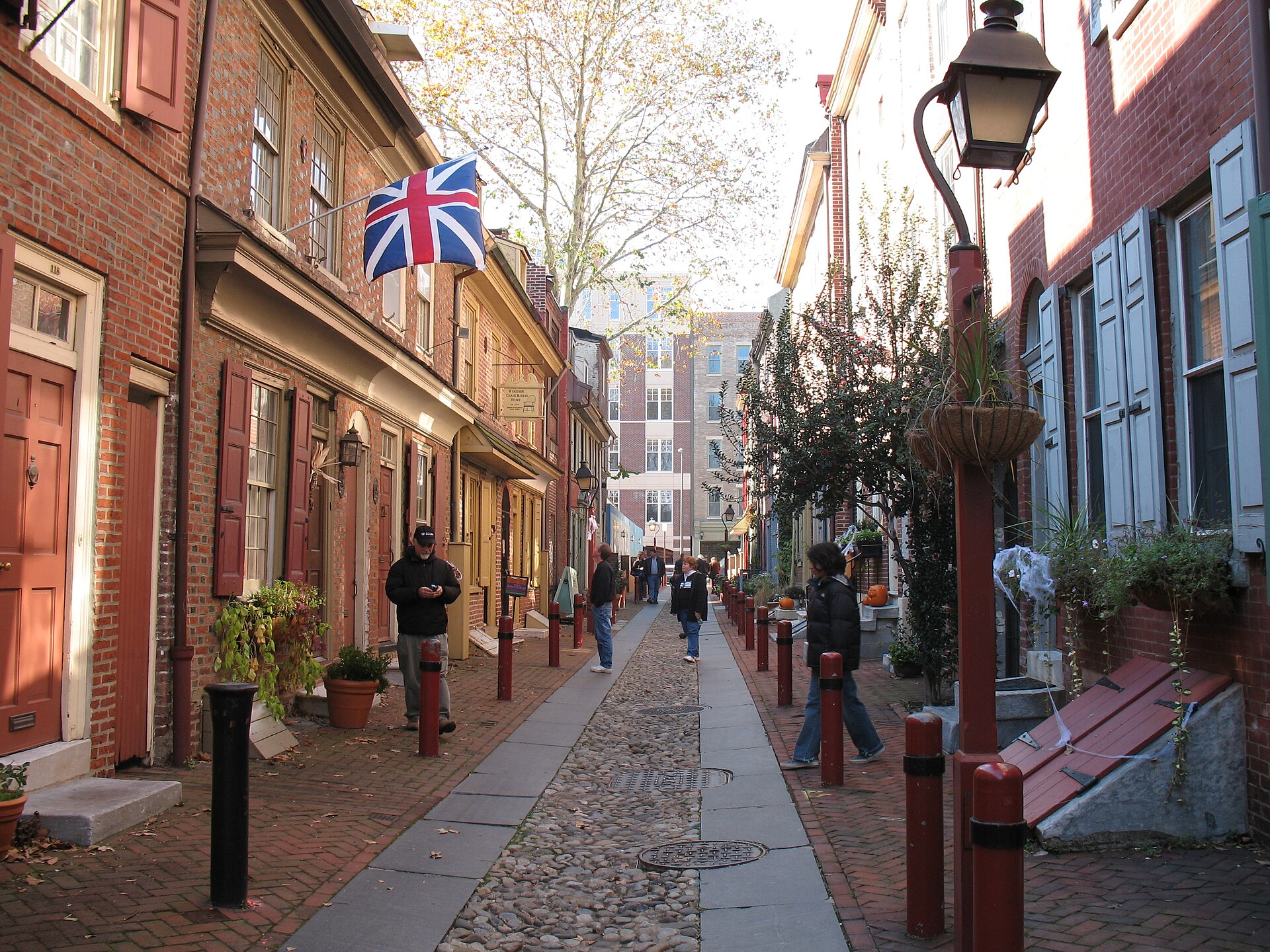
    Tucked along the narrow, cobblestoned streets of Society Hill, Queen Village, and parts of Old City, Philadelphia’s trinity homes are among the most distinctive property types in American real estate. Named for their three-story, one-room-per-floor layout, these compact historic houses were originally built as worker’s housing in the 18th and 19th centuries. Today, a beautifully restored trinity in the right block can carry a price tag that rivals a much larger home elsewhere in the region — and for the right buyer, that trade-off makes complete sense. Here is what luxury buyers should understand before pursuing one.

    What Exactly Is a Trinity Home?

    A trinity, sometimes called a bandbox house, is a narrow rowhouse typically no more than 12 to 15 feet wide, stacked three stories tall with one room on each floor connected by a winding, often spiral staircase. Many were built without hallways: you simply walk from one room into the stairwell and up to the next. Basements were common and are frequently finished into an additional living space or a fourth informal level. The footprint is small, often 500 to 900 square feet total, but the vertical layout and tall ceilings on the main floors can make a well-renovated trinity feel more spacious than the square footage suggests.

    Why They Command Luxury Prices

    Scarcity and location drive trinity pricing more than size. Most surviving examples sit on some of Philadelphia’s most desirable and walkable streets, within a few blocks of Independence Park, the Delaware riverfront, and the restaurants and shops of Society Hill and Queen Village. Many have been meticulously restored with period-appropriate details preserved alongside modern systems, high-end kitchens, and updated baths. Because so few come to market in any given year, well-located and well-renovated trinities can trade at a significant premium per square foot compared to larger homes just a few blocks away.

    What to Evaluate Before Buying

    Structural and Systems Condition

    Trinities are old — many predate 1850 — and their small footprint means mechanical systems, plumbing, and electrical work have often been reconfigured multiple times over two centuries. A thorough inspection by someone experienced with historic Philadelphia rowhomes is essential, with particular attention to foundation movement, masonry repointing, roof condition, and whether knob-and-tube wiring or older plumbing has been fully updated.

    Layout and Livability

    The one-room-per-floor design is charming but requires an honest look at how you actually live. Consider where you will work from home, how guests will be accommodated, and whether the stair pitch (often steep and narrow in unrenovated examples) works for your household long term. Some owners solve this by combining two adjacent trinities or adding a rear addition where zoning and historic district rules allow.

    Historic District Rules

    Many trinities sit within local historic districts, which means exterior changes — windows, doors, roofing, additions — typically require approval from the Philadelphia Historical Commission. This protects the character that makes these streets so valuable, but it also means renovation timelines and material choices need to be planned with that review process in mind from the outset.

    Financing and Insurance Considerations

    Because trinities are unusual properties by conventional lending standards, appraisers and lenders sometimes need additional context on comparable sales, which tend to be thin given how few trinities trade each year. Insurance for a historic masonry structure this age also warrants a conversation with a carrier experienced in older Philadelphia housing stock. Buyers should build extra time into their contract timeline for both appraisal and underwriting on these unique properties.

    Who a Trinity Home Suits Best

    Trinities tend to appeal to buyers who prioritize location and character over square footage: a pied-a-terre for someone who splits time between the city and elsewhere, a downsizing empty nester who wants to stay in Center City without condo fees, or a design-minded buyer drawn to the challenge and reward of restoring a piece of Philadelphia history. They are generally a better fit as a primary or secondary residence for one or two people than as a family home, though larger combined or extended examples do exist.

    Frequently Asked Questions

    How many trinity homes are still standing in Philadelphia?

    A meaningful number survive, concentrated in Society Hill, Queen Village, Elfreth’s Alley and the surrounding Old City blocks, and scattered throughout other historic pockets of the city. Exact counts vary by source, but they represent a small fraction of the city’s overall housing stock, which is a large part of why they hold value.

    Can a trinity be expanded?

    Sometimes. Rear yard additions, basement excavation, or combining with an adjacent property are the most common approaches, but all are subject to zoning and, in historic districts, Historical Commission review. A local architect experienced with these approvals can tell you early on what is realistic for a specific address.

    Are trinities a good investment?

    Location within the historic core has generally supported strong long-term interest in these homes given how limited the supply is, but every purchase depends on the specific property’s condition, renovation costs, and the buyer’s own goals. As with any real estate decision, it is worth discussing your specific situation and current market conditions with a professional before you commit.

    If you are considering a trinity, a rowhome, or any historic property in Philadelphia’s most storied neighborhoods, James Kennedy can walk you through what is realistic for your budget and lifestyle and help you evaluate specific listings with a clear eye on both charm and condition. Reach James at 215-267-8479 or jameskennedy@unlockedteam.com.