
Author: James Kennedy

  • Erwinna and Uhlerstown, Pennsylvania: An Upper Bucks County River Towns Guide for Luxury Buyers

    Erwinna and Uhlerstown, Pennsylvania: An Upper Bucks County River Towns Guide for Luxury Buyers

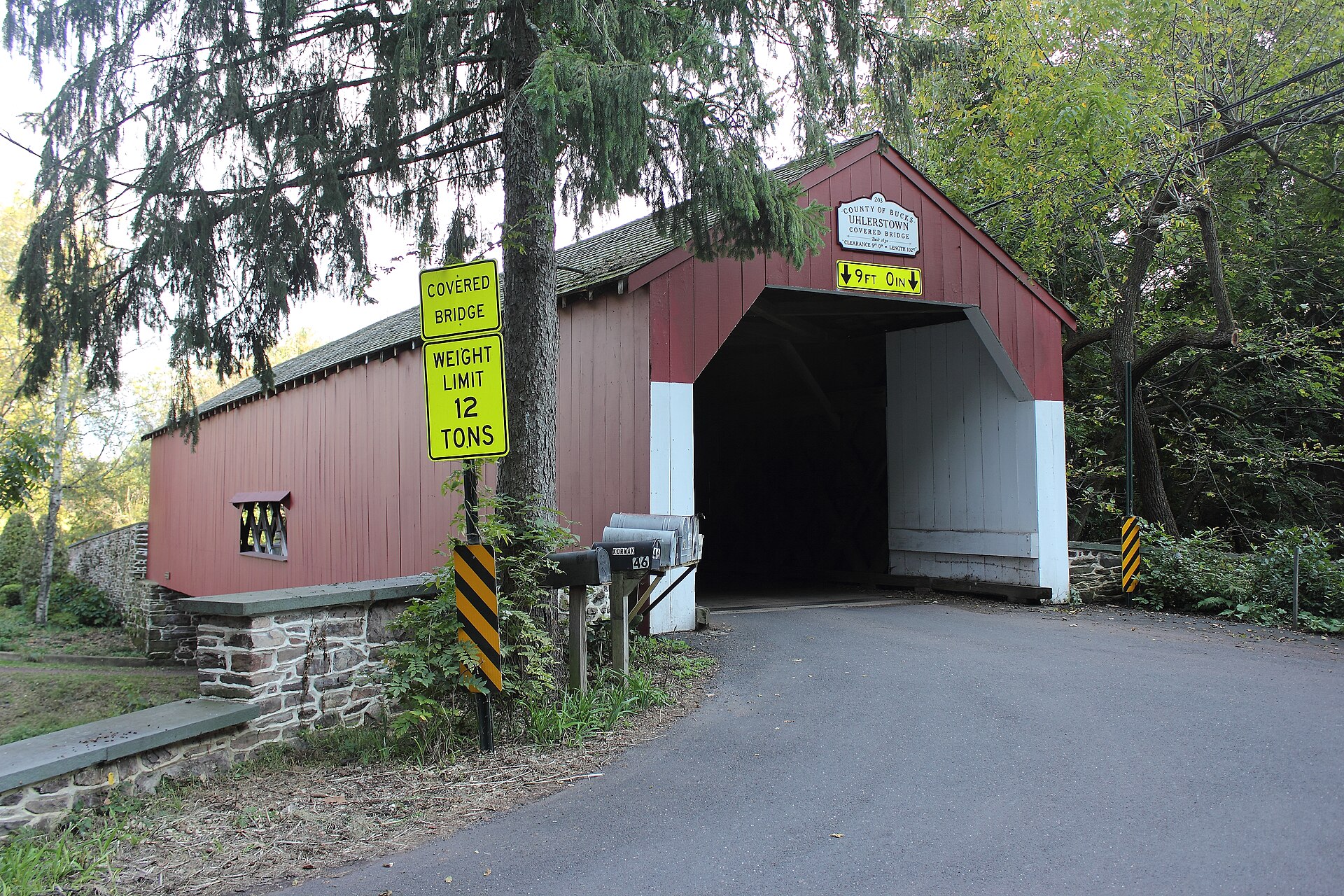
    Drive far enough up River Road past New Hope and Lumberville and the crowds thin out, the road narrows, and the Delaware River comes right up against the pavement. This is Erwinna and its neighboring hamlet of Uhlerstown, two of the least-known luxury pockets in Bucks County. There is no downtown to speak of, no traffic light, and often no cell signal for a stretch — which is precisely the appeal for buyers who want a stone farmhouse or a riverfront estate that feels a world away from Philadelphia while still being within reach of it.

    A Quiet Corner of the Delaware River

    Erwinna sits in Tinicum Township, and Uhlerstown is its own small historic district a couple of miles south, built around a 19th-century covered bridge that still carries traffic over the old Delaware Canal. Both places are defined by the same geography: a narrow band of land squeezed between the river and the wooded hills that rise up toward Ottsville and Bucks County’s interior. Properties here tend to be older, larger lots than you find closer to New Hope — fieldstone farmhouses, converted mills, and newer homes built to blend into that same vernacular.

    What buyers are really paying for is scenery and privacy. Many properties back directly onto the canal towpath or have river frontage, and because so much of the surrounding land is preserved farmland or protected open space, the sense of seclusion tends to hold up over time rather than eroding as it might in a fast-growing suburb.

    What the Real Estate Stock Looks Like

    The housing stock skews toward character over uniformity. It’s common to find 18th- and 19th-century stone farmhouses that have been expanded and modernized, sometimes with a guest cottage, bank barn, or converted carriage house on the same parcel. Newer construction exists but is less common and usually built on larger acreage set back from the road. Because many of these homes are old, buyers should expect variation in systems, insulation, and layout from what’s typical in a newer luxury suburb — this is a place where a careful inspection and a contractor who understands historic stone construction matter more than usual.

    Waterfront and near-waterfront parcels carry a premium, but so does simple acreage with tree cover and distance from the road. Because inventory is thin and turns over infrequently, buyers who want a specific type of property here often need patience, and sellers benefit from marketing that reaches out-of-area buyers who may not otherwise think to look this far up the river.

    Life Along the River: Amenities and Culture

    Erwinna and Uhlerstown don’t have their own commercial centers, and that’s by design for many residents. New Hope, with its restaurants, galleries, and the Bucks County Playhouse, is a scenic drive south along the river. Frenchtown, New Jersey sits just across the Delaware and has its own small but well-regarded restaurant and antiques scene. The Delaware Canal towpath runs the length of the area and is used constantly for walking, running, and cycling, and the river itself supports kayaking and fishing for residents who want to use it rather than just look at it.

    This is not a place for buyers who want walkable errands or a built-in social scene at the end of the driveway. It suits people who already have a reason to want land, quiet, and a slower pace — a second home, a primary residence for someone who works remotely, or a retirement move for buyers leaving a busier part of the region.

    Getting There: Access and Commuting

    River Road (Route 32) is scenic but slow, and it’s the main artery connecting Erwinna and Uhlerstown to New Hope, Doylestown, and eventually the turnpike system. A commute into Center City Philadelphia from this far up the river is a real commitment — realistically over an hour by car in normal conditions — which is why this area works best for buyers who don’t need a daily downtown commute, or who are willing to trade commute time for the setting. Some residents route through Frenchtown and into New Jersey depending on where they’re headed.

    Buyers considering Erwinna or Uhlerstown as a primary residence should drive the actual commute at the time of day they’d be doing it before committing, rather than relying on a map estimate — the two-lane roads here behave very differently from a highway.

    What to Watch For Before You Buy

    A few things are worth flagging early rather than discovering at inspection. Older stone and fieldstone homes can have inconsistent foundation and moisture conditions that need a specialist’s eye rather than a generalist home inspector. Septic systems and private wells are the norm rather than the exception this far from municipal infrastructure, and both should be tested and evaluated on their own timelines, not folded into a standard inspection window. Flood risk should be checked carefully for any parcel close to the river or canal — proximity to water is the whole appeal here, but it comes with insurance and elevation questions that deserve a straight answer before an offer goes in.

    Because so many properties in this area are unique rather than part of a subdivision, comparable sales can be harder to find. An agent who understands how to value a one-of-a-kind stone farmhouse against a handful of imperfect comps — rather than forcing it into a standard per-square-foot model — makes a real difference on both the buy and sell side.

    Frequently asked questions

    Is Erwinna a good fit for a full-time residence, or mainly a second home market?

    Both exist here. Some owners use these properties as weekend or seasonal homes given the distance from the city, while others live here full time, especially if they work remotely or have a shorter commute to a Bucks County job center rather than Philadelphia. The right fit depends heavily on how much daily travel a buyer is willing to accept in exchange for the setting.

    How does flood risk affect property values along this stretch of the Delaware?

    Not every property in Erwinna or Uhlerstown is in a flood zone, but many parcels close to the river or canal are, and that status affects insurance costs and sometimes financing. It doesn’t uniformly depress value — river frontage is part of what buyers are paying for — but it needs to be priced and disclosed accurately rather than treated as an afterthought.

    Are there newer homes available, or is it mostly historic properties?

    The market is dominated by older stone and farmhouse-style homes, but newer construction does come up, typically built to match the area’s architectural character on larger lots. Buyers who specifically want new construction should expect a longer search than in a more actively developing part of the region.

    If you’re weighing Erwinna, Uhlerstown, or another Upper Bucks River town against the rest of the Philadelphia and South Jersey luxury market, James Kennedy can walk you through what’s realistic for your timeline and budget. Reach James at 215-267-8479 or jameskennedy@unlockedteam.com.

  • Gated Communities and Private Enclaves in the Philadelphia Suburbs: A Luxury Buyer’s Guide

    Gated Communities and Private Enclaves in the Philadelphia Suburbs: A Luxury Buyer’s Guide

    A gate, a guardhouse, or a privately maintained entrance road signals something specific to a buyer: this neighborhood is governed by more than township zoning alone. Across Chester, Montgomery, Bucks, and parts of South Jersey, a number of communities operate under homeowners associations that control access, maintain shared infrastructure, and enforce architectural standards well beyond what municipal code requires. For some luxury buyers, that structure is exactly the appeal. For others, it is a constraint worth understanding fully before signing a purchase agreement.

    What “gated” actually means in practice

    Not every private or restricted-access community has a physical gate and guard staff. The term covers a spectrum: some developments have a staffed gatehouse and controlled vehicle access at all hours; others have a gate that is more symbolic, unlocked during the day and used mainly to mark the community’s private status; and many “private enclaves” have no gate at all but are legally structured as private communities with association-owned and maintained roads, shared open space, and binding architectural covenants. Before assuming a community offers a particular level of security or privacy, ask specifically how access is controlled, whether that control is staffed or purely mechanical, and what happens for deliveries, guests, and service providers.

    Governance: what an HOA in this setting typically controls

    A private community’s homeowners association generally has authority over more than a condo building’s HOA would, because it is often responsible for infrastructure a township would normally maintain elsewhere: private roads, stormwater management, shared landscaping, entry features, and sometimes amenities like a clubhouse, pool, or tennis courts. That authority typically comes with real teeth. Architectural review committees can require approval before exterior renovations, additions, fencing, or even landscaping changes, and enforcement mechanisms can include fines or liens against a property. Before buying, request the community’s governing documents — the declaration of covenants, bylaws, and any current architectural guidelines — and read them closely rather than relying on a summary from the listing agent.

    Costs beyond the mortgage

    Private community dues fund the infrastructure and amenities the association maintains, and they can vary substantially depending on what is included — a community maintaining several miles of private road and a full amenity package will typically carry higher dues than one with a simple entrance feature and minimal shared space. Buyers should also ask about the association’s reserve fund and whether any special assessments are planned or have occurred recently, the same due diligence luxury condo buyers apply to building finances. A community with underfunded reserves for road resurfacing or major infrastructure repair can mean a large, unplanned assessment down the line.

    Resale and appraisal considerations

    Private and gated communities can behave differently in resale than comparable non-gated neighborhoods. On one hand, the exclusivity, security, and consistent architectural standards that come with strong governance can support value over time. On the other, a smaller buyer pool — some buyers actively prefer not to pay HOA dues or accept architectural restrictions — can mean a longer marketing period in a soft market. Appraisers also need comparable sales within similar governed communities to support value accurately; a lack of recent comparable sales inside the same or a similar private community can complicate financing, so it is worth discussing this specifically with a lender experienced in the local market before making an offer contingent on financing.

    Questions to ask before writing an offer

    • What exactly does the HOA maintain, and is that scope clearly defined in the governing documents rather than assumed informally?
    • What are current dues, and has the association disclosed any planned or recent special assessments?
    • What does the architectural review process require for a renovation, addition, or even exterior paint color change, and how long does approval typically take?
    • Are there rental restrictions that would affect plans to lease the home short-term or long-term in the future?
    • How is access actually controlled, and does that match the level of security or privacy you are expecting to pay for?

    Who tends to be well suited to this kind of community

    Buyers who value consistency — knowing a neighbor cannot paint their house a jarring color or let landscaping go untended — often find the trade-off of HOA oversight worthwhile. The same goes for buyers prioritizing security features, shared amenities like a private clubhouse or pool, or the simple predictability of a professionally managed shared environment. Buyers who place a high value on doing whatever they want with their own property, without review, are often happier in a non-governed neighborhood, even if it means sacrificing some of the amenities and consistency a private community offers.

    Frequently asked questions

    Is a gated community automatically safer than a non-gated one?

    Not automatically. A gate can reduce casual through-traffic, but the actual security benefit depends heavily on how access is controlled and staffed, and on broader neighborhood and regional factors that apply regardless of gating. Buyers prioritizing security should ask about the specific access control system rather than assuming a gate alone provides it.

    Can I rent out a home in a gated or private community?

    It depends entirely on that community’s governing documents. Some associations allow long-term leasing with minimal restriction, others require board approval of tenants, and some prohibit short-term rentals outright. This should be confirmed in writing before assuming any future rental plan is viable.

    Do HOA fees in these communities ever decrease?

    They can be adjusted in either direction by the association’s board, typically through an annual budget process outlined in the governing documents, but well-run associations generally plan for gradual increases to keep pace with maintenance and reserve funding needs rather than sudden swings. Reviewing several years of the association’s financial statements, when available, gives a clearer picture than a single year’s dues figure.

    If you are weighing a gated or privately governed community against a traditional single-family neighborhood, James Kennedy can help you evaluate the specific HOA documents, dues, and resale dynamics for a property you’re considering. Reach James at 215-267-8479 or jameskennedy@unlockedteam.com.

  • Gwynedd Valley and Penllyn, Pennsylvania: A Montgomery County Guide for Luxury Home Buyers

    Gwynedd Valley and Penllyn, Pennsylvania: A Montgomery County Guide for Luxury Home Buyers

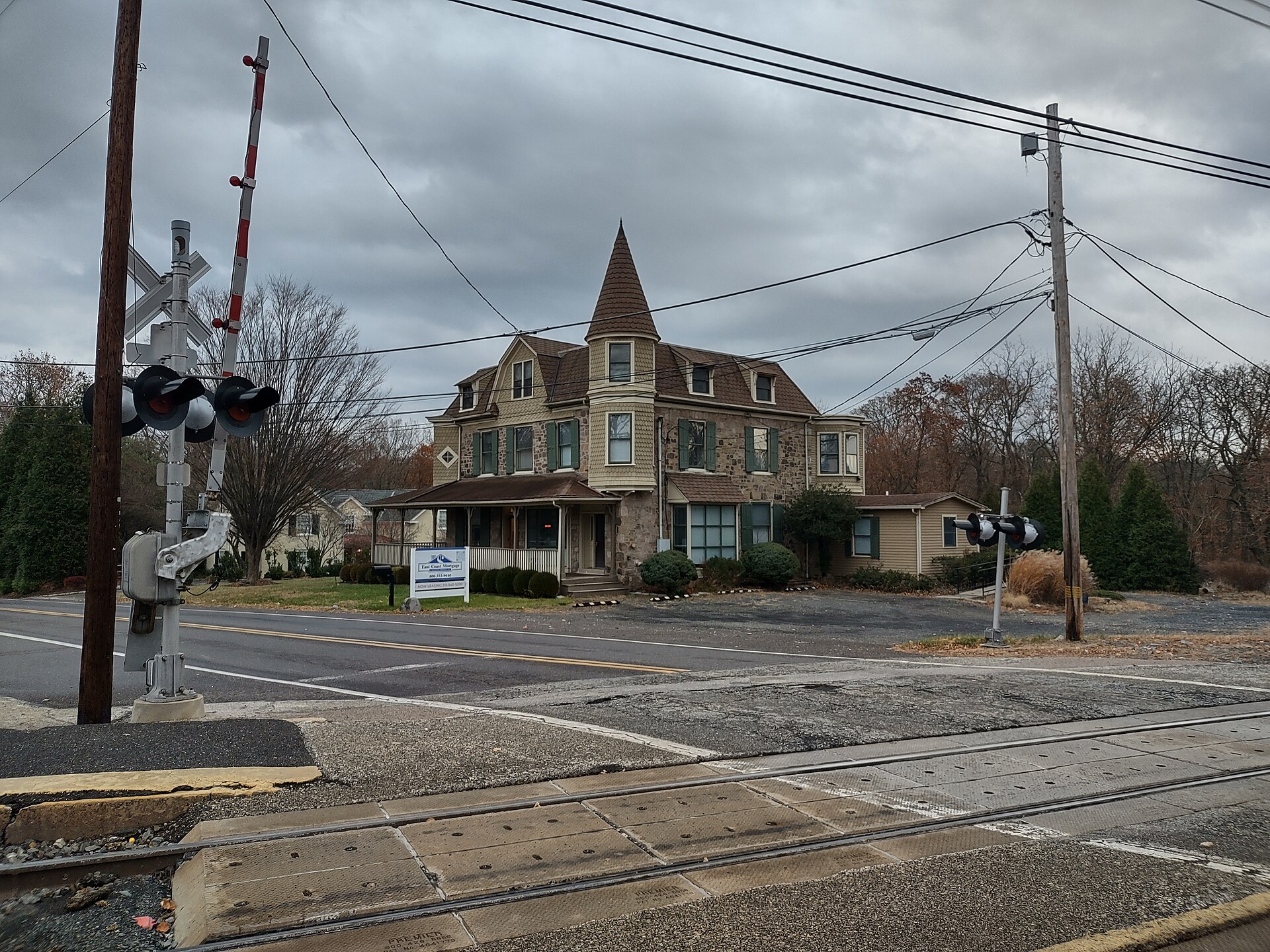
    Not every desirable address in the Philadelphia suburbs has a well-known name. Gwynedd Valley and Penllyn are two small, largely unincorporated communities within Lower Gwynedd and Whitpain Townships in Montgomery County, and they are easy to overlook precisely because they were never built around a commercial downtown the way Ambler or Bryn Mawr were. That is part of their appeal to a certain kind of luxury buyer: rolling, wooded terrain, larger lot sizes, and a genuinely quiet, low-traffic feel, all within a reasonable commute of Center City Philadelphia.

    Where these communities sit and why the geography matters

    Gwynedd Valley and Penllyn sit along the historic corridor once served by the Reading Railroad’s line through Montgomery County, now part of SEPTA’s Lansdale/Doylestown Regional Rail Line, which gives residents a direct rail option into Center City without relying solely on the Schuylkill Expressway or Route 202 corridors that serve the more famous Main Line towns to the south. The area borders Ambler, Spring House, and North Wales to the north, Blue Bell to the west, and the Wissahickon Creek watershed threads through parts of the region, contributing to the wooded, hilly character that distinguishes it from flatter sections of the county.

    Because Gwynedd Valley and Penllyn were never incorporated as their own boroughs, buyers researching the area need to pay attention to township lines. Properties technically fall under Lower Gwynedd Township or Whitpain Township depending on the specific street, which affects school district assignment, property tax rates, and local zoning — details worth confirming with a title search or the township directly rather than assuming based on the mailing address alone.

    The kind of housing stock to expect

    This is not a neighborhood of dense, walkable blocks. Lot sizes tend to run larger than in the closer-in Main Line towns, and the housing stock mixes historic stone farmhouses, mid-century estate homes on wooded acreage, and newer custom construction built on subdivided former farmland. Buyers who want a genuinely private setting — long driveways, mature tree cover, and distance from neighboring homes — tend to find more of that here per dollar than in more built-up Main Line addresses closer to the city. The trade-off is that day-to-day walkability to shops and restaurants is limited; this is a drive-everywhere community, softened somewhat by the regional rail stations themselves and a handful of nearby commercial nodes in Ambler and Blue Bell.

    Schools and institutional presence

    The area is served primarily by the Wissahickon School District, which draws from Lower Gwynedd, Whitpain, and neighboring townships and is generally well regarded among buyers prioritizing public education. Gwynedd Mercy University, a private Catholic institution, also has its campus in the immediate area, which contributes to a certain institutional quietness rather than the retail-driven activity found in busier suburban centers. Buyers relocating for a specific school assignment should always confirm current attendance boundaries directly with the district, since boundary lines can shift and do not always track neatly with township borders.

    Comparing Gwynedd Valley and Penllyn to the wider Main Line

    Buyers cross-shopping the Main Line often find that Gwynedd Valley and Penllyn offer more land and more privacy for a comparable budget, at the cost of the retail density, restaurant scene, and name recognition that towns like Bryn Mawr, Wayne, or Villanova carry. There is no equivalent to a Suburban Square or a dense walkable town center here. What the area offers instead is a lower-key, more rural version of Main Line-adjacent living, closer in feel to Chester County horse country than to the shopping-and-dining corridor along Lancaster Avenue. For buyers who value privacy and acreage over walkability and see-and-be-seen retail, that trade-off is often the point rather than a downside.

    What to check before making an offer

    • Township and tax jurisdiction. Confirm whether a specific property falls under Lower Gwynedd or Whitpain Township, since tax rates, permitting, and zoning rules differ.
    • Well and septic versus public utilities. Some larger, older properties in this area were built before public water and sewer extended fully into every pocket. Confirm utility status early, since well and septic systems carry their own inspection and maintenance considerations.
    • Easements and shared driveways. Larger, more rural lots sometimes carry legacy easements from when land was subdivided from larger farms. A title search should surface these, but it is worth asking directly as well.
    • Commute realities. If regional rail access is a priority, confirm walking distance to the actual station platform and current SEPTA schedule frequency, since service levels can vary by time of day.

    Frequently asked questions

    Are Gwynedd Valley and Penllyn considered part of the Main Line?

    Not traditionally. The “Main Line” historically refers to towns along the former Pennsylvania Railroad’s Main Line corridor running west from Philadelphia through Lower Merion, Radnor, and Tredyffrin Townships. Gwynedd Valley and Penllyn sit further north in Montgomery County along a different historic rail corridor, but they share a similar suburban-estate character and are often cross-shopped by the same buyers.

    What is the commute like into Center City Philadelphia?

    Both communities have SEPTA Regional Rail stations on the Lansdale/Doylestown Line, offering a direct commuter rail option into Center City. Exact travel times and schedule frequency should be confirmed against SEPTA’s current timetable, since service varies between peak and off-peak periods.

    Is this a good area for buyers who want privacy and acreage?

    Generally, yes, relative to many other close-in Philadelphia suburbs. Lot sizes and tree cover tend to be more generous here than in denser Main Line towns, though specific privacy depends heavily on the individual property and street. Touring in person is the only reliable way to assess it.

    If Gwynedd Valley, Penllyn, or another quieter Montgomery County address fits what you are looking for, James Kennedy can help you evaluate current inventory and township-specific details. Reach James at 215-267-8479 or jameskennedy@unlockedteam.com.
  • North Wildwood, New Jersey: A Luxury Buyer’s Guide to the Jersey Shore’s Victorian Seaport

    North Wildwood, New Jersey: A Luxury Buyer’s Guide to the Jersey Shore’s Victorian Seaport

    Ask most Philadelphia buyers to name a shore town and they will reach for Avalon, Stone Harbor, or Cape May before they think of North Wildwood. That is part of what makes it interesting. North Wildwood sits at the northern tip of Five Mile Island, separated from Wildwood and Wildwood Crest by its own borough line, and it carries a character that is quieter and more residential than the boardwalk energy people associate with “the Wildwoods” as a whole. For buyers who want genuine oceanfront or near-oceanfront property without the density of a boardwalk entertainment district on every block, it deserves a closer look.

    What sets North Wildwood apart

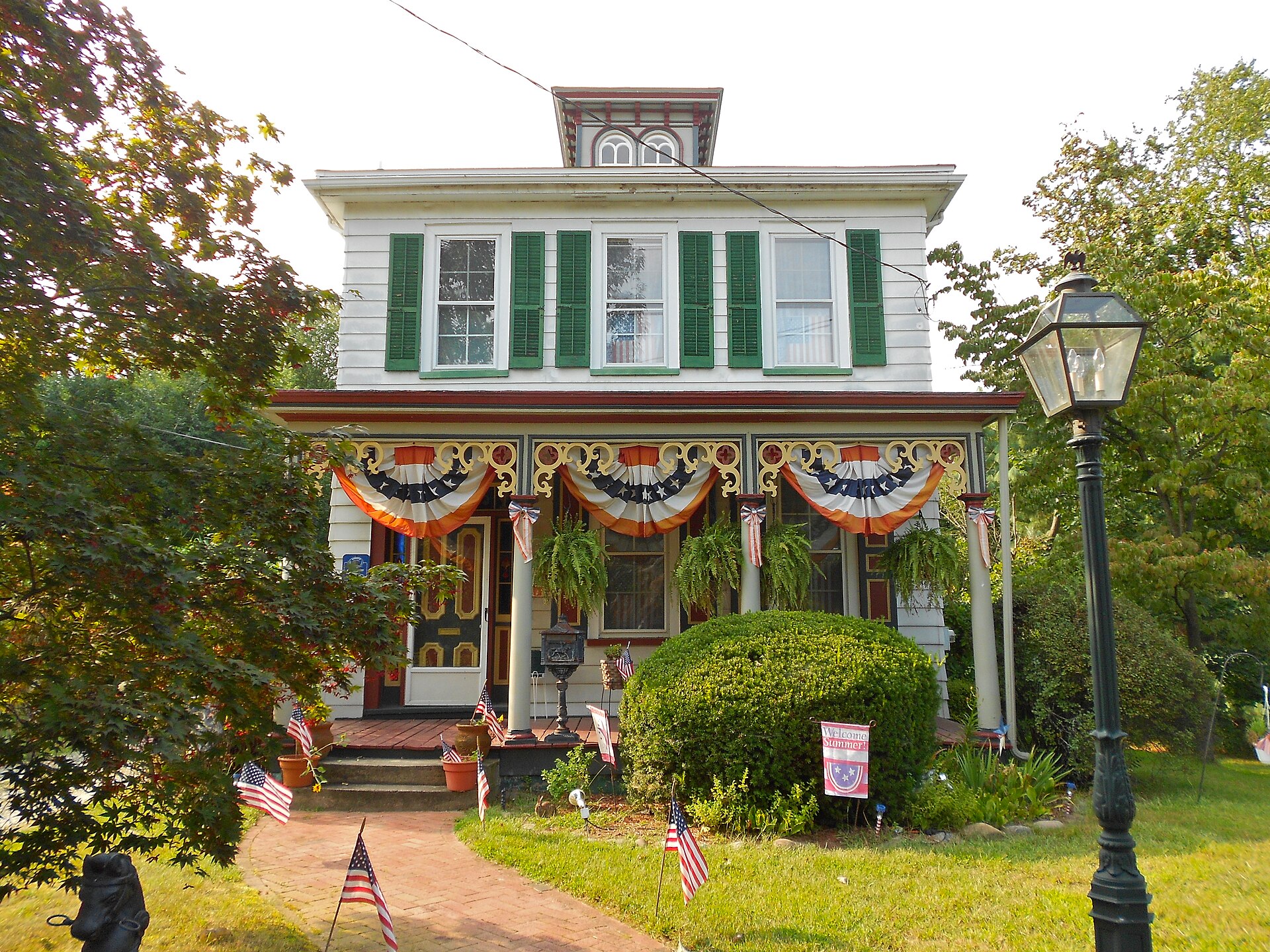
    North Wildwood’s identity is shaped by two things: its working Hereford Inlet Lighthouse and gardens near the northern end of the island, and a historic residential core of Victorian-era homes concentrated around Central Avenue and Olde New Jersey Avenue. Unlike the mid-century motel strip most visitors picture when they think of the Wildwoods, this pocket of North Wildwood reads as a genuine historic neighborhood, with turreted, wraparound-porch homes that predate the twentieth-century boardwalk economy entirely. The borough also has a proper year-round residential population, which means services, schools, and municipal infrastructure that a purely seasonal community does not need to maintain.

    The town’s beach itself is another differentiator. North Wildwood’s beachfront is narrower and closer to the water than the famously wide beaches of Wildwood and Wildwood Crest, which some buyers prefer specifically because it means a shorter walk to the surf and a more traditional shore-town feel rather than a long dune crossing.

    The historic district and its Victorian inventory

    The National Register-listed historic district around Olde New Jersey Avenue is where most of North Wildwood’s architecturally significant properties sit. These are typically wood-frame Victorians, many restored as single-family homes or converted to bed-and-breakfast use, with the ornamental detailing associated with the style: turned porch spindles, bay windows, and steep rooflines. Buying in this district comes with real trade-offs worth understanding up front. Renovation and exterior work on a contributing structure can be subject to local historic preservation review, which protects the character that makes the neighborhood valuable but also limits how freely an owner can alter the exterior. Anyone considering a significant addition or a full renovation should confirm the property’s historic district status and the borough’s design review requirements before writing an offer contingent on those plans.

    Outside the historic core, North Wildwood also has newer construction and rebuilt homes, particularly closer to the inlet and along the bayside, which appeal to buyers who want shore living without the maintenance commitment of an antique structure.

    Oceanfront, bayside, and the streets in between

    As with most barrier island towns, location within North Wildwood matters enormously to both lifestyle and value. Oceanfront and near-oceanfront blocks command a premium for direct beach access and views, but they also carry the highest exposure to storm risk and the most stringent flood insurance requirements. Bayside and inlet-adjacent properties offer boat access and often a different, calmer feel, with their own flood and bulkhead considerations. The blocks around the historic district sit slightly inland and tend to trade partly on architectural character rather than water proximity alone. Buyers should walk a property at different times of day and, ideally, in different seasons before committing, since summer weekend character can differ substantially from the town’s feel in the shoulder seasons.

    What luxury buyers should evaluate before making an offer

    A few due-diligence items are particularly important on Five Mile Island generally, and in North Wildwood specifically:

    • Flood zone and elevation. Confirm the FEMA flood zone designation and the home’s base flood elevation. This affects both insurance cost and, for older homes, whether the structure is “grandfathered” against current elevation requirements or would need to be raised if substantially renovated.
    • Historic district status. If the property sits within or near the Olde New Jersey Avenue historic district, ask the borough directly what exterior changes require review before assuming a renovation plan is straightforward.
    • Rental history and restrictions. Many shore buyers plan to offset carrying costs with seasonal rental income. Confirm current zoning and any borough licensing requirements for short-term rentals, and ask a local property manager for realistic occupancy expectations rather than relying on a listing agent’s projection alone.
    • Structural condition of older frame construction. Coastal humidity and salt air are hard on wood-frame Victorians. A thorough inspection that specifically evaluates the foundation, sill plates, and any prior flood remediation is worth the cost, especially on a home more than a few decades old.

    Who North Wildwood tends to suit

    North Wildwood generally appeals to buyers who want an authentic, walkable shore neighborhood with real architectural character, rather than a purely modern beach-house experience. It suits families who value being close to Wildwood’s boardwalk amenities without living directly on top of them, and buyers drawn to the idea of restoring or owning a piece of Jersey Shore Victorian history. Buyers who prioritize the widest possible beach or the most understated, low-density barrier island feel may be better served by towns further south, such as Stone Harbor or Avalon, which this blog has covered separately.

    Frequently asked questions

    Is North Wildwood the same as Wildwood?

    No. North Wildwood, Wildwood, Wildwood Crest, and West Wildwood are four separate municipalities on the same barrier island, each with its own local government, zoning, and character, even though they share the “Wildwoods” name for tourism purposes. North Wildwood sits at the northern end of the island and has a more residential, year-round feel than Wildwood’s boardwalk core.

    Do homes in the historic district cost more than comparable homes elsewhere on the island?

    Architecturally significant Victorians in good condition within the historic district often carry a premium tied to their character and restoration quality, but pricing varies widely based on lot size, proximity to the beach, and the extent of any prior renovation. A local comparative market analysis on a specific property is the only reliable way to gauge value, since broad averages can be misleading in a small, architecturally varied market like this one.

    What should I budget for beyond the purchase price?

    Beyond typical closing costs, shore buyers should plan for flood insurance (which can vary significantly by elevation and zone), higher wind and named-storm insurance deductibles common along the Jersey coast, and ongoing maintenance tied to salt air exposure. If historic district review applies, factor in the added time and cost of any exterior work requiring approval.

    If you are exploring North Wildwood or comparing it against other Jersey Shore markets, James Kennedy can walk you through current inventory, flood zone considerations, and what a specific property would realistically cost to own and maintain. Reach James at 215-267-8479 or jameskennedy@unlockedteam.com.

  • Beach Haven and Harvey Cedars, New Jersey: Long Beach Island’s Historic Downtown and Quiet North End

    Long Beach Island stretches eighteen miles along the South Jersey coast, and no two ends of it feel alike. At the southern tip, Beach Haven still carries the rhythm of a Victorian-era resort town, with a walkable business district, a historic bandshell, and streets lined with century-old cottages a short walk from the bay. A few miles north, Harvey Cedars is almost the opposite: low-density, largely residential, and home to some of the highest natural elevation on the entire island. For a luxury buyer weighing where to put down roots on LBI, understanding what separates these two towns matters as much as understanding the island itself.

    Beach Haven: A Working Downtown With Deep Roots

    Beach Haven has functioned as a genuine town, not just a collection of vacation homes, since the late 1800s. Bay Avenue and the surrounding blocks hold restaurants, shops, a historic movie theater, and the Long Beach Island Historical Association Museum, all within walking distance of much of the residential core. The borough’s Victorian gingerbread houses and wide porches give it an architectural identity that is distinct from the rest of the island, and a meaningful share of the housing stock sits within recognized historic districts, which brings its own set of considerations for buyers planning renovations.

    Because so much of daily life is walkable, Beach Haven tends to appeal to buyers who want a true sense of place rather than a purely private retreat — families who want to walk to dinner, ride bikes to the beach, and have a real Main Street to return to summer after summer.

    Harvey Cedars: Quiet, Low-Density, and Elevated Ground

    Harvey Cedars sits roughly in the middle of the island’s northern half and has intentionally stayed small. There is no commercial downtown to speak of — most shopping and dining happen in neighboring Surf City or further north in Barnegat Light — and the borough’s zoning has kept lot sizes larger and construction lower-density than much of LBI. Harvey Cedars also includes some of the island’s higher natural elevation, a detail that matters more with each passing storm season and is frequently discussed among coastal buyers evaluating long-term resilience.

    Buyers drawn to Harvey Cedars are usually prioritizing privacy, quiet, and a slower pace over walkability. Homes here tend to sit on larger parcels than their counterparts closer to Beach Haven’s downtown core, and the borough has a reputation for careful, deliberate zoning enforcement that has kept the housing stock more uniform in scale.

    Comparing the Two for a Luxury Purchase

    • Lifestyle: Beach Haven suits buyers who want an active, walkable town; Harvey Cedars suits those who want seclusion and space.
    • Housing stock: Beach Haven mixes historic Victorian cottages with newer construction; Harvey Cedars leans toward larger, more contemporary custom homes on bigger lots.
    • Elevation and construction era: Ground elevation and the age of a home’s construction vary block by block on both islands and should be verified for any specific property, not assumed from a town’s general reputation.
    • Rental potential: Beach Haven’s walkability tends to support strong seasonal rental demand for buyers considering an income-producing second home; Harvey Cedars’ quieter character can appeal more to primary or long-term second-home buyers.

    Getting There and Getting Around

    Both towns sit along Long Beach Boulevard, the island’s main north-south artery, and both are reached from the mainland via the Manahawkin Bay Bridge onto Route 72. Beach Haven’s compact grid makes a golf cart or bicycle a realistic way to get around all summer, while Harvey Cedars’ more spread-out layout and higher speed limits on the boulevard make a car, golf cart, or e-bike the more common choice. Neither difference is dramatic, but it is part of the day-to-day texture that separates a walk-everywhere Beach Haven summer from a drive-a-little-further Harvey Cedars one, and it is worth experiencing both in person, ideally at different times of day, before deciding which fits your family’s rhythm.

    Flood Insurance, Elevation, and Coastal Construction

    Any barrier island purchase deserves a close look at flood zone designation, base flood elevation requirements, and the age and construction method of the home itself — pilings versus a slab, and how far the living space sits above grade. These factors affect not only insurance costs but also how a home will be treated if it is ever substantially renovated or rebuilt. Rather than relying on general assumptions about a town, a luxury buyer should request the specific flood zone map, elevation certificate, and insurance history for any LBI property under serious consideration, and factor that information into the offer alongside the home’s condition and price.

    Frequently asked questions

    Is Harvey Cedars more expensive than Beach Haven?

    Pricing on LBI varies more by specific location, lot size, and proximity to the beach or bay than by borough alone. Rather than assuming one town commands a premium over the other, it is worth comparing specific comparable sales in both areas for the type of home you want.

    Can you walk to restaurants and shops in Harvey Cedars?

    Harvey Cedars itself has very limited commercial space. Most buyers who choose the borough do so because they are comfortable driving or biking a short distance to Surf City or Barnegat Light rather than wanting a downtown at their doorstep.

    What should out-of-state buyers know about buying on LBI?

    Beyond the usual due diligence, out-of-state buyers should budget time for flood insurance quotes, a coastal-specific home inspection, and, if the home is older, a conversation about whether it falls within a historic district. These steps can take longer than a typical suburban purchase, so building extra time into the contract timeline is wise.

    Whether you are drawn to Beach Haven’s walkable Victorian streets or Harvey Cedars’ quiet, elevated privacy, James Kennedy can help you weigh the trade-offs specific to Long Beach Island’s luxury market and connect you with the coastal expertise a barrier island purchase requires. Reach James at 215-267-8479 or jameskennedy@unlockedteam.com to start the conversation.

  • Historic Register Designation: What It Means for Taxes, Renovations, and Resale in Philadelphia & South Jersey

    Historic Register Designation: What It Means for Taxes, Renovations, and Resale in Philadelphia & South Jersey

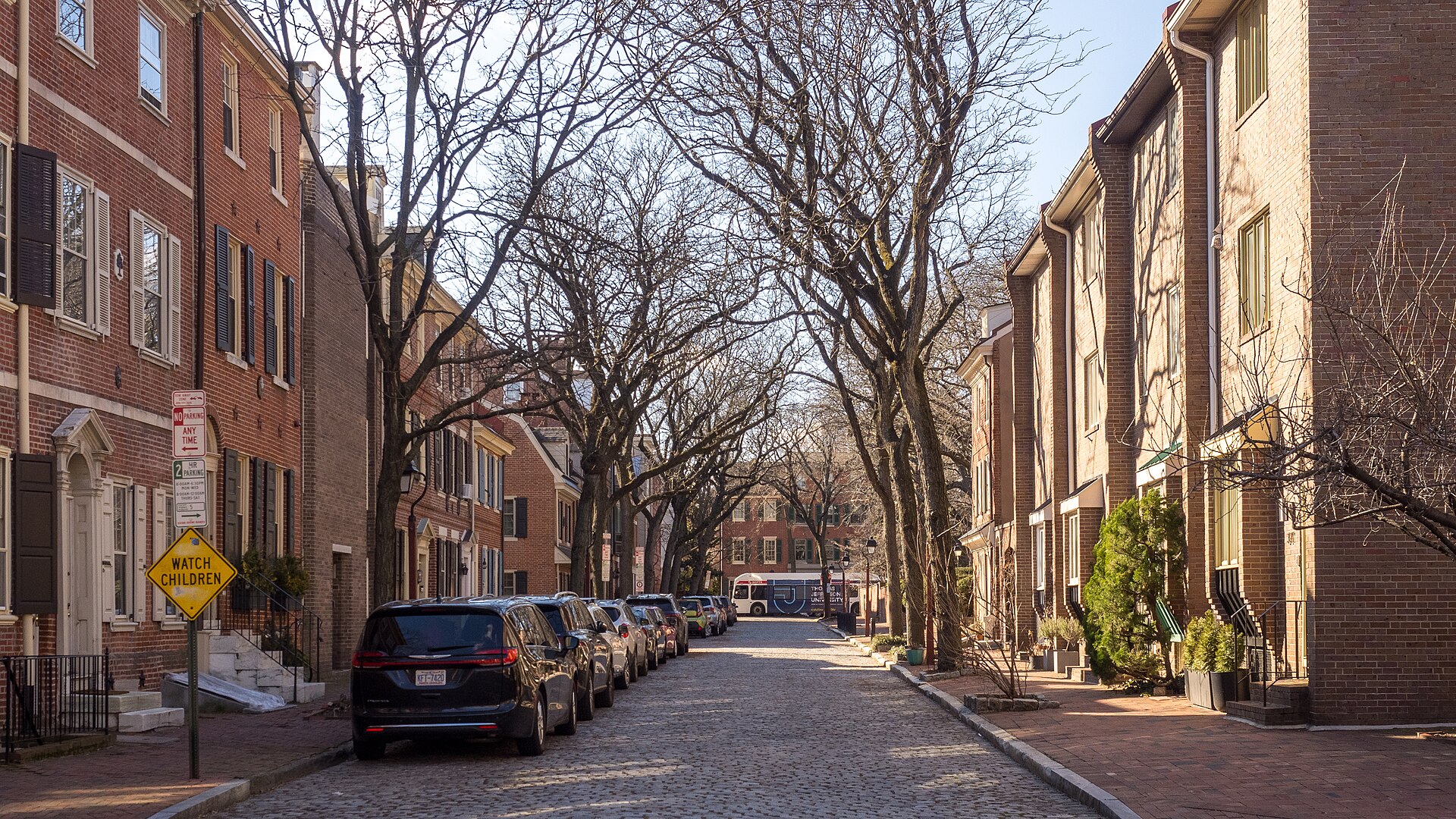
    Walk through Society Hill, Old City, Chestnut Hill, Haddonfield, or Doylestown, and you are walking through housing stock that, in many cases, carries some form of historic designation. For luxury buyers and sellers in the Philadelphia region, that designation is not just a plaque or a talking point — it can shape what renovations are allowed, what tax incentives are available, and how a sale is marketed. Because “historic” can mean several different things depending on which list a property sits on, it is worth understanding the distinctions before they affect a transaction.

    Local Historic District vs. National Register: Two Different Things

    A property can be listed on the National Register of Historic Places, sit within a locally designated historic district, or both — and the practical effects are very different. National Register listing is largely honorific and tied to eligibility for certain tax credit programs; on its own, it generally does not restrict what an owner can do to their property. Local historic designation, by contrast, is a regulatory overlay. In Philadelphia, that means review by the Philadelphia Historical Commission for exterior changes to a designated building or a building within a historic district. Many South Jersey and Pennsylvania suburban towns, including several with well-established historic cores, have their own local historic commissions with similar authority. Confirming which type of designation applies — or whether both do — is the first step for any buyer considering a historic property.

    What a Local Designation Typically Restricts

    Local historic designation generally governs exterior, street-visible changes: window replacement, roofing materials, additions, demolition, and sometimes paint color or storefront signage on mixed-use buildings. Interior renovations are typically outside a historic commission’s authority. The review process usually requires an application and approval before work begins, which can add time to a renovation timeline that a buyer should plan for rather than discover midway through a project. It is not unusual for approved material choices to cost more than a standard equivalent, since many commissions require materials that match a building’s historic character rather than the least expensive modern substitute.

    Tax Incentives Tied to Historic Status

    Historic designation is not purely a restriction — it can also open the door to financial incentives. Substantial rehabilitation of a certified historic structure can, in some cases, qualify for federal and state historic rehabilitation tax credit programs, and some municipalities offer their own property tax abatement or exemption programs for the rehabilitation of historic buildings. These programs have specific eligibility rules, application processes, and timelines, and they are worth researching with a tax professional and, where applicable, the municipality’s historic preservation office before assuming a project will qualify.

    How Historic Status Affects a Renovation Project

    Buyers planning a significant renovation on a historic or historically designated property should build the review and approval process into their timeline and budget from the start. This typically means engaging an architect or contractor experienced with historic commission approvals, since they can often anticipate what will and will not be approved and can help design a project that satisfies both the buyer’s goals and the commission’s standards. It also means being realistic about which changes may simply not be possible — a historic commission is unlikely to approve replacing original windows with a style that changes the building’s street appearance, for example, even if a like-for-like replacement would be approved.

    What It Means When You Sell

    For sellers, historic designation is worth presenting as part of a property’s story rather than treating it as a liability to downplay. Buyers drawn to Society Hill, Old City, Chestnut Hill, or a historic South Jersey town center are frequently drawn specifically because of that historic character, and clear documentation — prior historic commission approvals, any tax credit history, and a straightforward explanation of what is and is not restricted — helps a buyer evaluate the property with confidence rather than uncertainty. Sellers should also be prepared for buyers to ask pointed questions about past unpermitted work, since undocumented alterations to a historic property can complicate a sale more than they would on a non-designated home.

    Frequently asked questions

    Does historic designation lower my property’s value?

    Not inherently. Many of the region’s most desirable and highest-value neighborhoods are historically designated, and buyers often pay a premium for that character. The practical effect on value has more to do with how a specific buyer weighs the benefits of historic character against the added process for future changes.

    Can I ever remove historic designation from a property?

    Removing a designation is possible in some circumstances but is typically a lengthy, uncertain process handled through the relevant historic commission or governing body, and it should not be assumed as a workaround when considering a purchase. It is more realistic to plan around the designation than to plan on removing it.

    Do all old homes in Philadelphia automatically have historic protection?

    No. Age alone does not create historic designation. A property must be individually designated or fall within a designated historic district to be subject to Historical Commission review, and many older Philadelphia homes outside those districts are not subject to this additional oversight.

    Historic designation can be one of the most misunderstood parts of a luxury purchase or sale in this region, and getting it right matters for both your timeline and your budget. James Kennedy can help you understand what applies to a specific property and connect you with the right preservation and tax professionals. Reach James at 215-267-8479 or jameskennedy@unlockedteam.com.

  • EV Charging, Home Batteries, and Electrical Capacity: What Luxury Buyers Should Check in Philadelphia & South Jersey Homes

    EV Charging, Home Batteries, and Electrical Capacity: What Luxury Buyers Should Check in Philadelphia & South Jersey Homes

    A decade ago, a home’s electrical panel was rarely a talking point in a luxury real estate transaction. That has changed. Between electric vehicles, home battery backup systems, induction kitchens, and expanding home automation, the demand luxury homeowners place on their electrical systems has grown substantially — and many of the region’s most desirable homes, from Rittenhouse Square high-rises to century-old Main Line estates, were simply not built with this level of electrical load in mind. Understanding what to check before assuming a home is ready for modern electrical demands can save a buyer real money and frustration after closing.

    Why Electrical Capacity Matters More Than It Used To

    Older homes, particularly those built before the 1990s, often carry electrical service sized for the appliances of their era. Adding a Level 2 EV charger, a home battery system, or a large induction range can push a home’s demand close to or past what its existing panel and service line were designed to handle. This does not mean an older luxury home cannot support these upgrades — most can, with the right work — but it does mean the electrical system deserves the same scrutiny a buyer would give the roof or the mechanicals.

    What to Check Before Assuming a Home Is EV-Ready

    • Panel amperage and age: Ask what the main panel is rated for and when it was last upgraded or inspected.
    • Available capacity: A licensed electrician can calculate how much headroom remains on the existing service before adding a major new load.
    • Distance and routing: The cost of running a circuit to a garage, driveway, or parking pad depends heavily on how far it has to travel and whether it can run through an accessible space or requires opening finished walls or ceilings.
    • Permit history: If a previous owner already added charging or a battery system, confirm the work was permitted and inspected rather than taking it at face value.

    City Living: Rowhomes and Condo Buildings

    In Center City and neighborhoods like Rittenhouse Square, Fitler Square, and Society Hill, EV charging brings a different set of questions than it does in the suburbs. A rowhome with a private garage or driveway pad may be straightforward to wire, while a rowhome relying on street parking has no easy answer at all. Condo and co-op buildings introduce another layer: many parking garages were not built with vehicle charging in mind, and adding it typically requires board approval, an engineering review of the building’s overall electrical capacity, and a decision about how charging costs will be metered and billed to individual owners. Buyers who consider EV charging a priority should ask directly about a building’s charging policy and any waitlist before assuming it can be added easily.

    Suburban Estates and Larger Properties

    On the Main Line and in South Jersey’s larger-lot towns, the physical routing of a new circuit is usually simpler, but older estate properties can still have main services that were never intended to run a garage charger, a pool, a home theater, and a modern kitchen simultaneously. For buyers planning a significant renovation, it is worth having an electrician assess whole-house capacity early, rather than after finishes are already selected, since a service upgrade is far easier to plan for than to retrofit around finished work.

    Home Battery Systems and Backup Power

    Home battery systems, whether paired with solar or used purely as backup power, add another load and wiring consideration on top of EV charging. These systems can be a meaningful selling point in areas prone to storm-related outages, particularly along the South Jersey coast and in wooded suburban areas, but they also require their own electrical planning, permitting, and, in many towns, inspection. A buyer evaluating a home that already has a battery system installed should ask for documentation of the installation and any warranty that transfers with the sale.

    What Sellers Should Know

    Sellers of homes without EV charging or updated electrical capacity should not assume this is a dealbreaker for luxury buyers, many of whom expect to make some upgrades regardless of what exists. What does help is having clear information on hand: the age and rating of the main panel, any prior electrical permits, and a straightforward answer about whether a garage or driveway has a clear path for a future charging circuit. Sellers who have already added charging or backup power should have permits and inspection records ready, since documented, permitted work reassures buyers far more than an undocumented installation.

    Frequently asked questions

    Do I need a whole panel upgrade to add an EV charger?

    Not always. Many homes have enough spare capacity for a Level 2 charger without a full panel upgrade, but this depends on the home’s existing electrical load and panel rating. A licensed electrician can determine this with a load calculation rather than a guess.

    Can condo and co-op buildings restrict EV charging?

    Yes. Buildings can set their own policies on whether and how charging is added to shared parking, including requiring board approval, an engineering review, and specific metering arrangements. Always ask about a building’s policy before assuming charging can be installed.

    Does having EV charging add resale value?

    It can be a meaningful convenience for the right buyer, particularly in suburban markets, though its impact on price varies by neighborhood and buyer pool. It is generally viewed as a desirable amenity rather than a guaranteed value-add, similar to other high-end mechanical upgrades.

    Whether you are evaluating a Main Line estate’s electrical capacity or trying to understand a Center City building’s charging policy, James Kennedy can help you ask the right questions before you buy — and help sellers present these upgrades effectively. Reach James at 215-267-8479 or jameskennedy@unlockedteam.com.
  • Gifted Down Payments and Family Financing: What Philadelphia & South Jersey Luxury Buyers Should Know

    Gifted Down Payments and Family Financing: What Philadelphia & South Jersey Luxury Buyers Should Know

    At the luxury level, it is common for a purchase to involve more than a single buyer’s own savings and income. Parents help adult children with a down payment, spouses receive family gifts toward a shared purchase, and in some cases extended family co-invest in a second home or a Shore property. None of this is unusual, but it does add documentation steps that can slow down or even derail a closing if they are not handled correctly from the start.

    Why Family Financing Is Common at the Luxury Level

    Jumbo loans and larger purchase prices mean larger down payments in absolute dollar terms, even when the percentage down is unchanged. It is not unusual for a family to want to help a buyer avoid a larger loan, secure a better rate by improving the loan-to-value ratio, or simply enable a purchase that timing alone would otherwise delay. Lenders are well accustomed to this at the luxury level, but they require specific documentation to distinguish a genuine gift from an undisclosed loan, since a hidden liability can change a buyer’s true debt-to-income picture.

    Gift Letters and Documentation Lenders Require

    Most lenders require a signed gift letter stating the donor’s relationship to the buyer, the exact dollar amount, the property address, and explicit language confirming the funds are a gift with no expectation of repayment. Beyond the letter, lenders typically want to see the funds move from a documented account belonging to the donor into the buyer’s account, along with bank statements showing the source of those funds on the donor’s side. The goal is a clean paper trail: money that can be traced from an identifiable account to the buyer, with no unexplained cash deposits along the way.

    Buyers should loop in their lender before funds move, not after, since the specific sequencing and documentation requirements can vary by loan program and by lender.

    Seasoning Requirements and Paper Trails

    Many loan programs have “seasoning” requirements, meaning funds need to sit in the buyer’s account for a certain period, or be clearly documented as a gift, before they can be counted toward a down payment or reserves. Large, unexplained deposits close to a purchase can trigger additional underwriting questions and delay a closing timeline. Families planning to help with a purchase are generally well served by moving the gift funds as early as practical once a purchase is anticipated, and by keeping clear records of the transfer rather than relying on memory later in the process.

    Co-Borrowing, Co-Signing, and Joint Ownership

    Beyond a straightforward gift, some families structure a purchase with a parent or relative as a co-borrower or co-signer, or with more than one generation on the title. Each approach has different implications for whose credit and income qualify the loan, whose name appears on the deed, and how the property would be handled later in an estate or in the event of a sale. These are structural decisions that benefit from input by a real estate attorney and, where the amounts are significant, a financial or estate planning advisor, since the right structure depends on each family’s specific goals rather than a one-size-fits-all answer.

    Keeping the Timeline on Track

    The most common way family financing derails a closing is timing: gift funds that move too close to closing, a gift letter that is missing required language, or a donor’s bank statement that raises its own questions during underwriting. Buyers working with family support should build in extra time at the start of the process, share the lender’s specific gift documentation requirements with the donor early, and avoid any last-minute transfers once a closing date is set.

    Tax and Estate Planning Considerations

    Family gifts toward a home purchase can intersect with federal gift tax rules and, for larger transfers, a donor’s lifetime exemption. Most routine down-payment gifts fall well within annual exclusion amounts, but families structuring a larger contribution, or combining gifts from multiple relatives toward one purchase, should talk with a tax professional or estate planning attorney before funds move rather than after. The right approach also depends on whether the family views the contribution as a one-time gift or as part of a longer-term plan, such as an early step in transferring wealth across generations, which is a conversation best had with an advisor who knows the family’s full financial picture.

    A Note on Private Family Loans

    Some families prefer a private loan rather than an outright gift, often to preserve flexibility or to formalize an expectation of repayment. Where that is the plan, the arrangement should be documented as an actual loan, with a promissory note, a market-appropriate interest rate, and clear terms, since an informal arrangement that a lender later discovers was intended as a loan rather than a gift can affect a buyer’s qualifying debt-to-income ratio. Buyers considering this route should discuss it with both their lender and an attorney before the funds are transferred, so the loan can be properly disclosed and does not create a problem during underwriting.

    Frequently asked questions

    Does a gifted down payment need to come from a relative?

    Loan programs generally define who qualifies as an acceptable gift donor, and this is usually limited to family members or, in some cases, a close and clearly documented relationship. A lender can confirm exactly who qualifies under a specific loan program before funds move.

    Can gift funds be used for the entire down payment on a luxury purchase?

    It depends on the loan program and the loan-to-value ratio. Some programs allow gift funds to cover the entire down payment, while others require the buyer to contribute a minimum amount from their own funds, particularly on larger jumbo loans. This is worth confirming with a lender at the very start of the process, before an offer is written.

    Should a family gift be documented even on an all-cash purchase?

    Yes. Even without a mortgage, title companies and settlement agents may ask about the source of large deposited funds as part of standard anti-money-laundering procedures, so a clear gift letter and paper trail is worth having regardless of financing.

    If you are planning a luxury purchase in Philadelphia or South Jersey with help from family and want to understand how to structure it cleanly, James Kennedy can help connect you with lenders and attorneys experienced in these transactions. Reach James at 215-267-8479 or jameskennedy@unlockedteam.com.
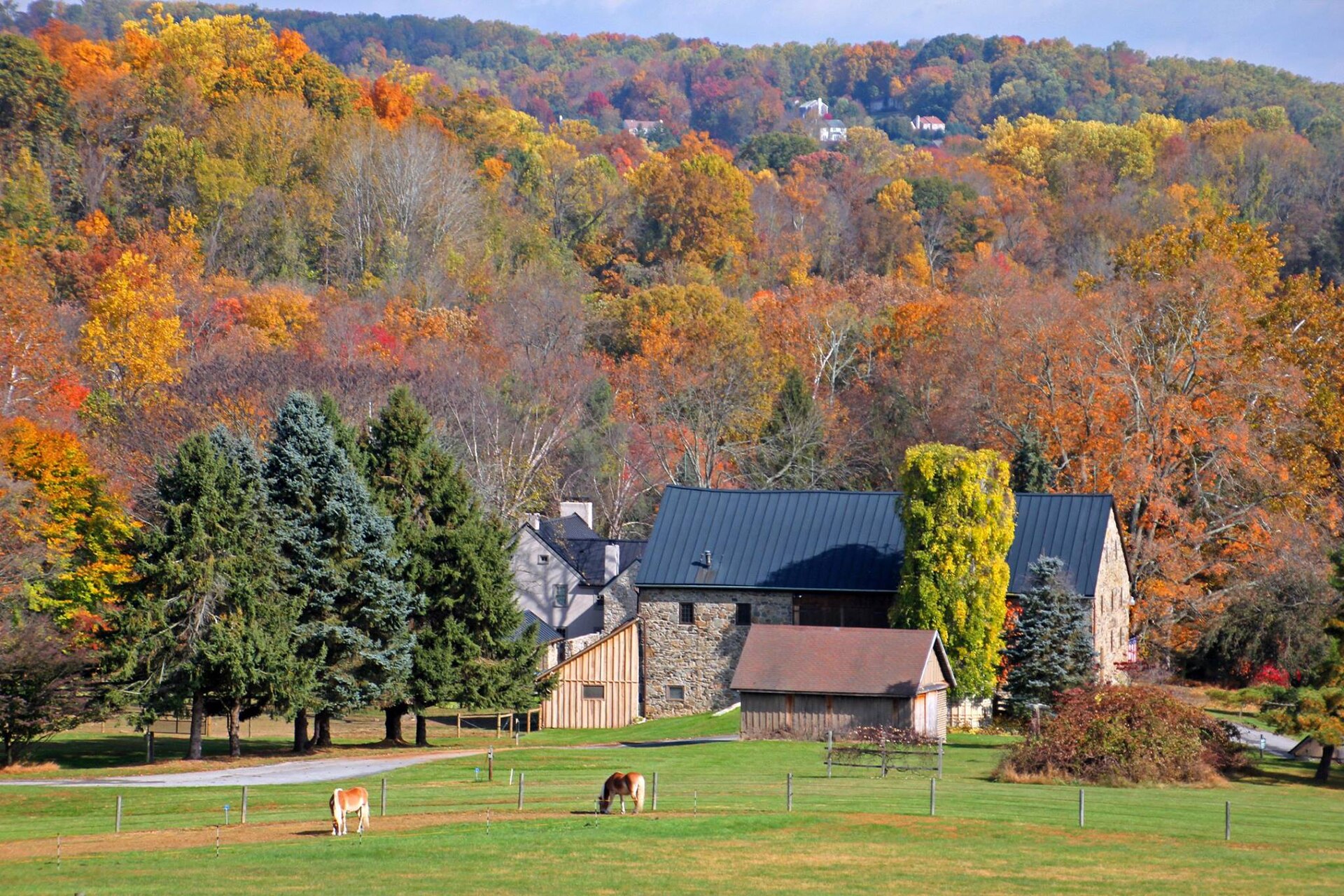
  • Berlin and Waterford Township, New Jersey: A Camden County Guide for Luxury and Estate Buyers

    Berlin and Waterford Township, New Jersey: A Camden County Guide for Luxury and Estate Buyers

    Southeastern Camden County does not get the same attention as Haddonfield or Moorestown, but for buyers who want more land, more privacy, and a slower pace without leaving Camden County altogether, Berlin and neighboring Waterford Township are worth a serious look. This is Pinelands-adjacent South Jersey: wooded lots, lower density, and a housing stock that skews toward larger parcels rather than walkable downtown blocks.

    A Different Kind of South Jersey Luxury Market

    Where Haddonfield and Moorestown built their reputations on historic downtowns and classic colonial architecture on modest in-town lots, Berlin and Waterford Township offer something closer to an estate feel: homes set back from the road on a half-acre to several acres, mature trees, and in many cases direct access to wooded or wetland buffers. Buyers who want a pool, a detached barn or outbuilding, or simply more distance from their neighbors often find more of that here than in the denser inner-ring Camden County towns.

    Berlin itself has a small, walkable center with a historic municipal building, a library, and several long-standing local businesses, giving it a genuine town identity rather than feeling like an unincorporated stretch of road. Waterford Township, which includes the Atco section, spreads out further into wooded residential neighborhoods and is closer to the edge of the Pinelands National Reserve.

    Housing Stock and What to Expect

    Expect a mix of well-maintained mid-century ranch and colonial homes, later-generation custom builds from the 1990s and 2000s, and a smaller number of true estate properties on multiple acres, some with equestrian potential or existing outbuildings. Because lots here tend to be larger and often wooded, buyers should budget time for a careful septic and well inspection where applicable, since not every property in this part of Camden County is served by public water and sewer. A qualified inspector who regularly works in this corridor can flag issues specific to older on-site systems before they become a closing surprise.

    Access and Commuting

    Berlin and Waterford Township sit within a reasonable drive of Route 30, the Atlantic City Expressway, and Route 42, which makes both Center City Philadelphia and the Jersey Shore accessible without an especially long drive to either. For buyers who split time between a primary home and a shore property, or who want a base that is closer to the Shore than Cherry Hill or Moorestown while still being close enough to Philadelphia for regular trips, this corridor can offer a useful middle position.

    Taxes and Practical Considerations

    As with most of Camden County, property tax rates and assessment practices vary by municipality, and buyers moving from Pennsylvania should budget time to understand how New Jersey’s system works before making an offer, since it factors meaningfully into total carrying cost at the luxury level. Buyers considering larger acreage should also ask whether any portion of a property is enrolled in a farmland assessment program, which can affect both the tax bill and what can be built on the land going forward.

    Lifestyle and Local Character

    This part of Camden County trades big-box retail density for quiet roads, mature woods, and a noticeably more rural feel than towns just a few miles closer to Philadelphia. Nearby Winslow Township and the broader Pinelands offer hiking and outdoor recreation, while Berlin’s small commercial core covers everyday needs. It is a fit for buyers who have already decided they want land and quiet over walkability and want to stay within a practical drive of both Philadelphia and the Shore.

    Comparing to Nearby Camden County Towns

    Buyers cross-shopping this corridor often start with Voorhees or Cherry Hill for their retail density and shorter commute into Philadelphia, or Haddonfield and Moorestown for downtown character and school reputation. Berlin and Waterford Township generally will not match those towns on walkability or on the depth of restaurant and shopping options within a short walk, but they typically offer a meaningfully lower price per acre and a quieter, more wooded setting. For a buyer prioritizing land, a workshop or barn, or simply distance from neighbors, that trade-off often favors this corridor. For a buyer who wants to walk to dinner or a coffee shop most evenings, the more established downtown towns remain the better fit.

    Working With Larger, Wooded Lots

    Because many properties here sit on wooded or partially cleared acreage, buyers should budget for practical questions beyond the house itself: where property lines actually run relative to tree cover, whether any portion of the lot sits in a flood plain or wetlands buffer that limits future building, and what a septic system’s design capacity is relative to a buyer’s plans for the home. A survey and a wetlands or environmental review, where applicable, are worth the added time before going firmly under contract on a larger parcel.

    Frequently asked questions

    How does Berlin compare to Haddonfield or Moorestown for a luxury buyer?

    Haddonfield and Moorestown offer walkable, historic downtowns and classic in-town colonial architecture on smaller lots. Berlin and Waterford Township trade that walkability for larger, often wooded lots and more privacy, at what is typically a lower price per acre. The right choice depends on whether a buyer values downtown character or land and seclusion more.

    Are there properties with well and septic systems in this area?

    Yes, particularly on larger and more rural parcels in Waterford Township. Buyers should plan for a dedicated well and septic inspection alongside a standard home inspection, and should ask early in the process whether a property is on public utilities or a private system.

    Is this area convenient to the Jersey Shore?

    Reasonably so. Berlin and Waterford Township sit closer to the Atlantic City Expressway than most inner Camden County suburbs, which can shave meaningful time off a Shore drive compared to towns like Cherry Hill or Moorestown.

    If you are weighing Berlin, Waterford Township, or other quieter corners of Camden County against the more familiar South Jersey luxury towns, James Kennedy can walk you through the trade-offs and the current inventory. Reach James at 215-267-8479 or jameskennedy@unlockedteam.com.

  • Exton and Uwchlan Township, Pennsylvania: A Chester County Guide for Luxury Home Buyers

    Exton and Uwchlan Township, Pennsylvania: A Chester County Guide for Luxury Home Buyers

    Exton and the surrounding Uwchlan Township sit at the western edge of the Main Line corridor, where Chester County’s rolling farmland meets a fast-growing band of corporate campuses, shopping, and newer luxury construction. For buyers who want space, strong schools, and a shorter commute to King of Prussia or Center City than the deeper Main Line towns offer, this stretch of the Route 100 and Route 30 corridor has become one of the more overlooked luxury markets in the Philadelphia suburbs.

    Why Exton and Uwchlan Township Draw Luxury Buyers

    Unlike Bryn Mawr or Villanova, where the housing stock is dominated by century-old stone estates, Exton and Uwchlan Township offer a mix of established single-family neighborhoods from the 1980s and 1990s alongside newer custom and semi-custom construction on larger lots. That combination appeals to buyers who want the finishes and systems of a newer home — open floor plans, primary suites, finished lower levels, three- and four-car garages — without sacrificing acreage or privacy. It is also a market where a move-up buyer from a nearby township can often find more house and more land for the same budget than in the most established Main Line zip codes.

    The area’s proximity to major employers along the Route 202 and Route 30 corridors, plus reasonably quick access to the Pennsylvania Turnpike and the Great Valley corporate parks, makes it a practical choice for executives who need to be near Philadelphia and its western suburbs without committing to a longer daily drive.

    The Housing Stock: From Estate Lots to New Construction

    Luxury inventory in Uwchlan Township tends to fall into a few categories: larger colonial and farmhouse-style homes on one- to three-acre lots built in the last three decades, newer custom homes built on infill parcels or in smaller enclaves, and a smaller number of true estate properties on wooded or pastoral acreage near the township’s edges. Buyers should expect well-maintained landscaping, mature trees, and in many cases community amenities such as walking trails or small private lakes in some of the area’s planned neighborhoods.

    Because much of the housing stock here is newer than in the historic Main Line towns, buyers often find fewer surprises around aging mechanical systems, though it is still worth a careful inspection of roofing, HVAC age, and any additions that may have been permitted at different standards over the years.

    Schools and Family Considerations

    Uwchlan Township falls within the Downingtown Area School District, which has built a strong regional reputation, particularly around its STEM Academy program. Families relocating for schools should look closely at which elementary and middle school feeders serve a specific address, since boundaries can shift block by block, and should visit during the school year if possible to get a feel for a given building.

    Beyond the public schools, the broader Chester County area offers access to several respected private and independent schools within a reasonable drive, which is often part of the calculus for luxury buyers relocating from out of state or from urban markets with different school landscapes.

    Commuting and Access

    Exton benefits from a SEPTA Regional Rail stop on the Paoli/Thorndale Line, giving commuters a car-free option into Center City, and Route 100, Route 30, and the Pennsylvania Turnpike’s Downingtown interchange put the broader Route 202 corridor and King of Prussia within a manageable drive. For buyers weighing this area against the deeper Main Line, the trade-off is usually a somewhat longer rail commute in exchange for more land and, in many cases, a lower price per acre.

    Local Lifestyle and Amenities

    The Exton area has grown into a genuine retail and dining hub for western Chester County, anchored by larger shopping centers, a range of restaurants, and proximity to open space including Marsh Creek State Park for boating, hiking, and fishing. Buyers who want a quieter, more suburban pace than Center City or the inner Main Line, but still want convenient shopping and dining nearby, often find this corridor strikes a comfortable balance.

    Frequently asked questions

    Is Exton considered part of the Main Line?

    Not traditionally. The Main Line generally refers to towns along the historic Pennsylvania Railroad line running through Lower Merion, Radnor, and Tredyffrin, closer to Philadelphia. Exton and Uwchlan Township sit further west in Chester County, but they share many of the same appeals — good schools, larger lots, and suburban character — often at a different price point.

    What size lots are typical for luxury homes in this area?

    It varies widely by neighborhood, from roughly half-acre lots in established developments to two or three acres or more in some of the area’s more spread-out sections. Buyers focused on privacy and acreage should work with an agent who can filter listings by lot size rather than relying on a town name alone.

    How does the commute to Center City compare to towns closer in?

    Regional Rail service from Exton reaches Center City, though the ride is longer than from Main Line stations closer to Philadelphia such as Ardmore or Bryn Mawr. Many residents in this corridor commute by car to King of Prussia, Great Valley, or other suburban employment centers rather than into the city daily, which shapes how much the rail schedule matters to a given household.

    If you are exploring Exton, Uwchlan Township, or other western Chester County communities and want a clear-eyed read on inventory, pricing, and how a specific property compares to the broader luxury market, James Kennedy can help you sort through the options. Reach James at 215-267-8479 or jameskennedy@unlockedteam.com.