
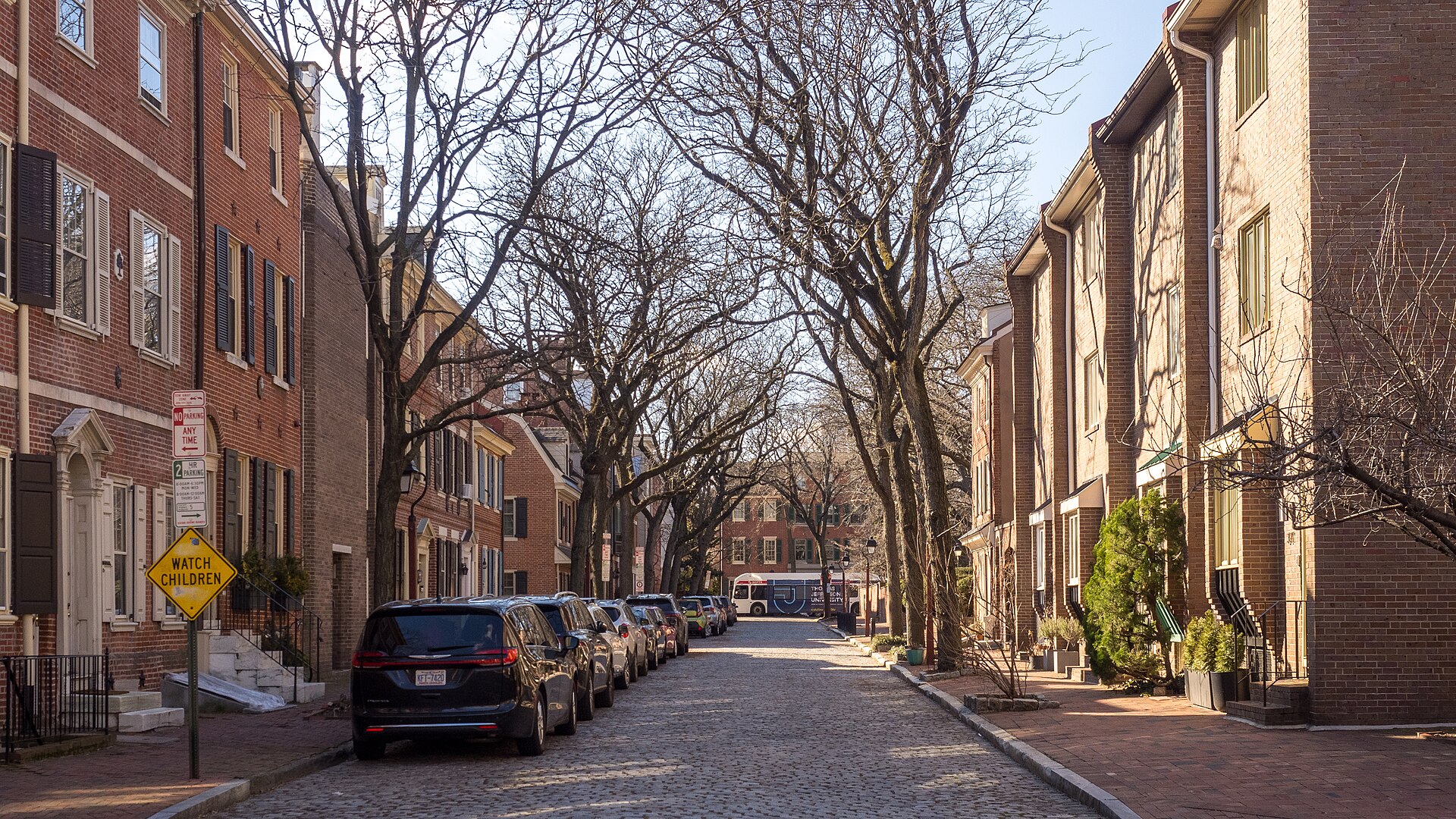
Walk through Society Hill, Old City, Chestnut Hill, Haddonfield, or Doylestown, and you are walking through housing stock that, in many cases, carries some form of historic designation. For luxury buyers and sellers in the Philadelphia region, that designation is not just a plaque or a talking point — it can shape what renovations are allowed, what tax incentives are available, and how a sale is marketed. Because “historic” can mean several different things depending on which list a property sits on, it is worth understanding the distinctions before they affect a transaction.
Local Historic District vs. National Register: Two Different Things
A property can be listed on the National Register of Historic Places, sit within a locally designated historic district, or both — and the practical effects are very different. National Register listing is largely honorific and tied to eligibility for certain tax credit programs; on its own, it generally does not restrict what an owner can do to their property. Local historic designation, by contrast, is a regulatory overlay. In Philadelphia, that means review by the Philadelphia Historical Commission for exterior changes to a designated building or a building within a historic district. Many South Jersey and Pennsylvania suburban towns, including several with well-established historic cores, have their own local historic commissions with similar authority. Confirming which type of designation applies — or whether both do — is the first step for any buyer considering a historic property.
What a Local Designation Typically Restricts
Local historic designation generally governs exterior, street-visible changes: window replacement, roofing materials, additions, demolition, and sometimes paint color or storefront signage on mixed-use buildings. Interior renovations are typically outside a historic commission’s authority. The review process usually requires an application and approval before work begins, which can add time to a renovation timeline that a buyer should plan for rather than discover midway through a project. It is not unusual for approved material choices to cost more than a standard equivalent, since many commissions require materials that match a building’s historic character rather than the least expensive modern substitute.
Tax Incentives Tied to Historic Status
Historic designation is not purely a restriction — it can also open the door to financial incentives. Substantial rehabilitation of a certified historic structure can, in some cases, qualify for federal and state historic rehabilitation tax credit programs, and some municipalities offer their own property tax abatement or exemption programs for the rehabilitation of historic buildings. These programs have specific eligibility rules, application processes, and timelines, and they are worth researching with a tax professional and, where applicable, the municipality’s historic preservation office before assuming a project will qualify.
How Historic Status Affects a Renovation Project
Buyers planning a significant renovation on a historic or historically designated property should build the review and approval process into their timeline and budget from the start. This typically means engaging an architect or contractor experienced with historic commission approvals, since they can often anticipate what will and will not be approved and can help design a project that satisfies both the buyer’s goals and the commission’s standards. It also means being realistic about which changes may simply not be possible — a historic commission is unlikely to approve replacing original windows with a style that changes the building’s street appearance, for example, even if a like-for-like replacement would be approved.
What It Means When You Sell
For sellers, historic designation is worth presenting as part of a property’s story rather than treating it as a liability to downplay. Buyers drawn to Society Hill, Old City, Chestnut Hill, or a historic South Jersey town center are frequently drawn specifically because of that historic character, and clear documentation — prior historic commission approvals, any tax credit history, and a straightforward explanation of what is and is not restricted — helps a buyer evaluate the property with confidence rather than uncertainty. Sellers should also be prepared for buyers to ask pointed questions about past unpermitted work, since undocumented alterations to a historic property can complicate a sale more than they would on a non-designated home.
Frequently asked questions
Does historic designation lower my property’s value?
Not inherently. Many of the region’s most desirable and highest-value neighborhoods are historically designated, and buyers often pay a premium for that character. The practical effect on value has more to do with how a specific buyer weighs the benefits of historic character against the added process for future changes.
Can I ever remove historic designation from a property?
Removing a designation is possible in some circumstances but is typically a lengthy, uncertain process handled through the relevant historic commission or governing body, and it should not be assumed as a workaround when considering a purchase. It is more realistic to plan around the designation than to plan on removing it.
Do all old homes in Philadelphia automatically have historic protection?
No. Age alone does not create historic designation. A property must be individually designated or fall within a designated historic district to be subject to Historical Commission review, and many older Philadelphia homes outside those districts are not subject to this additional oversight.
Historic designation can be one of the most misunderstood parts of a luxury purchase or sale in this region, and getting it right matters for both your timeline and your budget. James Kennedy can help you understand what applies to a specific property and connect you with the right preservation and tax professionals. Reach James at 215-267-8479 or jameskennedy@unlockedteam.com.
Leave a Reply