
Author: James Kennedy

  • Plymouth Meeting and Worcester, Pennsylvania: A Montgomery County Guide for Luxury Home Buyers

    Plymouth Meeting and Worcester, Pennsylvania: A Montgomery County Guide for Luxury Home Buyers

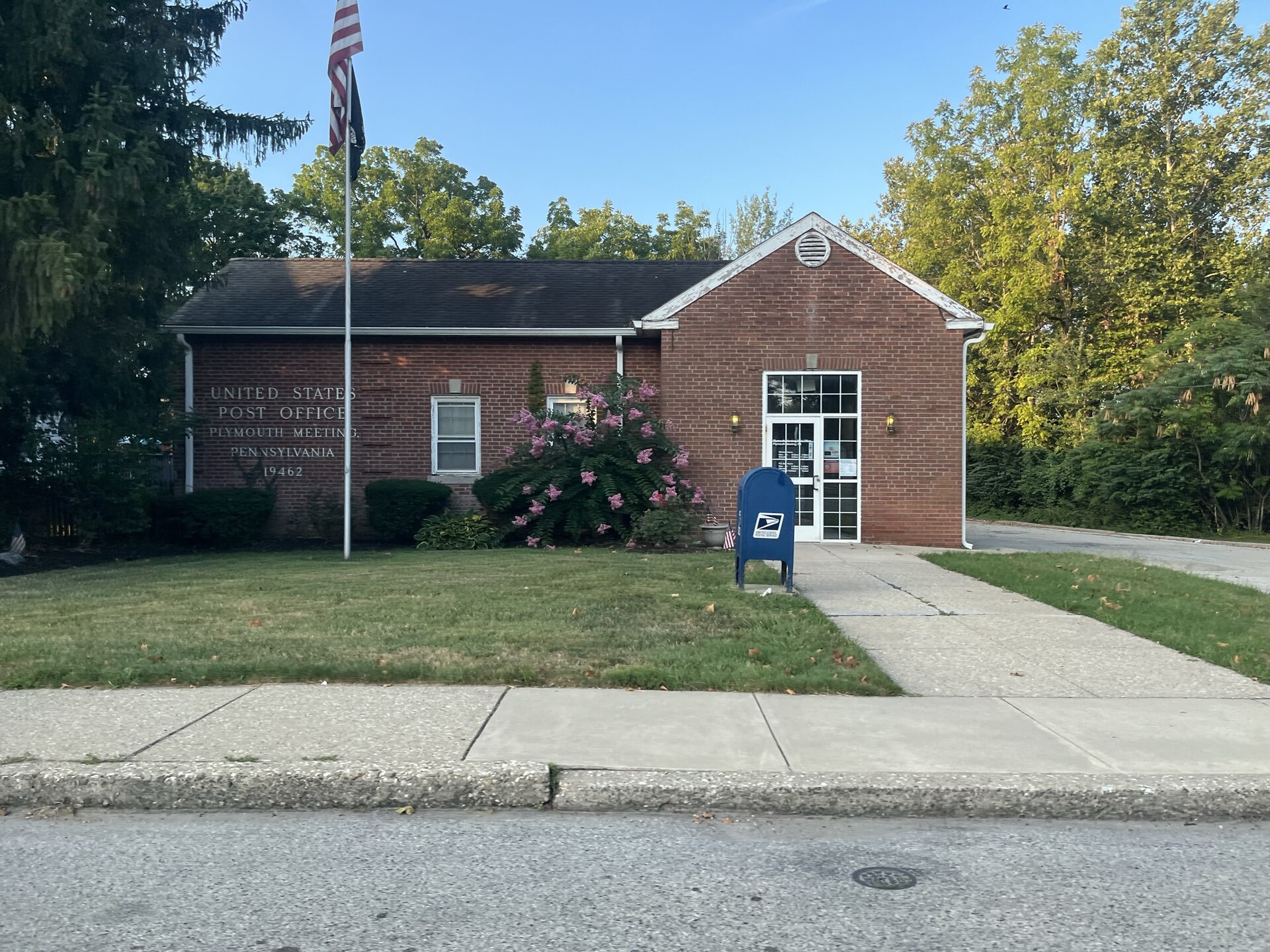
    Plymouth Meeting and Worcester Township sit at a quiet crossroads of Montgomery County — close enough to the Blue Route and the Pennsylvania Turnpike to make almost any Philadelphia-area destination a short drive, yet still defined by rolling farmland, mature tree cover, and a lower-key pace than their more famous Main Line neighbors. For luxury buyers who want easy access to Center City and King of Prussia without paying a Main Line premium, this corner of Montgomery County is worth serious consideration.

    Two Townships, One Lifestyle

    Plymouth Meeting is best known for its highway access — the interchange of the Turnpike and the Blue Route (I-476) sits right at its edge — and for the retail and dining clustered around Plymouth Meeting Mall. But away from that commercial core, Plymouth Township and neighboring Worcester Township hold a genuinely residential, often rural-feeling landscape of larger lots, older stone farmhouses, and newer luxury construction set well back from the road. Worcester in particular retains a strong sense of open space, with horse properties and larger parcels more common than in the denser suburbs closer to the city.

    The Housing Stock

    The luxury market here spans several distinct property types:

    • Restored or updated stone farmhouses, some dating back well over a century, often set on multi-acre lots.
    • Newer custom and semi-custom construction on larger parcels, appealing to buyers who want modern systems and floor plans without sacrificing privacy or acreage.
    • Well-established single-family neighborhoods from the mid-to-late twentieth century, some of which have seen substantial high-end renovation as buyers seek the location without a ground-up build.

    Because lot sizes and home ages vary so widely across both townships, pricing per square foot is a less reliable guide than in a more uniform subdivision — land, privacy, and the extent of updates all factor heavily into value.

    Why the Location Works

    The single biggest draw is access. Plymouth Meeting sits almost exactly at the intersection of the region’s two most useful highways for a Philadelphia-area commuter: the Pennsylvania Turnpike (I-276) and the Blue Route (I-476), which together put Center City, King of Prussia, the airport corridor, and the western suburbs all within a manageable drive. Worcester Township, just to the northwest, trades a bit of that immediate highway proximity for more land and a quieter, more rural feel while still keeping the same core commuting advantages within easy reach.

    Schools and Everyday Life

    Both townships fall within well-regarded Montgomery County school districts, a significant factor for many luxury buyers relocating with families. Day-to-day conveniences — grocery, retail, dining, and healthcare — are concentrated around the Plymouth Meeting Mall corridor and nearby Blue Bell and Conshohocken, so residents get suburban convenience without it encroaching on the more residential streets further from the highway interchange. Conshohocken’s growing office and residential corridor and Blue Bell’s established corporate campuses also mean many buyers here are shortening what would otherwise be a longer reverse commute from further out in the suburbs.

    Who This Area Fits

    Plymouth Meeting and Worcester tend to appeal to buyers who prioritize commuting flexibility above almost everything else — professionals who split time between Center City, King of Prussia, and points further out, or families relocating from out of state who want a central home base rather than committing to one specific suburban corridor. It also suits buyers drawn to Worcester’s larger lots and equestrian-friendly land who still want to stay closer to the highway network than Chester County’s horse country allows.

    Land and Privacy at a Premium

    One of the quieter advantages of this part of Montgomery County is how much more land a buyer’s budget tends to secure compared with the closer-in Main Line towns. Worcester Township in particular still has parcels running to several acres, some with outbuildings, paddocks, or mature woodland buffering the home from neighbors and the road. For buyers who want a genuine sense of separation — long driveways, tree-lined boundaries, room for a pool or guest house — without moving out to Chester County’s horse country, this stretch of Montgomery County often delivers more usable land per dollar than the more built-out suburbs closer to Philadelphia.

    Frequently asked questions

    How does Plymouth Meeting compare to the Main Line for luxury buyers?

    The Main Line offers a more established, walkable town-center lifestyle with train access into Center City, while Plymouth Meeting and Worcester trade some of that walkability for larger lots, more privacy, and arguably the single best highway access point in the western suburbs. Many buyers cross-shop both areas depending on whether train commuting or driving flexibility matters more to their daily routine.

    Is Worcester Township mostly rural, or does it have luxury neighborhoods?

    Both. Worcester has pockets of established luxury development alongside larger farm and equestrian-style parcels, so the range of what’s available — from a half-acre in a planned community to several acres with outbuildings — is broader than in more uniformly built-out suburbs.

    What should buyers watch for with older farmhouses in this area?

    Many of the area’s stone farmhouses have been renovated multiple times over the decades, so a thorough inspection covering structural condition, well and septic systems where applicable, and the age of major mechanicals is essential. A local real estate attorney can also help confirm any easements or preserved-land restrictions that sometimes accompany larger historic parcels.

    Weighing Plymouth Meeting, Worcester, or another Montgomery County location against the Main Line or Chester County? James Kennedy helps luxury buyers compare these trade-offs across the full Philadelphia and South Jersey market. Reach James at 215-267-8479 or jameskennedy@unlockedteam.com.

  • Medford Lakes, New Jersey: A Lake Community Guide for Luxury Buyers

    Medford Lakes, New Jersey: A Lake Community Guide for Luxury Buyers

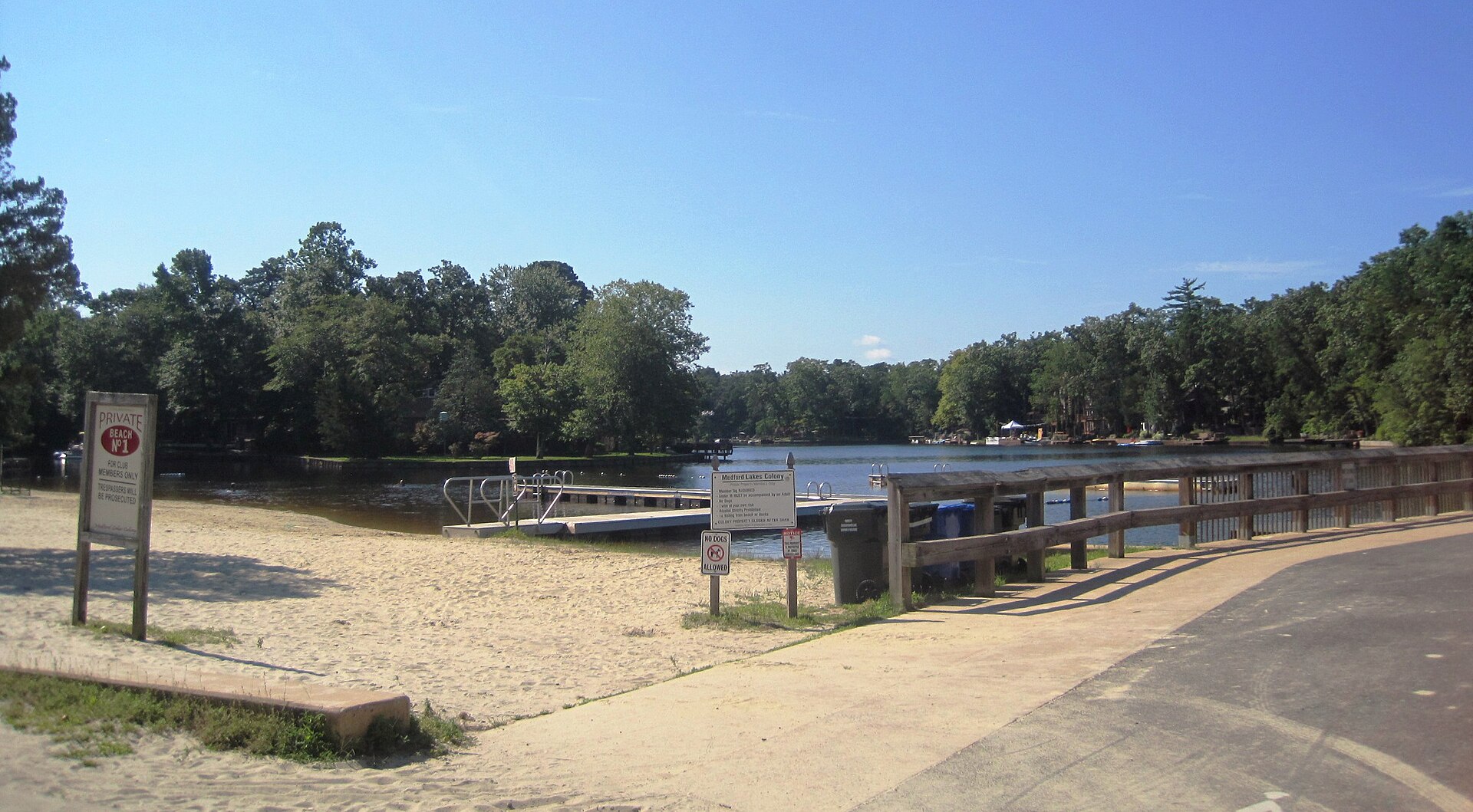
    Tucked into the Pine Barrens edge of Burlington County, Medford Lakes is unlike anywhere else in the South Jersey luxury market. Built around a chain of private lakes and threaded with winding, wooded lanes, it trades the wide lawns of nearby Medford and Moorestown for a more secluded, cabin-in-the-woods character — one that happens to sit less than 25 minutes from Cherry Hill and under an hour from Center City Philadelphia. For buyers who want genuine privacy, water access, and a strong sense of place without leaving the Philadelphia commuting radius, it deserves a closer look.

    A Community Built Around Water

    Medford Lakes was laid out in the early twentieth century around a series of small, spring-fed lakes, and that original plan still shapes how the town feels today. Streets curve to follow the shoreline and tree cover rather than a grid, lots are often irregular and heavily wooded, and many homes were designed to take advantage of lake views or walking access to the water. The result is a community that reads as more rustic and secluded than its Burlington County neighbors, even though it sits minutes from Route 70 and the Medford town center.

    Several of the lakes carry private or semi-private access arrangements tied to neighborhood associations rather than being open to the general public, so lake rights and any associated dues are worth confirming carefully for a specific property before you fall in love with the water view.

    The Housing Stock: What to Expect

    Medford Lakes has a distinctive mix of home styles. Original lakefront cottages — many with log-cabin or rustic-craftsman detailing from the community’s early decades — sit alongside newer construction and substantially renovated or rebuilt homes on the same wooded lots. At the luxury end of the market, buyers are typically looking at one of two paths: a meaningfully updated or rebuilt lake-adjacent property that keeps the woodsy character but adds modern systems and finishes, or true new construction on one of the community’s larger or more private parcels.

    • Lot shapes and setbacks can be irregular given the original town plan, so survey and zoning review matters more here than in a standard suburban subdivision.
    • Well and septic systems are common outside the immediate town center — budget for inspection and, where relevant, understand any lake or watershed-related environmental review that may apply to renovations near the shoreline.
    • Because homes vary widely in age, condition, and degree of renovation, comparable sales require careful adjustment rather than a simple price-per-square-foot approach.

    Location and Access

    Medford Lakes sits just east of Medford proper, with convenient access to Route 70 and Route 73 for reaching Cherry Hill, Moorestown, and the bridges into Philadelphia. It is close enough to the retail, dining, and schools of Medford and the wider Burlington County suburbs that day-to-day life doesn’t require sacrificing convenience for seclusion — it’s genuinely possible to have both. For buyers weighing Medford Lakes against a more traditional estate lot in nearby Medford or Marlton, the trade-off usually comes down to how much you value direct water access and wooded privacy versus a larger, flatter, more conventional lot.

    Who Medford Lakes Fits

    This town tends to appeal to buyers who want their property to feel like a retreat — second-home energy in a primary-residence location. It suits families who prioritize outdoor life (swimming, paddling, and walking trails are part of daily living here, not a weekend activity), buyers relocating from denser markets who want more land and tree cover without leaving the Philadelphia region, and anyone who has toured a more manicured Main Line or Moorestown-style estate and found it didn’t match the lifestyle they were actually picturing.

    Renovating or Building in Medford Lakes

    Because so much of the community’s character comes from its tree cover, winding lanes, and irregular lots, renovation and new-construction projects here often involve more coordination than a typical suburban teardown-and-rebuild. Setback and lot-coverage rules can vary block to block, mature trees may be protected or simply worth preserving for privacy and shade, and any work near the shoreline of a lake may trigger additional review. Buyers planning a significant renovation or a ground-up rebuild should loop in a local architect and contractor early — ideally before making an offer — so the scope of what’s possible on a specific lot is clear from the start.

    Frequently asked questions

    Is Medford Lakes considered part of the Medford luxury market?

    It’s a distinct borough with its own character, but it sits directly adjacent to Medford Township and shares much of the same school district access, commute profile, and buyer pool. Many buyers cross-shop the two areas, choosing between Medford Lakes’ wooded, water-oriented lots and Medford’s more traditional estate-style properties.

    Do all homes in Medford Lakes have lake access?

    No — access varies significantly by street and neighborhood association, and some lakes are more restricted than others. This is one of the first things to verify with a title search and direct confirmation from the relevant lake or community association before assuming a property includes water rights.

    What should a buyer budget for beyond the purchase price?

    Because many lots rely on well and septic systems and older homes may need system upgrades, buyers should plan for thorough inspections of both, along with a survey to confirm lot lines given the community’s irregular original layout. A local real estate attorney can also flag any lake association dues or use restrictions tied to a specific parcel.

    Curious whether Medford Lakes fits what you’re looking for, or want to compare it against Medford, Moorestown, or another South Jersey option? James Kennedy specializes in luxury real estate across Philadelphia and South Jersey and can walk you through the trade-offs in person. Reach James at 215-267-8479 or jameskennedy@unlockedteam.com.
  • Builder Warranties and New Construction Protections: What Luxury Buyers Should Know Before Closing on a New Home

    Builder Warranties and New Construction Protections: What Luxury Buyers Should Know Before Closing on a New Home

    Buying new construction feels, understandably, like the lowest-risk way to purchase a home — everything is new, nothing is worn out, and a builder stands behind the work. That confidence is generally well placed, but it’s worth understanding exactly what a builder warranty covers, how long different types of coverage last, and where the gaps typically show up. For a luxury buyer investing significantly in a new build, a clear-eyed understanding of these protections is as important as the finish selections.

    The Standard New Home Warranty Structure

    Most production and custom builders in the Philadelphia and South Jersey markets offer warranty coverage structured in tiers, often described informally as a “2-10” warranty, though exact terms vary by builder:

    • Workmanship and materials — typically covered for the first year, addressing issues like drywall cracks, paint defects, and minor workmanship problems that surface as a new home settles.
    • Systems coverage — often two years, covering major mechanical systems such as plumbing, electrical, and HVAC distribution.
    • Structural coverage — commonly extends up to ten years, but is narrowly defined to cover major structural defects, not everyday wear or cosmetic issues.

    These timeframes are common in the industry but are not guaranteed by law to look exactly this way — always read the specific warranty document your builder provides rather than assuming it matches this general structure.

    What’s Typically Covered vs. Excluded

    Structural warranties are usually written narrowly, covering defects that affect the load-bearing elements of the home rather than issues that are cosmetic, related to normal settling, or caused by a lack of maintenance. Appliances are almost always covered separately by the manufacturer, not the builder, so it’s worth keeping manufacturer warranty documentation organized from day one. Landscaping, minor cracking in concrete or drywall, and normal wear on high-traffic finishes are commonly excluded or covered for only a short initial period.

    Punch Lists and the Walkthrough Process

    Before closing, most builders schedule a pre-settlement walkthrough where the buyer identifies incomplete or unsatisfactory items — commonly called a punch list. This is the buyer’s opportunity to flag scratched surfaces, misaligned cabinetry, paint touch-ups, or anything that doesn’t match the agreed specifications. A few practices make this process go more smoothly:

    Getting the most out of your walkthrough

    • Schedule the walkthrough during daylight hours so imperfections are easier to spot
    • Bring painter’s tape or sticky notes to flag issues in person rather than relying on a written list alone
    • Get a written commitment and timeline from the builder for completing punch list items, ideally before or very close to closing
    • Take dated photos of any open items as a record

    Considerations in Pennsylvania and New Jersey

    Both Pennsylvania and New Jersey have legal frameworks that touch on new home construction and warranty obligations, and requirements can differ from one municipality or builder to the next. Rather than relying on general assumptions, buyers should ask their real estate attorney to review the specific builder’s warranty documents and purchase agreement before signing, and confirm how any state-specific consumer protections apply to the transaction. This is a case where a modest legal review fee upfront is inexpensive insurance against a much larger dispute later.

    Independent Inspections for New Construction

    It’s common for buyers to skip a professional inspection on new construction, reasoning that everything is brand new and presumably built to code. In practice, new homes can and do have defects — missed connections, incomplete flashing, or HVAC systems that aren’t balanced correctly — that a municipal code inspection may not catch. An independent, buyer-hired inspector, ideally one experienced with new construction specifically, can identify issues while the builder is still contractually and practically motivated to fix them, rather than after you’ve moved in and warranty conversations become more adversarial.

    Frequently asked questions

    Do I still need a home inspection on new construction?

    Yes. A municipal inspection confirms code compliance, but it isn’t the same as an independent, buyer-focused inspection looking for workmanship issues, incomplete details, or systems that aren’t functioning as intended. Many luxury buyers hire an independent inspector for new construction specifically to have documented leverage before closing, while the builder still has strong incentive to address findings.

    What happens if the builder goes out of business during the warranty period?

    This is one of the more important questions to ask before you buy, particularly for a smaller or regional builder. Some warranty programs are backed by third-party insurance that continues to provide coverage even if the builder closes, while others are only as strong as the builder standing behind them. Ask specifically whether the structural warranty is insured through a third party, and get the answer in writing.

    How long does a structural warranty typically last?

    Ten years is a common length for structural coverage in the industry, but the definition of what counts as a covered “structural defect” is usually narrow and specific to the warranty document. Always read the actual warranty terms rather than assuming a ten-year structural warranty covers everything wrong with the house for a decade — it generally does not.

    Whether you’re evaluating a new construction contract or comparing it against an existing home, James Kennedy can help you understand what you’re being offered and what questions to ask before you sign. Reach James at 215-267-8479 or jameskennedy@unlockedteam.com.
  • Loveladies, New Jersey: A Luxury Buyer’s Guide to Long Beach Island’s Most Exclusive Enclave

    Loveladies, New Jersey: A Luxury Buyer’s Guide to Long Beach Island’s Most Exclusive Enclave

    At the northern end of Long Beach Island, within Long Beach Township, sits Loveladies — a stretch of shoreline known for wider lots, lower density, and a quieter pace than the more commercial sections of LBI to the south. Named for an early landowner rather than any romantic legend, Loveladies has built a reputation over decades as the address serious shore buyers look for when they want privacy, architectural ambition, and room to build without crowding a neighbor’s sightline.

    What Sets Loveladies Apart

    Unlike towns such as Beach Haven or Ship Bottom, which have commercial main streets, boardwalk-style attractions, and higher housing density, Loveladies is almost entirely residential. Lots tend to run larger than the LBI average, both on the bay side and the ocean side, which has historically attracted buyers looking to build custom homes rather than purchase existing older cottages. The area also has a long-standing connection to the arts; the LBI Foundation of the Arts and Sciences has operated in Loveladies for decades, adding a cultural anchor that’s unusual for a shore community of this size.

    Types of Homes

    Because so much of Loveladies has been built or rebuilt in recent decades, the housing stock skews toward architect-designed contemporary homes rather than older Victorian-style shore cottages found in towns like Cape May. Elevated construction on pilings is standard, both for flood compliance and to maximize views over the dunes or bay. Bayfront lots typically offer private docks and wide water views, while oceanfront and ocean-block lots trade dock access for direct beach proximity.

    What buyers commonly weigh

    • Bayfront for boating access, sunset views, and typically calmer waterfront
    • Oceanfront or ocean-block for direct beach access and surf views
    • Interior lots for a lower price point with a short walk or bike ride to the beach

    Flood Insurance and Construction Requirements

    As with nearly all of LBI, homes in Loveladies are built to flood-zone construction standards, with living space elevated above base flood elevation on pilings or a raised foundation. Before making an offer, buyers should request the property’s current flood zone designation and elevation certificate, and get a firm flood insurance quote rather than relying on rough estimates — premiums can vary significantly based on the home’s elevation relative to base flood elevation, even between two homes on the same street. A local insurance agent familiar with LBI can usually turn this around quickly once you have the elevation certificate in hand.

    Rental Income Potential

    Because Loveladies is quieter and more residential than the island’s commercial hubs, it tends to attract a different renter than towns closer to the boardwalk — often repeat-visit families and groups looking for a private, low-key week rather than proximity to nightlife. Many owners do rent their homes seasonally to help offset carrying costs, but rental potential varies by lot type, home size, and proximity to the water, so it’s worth discussing realistic expectations with a local agent or property manager rather than assuming a specific return.

    Getting to Know the Area Before You Buy

    Because homes here trade less frequently than in some other shore markets, and because so much of the value is tied to the specific lot — its width, its flood elevation, its bay or ocean exposure — it’s worth spending time on the ground in Loveladies across more than one visit before making a decision. Driving or biking the area at different times of day, and comparing several available lots side by side, will tell you more than photos or listing descriptions alone.

    Frequently asked questions

    Is Loveladies a good long-term investment compared to other LBI towns?

    Shore real estate values are driven by lot characteristics — waterfront exposure, elevation, and lot size — as much as by which specific town a property sits in. Loveladies’ lower density and larger average lots have historically been a draw for buyers prioritizing privacy and building potential, but whether it outperforms another LBI location for a given buyer depends on their specific goals. A conversation about your priorities will help clarify which part of the island fits best.

    How does Loveladies compare to Harvey Cedars or Barnegat Light?

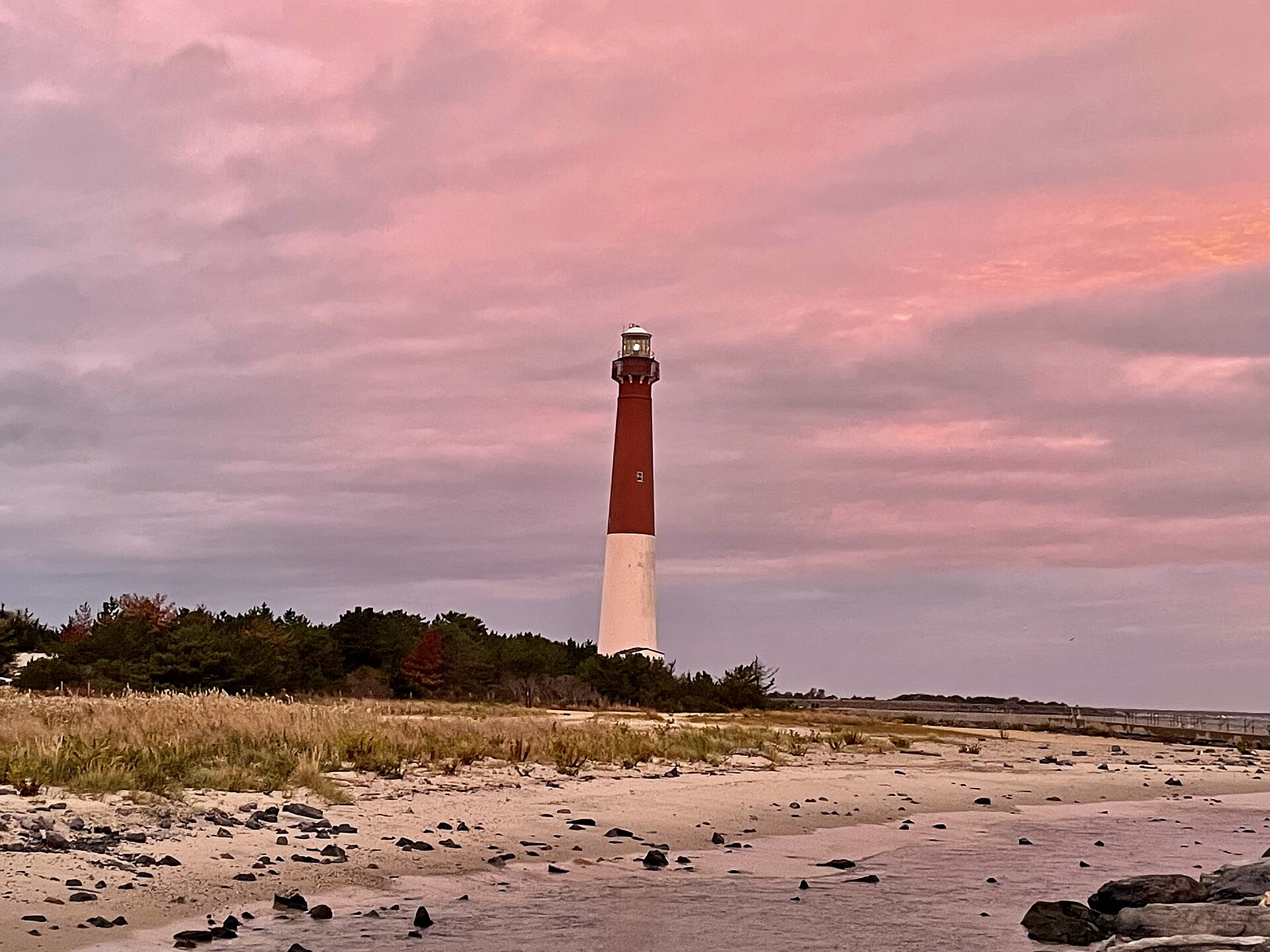
    All three are on the quieter, northern end of Long Beach Island and share a similar low-density, residential character. Barnegat Light, at the very northern tip, is known for its lighthouse and a slightly more established, close-knit community feel. Harvey Cedars sits between Loveladies and Barnegat Light and shares many of the same qualities. The differences between the three often come down to specific inventory available at the time you’re looking, rather than dramatic differences in lifestyle.

    What should buyers know about flood insurance in Loveladies?

    Flood insurance is a meaningful, ongoing cost for nearly every home on LBI, and it varies by the home’s specific elevation relative to base flood elevation, not just its general location. Before making an offer, request the elevation certificate and get a real quote from an insurance agent familiar with the area, rather than budgeting based on a rough estimate or a neighboring property’s premium.

    If Loveladies or another part of Long Beach Island is on your list, James Kennedy can help you evaluate specific lots and homes against your goals for privacy, water access, and rental potential. Reach James at 215-267-8479 or jameskennedy@unlockedteam.com.
  • Conshohocken and West Conshohocken, Pennsylvania: A Riverside Montgomery County Guide for Luxury Buyers

    Conshohocken and West Conshohocken, Pennsylvania: A Riverside Montgomery County Guide for Luxury Buyers

    Along the banks of the Schuylkill River, a few miles upstream from Manayunk, Conshohocken and its smaller neighbor West Conshohocken have quietly become one of the more sought-after addresses for buyers who want easy access to Center City Philadelphia without giving up a walkable, small-town feel. What were once mill and manufacturing towns tied to the region’s industrial past are now home to corporate office campuses, riverfront trails, a lively restaurant scene, and a growing supply of new luxury condominiums and townhomes built to take advantage of river views.

    Location and Commute

    Conshohocken sits just off the Schuylkill Expressway (I-76) and the Blue Route (I-476), making it one of the more accessible suburban points for drivers heading into Center City, King of Prussia, or the western suburbs. SEPTA’s Manayunk/Norristown Regional Rail Line also stops in Conshohocken, putting Philadelphia’s 30th Street Station and Suburban Station within a reasonably short train ride. For buyers who split their time between an office in Center City and a home in the suburbs, that combination of highway and rail access is a major part of the appeal.

    The Housing Stock

    The borough’s real estate mixes several distinct product types. Along the riverfront, newer mid-rise condominium and apartment-style buildings offer amenities like fitness centers, garage parking, and river views that are hard to find elsewhere in the Philadelphia suburbs at this price point. A short walk uphill, the borough’s older residential streets are lined with twins, rowhomes, and single-family houses dating to the late nineteenth and early twentieth centuries, many of which have been extensively renovated. West Conshohocken, smaller and more residential, tends toward detached single-family homes on modest lots.

    What buyers typically compare it to

    • Manayunk, for a similar riverside, walkable feel with more nightlife
    • Plymouth Meeting or Blue Bell, for newer construction with more space and less density
    • The western Main Line towns, for buyers who want proximity without paying Main Line prices

    Lifestyle and Amenities

    Downtown Conshohocken’s Fayette Street corridor has developed a genuine dining and retail scene over the past decade, and the Schuylkill River Trail runs directly through town, connecting to Manayunk, Philadelphia, and Valley Forge for walkers and cyclists. The borough’s corporate office presence — several large employers have campuses here — also supports a steady flow of daytime activity that keeps the area feeling active outside of typical residential hours.

    Who It Suits

    Conshohocken tends to draw professionals and empty nesters who want a low-maintenance, walkable lifestyle without moving into Philadelphia itself. Buyers coming from larger suburban homes on the Main Line or in Chester County often land here specifically for the ability to walk to dinner, a train, or the river trail, while still parking a car in a private garage. It’s less suited to buyers who want acreage, top-rated public school districts with large campuses, or a quiet, low-traffic setting — Conshohocken’s appeal is its density and convenience, not seclusion.

    What to Consider Before Buying

    A few practical points are worth flagging before you tour homes in the area. First, confirm which borough a property sits in — Conshohocken and West Conshohocken are separate municipalities with their own tax rates and school districts, and the difference can matter more than the short distance between them suggests. Second, if you’re considering a riverfront condominium, ask directly about flood zone designation and whether flood insurance is required, since some buildings and parking areas sit close to the Schuylkill. Third, review condominium association fees and reserve studies carefully, as newer buildings can carry meaningful monthly costs tied to amenities and structured parking. Finally, if train noise matters to you, ask to view a property at different times of day before making an offer, since proximity to the regional rail line varies block by block.

    Frequently asked questions

    Is Conshohocken considered part of the Main Line?

    Not technically. The Main Line refers to the string of towns along the historic Pennsylvania Railroad’s Main Line corridor, running roughly from Overbrook through Paoli. Conshohocken sits north of that corridor along the Schuylkill River and is often grouped with the Main Line informally because of its proximity and similar price points, but it has its own distinct identity, transit line, and housing stock.

    What is the commute to Center City Philadelphia actually like?

    Commute times vary with traffic and time of day, but Conshohocken offers two realistic options: driving via I-76, or taking SEPTA’s Manayunk/Norristown Line into Center City. Many residents use a mix of both depending on the season and their schedule. If commuting is a priority for you, it’s worth test-driving or test-riding the commute at the time of day you’d actually be traveling before committing to a specific property.

    Are there new construction options in Conshohocken?

    Yes, though availability changes over time as buildings sell out and new projects are announced. Several riverfront parcels have been developed with new condominium and townhome product over the past decade, and more infill development continues in and around the borough. Because inventory and pricing shift, it’s worth asking a local agent for a current read on what’s available and what’s been recently approved or under construction.

    If you’re weighing Conshohocken against other Philadelphia-area suburbs, or want to see what’s currently available along the riverfront, James Kennedy can walk you through the options and help you compare them against your priorities. Reach James at 215-267-8479 or jameskennedy@unlockedteam.com.

  • Monroe Township and Williamstown, New Jersey: A Gloucester County Guide for Luxury and New-Construction Home Buyers

    Monroe Township and Williamstown, New Jersey: A Gloucester County Guide for Luxury and New-Construction Home Buyers

    South Jersey’s luxury conversation usually centers on Haddonfield, Moorestown, and Mullica Hill. Monroe Township — of which Williamstown is the principal community — belongs in a different conversation, and it is one worth having. This is where buyers go when they want square footage, a newer house, and a real yard, and are willing to trade proximity to Philadelphia and a historic main street to get them.

    Monroe Township sits in the southeastern corner of Gloucester County, spread across a substantial land area that includes Williamstown along with smaller communities like Cecil and Victory Lakes. It is one of the larger municipalities in the county by area, which is exactly why lot sizes here can be generous in a way they simply cannot be closer to the river.

    What the housing stock actually looks like

    The dominant product is late-20th-century and 21st-century single-family construction — colonials, contemporary transitional homes, and newer builds — on lots that frequently run a half-acre and up. Compared with the older, more architecturally distinctive housing in Haddonfield or Moorestown, Monroe skews newer, larger, and more mechanically modern.

    For a certain buyer that is precisely the appeal. If you would rather have a twelve-year-old HVAC system, a 200-amp service, and open-plan living than a 1910 center-hall colonial with beautiful millwork and a knob-and-tube legacy, this market gives you that. There are also genuine estate-scale properties in the township on multi-acre parcels — custom builds, homes with pools and outbuildings, and properties with the kind of privacy that is difficult to find in a denser suburb.

    Where the high end concentrates

    • Custom homes on acreage in the more rural sections of the township, often built for the original owner and rarely traded.
    • Newer upscale subdivisions where the best lots — the ones backing to woods rather than to another house — carry a real premium.
    • Age-restricted and active-adult communities, which are a meaningful part of this market and worth understanding separately if you are downsizing.

    Why buyers choose Monroe over closer-in South Jersey

    The honest answer is value per square foot and per acre. A buyer who has been shopping Moorestown or Haddonfield and finding the numbers uncomfortable often discovers that the same budget in Monroe buys substantially more house, more land, and a newer building envelope.

    The second reason is shore access. From Monroe Township, the Atlantic County shore points are a manageable drive — closer than from most of Camden or Burlington County. For families who spend summer weekends in Ocean City, Sea Isle, or the Wildwoods, that geography is a genuine lifestyle advantage.

    The trade is commute and character. Philadelphia is a real drive, and Monroe does not have a compact walkable downtown in the way Collingswood or Haddonfield does. Buyers who need to be in Center City several days a week generally look closer in.

    Taxes and what to verify

    New Jersey property taxes are the single largest ongoing carrying cost for most buyers in this state, and they vary meaningfully municipality to municipality. Rather than relying on a general impression, get the actual assessed value and current tax bill for any specific property you are considering, and understand whether the assessment reflects recent improvements.

    Also worth confirming before you write an offer:

    • Sewer versus septic. Both exist in the township. On septic, budget for a full inspection with the tank pumped, and confirm the system size is appropriate for the bedroom count.
    • Public water versus private well. On a well, test flow rate and water quality, including for the contaminants relevant to this part of the state.
    • Underground oil tanks. Older properties in South Jersey sometimes have buried heating oil tanks, including abandoned ones. A tank sweep is inexpensive insurance and, on any home of a certain age, is not optional.
    • Pinelands designation. Portions of the region fall within the Pinelands Area, which affects what can be built, expanded, or subdivided. If you plan to add on, confirm this early.

    Schools and daily practicalities

    Monroe Township operates its own school district for the elementary and middle grades, with the high school serving the township. Families should look at specific school assignments for a given address and, as with any district, visit rather than relying on aggregate ratings. The township also sits within reasonable reach of several South Jersey private and parochial options.

    Day-to-day, the area is car-dependent. Retail and dining are concentrated along the main commercial corridors rather than in a walkable center. Rowan University and the Glassboro area are close by, which brings both cultural amenities and a steady rental market for investors.

    How Monroe compares with its neighbors

    Against Mullica Hill, Monroe is generally newer, less historic, and better value per square foot; Mullica Hill has the picturesque main street and stronger name recognition. Against Washington Township and Sewell, Monroe is somewhat further out with correspondingly larger lots. Against Medford or Tabernacle in Burlington County, the two are similar in feel — space and privacy over walkability — with Monroe having the shore-drive advantage.

    The buyers who end up happiest in Monroe are the ones who wanted land and a modern house and knew that going in. The buyers who struggle are the ones who really wanted a historic village and talked themselves into square footage instead.

    Frequently asked questions

    Is Monroe Township a luxury market?

    It is not a luxury market in the way Haddonfield or Moorestown is, but it contains genuine high-end properties — custom homes on acreage, larger newer builds, and estate-style properties with pools and outbuildings. The high end here is a segment within a broader move-up market rather than the whole market.

    How far is Monroe Township from Philadelphia and from the shore?

    Philadelphia is a real commute — longer than from Cherry Hill or Collingswood, and typically driven rather than taken by rail. The Atlantic County shore towns, by contrast, are notably closer than from most of the Philadelphia suburbs, which is one of the area’s genuine draws.

    What is the most common surprise for buyers in this market?

    Septic systems, private wells, and underground oil tanks on older properties. Buyers coming from a public-utility suburb are often unprepared for the inspection scope these require. Build the time and the testing budget into your due diligence period from the start.

    If Monroe Township, Williamstown, or the surrounding Gloucester County communities are on your list, I can show you what is actually trading, where the value is, and which properties carry issues worth knowing about before you write. Reach James Kennedy at 215-267-8479 or jameskennedy@unlockedteam.com.
  • Rent-Backs and Post-Settlement Possession: How Luxury Sellers Stay in the Home After Closing in Pennsylvania and New Jersey

    Rent-Backs and Post-Settlement Possession: How Luxury Sellers Stay in the Home After Closing in Pennsylvania and New Jersey

    At the luxury end of the market, the closing date and the moving date are rarely the same day. A seller with a custom home under construction, a child finishing a school term, an international relocation, or simply forty years of belongings often needs to stay in the house for a period after settlement. The tool for that is a rent-back — also called a post-settlement possession agreement, use and occupancy agreement, or seller lease-back depending on who is drafting it.

    Used well, a rent-back is one of the strongest non-price concessions a buyer can offer, and one of the most valuable things a seller can negotiate. Used carelessly, it creates a landlord-tenant relationship nobody signed up for. Here is how to do it right on both sides of the river.

    What a rent-back actually is

    At settlement, ownership transfers to the buyer. A rent-back is a separate written agreement under which the seller — now no longer the owner — remains in possession of the property for a defined period, usually paying the new owner a daily or monthly amount and posting a security deposit held from proceeds.

    The key mental shift for sellers is this: the moment the deed records, you are occupying someone else’s house. Your homeowner’s policy no longer applies the way it did, your responsibilities are contractual rather than ownership-based, and the buyer is now carrying a mortgage on a property they cannot occupy.

    Why buyers agree to it

    In competitive luxury negotiations, a rent-back is often worth more to a seller than an extra increment of price. Sellers who are building or relocating value certainty of timing enormously. A buyer who can offer a flexible, generous possession period sometimes wins a property over a marginally higher offer that demands keys at the table.

    It also benefits buyers in ways that are easy to overlook. A rent-back period gives you a window to schedule contractors, take measurements, arrange deliveries, and finish your own sale without pressure — provided the agreement lets you access the property with reasonable notice.

    The financing constraint buyers must check first

    This is the single most common place rent-backs fail. Residential mortgage financing generally requires the buyer to occupy the property as a primary residence within a defined window after closing — commonly sixty days. A short rent-back typically fits comfortably inside that window. A long one may not, and can push the loan into a different occupancy classification with different terms.

    Before a buyer agrees to any post-settlement possession period, the lender needs to confirm in writing what is permitted. Do not rely on a loan officer’s verbal reassurance. Get it from underwriting. This applies to jumbo and portfolio loans as much as to conforming products, and the rules vary by lender.

    Pennsylvania: how it is usually handled

    In Pennsylvania transactions, post-settlement possession is generally documented through an addendum to the agreement of sale, prepared alongside the standard forms. The agreement should be negotiated and attached before the deal is deep into the process — not improvised the week of settlement, which is when it most often gets rushed and underspecified.

    Pennsylvania closings are typically handled through a title company rather than attorneys on both sides, so the possession terms need to be tight in the written addendum itself. There is no attorney review period to catch a vague clause after the fact.

    New Jersey: attorney review changes the rhythm

    New Jersey contracts pass through a statutory attorney review period, and both sides typically have counsel throughout. That is an advantage for rent-backs: your attorney can draft the possession agreement with the specificity it deserves, address insurance and liability directly, and coordinate with the title company on how the escrow is held.

    It is worth raising the possession request early — ideally in the offer itself — so it is inside the negotiation rather than a late request that a buyer may reasonably resist once they have planned their move.

    What the agreement must actually say

    A serviceable rent-back agreement covers, at minimum:

    • Exact end date and time. Not “approximately 30 days.” A date and an hour.
    • Daily rate and how it is paid. Often set to approximate the buyer’s daily carrying cost — principal, interest, taxes, and insurance — sometimes with a premium for longer stays.
    • Escrow held from seller proceeds. A meaningful sum retained at settlement, released after the buyer confirms the property was vacated in the agreed condition.
    • Holdover penalty. An escalating daily rate if the seller does not leave on time. This is the clause that actually gets people out.
    • Condition standard. The property is delivered in the same condition as at settlement, ordinary wear excepted, with a walkthrough at the end of the possession period.
    • Repairs and maintenance. Who handles a failed HVAC system or a roof leak during the possession period, and at what dollar threshold responsibility shifts.
    • Insurance. The buyer carries owner’s coverage; the seller should carry a renter’s or tenant policy for their own contents and liability. Both should confirm with their carriers in writing.
    • Utilities and access. Who pays, and on what notice the buyer may enter for measurements or contractor visits.

    Where rent-backs go wrong

    Three failure modes account for most problems. The first is the seller who does not leave, usually because their new construction slipped. The second is a major system failure during the possession period with no agreed allocation of responsibility. The third is a dispute over condition at the end — damage from the seller’s own move-out, which is precisely why the escrow and the final walkthrough exist.

    Every one of these is manageable with a well-drafted agreement negotiated early. None of them is manageable with a handshake and a friendly assumption that it will work out.

    Frequently asked questions

    How much should a seller pay for a rent-back?

    It is negotiable and varies with the deal. A common approach sets the daily rate near the buyer’s actual daily carrying cost, sometimes free for a short courtesy period and priced thereafter. In strong seller markets, short possession periods are frequently granted at no charge as part of the negotiation.

    Can a seller stay for several months after closing?

    Sometimes, but long occupancy periods raise real issues: lender occupancy requirements, potential landlord-tenant law implications, and insurance complications. Extended arrangements should be structured deliberately with counsel rather than treated as a longer version of a short rent-back.

    Does the seller become a tenant with tenant rights?

    That depends on how the agreement is written and how long the occupancy runs, and it is exactly why the document matters. A short, well-drafted post-settlement possession agreement is designed to be a limited license to occupy rather than a residential tenancy. This is a question for the attorney drafting the agreement, and it should be settled before signing, not after.

    If you are selling a home and need time after settlement, or you are writing an offer and wondering whether flexible possession could win you the house, I can structure it so both sides are protected. Reach James Kennedy at 215-267-8479 or jameskennedy@unlockedteam.com.
  • Perkasie, Sellersville, and Quakertown, Pennsylvania: An Upper Bucks County Guide for Luxury Home Buyers

    Perkasie, Sellersville, and Quakertown, Pennsylvania: An Upper Bucks County Guide for Luxury Home Buyers

    Most luxury buyers exploring Bucks County stop at Doylestown or New Hope. Push another fifteen to twenty minutes north and west and you reach Upper Bucks — Perkasie, Sellersville, Quakertown, and the townships wrapped around them. This is a different kind of Bucks County: more acreage, more working farmland, older stone construction, and a price per acre that still allows a buyer to assemble genuine land and a serious house without a Central Bucks number attached to it.

    Upper Bucks is not for everyone. The commute to Center City is real, the shopping is regional rather than boutique, and the high end of the market is thinner than it is closer in. But for a buyer who wants privacy, a barn, a long driveway, or a restored 18th-century farmhouse, this is one of the best-value corners of the Philadelphia region.

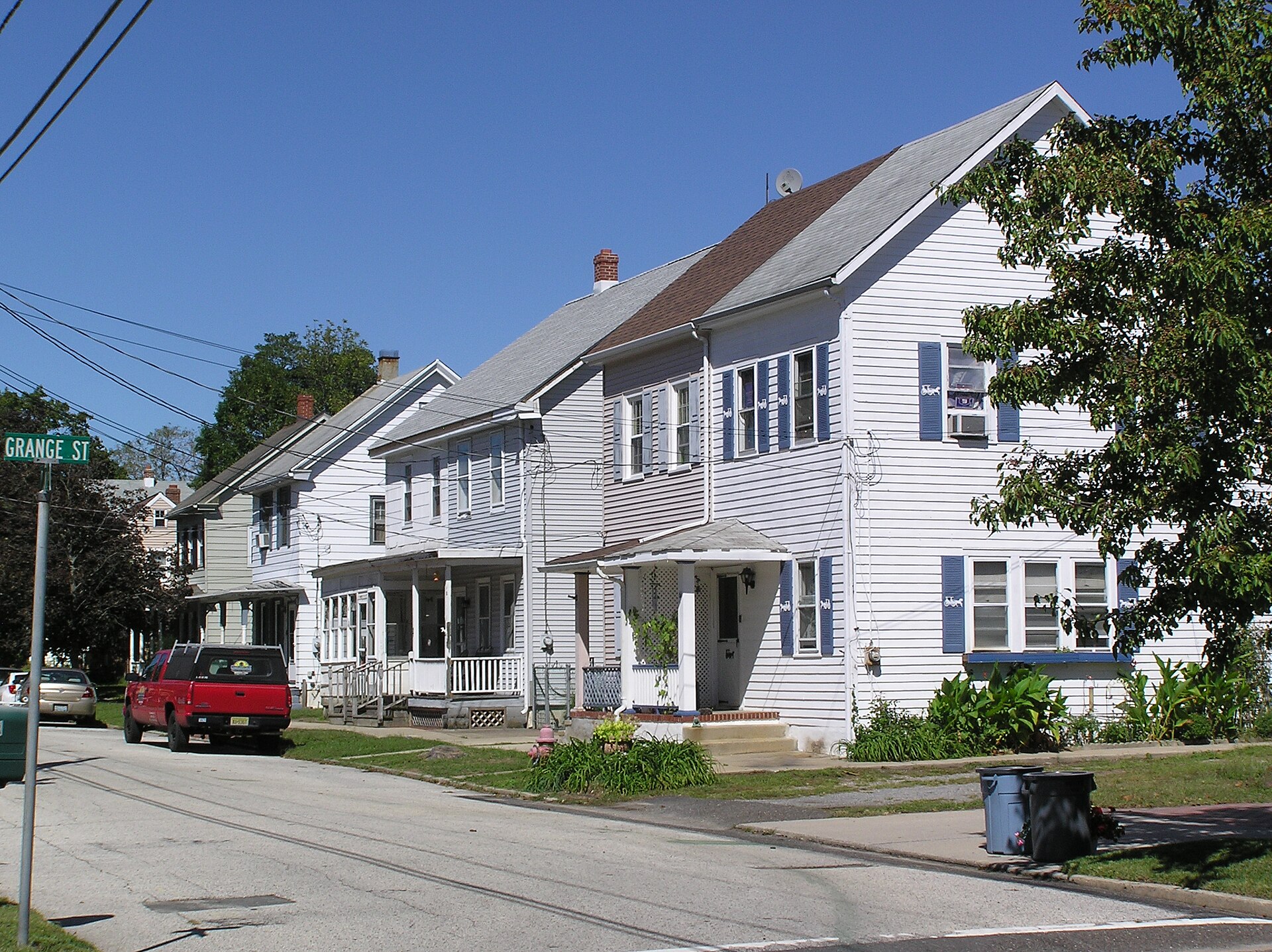
    Perkasie: a walkable borough with a preservation streak

    Perkasie is a small borough with an intact downtown, a restored covered bridge in its park system, and a housing stock that runs from modest twins to substantial Victorians on deep lots. The borough itself rarely produces true luxury sales, but the surrounding townships — East Rockhill and West Rockhill in particular — hold the properties that draw high-end buyers: stone farmhouses on five to twenty acres, newer custom homes tucked behind treelines, and the occasional equestrian setup.

    What buyers tend to like about Perkasie is that it gives you both. You can own real land and still walk to a coffee shop, a hardware store, and a summer concert in the park. That combination is scarce. In much of the region, acreage means total isolation from any walkable center.

    What to look at closely

    • Well and septic. Most properties outside the borough are on private systems. Budget for a full well flow test, water quality panel, and septic inspection with the tank pumped and the field loaded.
    • Stone and stucco. Historic stone homes in this area frequently have had modern stucco or cementitious coatings applied over original masonry, which can trap moisture. A masonry specialist is worth more than a generalist here.
    • Outbuildings. Barns, springhouses, and smokehouses add enormous charm and equally enormous carrying cost. Ask what has structural work behind it and what has only been painted.

    Sellersville: small, historic, and quietly artistic

    Sellersville sits directly adjacent to Perkasie and is best known regionally for its historic theater and the restaurant scene that grew up around it. The borough is compact, and the housing is largely older — late 19th and early 20th century — with real architectural interest in the better blocks.

    Luxury activity here is concentrated in two places: significantly restored historic homes inside the borough, and larger properties in the surrounding countryside toward Bedminster and Hilltown. Buyers drawn to Sellersville are usually people who want character and a genuine small-town rhythm rather than a subdivision with a gate.

    Because the inventory of truly high-end homes is small in any given month, buyers should expect to wait for the right property rather than choose among several. This is a market where being pre-approved, decisive, and represented by someone watching new listings daily matters more than it does in a deeper market.

    Quakertown and the surrounding townships

    Quakertown is the commercial anchor of Upper Bucks — the place with the hospital, the larger retail, and the interchange onto the Northeast Extension of the Pennsylvania Turnpike. That highway access is the single biggest practical advantage of the area. A buyer who needs to reach the Lehigh Valley, Montgomery County corporate corridors, or occasionally Center City can do it from here far more easily than from many prettier but more remote parts of the county.

    The high end of the Quakertown market is mostly found outside the borough, in Richland, Milford, and Springfield Townships. Expect a mix of custom builds from the 1990s onward on two to ten acres, older farmsteads in varying states of restoration, and a small number of newer estate-scale homes.

    Springfield and Nockamixon: where the land gets serious

    North and east of Quakertown, toward Nockamixon State Park and the Delaware River, the terrain becomes hillier and the parcels larger. This is where a buyer looking for meaningful acreage — twenty, fifty, or more — should concentrate. Preserved farmland is common, and it is essential to understand before you write an offer whether a parcel carries an agricultural conservation easement, enrollment in Pennsylvania’s Clean and Green program, or both.

    Those designations are not necessarily negatives. They can substantially reduce carrying costs. But they restrict what you can build and subdivide, and if the property is later taken out of preferential assessment, rollback taxes can be owed. That is a title and tax question to resolve during due diligence, not after settlement.

    Schools, taxes, and the practical picture

    Upper Bucks is served primarily by the Pennridge and Quakertown Community school districts, with parts of the area falling into neighboring districts. Buyers who are school-motivated should confirm the assigned district and school for a specific address rather than relying on the municipal name, because boundaries in this part of the county do not follow township lines neatly.

    Bucks County property taxes are generally more moderate than Montgomery County’s or than most of South Jersey’s, and Pennsylvania has no separate mansion tax on the buyer side. For a buyer weighing Upper Bucks against a comparable New Jersey property, the annual carrying cost difference can be meaningful. I can pull the actual assessment and current millage for any address you are considering.

    Who Upper Bucks is right for

    This market suits buyers who value land, quiet, and architectural authenticity over proximity and prestige. It works well for people who work remotely or travel from an airport rather than commuting daily downtown, for horse owners, for collectors who need outbuilding space, and for buyers who want a weekend-feeling property that is still a legitimate primary residence.

    It works less well for buyers who want to walk to fine dining, who need frequent Center City access, or who want a large pool of comparable homes to choose from. Those buyers are usually better served in Central Bucks, the Main Line, or Center City itself.

    Frequently asked questions

    How long is the commute from Upper Bucks to Center City Philadelphia?

    It is a genuine commute — meaningfully longer than from Doylestown or the Main Line, and dependent on whether you drive to a regional rail station or drive the whole way. Most buyers here are not commuting downtown five days a week. If you are, drive the route at your actual departure time before you commit.

    Are there true luxury homes in Upper Bucks, or is it mostly mid-market?

    Both exist. The borough cores are largely mid-market, while the surrounding townships hold restored stone farmhouses, custom estate homes, and acreage properties that trade at genuine luxury numbers. The high-end inventory is thin at any given moment, so patience and early access to new listings matter.

    What should I check before buying an Upper Bucks property with acreage?

    Well and septic condition, whether the land is under a conservation easement or preferential tax assessment, the condition of any historic masonry, floodplain and wetlands mapping, and the legal status of the driveway or any shared access. These are the issues that most often surface late and cost the most to resolve.

    If Upper Bucks is on your list, I can put together a picture of what is actually trading in Perkasie, Sellersville, Quakertown, and the surrounding townships, and flag properties before they hit the public sites. Reach James Kennedy at 215-267-8479 or jameskennedy@unlockedteam.com to start the conversation.

  • Southampton Township and Vincentown, New Jersey: A Burlington County Guide for Luxury and Estate Buyers

    Southampton Township and Vincentown, New Jersey: A Burlington County Guide for Luxury and Estate Buyers

    Southampton Township and the village of Vincentown occupy a quiet stretch of Burlington County where suburban New Jersey gives way to the Pinelands. It is one of the few places within reasonable reach of Philadelphia where a buyer can still find meaningful acreage, a genuine farmhouse or estate property, and neighbors who are measured in fields rather than feet. For luxury and estate buyers who want land more than they want a walkable downtown, Southampton deserves a look.

    Getting the geography straight

    Southampton Township is the municipality. Vincentown is a village within it and the address most buyers will see on a listing. Confusingly, the township also contains the Leisuretowne and Tanglewood communities, which are age-restricted and function very differently from the rest of the township. Red Lion and Retreat are other place names you will encounter. When you are comparing properties, always work from the municipality and the actual parcel rather than the mailing address, because the housing types within Southampton vary more than in most towns.

    The township borders Medford, Tabernacle, Pemberton, Lumberton, and Shamong — all part of the same rural-to-suburban transition zone in central Burlington County. Much of Southampton falls within the New Jersey Pinelands Area, which has real consequences for what can be built and altered. More on that below.

    What the high end of the market looks like

    Southampton is not a market of large luxury subdivisions. The upper end is made up of individual properties, and they generally fall into a few types.

    Farms and former farms

    The township’s agricultural history is still visible. Properties with ten, twenty, or more acres come available periodically, sometimes with barns, outbuildings, or preserved farmland attached. These are the marquee properties in Southampton and they attract buyers from a wide radius — including equestrian buyers who want turnout and ride-out access without going to Chester County.

    Historic farmhouses in and around Vincentown village

    Vincentown proper has a compact core of eighteenth- and nineteenth-century houses along the Southampton Branch of Rancocas Creek. These are character properties: wide-plank floors, original millwork, and the maintenance profile that comes with a building of that age. They reward a buyer who genuinely wants an old house and punish one who wanted the look without the upkeep.

    Custom homes on acreage

    Scattered through the township are newer custom builds — often 3,000 to 6,000 square feet on two to ten acres, built from the 1990s forward. For many buyers this is the sweet spot: modern systems and layouts with the land that drew them to Southampton in the first place.

    The Pinelands question

    This is the single most important piece of local knowledge for a Southampton buyer. Large portions of the township sit within the Pinelands Area, administered under a regional plan that assigns each parcel a management area designation — Preservation Area, Forest Area, Agricultural Production Area, Rural Development Area, Regional Growth Area, and others. That designation drives what you may build, how a lot may be subdivided, minimum lot sizes, and how septic systems are permitted.

    Practical implications for a buyer:

    • A large parcel is not automatically subdividable. Development rights in Pinelands management areas are constrained and may require credits under the Pinelands Development Credit program.
    • Adding a guest house, barn, pool house, or significant addition may require Pinelands review in addition to municipal approvals.
    • Septic density standards can limit what the land supports regardless of acreage.

    None of this is a reason to avoid Southampton. It is a reason to confirm the management area designation and any deed restrictions before you write an offer, and to make your plans contingent on verified approvals rather than an assumption.

    Wells, septic, and land due diligence

    Most estate properties in Southampton are on private wells and septic systems. That is normal here and entirely manageable, but it changes your inspection list:

    • Well: flow rate, depth, casing condition, and full water quality testing. New Jersey’s Private Well Testing Act governs testing obligations in many residential transactions — confirm what applies to your deal.
    • Septic: locate the system, inspect it, and identify the replacement area. Ask whether the system serves any outbuildings.
    • Underground storage tanks: older properties in South Jersey frequently had buried heating oil tanks. A tank sweep is inexpensive relative to the remediation cost if one is found later.
    • Farmland assessment: if the property carries a farmland assessment, understand the rollback tax exposure if you change the use.
    • Wetlands and flood: the Rancocas Creek watershed runs through the township. Check wetlands mapping and flood zone designation for the parcel, not just the neighborhood.

    Schools, services, and daily life

    Southampton Township operates its own elementary district, with secondary students attending the Lenape Regional High School District. As always, confirm the current assignment for the specific address rather than relying on a listing sheet.

    Day-to-day shopping and dining are mostly in Medford, Mount Holly, Marlton, and along Route 38 and Route 70. Vincentown village itself has a handful of local businesses and a strong sense of place, but it is not a commercial center. Philadelphia is reachable via Route 206 and Route 70 to Route 73 and the bridges, or via Interstate 295. Expect a real drive; this is not a rail commute market.

    How Southampton compares to nearby towns

    • Versus Medford: Medford has more retail, more organized amenity communities, and a busier feel. Southampton is quieter and generally offers more land per dollar.
    • Versus Tabernacle and Shamong: Very similar in character. Southampton has slightly more village structure through Vincentown.
    • Versus Moorestown or Haddonfield: A completely different proposition. Those are walkable, historic, high-service towns with strong resale liquidity. Southampton is a land play with more privacy and a smaller buyer pool at resale.

    Frequently asked questions

    Is Vincentown a town or part of Southampton Township?

    Vincentown is an unincorporated village and mailing address within Southampton Township, Burlington County. There is no separate Vincentown municipal government. Property taxes, zoning, and municipal services all come from Southampton Township, so that is where you should direct questions about permits, assessments, and land use.

    Can I subdivide or build on a large parcel in Southampton?

    Possibly, but do not assume it. Much of the township is within the New Jersey Pinelands Area, where the management area designation assigned to your parcel governs minimum lot size, permitted density, and whether development credits are required. Verify the designation and consult the township and Pinelands Commission before you buy land with a development plan in mind.

    How long is the commute from Southampton to Center City Philadelphia?

    It is a car commute, and the time varies meaningfully with traffic and which bridge you use. There is no direct rail service from the township, so most residents drive the full distance or drive to a park-and-ride. If you commute daily, test the drive at your real departure time in both directions before committing — that single exercise resolves more relocation decisions than any listing description.

    Looking at land in Burlington County?

    Estate and acreage purchases reward preparation. Pinelands designations, septic capacity, farmland rollback exposure, and buried tanks are all knowable before you are under contract, and they are much cheaper to check than to discover. James Kennedy works with luxury and estate buyers across South Jersey and the Philadelphia region and can help you evaluate a Southampton or Vincentown property properly. Call 215-267-8479 or email jameskennedy@unlockedteam.com.

  • Buying a Pre-Construction Luxury Condo in Philadelphia: What to Know Before the Building Exists

    Buying a Pre-Construction Luxury Condo in Philadelphia: What to Know Before the Building Exists

    Buying a luxury condominium before it is built is a different transaction from buying one you can walk through. You are committing to a floor plan, a rendering, a finish schedule, and a developer’s promise about delivery. Done well, a pre-construction purchase gets you first choice of the best positions in a building at a price set before the building proves itself. Done carelessly, it locks you into a unit that does not match what you imagined, on a timeline you cannot control. Here is how to evaluate one in Philadelphia.

    Why buyers go pre-construction

    There are three legitimate reasons a high-end buyer signs early on a building that does not exist yet.

    Selection. The best units in any tower — the corner exposures, the high floors, the terraces, the units with the widest uninterrupted view — sell first. If you want a specific position, you generally have to commit before the building tops out.

    Customization. Early buyers can often combine units, change a floor plan, upgrade a finish package, or specify millwork and appliances in ways that are impossible once construction is complete.

    Pricing. Developers frequently release inventory in tiers, with early releases priced to build momentum. Whether that discount is real depends on the building and the market, and it is not guaranteed.

    Read the offering documents, not the brochure

    The marketing materials show you a lifestyle. The offering documents tell you what you are actually buying. For a Pennsylvania condominium, the declaration, bylaws, and public offering statement govern the deal, and they deserve a careful read — ideally by a real estate attorney who handles condominium work.

    Look specifically for:

    • The unit boundary definition. Where does your ownership stop and the common element begin? This determines who repairs what, and it matters enormously for windows, terraces, and mechanical equipment.
    • Percentage interest and how assessments are allocated. Two units of similar size can carry different shares.
    • Developer rights reserved. The declarant typically reserves the right to modify later phases, change the unit mix, or control the association board for a defined period. Understand what can change after you sign.
    • Parking and storage. Are they deeded, assigned, or licensed? A deeded space is an asset you own; an assigned space may be revocable or non-transferable.
    • Rental and use restrictions. If you intend to rent the unit, even occasionally, confirm the rules before you commit.

    Understand the deposit and where it sits

    Pre-construction contracts typically require a meaningful deposit, sometimes staged across construction milestones. The critical questions are where that money is held and under what conditions you get it back.

    Ask whether deposits are held in escrow with a neutral third party or released to the developer for construction costs. Ask what happens if the developer fails to complete, misses the outside delivery date, or materially changes the unit. Ask whether your deposit earns interest and who receives it. These answers should be in writing in the agreement, not offered verbally by a sales representative.

    The delivery date is a range, not a promise

    Construction schedules slip. A well-drafted pre-construction agreement acknowledges this with an outside date — the point at which, if the unit is not delivered, you have a defined right to terminate and recover your deposit. Vague language such as “estimated completion” with no enforceable backstop leaves you exposed.

    Plan your own life around the pessimistic end of the range. If you are selling a home to fund the purchase, do not assume the two will line up. Many pre-construction buyers end up needing an interim rental or a bridge arrangement, and it is far easier to plan for that in advance than to scramble for it.

    Financing works differently

    Most lenders will not issue a final loan commitment eighteen months before closing. Rates and your own financial picture can change in that window, and lenders may also apply condominium project requirements — presale thresholds, owner-occupancy ratios, budget adequacy, and limits on how much of the building a single owner controls — that the building must satisfy before they will lend in it. A building that is beautiful and well located can still be difficult to finance early in its sales cycle.

    Have a candid conversation with a lender who does jumbo and new-construction condominium work before you sign. If you are paying cash, you have more flexibility, but you should still understand the project’s financing profile, because it will affect your future buyer’s options when you eventually sell.

    Evaluating the developer and the building itself

    In a pre-construction purchase, you are underwriting the developer as much as the unit. Look at what they have completed in the region, walk one of their finished buildings if you can, and talk to owners there about how the building has held up and how the transition from developer control to owner control went.

    On the building itself, pay attention to the things that are expensive or impossible to fix later:

    • Views and what can be built next door. Check the zoning and any active development on adjacent parcels. A protected view is worth a premium; an unprotected one can disappear.
    • Sound and mechanical placement. Where are the elevators, trash chutes, and rooftop equipment relative to your unit?
    • The amenity program and its operating cost. Amenities are a monthly obligation, not just a feature. Ask for the projected budget and treat the first-year figure as a floor.
    • Staffing. Front desk coverage, a resident manager, and building engineering are ongoing costs and meaningful differentiators in Philadelphia’s high-end market.

    Walk the finish schedule line by line

    The model unit is built to sell. The finish schedule is what you are contractually receiving. Compare them item by item — flooring, cabinetry, counter material, appliance brands and models, plumbing fixtures, window treatments, closet build-outs, and lighting. Anything in the model that is not in the schedule is an upgrade you will pay for, and upgrade pricing through the developer is rarely the cheapest path.

    Also confirm the substitution clause. Most agreements let the developer substitute materials of “equal or better quality.” That is normal, but you should know it exists and understand who decides what qualifies.

    Frequently asked questions

    Can I negotiate the price on a pre-construction condo?

    Sometimes, though developers often protect the headline price to preserve value for earlier buyers and future releases. Where there is more room is in the terms — upgrade credits, a finish allowance, parking or storage included, a reduced deposit schedule, or a share of transfer costs. An experienced agent will usually push there rather than on the sticker price.

    What happens to my deposit if the project is never built?

    That depends entirely on your contract and on where the deposit is held. If deposits are escrowed with a third party and the agreement includes a clear outside delivery date with a right to terminate, your exposure is limited. If deposits are released to the developer without those protections, your position is much weaker. This is the single most important item to have reviewed by an attorney before signing.

    Is a pre-construction condo a good investment?

    It can be, but it should not be bought primarily as a trade. The value depends on the location, the quality of the building, how it is priced relative to comparable finished product, and how many units come to resale at the same time once the building delivers. Buy it because you want to live in that unit in that building, and treat any appreciation as a secondary outcome rather than the thesis.

    Get a second set of eyes before you sign

    The sales team in a pre-construction sales gallery works for the developer. You should have someone working for you — reading the offering documents, comparing the finish schedule to the model, and pressing on the deposit and delivery terms. James Kennedy represents luxury buyers throughout Philadelphia and South Jersey and can review a pre-construction opportunity with you before you commit. Call 215-267-8479 or email jameskennedy@unlockedteam.com.