
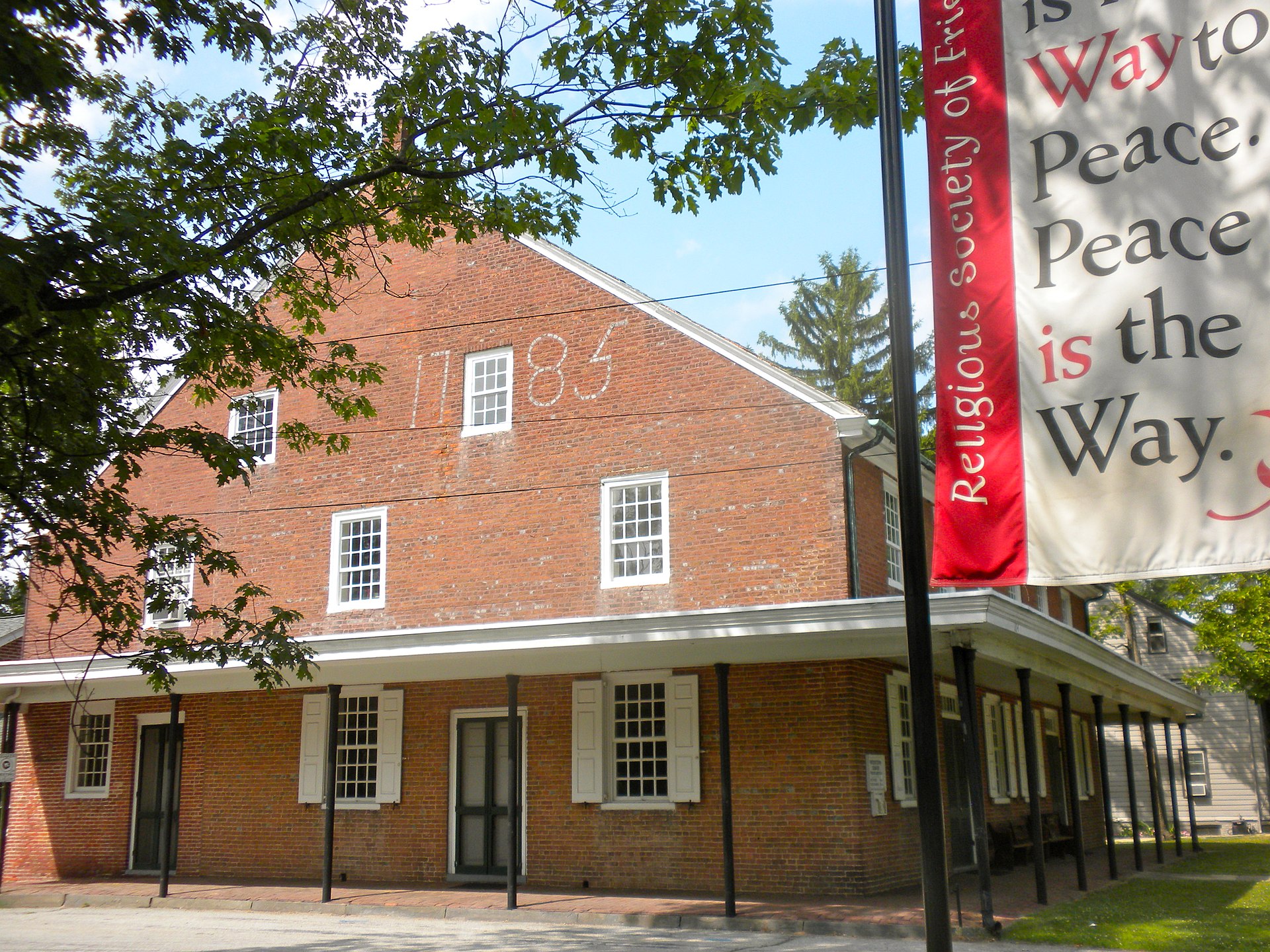
Salem County is the part of South Jersey that most luxury buyers overlook, and Woodstown and Pilesgrove Township are the reason it deserves a second look. Here you find eighteenth- and nineteenth-century brick and frame homes lining a walkable main street, and just beyond it, working farmland, horse properties, and estate parcels measured in acres rather than square feet. For a buyer who wants land and architectural authenticity within reach of both Philadelphia and Wilmington, this is one of the region’s genuine values.
Understanding the geography
Woodstown is a small borough entirely surrounded by Pilesgrove Township, in Salem County, New Jersey. The borough holds the historic core: the main street, the older residential blocks, and the civic buildings. Pilesgrove wraps around it with farmland, larger residential parcels, and equestrian properties.
That borough-inside-a-township arrangement has practical consequences. Municipal services, tax rates, and land use rules differ between the two, even for homes a few hundred feet apart. Before you fall for a listing, confirm which municipality the property sits in and pull the actual assessment and tax record rather than relying on the mailing address.
What the housing stock looks like at the high end
Buyers shopping the upper tier here generally choose among three property types:
- Historic in-town homes. Federal, Victorian, and Colonial Revival houses along and near the main street, many with original millwork, wide-plank floors, and deep lots. Walkability to shops and civic life is the draw.
- Farmhouses and converted agricultural properties. Older farmhouses on meaningful acreage, frequently with barns, outbuildings, or a former dairy or crop operation attached to the parcel.
- Equestrian and estate properties. Purpose-built or adapted horse properties with stables, paddocks, riding rings, and fenced pasture, plus custom-built homes on large lots.
Because this is a rural market, the price-per-square-foot conversation is far less useful than it is in Center City. Land, outbuildings, soil, water, road frontage, and access drive value here as much as the house itself. A comparable sale two miles away with different acreage and no barn is not really comparable.
Farmland preservation and how it affects buyers
Salem County has a strong agricultural character, and a meaningful amount of land in the area is either enrolled in farmland assessment programs or subject to preservation easements. Both matter to a luxury buyer.
Farmland assessment
New Jersey’s farmland assessment program can substantially reduce the assessed value of qualifying acreage that is actively devoted to agricultural or horticultural use, subject to eligibility requirements. Buyers frequently assume a low tax figure on a listing will simply carry over. It may not. If the qualifying use stops, rollback taxes can be assessed. Ask directly whether the parcel is enrolled, what use qualifies it, and what would happen if you stopped farming it.
Preservation easements
A preserved farm typically carries a permanent deed restriction limiting subdivision and non-agricultural development. That can be a feature, because it protects your views and your neighbors’ land permanently, or a limitation if you intended to build additional structures. Read the easement document itself during due diligence; summaries are not enough.
Equestrian property due diligence
If a horse property is the goal, add several items to your inspection list beyond the standard home inspection:
- Well yield and water quality adequate for both household and livestock use, tested at the actual flow you will need.
- Septic system capacity, age, and location, plus a current inspection and any pending regulatory requirements.
- Barn structure, electrical service, fire safety, and ventilation, inspected by someone who knows agricultural buildings.
- Fencing condition, pasture drainage, and manure management practices.
- Zoning and any restrictions on the number of animals, boarding, lessons, or commercial equestrian activity.
- Access and easements, especially shared driveways or farm lanes crossing neighboring parcels.
Confirm any intended commercial use with the municipality in writing before closing. Assuming a use is permitted because a prior owner did it is a costly mistake.
Lifestyle and location
Woodstown’s appeal is a genuinely walkable small-town center with local shops, restaurants, a library, and community events, ringed by open country. Residents often describe the trade they made as swapping restaurant density for space, quiet, and a sense of community that is hard to manufacture.
The area sits within reasonable driving distance of Wilmington and the Delaware corridor, with access toward Philadelphia via the regional highway network and bridge crossings. Commuters should test the drive at the exact hours they would travel, since bridge and highway conditions can vary substantially. For buyers whose work is flexible or hybrid, the location premium that drives pricing closer to the city simply does not apply here, which is a large part of why the value proposition is strong.
What buyers get wrong about this market
- Treating it like a suburban market. Inventory is thin and irregular. The right property may not exist on the market this month. Buyers who succeed here stay patient and stay ready.
- Underestimating carrying costs on acreage. Mowing, fencing, driveway maintenance, outbuilding upkeep, and heating an older farmhouse are real annual numbers. Build them into your budget before you fall in love.
- Skipping the land questions. Water, septic, easements, preservation status, and permitted use determine whether the property can do what you want it to do. Those answers come from documents and municipal offices, not from a listing description.
Frequently asked questions
What is the difference between Woodstown and Pilesgrove?
Woodstown is a borough with a historic, walkable center; Pilesgrove Township is the surrounding rural municipality with farmland, larger lots, and equestrian properties. They are separate municipalities with separate governments and tax rates, so verify which one any given property is in before making assumptions about taxes or services.
Can I get a mortgage on a farm or equestrian property?
Often yes, but financing acreage with significant agricultural improvements is not always a routine conventional loan. Lenders may treat outbuildings, acreage above a threshold, or income-producing agricultural use differently, and appraisals on unique rural properties take longer. Line up a lender experienced with rural and equestrian properties before you write an offer, and build realistic appraisal timelines into the contract.
Is Salem County a good value compared with Burlington or Camden County towns?
For land and historic architecture, it generally offers more acreage and more house per dollar than comparable properties closer to Philadelphia, with the trade-off of a longer commute and fewer nearby amenities. Whether that is the right trade depends entirely on how you work and live. I can walk you through recent sales in both areas so you can compare directly.
Interested in Woodstown, Pilesgrove, or an equestrian or estate property anywhere in South Jersey? I can help you evaluate land, easements, and value before you commit. Contact James Kennedy at 215-267-8479 or jameskennedy@unlockedteam.com.
Leave a Reply