
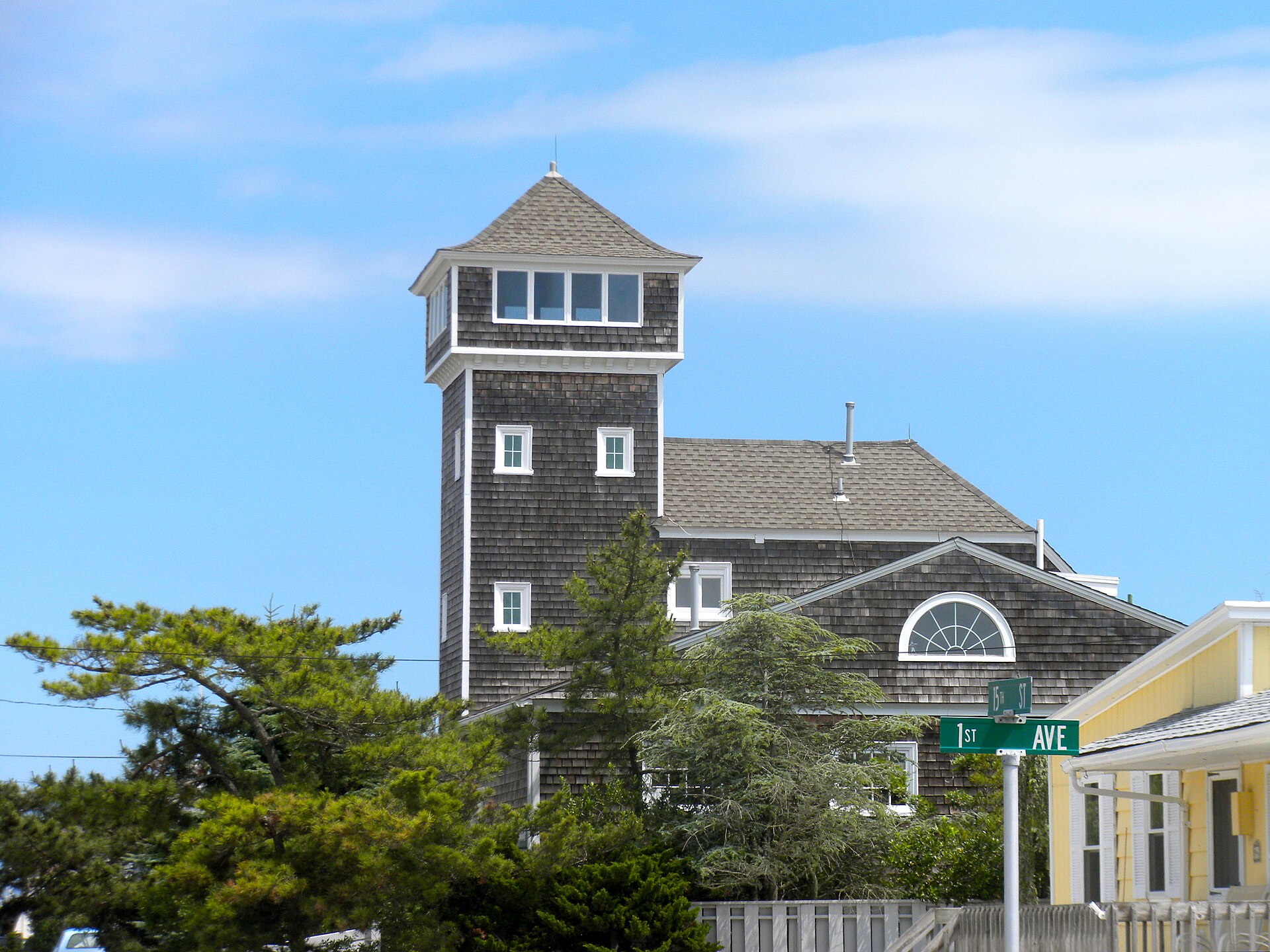
Buying at the Jersey Shore means buying on a barrier island or along a back bay, and that means engaging seriously with water. Flood zones, elevation, and insurance are not fine print at the shore — they shape a property’s carrying costs, its financing, its renovation options, and ultimately its resale value. The good news: none of this is mysterious once you know what to ask. Here is a practical guide for luxury buyers looking at Avalon, Stone Harbor, Ocean City, Sea Isle City, Cape May, Brigantine, Long Beach Island, and the rest of the South Jersey coast.
Flood zones, in plain English
FEMA maps coastal communities into flood zones that describe how likely an area is to flood and how water is expected to behave there. At the shore you will most often encounter three broad categories:
- V zones — velocity zones, typically oceanfront, where waves and moving water are expected during a major storm. These carry the strictest building standards and the highest insurance considerations.
- A zones (including AE) — areas subject to flooding without significant wave action, common across large portions of the barrier islands and bayfront neighborhoods.
- X zones — areas of comparatively lower flood risk. Rarer on the islands themselves, more common on the mainland side.
Nearly every shore property sits in a mapped zone of some kind, and that is normal — tens of thousands of homes trade successfully in A and V zones every year. The point is not to avoid flood zones altogether; it is to understand what the zone means for the specific house you are buying.
Elevation is the number that matters most
Two houses on the same street, in the same zone, can face very different insurance realities depending on how high their lowest floor sits relative to the base flood elevation, the height floodwater is expected to reach in a major event. This is documented in an elevation certificate, a surveyor-prepared form that any serious shore buyer should ask for early.
Elevation explains a great deal about the modern shore market. Newer luxury construction is built high — living space over an open ground level used for parking and storage — precisely because height reduces both risk and insurance cost. Older cottages built at grade can be wonderful, but they carry different insurance math and, importantly, different renovation constraints. Ask the seller for the elevation certificate; if one does not exist, obtaining one during due diligence is money well spent.
How coastal insurance actually works
Insuring a shore home typically involves layering several policies, and luxury buyers should budget for all of them:
- Flood insurance, through the National Flood Insurance Program or, increasingly for high-value homes, private flood carriers that offer higher limits than the federal program. Lenders require flood coverage in mapped high-risk zones.
- Homeowners insurance, which at the coast often carries a separate — and larger — windstorm or hurricane deductible, frequently expressed as a percentage of the dwelling coverage rather than a flat dollar amount.
- Excess and umbrella coverage, which matters more at the luxury level, where rebuilding costs and liability exposure exceed standard policy limits.
Premiums are increasingly priced to each property’s specific risk — elevation, distance to water, construction type, and claims history all matter. Get real quotes on the actual property during your due diligence period rather than relying on rules of thumb. An hour with a coastal insurance broker before you finalize a purchase is one of the highest-value hours in the entire transaction.
The 50 percent rule: the renovation constraint nobody mentions
If you are buying an older shore home planning a major renovation, understand the substantial improvement rule. In regulated flood zones, when improvements to a structure exceed roughly half of the structure’s value, municipalities generally require the entire building to be brought into compliance with current flood standards — which can mean elevating the house. This single rule explains why so many buyers of older shore cottages ultimately choose to tear down and build new at proper elevation rather than renovate. Before you buy a dated house with big plans, have a conversation with the local construction office and a builder about what your plans would trigger.
What this means for value — for buyers and sellers
The market prices resilience. Elevated newer construction tends to hold value and insure affordably; older at-grade homes trade at discounts that reflect their insurance and renovation math. For buyers, that discount can be an opportunity if you go in with clear eyes and a realistic budget. For sellers, documentation is an asset: an elevation certificate, insurance history, and records of any flood mitigation work make a home easier to sell and easier for a buyer’s lender and insurer to approve.
Frequently asked questions
Is flood insurance required when buying a shore home?
If you finance the purchase and the home sits in a mapped high-risk flood zone, your lender will require flood coverage. Cash buyers are not required to carry it, but going without coverage on a barrier island puts a substantial asset at risk, and most luxury buyers insure regardless.
What is an elevation certificate and do I need one?
It is a surveyor-prepared document recording how high a structure sits relative to expected flood levels. It drives insurance pricing and informs renovation decisions, so ask for it early in any shore purchase — and commission one if the seller cannot provide it.
Do flood zones make shore homes a bad investment?
No — virtually the entire Jersey Shore market sits in mapped flood zones, and these towns have remained some of the most sought-after real estate in the region. The key is buying with full information: know the zone, know the elevation, and get real insurance quotes before you close.
Considering a purchase in Avalon, Stone Harbor, Ocean City, or anywhere along the South Jersey coast? James Kennedy guides luxury buyers through every step, including the coastal diligence that protects your investment. Call James at 215-267-8479 or email jameskennedy@unlockedteam.com for current market insight and a private consultation.
Leave a Reply