Blog

  • Short-Term Rental Rules for Luxury Homes in Philadelphia: What Owners and Investors Should Know

    Short-Term Rental Rules for Luxury Homes in Philadelphia: What Owners and Investors Should Know

    Some luxury buyers in Philadelphia are drawn not just to a home or condo itself but to the possibility of renting it out short-term when it is not in use — whether that means an occasional Airbnb listing for a pied-a-terre, or a more active rental strategy for an investment property. Unlike the Jersey Shore, where short-term rentals are woven into the seasonal economy, Philadelphia treats short-term rentals as a distinct, regulated category within city licensing and zoning code. Any buyer considering this as part of their plan should understand the framework before making an offer, not after.

    Why This Matters for Luxury Buyers

    Short-term rental potential can be a meaningful part of the value proposition for a high-end condo or a pied-a-terre purchased partly as an investment. But it can just as easily become a liability if a building’s association prohibits it, if a property sits in a zoning district that restricts it, or if a buyer simply did not budget for licensing and compliance requirements. Because the rules touch city licensing, zoning, condo or HOA governance, and tax reporting all at once, it is worth treating short-term rental viability as its own line item in due diligence rather than an assumption.

    Philadelphia’s Licensing Framework

    Philadelphia regulates short-term rentals — generally defined as rentals of fewer than thirty consecutive days — through its Department of Licenses and Inspections, and the city distinguishes between different categories of short-term rental depending on factors like whether the owner lives in the property full-time, part-time, or not at all. Owner-occupied situations, where a resident occasionally rents a room or their whole home while traveling, are generally treated differently from non-owner-occupied investment rentals, which face additional zoning and licensing scrutiny. Because these rules and the specific license types involved can change, and because compliance requirements are detailed, buyers should verify current requirements directly with the city or with a real estate attorney rather than relying on secondhand summaries, including this one.

    Zoning and Neighborhood Restrictions

    Beyond licensing, Philadelphia’s zoning code affects where certain categories of short-term rental are permitted outright, permitted with additional approval, or not permitted at all. Zoning treatment can vary meaningfully by neighborhood and by the specific base zoning of a property, which means two similar-looking properties on different blocks can face different rules. This is a case where a pre-offer conversation with the city, a zoning attorney, or an experienced local agent can save significant time and expense compared with discovering a restriction after closing.

    HOA and Condo Building Restrictions

    Even where city rules would allow a short-term rental, many condo and HOA governing documents in Philadelphia’s luxury buildings prohibit or tightly restrict rentals under thirty or ninety days, regardless of what the city permits. Building boards frequently view short-term guests as a lifestyle and security concern for other owners, and rental restrictions are one of the more common — and more strictly enforced — provisions in luxury building bylaws. Any buyer counting on short-term rental income from a condo purchase should request and read the building’s current rules on rentals before going under contract, not after closing.

    Insurance and Tax Considerations

    A property used for short-term rental typically needs insurance coverage suited to that use; a standard homeowner’s policy written for owner-occupancy may not adequately cover short-term guest stays, and insurers increasingly ask directly about rental activity when underwriting or renewing a policy. Short-term rental income is also generally taxable and often subject to hotel or occupancy-type taxes in addition to ordinary income tax, with reporting requirements that differ from long-term residential leasing. Because insurance and tax treatment both depend on the specifics of a given property and owner’s situation, this is an area where a qualified insurance broker and a tax professional should be part of the pre-purchase planning conversation.

    Weighing Short-Term Rental Against a Long-Term Leasing Strategy

    For buyers weighing whether a Philadelphia luxury property should be rented short-term or leased on a traditional long-term basis, it helps to think through the trade-offs deliberately rather than defaulting to whichever model sounds more profitable. Short-term rental can generate stronger income during peak periods and gives the owner more personal use of the property between guest stays, but it also comes with more active management, higher turnover-related wear, and the licensing and zoning complexity described above. A traditional long-term lease is typically simpler to manage, faces far less regulatory friction, and is usually the default assumption most condo and HOA boards are comfortable with — but it also means giving up flexible personal use of the home and generally produces a steadier, if less headline-grabbing, return. Many buyers find that the right answer depends less on which model earns more on paper and more on how much hands-on involvement they actually want, and whether the specific building or neighborhood realistically supports short-term use at all.

    Working Backward From the Building or Block

    Because so much of the real constraint here is set at the building or neighborhood level rather than by a buyer’s own preferences, it is worth working backward: start with the specific building’s rules or the specific block’s zoning before falling in love with a rental income projection. An agent who knows a given condo association’s rental history, or who can point to how a neighborhood’s zoning has actually been enforced in practice, can save a buyer from the common mistake of assuming rental flexibility that a property simply does not have.

    Frequently asked questions

    Can I run an Airbnb in any Philadelphia condo I buy?

    Not necessarily. Even if city rules would permit it, many condo and HOA governing documents restrict or prohibit short-term rentals. Always review the specific building’s current rules before assuming rental income is possible.

    Is short-term rental treated the same in Philadelphia as at the Jersey Shore?

    No. Jersey Shore communities generally build seasonal short-term rentals into their local economy and regulatory framework, while Philadelphia treats short-term rentals as a more tightly licensed and zoned category within a primarily long-term residential market. The rules, required licenses, and enforcement approach differ meaningfully between the two.

    Who should I talk to before buying a property specifically for short-term rental income?

    A real estate attorney familiar with Philadelphia licensing and zoning, the specific condo or HOA board if applicable, an insurance broker who can confirm appropriate coverage, and a tax professional who can explain reporting obligations. Confirming all four before you buy is far easier than untangling a problem afterward.

    If a short-term rental strategy is part of your plan for a Philadelphia purchase, it pays to have local guidance before you write an offer. James Kennedy works with luxury buyers and investors throughout Philadelphia and South Jersey and can help you evaluate a property’s real rental potential. Reach James at 215-267-8479 or jameskennedy@unlockedteam.com.


  • Dual Agency and Designated Agency Explained: What Luxury Buyers and Sellers Should Know in Pennsylvania and New Jersey

    Dual Agency and Designated Agency Explained: What Luxury Buyers and Sellers Should Know in Pennsylvania and New Jersey

    In a competitive luxury market, it is common for the same brokerage — sometimes even the same agent — to have a relationship with both the buyer and the seller in a transaction. When that happens, Pennsylvania and New Jersey law require specific disclosures and, in many cases, offer a choice between dual agency and a structure called designated agency. Understanding the difference matters for any buyer or seller working with a boutique or high-volume brokerage where in-house cross-representation is more likely to come up.

    What Dual Agency Means

    Dual agency occurs when one agent represents both the buyer and the seller in the same transaction. Because that agent owes duties of loyalty and full disclosure to two parties whose interests are, at least in part, opposed — one wants the highest price and best terms, the other wants the lowest price and most favorable terms — dual agency necessarily limits what that agent can do for either side. A dual agent generally cannot advise either party on pricing strategy, cannot disclose one party’s confidential motivations to the other, and must remain neutral on negotiation strategy. Both Pennsylvania and New Jersey permit dual agency, but only with informed, written consent from both parties.

    Designated Agency as a Middle Path

    Many brokerages — particularly those handling a high volume of listings in a concentrated luxury market — prefer designated agency (sometimes called appointed agency) as an alternative. Under this structure, the brokerage as a whole may represent both the buyer and the seller, but two different agents within that brokerage are individually designated to represent each party. Each designated agent owes full fiduciary duties, including advice on pricing and negotiation strategy, to their own client only. This preserves more individual advocacy than dual agency while still allowing a brokerage to bring both sides of a transaction together under one roof, which is common when a listing agent’s own buyer client wants to see that agent’s own listing.

    How Pennsylvania Regulates These Relationships

    Pennsylvania’s real estate licensing law requires written disclosure of the agency relationship early in a transaction, typically through a consumer notice provided at first substantive contact. Dual agency is permitted with informed written consent from both parties, and Pennsylvania brokerages commonly use designated agency to allow individual agents within the same firm to advocate fully for their own clients even when the brokerage itself is technically dual. Buyers and sellers should read the specific disclosure language they are asked to sign carefully rather than treating it as a routine formality — it defines exactly what the agent can and cannot do on their behalf.

    How New Jersey Regulates These Relationships

    New Jersey similarly requires agency disclosure, delivered through a required consumer information statement early in the buyer or seller relationship. New Jersey law also recognizes disclosed dual agency with informed consent, and many New Jersey brokerages, like their Pennsylvania counterparts, use designated or appointed agency internally to give each party a dedicated advocate. In both states, a party who does not want to proceed under dual agency has the right to decline and, if needed, work with a different brokerage entirely for one side of the transaction.

    What Luxury Buyers and Sellers Should Ask

    Given how much is at stake in a high-value transaction, it is reasonable — and expected — to ask direct questions before signing any agency disclosure:

    • Is this a dual agency situation, a designated agency situation, or single-side representation?
    • If dual or designated agency applies, who specifically will be advising me on price and negotiation strategy?
    • What information will and will not be shared with the other party?
    • Do I have the option to work with a different agent or brokerage if I am not comfortable with the proposed structure?

    A brokerage that regularly handles luxury transactions should be able to answer these questions clearly and walk through the relevant disclosure forms line by line, well before an offer is drafted.

    Why This Comes Up More Often in a Concentrated Luxury Market

    Dual and designated agency situations tend to surface more frequently at the higher end of the Philadelphia and South Jersey markets than in the broader market overall. Luxury inventory is naturally more limited, and a small number of boutique brokerages and top-producing teams often handle a disproportionate share of high-end listings in a given neighborhood or town. That means a buyer touring luxury homes in, say, Rittenhouse Square or along the Main Line is statistically more likely to encounter a listing represented by the same brokerage — sometimes the same agent — they are already working with. Understanding agency structure ahead of time, rather than being surprised by it mid-showing, lets buyers and sellers make an informed decision in the moment rather than scrambling to evaluate a new disclosure form under time pressure.

    How This Can Affect Negotiation Strategy

    The practical impact of agency structure often shows up most clearly during negotiation. A buyer working with a single-side buyer’s agent can expect that agent to advise candidly on offer price, contingencies, and strategy based solely on the buyer’s interests. Under dual agency, that same advice is necessarily more limited, since the agent cannot ethically steer either party toward terms that disadvantage the other. Designated agency narrows that gap by preserving individual advocacy on both sides even within one brokerage, which is part of why many firms — including boutique luxury brokerages — favor it as their standard in-house structure rather than pure dual agency. Buyers and sellers who understand this distinction going in are better positioned to ask for the level of advocacy they actually want.

    Frequently asked questions

    Do I have to agree to dual agency if my agent’s brokerage also represents the seller?

    No. Both Pennsylvania and New Jersey require informed written consent before dual agency can proceed. If you are not comfortable with it, you can decline and, where necessary, work with a different agent or brokerage for your side of the transaction.

    Is designated agency the same as dual agency?

    No. In dual agency, one agent represents both parties. In designated agency, two different agents within the same brokerage are each designated to represent one party individually, preserving more individual advocacy than a single dual agent can offer.

    Does dual or designated agency affect commission?

    The agency structure itself does not set commission; commission terms are negotiated separately and disclosed in the listing agreement and buyer agency agreement. Ask your agent to walk through how compensation works alongside the agency disclosure so both are clear before you sign anything.

    Navigating agency relationships is one more detail worth getting right in a high-value transaction. James Kennedy represents luxury buyers and sellers throughout Philadelphia and South Jersey and is happy to walk you through exactly how representation works before you sign anything. Reach James at 215-267-8479 or jameskennedy@unlockedteam.com.

  • Point Pleasant and Tinicum, Pennsylvania: An Upper Bucks County River Estate Guide for Luxury Buyers

    Point Pleasant and Tinicum, Pennsylvania: An Upper Bucks County River Estate Guide for Luxury Buyers

    Tucked along the Delaware River in Upper Bucks County, Point Pleasant and Tinicum Township are among the quietest and most naturally beautiful corners of the Philadelphia region’s luxury market. Less than fifteen minutes north of New Hope, this stretch of riverfront trades the gallery-and-boutique bustle of the more famous river towns for stone farmhouses, canoe liveries, working orchards, and long views across the water to New Jersey’s Hunterdon County hills. For buyers who want genuine acreage, architectural history, and privacy without giving up proximity to Doylestown, New Hope, and the region’s cultural amenities, this area deserves a serious look.

    Where Point Pleasant and Tinicum Sit Along the River

    Point Pleasant is a small village within Tinicum Township, positioned where Tohickon Creek meets the Delaware River. The township stretches along River Road (Route 32) through a series of hamlets — Point Pleasant, Uhlerstown, Erwinna — each with its own general store, inn, or canal-side landmark. The Delaware Canal towpath runs the length of the township, and much of the land backs up to preserved farmland or state game lands, which keeps density low and viewsheds intact. Compared with New Hope or Lambertville just south, Tinicum feels more rural and more private, while still offering a straightforward drive to both towns for dinner, shopping, or a gallery opening.

    The Kind of Homes Buyers Find Here

    The housing stock in this part of Bucks County is distinctive. Rather than large-lot subdivisions, buyers typically encounter:

    • Fieldstone farmhouses dating to the 18th and 19th centuries, often expanded and modernized while preserving original stone walls, wide-plank floors, and beehive ovens.
    • Converted mills and outbuildings — former grist mills, barns, and carriage houses reimagined as guest houses, studios, or additional living space.
    • Riverfront and creekside parcels with direct or near-direct water frontage, prized for canoeing, kayaking, and simply the sound of moving water.
    • Larger acreage estates, frequently five, ten, or twenty-plus acres, some with equestrian facilities, orchards, or long frontage on River Road.

    Because so much of the building stock predates modern construction standards, luxury buyers here should expect to weigh the character of a historic stone home against the cost and complexity of bringing mechanical systems, insulation, and foundations up to a contemporary standard of comfort.

    Lifestyle Along the River

    Life in Point Pleasant and Tinicum revolves around the outdoors. Canoe and tubing liveries operate seasonally along the river, the towpath offers miles of car-free walking and biking, and the surrounding farmland supports orchards, farm markets, and a handful of well-regarded inns and restaurants housed in centuries-old buildings. Ringing Rocks Park, Tinicum Park, and the broader Delaware River corridor draw both residents and weekend visitors, but the year-round population remains small, and the pace stays unhurried even in the busier summer months. For buyers who want a second home or a full-time residence with a genuine sense of retreat, that combination of natural beauty and low density is the primary draw.

    Commuting and Practical Considerations

    This is not a commuter town in the way that Doylestown or the Main Line suburbs are. Reaching Center City Philadelphia or the King of Prussia business corridor typically means a drive of well over an hour, and there is no direct rail connection from Tinicum itself — buyers commonly drive to Trenton or Doylestown for rail access, or simply work remotely. That trade-off is a feature for many buyers rather than a drawback: this is a market for people who have already decided that proximity to an office is not the deciding factor in where they live, whether because they are retired, working remotely, or treating the property as a weekend and summer home.

    What Luxury Buyers Should Watch For

    A few due-diligence items come up more often here than in denser suburban markets:

    • Flood zone status. Riverfront and low-lying parcels along the Delaware and its tributaries can fall within mapped flood zones, which affects insurance cost and availability and should be confirmed early in a transaction.
    • Well and septic systems. Public water and sewer are uncommon in this part of the township, so a private well and septic system typically need to be tested and inspected as part of due diligence.
    • Historic preservation and conservation easements. Some properties carry preservation easements tied to agricultural or historic preservation programs, which can restrict future subdivision or exterior alterations. These are worth understanding in detail before writing an offer.
    • Renovation scope on older stone structures. Fieldstone construction is durable but presents unique challenges for insulation, moisture management, and mechanical upgrades that a general home inspector may not fully address.

    None of these should discourage a serious buyer — they simply call for the right specialists at the right stage of the transaction, from a well and septic inspector to a contractor experienced with historic stone construction.

    Frequently asked questions

    Is Point Pleasant considered part of the New Hope real estate market?

    It is closely linked to New Hope both geographically and culturally, but it is its own township with a distinct character — larger lots, more agricultural land, and a quieter, more rural feel than New Hope’s walkable downtown. Many buyers cross-shop the two areas before deciding which pace of life fits them better.

    Can I get public water and sewer service in Tinicum Township?

    Much of the township relies on private wells and septic systems rather than public utilities. Availability varies by specific location, so this should be confirmed for any property under serious consideration rather than assumed.

    Are there restrictions on short-term rentals for river properties in this area?

    Rules vary and can include township zoning provisions as well as any deed restrictions or easements tied to a specific property. Buyers considering rental income as part of their plan should have this confirmed before closing rather than after.

    Considering a stone farmhouse or riverfront estate in Point Pleasant, Tinicum, or elsewhere along Bucks County’s Delaware River corridor? James Kennedy specializes in luxury real estate throughout Philadelphia and the surrounding region and can walk you through the specific due diligence these properties require. Reach James at 215-267-8479 or jameskennedy@unlockedteam.com.
  • Special Assessments and Reserve Studies: What Luxury Condo Buyers Should Investigate Before Closing in Philadelphia

    Special Assessments and Reserve Studies: What Luxury Condo Buyers Should Investigate Before Closing in Philadelphia

    A well-run luxury condominium building can feel effortless to live in — the roof, the elevators, the facade, and the mechanical systems are simply someone else’s problem. But that ease depends entirely on how well the building’s association has planned and saved for the inevitable cost of maintaining a large shared structure. Before buying into any Philadelphia luxury condo building, understanding the building’s reserve study and special assessment history is just as important as touring the unit itself, and it is a step buyers too often skip.

    What a Reserve Study Is and Why It Matters

    A reserve study is a long-range financial and physical assessment of a condominium or homeowners association’s major shared components — roofing, facade, elevators, HVAC systems, windows, garage structures, amenity spaces, and more — that estimates when each will need repair or replacement and how much that will cost. A well-managed association uses this study to set monthly condo fees at a level that gradually builds up a reserve fund, so that when the roof or elevator eventually needs replacement, the money is already there. A building without a current reserve study, or with one showing reserves badly underfunded relative to known future costs, is signaling a real financial risk to future owners, even if monthly fees currently look attractive.

    How Special Assessments Happen

    When an association has not saved enough in reserves to cover a major capital expense — a facade restoration, a new roof, elevator modernization, garage waterproofing — the shortfall typically gets covered by a special assessment: a one-time or installment charge billed directly to every unit owner, often based on their percentage ownership interest in the building. Special assessments can range from a modest per-unit charge to a genuinely significant sum for major structural or system work, and unlike monthly condo fees, they usually cannot be anticipated or budgeted for in advance by a buyer who does not know one is coming. This is precisely why reviewing an association’s financial health before closing, rather than discovering a looming assessment after you own the unit, matters so much.

    What to Ask For Before You Make an Offer

    Buyers and their agents should request a specific set of documents from the seller or the association’s management company as part of due diligence: the most recent reserve study, current reserve fund balance relative to the study’s recommendations, the association’s operating budget and recent financial statements, minutes from recent board meetings, and a clear answer on whether any special assessment has been approved, proposed, or is under discussion. It is also worth asking directly whether any major capital project — a roof, facade, or elevator project, for example — is anticipated in the next several years, since a project can be discussed by a board long before it is formally voted on and billed to owners.

    Red Flags in Condo Financials

    A few patterns are worth paying close attention to. A reserve fund that has stayed roughly flat for years despite an aging building suggests the association may not be funding reserves adequately. Monthly fees that seem unusually low compared to similar buildings can be a sign that the association is keeping fees artificially low at the expense of reserve contributions, which tends to catch up with owners eventually in the form of a large assessment. A history of frequent special assessments, even relatively small ones, can indicate chronic underfunding rather than one-off bad luck. And a building with significant deferred maintenance visible in common areas — an aging lobby, a garage with visible water intrusion, elevators that feel dated — is often telling you something about its financial priorities even before you see the numbers.

    Negotiating When a Building Has Known Capital Needs

    Discovering that a building has an underfunded reserve or a known upcoming capital project does not automatically mean walking away from the unit — it means the information needs to factor into your offer and your decision. Buyers can negotiate on price to account for a known or likely future assessment, ask the seller to pay a currently approved assessment before closing, or simply factor the expected cost into their long-term budget for owning the unit. What matters is knowing the full picture before you are contractually committed, not after.

    Working with Attorneys and Advisors

    In Pennsylvania and New Jersey, condominium and homeowners association resale disclosure requirements generally obligate sellers and associations to provide certain financial and governance documents to a buyer during the transaction. A real estate attorney experienced in condominium transactions can help interpret reserve studies and financial statements that are not always written in plain language, flag language in meeting minutes that signals a coming assessment, and make sure the purchase contract properly addresses responsibility for any assessment that is pending at the time of closing.

    Frequently asked questions

    Is it normal for a luxury condo building to have a reserve study?

    Yes, and a well-managed luxury building should have a current one, typically updated every few years. The absence of a recent reserve study, or reluctance from the association or management company to share it, is itself worth treating as a caution sign during your due diligence.

    Who pays a special assessment if one is pending at the time I buy?

    This depends on the specific terms negotiated in the purchase contract. Buyers can and often do negotiate for the seller to pay any assessment approved before closing, but the exact allocation should be spelled out explicitly in the agreement of sale rather than assumed, since association bylaws alone typically will not resolve who pays as between a buyer and seller.

    How can I compare reserve funding across different buildings I am considering?

    Ask for the same core documents from each building — the reserve study, current reserve balance, recent financial statements, and board meeting minutes — and compare reserve funding as a percentage of the study’s recommended level rather than looking at the dollar balance alone, since larger buildings naturally carry larger dollar figures. An agent or attorney experienced with multiple Philadelphia condo buildings can help put the numbers from any one building in useful context.

    If you are evaluating luxury condo buildings in Philadelphia and want help reviewing reserve studies, association financials, and assessment history before you make an offer, James Kennedy can guide you through the due diligence process. Reach James at 215-267-8479 or jameskennedy@unlockedteam.com.
  • Upper Makefield and Wrightstown, Pennsylvania: A Bucks County River Estate Guide for Luxury Buyers

    Upper Makefield and Wrightstown, Pennsylvania: A Bucks County River Estate Guide for Luxury Buyers

    North of Yardley and west of New Hope, Upper Makefield Township and neighboring Wrightstown form one of Bucks County’s quietest and most land-rich luxury markets. This is a region of winding country roads, historic stone farmhouses, and large wooded lots along and near the Delaware River, favored by buyers who want space, privacy, and a rural setting without giving up reasonable access to Philadelphia and the Bucks County river towns. It is a different kind of luxury market than the walkable downtowns of Doylestown or New Hope, and understanding that difference matters before you start touring homes.

    A Quieter Corner of Bucks County’s River Towns

    Upper Makefield includes the villages of Wrightstown, Brownsburg, and Taylorsville, along with the section of Washington Crossing Historic Park that lies within the township. Unlike the compact, historic downtown of New Hope or the borough feel of Yardley, Upper Makefield is largely unincorporated countryside: large-lot residential zoning, farmland, and wooded parcels along the Delaware River corridor. Buyers who want land, distance from neighbors, and a rural sense of place, while still being within reach of river-town restaurants, shopping, and culture, tend to gravitate here.

    The Estate Lot Market

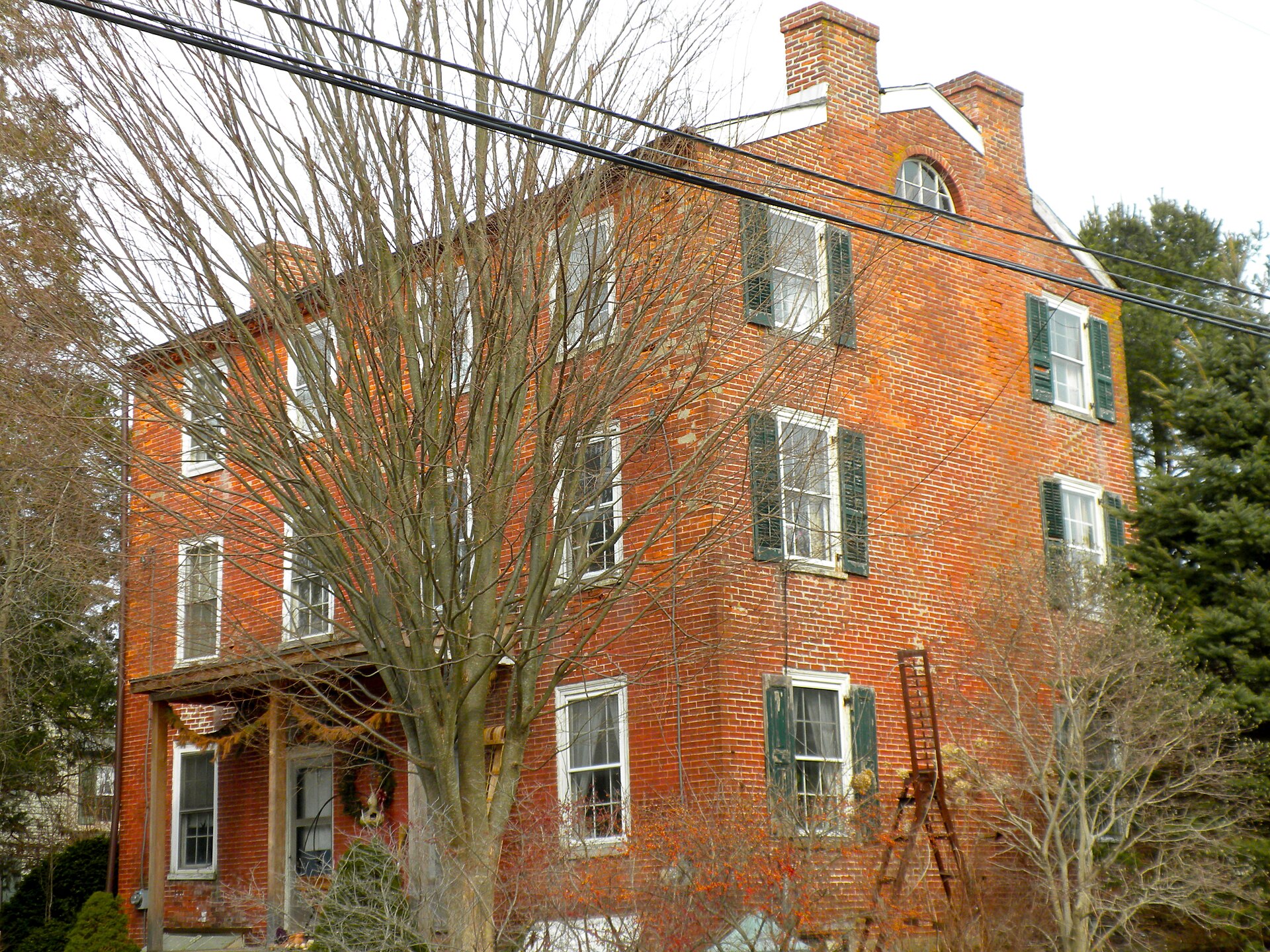
    Luxury inventory in Upper Makefield and Wrightstown ranges from restored 18th- and 19th-century stone farmhouses to architect-built contemporary homes set well back from the road on multi-acre lots. Because so much of the township is zoned for larger minimum lot sizes, buyers here are often purchasing land as much as house — woods, meadow, stream frontage, or river views factor heavily into what a property is worth. That also means new listings can take longer to surface than in denser markets, and off-market or pre-market opportunities are common, since sellers with long-held family land often prefer a quiet, controlled process.

    Historic Homes vs. New Custom Construction

    Buyers drawn to this area typically choose between two very different paths: a historic stone or fieldstone farmhouse with the character and complexity that comes with an 18th- or 19th-century structure, or a newer custom-built home designed to sit comfortably on a large rural lot. Historic homes here often carry the same considerations found throughout Bucks County’s older housing stock — older mechanical systems, additions built in different eras, and sometimes local historic district or preservation considerations that affect exterior changes. New construction offers modern systems and layouts but usually at a premium land cost, since building lots with river or open-land views are limited. Neither path is inherently better; the right choice depends on how much renovation project a buyer wants to take on.

    Land, Water, and Well/Septic Considerations

    Much of Upper Makefield and Wrightstown relies on private wells and septic systems rather than municipal water and sewer, which is typical for a low-density rural township. For buyers unfamiliar with well and septic ownership, this means budgeting for periodic system inspections, understanding the septic system’s design capacity relative to the number of bedrooms, and testing well water quality and yield before closing. Properties near the Delaware River or its tributary streams should also be evaluated for flood zone status, since river-adjacent parcels can carry flood insurance requirements that affect both financing and long-term costs.

    Schools and Lifestyle

    Upper Makefield and Wrightstown are served by the Council Rock School District, one of the larger and well-regarded districts in Bucks County, which is a significant draw for families relocating here. Lifestyle in this area centers on the outdoors and the river corridor — Washington Crossing Historic Park, towpath trails along the Delaware, and easy access to the restaurants, galleries, and shops of New Hope and Lambertville just across the river. It is a lifestyle built around space and scenery rather than a walkable town center, which suits some buyers perfectly and is a poor fit for others who want to step outside to a downtown.

    Commuting to Philadelphia and New York

    Upper Makefield sits far enough north in Bucks County that a daily car commute into Center City Philadelphia takes real time, and many residents instead work from home, commute less frequently, or work in nearby Bucks County or Mercer County, New Jersey employment centers. The area also draws some buyers splitting time between Philadelphia, the Jersey Shore, and New York, since the location offers reasonable access to all three without being fully committed to any single commute. As with any rural estate purchase, it is worth mapping out your actual commute pattern before buying rather than relying on drive-time estimates alone.

    Frequently asked questions

    What is the difference between Upper Makefield and nearby Washington Crossing or Yardley?

    Washington Crossing and Yardley are more concentrated village and borough settings closer to the river with denser housing, while Upper Makefield Township is largely rural and unincorporated, with much larger lot sizes and more distance between homes. Buyers who want land and privacy typically prefer Upper Makefield; buyers who want a walkable village center often prefer Yardley or New Hope.

    Do I need to worry about flood insurance on a river-area property here?

    It depends on the specific parcel’s location relative to mapped flood zones along the Delaware River and its tributaries. Not every property in the township is in a flood zone, but any parcel near the river or a stream should be checked against current FEMA flood maps before you make an offer, since flood zone status can affect both insurance costs and mortgage requirements.

    Is well and septic ownership more work than municipal utilities?

    It requires more proactive maintenance than connecting to public water and sewer, including periodic well testing and septic pumping and inspection, but it is a normal and manageable part of rural property ownership throughout this part of Bucks County. Getting a full inspection of both systems before closing is the best way to understand what you are taking on.

    If you are considering Upper Makefield, Wrightstown, or the broader Bucks County river towns, James Kennedy can help you evaluate estate lots, historic farmhouses, and new construction against your priorities for land, commute, and lifestyle. Reach James at 215-267-8479 or jameskennedy@unlockedteam.com.
  • Unionville and Chester County Horse Country: A Luxury Buyer’s Guide to Pennsylvania’s Equestrian Estate Region

    Unionville and Chester County Horse Country: A Luxury Buyer’s Guide to Pennsylvania’s Equestrian Estate Region

    West of the Main Line and south of West Chester, the rolling hills around Unionville, Pennsylvania form one of the most distinctive luxury real estate markets in the Philadelphia region. This is Brandywine Valley horse country — a landscape of stone farmhouses, post-and-rail fencing, and preserved open land that has drawn generations of buyers who want privacy, acreage, and a genuine connection to the land rather than a manicured suburban lot. For buyers considering a move here, understanding how this market differs from the Main Line or Chester County’s more suburban towns is the first step.

    Where Unionville Sits and What Makes It Different

    Unionville itself is a small unincorporated village straddling the line between East Marlborough and Newlin Townships, part of the broader Unionville-Chadds Ford School District. The surrounding countryside is what draws buyers: rolling pasture, wooded stream valleys, and a density of horse farms and country estates that is unusual this close to a major metropolitan area. Unlike the denser Main Line towns built up around a commuter rail line, this is a landscape of large lots, long driveways, and a working relationship with the land that shows up in barns, riding rings, and fenced paddocks as often as swimming pools.

    The luxury inventory here skews toward converted or expanded farmhouses, architect-designed stone and stucco homes built to blend with the vernacular, and true equestrian estates with multiple outbuildings. Buyers who want a more traditional large suburban house closer to shopping and a train line typically look toward West Chester, Kennett Square, or the Main Line instead.

    The Estate and Farm Market

    Properties in and around Unionville range widely: a beautifully renovated stone farmhouse on a few acres, a modern equestrian estate with a full complement of barns and rings, or a historic property with protective covenants attached to a land trust. Because so much of the land here has been in the same families or under conservation stewardship for decades, inventory can be thin and word-of-mouth matters. Buyers serious about this market benefit from working with an agent who has relationships with local land trusts, farm managers, and attorneys familiar with easement-encumbered properties, since many of the best estates never reach the open market in a conventional way.

    Land, Fencing, and Equestrian Infrastructure to Evaluate

    If horses or hobby farming are part of the plan, the infrastructure on a property deserves the same scrutiny as the house itself. Ask about the age and condition of barns, the type and condition of fencing, water and drainage on pastureland, ring footing if there is a riding arena, and whether outbuildings are permitted structures with proper documentation. A property that looks idyllic in photos can carry significant deferred maintenance in fencing and drainage that only becomes apparent after a season of use. An inspection tailored to equestrian and agricultural improvements, not just the residence, is worth arranging separately from a standard home inspection.

    Conservation Easements and Preserved Land

    A large share of the open character of this region exists because landowners have placed conservation easements on their properties, often in partnership with local land trusts. An easement can restrict future subdivision, limit additional building footprint, or govern how land can be used, and those restrictions transfer with the property to future owners. This is not a reason to avoid an easement-protected property — many buyers specifically seek them out because they guarantee the surrounding views and open space will never be developed — but it does mean reviewing easement terms carefully with an attorney before making an offer, so expectations about future additions, guest houses, or subdividable acreage are set correctly from the start.

    Schools and Community

    The Unionville-Chadds Ford School District serves much of this area and is a significant draw for families relocating from the city or from out of state. Beyond schools, the community itself centers around equestrian and agricultural life: local hunt clubs, horse shows, farmers’ markets, and land conservation organizations create a social fabric that is quite different from a country club-centered suburb. Buyers who value that lifestyle tend to feel immediately at home; buyers who want walkable downtown amenities should weigh that trade-off honestly before committing to a rural estate.

    Commuting and Access

    This is not a commuter-rail market. Access to Philadelphia and its suburbs runs primarily by car, with routes into the city or to the Main Line taking meaningfully longer than from closer-in suburbs. For buyers who work from home, split time between a city residence and a country property, or are retired or semi-retired, that trade-off is easily worth the privacy and acreage. For buyers who need a daily commute into Center City, it is worth test-driving the route at typical commute times before making a decision.

    Frequently asked questions

    Do I need horses or riding experience to buy in Unionville horse country?

    No. While many buyers are drawn here specifically for equestrian use, plenty of residents simply value the privacy, acreage, and preserved landscape without owning horses. Existing barns and paddocks can often be adapted to other uses, such as workshops, storage, or simply left as scenic outbuildings.

    How does buying land with a conservation easement affect resale value?

    Easement-protected land can be very desirable to future buyers because it guarantees the surrounding open space and views will remain intact, which is a significant part of what makes this area valuable in the first place. The key is understanding exactly what the easement permits and restricts before you buy, since that will shape both your enjoyment of the property and how you eventually market it for resale.

    What should I budget for beyond the purchase price on an equestrian estate?

    Barn and fencing maintenance, pasture management, ring footing upkeep, and larger acreage landscaping all carry ongoing costs beyond a typical suburban home. It is worth asking a seller for records of recent capital work on outbuildings and fencing, and budgeting for inspections that specifically cover agricultural and equestrian improvements rather than relying on a standard residential inspection alone.

    If you are exploring Chester County horse country or comparing it to other luxury markets around Philadelphia and the Main Line, James Kennedy can walk you through current inventory, introduce you to specialists in equestrian and easement-encumbered properties, and help you weigh this lifestyle against other options in the region. Reach James at 215-267-8479 or jameskennedy@unlockedteam.com.

  • Use and Occupancy Certificates and Rowhome Resale: What Philadelphia Luxury Sellers Need to Know

    Use and Occupancy Certificates and Rowhome Resale: What Philadelphia Luxury Sellers Need to Know

    Philadelphia’s rowhome stock, from Society Hill’s Federal-era brick townhouses to newly built high-end infill in Northern Liberties and Fishtown, is one of the city’s defining features and a major draw for luxury buyers who want historic character or contemporary design within walking distance of Center City. But selling a rowhome or twin in Philadelphia comes with a city-specific requirement that surprises many sellers, and even some buyers, unfamiliar with local practice: the Use and Occupancy (U&O) certificate. Understanding when it’s required and what it checks can prevent an unwelcome delay right before closing.

    What Is a Use and Occupancy Certificate

    A Use and Occupancy certificate is a document issued by Philadelphia’s Department of Licenses and Inspections (L&I) confirming that a property is safe for its intended use, whether that’s a single-family residence, a multi-unit building, or a commercial space. In practical terms, for most residential resales in the city, obtaining a U&O certificate requires an inspection confirming the property meets basic life-safety standards before ownership legally changes hands.

    When Philadelphia Requires One

    Philadelphia requires a U&O certificate whenever a property changes ownership or its use changes, which covers the vast majority of home sales in the city. This applies to single-family rowhomes, twins, and multi-unit buildings alike. It is a city-specific requirement, distinct from a standard home inspection a buyer orders for their own due diligence, and it exists independently of whatever contingencies are negotiated in the agreement of sale.

    What the Inspection Checks

    The U&O inspection focuses on life-safety items rather than cosmetic condition or overall home quality. Inspectors typically look for functioning smoke detectors and carbon monoxide detectors in the required locations, secure and code-compliant handrails and guardrails on stairs and decks, properly installed egress windows in bedrooms, visible electrical hazards such as exposed wiring or overloaded panels, and, for older rowhomes in particular, any obviously unpermitted structural work. It is not a full inspection of the home’s systems, roof, or mechanicals in the way a buyer’s private inspector would perform, but it can still turn up issues that require repair before the certificate is issued.

    Common Issues That Delay Closing

    For Philadelphia’s older rowhome stock, a handful of issues come up repeatedly during U&O inspections. Missing or non-functioning smoke and carbon monoxide detectors are the most frequent, and among the easiest to fix quickly. Handrail and guardrail deficiencies are common on older stair systems that predate current code, particularly in homes with rear decks or roof decks added over the years. Unpermitted additions or renovations, common in a city with such a long history of owner-driven improvements, can also surface, sometimes requiring the seller to pull retroactive permits before the certificate can be issued. For high-end rowhome renovations with roof decks, garages, or rear additions, verifying that all past work was properly permitted well before listing can save significant time.

    Who’s Responsible: Buyer or Seller

    By city ordinance, the responsibility to obtain the U&O certificate falls to the seller, since it certifies the property before the change of ownership. In practice, most agreements of sale in Philadelphia specify this explicitly, and the seller typically pays for the inspection and any required repairs to pass it. Because the certificate is required for the sale to close, it is not usually a negotiable line item the way some other closing costs might be, though the timeline and specific repair responsibilities are sometimes discussed between parties, especially if unexpected issues surface.

    Timeline Considerations for Luxury Sellers

    The wisest approach for sellers of high-end Philadelphia rowhomes is to schedule the L&I inspection early in the listing process rather than waiting until an offer is accepted. This gives time to address any deficiencies calmly, rather than scrambling to fix handrails or pull permits in the final days before a scheduled closing. For sellers who have completed significant renovations, particularly additions, roof decks, or structural changes, confirming that all permits were properly closed out with the city is worth doing well in advance, since resolving an open or missing permit can take considerably longer than a simple repair.

    How This Differs From a Buyer’s Home Inspection

    Sellers sometimes assume that a satisfactory U&O inspection means a buyer’s independent home inspection will go smoothly too, but the two serve very different purposes. A buyer’s inspector, hired to protect the buyer’s interests, evaluates the roof, HVAC systems, plumbing, foundation, and overall condition in detail, often producing a lengthy report with dozens of observations regardless of severity. The city’s U&O inspection, by contrast, checks a narrower list of life-safety items required for legal occupancy. Passing one says nothing about whether the other will turn up negotiable repair requests, so sellers should not treat a clean U&O certificate as a substitute for getting a home genuinely ready to show and sell at a luxury price point.

    Frequently asked questions

    Does every property sale in Philadelphia require a U&O certificate?

    Most residential resales do, though certain exemptions exist depending on the type of transaction and property. Your agent or settlement attorney can confirm the requirement for your specific sale.

    How long does the U&O inspection process typically take?

    Scheduling and inspection timelines vary with L&I’s current workload, and any required repairs add additional time. Starting the process as soon as a home is listed, rather than after an offer is accepted, gives sellers the most flexibility to avoid a last-minute delay.

    Can a buyer waive the Use and Occupancy requirement?

    No. Because it is a city ordinance rather than a contract contingency, a U&O certificate generally cannot be waived by agreement between buyer and seller for a covered transaction; the process must be completed for the sale to proceed under city rules.

    Selling a Philadelphia rowhome, twin, or high-end renovation involves details that a national playbook won’t cover. James Kennedy has guided luxury sellers throughout Philadelphia and South Jersey through exactly these city-specific requirements. Call James at 215-267-8479 or email jameskennedy@unlockedteam.com to talk through your sale.

  • Wire Fraud and Closing Scams: Protecting a Luxury Real Estate Transaction in Philadelphia & South Jersey

    Wire Fraud and Closing Scams: Protecting a Luxury Real Estate Transaction in Philadelphia & South Jersey

    The single largest wire transfer most people ever send in their lives is often the one that closes on their home. That fact has not gone unnoticed by criminals. Real estate wire fraud, in which scammers intercept or spoof communications to redirect closing funds into a fraudulent account, has grown into one of the costliest forms of cybercrime in the country, and luxury transactions, with their large dollar amounts and multiple parties, are a particularly attractive target. Understanding how these scams work is the best defense a buyer or seller has.

    How Wire Fraud Targets Real Estate Closings

    Most real estate wire fraud follows a similar pattern. Criminals gain access to an email account belonging to one party in the transaction, often a buyer, agent, title company, or attorney, sometimes through a phishing email sent weeks earlier. They then quietly monitor the email thread until closing approaches. Just before funds are due, the scammer sends an email, made to look like it comes from the title company or settlement attorney, with “updated” wiring instructions directing the buyer’s funds to an account the criminal controls. By the time anyone realizes what happened, the money has often already been moved out of the country or dispersed across multiple accounts, making recovery extremely difficult.

    Why Luxury Transactions Are a Frequent Target

    Criminals follow the money. A transaction involving a $1.5 million home carries a far larger potential payout than an average sale, which makes luxury buyers and sellers disproportionately targeted. High-end deals also frequently involve more parties, attorneys, out-of-state buyers, trust or LLC entities, private lenders, which creates more email threads and more opportunities for a scammer to insert a convincing, well-timed message.

    Common Red Flags

    • An email claiming that wiring instructions have “changed” or been “updated,” especially arriving close to closing.
    • Urgent language pressuring you to wire funds immediately to avoid delaying settlement.
    • A sender email address that looks almost right but has a subtle misspelling or extra character.
    • A phone number listed in the suspicious email that differs from the one you already have on file for your title company or attorney.
    • Instructions to wire to a bank or account holder name that doesn’t match the title company’s established account.

    Best Practices Before You Wire a Dollar

    The core rule is simple and worth repeating to everyone involved in your transaction: never wire funds based solely on emailed instructions, and never trust a phone number provided in that same email. Instead, before closing begins, get your title company’s or settlement attorney’s wiring instructions verbally, in person or by calling a phone number you have independently verified, such as one from their official website or a prior, trusted communication. Confirm the instructions again by phone immediately before sending any funds, even if you received them earlier in the process. If anything about an email feels off, whether it’s tone, timing, or formatting, call the sender directly using a known number rather than replying to the email or using any contact information contained in it.

    Steps Your Transaction Team Should Already Take

    A well-run luxury transaction should have safeguards built in well before your closing date. Reputable title companies and real estate attorneys typically use secure client portals rather than email for sharing wiring instructions, may call to confirm instructions verbally, and will never ask you to make a last-minute change without a documented, verifiable process. If your title company or closing attorney cannot explain their wire fraud prevention protocol clearly, that alone is worth asking more questions about before you get anywhere near closing day.

    What to Do If You Suspect Fraud

    Speed matters more than almost anything else if a fraudulent wire has already been sent. Contact your bank immediately and request a wire recall, then file a report with the FBI’s Internet Crime Complaint Center (IC3.gov) and notify your title company, real estate attorney, and agent right away. Banks can sometimes freeze or claw back funds within the first 24 hours, but that window closes quickly, so acting the moment something seems wrong is far more effective than waiting to confirm your suspicions.

    Building a Trusted Team

    The strongest protection against wire fraud is working with an experienced agent, a reputable title company, and, when appropriate, a real estate attorney who take these risks seriously and communicate clearly about how and when funds will move. For out-of-state or international buyers unfamiliar with local closing customs, this guidance matters even more, since unfamiliarity with the process is exactly what scammers count on.

    Frequently asked questions

    Can a bank always reverse a fraudulent wire transfer?

    Not always, and success depends heavily on how quickly the fraud is reported. Funds moved to a fraudulent account are sometimes withdrawn or transferred elsewhere within hours, so immediate action gives you the best, though still not guaranteed, chance of recovery.

    Should I ever trust wiring instructions sent by email?

    Treat any emailed wiring instructions as unverified until you confirm them by phone using a number you sourced independently, not one provided in the email itself. This single habit prevents the vast majority of real estate wire fraud.

    Are cashier’s checks safer than wire transfers for closing funds?

    Many title companies and attorneys still accept wire transfers because they are fast and traceable, but ask your closing team what payment methods they support and whether they have a preference; some offer alternatives that reduce certain fraud risks. Whatever method you use, verify the recipient details independently before sending funds.

    Buying or selling a luxury home in Philadelphia or South Jersey involves more moving parts than most transactions, and having a team that takes security seriously matters. James Kennedy works closely with trusted title companies and attorneys throughout every closing. Call James at 215-267-8479 or email jameskennedy@unlockedteam.com to talk through your transaction with a team that protects your interests at every step.

  • Merion and St. Davids, Pennsylvania: A Main Line Guide for Luxury Home Buyers

    Merion and St. Davids, Pennsylvania: A Main Line Guide for Luxury Home Buyers

    Ask a longtime Main Liner where the Main Line actually begins, and many will point to Merion. Just across City Avenue from Philadelphia, Merion and its close neighbor St. Davids anchor the eastern end of this storied corridor of Pennsylvania suburbs. Both communities offer the wooded lots, architectural pedigree, and quiet prestige the Main Line is known for, but each has its own personality, price texture, and daily rhythm. For buyers weighing a move from the city or comparing towns farther out on the Paoli/Thorndale line, understanding what sets Merion and St. Davids apart is a useful place to start.

    Where Merion and St. Davids Sit on the Main Line

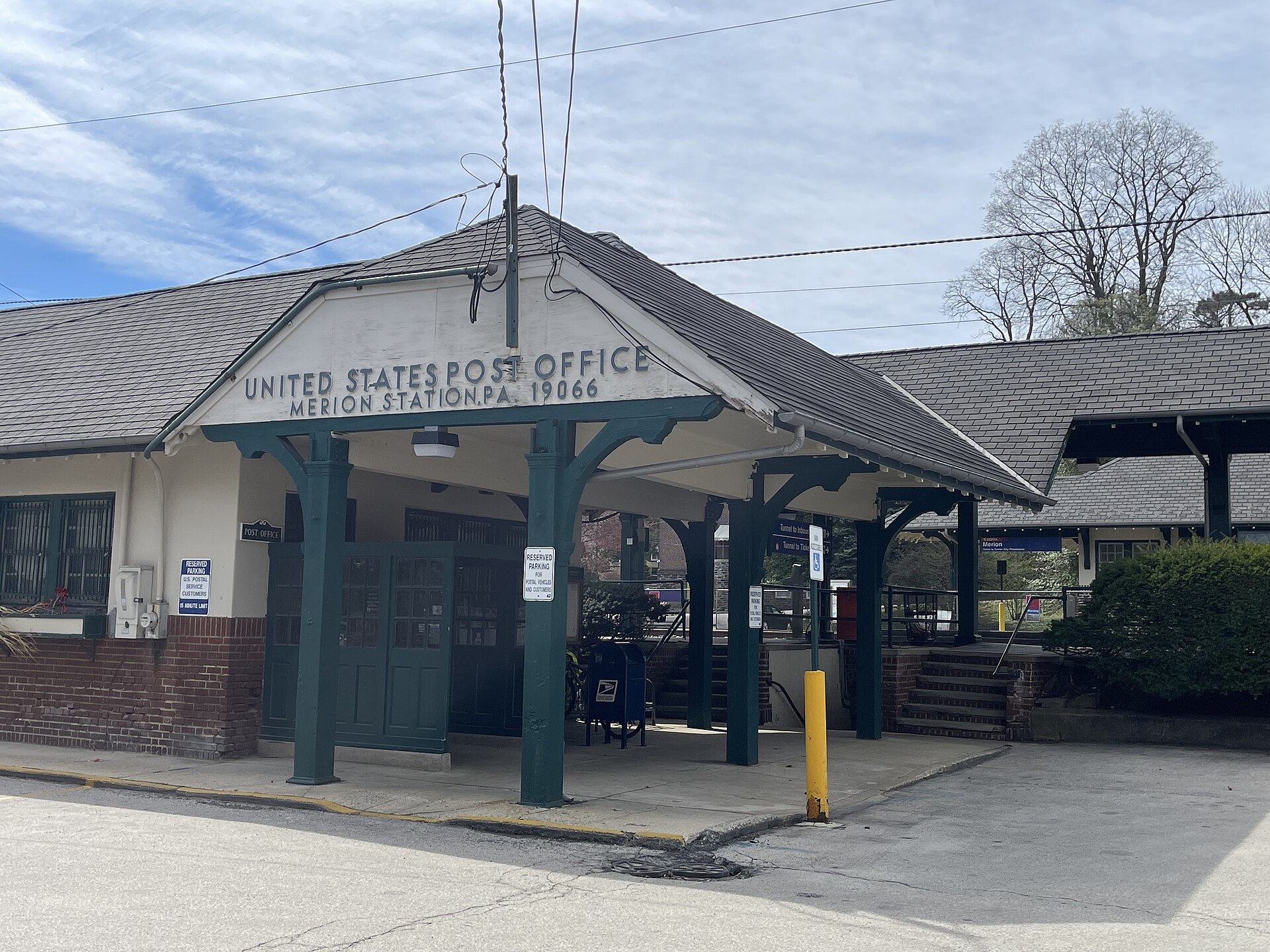
    Merion, technically Merion Station, sits in Lower Merion Township immediately west of Philadelphia’s Overbrook neighborhood. It is one of the most accessible Main Line communities to Center City, whether by car along City Avenue and Lancaster Avenue or by SEPTA’s Cynwyd or Paoli/Thorndale rail lines. St. Davids lies several miles farther west, in Radnor Township, bordering Villanova and Wayne. It trades a few minutes of extra commute time for larger, more secluded lots and a quieter, more rural feel.

    Housing Stock and Architecture

    Merion’s housing stock reflects its early-20th-century development as a streetcar and rail suburb: stone Colonial Revivals, Tudor-style homes, and grand shingle-style houses on lots that, while generous by city standards, are typically more modest in size than what buyers find farther west. Many homes date to the 1900s through the 1930s, with a smaller supply of newer construction filling in as older properties are renovated or replaced.

    St. Davids, by contrast, tends toward larger parcels, some approaching or exceeding an acre, with homes ranging from stone farmhouses and Colonial Revivals to more recently built estate homes. Its proximity to Villanova University and the wooded terrain along the Radnor Trail give the area a more secluded, campus-adjacent feel than Merion’s denser streetscape.

    Merion’s Distinct Character

    Merion is closely associated with the Barnes Foundation’s original home and with Merion Golf Club, host to multiple U.S. Opens, both of which contribute to the area’s cultural cachet. The commercial center along Montgomery Avenue offers a handful of shops and restaurants, but most residents look to nearby Ardmore, Bala Cynwyd, or Center City for dining and services. Because Merion borders Philadelphia directly, it appeals strongly to buyers who want Main Line schools and a suburban lot without a long commute.

    St. Davids’ Distinct Character

    St. Davids benefits from Villanova University next door, which brings a walkable, tree-canopied academic atmosphere, cultural programming, and access to the university’s athletic and performing arts events. The Radnor Trail, a paved path built along a former rail bed, runs through the area and is popular with runners and cyclists. Wayne’s shopping and dining district is a short drive away, giving St. Davids residents easy access to a fuller range of amenities than Merion’s more residential core offers directly.

    Schools

    Merion falls within the Lower Merion School District, consistently ranked among Pennsylvania’s strongest public districts and a significant draw for families relocating to the area. St. Davids is served by Radnor Township School District, also highly regarded, with Radnor High School drawing particular praise. Both townships have historically supported home values in part because of school district reputation, something buyers evaluating long-term resale should factor in alongside lot size and architectural condition.

    Getting Around and Commuting

    Merion offers some of the shortest commute times to Center City on the Main Line, with SEPTA rail service and quick access to I-76 and City Avenue. St. Davids’ train station sits on the Paoli/Thorndale Line, with a commute to Suburban Station typically running a bit longer than from Merion, but still well within a reasonable daily range. For buyers who work from home part of the week or prioritize acreage and privacy over shaving minutes off a commute, St. Davids’ trade-off tends to make sense; for those who want in-and-out access to the city, Merion has the edge.

    Which Town Fits Your Search

    Buyers drawn to walkable, historically dense streetscapes with strong ties to Philadelphia often gravitate toward Merion. Those who want a more rural, wooded setting with larger lots, and who don’t mind a slightly longer rail commute, tend to prefer St. Davids. Both towns reward working with an agent who knows the specific streets, flood-prone low points, and older infrastructure quirks that vary block by block on the Main Line — general Main Line reputation alone doesn’t tell the whole story for any single property.

    Frequently asked questions

    Is Merion or St. Davids more expensive?

    Pricing varies significantly by specific street, lot size, and home condition in both towns, and current figures shift with the market. In general, larger estate parcels in St. Davids can command premium prices, while Merion’s proximity to the city supports strong values on smaller lots. James can walk you through recent comparable sales in either town to give you an accurate, current picture.

    Are Merion and St. Davids good for buyers without children?

    Yes. While school district quality is a major draw for families, both towns also appeal to buyers who value walkability, cultural amenities, and quieter, tree-lined settings close to Philadelphia, regardless of whether schools factor into their decision.

    How far is St. Davids from Philadelphia International Airport?

    St. Davids is roughly a 25 to 35 minute drive to the airport depending on traffic, generally comparable to or slightly shorter than from towns farther west on the Main Line, and Merion’s location closer to the city typically shortens that drive further.

    Considering a move to Merion, St. Davids, or another Main Line community? James Kennedy specializes in luxury real estate throughout Philadelphia and South Jersey and can help you compare towns, tour homes, and build a search tailored to what matters most to you. Call James at 215-267-8479 or email jameskennedy@unlockedteam.com to get started.

  • Which Renovations Actually Add Value Before Selling a Luxury Home in Philadelphia & South Jersey

    Which Renovations Actually Add Value Before Selling a Luxury Home in Philadelphia & South Jersey

    Every luxury seller eventually asks the same question before listing: which upgrades are actually worth doing, and which ones are a waste of money and time? At the high end of the Philadelphia and South Jersey market, the answer is more nuanced than the general renovation advice you’ll find online. Luxury buyers are discerning, comparison shopping is more sophisticated, and the wrong renovation can actually work against you by narrowing your buyer pool or looking dated the moment it’s finished. Here’s how to think about it.

    Start With What’s Actually Broken or Outdated

    Before considering any cosmetic project, address anything a luxury buyer’s inspector is likely to flag as a real concern: roofing, HVAC systems nearing the end of their service life, electrical or plumbing that hasn’t been updated in decades, foundation or drainage issues, and anything related to water intrusion. These aren’t glamorous projects and they rarely show up in “what adds value” lists, but at the luxury level a buyer with options will simply move on to the next listing rather than negotiate around a major mechanical concern. Fixing these first protects your price far more than any cosmetic upgrade does.

    Kitchens and Primary Baths Still Lead

    Kitchen and primary bathroom updates remain the two projects most consistently connected to stronger buyer response at the luxury level, but the bar for what counts as “updated” is higher than in the general market. A kitchen renovation that reads as builder-grade or already trend-driven can actually hurt a luxury listing by looking like a missed opportunity rather than a finished product. The safer play is usually a more restrained, high-quality palette — durable natural materials, timeless cabinetry, and a layout that works rather than one built around a passing trend.

    Where Renovation Spend Often Doesn’t Pay Off

    • Highly personalized spaces. A home theater, wine cellar, or specialty room built entirely around one owner’s specific taste can be a beautiful amenity to live with, but it rarely returns its full cost at sale because the next buyer has to want that exact feature.
    • Over-improving for the block. A renovation that pushes a home well beyond what similar properties nearby are achieving can be difficult to fully recover, since comparable sales in the immediate area still anchor buyer and appraiser expectations.
    • Trend-driven finishes. Anything chosen primarily because it’s currently popular — a bold statement color, an unusual material pairing — carries real risk of looking dated by the time you’re ready to sell, sometimes within just a few years.

    Smaller Projects With an Outsized Effect

    Not every worthwhile project is a major renovation. Fresh paint in neutral, well-chosen tones, refinished hardwood floors, updated lighting fixtures, and simply addressing minor deferred maintenance (touch-ups, hardware, caulking, landscaping) consistently punch above their cost because they affect a buyer’s first impression of the entire home, not just one room. These projects are also lower-risk: they’re fast, relatively inexpensive, and unlikely to look dated or overdone.

    Curb Appeal Still Sets the Tone

    Before a luxury buyer ever steps inside, the exterior and approach to the home have already shaped their expectations. Well-maintained landscaping, a freshly sealed driveway, clean gutters and trim, and an inviting entry cost relatively little compared to interior renovation but carry outsized weight in first impressions — particularly for buyers touring several high-end listings in a single day and forming quick judgments about which ones are truly move-in ready.

    Talk to Your Agent Before You Spend

    The single most valuable step before any pre-sale renovation is a conversation with a local luxury agent who knows what buyers in your specific neighborhood and price range are actually responding to right now. What pays off in a Rittenhouse Square condo renovation is different from what pays off preparing a Main Line estate or a South Jersey colonial for sale, and an agent who is actively showing homes in your market can tell you which projects are worth the investment and which ones you should skip in favor of a price adjustment or simply staging what you already have.

    Frequently asked questions

    Should I renovate before listing, or price the home to reflect its current condition?

    It depends on the specific property and market conditions at the time. In some cases a well-targeted, moderate update maximizes buyer interest; in others, pricing accurately for the home’s current condition and letting a buyer plan their own updates is the smarter and faster path. This is a case-by-case decision best made with a local agent who can walk the property with you.

    Do luxury buyers expect a fully renovated, move-in-ready home?

    Many do, particularly at the very top of the market, but not universally. Some luxury buyers specifically look for a well-located home with strong bones that they can customize themselves, especially in historic neighborhoods where character matters as much as finish level. Knowing which type of buyer is most likely for your specific property shapes the renovation decision significantly.

    How far in advance of listing should renovations be planned?

    As early as possible. Meaningful renovations — kitchens, baths, major systems — often take months from planning through permitting and completion, and rushed pre-sale projects tend to show. If you know you’ll be selling within the next year or two, it’s worth having the value conversation with an agent well before starting any work.

    Trying to decide which upgrades are worth making before you list your Philadelphia or South Jersey luxury home? James Kennedy can walk your property with you and give a straightforward read on what’s likely to pay off. Reach James at 215-267-8479 or jameskennedy@unlockedteam.com.