
Category: South Jersey Real Estate

  • Medford, New Jersey: A Town Guide for Luxury Home Buyers

    Medford, New Jersey: A Town Guide for Luxury Home Buyers

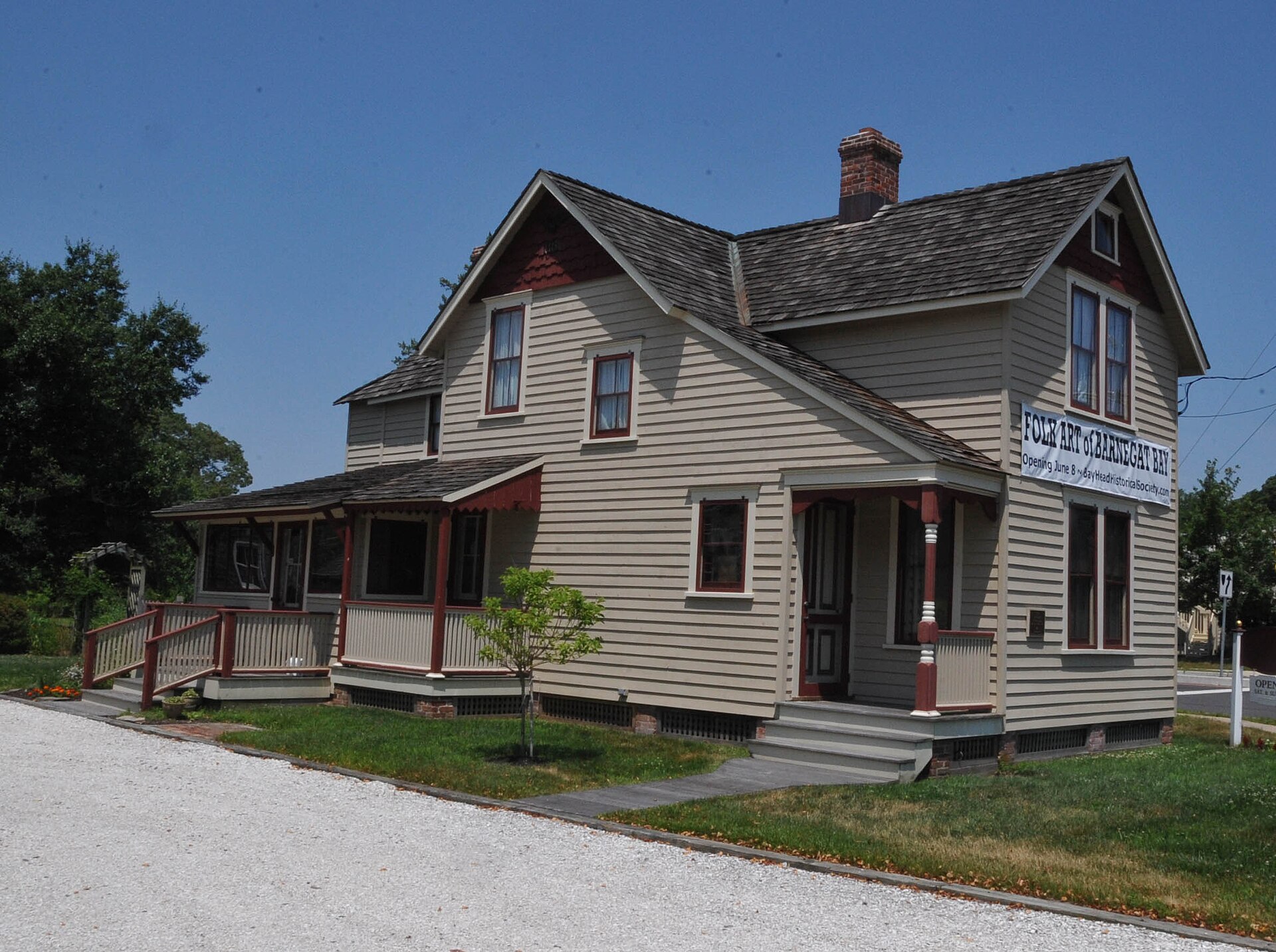
    Medford Township sits in Burlington County at the edge of the New Jersey Pine Barrens, roughly a 40-minute drive from Center City Philadelphia. It’s a different kind of South Jersey luxury market than towns like Haddonfield or Moorestown — Medford’s appeal rests less on a dense, walkable downtown and more on space, privacy, and a wooded, semi-rural setting that’s still within reach of the city.

    A wooded, low-density luxury market

    Medford’s defining physical characteristic is its landscape. Much of the township borders protected Pinelands forest, and residential development here has generally favored larger lots — often an acre or more — with mature tree cover and, in many neighborhoods, private wells and septic systems rather than municipal utilities. For buyers who want a substantial, private homesite without leaving the greater Philadelphia region, that combination is hard to replicate closer to the city or in denser South Jersey suburbs.

    The luxury housing stock in Medford includes custom-built homes on wooded acreage, some architect-designed contemporary homes that take advantage of the wooded settings, and a smaller supply of older farmhouses and historic properties near the town’s original village core. Equestrian and hobby-farm properties also show up here more often than in towns closer to Philadelphia, reflecting the more rural character of the area.

    Medford Village and downtown character

    Unlike the surrounding wooded residential areas, Medford Village itself has a genuine small-town Main Street feel, with independent shops, restaurants, and a historic district that dates back to the town’s early industrial period. It’s smaller in scale than Haddonfield’s or Moorestown’s downtowns, but it gives Medford residents a walkable center for dining and errands even though most of the surrounding housing sits on larger, more spread-out lots.

    Schools

    Medford is served by its own K-8 school system, with high school students typically attending Shawnee High School as part of the Lenape Regional High School District, which also serves several neighboring Burlington County towns. As with any town, confirming the specific schools and district boundaries tied to an individual address is worth doing early, since boundary lines don’t always track neatly with a town’s overall borders.

    Commuting and access

    Medford does not have direct passenger rail access, which is an important difference from PATCO-served towns like Haddonfield or Collingswood. Most residents commute by car, typically via Route 70 or Route 541 toward the Ben Franklin Bridge or Tacony-Palmyra Bridge corridors, or toward the PATCO line in Haddonfield or Cherry Hill’s park-and-ride options. For buyers whose work is fully remote or requires only occasional trips into Philadelphia, this trade-off is easy to accept in exchange for the space and privacy Medford offers; for buyers commuting into Center City five days a week by transit, it’s worth test-driving the actual commute before committing.

    Lifestyle and setting

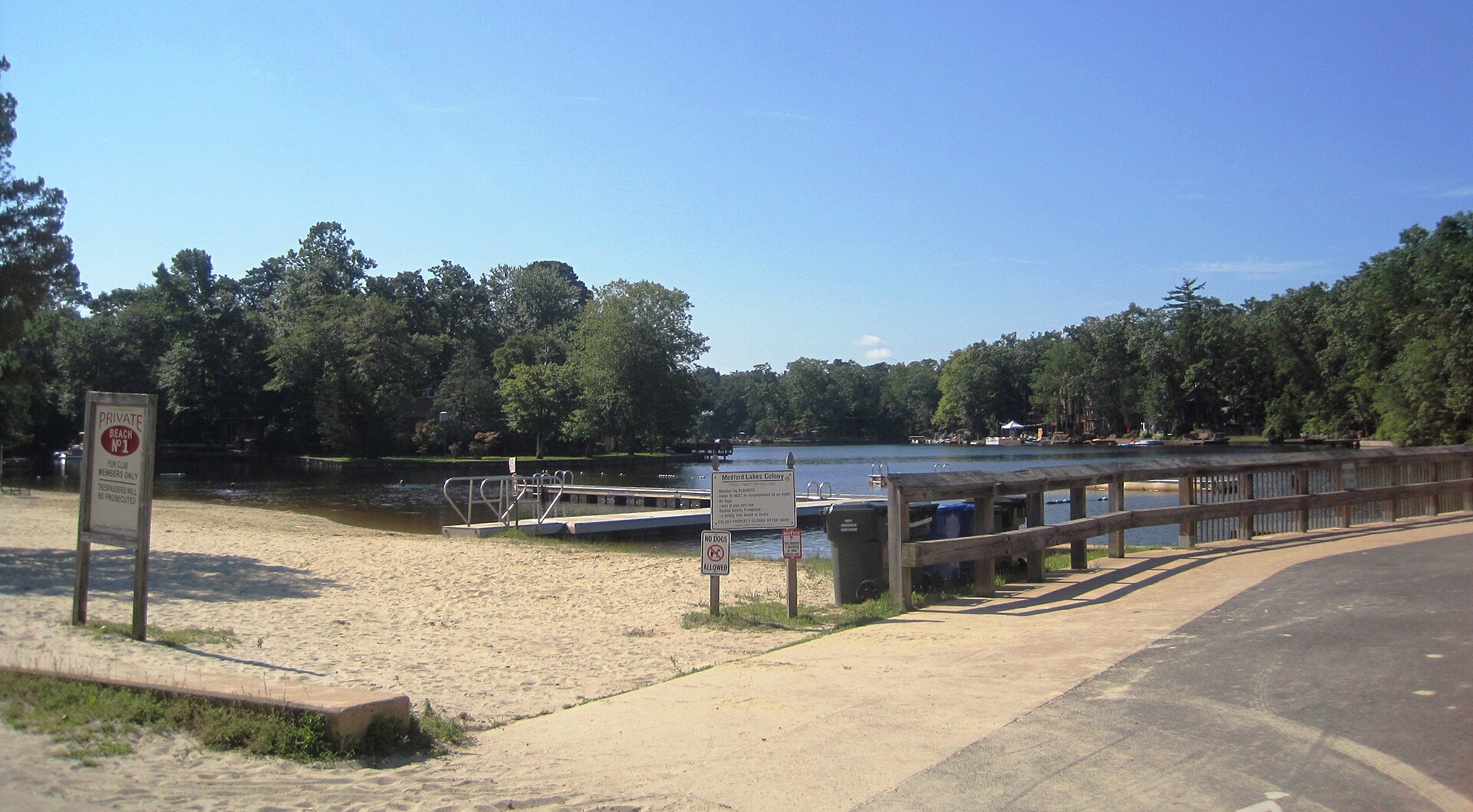
    Medford’s proximity to the Pine Barrens gives residents easy access to hiking, the Medford Lakes area, and a generally quieter, more nature-oriented lifestyle than towns closer to Philadelphia’s suburbs. Medford Lakes, a distinct community within the township built around a series of small lakes, has its own rustic, cabin-community character that draws buyers looking for something different from typical suburban development. This setting appeals particularly to buyers who value outdoor space, want room for horses or a larger garden, or simply want more separation between themselves and their neighbors.

    How Medford compares to other South Jersey towns

    • Medford vs. Moorestown: Moorestown offers a denser, more classically manicured suburban feel with a stronger downtown retail core; Medford trades that for larger lots and more wooded privacy.
    • Medford vs. Haddonfield: Haddonfield has PATCO rail access and a highly walkable downtown; Medford is a car-dependent town built around space rather than walkability.
    • Medford vs. Mullica Hill: Both offer a more rural feel than the inner-ring South Jersey suburbs, though Mullica Hill sits farther south and leans more toward its historic Main Street and antiquing culture.

    Frequently asked questions

    Does Medford, NJ have train access to Philadelphia?

    No, Medford does not have direct passenger rail service. Most residents commute by car, often connecting to PATCO service in a neighboring town or driving directly across one of the Delaware River bridges.

    What size lots are typical for luxury homes in Medford?

    Many of Medford’s higher-end homes sit on lots of an acre or more, reflecting the township’s wooded, lower-density character relative to inner-ring South Jersey suburbs.

    What school district serves Medford?

    Medford operates its own K-8 school system, with high school students generally attending Shawnee High School through the Lenape Regional High School District.

    If Medford’s blend of space and privacy sounds like the right fit — or if you want to compare it against other South Jersey towns before deciding — James Kennedy can help you evaluate current listings and trade-offs. Reach James at 215-267-8479 or jameskennedy@unlockedteam.com.
    What buyers give up, and what they gain

    The trade-off in Medford is straightforward: buyers accept a longer or less convenient commute and, in many neighborhoods, private well and septic systems instead of municipal water and sewer, in exchange for larger lots, more tree cover, and a quieter day-to-day setting than they’d find closer to Philadelphia or along the PATCO corridor. For some buyers — particularly those who work from home most of the week, or who want room for a pool, a barn, or simply more distance from neighbors — that trade is an easy one. For buyers who need a five-day-a-week transit commute into Center City, it’s worth weighing carefully before committing to the area.

    Private wells and septic systems are common enough in Medford’s more rural sections that they deserve their own line item in due diligence. A well and septic inspection should be a standard part of any offer here, since replacement or remediation costs for either system can run well into five figures and aren’t always obvious from a walkthrough alone.

  • Woolwich Township, New Jersey: A Town Guide for Luxury Home Buyers

    Woolwich Township, New Jersey: A Town Guide for Luxury Home Buyers

    Woolwich Township, in Gloucester County, has transformed over the past two decades from a largely agricultural community into one of South Jersey’s more active markets for newer, larger homes. For luxury buyers who want more square footage and land per dollar than towns closer to the Ben Franklin or Walt Whitman bridges typically offer, and who don’t mind a longer commute in exchange for that space, Woolwich has become a serious contender.

    A Newer Kind of South Jersey Suburb

    Unlike Haddonfield, Moorestown, or Collingswood — established towns with 19th- and early 20th-century housing stock and walkable downtowns — Woolwich Township’s residential growth is largely a product of the last twenty to twenty-five years. That means buyers here are generally choosing among planned communities and newer subdivisions rather than historic homes, with the advantages and trade-offs that come with that difference: modern systems and layouts, but a less established town center and fewer mature, walkable commercial districts.

    The township sits along the Route 322 and Route 295 corridor in Gloucester County, giving residents relatively direct highway access toward the Commodore Barry Bridge and points into Delaware and Delaware County, as well as toward Philadelphia via I-295 and the bridges further north.

    The Housing Stock

    Luxury buyers in Woolwich Township are typically choosing among:

    • Large new-construction single-family homes in planned communities, often four or more bedrooms with primary suites, finished basements, and three-car garages as standard or common upgrades.
    • Custom-built homes on larger lots outside the main planned communities, for buyers who want more land or a less uniform streetscape.
    • Homes in age-restricted and lifestyle communities, which have become a meaningful part of the township’s newer housing stock and appeal to downsizing buyers who still want modern finishes and low-maintenance living.

    Because so much of the inventory is relatively new, buyers typically spend less on immediate renovation than they might in an older South Jersey town, though it’s still worth a full inspection on any home, new or otherwise.

    Schools and Community

    Woolwich Township is part of the Kingsway Regional School District for middle and high school, along with its own elementary district, and the area’s rapid residential growth has been closely tied to ongoing investment in local schools and community infrastructure. Families considering the area should research current school assignments and capacity directly, since a fast-growing township can see boundaries and facilities evolve more than in a long-established community.

    Who Woolwich Township Fits Best

    Woolwich tends to draw buyers who prioritize home size, lot size, and modern construction over walkable downtown character, and who are comfortable with a car-dependent daily routine in exchange for that space. It’s a strong fit for growing families who want more bedrooms and a larger yard than an older, more established South Jersey town can offer at a comparable price point, and for buyers relocating from other newer-construction markets who are used to planned-community living. Buyers who prioritize a walkable Main Street, a short rail commute to Philadelphia, or historic architecture will likely find more of what they’re looking for in towns like Haddonfield or Collingswood.

    What to Know Before You Buy

    Because Woolwich has grown quickly, buyers should pay attention to homeowners association rules and fees in planned communities, which can vary significantly between developments and affect both monthly costs and what changes an owner can make to their property. Buyers should also confirm current commute times to their specific workplace before assuming a South Jersey location automatically means a short trip to Philadelphia, since Woolwich sits farther from the city than towns like Haddonfield or Collingswood.

    A Township Still Taking Shape

    One thing that sets Woolwich apart from more established South Jersey luxury towns is that its infrastructure and commercial base are still developing alongside its residential growth. Buyers should expect fewer long-established restaurants, boutiques, and civic institutions than in a town like Haddonfield, but also a township actively investing in roads, schools, and community facilities to keep pace with new residents. For some buyers, that growth trajectory is part of the appeal — an opportunity to be part of a community still forming its identity. For others who prioritize an established sense of place, it may be a reason to look elsewhere in South Jersey.

    It’s worth touring the township at different times of day and week before deciding, since a fast-growing area can feel different depending on construction activity, traffic patterns near newer developments, and how far along a specific section of the township is in its build-out.

    Frequently asked questions

    Is Woolwich Township a good option for a Philadelphia commute?

    It’s workable but relies primarily on driving via Route 295 and the regional bridges rather than a direct rail line, so commute times run longer than towns closer to the city like Haddonfield or Collingswood. Buyers with a daily downtown commute should test the actual drive time before deciding.

    Are homes in Woolwich Township mostly new construction?

    A significant share of the township’s luxury housing stock has been built within the last two decades, reflecting its rapid growth, though custom and older homes exist as well, particularly outside the main planned communities. Buyers should clarify a specific property’s age and construction history as part of due diligence.

    What should I know about HOA fees in Woolwich’s planned communities?

    HOA fees and rules vary by development and can affect both your monthly budget and what exterior or structural changes you’re permitted to make. Buyers should review a community’s HOA documents in detail before making an offer, and ask specifically about any planned fee increases or upcoming special assessments.

    If Woolwich Township’s combination of space and newer construction fits your search, James Kennedy can help you compare it against other South Jersey options. Reach James at 215-267-8479 or jameskennedy@unlockedteam.com.
  • Voorhees, New Jersey: A Town Guide for Luxury Home Buyers

    Voorhees, New Jersey: A Town Guide for Luxury Home Buyers

    Voorhees sits in the heart of Camden County, roughly fifteen minutes from the Ben Franklin Bridge and Center City Philadelphia via Route 70 and Route 73. For luxury buyers evaluating South Jersey suburbs, it offers a combination that’s hard to find in one town: strong public schools, extensive parkland, a mature inventory of larger single-family homes, and a level of suburban convenience — shopping, medical care, highway access — that makes day-to-day life easy without sacrificing a residential, tree-lined feel.

    Housing stock and neighborhoods

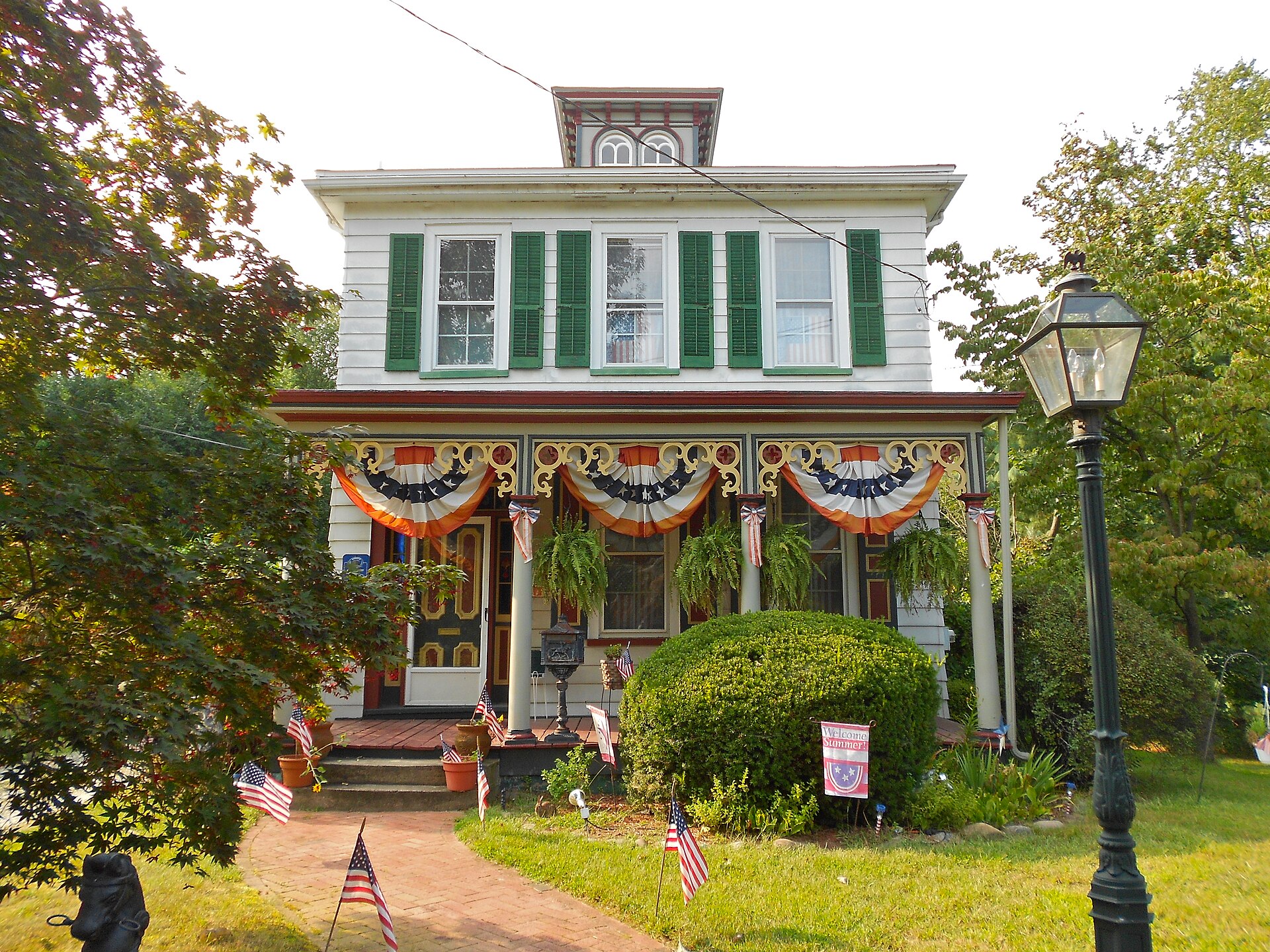
    Voorhees’s luxury housing stock is concentrated in a handful of established communities built primarily from the 1970s through the 2000s, many organized around private lakes, golf courses, or wooded lots. Homes tend to be larger-format colonials, contemporaries, and custom builds on generous lots, with some of the town’s most desirable pockets offering direct water access or views. Because much of the development happened in planned phases, buyers will find a fair amount of consistency within individual neighborhoods — homes of similar scale and style clustered together — which can make comparing recent sales more straightforward than in towns with a more patchwork building history.

    Newer construction and renovated homes do come to market, particularly as long-term owners sell and buyers update older houses to current finishes and floor plans. Buyers focused on move-in-ready luxury finishes versus those open to renovating an solid but dated home will find meaningfully different price points within the same neighborhoods.

    Schools and family appeal

    Voorhees is served by the Voorhees Township School District for elementary and middle school and Eastern Camden County Regional High School District for high school, and the strength of the local schools is one of the primary draws for families relocating to the area. Buyers moving from Philadelphia or from out of state should confirm current school assignments and any districting nuances for a specific address directly with the district, since boundaries and program details can shift.

    Parks, recreation, and daily life

    The township maintains an extensive parks system, including large multi-use parks with walking and biking trails, sports fields, and lake access, which gives Voorhees a genuinely outdoor-oriented, family-friendly character. The Virtua Voorhees hospital campus and a wide range of medical offices give the town a strong healthcare-employment base, and the Voorhees Town Center and surrounding retail corridors along Route 73 provide day-to-day shopping and dining without a drive into Cherry Hill or Philadelphia.

    Commuting to Philadelphia

    Voorhees’s location just off Route 42 and near the New Jersey Turnpike and Route 295 makes it one of the more commuter-friendly South Jersey towns for buyers who work in Center City or University City. Drive times to the Ben Franklin and Walt Whitman bridges typically run in the 20 to 30 minute range outside of peak congestion, and PATCO’s Lindenwold and Ashland stations, both a short drive from most Voorhees neighborhoods, offer a car-free rail option into Center City.

    How Voorhees compares to nearby towns

    Buyers cross-shopping Voorhees often also consider Cherry Hill, its larger and more commercially developed neighbor, and Marlton or Mount Laurel, which sit further out along the Route 70 corridor. Cherry Hill tends to offer more retail and dining density and a wider range of housing ages and prices; Voorhees generally offers a quieter, more planned-community feel with strong parkland access. Marlton and Mount Laurel push further from Philadelphia but often deliver more land and newer construction per dollar. The right choice comes down to how much weight a buyer puts on commute time versus lot size and price.

    Property taxes and what to budget for

    Like much of New Jersey, Voorhees carries property tax rates that run higher than many buyers relocating from Pennsylvania are used to. It’s an important line item to build into your monthly budget calculations alongside the mortgage payment, since it can meaningfully change the true carrying cost of a home compared to a similarly priced property across the river. Ask for the most recent tax bill on any home you’re seriously considering, since assessments and rates can vary by specific neighborhood within the township.

    Getting a feel for specific streets

    Because Voorhees was largely built out in discrete community phases, it’s worth touring more than one neighborhood before narrowing in. Some communities back directly onto township parkland or lakes and carry a premium for that access; others are set further back from major roads and offer more privacy at a lower price point. Spending an afternoon driving the town, rather than relying only on listing photos, tends to clarify which pocket actually fits your lifestyle.

    Frequently asked questions

    What is the luxury price range for homes in Voorhees?

    Luxury inventory in Voorhees varies significantly by neighborhood, lot, and whether a home has been updated, so rather than quoting a figure that may be out of date, it’s best to review current listings and recent comparable sales directly. James Kennedy can pull current market data for the specific streets and communities you’re considering.

    Is Voorhees a good fit for buyers relocating from Philadelphia?

    Many Philadelphia-area buyers relocate to Voorhees specifically for the combination of larger homes, strong schools, and a commute that remains manageable thanks to Route 42, Route 295, and PATCO rail access. It’s a common landing spot for buyers trading city square footage for suburban space without giving up reasonable access back into the city.

    Are there active-adult or 55-plus communities in Voorhees?

    South Jersey has a number of active-adult communities in the broader Voorhees and Camden County area, and some buyers looking to downsize specifically target these communities for their amenities and lower-maintenance living. Availability changes over time, so it’s worth asking about current options when you start your search.

    Exploring Voorhees or comparing it against other South Jersey towns? James Kennedy specializes in luxury real estate across Philadelphia and South Jersey and can help you evaluate neighborhoods, schools, and current inventory. Reach James at 215-267-8479 or jameskennedy@unlockedteam.com.
  • Mullica Hill, New Jersey: A Town Guide for Luxury Home Buyers

    Mullica Hill, New Jersey: A Town Guide for Luxury Home Buyers

    Mullica Hill, part of Harrison Township in Gloucester County, has become one of South Jersey’s more distinctive luxury markets by combining a well-preserved historic village center with newer, larger homes on generous lots in the surrounding area. For buyers who want more land and a slower pace than closer-in South Jersey suburbs offer, while still being within a reasonable commute of Philadelphia, Mullica Hill has emerged as a strong option.

    What Sets Mullica Hill Apart

    Mullica Hill’s historic district, centered on Main Street, is known for its 18th- and 19th-century buildings, antique shops, and small-town character, which has been carefully preserved even as the surrounding township has grown. This gives the town an identity distinct from newer-built South Jersey communities: buyers get both a genuine historic village and, just outside it, newer subdivisions with substantially larger lots than are typically available closer to Philadelphia or Camden County. The town has also become known regionally for its antique shopping and seasonal events, which draw visitors from across South Jersey and add to its distinct identity.

    Housing Stock and Lot Sizes

    The luxury segment in Mullica Hill spans two fairly different categories of home. In and around the historic district, buyers will find beautifully maintained older homes, some dating back well over a century, often on smaller in-town lots. Further out, newer-construction homes on one or more acres are common, offering the kind of space, privacy, and often equestrian or agricultural potential that is difficult to find in more built-up parts of South Jersey. Buyers should think carefully about which of these two very different Mullica Hill experiences fits their lifestyle before narrowing a search. Many of the newer developments in the surrounding township feature custom and semi-custom homes built over the past two decades, with floor plans that tend to run larger than comparable homes closer to Philadelphia.

    Commuting Considerations

    Mullica Hill is farther from Philadelphia and from the Ben Franklin and Walt Whitman bridges than towns like Haddonfield or Moorestown, so buyers prioritizing a short commute into Center City should weigh this carefully. In exchange for the longer drive, buyers typically gain meaningfully more land and often lower per-square-foot pricing than comparable homes closer to the city, which is part of the trade-off that draws many buyers to the area. Route 55 provides reasonably direct access toward the bridges and the broader South Jersey highway network, which helps offset the town’s greater distance from the city.

    Schools and Community

    Mullica Hill is served by the Harrison Township School District for elementary grades and Clearview Regional for high school, and the town has a reputation as a strong, family-oriented community. Its calendar of community events, centered around the historic Main Street, gives it a small-town identity that many buyers find appealing relative to more anonymous newer developments elsewhere in South Jersey. The township has also seen continued growth in retail and services along its main corridors, which has added convenience without displacing the historic core’s character.

    What to Consider Before Buying

    Buyers considering a larger, newer-construction home on acreage in Mullica Hill should ask about septic systems and well water where applicable, since not all of the surrounding township is served by public utilities, and this can affect both due diligence and long-term maintenance costs. For homes in the historic district, buyers should ask about any local historic preservation guidelines that could affect future renovations. In both cases, working with an agent familiar with the specific differences between in-town and outlying Mullica Hill properties will help set accurate expectations. It is also worth confirming flood zone status and any deed restrictions tied to agricultural or open-space preservation programs, which are more common in this part of Gloucester County than in more urbanized South Jersey towns.

    Buyers relocating from out of state should also note that Gloucester County retains a more rural, agricultural character in the areas surrounding Mullica Hill than most of Camden County, with working farms and preserved open space bordering many newer residential developments. This mix of suburban convenience and working countryside is a significant part of the town’s appeal for buyers seeking privacy without isolation.

    The Luxury Market in Mullica Hill

    Because Mullica Hill offers meaningfully more land per dollar than towns closer to Philadelphia, it has become increasingly attractive to buyers moving from more expensive, closer-in suburbs who are willing to trade a somewhat longer commute for space. This dynamic has kept demand strong for larger, newer-built homes on acreage, particularly among buyers relocating from Camden County or from Pennsylvania.

    Frequently asked questions

    What county and township is Mullica Hill in?

    Mullica Hill is a community within Harrison Township, Gloucester County, New Jersey. It is not a separate incorporated municipality, so property records and taxes are handled through Harrison Township.

    How far is Mullica Hill from Philadelphia?

    Mullica Hill is roughly 25 to 30 minutes from Center City Philadelphia by car under typical conditions, depending on the specific location within the township and time of day, making it somewhat farther than closer-in South Jersey suburbs like Haddonfield or Collingswood.

    Are larger lots common in Mullica Hill?

    Yes, particularly outside the historic Main Street district. Newer-construction homes on one acre or more are common in the surrounding areas of Harrison Township, offering more space than is typically available in South Jersey communities closer to Philadelphia.

    If you’re considering a home in Mullica Hill or elsewhere in South Jersey, James Kennedy can help you compare in-town and outlying properties and understand current inventory. Reach James at 215-267-8479 or jameskennedy@unlockedteam.com.

  • Understanding Flood Zones and Coastal Insurance: What South Jersey Shore Buyers Need to Know

    Understanding Flood Zones and Coastal Insurance: What South Jersey Shore Buyers Need to Know

    Buying at the Jersey Shore means buying on a barrier island or along a back bay, and that means engaging seriously with water. Flood zones, elevation, and insurance are not fine print at the shore — they shape a property’s carrying costs, its financing, its renovation options, and ultimately its resale value. The good news: none of this is mysterious once you know what to ask. Here is a practical guide for luxury buyers looking at Avalon, Stone Harbor, Ocean City, Sea Isle City, Cape May, Brigantine, Long Beach Island, and the rest of the South Jersey coast.

    Flood zones, in plain English

    FEMA maps coastal communities into flood zones that describe how likely an area is to flood and how water is expected to behave there. At the shore you will most often encounter three broad categories:

    • V zones — velocity zones, typically oceanfront, where waves and moving water are expected during a major storm. These carry the strictest building standards and the highest insurance considerations.
    • A zones (including AE) — areas subject to flooding without significant wave action, common across large portions of the barrier islands and bayfront neighborhoods.
    • X zones — areas of comparatively lower flood risk. Rarer on the islands themselves, more common on the mainland side.

    Nearly every shore property sits in a mapped zone of some kind, and that is normal — tens of thousands of homes trade successfully in A and V zones every year. The point is not to avoid flood zones altogether; it is to understand what the zone means for the specific house you are buying.

    Elevation is the number that matters most

    Two houses on the same street, in the same zone, can face very different insurance realities depending on how high their lowest floor sits relative to the base flood elevation, the height floodwater is expected to reach in a major event. This is documented in an elevation certificate, a surveyor-prepared form that any serious shore buyer should ask for early.

    Elevation explains a great deal about the modern shore market. Newer luxury construction is built high — living space over an open ground level used for parking and storage — precisely because height reduces both risk and insurance cost. Older cottages built at grade can be wonderful, but they carry different insurance math and, importantly, different renovation constraints. Ask the seller for the elevation certificate; if one does not exist, obtaining one during due diligence is money well spent.

    How coastal insurance actually works

    Insuring a shore home typically involves layering several policies, and luxury buyers should budget for all of them:

    • Flood insurance, through the National Flood Insurance Program or, increasingly for high-value homes, private flood carriers that offer higher limits than the federal program. Lenders require flood coverage in mapped high-risk zones.
    • Homeowners insurance, which at the coast often carries a separate — and larger — windstorm or hurricane deductible, frequently expressed as a percentage of the dwelling coverage rather than a flat dollar amount.
    • Excess and umbrella coverage, which matters more at the luxury level, where rebuilding costs and liability exposure exceed standard policy limits.

    Premiums are increasingly priced to each property’s specific risk — elevation, distance to water, construction type, and claims history all matter. Get real quotes on the actual property during your due diligence period rather than relying on rules of thumb. An hour with a coastal insurance broker before you finalize a purchase is one of the highest-value hours in the entire transaction.

    The 50 percent rule: the renovation constraint nobody mentions

    If you are buying an older shore home planning a major renovation, understand the substantial improvement rule. In regulated flood zones, when improvements to a structure exceed roughly half of the structure’s value, municipalities generally require the entire building to be brought into compliance with current flood standards — which can mean elevating the house. This single rule explains why so many buyers of older shore cottages ultimately choose to tear down and build new at proper elevation rather than renovate. Before you buy a dated house with big plans, have a conversation with the local construction office and a builder about what your plans would trigger.

    What this means for value — for buyers and sellers

    The market prices resilience. Elevated newer construction tends to hold value and insure affordably; older at-grade homes trade at discounts that reflect their insurance and renovation math. For buyers, that discount can be an opportunity if you go in with clear eyes and a realistic budget. For sellers, documentation is an asset: an elevation certificate, insurance history, and records of any flood mitigation work make a home easier to sell and easier for a buyer’s lender and insurer to approve.

    Frequently asked questions

    Is flood insurance required when buying a shore home?

    If you finance the purchase and the home sits in a mapped high-risk flood zone, your lender will require flood coverage. Cash buyers are not required to carry it, but going without coverage on a barrier island puts a substantial asset at risk, and most luxury buyers insure regardless.

    What is an elevation certificate and do I need one?

    It is a surveyor-prepared document recording how high a structure sits relative to expected flood levels. It drives insurance pricing and informs renovation decisions, so ask for it early in any shore purchase — and commission one if the seller cannot provide it.

    Do flood zones make shore homes a bad investment?

    No — virtually the entire Jersey Shore market sits in mapped flood zones, and these towns have remained some of the most sought-after real estate in the region. The key is buying with full information: know the zone, know the elevation, and get real insurance quotes before you close.

    Considering a purchase in Avalon, Stone Harbor, Ocean City, or anywhere along the South Jersey coast? James Kennedy guides luxury buyers through every step, including the coastal diligence that protects your investment. Call James at 215-267-8479 or email jameskennedy@unlockedteam.com for current market insight and a private consultation.

  • Riverton, New Jersey: A Town Guide for Luxury Home Buyers

    Riverton, New Jersey: A Town Guide for Luxury Home Buyers

    Riverton is one of South Jersey’s smallest and most architecturally distinctive towns, a compact Delaware riverfront community in Burlington County that was purpose-built in the 1850s as one of the region’s first planned commuter suburbs. Its walkable grid of Victorian and Colonial Revival homes, mature trees, and direct river frontage give it a character unlike anywhere else in the Philadelphia region, and its small size means genuine luxury inventory turns over rarely. For buyers who want history, water access, and true small-town scale, Riverton is worth knowing about even though it rarely shows up on a typical suburban search.

    A town built around its river

    Riverton’s identity is inseparable from the Delaware River. The town’s riverfront promenade, its yacht club, and its historic ferry landing all reflect a community designed from the outset around water access and river views, well over a century before that kind of amenity became a premium selling point elsewhere. Many of the town’s most desirable properties sit directly along the river or a short walk from it, offering views and water access that are genuinely difficult to replicate in other South Jersey suburbs.

    The town’s historic district encompasses a significant share of its housing stock, meaning many properties come with architectural review considerations for exterior changes. Buyers who value historic character generally see this as a benefit that protects the town’s look and feel, but it is worth understanding the specific rules before planning any major exterior renovation.

    Housing stock and scale

    Because Riverton covers well under a square mile, its total housing inventory is small, and luxury-tier properties, particularly those with river frontage or views, come on the market infrequently. Homes here tend to be large Victorian, Colonial Revival, and Queen Anne–style houses from the town’s original development period, many with wraparound porches, high ceilings, and detailed woodwork. Buyers accustomed to browsing dozens of comparable listings in larger towns should expect a narrower, more patience-driven search in Riverton.

    Commute and daily life

    Riverton offers a genuinely walkable town center, a small but active business district, and access to regional rail service that provides a direct commuting option into Philadelphia without requiring a car for the trip. This combination, historic riverfront charm paired with a viable rail commute, is relatively rare in South Jersey and is a significant part of Riverton’s appeal for buyers who work in the city but want small-town, water-adjacent living.

    The town’s size also means a strong sense of community; residents frequently cite the town’s walkability, its neighborly feel, and local events as reasons they stay for the long term once they arrive.

    What to know before buying in Riverton

    Given the age of Riverton’s housing stock, a thorough inspection matters as much here as in any historic Philadelphia neighborhood, with particular attention to the condition of the roof, electrical and plumbing systems, and any foundation issues related to the property’s proximity to the river. Buyers should also ask specifically about flood zone designation for riverfront and near-riverfront properties, since flood insurance requirements and costs can vary meaningfully within a short distance of the water.

    Comparing Riverton to nearby river towns

    Riverton is often mentioned alongside its immediate neighbors, Palmyra and Riverside, both of which share the same riverfront geography and rail access but offer larger, denser housing stock at a range of price points. Riverton’s smaller footprint and largely intact historic character set it apart from both, appealing specifically to buyers who want a distinctive, walkable, architecturally cohesive town rather than a broader mix of housing styles and eras. Buyers who don’t find what they need in Riverton’s limited inventory sometimes expand their search to these neighboring towns while keeping the same riverfront and rail-commute priorities in mind.

    Working with the town’s historic preservation guidelines

    Because a meaningful share of Riverton’s housing sits within its historic district, buyers planning any exterior work, from replacing windows to adding a rear addition, should factor in the town’s architectural review process from the outset. This isn’t unique to Riverton among older Philadelphia-area towns, but its high concentration of historic properties means the process touches a larger share of potential renovation projects than in a typical suburb. Engaging with the town’s historic commission early, ideally before making an offer contingent on planned changes, tends to produce the smoothest outcomes.

    Frequently asked questions

    Is Riverton, New Jersey a good option for a Philadelphia commute?

    Yes, Riverton offers direct regional rail access into Philadelphia, making it a practical option for commuters who want a walkable, historic, river-adjacent town without giving up a viable transit commute. Actual travel time depends on the specific train schedule and final destination in the city.

    How often do luxury homes come on the market in Riverton?

    Because Riverton is a very small town with limited total housing inventory, luxury and riverfront properties in particular turn over infrequently compared to larger South Jersey suburbs. Buyers interested in Riverton should expect to be patient and may benefit from having an agent monitor the market closely on their behalf.

    Are there restrictions on renovating a historic home in Riverton?

    Much of Riverton falls within a historic district, which can mean architectural review requirements for exterior changes to preserve the town’s character. It’s important to understand these requirements for any specific property before planning a major renovation.

    If Riverton’s riverfront charm and small-town scale appeal to you, James Kennedy can help you understand what’s available and how to move quickly when the right property comes to market. Contact James at 215-267-8479 or jameskennedy@unlockedteam.com.
  • Long Beach Island, New Jersey: A Luxury Buyer’s Guide to LBI’s Shore Homes

    Long Beach Island, New Jersey: A Luxury Buyer’s Guide to LBI’s Shore Homes

    Long Beach Island, known locally as LBI, offers a different flavor of Jersey Shore luxury than the more polished addresses further south. Stretching across eighteen miles of barrier island between Barnegat Bay and the Atlantic, LBI is a collection of distinct communities, from the quiet, family-oriented feel of Loveladies and Harvey Cedars to the more active surf-and-restaurant scene of Beach Haven and Ship Bottom. For buyers drawn to a shore home that feels less manicured and more genuinely coastal, LBI is one of the most compelling stretches of the South Jersey coast.

    What makes LBI distinct among Jersey Shore towns

    Unlike Avalon or Stone Harbor, which read as more uniformly upscale from end to end, LBI’s eighteen miles contain real variation in character from one community to the next. Loveladies and North Beach, at the island’s north end, are known for architect-designed contemporary homes on wide, quiet lots and tend to draw buyers seeking privacy and design-forward construction. Beach Haven, toward the south end, retains a more traditional shore-town feel with a walkable downtown, Victorian-era homes, and an active summer social scene. Buyers should think of LBI less as one market and more as several distinct micro-markets strung together along the same stretch of sand.

    Bay side versus ocean side is another major distinction on LBI. Bayfront properties often command a premium for boat access and sunset views over Barnegat Bay, while oceanfront and ocean-block properties command their own premium for direct beach access and surf views. Buyers with boats or a strong interest in bay recreation should weigh bay access as seriously as they weigh beach access.

    Housing stock and what to expect

    LBI’s luxury inventory spans architect-designed contemporary homes, elevated new construction built to current coastal flood standards, and older shore cottages that have either been extensively renovated or are candidates for a teardown and rebuild. Given the island’s exposure to coastal weather, newer or recently renovated homes are often built on pilings with impact-resistant windows and updated drainage, features that matter more here than in most inland luxury markets.

    Because LBI is a barrier island, flood zone designation and elevation requirements are a meaningful part of any purchase decision, affecting everything from insurance costs to the feasibility of future renovations. A knowledgeable local agent and a flood-zone-aware inspector are essential parts of the due diligence process here.

    Rental income potential

    Many LBI buyers view their purchase as a dual-purpose asset: a personal retreat for part of the year and a rental property for the rest. LBI has a well-established seasonal rental market, and certain towns and property types rent more readily and at higher rates than others. If rental income is part of your plan, it’s worth discussing realistic occupancy and rate expectations with a local agent who tracks the rental market directly, rather than relying on general assumptions from other shore markets.

    Seasonality and year-round living

    LBI’s population swells dramatically in summer and quiets considerably in the off-season, which shapes both the lifestyle and the practical realities of ownership. Buyers considering LBI as a full-time residence should visit during the off-season as well as summer to get an honest sense of what year-round life looks like, including which restaurants and services stay open and how the community feels once the summer crowds leave.

    Getting to and from the island

    Access to LBI is limited to a single causeway connecting the island to the mainland, which shapes both daily life and how buyers should think about traffic patterns, particularly during peak summer weekends. Year-round residents generally learn to plan trips off-island around predictable congestion windows, while summer-only owners may not need to think about it at all. It’s a small but real lifestyle factor worth understanding before you commit, especially if you’re considering full-time living rather than seasonal use.

    What buyers should budget for beyond the purchase price

    Coastal ownership on LBI carries carrying costs that go beyond a typical inland property, including flood insurance, wind and hail coverage, and ongoing maintenance driven by salt air and coastal weather exposure. Homes on pilings may also require periodic structural inspections of the elevated foundation. None of this should discourage a serious buyer, but building these costs into your overall budget from the start, rather than discovering them after closing, leads to a much smoother ownership experience.

    Frequently asked questions

    What part of Long Beach Island is best for privacy?

    Loveladies and North Beach, at the island’s northern end, are generally known for larger lots, more architectural privacy, and a quieter atmosphere compared to the busier downtown areas of Beach Haven and Ship Bottom. The right fit depends on how much you value walkable amenities versus seclusion.

    Do LBI homes require flood insurance?

    Most properties on LBI sit within FEMA-designated flood zones given the island’s barrier-island geography, which typically means flood insurance is required by mortgage lenders and strongly recommended even for cash buyers. Costs and requirements vary by specific flood zone and elevation, so it’s important to get a clear estimate for any property you’re considering before finalizing an offer.

    Can I generate rental income from an LBI luxury home?

    Yes, LBI has an active seasonal rental market, and many owners rent their properties for all or part of the summer season. Rental potential varies by location, home size, and amenities, so it’s worth getting a realistic, property-specific estimate rather than assuming a uniform return across the island.

    If LBI’s mix of natural beauty and distinct micro-markets sounds like the shore lifestyle you’re after, James Kennedy can help you navigate the island’s different communities and find the right fit. Reach James at 215-267-8479 or jameskennedy@unlockedteam.com.
  • Collingswood, New Jersey: A Town Guide for Luxury Home Buyers

    Collingswood, New Jersey: A Town Guide for Luxury Home Buyers

    Collingswood is one of South Jersey’s smallest boroughs by land area, and one of its most in-demand for buyers who want a genuinely walkable town center paired with a direct rail line into Philadelphia. Where much of South Jersey rewards buyers who are comfortable driving everywhere, Collingswood offers something closer to an urban neighborhood experience — dense sidewalks, a lively main street, and a PATCO stop that puts Center City within roughly twenty minutes, no bridge traffic required.

    Haddon Avenue and the Downtown Experience

    Collingswood’s Haddon Avenue corridor is the borough’s defining feature — a compact, walkable strip of independent restaurants, cafes, and shops that has made the town a regional dining destination well beyond its own population. The borough’s well-known Saturday farmers market draws visitors from across the region for much of the year. For buyers who value being able to walk to dinner, coffee, or a Saturday market rather than driving to a shopping plaza, Collingswood offers a lifestyle that is genuinely difficult to find elsewhere in South Jersey outside of Haddonfield.

    Housing Stock: Character-Rich and Compact

    Collingswood’s housing is dominated by early twentieth-century Victorians, Colonial Revivals, and craftsman-style homes on relatively small, walkable lots — a very different physical footprint than the larger-lot suburban homes found in townships like Cherry Hill or Marlton. At the upper end of the market, buyers will find fully restored historic homes with period detail preserved alongside modern systems and finishes, as well as a smaller number of newer construction and conversion projects, particularly near the borough’s waterfront-facing edge. Because lots are tight and homes are close together, buyers should pay close attention to lot lines, shared driveways, and any easements before making an offer.

    PATCO Access and the Commute to Philadelphia

    Collingswood’s PATCO station is arguably its single biggest draw for buyers who work in Philadelphia. The line runs directly into Center City in about twenty minutes, avoiding bridge traffic entirely and offering a level of commuting predictability that is hard to match from most other South Jersey suburbs. For buyers deciding between a walkable, transit-oriented South Jersey town and a similar profile in Philadelphia itself, Collingswood is worth serious consideration — it offers many of the lifestyle benefits of an urban neighborhood with New Jersey’s generally lower property tax profile relative to the city’s own tax structure, though buyers should always verify current figures directly rather than relying on general comparisons.

    Community Scale and Character

    Collingswood’s small footprint creates a tight-knit community feel that larger townships cannot replicate — residents tend to know their neighbors, local business owners, and the rhythms of the town’s calendar of markets, festivals, and events. This scale is a genuine selling point for buyers relocating from dense urban neighborhoods who want to keep a similar sense of place and walkability, just with a quieter, more residential edge. It can feel like a trade-off for buyers who prioritize privacy and space above all else, since homes sit close together and street parking is a real consideration in parts of the borough.

    How Collingswood Compares to Nearby Towns

    Collingswood is frequently cross-shopped with Haddonfield, its similarly walkable, PATCO-adjacent neighbor a few miles south. Haddonfield tends to offer larger lots, a more suburban feel once off its own compact downtown, and a different price profile; Collingswood leans denser, more urban in daily feel, and often more accessible on a per-square-foot basis for buyers who want walkability without Haddonfield’s scale of estate-style homes. Buyers weighing the two should spend time in both downtowns on a weekday evening and a Saturday morning to get a real sense of the difference.

    Frequently asked questions

    What makes Collingswood attractive to luxury buyers specifically?

    Its combination of a genuinely walkable downtown, a direct PATCO connection to Philadelphia, and a well-preserved stock of historic homes is relatively rare in South Jersey. Buyers who want an urban-adjacent lifestyle without living in the city itself often find Collingswood hits a sweet spot that larger, more car-dependent townships cannot offer.

    Is Collingswood a good option for a Philadelphia commuter?

    Yes — the PATCO line is one of Collingswood’s strongest selling points, offering a direct, roughly twenty-minute ride into Center City that avoids bridge traffic. Buyers relocating for a Philadelphia-based job should factor in both the PATCO commute and typical parking or drop-off logistics at the station.

    How does Collingswood’s housing stock differ from surrounding suburban towns?

    Collingswood’s homes are generally older, denser, and set on smaller lots than what buyers will find in townships like Cherry Hill or Marlton. The trade-off is architectural character and walkability in exchange for less land and, in some pockets, tighter parking — a fair trade for many buyers but worth weighing carefully against your priorities.

    If Collingswood’s walkable, transit-connected lifestyle appeals to you, James Kennedy can help you compare it against Haddonfield and other South Jersey options and find the right fit. Reach James at 215-267-8479 or jameskennedy@unlockedteam.com.
    Parks, Waterfront, and Green Space

    Beyond its commercial corridor, Collingswood offers residents meaningful green space along the Cooper River, including waterfront paths popular with runners and cyclists, plus a well-used community park system that hosts much of the borough’s outdoor programming. For buyers coming from a dense city block, this mix of walkable retail and nearby waterfront green space can feel like the best of both worlds — an active, urban-feeling main street paired with genuine outdoor access a short walk or bike ride away. It is worth touring these amenities in person, since their proximity to a specific home can vary more than the borough’s small size might suggest.

  • Cherry Hill, New Jersey: A Town Guide for Luxury Home Buyers

    Cherry Hill, New Jersey: A Town Guide for Luxury Home Buyers

    Cherry Hill sits at the geographic and commercial center of South Jersey, roughly fifteen minutes from Center City Philadelphia via the Ben Franklin Bridge or PATCO extensions nearby. For buyers who want more house and land than the city can offer, without giving up easy access to Philadelphia, Cherry Hill has long been one of the region’s most dependable luxury markets. It is a large township with distinct pockets, and understanding those pockets is the key to buying well here.

    A Township of Neighborhoods, Not One Market

    Cherry Hill is not a single housing market — it is a collection of them. Areas like Barclay Farms, Kingston Estates, Woodcrest, Downs Farm, and Erlton each have their own character, lot sizes, and architectural mix. Some sections favor mid-century brick colonials and split-levels on generous, mature lots; others have seen newer custom construction on larger parcels toward the township’s eastern and southern edges. Buyers should treat Cherry Hill less as one market to “get a feel for” and more as several micro-markets worth comparing directly, street by street, before settling on an area.

    Housing Stock and What Sets the Upper End Apart

    Much of Cherry Hill’s housing dates to the postwar suburban boom, which means many homes have been substantially renovated, expanded, or rebuilt over the decades. At the luxury end of the market, buyers will find a mix of thoughtfully updated mid-century homes with expanded kitchens and primary suites, and newer or fully rebuilt custom homes on premium lots — often backing to wooded buffers, ponds, or larger acreage than is typical elsewhere in Camden County. Because renovation quality varies widely from block to block, a careful inspection and a knowledgeable local read on permit history matter more here than in a newer, more uniform subdivision.

    Schools and Family Appeal

    Cherry Hill’s public school system is a significant draw for buyers relocating with families, and school-district boundaries can meaningfully affect which specific streets carry a premium within the township. Buyers should always confirm current school assignments and performance directly rather than relying on general reputation, since boundaries and rankings can shift. For families prioritizing schools, it is worth mapping out a short list of streets first and then evaluating homes within that list, rather than falling in love with a house before checking its assigned schools.

    Lifestyle, Shopping, and Everyday Convenience

    Cherry Hill offers a level of retail and dining density that is unusual for a suburban township — anchored historically by the Cherry Hill Mall and a broad corridor of shopping along Route 70 and Route 38. The ongoing redevelopment of the former Garden State Park site has added newer residential, office, and lifestyle-retail components to the township’s northern end, giving buyers a more walkable, mixed-use option within Cherry Hill itself for those who want some of that energy without a full commit to a downtown-style community. For day-to-day convenience — groceries, medical offices, restaurants — Cherry Hill is hard to beat in South Jersey.

    Commuting to Philadelphia

    Cherry Hill’s location just off Route 70 and I-295, with quick access to the Ben Franklin Bridge, makes a Center City commute by car very manageable outside of peak congestion. Buyers who prefer transit have PATCO stations within a short drive in neighboring Camden County towns, offering a reliable, direct rail connection into Philadelphia that avoids bridge traffic entirely. For buyers weighing Cherry Hill against a rail-served downtown like Collingswood or Haddonfield, it is worth test-driving the actual commute — by car and by transit — at the times of day you would realistically use it.

    Who Cherry Hill Suits Best

    Cherry Hill tends to suit buyers who want more square footage and land for the dollar than Philadelphia proper or the most walkable South Jersey downtowns can offer, who value strong everyday amenities and shopping, and who are comfortable with a car-oriented lifestyle balanced by reasonably close highway and bridge access to the city. It is less suited to buyers whose top priority is a walkable, train-served town center — for that profile, a downtown like Haddonfield or Collingswood may be a better fit, and comparing the two directly is worthwhile before deciding.

    Frequently asked questions

    Is Cherry Hill considered a luxury market in South Jersey?

    Yes, particularly in its established neighborhoods with larger lots and updated or custom-built homes. Cherry Hill’s luxury inventory tends to emphasize space, privacy, and land rather than the walkable downtown character found in towns like Haddonfield or Collingswood, so it appeals to a somewhat different type of buyer.

    How far is Cherry Hill from Center City Philadelphia?

    Cherry Hill is roughly fifteen to twenty-five minutes from Center City by car depending on traffic and bridge conditions, with nearby PATCO stations in adjacent towns offering a direct rail alternative. Buyers relocating for a Philadelphia-based job should test the commute at realistic times before finalizing a location decision.

    Do renovation quality and permit history matter when buying in Cherry Hill?

    They matter quite a bit. Because so much of Cherry Hill’s housing stock has been renovated or expanded over multiple decades, the quality and permitting of that work varies significantly from home to home. A thorough inspection and a review of permit history are especially important here, more so than in newer, more uniformly built communities.

    If you are considering Cherry Hill or comparing it against other South Jersey towns, James Kennedy can walk you through the neighborhoods, current inventory, and how each area fits your priorities. Reach James at 215-267-8479 or jameskennedy@unlockedteam.com.

  • Boat Slips, Docks, and Waterfront Access: What to Know Before Buying a South Jersey Shore Home

    Boat Slips, Docks, and Waterfront Access: What to Know Before Buying a South Jersey Shore Home

    For many luxury shore buyers, the ability to keep a boat steps from the back door is as important as the house itself. But waterfront access in South Jersey’s bay and lagoon communities is governed by a patchwork of deeded rights, riparian grants, homeowner association rules, and municipal permitting that is easy to misunderstand until you are deep into a transaction. A little homework before you write an offer can prevent an unpleasant surprise after closing.

    Deeded Dock Rights vs. Association or Municipal Slips

    The first and most important distinction is whether a dock or boat slip is deeded directly to the property, owned through a homeowner or marina association, or leased or permitted through the municipality. A deeded dock, where the right to the slip transfers with the property itself, is generally the most straightforward and valuable arrangement, since it does not depend on continued membership in an association or an annual permit that could theoretically not be renewed. Association-controlled slips are common in some lagoon communities and typically come with their own rules about transferability, waiting lists for additional slips, and annual dues, which are worth reviewing in detail before assuming a slip will simply pass to a new owner.

    Municipal bulkhead permits and any separate riparian grants from the state add another layer, since some waterfront rights in New Jersey are technically owned by the state and granted or licensed to the adjacent property owner. A title search and, where appropriate, a survey should clarify exactly what is being conveyed with the property.

    Bulkhead Condition and Maintenance Responsibility

    Bulkheads — the retaining walls that hold back water and soil along a waterfront lot — are a significant, and sometimes overlooked, maintenance item. Replacing or repairing a failing bulkhead is a substantial expense, and buyers should ask directly about the age and condition of the bulkhead, who is responsible for its maintenance under any applicable association rules, and whether any repair work is anticipated or already required. A visual inspection alone often will not reveal the full condition, so a professional evaluation is worth considering for an older waterfront property.

    Water Depth and Boat Size

    Not all waterfront access accommodates every size or type of boat. Lagoon and back-bay depths vary significantly by location and by tide, and a slip that comfortably fits a smaller boat may not work for a larger vessel, particularly at low tide. Buyers who already own a boat, or know the size they intend to purchase, should confirm actual usable depth at the specific dock rather than relying on general assumptions about the waterway.

    Flood Zone and Insurance Implications

    Waterfront and lagoon properties are almost always in a flood zone, and the specific designation affects both the cost and availability of flood insurance. This is worth investigating early in the due diligence process, alongside any windstorm or named-storm coverage requirements that may apply on top of standard flood insurance. These costs can be meaningful over the life of ownership and are worth building into your overall budget for the property, not treated as an afterthought at closing.

    Questions to Ask Before Making an Offer

    Before writing an offer on a home with dock or boat slip access, it is worth confirming in writing whether the dock is deeded to the property or controlled by an association or municipal permit, what the current condition of the bulkhead and dock structure is, what maintenance obligations and dues apply, whether the slip accommodates the boat size you have in mind, and what the current flood insurance costs look like for the specific property.

    Frequently asked questions

    How can I tell if a dock is deeded to the property?

    A title search will typically reveal whether dock or riparian rights are conveyed directly with the deed. Your agent or attorney can help confirm this before you are far into the transaction, and it is worth raising the question explicitly rather than assuming.

    Are association-controlled boat slips less desirable than deeded slips?

    Not necessarily, but they come with different considerations, including annual dues, transferability rules, and the association’s own governance. Many buyers are perfectly happy with association-controlled slips once they understand exactly how the arrangement works.

    Who typically pays to repair or replace a failing bulkhead?

    Responsibility depends on the specific property, its association rules if any, and sometimes municipal requirements. This should be clarified during due diligence rather than assumed, since bulkhead work can be a significant expense.

    If you are shopping for a South Jersey shore home with boat access and want help sorting through dock rights and waterfront considerations, James Kennedy can guide you through the process. Reach James at 215-267-8479 or jameskennedy@unlockedteam.com.

    Working With an Agent Who Knows the Waterway

    Because dock rights, bulkhead condition, and water depth vary so much block by block and lagoon by lagoon, local knowledge matters more here than in a typical land-locked purchase. An agent who regularly works South Jersey’s bay and lagoon communities can often flag potential issues, or particularly desirable access, well before a formal inspection, which is valuable when good waterfront inventory tends to move quickly.

    It is also worth asking whether the community has any planned dredging, bulkhead replacement, or waterway improvement projects on the horizon, since these can affect both cost and access during construction and are sometimes shared through association meeting minutes rather than disclosed automatically.