Category: Philadelphia Real Estate

  • Yardley and Washington Crossing, Pennsylvania: A Bucks County River Towns Guide for Luxury Home Buyers

    Yardley and Washington Crossing, Pennsylvania: A Bucks County River Towns Guide for Luxury Home Buyers

    Bucks County’s river towns occupy a particular niche in the Philadelphia luxury market. Yardley and Washington Crossing sit along the Delaware River about thirty miles northeast of Center City, close enough to the city to be commutable, close enough to New York’s rail corridor to draw buyers from two metro areas, and quiet enough to feel genuinely rural at the edges. For buyers looking at high-end homes in Bucks County, these two communities deserve a careful look.

    Where Yardley and Washington Crossing sit

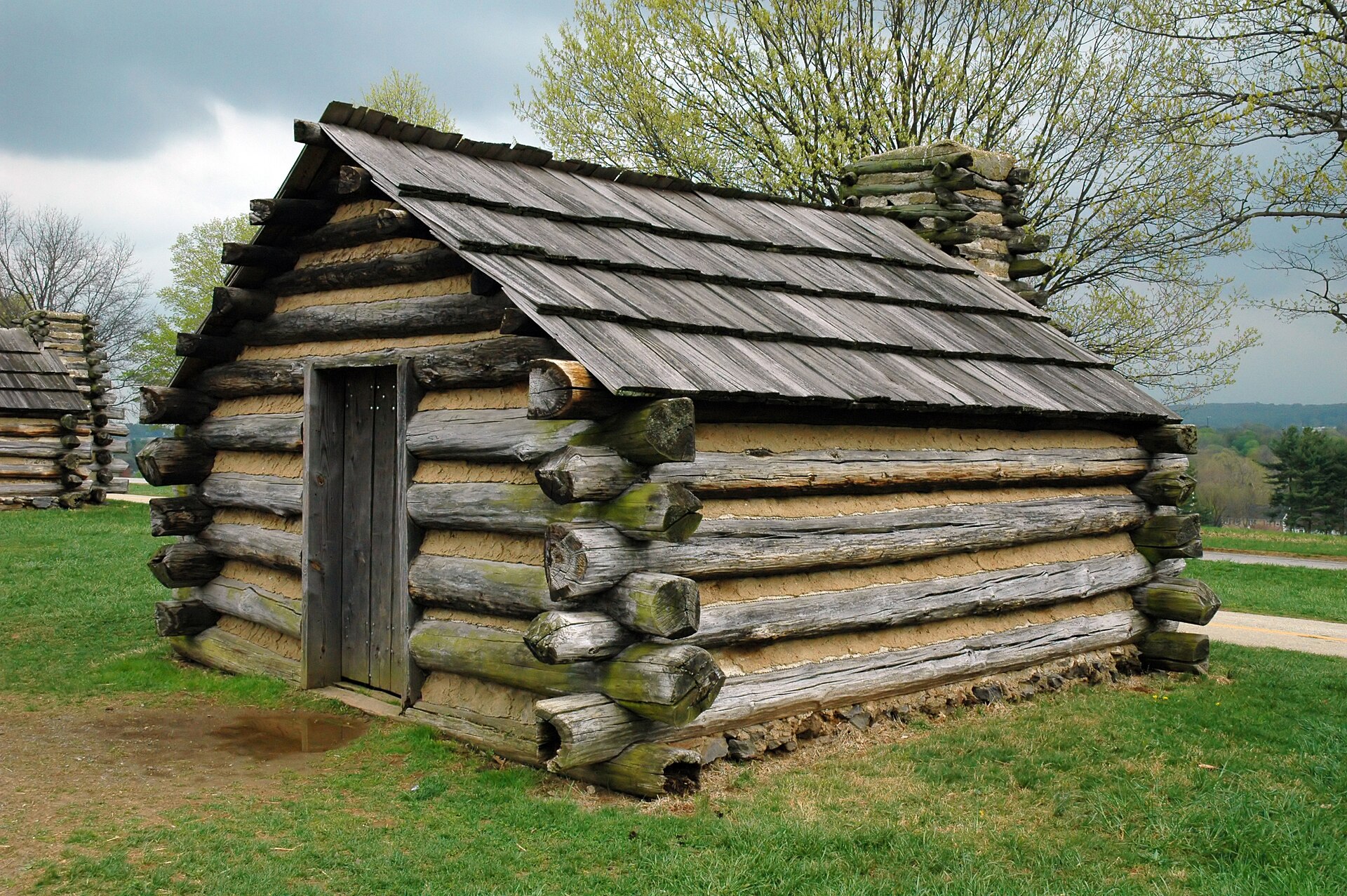
    Yardley is a small borough surrounded by the much larger Lower Makefield Township. Most listings marketed as “Yardley” are actually in Lower Makefield, which matters for taxes, schools, and lot sizes. Washington Crossing is not a municipality at all — it is a village and postal designation that straddles Upper Makefield Township, anchored by Washington Crossing Historic Park where the Continental Army crossed the Delaware in December 1776.

    The practical takeaway for buyers: the mailing address tells you less than the township does. Before you fall for a listing, confirm the municipality, the school district, and the tax parcel. A house with a Yardley address may sit in Lower Makefield with township sewer, or it may sit further out on well and septic with a very different cost profile.

    The housing stock

    These towns offer an unusually wide range at the upper end, which is part of their appeal.

    • Historic river houses. Along River Road and in the borough itself you will find eighteenth and nineteenth century stone and frame houses, some with original millwork and walk-in fireplaces. These are the most characterful properties in the area and the most demanding to own.
    • Estate properties in Upper Makefield. North and west of Washington Crossing, lots open up considerably. Multi-acre parcels with barns, guest houses, pools, and long private drives are the norm at the top of this market.
    • Executive colonials. Lower Makefield built a great deal of large-lot suburban housing from the 1970s through the 2000s. These are the homes that trade most frequently in the upper brackets — substantial square footage, four to six bedrooms, finished lower levels.
    • Newer custom construction. Infill and small custom subdivisions continue to appear, often on former farm parcels.

    Because the range is so wide, price per square foot is a weak guide here. A restored 1790s stone farmhouse on six acres and a 2004 colonial on an acre may list within range of one another and represent completely different propositions.

    Lifestyle: canal, river, and a walkable center

    The Delaware Canal towpath runs through both communities and is the spine of daily life for a lot of residents — running, cycling, and walking for miles without crossing a road. Washington Crossing Historic Park adds several hundred acres of preserved land, and Bowman’s Hill Tower and Wildflower Preserve sit just north.

    Yardley Borough itself is compact and walkable, with a handful of restaurants, a coffee shop or two, a canal-side setting, and community events that draw people out. New Hope is a short drive up River Road for dinner and galleries. Newtown is roughly ten minutes west with a larger commercial center. Princeton is about half an hour east across the river.

    This is a meaningful differentiator versus some Main Line and Chester County options: Bucks river towns give you preserved open space and river frontage in a way that the western suburbs generally do not.

    Commuting and connectivity

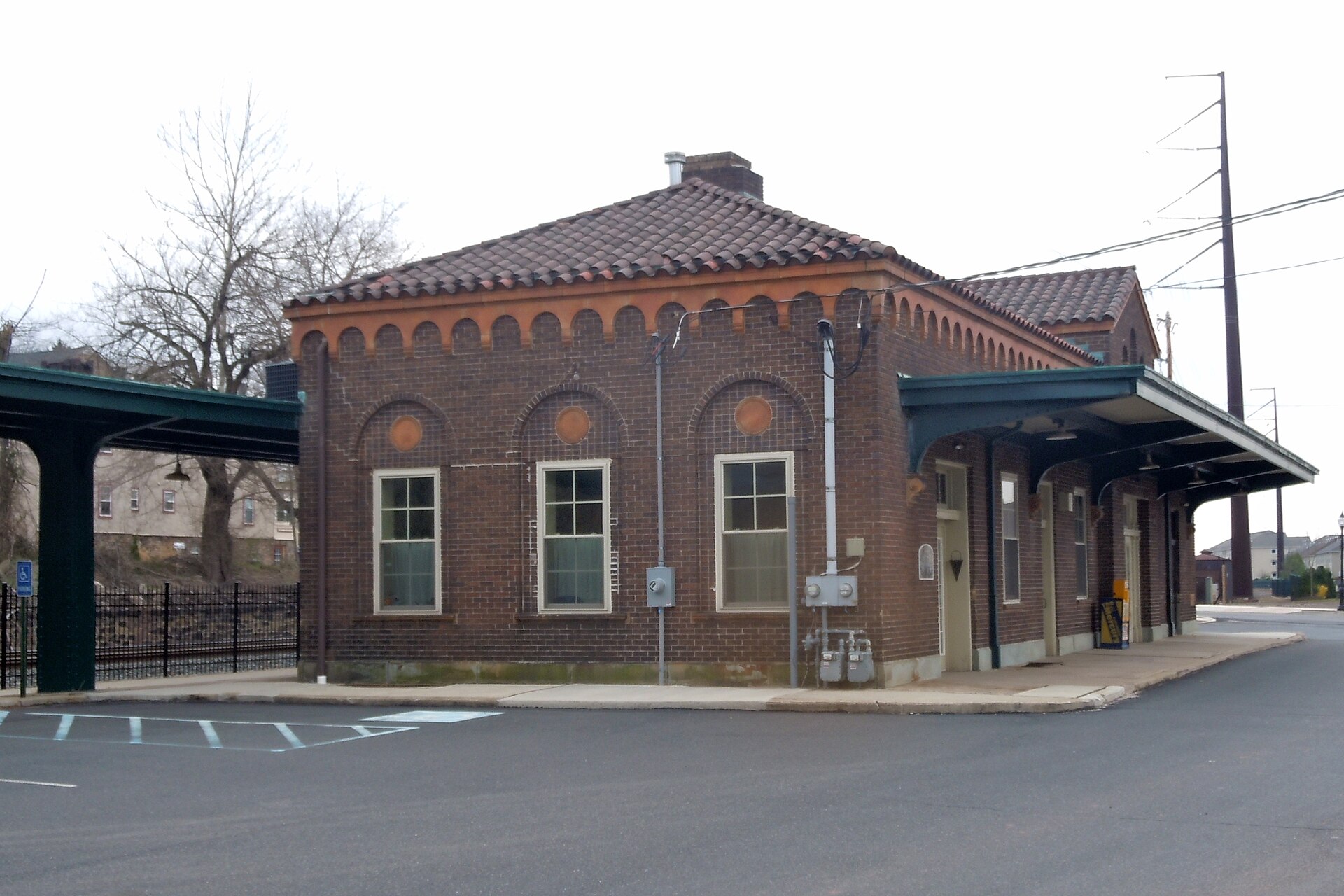
    Yardley has a SEPTA station on the West Trenton Line, which runs into Center City. Trenton Transit Center is a short drive and connects to NJ Transit’s Northeast Corridor and Amtrak, which is why this area attracts people who work in New York or Princeton as well as Philadelphia. I-95 runs through Lower Makefield, and the Scudder Falls Bridge crossing into New Jersey was rebuilt in recent years.

    If you commute, drive your actual route at your actual departure time before you buy. The bridge crossings and I-95 interchanges behave very differently at 7:30 a.m. than they do on a Sunday showing.

    What luxury buyers should evaluate here specifically

    Flood exposure

    Properties near the river and the canal can carry flood risk, and the Delaware has flooded historically. Pull the flood zone designation early, get an insurance quote before your contingency period ends, and ask about elevation certificates on anything close to the water. This affects both your carrying cost and your eventual resale pool.

    Historic status and what you can change

    Older properties may sit in historic districts or carry preservation constraints. If your plan involves an addition, new windows, or a reconfigured kitchen, confirm what review you will face before you are under contract, not after.

    Well, septic, and acreage systems

    Move away from the borough and public utilities thin out. On an estate property, budget for a well flow and potability test, a full septic inspection, and a conversation about what a replacement system would cost on that particular soil. On acreage, also ask about the maintenance obligation you are inheriting — fields, drives, and outbuildings are real annual expense.

    Land preservation and easements

    Bucks County has an active farmland and open space preservation history. Some parcels carry conservation easements or preferential tax assessments that come with conditions. Read them. They can be a benefit or a serious constraint depending on your plans.

    How these towns compare to other Bucks options

    New Hope and Solebury skew more artistic and tourist-facing, with a livelier commercial core and generally older housing stock. Newtown offers a more traditional town-center suburban feel with strong schools and heavy retail nearby. Doylestown is the county seat and offers a genuinely urban small-town center with cultural institutions.

    Yardley and Washington Crossing land in between: quieter than New Hope, more connected to the river and to New Jersey than Doylestown, and with a deeper supply of large modern houses than either. If your priorities are open space, river access, and dual-metro commuting, they are hard to beat within Bucks County.

    Frequently asked questions

    Is a Yardley mailing address the same as living in Yardley Borough?

    Often not. Many homes with Yardley addresses are located in Lower Makefield Township. The distinction affects your municipal taxes, trash and sewer arrangements, zoning rules, and sometimes your school assignment. Always verify the municipality on the tax record rather than relying on the mailing address.

    Do I need flood insurance in Washington Crossing?

    It depends entirely on the individual parcel. Properties near the Delaware or the canal may be in a mapped flood zone and require coverage, while homes a short distance uphill may not. Get the specific flood zone determination and an insurance quote for the exact address during your due diligence period.

    How does the Bucks County luxury market compare to the Main Line?

    Bucks generally offers more land for the money and a more rural setting, while the Main Line offers shorter commutes to Center City and a denser cluster of established high-end neighborhoods. Which represents better value depends on your commute, your appetite for acreage, and how much you value walkable town centers. I am happy to walk through current pricing in both areas so you can compare directly.

    If you are considering a luxury home purchase or sale in Yardley, Washington Crossing, or anywhere in Bucks County, I can give you a clear read on the specific property, the township rules that apply, and what comparable homes are actually doing right now. Reach out to James Kennedy at 215-267-8479 or jameskennedy@unlockedteam.com to start the conversation.

  • Ambler, Pennsylvania: A Montgomery County Town Guide for Luxury Home Buyers

    Ambler, Pennsylvania: A Montgomery County Town Guide for Luxury Home Buyers

    Ambler sits in the middle of one of Montgomery County’s most desirable corridors, about forty-five minutes northwest of Center City by car and a direct ride on SEPTA’s Lansdale/Doylestown Regional Rail line. For luxury buyers, it offers something the Main Line often cannot at the same price: a genuinely walkable downtown, a compact and characterful housing stock, and quick access to the larger estate properties of Whitpain, Lower Gwynedd, and Upper Dublin townships that surround it. This guide covers what high-end buyers should understand about the Ambler area before they start touring.

    Where Ambler sits and why that matters

    Ambler Borough itself is small, roughly a square mile, but the address is commonly used for a much larger area. Homes with an Ambler mailing address may sit in Ambler Borough, Upper Dublin Township, Whitpain Township, Lower Gwynedd Township, or Horsham Township. Those are different municipalities with different tax rates, different school districts, and very different housing profiles.

    This is the single most important thing an out-of-area buyer needs to grasp. Two houses listed as “Ambler, PA” can differ meaningfully in property tax burden and school assignment. Before falling in love with a listing, confirm the municipality, the school district, and the actual tax figure from the county assessment record rather than relying on a listing summary.

    The housing stock at the high end

    Ambler-area luxury inventory falls into a few clear categories:

    • In-borough Victorians and Foursquares. Ambler grew as an industrial company town in the late nineteenth century, and the borough retains large, detailed period homes on tree-lined streets within walking distance of Butler Avenue. These appeal to buyers who want character and walkability over acreage.
    • Township estate homes. Whitpain, Lower Gwynedd, and Upper Dublin hold the larger properties: mid-century and later custom builds on one to several acres, often with mature landscaping, pools, and detached garages. This is where most of the area’s highest-priced sales occur.
    • Newer luxury construction and enclave developments. Builders have added small clusters of high-specification homes throughout the townships, frequently on subdivided former farm parcels. These carry newer systems and open floor plans but sit on smaller lots than their price might suggest elsewhere in the county.
    • Carriage homes and upscale townhomes. A meaningful share of the market serves buyers downsizing from larger county estates who still want high finishes, first-floor primary suites, and low exterior maintenance.

    Downtown Ambler and daily life

    Butler Avenue is the reason many buyers choose Ambler over comparably priced suburbs. The downtown supports independent restaurants, a long-running theater, a farmers market, and neighborhood retail within a few blocks, and the borough programs regular street events through the year. For buyers coming from Center City who want space without giving up the ability to walk to dinner, this combination is unusual in Montgomery County.

    The regional rail station sits at the edge of downtown, which matters for resale. Homes within comfortable walking distance of both the station and Butler Avenue tend to hold buyer interest across market cycles, because that walkability cannot be replicated by new construction farther out.

    Commuting and access

    Ambler is served by SEPTA Regional Rail into Suburban Station and Jefferson Station, and by the Pennsylvania Turnpike interchange at Fort Washington, which connects onward to I-476 and I-95. Buyers who split time between Philadelphia and New York, or who travel frequently, should also weigh drive time to Philadelphia International Airport, which is meaningfully longer than from the Main Line.

    If commuting is a priority, drive the actual route during a weekday rush before committing. Township roads in this part of the county carry more traffic at peak hours than a map suggests.

    What luxury buyers should investigate here specifically

    Environmental history

    Ambler’s industrial past means portions of the borough and adjacent land carry a documented remediation history. This information is public and does not affect most residential properties, but any buyer at this price point should have their agent pull the relevant environmental records for the parcel and the surrounding area and review them before the end of the inspection period.

    Older systems in period homes

    Large Victorians frequently retain original knob-and-tube wiring in unrenovated sections, oil tanks (active or abandoned), and unsealed stone foundations. Budget for specialist inspections rather than a general one, and ask directly about any buried oil tank, including a tank sweep where warranted.

    Wells, septic, and acreage

    Township properties on larger lots may be on well water and private septic rather than public utilities. Both require their own inspections, and septic capacity can constrain future additions. Confirm the permitted bedroom count on the septic design before planning an expansion.

    Zoning and historic overlays

    Ambler Borough and several surrounding townships apply zoning and design standards that affect additions, outbuildings, and exterior changes. If your plans include a pool house, an accessory dwelling, or a significant addition, verify feasibility with the municipality before closing, not after.

    How to approach an offer in this market

    Luxury inventory in the Ambler area is thin by nature. In any given month there may be only a handful of genuinely comparable high-end homes across the surrounding townships, which makes mechanical comparable analysis harder and makes local judgment more valuable. A well-supported offer here usually rests on a small set of closely reasoned comparables, an honest read of how long similar homes have taken to sell, and a clear understanding of what the specific property’s land, systems, and finishes are worth relative to replacement cost.

    Terms often matter as much as price. Sellers of estate properties are frequently coordinating their own next move, and flexibility on settlement date, post-settlement occupancy, or inspection scope can carry real weight. For current pricing, days on market, and what is actually trading in each township, reach out for a market briefing rather than relying on a public portal estimate.

    Frequently asked questions

    Is Ambler considered part of the Main Line?

    No. The Main Line refers to the communities along the former Pennsylvania Railroad main line in Lower Merion, Radnor, and Tredyffrin townships, such as Bryn Mawr, Villanova, and Wayne. Ambler is in central Montgomery County on a different rail line and has its own distinct character, generally offering more walkable-downtown living and, in many cases, more house and land per dollar than the core Main Line towns.

    Which school district serves Ambler?

    It depends on the property. Homes with an Ambler mailing address may fall into Wissahickon, Upper Dublin, or North Penn school districts depending on the municipality the parcel sits in. Because assignment follows the parcel rather than the mailing address, always confirm the district for the specific property before making an offer.

    What should I expect the buying timeline to look like?

    For a high-end Ambler-area purchase, plan on a longer runway than a standard suburban transaction. Specialist inspections on older or acreage properties, well and septic testing, jumbo financing underwriting, and township record research all take time. A settlement period of forty-five to sixty days is common, and coordinating early with your lender and agent is the most reliable way to avoid extensions.

    Thinking about buying or selling in Ambler or the surrounding Montgomery County townships? James Kennedy specializes in luxury real estate across Philadelphia and South Jersey and can walk you through current inventory, township-by-township tax and school differences, and what a competitive offer looks like right now. Call James at 215-267-8479 or email jameskennedy@unlockedteam.com to start the conversation.

  • Living in Overbrook Farms: A Luxury Buyer’s Guide to Philadelphia’s Garden Suburb Inside the City

    Living in Overbrook Farms: A Luxury Buyer’s Guide to Philadelphia’s Garden Suburb Inside the City

    Most buyers who want a large historic home with a real yard assume they have to leave Philadelphia for the Main Line. Overbrook Farms proves otherwise. Laid out in the 1890s as one of America’s earliest planned garden suburbs, it sits at the far western edge of the city, minutes from Lower Merion, yet it is fully within Philadelphia’s boundaries. For a certain kind of luxury buyer, that combination is hard to replicate anywhere else in the region.

    What makes Overbrook Farms distinct

    Overbrook Farms was developed as a cohesive vision rather than lot by lot. The developers behind it hired accomplished architects, buried utility lines, planted street trees, and imposed deed restrictions on setbacks and materials. The result is a neighborhood that reads as a single composition: broad stone houses on generous lots, curving streets, mature canopy, and consistent scale.

    Housing stock leans heavily toward Colonial Revival, Tudor Revival, Queen Anne, and Shingle Style homes in Wissahickon schist, many with slate roofs, leaded glass, quartersawn oak, coffered ceilings, and multiple fireplaces. Square footage is often substantial by city standards, and lot sizes far exceed what a rowhouse-dominated market usually offers. Carriage houses and detached garages appear on several blocks, which matters more than buyers expect in a city where off-street parking is scarce.

    Who tends to buy here

    • Buyers who want scale, land, and architectural pedigree while keeping a Philadelphia address.
    • Professionals tied to University City, Center City, or the western suburbs who value the Overbrook regional rail stop.
    • Preservation-minded owners who actively want a historic house and are prepared to steward it.
    • Families who want a yard, a driveway, and a front porch without moving to a township.

    Location and getting around

    Overbrook Farms sits along the City Avenue corridor at the Philadelphia–Lower Merion line. The Overbrook station on SEPTA’s Paoli/Thorndale regional rail line puts Suburban Station and 30th Street Station within a short ride, which makes the neighborhood workable for buyers who commute downtown but do not want to drive. City Avenue provides quick access to I-76 and the Schuylkill Expressway, and from there to the Blue Route and the Pennsylvania Turnpike.

    Day-to-day shopping is a mix: Main Line retail in Bala Cynwyd, Wynnewood, and Ardmore is a short drive west, while Center City’s restaurants and cultural institutions are a straightforward rail trip or drive east. Buyers who want to walk to a dense commercial strip should understand that Overbrook Farms is residential by design — the trade-off for its lawns and quiet is that most errands involve a car or a train.

    What to evaluate before you buy

    Large stone houses from the 1890s and 1900s reward careful diligence. In this neighborhood, focus your inspection budget where the money actually is:

    • Roof and masonry. Slate roofs can last a century but are expensive to repair properly. Ask about the age of the roof, flashing, and any repointing history on stone facades and chimneys.
    • Systems. Many homes have been converted from original heating systems over time. Confirm the age and condition of HVAC, whether central air is present on every floor, and whether electrical service has been upgraded to handle modern loads.
    • Water management. Grading, gutters, downspouts, and basement drainage matter enormously on older stone homes. Look for evidence of past water intrusion and ask what was done about it.
    • Windows and envelope. Original wood windows can be restored beautifully, but heating and cooling costs on a large home vary widely depending on insulation and window condition.
    • Prior renovations. Confirm permits and workmanship on kitchens, baths, and additions. Quality varies from museum-grade restoration to deferred maintenance dressed up for market.

    It is worth hiring inspectors who regularly work on large historic homes rather than a generalist. A specialist reads a 6,000-square-foot stone house differently than a 1,200-square-foot rowhouse, and the difference shows up in what they flag.

    Historic designation and neighborhood standards

    Portions of Overbrook Farms are recognized for their historic significance, and the neighborhood has a long-standing civic association that takes streetscape and preservation seriously. Before you plan an addition, a new roof material, or major facade changes, confirm exactly what designations apply to the specific parcel and what review, if any, is required. This is a parcel-level question, not a neighborhood-level one, and it should be answered in writing during your due diligence period rather than assumed.

    How pricing tends to work here

    Overbrook Farms is a small, low-turnover market. In neighborhoods like this, a handful of sales in a year can set the tone, and condition drives dispersion more than location does. Two houses on the same block can be far apart in price if one has a restored roof, updated systems, and a renovated kitchen while the other needs all three. Buyers should expect to underwrite the cost of deferred maintenance into their offer, and sellers should expect that buyers will.

    Because comparable sales are limited, pricing here benefits from an agent who has actually walked the inventory rather than one relying purely on automated valuation tools, which tend to handle unique historic homes poorly. For current inventory, recent sales, and what a specific block is doing, reach out directly.

    Overbrook Farms compared with the nearby Main Line

    Buyers considering Overbrook Farms are often also looking at Bala Cynwyd, Wynnewood, Merion, and Narberth. The honest comparison comes down to a few factors:

    • Taxes and jurisdiction. Philadelphia and Lower Merion Township operate under different tax structures, and Philadelphia residents are also subject to city wage tax. Run the full annual carrying-cost math on both sides of City Avenue before deciding.
    • Schools. Public school assignment differs across the city line, and many families in this area also consider the region’s independent and parochial schools. Confirm current assignment and admissions details yourself rather than relying on listing remarks.
    • Price per square foot. Historic homes of comparable size and grandeur often price differently on either side of the boundary. That gap is precisely why some buyers choose Overbrook Farms.

    Frequently asked questions

    Is Overbrook Farms actually in Philadelphia?

    Yes. Overbrook Farms lies within Philadelphia city limits in the far western part of the city, directly adjacent to Lower Merion Township in Montgomery County. Residents pay Philadelphia property and wage taxes and are served by Philadelphia municipal services, even though the neighborhood’s look and lot sizes feel suburban.

    What kinds of homes are available in Overbrook Farms?

    The neighborhood is dominated by large late-nineteenth and early-twentieth-century single-family homes in stone and shingle, including Colonial Revival, Tudor Revival, Queen Anne, and Shingle Style examples, many with original millwork, multiple fireplaces, and detached garages or carriage houses. Twins and a smaller number of converted properties also appear.

    Is it a good fit if I commute to Center City?

    It can be. The Overbrook regional rail station connects to 30th Street and Suburban Station, and City Avenue offers quick highway access. Buyers who want to walk to work or to a dense restaurant district will generally be happier in Center City; buyers who want space, a yard, and a rail commute often find Overbrook Farms an excellent compromise.

    Thinking about buying or selling in Overbrook Farms or elsewhere in Philadelphia? James Kennedy specializes in luxury real estate across Philadelphia and South Jersey and can walk you through current inventory, recent sales, and what a specific home is really worth. Call James at 215-267-8479 or email jameskennedy@unlockedteam.com to start the conversation.

  • Ardmore, Pennsylvania: A Main Line Town Guide for Luxury Home Buyers

    Ardmore, Pennsylvania: A Main Line Town Guide for Luxury Home Buyers

    Ardmore sits near the center of the Main Line, roughly nine miles west of Center City Philadelphia, and it has built a reputation as one of the more walkable, urbane options among the Main Line’s traditionally car-dependent towns. For buyers who want the prestige and school reputation of the Main Line without giving up sidewalks, a real downtown, and a train station within walking distance of home, Ardmore is worth a close look.

    What makes Ardmore distinct on the Main Line

    Many Main Line towns were built around large estates and country clubs, with commercial areas that require a short drive. Ardmore developed differently. Its downtown, known as Suburban Square along with the adjacent Lancaster Avenue corridor, functions as an actual town center: a mix of shops, restaurants, a movie theater, and a grocery store within a compact, walkable footprint. That density is unusual for the Main Line and it shapes who tends to gravitate here — buyers who want strong schools and easy rail access to the city, but also want to be able to walk to dinner.

    The housing stock reflects that same blend. Ardmore has grand early-20th-century stone homes on tree-lined streets similar to what you’d find in Bryn Mawr or Haverford, but it also has a meaningful supply of well-built twins, rowhomes, and smaller-lot properties closer to the business district. That range means the luxury threshold in Ardmore can look different depending on which pocket of town you’re in, and it’s part of why the town appeals to a wider span of buyers than some of its more uniformly estate-driven neighbors.

    Schools and why they matter here

    Ardmore is split between the Lower Merion School District and, in a smaller portion, the Haverford Township School District, so confirming which district a specific address falls into is an essential early step — it can meaningfully affect both a home’s value and its resale pool. Lower Merion’s schools in particular carry a long-standing reputation that draws relocating families specifically to towns within its boundaries, and that reputation is baked into pricing throughout the district, not just in Ardmore.

    Commuting from Ardmore

    Ardmore station sits on SEPTA’s Paoli/Thorndale Regional Rail Line, putting Center City within a well-serviced, roughly 20 to 25 minute ride during peak commuting hours. For buyers whose work still requires regular in-office days in Philadelphia, walkable proximity to the station is a real value driver, and homes within an easy walk of the platform tend to command a premium over otherwise comparable properties farther out. Route 30 (Lancaster Avenue) and access to the Blue Route (I-476) also make Ardmore workable for buyers commuting to King of Prussia, Wayne, or other suburban employment centers.

    What to expect in the luxury tier

    At the higher end, Ardmore buyers are typically looking at stone or brick colonials and center-hall homes on quarter-acre to half-acre lots, often with the kind of period detail — moldings, built-ins, slate roofs — that define Main Line character. Renovated kitchens and primary suite additions are common value-adds since many of these homes were built long before modern layout expectations, so it’s worth budgeting time and diligence for a thorough inspection on anything with significant unrenovated original systems. Newer construction and substantially renovated homes do exist but are less common than in some neighboring towns, so buyers who want a completely turnkey, contemporary interior may need to widen their search or plan for a renovation budget.

    Comparing Ardmore to its Main Line neighbors

    • Ardmore vs. Bryn Mawr: Bryn Mawr leans more toward larger estate-style properties and a quieter, more residential feel; Ardmore offers more walkability and a livelier commercial core.
    • Ardmore vs. Wayne: Wayne’s downtown is similarly walkable, but Ardmore sits closer to Philadelphia, which can matter for buyers prioritizing commute time above all else.
    • Ardmore vs. Haverford: Haverford tends to be quieter and more purely residential; Ardmore trades some of that quiet for convenience and amenities within walking distance.

    Working with a Main Line specialist

    Because Ardmore’s boundaries touch two school districts and its housing stock ranges so widely in age, size, and price, it’s a town where local knowledge pays off — knowing which streets fall in which district, which blocks are walkable to the train, and which older homes have already had their major systems updated can save a buyer from an expensive surprise or a missed opportunity.

    Frequently asked questions

    Is Ardmore considered a luxury Main Line town?

    Yes, particularly in its stone colonial and center-hall home stock on larger lots, though Ardmore’s price range is broader than some neighboring towns because of its mix of housing types near the commercial core.

    Which school district serves Ardmore?

    Most of Ardmore falls within the Lower Merion School District, with a portion in Haverford Township School District — confirming the specific district for an address of interest is an important early step.

    How far is Ardmore from Center City Philadelphia?

    Regional Rail service from Ardmore station typically puts Center City about 20 to 25 minutes away during peak commuting hours.

    If you’re weighing Ardmore against other Main Line towns or want to understand which pockets of town best fit your budget and commute, James Kennedy can walk you through current inventory and neighborhood-level detail. Reach James at 215-267-8479 or jameskennedy@unlockedteam.com.

  • Wayne, Pennsylvania: A Main Line Town Guide for Luxury Home Buyers

    Wayne, Pennsylvania: A Main Line Town Guide for Luxury Home Buyers

    Wayne sits near the center of the Main Line, straddling Radnor and Tredyffrin townships, and it has developed a reputation as one of the more walkable, self-contained towns in the corridor. Where some Main Line addresses are defined by large estate lots set back from the road, Wayne pairs that same suburban luxury housing stock with an actual downtown — shops, restaurants, and a train station within walking distance of many neighborhoods. For buyers who want Main Line prestige without feeling isolated, Wayne is consistently one of the first towns worth touring.

    Location and access

    Wayne sits along the Paoli/Thorndale Regional Rail Line, giving residents a direct commute into Center City Philadelphia without a car. It’s also close to Route 30 (Lancaster Avenue) and the Blue Route (I-476), making it practical for buyers who commute by car to the suburbs, King of Prussia, or beyond. This dual access — walkable downtown plus strong regional connectivity — is a big part of Wayne’s draw for professionals who split time between city offices and suburban life.

    Housing stock

    Wayne’s luxury housing spans several distinct types. Grand early-20th-century homes, many originally built for Philadelphia’s industrial and financial families, sit on generous lots with mature trees and classic Main Line architecture. Newer construction and recently renovated homes are also common, offering buyers modern layouts, updated systems, and larger primary suites without sacrificing the town’s established character. Buyers who want single-floor living or a lower-maintenance option will find a smaller but real market for luxury townhomes and condos closer to the downtown core.

    Downtown Wayne and daily life

    Unlike some Main Line towns where the commercial center is a single strip, Wayne’s downtown has real depth: a mix of independent restaurants, boutiques, a movie theater, and a well-regarded public library, largely concentrated along Lancaster Avenue. This makes daily errands and casual dining genuinely walkable for homes in the surrounding neighborhoods, a feature that stands out to buyers relocating from denser cities who don’t want to give up that lifestyle entirely.

    Schools and family considerations

    Wayne’s location split across Radnor Township and Tredyffrin/Easttown means buyers should confirm which school district a specific address falls into, since boundary lines can run through town in ways that aren’t obvious from a map. Both districts carry strong regional reputations, but families with particular school preferences should verify the assigned schools for any home before making an offer, rather than assuming based on the “Wayne” mailing address alone.

    How Wayne compares to nearby Main Line towns

    • Wayne vs. Villanova: Villanova tends toward larger estate lots with less walkable commercial density; Wayne offers more day-to-day convenience.
    • Wayne vs. Radnor: The two overlap geographically, with Wayne functioning as Radnor Township’s commercial hub.
    • Wayne vs. Bryn Mawr: Bryn Mawr has its own walkable downtown and a well-known college campus; buyers often cross-shop the two towns directly.

    What to know before making an offer

    Because Wayne’s most desirable streets are well known and turnover can be limited, well-priced luxury listings in top locations tend to move quickly. Buyers should have financing pre-approval in hand and be ready to move decisively once a strong match appears. It’s also worth having any older home evaluated for the condition of major systems — heating, roofing, and foundation — since even well-maintained century-old homes can carry deferred costs that aren’t obvious on a first walkthrough.

    Frequently asked questions

    Is Wayne, PA considered part of the Main Line?

    Yes. Wayne is one of the Main Line’s core towns, located roughly in the middle of the corridor between Philadelphia and towns like Paoli and Malvern further west.

    What price range should luxury buyers expect in Wayne?

    Pricing varies significantly by street, lot size, and school district assignment. Rather than relying on general figures, buyers should ask for a current, address-specific comparison, since Wayne’s market can shift meaningfully block to block.

    Can I commute to Center City Philadelphia from Wayne without a car?

    Yes. Wayne has its own regional rail station on the Paoli/Thorndale Line with direct service into Center City, making it practical for buyers who want to avoid a daily car commute.

    Parks, recreation, and green space

    Wayne benefits from its proximity to several well-regarded parks and preserved green spaces common throughout Radnor and Tredyffrin townships, giving families and outdoor enthusiasts easy access to trails and open space without leaving the immediate area. This blend of walkable downtown and nearby natural space is part of what distinguishes Wayne from more purely residential Main Line towns.

    Working with a local agent who knows the town

    Because Wayne spans two townships and its housing stock ranges from century-old estates to recently built homes, buyers benefit from working with an agent who can speak specifically to which streets fall in which district, which blocks have seen recent renovation activity, and which properties are likely to see strong future demand. General Main Line knowledge isn’t quite the same as block-by-block familiarity with Wayne itself.

    If Wayne is on your Main Line shortlist, James Kennedy can help you compare it against nearby towns and identify homes that match your priorities. Reach James at 215-267-8479 or jameskennedy@unlockedteam.com.

  • Living in Queen Village: A Luxury Buyer’s Guide to Philadelphia’s Historic Riverfront Neighborhood

    Living in Queen Village: A Luxury Buyer’s Guide to Philadelphia’s Historic Riverfront Neighborhood

    Tucked between Society Hill and the Delaware River, Queen Village is one of Philadelphia’s most quietly desirable addresses. It has the colonial-era bones of its more famous neighbor to the north, without quite the same price premium, plus quicker access to the waterfront and the energy of South Street. For buyers weighing where to put a seven-figure budget in Center City’s southern reaches, Queen Village deserves a serious look.

    What defines the neighborhood

    Queen Village grew up around the shipyards and rowhouses of 18th- and 19th-century Philadelphia, and much of that fabric survives today. Narrow brick rowhomes, trinity houses, and the occasional converted carriage house line streets like Fourth, Fifth, and Catharine. Many homes have been meticulously renovated behind their historic facades, blending original details — exposed brick, wide-plank floors, decorative moldings — with modern kitchens, primary suites, and finished lower levels. Buyers looking for new construction will find some infill development as well, though it’s less common here than in neighborhoods farther south.

    Lifestyle and walkability

    Queen Village’s appeal is largely about what’s within a short walk. Head north and you’re at South Street’s restaurants, music venues, and shops within minutes. Head east and you reach the Delaware River waterfront, with its parks, piers, and seasonal events. Head west and Fourth Street runs into the edge of Society Hill and Old City, putting museums, historic sites, and some of the city’s best-regarded restaurants in easy reach. For buyers who want to live without a car for most errands, this is one of the more walkable pockets of the city.

    Housing stock and price considerations

    Because Queen Village’s housing stock is dominated by historic rowhomes, buyers should budget time and money for the realities of older construction: aging mechanical systems, party walls shared with neighbors, and limited off-street parking. A well-executed historic renovation can command a strong price, but an unrenovated or partially renovated home may require significant capital before it functions as a true luxury residence. It’s worth having any home — especially one over a century old — evaluated by an inspector experienced with historic Philadelphia rowhomes, not just a generalist.

    Comparing Queen Village to its neighbors

    Buyers often cross-shop Queen Village against Society Hill, Bella Vista, and Fitler Square. Society Hill tends to carry a premium for its cachet and proximity to Independence National Historical Park. Bella Vista, just to the west, has a slightly more residential, less touristy feel and easy access to the Italian Market. Fitler Square sits on the opposite side of Center City near the Schuylkill River and appeals to buyers who want river views and a shorter commute to University City. Queen Village’s advantage is often value: comparable historic charm at a somewhat lower price point, with the waterfront and South Street as differentiators.

    Who Queen Village suits best

    • Buyers who want authentic historic character without Society Hill’s top-tier pricing
    • Professionals and empty-nesters who prioritize walkability over a large lot or yard
    • Buyers comfortable with the maintenance demands of a pre-war or colonial-era home
    • Anyone who values proximity to the waterfront, South Street, and Old City

    What to look for when touring

    When touring homes in Queen Village, pay close attention to the quality of past renovations rather than assuming a listing photo tells the whole story. Ask about permitted work, especially for structural changes, additions, or rear-yard construction, since historic districts and zoning rules can affect what’s allowed. Check for updated electrical and plumbing systems, since many homes were built long before central air or modern wiring standards existed. Finally, confirm parking arrangements — a private garage or dedicated spot is a meaningful value driver in this part of the city.

    Frequently asked questions

    Is Queen Village considered a luxury neighborhood in Philadelphia?

    Yes. While it doesn’t carry the same name recognition as Rittenhouse Square or Society Hill, Queen Village regularly attracts buyers in the $700,000 to $2 million-plus range for well-renovated historic homes, and it’s increasingly viewed as a smart alternative for buyers priced out of its more famous neighbors.

    Are there condo options in Queen Village, or is it mostly rowhomes?

    Rowhomes dominate, but there are boutique condo conversions and a handful of newer multi-unit buildings scattered throughout the neighborhood. Buyers who want a low-maintenance luxury condo in this part of the city often also look toward nearby Society Hill and the waterfront corridor.

    How does Queen Village compare on price to Rittenhouse Square?

    Generally, Queen Village homes are priced below comparable Rittenhouse Square properties, reflecting Rittenhouse’s premium as Center City’s most established luxury address. The trade-off is a few extra minutes’ walk to Rittenhouse’s shopping and dining core, offset by closer proximity to the waterfront and South Street.

    Getting around without a car

    Queen Village’s street grid is friendly to pedestrians and cyclists, and many residents find they rarely need a car for daily life. The Delaware Avenue and Columbus Boulevard corridor along the waterfront has seen steady investment in parks and public space, giving residents a genuine outdoor amenity within a few blocks of home. For buyers coming from other cities where waterfront access is harder to come by, this is often an underrated part of the neighborhood’s appeal.

    A note on resale and long-term value

    Because Queen Village’s inventory is limited by its historic footprint — there’s simply not much room for new large-scale development — well-located, well-renovated homes tend to hold their value over time. Buyers considering the neighborhood as a long-term hold, rather than a quick flip, should focus on blocks closest to Fourth and Fifth Streets and the waterfront, which have historically shown the strongest and most consistent buyer demand.

    If you’re weighing Queen Village against other Center City neighborhoods, James Kennedy can walk you through current inventory, recent sales, and which streets tend to hold value best. Reach James at 215-267-8479 or jameskennedy@unlockedteam.com to start your search.

  • Devon, Pennsylvania: A Main Line Town Guide for Luxury Home Buyers

    Devon, Pennsylvania: A Main Line Town Guide for Luxury Home Buyers

    Devon sits in the heart of Philadelphia’s Main Line, in Tredyffrin Township, but it carries a distinct identity from its more famous neighbors. Where Villanova and Bryn Mawr are often associated with university-anchored density and grand estate rows along Route 30, Devon leans more rural and equestrian in character, best known nationally for the Devon Horse Show and Country Fair, one of the oldest and largest outdoor horse shows in the country. For luxury buyers who want Main Line access and prestige with more room to breathe, Devon is worth a serious look.

    Where Devon Fits on the Main Line

    Devon is served by SEPTA’s Paoli/Thorndale Regional Rail Line, giving residents a direct commute into Center City Philadelphia without requiring a drive to a different town’s station. That rail access, combined with proximity to Route 30 (Lancaster Avenue) and the Pennsylvania Turnpike, makes Devon workable for both a downtown commute and a King of Prussia or western suburbs work pattern, a flexibility that appeals to dual-career households with different commute needs.

    Geographically, Devon sits between Wayne and Berwyn, giving residents easy access to both towns’ shopping and dining without absorbing either town’s density directly.

    The Housing Stock

    Luxury buyers in Devon are generally choosing among:

    • Stone and stucco estates on generous lots, many dating to the early-to-mid 20th century, reflecting the Main Line’s classic architectural vocabulary.
    • Equestrian and near-equestrian properties with paddocks, barns, or riding rings, a natural fit given the area’s horse show heritage and its proximity to Chester County’s broader horse country.
    • Newer custom construction built on subdivided or reconfigured larger parcels, offering modern systems and open floor plans within a traditional Main Line setting.
    • Updated mid-century homes on wooded lots, appealing to buyers who want more contemporary interiors without full new construction.

    Lot sizes in Devon tend to run larger than in the denser, more walkable Main Line towns closer to the city, which is part of the trade-off buyers should weigh: more land and privacy, generally in exchange for less walkability to shops and restaurants.

    Lifestyle and Local Character

    The Devon Horse Show and Country Fair, held each spring, is the area’s signature event and draws visitors from well beyond the region, but Devon’s equestrian identity runs deeper than a single annual event. The broader area supports riding clubs, training facilities, and a horse-owning community that gives certain pockets of the Main Line a genuinely rural feel despite being a short train ride from Center City.

    Devon itself has a limited commercial core, with residents typically relying on nearby Wayne or Berwyn for day-to-day shopping, dining, and services. That trade-off — quieter, more residential streets in exchange for a short drive to amenities — is a defining feature of life in Devon compared to more commercially developed Main Line towns.

    Schools

    Devon is served primarily by the Tredyffrin/Easttown School District, which is generally well regarded within the region and is one of the draws for families considering the area. As with any school-driven decision, buyers should research specific schools, current boundaries, and program fit directly rather than relying on general reputation alone, since assignment can vary by exact address even within a single town.

    Who Devon Fits Best

    Devon tends to appeal to buyers who want genuine Main Line prestige and rail access to Center City, but who prioritize land, privacy, and a rural feel over walkable density. It’s a natural fit for equestrian families, buyers seeking a working or hobby farm setup, and those relocating from other horse-country regions who understand the lifestyle and upkeep that comes with larger properties. Buyers who want to walk to dinner or a coffee shop from their front door may find Devon’s more residential, spread-out layout less convenient than Wayne or Bryn Mawr’s denser town centers.

    Land, Zoning, and Outbuildings

    Because Devon’s lots tend to run larger than in denser Main Line towns, buyers considering any use of the land beyond a standard residential footprint — a barn, a riding ring, a pool house, or additional outbuildings — should confirm current township zoning and any prior variances before assuming a use is permitted. Tredyffrin Township, like most Main Line municipalities, has its own zoning code governing setbacks, impervious coverage, and accessory structures, and rules can vary meaningfully by specific parcel and its history. This is a worthwhile conversation to have early in a search, particularly for buyers planning any construction or expansion after purchase.

    Buyers should also ask about any conservation easements or deed restrictions that sometimes accompany larger historic parcels on the Main Line, since these can affect both permitted uses and future subdivision potential even when a property otherwise appears unrestricted.

    Frequently asked questions

    Do I need to own horses to live in Devon?

    No. While Devon’s identity is closely tied to its equestrian heritage, most residents are not horse owners. The area appeals broadly to buyers who want a quieter, more rural Main Line setting, whether or not equestrian use is part of their own plans.

    How does Devon’s commute compare to Wayne or Bryn Mawr?

    Devon has its own stop on SEPTA’s Paoli/Thorndale Regional Rail Line, so the rail commute into Center City is comparable to other Main Line towns along the same line. The practical difference is more about lifestyle than commute time: Devon offers less immediate walkability to shops and restaurants than denser town centers like Wayne.

    Are equestrian properties in Devon more expensive to maintain?

    Properties with barns, paddocks, or riding rings typically carry additional maintenance considerations beyond a standard residential lot, including fencing, footing, and outbuilding upkeep. Buyers considering an equestrian property should factor these ongoing costs into their overall budget and discuss specifics with their agent and inspector before finalizing an offer.

    If Devon’s blend of Main Line access and horse-country space fits what you’re looking for, James Kennedy can help you compare it against other Main Line towns and current inventory. Reach James at 215-267-8479 or jameskennedy@unlockedteam.com.

  • Living in Northern Liberties: A Luxury Buyer’s Guide to Philadelphia’s Loft District

    Living in Northern Liberties: A Luxury Buyer’s Guide to Philadelphia’s Loft District

    North of Old City and just east of Fishtown, Northern Liberties has spent the last two decades transforming from an industrial pocket of warehouses and rail spurs into one of Philadelphia’s most sought-after neighborhoods for buyers who want loft-scale square footage, exposed brick, and a walkable, restaurant-dense main street. For luxury buyers weighing city living, it occupies a distinct niche: bigger, more architecturally dramatic homes than you’ll typically find in Center City, at a price point that still reads as a relative value compared to Rittenhouse or Society Hill.

    The character of the neighborhood

    Northern Liberties, often shortened to “NoLibs” by locals, built its identity on adaptive reuse. Former factories, tanneries, and breweries have been converted into condominium buildings with soaring ceilings, oversized industrial windows, and open floor plans that are hard to replicate in a rowhome. Alongside those conversions sit newer construction condo and townhome developments, plus pockets of traditional Philadelphia rowhouses on quieter side streets. The result is a housing stock that’s more architecturally varied than most Philadelphia neighborhoods, which means buyers should go in with a clear sense of which style they actually want rather than assuming “loft” is the only option.

    The neighborhood’s spine is Second Street and the area around the Piazza, a large public square ringed by restaurants, bars, and retail that anchors the social life of the area. Liberty Lands Park gives the neighborhood a genuine green space and dog-run culture that’s rare this close to Center City. The overall feel is younger and more casual than Rittenhouse Square, with a strong concentration of restaurants, breweries, and small businesses that give the area a lived-in, neighborhood-scale energy rather than a purely residential one.

    Who tends to buy here

    Northern Liberties draws a mix of buyers: young professionals and creatives who want loft space without a Center City price tag, downsizing empty nesters who want single-floor living with real square footage, and investors drawn to the neighborhood’s rental demand from Temple, Drexel, and the broader Philadelphia hospital and university employment base. At the luxury end, the buyer profile skews toward people who value design and space over ultra-central location — someone choosing a 2,200-square-foot converted loft with fourteen-foot ceilings over a smaller, more traditional Center City condo at a similar price.

    What to weigh before buying

    Building type matters more here than elsewhere

    Because so much of the luxury stock is converted industrial buildings, condo buyers should look closely at the building’s structural history, how the conversion was engineered, and whether the association has a solid reserve fund for maintaining century-old brick and steel. Ask for the condo docs, recent reserve studies, and any history of special assessments before you get attached to a unit.

    Parking and access

    Street parking in Northern Liberties can be competitive, particularly near the Piazza and Second Street on weekend nights. Buildings with dedicated parking or garage spots command a premium, and it’s worth factoring that into your budget rather than assuming street parking will be simple.

    Noise and proximity to nightlife

    The neighborhood’s density of bars and restaurants is a major draw for some buyers and a dealbreaker for others. If you’re sensitive to street noise, walk the specific block you’re considering on a Friday or Saturday night before you write an offer — conditions vary block to block more than buyers expect.

    Comparing Northern Liberties to nearby neighborhoods

    Buyers cross-shopping Northern Liberties often also look at Fishtown, its neighbor to the northeast, and Old City, just to the south. Fishtown tends to have a somewhat younger, more residential rowhome feel with its own restaurant corridor along Frankford Avenue. Old City leans more historic and tourist-adjacent, with cobblestone streets and proximity to the Delaware River waterfront. Northern Liberties sits in between: more central than Fishtown, less historic and more contemporary than Old City, with a housing stock defined by conversion lofts that neither neighborhood quite matches.

    Frequently asked questions

    Is Northern Liberties a good long-term investment for a luxury buyer?

    The neighborhood has seen sustained redevelopment and demand growth over the past two decades, and its mix of walkability, distinctive housing stock, and proximity to Center City continues to draw buyers. As with any neighborhood, value depends heavily on the specific building and block, so it’s worth having a conversation about current conditions and comparable sales before you commit.

    Are there single-family homes in Northern Liberties, or is it mostly condos?

    Both exist. The loft conversions and newer developments are largely condominiums, but the neighborhood also has traditional Philadelphia rowhomes, including some larger, updated trinities and townhomes on the quieter residential streets away from Second Street and the Piazza.

    How does Northern Liberties compare on price to Center City?

    Northern Liberties has historically priced below core Center City neighborhoods like Rittenhouse Square and Washington Square West, though the gap has narrowed as the neighborhood has matured. For buyers wanting maximum square footage and architectural character per dollar, it remains a competitive option relative to the city’s most established addresses.

    Considering Northern Liberties or comparing it against other Philadelphia neighborhoods for your next home? James Kennedy specializes in luxury real estate across Philadelphia and South Jersey and can walk you through current inventory, building-specific considerations, and how the neighborhood fits your goals. Reach James at 215-267-8479 or jameskennedy@unlockedteam.com.

  • Living in Fishtown: A Luxury Buyer’s Guide to Philadelphia’s Riverside Arts Neighborhood

    Living in Fishtown: A Luxury Buyer’s Guide to Philadelphia’s Riverside Arts Neighborhood

    Fishtown has spent the last two decades transforming from a working-class riverfront enclave into one of Philadelphia’s most sought-after neighborhoods for buyers who want character, walkability, and proximity to the Delaware River without the price tag or formality of Center City. For luxury buyers, Fishtown offers something increasingly rare in the region: new construction and thoughtfully renovated historic homes sitting side by side on the same blocks, all within a neighborhood that has kept its creative, independent identity even as it has grown more polished.

    What Defines Fishtown Today

    Fishtown’s streets are a mix of rowhomes dating to the 19th century, converted industrial buildings, and new-construction townhomes and condominiums built over the past ten to fifteen years. The neighborhood’s main commercial corridors, Frankford Avenue and Girard Avenue, are lined with restaurants, galleries, music venues, and independent shops that give the area its reputation as a cultural destination rather than just a residential neighborhood. Buyers drawn to Fishtown tend to value that mix of old and new, and a lifestyle that favors walking and biking over driving. The neighborhood has also become a hub for Philadelphia’s food and beverage scene, with a concentration of well-regarded restaurants, breweries, and coffee roasters that has helped drive both foot traffic and property values along its main corridors.

    Housing Stock and Architecture

    At the higher end of the Fishtown market, buyers will typically find fully renovated or newly built three- and four-bedroom homes with modern finishes, private outdoor space, and off-street parking, which remains a premium feature in this part of the city. Rooftop decks with skyline views are common in newer builds and command a real premium, particularly on blocks close to the river. Original rowhomes that have been gut-renovated while preserving exterior brick facades and period details are especially popular with buyers who want historic character with contemporary systems and layouts. Some of the neighborhood’s most distinctive properties are converted industrial buildings and former factories, which offer loft-style layouts with high ceilings and large windows that are difficult to find elsewhere in the city.

    Proximity and Access

    Fishtown sits just north and east of Northern Liberties and Old City, making it an easy commute into Center City by car, bike, or public transit. The neighborhood’s riverfront location also puts it close to the Delaware River Trail and the growing network of parks and public spaces being developed along the waterfront, which has become an increasing draw for buyers who want outdoor recreation close to home. The continued build-out of waterfront green space and trail connections has been a consistent driver of interest in blocks closest to the river, and buyers should ask about planned development nearby, since it can meaningfully affect both lifestyle and future value.

    Who Buys in Fishtown

    The neighborhood attracts a mix of professionals who want a shorter, easier commute than the suburbs offer, along with buyers who have lived in Center City and are looking for more space and a stronger sense of neighborhood identity without leaving the city entirely. It is also popular with buyers relocating from other major cities who are drawn to its resemblance to walkable, amenity-rich urban neighborhoods elsewhere, often at a lower price point per square foot than comparable Center City locations. Younger families are an increasingly visible segment of the Fishtown buyer pool as well, drawn by larger renovated homes with yards and the neighborhood’s growing amenity base.

    What to Consider Before Buying

    Because Fishtown has developed unevenly block by block, location within the neighborhood matters more than it might in a more uniform area. Proximity to Frankford Avenue’s nightlife corridor is a selling point for some buyers and a drawback for others who prioritize quiet. Parking availability, lot size, and whether a home has legal off-street parking can meaningfully affect both livability and resale value, so it’s worth confirming these details carefully during a showing rather than assuming. Flood zone status is also worth checking for homes closest to the river, as is the age and condition of infrastructure in older rowhomes that have not been fully updated. Buyers should also ask about zoning and any pending variance applications on adjacent lots, since Fishtown continues to see active new development that can change a block’s character over a few years.

    The Luxury Market in Fishtown

    Fishtown’s luxury segment has grown considerably as new development has brought higher-end finishes and larger floor plans to the neighborhood. Buyers should expect real variation in pricing depending on lot size, parking, outdoor space, and how recently a home was built or renovated. Because the neighborhood continues to evolve, working with an agent who tracks block-by-block trends and recent comparable sales closely is especially valuable here, since broader city-wide averages can be misleading for a neighborhood changing this quickly.

    Frequently asked questions

    Is Fishtown considered a luxury neighborhood in Philadelphia?

    Fishtown has a genuine and growing luxury segment, particularly among new-construction homes and high-end renovations, though it retains a more relaxed, creative character than neighborhoods like Rittenhouse Square or Society Hill. Buyers looking for a less formal, more design-forward luxury experience often find Fishtown appealing for exactly that reason.

    Does Fishtown have good access to Center City Philadelphia?

    Yes. Fishtown is close enough to Center City for an easy commute by car, rideshare, or bike, and several bus routes connect the neighborhood to Market East and other parts of the city. It does not have its own subway or regional rail stop directly in the neighborhood’s core, so buyers who prioritize rail transit should evaluate specific blocks carefully.

    What should luxury buyers prioritize when touring homes in Fishtown?

    Off-street parking, outdoor space, proximity to Frankford Avenue’s commercial corridor, and the extent of any renovation work are the factors that most affect both day-to-day livability and long-term value in Fishtown. It’s also worth asking about flood zone status for homes near the river and confirming permit history on any recent renovations.

    If you’re considering a purchase or sale in Fishtown or elsewhere in Philadelphia, James Kennedy can walk you through current inventory, recent comparable sales, and what to look for block by block. Reach James at 215-267-8479 or jameskennedy@unlockedteam.com.

  • Do You Need a Real Estate Attorney in Pennsylvania? What Luxury Buyers and Sellers Should Know

    Do You Need a Real Estate Attorney in Pennsylvania? What Luxury Buyers and Sellers Should Know

    Buyers coming to Philadelphia and its suburbs from states with mandatory attorney review, including neighboring New Jersey, are often surprised to learn that Pennsylvania does not require a real estate attorney to be involved in a typical residential purchase or sale. That does not mean an attorney has no role to play, particularly at the luxury end of the market, where transactions are often larger, more complex, and more likely to involve unusual terms.

    How Pennsylvania Transactions Differ from New Jersey’s

    In New Jersey, an attorney review period is a standard part of nearly every residential contract, giving either party’s lawyer a defined window to review and potentially cancel or modify the agreement. Pennsylvania has no equivalent statutory requirement. Once both parties sign the standard Agreement of Sale, the contract is generally binding subject to its own contingencies, without a separate attorney review period built into the process. This means the standard PAR Agreement of Sale itself, along with any addenda, is doing more of the legal work than the New Jersey contract does at the moment of signing, since there is no built-in window for a lawyer to renegotiate terms afterward.

    This does not mean Pennsylvania transactions are less protected — real estate agents and standard association forms are designed to cover most typical situations — but it does mean buyers and sellers should be comfortable with the terms before signing, since the safety net of a mandatory review period simply does not exist in the same way.

    When a Pennsylvania Attorney Is Worth Bringing In

    Many straightforward residential transactions in Pennsylvania proceed without either party retaining an attorney, relying instead on their real estate agents and the title company to manage the process. At the luxury end of the market, though, several situations commonly call for legal review: purchases involving an LLC, trust, or other entity as buyer or seller; transactions with unusual financing structures, such as seller financing or complex contingencies; properties with title issues, easements, or boundary disputes uncovered during a title search; new construction contracts from a builder, which are often drafted entirely in the builder’s favor; and any sale involving estate administration, divorce, or other parties beyond a straightforward individual seller.

    An attorney can also be valuable simply as a second set of eyes on a large, unusually structured, or high-value contract, even when nothing about the transaction appears unusual on its surface. The cost of an hour or two of legal review is small relative to the size of a luxury transaction.

    What a Pennsylvania Real Estate Attorney Actually Does

    When retained, a Pennsylvania real estate attorney typically reviews the agreement of sale and any addenda before signing, negotiates specific terms on the client’s behalf, reviews title work and resolves any issues that surface, and, for buyers using an entity structure, helps ensure the purchase is titled correctly. Attorneys are also commonly involved at or before settlement for more complex transactions, coordinating with the title company to make sure documents are in order.

    It is worth noting that this is different from the closing attorney or title company role, which handles the closing itself in most Pennsylvania transactions regardless of whether either party has independent legal representation.

    Cost Considerations

    Attorney fees for a residential purchase in Pennsylvania are typically structured as either a flat fee for contract review and closing support or an hourly rate, and costs vary by firm and by the complexity of the transaction. For a luxury purchase involving an entity buyer, unusual financing, or a complicated title, the fee is generally a small fraction of the overall transaction cost and is often viewed as a reasonable expense given what is at stake.

    Frequently asked questions

    Is a real estate attorney required to buy or sell a home in Pennsylvania?

    No. Pennsylvania does not require attorney involvement in a typical residential transaction, unlike New Jersey, where an attorney review period is standard. Many Pennsylvania transactions close without either party retaining a lawyer.

    When should I strongly consider hiring an attorney for a Pennsylvania purchase?

    Consider an attorney when buying or selling through an LLC or trust, when the contract involves unusual terms or financing, when a title search uncovers complications, or when purchasing new construction directly from a builder.

    Does my real estate agent’s review of the contract take the place of an attorney?

    No. Real estate agents in Pennsylvania are generally not permitted to give legal advice or interpret contract language beyond explaining standard association forms. For anything unusual or high-stakes, independent legal review is worth the cost.

    If you are navigating a Pennsylvania purchase or sale and want a referral to an attorney experienced with luxury transactions, James Kennedy can help connect you with the right resources. Reach James at 215-267-8479 or jameskennedy@unlockedteam.com.

    What Happens If You Skip an Attorney

    Choosing not to retain an attorney is not unusual for a straightforward Pennsylvania purchase, and many buyers and sellers rely successfully on their agents and the title company. The tradeoff is that any ambiguity in the contract, unusual request from the other side, or unexpected issue that surfaces during due diligence falls to the parties and their agents to resolve without independent legal advice in the room. For a routine transaction with a cooperative counterparty, that is often perfectly manageable. For a larger or more complex luxury deal, it is worth weighing the modest cost of an attorney against the value of having someone solely focused on protecting your interests.