

Category: Buying

  • Mortgage Interest Deductibility and the SALT Cap: What Philadelphia & South Jersey Luxury Buyers Should Understand

    Mortgage Interest Deductibility and the SALT Cap: What Philadelphia & South Jersey Luxury Buyers Should Understand

    Buyers moving into the $1,000,000-plus range in Philadelphia and South Jersey often assume the tax treatment of homeownership works the same way it did on their last, smaller purchase. In two important respects, it usually doesn’t. The mortgage interest deduction has limits that become relevant at higher loan amounts, and the cap on deducting state and local taxes changes the math for owners carrying meaningful property tax bills in Pennsylvania or New Jersey. Neither provision should be a surprise at the closing table, and neither is a reason to avoid a purchase — but both deserve a real conversation with a tax professional before you commit to a price range or a financing structure.

    How Mortgage Interest Deductibility Works

    For homeowners who itemize deductions, mortgage interest on a primary residence and, in some cases, a second home is generally deductible up to a set amount of acquisition debt under current federal law. That cap applies to combined mortgage debt on qualifying homes, and it applies differently depending on when the loan originated and how the debt was used. Above that threshold, interest on the excess balance is typically not deductible. For a jumbo loan on a luxury purchase, this means part of your monthly interest cost may not carry the tax benefit you might expect from experience with a smaller mortgage, which changes the after-tax cost of financing versus paying cash or putting down a larger amount.

    The SALT Cap and What It Means Locally

    The deduction for state and local taxes — which includes property taxes along with state income or sales tax — has been subject to a federal cap for itemizing taxpayers in recent years. Because Pennsylvania and New Jersey both carry meaningful property tax burdens, especially in the higher-value homes and larger lots common in luxury purchases, that cap can mean a substantial share of a homeowner’s actual property tax bill is not deductible on their federal return. Buyers who are used to fully deducting property taxes on a lower-value home in a lower-tax area sometimes underestimate how much this changes the after-tax math on a larger home with a correspondingly larger tax bill.

    Pennsylvania vs. New Jersey Considerations

    Property tax structures differ meaningfully between Pennsylvania and New Jersey, and the specific bill a buyer will face depends heavily on the municipality and school district, not just the state. New Jersey is widely understood to carry some of the higher average property tax burdens in the country, which makes the SALT cap’s practical impact more pronounced for many South Jersey luxury buyers than for comparable buyers in parts of Pennsylvania, though individual Pennsylvania municipalities and school districts vary widely as well. Rather than relying on general reputation, buyers should ask for the actual current tax bill on any specific property they are considering, since it can vary considerably even between neighboring towns.

    Talking to a Tax Professional Before You Buy

    Because these provisions interact with a buyer’s overall income, filing status, other itemized deductions, and whether they itemize at all versus taking the standard deduction, there is no single answer that applies to every household. A tax professional who understands your full financial picture can model how a specific purchase price, down payment, and loan structure actually affects your after-tax cost of ownership, which is a more useful exercise than trying to apply general tax rules to your specific situation without that context. This conversation is worth having during the search process, not after an offer is accepted, since it can influence how you structure financing or how you think about price range in the first place.

    Why This Matters for Pricing and Financing Decisions

    Understanding the real after-tax cost of a home, rather than its sticker price and headline interest rate, can change how a buyer compares two properties, decides between a larger down payment and a larger mortgage, or weighs a home with a lower price but higher property tax bill against one with the opposite profile. This is qualitative guidance, not a substitute for a personalized tax projection, and current thresholds and rules can change; always confirm the specifics that apply to your return with a qualified tax advisor before making a financing decision.

    Frequently asked questions

    Does the SALT cap apply to both property taxes and state income taxes combined?

    Yes, the cap on state and local tax deductions generally applies to the combined total of property taxes, state and local income taxes, and in some cases sales taxes, rather than to each category separately. This means a household with both a significant property tax bill and state income tax liability may hit the cap through the combination of the two, which is worth reviewing with a tax professional who can see your full return.

    Is it still worth itemizing if the SALT cap limits my property tax deduction?

    It depends on your total itemizable deductions compared to the standard deduction, including mortgage interest, charitable giving, and other qualifying expenses. Some higher-value homeowners still benefit from itemizing even with the SALT cap in place, while others find the standard deduction is now more favorable than it would have been in the past. This is exactly the kind of calculation a tax professional should run using your actual numbers rather than a general rule of thumb.

    Should tax treatment change what price range I should be shopping in?

    Tax treatment should inform your understanding of the true carrying cost of a home, but it is one input among several, including your comfort with monthly payments, your down payment plans, and your broader financial goals. Many buyers find it useful to get a tax projection done alongside their mortgage pre-approval, so both the financing side and the tax side of the purchase are grounded in real numbers before they start touring homes seriously.

    If you are weighing how financing structure and property taxes affect the real cost of a Philadelphia or South Jersey luxury purchase, James Kennedy can connect you with trusted local resources and walk through the property tax specifics on any home you’re considering. Reach James at 215-267-8479 or jameskennedy@unlockedteam.com.

  • Chesterbrook, Pennsylvania: A Corporate Campus Enclave for Luxury Buyers on the Main Line’s Edge

    Chesterbrook, Pennsylvania: A Corporate Campus Enclave for Luxury Buyers on the Main Line’s Edge

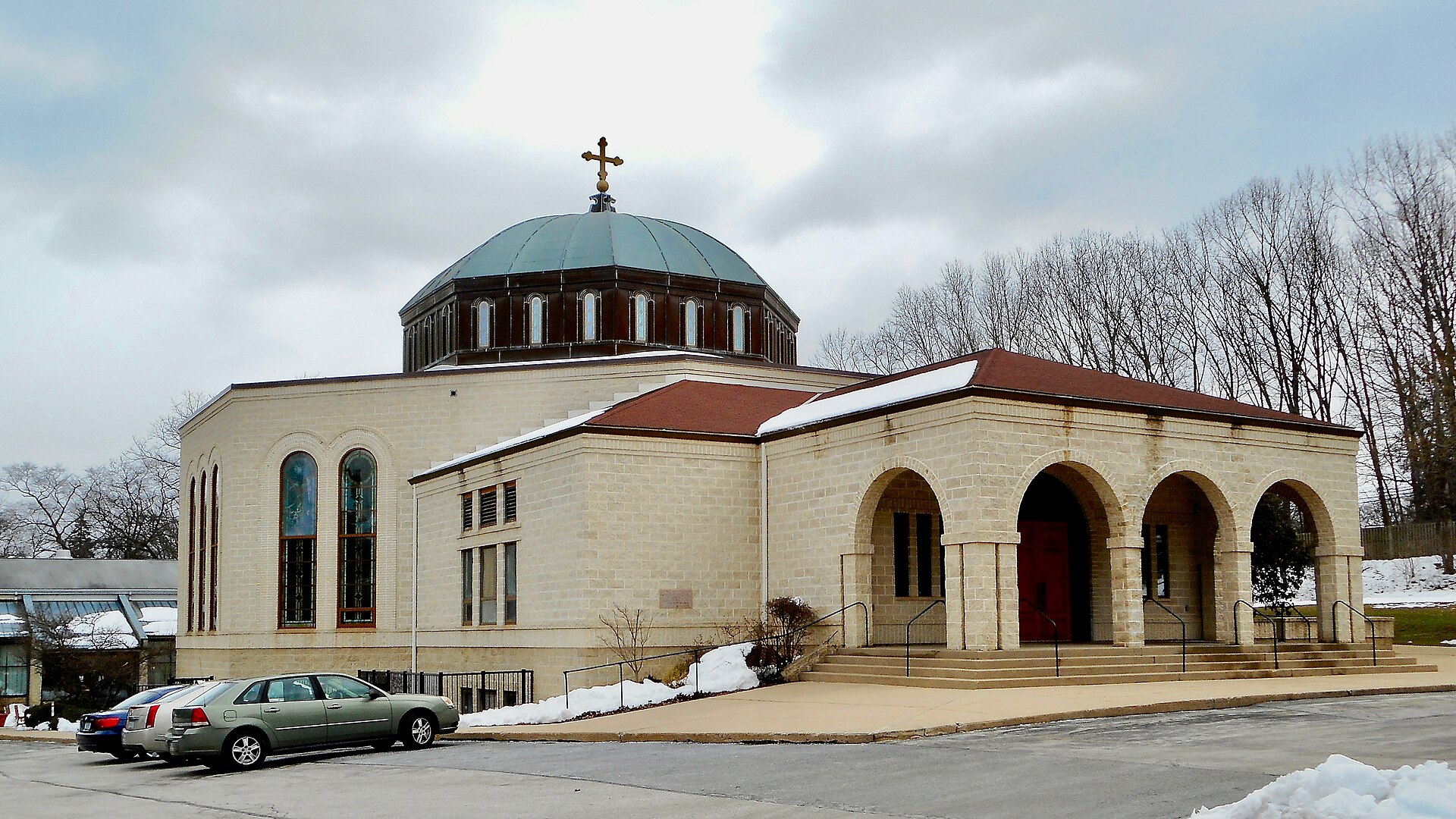
    Most guides to the Main Line focus on the century-old stone estates of Villanova, Bryn Mawr, and Gladwyne. Chesterbrook, tucked into Tredyffrin Township in Chester County, tells a different story. Built out mostly from the 1970s through the 2000s around what became Vanguard’s sprawling corporate campus, Chesterbrook is a planned community of wooded cul-de-sacs, walking trails, and newer-construction homes that sits minutes from the same top-rated schools and Route 202 corridor access that make the broader Main Line so sought after — often at a different price point and with a different kind of housing stock than the historic villages nearby.

    A Planned Community With Main Line Access

    Chesterbrook was laid out as a cohesive community rather than assembled piecemeal over centuries, and that shows in how it lives day to day. Streets curve around preserved woodland and stormwater basins that double as green space, sidewalks and paths connect neighborhoods to shopping and schools, and the overall feel is quieter and more suburban-modern than the walkable village centers of Wayne or Berwyn a few miles east. For buyers who want Main Line school districts and commuting convenience without an older home’s maintenance profile, that trade-off is the whole appeal.

    Corporate Campus Living and the Route 202 Corridor

    Chesterbrook’s identity is closely tied to the office campus that anchors it, long home to Vanguard’s headquarters operations, along with other corporate and medical office space along the Route 202 corridor. That has shaped the area’s amenity base: well-maintained retail centers, a range of dining options, and a daytime population that keeps local services strong even outside peak commuting hours. Buyers relocating for corporate roles in the western suburbs frequently look here first, precisely because the commute to a Route 202 or King of Prussia office can be measured in minutes rather than an hour on the Schuylkill Expressway.

    What Buyers Will Find in the Housing Stock

    Chesterbrook’s homes skew newer than the classic Main Line stone colonials and Victorians covered elsewhere on this site. Expect single-family homes from the 1970s through the early 2000s, many with updated kitchens and primary suites from more recent renovations, alongside townhome and carriage-home communities that appeal to buyers who want a lower-maintenance luxury footprint without leaving the school district. Lot sizes are generally more modest than in Villanova or Gladwyne, and architectural styles lean toward traditional colonial and contemporary forms rather than pre-war estate architecture. For a buyer moving from a historic home who is tired of managing an aging envelope, roof, and systems, that newer construction is often the point.

    Schools: The Tredyffrin/Easttown District

    Chesterbrook falls within the Tredyffrin/Easttown School District, consistently counted among the strongest public districts in the Philadelphia suburbs and a significant driver of demand here and in neighboring Berwyn, Devon, and Strafford. Families weighing Chesterbrook against those more historic villages are often comparing very similar school access with a meaningfully different housing product and, frequently, a different price band. It is worth touring both to see which trade-off — character and land versus newer construction and lower upkeep — fits your household.

    Getting Around: Commuting and Access

    Chesterbrook sits close to the Route 202 and Route 30 corridors, with reasonably direct access to the Pennsylvania Turnpike and King of Prussia. Commuting into Center City by car generally means the Schuylkill Expressway, while nearby Paoli and Berwyn train stations on SEPTA’s Paoli/Thorndale Line give residents a rail option into University City and Center City without needing to drive all the way in. For households splitting commutes between the suburban corporate corridor and the city, that combination of highway and rail access is a genuine advantage.

    Who Chesterbrook Fits

    This is generally a strong match for corporate relocators, dual-income households balancing a suburban office commute with school priorities, and buyers who want turnkey, lower-maintenance homes inside a top school district rather than a historic property that demands ongoing stewardship. It is less of a fit for buyers specifically seeking pre-war architecture, walkable village-center living, or large equestrian-scale acreage, all of which are easier to find in the more historic Main Line communities nearby.

    Frequently asked questions

    Is Chesterbrook considered part of the Main Line?

    Chesterbrook sits in Tredyffrin Township, just west of the traditional Main Line corridor, and shares its top-tier school district and commuting advantages. Real estate professionals sometimes describe it as Main Line-adjacent rather than part of the historic Main Line proper, since its housing stock and community layout are noticeably newer and more planned than the string of train-station villages that make up the classic Main Line.

    How does Chesterbrook compare in price to Wayne or Villanova?

    Pricing varies by specific home, lot, and condition, and current figures are best discussed directly with an agent who is tracking live inventory. In general, Chesterbrook’s newer, more standardized housing stock and smaller lots tend to price differently than the larger, older estate-style properties found in Villanova or Gladwyne, which is one reason many buyers cross-shop the two types of communities before deciding which trade-offs matter most to them.

    What should a buyer moving from an older home to Chesterbrook expect?

    Buyers coming from a pre-war Main Line home into Chesterbrook’s newer construction often notice the difference immediately in mechanical systems, insulation, and layout efficiency. Many homes have already been through one or two rounds of kitchen and bathroom updates, so it is still worth budgeting for inspection contingencies and asking for maintenance records, but the scope of anticipated work is typically narrower than with a century-old property.

    If you are weighing Chesterbrook against the more historic Main Line towns, or want a tour that puts both housing styles side by side, James Kennedy can walk you through current inventory and help you decide which fits your household. Reach James at 215-267-8479 or jameskennedy@unlockedteam.com.
  • Glenside and Wyncote, Pennsylvania: A Cheltenham Township Guide for Luxury Home Buyers

    A few miles north of Philadelphia’s city line, Cheltenham Township holds two communities that rarely make the short list of Main Line or Chestnut Hill alternatives, yet offer many of the same qualities buyers pay a premium for elsewhere: mature tree canopies, architecturally significant homes on generous lots, and a direct rail line into Center City. Glenside and Wyncote sit within a short walk of one another, but each has a distinct character worth understanding before you start a search here.

    Glenside: a walkable town center with substantial housing stock

    Glenside has a compact, active downtown along Easton Road and Glenside Avenue, with restaurants, a historic theater, and small shops within walking distance of many residential blocks. The housing stock ranges widely, but the upper end includes large early-20th-century Colonials, Tudors, and Victorians on lots that are noticeably deeper and wider than what buyers typically find closer to the city. Keswick Village, the section of Glenside surrounding the town center, is particularly popular with buyers who want walkability without giving up square footage or a yard.

    Arcadia University’s campus sits at the edge of Glenside, which brings a steady rhythm of cultural programming, lectures, and events to the area without the density that a large university often introduces to a neighborhood.

    Wyncote: quiet, wooded, and architecturally distinguished

    Wyncote is smaller and more residential than Glenside, known for winding, tree-shaded streets and a number of homes designed by notable regional architects in the late 19th and early 20th centuries. Lots here tend to be private, often with mature plantings that give even homes close to the road a sense of seclusion. Wyncote has no real commercial center of its own, which is part of its appeal to buyers who want a quiet residential setting while remaining a short drive from Glenside’s amenities, Chestnut Hill, or Jenkintown.

    Because Wyncote’s inventory is limited and much of the housing stock is older and architecturally specific, buyers interested in this pocket should expect a smaller, slower-moving market and be prepared to move decisively when the right property appears.

    Commuting and location

    Both communities are served by SEPTA’s Regional Rail, with Glenside station offering direct service on multiple lines into Center City and connections toward the western suburbs. For buyers whose priority is a short commute without the price premium attached to Main Line addresses, this corridor deserves a look. Access to Route 309, the Pennsylvania Turnpike, and the Roosevelt Boulevard/Route 1 system also makes the area convenient for buyers who split time between the city, the northern suburbs, and points further out.

    Schools and community character

    Glenside and Wyncote are served by Cheltenham School District, and buyers considering the area should independently research current school performance, boundaries, and any private school options nearby, since these factors weigh heavily into value and resale in this price range. Beyond schools, the area has a strong sense of community identity — civic associations, historical societies, and local events are active in both towns, and buyers who value that kind of engagement often find it here more readily than in newer subdivisions further out.

    What to expect in the luxury tier

    At the higher end of this market, buyers will find substantial stone and brick homes from the 1900s through the 1930s, some with carriage houses or later additions, alongside a smaller number of newer or extensively renovated properties. Because much of the inventory predates modern construction standards, a careful inspection focused on the home’s mechanical systems, roof, and any prior renovation work is especially important. Buyers accustomed to newer construction elsewhere in the region should budget time to evaluate character-defining features like slate roofs, plaster walls, and original millwork, which affect both maintenance planning and long-term value.

    Lot sizes are a genuine differentiator here. Where comparable price points closer to the city often buy a smaller footprint on a tighter lot, Glenside and Wyncote frequently offer a half-acre or more, with mature trees that took decades to establish. For buyers who value privacy and outdoor space as much as interior square footage, that trade-off is often the deciding factor in choosing this corridor over a more central address.

    How this area compares to nearby alternatives

    Buyers cross-shopping Glenside and Wyncote often also look at Chestnut Hill, Jenkintown, or Elkins Park. Chestnut Hill tends to carry a higher price per square foot and a more polished commercial corridor; Jenkintown and Elkins Park offer similar rail access with their own distinct housing stock. Glenside and Wyncote generally provide more house and land for the money, at the cost of a less prominent address and a smaller, quieter town center. Neither trade-off is objectively better — it depends on whether a buyer’s priority is prestige and walkable amenities or space, privacy, and value.

    Frequently asked questions

    How does Glenside/Wyncote compare in price to Chestnut Hill or the Main Line?

    Pricing in this corridor has historically been more accessible than comparable homes in Chestnut Hill or the inner Main Line, though the gap varies by property and has narrowed in recent years as buyers look further afield for value. Because current pricing changes, it’s best to review active and recently sold comparables directly rather than rely on general assumptions — James can pull current data for any property type you’re considering.

    Is Glenside walkable, or do you need a car?

    The Keswick Village section of Glenside is genuinely walkable to restaurants, shops, the train station, and the Keswick Theatre. Wyncote and the outer edges of Glenside are more car-dependent, though still close to Glenside’s downtown and to Chestnut Hill.

    What should a buyer watch for in these older homes?

    Age-related items are the main consideration: original electrical and plumbing systems, roof condition (particularly slate), foundation and drainage around mature landscaping, and the scope and quality of any past renovations. A thorough inspection by someone experienced with pre-war construction, along with a review of permits for any additions, is strongly recommended before making an offer.

    If you’re weighing Glenside, Wyncote, or other under-the-radar communities north of Philadelphia against better-known luxury markets, James Kennedy can walk you through current inventory, pricing, and what each town actually delivers for the price. Call James at 215-267-8479 or email jameskennedy@unlockedteam.com to start the conversation.

  • Broomall and Marple Township, Pennsylvania: A Delaware County Guide for Luxury Home Buyers

    Broomall and Marple Township, Pennsylvania: A Delaware County Guide for Luxury Home Buyers

    Ten miles west of Center City Philadelphia, Broomall and the surrounding Marple Township occupy a spot on the map that longtime Delaware County buyers already know and out-of-area buyers often overlook: close enough to the city for an easy commute, close enough to the Main Line to borrow its conveniences, and priced with less of the premium that the Main Line name itself commands. For buyers who want space, good schools, and a settled, tree-canopied suburb without competing directly in the Bryn Mawr or Villanova market, Marple Township is worth a serious look.

    What the area looks like

    Marple Township is a mix of housing stock that spans several eras of Delaware County’s growth: solid mid-century colonials and ranches on generous lots, newer construction and additions on some of the township’s larger original parcels, and a smaller number of older stone farmhouses that predate the township’s postwar suburban build-out. Broomall itself is the township’s commercial and residential hub, with Newtown Square, Springfield, and Media all within a short drive. Lot sizes tend to be larger than what buyers find in denser inner-ring suburbs, which is part of the appeal for buyers who want privacy and outdoor space without moving as far out as Chester County.

    Why luxury buyers consider it

    The case for Marple Township is less about a single marquee amenity and more about the combination of factors: strong public schools, mature landscaping, a lower profile than the Main Line corridor, and genuinely convenient access to both Center City and the western suburbs’ shopping and dining. Buyers moving from denser city neighborhoods often find that the same budget goes further here in terms of lot size and privacy, while buyers comparing it to the Main Line appreciate that the area hasn’t been bid up to the same degree — though that gap has been narrowing as more buyers discover it.

    Getting around

    Marple Township sits near the intersection of several key routes into and around the city, including Route 3 (West Chester Pike) and Route 320, which makes it easy to reach both Center City and other western suburbs without relying on a single congested corridor. Commuter rail access is available via nearby SEPTA Regional Rail stations in adjacent townships, and Philadelphia International Airport is a manageable drive, which matters to buyers who travel frequently for work.

    Schools and community

    Marple Newtown School District serves the township and is one of the draws for families relocating specifically for education. Beyond the schools, the area has an established base of parks, community fields, and local civic organizations that give it the feel of a settled community rather than a newer, still-forming development — something that matters to buyers who want to put down roots rather than watch a neighborhood build out around them over the next decade.

    What to expect when touring homes

    Because the housing stock spans several building eras, due diligence looks a little different from lot to lot. A mid-century colonial may need updated mechanical systems even if the bones are excellent, while a newer or recently renovated home may carry a premium for finishes rather than square footage. Buyers should also pay attention to lot topography and drainage — Delaware County’s rolling terrain means grading and stormwater management can vary meaningfully even between neighboring properties, and it’s worth having any home evaluated for these specifics rather than assuming uniformity across the township.

    How it compares to nearby markets

    Buyers cross-shopping Marple Township often compare it to Newtown Square, Media, and the eastern edge of the Main Line. Newtown Square tends to skew slightly more upscale with more new construction; Media offers a walkable historic downtown that Marple Township doesn’t try to replicate; and the Main Line carries a name-brand premium that isn’t always reflected in a proportionally better commute or lot size. Marple Township’s advantage is largely one of value relative to convenience — it’s a strong choice for buyers prioritizing space and access over prestige signaling.

    Renovation and expansion potential

    Because so much of Marple Township’s housing stock dates to the mid-twentieth century, a meaningful share of the luxury inventory in the area is the result of thoughtful additions and renovations rather than ground-up new construction. That creates opportunity for buyers willing to take on a project: a well-located colonial on a generous lot can often be expanded or reconfigured to modern luxury standards for less than the cost of comparable new construction elsewhere in the region. Buyers considering this route should work with a contractor familiar with the township’s zoning and permitting requirements early in the process, since setback rules and lot coverage limits can shape what’s feasible on a given parcel well before a design is finalized.

    Frequently asked questions

    Is Broomall considered part of the Main Line?

    No. Broomall and Marple Township are in Delaware County but are generally considered a separate submarket from the Main Line, which follows the Paoli/Thorndale Regional Rail line through townships like Lower Merion, Radnor, and Haverford. Marple Township sits south of that corridor and has its own distinct identity and price dynamics.

    What kind of lot sizes are typical in Marple Township?

    Lot sizes vary by section of the township, but buyers moving from denser city or inner-ring suburban neighborhoods generally find more room here than they would closer to Philadelphia, without moving as far out as Chester County. Specific lot sizes should always be verified property by property.

    Is this a good area for buyers who work in Center City?

    It can be, particularly for buyers comfortable with a car commute or a drive to a nearby Regional Rail station rather than walk-up access to a station in town. It’s worth test-driving the actual commute at rush hour before making an offer, since travel times can vary by route and time of day.

    Thinking about Broomall, Marple Township, or another Delaware County community for your next home? James Kennedy specializes in luxury real estate across Philadelphia and South Jersey and can walk you through how this market compares to others you’re considering. Reach James at 215-267-8479 or jameskennedy@unlockedteam.com.
  • Pocopson and East Bradford Township, Pennsylvania: A Chester County Horse Country Guide for Luxury Buyers

    Pocopson and East Bradford Township, Pennsylvania: A Chester County Horse Country Guide for Luxury Buyers

    Just south and east of West Chester, in the rolling hills where the Brandywine Valley begins to unfold, Pocopson and East Bradford Townships offer some of Chester County’s most sought-after equestrian and estate properties. Less widely known than neighboring Unionville or Chadds Ford, this stretch of countryside gives luxury buyers a quieter, more private alternative without sacrificing proximity to West Chester’s shops, restaurants, and top-rated schools.

    The Character of the Area

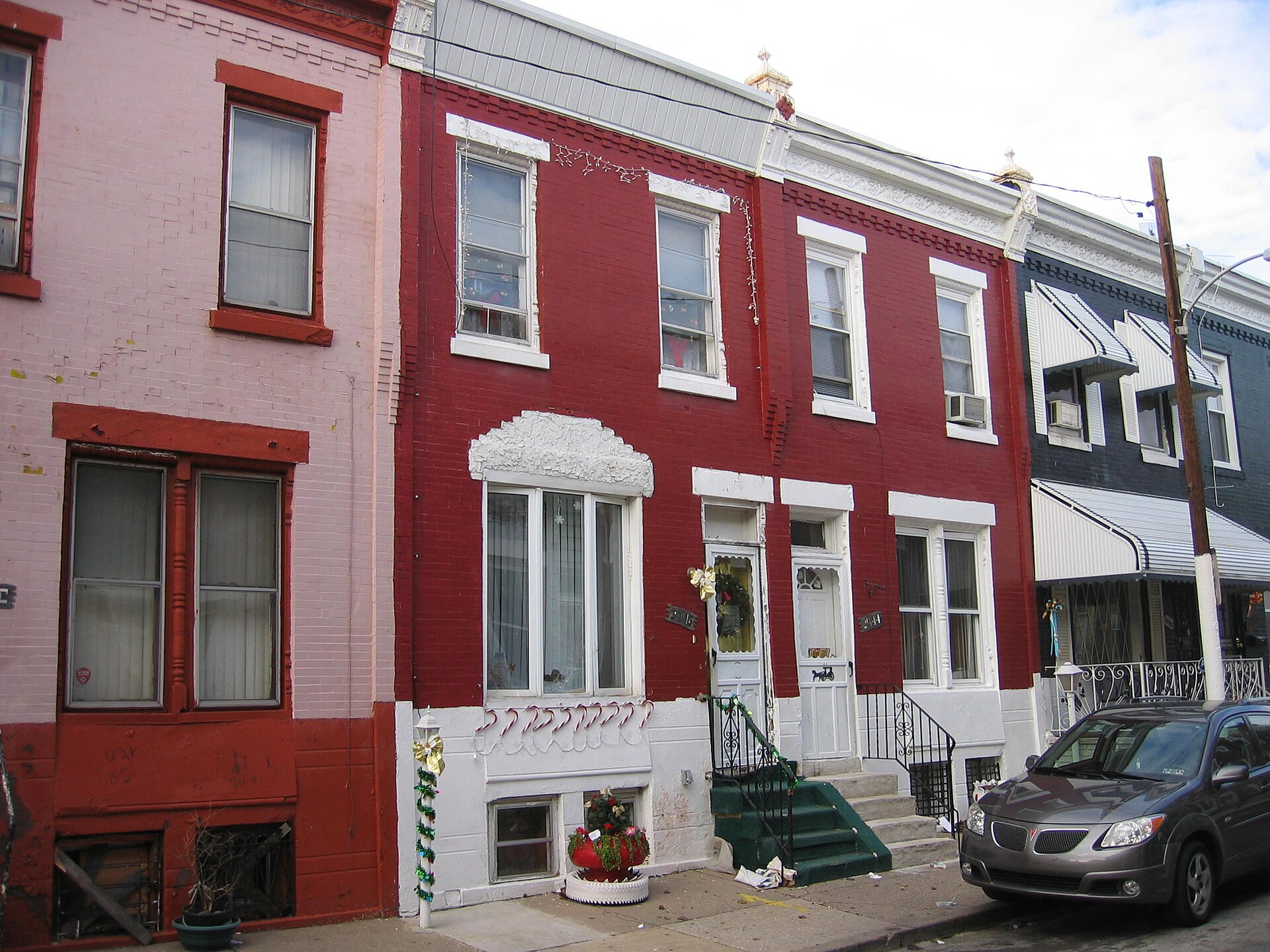
    Pocopson and East Bradford are largely rural in feel, defined by open farmland, wooded stream valleys, and horse farms rather than dense residential development. Much of the land here has been shaped by conservation easements and agricultural preservation efforts common throughout the Brandywine Valley, which helps protect the pastoral views and low-density character that draw buyers to the area in the first place. Properties range from historic stone farmhouses dating to the 18th and 19th centuries to newer custom-built estates set on multiple acres.

    Why Luxury and Equestrian Buyers Look Here

    Land and Privacy

    Lot sizes here tend to run larger than in more built-up parts of Chester County, giving buyers room for riding rings, paddocks, barns, and the kind of buffer from neighbors that is difficult to find closer to Philadelphia. For serious equestrian buyers, existing barns and fencing can meaningfully shape which properties are worth touring, since building new equestrian infrastructure from scratch is a significant undertaking.

    Proximity to Brandywine Valley Amenities

    The area sits close to Longwood Gardens, Winterthur, and the broader Brandywine Conservancy network of preserved land and trails, giving residents easy access to some of the region’s best-known cultural and outdoor destinations. West Chester Borough, with its restaurant scene, boutique shopping, and West Chester University, is typically a short drive away.

    Schools

    Much of Pocopson and East Bradford falls within the Unionville-Chadds Ford School District, which draws families specifically for its academic reputation. Because school district lines can cut across township and even parcel boundaries in this part of Chester County, it is worth confirming the exact assignment for any specific property before making an offer.

    What to Know Before Buying

    Rural and equestrian properties bring due diligence considerations that differ from a typical suburban purchase. Many homes rely on private wells and septic systems rather than municipal utilities, so well flow testing and septic inspections are essential parts of the due diligence period. Buyers interested in maintaining or expanding equestrian use should also confirm current zoning and any applicable conservation easement restrictions early, since easements that protect a property’s open character can also limit future building or subdivision. Older stone farmhouses, while beautiful, often need the same kind of careful systems and structural evaluation that any historic home purchase warrants.

    Getting a Feel for Specific Roads and Parcels

    Because so much of this area is defined by winding country roads, stream corridors, and irregular parcel shapes, it is genuinely difficult to evaluate from listing photos alone. Topography, road frontage, flood plain boundaries along the East and West Branches of the Brandywine, and how a property’s fields are actually used all matter enormously to day-to-day livability. A tour with someone who knows the area’s roads and specific pockets is the most reliable way to understand what a given property truly offers.

    Conservation Easements and Long-Term Value

    A significant share of the open land in Pocopson and East Bradford is protected through conservation or agricultural easements held by organizations such as the Brandywine Conservancy or Chester County’s farmland preservation program. These easements are a major reason the area has retained its rural character even as development pressure has increased elsewhere in the county, and many buyers see that permanence as part of the long-term appeal. At the same time, an easement attached to a specific parcel can restrict future subdivision, additional structures, or changes in land use, so reviewing the exact terms of any easement is an essential step before finalizing a purchase, particularly if you have plans to expand a barn, add a guest cottage, or otherwise change how the land is used.

    Working With Local Systems and Infrastructure

    Beyond wells and septic, buyers should ask about road maintenance responsibility on private lanes, propane versus natural gas service, and generator setups, since some rural stretches of the township experience longer utility restoration times after storms than more developed parts of the county. None of this is disqualifying for the right buyer, but understanding it upfront helps avoid surprises after closing.

    Frequently Asked Questions

    Are Pocopson and East Bradford good areas for horse properties?

    Yes. Both townships have a long-standing equestrian character, with many properties offering pasture, barns, and riding infrastructure, and they sit within a broader Chester County horse country region that includes well-known equestrian communities. Specific infrastructure and acreage vary widely by property, so it is worth evaluating each listing on its own merits.

    What school district serves this area?

    Much of Pocopson and East Bradford is served by the Unionville-Chadds Ford School District, though exact boundaries can vary by specific address. Always confirm district assignment directly for any property you are considering.

    How far is this area from Philadelphia?

    The area is generally a 45-minute to hour-long drive from Center City Philadelphia depending on traffic and specific origin and destination, making it more suited to buyers seeking a rural or semi-rural lifestyle with occasional city access than a daily commuter base.

    If you are exploring equestrian or estate properties in Pocopson, East Bradford, or elsewhere in the Brandywine Valley, James Kennedy can help you understand which roads and parcels fit your needs and guide you through the due diligence unique to rural Chester County properties. Reach James at 215-267-8479 or jameskennedy@unlockedteam.com.
  • Seller Concessions and Interest Rate Buydowns: How They Work in Philadelphia & South Jersey Luxury Sales

    Seller Concessions and Interest Rate Buydowns: How They Work in Philadelphia & South Jersey Luxury Sales

    When mortgage rates rise or a listing needs an extra edge to attract offers, sellers and buyers in the Philadelphia and South Jersey luxury market increasingly negotiate over more than just price. Seller concessions and interest rate buydowns have become common tools in high-end transactions, and understanding how each works — and where the trade-offs lie — can meaningfully change the economics of a deal for both sides.

    What Is a Seller Concession?

    A seller concession is an amount the seller agrees to contribute toward the buyer’s closing costs, prepaid items, or, in some structures, a permanent or temporary reduction in the buyer’s interest rate. Rather than lowering the purchase price outright, the seller effectively redirects part of the proceeds to help the buyer close. Concessions are negotiated as part of the offer and are documented in the purchase agreement and reflected on the closing disclosure. Lenders cap how much sellers can contribute as a percentage of the purchase price, and those caps vary by loan type and down payment size, so any concession needs to be structured within your specific loan program’s limits.

    Temporary vs. Permanent Rate Buydowns

    Permanent Buydowns

    In a permanent buydown, seller or buyer funds are used to pay the lender points at closing in exchange for a lower interest rate for the life of the loan. This is a straightforward trade of upfront cost for lower monthly payments over the full loan term.

    Temporary Buydowns

    A temporary buydown, often structured as a 2-1 or 1-0 buydown, uses a lump sum — frequently funded by the seller as a concession — to subsidize the buyer’s payment for the first year or two of the loan, with the rate stepping up gradually until it reaches the permanent note rate. This can ease the transition for a buyer who expects income growth, a future refinance, or simply wants lower payments while they settle into a new home.

    Why Sellers Offer Them

    In a market where buyers are rate-sensitive, offering a concession or buydown can be more effective at generating offers than an equivalent price reduction, because it directly addresses the buyer’s monthly payment rather than the purchase price. For a seller of a luxury property, preserving the recorded sale price can also matter for neighborhood comparables, which is one reason concessions are sometimes preferred over a straight price cut.

    Why Buyers Ask for Them

    For buyers, a concession can free up cash that would otherwise go to closing costs or points, or it can meaningfully lower the payment during the early years of ownership. In a jumbo loan scenario common in the $1,000,000-plus range, even a modest rate reduction can represent a substantial amount over the life of the loan, so buyers frequently ask their lender to model out several concession and buydown scenarios before finalizing an offer.

    Negotiating Concessions Into an Offer

    Concessions are typically negotiated alongside price, not as an afterthought. A buyer’s agent will often present a request for a concession as part of the initial offer, sized to a specific purpose such as points, prepaid escrows, or a temporary buydown. Sellers weigh the net proceeds impact against the strength of the rest of the offer, including contingencies, timeline, and financing terms. Because every lender applies its own limits and underwriting rules to concessions, it is worth looping in a mortgage professional early so the structure you negotiate is one your loan can actually accommodate.

    A Note on Market Conditions

    How common and how large these concessions run varies with the broader rate environment and how much inventory is competing for buyers at a given price point. Rather than relying on rules of thumb, it is worth asking for current, specific guidance on what is being negotiated in comparable transactions right now, since this shifts over time.

    How Appraisals Factor In

    Because a concession does not change the contract price, it generally does not create the same appraisal-gap risk that a price reduction can. However, lenders do review concessions as part of underwriting, and any amount above the permitted cap for your loan type has to be trimmed or restructured before closing. This is one more reason to have your lender review the exact terms of a proposed concession as soon as it is on the table, rather than after the appraisal comes back.

    Structuring Concessions on a Luxury Listing

    For higher-priced homes financed with jumbo loans, concession caps and underwriting rules can differ meaningfully from conforming loan limits, and cash buyers are not subject to lender caps at all, which opens up more creative structuring between the parties. Sellers marketing a luxury property sometimes get ahead of this by offering a defined concession or buydown credit as part of the listing itself, signaling flexibility to financed buyers before negotiations even begin. Buyers, in turn, should have a lender pre-model a few concession scenarios against their specific loan amount so they can react quickly once they are in a negotiation.

    Frequently Asked Questions

    Is a seller concession the same as a price reduction?

    No. A price reduction lowers the recorded sale price, which affects the loan amount, down payment math, and future comparables. A concession keeps the sale price intact but redirects seller proceeds to cover buyer costs, subject to lender caps.

    Do all loan types allow the same concession amounts?

    No. Conventional, jumbo, FHA, and VA loans each have different maximum seller contribution percentages, and those percentages can also depend on the buyer’s down payment size. Your lender can confirm the exact limit for your specific loan.

    Does a temporary buydown make sense for every buyer?

    Not necessarily. It tends to suit buyers who expect their income or financial picture to change within a year or two, or who want breathing room while they settle into a new home and its expenses. Buyers planning to stay in a fixed budget for the long term may prefer a permanent buydown or a straight price negotiation instead. This is worth modeling with a lender against your specific situation.

    If you are weighing how to structure an offer or a listing around concessions and financing terms in today’s Philadelphia or South Jersey luxury market, James Kennedy can connect you with trusted lending partners and help you think through the numbers. Reach James at 215-267-8479 or jameskennedy@unlockedteam.com.

  • Buying a Trinity or Bandbox Home in Philadelphia: A Luxury Buyer’s Guide to the City’s Smallest Historic Houses

    Buying a Trinity or Bandbox Home in Philadelphia: A Luxury Buyer’s Guide to the City’s Smallest Historic Houses

    Tucked along the narrow, cobblestoned streets of Society Hill, Queen Village, and parts of Old City, Philadelphia’s trinity homes are among the most distinctive property types in American real estate. Named for their three-story, one-room-per-floor layout, these compact historic houses were originally built as worker’s housing in the 18th and 19th centuries. Today, a beautifully restored trinity in the right block can carry a price tag that rivals a much larger home elsewhere in the region — and for the right buyer, that trade-off makes complete sense. Here is what luxury buyers should understand before pursuing one.

    What Exactly Is a Trinity Home?

    A trinity, sometimes called a bandbox house, is a narrow rowhouse typically no more than 12 to 15 feet wide, stacked three stories tall with one room on each floor connected by a winding, often spiral staircase. Many were built without hallways: you simply walk from one room into the stairwell and up to the next. Basements were common and are frequently finished into an additional living space or a fourth informal level. The footprint is small, often 500 to 900 square feet total, but the vertical layout and tall ceilings on the main floors can make a well-renovated trinity feel more spacious than the square footage suggests.

    Why They Command Luxury Prices

    Scarcity and location drive trinity pricing more than size. Most surviving examples sit on some of Philadelphia’s most desirable and walkable streets, within a few blocks of Independence Park, the Delaware riverfront, and the restaurants and shops of Society Hill and Queen Village. Many have been meticulously restored with period-appropriate details preserved alongside modern systems, high-end kitchens, and updated baths. Because so few come to market in any given year, well-located and well-renovated trinities can trade at a significant premium per square foot compared to larger homes just a few blocks away.

    What to Evaluate Before Buying

    Structural and Systems Condition

    Trinities are old — many predate 1850 — and their small footprint means mechanical systems, plumbing, and electrical work have often been reconfigured multiple times over two centuries. A thorough inspection by someone experienced with historic Philadelphia rowhomes is essential, with particular attention to foundation movement, masonry repointing, roof condition, and whether knob-and-tube wiring or older plumbing has been fully updated.

    Layout and Livability

    The one-room-per-floor design is charming but requires an honest look at how you actually live. Consider where you will work from home, how guests will be accommodated, and whether the stair pitch (often steep and narrow in unrenovated examples) works for your household long term. Some owners solve this by combining two adjacent trinities or adding a rear addition where zoning and historic district rules allow.

    Historic District Rules

    Many trinities sit within local historic districts, which means exterior changes — windows, doors, roofing, additions — typically require approval from the Philadelphia Historical Commission. This protects the character that makes these streets so valuable, but it also means renovation timelines and material choices need to be planned with that review process in mind from the outset.

    Financing and Insurance Considerations

    Because trinities are unusual properties by conventional lending standards, appraisers and lenders sometimes need additional context on comparable sales, which tend to be thin given how few trinities trade each year. Insurance for a historic masonry structure this age also warrants a conversation with a carrier experienced in older Philadelphia housing stock. Buyers should build extra time into their contract timeline for both appraisal and underwriting on these unique properties.

    Who a Trinity Home Suits Best

    Trinities tend to appeal to buyers who prioritize location and character over square footage: a pied-a-terre for someone who splits time between the city and elsewhere, a downsizing empty nester who wants to stay in Center City without condo fees, or a design-minded buyer drawn to the challenge and reward of restoring a piece of Philadelphia history. They are generally a better fit as a primary or secondary residence for one or two people than as a family home, though larger combined or extended examples do exist.

    Frequently Asked Questions

    How many trinity homes are still standing in Philadelphia?

    A meaningful number survive, concentrated in Society Hill, Queen Village, Elfreth’s Alley and the surrounding Old City blocks, and scattered throughout other historic pockets of the city. Exact counts vary by source, but they represent a small fraction of the city’s overall housing stock, which is a large part of why they hold value.

    Can a trinity be expanded?

    Sometimes. Rear yard additions, basement excavation, or combining with an adjacent property are the most common approaches, but all are subject to zoning and, in historic districts, Historical Commission review. A local architect experienced with these approvals can tell you early on what is realistic for a specific address.

    Are trinities a good investment?

    Location within the historic core has generally supported strong long-term interest in these homes given how limited the supply is, but every purchase depends on the specific property’s condition, renovation costs, and the buyer’s own goals. As with any real estate decision, it is worth discussing your specific situation and current market conditions with a professional before you commit.

    If you are considering a trinity, a rowhome, or any historic property in Philadelphia’s most storied neighborhoods, James Kennedy can walk you through what is realistic for your budget and lifestyle and help you evaluate specific listings with a clear eye on both charm and condition. Reach James at 215-267-8479 or jameskennedy@unlockedteam.com.

  • Second Homes and Tax Residency: What Philadelphia-Area Luxury Buyers Should Know About Owning in Two States

    Second Homes and Tax Residency: What Philadelphia-Area Luxury Buyers Should Know About Owning in Two States

    It is common for luxury buyers in this region to end up owning property in more than one state — a primary home in Philadelphia or the Main Line paired with a place at the Jersey Shore, or a Pennsylvania residence alongside a South Jersey property purchased for family or investment reasons. Once a household has meaningful ties to two states, questions about tax residency and domicile tend to follow. This is a genuinely complex area of state tax law, it changes over time, and the right answer depends on a household’s specific facts — so this article explains the concepts buyers should understand and the questions worth raising with a qualified accountant or tax attorney, rather than offering specific tax advice.

    Domicile vs. Residency: Two Different Questions

    Domicile generally refers to the one place a person considers their permanent home — the place they intend to return to, even after time away. Residency, by contrast, is often about where someone actually spends their time and maintains a home, and a person can be a legal resident of more than one state for tax purposes even though they can only have one domicile. States use different tests to determine both, and the distinction matters because it can affect which state taxes a household’s income, and in some cases how a household’s estate is taxed after death.

    Why This Matters for Owners of a Philadelphia Home and a Shore or Suburban Second Home

    For a household with a primary residence in Pennsylvania and a second home in New Jersey — or the reverse — the stakes usually involve state income tax exposure. A state that considers a taxpayer a resident may seek to tax all of that person’s income, not just income earned within the state, while a non-resident is typically taxed only on state-source income. For high-income households, the difference between resident and non-resident tax treatment in a second state can be significant, which is exactly why this deserves proactive planning rather than an assumption that “the house we live in most of the year” automatically settles the question.

    The General Idea Behind Day-Count Tests

    Many states, including Pennsylvania and New Jersey, use some version of a statutory residency test that looks at both the number of days spent in the state during the year and whether the taxpayer maintains a “permanent place of abode” there. A commonly referenced threshold in many states’ rules is around 183 days, though the exact rule, definitions, and exceptions vary by state and can change, so this should be treated as a general concept to discuss with a professional rather than a number to rely on directly. Simply owning a second home does not automatically make someone a statutory resident of that state — the analysis typically also depends on how much time is actually spent there.

    Evidence States Look At

    When domicile or residency is contested, states typically look well beyond day counts. Voter registration, driver’s license and vehicle registration, where a person’s primary doctor, accountant, and place of worship are located, the address used on a will or estate planning documents, where children attend school, and where a person’s most significant personal and business relationships are centered can all be considered. Households that want to establish or maintain a particular domicile should be consistent across all of these details, not just the address on a tax return.

    Property Tax Is a Separate Issue

    It is worth distinguishing this from local property tax, which is assessed by the municipality where a property sits and applies regardless of a household’s residency or domicile status. Owning a second home in New Jersey means paying New Jersey property tax on that home no matter where the household is domiciled for income tax purposes. Some jurisdictions also offer homestead exemptions or other primary-residence property tax benefits that are unrelated to state income tax residency rules and have their own separate qualification requirements.

    Building a Record Over Time

    Because residency and domicile questions can come up years after a purchase — sometimes triggered by an audit following the sale of a home or a significant change in income — it is worth keeping organized records from the start: utility bills, calendars or credit card statements that help establish time spent in each state, and copies of any state tax filings. This is far easier to assemble proactively than to reconstruct after the fact.

    Frequently asked questions

    If I buy a second home in New Jersey, does that automatically make me a New Jersey tax resident?

    Not automatically. Residency generally depends on factors like how many days are spent in the state and whether a permanent place of abode is maintained there, not simply on owning property. A tax professional can evaluate a household’s specific situation against current state rules.

    Can I be considered a resident of both Pennsylvania and New Jersey at the same time?

    It is possible for a household to have residency-related tax obligations in more than one state depending on the specific facts, which is part of why this situation benefits from professional guidance rather than assumptions.

    Does this affect the property taxes I pay on each home?

    No — local property tax is based on where each property is located and its assessed value, and applies regardless of a household’s state income tax residency or domicile status.

    James Kennedy works with buyers and sellers across Philadelphia and South Jersey who own or are considering property in more than one location, and can help connect you with qualified tax professionals as part of your purchase planning. Reach James at 215-267-8479 or jameskennedy@unlockedteam.com.
  • Lumberville and Cuttalossa, Pennsylvania: A Bucks County River Village Guide for Luxury Buyers

    Lumberville and Cuttalossa, Pennsylvania: A Bucks County River Village Guide for Luxury Buyers

    Tucked along the Delaware River in Solebury Township, Lumberville is one of Bucks County’s smallest and most quietly prestigious addresses. A cluster of stone farmhouses, a historic general store, and the pedestrian bridge to Raven Rock, New Jersey give the hamlet a sense of scale that feels closer to a New England river village than a suburb of Philadelphia. A few minutes up River Road, Cuttalossa Road winds past the creek of the same name, framed by stone walls, mature trees, and some of the region’s most photographed rural scenery. For buyers who want a serious luxury property without the density of New Hope or the formality of the Main Line, this corner of Upper Bucks County is worth a close look.

    What Makes Lumberville and Cuttalossa Distinctive

    This is a landscape shaped by the Delaware Canal and the river itself. Many of the area’s finest homes are 18th- and 19th-century stone farmhouses, sensitively expanded and updated over the decades, sited on lots that range from a manicured acre to twenty or more acres of pasture and woodland. Newer construction exists too, generally built to blend with the area’s historic character rather than stand apart from it. The towpath along the canal offers walking and cycling for miles in either direction, and the general store and the Lumberville–Raven Rock bridge give the hamlet an actual center, rather than just a collection of estates along a road.

    Because so much of the housing stock here predates modern construction standards, buyers should expect a different due-diligence process than they would in a newer development. Stone and fieldstone construction, older heating systems retrofitted over time, hand-dug wells, and septic systems on larger parcels are all common, and a qualified inspector with experience in historic rural properties is essential.

    The Real Estate Market

    Inventory in Lumberville and along Cuttalossa Road is thin by nature — there are simply not that many properties here, and well-maintained stone farmhouses with river or creek frontage do not come up often. That scarcity is part of the appeal for buyers who want privacy and a truly distinctive property, but it also means patience and a strong local search strategy matter more here than in higher-turnover markets. Homes can range from beautifully restored three- and four-bedroom farmhouses on a few acres to larger estate parcels with barns, guest cottages, or equestrian facilities.

    Flood Zones, Wells, and Septic: What to Check

    Because the area sits along the Delaware River and its tributary creeks, flood zone status is a genuine consideration for riverfront and near-river parcels, and buyers should review FEMA flood maps and ask about flood insurance costs and claims history as part of due diligence, not as an afterthought. Most properties in this area rely on private wells and septic systems rather than municipal water and sewer, so a well flow test, water quality test, and septic inspection should be built into any offer. On larger parcels, it is also worth confirming easements, right-of-way access along shared lanes, and any agricultural or conservation restrictions that may run with the land.

    Access, Commuting, and Lifestyle

    River Road (Route 32) connects Lumberville south to New Hope and north through Upper Black Eddy, and the Lumberville–Raven Rock bridge provides pedestrian access into Hunterdon County, New Jersey. A car is a necessity here — this is not a walkable town center in the way New Hope or Doylestown are — but the trade-off is privacy, acreage, and scenery that are difficult to find closer to Philadelphia. Commuters typically drive to Doylestown or Trenton for train service into Philadelphia or New York, which makes this area better suited to buyers who work remotely, keep flexible schedules, or are purchasing a full-time or weekend retreat rather than commuting daily into Center City.

    Who Tends to Buy Here

    Lumberville and the Cuttalossa corridor tend to attract buyers who already know Bucks County well — often people who have spent time in New Hope or Doylestown and want more land and more privacy without leaving the area’s historic character behind. Second-home buyers from Philadelphia and New York are common, as are buyers relocating from denser markets who want a genuine change of pace. Equestrian buyers, art collectors drawn to the area’s long history as an artists’ colony, and buyers simply looking for a serious architectural or historic property all show up here regularly.

    Frequently asked questions

    Is Lumberville considered part of New Hope?

    No. Lumberville is its own hamlet within Solebury Township, a few miles north of New Hope borough along River Road. It shares the same general Bucks County market and river geography but has a distinctly quieter, more rural character than New Hope’s walkable downtown.

    Are homes in this area on well and septic, or public utilities?

    The large majority of properties in Lumberville and along Cuttalossa Road use private wells and septic systems rather than municipal water and sewer. Buyers should budget for well and septic inspections as part of due diligence and ask sellers for maintenance and pumping records.

    How does flood risk affect riverfront properties here?

    Proximity to the Delaware River and its tributaries means flood zone designation is a real factor for some parcels, particularly those closest to the water. It affects insurance cost and availability and should be reviewed early in the search process using current FEMA flood maps, not left until just before closing.

    If you are exploring a move to Lumberville, Cuttalossa Road, or another corner of Bucks County’s river towns, James Kennedy can help you understand what is realistically available and walk the due-diligence process with you from search through settlement. Reach James at 215-267-8479 or jameskennedy@unlockedteam.com.

  • Strathmere, New Jersey: A Luxury Buyer’s Guide to the Jersey Shore’s Quietest Barrier Island Village

    Strathmere, New Jersey: A Luxury Buyer’s Guide to the Jersey Shore’s Quietest Barrier Island Village

    Drive south from Ocean City on Landis Avenue and the commercial strip falls away almost immediately. What’s left is Strathmere: a narrow, largely residential stretch of Upper Township that occupies its own quiet pocket of barrier island between Ocean City and Sea Isle City. There’s no boardwalk, no arcade, and barely any retail. For a certain kind of shore buyer, that absence is the entire point.

    A short history of a deliberately small place

    Strathmere was originally known as Whale Beach, a name that still appears on some older deeds and local references, before being renamed in the early 20th century as shore development expanded along the New Jersey coast. Unlike its larger neighbors, Strathmere never built out a commercial downtown or a boardwalk entertainment district, and that pattern has held for more than a century. Its neighbor to the north, Corson’s Inlet, was never bridged for development the way many other inlets were, which permanently fixed the village’s northern edge as open space rather than a growth corridor. The result is a shore community that looks today much as it has for decades — a deliberate contrast to the continuous redevelopment cycle seen in larger shore towns.

    A village built around restraint

    Strathmere is part of Upper Township rather than its own incorporated municipality, and that governance structure has helped keep commercial development minimal by design. The village consists mostly of single-family homes on the ocean side and bay side of a narrow barrier spit, with Corson’s Inlet State Park forming a natural, permanently undeveloped buffer at its northern end. That state park boundary is significant for value: it guarantees that Strathmere’s northern flank can never be built out, which is a rare and durable form of protected view and privacy on the New Jersey coast.

    Oceanfront, bayfront, and everything between

    Because the village is narrow, most homes are within a few blocks of either the ocean or Ludlam Bay, and a meaningful number of properties have direct water frontage on one side or the other. Bayfront homes tend to draw boating families who want dock access and calmer water for kids, while oceanfront and ocean-block homes command the clearest view premiums. Given the barrier island setting, flood zone designation and elevation requirements are central to any purchase here — older homes are often being raised or have already been raised to meet current base flood elevation standards, and that history (or its absence) belongs in every buyer’s due diligence.

    Lifestyle and what’s nearby

    Strathmere’s appeal is precisely that it isn’t a destination in the boardwalk sense. Residents walk or bike into Ocean City or Sea Isle City for restaurants, groceries, and nightlife, and return to Strathmere for quiet. Corson’s Inlet State Park offers protected beach, dunes, and birdwatching immediately adjacent to the village, and the absence of a commercial strip means summer traffic and crowds are noticeably lighter than in neighboring towns. Buyers who want an active boardwalk scene at their doorstep should look to Ocean City; buyers who want that scene a short trip away, with true quiet at home, tend to gravitate to Strathmere.

    Rental and investment considerations

    Strathmere sees consistent seasonal rental demand from families specifically seeking a quieter alternative to the bigger shore towns, and its limited housing stock keeps supply naturally constrained. Buyers considering an income component should factor in Upper Township’s specific rules on short-term rentals, along with standard shore-market considerations like flood insurance costs, which can be meaningfully higher for older, unelevated construction. As with any shore purchase, current insurance quotes should be obtained before finalizing an offer rather than estimated after the fact.

    What to watch for as a buyer

    Because Strathmere is narrow and low-lying, elevation, flood zone, and drainage due diligence matter more here than in many mainland South Jersey towns. A qualified home inspector with barrier-island experience, plus a review of FEMA flood maps and any existing elevation certificate, should be standard parts of due diligence. Septic versus sewer service, and the age of any bulkhead on bayfront lots, are also worth confirming early, since replacement costs for either can be substantial.

    Comparing Strathmere to its shore neighbors

    Buyers cross-shopping the barrier islands south of Atlantic City often compare Strathmere to Sea Isle City’s quieter blocks or to the more residential ends of Ocean City. The distinction that tends to matter most is governance and scale: Sea Isle City and Ocean City are full municipalities with their own boardwalks, business districts, and year-round municipal services, while Strathmere remains a small, unincorporated residential pocket within Upper Township with essentially no commercial development of its own. That means fewer amenities within Strathmere itself, but also a level of quiet and low turnover that’s difficult to find in towns built around tourism. Buyers who have loved a family summer in a bigger shore town but found the in-season crowds wearing often discover Strathmere is the version of that same stretch of coast they were actually looking for.

    Frequently asked questions

    Is Strathmere its own town?

    No. Strathmere is an unincorporated community within Upper Township, Cape May County. It has no separate municipal government, which is part of why it has stayed comparatively undeveloped compared to incorporated shore boroughs nearby.

    How does Strathmere compare to Ocean City or Sea Isle City for a buyer?

    Strathmere offers a quieter, more residential setting with no commercial strip of its own, bordered by Corson’s Inlet State Park to the north, while Ocean City and Sea Isle City offer boardwalks, retail, and denser year-round infrastructure. Many buyers use Strathmere as a base and simply drive or bike into the neighboring towns for amenities.

    What should a buyer check regarding flood risk?

    Every barrier-island purchase should include a review of the property’s FEMA flood zone designation, any existing elevation certificate, and current flood insurance quotes, since these can vary significantly by block and by whether a home has already been elevated to modern standards.

    For a private tour of available Strathmere and surrounding shore properties, contact James Kennedy at 215-267-8479 or jameskennedy@unlockedteam.com.