
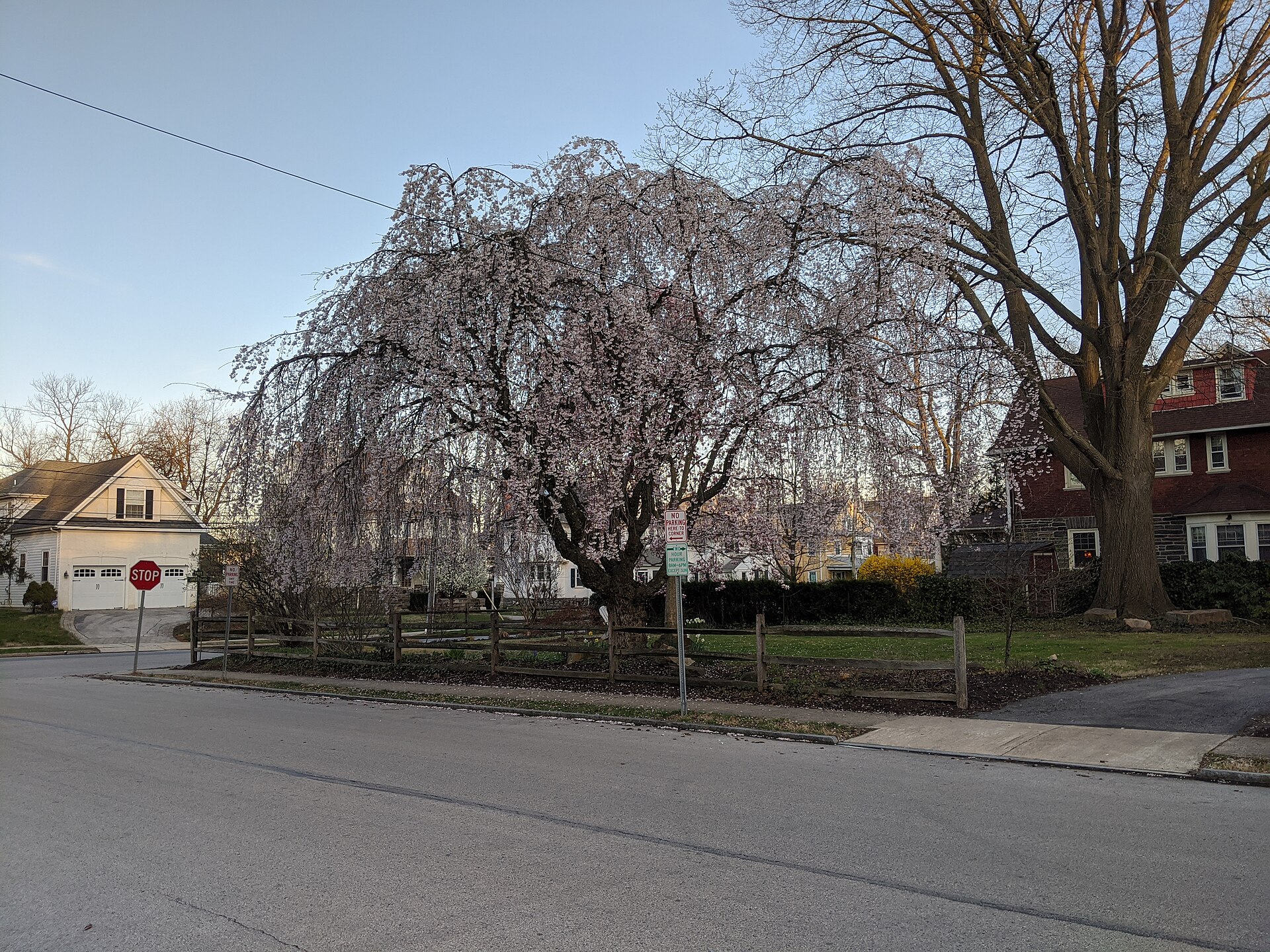
Ardmore sits near the center of the Main Line, roughly nine miles west of Center City Philadelphia, and it has built a reputation as one of the more walkable, urbane options among the Main Line’s traditionally car-dependent towns. For buyers who want the prestige and school reputation of the Main Line without giving up sidewalks, a real downtown, and a train station within walking distance of home, Ardmore is worth a close look.
What makes Ardmore distinct on the Main Line
Many Main Line towns were built around large estates and country clubs, with commercial areas that require a short drive. Ardmore developed differently. Its downtown, known as Suburban Square along with the adjacent Lancaster Avenue corridor, functions as an actual town center: a mix of shops, restaurants, a movie theater, and a grocery store within a compact, walkable footprint. That density is unusual for the Main Line and it shapes who tends to gravitate here — buyers who want strong schools and easy rail access to the city, but also want to be able to walk to dinner.
The housing stock reflects that same blend. Ardmore has grand early-20th-century stone homes on tree-lined streets similar to what you’d find in Bryn Mawr or Haverford, but it also has a meaningful supply of well-built twins, rowhomes, and smaller-lot properties closer to the business district. That range means the luxury threshold in Ardmore can look different depending on which pocket of town you’re in, and it’s part of why the town appeals to a wider span of buyers than some of its more uniformly estate-driven neighbors.
Schools and why they matter here
Ardmore is split between the Lower Merion School District and, in a smaller portion, the Haverford Township School District, so confirming which district a specific address falls into is an essential early step — it can meaningfully affect both a home’s value and its resale pool. Lower Merion’s schools in particular carry a long-standing reputation that draws relocating families specifically to towns within its boundaries, and that reputation is baked into pricing throughout the district, not just in Ardmore.
Commuting from Ardmore
Ardmore station sits on SEPTA’s Paoli/Thorndale Regional Rail Line, putting Center City within a well-serviced, roughly 20 to 25 minute ride during peak commuting hours. For buyers whose work still requires regular in-office days in Philadelphia, walkable proximity to the station is a real value driver, and homes within an easy walk of the platform tend to command a premium over otherwise comparable properties farther out. Route 30 (Lancaster Avenue) and access to the Blue Route (I-476) also make Ardmore workable for buyers commuting to King of Prussia, Wayne, or other suburban employment centers.
What to expect in the luxury tier
At the higher end, Ardmore buyers are typically looking at stone or brick colonials and center-hall homes on quarter-acre to half-acre lots, often with the kind of period detail — moldings, built-ins, slate roofs — that define Main Line character. Renovated kitchens and primary suite additions are common value-adds since many of these homes were built long before modern layout expectations, so it’s worth budgeting time and diligence for a thorough inspection on anything with significant unrenovated original systems. Newer construction and substantially renovated homes do exist but are less common than in some neighboring towns, so buyers who want a completely turnkey, contemporary interior may need to widen their search or plan for a renovation budget.
Comparing Ardmore to its Main Line neighbors
- Ardmore vs. Bryn Mawr: Bryn Mawr leans more toward larger estate-style properties and a quieter, more residential feel; Ardmore offers more walkability and a livelier commercial core.
- Ardmore vs. Wayne: Wayne’s downtown is similarly walkable, but Ardmore sits closer to Philadelphia, which can matter for buyers prioritizing commute time above all else.
- Ardmore vs. Haverford: Haverford tends to be quieter and more purely residential; Ardmore trades some of that quiet for convenience and amenities within walking distance.
Working with a Main Line specialist
Because Ardmore’s boundaries touch two school districts and its housing stock ranges so widely in age, size, and price, it’s a town where local knowledge pays off — knowing which streets fall in which district, which blocks are walkable to the train, and which older homes have already had their major systems updated can save a buyer from an expensive surprise or a missed opportunity.
Frequently asked questions
Is Ardmore considered a luxury Main Line town?
Yes, particularly in its stone colonial and center-hall home stock on larger lots, though Ardmore’s price range is broader than some neighboring towns because of its mix of housing types near the commercial core.
Which school district serves Ardmore?
Most of Ardmore falls within the Lower Merion School District, with a portion in Haverford Township School District — confirming the specific district for an address of interest is an important early step.
How far is Ardmore from Center City Philadelphia?
Regional Rail service from Ardmore station typically puts Center City about 20 to 25 minutes away during peak commuting hours.
If you’re weighing Ardmore against other Main Line towns or want to understand which pockets of town best fit your budget and commute, James Kennedy can walk you through current inventory and neighborhood-level detail. Reach James at 215-267-8479 or jameskennedy@unlockedteam.com.
Leave a Reply